

Embracing Sustainable Fashion Tips For A Greener Wardrobe
Quality Over Quantity
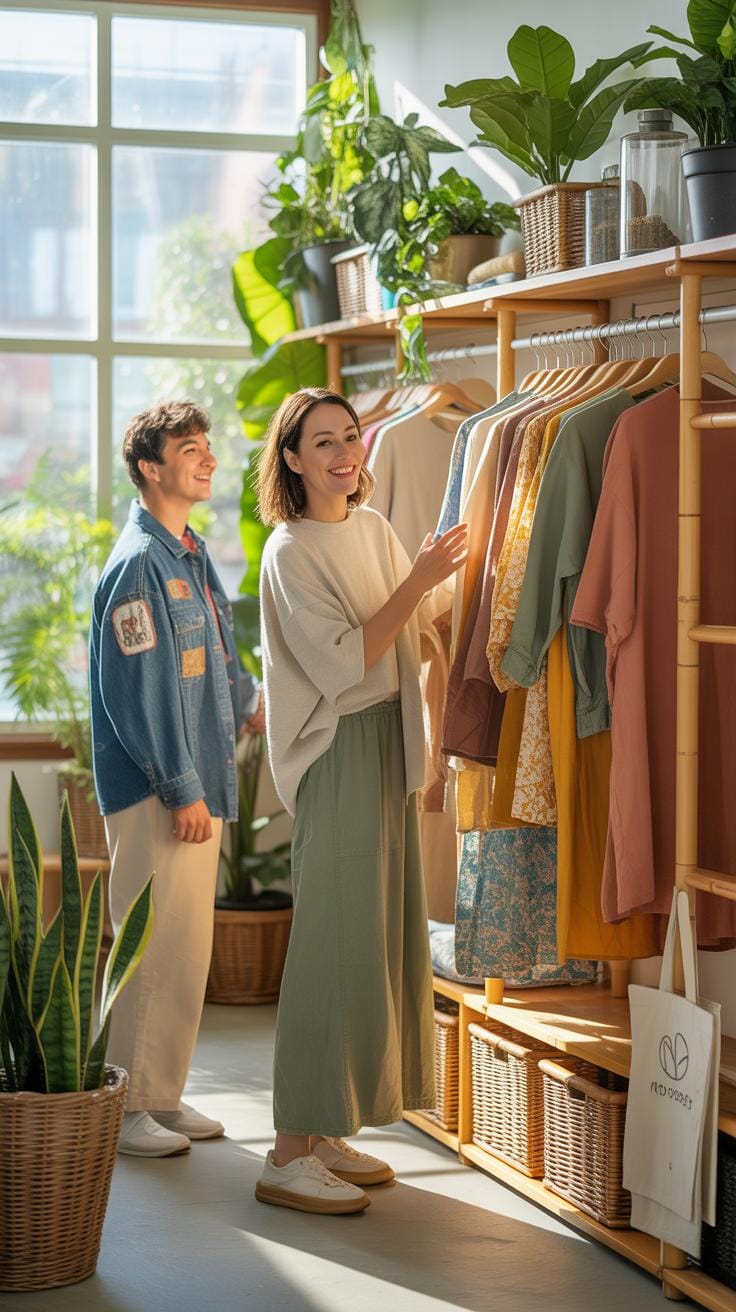
Buying fewer items with higher production standards stops the cycle of fast consumption. Durable garments use superior construction techniques like French seams and high thread counts to ensure longevity. This approach reduces the volume of waste sent to landfills each year. Researching Ethical Fashion Brands helps you find manufacturers that use strong natural fibers. These materials withstand repeated washing and daily wear better than cheap synthetic blends.

Invest in items made from recycled wool or organic cotton to lower your environmental footprint. Strategic buying requires looking for heavy duty hardware and reinforced stitching before purchasing Eco Friendly Clothes. This tactical shift saves money over time by eliminating the need for frequent replacements. Follow professional Sustainable Fashion Advice by inspecting the interior construction of a garment. Better craftsmanship ensures your wardrobe remains functional for years instead of months.
Curating A Capsule Collection
A capsule collection relies on a limited number of interchangeable items to create many looks. You focus on neutral colors and classic silhouettes that do not go out of style. This strategy prevents impulse buying and reduces industrial demand for mass produced goods. You can integrate Thrifted Outfits into your core rotation to add unique pieces without new production. Successful minimalism requires discipline and a clear plan for your personal style.

Analyze a Sustainable Fashion Infographic to understand how different fabric weights work together throughout the seasons. Using a Clothing Swap with friends allows you to refresh your selection without spending money or resources. Many Sustainable Fashion Brands now offer repair services to help maintain your essential items. Choosing Eco Friendly Fashion means prioritizing utility and versatility over temporary trends. This method guarantees you always have a cohesive outfit ready for any professional or social situation.
Identifying Reliable Sustainable Fashion Brands
Certifications And Standards
Verify the legitimacy of Sustainable Fashion Brands by checking for third party certifications. The Global Organic Textile Standard ensures that Eco Friendly Clothes contain at least 70 percent organic fibers. It also prohibits toxic dyes and mandates fair wages for all workers. These labels prevent companies from using false marketing. Use these Sustainable Fashion Tips to filter out brands that only pretend to care about the planet.
Look for the Fair Trade Certified seal to confirm ethical labor practices. This certification protects workers from child labor and unsafe conditions. It ensures localized communities receive a premium for their goods. This Sustainable Fashion Advice helps you buy products that do not exploit people. Reliable Ethical Fashion Brands will display these logos clearly on their websites. Use a Sustainable Fashion Infographic to learn more about specific label requirements.
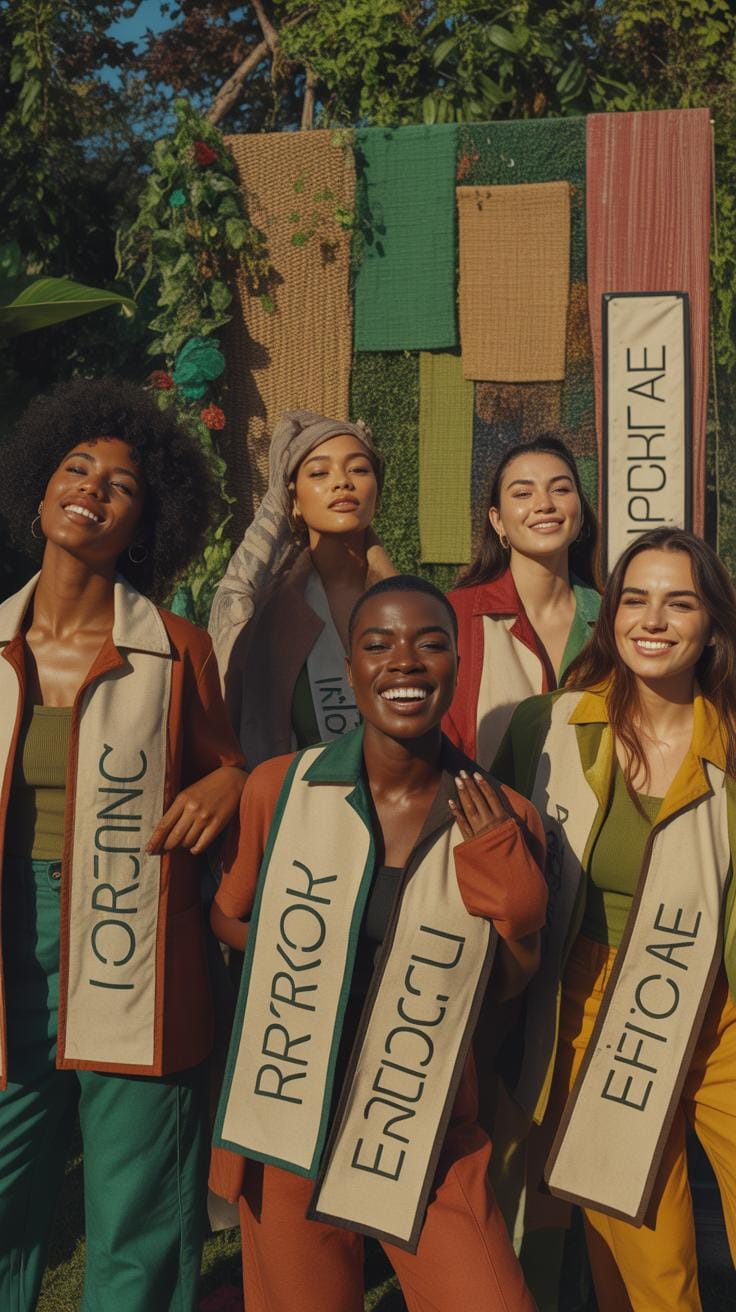
True beauty is a heritage we wear, honoring the world that shaped us. By walking softly upon the earth, we mirror the timeless grace of nature itself.
Transparency In Supply Chains
True Eco Friendly Fashion requires full visibility from fiber to finished garment. Authentic companies disclose their factory locations and audit results. They do not hide behind complex layers of middle men. This transparency allows you to see the real impact of your purchases. It separates high quality makers from fast fashion giants. Always research where a company sources its raw materials before buying any new items.
You can often find better value through a Clothing Swap or by creating Thrifted Outfits. Researching the supply chain helps you avoid supporting hidden pollution. Many brands claim to be green but use coal power for production. Transparency forces accountability across the entire international network. Smart shoppers demand data and proof instead of vague promises. Follow these steps to ensure your wardrobe reflects your actual values and supports working people.
The Benefits Of Choosing Eco Friendly Clothes
Popular Sustainable Materials
Selecting the right fabrics is the foundation of Eco Friendly Fashion. Raw material production accounts for a massive portion of a garment’s total carbon footprint. Choosing natural or recycled fibers reduces the energy and water required for manufacturing. These choices directly influence the durability and life cycle of your wardrobe while lowering the amount of microplastics released during wash cycles.
- Organic Cotton: This material grows without synthetic pesticides or fertilizers. It uses significantly less water than conventional cotton production. This fabric protects soil health and ensures safer working conditions for farmers. It is a staple material for many Ethical Fashion Brands focusing on transparent supply chains and consumer safety.
- Tencel (Lyocell): Manufacturers produce this fiber from wood pulp using a closed-loop process. This system recovers and reuses nearly all solvents used during production. It is highly breathable and biodegradable. Most Sustainable Fashion Advice highlights this material for its low environmental impact and its soft, high-quality texture in modern apparel.
- Recycled Polyester: This fabric utilizes post-consumer plastic waste like water bottles to create new fibers. This process prevents plastic from entering landfills or oceans. It requires less energy than producing virgin polyester from petroleum. It serves as a tactical solution for athletic wear while supporting a circular economy within the textile industry.
- Hemp: Hemp is a high-yield crop that requires very little water and no pesticides to grow. It naturally improves soil quality by returning nutrients to the earth. The resulting fabric is durable and becomes softer with every wash. It represents one of the most historically accurate and resilient choices for long-lasting, low-impact clothing.
- Linen: Derived from the flax plant, linen is a resilient fiber that thrives in poor soil conditions. The entire plant can be used, leaving zero waste behind. It is fully biodegradable and recyclable. It remains a top recommendation in any Sustainable Fashion Infographic because of its thermal regulation properties and minimal chemical processing needs.
Understanding material composition allows you to make better buying choices. Many Sustainable Fashion Brands prioritize these fibers to ensure long-term wearability. When you evaluate Eco Friendly Clothes, always check the interior care label for these specific fiber types. High-quality materials resist pilling and stretching. This ensures your clothes stay out of landfills and maintain their value for a future Clothing Swap.
Impact On Local Ecosystems
Pesticide-free farming for organic textiles protects local waterways from toxic runoff. Conventional cotton farming consumes massive amounts of synthetic chemicals that poison nearby rivers and groundwater. By choosing organic options, you support agricultural systems that maintain soil fertility. This tactical shift prevents the destruction of local biodiversity. Healthy soil also acts as a carbon sink to help mitigate rising global temperatures.
Maintaining clean water systems is vital for communities living near textile hubs. Industrial dyes and chemicals often leak into local ecosystems during standard manufacturing. Low-impact dyes and closed-loop systems used by Ethical Fashion Brands stop this pollution at the source. Implementing these Sustainable Fashion Tips helps preserve aquatic life and drinking water. Protecting the earth starts with demanding better production standards for every item in your closet.
Practical Sustainable Fashion Advice For Beginners
Laundering For Longevity
Standard laundry habits destroy garments through heat and friction. High temperatures break down natural fibers like cotton and linen while damaging elastic components in synthetic blends. You must switch to cold water cycles to protect fabric integrity and reduce energy consumption. This shift is a primary pillar of Sustainable Fashion Advice because it stops premature pilling and thinning. Proper care allows you to keep Eco Friendly Clothes in rotation for decades.
Air drying is the most effective way to prevent shrinkage and fiber loss. Machine dryers exert mechanical stress that sheds microplastics and weakens seams over time. Use a drying rack or a clothesline to maintain the original shape of your items. Integrating these Sustainable Fashion Tips into your routine ensures that high quality garments from Ethical Fashion Brands remain in peak condition. Stop over washing and focus on spot cleaning instead.
Simple Mending Techniques
Basic repair skills are essential for reducing textile waste and saving money. Most people discard garments due to small defects like a loose thread or a missing button. Learning a simple lock stitch or a whipstitch allows you to secure buttons and close open seams instantly. This tactical approach keeps Thrifted Outfits out of landfills and ensures your wardrobe remains functional. Mastery of these small tasks is critical for long term sustainability.
Fixing a dropped hem or patching a small hole preserves the utility of your wardrobe. You do not need a machine to execute these repairs effectively. Hand sewing provides enough strength for most daily wear issues. These methods allow you to maintain Eco Friendly Fashion pieces without professional help. You can share these skills at your next local Clothing Swap to help others. Referencing a Sustainable Fashion Infographic can provide quick visual guides for different stitch types.
Visualizing Change With A Sustainable Fashion Infographic
Tracking The Lifecycle Of A Garment
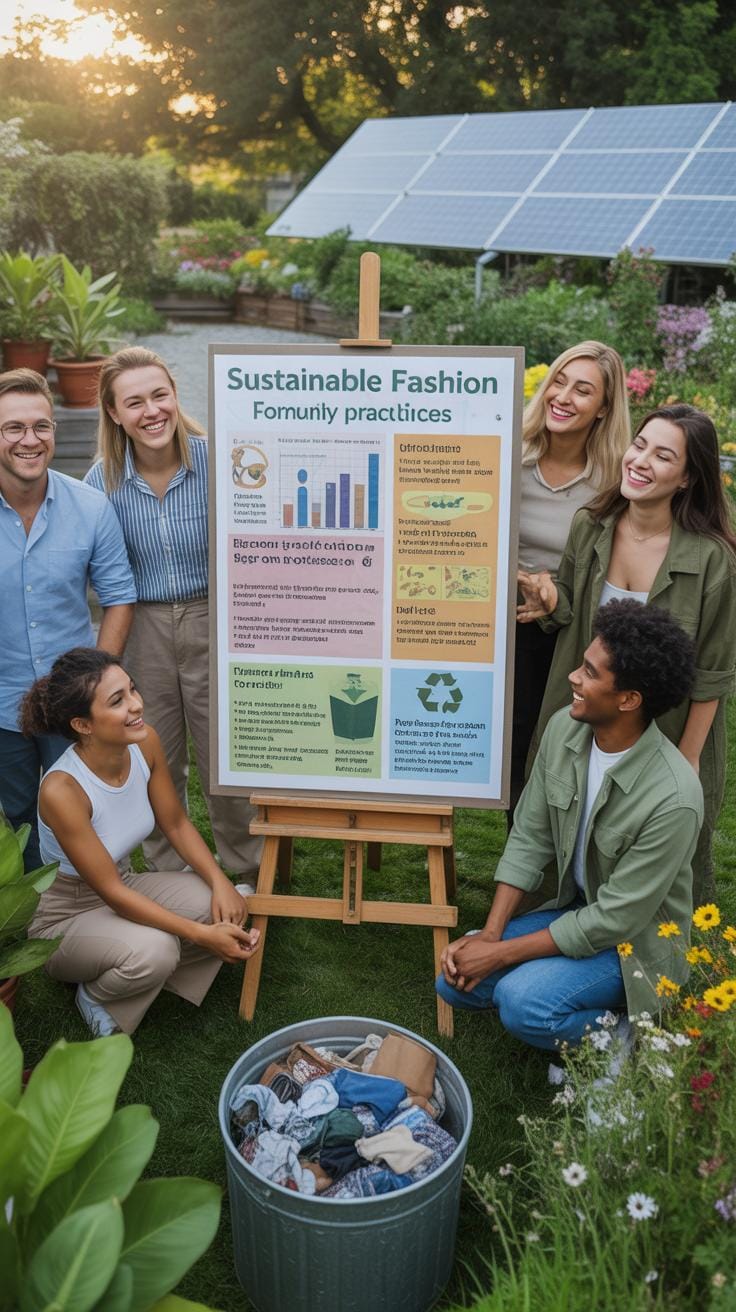
A proper Sustainable Fashion Infographic tracks a garment from extraction to the landfill. Most consumers ignore the footprint of raw material cultivation and chemical processing. Tactical Sustainable Fashion Tips start with mapping these stages to identify where waste occurs. You must analyze the energy used during spinning, weaving, and dyeing. High volume production often bypasses environmental safeguards to lower costs for the end buyer.
You can reduce your impact by choosing Eco Friendly Clothes that prioritize circularity. Ethical Fashion Brands often use closed-loop systems to capture and reuse solvents. This prevents toxic runoff from entering local water supplies. When a garment reaches its end, consider a Clothing Swap instead of the trash. Keeping textiles in circulation maximizes the resource investment and prevents methane emissions from decomposing fabrics in landfills.
The Water Consumption Of Cotton
Conventional cotton farming is a primary drain on global water supplies. This crop requires intense irrigation and high pesticide use to meet market demand. Real Sustainable Fashion Advice focuses on the hard numbers behind crop yields and resource management. Industry data confirms that one T-shirt takes roughly 2,700 liters of water. This volume could sustain a single person for over two years in many regions.
To lower your footprint, switch to Thrifted Outfits or organic fibers. Organic cotton uses rain-fed systems and prohibits synthetic chemicals. This preserves local soil health and protects workers. Sustainable Fashion Brands utilize these better materials to minimize ecological strain. Looking for Eco Friendly Fashion certifications ensures the data matches the marketing claims. Tactical shopping requires verifying these water usage metrics before you commit to any new purchase.
Hosting A Successful Clothing Swap To Refresh Your Style
Organizing Sustainable Events
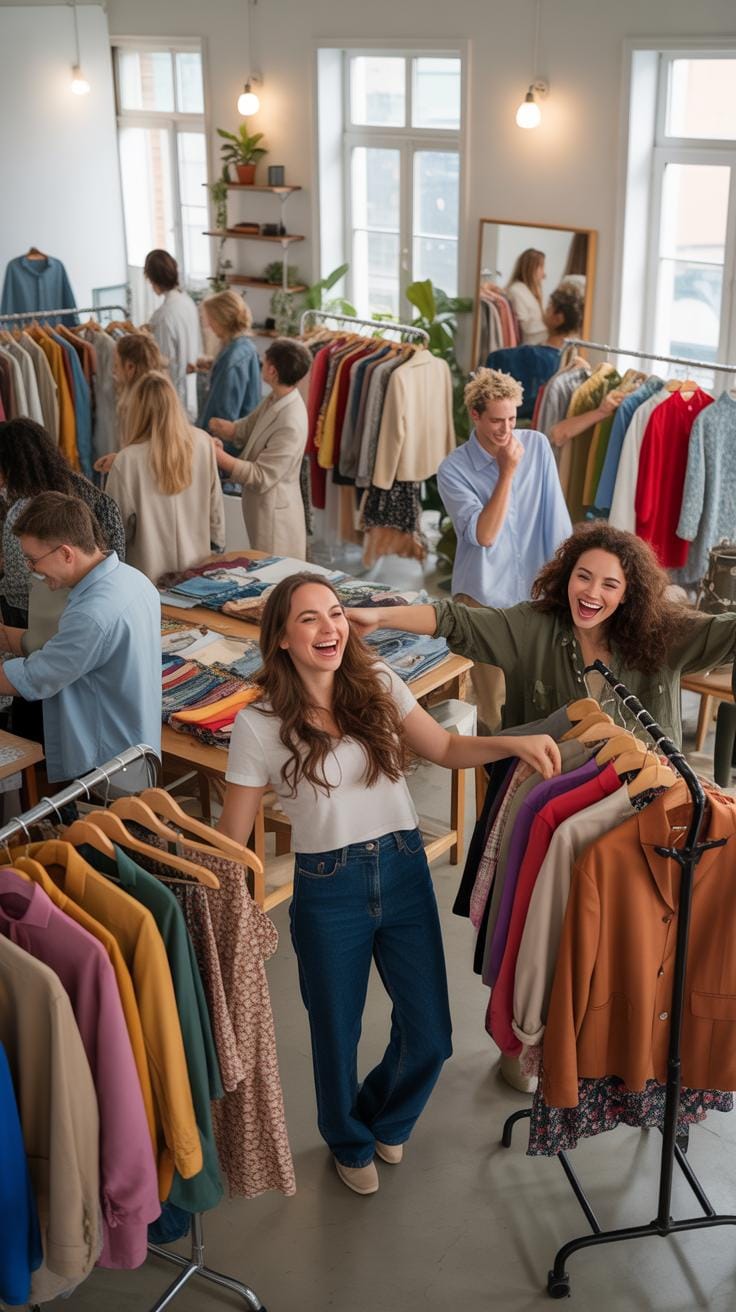
A Clothing Swap eliminates the carbon footprint of logistics and manufacturing. You stop the cycle of resource extraction by reusing existing textiles. Set clear rules for garment quality to ensure the event remains professional. This strategy provides a practical alternative to buying new Eco Friendly Clothes. It keeps functional items out of landfills while updating your personal wardrobe without any financial cost.
Focus on logistics to maximize efficiency. Use a central location and sort items by category. High quality Sustainable Fashion Advice suggests checking for stains or tears before accepting pieces. This vetting process ensures participants leave with durable Thrifted Outfits. Organized events promote a circular economy. They prove that you do not always need Ethical Fashion Brands to maintain a high standard of style.
The Social Benefit Of Sharing Clothing
Direct peer exchange creates a feedback loop for style education. Participants learn to recognize quality materials and construction techniques first hand. Sharing Eco Friendly Fashion stories helps people understand the true value of their items. This local interaction bypasses the marketing of Sustainable Fashion Brands. It builds a community focused on long term utility rather than short term trends or fast cycles.
Education is the core of any successful exchange. Use a Sustainable Fashion Infographic to show the environmental impact of textile waste during the event. This visual data reinforces why people should choose pre owned items over new products. These Sustainable Fashion Tips empower guests to make better choices. Constant community sharing reduces individual demand for raw resources and strengthens the local network for future swap events.
How Eco Friendly Fashion Reduces Carbon Footprints
Local Production Benefits
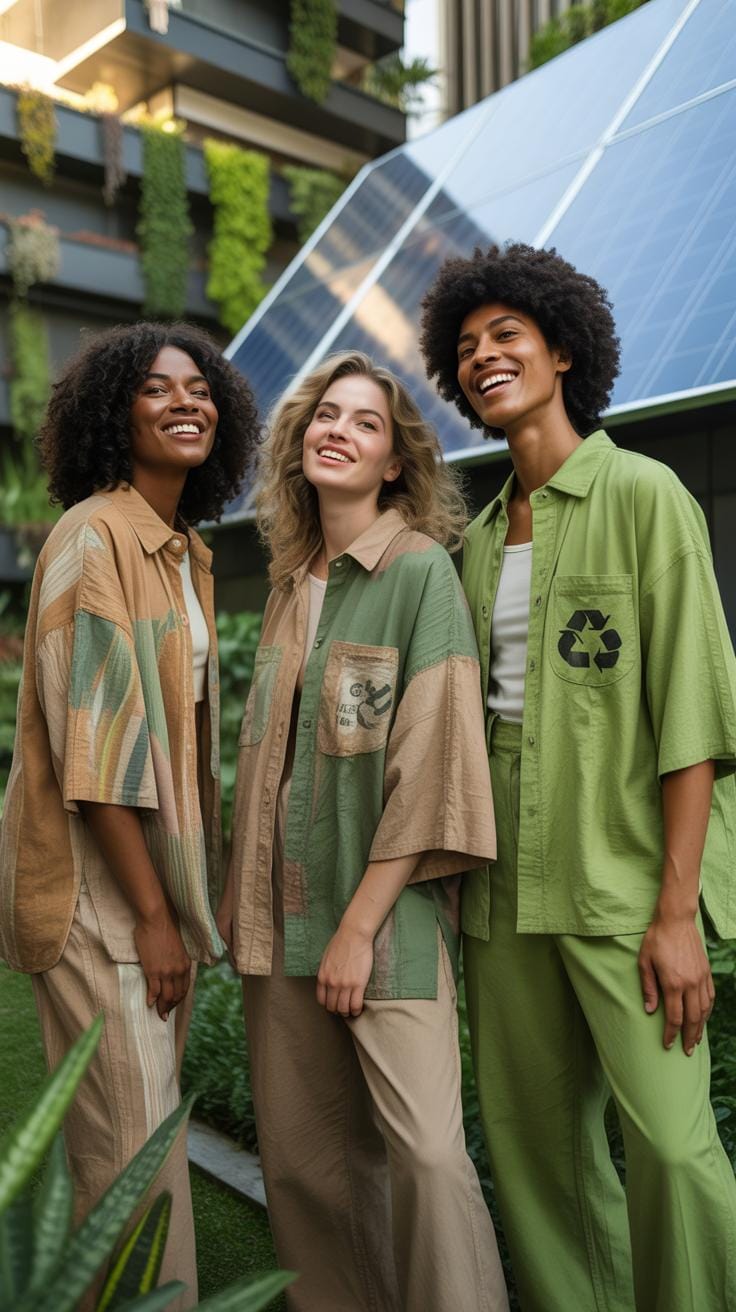
Shipping garments across oceans consumes massive amounts of heavy fuel oil. This logistics chain accounts for a high percentage of industry emissions. Choosing Sustainable Fashion Brands that manufacture within your own country slashes the distance your clothes travel. Localized supply chains minimize the need for air freight and long haul trucking. This strategy provides direct control over carbon output and ensures faster delivery cycles without environmental waste.
Reducing the movement of goods is foundational Sustainable Fashion Advice for anyone lowering their impact. When you buy Eco Friendly Clothes made offshore, the carbon cost remains high regardless of the fabric type. Sourcing from regional makers supports domestic economies and cuts out middleman transit points. You can also host a Clothing Swap to acquire garments already in your city. This eliminates new production and shipping emissions entirely from your wardrobe.
Renewable Energy In Manufacturing
Energy use during fabric weaving and garment assembly creates high carbon levels. Leading Ethical Fashion Brands now invest in onsite solar panels and wind turbines to power their machinery. This shift away from coal and gas decreases the total carbon footprint of every shirt or pair of pants produced. Manufacturers using renewable energy prove that industrial scale output can exist without heavy reliance on fossil fuels.
Using clean power is a primary metric for Eco Friendly Fashion today. These factories often document their energy savings in a Sustainable Fashion Infographic to show real progress. You should look for these data points when researching new purchases. This is just as important as buying Thrifted Outfits to keep existing items in circulation. Following these Sustainable Fashion Tips ensures you support a grid transition that benefits the entire planet.
Support Labor Rights With Ethical Fashion Brands
Ensuring Living Wages
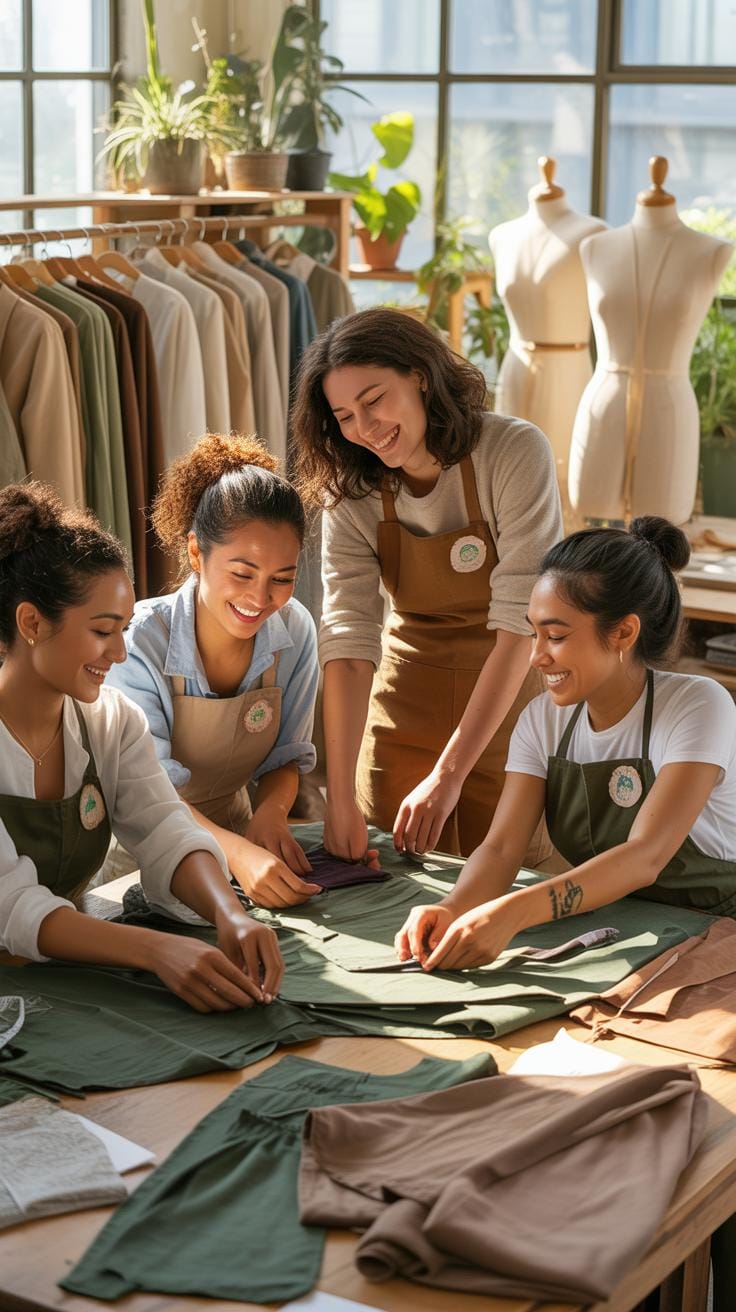
Standard garment production relies on poverty wages to keep prices low. Ethical Fashion Brands change this by paying a living wage instead of the legal minimum. A living wage covers housing, food, and healthcare for the worker and their family. You can find these companies by checking for third-party certifications like Fair Trade or B Corp status on their websites.
Using Sustainable Fashion Advice helps you identify firms that prioritize people over profit margins. When you buy Eco Friendly Clothes from transparent makers, you fund fair pay across the global supply chain. This approach stops the race to the bottom in labor costs. Avoid fast fashion cycles that exploit workers in developing nations. Choose quality over quantity to support fair compensation.
Safe Working Conditions
Industrial accidents like the Rana Plaza collapse show the danger of unregulated factories. Sustainable Fashion Brands audit their buildings to ensure structural integrity and fire safety. These companies also limit work hours to prevent exhaustion and injury. Proper ventilation and clean water are mandatory requirements in these facilities. Seeking out Eco Friendly Fashion often leads to safer production environments for everyone.
You can reduce the demand for sweatshop labor by wearing Thrifted Outfits or participating in a local Clothing Swap. If you need new items, consult a Sustainable Fashion Infographic to find brands with strict safety codes. Following Sustainable Fashion Tips ensures your wardrobe does not come at the cost of human life. Real progress requires supporting factories that treat every garment worker with basic human respect.
Creating Unique Looks With Thrifted Outfits
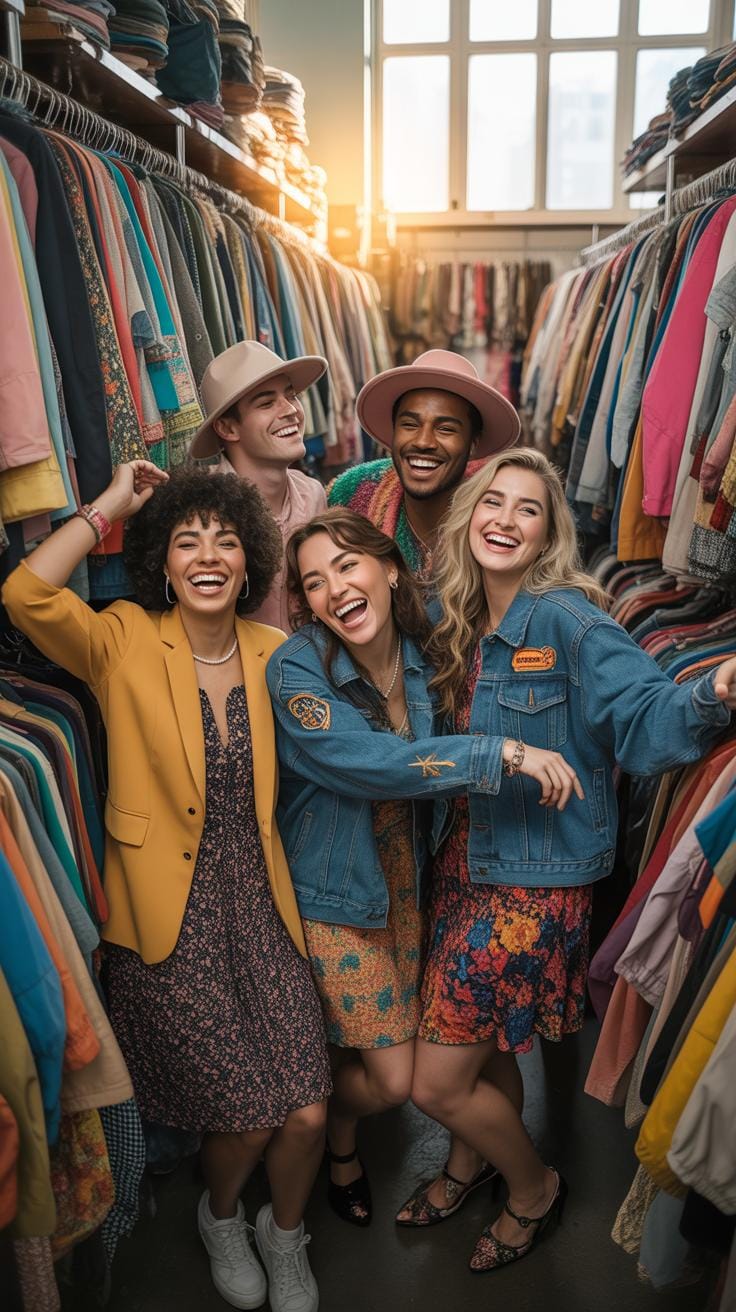
Thrifting Strategies For Success Shop
Thrifting provides the most direct path to eco friendly fashion by keeping existing garments out of landfills. You must look past the initial clutter to find high quality items. To master this, prioritize checking the inner construction of every garment before purchase. Expert Sustainable Fashion Tips emphasize that structural integrity matters more than the brand name on the label when sourcing unique Thrifted Outfits.
- Inspect Seams: Turn the garment inside out to check for straight, reinforced stitching. Loose threads or uneven seams indicate poor manufacturing common in fast fashion. Strong seams ensure the item will last through many more years of wear and washing.
- Verify Fabric Composition: Read the care tags to identify natural fibers like wool, silk, or heavy cotton. Unlike synthetic blends, these materials provide better breathability and longevity. High quality natural fabrics are a hallmark of investment pieces found in Sustainable Fashion Brands.
- Browse Diverse Sections: Check the mens department for heavy knits and oversized blazers that offer a better silhouette. Size labels vary significantly across hardware and eras. Strategic shoppers ignore gendered sections to find the best materials and unique shapes for their personal wardrobe.
- Visit Locations Frequently: Stock rotation at local charity shops happens daily. Routine visits increase your chances of finding premium leather goods or designer overstock. Consistency is the most effective strategy for building a high end wardrobe without relying on expensive Ethical Fashion Brands.
- Assess Hardware Quality: Test all zippers, buttons, and clasps for smooth operation. Replacing a broken zipper is a costly repair that often exceeds the value of the thrifted item. Ensure all metal components are sturdy and functional to avoid extra maintenance costs later.
Smart shopping requires a focus on raw materials rather than modern trends. Use a Sustainable Fashion Infographic to learn which fabric types require the least water and energy to maintain. Once you acquire these pieces, a Clothing Swap with friends can refresh your style without new consumption. This tactical approach reduces your carbon footprint while ensuring you wear Eco Friendly Clothes that stand the test of time.
The Charm Of Irreplaceable Vintage Style
Vintage garments offer superior craftsmanship that died out with the rise of modern mass production. You will find hand finished hems and unique metal zip closures that current retailers no longer use. These items reflect specific design movements like mid-century tailoring or heavy utilitarian workwear. This historical quality is why Sustainable Fashion Advice focuses on older garments. Modern mass market production cannot replicate the density and durability of these older textiles.
Choosing vintage items allows you to bypass the planned obsolescence found in today’s retail market. Older clothes were built for repair and longevity rather than quick disposal. You can easily tailor these pieces to fit your exact body shape. This level of customization is rare when buying new from even the best Ethical Fashion Brands. Wearing these items ensures your style remains distinct from the repetitive trends seen in standard shopping malls today.
Final Steps Toward An Earth Friendly Wardrobe
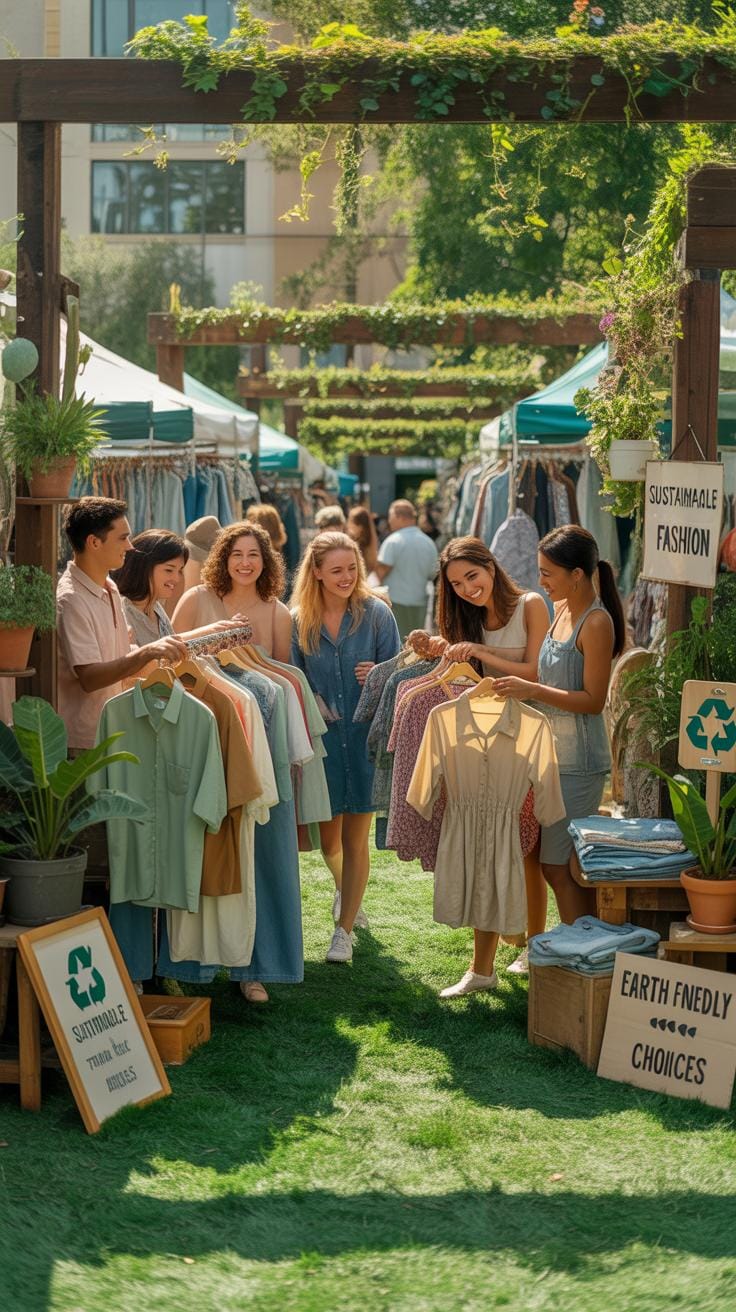
Donating Responsibly
Donation is not a free pass for reckless consumption. Most donated items end up in landfills because they are poor quality. You must inspect every garment before giving it away. Check for stains, holes, and broken zippers. Clean clothes are essential for resale. High quality Eco Friendly Clothes have a better chance of being sold. Poorly maintained items simply clog up the sorting systems at global textile recycling centers.
Research local charities instead of using random drop boxes. Targeted donations ensure your Thrifted Outfits reach people who actually need them. If a garment is beyond repair, find a specific textile recycler. Do not dump trash at charity shops. This behavior forces nonprofits to pay disposal fees. Follow Sustainable Fashion Advice by keeping items in the circular economy properly. Responsible disposal is as important as the initial purchase.
Commitment To Slow Fashion Movements观察
Slow fashion requires a shift in your buying habits. You must prioritize quality over quantity. This movement started as a response to the fast fashion crisis of the late 1990s. It focuses on local production and fair wages. Look for Sustainable Fashion Brands that use durable materials like organic linen or recycled wool. Buying fewer pieces reduces your total carbon footprint. This is the core of Eco Friendly Fashion.
Avoid the trap of micro-trends fueled by social media. Stick to timeless silhouettes that last for years. Participate in a Clothing Swap to refresh your look without buying new items. Researching Ethical Fashion Brands helps you support companies with transparent supply chains. Use a Sustainable Fashion Infographic to track your progress. These Sustainable Fashion Tips work only if you stick to them long term. Intentionality is the ultimate tool for change.
Frequently Asked Questions

What exactly is sustainable fashion and why does it matter for the planet?
Sustainable fashion refers to clothing produced, sold, and distributed in ways that prioritize environmental integrity and social justice. By choosing eco-friendly materials and ethical brands, you reduce toxic waste and carbon emissions. One of the best sustainable fashion tips for beginners is to shift your mindset from quantity to quality, ensuring your wardrobe choices support a healthier planet without sacrificing your personal sense of style or aesthetic flair.
How can I build a more eco-friendly wardrobe starting today?
You can begin by shopping your own closet to rediscover forgotten pieces. When you do need something new, look for natural fibers like organic cotton, linen, or Tencel. Implementing practical sustainable fashion tips, such as repairing torn items or opting for timeless silhouettes over fleeting trends, significantly extends the life of your garments. Properly caring for your clothes through cold washes and air-drying also minimizes your overall environmental footprint.
Is it possible to dress sustainably if I am on a tight budget?
Absolutely! Being kind to the earth doesn’t require a huge investment. Thrifting and visiting consignment shops are excellent ways to find unique, high-quality pieces at a fraction of the original price. You can also host clothing swaps with friends to refresh your look for free. Consuming less and focusing on versatile “staples” ensures you look great while remaining financially responsible and deeply committed to protecting our natural resources.