

Introduction
Sustainability has started to shape how people choose both design styles and fitness activities. It is not just a buzzword but something influencing choices in homes, fashion, and even workouts. This change affects what materials and methods designers use and what consumers seek. People want style and function that also help the planet.
This article covers key trends in sustainability aesthetics that affect design and fitness. You will see examples of how eco-friendly materials and practices shape the look and feel of products and experiences. We will also explore why these choices matter and how you can include sustainability in your own style and fitness plan.
Sustainability Aesthetic Defined
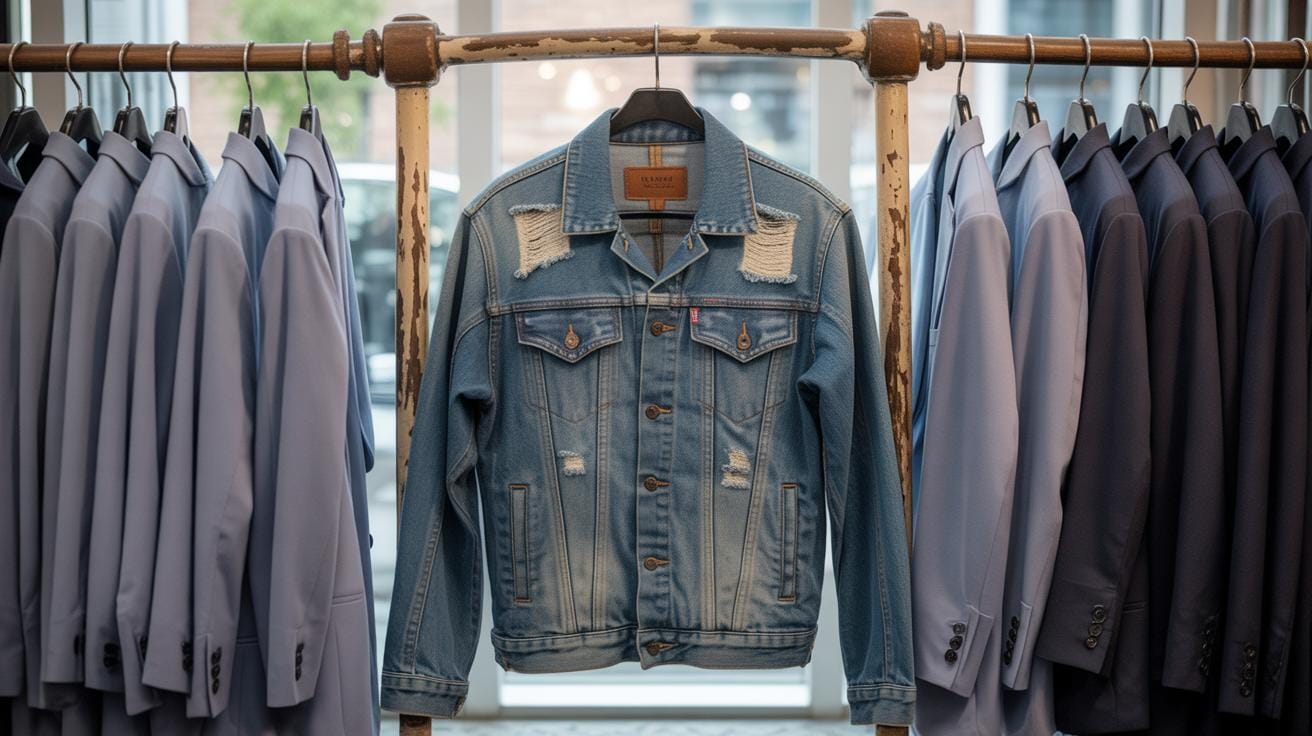

When you hear “sustainability aesthetic,” what comes to mind? Simply put, it’s about blending eco-friendly choices with how things look and work. It’s not just about being green; it’s about making sure style and function go hand in hand with care for the planet. Think of a chair made from recycled wood that’s also comfortable and beautiful. Or fitness wear made from organic cotton that feels good and lasts long. It’s about small, thoughtful details that add up to something that fits your lifestyle but doesn’t cost the earth.
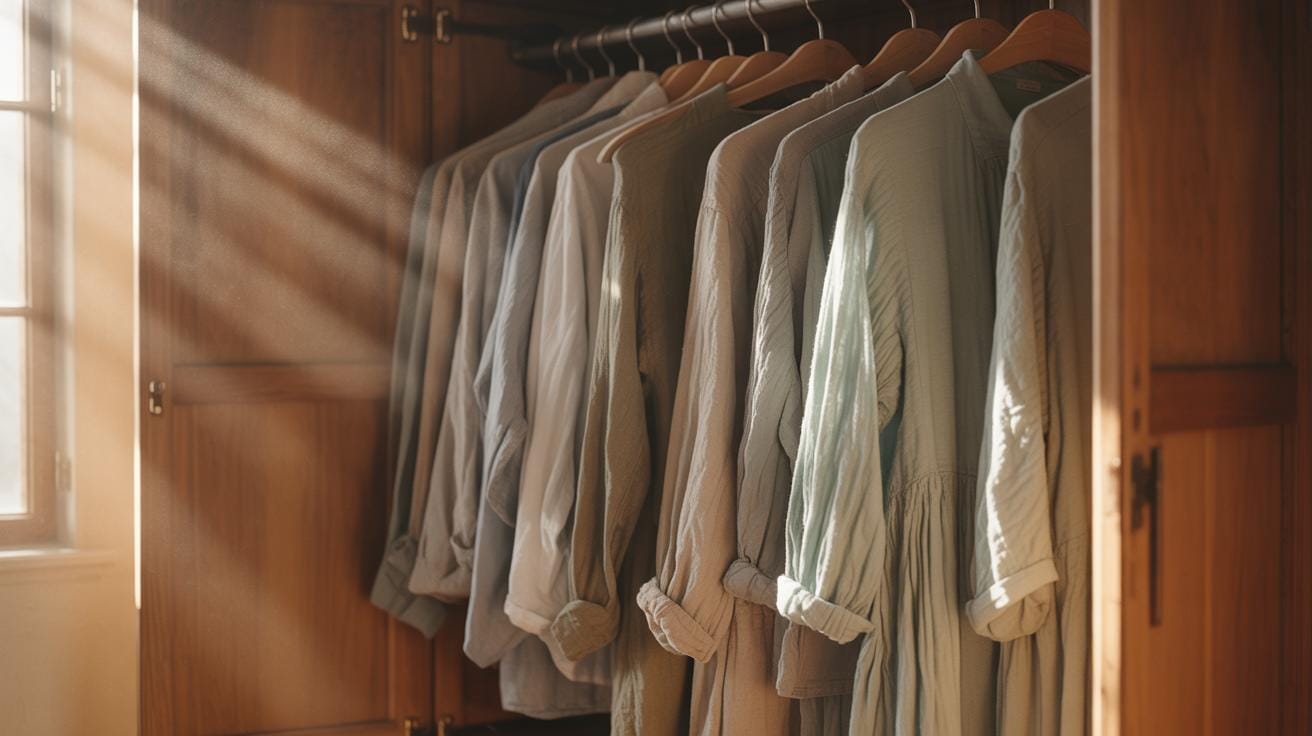
What’s interesting is how this aesthetic shows up differently for everyone. For some, it might mean clean lines and natural tones. Others might prefer vibrant colors but from sustainable dyes. It’s flexible, really, but the core idea stays—making choices that respect resources while still appealing to your taste and needs.
Core Elements of Sustainability Aesthetic

So, what exactly shapes this look? A few key features tend to pop up:
- Materials: Think reclaimed wood, bamboo, organic cotton, recycled metals, or even biodegradable plastics. These aren’t just buzzwords; they speak to how the item was made and where it started.
- Colors: Earthy shades like greens, browns, muted blues, and soft neutrals dominate, though it’s not a strict rule. Some pieces might surprise you with brighter, nature-inspired hues, like sunflower yellows or deep reds, from eco-friendly pigments.
- Principles: Durability plays a big role—items shouldn’t waste resources by breaking quickly. Versatility is often prized, too. You’ll see designs that serve multiple purposes or adapt to different needs, avoiding single-use waste. There’s also a preference for transparency in sourcing and production.
These elements together give sustainability aesthetic its character. It’s not just about looks but about meaning and choice embedded in the object or product.
Why Style and Ecofriendliness Matter Together
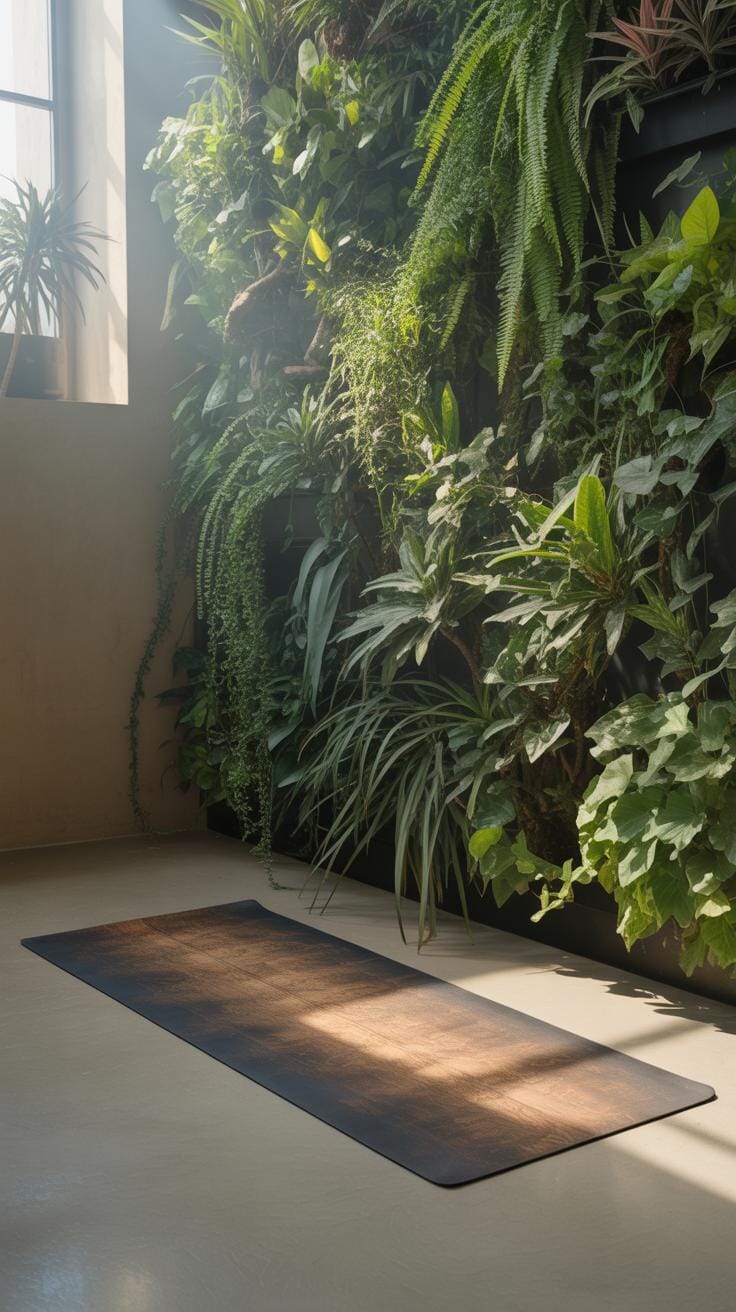
Why bother making sustainable things look good? Because if something’s only eco-friendly but dull or uncomfortable, many people won’t use it. Style matters because it invites you to keep things around longer. You might be surprised how much attachment plays a part in sustainability.
For example, a yoga mat made from recycled rubber that has a sleek, modern design might get used more regularly than a plain one—even if both serve the same purpose. Or a water bottle that’s not only BPA-free but also visually appealing might become a daily companion rather than just another item forgotten in a drawer.
This blend encourages smarter, more deliberate consumption. You feel good about the look and the impact, making sustainable choices a bit easier and a bit more personal. Could your style actually change the planet? Maybe, if it helps you—and others—choose better.
Materials Used in Sustainable Design
Sustainable design often relies on materials that can stand the test of time, while also minimizing harm to the environment. Popular choices include wood, bamboo, cork, recycled metals, and plastics that have been repurposed. Each of these offers something unique, especially when you look at how durable or renewable they are.
Wood and bamboo are frequently praised for their natural growth cycles—bamboo grows quickly, making it highly renewable, and certain hardwoods, when managed properly, can be very durable. Yet, the way these materials are sourced matters a lot. Forests aren’t endless, and some wood varieties face overharvesting. On the other hand, recycled content such as metals or plastics reduces waste and often uses less energy in production than new materials. But recycled plastics sometimes bring concerns about longevity or microplastic shedding over time, which can be tricky to predict.
When considering materials, keep in mind these factors:
- Durability: How long will the material last under the product’s intended use?
- Renewability: Does the source replenish quickly or is it finite?
- Recycled content: How much of the material is made from reused resources?
These questions can guide your choices, whether you’re creating a fitness product or designing a living space. The key is balancing the material’s lifespan with its environmental footprint—something easier said than done, honestly.
Natural vs Recycled Materials
Natural materials like wood and bamboo carry a raw, organic appeal and often feel warmer underfoot or touch. Bamboo, for example, grows rapidly and regenerates without much chemical intervention. Yet natural fibers can degrade faster in humid environments or suffer from pests.
Recycled materials, such as plastics pulled from bottles or ocean waste, offer a second life to what otherwise might clog landfills. They tend to be more consistent in quality thanks to manufacturing controls but sometimes lack the tactile comfort of natural fibers. Also, recycled plastics can still depend on fossil fuels in their initial creation, raising questions about their overall carbon footprint.
Picking between natural and recycled isn’t a clear-cut choice. It depends on what you prioritize—appearance, lifespan, impact on ecosystems, or even your personal aesthetics. Sometimes, combining the two creates interesting hybrids that capture the best of both worlds.
Case Study of Rothy’s Shoes
Take Rothy’s, for instance. This brand transforms recycled plastic bottles into a sleek, washable shoe that doesn’t just look good but reduces waste. It’s fascinating how they turn discarded bottles into thread for their knit uppers, blending style with sustainability. The shoes are durable, lightweight, and comfortable—qualities that resonate well with consumers.
From an environmental standpoint, using recycled bottles cuts down on landfill waste and reduces emissions compared to producing virgin materials. But some critics argue that the process still relies on synthetic plastics and may not fully solve pollution issues.
Consumer reaction seems mostly positive—people appreciate seeing waste repurposed into everyday products they enjoy wearing. It begs the question: Are we ready to embrace recycled materials even if they’re imperfect? Rothy’s suggests the answer might be yes, especially when design and ethics come together.
How Sustainability Influences Home Design
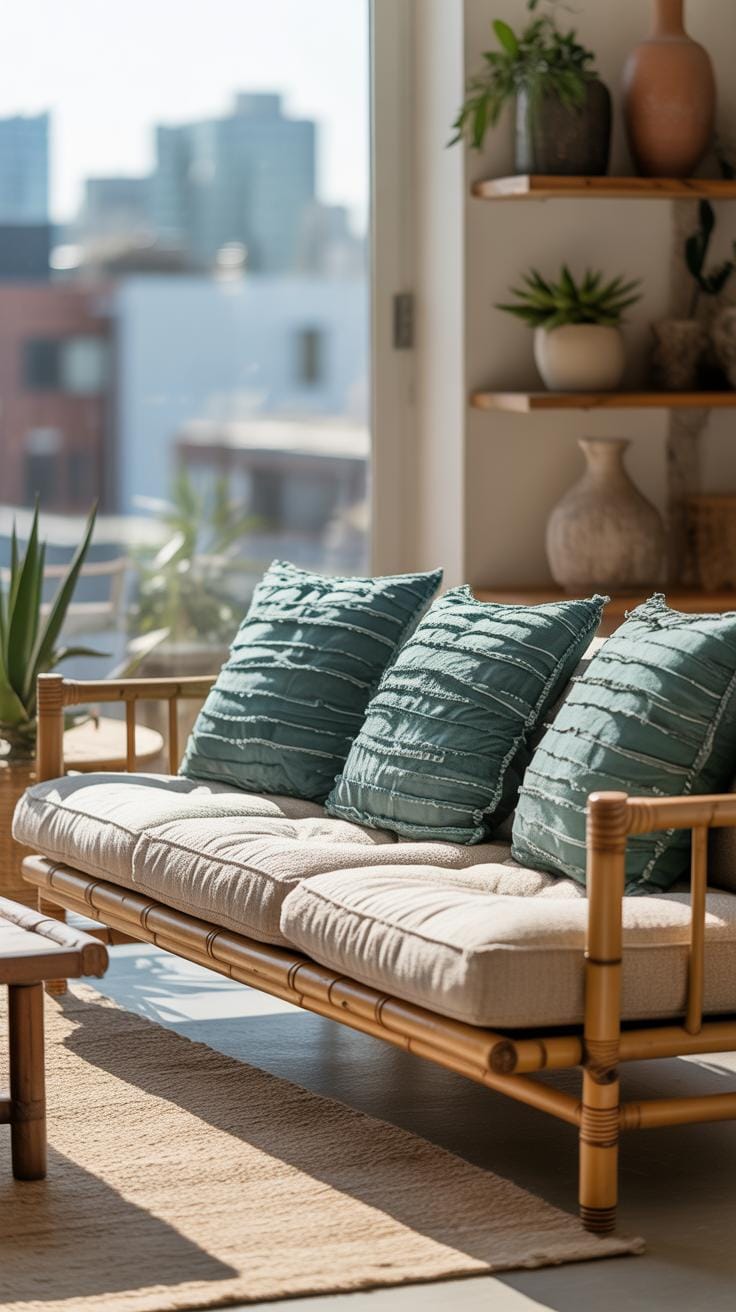
When people think about sustainable choices in home design, the focus often lands on energy-efficient appliances, but there’s more to it than that. You might start by picking appliances that use less power, sure, but then you realize furniture and decor play a part too. For instance, choosing furnishings made from reclaimed wood or recycled materials can reduce your home’s environmental footprint, though sometimes these options come with a price or limited styles.
Think about lighting—switching to LED bulbs or designing for natural light can cut energy use noticeably. But natural light means bigger windows, and you have to balance that with insulation needs. It’s a bit of a trade-off. Also, selecting organic textiles for window treatments or upholstery supports sustainability, but sourcing these materials feels like it takes more effort than you might expect.
People also lean toward minimalist design styles in sustainable homes. Less clutter means fewer resources used overall, but sometimes it can feel a little stark, right? Still, knowing that every piece has a purpose makes decorating more intentional.
Energy and Waste Reduction in Homes
Reducing energy use and waste in home design doesn’t have a single formula. A few specific steps you can take include:
- Installing programmable thermostats to avoid over-heating or cooling rooms
- Using high-performance insulation to keep temperatures steady and reduce HVAC strain
- Choosing water-saving fixtures like low-flow toilets and showerheads
- Planning for waste sorting and composting spaces to minimize landfill disposal
- Opting for modular or multifunctional furniture to cut down on excess belongings
It’s interesting how small changes add up. One family I know switched to solar water heating and shaved their bills considerably, though the upfront effort was a bit daunting.
Examples of Sustainable Home Products
Specific products can really define a sustainable home. Bamboo flooring comes up a lot—it grows fast and requires less water, but sometimes you worry about its durability in the long run. Another favorite is natural clay plaster for walls, which breathes well and avoids synthetic paints’ toxins. Cork flooring also fits with the eco-mindset; it’s soft underfoot and harvestable without killing the tree.
For appliances, ENERGY STAR-rated washers and refrigerators stand out. They use less power, but you might wonder if their performance matches older models. Still, the nearly silent operation and lower bills usually win people over.
Even small accessories matter—a recycled glass backsplash or LED candles can subtly shift the vibe. Maybe these choices don’t scream sustainability but add layers that align with thoughtful living. Would you want to invest in something that helps both the planet and your daily comfort?
Sustainable Fashion Trends

Sustainability is reshaping fashion in ways that go beyond just the materials used. Designers are now paying close attention to where and how their clothes are made. That means less reliance on toxic dyes or water-heavy processes—things that might seem small but add up fast when scaled. You might have noticed more collections promoting organic cotton, hemp, or even fabrics made from recycled plastics. These choices not only reduce environmental damage but also influence how garments feel and wear over time. Sometimes, a shirt made from recycled fibers feels rougher, which not everyone might like immediately. Yet, that texture can become a mark of authenticity—something real, with a story.
Ethical production enters the picture here as well. It’s not just about fabrics but about the people behind the scenes. Many brands now share where their factories are and how workers are treated. Not perfect across the board, of course, but increasingly visible. This shift pushes you to think twice about the cost of cheap clothing. Why does one $10 t-shirt exist when the materials and labor behind it cost more? Sustainable fashion answers that question—sort of. It suggests paying more, yes, but also buying less and better.
From Fast Fashion to Conscious Buying
The move from fast fashion to sustainable options feels like both a cultural and personal shift. It’s not a sudden leap but more of a slow change in how people shop and think. Fast fashion offers instant gratification—new looks every week, low prices, endless choice. Yet, increasingly, you might find yourself hesitating. Are the clothes really worth it? How long will they last? Where do they end up?
Smart buying now means asking more questions and sometimes walking away from tempting deals. It means valuing quality over quantity—even if it’s uncomfortable or more expensive upfront. Sometimes, consumers buy vintage or secondhand simply because it feels more authentic, less wasteful. It could also mean supporting local makers who produce limited runs, which disrupts the usual cycle of mass production.
What to Look for When Buying Sustainable Clothing
Knowing what to look for can feel overwhelming. Labels and certifications aren’t perfect, but they offer guidance. Here are some easy criteria you might keep in mind:
- Organic or natural fibers: Look for cotton labeled “organic,” linen, or hemp—plants that need fewer pesticides and less water.
- Recycled materials: Some companies use recycled polyester or nylon, giving old plastics a second life.
- Certifications: Labels like GOTS (Global Organic Textile Standard), Fair Trade, or Bluesign indicate stricter environmental and labor standards.
- Transparent sourcing: Brands willing to share their supply chain details often take sustainability seriously.
- Durability: Sometimes, a well-made garment with reinforced stitching tells more about sustainability than a label.
Still, no single label guarantees perfection. Trust your instincts and unpack the story behind your clothes whenever you can. You might be surprised how complicated—and rewarding—that journey is.
Sustainability in Fitness Choices
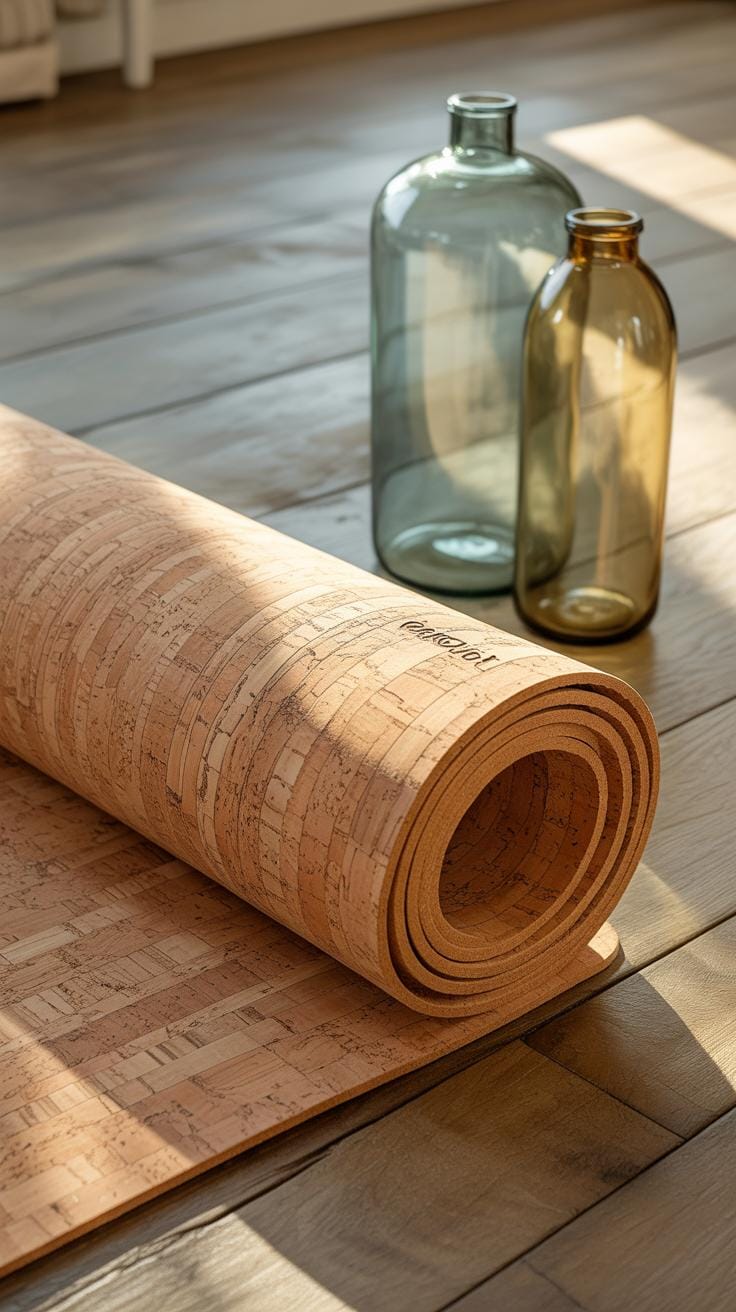
When picking sportswear or fitness gear, sustainability shifts your options quite a bit. You might find yourself hesitant at first—can eco-friendly stuff really perform well? Well, many brands now use materials like organic cotton, recycled polyester, or bamboo fibers that feel just as comfortable and durable as traditional fabrics. It’s not just about comfort, though. These materials often require less water or energy to produce, which quietly cuts down on your workout’s overall footprint.
Fitness equipment also follows this trend. Some companies offer weights made from recycled metals or yoga mats from natural rubber instead of PVC. It’s a subtle difference maybe, but choosing these often means fewer chemicals and less waste lingering long after you’ve finished your session. This approach nudges you to think about the entire lifecycle of your gear, not just how it feels or looks.
Then there’s the workout itself. Going for outdoor runs or hikes instead of treadmill sessions might lower your energy use. Group classes that don’t depend on electronic machines, like Pilates or bodyweight routines, can be greener choices too. It makes you wonder—how much does the mode of exercise really matter to the planet, and can our fitness goals align with greener practices without losing effectiveness?
Designing with Sustainability Aesthetic
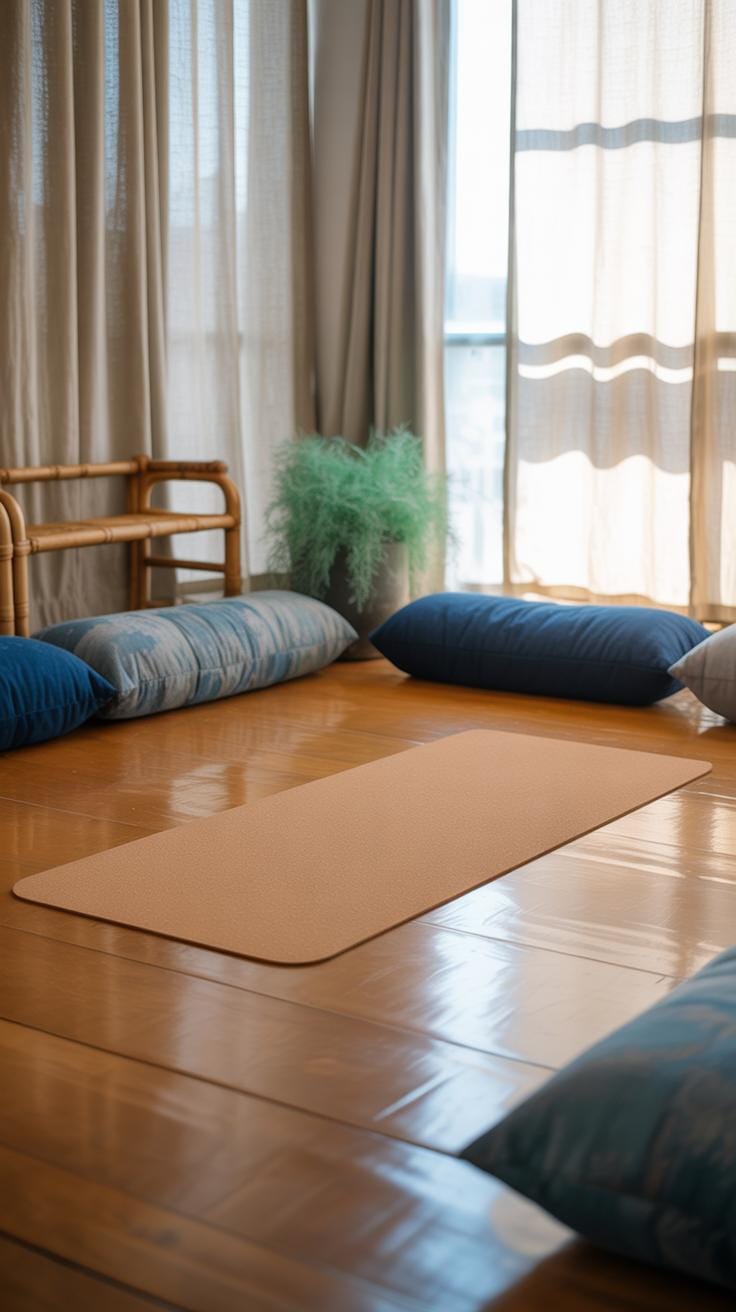
When you approach a project with sustainability in mind, it’s easy to get caught between ideals and reality. But there’s a practical way to start—think of a checklist that nudges you toward eco-awareness without overwhelming your creativity.
Try to:
- Choose materials with low environmental impact. Look for certifications or traceability, but be ready to dig a bit; not all labels mean the same thing.
- Consider the lifespan of your design—can it age well, be repaired, or even repurposed?
- Plan for minimal waste during production. Sometimes small adjustments can drastically reduce scraps.
- Test for durability without sacrificing look or feel. It’s not always straightforward, and some materials surprise you by lasting longer than expected.
- Think about the end of life. Could your project be biodegradable or recyclable?
These steps help ground your decisions. But I often wonder, can sustainability be more than a box to tick? Maybe it’s also about how your design feels to the user—a connection to nature or awareness embedded in the very look.
Steps to Use Sustainable Materials
Picking sustainable materials isn’t just about choosing “green” stuff. It means knowing your sources and what happens along the supply chain. Start by asking: Where did this come from? How was it processed? What energy went into it?
Here’s what you might do:
- Research local options first. Local materials often carry less transport footprint and support nearby communities.
- Assess alternatives to common fabrics or finishes—like natural fibers or low-impact dyes.
- Test materials for quality and maintenance. Sometimes eco-materials feel different or react differently to wear.
- Work with suppliers who are transparent about environmental practices, even if that means a more complex supply chain.
- Don’t settle for the first “green” option you find. Explore, sample, and compare.
Finding materials that balance sustainability with your vision takes some persistence. Sometimes you’ll settle, other times you’ll push harder—both can be okay.
Balancing Aesthetics and Function
Using sustainable materials doesn’t mean abandoning style or function. The challenge is real: how do you keep your design visually appealing and practical when eco options can feel limited?
Try to think beyond initial impressions. Some sustainable elements can add character rather than detract. Imperfections, natural textures, or muted tones could become part of your style.
Also, embrace adaptability in your designs—modular components or adjustable features often pair well with sustainable construction.
Ask yourself: does my design invite engagement? Could users appreciate the story behind the materials?
Balancing look and use is not about perfect harmony all the time. Sometimes function outshines form briefly, or style takes precedence. That tension can be part of the appeal, reflecting real-world compromises and thoughtful choices.
Comparing Traditional and Sustainable Designs
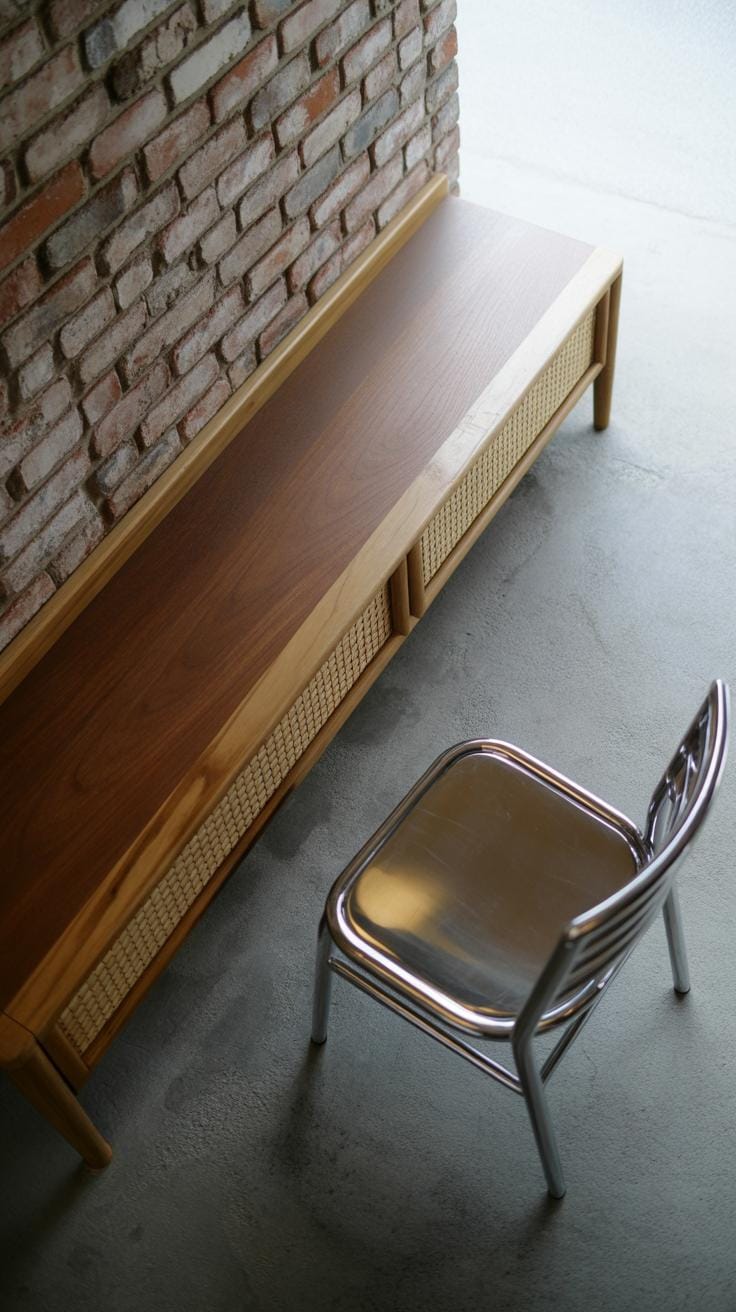
When you look closely at traditional and sustainable design methods, the differences start to stand out more than you might expect. Traditional approaches often rely on standard materials like plastics or hardwoods sourced with little regard for environmental strain. In contrast, sustainable methods often emphasize renewable materials, waste reduction, and minimal energy consumption throughout the process. This shift impacts not just the planet but also the experience of living or working with these designs.
Think about the environmental footprint — conventional building or product designs tend to produce higher greenhouse gas emissions, sometimes up to 30-40% more, compared to sustainable alternatives that leverage recycled or rapidly renewable components. There’s also water use, which can be drastically reduced with sustainable choices, but few traditional designs account for this.
Cost is where things get interesting. Conventional designs might seem cheaper initially. You could grab a mass-produced item or build with widely available materials at a lower price point. Yet, sustainable designs might come with what feels like a steep upfront investment. But that often pays off over time. Materials designed to last longer or require less maintenance can stretch your dollars in unexpected ways.
Still, you might wonder about durability. Would choosing sustainable design mean sacrificing product lifespan? Not necessarily. Some sustainable materials, like bamboo or reclaimed wood, resist wear better than their traditional counterparts. But, honestly, results vary, and it sometimes depends on how well the product or space is maintained.
Would you be willing to pay more now for potentially lower costs later — and less impact on the world? It’s a tough call. The choice between these design paths isn’t always clear, but thinking about these factors helps you see what’s behind each option.
Challenges in Adopting Sustainability Aesthetic
Material Availability and Cost
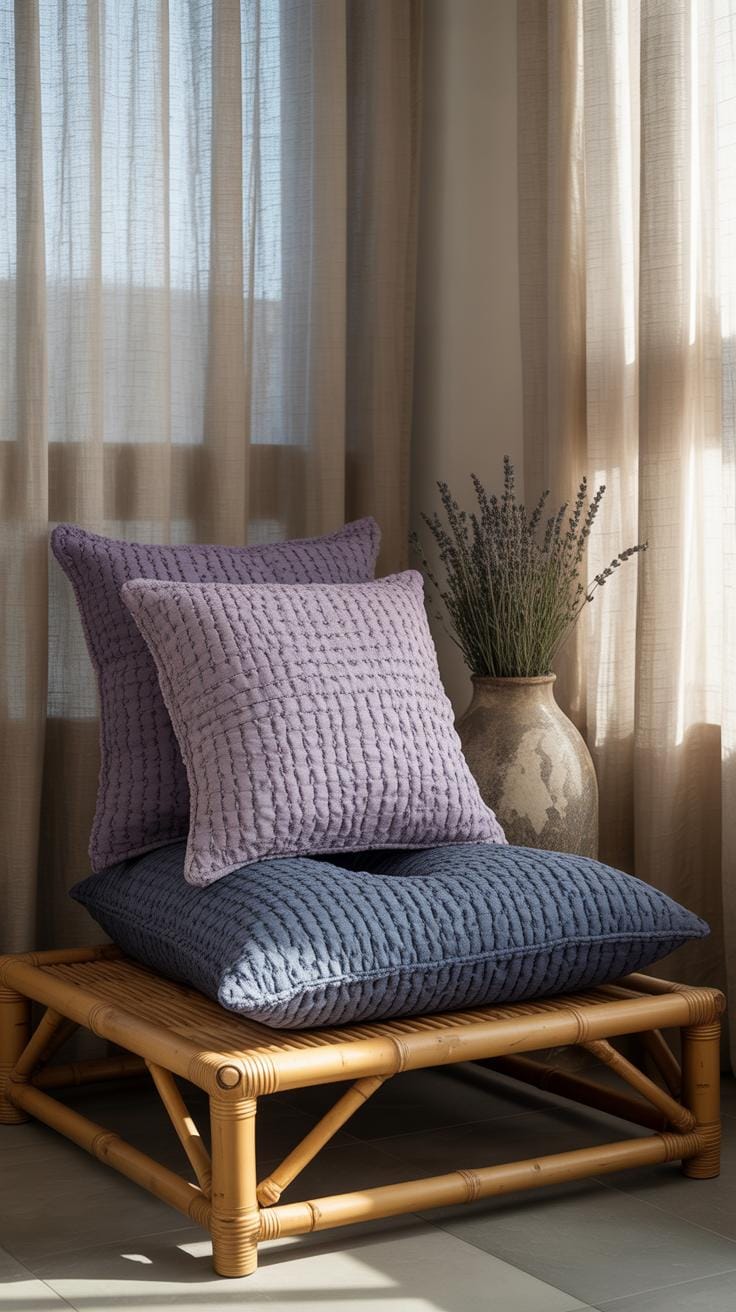
When aiming for a sustainability aesthetic, one big hurdle often is finding the right materials. Eco-friendly fabrics or recycled components are not always easily available. You might expect them everywhere by now, but they still tend to be limited in supply. Sometimes the options come down to just a few suppliers, which can drive prices up.
Cost becomes a sticking point too. Sustainable materials often cost more upfront than their conventional counterparts. This can discourage smaller brands or individual consumers who want to embrace greener choices, but don’t have the budget for it. It’s a tough balance between investing in quality and sticking to a price point that feels reasonable.
Personally, I’ve noticed brands sometimes compromise by mixing sustainable and traditional materials just to keep costs down. That feels practical, yet it muddies the message of embracing a fully sustainable aesthetic. The question remains: how do we push for accessibility without losing authenticity?
Perception and Market Demand
Consumer perceptions play a surprisingly big role in whether a sustainability aesthetic catches on. Some people see it as inherently more expensive or less stylish, which isn’t always true but influences buying habits. You might have noticed sustainable fashion sometimes gets labeled as “basic” or “too natural”—terms that don’t necessarily encourage broad appeal.
On the other hand, there’s a growing group hungry for these looks, eager to make choices that feel responsible and modern. But even within this group, skepticism about product claims can be high. A few misleading marketing attempts have made people wary, so trust becomes a subtle barrier.
How much can designers do to shift perceptions? Education helps, but it’s slow. Offering transparency about sourcing and production could build confidence. At the same time, creating designs that don’t scream “eco” but still embody sustainability might broaden appeal. It’s a tricky tightrope, and it makes you wonder—how much does style need to compromise to meet eco expectations, and is that compromise worth it for wider acceptance?
Examples of Sustainable Design and Fitness
Brands Leading the Way
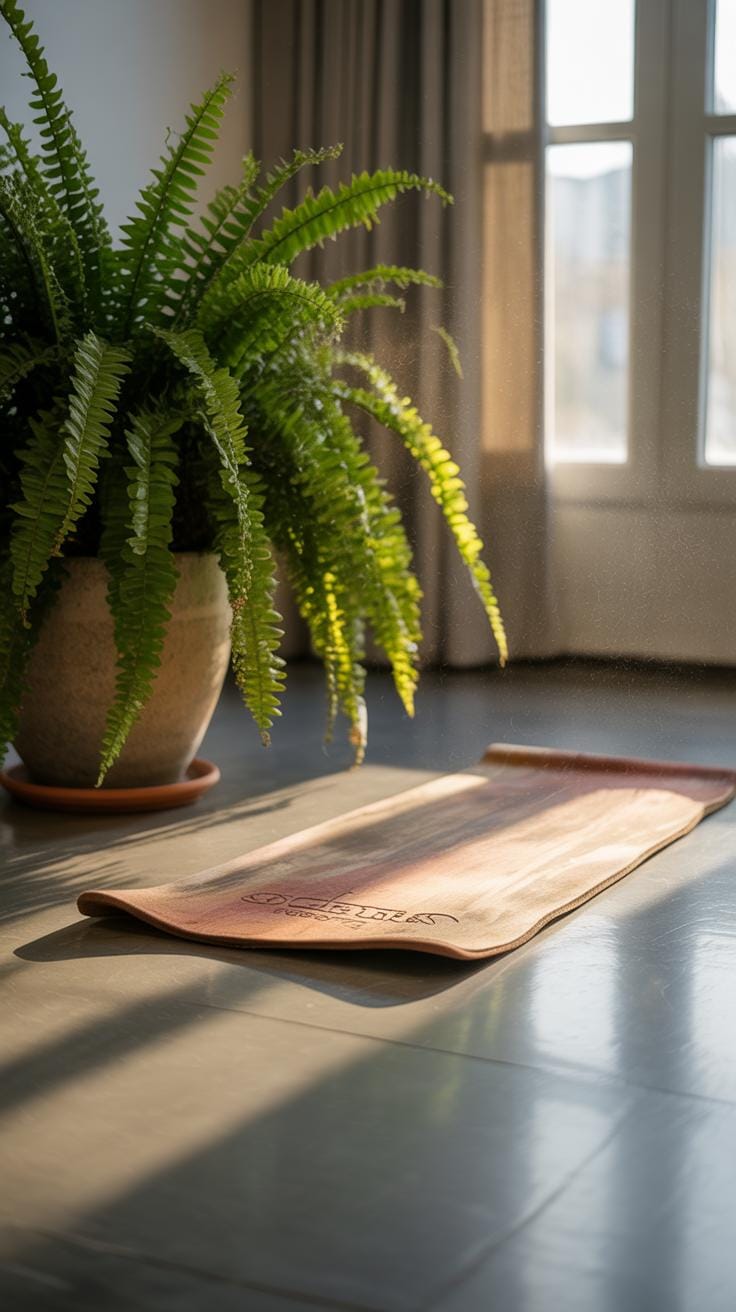
Some brands have really moved beyond just talking about sustainability, embedding it in their design and fitness offerings. Take Patagonia, for example—they use recycled materials for their outdoor gear and promote repairing clothes instead of replacing them. Their aesthetic feels raw and natural, which matches the sustainable story they tell. Then there’s Allbirds, a shoe company focused on natural fibers like wool and eucalyptus, presenting minimalist designs that subtly reflect eco-consciousness without feeling forced. In fitness, companies such as Girlfriend Collective offer activewear made from recycled plastic. Their pieces often look simple but convey a quiet message—a style choice that nods to the environment.
Personal Fitness Stories
I remember hearing about a woman who switched from a traditional gym routine to outdoor trail running and yoga, partly because she wanted to minimize her carbon footprint. She found the connection to nature not only inspiring but freeing. Another friend started using secondhand fitness gear and focused heavily on bodyweight exercises to avoid buying new machines. It took some adjustment, especially balancing quality with sustainability, but the process made her rethink what “fitness” really means. These personal shifts might seem small, but they make you wonder—how much can your choices ripple into the bigger design and fitness picture?
Steps to Start Your Sustainable Journey
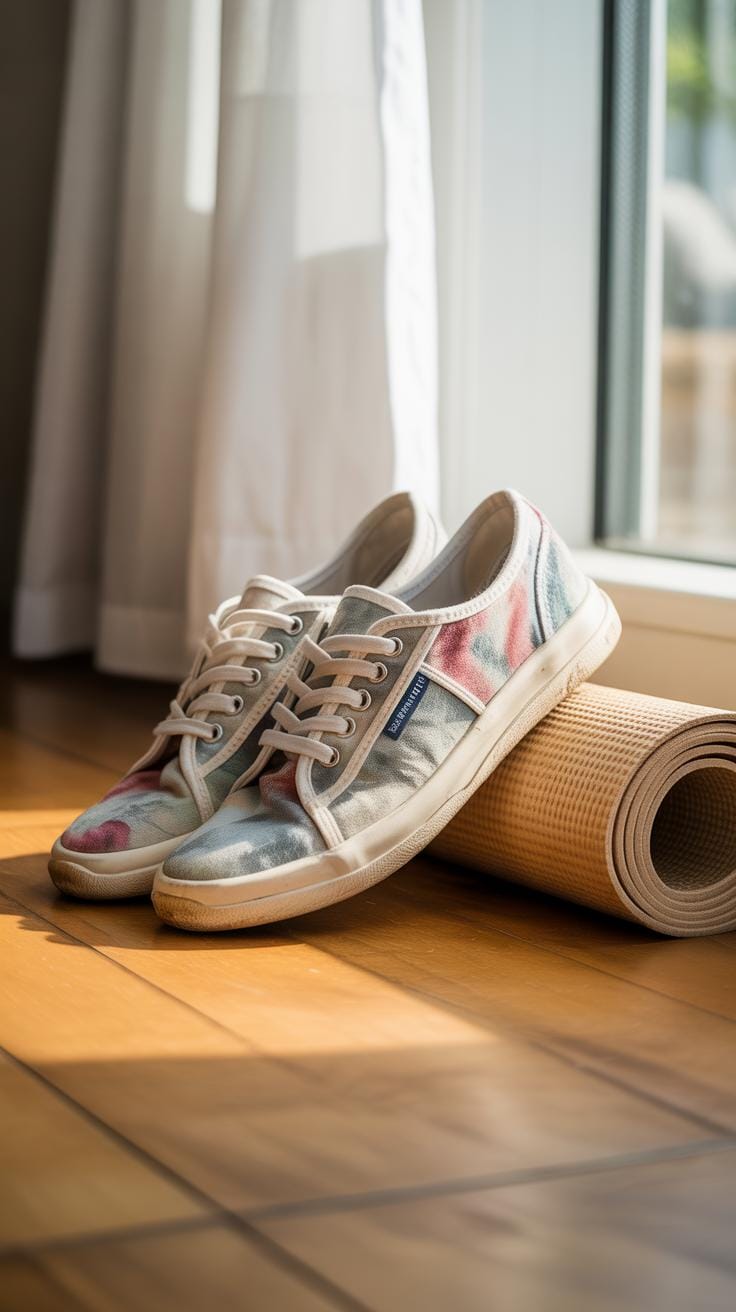
Starting with sustainability in design and fitness doesn’t have to be overwhelming. Think of it more like a gradual shift than a big overhaul. First, recognize what materials and products you already own that align with sustainability. It might surprise you how many things fit this description already.
Next, when choosing new items, whether it’s workout gear or home decor, look for those made with natural or recycled materials. This doesn’t mean cutting out style—quite the opposite. Designs with simpler lines and neutral tones often last longer visually and encourage less waste.
Begin by asking yourself: does this piece have a story beyond aesthetics? How was it made, and who made it? This kind of questioning gently guides your choices towards more thoughtful purchases.
Simple Changes You Can Make Today
You don’t need to wait for the perfect moment or the perfect product. Some small steps can start right now. For example, swap synthetic workout fabrics for cotton or bamboo-based ones. Yes, they might feel different, but they breathe better and last.
In your living space, consider adding houseplants or using reclaimed wood for small accents. These subtle touches bring a natural element without a big expense or effort.
Also, resist fast fashion and impulse buys by simply pausing before you shop: ask if you really need it or if it’s replacing something you already have. Sometimes, less is more—though it’s not always easy to remember that.
Long-term Planning Tips
Planning ahead can make sustainability feel less like a constraint and more like second nature. One tip is to build a capsule wardrobe or a minimalistic design style that evolves slowly rather than chasing trends. This reduces waste and keeps decision-making simpler over time.
When you consider future fitness equipment or home decor, think durability and timeless designs. Cheaper gear often means replacing it again soon, which adds up environmentally and financially.
Try setting annual goals for your purchases, focusing on quality over quantity. This spacing allows you to do thoughtful research and avoid regretful or unnecessary buys. You might find that your preferences change as you learn more, so flexibility remains key.
Conclusions
The sustainability aesthetic influence is growing in both design and fitness fields. Choosing eco-friendly materials and methods leads to products and routines that look good, feel good, and have less impact on the environment. This is becoming a standard expectation in many areas.
Understanding these trends allows you to make better choices that support a healthier planet. Whether redecorating your space or picking a fitness routine, thinking about sustainability aesthetic helps you find options that meet your needs and values clearly and effectively.