
Introduction
Summer calls for a wardrobe that helps you stay cool and stylish. Knowing what to include can save time and money while keeping you comfortable. This guide covers the essentials you actually need for your summer wardrobe this season.
We will look at key clothing items that suit the season, suitable fabrics to beat the heat, and how to mix and match for various occasions. By the end, you’ll have clear steps to refresh your summer closet effectively.
Identifying Summer Clothing Basics
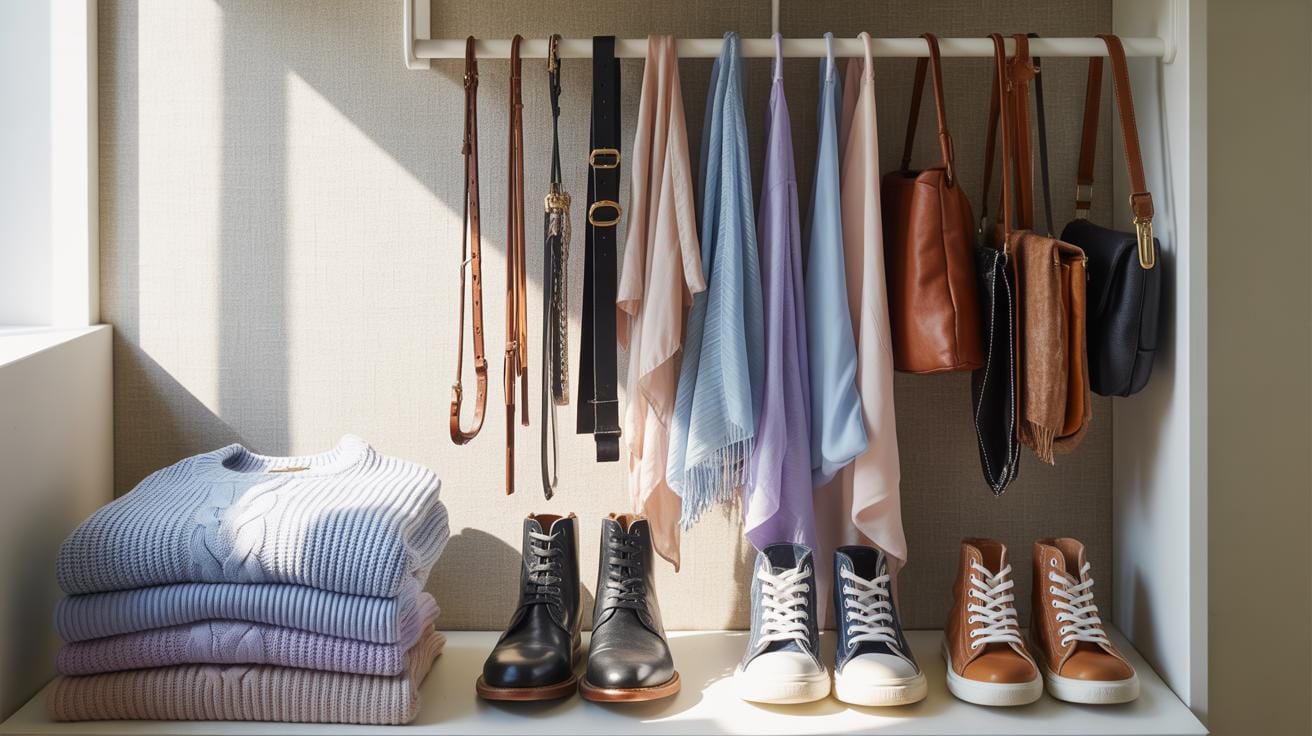
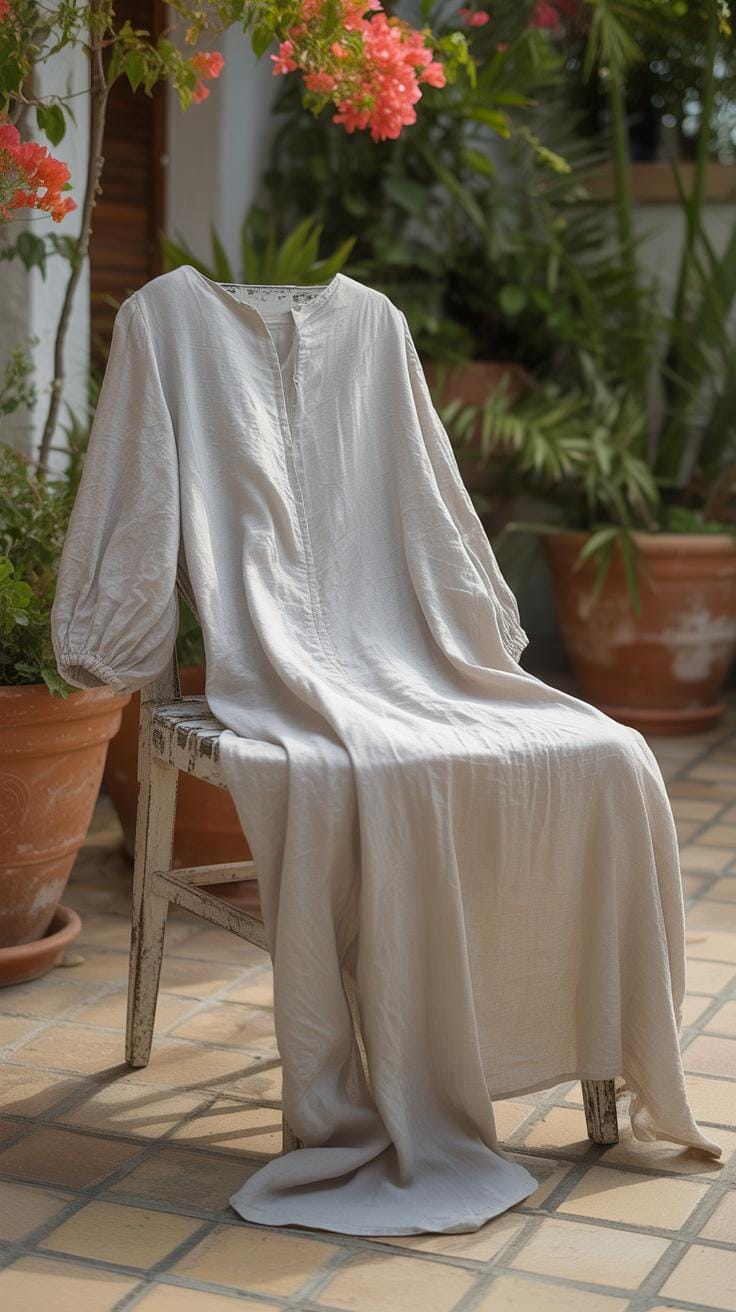
When it comes to building a summer wardrobe that actually works, you can’t just grab whatever looks cool. You need certain key pieces that handle the heat well and feel comfortable all day. Start with tops that breathe—think lightweight cotton t-shirts, simple tank tops, and loose blouses. They should be easy to move in and not cling to your skin, especially when it’s really hot outside.
For bottoms, shorts are the obvious choice, but don’t overlook skirts and light, breathable pants made from linen or thin cotton. These options keep air flowing and don’t trap heat. Neutral colors or light shades often work best because they reflect sunlight rather than absorbing it.
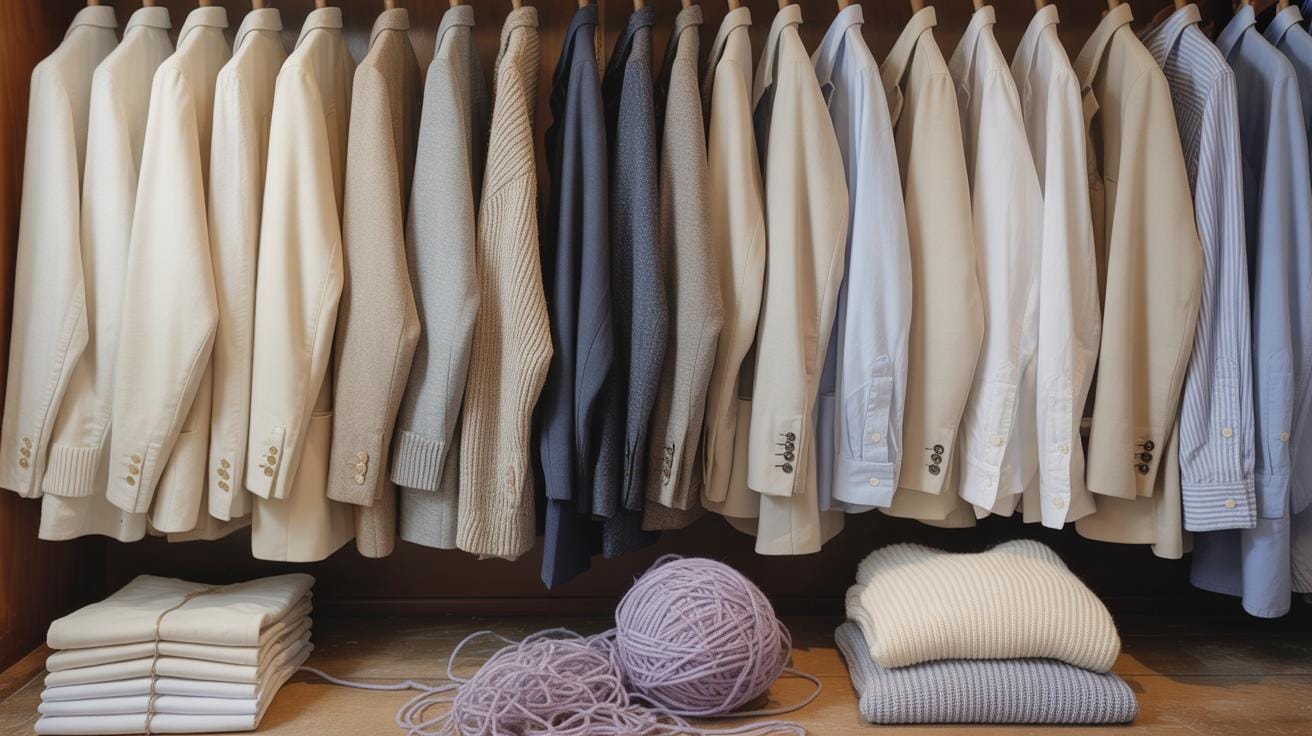
As for outerwear, a thin shirt or a lightweight jacket can surprisingly be useful. It’s not about warmth so much as shade or protection from sun or sudden breezes. A loose button-up shirt or a kimono-style cover-up works well—you want something easy to slip on and off.
Types of Summer Tops
T-shirts are a staple largely because they strike a balance between casual and practical. Look for cotton or blends that don’t hold onto sweat. Tank tops breathe even better but might feel too bare for some occasions. Blouses made of linen or gauzy fabrics bring a touch of style without overheating, perfect if you want to look a bit more put together.
Each type has its moment: t-shirts for errands or chill days, tanks for the hottest afternoons, blouses when you want a hint of elegance. You might find yourself reaching for a top more because of its cut or fit than the fabric alone—it’s a subtle but important difference when you want to stay cool but still look good.
Selecting Suitable Bottoms
Shorts come in many varieties—denim, cotton, linen—and the fit matters a lot. Looser cuts let air circulate better, but some prefer slim fits for style. Meanwhile, skirts can offer a breezier feel. A-line or flowy skirts work better than tight pencil skirts that trap heat.
Lightweight pants shouldn’t be overlooked. Linen pants, for example, can be surprisingly comfortable in summer if they’re loose enough. As for color, it’s tempting to go bright, but softer pastels and whites tend to work best to keep heat at bay and remain versatile.
Overall, you want bottoms that don’t restrict movement or cling uncomfortably. It’s tempting to pick what’s trendy, but comfort here affects how long you actually wear a piece during a hot day. Ever notice how certain pants just feel like a furnace? Avoid those.
Choosing Breathable Fabrics
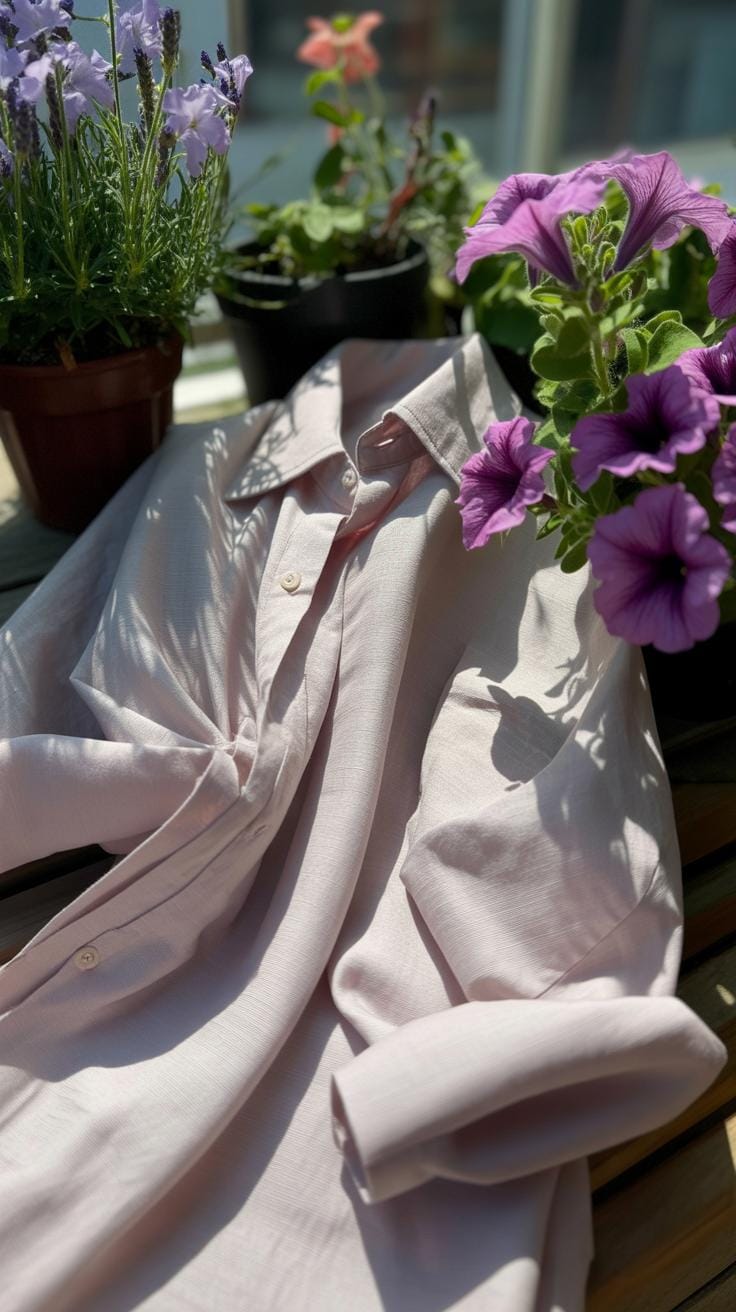
When it comes to summer wear, choosing the right fabric can change everything about your comfort level. Breathability isn’t just a buzzword—it’s what lets air circulate close to your skin, keeping you cool and dry. Think about cotton, linen, and rayon. These fabrics allow sweat to evaporate instead of trapping it, which can make all the difference when the temperature rises.
Cotton is perhaps the most familiar. It feels soft and natural, which is why so many people reach for it. Linen, on the other hand, has this textured feel that many find refreshing. It wrinkles easily, yes, but that casual look fits summer’s laid-back vibe. Rayon is interesting because it’s semi-synthetic but often more breathable than many purely synthetic fibers. Yet, it can sometimes feel heavier if it’s not woven right.
Breathability matters because trapped heat can make fabrics sticky and uncomfortable. This discomfort can even ruin your day or night out. Have you ever been in synthetic polyester on a hot day? You start to notice quickly—the heat and moisture don’t escape, and well, that’s just miserable.
Cotton and Linen Benefits
Both cotton and linen have distinct perks that make them favorites for summer wardrobes.
- Cotton: Soft, widely available, and easy to care for, cotton absorbs moisture without feeling damp. It’s durable but can shrink slightly if washed incorrectly—so cold water washing is better.
- Linen: Known for its breathability and strength, linen allows more airflow and dries quickly. It’s great if you want something lightweight but also sturdy. Linen can last years, gaining a unique softness over time.
Both fabrics breathe well, which helps reduce overheating. Care is pretty straightforward, though linen demands a gentler approach to avoid damage. In my experience, the worn-in feel of linen is something worth putting some effort into maintaining.
What to Avoid in Summer Fabrics
Summer can be brutal with the wrong fabric. Synthetic materials like polyester, nylon, and acrylic often trap heat and moisture. They might look nice but tend to cling uncomfortably, especially during a sweaty afternoon or crowded room.
For example, polyester’s moisture-wicking claims don’t always pan out in the heat. It can keep you dry sometimes, but more often it just holds onto body heat. Nylon, commonly used in activewear, can get sticky and less breathable if the weave is tight.
These fabrics might be fine for cooler months or specific activities, but for everyday summer wear? They usually don’t cut it. Have you noticed how few people wear full polyester shirts on sunny days? There’s a reason, even if we don’t always think about it.
Footwear Options for Summer
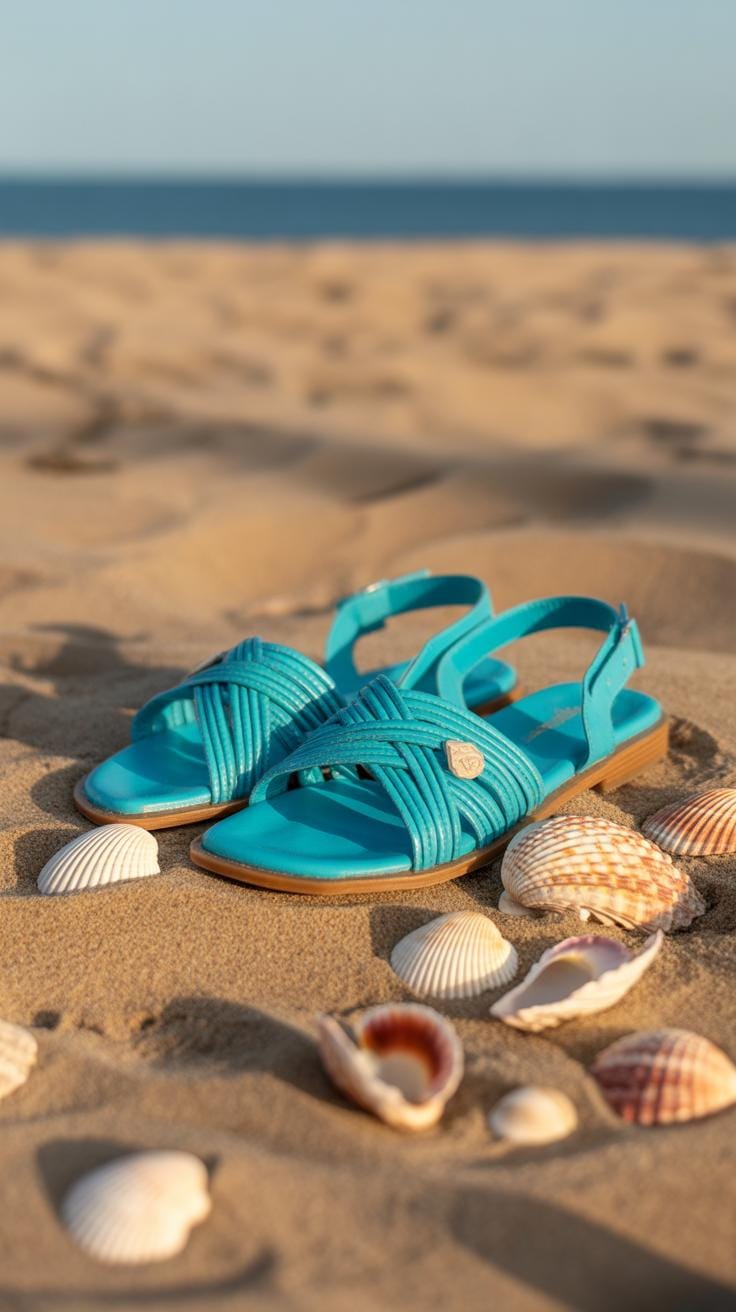
When summer rolls around, your shoes need to do more than just look good. They have to keep your feet cool and comfortable through heat and humidity. Sandals, sneakers, and slip-ons each offer a different approach to this challenge, and picking the right one depends a lot on what your day looks like.
Sandals are obvious go-tos for many. They let air circulate freely, which helps prevent sweat buildup and blisters. Plus, if you’re near water or heading outdoors, sandals dry quickly and don’t trap dirt. On the flip side, they can sometimes feel too exposed if you’re walking a lot or in rough terrain.
Sneakers offer more support and protection. But not all sneakers are created equal in summer. Lightweight, breathable fabrics like mesh can keep your feet cooler than leather or heavy canvas. That said, even those can feel a bit confining on the hottest days, especially if you tend to sweat a lot.
Slip-ons strike a nice balance—easy to take on and off, often made from breathable materials, and stylish enough for casual outings. Still, some slip-ons lack the support needed for longer walks or active days.
Thinking about your summer footwear? Consider how active you’ll be, where you’ll go, and what your feet tolerate best. Sometimes, you might even want multiple pairs for different occasions.
Sandals vs Sneakers for Summer
Choosing between sandals and sneakers for summer isn’t always straightforward. It’s tempting to grab sandals because of their breathability, but they don’t suit every situation.
Sandals excel when you want to feel the breeze on your feet or need to dry off quickly, like after a dip in the pool. They’re often more stylish for laid-back, warm-weather looks. But comfort can suffer if the straps don’t fit well or if you’re on your feet all day, leading to soreness or blisters.
Sneakers, especially the light and breathable kind, provide better arch support and protection. They’re go-to for casual sports, city strolls, or when your plans involve a mix of walking and sitting. On hot days, though, even the best-ventilated sneakers can trap heat, so you might feel a bit uncomfortable.
There’s no one-size-fits-all choice here—sometimes, you might prefer sandals for their ease and airiness, other times sneakers for practicality and coverage. Your mood, plans, and sensitivity to heat play big roles.
Maintaining Footwear in Hot Weather
Summer heat and sweat can take a toll on your shoes, but a little care goes a long way. Start by cleaning your footwear regularly to prevent odors and stains. For sandals, a gentle scrub with mild soap and water usually does the trick. Sneakers might need more attention—like removing insoles to air out or using a soft brush to clear dirt.
Let your shoes dry completely before storing them. Stuffing sneakers with newspaper helps absorb moisture and maintain shape. Avoid leaving shoes in direct sunlight for hours, as this can weaken materials and fade colors.
If sweat is an issue, consider using foot powders or moisture-wicking socks with sneakers. It’s a small step, but it can extend the life of your shoes and keep your feet feeling fresh.
Maintaining your summer footwear takes a bit of effort, but it’s worth it. After all, comfortable feet can make or break your day, especially when temperatures rise.
Summer Accessories That Work
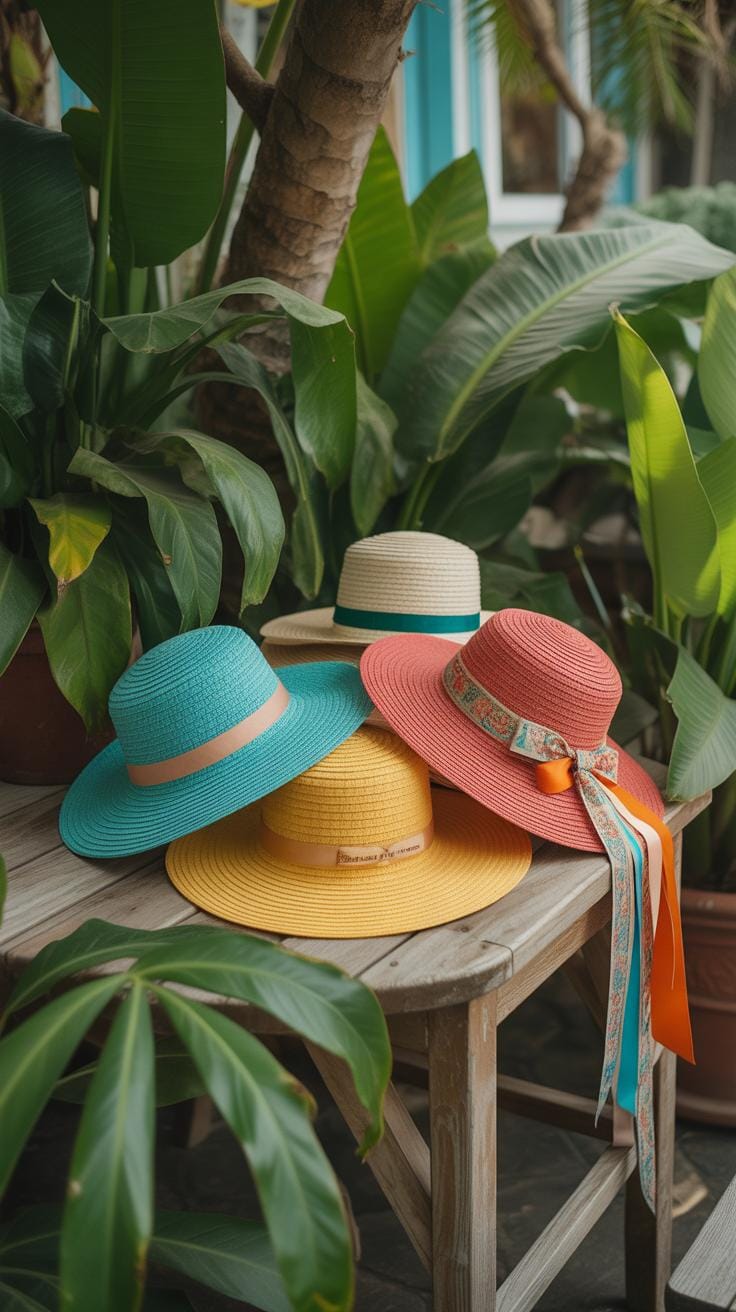
Summer accessories do more than just finish your look—they often serve a purpose you might not always think about. Take hats, for example. Beyond style, a good sun hat can actually protect your face and neck from harmful UV rays, which is something you’ll probably appreciate after a long day outside. Wide-brimmed or more structured bucket hats are easy to pair with casual or even slightly dressier summer outfits, making them more than just functional.
Sunglasses are a must-have, but picking ones with proper UV protection is key. You might be tempted to grab whatever looks cool, but your eyes need shielding from the sun’s glare and long-term damage. Styles vary—classic aviators, oversized frames, or even retro shapes—and they can subtly shift your whole vibe. I sometimes wonder if the frame shape influences how confident you feel wearing them.
Lightweight scarves often get overlooked. They can add a splash of color or texture to an outfit, and when it’s breezy, they protect against cooler evening air without overheating you. Plus, they can cover your shoulders if you’re somewhere with strict sun rules. It’s a small thing, but can make a noticeable difference for comfort and style.
Ask yourself: Which accessories do you reach for first when you’re rushing out the door? You might be surprised how a simple hat or pair of sunglasses changes not just your look, but how you experience the season.
Mixing and Matching Summer Outfits
Creating Casual Summer Looks
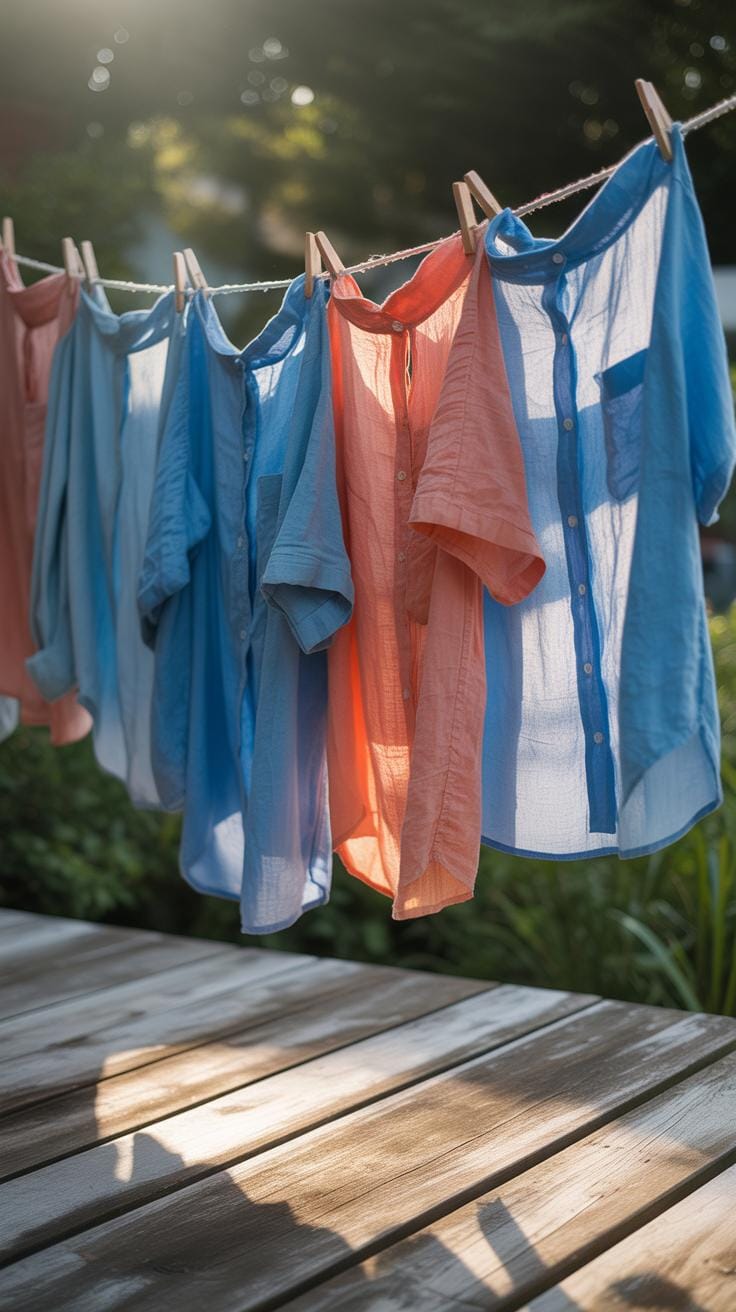
You don’t need a closet full of clothes to get through summer days comfortably and with style. Focus on a few key pieces like plain cotton tees, linen shorts, and simple skirts. For example, pair a white tee with khaki shorts for a clean, everyday look. Or slide into denim shorts with a striped tank top when you want something quick but a bit more interesting. Sometimes, I’ve grabbed a loose chambray shirt over a basic tank—it’s easy layering without feeling stuffy.
Footwear can make a difference, too. Basic sneakers or simple sandals keep things casual but still thoughtful. And don’t forget a lightweight hat or a tote bag. They’re small details that help pull an outfit together without much fuss. It’s like building a capsule wardrobe; you mix three or four pieces and suddenly you have options without overthinking it.
Dressing Up for Summer Events
Turning simple summer essentials into something more polished isn’t as hard as it sounds. Take a classic white blouse—pair it with a flowy midi skirt and you’ve got a soft, dressed-up look that still feels fresh and airy. Throw on some delicate jewelry and block heels, and you’re done. It’s interesting how just changing the bottom or adding an accessory can completely change your vibe.
For outdoor parties or casual evening get-togethers, a well-fitted shift dress or a jumpsuit in light fabric can work wonders. Add a sleek belt to define your waist, or wear a lightweight blazer if things get cooler. You might be surprised how a scarf or a statement bag shifts your outfit from “I’ve just come from the beach” to “I’m ready for the party.”
Do you ever find yourself stuck with “too few” clothes but “too many” outfit ideas? That’s when a strategic mix-and-match approach really pays off. Minimal pieces, diverse looks—that’s the summer puzzle you want to solve.
Care Tips for Summer Clothes
Washing Summer Fabrics
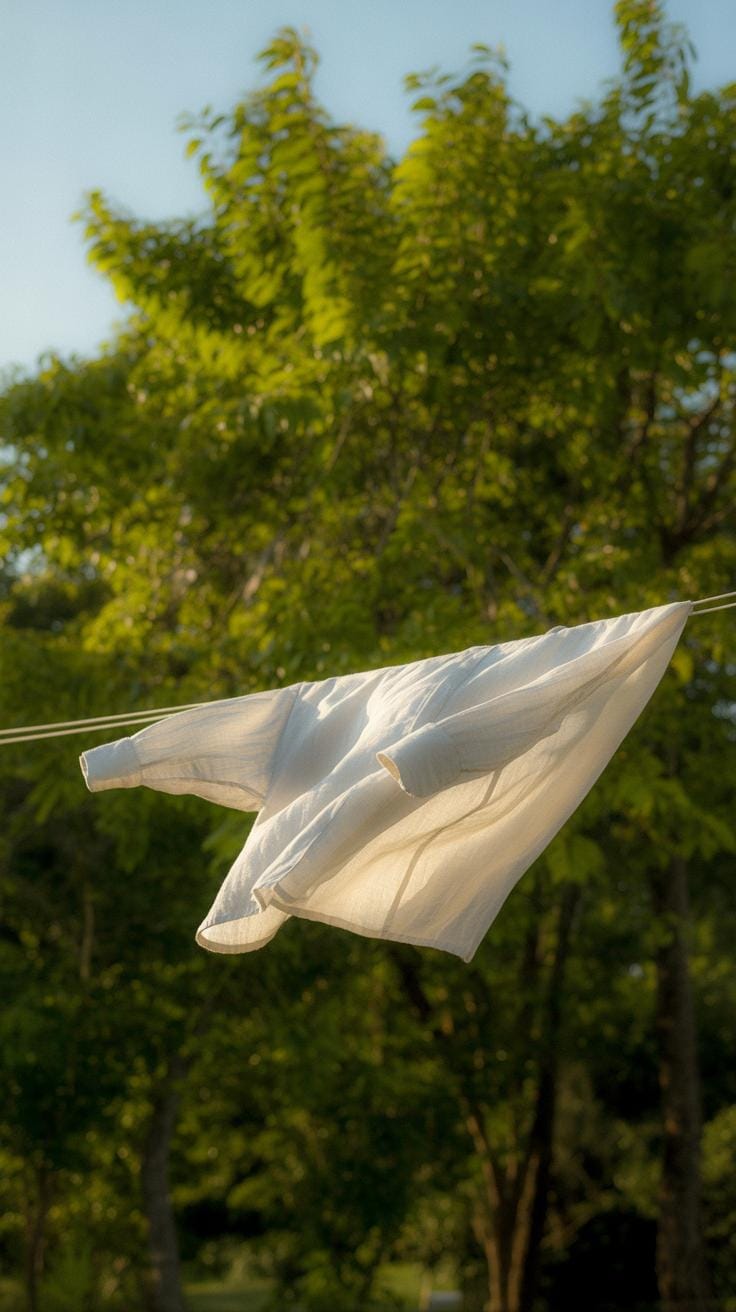
When you think about washing delicate summer fabrics like linen or cotton, it’s easy to just toss them in the machine and hope for the best. But if you want them to last and keep their light, airy feel, you’ll have to be a bit more careful. For linen, cold water is your friend—hot water can make fibers shrink or lose their structure. Use a gentle cycle and mild detergent, something free of harsh chemicals. It’s tempting to skip the extras, but avoid bleach or fabric softeners that can break down the fabric over time.
Cotton is a bit more forgiving, but washing in cold or lukewarm water prevents fading and keeps colors fresh. If the piece is really delicate, hand washing could save you some headaches later. Think about it this way: each carefully washed shirt or dress holds summer memories longer.
Storing Clothes for Season End
After summer fades, storing your warm-weather clothes requires some thought. Throwing them all into a drawer might seem easy, but that can lead to mildew or color fading, especially if there’s any moisture left. Make sure clothes are fully dry before putting them away—moisture is a sneaky enemy here.
Consider these steps:
- Use breathable garment bags or cotton storage boxes rather than plastic; air circulation prevents mildew.
- Keep clothes out of direct sunlight to avoid fading, even during storage.
- Place lavender sachets or cedar blocks to repel any pests without harsh chemicals.
- Fold bulky pieces like linen carefully to avoid permanent creases, but don’t cram them tightly.
Storing summer clothes well means you’re less likely to face that sad moment of rediscovering a mildewed shirt next year. It’s a bit of effort, but worth it when those pieces feel just as good next summer as they did this one.
Common Summer Wardrobe Mistakes
Overpacking Your Summer Closet
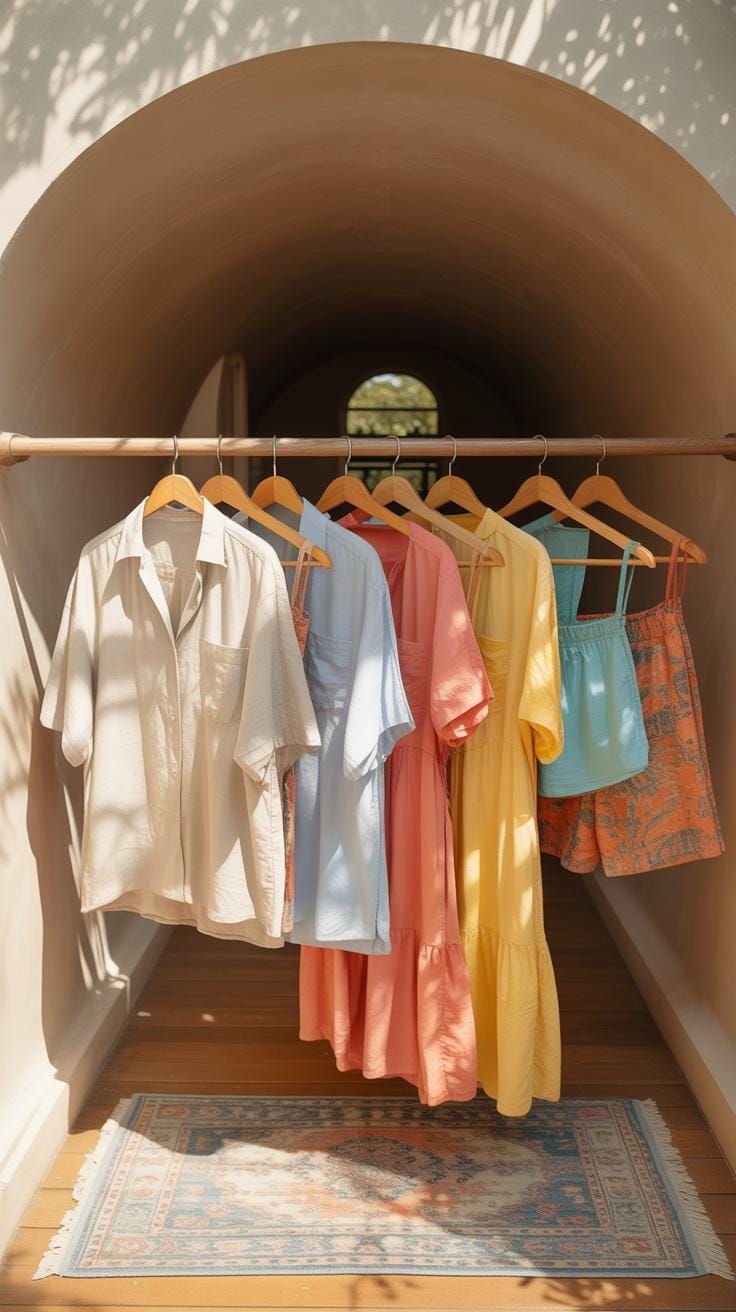
There’s this tendency to fill your closet with every “cute” summer item you come across. You think, maybe I’ll wear that floral dress or those bright shorts—only to realize you hardly touch half of it. Too many pieces can overwhelm your choices and create clutter you don’t need. It’s tricky because it feels like having options is a good thing, but it often leads to decision fatigue. Why not focus on a few reliable staples you actually enjoy wearing? A small, curated collection keeps things simple, makes mixing and matching easier, and saves you from staring at a mountain of clothes wondering what to wear.
Ignoring Comfort for Style
It’s tempting to pick the trendiest fabrics or tightest fits because they look nice in photos or on mannequins. But summer heat is real—wearing stiff, non-breathable clothes can quickly turn stylish outfits into uncomfortable traps. I remember once choosing a chic blouse with synthetic fabric for a summer outing, only to regret it halfway through the day. Comfort should be just as important as style, even if that means picking softer, lighter fabrics or looser cuts. Balancing the two might require a bit of experimenting, but your body will thank you for it when the temperature rises.
Summer Wardrobe on a Budget
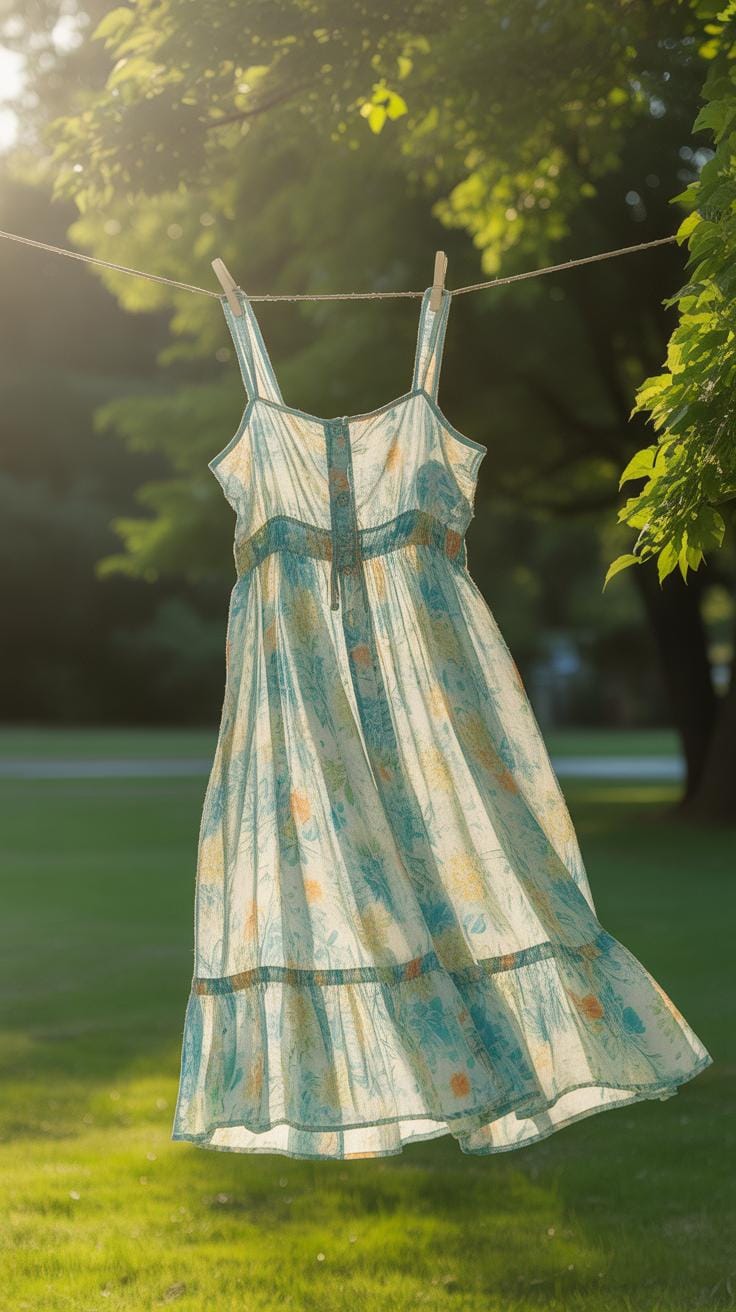
Building or refreshing a summer wardrobe without overspending can feel tricky. You want pieces that last and look good, but it’s easy to get carried away by trends or sales that don’t really suit your style. Focus on a few key items that you’ll wear repeatedly—that’s where your money should go.
Think about versatile basics: a well-fitting white tee, a pair of neutral shorts, and a lightweight dress or two. These are the backbone of your summer style and can pair with almost anything. Maybe you don’t need ten shirts or six pairs of sandals. Pick quality over quantity, even if it means buying fewer items.
To actually find these pieces without breaking the bank, look beyond just the big department stores. Thrift shops or consignment stores sometimes have hidden gems. Off-season sales happen not only at the end of summer but also just before it starts—keep an eye out. Outlet malls offer decent deals on quality brands if you’re willing to dig a bit.
Lastly, online flash sales and discount retailers have become reliable spots for summer essentials, though sizing can be a gamble. It might take some patience and experimentation to get the balance right between cost, quality, and style. Could there be a better way than investing patiently in fewer, better pieces? Maybe not.
Adjusting Your Wardrobe for Activities
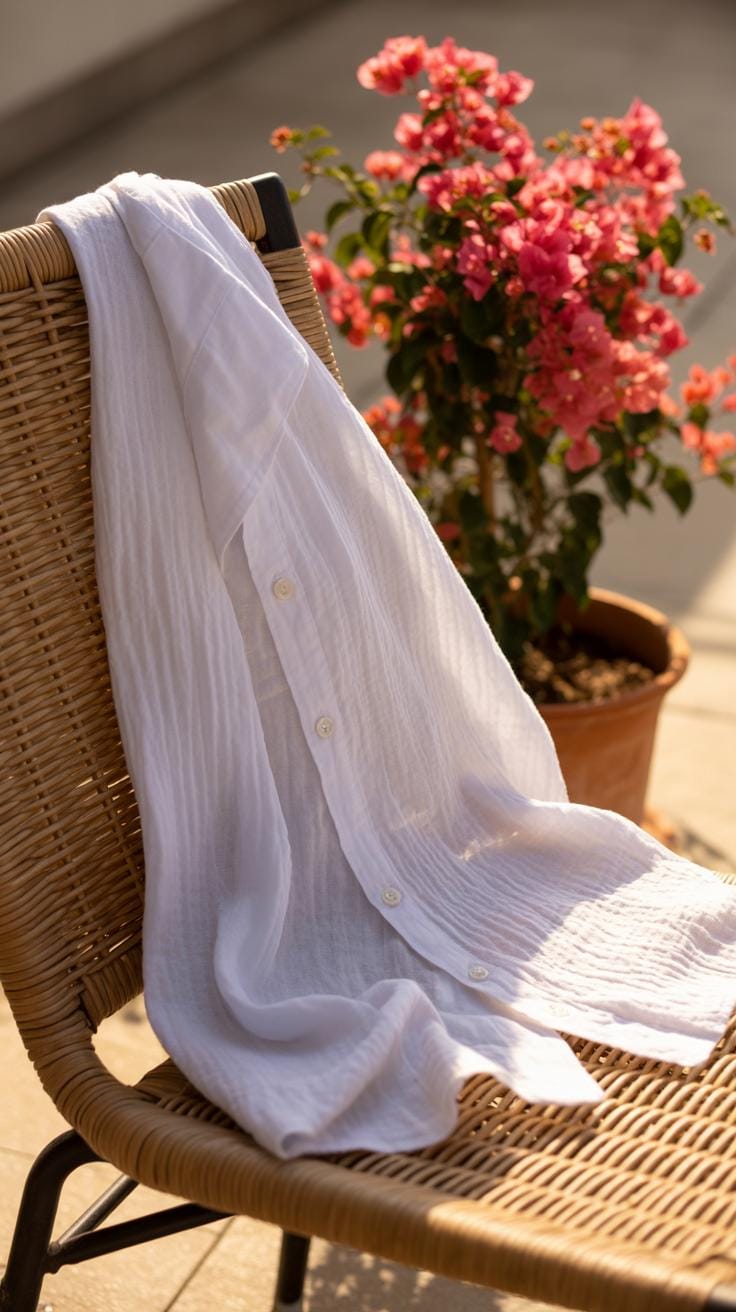
When summer rolls around, you might find that your go-to clothes no longer fit every part of your day. The way you dress for work isn’t always the same as when you head to the beach or hit the gym. It’s about balancing comfort and appropriateness without feeling like you’re sacrificing one for the other.
Work-Appropriate Summer Clothes
In professional settings, the goal is to stay cool without looking too casual. Light, breathable fabrics like linen blazers or cotton blends work well. Think of tailored sleeveless blouses, but maybe pair them with lightweight trousers or midi skirts that help with airflow. You could wear loafers or low heels instead of heavy shoes to keep things easier on your feet.
It’s tricky sometimes—dressing for professionalism but feeling the heat. For example, a classic white button-down can feel stifling, but a looser fit in a wrinkle-resistant cotton can make a difference. If your office allows it, a subtle patterned dress or a soft knit can be smarter than it sounds, especially if you layer smartly and avoid thick fabrics.
Activewear and Beachwear Choices
For sports or beach days, fabrics that dry quickly are lifesavers. Think nylon or polyester blends designed to wick sweat away or soak up water without clinging uncomfortably. Cuts should allow movement—like shirts with raglan sleeves or shorts with stretch panels. You really want pieces that breathe and don’t weigh you down.
Sometimes the line between activewear and casual wear blurs. You might wear something sporty just to run errands afterward. That’s why choosing versatile fabrics can save you from extra outfit changes and hassle. For beachwear, consider cover-ups or lightweight wraps that dry fast but also shield you from the sun—because sometimes the sun feels a bit too much, right?
Seasonal Trends vs Timeless Essentials
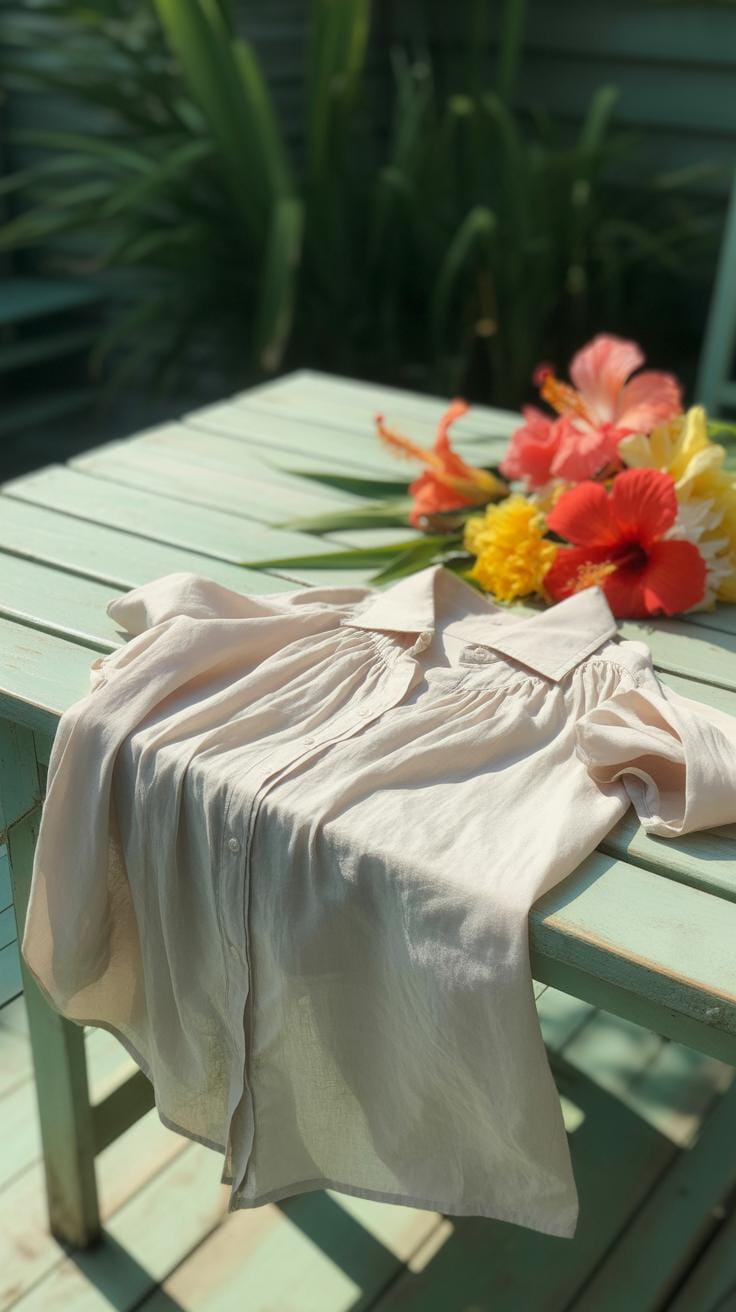
When thinking about your summer wardrobe, the tension between seasonal trends and timeless essentials is real. Trends come and go fast, sometimes changing mid-season, which can make you question the sense of buying a whole new outfit just to follow the latest wave. On the other hand, timeless pieces rarely feel outdated—they keep showing up year after year and fit into almost any look.
Trendy items can inject fresh energy into your wardrobe but wearing them head to toe might feel overwhelming or just not you. Instead, try picking one or two trend-driven pieces each season to mix with what you already love. For example, maybe a bold print shirt or a new sandal style. These small updates can keep you current without forcing a full overhaul.
Why do staples matter so much? They act like the sturdy frame your summer looks hang on. Classic white tees, well-cut shorts, breathable linen shirts—they don’t scream fashion statement, but they make dressing easier and more reliable. These pieces tend to fit better, last longer, and quietly support your overall style. Personally, I’ve found that investing in timeless basics keeps me from wasting money on clothes I rarely wear after a season ends.
Ask yourself: Which items in your closet make you feel comfortable and confident no matter the trend? Those are worth holding onto. Trends? Feel free to play, but not to the point where it disrupts your personal style or budget.
Conclusions
Choosing the right summer clothes means focusing on comfort and simplicity. Essentials include lightweight tops, versatile bottoms, and breathable fabrics. These pieces help you manage the heat without sacrificing style.
Keep your summer wardrobe practical by considering your daily activities and preferences. Updating your closet with the essentials saves you effort and ensures you are ready for any warm-weather event.