
Introduction
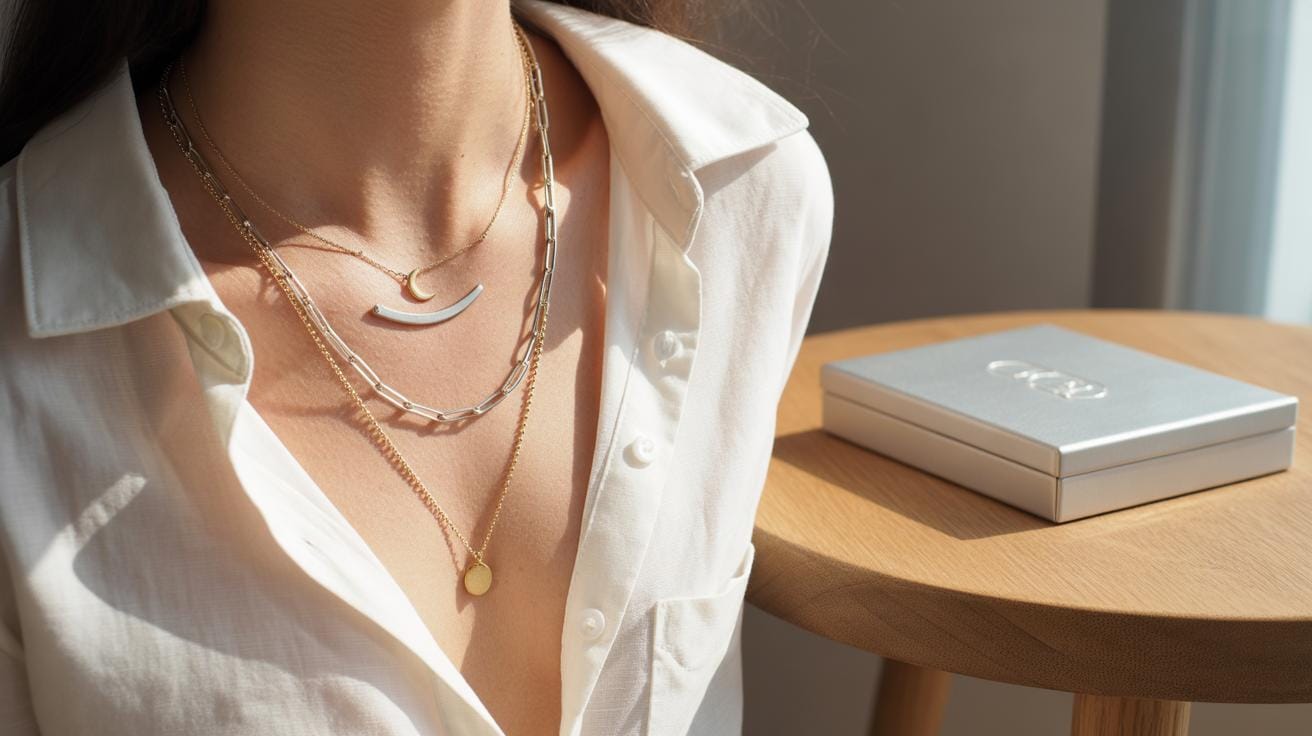
Stacked necklaces are a great way to add style to your look. You can combine different necklaces to create a personal style that stands out. The idea is to layer simple pieces to form a chic and stylish appearance. This article explores how you can use stacked necklaces to enhance your outfits easily and effectively.
We will cover practical tips on selecting the right necklaces, how to match them, and ways to wear them for any occasion. You will learn how to mix necklaces of different lengths and styles to suit your personality. By the end, you’ll have simple ideas to make your look stylish by simply layering necklaces.
Why Layer Necklaces

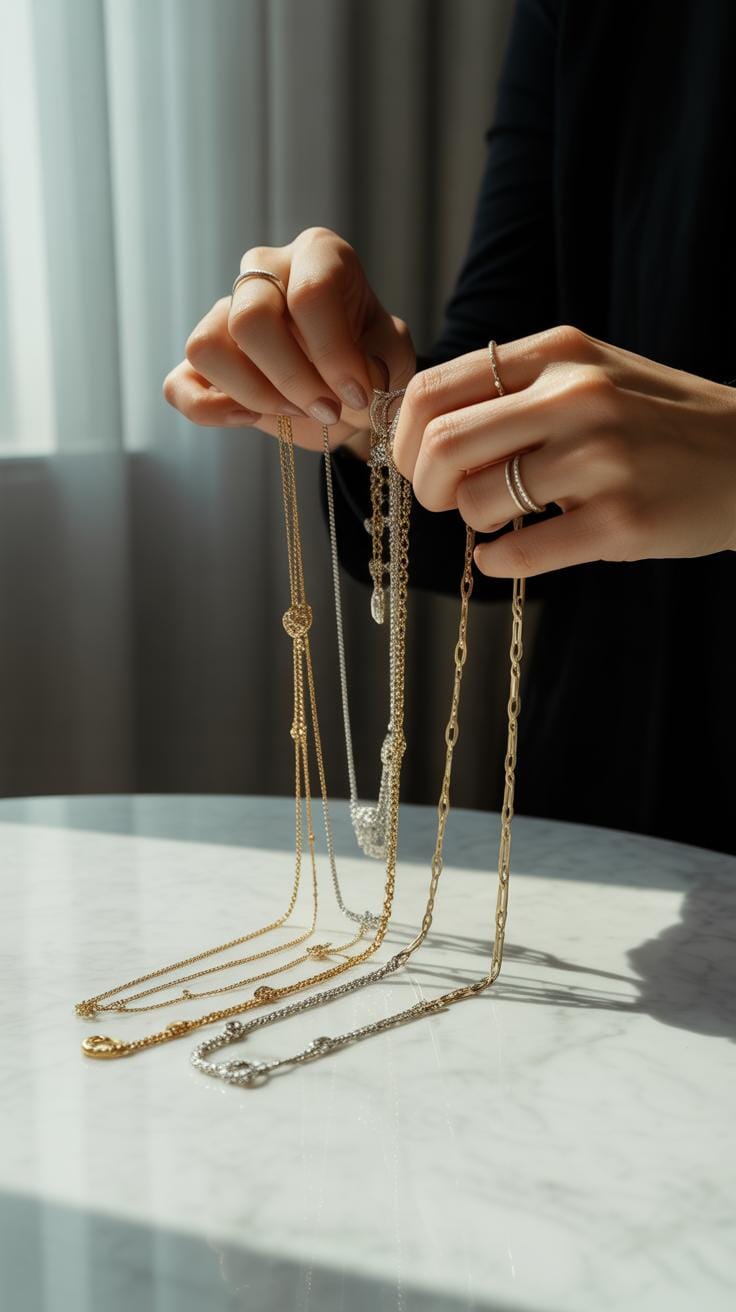
Stacked necklaces offer more than just a simple way to accessorize. They add a kind of quiet confidence, as if you’ve put thought into your look without trying too hard. Wearing multiple pieces together lets you build something unique—your own style story told through different lengths, textures, and charms.
Think about how even a plain T-shirt feels different with a few necklaces layered on. Suddenly, the outfit has depth, a touch of personality that changes the overall vibe. You might be going for edgy, delicate, or playful. Layered necklaces help you show that because, well, no one else’s stack looks quite like yours.
There’s also something interesting about the way those layers catch the eye. Instead of one flat element, your neckline becomes a point of visual intrigue. Each necklace interacts with the others, creating shadows and lines that pull attention. This little mix turns basic outfits into more compelling statements, making simple looks feel more considered.
Maybe you’ve noticed how sometimes a single necklace feels a bit lonely. Adding a few more can give balance and rhythm to your overall look. And if you like, you can highlight a favorite piece by layering around it. It’s about mixing and matching until you find the combination that feels right, not about following rules.
So, why layer? Because it’s an easy way to express yourself, add interest, and elevate what you’re wearing without much effort. And honestly, it can be quite fun figuring out which pieces tell your story best.
Types Of Necklaces To Stack

When you start stacking necklaces, you quickly realize there’s more to it than just piling on whatever you have. Different types of necklaces bring out different vibes, and understanding these can help you build a look that feels both personal and stylish.
Chains, for instance, are classic and versatile. Simple chain necklaces act like a solid base layer. Thin chains can sit close to the neck without overwhelming the look. They’re subtle enough to pair with almost anything but can also add some edge, especially if you pick interesting link styles—like chunky or twisted chains.
Pendants introduce focal points. Whether it’s a tiny charm or a bold emblem, pendants help create that visual anchor, making your layered look less random. I sometimes switch out pendants to change the whole mood of my stack—one day it’s a delicate locket, next it might be a stone or geometric shape.
Chokers sit closest to your neck and can provide contrast. They tend to be more attention-grabbing because of their position, so pairing a simple choker with longer, more delicate necklaces can work well. But beware—too many chokers or heavy pieces up top can feel crowded or heavy.
And then there are ropes and beaded necklaces, which add texture and sometimes color. Mixing a metallic chain with a beaded strand or a silk rope can prevent your layering from feeling flat. These textures break up the metal monotony and bring subtle variety, which I think often gets overlooked.
Length matters here, too. Stacking three chains all the same length, even if they’re different styles, tends to look cluttered rather than layered. Spread the lengths out, and you get a cascading effect that highlights each piece on its own terms.
Mixing styles might seem risky—matching a delicate chain with a chunky pendant or a velvet choker with a gold rope might sound odd—but that’s the fun part. It’s about texture and unexpected pairings making your stack feel alive, not like you bought everything from the same set.
Have you ever tried pairing a minimalist chain with a bold, vintage pendant? Sometimes the contrast works better than pieces that “match” perfectly. It might take a bit of trial and error, but figuring out what combinations speak to you personally can be quite satisfying.
Choosing The Right Lengths

When layering necklaces, length plays a bigger role than you might expect. Starting with something short, like a choker or collar necklace, sets a solid base. It sits close to your neck and creates a neat frame for anything longer to rest on. I’ve noticed that without this close-fitting layer, other necklaces sometimes seem to float or get lost.
From there, adding necklaces that fall slightly longer—think princess or matinee lengths—adds dimension. It’s not just about throwing on any necklace that’s longer; you want enough space between each layer to avoid them tangling or looking cluttered. For instance:
- Start with a 14-inch choker
- Add a 16-18 inch chain or pendant necklace
- Follow up with a longer 20-24 inch necklace
This spacing lets each piece shine on its own but still works as a coordinated look. Yet, sometimes the difference in length isn’t enough—you might still catch chains twisting together. In those cases, playing with necklace weight or chain style can help too.
It’s a subtle balance. If your shortest chain is too long, everything bunches. Too short and the look can feel cramped. So, I’d suggest testing lengths on yourself rather than guessing. What looks good on a display might not work the same with your build or neckline. Layering isn’t perfect science; it’s partly trial and error.
Mixing Metals And Colors

Mixing metals in your stacked necklaces may seem tricky at first, but it actually opens up so many styling possibilities. You don’t have to stick to just one tone anymore. Think of combining gold, silver, and rose gold as a way to create a more layered and thoughtful look. For example, a thin silver chain paired with a delicate gold pendant can feel unexpected yet fresh. It’s about balance more than matching perfectly.
When pairing gold and silver, aim to mix different necklace styles and textures to avoid a flat effect. For instance:
- A chunky gold chain with a simple silver bar necklace
- Delicate rose gold with hammered silver pieces
- Layering smooth and twisted chain links across metals
This breaks up the metals visually and keeps things interesting. It’s that slight contrast that pulls the whole look together. I usually find that if you’re hesitant, start small. Add one piece in a different metal and build from there as you get more comfortable.
Adding color through beads or stones can really enhance your layers, but it’s easier than it sounds. You might want to:
- Pick beads that complement your skin tone or outfit – soft blues or rich garnets often work well
- Mix neutral-colored stones like white quartz or onyx for subtle variety
- Use small colored accents to punctuate without overwhelming your metals
Sometimes a pop of color can change everything and make your necklace stack feel curated, not random. If you’re unsure about mixing too many hues, a single strand with colored beads amid your metal chains can be just enough.
Matching Necklaces With Outfit
Picking stacked necklaces that actually work with your outfit can be a bit tricky. I’ve found it really helps to think about the vibe you’re going for—and the neckline you’re wearing, though that’s not the focus here yet. For casual clothes, layering delicate chains with small pendants usually does the trick.
Try starting with a short, simple chain, then add a medium-length one with a tiny charm, and finish with something a bit longer but still understated. It keeps things light and effortless, which suits jeans and tees or even a basic sweater. You don’t want to go overboard—casual means comfortable but interesting. Mixing a subtle touch of color with some neutral metals can also make your look a bit more playful.
For formal or professional settings, the thought process shifts a bit. Here, stacked necklaces should feel polished without being too loud. Think about layering thinner chains with elegant pendants that don’t compete with each other or your outfit. For example, a dainty chain paired with a pearl pendant and maybe a tiny gold bar creates a balanced, refined look.
One thing I’ve noticed is that layering too many statement pieces together at work can be distracting. So, simplicity wins. Also, choosing necklaces that fall at different lengths but stay close to the collarbone works well under blouses or suits. This layering approach subtly enhances your look but stays professional.
Have you ever hesitated on what necklaces to stack because pieces either felt too casual or too formal? Sometimes, mixing those boundaries can work, but it takes a bit of trial and error to feel right. What do you find easiest when matching your necklaces to outfits?
Layering For Different Necklines

V-Neck Styles
V-neck tops naturally draw attention toward the center of your chest, so necklace stacking should play with that line. When layering, think about pieces that follow or complement the V shape rather than compete with it. Shorter chokers or collar-length chains pair well, sitting just above the neckline without interfering. Adding a longer pendant necklace that dips into the V can create a nice focal point and elongate the neck.
Try combining a delicate choker with a slim chain carrying a small charm or gemstone. That contrast in length brings interest without overwhelming the neckline. But sometimes, too many necklaces crowd that space, especially with deep Vs. I’ve found in practice that if the V is very low, two layers might be enough. You want to keep the look balanced—overdoing it there gets tricky fast.
Round And Boat Neck
Round and boat necklines cover more area across the collarbone. This means stacked necklaces should consider width and placement carefully. Shorter chains often work best, sitting neatly on the skin right above the neckline or resting just at the collarbone. Layers with subtle variations in length—say, 14 to 16 inches—allow the necklaces to overlap attractively without tucking under the fabric.
Since these necklines don’t create a directional line like the V-neck, stacking several delicate necklaces with small pendants or simple links can add texture and shape. Chunkier pieces sometimes feel off here, unless the neckline is very plain. Honestly, sometimes, I just go for a statement chain in a stack with two finer strands. It breaks any flatness but still feels easy to wear.
Caring For Stacked Necklaces
Storage Tips
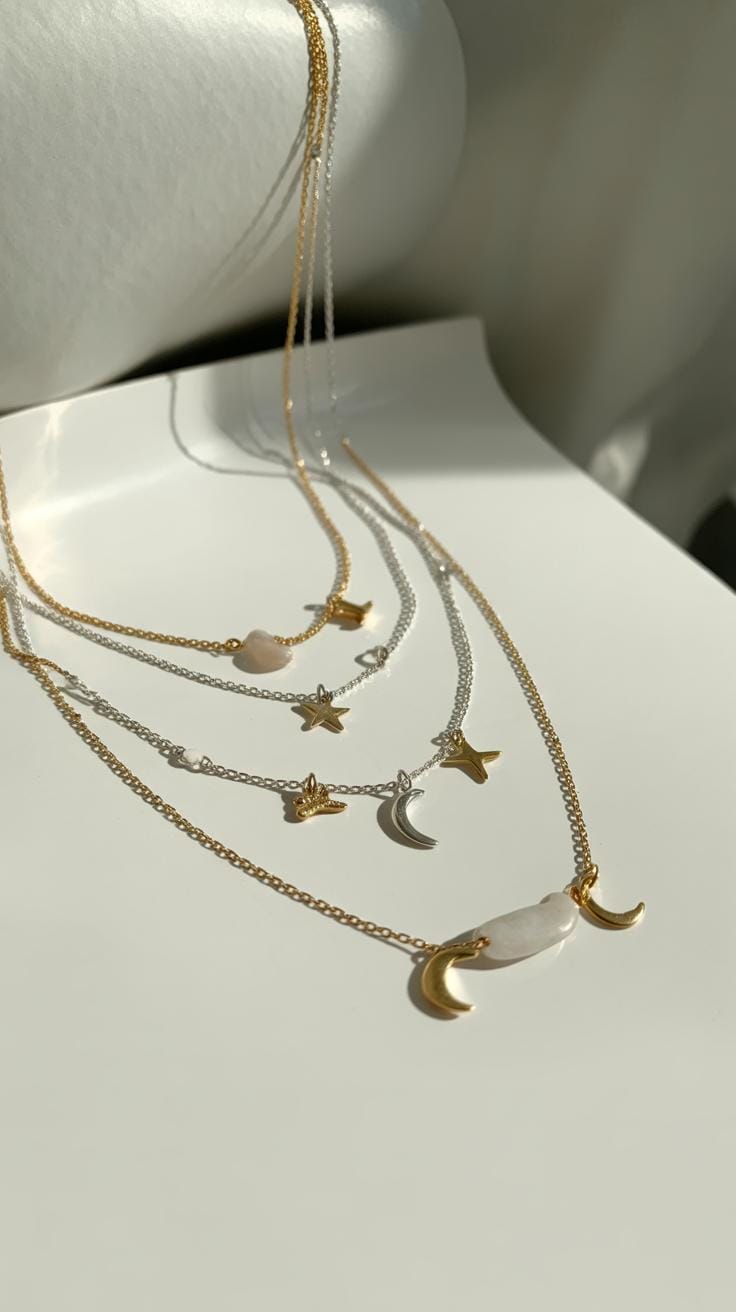
Stacked necklaces can get tangled faster than you expect. Keeping them separate is key, but that doesn’t mean you need fancy organizers. I find using small, individual pouches or even zip-top bags works well. You could try hanging each necklace on hooks or a jewelry stand with spaced pegs. Even threading necklaces through straws or strung cards helps prevent knots—it sounds odd but it actually saves time in the morning. You might worry this takes up more space, yet in the end, it stops the frustration of untangling for ages. Plus, separating materials avoids scratches, especially when mixing metals or delicate beads.
Cleaning Advice
Cleaning stacked necklaces depends a lot on what they’re made of. For example, gold and silver pieces react differently. You can soak silver in a gentle baking soda paste or a mild soap solution, then rinse and dry thoroughly to keep that shine. Gold needs softer treatment—sometimes just warm water and a soft cloth suffice. Pearls and gemstones demand extra care; a damp cloth without soap often works best to avoid dulling them. I’ve tried some commercial cleaners, but they aren’t always the safest choice, especially for mixed-material stacks. So, test a small spot first if you’re unsure. Don’t neglect drying; even a bit of leftover moisture can dull or damage necklaces over time.
Trendy Stacked Necklace Ideas
Minimalist Layers
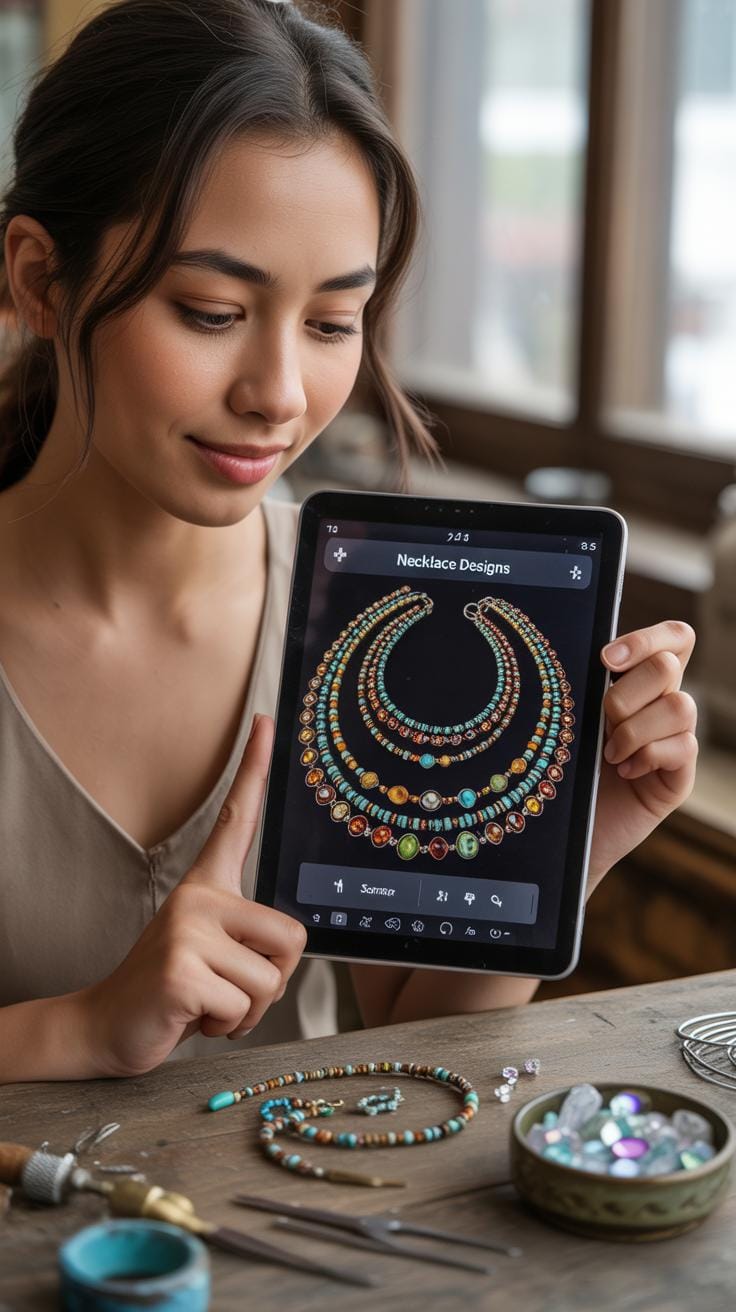
Minimalism in necklace stacking has become quite the thing lately. Think thin chains, subtle pendants, and delicate charms all layered together without feeling too busy. The key is to mix different lengths but keep the overall look light and simple. You might try pairing a tiny circle pendant with a slender bar necklace just a bit longer. It doesn’t have to be perfectly matched; that slight randomness actually works in your favor.
Colors usually stick to gold or silver tones, sometimes even mixing metals for a subtle twist. It’s about balance—not too many layers, just enough to create interest without overwhelming your neckline. I’ve found that these minimalist stacks work well for everyday wear, offering a quiet charm rather than shouting for attention.
Wonder what kind of layering suits your style? Maybe start with two thin chains and build from there, paying attention to how each piece moves and catches light during the day.
Bold And Chunky
On the flip side, bold, chunky necklaces have made a comeback. These are those heavy chains, often oversized links or statement pendants that really stand out. Stacking these requires a bit of courage, because it’s easy to overdo—but when done right, it feels striking without being overbearing.
One popular trend is mixing a thick chain with a geometric pendant and then adding a third, medium-weight chain for dimension. You’re layering different textures and shapes, which adds some edge to the whole look. I think this trend suits those who want their accessories to be a clear focal point, something that shifts from simple to wow in a second.
It might sound a bit much at first, but try pairing a chunky gold chain with a textured necklace in a similar tone. The result can be surprisingly harmonious—almost like a curated collection rather than a jumble of pieces.
Stacked Necklaces For Every Occasion

Daytime Looks
Stacked necklaces fit naturally into casual, everyday wear. You don’t have to overthink it. Think simple chains of different lengths—maybe a tiny pendant mixed with a delicate choker. It’s easy to throw on a couple of thin gold or silver strands over your favorite t-shirt or a cozy knit without feeling like you tried too hard.
For daytime, layering with subtle contrasts works well. Combine a chain with small beads and a minimalist bar necklace. You probably want to keep the look light and fuss-free since it complements your outfit without stealing attention. Honestly, I find that mixing metals can feel a bit risky during the day but sometimes it’s worth experimenting with.
Here are some easy ideas to try:
- Tiny charm necklace layered with a simple chain.
- Mixing a pearl strand with thin metal links.
- Adding a delicate locket or a small stone pendant for personality.
The key is to layer without overcrowding, so you feel comfortable moving through your day with a little personality shining through.
Evening Style
When it comes to evening or special events, stacked necklaces can elevate your look swiftly. You can start with statement pieces and add finer chains to support the overall vibe. Maybe you want a chunky chain combined with a sparkling pendant or multiple strands with varied textures.
If you wonder whether to keep it simple or go bold, you might find that mixing both works unexpectedly well. Like pairing a dramatic chain with a subtle pearl strand can create a balanced, interesting look. I’ve tried this once at a dinner party, and people actually asked about my necklaces without me saying a word.
Try layering with ideas such as:
- Bold chains mixed with delicate rhinestone necklaces.
- Lengths that vary heavily—long with short and medium layers.
- Combining edgy metals with soft gemstones for contrast.
This lets you dress up your neckline without over-accessorizing. It often turns out that simple layering with one standout piece makes the whole ensemble feel polished.
Building Your Necklace Collection

When you’re starting to build a necklace collection for layering, it’s easy to feel overwhelmed by all the styles and lengths out there. I think the best way to begin is by choosing simple pieces — plain chains and subtle pendants. Thin gold or silver chains, for example, work well as a base. They’re versatile and don’t compete with each other.
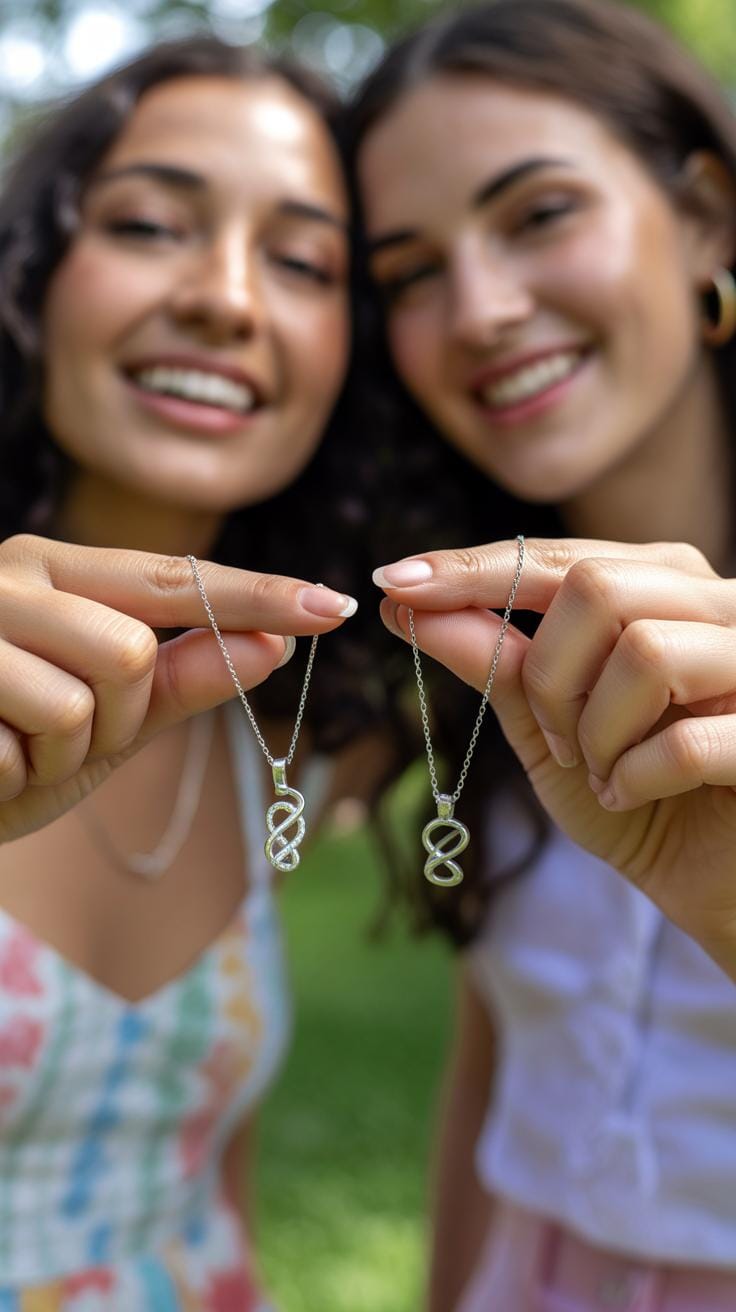
Once you have a few basics, you might want to add necklaces that reflect something personal or unique. Maybe a charm that reminds you of a trip, a gift from someone special, or even a quirky pendant that shows your style. These pieces don’t have to be flashy but should add character to your layers.
Here are some tips for building your collection:
- Start with varying lengths of delicate chains – 16, 18, and 20-inch chains are typical choices.
- Choose both gold and silver if you like mixing metals. It can add dimension without being too much.
- Look for pendants that have meaning or a story to make layering feel more personal.
- Don’t rush to buy expensive or statement pieces right away — sometimes simple is better, at least at first.
- Consider adding necklaces with different textures or small beads to avoid everything looking too similar.
Building a collection is a bit like getting to know yourself through jewelry. You might start one way and then slowly discover what feels right. Sometimes I find a necklace that didn’t seem interesting at first suddenly fits perfectly with others. So don’t be afraid to experiment a little along the way.
Conclusions
Stacked necklaces let you express your style simply and creatively. You don’t need expensive or complicated jewelry to look great. By mixing and matching necklaces of different lengths, styles, and colors, you create unique looks that suit your personality and mood. It’s an easy way to refresh your outfits every day.
Start with a few simple pieces and experiment with layering. Pay attention to how different combinations look together. Remember, the best style is one that makes you feel confident. Stacked necklaces give you that freedom to play and personalize your jewelry collection with ease.