
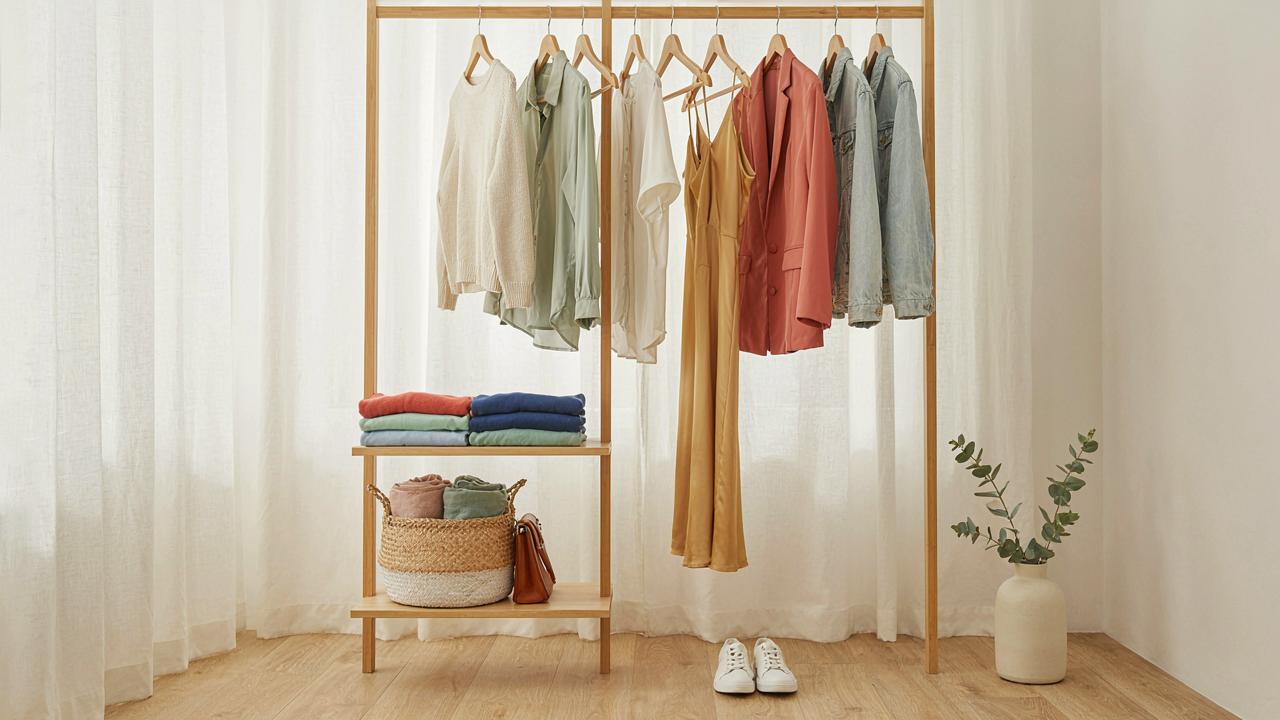
The Myth Of More: Why Your Current Spring Capsule Wardrobe Fails

The Filler Problem Nobody Names
You think you need more pieces because admitting you bought wrong feels worse than buying again. The real issue is simpler: most spring capsules contain items that exist in isolation. They don’t bridge to other pieces. These are filler items, and they break the entire system because a capsule wardrobe only works when every piece connects to multiple others. One neutral sweater that matches nothing else is dead weight masquerading as versatility.
Filler typically arrives through two routes: impulse buys that seemed “safe” at the time, or pieces chosen for aesthetic reasons rather than functional overlap. A pale pink blouse that doesn’t match your trousers, jeans, or outerwear solves nothing. It creates the illusion of options while actually narrowing combinations. Remove it and your remaining pieces suddenly work harder and create more outfits. The math is counterintuitive but mechanical: fewer connected pieces generate more combinations than more disconnected pieces.
The Real Cost Of Impulse Buying

Economics calls this the hidden cost of optionality, and it devastates spring wardrobes specifically. You see a piece in March, buy it without checking existing items, then spend the spring managing decision fatigue about whether to wear it. The cost isn’t the money spent. It’s the mental energy wasted on a piece that doesn’t fit your existing system, plus the guilt of owning something you rarely wear.
This compounds seasonally. Spring is a bottleneck season where temperatures and lighting shift fast. Pieces must work across conditions. An impulse buy that doesn’t adapt to these variables creates friction every morning. You eventually stop reaching for it, which means you’ve paid money to add weight to your closet while reducing actual wearable options. The fix is mechanical: before buying any spring piece, map it against three existing items to verify it creates new combinations.

The Core 7 Principle For Spring Capsule 2026

Build Neutral Anchors First
You want permission to buy clothes without thinking about it. That’s the real reason capsule wardrobes appeal to you. The mechanism is constraint. Neutral anchors are the pieces that accept any other piece in your closet without creating visual chaos. White, cream, navy, black, tan, and olive work because they recede. They let pattern, texture, and secondary colors do the work. Start with these five items: a white t-shirt, cream linen shirt, navy chinos, black pants, and a neutral overshirt. These pieces solve the problem of decision fatigue by removing options, not adding them.
The common advice says “pick neutrals you love.” That’s incomplete. You need neutrals that layer without bulk and won’t fade after three washes. Natural fibers hold dye better than synthetics. Cotton blends with a small percentage of elastane (3 to 5 percent) keep shape through a full season without feeling plasticky. Linen wrinkles by design, so embrace that instead of fighting it. Buy these anchors in slightly heavier weights for spring, not the tissue-thin versions marketed as “summer weight.” Weight creates visual presence and durability. Choose these five pieces first, then everything else gets built around them.
Layer For Seasonal Stretch
Physics teaches us that systems gain efficiency through multiplication of constraints, not subtraction. In a capsule wardrobe, layering multiplies your outfit count without multiplying your piece count. A linen shirt over a t-shirt becomes a different outfit than either piece alone. The key is building layering items that compress. Spring requires pieces that add warmth without volume since you’re transitioning between seasons.
Cardigans, lightweight blazers, and unstructured overshirts serve this function. Choose cardigans in merino wool or cotton blends that sit close to the body without clinging. A camel or cream cardigan over your white tee and navy chinos creates depth without looking intentional or overdressed. Overshirts in matching neutrals work as both a top and a jacket. Wear it open as a layer or closed as a standalone piece. The mechanism is: each layer must function as a standalone piece so you’re not forced to wear all three items together every time. That’s how you get twelve outfits from seven pieces instead of seven.
Deconstructing “Mix And Match”: A Game Theory Approach

Your Wardrobe As A Strategic System
You want to feel like you have more clothes than you actually own. That’s the real draw here, and there’s nothing wrong with naming it. A spring capsule wardrobe works because it treats clothing like an interconnected system, not a pile of individual items. Game theory calls this interdependence. Each piece gains or loses value based on what else exists in your closet. A neutral base shirt alone is worthless. That same shirt paired with five bottoms and layerable pieces becomes the foundation of fifteen outfits. The mechanism is simple: constraint creates leverage.
Most people buy pieces they like in isolation, then wonder why they can’t combine them. They skip the architectural step. You need to reverse-engineer the system first. Decide your color palette before buying anything. Choose three to four neutral anchors: cream, gray, navy, or olive. Then add one accent color that bridges those neutrals without competing. Every subsequent piece must function as either a base, layer, or accent. No dead weight. When you enforce these rules upfront, combinations multiply without additional purchases.
Calculating Outfit Permutations Through Constraint
Combinatorics is the math of arrangements, and a spring capsule wardrobe is combinatorics applied to fabric. If you own four tops, three bottoms, and two layers, the naive calculation says twelve outfits. Wrong. You don’t count every combination because context matters: weather changes, occasion shifts, and color coordination actually reduces your usable permutations. The real game is maximizing what you can actually wear in spring specifically.
Start with this protocol: list your four to five bottoms and build around them. A neutral pant, a neutral skirt, one denim variation, and one seasonal piece form your base. Then choose tops that work with all four. A white tee works with everything. A striped shirt works with everything. A patterned piece works with exactly two bottoms. This constraint is intentional. It forces you to think like a designer, not a consumer. Before adding a sixth top, ask whether it creates new combinations or cannibalizes existing ones. If it doesn’t expand your wearable range, it doesn’t belong.
Beyond Trends: Curating Your Personal Spring Capsule

Stop Copying Pinterest Boards
You follow the lists because you’re afraid of looking wrong. That’s the real mechanism at play. But “must-have” spring capsule pieces are designed for nobody in particular, which means they work for nobody specifically. The cost is obvious: you buy items that don’t fit your life, your body, or your actual routines. You end up with expensive dead weight.
Your job is to reverse-engineer your own wardrobe from behavior, not from editorial consensus. Look at what you actually wear repeatedly across different contexts. Track it for two weeks without judgment. The pattern that emerges is your real spring uniform. That data beats any influencer’s list because it accounts for your climate, your commute, your body proportions, and your social circles. The pieces you reach for without thinking are the ones that earned their place.
The Signature Piece Method
Economics calls this “comparative advantage”—the idea that you win by doubling down on what you uniquely do well, not by trying to be good at everything. Apply this to your spring capsule: identify one or two pieces that only work with your coloring, your build, or your lifestyle. A specific shade of linen. A cut that flatters your shoulders. A fabric weight you’ve tested and know moves right. Signature pieces become your north star.
Your spring capsule exists to orbit these anchors, not to imitate someone else’s orbit. Build backward from signature pieces. Every addition should either amplify those anchors or extend their range into new contexts. This approach eliminates decision paralysis because you’re not shopping for trends—you’re shopping for coherence. Write down one signature piece today and commit to building the capsule around it.
The 3 Tiered Investment Strategy For Spring Capsule
Where Quality Actually Matters
You’re afraid you’ll waste money on the wrong pieces. That’s the real problem here. The mechanism is simple: your spring capsule succeeds or fails based on how you allocate limited budget across three categories with different failure costs. A cheap blazer worn 80 times costs less per wear than an expensive tee worn 5 times. Spend where visibility and frequency intersect.
Basics that touch skin daily—tees, tanks, lightweight layers—tolerate budget options. These pieces fade, shrink, and pill regardless of price point after moderate rotation. Outerwear and structured pieces demand investment. A spring blazer or trench coat worn multiple seasons across different outfits justifies higher cost because poor construction becomes obvious immediately and replacement derails the entire capsule’s coherence.
Durability Beats Price Tag Every Time
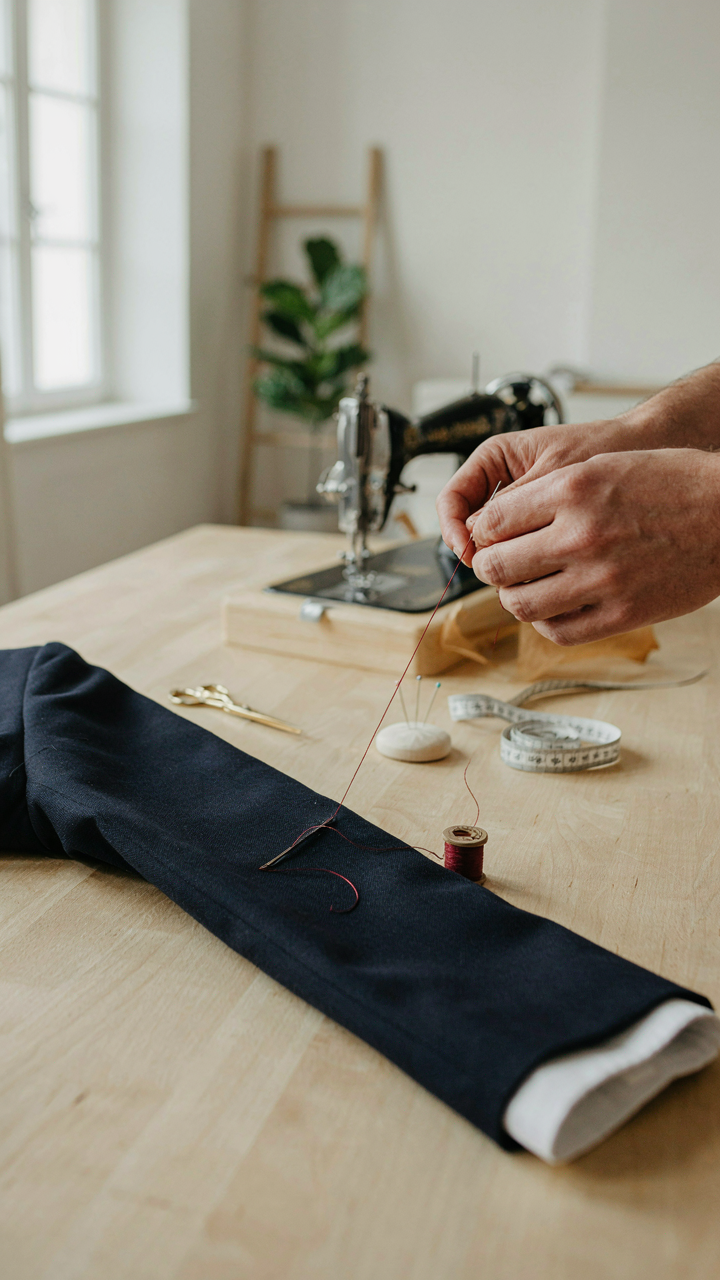
Longevity engineering works like structural integrity in construction: one weak point collapses the whole system. A spring capsule fails not when pieces are expensive, but when seams split, hems fray, or fabric loses shape after three washes. Repairability is the mechanism that extends value. A natural fiber pant with a blown seam costs fifteen dollars to repair and lasts another two years. A synthetic with the same issue becomes landfill.
Check fiber content first. Linen, cotton blends, and wool resist pilling and hold shape through multiple seasons. Examine seam construction before buying. Pieces with French seams or reinforced stress points at armholes and crotch survive aggressive wearing and washing. Buy only what you can have altered or mended locally—your tailor becomes the extension of the capsule’s lifespan.
Accessorizing For Impact: Transforming Capsule Outfits

The Economics Of Restraint
You’re afraid your outfit will disappear into the background. That’s why you want to know the real mechanism here. The problem isn’t that minimal accessories fail to work. The problem is constraint itself. In economics, scarcity drives value. Apply this to accessories: fewer pieces force each one to work harder across more outfits. A spring capsule that owns three belts instead of fifteen demands you understand what each belt actually does. You stop buying noise and start buying leverage.
The math is brutal and honest. If an accessory appears in fewer than three outfits, it’s dead weight. A tan leather belt hits a cream linen shirt, a sage green dress, and neutral trousers. Same belt, three distinct reads. Gold jewelry works differently than silver in a capsule because it demands different color pairings. You pick one metal family and commit. This isn’t limitation. It’s efficiency disguised as taste.
Layered Addition Without Bloat
The common advice is to add accessories gradually. That’s incomplete. You need to understand the difference between surface-level additions and structural ones. A scarf changes nothing about an outfit’s bones. A leather bag changes how weight distributes across your body and reads in space. Sunglasses alter how your face anchors the entire look. These are structural. Layer structural additions first.
- Leather Belts: Choose one neutral tone and one warm tone. Belt widths matter less than consistent buckle style across pieces. Creates visual continuity across different silhouettes.
- Structured Bags: One crossbody for daily function, one structured tote for polish. Bag shape determines which body types the outfit flatters. Material signals season more than color.
- Lightweight Scarves: Linen or cotton in one neutral print works spring heat without adding bulk. Tie at neck or drape over shoulder. Changes outfit mood without changing clothes.
- Sunglasses: One frame shape that complements your face. Quality matters because cheap frames distract from outfit balance. Acts as visual anchor for entire silhouette.
- Layering Jewelry: Thin gold or silver chains keep layering options open across necklines. Stacking creates visual interest without requiring new pieces. Metal choice locks your entire jewelry direction.
The protocol is mechanical. Shoot every base outfit five ways: once unadorned, once with belt, once with bag swap, once with scarf, once with all three combined. See which combinations create new outfits rather than decoration. Discard anything that only looks right with one specific piece. Keep only the additions that expand rather than constrain your spring rotation.
The Seasonal Rotation Protocol: 2026 Capsule Wardrobe Maintenance

How To Store Winter Items Without Decay
You’re storing clothes because you fear they’ll deteriorate and you’ll waste money replacing them. That fear is legitimate. The real mechanism is moisture and temperature stability. Garments degrade fastest when exposed to humidity swings and heat. Winter pieces spend six months dormant, and that dormancy only works if conditions stay consistent.
Clean everything before storage. Dirt traps moisture and accelerates fiber breakdown. Use breathable cotton or linen bags, not plastic containers. Plastic traps humidity and creates a petri dish for mildew and mold. Store in a cool, dry closet or under-bed space away from direct sunlight. Fold rather than hang to reduce fiber stress. Cedar blocks or lavender sachets deter insects without the chemical residue of mothballs.
When To Replace, Not Just Rotate
The common advice is to rotate seasonally and you’re done. Wrong. Rotation masks deterioration. Most people add pieces instead of evaluating whether existing ones still work. You need an inventory audit before spring arrives. Check every piece for pilling, seam separation, color fading, and fit changes. If a piece shows wear that affects function, replace it now. If it fits and performs, it stays in rotation.
Replacement follows a priority system. Replace basics that anchor outfits first: neutral tees, plain sweaters, foundational bottoms. These take daily stress. Accent pieces can wait longer. Track what you actually wore in the previous season. If you didn’t touch something, don’t carry it forward. This simple rule stops dead weight from accumulating and keeps your capsule lean and functional.
Soft Spring Capsule Wardrobe: Effortless Style, Not Compromise

Color Psychology Builds Coherence, Not Decoration
You want permission to buy more clothes while calling it minimalism. Here’s the mechanism: color psychology isn’t about feelings—it’s about signal recognition. Your brain processes color before shape. When every piece shares a restricted palette, you stop seeing individual items and start seeing outfit systems. Soft spring palettes (warm neutrals, muted pastels, dusty earth tones) work because they create visual continuity. This isn’t spiritual. It’s neurology.
Cohesive palettes force constraint. Instead of reaching for forty pieces that clash, you reach for eight that combine. The palette does the filtering work your brain was doing manually. Warm creams, soft taupes, muted sage, and dusty rose won’t fight each other—they compound. This is why fashion photographers shoot entire editorials in one color family. Not because it looks nice. Because it reads as intentional instantly.
Texture Carries Weight, Drape Carries Proportion
Common advice says mix textures for interest. That’s incomplete. Texture is load-bearing. In structural engineering terms, texture distributes visual weight across a surface. A linen shirt and cotton knit aren’t just different—they disrupt light differently. In spring wardrobes, this matters because soft colors flatten silhouettes. Without texture variation, a monochromatic outfit becomes formless.
Drape is the enforcement mechanism. A soft linen pant reads differently than a structured cotton one, even in the same color. Spring capsules should include at least one fluid fabric (linen blend, lightweight rayon) and one structured one (cotton poplin, chambray). Weave three outfits from the same neutral base using different textures alone. The color stays constant. The outfit morphs. This is how soft spring wardrobes generate outfit volume from minimal pieces.
The Real Obstacle Isn’t Your Closet, It’s Your Inability To Define Your Own Damn Style

You don’t need more pieces. You need conviction. Most people build capsules by copying someone else’s aesthetic, then wonder why nothing feels right. Pick three colors that actually move you, not ones you think you should like. Wear them for a week straight. Notice what feels like you versus what feels like performance. That clarity kills decision fatigue faster than any outfit grid. Stop dressing for approval and start dressing for function. Your closet works when your identity does.