
Introduction
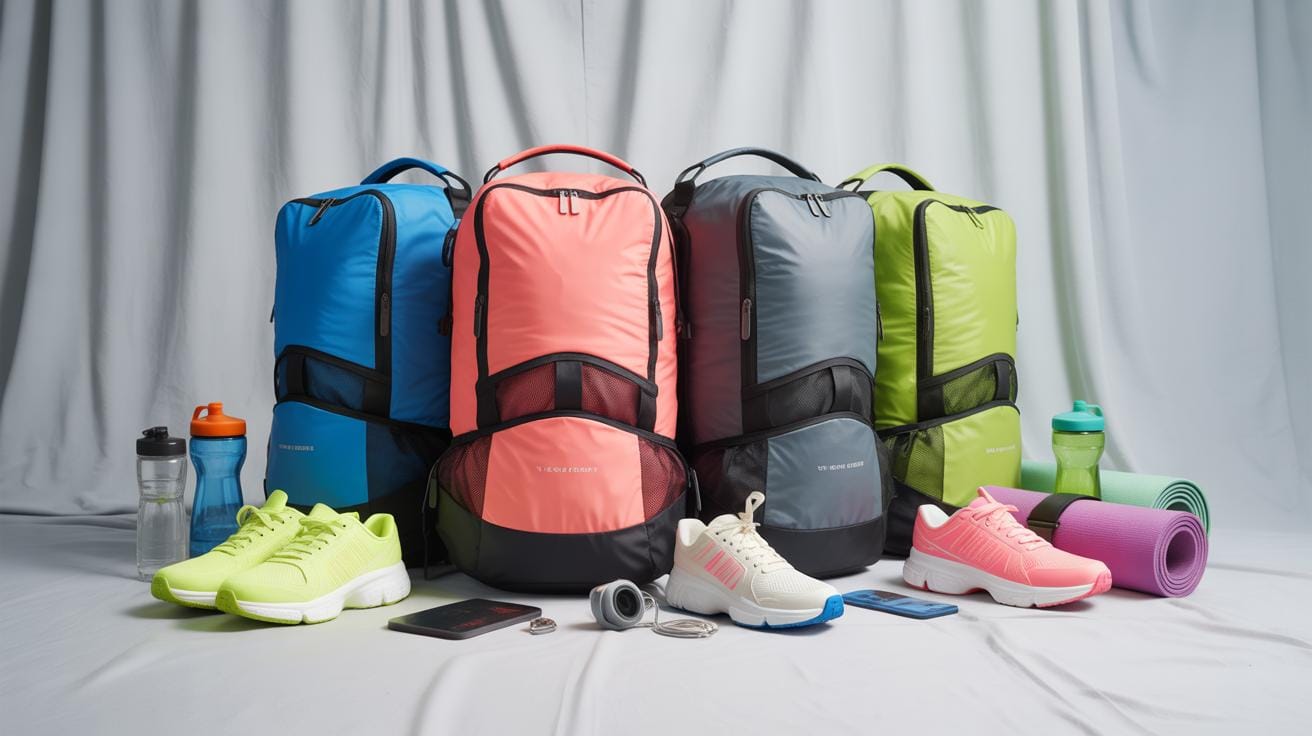
Workout Bags and Sport Bags serve similar purposes but have distinct differences in design and style. Many people wonder which type suits their needs better when it comes to carrying gym gear or sports equipment. This article looks closely at the key features of each to help you decide.
We will compare the bags on various factors like size, compartments, materials, and ease of use. Understanding these differences will help you pick the right bag that matches your lifestyle and workout habits. Keep reading to learn what makes each bag unique and which style trends are currently popular.
Comparing Workout Bags And Sport Bags

Key Features In Workout Bags
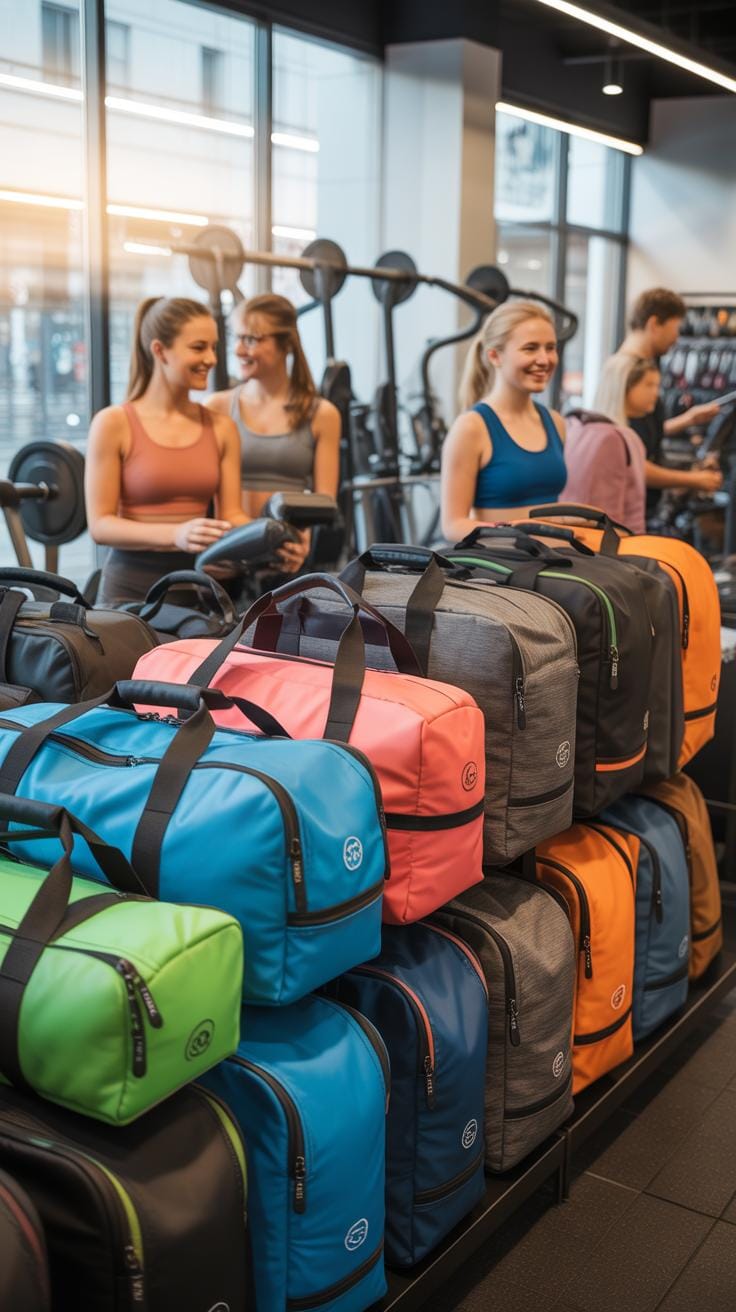
Workout bags tend to be compact but versatile. You’ll usually find them sized to fit essentials without being too bulky—big enough for shoes, a change of clothes, and basic toiletries. Materials lean toward durable synthetics like nylon or polyester, designed to resist sweat and moisture. Compartments are tailored for gym use, often including a ventilated section for sneakers, zip pockets for things like keys and wallets, and sometimes insulated pockets to keep drinks cool. These features help keep your gear organized and prevent unpleasant odors.
Design Elements Of Sport Bags
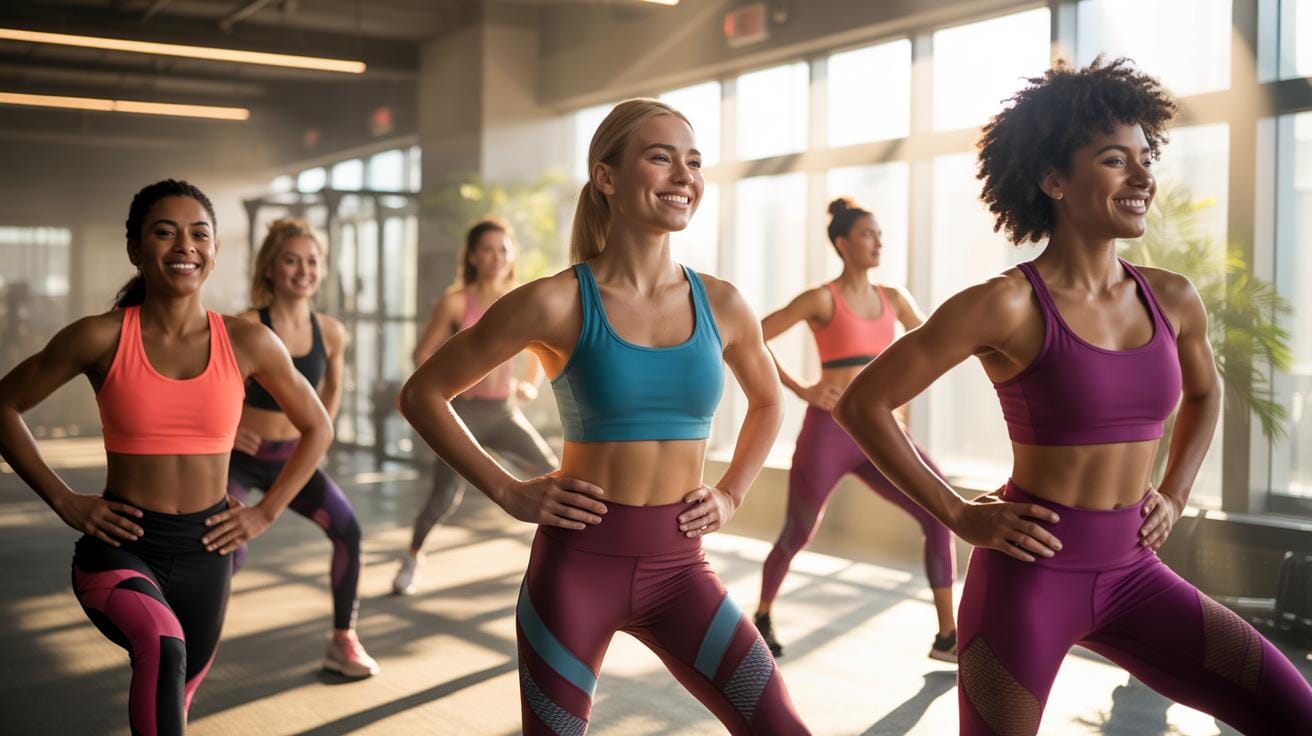
Sport bags often have a more distinctive shape, shaped to accommodate specific sports gear. They can be longer or wider depending on what they’re meant to carry—think hockey sticks or tennis rackets. Handles and straps come in multiple forms: sturdy top handles for grab-and-go, adjustable shoulder straps for comfort during longer carries, and sometimes even backpack-style straps. Materials vary, but durable canvas, leather, or reinforced synthetic fabrics appear frequently, chosen for their ability to handle weight and rough use. Ventilation and waterproofing are also common, as sport bags need to protect and air out bulky equipment.
If you’re someone who switches between gym and field, the differences might seem subtle but add up in daily use. A workout bag’s streamlined nature suits quick trips, while a sport bag’s robust design serves broader and sometimes heavier requirements. Does your choice reflect how you move through your day? Probably. It’s less about a “one size fits all” and more about what fits your routine.
How To Choose The Right Bag For You

When it comes to choosing the right sport bag, you really need to think about what you carry most days. Start by making a list of your usual gear—running shoes, water bottles, clothes, maybe a helmet. The size and number of compartments should fit those items comfortably without cramming. You want easy access, but also enough separation to keep things organized. For instance, a bag with a ventilated shoe compartment can prevent odors mixing with clean clothes.
Next, consider how often you’ll actually use the bag and for how long. If you’re hitting the gym daily or going for weekend sports events, durability becomes key. A well-made bag might cost more but can save you money over time. On rare occasions, a smaller or lighter bag might suffice, but if you’re on the move a lot, something sturdy with reinforced stitching and good zippers might be the wiser choice.
Think about your own style of carrying too—do you prefer a carry handle, a shoulder strap, or both? And don’t forget about comfort; padded straps make a big difference if the bag gets heavy. Overall, your choice should balance what you need to carry, how often, and how you like to carry it. It’s not just about looks or trends; practicality plays a huge role here.
Materials And Durability In Bags
Material Choices For Sport Bags
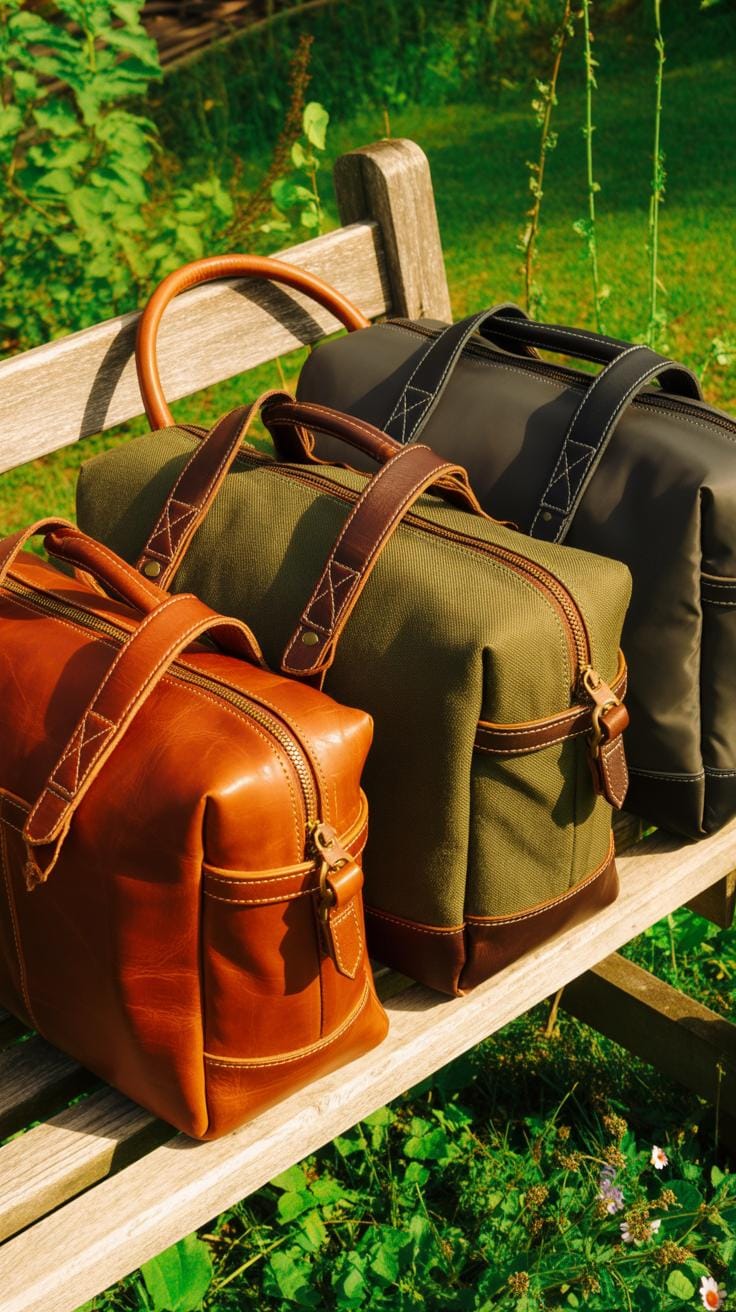
Sport bags are often tasked with carrying heavy or bulky items, which makes their material choice quite critical. You’ll usually find these bags made of thick, woven synthetic fabrics like ballistic nylon or polyester. These materials are chosen mainly for their toughness—they can resist tears and handle rough handling fairly well.
Ballistic nylon, for instance, is known for its abrasion resistance. This means it holds up well against scraping and rough surfaces, which is common when you toss your bag in the trunk or gym floor. It also tends to repel water to some extent, which helps protect your gear from getting drenched if you get caught in the rain. Yet, this isn’t waterproof by any means.
Polyester is another common material. It’s less expensive, and quite durable too, but it can be a bit heavier. The downside? It can fade or weaken if exposed to sunlight for prolonged periods, something to keep in mind if you leave your bag outside often.
Some sport bags also mix in canvas, especially heavy-duty cotton canvas, for a more natural feel and extra sturdiness. Canvas holds up well but can absorb moisture unless treated, which means more maintenance to prevent mold or odors.
When you’re choosing a sport bag, think about how often you haul weighty equipment and how you treat your bag. If you’re rough on gear and require longevity, opting for denser materials like ballistic nylon might be the better bet, even if it costs a bit more or feels stiffer. On the other hand, if you value lighter weight and a bit of style, polyester or canvas blends could work, but be prepared for some trade-offs in lifespan or upkeep.
Sport Bag
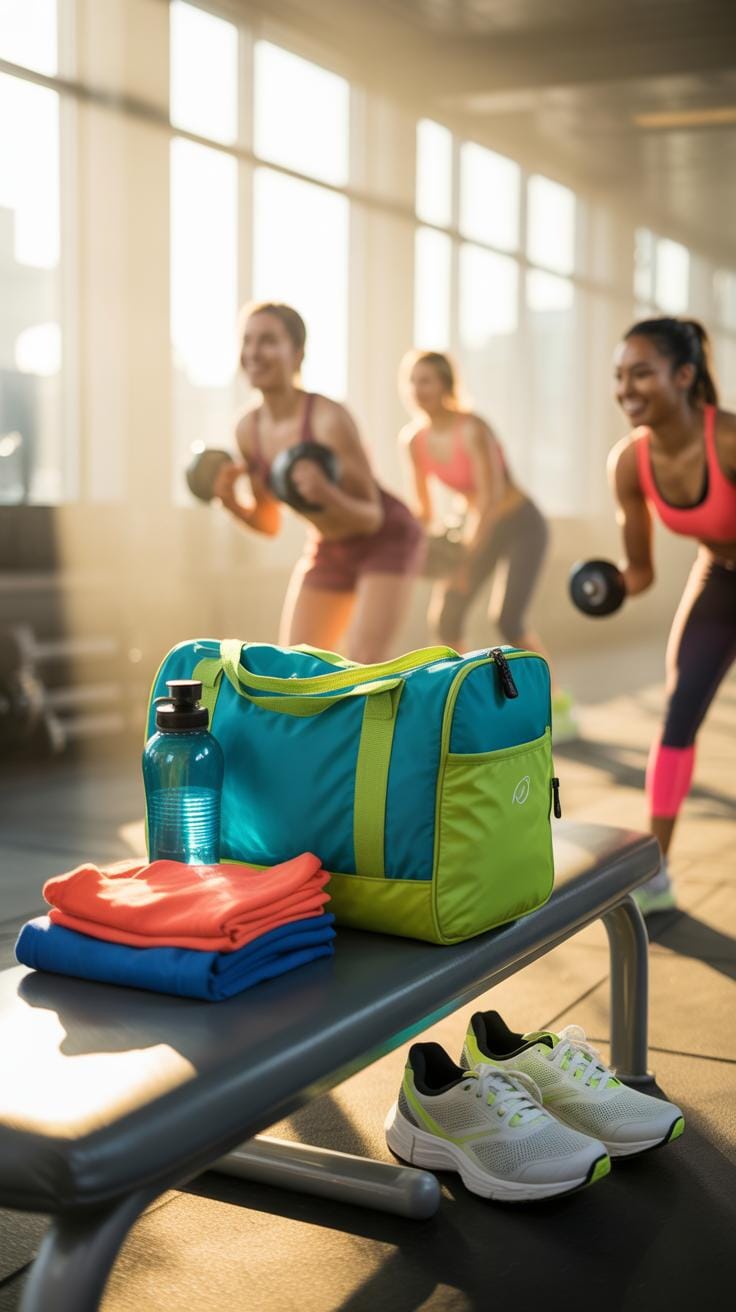
When it comes to sport bags, the design usually centers on practicality, but not without some nods to style. Typically, these bags feature a rectangular base and a top zippered opening, making access easy and quick. You’ll find handles and often a removable shoulder strap, which adds flexibility for carrying. This combination makes them quite convenient whether you’re heading to practice or a casual outing.
Colors tend to lean towards dark or neutral tones, with occasional bursts of brighter shades to highlight brand logos or accents—but I’ve noticed that lately, some sport bags incorporate more muted pastel colors, which feels a bit unexpected but fresh. Shapes are generally straightforward, designed to hold gear efficiently. You won’t see overly complicated forms because the goal remains utility.
One thing that’s becoming more common is added functionality, such as dedicated compartments for shoes or water bottles and padded sections for tech gadgets. It’s easy to overlook how useful these features become until you’re juggling multiple sports items or trying to keep your electronics safe. Often these bags are made from materials that resist water, which is practical, though sometimes makes the bag feel heavier or less breathable.
In terms of users, both casual athletes and more serious sports enthusiasts appreciate these designs. But I guess that profile shapes the style preferences quite a bit. Someone using a sport bag for everyday errands might want sleek lines and subtle branding, whereas a competitive athlete might prioritize durability and capacity over looks alone. So, the demand kind of splits, reflecting different lifestyles even within those who pick ‘sport bags.’
Packing Tips For Efficient Use Sport Bag
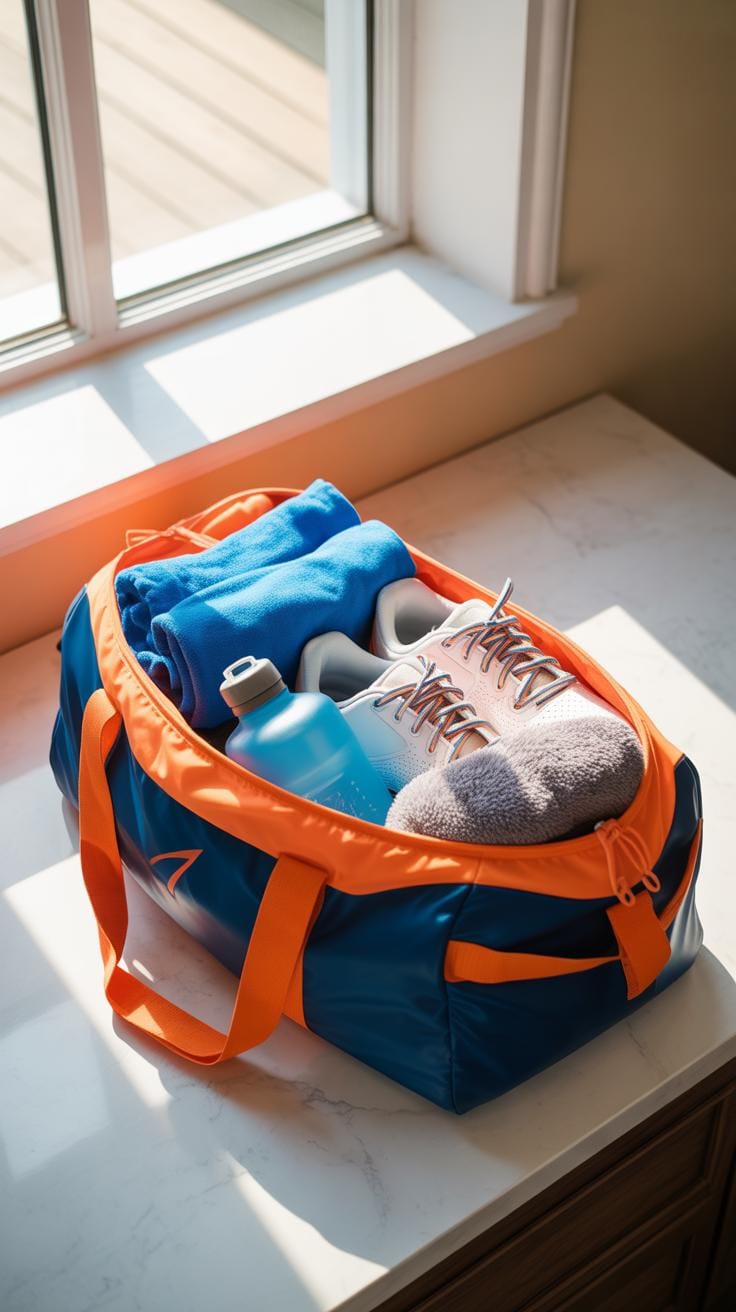
Packing a sport bag can be a bit of a puzzle, especially when you have larger items like helmets, pads, or shoes involved. You want to avoid damage and keep things accessible, right? It’s tricky but doable with some care.
Start by putting heavier and bulkier items like shoes or gear at the bottom. This stabilizes the bag. Place items with rigid shapes carefully, so they don’t crush softer things like clothes or towels.
Use compartments and pockets for smaller stuff—keys, water bottles, or snacks. This way, your bigger items don’t get mixed up and you won’t have to dig around. Rolling clothes instead of folding can save space and reduce wrinkles, which is helpful when dressing after practice.
Sometimes, it’s tempting to shove everything in quickly. But if you take a little time to arrange things thoughtfully, it can save you from a mess later on. Also, a lightweight packing cube or mesh bag inside a sport bag could help separate sweaty uniforms from fresh clothes, for example. It’s small details like these that make carrying your sport bag less of a chore.
Are there always things you forget to pack? Maybe. Keeping a checklist nearby might help avoid those “oh no” moments before a game or workout.
Common Mistakes When Choosing Bags
When picking a sport bag, people often mess up by not thinking enough about the bag’s size. Some go for the biggest one, thinking bigger must be better for carrying all their gear. But really, those oversized bags end up bulky and awkward to carry, especially if you’re only hauling a few things. It’s a hassle when your bag weighs more than your sports kit. Ideally, choose a size that fits your needs without unnecessary space that just adds weight.
Comfort shines through in how the bag handles are made. You might neglect strap design, only to regret it later when your shoulders ache after just a short walk. Thin or poorly padded straps dig into your skin, making trips to the gym or field a chore. Look for adjustable, padded straps that spread weight evenly, and test them out if you can. Sometimes what looks fine on the shelf isn’t comfy once you’re wearing it.
These mistakes—oversized bags and ignoring comfort—can turn what should be a simple task into a troublesome situation. The right approach? Think practical size first, then comfort features. Your body will thank you after every use. Have you ever grabbed a bag without checking these details and wished you hadn’t?
Cost Factors And Value Assessment
Cost Considerations For Sport Bags
Sport bags come with a wide range of prices, largely influenced by factors such as size, brand, and material. You might find a basic sport bag priced quite affordably, but as these factors shift, so does the cost.
Size plays a significant role. Larger bags naturally require more material and construction effort, pushing their prices higher. But it’s not just size; the brand often dictates a premium. Brands with strong reputations or those known for durability and style can charge much more. Sometimes, you’re paying for the name as much as the functionality.
Material is another big factor. Synthetic fabrics like nylon and polyester are common and tend to keep costs down. But if you want something with leather accents or waterproof qualities, expect a noticeable price jump. The choice of zippers and internal compartments also affect price, even if subtly. I once bought a mid-tier sport bag, thinking it was a bargain, only to find it lacked proper padding and pockets, which made me regret skimping on quality.
In essence, the value you get from a sport bag depends on your priorities. Do you want something stylish and durable, or just a functional bag for occasional use? This balance between cost and what you get often leaves people wondering if the pricier options are really worth it. Sometimes, you pay extra for design elements that may or may not be important to everyday use.
Example Bags And User Reviews Sport Bags
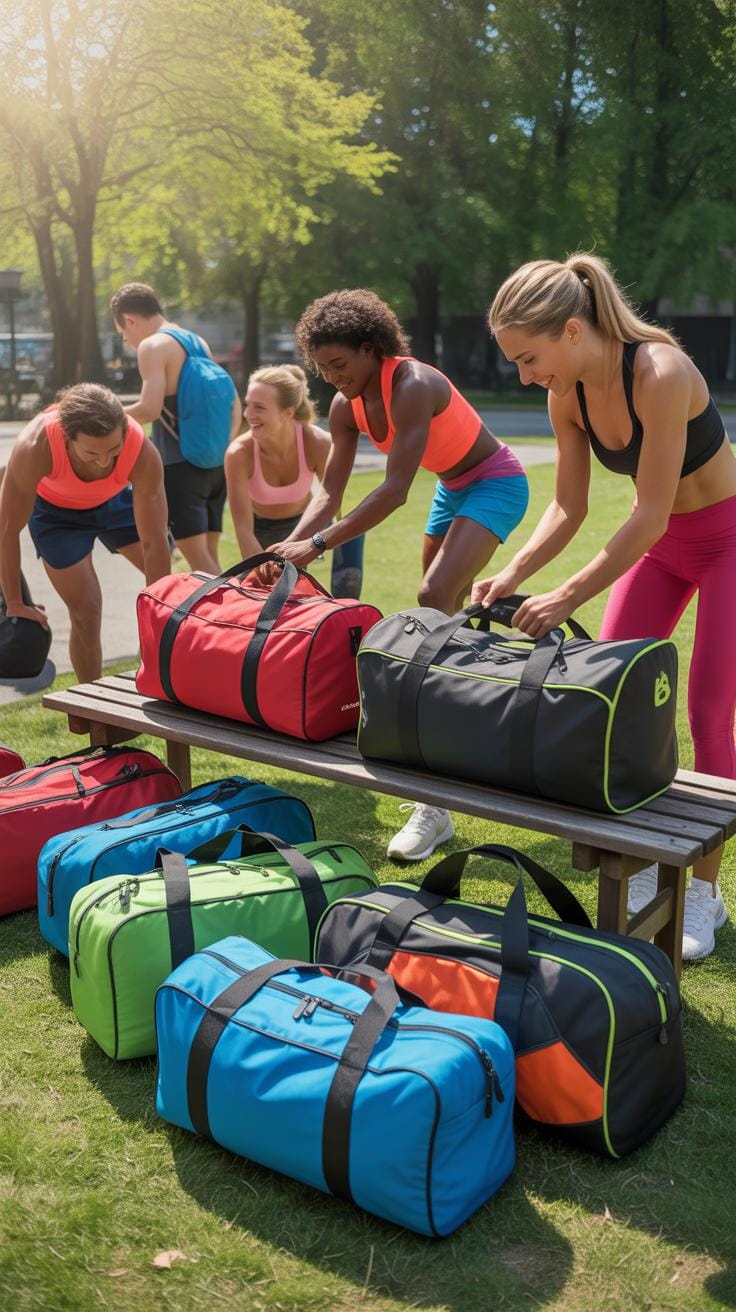
Sport bags are built to meet the demands of athletes and active users, combining utility with style. Unlike typical workout bags, they often have extra compartments and durability to handle not just gym clothes but sports gear too. People tend to look for features that make packing and organizing straightforward.
Popular sport bags often include:
- Multiple compartments for shoes, water bottles, and accessories
- Water-resistant materials
- Comfortable straps for easy carrying
- A balance between size and weight – not too bulky, but spacious enough
Athletes frequently review sport bags praising the sturdy build and convenient pockets — but some complain about stiff designs or limited ventilation. One common sentiment is that while durability is crucial, too much rigidity can make the bag less flexible for casual use.
For instance, bags from brands like Nike, Adidas, and Under Armour often receive positive mentions for their fit and finish, though preferences can vary wildly depending on sport and personal style. It’s interesting, actually, how some users favor simpler, classic designs while others want bold, eye-catching patterns. It’s a bit of a split, really. Which side do you naturally lean towards when picking a sport bag?
Conclusions
Choosing between a workout bag and a sport bag depends on your specific needs. Workout bags tend to have compartments and shapes designed for gym clothes and fitness accessories. Sport bags are often larger and can carry bulkier sports equipment.
Both types continue to evolve in style and materials, focusing on convenience and durability. Consider your daily routine, the gear you carry, and your style preference before making a choice. This information should guide you to find a bag that fits your routine well.