
Introduction
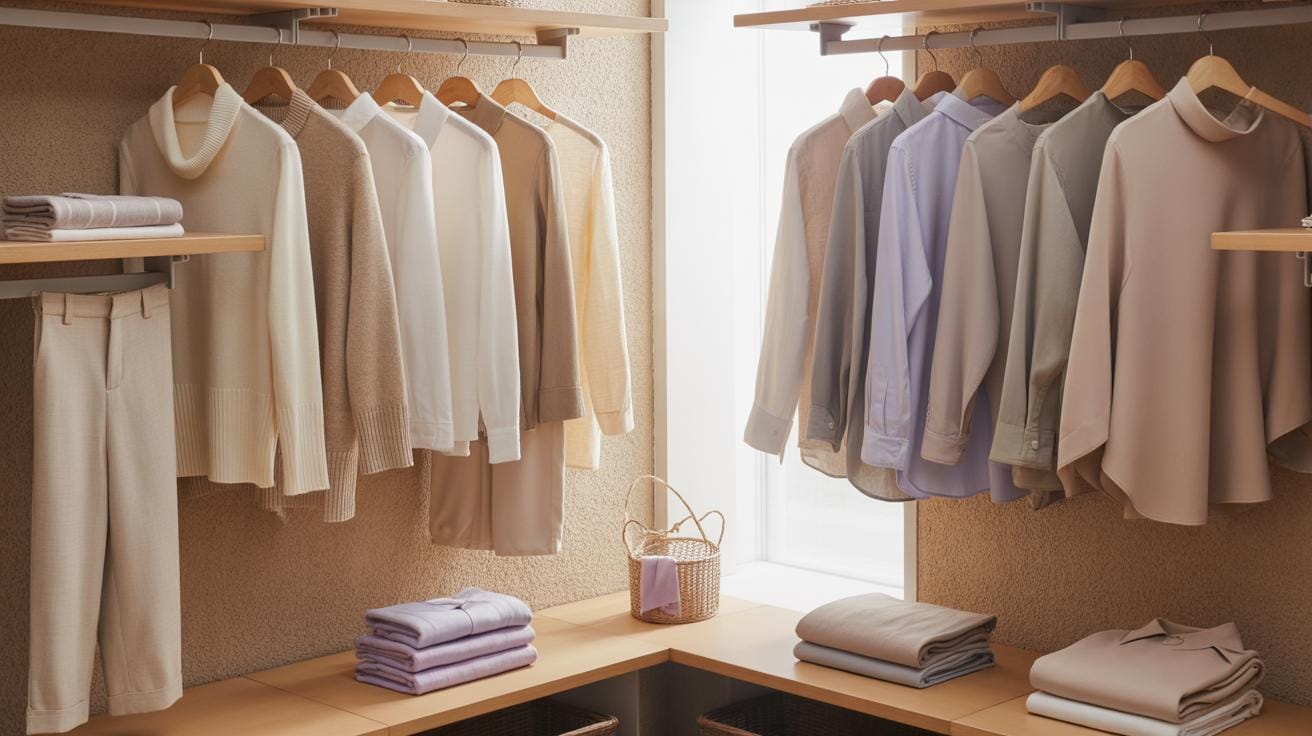
Creating your simple wardrobe on a budget without sacrificing style is about choosing clothes that work well together and fit your lifestyle. The goal is to reduce clutter while having outfits ready for different occasions. It focuses on smart choices that keep costs low but style high.
This article explains how to select essential clothing items, shop smart, and maintain your wardrobe. It covers tips on combining pieces, budgeting, and caring for clothes. By the end, you will have a clear plan to create a simple, stylish wardrobe that fits your budget.
What Defines a Simple Wardrobe
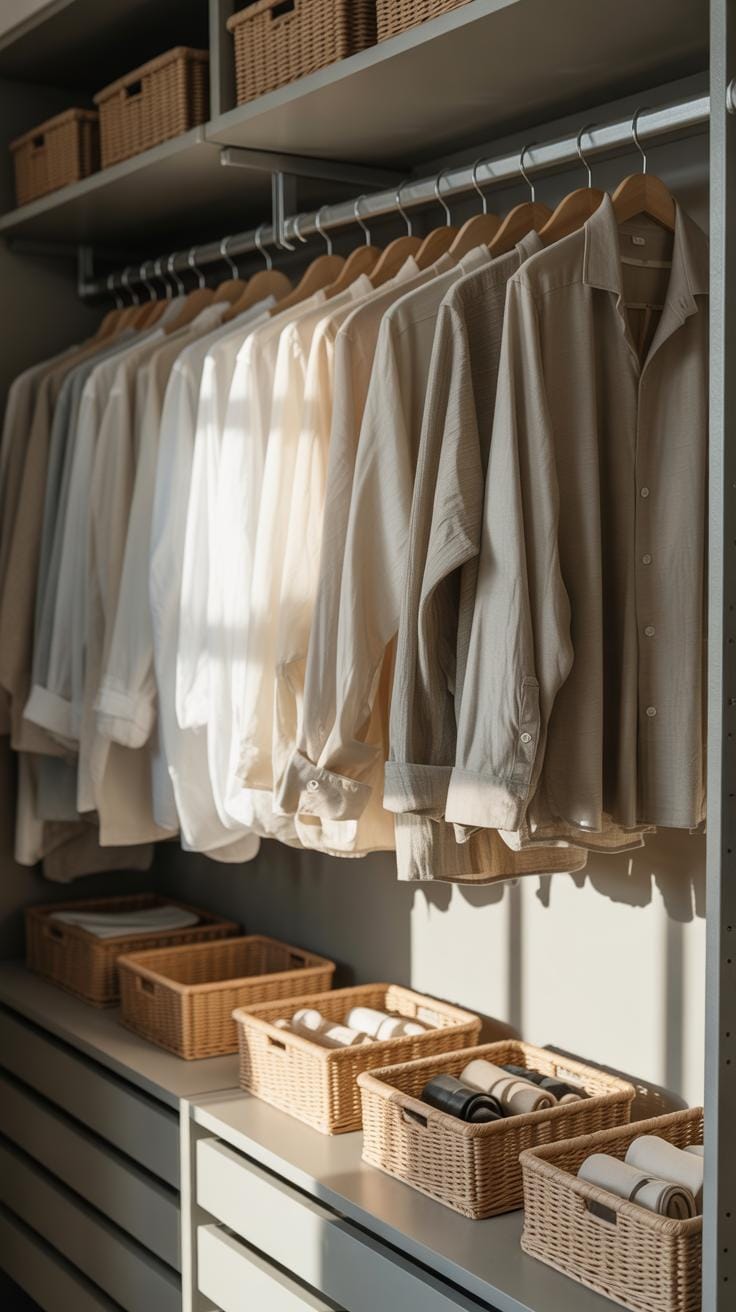
A simple wardrobe isn’t just about owning fewer clothes—it’s about having pieces that actually work together. Think of it as a small collection of versatile items that don’t just sit there; they get worn, mixed, and matched in different ways. The whole idea is to avoid that overwhelming closet full of clothes you hardly wear while still feeling confident and put together every day.
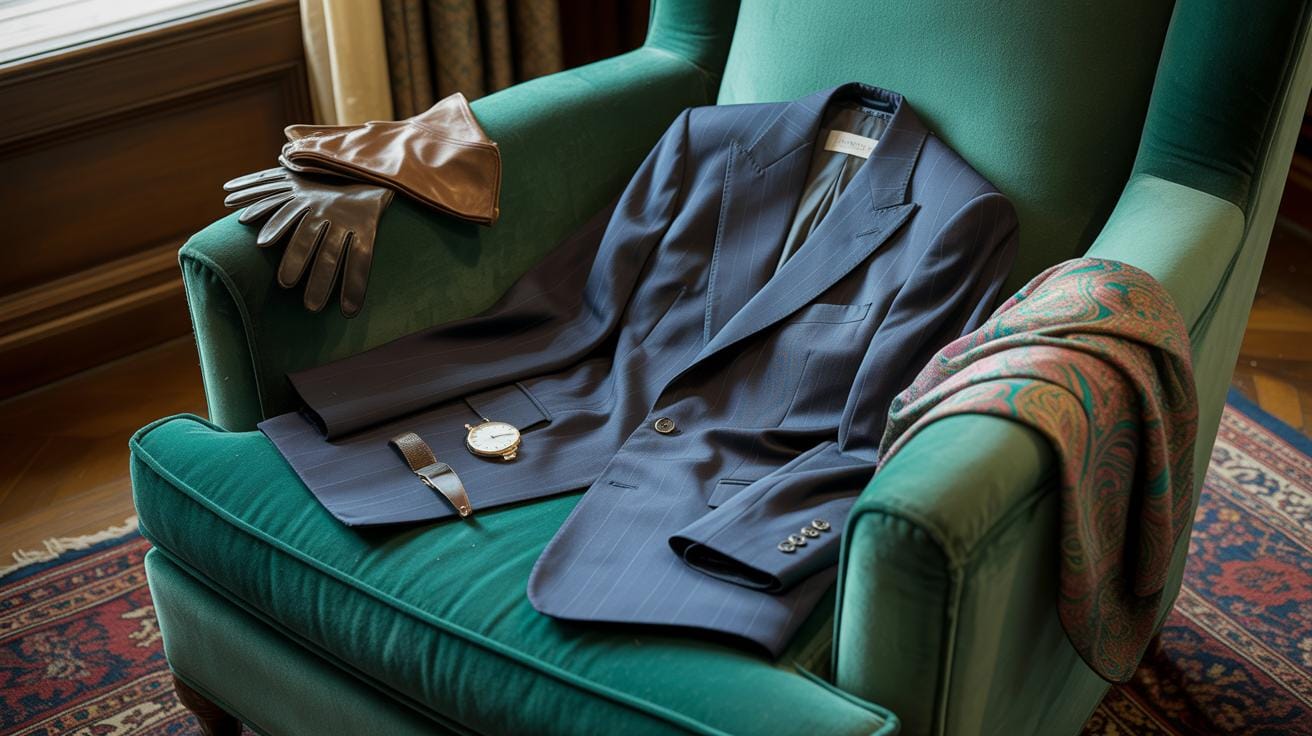
Minimalism in fashion means focusing on quality, fit, and versatility rather than quantity. For example, a plain white button-down shirt can be casual paired with jeans or smart when layered under a blazer. A black pair of pants might work for work, weekends, or even a low-key evening out. These aren’t just items; they become the foundation for your daily looks, saving space and mental energy.
Having fewer items that do more might sound restrictive, but it’s surprisingly freeing—you stop feeling the pressure to keep up with trends or buy just because something is on sale. Instead, your wardrobe adapts to you, not the other way around.
Essentials in a Simple Wardrobe
When building a simple wardrobe, focus on timeless pieces in neutral colors. These form the backbone—think whites, blacks, grays, navy, and subtle earth tones. They’re easier to combine and less likely to clash or feel outdated.
Here are some essentials to consider:
- White crew-neck or button-down shirt: Works for layering or worn alone.
- Black or navy tailored pants: Suitable for many occasions.
- Simple t-shirts in neutral hues: Perfect for casual or smart-casual looks.
- A classic denim jacket or blazer: Adds structure and polish.
- Comfortable pair of shoes in leather or canvas: Goes with nearly everything.
Because these pieces are classic, you won’t feel pressure to replace them often. They make mixing and matching a lot easier, so you can layer and change your look without buying more.
How Simplifying Saves Time and Money
A pared-down wardrobe helps reduce daily decision fatigue—you spend less time staring into your closet wondering what to wear. That alone can make mornings less stressful. And when everything fits and matches, organizing your clothes is simpler too.
With fewer pieces you actually wear, you spend less on clothes bought on impulse or repeats of the same style in different colors. You also tend to care more for what you own because it feels more meaningful.
Investing in this way often leads to clothes lasting longer, which means fewer trips to the store or online shopping binges. You also avoid overload—when your closet is less cluttered, you see what you have and can plan outfits better. It’s a small change that can make everyday life a little smoother. Have you noticed how easier it is to dress when your options actually go together?
Why Choose Simple Wardrobe Style
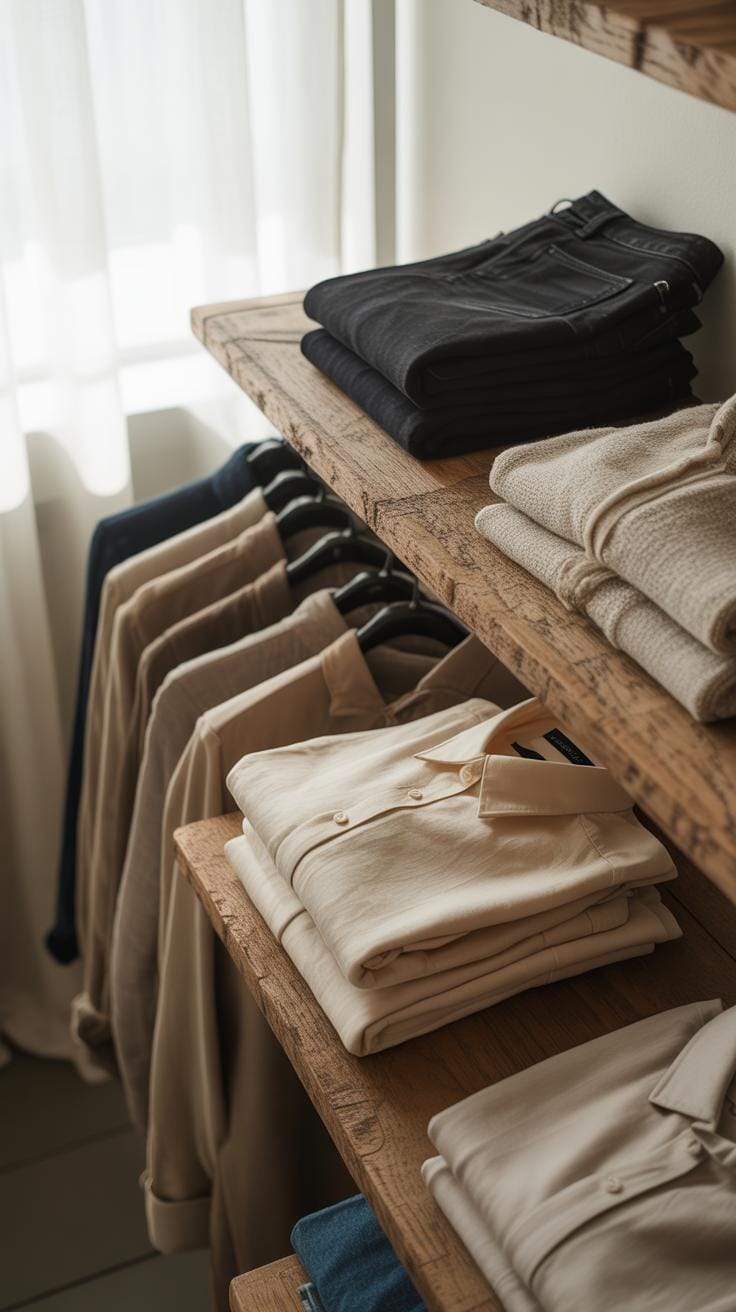
The idea of a simple wardrobe might sound limiting at first. But often it’s the opposite — it frees you in ways you might not expect. For one, cutting down on the sheer volume of clothes can lessen your environmental footprint. Fewer purchases mean less waste and less demand on resources, which is something many people don’t realize when they shop impulsively.
There’s also the quiet relief of decision fatigue. Imagine mornings without the scramble of “What do I wear?” Choosing a simple wardrobe means fewer choices, so your brain can focus on other things that matter—or at least not feel overwhelmed first thing in the day.
And simplicity helps you see what really suits you. Instead of chasing trends, you can focus on pieces that speak to your personal style clearly. It’s quality over quantity. Rather than having a closet stuffed with clothes you hardly wear, you invest in well-made items you actually love. Though, there’s some irony here—sometimes sticking to fewer pieces means you think harder about what’s “quality,” which can feel subjective at times.
Is Minimalism Fashionable Today
Minimalism doesn’t feel like some fleeting fashion fad anymore. It’s more like a steady current running through wardrobes everywhere. Capsule wardrobes—a collection of essential pieces that mix and match—have gained popularity with both men and women. You see bloggers and influencers showcasing neat closets where every item serves a purpose. Even big brands talk about minimalist collections focusing on clean lines and neutral colors.
Still, minimalism isn’t for everyone. Some people embrace it fully, while others pick and choose elements that work for them. That blend makes minimalism flexible, even if it feels at odds with fast fashion’s constant churn.
Benefits Beyond Appearance
Simple wardrobes do more than shape how you look. There’s something about having fewer choices that lifts mental clutter. Some people say their mornings feel calmer, less rushed when their wardrobe is streamlined.
Buying less also nudges you toward more thoughtful purchases. You might opt for sustainable brands or seek out natural fabrics, which often last longer. Over time, your wallet notices too. Spending less frequently on impulsive buys can add up to real savings.
And yet, it’s not always perfectly neat. Sometimes you might still feel stuck, or find that minimalist ideals don’t fit every season of life. But overall, a simple wardrobe offers benefits that reach far beyond just looking good. It touches habits, money, and even how you start your day.
How to Plan Your Wardrobe Budget
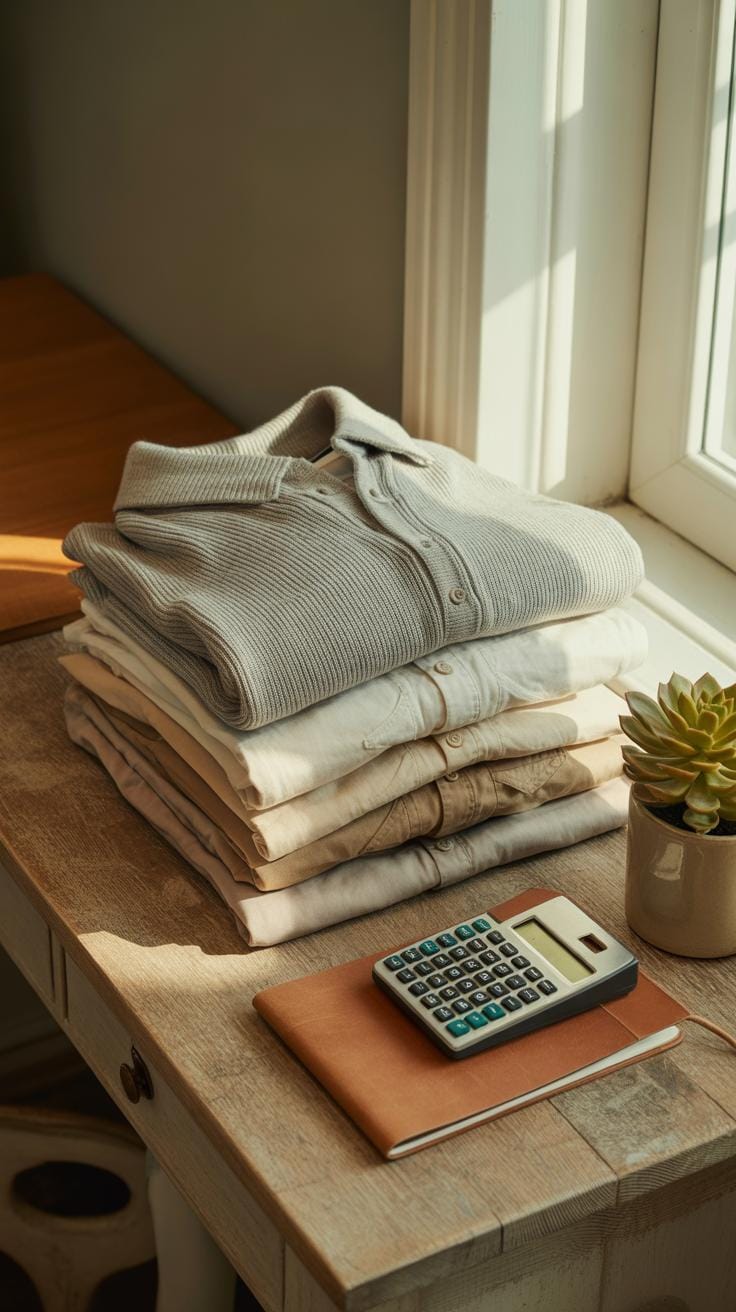
Figuring out how much you really spend on clothes can be a bit revealing—sometimes more than you expect. Start by tracking your recent purchases for at least a month, noting where the money went and what items you bought. This will give you a clearer picture of your spending habits.
Once you know your typical expenses, think about which pieces deserve your investment. Items like a well-fitting blazer or quality shoes might last longer, so they could be worth a bigger part of your budget. Meanwhile, trendy or seasonal pieces might be better candidates for saving—buy them lower cost or less often.
Next, consider spreading out your purchases over several months instead of shopping all at once. This approach keeps your wardrobe growing steadily without overwhelming your budget or cluttering your closet. Would you rather buy one quality coat or several less expensive jackets that may wear out quickly? Those choices affect what you prioritize.
Steps to Create Your Budget
Here’s a simple path to follow:
- Review your last three months of clothing purchases to see patterns.
- Set a realistic monthly or seasonal spending limit based on your financial situation.
- List key wardrobe needs, focusing on versatile staples first.
- Plan purchases by seasons and sales events to get the best deals.
- Leave some flexibility for spontaneous buys but keep track.
This doesn’t have to be rigid. Sometimes impulse buys surprise you with how often you wear them, or planned buys don’t fit as expected. Adjust as you learn.
Smart Spending Tips
Buying off-season can save you quite a bit. For example, picking up winter sweaters in spring often costs less and gives you time to decide if they fit your style.
Quality over quantity is tricky. Sometimes a cheaper piece can work just as well if used carefully. It depends on your lifestyle and what you wear most. Paying more for fabric that lasts may help you avoid frequent replacements, but that doesn’t mean each expensive item is a winner.
Keep an eye on sales, but don’t buy something just because it’s discounted. Comparing prices across stores or websites before committing helps too. I once bought a jacket on sale only to find a better offer online two days later—annoying, but it taught me to double-check.
In the end, your budget should make sense to you, not feel like a chore. It’s a balance between what you want to invest in and what you can get away with saving on, without losing your sense of style.
Where to Shop Smart for Clothes
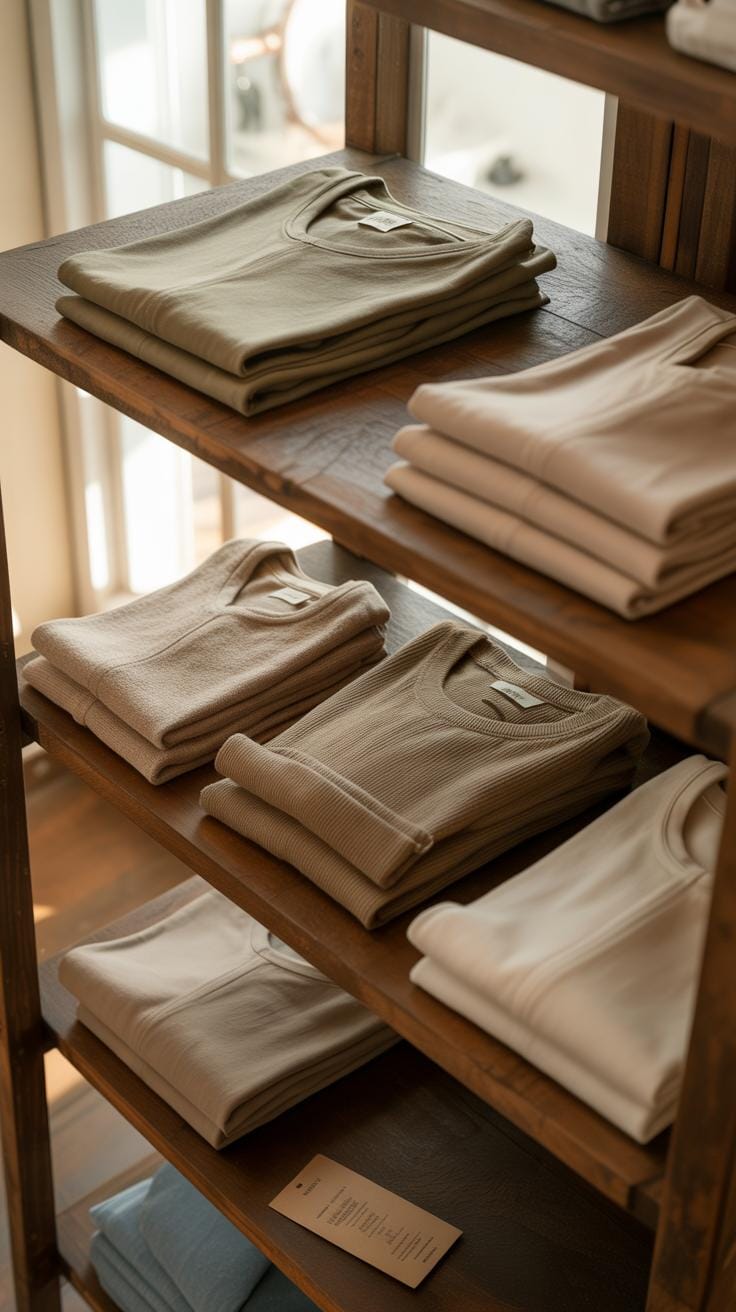
Top Stores and Online Shops
You might want to explore thrift stores first. They’re often treasure troves for unique, well-made pieces at low prices, especially if you’re patient and willing to dig around a bit. Outlet shops can also be worthwhile. Brands like Gap and Old Navy often have outlets with solid basics that fit a simple wardrobe without breaking the bank. I’ve found good quality cotton tees and classic jeans there—sometimes barely marked down too.
Then, there’s the online route. Websites like Uniqlo or Everlane offer minimalist styles with decent fabrics for reasonable prices, especially during sales. Don’t overlook places like ASOS Marketplace or Depop either if you’re into vintage or one-of-a-kind finds, though sizing and quality vary more there. Local markets can surprise you, too. A weekend stroll through a nearby flea market might yield great wool sweaters or handmade jackets without the markup.
Checking Quality When Budget Shopping
It can feel tricky figuring out what’s actually good quality when you’re on a budget. I usually start by feeling the fabric—is it soft, or does it feel cheap and scratchy? Natural fibers like cotton, wool, or linen often last longer, although blends can work if made well. Check seams carefully; well-stitched seams should be tight with no loose threads or gaps. Odd puckering or uneven stitching is usually a red flag.
Don’t skip the durability signs. For example, pull the fabric slightly near stress points like elbows or pocket corners—does it stretch out or show signs it’ll fade soon? Buttons and zippers should feel sturdy, too. Sometimes, the price tag is low because the item is already halfway worn out, so just a few tests can make a big difference in what you walk away with.
Choosing Clothes That Mix and Match
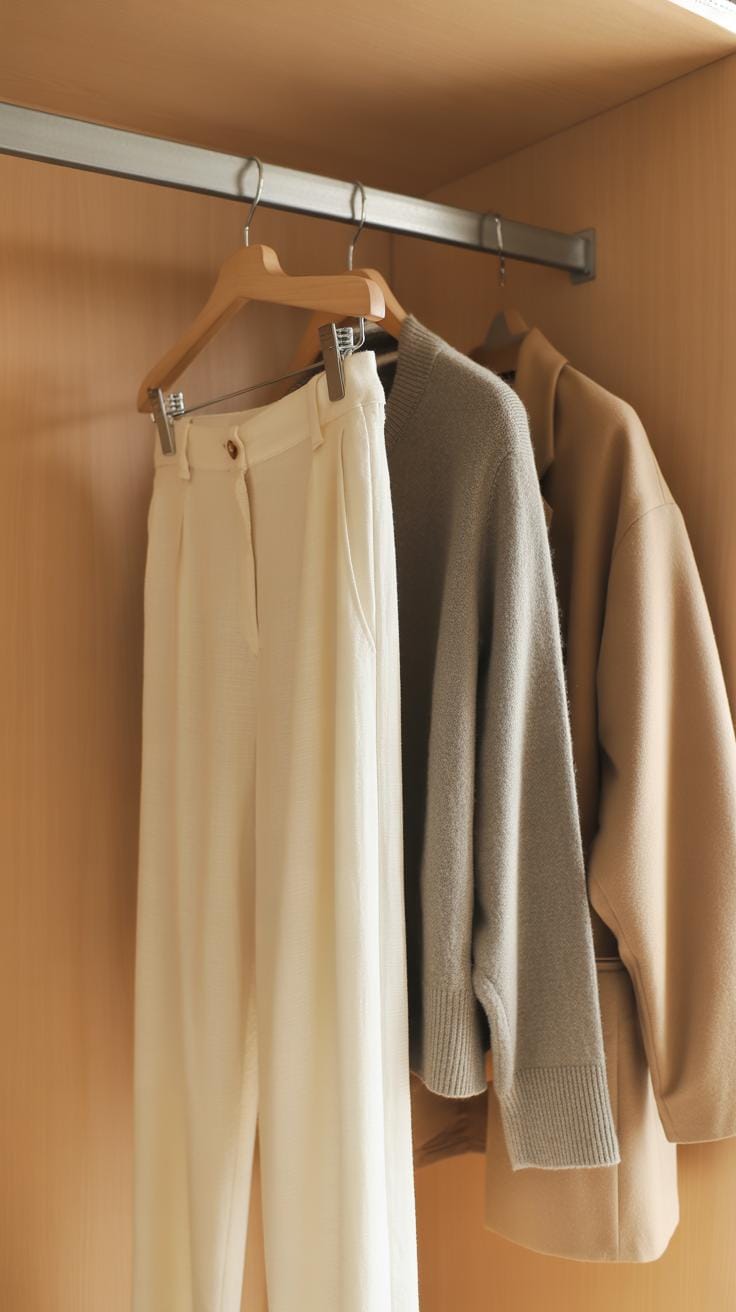
Color Coordination Basics
When building a simple wardrobe, picking colors that play well together can make everything easier. Neutral colors like black, white, gray, beige, and navy tend to be safe bets. They happen to go with almost anything, so having several pieces in these shades gives you a solid base. Then, adding a few accent colors—think muted blues, soft greens, or warm rust—gives you room to breathe without overwhelming your choices.
You might wonder if sticking mainly to neutrals sounds boring. Well, it could be, but that’s where accent pieces come in. A scarf, belt, or even a patterned shirt in one of those accents can totally shift your outfit. It’s about balance—using mostly neutrals but mixing in small pops of color to keep things interesting.
Patterns and Textures That Work Together
Combining patterns and textures can feel tricky, but some basic ideas help. Start with one patterned item and keep the others solid. For example, a striped shirt works well with plain trousers. Or you can pair a small, subtle print with a larger, bolder one—like a fine polka dot blouse with wide-check pants—just keeping the color palette connected.
Texture adds another layer without changing color. Think of pairing a soft knit sweater with crisp cotton pants, or a leather jacket over a light jersey tee. These contrasts give your outfits depth, making each look more thought-out. It’s okay if things don’t always match perfectly. Sometimes a bit of tension between styles can make an outfit more interesting than if everything were too planned.
Have you ever noticed how a particular fabric feels like it just “goes” with another? That’s kind of the point—look for items that can be worn together in different ways. It might take some trial and error, but once you get that feeling, it’s easier to build outfits that flow naturally.
Wardrobe Setup Checklist Under 30 Days
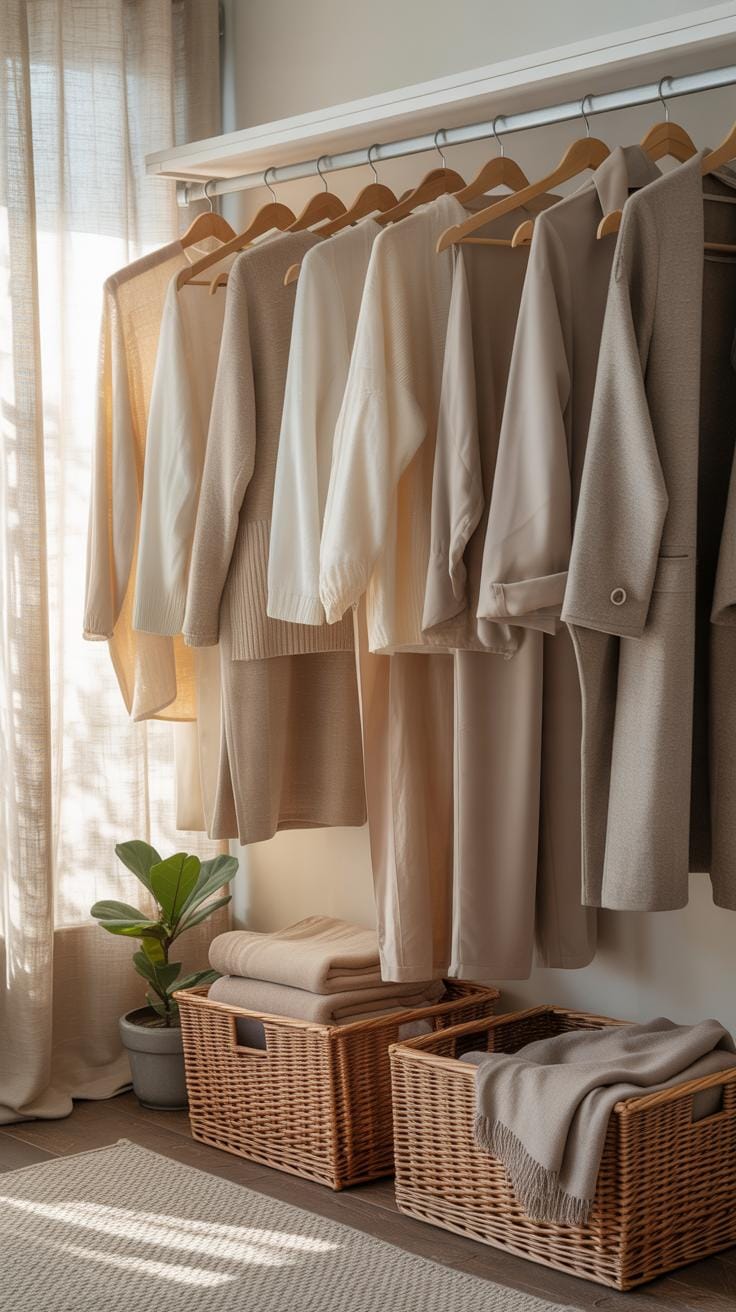
Week 1 Declutter and Assess
Start by pulling everything out of your closet. Yes, everything. It might seem overwhelming, but seeing all your clothes together helps you understand what you really own. Sort items into piles: keep, donate, and maybe. That last one—the “maybe” pile—can linger longer than you want. Try to be honest with yourself about what you actually wear versus what’s just taking up space.
After decluttering, think about what’s missing. Do you lack versatile basics like a white tee or dark jeans? Are there any worn-out essentials that need replacing? Take notes. This step isn’t about rushing to buy new clothes just yet; it’s about understanding your current setup and gaps.
Weeks 2 to 4 Buy and Organize
Use the next three weeks to fill in those gaps one piece at a time. Don’t feel pressured to buy everything in one go. Instead, make a small list and stick to it. For example, get a pair of neutral shoes in week two, then add a simple jacket or blazer the next. This approach saves money and helps you avoid impulse buys.
As new items come in, organize them thoughtfully. Group clothes by type or outfit potential rather than color or size only. Consider outfit planning here—hang or fold clothes so you can see combinations easily. A well-arranged wardrobe makes getting dressed simpler and keeps you from rediscovering “forgotten” pieces.
Maintaining this order isn’t always easy. You might get sidetracked or slip back into old habits. That’s normal. The idea is to build a habit, step by step, instead of trying for a perfect system overnight. Give yourself some leeway.
Care Tips to Extend Clothing Life
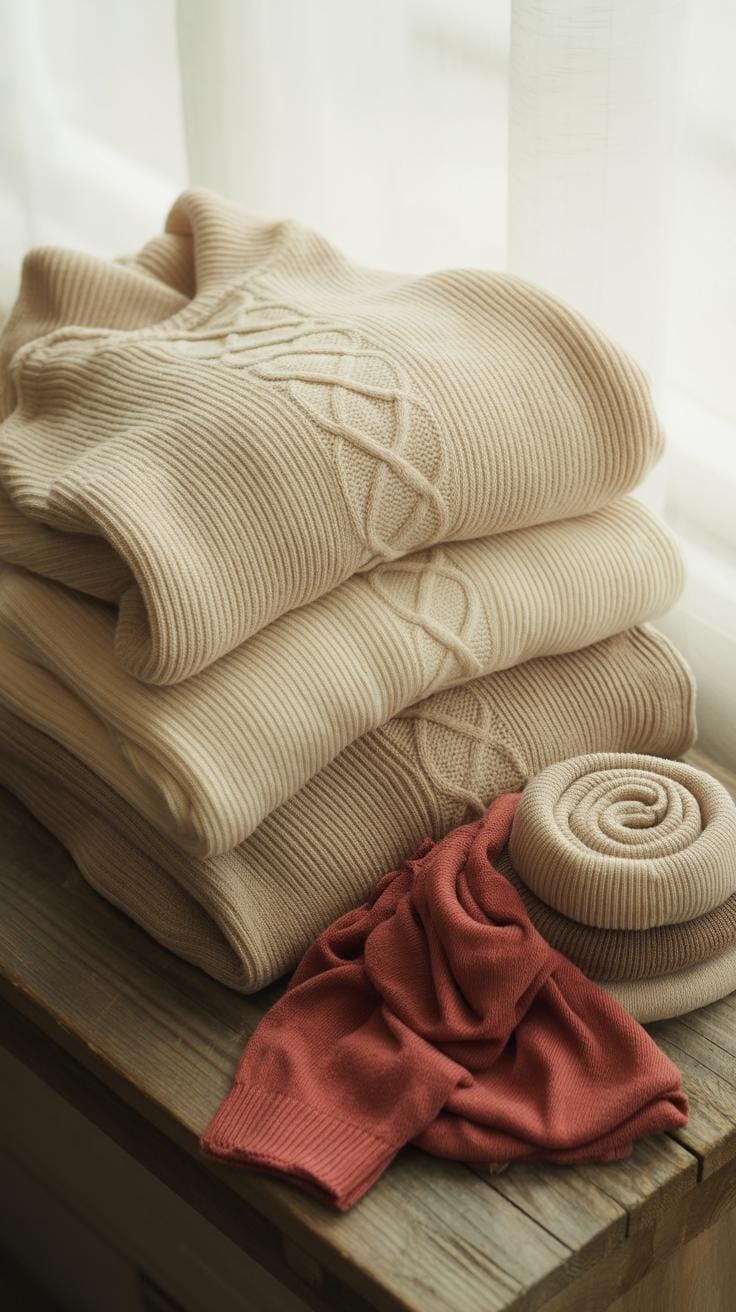
Taking a bit of time to care for your clothes can make a big difference in how long they last. It’s easy to overlook small actions, but these can really save you money and keep your style intact without constant replacements.
Washing and Storing Correctly
Not all fabrics respond the same to washing. For example, cotton can usually take a regular cycle, but delicate fabrics like silk or wool? They need gentler treatment—think cold water and hand washing when possible. I remember accidentally tossing a wool sweater into a hot wash once, and well, it shrunk faster than I wanted. It’s tricky sometimes guessing care labels, but sticking to the gentlest method you can manage tends to help. Avoid overloading your machine; clothes need space to move freely to avoid wear.
For storage, avoid hanging heavy knits—they stretch out like no tomorrow. Fold them instead. And don’t cram your closet so tightly that clothes get crushed. Airflow matters more than you might expect, reducing moisture and helping fabrics breathe, which prevents damage like mildew.
Simple Repairs to Save Items
Fixing small issues early keeps clothes in rotation longer. Sewing a loose button is one of those skills worth having. You don’t need to be a pro—just a basic needle and thread can do the job. For hems coming undone, even a quick hand stitch can make a pair of pants wearable again.
Sometimes a little rip feels like the end of the road, but patching or reinforcing seams can give that item a second life. I confess, I’ve ignored loose threads thinking “meh, it’s fine,” only to see the hole grow later. Catch it early and it won’t turn into a bigger problem.
Do you ever hesitate to fix something because it seems complicated? Just start with the basics. You might be surprised how much longer your clothes last with simple care, and it really pays off in saving money and keeping your wardrobe looking sharp.
Examples of Simple Wardrobes in Action
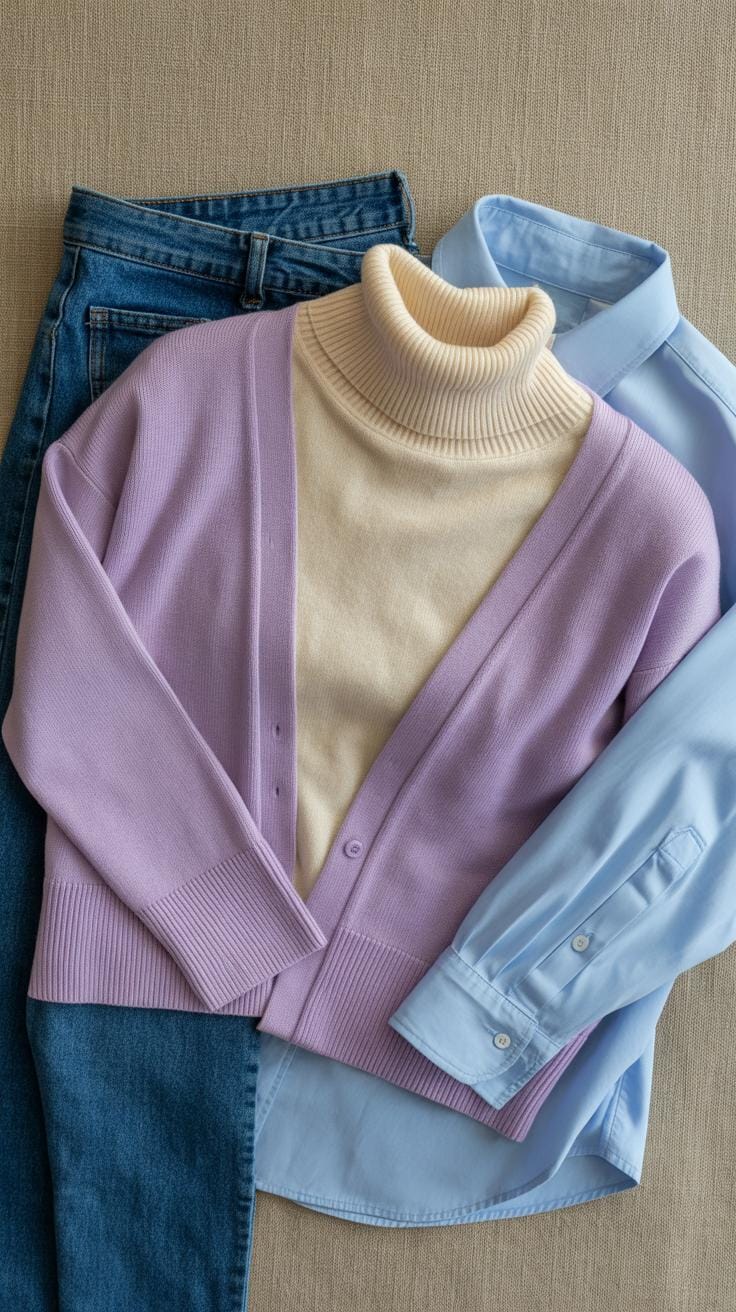
Imagine a wardrobe built around just a few versatile pieces that work for both your casual life and your 9-to-5 grind. For instance, take a base of neutral-colored trousers—maybe black and beige—paired with plain white tees and a few button-up shirts in soft blues or muted stripes. Add a blazer that can be dressed up or down, and layer in a simple cardigan or lightweight jacket for cooler days. This setup allows you to mix and match freely, creating looks for meetings, errands, or coffee with friends without needing a ton of clothing.
Sample outfits might include a white tee with black trousers and loafers for the office, then swap out the shoes for sneakers and remove the blazer for weekends. Or wear a striped shirt under the blazer with jeans for casual Fridays. Each item complements the others well enough that you won’t feel stuck repeating the same look—just slightly tweaked.
What’s helpful here is focusing on quality basics rather than trends, which means fewer impulse purchases but no loss in looking put-together. You could spend around $300 to assemble this, while a traditional wardrobe might easily double or triple that with less mixing potential.
Conclusions
A simple wardrobe built with care offers many benefits. It saves you time choosing outfits and money on unnecessary buys. It also encourages mindful shopping and helps you stay stylish with fewer items. By focusing on key pieces and quality, your wardrobe can easily mix and match for various occasions.
Start with a solid plan for what you need and where to shop. Stick to your budget and care for your clothes. Over time, your simple wardrobe will grow into one that suits your style and lifestyle without waste or stress. This approach helps you look good and feel confident every day.