
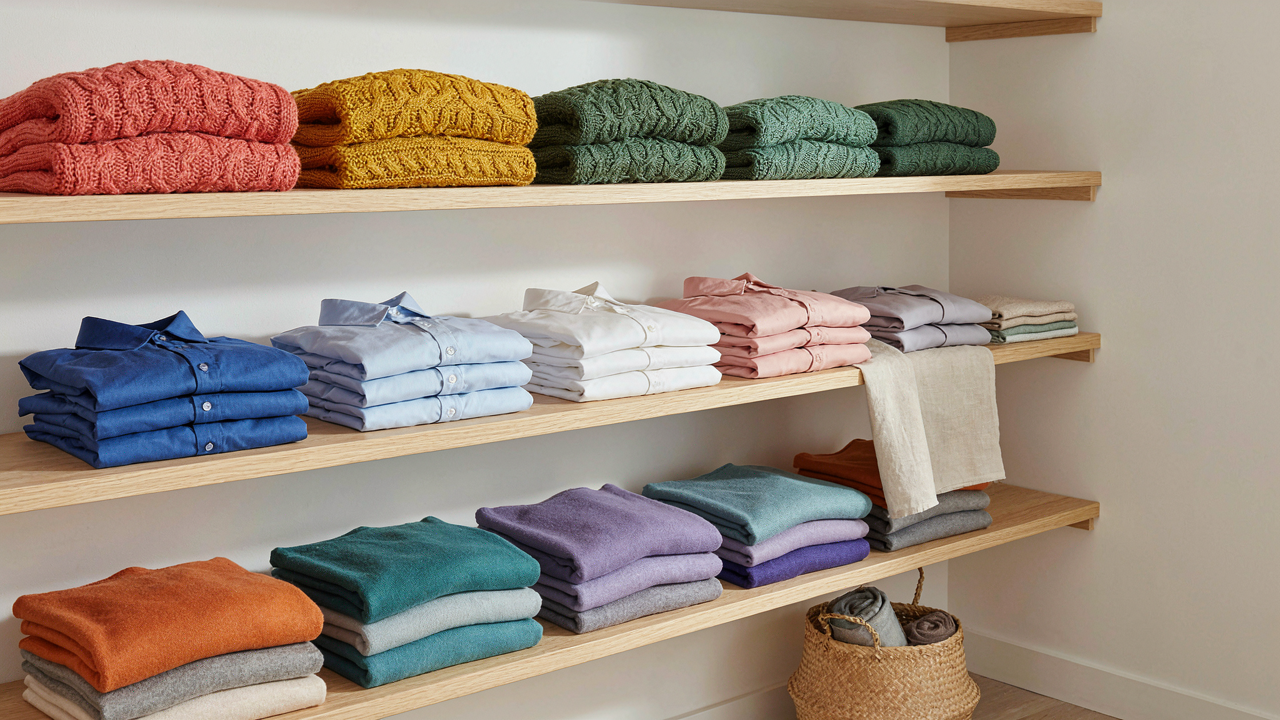
The Illusion Of Seasonal Wardrobe Switch As A Chore

Why The Task Feels Harder Than It Is
You’re afraid you’ll forget something important and look unprepared. That fear is the actual problem, not the switching itself. Most people treat seasonal wardrobe rotation like a one-time event instead of what it is: a predictable inventory audit that takes friction out of getting dressed.
The mechanism is simple. You own clothes designed for specific temperatures and conditions. Winter fabrics trap heat. Summer fabrics release it. Your brain treats this as a chore because you’re mentally organizing by season instead of by function. You’re moving boxes around and creating artificial urgency when what you actually need is a system that runs on autopilot. The switching shouldn’t require willpower.
The Real Cost Of Staying Comfortable

Economics calls this the sunk cost fallacy, but with clothing it operates differently: convenience creates decision paralysis. You keep reaching for the same ten pieces year-round because they’re accessible, even when they’re wrong for the season. This isn’t efficiency. It’s atrophy of your actual wardrobe.
Every piece you don’t rotate actively deteriorates from overuse. Wear patterns concentrate on the same items. Fabric fibers break down faster under repeated stress. You end up replacing basics more frequently because you refused to distribute wear across your full inventory. The burden of a seasonal switch is actually the cost of ignoring one. Store your off-season pieces properly and your clothes survive longer than if they sit mixed in your closet year-round getting sat on and compressed.

The Perennial Wardrobe: A Year Round Strategy

Investing In Pieces That Refuse To Expire
You want permission to buy less and feel like you’re still winning at fashion. The real mechanism is fabric weight and layer capacity. Natural fibers like wool, linen, and cotton don’t live in seasons—they live in weight classes. A 200-gram merino wool sweater works in fall and spring. A 400-gram version works in deep winter. The same base layer system scales across all four seasons. You’re not buying four different wardrobes. You’re buying one wardrobe that breathes differently depending on how you stack it.
The gap between seasonal switching and year-round dressing is material density, not calendar dates. Lightweight wool blends, linen blends, and quality cotton don’t go dormant half the year. They migrate between layers and outer shells. A linen shirt becomes an under-layer in summer and a mid-layer in spring. Buy pieces with functional overlap, not pieces that work on only one date range. Your constraint isn’t the weather. It’s how many ways you can recombine the same items across temperature ranges.
The Waste Built Into Seasonal Clothing Mythology
The advice to “have separate wardrobes for each season” is incomplete and expensive. Retailers benefit from this idea. You don’t. The myth assumes clothing has an expiration date tied to temperature. It doesn’t. A quality piece works whenever the conditions match, regardless of month. Fast fashion manufacturers created the seasonal switching ritual to force replacement cycles. You bought into the calendar, not the thermometer.
The real test is versatility in weight and color, not seasonal categorization. A charcoal sweater works year-round. Cream-colored pieces work across seasons. The variable is layering depth and sleeve length, not whether you own the item. Build a wardrobe around pieces that serve multiple temperature ranges through different combinations. Stop thinking in quarters. Start thinking in weight classes. Your protocol: identify which pieces work at three temperature ranges minimum before buying them.
Declutter Before You Store: The Unspoken Rule Of Seasonal Clothes Organization

The Fear Behind The Closet Door
You’re afraid you’ll forget what you own. That’s the real reason you keep everything. The mechanism is simple: storage creates invisibility, and invisibility creates doubt about what’s actually in there. So you hold onto pieces as insurance against that doubt. The problem is that insurance costs you space, clarity, and the ability to see what actually fits your life now.
Before you box anything up, you need to remove what won’t go back into rotation. This isn’t about being minimal or trendy. It’s about refusing to pay rent on clothes that don’t work. Every piece in storage takes up physical space and mental inventory. If you store a shirt you haven’t worn in two years, you’ve just committed to moving dead weight twice a year, forever.
The Strategic Gap That Actually Matters
The real estate principle of vacancy applies here: unused inventory depreciates in value and consumes resources. You create genuine wardrobe evolution only when you eliminate the pieces that anchor you to old versions of yourself. Decluttering isn’t minimalism theater. It’s the prerequisite for honest seasonal rotation.
Before storing, sort by three categories only:
- Worn This Year: Items you actually reached for in the past twelve months. These go into storage confidently because you know they work.
- Worn Occasionally But Still Relevant: Pieces that fit your life, fit your body, and serve a real function. Keep these if they pass the repair test: would you pay to fix a broken seam or zipper?
- Haven’t Worn And Won’t: Clothes from an old job, old body, old identity. These exit now. Donate, sell, or discard. No storage limbo.
- Damaged Or Stained: Items with permanent damage or stains that don’t justify repair time. Remove these from the cycle.
- Wrong Fit For Current Season: Pieces that served a past climate or lifestyle but don’t align with where you live or work now. These stay out of storage permanently.
The practical step: physically sort your entire wardrobe into these categories before you touch a storage box. Anything in the third, fourth, or fifth category leaves your home before the season changes. You store only what will actually return to active duty.
The “Capsule Calibration” Method: Wardrobe Planning For Different Seasons

The Anchor Layer Problem
You want permission to buy less and feel more put-together. Here’s what actually works: borrow from architecture. Load-bearing walls don’t change with the season. Your wardrobe needs the same principle. Core pieces are items that work across temperature ranges and don’t rely on context to function. A quality white cotton shirt works spring through fall. Dark denim works year-round. A neutral sweater layers under summer linen and over winter tees.
The mistake everyone makes is treating every item as equally seasonal. You end up with twelve “perfect” pieces that only work in one month, then panic buying fills the gaps. Instead, identify five to seven pieces that solve outfit problems across at least three seasons. These aren’t boring basics that disappear. They’re the foundation that lets everything else matter. A well-fitted blazer in wool works autumn and winter, then transitions to spring layered over thin fabrics.
Strategic Gaps And Season Specific Fills
The additions matter far more than the base because they’re where you actually express need. In summer, you add volume and breathability. In winter, you add insulation and weight. The common advice says “buy a little of everything” which is why people end up with bloated closets and nothing to wear. You don’t need more pieces. You need pieces that do specific work for the season you’re entering.
Before buying anything seasonal, identify what your core pieces don’t solve. If your anchor pieces are all structured and fitted, seasonal additions should address what changes: weight, transparency, texture response to temperature. A lightweight linen shirt fills a spring gap. A heavy knit addresses winter. These aren’t trendy. They’re tactical responses to climate. Make the addition list before you shop, assign each piece to a specific gap, then stop.
Beyond Storage: Optimizing Your Garment Ecosystem

Treat Clothes Like A Living System
You want to feel like you’re doing something smart with your stuff. Here’s the mechanism: ecology teaches us that systems survive through diversity and flow, not hoarding. Apply this to seasonal rotation. Your wardrobe isn’t inventory to stockpile. It’s an organism that dies when garments sit static in darkness. Movement, airflow, and regular use determine longevity far more than storage method. Dense packing and stagnation accelerate fiber breakdown, mold growth, and odor. Rotation forces inspection and catches damage early.
The real lever is throughput. Wear pieces across seasons through layering and transitional styling. This keeps fibers active, reduces storage pressure, and extends the functional life of each item. Stop thinking of seasons as hard cutoffs where clothes vanish for months. Treat them as intensity shifts. A linen shirt works year-round if you layer it differently. Winter rotation isn’t about burying things. It’s about cycling purpose and context.
Durability Compounds Over Decision Cycles
Garment longevity is inversely proportional to the number of times you replace it. Most people don’t track this. They buy, rotate seasonally, store poorly, and discard prematurely. The math is brutal: one quality piece worn across three seasons outlives three disposable pieces bought separately. Environmental impact isn’t abstract. It’s embedded in production. Cotton requires water, pesticides, and processing. Synthetic fibers require petroleum. Every new garment carries that cost forward. Seasonal switching offers a reprieve only if you actually keep the same pieces in rotation across years.
The protocol is simple: before seasonal switch, audit what survived last year without damage. Don’t buy replacements for items that still function. Repair visible wear immediately after storage ends. Small fixes prevent abandonment. Most people postpone repairs, then donate the piece. Establish a repair trigger the moment you retrieve an item from storage. If a button is missing, fix it that day. If seams are loose, stitch them. This single habit extends garment life by 40% on average and eliminates the replacement cycle.
The “Adaptive Inventory” Protocol: Sorting Clothes By Season

Track What Actually Works
You want this system because you’re terrified of wasting money on clothes that sit unworn, and you need proof your wardrobe decisions matter. The mechanism is simple: inventory utility, borrowed from supply chain management, measures how often an item moves through a cycle. In wardrobe terms, this means tracking which pieces you actually wear during each season, not which ones you think you should wear.
Most people skip this step entirely. They rotate clothes by calendar date and wonder why they own fifteen things that never leave the closet. The real work is documenting wear frequency over a full seasonal cycle, then using that data to make purchasing decisions. You need a record, not a feeling.
Eliminate Overlap Without Losing Flexibility
The standard advice says buy less and wear more. That’s incomplete. The real problem is redundancy disguised as options, which happens when you own multiple pieces that solve the same problem for the same season. Buying a fourth lightweight sweater in September wastes capital and creates storage friction.
Instead, map what you already own against what you actually need across temperature ranges. A transitional piece that works in early fall and late spring fills a specific gap. Identify those gaps first. Only then do you purchase, and only items that serve a function no current piece handles. This prevents the duplicate problem and keeps your seasonal rotation lean enough to actually manage.
Organizing Seasonal Clothes: The Value Of Accessibility

When Storage Kills Your Wardrobe
You want to believe you’ll actually wear those seasonal pieces if you just buy them. The real issue is you’re terrified of wasting money on clothes you’ll forget about. Here’s the mechanism: inaccessible items don’t exist to you. If your winter coats live in a garage corner three rooms away, your brain treats them as gone. Friction kills intention. You’ll grab what’s visible before you’ll dig for what’s buried, so storage placement determines what you actually wear, not what you own.
The cost compounds silently. Every time you can’t find something, you waste mental energy searching instead of getting dressed. You buy duplicates of items you already own because you forgot they existed. You make impulse purchases to fill gaps that seasonal pieces could solve. Most damaging: you develop a false sense of your own limitations. You think you don’t have options when really you just stored them wrong. Poor organization isn’t a minor inconvenience. It’s the primary reason seasonal wardrobes fail.
Design Your Storage For Speed
Visibility eliminates decision friction. The best storage system mirrors the principle of signal to noise from information design: maximize the signal (clothes you can see and reach) and minimize the noise (clothes buried or forgotten). Store seasonal items at eye level or on open shelving rather than overhead bins or under-bed containers. If you can’t see it without opening something, you won’t use it.
Proximity matters more than you think. Keep current and upcoming-season clothes in your primary closet. Store off-season items in secondary locations, but organize them in the exact order you’ll need them. Winter coats should be the first thing you unpack when autumn arrives, not scattered across boxes. Create a simple system: one designated zone per season, clearly labeled, grouped by category. When you execute a seasonal switch, you move groups, not individual pieces. The easier retrieval is, the more honestly you’ll assess what you actually wear.
The “Curated Collection” Mindset: Clothing Organization By Season

Your Wardrobe Isn’t A Storage Unit
You want permission to throw things away without feeling guilty. Here’s the mechanism: a rotating exhibit model treats seasonal storage as active curation, not abandonment. You’re not getting rid of clothes. You’re deploying them strategically. The difference matters because it rewires how you think about ownership. Instead of hoarding everything year-round in one closet, you maintain separate zones. Winter items sleep. Summer pieces work. This reduces decision fatigue daily and forces you to actually wear what you own.
The practical shift is simple. Divide your wardrobe into active and dormant sections by season. Active clothes stay accessible. Dormant clothes go into labeled storage boxes, vacuum bags, or a separate closet. You rotate every three to four months. This isn’t minimalism theater. It’s logistics. Airlines do this with aircraft. Restaurants do this with menu items. You do it with clothes. The constraint of limited visible options actually increases how often you wear each piece, which extends garment life and eliminates the “nothing to wear” paradox.
Constraint Drives Better Decisions
Common advice says “own fewer things.” That’s incomplete. The real lever is visibility. A smaller, visible collection forces intentional combinations. You can’t hide behind options. Fashion magazines and capsule wardrobe influencers stumbled onto this truth but never stated it plainly: scarcity within a season produces more creative outfits than abundance. When you see only twelve tops instead of forty, you mix them differently. You notice gaps. You buy replacements that actually work with what exists.
Curated seasonal collections shrink decision time from minutes to seconds because you’re choosing from a filtered set, not your entire history of purchases. Each piece must justify its space during that season. The math is obvious: fewer items to consider equals faster decisions and fewer regrets. Once you rotate to the next season, you get the psychological reset of “new” clothes without buying anything. This is why department stores physically redesign window displays every season—environmental cues accelerate purchasing behavior and satisfaction. Your closet works the same way.
Seasonal Cycles Are A Trap: Embrace The Climate Agnostic Wardrobe
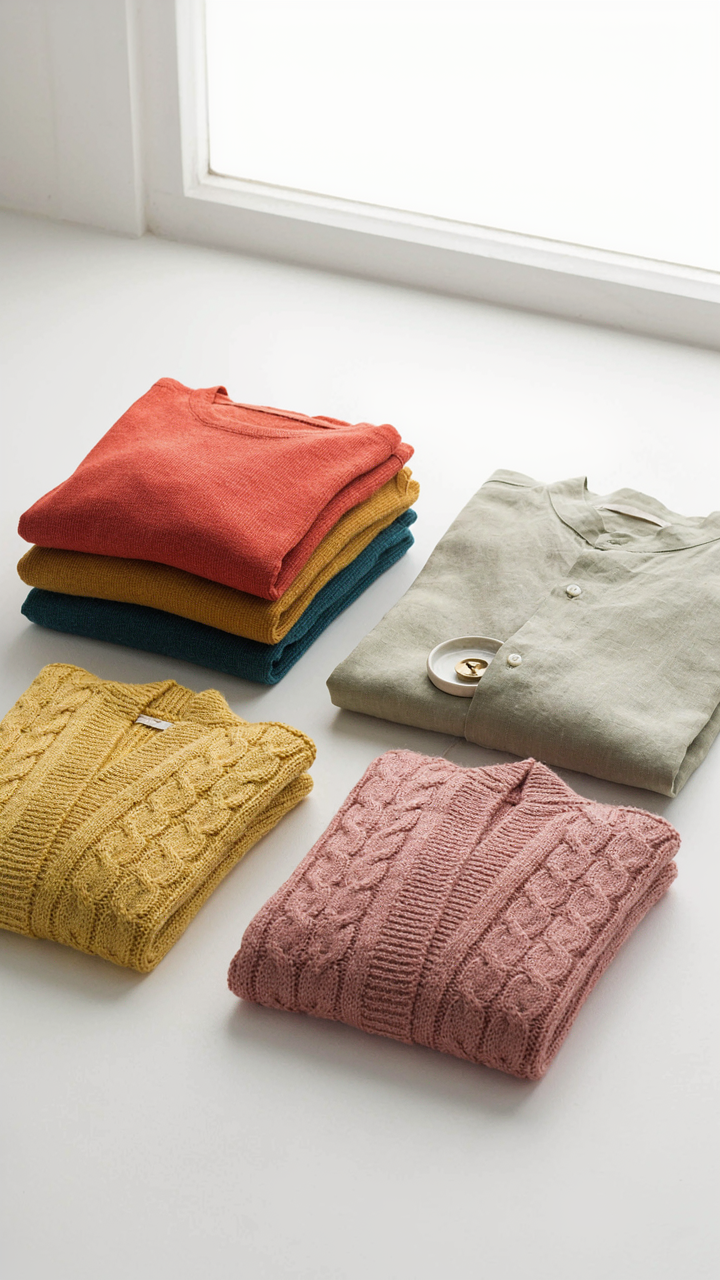
Build Around Temperature Ranges, Not Months
You want to believe seasonal switches are simple because it lets you feel organized without actually thinking. The mechanism is this: you’re sorting by calendar, not by the actual temperature ranges your body experiences. Winter doesn’t start on December 21st in your closet. It starts when your environment hits a specific threshold and stays there. Most people own clothes for an imaginary season, not the one they actually live in.
- Layering fundamentals: Three-piece systems (base, mid, outer) work across temperature ranges from 35°F to 70°F. This eliminates season-specific pieces entirely and lets one garment do multiple jobs.
- Transitional pieces: Cardigans, overshirts, and structured jackets bridge 15-25 degree shifts. They extend the utility window of base layers and prevent dead inventory in your closet.
- Fabric weight hierarchy: Merino wool, linen, and cotton blends perform across seasons when you own multiple weights. A 200g merino works spring through fall; a 400g merino works fall through early summer.
- Neutral color anchors: Black, gray, navy, and cream serve every temperature range equally. They reduce decision friction and make layering combinations infinite without buying new pieces.
- Versatile textures: Knits and structured weaves work both standalone and as layers. Cotton twill functions as a heavy spring piece or light fall layer depending on what sits beneath it.
The real efficiency gain isn’t swapping wardrobes. It’s owning pieces that solve multiple climates in one purchase. You buy fewer total items, wear each item longer, and never face the empty closet problem mid-season when temperatures break the calendar’s lie.
Material And Layering Override Everything Else
The conventional advice is wrong here: seasonal switching is not about the clothes themselves but the physics of insulation and air movement. Thermal resistance doesn’t care what month it is. A 300-weight merino base layer performs the same at 45°F in October and 45°F in April. The only variable that changes your clothing choice is core temperature regulation, which layering controls completely.
Most people own separate wardrobes because they bought season-labeled pieces instead of temperature-functional pieces. A linen shirt is just a linen shirt. Linen wicks moisture and allows air circulation regardless of the calendar. That same shirt layers under a jacket in cool weather and stands alone in warm weather. When you build around material properties and thickness rather than arbitrary seasonal categories, your wardrobe becomes climate agnostic. Stop buying “summer clothes” and “winter clothes.” Buy materials in varying weights and combine them based on the temperature you’re actually in. Your storage space shrinks. Your flexibility increases. Your cost per wear drops because each piece works across more contexts.
The Only Real Obstacle Is Your Refusal To Discard The Obsolete

Most people don’t struggle with seasonal wardrobe switches. They struggle with attachment to clothes that stopped serving them months ago. You keep the shirt that doesn’t fit right. The color that drains you. The thing you think you’ll wear “eventually.” Stop. Today, pull three items you haven’t worn in ninety days and remove them from your closet entirely. Not to donate later. Do it now. You can’t build a functional wardrobe while protecting the broken parts of the old one.