
Introduction
Recycled fashion offers an opportunity to save money while staying stylish. By choosing secondhand or upcycled clothes, you can reduce spending compared to buying new items from traditional stores. This article looks closely at how recycled fashion stacks up against usual shopping in terms of cost, style variety, and environmental impact.
We will walk you through key points such as pricing, quality, and where you can find recycled fashion. You will also see real examples and simple ways to start saving today. Whether you want to shop smart or help the planet, this guide covers what you need to know about recycled fashion savings versus traditional shopping.
Cost Breakdown Between Recycled and New Fashion
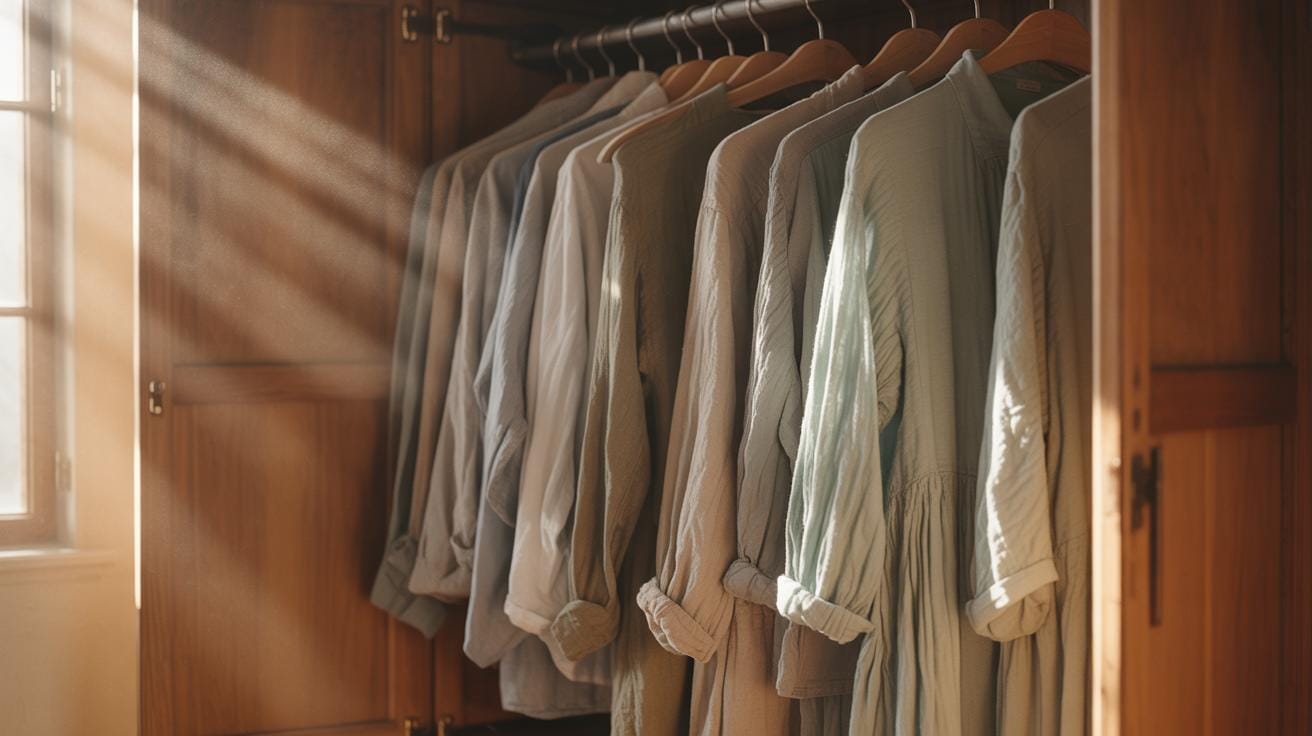
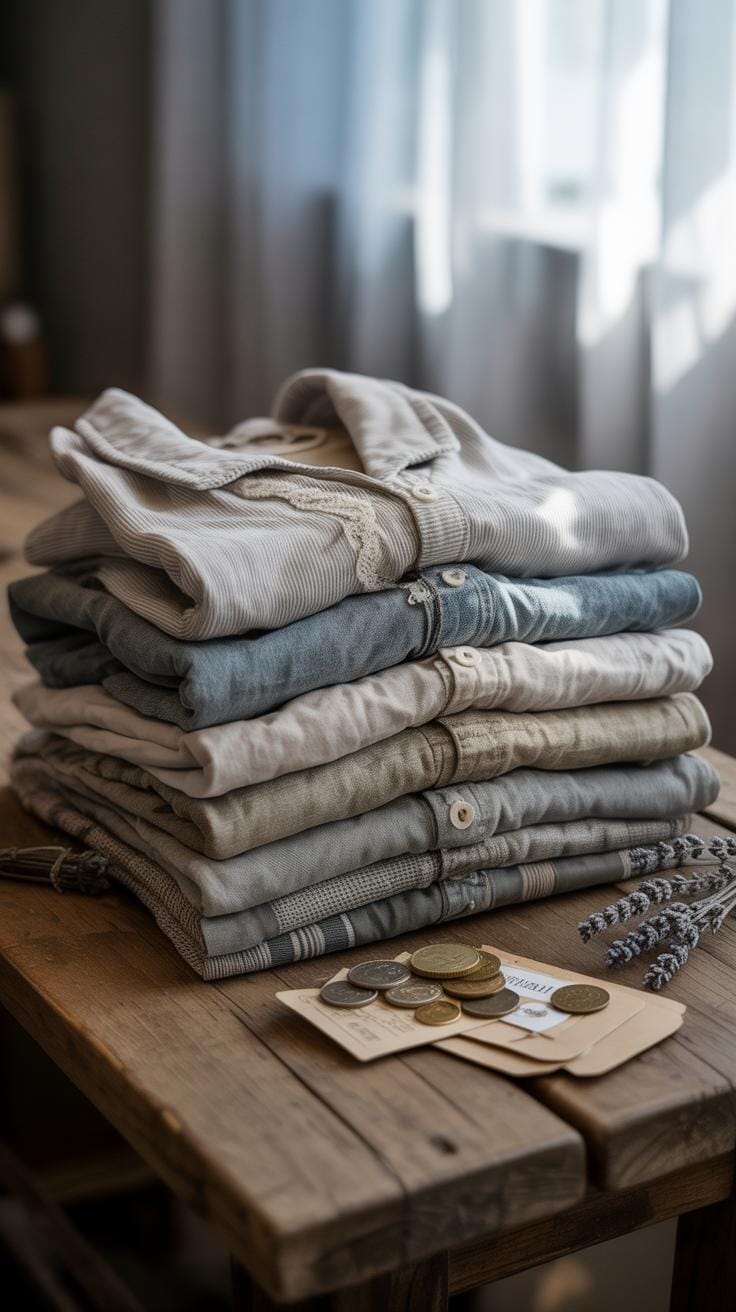
When you look at price tags, recycled fashion items often cost less than brand-new clothes from traditional retailers. Typical recycled pieces might range anywhere from $10 to $50, while new clothes for similar styles and brands usually start at $30 and can go well over $100. The price difference stems largely from lower production costs since recycled clothes don’t require new materials or manufacturing processes.
Recycled items avoid expenses tied to raw materials, labor for creating new fabric, and complicated supply chains. That said, there are sometimes extra costs like inspections, cleaning, or minor repairs that sellers undertake before reselling. These usually don’t push prices close to new garments, but you might notice a bit of variation.
On the other hand, new clothes often carry hidden costs that sneak up on your budget. Think about brand premiums for labels, sales taxes that add up, or even fees for shipping when ordering online. Plus, if you buy items you never wear and toss later, there’s an indirect cost in disposal or storage that none of us really factor in until later.
How Recycled Clothes Save You Money
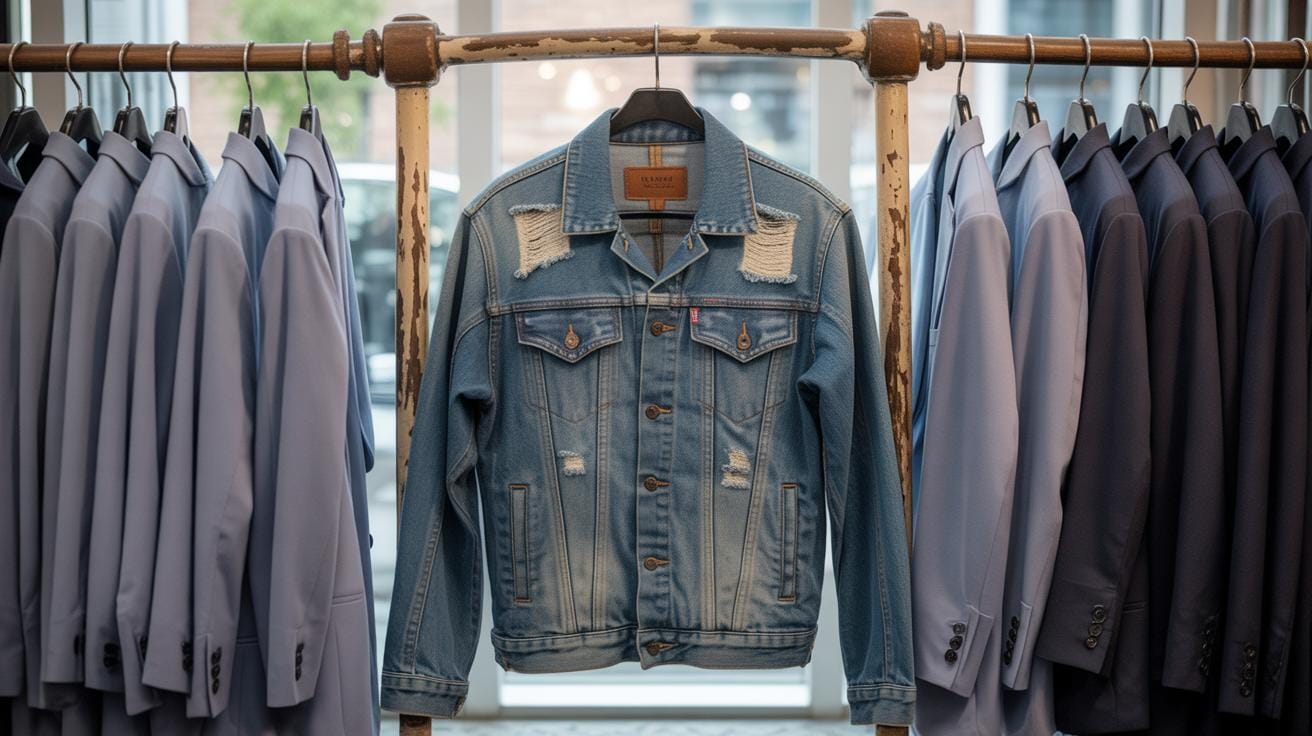
Buying recycled clothes cuts costs mainly by skipping the steps involved in making something from scratch. You’re essentially paying for a garment’s second life rather than its first, which brings down the price quite a bit. Imagine finding a quality jacket for $25 that might cost $80 brand-new; that’s a steep saving.
Most recycled items land at about 40% to 70% less than their new counterparts. So your budget stretches further, especially if you’re shopping for trendy pieces or branded items. Plus, some thrift shops or online resale platforms offer frequent discounts and deals, which can multiply your savings.
Personally, I’ve noticed it’s not just about the lower upfront cost but about buying smart. Recycled clothes are cheaper because they’ve already absorbed their initial “value hit.” You’re paying for the story they carry, not just a fresh label.
Extra Costs You May Face Shopping New
It’s easy to overlook the extras that come with new clothing. For one, brand premiums often inflate prices beyond the basic production cost—you’re not just paying for fabric and stitching but also for the label itself. Taxes add on as well, sometimes pushing a $50 shirt to cost $55 or $60.
Then, consider disposal costs: buying new means you might end up discarding clothes you don’t wear, which can lead to expenses related to waste management or simply cluttering your space and forcing you to replace items earlier than expected.
Shipping fees, returns, and handling can also increase the final price, especially if you shop online or return items that don’t fit well. It’s a small thing but can quietly chip away at your budget.
All these extras combine to make new purchases feel less straightforward in cost. So when you see a great deal on recycled fashion, it might actually be a better bargain than it first appears.
Environmental Impact of Your Shopping Choice
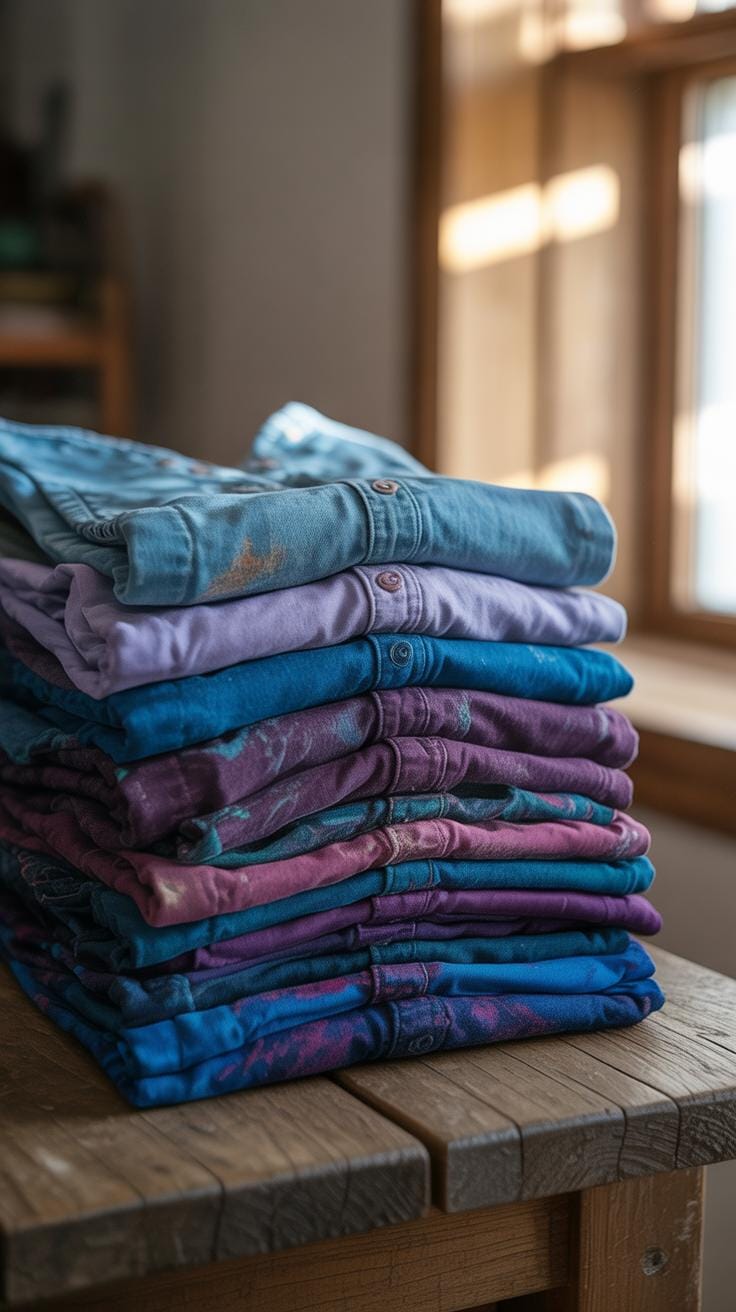
How Recycling Clothing Helps the Planet
You might not realize it, but every time you pick recycled clothing, you take a small yet meaningful step toward easing environmental pressure. Recycled fashion means reusing fabric or garments rather than making new ones from scratch. This reduces textile waste piling up in landfills, which can take decades to break down.
Think about it—when you avoid buying something brand new, fewer raw materials are needed. That means less water, energy, and chemicals used in growing fibers or producing synthetic fabrics. For example, recycling cotton can save up to 90% of the water compared to growing new cotton. It’s not just about water; it also cuts down on pollution from dyes and pesticides, which are often quite harmful.
When you buy recycled clothes, the carbon dioxide emissions tied to manufacturing drop too. Estimates say recycling textiles can shrink emissions by almost 75% compared to making new fabric. It’s not a complete fix—some energy is still used in the recycling process—but it’s a meaningful dent. Maybe these facts make you wonder how many small choices like this add up every day.
Why New Fashion Costs More to Environment
New clothes often look affordable, but their environmental price tag is much heavier than what you see on the tag. Producing new clothing requires growing raw materials—like cotton or synthetics—which demands massive amounts of water and energy, plus harmful chemicals in farming and dyeing. For instance, it takes about 2,700 liters of water to make just one cotton t-shirt. That’s roughly a few months’ worth of drinking water for a person.
Then comes the transportation. Fabrics and finished garments rarely originate close to where you buy them. Ships, trucks, planes—all burning fossil fuels to get your shirt or dress into the store or to your doorstep. This adds significantly to greenhouse gas emissions, contributing to climate change. Supply chains are long and complicated, and it’s easy to overlook how much carbon lies hidden in that new purchase.
Plus, fast fashion encourages frequent buying and quick disposal, adding to landfill waste. That cycle wastes resources every time a new piece replaces the old without much thought. So, while you see a low price, the environment pays the true cost every step of the way. That tension between price and planet is tricky—and worth thinking about next time you shop.
Where to Find Quality Recycled Fashion

Finding good recycled fashion doesn’t have to feel like a scavenger hunt, though sometimes it kind of does. Thrift shops are often the first stop, and for good reason. Places like local charity shops or consignment stores can surprise you with unique, well-kept pieces. You might stumble upon a vintage jacket or a barely worn dress for a fraction of the original price. The trick is to visit regularly—inventory changes fast—and be patient with the process.
If you prefer shopping online, there are several marketplaces that make buying secondhand easier and more reliable. Sites such as Depop, Poshmark, or thredUP offer everything from casual wear to designer finds. They usually have pretty clear policies for returns and authenticity, which helps if you’re hesitant about quality or fit. Though, sizing can be tricky, so take your time reading descriptions and asking sellers questions.
Specialized recycled fashion stores have popped up too, both in cities and online. These shops focus solely on sustainable and recycled apparel, often curating collections that align with current styles. You might pay a little more here than at a thrift store, but the quality and selection may justify it. Some boutiques even offer repairs or upcycling services to extend the life of your clothes.
When shopping for recycled fashion, it’s worth considering your priorities—are you looking for a bargain, something specific, or just a fun way to refresh your wardrobe? Each source has its quirks, so trying a mix of thrift shops, online platforms, and specialized stores might give you the best chance to find pieces you love without emptying your wallet.
Evaluating Quality in Recycled Clothing
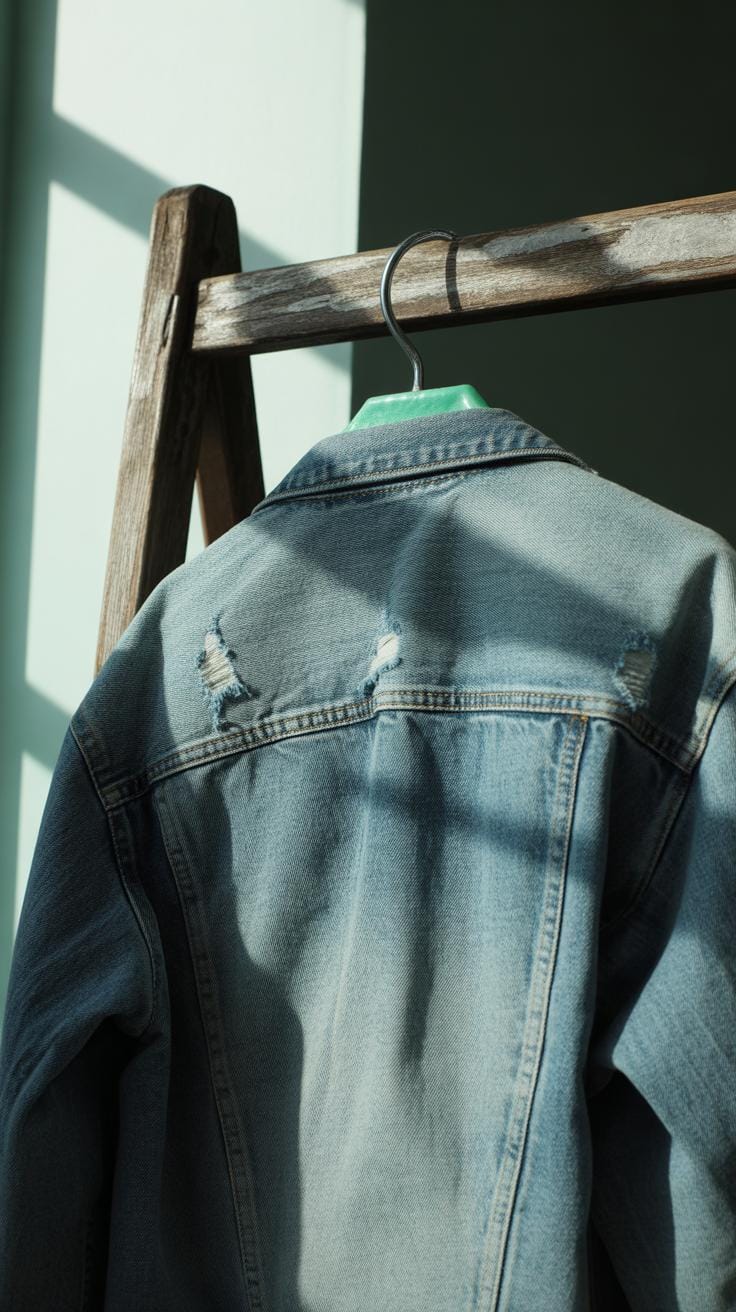
When you’re browsing recycled fashion, the quality isn’t always obvious at first glance. You might think a garment looks fine on the surface, but small details often tell a different story. So how do you avoid those frustrating purchases that end up barely wearable?
Start by really feeling the fabric. Is it soft or rough? Stretch it slightly—does it snap back or is it stretched out? Thin, worn fibers can mean shorter lifespan. Check seams closely, too. Look for loose threads or puckering where stitching might be failing. These signs often mean repairs are coming or the piece won’t hold up well.
Wear signs also tell stories. Faded spots, small holes under the arms or near wrists, even subtle discoloration—these may be manageable flaws, but they affect value. Also, smell the item (if you can). Sometimes, persistent odors mean it’s been stored poorly or washed improperly, which might not disappear easily.
Before you commit, ask questions. Where did this come from? How was it cared for? Has it been repaired? Sellers don’t always have full answers, but their response can reveal how much they know about the garment’s history and condition. That’s useful info for you.
You might find that assessing recycled clothing is a bit of a skill—it takes a mixture of observation, questioning, and trust. And yes, sometimes you get it right, and sometimes not. But spending just a bit more time on these steps can really help avoid costly mistakes. After all, recycled fashion is a chance for stylish savings only if the quality holds up.
How to Style Recycled Fashion for Your Look

Recycled fashion can be surprisingly versatile if you’re willing to experiment a bit. Start by treating each piece as a base for something new rather than just a standalone item. A thrifted blazer, for example, can work with your favorite pair of jeans or even over a casual dress to give it unexpected polish. Mixing textures and colors from your existing wardrobe with recycled finds can breathe fresh life into both.
Think about layering. A vintage shirt under a modern sweater, or an old skirt paired with a simple tee you already own—these combinations create a look that feels personal, not forced. Sometimes, the quirkiest pairings work best. You might hesitate at first, but trying things on and looking in the mirror will usually surprise you.
To update older or recycled clothes, accessories come in handy. A belt can change the silhouette of a dress, scarves add pops of color, and jewelry shapes the mood. You could even roll up sleeves or tuck in shirts differently. It’s small changes like these that make a secondhand find feel intentional and new.
Have you noticed how a statement necklace or bold earrings can transform a plain top? Or that your favorite boots suddenly look different paired with an unusual skirt? That’s where recycled fashion shines—it’s not about the label, but the styling. And yes, sometimes it feels like a bit of trial and error, but that’s part of the fun.
Common Myths About Recycled Fashion Costs
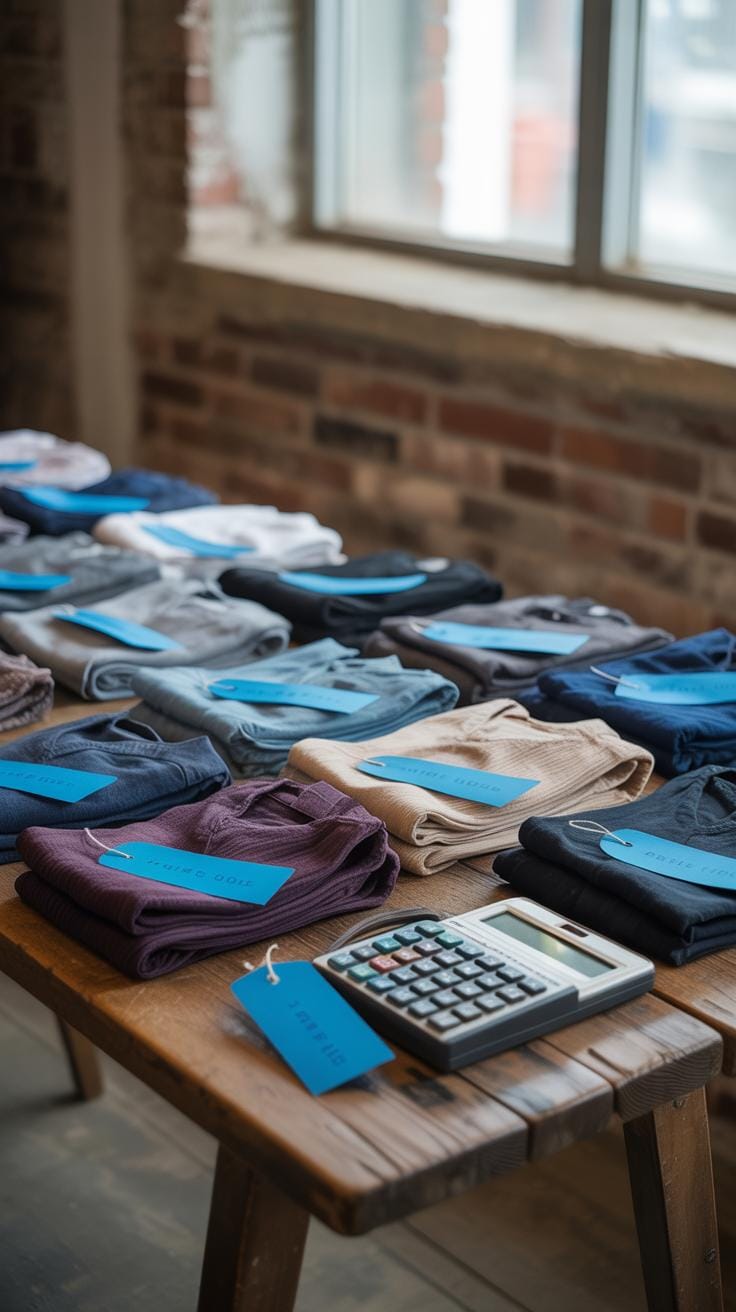
Is Recycled Fashion Too Expensive?
You might have heard that recycled fashion tends to be pricey, but that’s not always the case. Sometimes, people even assume recycled clothes cost more than brand-new items, maybe because of the curation or the specialty stores selling them. Yet, when you look closer, many thrift shops and online resale platforms offer pieces at a fraction of retail prices. For example, a gently used designer jacket on a resale site can cost less than half of what the same jacket would be brand new. Even fast fashion items sold secondhand often slip under the original price.
In some cases, you’ll find recycled fashion with a higher price tag—but that mostly happens with rare or limited-edition pieces, not everyday styles. If your goal is something affordable and stylish, recycled fashion usually delivers better savings than traditional shopping. Plus, you get a chance to discover unique items you wouldn’t find on usual retail racks.
Does Used Clothes Mean Poor Style?
There’s a lingering idea that used clothing must be outdated or sloppy. But style doesn’t depend on how many hands a garment has passed through. Stylish recycled fashion is very much a thing. The cool factor sometimes comes from mixing and matching pre-owned pieces with new ones or finding vintage gems that aren’t made anymore. Remember, trends often circle back, so wearing ‘old’ clothes can actually be very on-trend.
I know people who’ve found incredible statement pieces in thrift stores and worn them at events, drawing compliments and questions about where they bought them. Often, it’s about how you wear something, not its age. Plus, many online communities and blogs celebrate recycled fashion heroes, showing how pre-loved clothing fits right into a modern wardrobe.
So, does used automatically mean less stylish? Not quite. It might just mean you have an edge that others miss.
Simple Steps to Start Buying Recycled Fashion
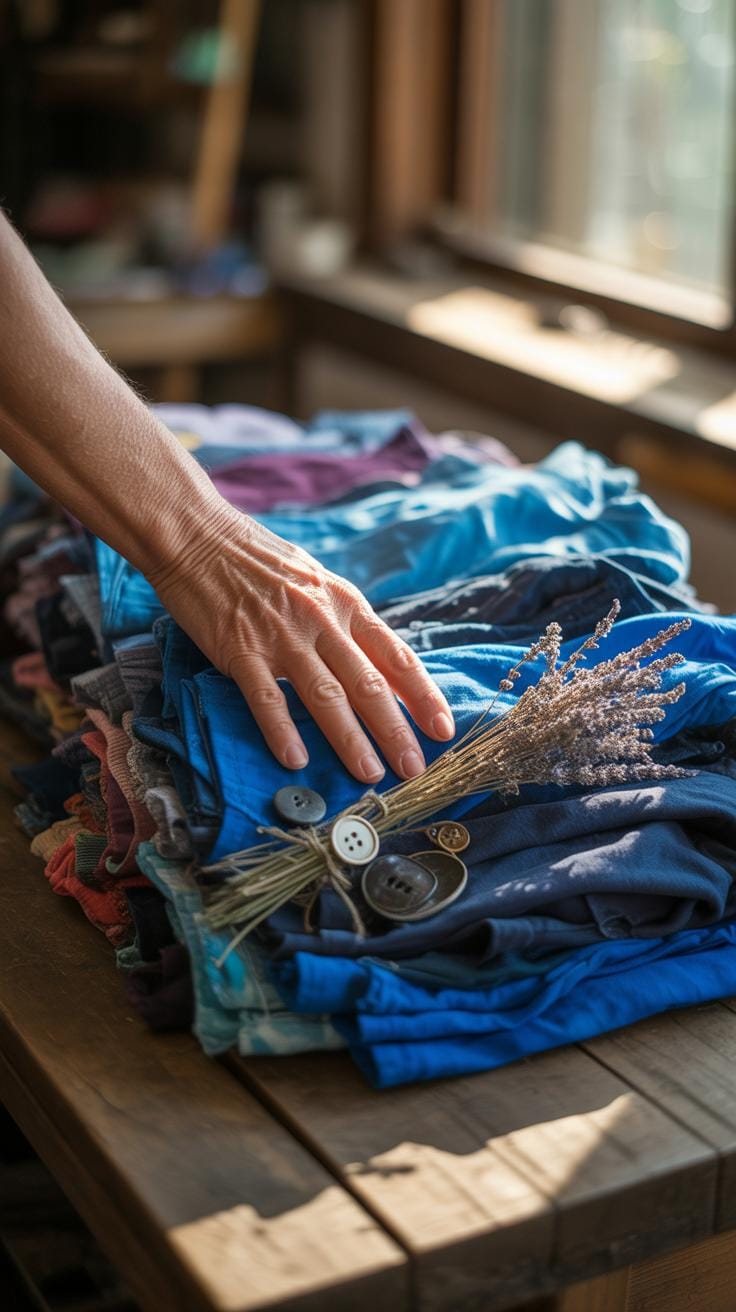
What to Do Before Buying Recycled Clothes
Before you dive into shopping for recycled clothes, there are a few things worth sorting out first. Setting a clear budget helps avoid wandering into impulse buys that might feel less satisfying later. It’s tempting to think, “I can get everything for next to nothing,” but knowing what you’re comfortable spending keeps things grounded.
Think about the styles you actually like and wear. It might sound obvious, but when you face a pile of pre-loved options, it’s easy to get distracted by things that look cool but don’t fit your vibe. Are you after casual basics, statement pieces, or perhaps something for work? Having clarity makes the hunt less overwhelming.
Next, spend some time researching sellers. Not just the obvious thrift stores, but also online platforms, local consignment shops, or even community groups. Reviews and ratings can provide some peace of mind, or at least reduce the guesswork. Have you checked if sellers offer clear photos, descriptions, and return policies? Those details matter—you don’t want surprises when your recycled gem arrives.
How to Make Your First Purchase Confidently
For your first recycled fashion buy, take it step by step. Start small. Maybe a simple accessory or a piece that’s easy to fit like a scarf or jacket. This lowers the chance of disappointment if it doesn’t work out. Trying new things feels uncertain—so keeping stakes low helps.
Ask questions if you can. If the seller lets you inquire about sizing, wear and tear, or fabric, use that to your advantage. Some sellers are very helpful, sharing extra photos or info. If you feel unsure, it’s okay to pause and reconsider rather than rushing in.
When checking out, use secure payment options that offer buyer protection. It sounds basic, but it’s easy to overlook when excited. You want to feel safe—especially if it’s an online purchase. After receiving your item, try it on in natural light if possible. Take your time to assess the condition and fit before deciding if it’s a keeper.
Buying recycled fashion doesn’t have to be complicated or nerve-wracking. With a little prep and patience, your first steps can feel rewarding and maybe even fun. What’s one item you’ve been curious to try secondhand?
Examples of Successful Recycled Fashion Purchases
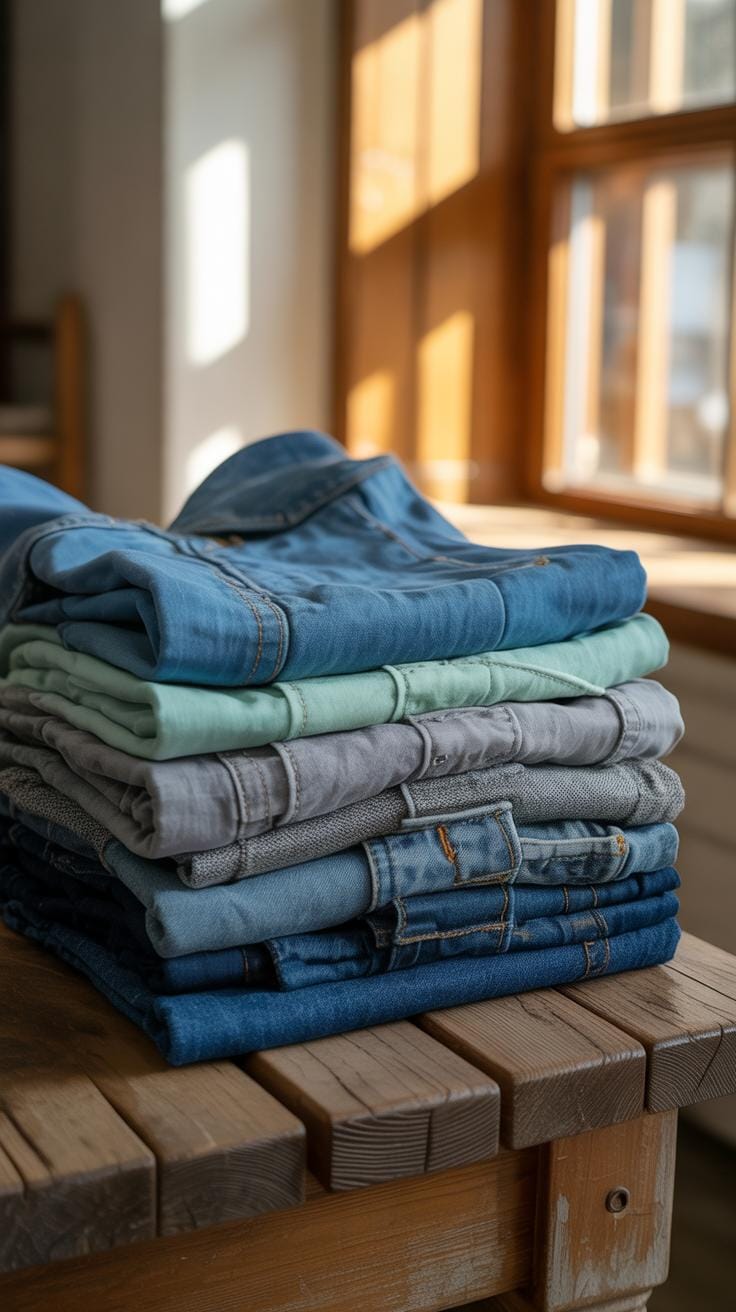
Story of a Stylish Wardrobe Refresh
Emma wanted to update her wardrobe without spending a ton of money. She decided to try recycled fashion, mostly browsing local thrift shops and online resale platforms. After a few weekends hunting, she found a classic navy blazer for $20, a silk blouse for $15, and a pair of well-made ankle boots for $30. The boots alone were nearly the same style and brand as one she’d spotted new for $120. She felt pretty good walking out, knowing she’d spent less than $70 total.
Her friends noticed the change and complimented her look – nobody guessed most of it was recycled. Emma was surprised by how well the pieces fit together. Sometimes, recycled clothes don’t always seem current, but this time, it really worked. She ended up saving more than 70% compared to buying everything new, which felt like a small win that didn’t come at the cost of style.
Budget Comparisons With Traditional Shopping
Take, for example, a casual outfit: a pair of jeans, a cotton tee, and a jacket. Buying these new from a popular retail store might set you back anywhere from $120 to $150, depending on brands.
- Recycled jeans: $25 (gently worn, good brand)
- Recycled tee: $8 (like new condition)
- Recycled jacket: $40 (lightly used, trendy cut)
Total spent: $73.
In contrast, the same pieces new could easily be double or triple that amount, especially without sales. But it’s not just about price. The recycled pieces often come with unique details or a vintage edge that’s hard to find in standard retail. This difference can make your look stand out without costing more.
Still, recycled fashion isn’t perfect for everyone – sizing can be tricky, and shopping takes patience. But seeing real savings like this example might make you reconsider where your next outfit comes from.
Maintaining Recycled Clothes to Save More

Taking good care of recycled clothes can really stretch your wardrobe budget. These pieces might not be brand new, so they often need a little extra attention to keep them looking fresh. I’ve found that simple daily habits can make a noticeable difference over time.
Easy Care Habits for Used Clothes
Washing recycled clothes tends to be trickier than brand-new ones. A few easy habits help:
- Wash items inside out to protect colors and prints.
- Use cold water whenever possible; it reduces fading and fabric wear.
- Avoid heavy detergents—mild soap works better for delicate or older fabrics.
- Skip the dryer when you can. Air drying prevents shrinkage and damage.
- Store clothes folded neatly or hung with padded hangers to avoid stretching or creases.
These seem basic, maybe even obvious, but they really add up over months or years.
Fixing Minor Issues Yourself
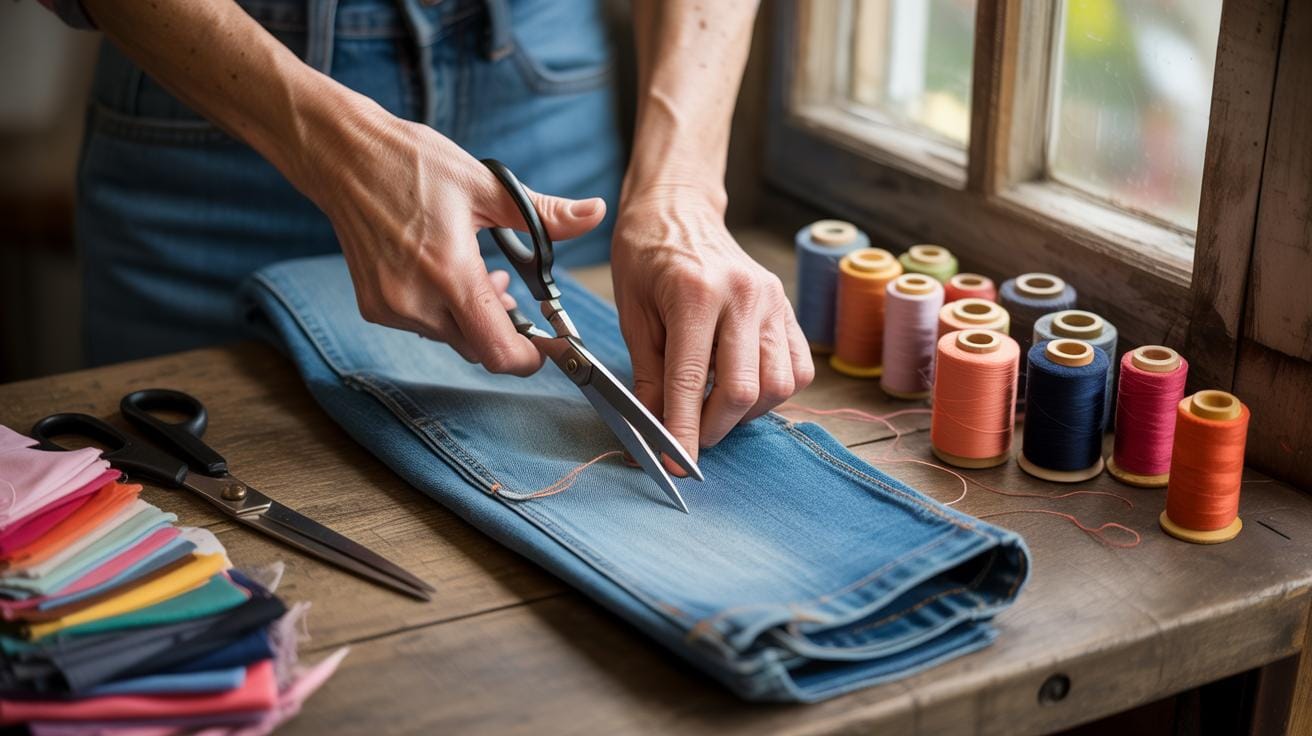
Don’t toss a favorite recycled jacket just because a button popped off or a hem came loose. Learning a bit of basic mending can save you a bunch. Sewing on buttons or patching small holes usually takes just minutes. If you’re new to it, a needle and thread don’t have to be intimidating—tutorials online can help, or maybe you’ll surprise yourself by how quickly you pick it up.
Sometimes, a well-placed patch can even add character to a piece, making it feel unique rather than worn-out. I remember fixing a small tear on my favorite recycled denim jacket and actually liking the way it looked afterward. It felt like the jacket had a story.
So, keeping recycled clothes in shape isn’t just about saving money once. It’s about making each piece last much longer, stretching value in ways traditional shopping often misses.
Conclusions
Recycled fashion can lower your shopping costs without sacrificing style. You pay less for unique pieces, often handpicked or carefully restored. This cuts waste and helps the environment too. You don’t need to follow trends strictly, giving you freedom to express yourself.
Traditional shopping may offer the newest things but often costs more and adds to pollution. Choosing recycled options means smart use of resources and smart spending. You can feel good about your wardrobe and your budget by bringing recycled fashion into your choices.