
Introduction
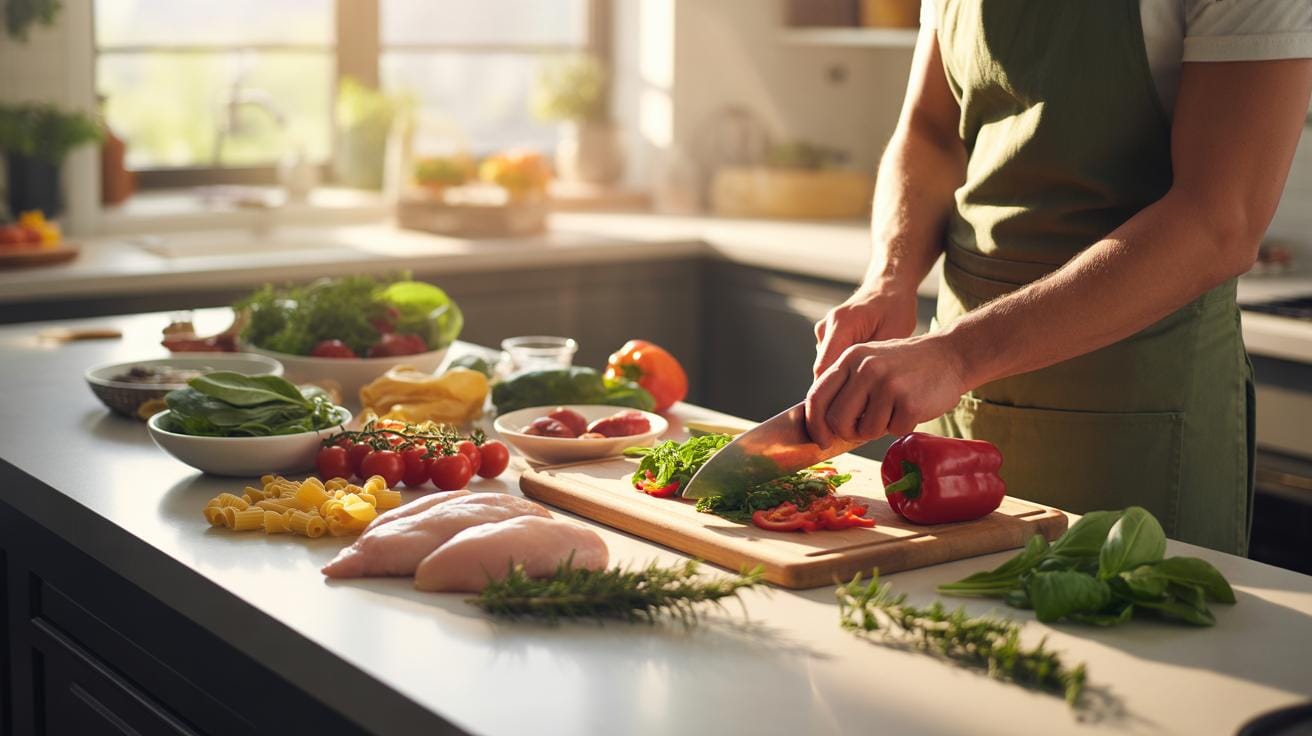
Quick recipes are perfect for busy people who want to enjoy homemade meals without spending too much time in the kitchen. These recipes help you put together dinners fast while still tasting great. You do not need complicated steps or rare ingredients to make delicious dishes quickly.
In this article, you will find ideas for fast dinners and smart ways to prepare ingredients. You will learn to use simple cooking techniques and common kitchen tools to save effort and time. These tips can help you make better use of your evenings and enjoy more fresh meals.
Fast Dinner Ideas For Busy Evenings
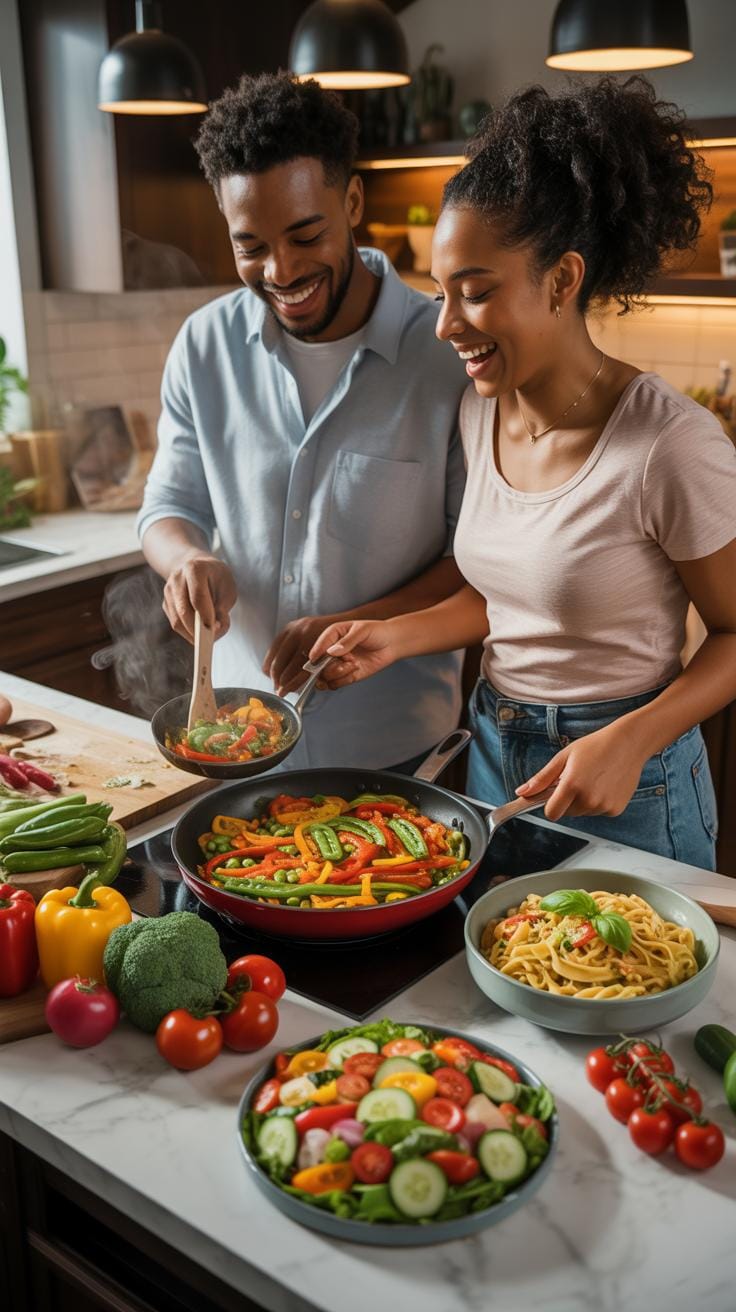
When time is tight, you need dinners that come together quickly but still feel satisfying. Think of meals like a quick shrimp stir-fry, where peeled shrimp, pre-washed spinach, and sliced bell peppers hit the pan together for about 10 minutes. Serve over instant rice, and you’ve got dinner in under 25 minutes.
Another example? A simple pasta tossed with canned tomatoes, garlic, and frozen peas. The pasta cooks in around 10 minutes, and the sauce simmers while the pasta boils. A sprinkle of parmesan finishes it off. If you keep garlic and herbs on hand, the prep is almost nonexistent.
Or try omelets filled with chopped leftover veggies and cheese. They’re fast — usually under 15 minutes. It might seem too simple, but these meals can actually feel quite filling and you only need a few ingredients that are probably already in your fridge.
These recipes rely on common pantry staples and fresh or frozen produce you can grab quickly. They’re straightforward, and while some take less than 20 minutes, none demand a lot of energy right after a busy day. You might find yourself surprised how little fuss you need for a decent dinner.
Choosing Ingredients For Quick Dishes
Picking the right ingredients is half the battle won, really. When you stare into your fridge, look for items that cook fast and don’t need much prep. Pre-washed salad mixes or pre-cut veggies? They save the hassle of washing and chopping. Frozen veggies can be a real time-saver as well. Just toss them in the pan without thawing.
Quick-cooking grains, like couscous or quinoa, are worth keeping around. They often cook in 10-15 minutes and don’t require soaking like traditional rice. You might hesitate switching from your usual staples, but trying these once could shrink your cooking time noticeably.
Proteins that cook quickly are also key — think thin chicken cutlets, ground meats, eggs, or tofu. They brown fast and absorb spices easily. Having canned beans or lentils ready in the pantry can give you a quick protein fix without extra cooking.
Simple Cooking Techniques To Save Time
Some cooking methods naturally speed things up. Stir-frying, for example, uses high heat and constant movement, so ingredients cook evenly and quickly — most veggies stay crisp, and proteins brown nicely all within minutes.
Steaming is another gentle method. It preserves nutrients and texture while taking very little active time, especially when you use a vegetable steamer basket or even the microwave. I sometimes steam broccoli or green beans in the microwave with a bit of water — it’s done in 3 to 5 minutes and requires barely any attention.
Microwaves are often underestimated for cooking dinner. They can melt cheese on a quesadilla, steam veggies, or even cook fish fillets surprisingly well. While it won’t add that roasted flavor, it’s a practical way to get supper ready at a moment’s notice.
Using these techniques, combined with quick ingredients, means you spend less time watching pots and pans and more time — well, doing almost anything else after work. It may not feel like gourmet cooking, but it’s often enough to keep hunger away without the stress.
Speedy Meal Prep And Cooking Tools
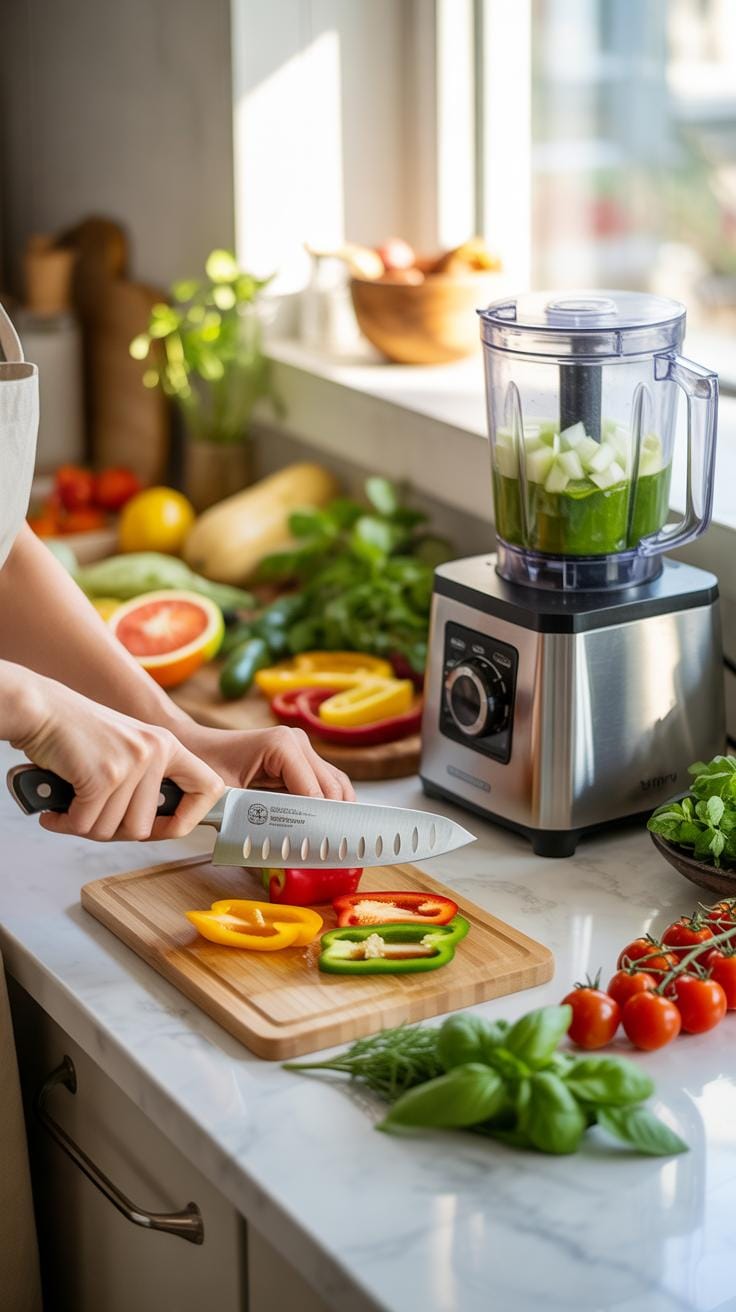
When time is tight, the right kitchen tools can make all the difference. Take food processors, for example. They handle chopping, slicing, and blending in seconds—a job that would otherwise take clumsy knife work and much longer. If you regularly make salsas, pesto, or even just need finely chopped onions for a stir-fry, a food processor can be a lifesaver. But beware—sometimes over-processing can turn ingredients into mush, so keep a close eye on the texture.
Pressure cookers are another game-changer. They drastically cut cooking times for meals that usually simmer for hours. Think soups, stews, even rice or beans—you can have them done in under 30 minutes. Just be sure to follow basic safety steps like keeping the seal clean and never releasing pressure too fast, or you might end up with a kitchen mess instead of dinner.
Microwaves aren’t just for reheating leftovers. They speed up steaming veggies, melting cheese, or softening garlic cloves, which often saves precious minutes when prepping. Using these tools wisely lets you focus on assembling than waiting around. Ever tried a quick chicken stew in the pressure cooker? It’s surprisingly tender and ready before you know it.
Preparing Ingredients Ahead To Save Time
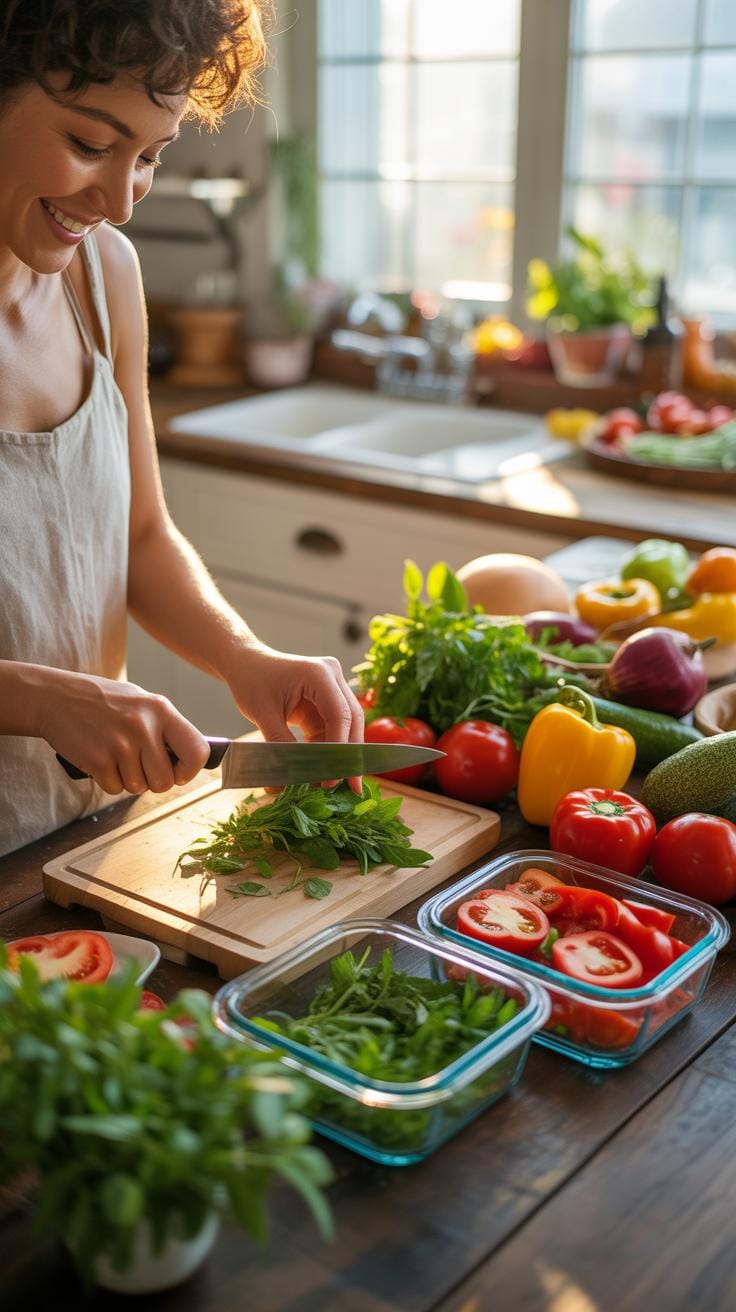
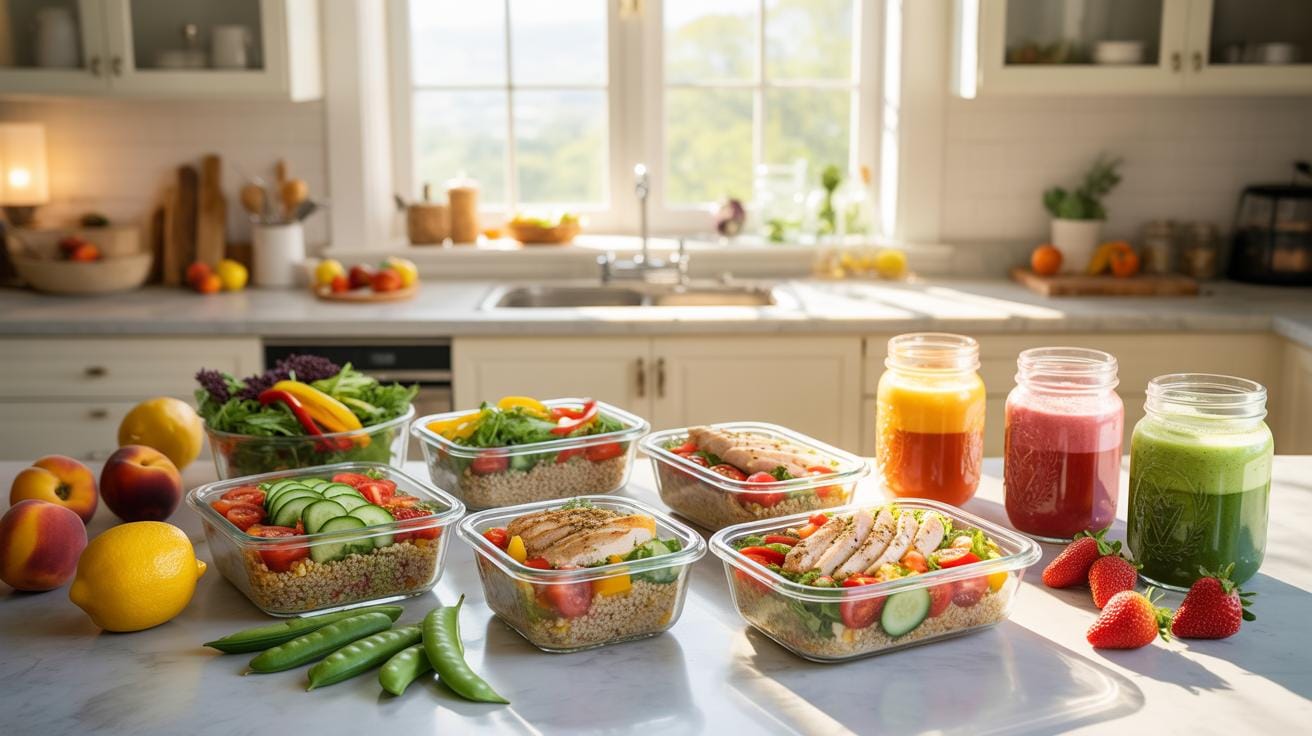
Prepping ingredients in advance can really change the way you handle busy dinners. If you chop vegetables or marinate proteins beforehand, you shave off precious minutes when hunger hits. It’s not just about saving time; it also eases the stress that builds up after a long day. I’ve noticed that meals feel less rushed—and sometimes even tastier—when the main hassle is already done.
Storing prepped items to keep them fresh can be tricky, though. Using airtight containers or resealable bags helps, but thinking about what goes where matters, too. For instance, watery veggies like tomatoes should stay separate to avoid sogginess, while hardy ones like carrots hold up well in the fridge for days.
Batch Chopping And Storage Tips
Batch chopping might feel like a lot upfront, but it rewards you with easy dinners later. When you have a bowl of sliced peppers, onions, and zucchini ready, tossing together a stir-fry becomes effortless. Here are some tips I’ve picked up:
- Chop veggies in similar sizes for even cooking later.
- Use clear containers so you can spot what’s inside without opening them.
- Label containers with dates—you don’t want forgotten ingredients past their prime.
- Store leafy greens in paper towels inside containers to absorb extra moisture.
When refrigerated properly, many chopped ingredients stay fresh for about 3 to 5 days. Still, you might find some soften faster than you hoped depending on the type and fridge temperature.
Marinating Proteins In Advance
Marinating ahead doesn’t just add flavor; it cuts down cooking steps too. Letting meat, tofu, or fish soak up herbs and spices means you spend less time seasoning as you cook. I sometimes marinate chicken overnight in a simple mix of soy sauce, garlic, and a splash of lemon juice. The result? Juicy, flavorful bites ready to grill or pan-fry in minutes.
Some basics to keep in mind:
- Use non-reactive containers like glass or plastic to avoid odd flavors.
- Marinate fish for no more than 30 minutes to an hour; they’re delicate and can become mushy.
- Red meats and tofu can take longer, even up to 24 hours, but don’t go much beyond unless refrigerated well.
- Simple marinades can be a mix of acid (like vinegar or citrus), oil, and seasonings—nothing too complicated.
If you prepare your proteins this way, you might find cooking feels faster, and dinner actually tastes better—which honestly seems a bit too good to be true sometimes, but it really works.
Balancing Nutrition In Quick Meals
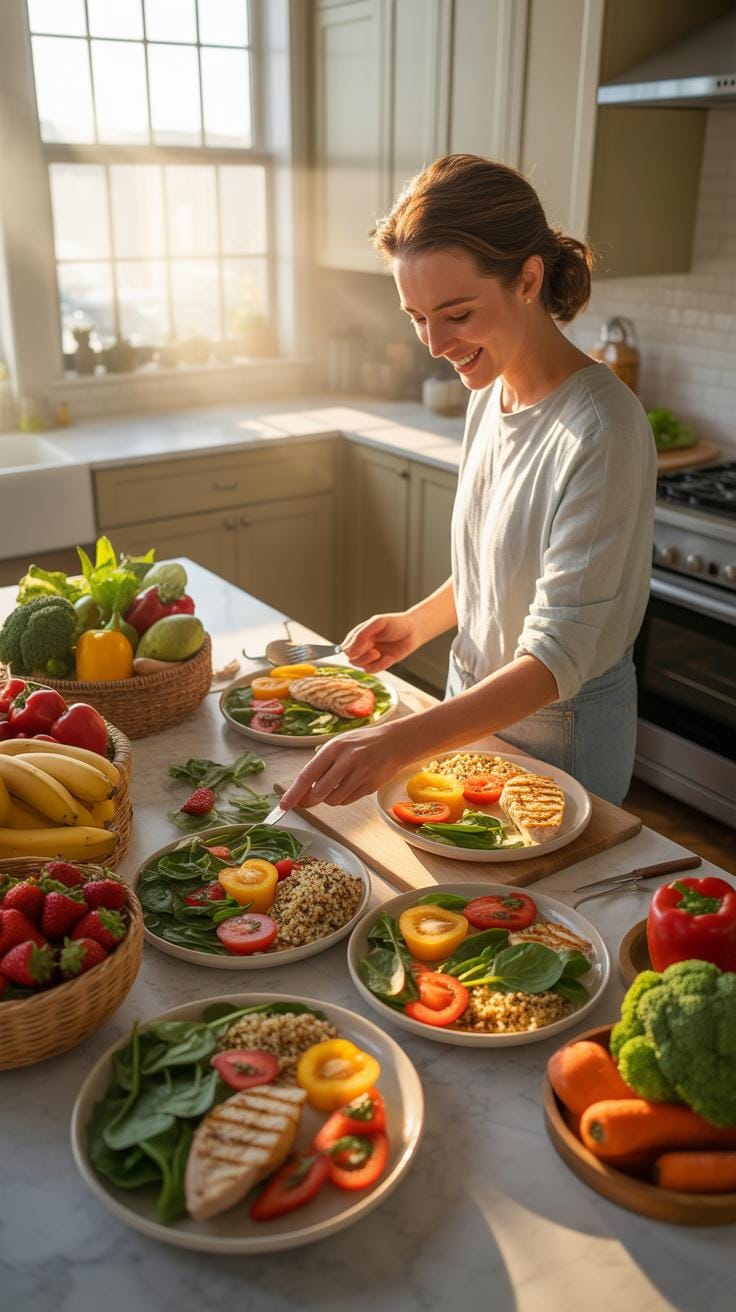
Creating quick dinners that cover all the nutritional bases—protein, vegetables, and carbs—often feels like a juggling act. But it doesn’t have to be complicated or take too long. Think of your plate as a simple combo: pick a fast-cooking protein, toss in some veggies that don’t need much prep, and add a carb that’s ready before you know it. It’s straightforward and doesn’t require a long list of ingredients.
For example, you might scramble eggs, stir in canned beans for extra protein, and serve it over quick-steamed couscous. Or, sauté thin slices of chicken with bell peppers and spinach, then pair it with microwaved sweet potato chunks. These meals don’t just fill you up—they provide fiber, vitamins, and energy. It might feel odd to plan this way at first, but once you settle on a few easy combos, it becomes a habit. Nutrient balance doesn’t mean hours in the kitchen.
Choosing Protein Sources Quickly
Fast dinners depend a lot on how you handle your protein. Eggs are a go-to for many—they cook in minutes and fit into breakfast-for-dinner, omelets, or even fried rice. Canned beans might seem humble, but they’re packed with protein and fiber and don’t need soaking or long cooking.
Thin cuts of meat like chicken breast or pork loin slices also work well; they brown fast and soak up flavors quickly. For instance, slicing meat thinly for a quick stir-fry or sandwich filling can cut prep time drastically. Keep some basics on hand like canned tuna, which mixes quickly into salads or pasta, and you’re ready for a quick protein hit anytime.
Including Vegetables For Vitamins And Fiber
Vegetables don’t have to slow you down. Think about ones that cook fast or taste great raw. Spinach, cherry tomatoes, sliced bell peppers, or shredded carrots add crunch and color without long cooking. You can toss fresh greens on top of a warm dish or mix them into a wrap.
If you want some warmth, microwave green beans or snap peas for a couple of minutes, or quickly steam broccoli florets. Adding these to your plates boosts nutrition and texture, and they rarely need elaborate seasoning—just a squeeze of lemon or a sprinkle of herbs can be enough. Ever thought a quick salad or steamed greens could be the easiest part of dinner? Maybe try it—you might be surprised.
Simple OnePot And Sheet Pan Meals
One-Pot Meals For Minimal Cleanup
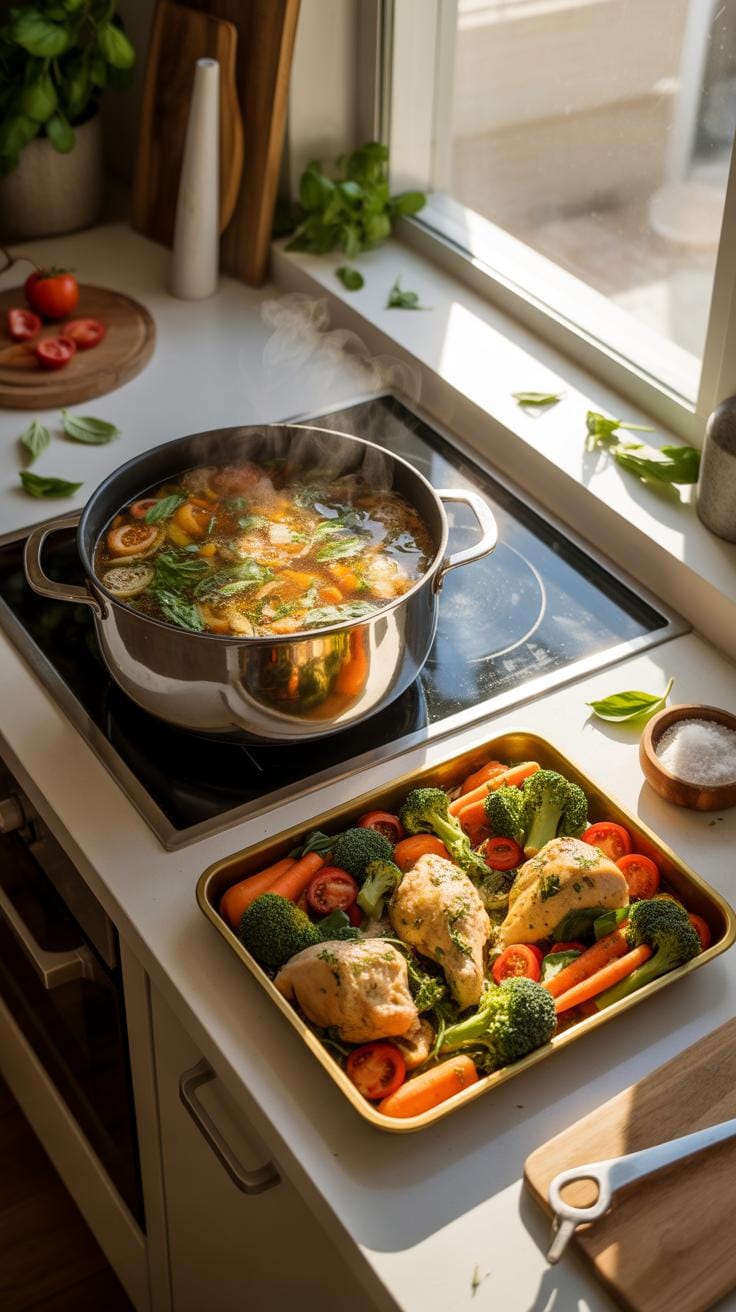
One-pot cooking is about throwing most, if not all, ingredients into a single vessel and letting them do their thing. The beauty? Fewer dishes and less fuss after dinner. But it’s not just dumping everything at once. Timing matters—you often start with aromatics like onions and garlic, then add proteins, followed by veggies, and finally liquids if your dish needs them.
Take a quick beef stew: brown your meat first to get flavor locked in, then toss in carrots and potatoes, pour in broth, and let it simmer until tender. Similarly, pasta dishes work well—drop pasta, broth, and sauce into one pot, let it cook together. The starch thickens the sauce and reduces cleanup.
One thing to remember: layering flavors can be tricky but rewarding. You might be tempted to rush, but patience pays off. Ever tried a lentil stew where you add the lentils too early? It gets mushy. So, maybe keep that forgiving mindset—you learn as you go.
Sheet Pan Dinners For Hands-Free Cooking
Sheet pan meals let you roast your dinner on a single tray, often in the oven. It’s low effort, and since everything cooks together, flavors mingle nicely. Plus, while it’s in the oven, you’re free to do other things—like prep a quick salad or just relax.
Think chicken thighs with Brussels sprouts and sweet potatoes. Toss everything in olive oil, salt, pepper, and herbs, spread evenly, and into the oven. The chicken skin crisps up while the veggies caramelize. Another mix: salmon with asparagus and cherry tomatoes—simple, colorful, and fast.
Good combos often balance textures and cook times. Root veggies take longer, so cut them smaller or start roasting before adding quicker-cooking items like zucchini or peppers. You might find that slightly uneven cooking isn’t always bad—it can actually add a bit of variety in every bite.
Time Saving Meal Planning Strategies
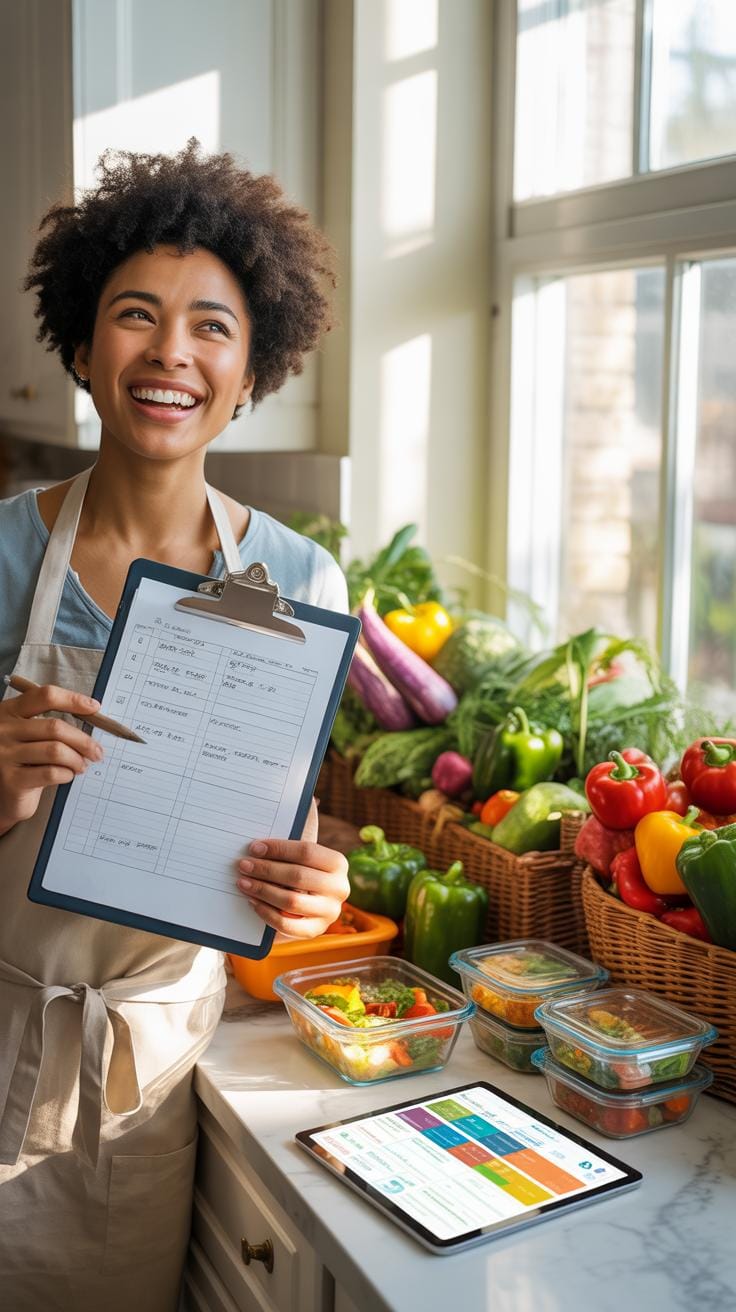
Planning meals ahead can seriously cut down the daily scramble, especially when you focus on quick recipes. If you prepare a weekly menu, you might find your evenings less stressful—perhaps even enjoyable. Start with a list of your favorite simple dishes, then rotate them to avoid boredom. It doesn’t have to be rigid; just enough to keep your shopping and cooking predictable.
Batch cooking saves a surprising amount of time. Make a big pot of something like chili or stew, then divide it into portions for the week. You could do the same with grains or roasted vegetables. Having these on hand means you just assemble or reheat rather than create from scratch each night.
When it comes to shopping lists, I think it’s wise to focus on ingredients that show up frequently in your quick recipes. This way, you avoid multiple store trips or last-minute dashes. Grouping items by category—produce, pantry, dairy—can speed up the process, but also keep your shopping trips shorter by knowing exactly what to grab. It’s a tiny step but it helps more than you’d expect.
Creating Efficient Weekly Menus
Start by mapping out dinners for the week, mixing things that take under 30 minutes with those that you can pull from leftovers. For example, roast chicken one night turns into chicken salad the next. Playing around with leftovers is practical but sometimes a bit uninspired, yet it does reduce cooking time dramatically.
Switch up your meals just enough so you don’t feel like you’re eating the same thing. Maybe one night is a pasta dish and the next a stir-fry. Using quick sauces or dressings can change the flavor profile without much extra work. A simple swap in ingredients often refreshes an entire meal.
Keeping a loose plan helps you adjust on busy days or when plans change. It’s less about perfection and more about having a framework. Leaving some room for flexibility is key—you’ll thank yourself when you’re too tired to think about dinner.
Shopping List Tips For Fast Cooking
Craft your shopping list based on quick-cook ingredients you trust. Think: pre-washed greens, canned beans, quick-cook grains, and proteins that don’t take long to prepare. These staples make it easier to throw something together in minutes. You don’t need exotic items every week; simple ingredients go a long way.
Organize your list by sections in the store to avoid backtracking, but also keep a running tab of essentials running low. It’s easy to forget spices or sauces until you actually need them. Maybe keep a notepad or an app handy for notes as the week goes by—and yes, it may sound tedious but could save grocery store time.
Having those reliable basics on hand reduces the last-minute panic of “What can I cook now?” You might not eliminate every surprise dinner dilemma, but you’ll be better prepared for most evenings.
Combining Fast Cooking With Leftovers
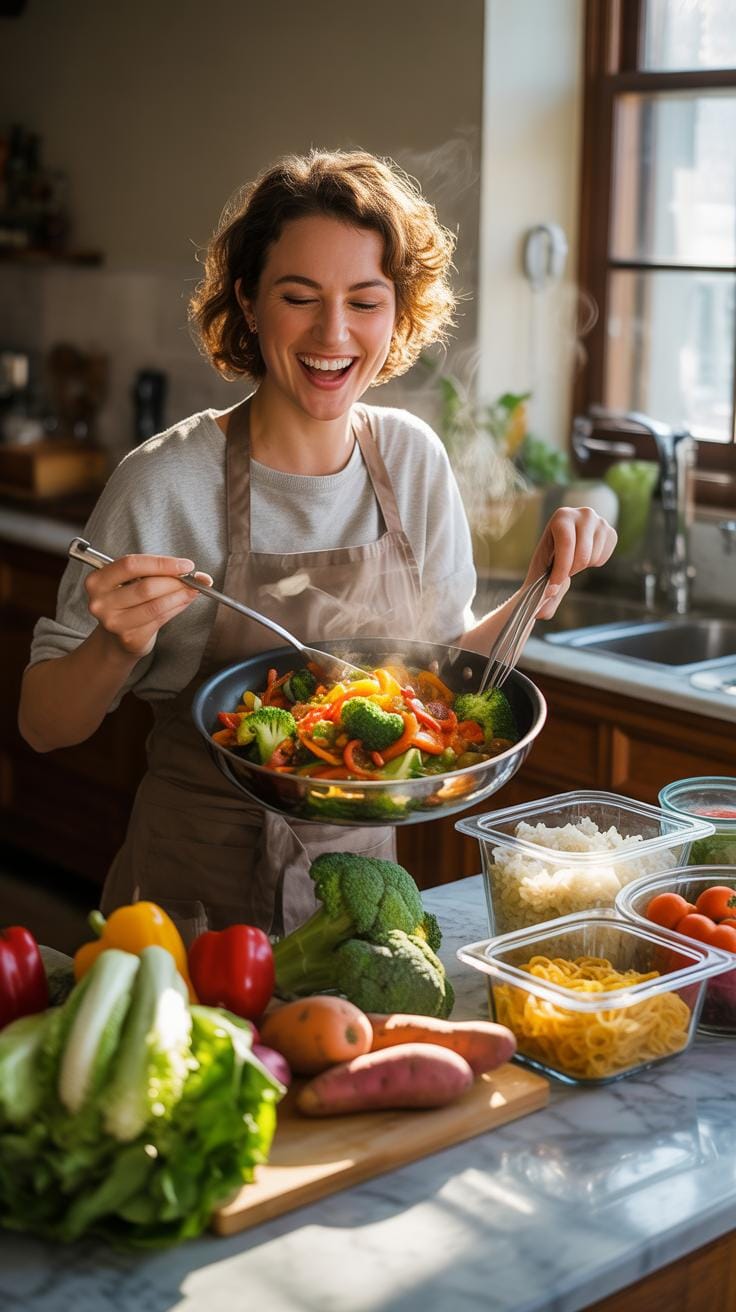
You might think leftovers just sit around and get boring, but they can actually be a great shortcut for fast dinners. When you cook a quick meal, try to make a little extra on purpose. Then, reuse that food in a new form—this way you save time without eating the same thing again and again.
For example, leftover roasted chicken can become a simple wrap. Toss some greens and a quick sauce with the shredded chicken, then roll it in a tortilla. Or those extra roasted veggies? Chop them up, add some fresh lettuce, and make a speedy salad with a basic vinaigrette. Both take just minutes and feel completely different.
Leftover stir-fries are another good place to play. Add a beaten egg or some soy sauce and quickly toss everything in the pan again. You get a fresh dish almost instantly. It’s surprising how a little creativity with what’s already cooked can change a whole meal.
Transforming Leftovers Into New Dishes
Here’s a quick recipe idea: take leftover grilled steak slices, fresh spinach, and a handful of cherry tomatoes. Wrap them in a whole grain tortilla with a dab of hummus. Or try tossing leftover rice with chopped veggies and scrambled eggs for a quick fried rice.
You can also turn last night’s pasta into a cold pasta salad by adding a squeeze of lemon, some olive oil, and whatever fresh herbs you have on hand. Quick, different, and ready in no time. The key is to think of leftovers as ingredients, not just repeats.
Storing Leftovers Properly For Safety
Storing leftovers well makes all this work worthwhile. Keep food in airtight containers and chill it quickly after cooking—ideally within two hours. Most cooked leftovers stay good for three to four days in the fridge.
If you want to keep meals longer, freezing is your friend. Just pack leftovers in freezer-safe bags or containers, label them, and use within one to two months for best taste. When reheating, heat leftovers evenly until steaming hot all the way through.
It’s easy to forget this part, but proper storage is what allows quick meals to stay quick—no extra trips to the store or last-minute cooking surprises.
Common Mistakes To Avoid In Quick Cooking
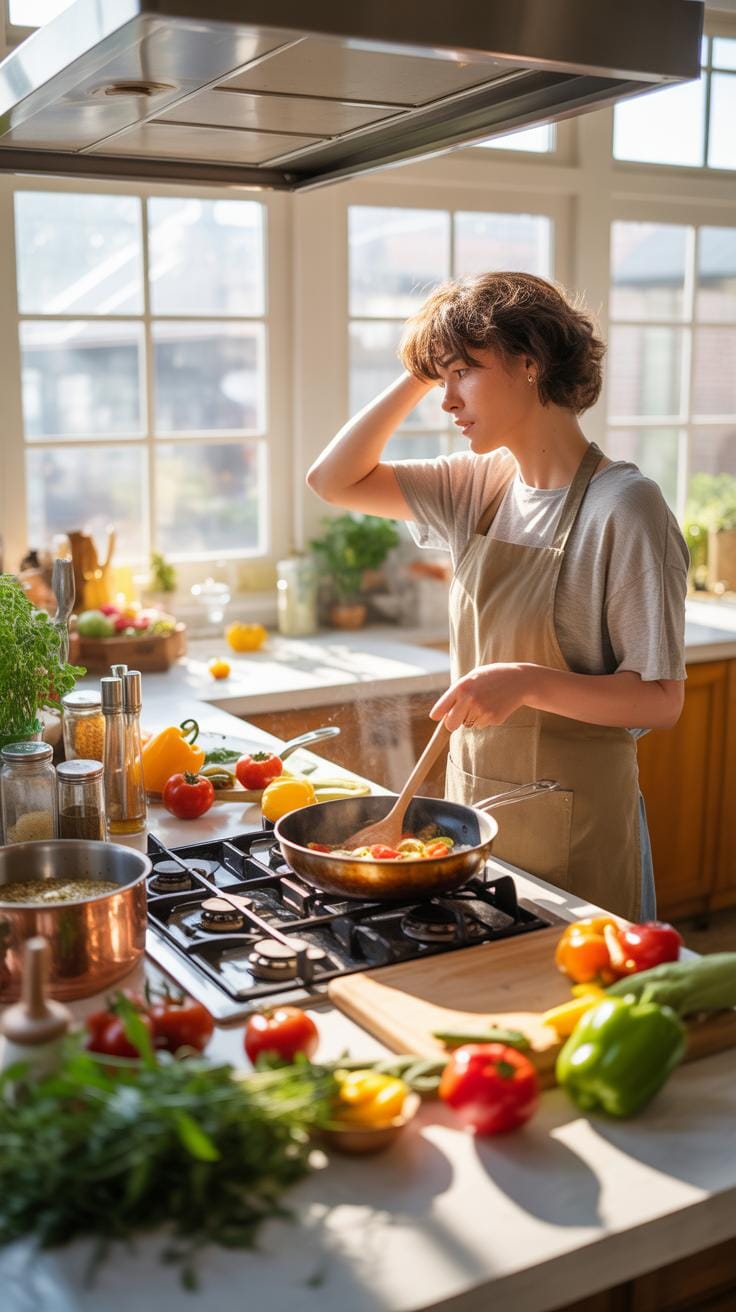
When you’re rushing through a quick dinner, it’s easy to make small errors that can throw off the whole meal. One common issue is under-seasoning. It’s tempting to skip or skimp on salt and spices to save time or avoid overpowering flavors, but bland meals rarely satisfy. Taste as you cook, even if you’re in a hurry. A pinch of salt or a dash of pepper at the right moment can make a huge difference.
Another mistake? Overcooking, especially when you’re multitasking. Fast meals often mean tossing everything in the pan and walking away to deal with other things. But this usually leads to dry chicken, mushy vegetables, or burnt sauce. It’s tricky to judge cooking times perfectly every time, but setting a timer and checking frequently helps. Trust those small adjustments during cooking rather than overestimating how long something takes.
Disorganized prep is a silent energy drainer. If you don’t lay out your ingredients and tools ahead, you might be scrambling to find the garlic or that one measuring spoon while food waits on the stove. Some people swear by “mise en place” — chopping and measuring everything before turning on the heat. You might find it slows you down initially, but once it becomes habit, it actually speeds things up and cuts errors.
For example, when I skip organized prep, I’ve found myself adding spices at odd times or forgetting key ingredients, forcing frustrating last-minute fixes. If you don’t want the exhaustion that seems to come with quick cooking, this is a place worth focusing on—heavy multitasking tends to backfire here.
So, keep seasoning in mind, watch the clock, and try to get your setup ready before you start. It might seem like extra steps, but it often saves more time than it costs, and the results will probably surprise you.
Conclusions
Quick recipes can make your dinner routine faster and less stressful. By selecting easy ingredients and using time-saving cooking methods, you can have good food on the table even on your busiest days. Planning some quick meals reduces the need for takeout and supports healthy eating.
Remember that simple meals do not have to be boring. Trying new quick recipes can be fun, and you can adjust them to suit your tastes. With these tips, you can enjoy fast dinners that fit your time and effort limits without losing flavor or nutrition.