
Introduction
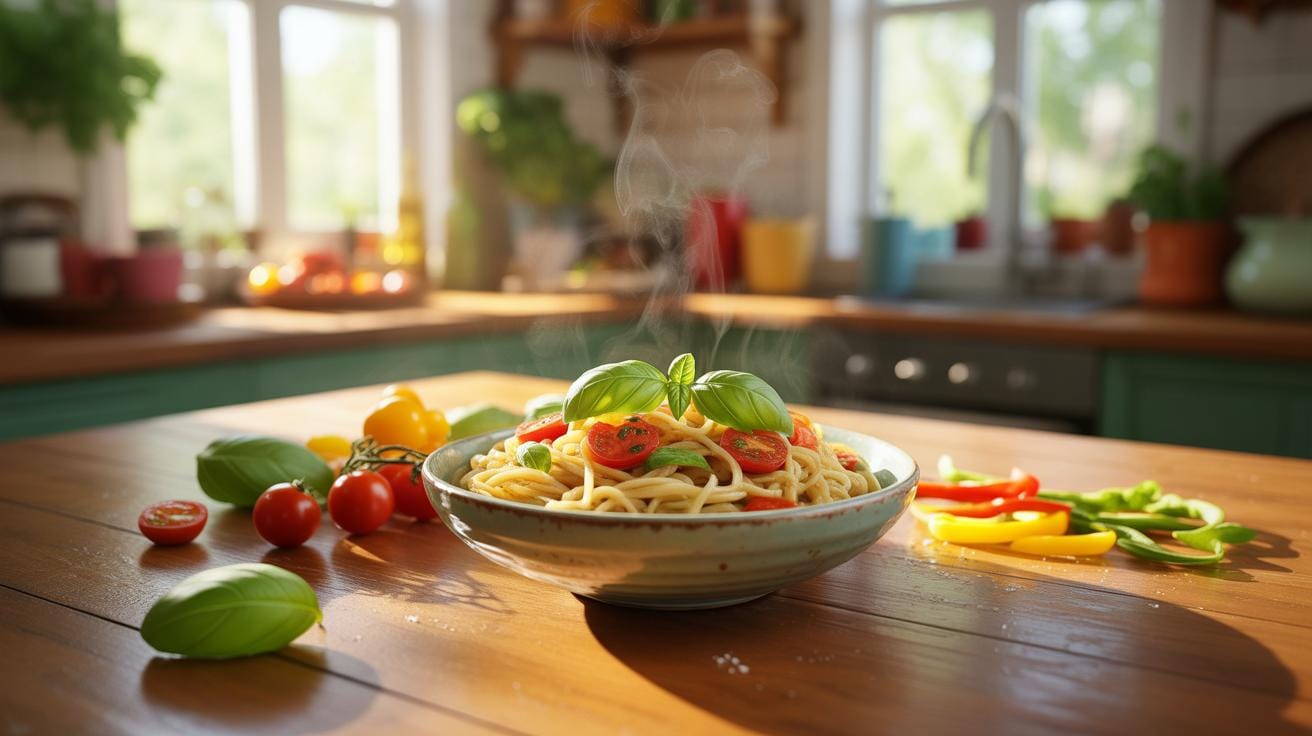
Quick dinners matter when your evening is packed with work, family, or other tasks. Pasta makes a solid choice because it cooks fast and blends well with many flavors. This article shares ideas to help you make pasta dinners fast without losing taste.
With pasta, you can create meals that suit your time and what you have at hand. Let’s explore how to turn pasta into a quick dinner solution that fits your busy life, giving you space to enjoy your evening.
Choosing Pasta Types For Speed
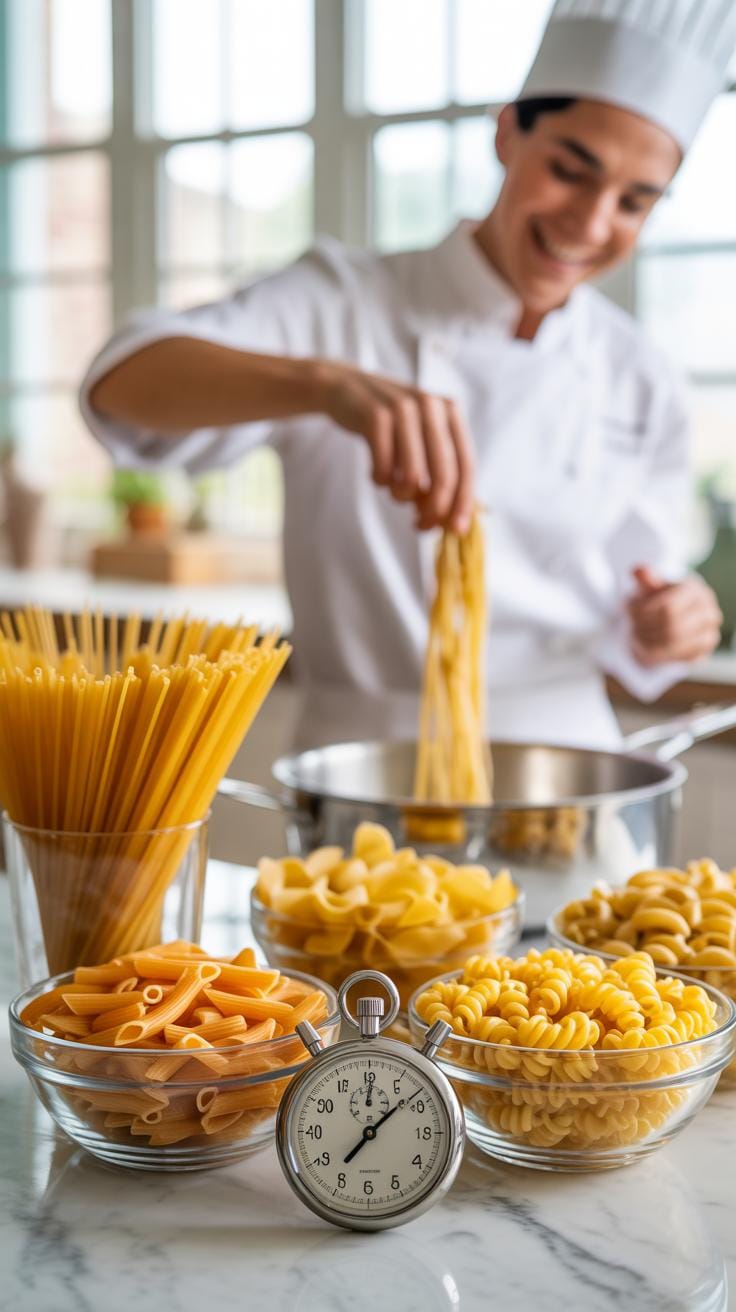
When you need dinner on the table fast, the type of pasta you pick can make a real difference. Thin, short pasta shapes tend to cook quicker simply because of their size and surface area exposed to boiling water. Think of small shapes like orzo, angel hair, or even small shells. Orzo, for example, often cooks in just 6 to 8 minutes, while angel hair can be done in about 3 to 4 minutes. That’s a big time saver compared to thicker, longer varieties.
I find that these kinds work great when you’re rushing but still want something filling. They soak up sauce quickly and don’t feel heavy. Oddly enough, sometimes I choose them mostly because I’m impatient to eat rather than for any culinary reason.
Short Vs Long Pasta Cooking Times
Short pasta like penne or rigatoni typically needs about 10 to 12 minutes to cook, while long pasta such as spaghetti or linguine usually takes between 8 to 11 minutes, depending on thickness. But, in practice, the difference isn’t always huge. That said, shorter pasta often feels like it absorbs heat a little faster overall because it’s smaller and more compact—though that can vary by brand and thickness.
Short pasta also tends to be easier to stir and keep separated, which might reduce cooking hiccups if you’re juggling multiple tasks at once. With long pasta, you’ll want to get it all submerged at once to cook evenly, which can be a bit tricky if your pot is small or you’re pressed for time.
Fresh Vs Dried Pasta Differences
Fresh pasta cooks much faster than dried — usually in just 2 to 4 minutes. Because it’s already hydrated, it softens almost instantly. But fresh pasta won’t last long in the fridge and is less convenient to store in bulk. If you’re planning ahead, it might not be the best quick fix unless you keep some on hand for those occasional busy nights.
Dried pasta, on the other hand, needs a little longer but can be stored indefinitely. It’s reliable and forgiving when you’re unsure about timing, though sometimes it feels less tender than fresh. Personally, I use dried pasta most nights, except when I want to impress or feel like a fresher texture—then fresh pasta wins out despite the extra fuss.
Quick Sauce Ideas To Pair With Pasta
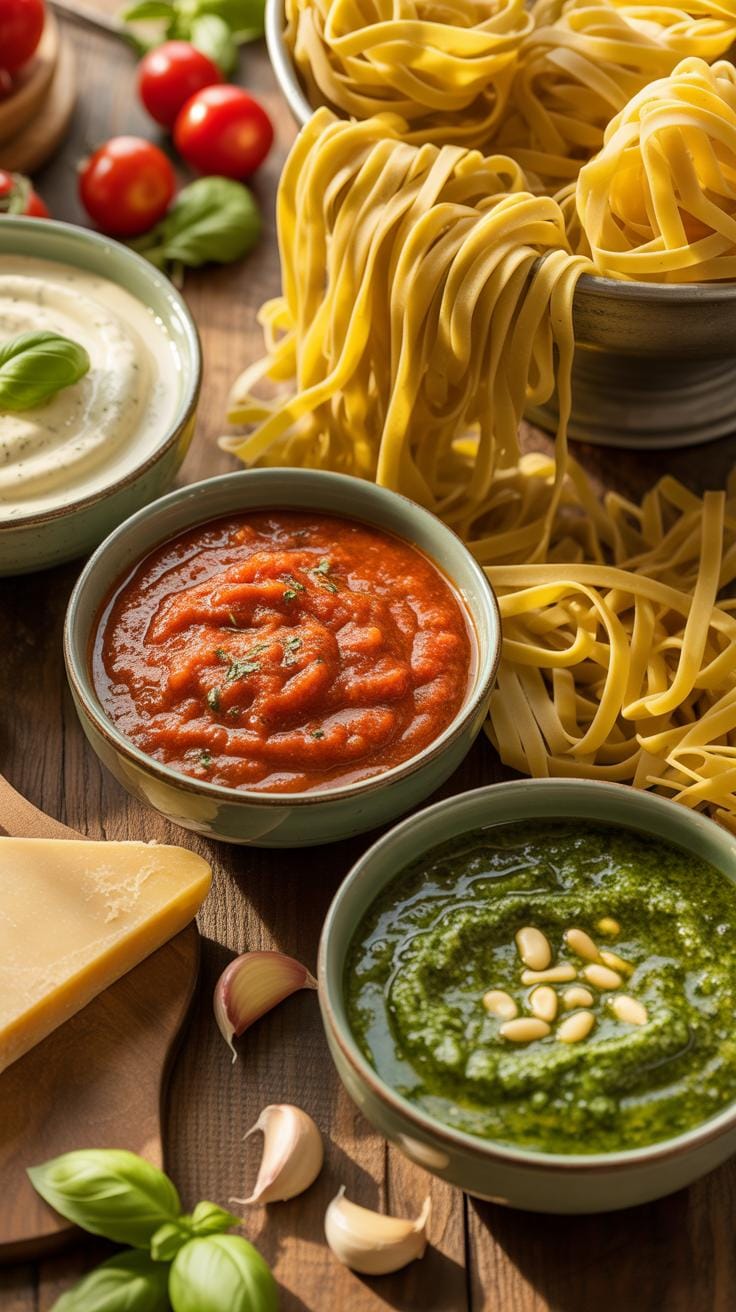
When time is tight, whipping up a sauce that complements your pasta without fuss is a blessing. You don’t always need hours simmering on the stove. Some sauces come together in minutes, relying on simple ingredients you probably have on hand.
Here are a few quick sauce ideas you might try:
- Garlic and Olive Oil (Aglio e Olio): Sauté sliced garlic gently in olive oil until fragrant, toss in chili flakes or parsley if you like, and stir in fresh pasta right away. No canned goods needed, just fresh, simple flavors.
- Pesto: Fresh basil, nuts, garlic, olive oil, and cheese blitzed in a blender make a bright, fresh sauce in under 10 minutes. You can also use store-bought pesto to save even more time.
- Quick Butter and Herb: Melt butter and toss in fresh herbs like thyme or basil, plus lemon zest for a subtle punch. This sauce is minimal but adds good flavor fast.
You might wonder if canned ingredients are worth reaching for. They’re surprisingly useful—canned tomatoes, olives, or even anchovies can boost depth without extra chopping or prep. Fresh herbs or garlic added at the end always lift the flavor and keep the sauce tasting vibrant, even if it was assembled quickly.
Tomato Based Sauces Under 15 Minutes
A simple tomato sauce doesn’t have to take ages. Grab canned crushed tomatoes, toss them in a pan with minced garlic and a pinch of salt, and set it to simmer gently. Add oregano or basil sprigs if you have them. In about 10-15 minutes, you’ll have a warm, hearty sauce.
Sometimes, I add a splash of whatever wine’s open in the kitchen or a pinch of sugar to balance acidity. It’s casual, yes, but it works. Chopped fresh tomatoes also work if you want a fresher, chunkier sauce, just reduce the cooking time by half.
Creamy Sauces Without Long Simmering
Some creamy sauces come together almost instantly. Start with cream or milk and stir in cheese such as Parmesan or cream cheese off the heat. Toss in the drained pasta while still hot to let it thicken naturally. No need to let it simmer forever.
Alternatively, melt butter in a pan and add garlic or mustard, then pour in cream or milk, stirring just long enough to combine. Adding fresh spinach or frozen peas at the end can bring freshness and texture without extra cooking time.
It’s neat how quick you can get a rich sauce without compromising too much on taste. Sometimes these minimal steps feel strangely satisfying—you get the creamy comfort you want without the wait.
Using Pantry Staples For Fast Meals
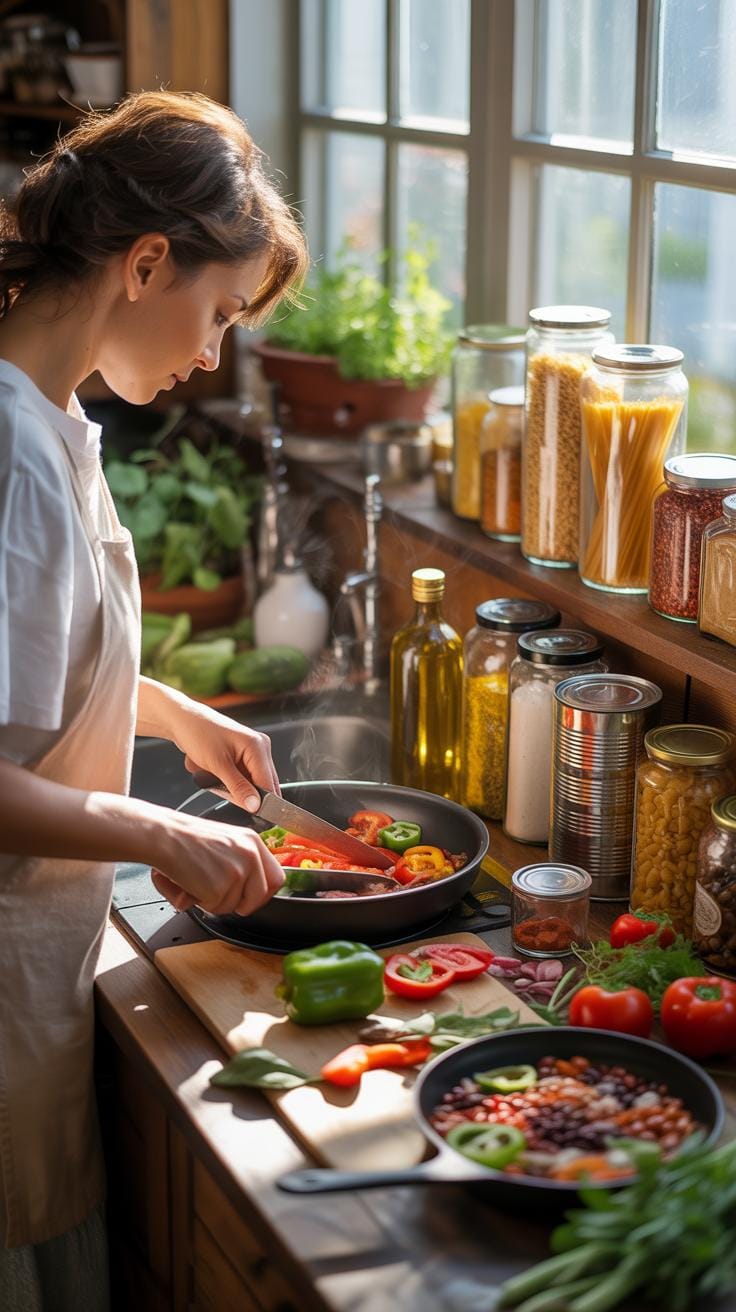
When time is short, your pantry can be the best ally in getting dinner on the table quickly. Canned beans, for example, not only save rinsing and soaking time but also pack a punch of protein and fiber. Just toss them into your pasta sauce or mix them directly with cooked pasta. It’s surprising how much heartier a simple dish becomes.
Similarly, canned tomatoes are an easy base for quick sauces. They bring acidity and natural sweetness without needing fresh tomatoes that might take longer to prepare. Sometimes, just opening a can and heating it with garlic or herbs can transform your pasta faster than any fresh ingredient.
Frozen vegetables get overlooked often but they’re real lifesavers. Pop them straight from the freezer into your boiling pasta water or sauté them while the pasta cooks. No need to thaw first. It saves time, rinsing, chopping — all the prep work that drains your evening. A handful of frozen peas or spinach can make a simple pasta dish feel more balanced and a bit healthier, too.
Pre-shredded cheese, while not something everyone prefers, can shave minutes from your prep. Sprinkle it on top and melt it over your dish without extra grating. Sure, it might lack some freshness, but sometimes, convenience wins out, right?
Have you tried mixing these staples in your pasta meals? What works best for your schedule and tastes might be worth experimenting with—it really depends on what you keep on hand and how you like your flavors to come together.
One Pan Pasta Recipes For Less Cleanup
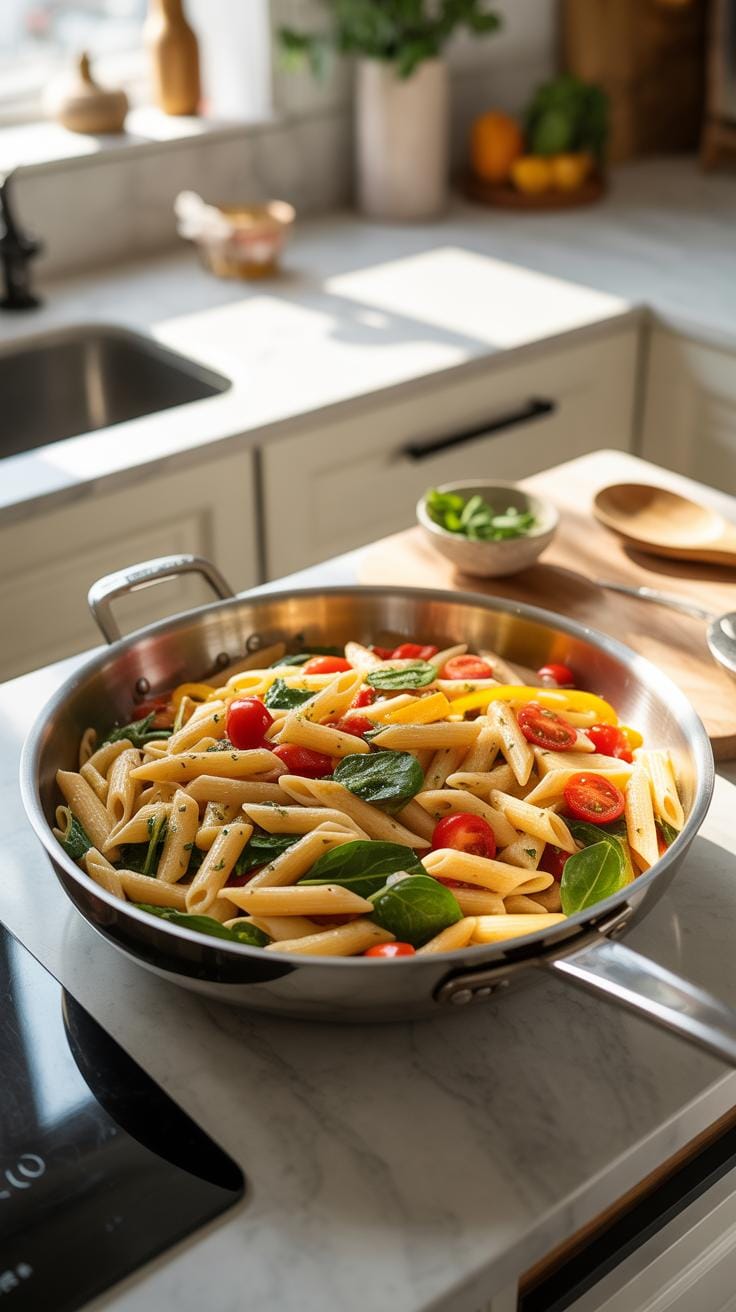
One pan pasta meals have become a go-to when time is tight and washing up feels like a chore. The idea is simple: you cook the pasta right in the sauce along with your other ingredients, so everything melds together and you only dirty one pan. This not only saves time but also keeps cleanup almost effortless, which, after a long day, feels like a small victory.
There’s something kind of satisfying about stirring everything in one place. Plus, the pasta absorbs flavors better when it cooks in the sauce instead of being boiled separately. It can feel a bit odd at first—not boiling pasta like usual—but you quickly realize it’s not just quicker; it often tastes better.
Steps For One Pan Pasta Cooking
Start with choosing a pan—wide and deep works best, so you have room to stir without spilling.
- Begin by sautéing aromatics like garlic or onion in some oil or butter.
- Add your sauce or broth next—that’s what the pasta will cook in, so it needs enough liquid to soften it fully.
- Toss in dry pasta and stir so it’s submerged in the liquid.
- As the pasta cooks, it absorbs the sauce, so keep the heat medium and stir frequently to avoid sticking.
- Near the end, add quicker-cooking ingredients like spinach, cherry tomatoes, or pre-cooked meat to warm through.
- Once the pasta is tender and sauce creamy, finish with a sprinkle of cheese or herbs if you like.
Timing varies a bit depending on the pasta shape and sauce thickness. For example, thin spaghetti cooks faster than penne. Watch closely—you don’t want it mushy, just tender.
Example One Pan Pasta Meals
Try this one: cook penne with canned tomatoes, garlic, chili flakes, and vegetable broth. Just add spinach at the end and finish with parmesan. Super fast, and you barely wash a single pan.
Another is a creamy mushroom pasta where you sauté mushrooms in butter first, then add broth, pasta, and a splash of cream at the end. The flavors meld while the pasta cooks, and the sauce thickens without extra steps.
Or how about a lemon garlic shrimp pasta? You sweat garlic, add broth and pasta, toss in shrimp in the last 5 minutes, and finish with lemon zest. Fresh and quick.
Do you notice how the pasta picks up whatever flavors you’re stirring into the pan? It makes quick dinners feel less thrown-together, even if you’re just tossing ingredients in and waiting for the timer.
Adding Protein Quickly To Pasta
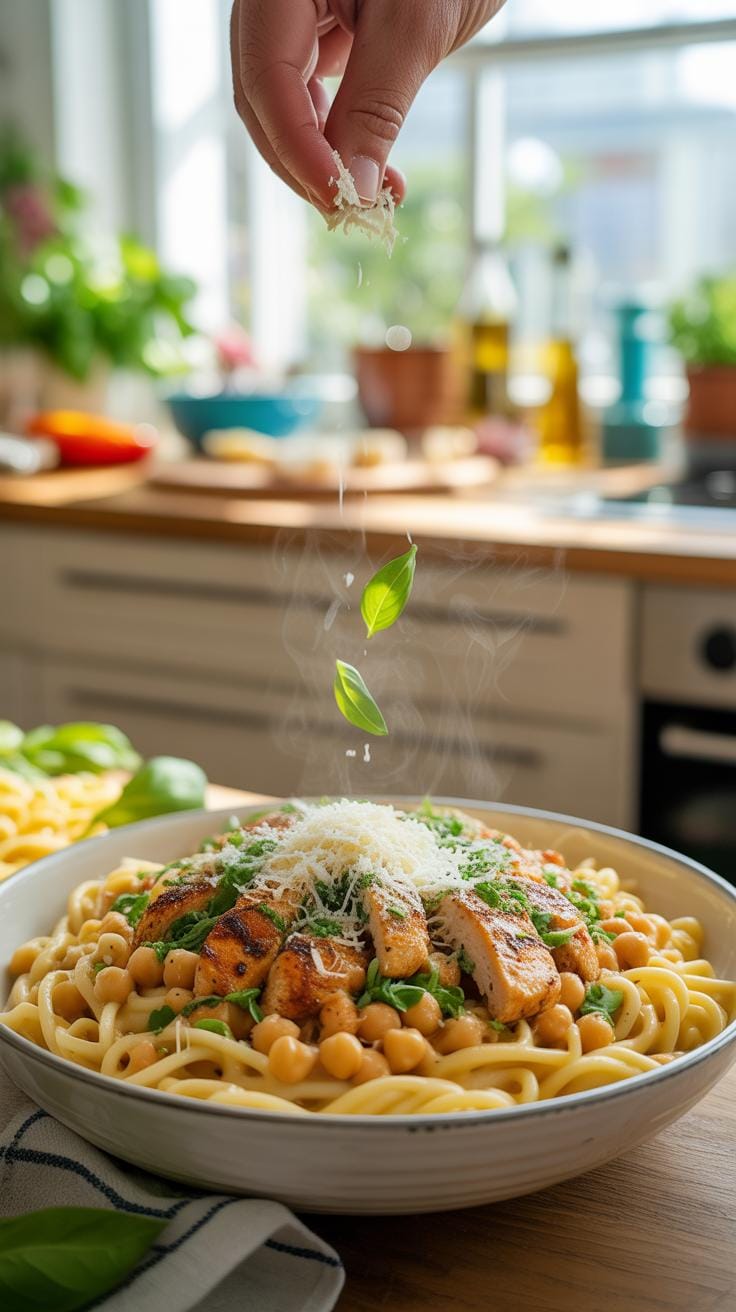
When dinner time hits and you want something filling fast, adding protein to pasta doesn’t have to drag on forever. You can boost your meal’s nutrition—and flavor—without long waits. Think about simple options like chicken, beans, or eggs that slip in effortlessly.
Using pre-cooked chicken is a real time-saver. If you have leftover roast or grilled chicken, just shred or chop it and toss it into your warm pasta with sauce. It warms through quickly and adds that satisfying bite.
Canned beans are also great here. Rinse them, then stir directly into the pasta. They don’t need pre-cooking, but can soak up spices or sauce, making your meal heartier almost instantly.
Eggs might seem basic, but they’re fast and versatile. Scrambled eggs can be stirred in at the last minute for a creamy texture. Or try a quick poached egg on top to add richness and protein without fuss.
Have you noticed how these quick protein hacks can turn your pasta from just carbs to a more balanced, satisfying dish? It’s like a little trick to eat better with barely any effort, perfect on those evenings packed with too much going on.
How To Prep Ingredients Ahead
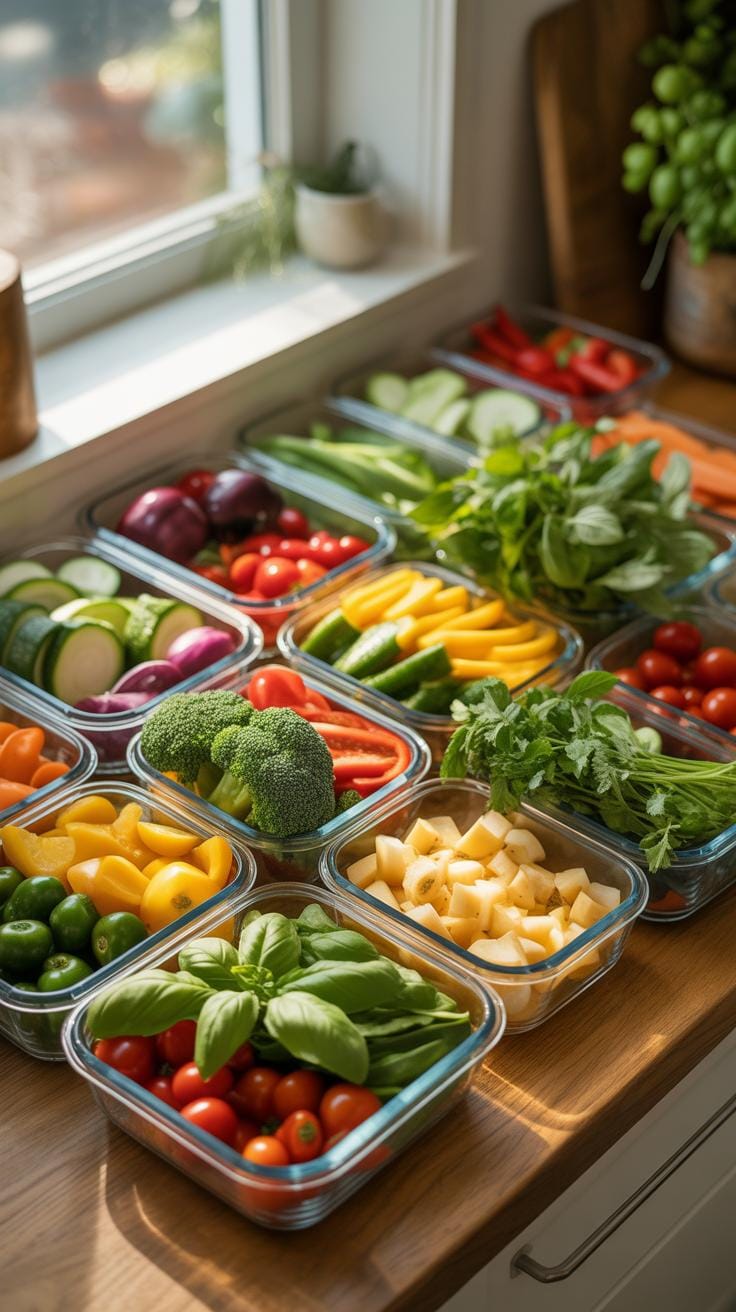
Preparing your ingredients before the hectic evening rush can save more time than you might expect. When you come home tired or distracted by other tasks, having prepped veggies and sauce bases ready means you’re already halfway to dinner. You might think it’s extra work upfront, but it often feels less stressful to chop a bunch of vegetables while you’re thinking about dinner earlier in the day—or even the day before.
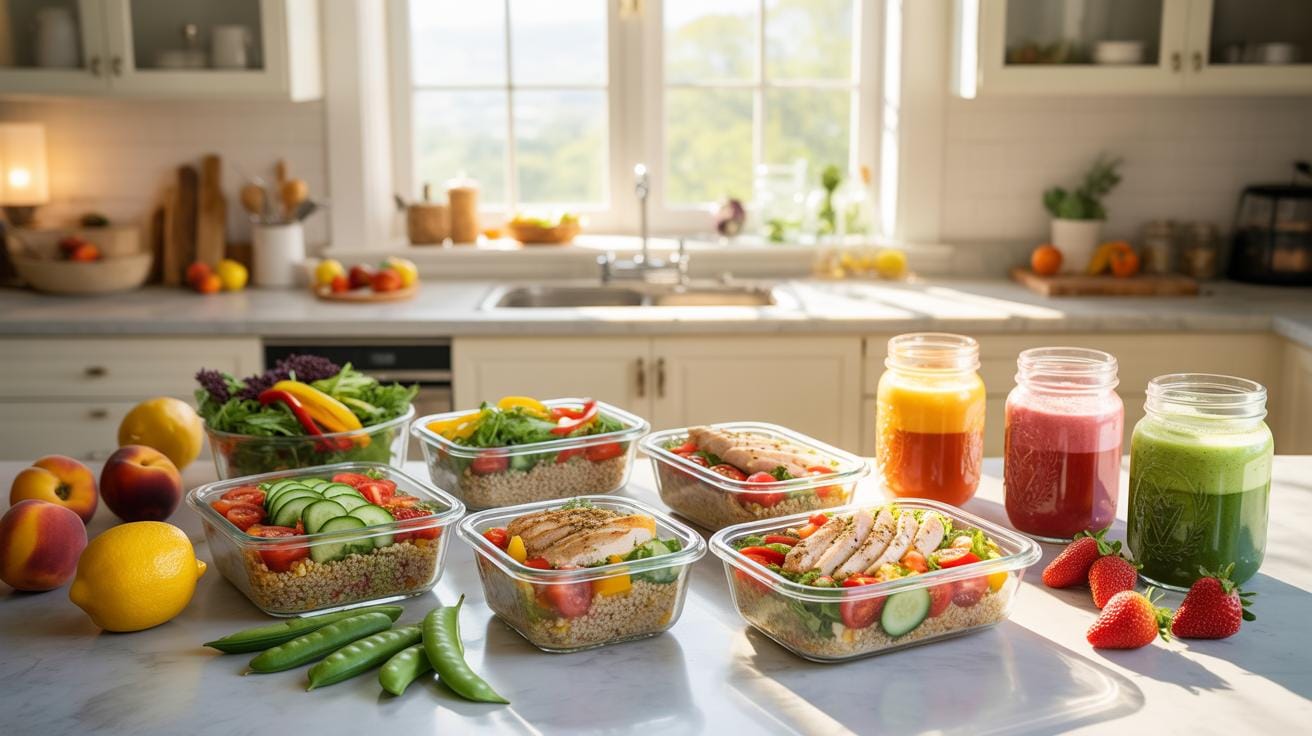
Batch cutting vegetables works well when you choose versatile ones like onions, bell peppers, or mushrooms. Chop them into whatever size you prefer and store in airtight containers or zip bags in the fridge.
- Use clear containers so you can quickly grab what you need without rummaging.
- Try to keep moisture levels right—too wet and veggies spoil faster; too dry and they lose freshness.
- Freezing some veggies is okay too, especially if you won’t use them immediately, though texture might suffer slightly.
For sauces, prepping the base ingredients—like sautéed garlic, onions, or even blended tomatoes—in advance makes a surprisingly big difference. When you’re ready to cook, all you have to do is combine, simmer, and toss with pasta. It’s tempting to think you have to start from scratch every time, but a little prep cuts that out.
Think about this: what if you kept a few sauce bases in the fridge at all times? You’d barely need more than 15 minutes to pull together a meal. I’ve kept small jars of tomato sauce ready, and it’s saved me on unexpectedly busy nights more than once. You may find a rhythm that works for you—maybe on weekends or slow evenings. The key is to loosen up on the “perfect prep” notion and just get what you can done when you can.
Balancing Nutrition In Quick Pasta Meals
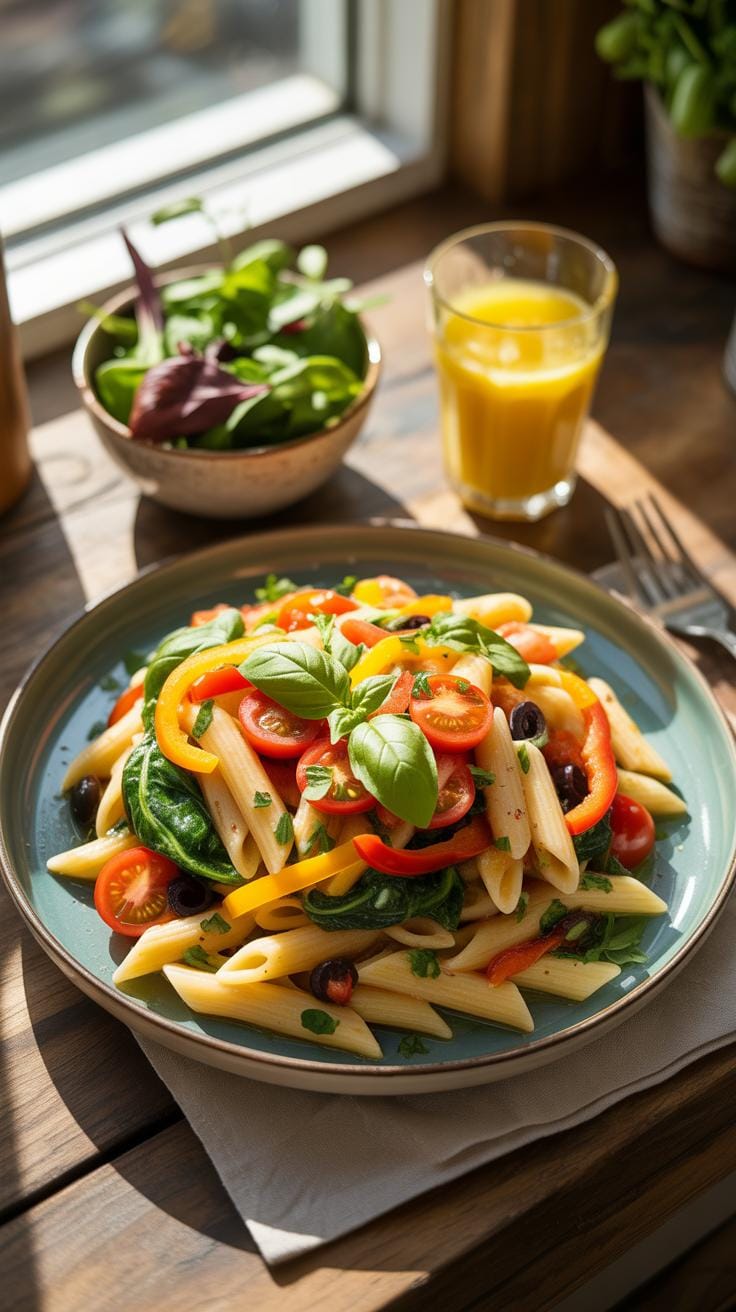
Pasta can be a quick fix, but if you stop there, your meal might feel a bit empty—not just in flavor, but in nutrition too. Combining pasta with vegetables and proteins can make a big difference, even when you’re rushing. It’s about making that plate do more for you, without adding complexity to the cooking process.
Adding Vegetables For Vitamins And Fiber
Vegetables bring more than just color. They offer vitamins, minerals, and fiber that pasta lacks on its own. Think beyond the usual tomato sauce and toss in whatever you have on hand—spinach, bell peppers, mushrooms, zucchini, even frozen peas can work. Sometimes chopping and sautéing a handful of veggies takes just minutes and adds texture and bite. Raw veggies tossed in, like arugula or cherry tomatoes, also lift the dish without extra cooking time. It’s surprising how much these simple additions can brighten flavors and fill you up more sustainably.
Including Protein For Fullness And Energy
Protein is what keeps you going after a quick dinner—without it, you might still feel hungry or sluggish soon after eating. It’s good to remember that protein doesn’t have to mean a long cooking time or complicated steps. Pre-cooked chicken, canned tuna, beans, or even a quick scramble of eggs can do the job. Protein helps balance carbs from the pasta, giving you more lasting energy. And frankly, sometimes just adding a sprinkle of cheese or a spoonful of nuts can help with this balance, even if you’re short on time.
Comparing Homemade Vs StoreBought Pasta
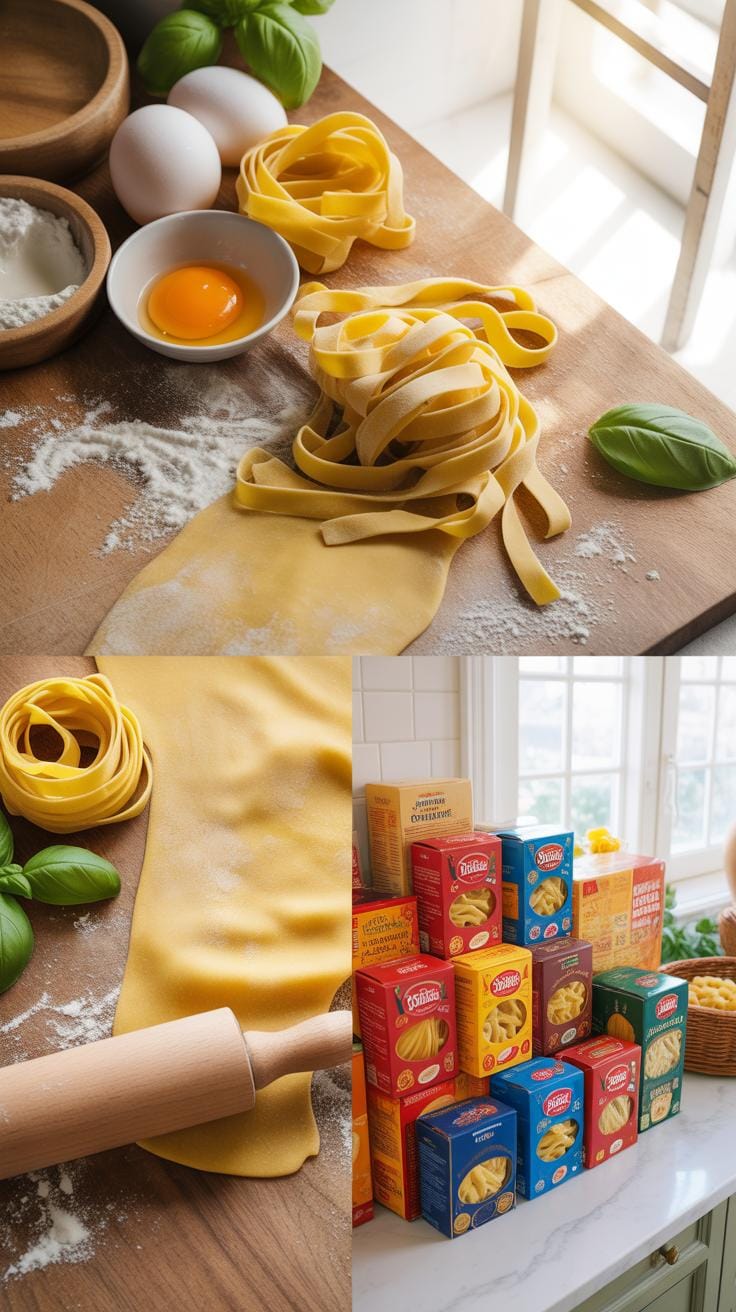
Time Needed For Homemade Pasta
Making pasta at home is definitely a commitment. If you’ve ever tried mixing dough, rolling it out, and cutting shapes, you know it’s not a quick process. Even if you’re experienced, preparing homemade pasta can easily add 30 to 45 minutes or more to your dinner routine. This includes resting the dough, rolling it thin enough, and making sure pieces don’t stick together.
For busy evenings, that extra time might feel like a lot, especially when you’re already juggling other tasks. But some people find the process relaxing or rewarding—makes you appreciate every bite a little more, I guess. Still, if you’re pressed for time, homemade pasta can slow you down unexpectedly.
Taste And Convenience Differences
Store-bought pasta, on the other hand, shines in speed and ease. You just boil it—usually between 7 to 12 minutes—and you’re ready to go. The taste might not be as nuanced or fresh compared to homemade, but many find it perfectly fine for a quick meal. It pairs well with almost any sauce and doesn’t demand extra effort.
Some store-bought options use high-quality ingredients that bring better flavor closer to homemade, but others can taste a bit dull or bland. Still, when time is tight and hunger strikes, tossing store-bought pasta in boiling water feels like a safe bet. It’s simple, quick, and reliable—qualities you often want after a long day.
So, is the flavor worth the wait? Sometimes yes, sometimes no. Depends on how much time you really have and how much you care about subtle differences in texture or taste on any given night.
Common Mistakes In Quick Pasta Dinners
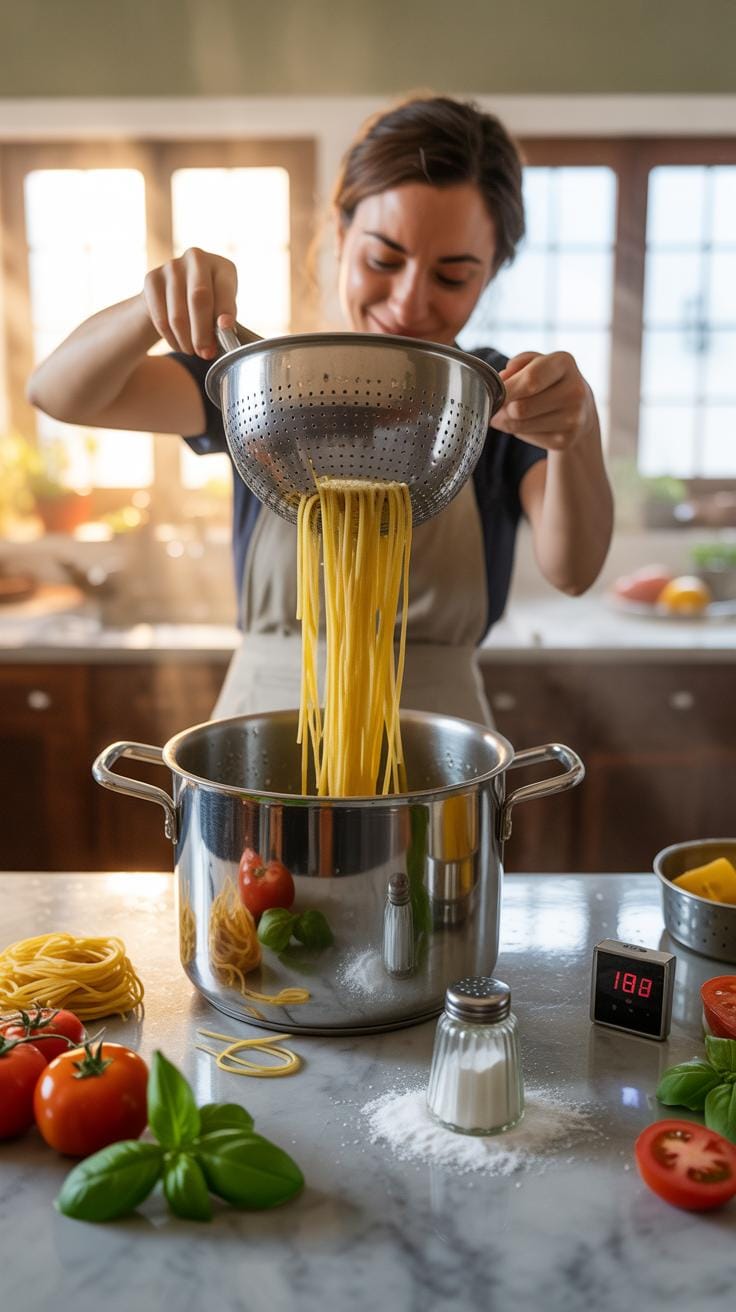
When you’re rushing to make a pasta dinner, it’s easy to mess up the cooking time. Overcooked pasta turns into a mushy mess that’s far from appetizing, while undercooked pasta is tough and unpleasant. I’ve been there—thinking a minute or two won’t matter, only to regret it later. The trick is to keep a close eye on the clock and taste the pasta a bit earlier than the package suggests. Pasta will keep cooking once it’s drained, so aim to pull it out just before it’s fully tender. That way, you avoid both extremes.
Skipping small steps might save moments, but those moments add up. For example, salting the water isn’t just for flavor. It actually raises the boiling point slightly, speeding up the cooking. Also, prepping your ingredients—like chopping garlic or grating cheese before the water boils—can prevent frantic multitasking later. I’ve found that when I jump straight into dumping pasta in boiling water without seasoning or prep, dinner feels chaotic and slower overall. It’s a bit counterintuitive, but spending a minute up front usually pays off.
Here’s what trips people up most:
- Not tasting the pasta early enough, then ending up with overcooked noodles.
- Ignoring seasoning the pasta water, which makes the pasta bland and less appealing.
- Waiting to prep sauce or toppings until the pasta’s done, causing last-minute scrambling.
Could it be that a quick dinner actually demands more planning than you thought? Maybe a little extra prep is what really makes it fast and tasty, not rushing to the end.
Planning Quick Pasta Dinners Weekly
Creating A Simple Weekly Meal Plan
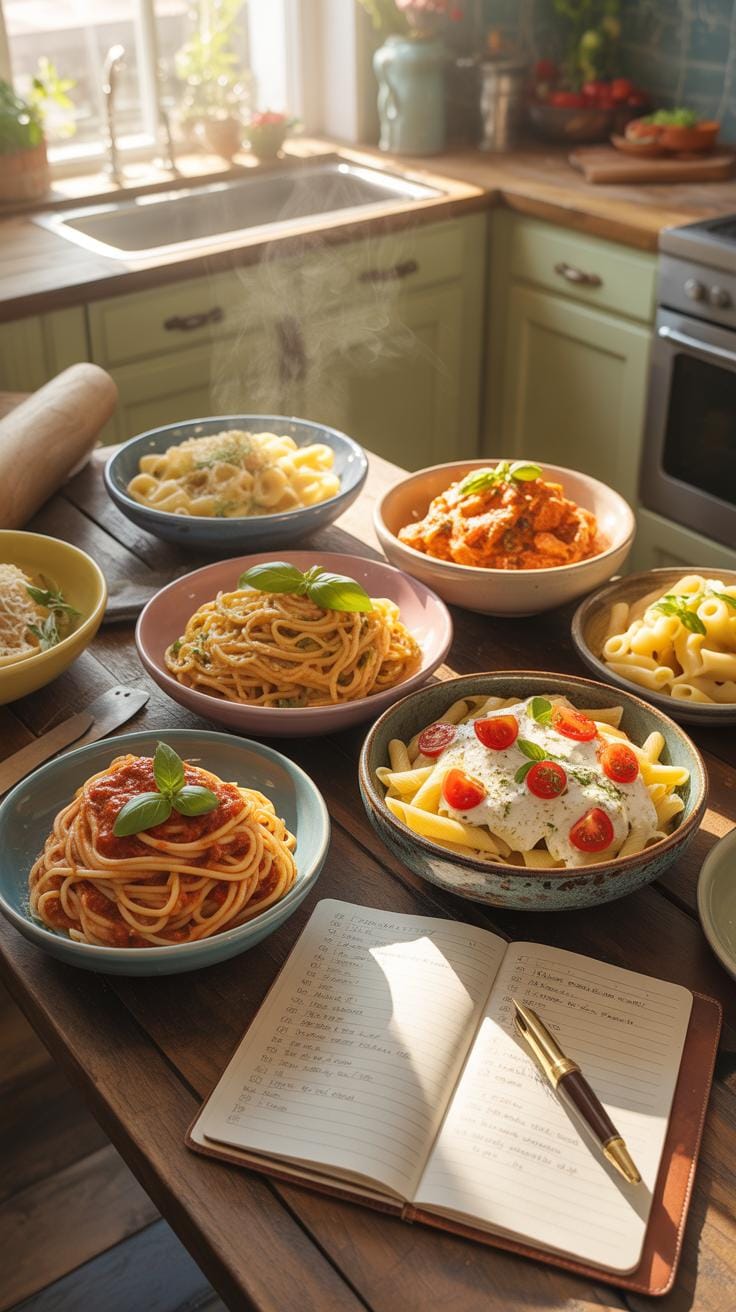
When you’re juggling a busy schedule, having a plan can take a lot off your plate—literally. A simple weekly pasta meal plan doesn’t need to be complicated. Maybe you pick three or four go-to recipes that are quick and rotate them. For example, Monday could be a classic spaghetti aglio e olio, Wednesday a quick penne with tomato and basil, Friday a creamy mushroom fettuccine, and so on.
Sticking to just a few recipes means less thinking during dinner time, which can be a small relief after a hectic day. You might feel tempted to switch things up every night, but sometimes repetition actually saves more time and mental energy. You also get better at prepping ingredients in advance—or noticing which steps take longer than you expect.
And let’s be honest, some nights are just easier to cook than others. On those evenings, a pasta dish with few ingredients—maybe just pasta, olive oil, garlic, and chili flakes—can do the job. The trick is to keep variety manageable so you don’t get overwhelmed. Can you think of a few simple favorites you wouldn’t mind eating several times a week?
Shopping Lists For Speedy Dinners
Building a grocery list around your pasta plans means grouping ingredients wisely. Instead of a random list, organize it by meal type and perishability. For instance, keep always-on-hand staples like pasta varieties, canned tomatoes, olive oil, and dried herbs stocked. Fresh veggies and proteins come next, but pick those that last or that you can use in multiple meals.
Making a list along these lines helps avoid last-minute store runs. Plus, you can buy in bulk or freeze some items without worrying about waste. If you glance at your list each week, it’s easier to see what’s missing and spot ingredients that appear repeatedly across your recipes. You might find it worth setting reminders to pick up items like fresh basil or parmesan more regularly so those quick dinners don’t lose their spark.
Sometimes, I jot down a list on my phone and update it after each meal. It’s a bit messy, but it works. What’s your system for shopping? Do you plan lists by recipe or just toss everything in a mental basket? Either way, refining this habit can shave off stress and make your quick pasta nights almost effortless.
Conclusions
Pasta dinners for busy evenings can be both swift and satisfying. Focusing on easy recipes and accessible ingredients lets you save time and enjoy your meal. Using these tips will help keep your dinners stress-free and tasty.
Remember, quick dinner ideas with pasta offer more than just speed. They provide variety and comfort. Try different recipes and adjust ingredient lists to match what you have and what you like. Your quick pasta dinner journey starts with simple steps and ends with great meals.