Introduction
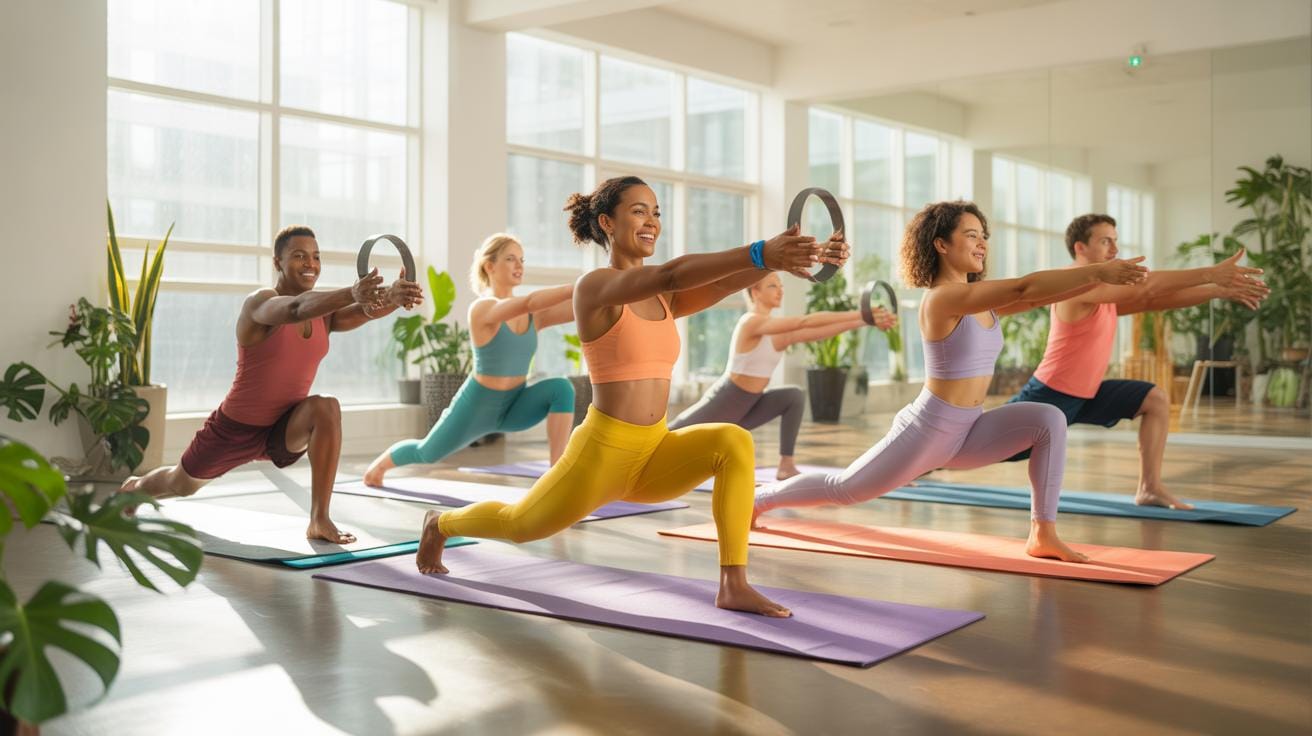
Pilates is a form of exercise that focuses on strengthening the body with an emphasis on core strength. It improves flexibility, posture, and overall fitness. The Pilates workout routine can suit people of all fitness levels and ages. This article covers the key benefits of Pilates workouts for both health and physical style.
You will learn about the health advantages, style improvements, and how to start an effective Pilates practice. This knowledge will help you decide if adding Pilates to your fitness program is right for you.
Benefits Of Pilates Workout
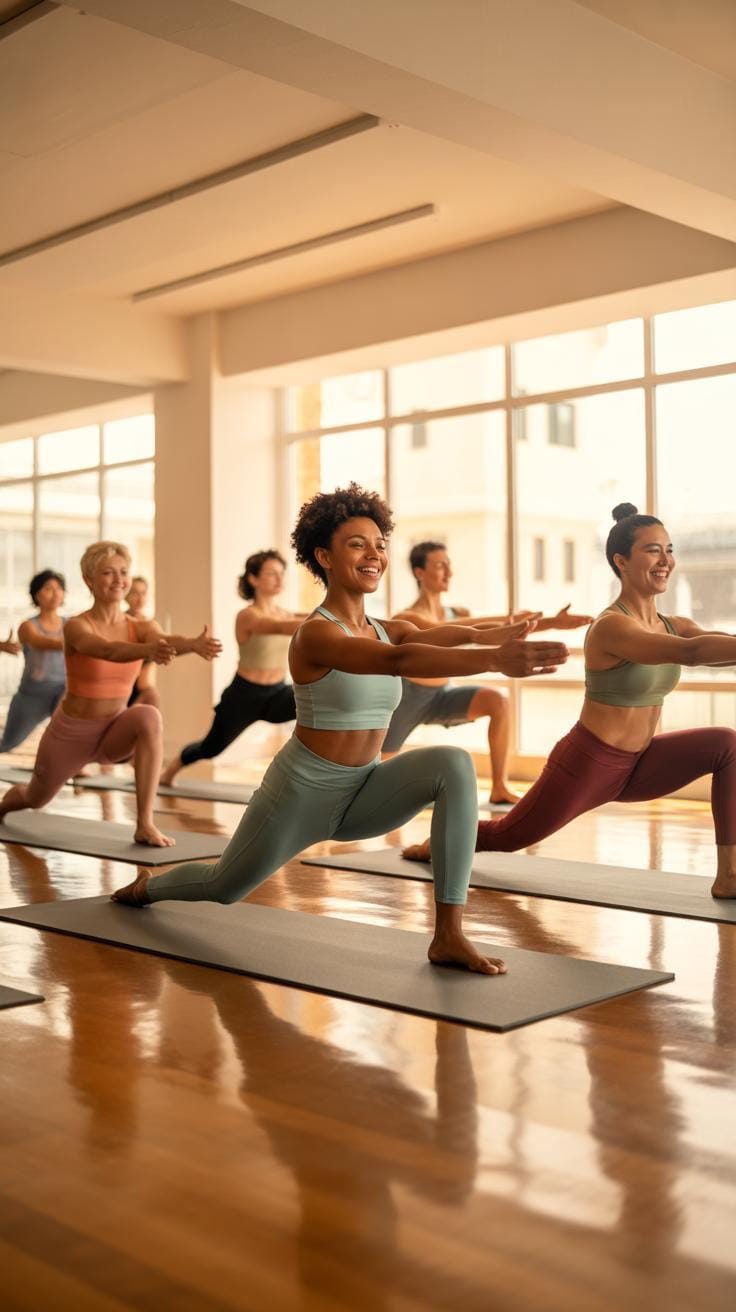
Pilates is more than just an exercise routine — it’s a practice that blends strength, flexibility, and mindful movement. You might not realize it right away, but Pilates impacts both your physical health and your style. It creates a balance between body and mind, helping you feel more centered while enhancing your overall well-being. The exercises focus heavily on breath control, which can calm the mind and relieve stress, making it, well, a bit like a moving meditation.
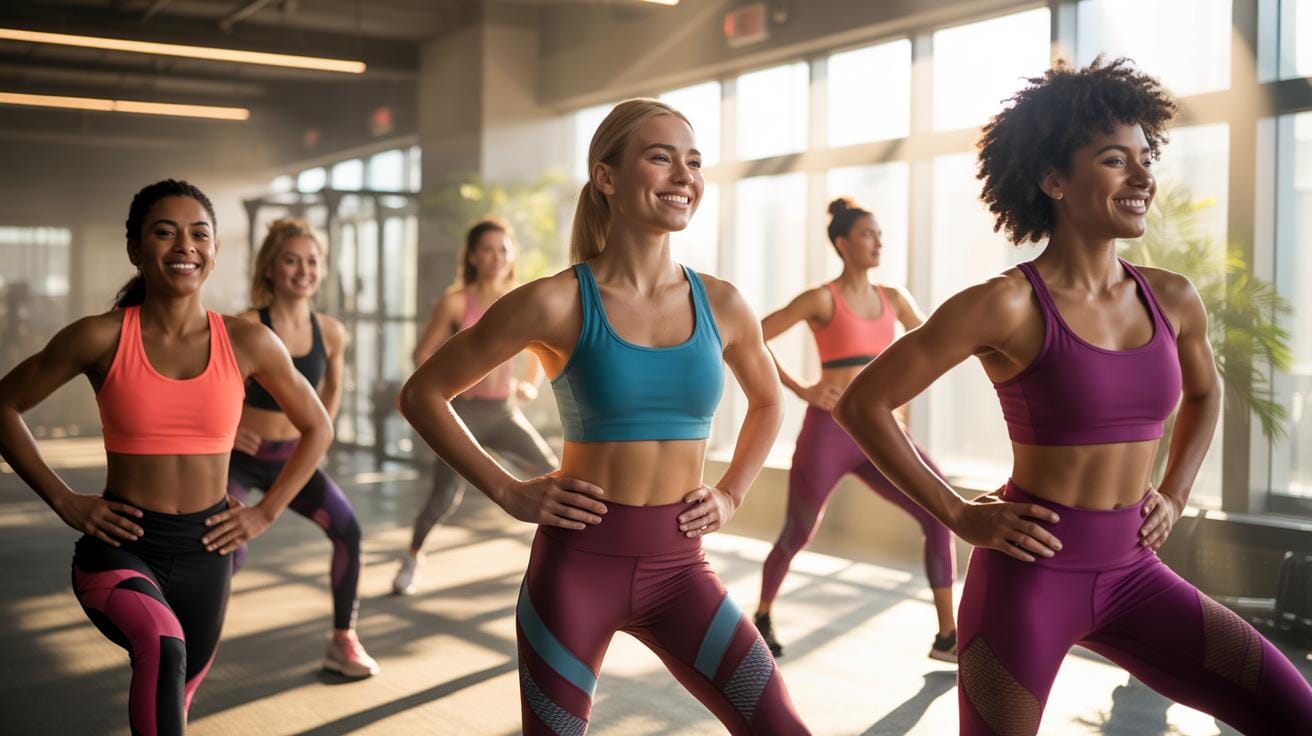
But what about physical benefits? Pilates strengthens your core – that’s not news to many. Yet, it’s the gradual, controlled movements that help you build muscle tone without bulkiness. It’s great for improving posture, which, in turn, influences the way you carry yourself. You might find yourself standing taller, moving more gracefully. There’s no quick fix here; results come with steady practice, but the pay-off may surprise you. Ever noticed how some people just have that effortless style? Pilates plays a role in creating that.
It’s also worth wondering: how much do our bodies and minds influence each other? Pilates suggests they’re closely linked. Feeling stronger, more aligned in your body can lift your mood, while a calm mind can improve your focus during workouts. It’s this dual benefit that makes Pilates appealing to many. Perhaps that’s why it’s drawn over 12 million practitioners worldwide, each looking for a blend of health and a polished style.
Health Benefits Of Pilates Practice
When you start Pilates, don’t expect an instant transformation—but pay attention to your body over time. Here’s what often happens:
- Core strength improves, providing better support for your spine and reducing back pain.
- Flexibility sees steady gains, making everyday movements easier and less stiff.
- Posture naturally corrects; slouching becomes less frequent.
- Muscle tone develops subtly but noticeably—no bulky muscles, just a lean, defined look.
- Balance and coordination get better, which can help prevent falls or injuries.
- Controlled breathing during exercises encourages deeper, more effective breaths, promoting relaxation and reducing muscle tension.
You might feel a slight tightness or stiffness in muscles initially, but that usually fades. Breathing properly is emphasized—something not everyone thinks about when exercising. This focus is part of what sets Pilates apart and why it may seem slow or gentle but challenges you internally.
Pilates For Improving Physical Style
Have you noticed how some people seem to move with fluid ease? Pilates can nurture that kind of presence. The exercises train your body to hold itself better, which naturally improves your posture. Standing or sitting upright, your silhouette changes—often in ways you didn’t expect.
Muscle definition from Pilates is subtle yet distinct. It’s not about bulk—it’s about sculpting the body so it looks healthy, balanced, and proportionate. This refined muscle tone, combined with increased body awareness, influences how you carry yourself.
Movement fluidity, or the way you transition between actions, also tends to improve. Pilates helps coordinate your muscles smoothly, avoiding jerky or rushed motions. This gracefulness enhances your style—not just in how you dress, but in how you embody yourself every day. Try paying attention next time you walk or reach for something. Pilates subtly influences these moments, though it might take time to notice.
How To Start Pilates Workout Safely
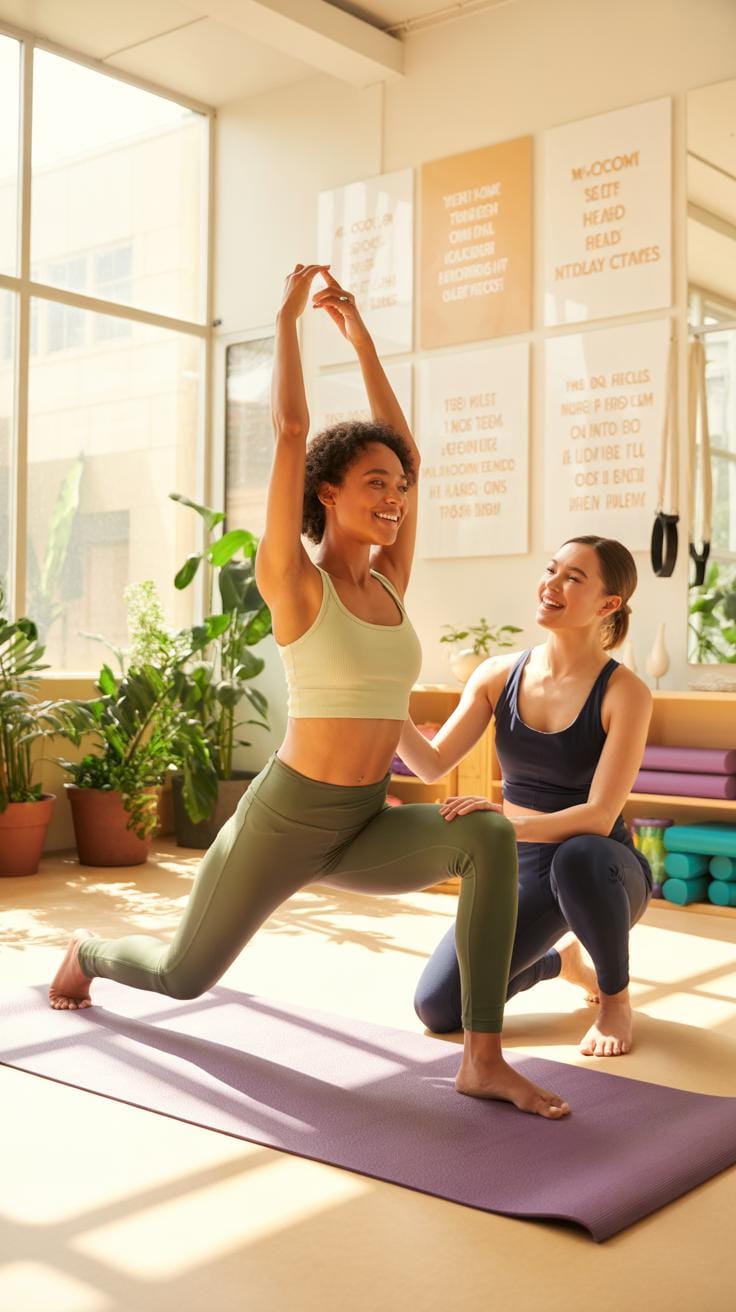
Starting Pilates can feel a bit confusing—what equipment do you actually need? Where should you practice? How do you avoid hurting yourself right off the bat? These questions pop up for almost everyone new to Pilates.
First, pick a quiet spot with enough space to stretch out. You don’t want distractions or cramped corners. A calm setting helps focus on body awareness.
Next, the proper equipment matters. A thick Pilates mat offers enough cushioning without making you sink too much. It supports your spine and joints, which is key as you learn new movements.
Reformers are more advanced and usually found in studios, so beginners often stick to mats at home. Still, if you have access, even a few sessions can show how they guide your form and add resistance.
Awareness of posture during exercises is vital. Keep your spine neutral, shoulders relaxed, and pelvis stable. Breathe steadily—inhale through the nose and exhale through the mouth with each move. This helps control and protects against strain.
Remember, slow and focused beats fast and careless. Maybe try focusing on a few foundational exercises first, instead of jumping into a full routine. You’re building a habit here, and safety will help it stick.
Common Pilates Exercises You Can Do
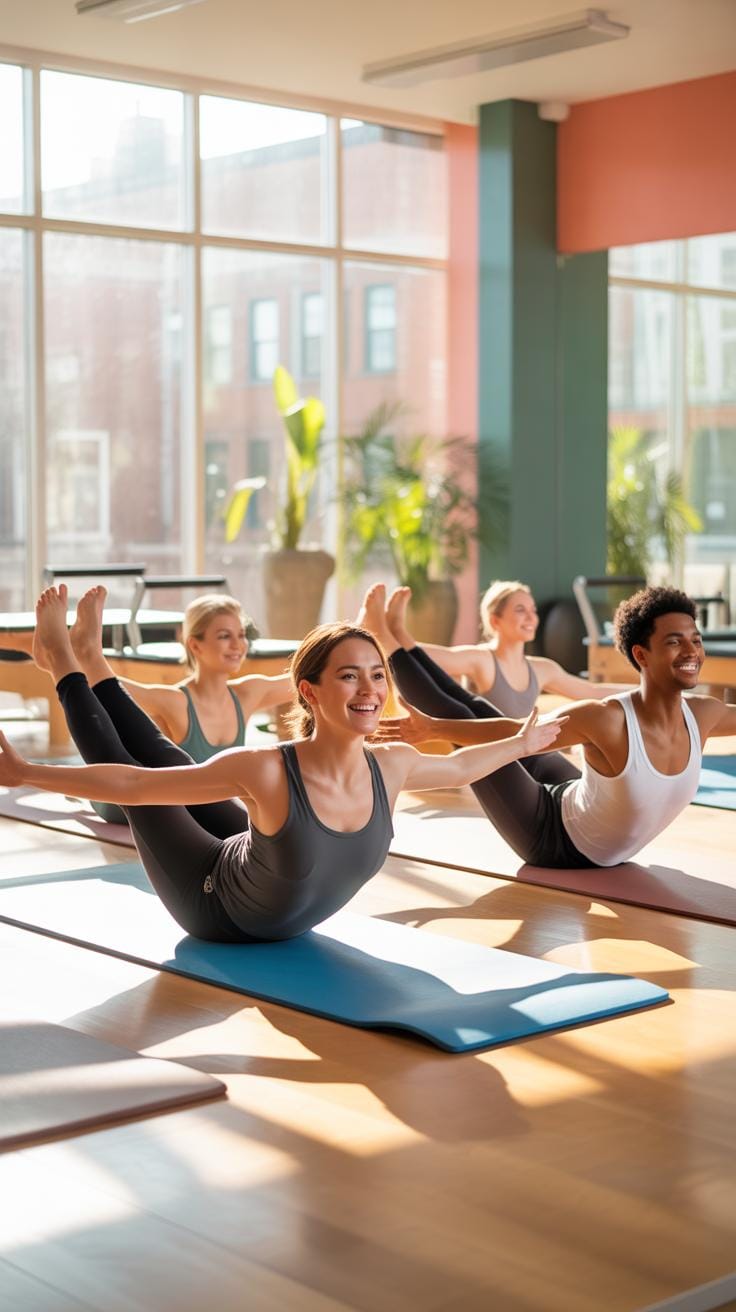
Pilates exercises can be done almost anywhere, whether at home or in a studio, and they mainly emphasize control and precision. Some of the most common ones include:
- The Hundred: Targets the core, especially the transverse abdominis. It’s a breathing exercise combined with arm pulses that awakens the body and builds stamina.
- Roll-Up: Works on spinal flexibility and abdominal muscles, helping with posture and control. It’s a slow movement that requires careful engagement of abs.
- Leg Circles: Focuses on hip mobility and strengthens the stabilizing muscles of the pelvis and thighs. It’s about control and smoothness of movement.
These exercises aren’t just about strength; they ask you to connect mind and body, focusing on breathing and alignment. If you try them, you might feel a bit challenged, but that’s part of Pilates’ charm.
Mat Exercises For Core And Flexibility
Mat-based Pilates exercises are the foundation. They mainly improve core strength and flexibility with no fancy equipment—just a mat. Besides the hundred, roll-up, and leg circles, there’s the single leg stretch, which targets abdominal endurance. Then there’s spine stretch forward, which helps with spinal flexibility and hamstring length. The beauty is in their simplicity, but they demand a lot of control.
Performing these exercises repeatedly, often three to five times, gradually builds strength but also increases body awareness. They are subtle but effective.
Using Equipment For Advanced Pilates
For those looking to advance, Pilates apparatuses like the reformer and Cadillac are game-changers. The reformer is a bed-like frame with a moving carriage that adds resistance for exercises that engage muscles deeper than mat work can.
Exercises such as “leg slides” and “footwork” on the reformer target the glutes, hamstrings, and core with controlled resistance. The Cadillac has bars and springs, allowing complex moves that challenge stability, like “roll-down with arm springs,” which recruits shoulder muscles alongside the core.
These tools help improve muscle engagement and fine control. They offer variety but also require some instruction to use correctly—probably not a DIY situation if you want the full benefit.
What Makes Pilates Different
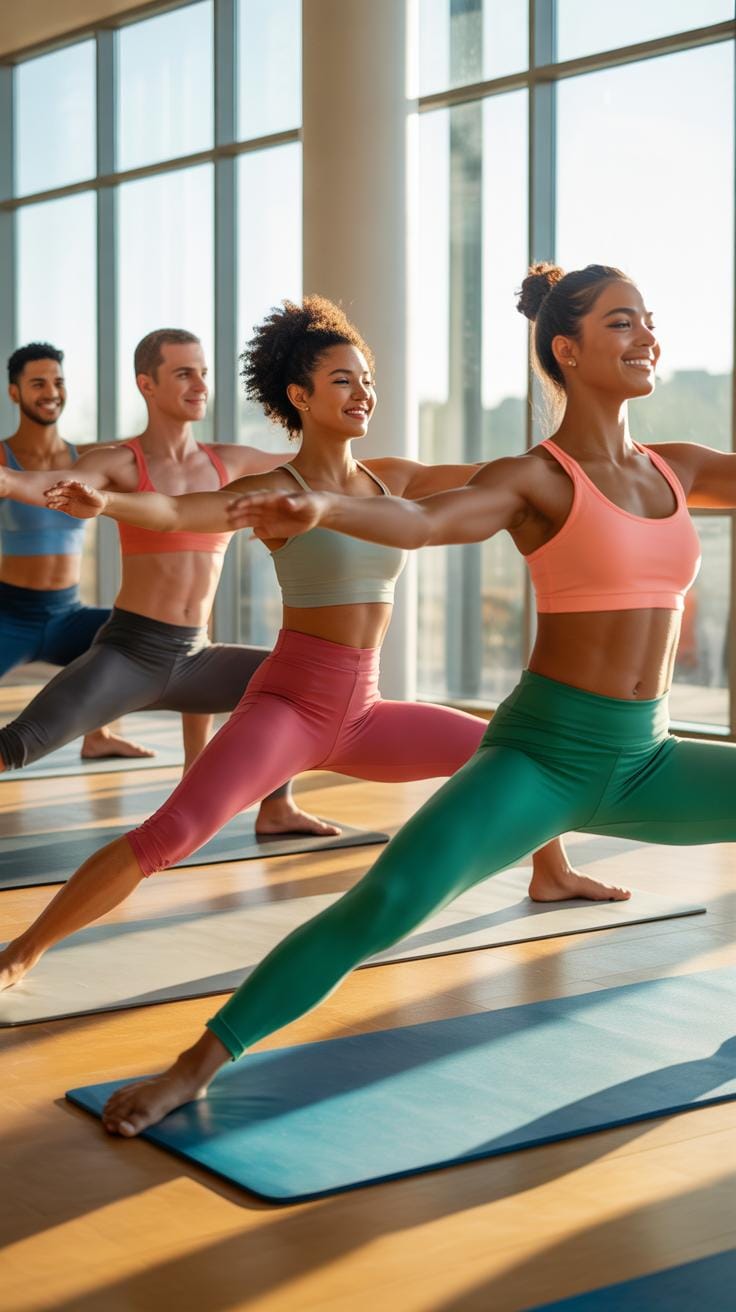
So, Pilates stands apart from workouts like yoga and general strength training in some pretty interesting ways. For one, it zeros in on the core muscles—the deep ones around your abdomen and lower back—kind of like the body’s central powerhouse. Pilates doesn’t just focus on muscle strength, but also on control and precision of movement. Breath control plays a huge role too, with exercises designed to sync your breathing rhythm with each motion.
Yoga shares the mind-body connection and breathing emphasis, but it often leans more heavily toward meditation and spiritual practice alongside physical postures. Meanwhile, traditional strength training usually spotlights building muscle bulk and power, often with heavier weights and less attention to breath or movement flow.
Pilates kind of bridges these worlds—it offers the muscle toning of strength work but wrapped in mindful breath and controlled movements. It’s less about lifting heavy and more about how you engage muscles. Early on, one might wonder if it’s more about rehab than exercise, but it definitely packs a punch in sculpting a balanced body.
Pilates Vs Yoga For Flexibility
When it comes to flexibility, both Pilates and yoga improve it, but they approach it differently. Yoga usually puts a strong emphasis on holding stretches and flowing through poses that lengthen muscles and open joints. Pilates, on the other hand, incorporates flexibility as part of strengthening exercises, often focusing on spinal articulation and the range of controlled movements.
Breath in yoga tends to be deep and calming, linked to relaxation and meditation. Pilates breath is more directional and purposeful, pushing air out during exertion to engage the core, which can feel a bit more technical at times. That focus on abdominal breathing while moving is pretty distinct.
In terms of body control, yoga cultivates a balance of strength, balance, and mental calm, often in still postures. Pilates drills down on muscle control and awareness throughout even subtle movements, making it feel almost surgical in its precision.
Weight Training Vs Pilates For Strength
Strength training and Pilates build strength, yet they do so in fundamentally different ways. Weight or resistance training often targets major muscle groups with heavy loads and lower repetitions to grow muscle size and maximal strength. Pilates works through bodyweight and light resistance focusing on muscle endurance, coordination, and especially strengthening the smaller stabilizing muscles.
While weight training can sometimes ignore posture or breath, Pilates insists on both, demanding you breathe correctly and maintain alignment through each movement. This means Pilates might not bulk you up but can improve functional strength and reduce injury risk by supporting joints and harmonizing movement patterns.
That said, weight training and Pilates can complement each other well. You might pair heavy lifting days with Pilates sessions to enhance core stability, which could boost your lifting form. It’s not quite a choice of one or the other—they serve different purposes and benefits that can synergize nicely.
How To Track Pilates Progress
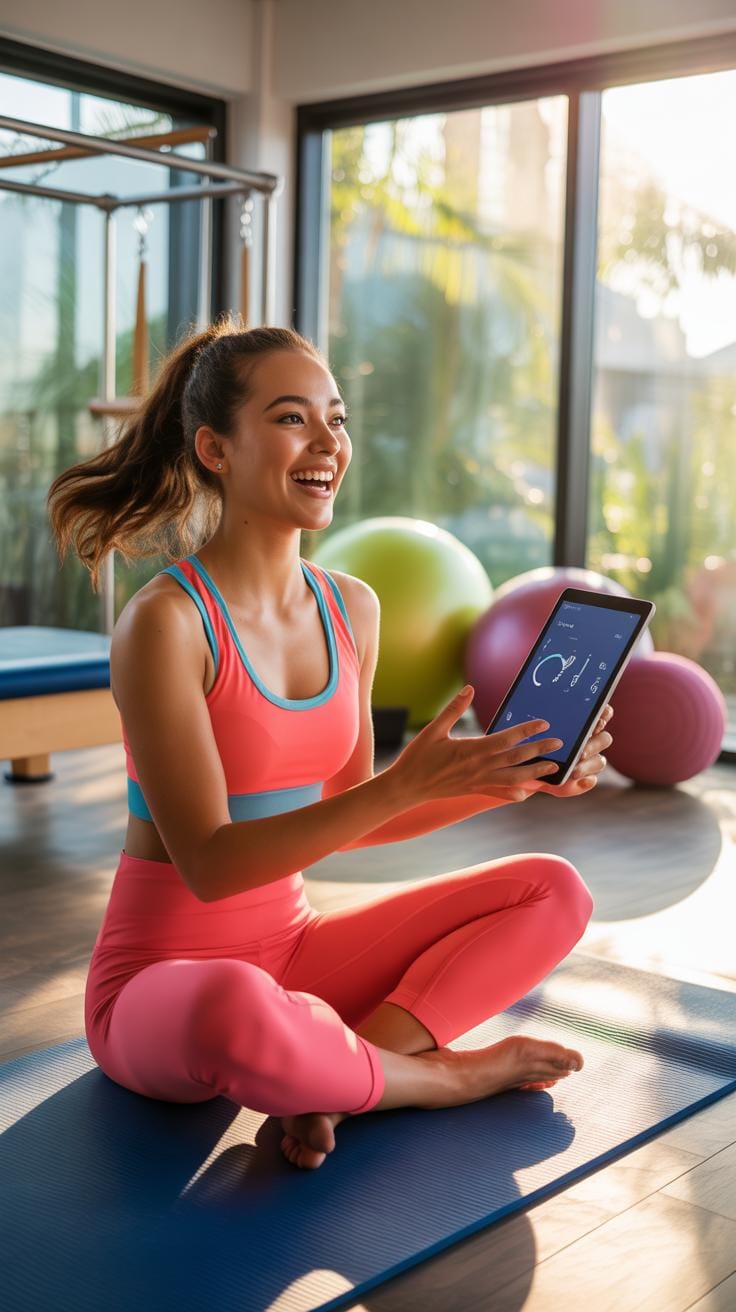
Tracking your Pilates progress can be more straightforward than you might think, yet it requires some attention to subtle changes. Flexibility tests are a good starting point. For instance, measuring how far you can reach during a seated forward bend or how easily you can twist your torso over weeks can reveal improvements. Strength gains in Pilates often come from enhanced core control and muscle endurance. Simple metrics like timing a plank hold or counting controlled repetitions of specific exercises can indicate progress.
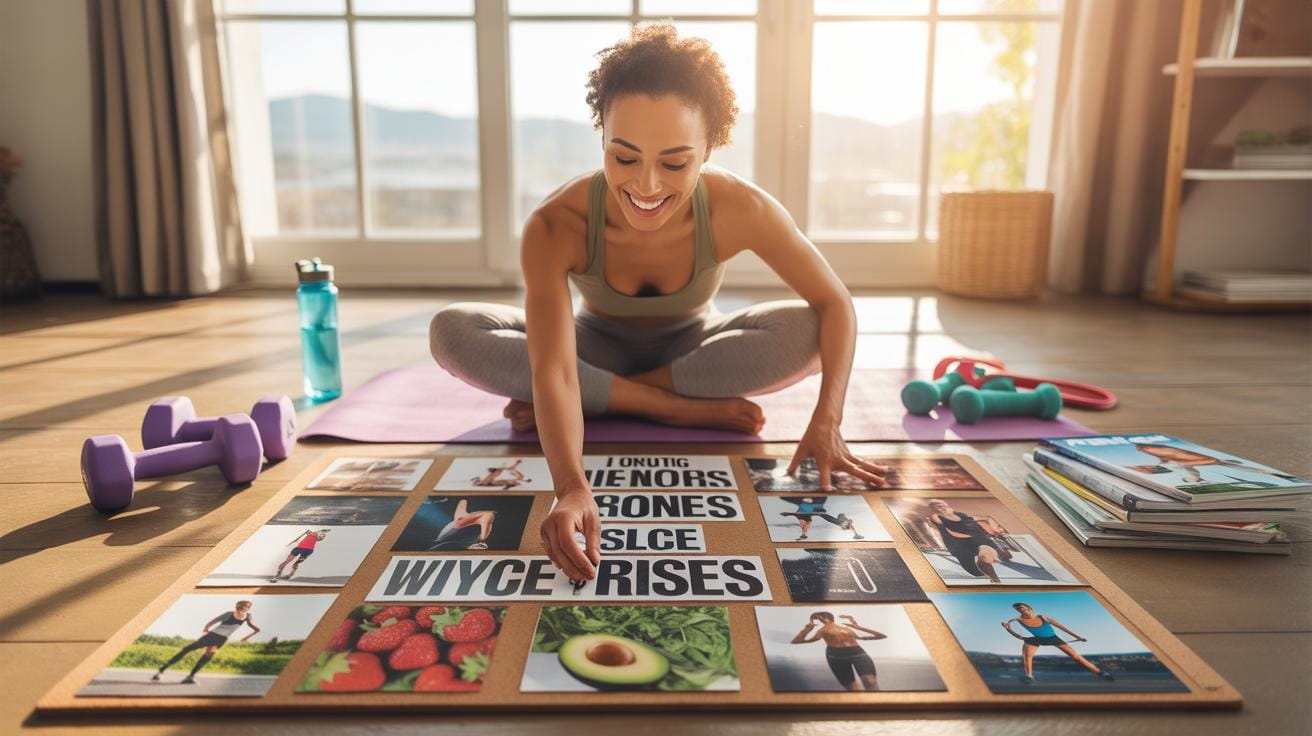
Observing your posture regularly also helps. Stand in front of a mirror or take periodic photos to note alignment changes—are your shoulders less rounded? Is your spine straighter? Breath control, a lesser-noted aspect, plays a huge role. Notice if you can maintain steady, rhythmic breathing during more challenging moves. This often reflects better mastery of Pilates’ breath-centric principles.
It’s not always a linear path, so don’t be surprised if some days feel like a step back. But steady, mindful tracking through these methods will likely highlight your overall improvement.
Simple Metrics To Track Strength Gains
Keeping track of strength gains from Pilates might seem tricky without equipment, but there are intuitive ways to do it. One handy approach is monitoring your ability to hold core-centric poses longer, such as the hundred or plank. You can also note how many slow, controlled reps you can do of exercises like leg circles or teaser without losing form.
Another idea is to jot down the ease of transitions between exercises; smoother movements often mean stronger muscles. If you feel less strain when performing daily activities or other workouts, that’s a practical indicator too. These metrics are subtle but telling, offering quick feedback on your muscle endurance and core power without complicated devices.
Measuring Posture And Flexibility Changes
Assessing posture shifts involves more than just a glance; you’ll want a consistent setup—perhaps a full-length mirror or even a photo checklist. Stand naturally and observe if your shoulders, hips, and head align more symmetrically over time. If you notice your back looking less rounded or your neck less tense, that’s a sign Pilates is working its magic on your alignment.
Flexibility improvements can be tracked by repeating stretches you found difficult before. For example, if your hamstring stretch reaches further now or your spinal rotation is freer, those are wins. You could record these measures every few weeks to see gradual gains. Keep in mind, flexibility can fluctuate depending on factors like fatigue or time of day, so look for consistent trends rather than daily shifts.
Mistakes To Avoid In Pilates
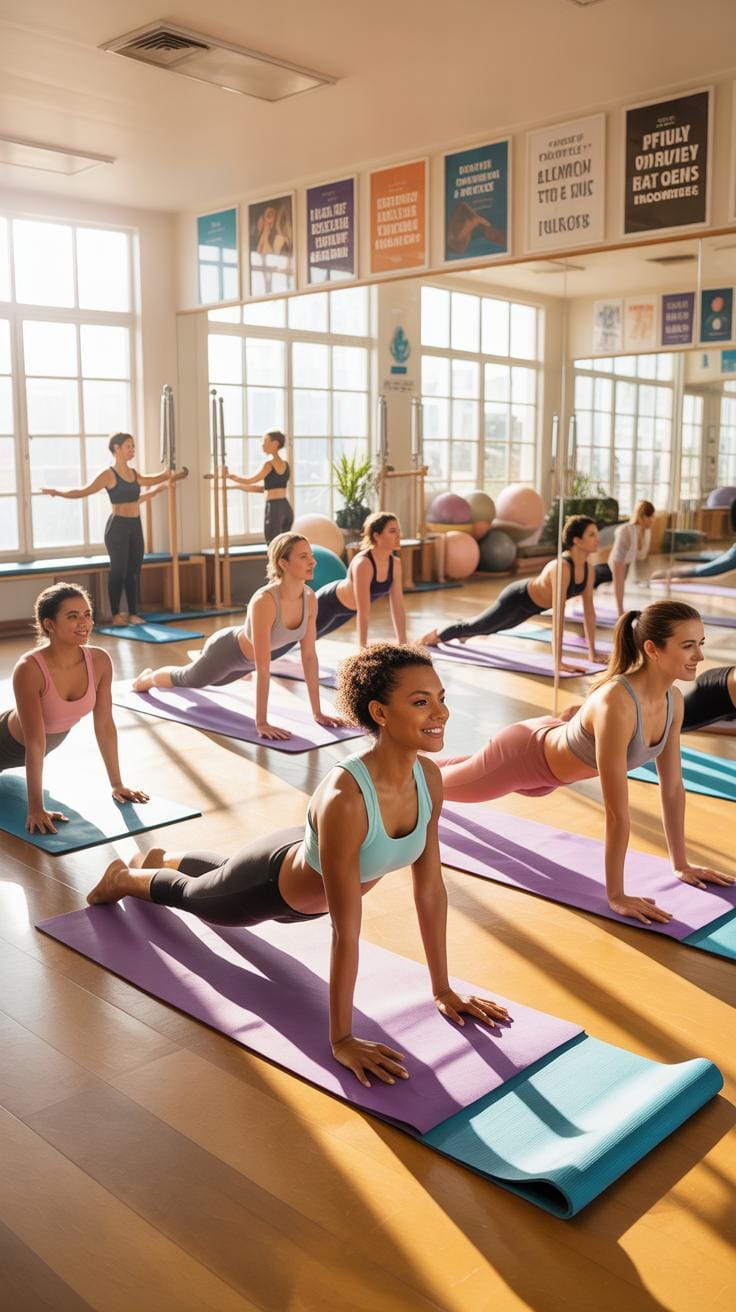
When practicing Pilates, you might think it’s straightforward, but some errors can sneak in — and they do matter. One common mistake is ignoring proper breathing techniques. Pilates actually relies heavily on correct breathing patterns to make movements effective and safe. If you skip focusing on your breath, you might end up straining muscles or not engaging your core correctly, which defeats the purpose of the workout. Breathing in Pilates isn’t just about oxygen intake; it supports concentration, muscle control, and flow. Without it, exercises can feel stiff or forced.
Another issue is skipping warmups and cooldowns. You may be eager to get to the main moves, but skipping warmups can catch you off guard with tight muscles or limited mobility, increasing your injury risk. Cooling down afterwards helps your body relax and recover, easing any tension Pilates might have created. Overlooking these stages can leave you sore or even lower your progress over time.
To avoid these pitfalls:
- Practice slow, deep, deliberate breathing linked to each movement.
- Spend at least 5-10 minutes warming up, focusing on gentle stretching or mobility exercises.
- End each session with a cooldown phase to stretch and calm your muscles down.
These habits might seem like extra steps, but they are key to safe and productive Pilates sessions. Ever noticed how your whole body feels different when you breathe right during exercises? That’s why it’s worth the effort to get it just right.
Effective Pilates Routine Checklist
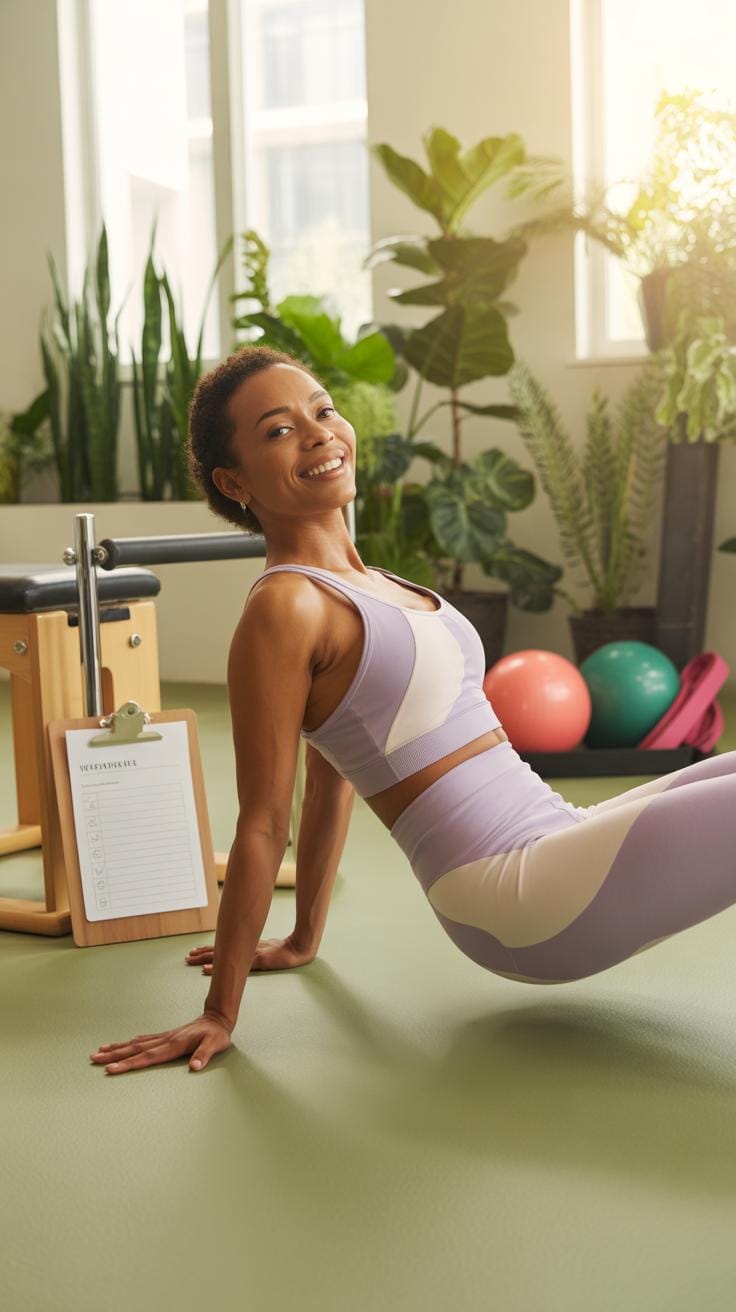
When planning your Pilates workout routine, it’s useful to follow a checklist that ensures balanced practice. Include exercises targeting core strength, flexibility, posture, and breath control. Each session might start with warm-up moves like pelvic tilts or shoulder rolls to prepare your body. Then, add exercises that challenge different muscle groups — for example, the hundred for endurance, leg circles for hip flexibility, and controlled roll-ups for spinal mobility. Don’t forget to incorporate breathing techniques throughout, as Pilates emphasizes breath to connect mind and body.
Mix in variations to keep things interesting and cater to your fitness level. Remember, repetition counts; aim for three to five sets of each exercise. And most importantly, listen to your body—avoid pushing beyond comfort to prevent injury. The checklist helps create a program that’s neither too repetitive nor unbalanced, promoting steady progress without burnout.
Daily And Weekly Pilates Schedule Example
You might wonder how often to practice Pilates for noticeable benefits. Some try daily, but that can lead to fatigue if rest is neglected. Let’s consider a practical weekly schedule:
- Monday: Full-body Pilates focusing on core and breath work.
- Tuesday: Light stretching with Pilates-based spine mobility exercises.
- Wednesday: Rest or gentle walking.
- Thursday: Strength-focused Pilates routine with resistance bands.
- Friday: Flexibility and balance-centric Pilates movements.
- Saturday: Optional gentle Pilates or active recovery like yoga.
- Sunday: Rest day.
This variety helps improve your body steadily without overwhelming it. You don’t have to stick rigidly to this plan. Feel free to tweak based on your energy or other activities—you know best what your body needs that week.
Incorporating Rest And Recovery
Many overlook rest days, but they’re integral. You might think daily Pilates is ideal, but muscles and mind both need time to recover for real gains. Incorporate rest days that include light activity like walking or stretching instead of total inactivity. Recovery strategies can involve using foam rollers or gentle massages to ease muscle tension. Also, prioritize sleep since it’s your body’s primary repair time.
Listening to your body can be tricky—you may feel like pushing through soreness, but sometimes it signals the need for pause. The balance between movement and rest can vary from person to person and will likely shift over time, so stay flexible in your approach. Keeping that in mind can help maintain your Pilates practice sustainably over the long haul.
Pilates Tips For Long Term Results
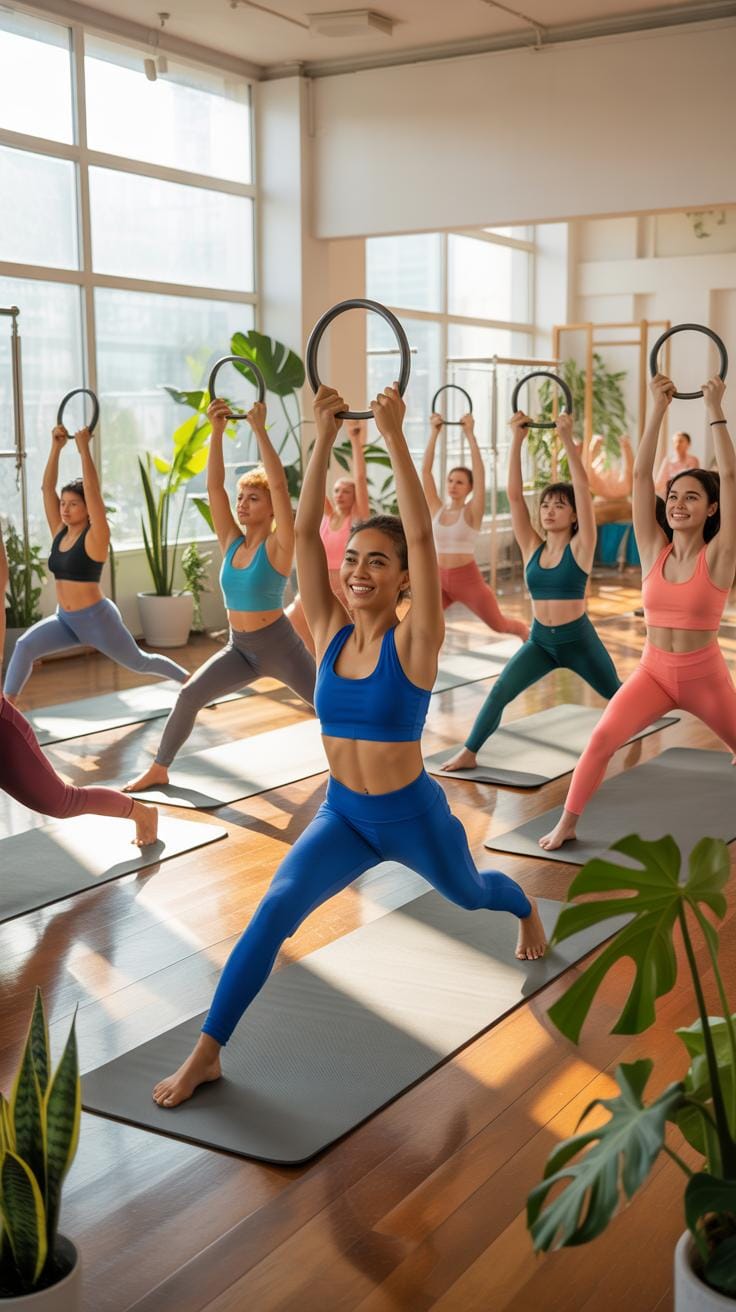
Sticking with Pilates over the long haul can feel challenging sometimes. But if you want lasting benefits, it’s really about consistency and a bit of creativity. Here are some practical pointers that might help you keep up your practice without getting bored or frustrated.
Staying Motivated To Practice Regularly
Motivation dips for most people – that’s just human nature. Setting clear, achievable goals can really help. Try breaking your Pilates journey into smaller milestones––like mastering a certain move or adding a new exercise every few weeks. Tracking progress is another way to keep your interest alive. Maybe keep a journal or use an app to note improvements or challenges. Sometimes small wins make the whole routine feel worth it, don’t they?
Adjusting Routine To Avoid Plateaus
It’s easy to settle into the same Pilates exercises, but your body will eventually hit a plateau if the challenge doesn’t grow. To keep improving, mix up the exercises and intensity. For instance, add some Pilates equipment like the Reformer or increase reps and hold times. Varying your routine not only keeps things fresh but also pushes different muscle groups, which can really enhance your results over time.
Getting complacent is tempting, but a little effort to change things up can keep your Pilates practice effective and—you guessed it—interesting enough to stick with for the long term.
Examples Of Pilates Success Stories
Improved Posture And Reduced Pain
You might find it interesting how Pilates has helped many people reshape their posture and ease pain, especially in the back and joints. There’s Sarah, for instance, a woman in her fifties who struggled with chronic lower back pain for years. Through Pilates, focusing on core strength and spinal alignment, she noticed her pain easing after just a few weeks. It wasn’t magic, but consistent practice gradually retrained her muscles and improved how she holds herself throughout the day. Her posture visibly straightened, which many noticed before she did.
Another example is Mark, who battled joint discomfort from his desk job. By learning to stabilize his pelvis and ribcage, he reduced tension in his hips and knees. Pilates didn’t cure him outright but offered tools to manage pain and feel more comfortable in his movements.
Enhanced Muscle Tone And Confidence
It’s not just posture and pain relief—Pilates can genuinely sculpt muscle tone and boost confidence. Take Emma, a young professional who felt weak and out of shape. After starting Pilates, she admired her stronger, leaner muscles, especially in her core and arms. Beyond the physical change, she said it gave her a boost in confidence that extended off the mat and into her daily life.
Then there’s Jack, who used to avoid photos due to feeling self-conscious. Months of Pilates brought noticeable muscle definition and a new sense of presence. For him, the confidence wasn’t just about appearance; it came from mastering control over his body and breathing. This control shifted how he faced challenges, with more assurance.
What these stories share is the slow build-up of strength, control, and relief over time. They remind us Pilates isn’t an overnight fix but can lead to meaningful, lasting changes if you stick with it.
Conclusions
Pilates workouts offer numerous benefits that support your overall health and enhance your physical appearance. By focusing on core strength, flexibility, and posture, Pilates can help you feel stronger and move with greater ease. These exercises require mindful breathing and control, improving your body awareness and fitness.
Integrating Pilates into your routine can contribute to a balanced workout plan. With consistent practice, you can see improvements in your muscle tone and style of movement. Consider giving Pilates a try to enjoy these practical health and style benefits.