
Introduction
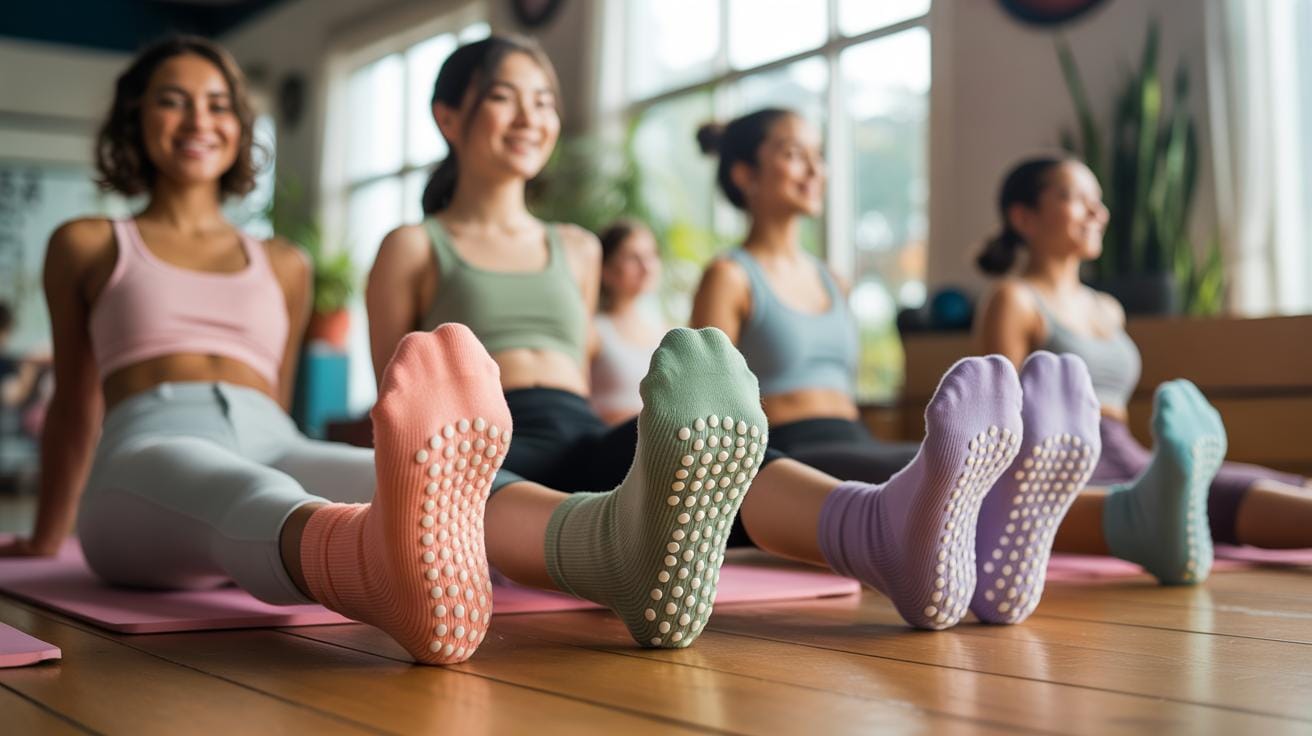
Pilates socks have become a key accessory for anyone serious about Pilates or barre workouts. These socks provide grip, support, and hygiene, enhancing your workout experience. With varied designs and features, they add both function and style for a more confident fitness routine.
This article covers the main trends and design elements in Pilates socks. You will learn what makes these socks different, how to select the right ones, and the top styles that fit what you want in both comfort and aesthetics.
Pilates Socks Essentials
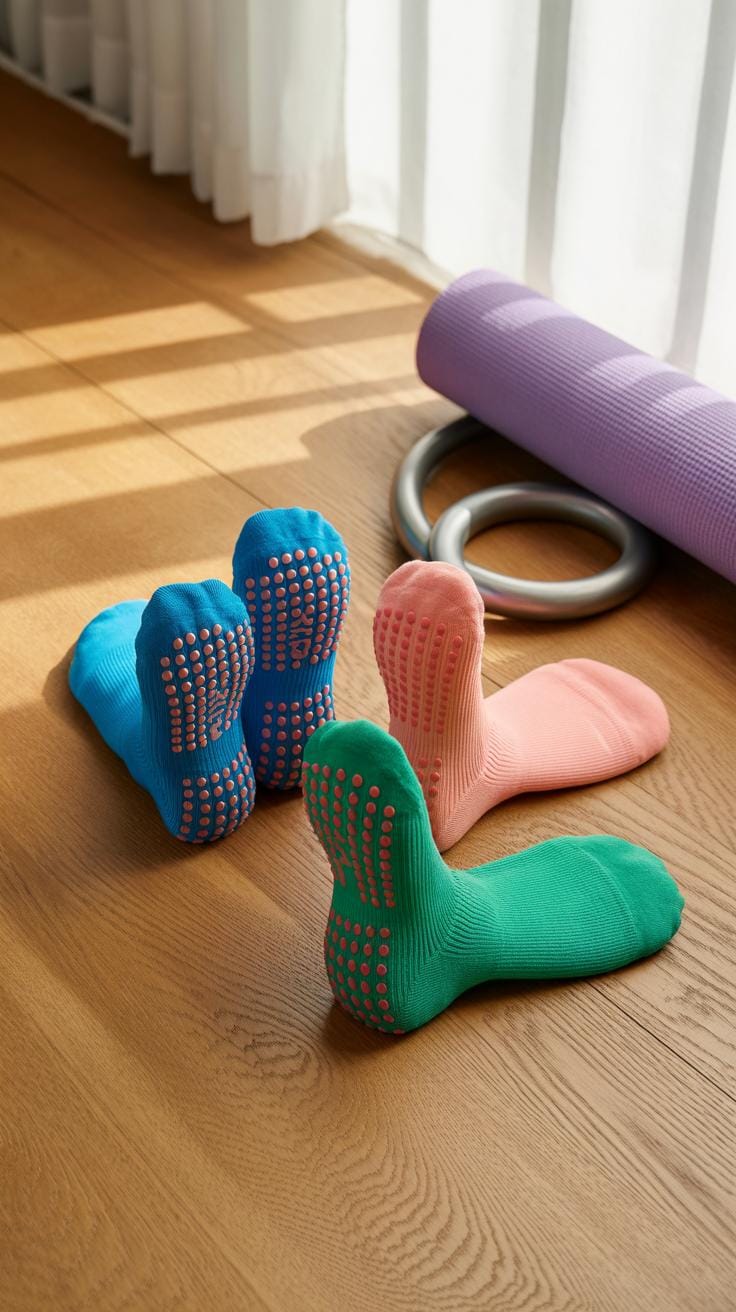
Pilates socks have distinct features tailored for Pilates and barre workouts, where stability and control matter significantly. The three core fundamentals you can’t overlook are grip, breathability, and fit. A firm grip—usually provided by rubber or silicone patterns underneath—helps your feet stay anchored during movements that demand precision and balance. Without this grip, you run the risk of slipping and losing form, which, frankly, can be frustrating and even unsafe.
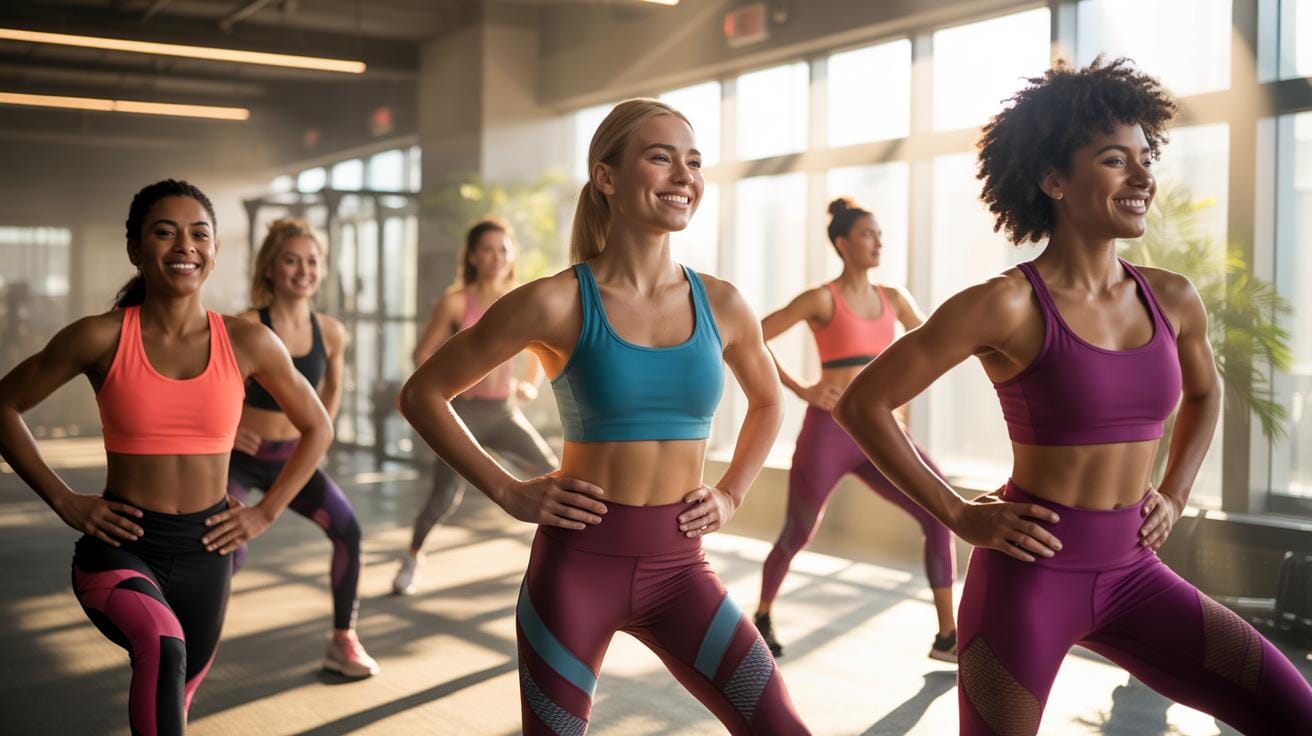
Breathability is also key, given the intensity and duration of Pilates sessions; socks that allow air circulation prevent your feet from overheating and sweating excessively. On the fit side, a snug but comfortable fit ensures that the socks won’t bunch or slide around, preserving alignment and foot sensitivity. It’s interesting—some Pilates enthusiasts actually mention how much more connected they feel to the floor and movement with properly fitting grip socks.
Grip Socks Versus Regular Socks
Regular socks, while cozy, often lack the textured soles that grip socks have. Grip socks typically include small pads or dots made from silicone or rubber on the bottom. These features make a noticeable difference, especially on smooth studio floors where slipping can easily happen. I remember once trying a Pilates class in ordinary socks and, well, it turned out to be a lesson in careful balancing!
The enhanced traction provided by grip socks allows for smoother transitions and steadier poses. Compared to regular socks, these specialized socks reduce the risk of slips, giving you more confidence as you move through exercises that require balance and body control. This might sound obvious, but when you’re concentrating on your form, having that extra grip beneath your feet frees up mental space to focus fully on the workout rather than on not falling.
Choosing Pilates Socks Materials
Pilates socks often mix several materials to strike a balance between comfort, durability, and function. Cotton is a popular choice for its softness and breathability—perfect if you want your feet to feel cool and dry. But cotton alone can wear out quickly, making durability a concern.
Polyester, often blended with cotton, boosts durability and wrinkle resistance, helping socks keep their shape longer under repeated use. Polyester can also wick moisture away better, which matters if your workouts get sweaty.
Silicone grips on the sole usually come as separate pads or dots. These aren’t just glued on randomly; their placement is strategic to maximize foot contact points for stability. While silicone offers excellent grip, it doesn’t necessarily improve breathability or comfort, so it’s usually paired with softer fabrics like cotton or polyester.
So, your choice of material depends a bit on personal preference—do you prioritize softness, long-lasting quality, or slip resistance more? Sometimes, I find myself wishing for a bit more cushioning, other times for a sleek, barely-there feeling. It’s a trade-off, honestly.
How To Select Pilates Socks For Your Needs
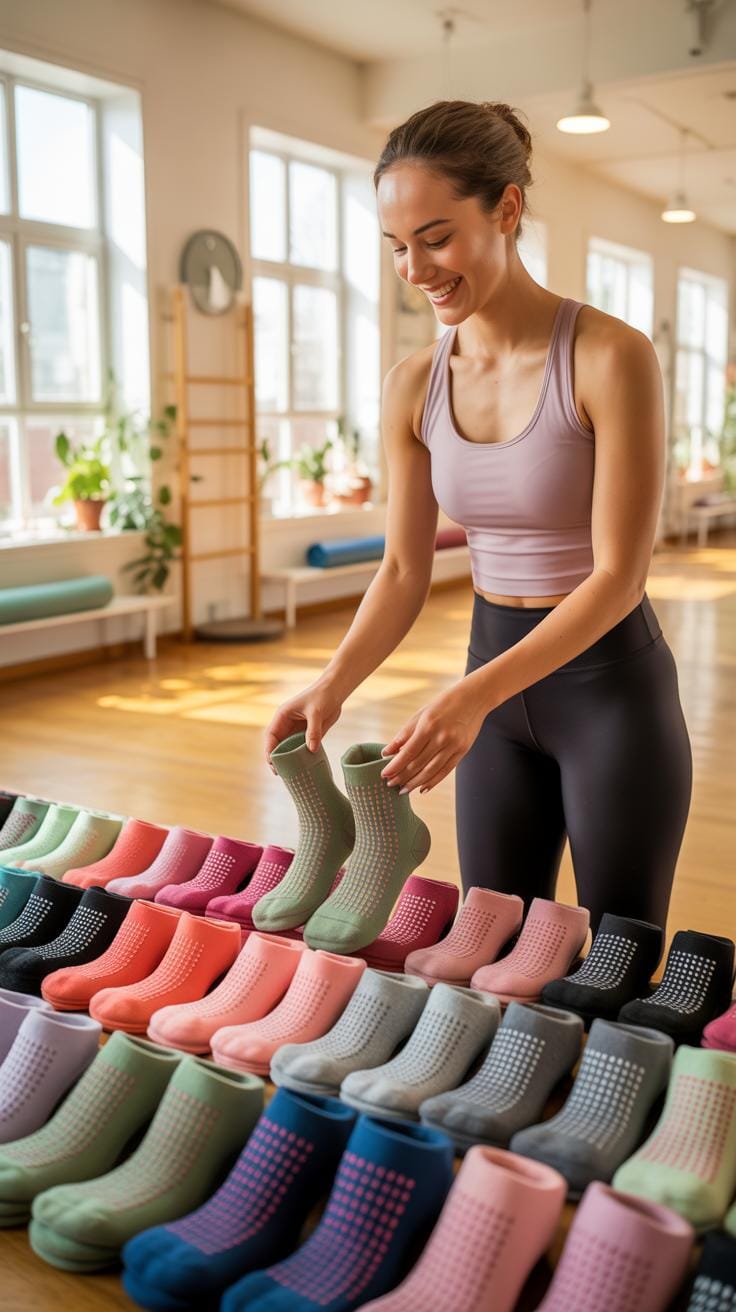
Choosing Pilates socks goes beyond just picking a pretty pair. Your activity level plays a major role — if you’re doing gentle floor routines, lighter, thinner socks might be enough. But for more intense work or classes with a lot of foot movement, you might want thicker, more grippy options to prevent slips.
Keep in mind your foot size, too. Pilates socks should fit snugly without squishing. A too-loose sock can bunch up and irritate, or worse, cause you to slip unexpectedly, which nobody wants mid-pose. But a sock that’s too tight? That can pinch and distract you just as much. You have to find that fine balance, which sometimes means trying a couple of sizes.
And then, well, there’s your personal taste. Sure, functionality matters, but if you like a flash of color or a particular style, don’t ignore that. Pilates socks come in everything from subtle pastels to bold prints. If you love a bit of visual flair, why not pick socks that encourage you to step onto the mat with a bit more excitement?
Finding The Right Fit
Measuring your feet for Pilates socks is straightforward, but you might want to get a little picky here. Start by tracing your foot on a piece of paper—heel to toe, and measure the widest part too. That gives you a good starting point for sock size charts, which can be surprisingly varied among brands.
The key is a fit that’s snug but comfortable. I once ignored this and ended up with socks that slid around, making me constantly adjust mid-class — awkward, to say the least. Pay attention to the fabric’s stretch and elasticity; some socks lose shape quickly, so test them out before buying.
Picking Style Features That Matter
Let’s talk style variations. Open-toe Pilates socks are popular for those who like a barefoot feel but still want grip. They let your toes move freely while giving some protection. Ankle length is versatile — offering coverage without feeling heavy. Then there are full coverage socks that wrap your whole foot, sometimes even going over your ankle for extra warmth or support.
Your exercise type matters here, too. If you do a lot of standing balance work, a full grip and full coverage sock could help with stability. On the other hand, for stretching or floor exercises, you might prefer lighter socks or even open toes to keep things airy. Sometimes, the best choice is simply to have a few pairs for different days or moods.
Pilates Socks Design Trends 2024
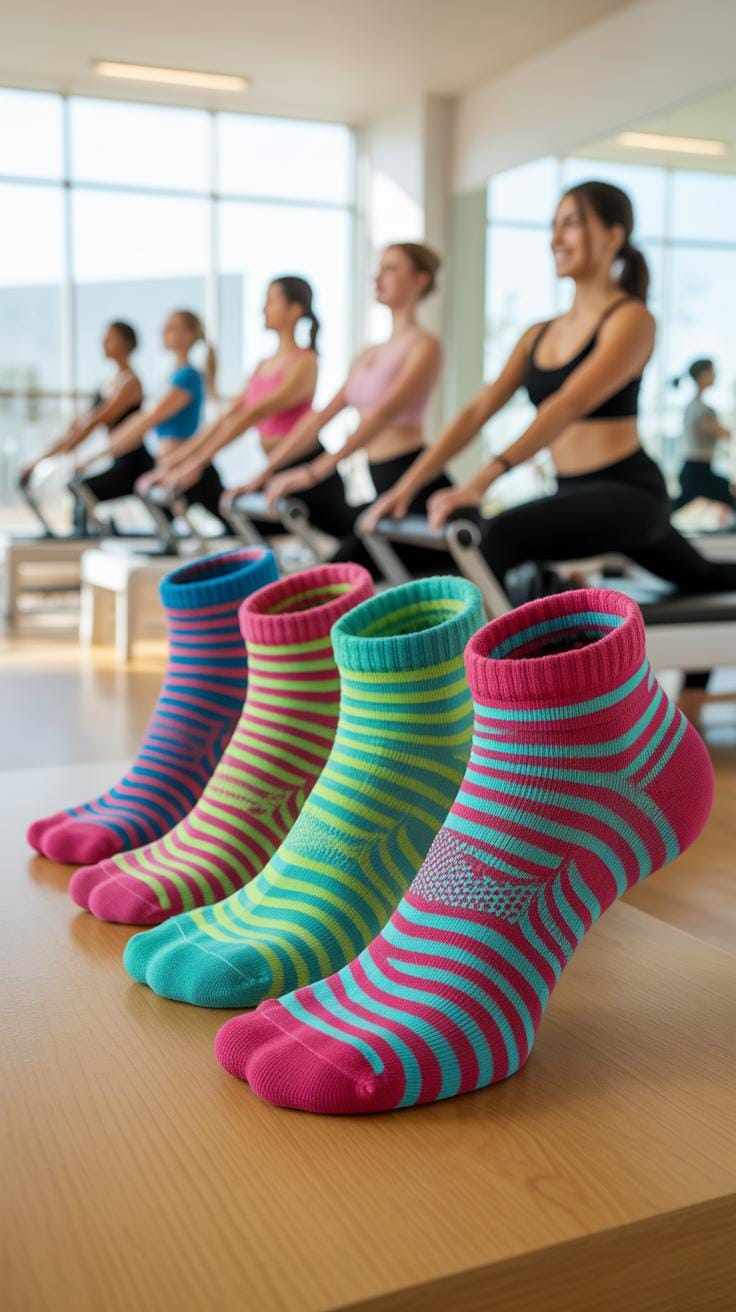
Pilates socks have gradually become more than just functional fitness accessories. In 2024, their design emphasizes both style and practicality, blending colors and textures that serve more than just grip purposes. You might notice a shift towards muted pastels and earth tones, like soft sage greens, gentle mauves, and sandy beiges. These colors tend to resonate well with buyers seeking a calm, minimalist aesthetic in their workout gear. On the other hand, contrasting prints—think subtle polka dots, thin stripes, or understated floral motifs—are catching attention among those who enjoy a bit of personality in their fitness wardrobe.
Grip technology is evolving too. Instead of the typical silicone dots, new designs feature layered, textured grips that mimic natural skin patterns for a more reliable hold. Some brands are experimenting with raised geometric shapes or small, hexagonal grips distributed strategically to provide extra stability where it’s most needed. This improves durability without compromising comfort—something you’ll appreciate as you hold positions longer or move through transitions more confidently.
Ever thought about how such minor textile details affect your Pilates practice? Choosing socks with the right balance of grip and comfort can subtly change your experience, helping you focus better on form without distraction. It’s worth considering how these design elements align with your own style as well—because feeling good can boost motivation just as much as functionality.
Comparing Pilates Socks Brands Price Features and Customer Insights
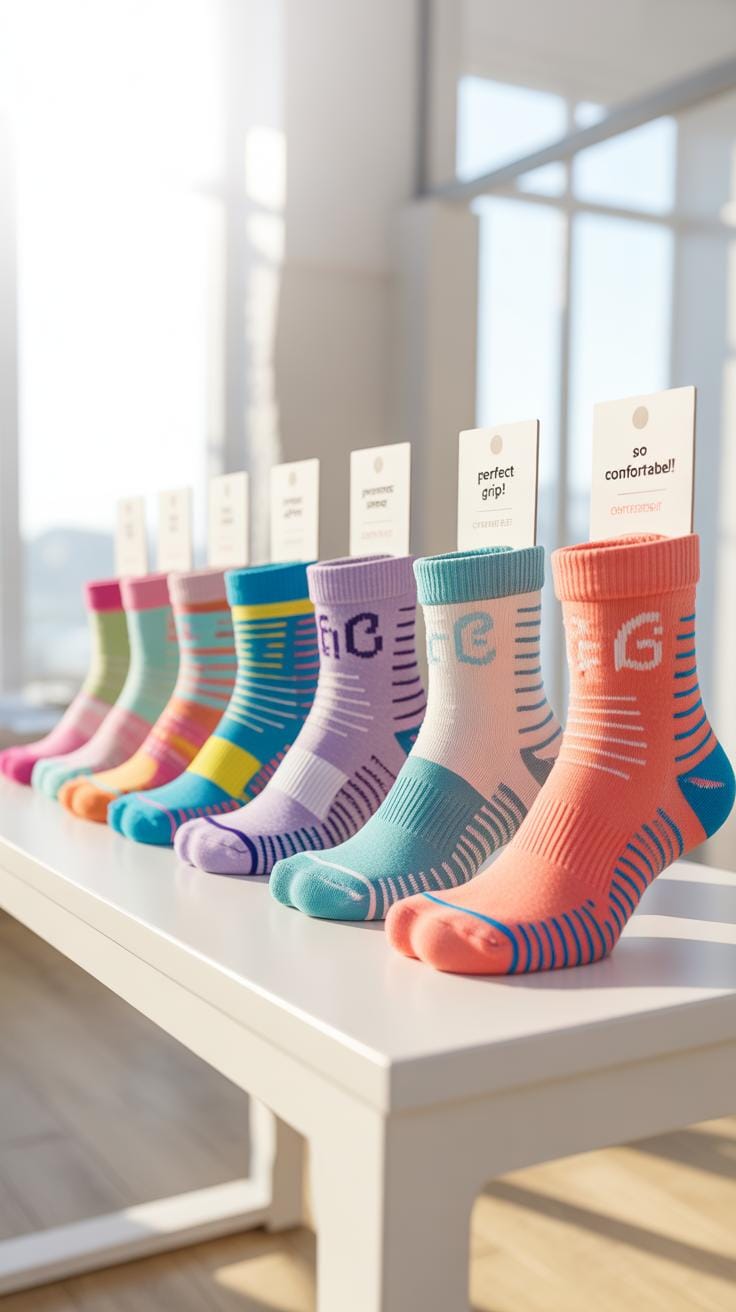
When it comes to Pilates socks, price often reflects more than just the brand name. Some budget-friendly options target basics – grip soles, breathable cotton, simple designs. Meanwhile, premium brands pack in features like moisture-wicking fabrics, arch support, and textured grips that claim better floor traction. The difference isn’t always obvious at first glance.
Many affordable socks do the job well enough, but you might find durability or fit lacking after a few sessions. Premium socks tend to offer comfort and performance improvements, yet these benefits may not justify the extra cost for everyone. It’s a bit of a trade-off depending on what matters most to you.
Customer reviews reveal some surprises. One brand praised for softness and grip might disappoint with quick wear and tear. Another, though pricier, gathers praise for staying put during slippery moves yet gets occasional criticism for being too tight. These mixed reports highlight that individual preferences and foot shapes weigh heavily in satisfaction.
So, while exploring your options, consider what features feel essential versus those that seem like nice-to-haves. And remember, sometimes a mid-range sock strikes a balance between quality, price, and comfort – perhaps worth trying before jumping to the top-tier.
Pilates Socks Care Instructions
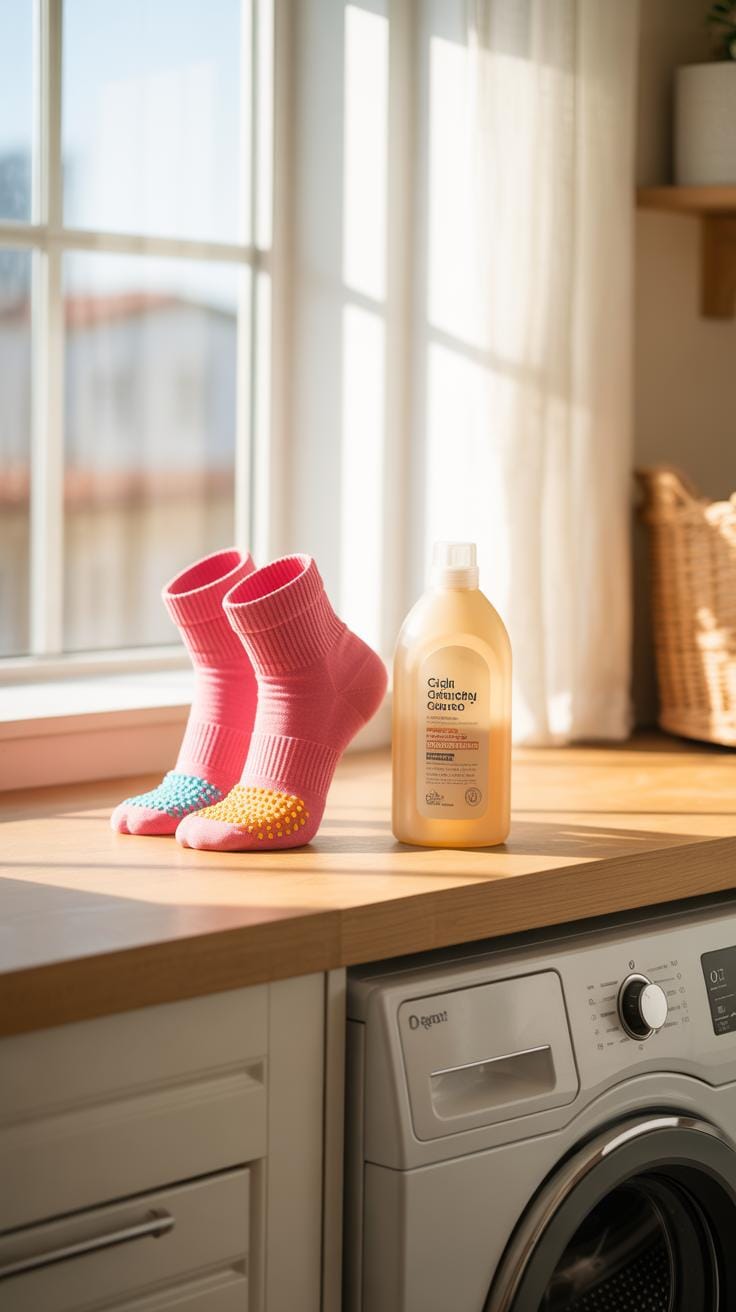
Keeping your Pilates socks in good shape means paying attention to both the fabric and the grip. This isn’t just about looks—grips wear down faster if you don’t care for them properly. You might think tossing them in the wash like any other socks is fine, but there’s more to it when silicone or rubber grips are involved.
Washing Methods To Preserve Grip
Start by turning your socks inside out before washing—that helps protect the grip patches from rubbing against other items. Use cold water and a gentle cycle; hot water or harsh machines can weaken the adhesive on grips. Avoid bleach or fabric softeners because they can degrade both the fabric and the grip’s tackiness. Some swear by hand washing to be extra careful; it’s more work but might extend the life of your socks.
Also, air drying is key. Direct heat from dryers can cause the grips to curl or peel, which you definitely want to avoid. Placing socks flat while drying keeps the grips from flattening or getting misshapen. Sometimes, you might notice the grips losing their stickiness despite your efforts—if that happens, a quick wipe with a damp cloth can refresh them temporarily.
Storage Tips For Longevity
How you store your Pilates socks can affect their grip and fabric over time. Avoid cramming them in tight drawers or stuffing them in bags with heavy gear. Try folding them neatly or keeping them in a dedicated pouch or box where the grips won’t be compressed for long periods. Stretching the socks out or hanging them might sound logical but can actually loosen the fabric or distort the grips.
Think about keeping them in a cool, dry place. Excess moisture or heat can break down materials faster than you’d expect. If you’re someone who buys several pairs to rotate, cycling them regularly can also prevent any one pair from deteriorating too quickly. Have you noticed how some socks seem fine for months, then suddenly grip less effectively? Storage habits likely play a role here, even if they aren’t obvious at first.
Benefits Of Wearing Pilates Socks
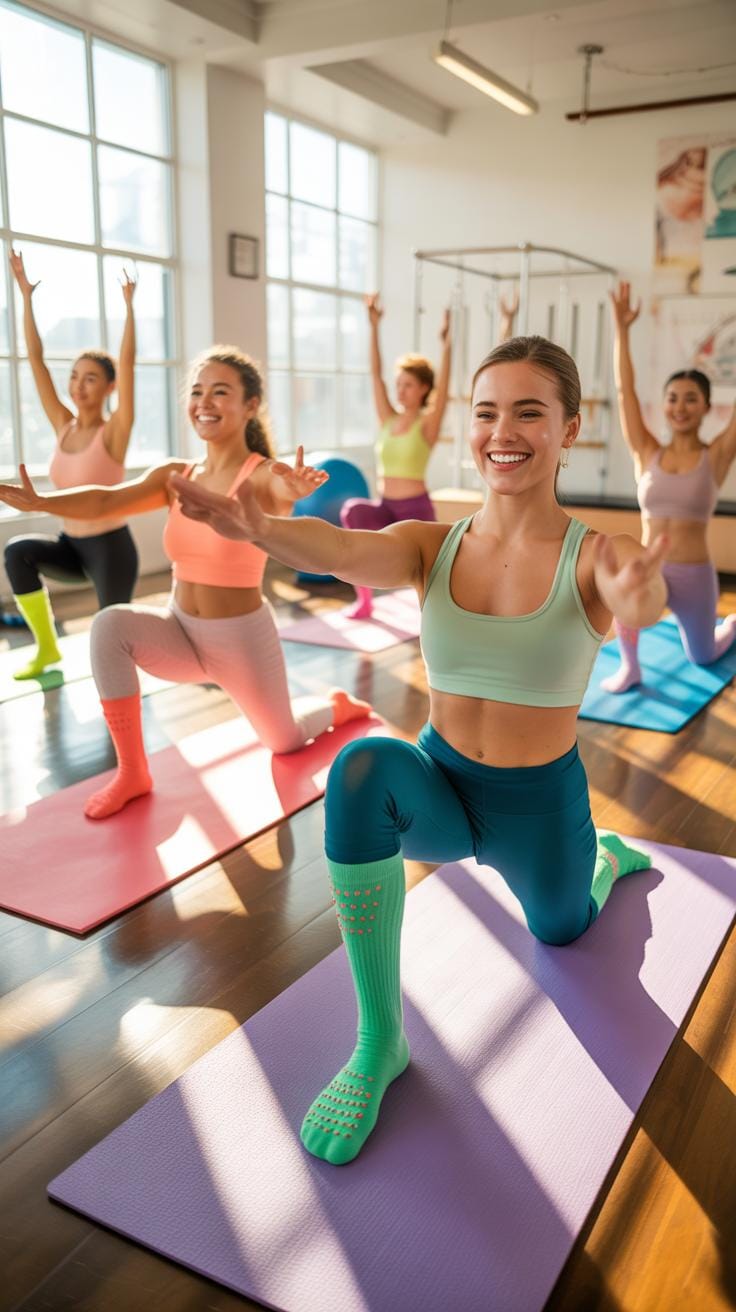
If you’ve ever tried Pilates barefoot, you might have noticed how easy it is to slip or feel unsure about your footing, especially on smooth studio floors. Pilates socks, with their specially designed grips, help prevent that by giving your feet more traction. This added grip isn’t just about safety—though yes, slipping during a move can be a real concern—it also helps you hold poses more confidently. When your feet feel secure, it’s easier to engage the muscles properly and keep your balance during shifting movements.
Beyond stability, these socks make a difference in hygiene. Studio floors can harbor germs from many barefoot participants, and Pilates socks create a barrier that guards your skin. This is especially reassuring if you have sensitive skin or minor cuts that can get irritated by direct contact with shared surfaces.
Comfort is another factor to consider. While barefoot sessions provide a natural feel, Pilates socks soften the touch of cold or rough floors, making sessions more pleasant. Plus, the socks wick away sweat, which can add to your grip and overall comfort. So, even if you’re not convinced yet, trying Pilates socks might change how you feel during and after your workouts—less slipping, cleaner feet, and a bit more ease in each movement.
Mistakes To Avoid When Using Pilates Socks
Using Worn Out Socks With No Grip
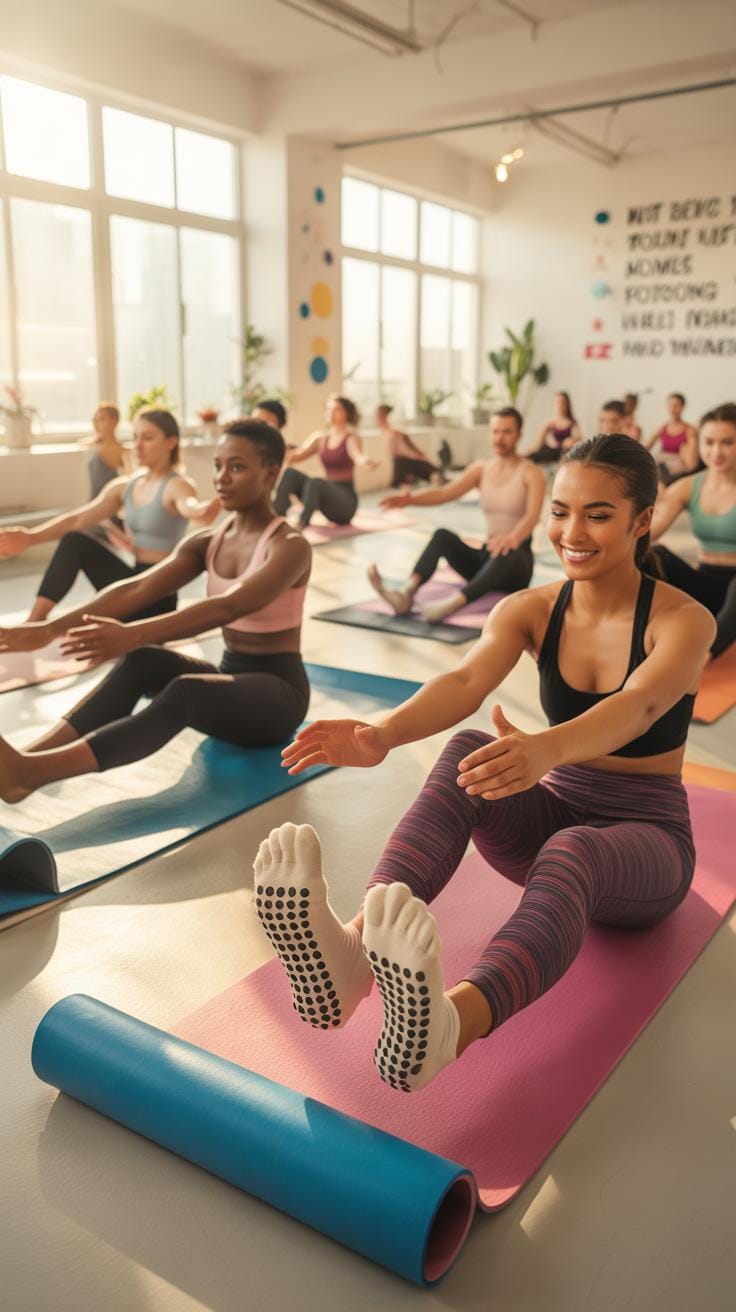
Pilates socks rely on their grip to keep you steady and avoid slips on smooth surfaces. Over time, the rubber dots or tread on the soles wear down, becoming less sticky and more dangerous. You might not notice when this happens until you suddenly lose balance during a move. That’s a real risk, especially with exercises that require strong foot placement. When you see the grips thinning or starting to fade, it’s time to replace your socks. Using worn-out socks might feel like saving money, but it can cost you a bad fall or injury. I think many people underestimate this until something goes wrong.
Wearing Ill-Fitting Socks
It’s tempting to go for whatever socks feel okay, but fit matters a lot. If your socks are too tight, they can cut off circulation or cause discomfort that distracts you mid-workout. On the flip side, socks that are too loose bunch up or slip off, which disrupts your balance and focus. Both scenarios make it harder to maintain proper form. Plus, a bad fit can lead to blisters or skin irritation, which nobody wants. When choosing Pilates socks, look for stretchy, breathable options that hug your feet without squeezing them. It’s a fine line, and your feet will tell you what feels right if you pay attention.
Pilates Socks For Different Workout Types
Socks For Pilates And Barre Classes
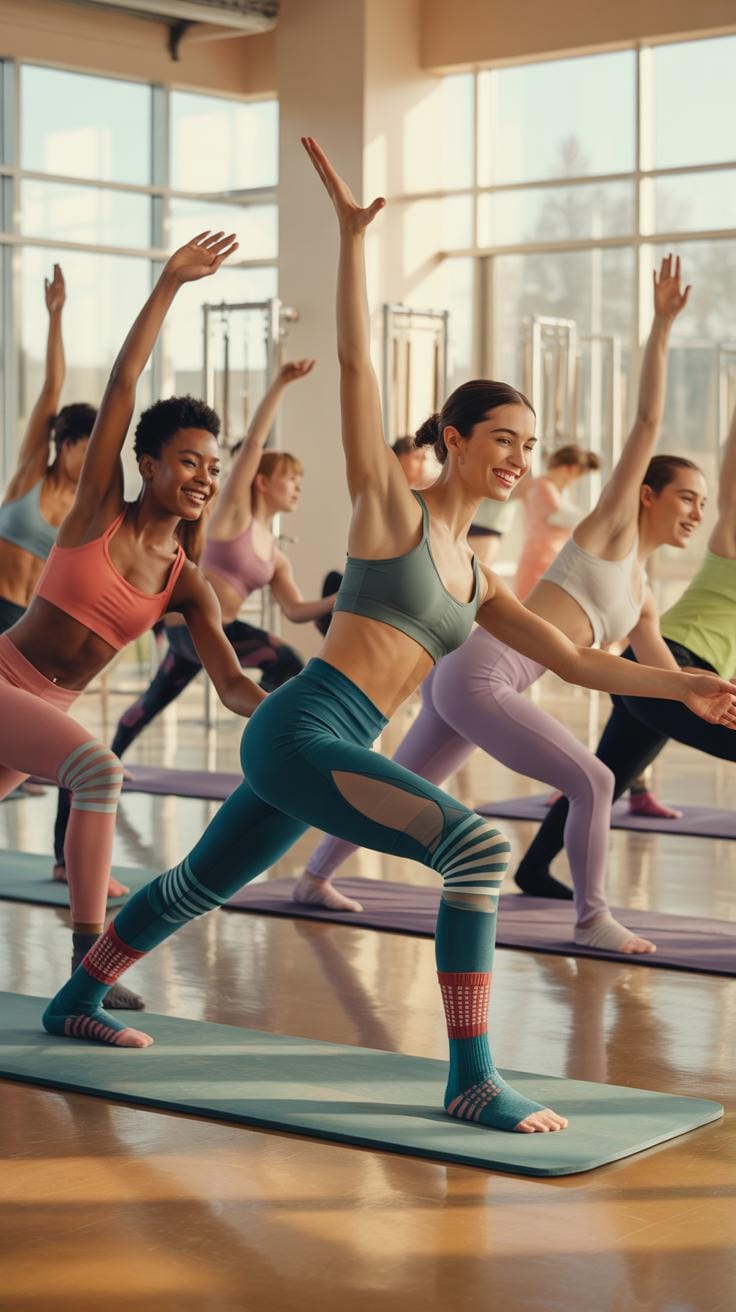
When it comes to Pilates and barre, the right socks can really make a difference. You want socks that offer firm grip to prevent slips during those balance-challenging moves. Look for socks with silicone or rubber grips on the sole—these grips help keep you stable without restricting your foot’s natural movement. Flexibility is key, too. Socks made from stretchy fabrics—think cotton blends with some spandex—allow your toes to spread and flex, which supports better foot engagement during exercises.
Some seasoned Pilates practitioners swear by socks with open toes or separated toe compartments. They argue these designs enhance decentralization and overall foot control. While this isn’t a must for everyone, it’s something to consider if you often feel your toes are cramped or underutilized. Also, thin socks that are breathable prevent overheating, which can be surprisingly important in longer sessions.
Alternatives For Yoga And Therapy
Pilates socks aren’t always the best choice outside their home turf. For yoga, the barefoot approach remains popular for a good reason—it offers unmatched ground feel and balance. Though some yoga styles or studios may welcome grippy socks, many yogis feel they lose connection to the mat with socks on.
In physical therapy, it depends on the activity. If the therapy involves subtle foot movements or balance training, non-slip socks can be helpful, especially in clinical settings where shoes are removed. But for certain rehabilitative exercises, bare feet might give the therapist better feedback on foot placement and muscle activation.
Sometimes, specialized footwear or orthotic-friendly socks can replace Pilates socks, especially if you deal with foot issues. So, it boils down to the workout’s demands and your personal comfort. Don’t hesitate to experiment a bit—finding the right option can enhance your session more than you might expect.
Conclusions
Pilates socks offer more than simple coverage for your feet. They provide safety through grip, enhance hygiene, and add comfort throughout your Pilates or barre sessions. The material and design choices directly affect how well the socks perform and how they complement your workout gear style.
Select Pilates socks that match your needs in grip, comfort, and look. Keep in mind the specific features discussed here to make your workouts safer and more enjoyable. Stylish Pilates socks will keep you focused on fitness without slipping or discomfort.