
Introduction
Parisian fashion has a reputation worldwide for its chic simplicity and timeless appeal. Mastering the essentials of a Parisian wardrobe can help you look elegant and stylish throughout the year, whether you are dressing for spring, summer, fall, or winter. This article outlines how to assemble your wardrobe with versatile pieces suitable for different climates and budgets.
You will find practical advice on selecting key items for every season, how to mix and match them effectively, and ways to shop smartly without sacrificing style quality. These Parisian wardrobe essentials will help you create an effortlessly fashionable look while respecting your financial limits.
Identifying Parisian Fashion Staples
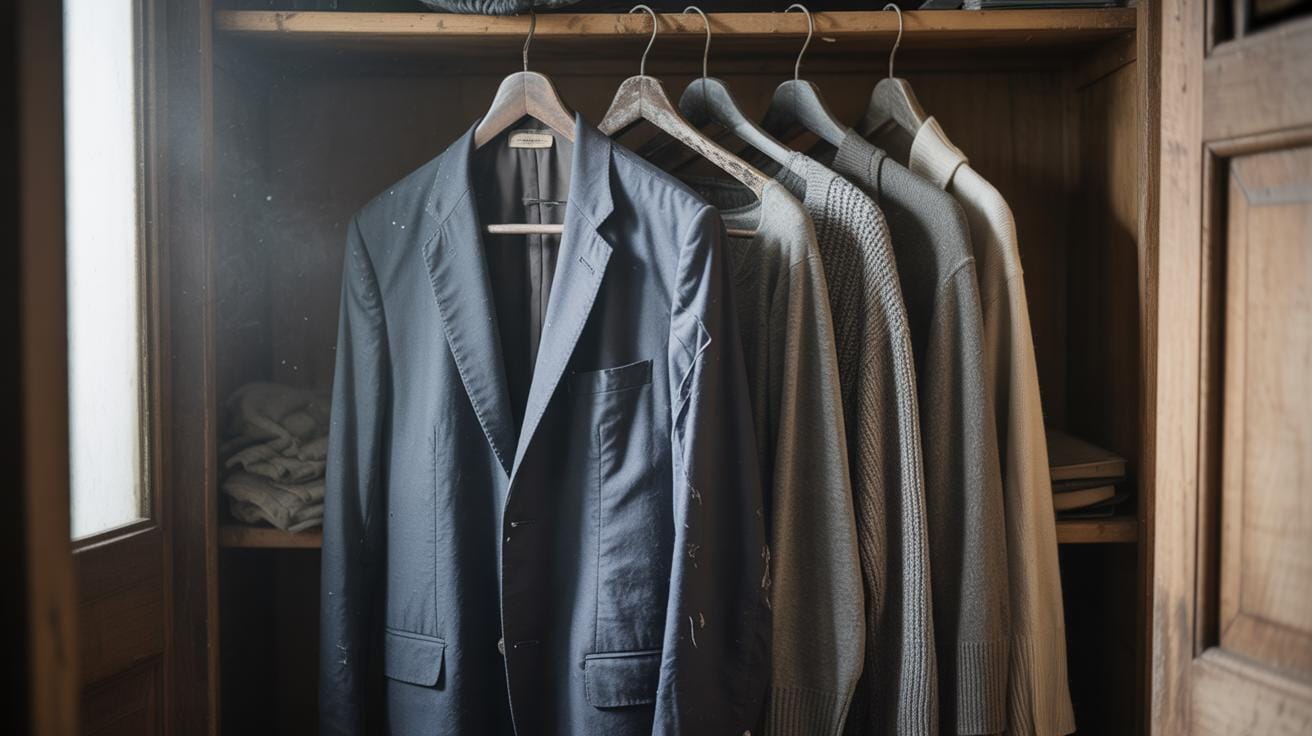
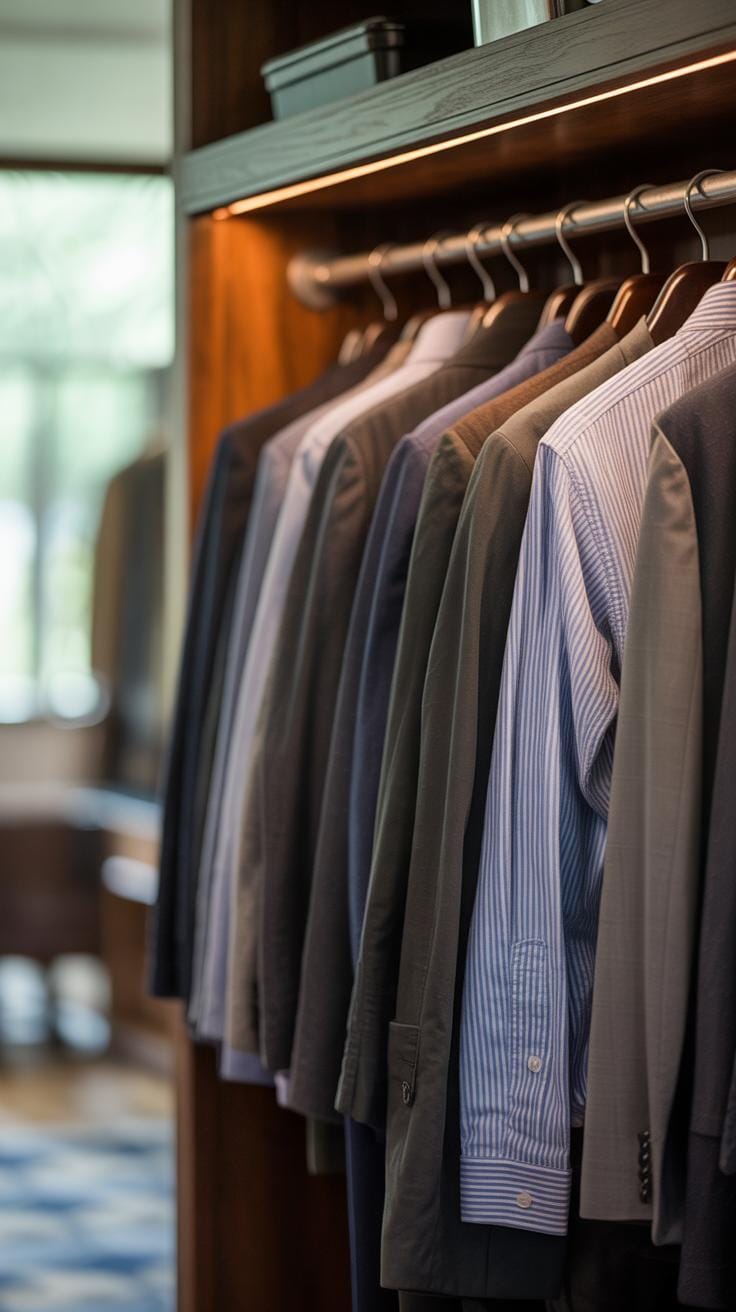
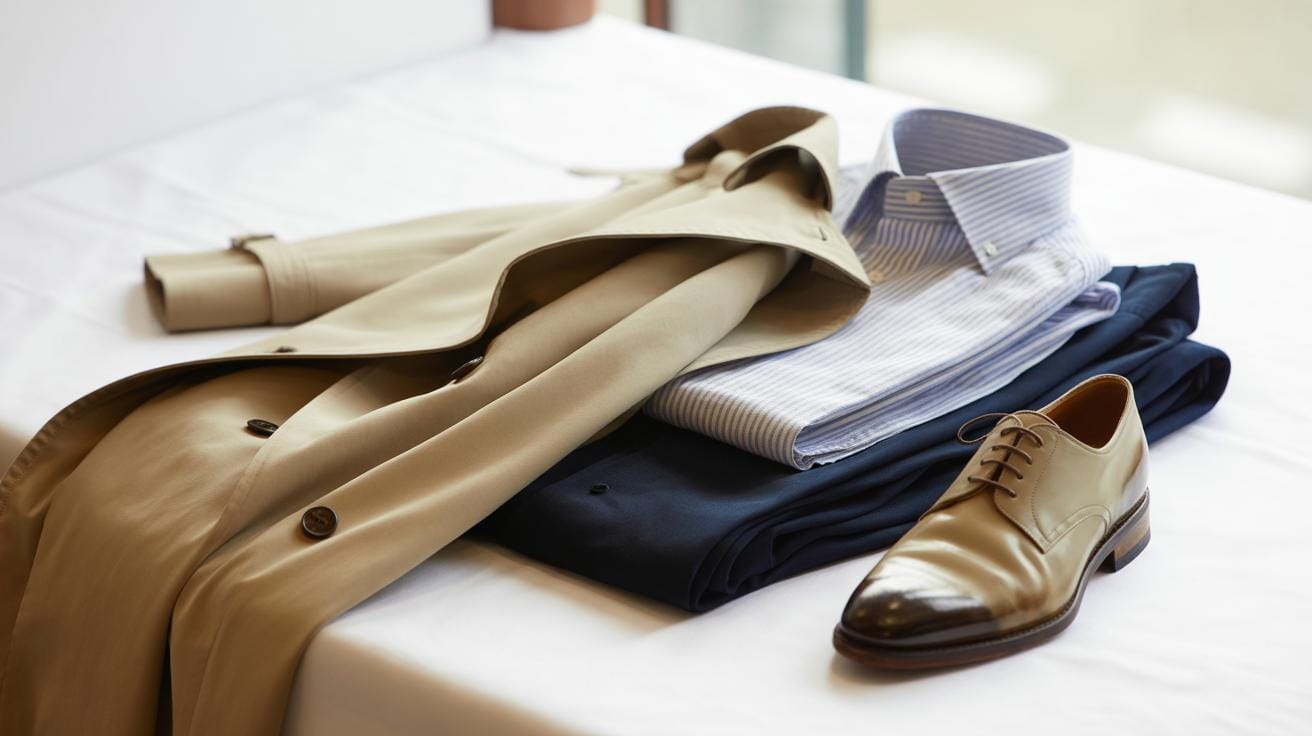
When you think about Parisian wardrobes, certain clothing pieces come to mind without much effort. The trench coat is one of the most iconic. It’s practical yet stylish, perfect for those unpredictable Parisian days. You’ll see it worn in multiple ways—over a dress, paired with jeans, or even casually thrown over a blazer. It just works.
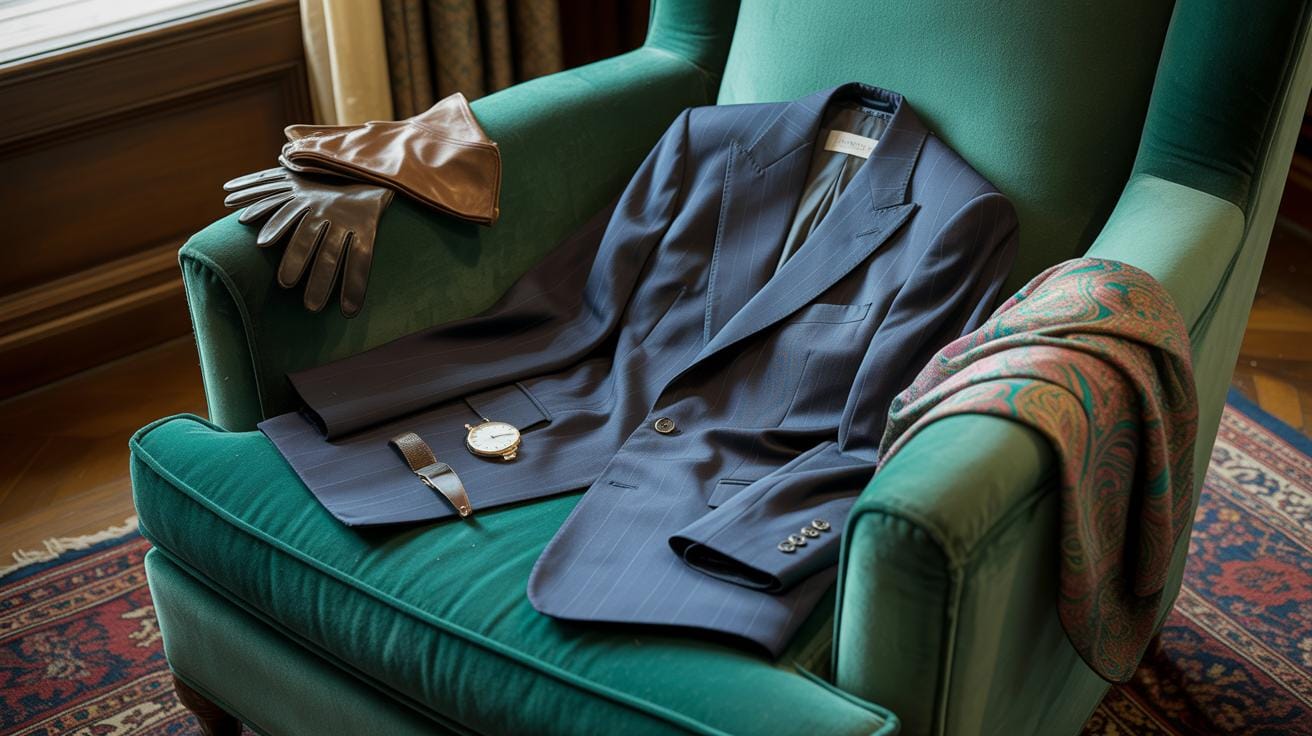
Then there’s the Breton stripe top. It’s simple but never plain, offering subtle charm and a nautical vibe that somehow stays forever chic. Its horizontal stripes invite layering and mix easily with other basics.
Tailored trousers also belong on this list. They’re cut to fit just right, lending structure and a polished feel, yet they stay comfortable enough for everyday wear. When Parisian style thrives on balance, these trousers offer both elegance and effortlessness.
Why These Staples Matter
These staples aren’t just random picks—they’re the backbone of countless outfits. You can wear a trench coat year-round; pairing it with the right shoes and accessories changes the whole mood. Breton stripes open up endless layering options, making you look put-together without trying too hard. Tailored trousers are versatile enough to dress up or dress down.
They reflect a bigger idea—Parisian style values simplicity, quality, and subtle detail. You don’t need flashy items or excessive variety. Instead, these pieces act like a wardrobe framework. From them, you build outfits that feel coherent, comfortable, and, yes, quite elegant—even on hectic mornings.
Where to Find Parisian Staples
The location you shop can change the whole experience of building your Parisian style closet. For those on a tighter budget, stores like Uniqlo or & Other Stories carry clean, well-made trench coats and Breton tops that won’t break the bank. They’re basic but reliable.
If you can stretch your budget, brands like Sézane or A.P.C. focus on classic Parisian cuts with quality materials. These pieces last longer, perhaps even becoming wardrobe favorites you reach for season after season.
And if you’re lucky enough to splurge, designers like Saint Laurent or Balenciaga offer tailored trousers and trench coats that — well — feel like an investment. Their cuts and fabrics are exceptional, but admittedly, not everyone needs that level of splurge to nail Parisian essentials. Often, it’s about knowing what to look for—fit, fabric, and that unspoken flair.
Choosing Fabrics for Different Seasons
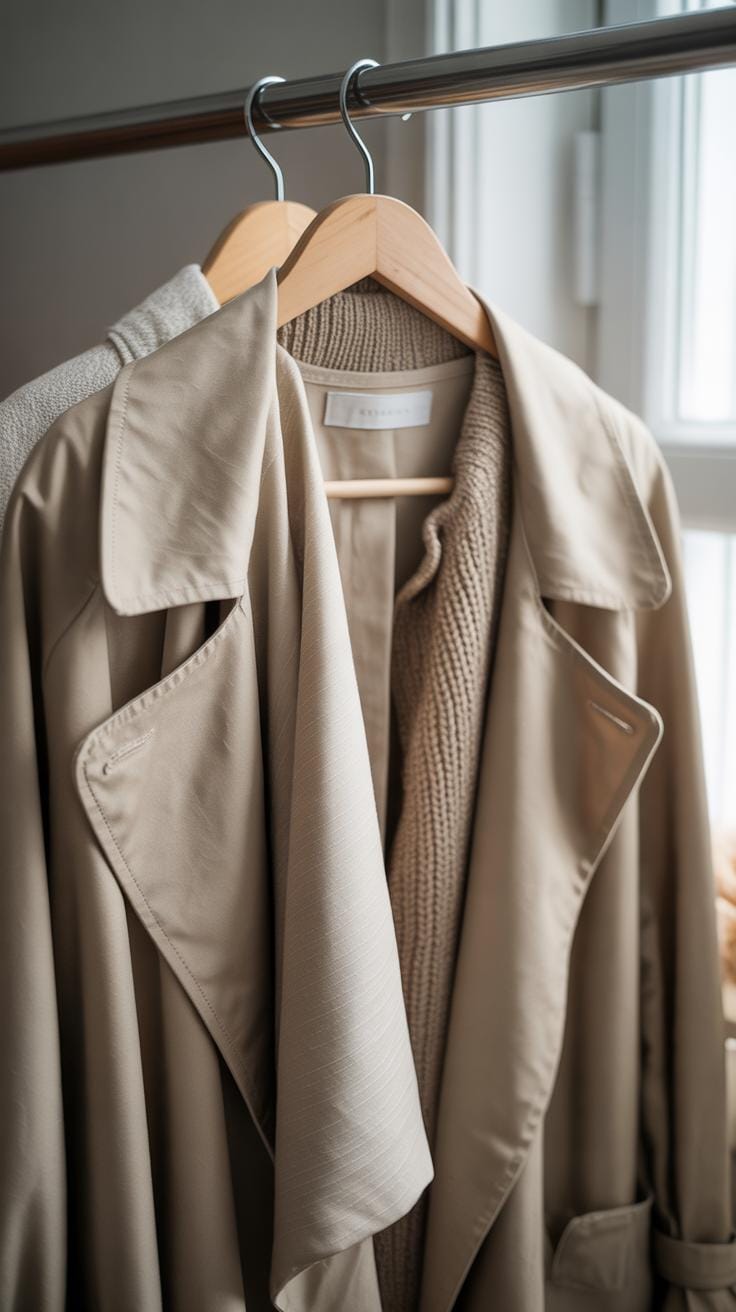
When putting together your Parisian wardrobe, the fabric you pick often makes all the difference. You want to feel comfortable but still look polished—that balance can be tricky, especially as the seasons change.
For summer, fabrics that breathe and keep you cool are preferred. Think cotton and linen. These materials let air flow freely, which helps when the city gets warm and busy. Parisian summers might not be blazing hot, but the sun can surprise you. Linen has that slightly wrinkled charm you see everywhere, giving an outfit personality without trying too hard.
When the chill of fall or winter arrives, heavier textiles come into play. Wool and cashmere top the list for warmth. There’s something about wrapping yourself in a well-knitted cashmere sweater that feels like a quiet luxury. Layering also becomes your go-to approach—you might throw on a crisp shirt under a wool blazer, topped with a tailored coat. This layered look feels thoughtful without needing to shout fashion.
Spring and fall can be tricky—the in-between seasons usually call for fabrics that aren’t too heavy but still offer some protection from the unpredictable weather. Light wool, blends that mix natural and synthetic fibers, or a mid-weight cotton jacket often work well. You want something flexible because you never quite know when you’ll need to shed a layer or pull it back on.
Have you noticed how Parisians often choose pieces that age well and change with the seasons? That’s partly because these fabrics develop character over time, making each season’s outfit feel just a little more personal—and maybe that’s the real charm.
Mixing and Matching Parisian Pieces

Creating multiple outfits from a handful of staple Parisian pieces isn’t as complicated as it might seem. The magic lies in the way you layer, coordinate colors, and refresh your look with accessories. Think of your closet as a small palette rather than a sprawling rainbow. You might start with something simple—like a crisp white shirt or a well-fitted blazer—and build from there.
Layering is key. A striped Breton top under a tailored trench can look completely different than the same top with a chunky knit sweater on top. This shifts the vibe from classic daywear to something a little more cozy and effortless.
Color coordination doesn’t mean matching head to toe. It’s more about subtle harmony. Pair navy with mustard, or camel with black, for example—they complement without blending too much. This can stop your outfit from feeling boring, yet you avoid looking overdone.
Accessories do a lot of work here. A silk scarf around the neck, a structured bag, or statement earrings can transform a plain ensemble. They’re like punctuation marks at the end of a sentence—small but meaningful.
Here are some outfit combos that work from morning café visits to evening gallery openings:
- A classic striped tee, cropped black jeans, leather loafers, and a red lipstick for daytime wandering.
- The same black jeans but with a silk blouse, sleek blazer, and heeled ankle boots for dinners out.
- A simple black dress paired with a trench coat and ballet flats in daylight; swap flats for heels and add a bold clutch to transition to night.
Do you feel like your wardrobe can breathe a bit more now? Sometimes just a little tweak in layering or swapping an accessory can open up options you didn’t realize you had. It’s not about having a dozen pieces but knowing how to play with the ones you love. What do you think would be the first thing you’d mix and match in your closet?
Shopping on a Budget for Parisian Style
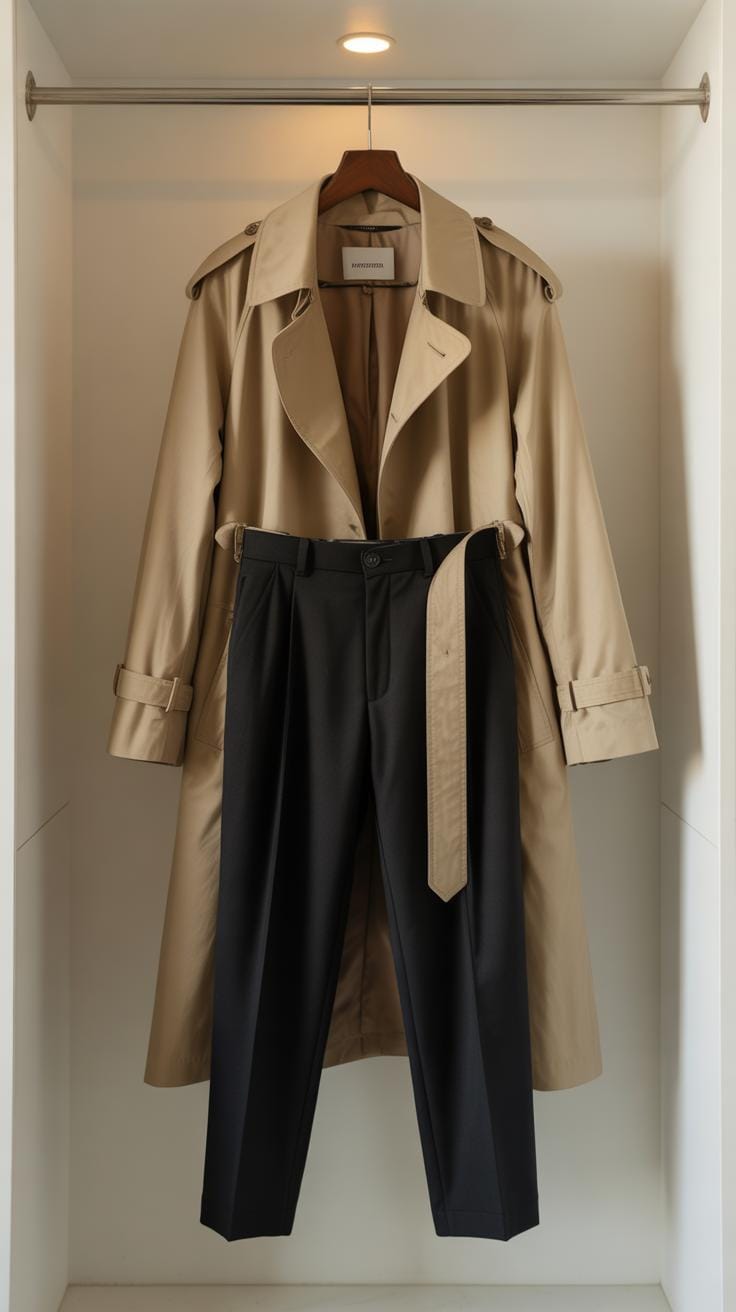
Finding authentic Parisian style without overspending can feel a bit tricky, but it’s absolutely doable if you know where to look. Sales seasons in Paris—winter and summer—offer real chances to score quality pieces at a fraction of the price. Keep an eye out for those; sometimes you stumble upon a classic wool coat for way less than expected.
Secondhand shops are another goldmine. Places like Kilo Shop or Guerrisol may seem overwhelming at first, but patience pays off. You can find unique scarves, perfectly worn-in leather jackets, or timeless blazers that feel like they were made just for you. Plus, it’s sustainable, which is a nice bonus.
Local flea markets, like the Marché aux Puces de Saint-Ouen, have so many hidden gems. You might spend time digging through racks, but the hunt itself is part of the fun. It’s a bit of trial and error—sometimes you find a treasure; sometimes not.
When buying, focus on fabric and construction more than brand names. Feel the material. Is the stitching neat? Does the garment hang well? Sometimes a less-expensive item with strong structure holds up longer than a pricier one that’s all show. Ask yourself if the item matches your existing pieces, too—versatility matters more than impulse.
Seasonal Layering Essentials

Layering is the backbone of Parisian style, especially when the weather can’t quite decide what it wants to be. It’s not just about piling on clothes. It’s about picking the right pieces that work together to keep you comfortable and looking put-together. You want layers that add interest and texture, not bulk or chaos.
Layering for Warm and Cool Days
Spring and fall in Paris often swing between chilly mornings and warmer afternoons. The trick is to start with a light base—think a simple cotton or silk blouse—then add a thin knit or cardigan. A structured blazer or a lightweight trench completes the look perfectly. These pieces can be removed or put back on as temperatures shift.
- A crisp white shirt under a fine-knit sweater is a reliable combo.
- A scarf acts like a portable layer—you can wrap it loosely on warmer days or snug it up when the air bites.
- Don’t underestimate a leather jacket; it’s flexible enough to lend warmth without overheating.
Sometimes I’ve found that mixing textures—maybe a soft cashmere cardigan over a crisp cotton top—keeps things visually interesting and surprisingly comfortable.
Winter Layering Must-Haves
Winter layers demand more thought since you want to stay warm without feeling trapped in fabric. Thermal underlayers are a secret weapon—they’re barely visible but hold the heat close.
- Start with thermal tops or leggings—merino wool is great since it breathes as well as insulates.
- Next, add a thick sweater or a wool turtleneck; the neckline helps guard against drafts.
- Then a structured coat, ideally wool or a blend, that keeps the chill out but looks effortless.
- Don’t forget about accessories—hats, gloves, and scarves not only add warmth but a finishing touch to your outfit.
Sometimes I wonder if layering can look too bulky, but the Parisian way leans toward fitted, clean lines. Balance is key—layers should enhance your silhouette, not drown it. And that’s a daily puzzle that keeps winter dressing interesting, if a bit challenging.
Footwear Choices Through the Year
Spring Summer Shoe Options
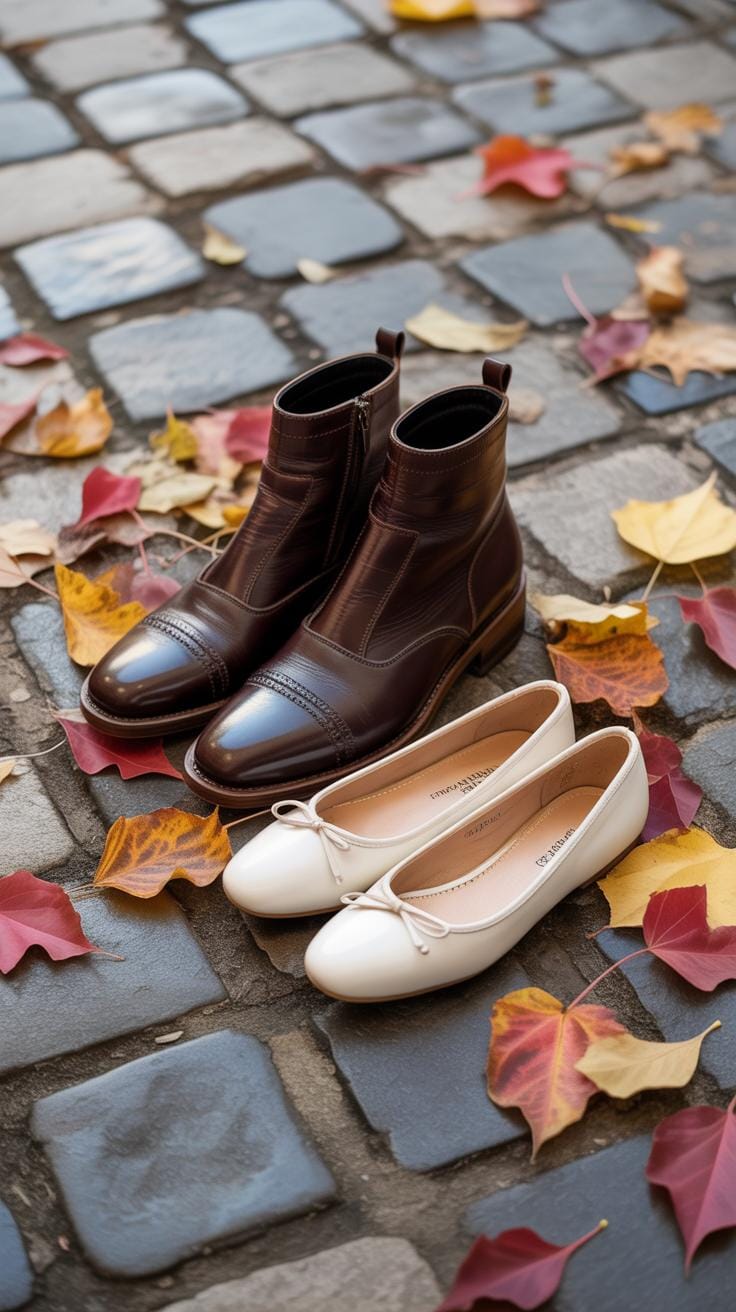
Warmer months in Paris call for shoes that balance style and comfort—especially if, like me, you spend a lot of time walking cobblestone streets or just sitting at a café people-watching. Loafers fit the bill nicely. They’re practical but polished, and you can find them in soft leather or suede that molds to your foot over time. You might hesitate at first, thinking loafers are too formal; yet, paired with a light dress or cropped trousers, they can look effortless. Ballet flats also deserve a spot in your wardrobe. Their simplicity suits the understated French look perfectly.
Consider colors like black, beige, or navy to keep everything versatile. And if you’re worried about how flats hold up on warmer days, some brands offer breathable materials that help avoid overheating. Each option feels comfortable enough for all-day wear without sacrificing the classic Parisian aesthetic.
Fall Winter Shoe Needs
When the temperature drops, your footwear strategy shifts. Paris can be quite damp and chilly, so waterproof shoes are a must. I’ve found that investing in a good pair of water-resistant ankle boots can make a real difference. They keep your feet dry while still looking polished under a trench coat or wool blazer. Insulation matters too, but don’t go overboard—thick insulation can look bulky and stray from that sleek Parisian vibe.
Think about boots with leather treated to repel moisture, combined with a comfortable lining. Something that’s practical but not too clunky. And if there’s snow, the grip on the sole suddenly feels much more important. Can a stylish sole really mix with functionality? I suppose that’s the trick you need to figure out with your own style and priorities. Still, the key is to blend elegance with protection so your shoes work as well as your outfits all winter long.
Parisian Wardrobe Essentials for Every Season and Budget
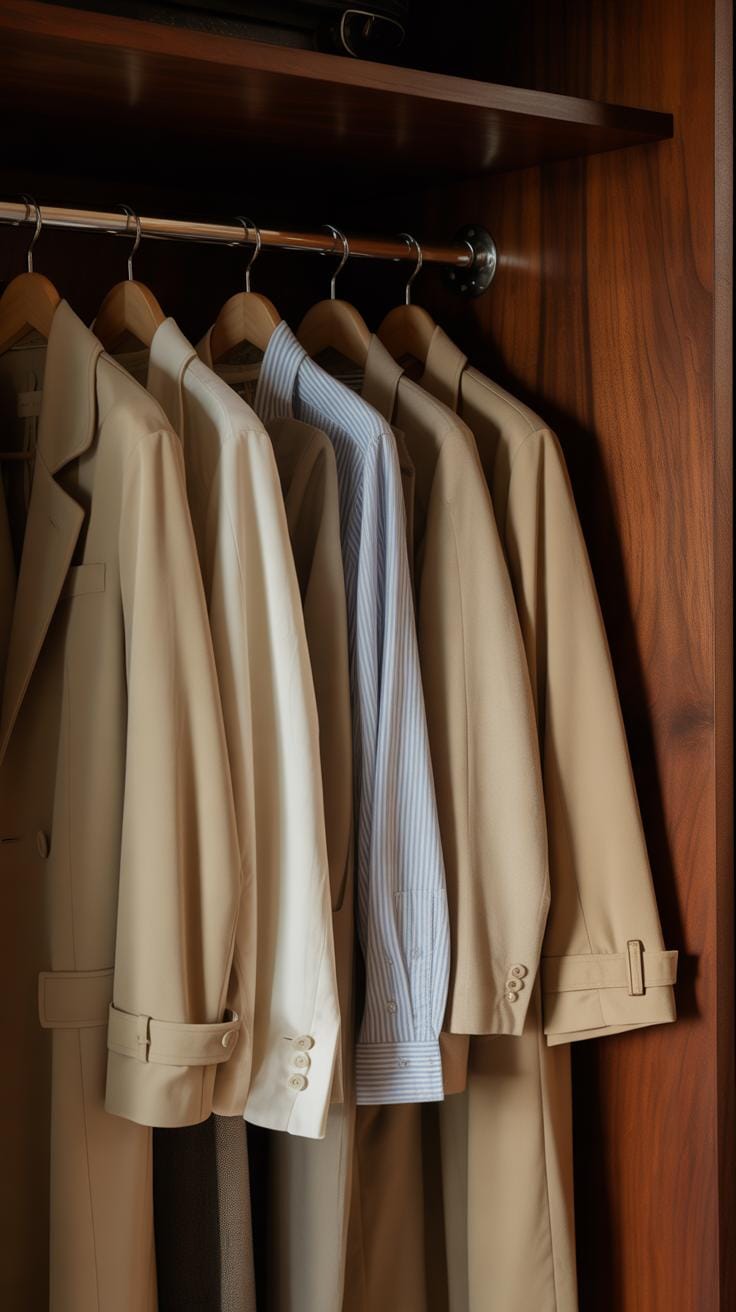
Accessories That Define Parisian Looks
When you think of Parisian outfits, it’s often the accessories that linger in your mind. Maybe it’s the way a silk scarf is loosely tied around the neck—effortless but unmistakably chic. Scarves aren’t just for warmth; they’re a punctuation mark on any look. A simple striped Breton tee paired with a vibrant scarf suddenly feels complete, as if the outfit is telling a quiet story. Then, there are the classic berets, almost a rite of passage for a Parisian style enthusiast. They add character without shouting for attention. Bags, too, play their part—whether a compact leather crossbody or a structured tote, they finish the outfit with a subtle confidence.
You might notice Parisians rarely overload their outfits with excessive accessories. Instead, those few pieces they choose offer personality and polish. It makes you wonder how much your own style could shift by focusing on those details.
Choosing Functional Accessories
Style—surely it matters—but what about function? Parisian accessories manage to straddle both realms. Take a clean, minimal leather handbag: reliable for holding essentials, elegant enough to elevate your ensemble. Or think about sunglasses that don’t just refine your look but also shield your eyes on a bright day by the Seine. Sometimes, a simple watch can feel both necessary and stylish, grounding a look without distracting from it.
This balance between beauty and practicality almost feels like an unspoken rule. Yet, not every accessory with practical use looks Parisian. There’s something in their shape, material, or even the way they’re worn that keeps them stylish. Could practicality be the secret when choosing your next accessory?
Accessories for Dressing Up or Down
One of those fascinating things about Parisian style is how accessories shift to meet the occasion. Consider a silk scarf—worn casually knotted by day or transformed into a sleek neckpiece for a dinner. Shoes tell another story: ballet flats for a relaxed stroll, a pointed heel for evening drinks. A classic leather belt might cinch jeans one day but dress pants the next.
It’s not just what you wear but how you adjust and combine that makes the difference. Sometimes, swapping a casual tote for a sleek clutch changes the whole dress code. Accessories adapt. They don’t compete with your clothing; they complement and transform, making dressing up or down feel more intentional and less of a chore.
Parisian Style for Special Occasions Paris Outfits
Dressing for Daytime Events
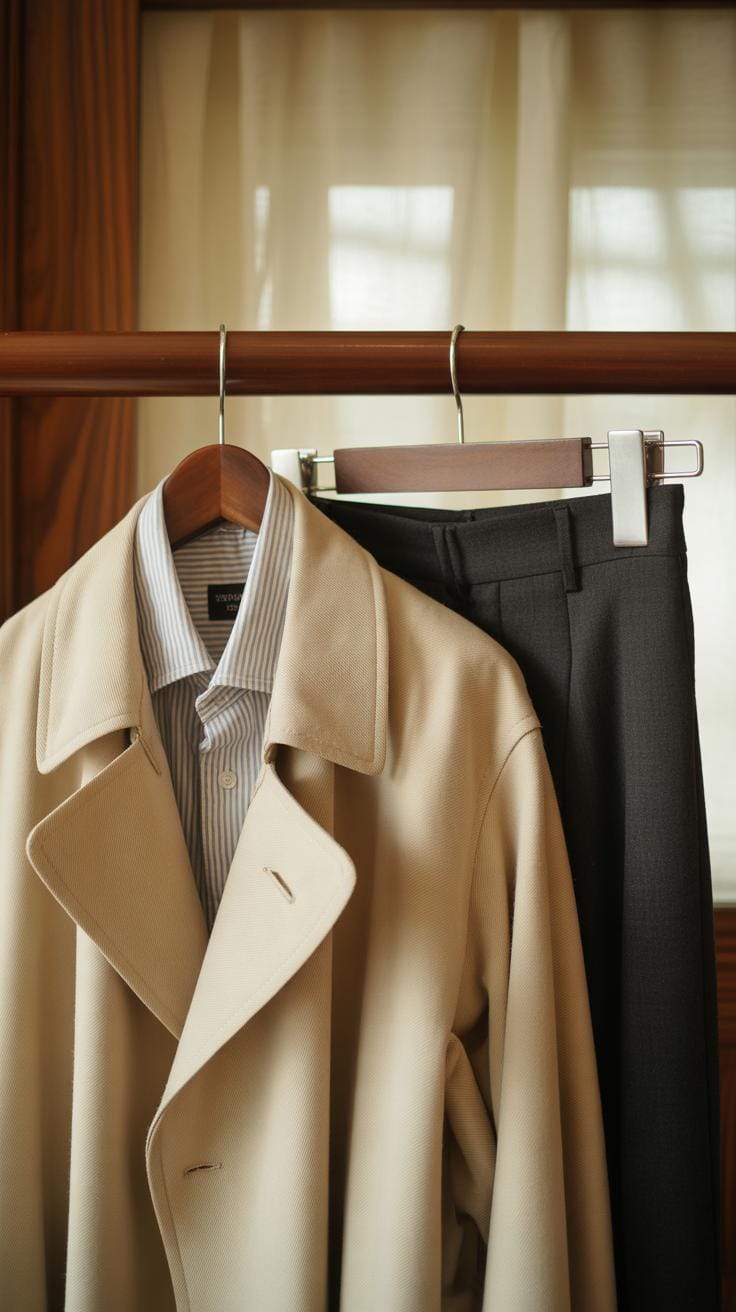
When it comes to daytime gatherings in Paris, the key is to balance ease with a quiet polish. Think of outfits that feel natural but still show you put in some thought. A tailored blazer over a simple blouse paired with slim trousers or a midi skirt often does the trick. Maybe add a pair of classic loafers or low heels—something you can walk in without pain, since you’ll likely be on your feet more than expected.
Layering plays a subtle but important role here. A trench coat or light cardigan can anchor your look while remaining practical. And don’t overlook accessories. A structured handbag or delicate silk scarf might seem small, but they elevate your outfit without shouting for attention. The goal is to look tidy, not flashy, but still stylish enough to fit in at a café or gallery.
Sometimes I find myself hesitating over whether to wear ballet flats or ankle boots, especially when the weather is unpredictable. Maybe you will feel the same. It’s a small choice but can set the tone for how comfortable and confident you feel throughout the day.
Evening and Formal Outfit Tips
Parisian evening wear leans towards timeless simplicity with a subtle twist. The classic little black dress—yes, it’s still reliable—but not always the only option. A jumpsuit in a dark, solid color or a sleek satin blouse paired with high-waisted trousers also fits well. The fabric matters. Silks, satins, and soft wools suggest effort without trying too hard.
When selecting shoes for the evening, opt for something elegant but not overly ornate. Think pointed-toe heels or polished leather boots. Jewelry is kept minimal: a pair of gold hoops, a slim bracelet, or perhaps a ring. Nothing too chunky or distracting.
What surprises me is how Parisians rarely over-accessorize for formal occasions. A simple clutch, a classic red lip, and perfectly coiffed hair often say more than the flashiest outfit ever could. There’s an unspoken restraint that somehow feels both deliberate and effortless—a quality you may want to experiment with yourself.
Maintaining Your Wardrobe Quality
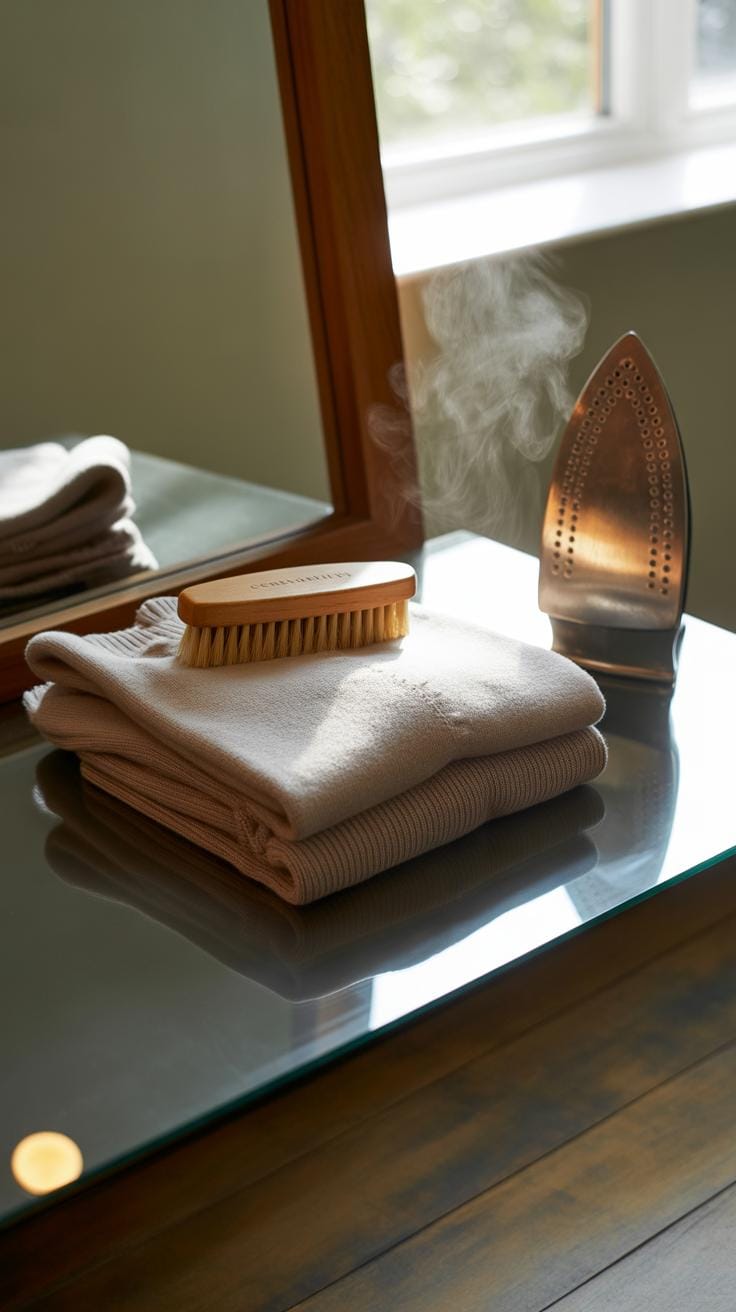
Taking care of your clothes isn’t just about keeping them clean—it’s about preserving their shape, color, and texture so they stay wearable for longer. Different fabrics ask for different attention, and if you overlook those details, your favorite Parisian pieces might not last as long as you’d like.
Care Routines for Different Fabrics
For delicate silks, hand washing or using a gentle cycle with cold water tends to work best. Let silk air dry flat; never twist or wring it out. Wool items should be washed sparingly, ideally with specialized wool detergent, and laid flat to dry to avoid shrinking or misshaping. Cotton and linen are more forgiving: they handle machine washing better but opt for cooler temperatures to prevent fading. Storing your pieces well goes a long way too—think padded hangers for jackets and breathable garment bags for seasonal items.
Repairing and Refreshing Clothes
Small issues — loose buttons, tiny holes, or a starting tear — don’t require a tailor every time. You might be surprised how quickly a simple stitch can save a beloved blazer or skirt. Refreshing doesn’t mean washing after every wear either; airing out sweaters or spot-cleaning can extend life. Sometimes, a quick run through the dryer on low with a damp cloth can help reduce wrinkles without harsh ironing. Think of it as giving your clothes little breaths between uses.
Building Your Capsule Wardrobe Gradually
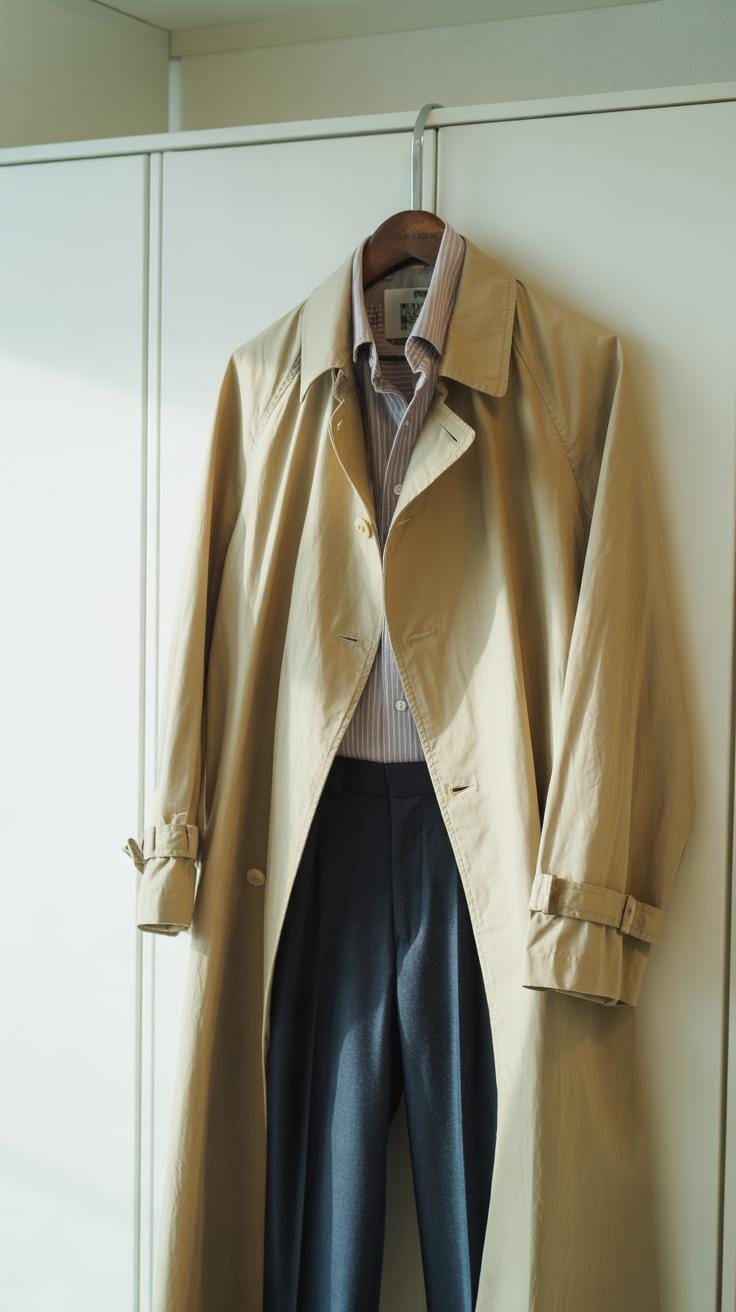
When it comes to assembling your Parisian wardrobe, the idea isn’t to buy everything at once—that rarely works out well. Instead, focus on building it piece by piece, slowly and thoughtfully. This process lets you really get to know how each item fits into your daily life and style, which feels much more authentic and less forced.
Start with a handful of core pieces that form the backbone of what you wear day-to-day. Think classic white shirts, well-cut black trousers, a simple trench coat, and a quality pair of leather loafers. These are the items you’ll lean on repeatedly. They’re versatile and timeless, meaning they don’t clash with new things you add later. You want items that can mix and match easily—no guesswork in the morning.
Seasonal variations come next, and this part lets you add personality and adapt to changing weather. For instance, a lightweight knit sweater and a denim jacket work great through spring and fall. Then, as temperatures drop, you might include a wool blazer and a scarf in muted tones. Summers call for a linen blouse and simple ballet flats, while winter requires a classic camel coat and leather gloves. Each seasonal addition shouldn’t overwhelm your core but complement it.
It’s tempting to rush out and buy all your seasonal pieces at once, yet taking your time makes the wardrobe feel more personal and less like a checklist. Also, you learn what really suits your lifestyle and local climate rather than guessing. Are these layers you actually want to wear? Do the colors speak to you? These are small questions but important for building a wardrobe that feels genuine over time.
Conclusions
Building a Parisian-inspired wardrobe is about choosing smart basics that work across seasons and occasions. By focusing on quality over quantity and carefully selecting versatile items, you set yourself up for a stylish, functional wardrobe that lasts.
Keeping cost and style balanced allows you to enjoy dressing with confidence and ease. Use the tips here to gradually refine your collection, ensuring that each piece brings value and comfort to your daily outfits.