
Introduction
Casual outfits and everyday fashion outfits both play an important role in our daily wardrobe. They help us express our style while providing comfort for our activities. However, understanding the key differences between these outfit types can help you select the right clothes for your needs.
This article compares casual outfits with everyday fashion outfits, focusing on their comfort and usefulness in different settings. You will learn how to pick the best outfit to feel good and look stylish throughout your day.
Identifying Casual Outfit Characteristics
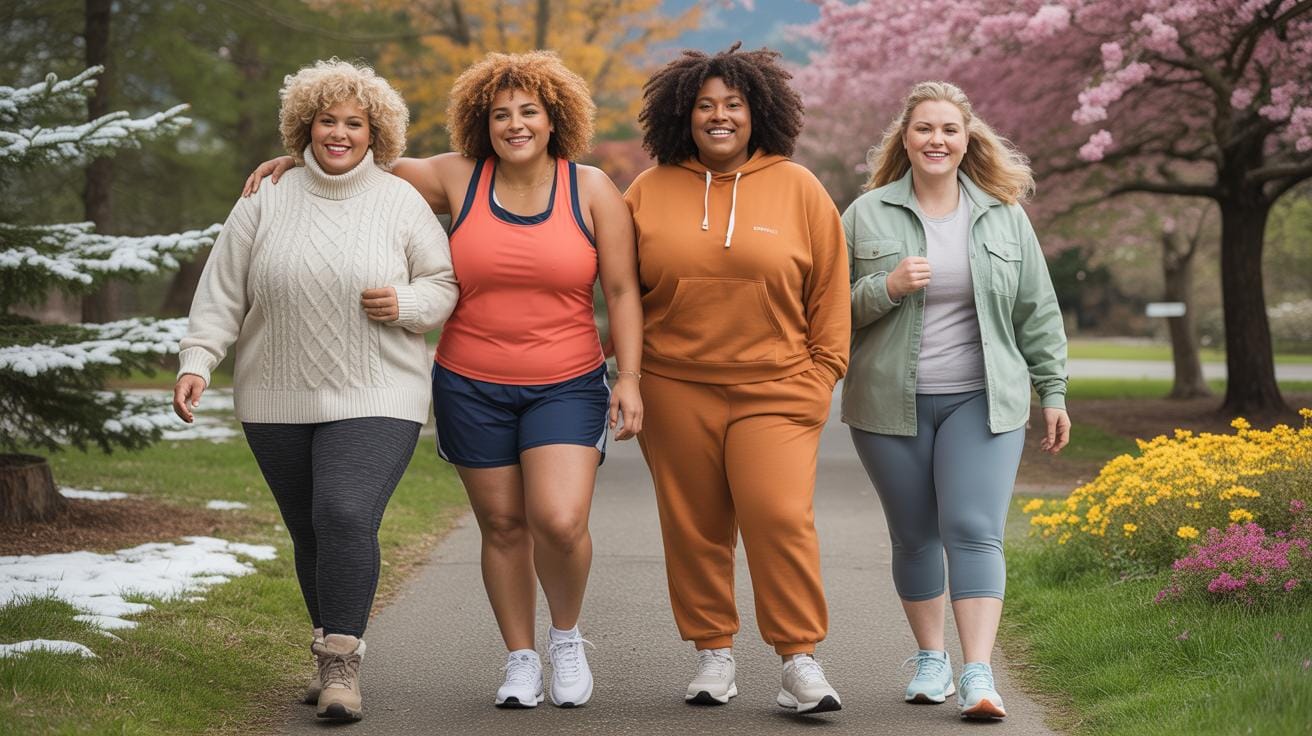

What exactly makes an outfit casual? It’s more than just throwing on anything comfortable—it’s about particular clothing elements, materials, and a relaxed style that doesn’t demand a lot of effort or formality. Casual often means softer fabrics like cotton, jersey, denim, or blends that let your skin breathe. You’ll spot plenty of t-shirts, loose blouses, hoodies, and simple sneakers in casual wardrobes. Think jeans, relaxed-fit pants, or even shorts for warmer days.
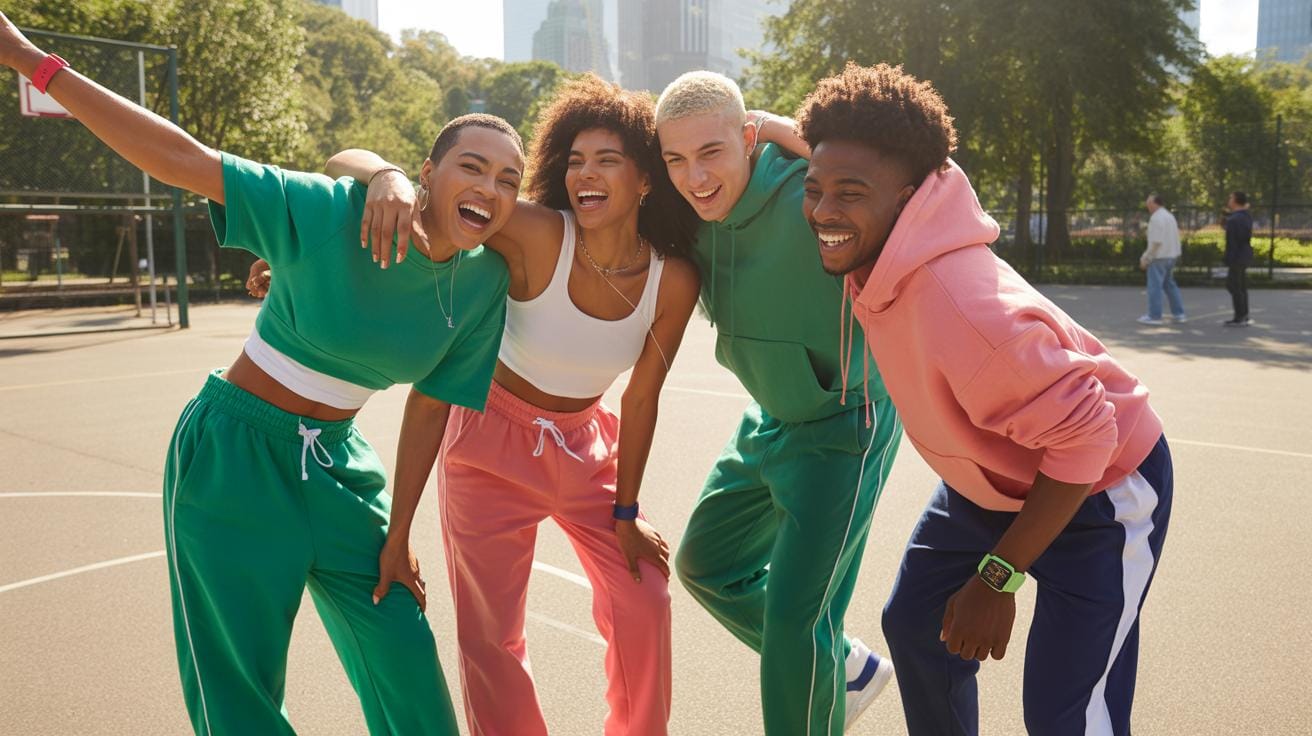
Styles lean toward comfort but don’t exclude some structure; for example, a button-down shirt in a soft fabric can still feel casual if paired with chinos or sneakers. Accessories tend to be minimal: a straightforward watch, a simple belt, maybe a cap. Comfort and ease shape casual wear, giving you room to move without worrying about stiff collars or sharp lines.
Casual Versus Formal Outfit Elements
When you compare casual with formal outfits, the differences show quickly. Formal pieces generally use more rigid fabrics like wool, silk, or satin versus the flexible cotton or jerseys in casual wear. Cuts matter too — formal clothing usually features tailored fits, which are neat and structured, while casual clothes prefer looser, more forgiving cuts.
Colors tend to diverge as well. Formal wear sticks with darker, neutral shades or classic patterns like pinstripes. Casual outfits welcome bolder colors and patterns, or even just wear faded or distressed items, which you’d rarely see in formal settings.
Accessories offer another sharp contrast. Formal attire often calls for ties, cufflinks, and polished shoes. Casual tends to simplify or swap these for sneakers, sandals, or casual boots, and a lack of intricate adornments. The vibe is different — casual feels like an outfit you live in, not just something you put on to impress.
Everyday Fashion Outfit Traits
Everyday fashion outfits sit somewhere between casual comfort and a hint of polish. Their fabrics are usually easygoing but subtly refined—soft denim blends, breathable linens, or well-worn cottons. Unlike pure casual wear, these clothes have a bit more structure: think tailored joggers or a relaxed blazer that isn’t stiff but still holds a shape.
These outfits juggle comfort and style, aiming for a put-together look that doesn’t sacrifice ease. You might pair a neat knit sweater with tapered jeans or combine a button-down shirt with slip-on shoes — all pieces that feel right for errands but still look intentional. Everyday fashion often experiments with mixing textures and layering to keep things interesting without feeling overdone.
How do you strike that balance in your wardrobe? Maybe it’s a pair of sneakers that look sharp or a top that flows nicely but isn’t too loose. It takes some trial—sometimes you’ll mess up, but isn’t that part of wearing fashion day by day?
Outfits Casual

When you think of casual outfits, comfort usually comes to mind first. These are the clothes you throw on when you want to move freely without fuss. Jeans, sweatshirts, sneakers, T-shirts—these staples make up the casual wardrobe, but what really makes them comfortable isn’t just the style; it’s the way they fit and feel against your skin.
Fabric choice plays a big role here. Soft cottons and blends with a bit of stretch make a huge difference. I remember once buying a pair of joggers made from fleece-lined cotton and realizing they felt like a soft hug all day. In contrast, some casual pieces can feel stiff or rough—especially if they’re cheap synthetics—so even casual doesn’t always equal comfort.
The relaxed fit typical in casual outfits usually helps, but sometimes you might find yourself in a hoodie or jeans that’s just a bit too tight or oddly shaped, which can be distracting. Still, most casual clothes allow a range of motion that many everyday fashion pieces don’t. You might wonder if that relaxed vibe sometimes makes you look less put-together, but for many, it’s a trade-off they accept knowingly because comfort simply wins.
How To Build Comfortable Casual Looks

When you think about casual outfits, comfort usually tops the list. Yet, it’s easy to slip into something that feels relaxed but looks sloppy. The goal is balance—clothes that let you move freely without looking like you just rolled out of bed.
Start with layering. A soft cotton tee under a lightweight knit or denim jacket works wonders. It lets you adapt to changing temps, which is practical and adds a bit of style depth. Mixing fabrics—like pairing breathable linen pants with a cozy fleece pullover—not only feels good but stops the whole outfit from being too uniform or boring.
Accessories also play a role beyond aesthetics. Think about a canvas tote instead of a rigid bag, or slip-on sneakers that support your foot without squeezing. A simple baseball cap can help shield your eyes, but might also tie the look together effortlessly. Sometimes small touches like this make you more willing to wear something all day.
Step By Step Casual Outfit Creation
Building a comfortable casual outfit usually starts with identifying your activity and the weather. Ask yourself: Will you be mostly indoors or outside? Walking a lot? Sitting? That helps narrow your choices.
Next, pick your bottom piece. Jeans are classic, but softer joggers or chinos might be better for comfort. Then, choose a top: something breathable with a relaxed fit. From there, layer something on top if needed—like a cardigan, hoodie, or light jacket.
For example, imagine a weekend stroll: you might go with cotton joggers, a loose white tee, and a chambray shirt left unbuttoned. Add low-profile trainers and a simple backpack, and you’ve got a look that feels casual but isn’t lazy.
Adding Comfort Accessories
Accessories aren’t just for looks. Shoes, hats, bags—these can actually change how your whole day goes. Shoes with cushioned soles give your feet relief, making a big difference if you’re on them for hours. A hat with a simple design can help manage glare or keep hair in place, which oddly adds to comfort.
When choosing bags, look for lightweight options with padded straps. You want something that doesn’t dig into your shoulder after a while. Even sunglasses with flexible frames or lenses cut UV rays, so your eyes don’t tire out fast. These details aren’t flashy, but they matter.
At the end of the day, I think casual comfort depends a lot on how clothes and accessories work together—sometimes the best piece is the one you barely notice wearing.
Outfits Casual
When we talk about casual outfits, it’s easy to picture the typical jeans and t-shirt combo. But casual doesn’t have to mean boring or lazy. It can be much more nuanced. The key is finding pieces that feel relaxed but still look put together enough for your day-to-day life.
Think about basics that fit well and fabrics that breathe. Cotton, linen, and soft knits work well because they don’t cling or irritate. Sure, a baggy sweatshirt might be comfy, but if it’s oversized to the point of looking like you borrowed it from a friend, it may not hit the casual mark you’re aiming for.
Also, don’t underestimate the power of simple layering. A denim jacket over a plain tee can elevate the outfit while keeping comfort intact. Sneakers are the classic choice, yet sometimes swapping to a loafers or slip-ons can make you feel a bit sharper without losing ease.
Do you notice how some casual outfits make you want to lounge all day, while others seem ready for a spontaneous coffee meet-up? That balance is what separates everyday casual from just “I threw this on” dressing. Maybe it’s subtle details like the right fit or textures that keep you comfortable yet confident.
And, really, everyone’s casual look feels different. What works for you might be less about specific pieces and more about how they make you feel. So, it’s not just about throwing on easy clothes but about choosing which easy clothes fit your style and mood that day.
Outfits Casual In Work And Home Settings
Casual Outfits At Work
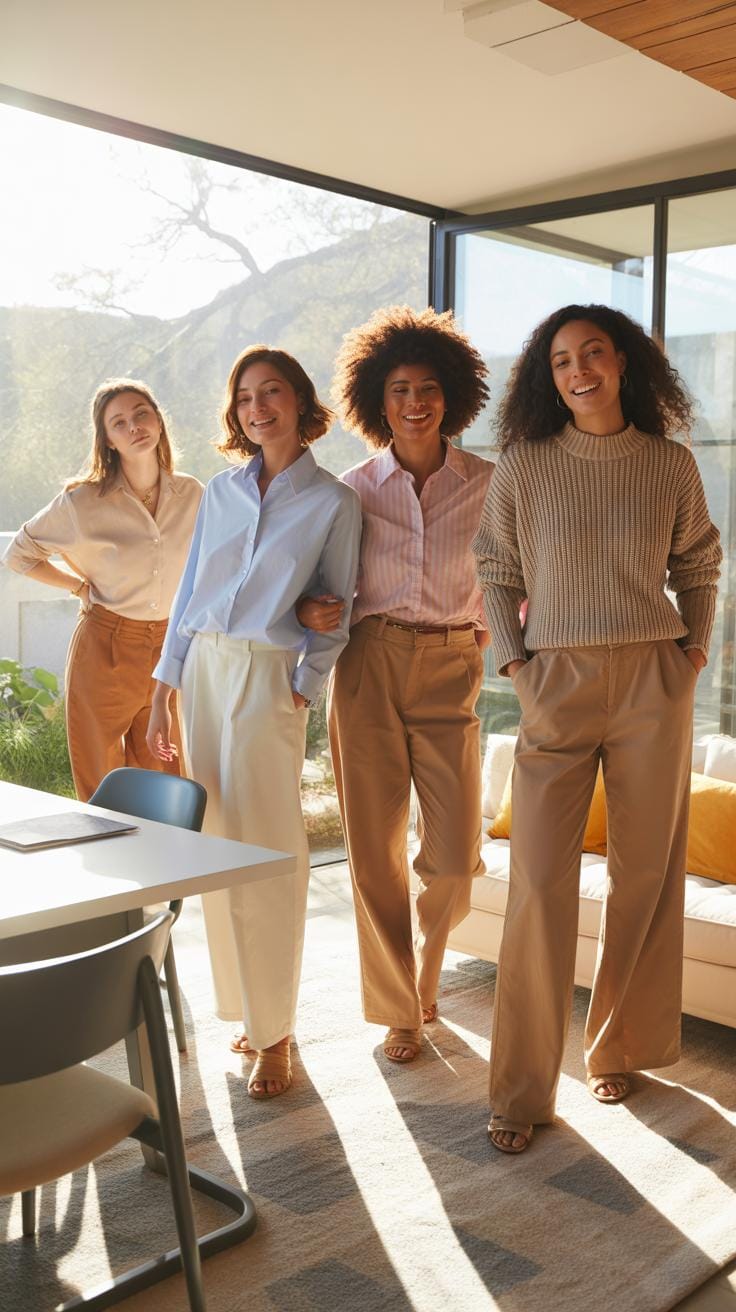
Choosing casual outfits for work can be tricky. You want to stay comfortable but still give off a professional vibe. Think of combining relaxed pieces like chinos or tailored jeans with crisp shirts or simple blouses. Avoid anything too loose or sloppy—even if your office is laid-back, sloppy rarely reads as intentional. Sweaters over collared shirts or neat polo shirts often strike the right balance. You might ask yourself, how casual is too casual? This depends on your company culture, but a good rule of thumb is to look neat without trying too hard.
Comfort usually comes from breathable fabrics and properly fitting clothes. Does your office run warm? Maybe lighter cotton blends would help you stay cool. Do you move around a lot? Stretch fabrics might be your friend. Simple accessories—think belts, watches—can polish the look without feeling stuffy. Sometimes, you realize comfort and professionalism don’t have to fight. It’s more about choosing pieces thoughtfully and knowing your environment.
Comfortable Casual Clothing For Home
When you step into your own space, casual means something different. It’s the moment to shed anything restrictive and embrace comfort fully. Soft joggers, cozy tees, oversized sweaters—these are staples that make lounging feel less like lazy dressing and more like intentional ease. Maybe you want to keep a bit of style, especially if you work from home or get guests unexpectedly. You could pair a fitted top with relaxed pants or wear slip-on sneakers instead of barefoot.
What I find interesting is how sometimes the home outfit can become your go-to for casual errands too. It’s a flexibility that works really well if you manage it carefully. There’s no harm in blending comfort and style casually at home, but too much lounging wear might start to feel off when you want to feel productive or alert. Does your casual home outfit support your mood? It might be worth trying different combos just to see.
Common Casual Outfit Mistakes

Casual outfits seem simple enough, but they trip up a lot of people in subtle ways. One frequent error is the fit. Clothes that hang too loosely or cling too tightly limit movement and feel off throughout the day. Imagine wearing jeans that pinch at the waist or a shirt that balloon around your midsection—it’s distracting, right?
Fabric choice also plays a huge role. Some folks pick materials that look okay but aren’t breathable, making the outfit uncomfortable faster than expected. Synthetic blends sometimes trap heat or irritate skin, which kind of defeats the purpose of dressing casually and comfortably.
Style mismatches happen when people mix bold patterns or textures without a clear balance. For example, pairing a graphic tee with patterned shorts might bring unintended chaos. Sometimes less is more, even if the urge to experiment with casual wear is strong.
Avoiding Poor Fit In Casual Clothes
Wearing casual clothes that don’t fit well can turn relaxation into annoyance. Baggy clothes may hide your body shape and make you look sloppy, while tight items restrict movement and draw attention to areas you might want to downplay. Both extremes can kill comfort and confidence.
Finding the right size often means forgetting “one-size-fits-all” ideas. Pay attention to shoulder seams—they should sit right at the edge of your shoulders, not drooping or pulling. Try different brands, since cuts vary. Sometimes a slightly different style fits better than just a larger or smaller size.
Don’t hesitate to tailor casual pieces if you can. Even minimal adjustments can improve how a piece complements your body. You might think casual means no fuss, but a bit of tailoring won’t hurt, and it usually helps.
Steering Clear Of Fabric Choices That Hurt Comfort
When it comes to casual wear, some fabrics feel like a second skin, while others… not so much. Avoid heavy polyester and nylon blends; they tend to trap heat and moisture, leaving you sweaty and uncomfortable. This often ruins the laid-back vibe casual outfits aim for.
Stiff fabrics can restrict natural movement. For instance, rigid denim or thick canvas might cause chafing if worn too long. Meanwhile, garments made of smooth cotton or light jersey offer better breathability and flexibility.
Also, keep an eye on fabric blends that cause skin irritation—some mixed fibers can itch or become abrasive over time. Your best bet is to try materials on before buying. Does it feel soft, or rough? Does it pinch? The difference is worth noticing since comfort is the main point of casual attire.
Examples Of Casual And Fashion Outfit Combos
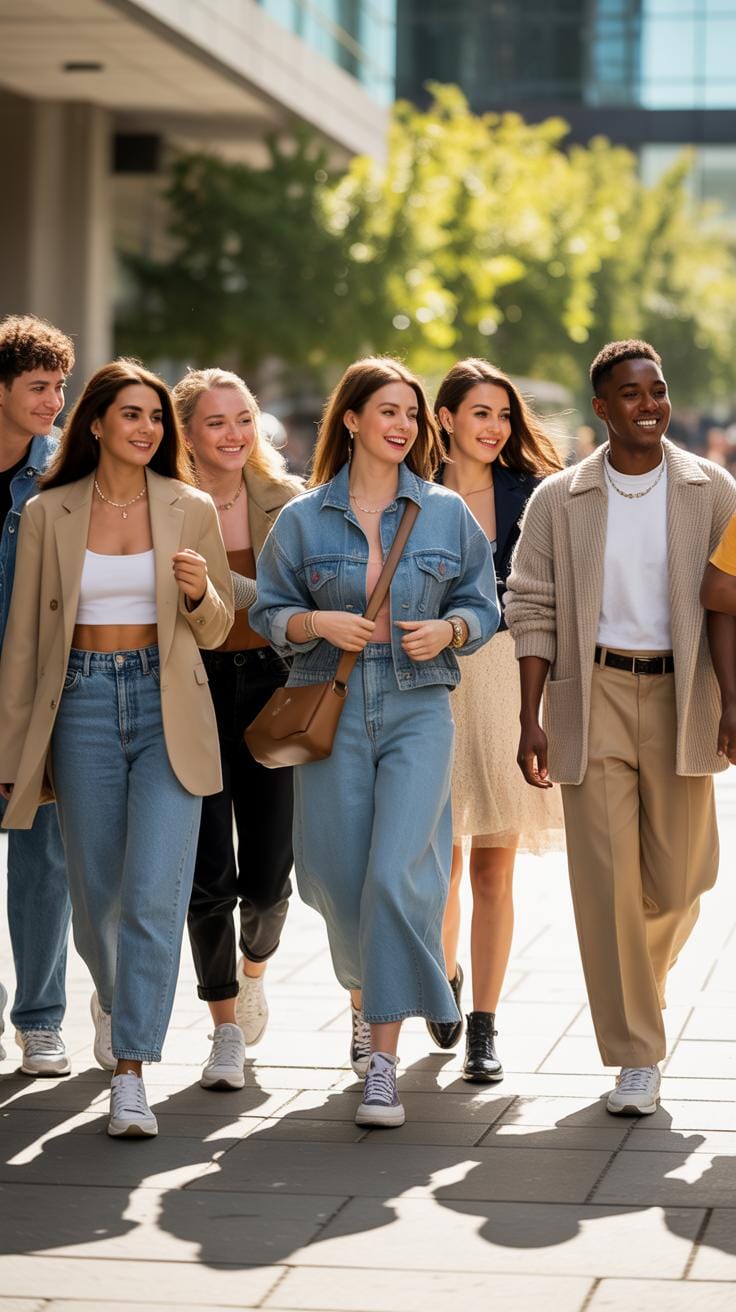
Casual Outfit Combinations For Various Activities
When you think about casual outfits, you might picture something simple, but there’s more variety than you’d expect. For running errands, a pair of comfortable jeans paired with a loose cotton tee and slip-on sneakers works well. It’s practical—you don’t want to fuss with complicated layers when you’re just grabbing groceries or picking up packages.
For social events, like a casual brunch or a relaxed meet-up, jeans might still be your go-to but maybe swap the tee for a soft blouse or a lightweight sweater. Add minimal accessories, like a small necklace or a watch, and comfortable loafers or flats. This keeps your look approachable, but not like you just threw something on.
Traveling demands a different level of comfort. Think joggers or stretch pants with a breathable hoodie and sturdy trainers. Layering is key here, especially if you face temperature changes. It might not be flashy, but it ensures you stay comfy and ready for whatever travel tosses your way.
Fashion Forward Everyday Outfit Examples
Everyday fashion outfits try to strike a balance—stylish without feeling like a costume. For example, pairing slim ankle trousers with a fitted knit top bridges comfort and polish. Throw on a pair of block-heel boots, and suddenly you’re ready for work or a more professional setting, but still feeling relaxed.
Another combo: midi skirts with casual blouses or relaxed button-down shirts. Finish with simple, clean sneakers or loafers. It’s an outfit that says you care about your appearance but aren’t willing to sacrifice ease for looks. There’s a kind of quiet confidence in that, don’t you think?
These outfits flex well across different settings—whether a coffee meeting or a casual Friday at the office. You stay comfortable, yes, but without sinking into uninspiring basics. Maybe the real trick is in choosing pieces that do a bit of both: reliable comfort and clear style.
Checklist For Choosing Comfortable Outfits
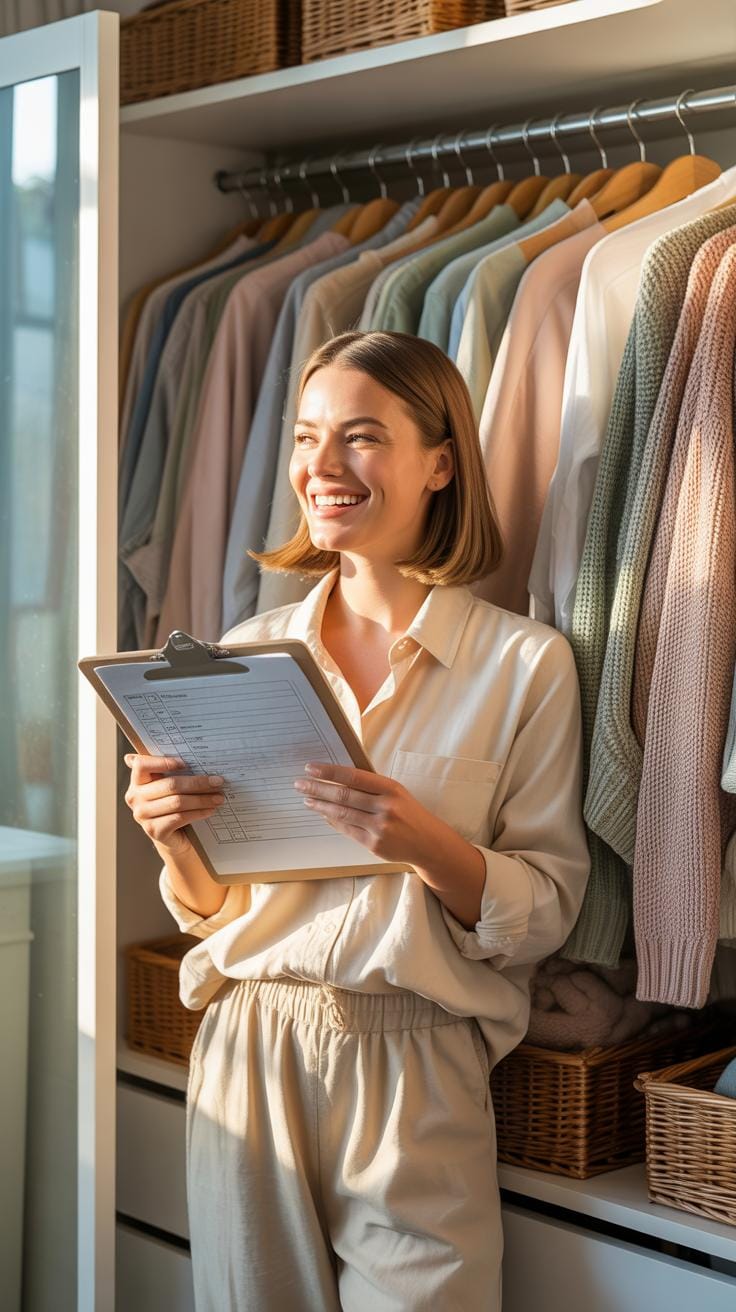
Factors To Consider Before Dressing
Before you pick out an outfit, pause for a moment and ask yourself a few questions. Where will you be today? Is it mostly sitting or a lot of moving around? What’s the weather like, really—do you tend to feel cold or warm? Will the outfit need to last through different activities or just one main focus? Sometimes, thinking about your day this way helps avoid regrets later.
Then consider how the clothes fit you. Are they snug but breathable, or loose enough to let you breathe? Does the fabric irritate your skin or feel soft? And function—does the outfit need pockets? Easy to wash? Quick to layer? These aren’t just small details; they shape your comfort more than you might think.
Using The Checklist Daily
Try turning these points into a quick mental checklist every morning. It sounds tedious, but it can become second nature. For example: fabric first—cotton or blends that wick sweat? Fit next—anything that pinches or restricts movement gets a no. Then function sort of closes the loop—can you move, sit, or even breathe well? You might even notice certain fabrics start to feel better over time, or some fits become your daily favorites.
Applying this thinking regularly will help you fine-tune what works not just for comfort, but for your style too. Eventually, you’ll recognize what outfits help you feel good all day, and which ones subtly drain your energy without obvious reasons. It’s an ongoing process, honestly. Your clothes should suit you, not the other way around.
Conclusions
Comfort is essential when picking between casual and everyday fashion outfits. Casual outfits often focus on ease and relaxation, making them ideal for downtime and informal occasions. Everyday fashion outfits may put more emphasis on style, sometimes at the cost of comfort.
Knowing the difference helps you make better choices for your lifestyle. Aim for outfits that balance your comfort needs with your style preferences. By doing this, you can enjoy your activities without sacrificing how you look or feel.