
Introduction
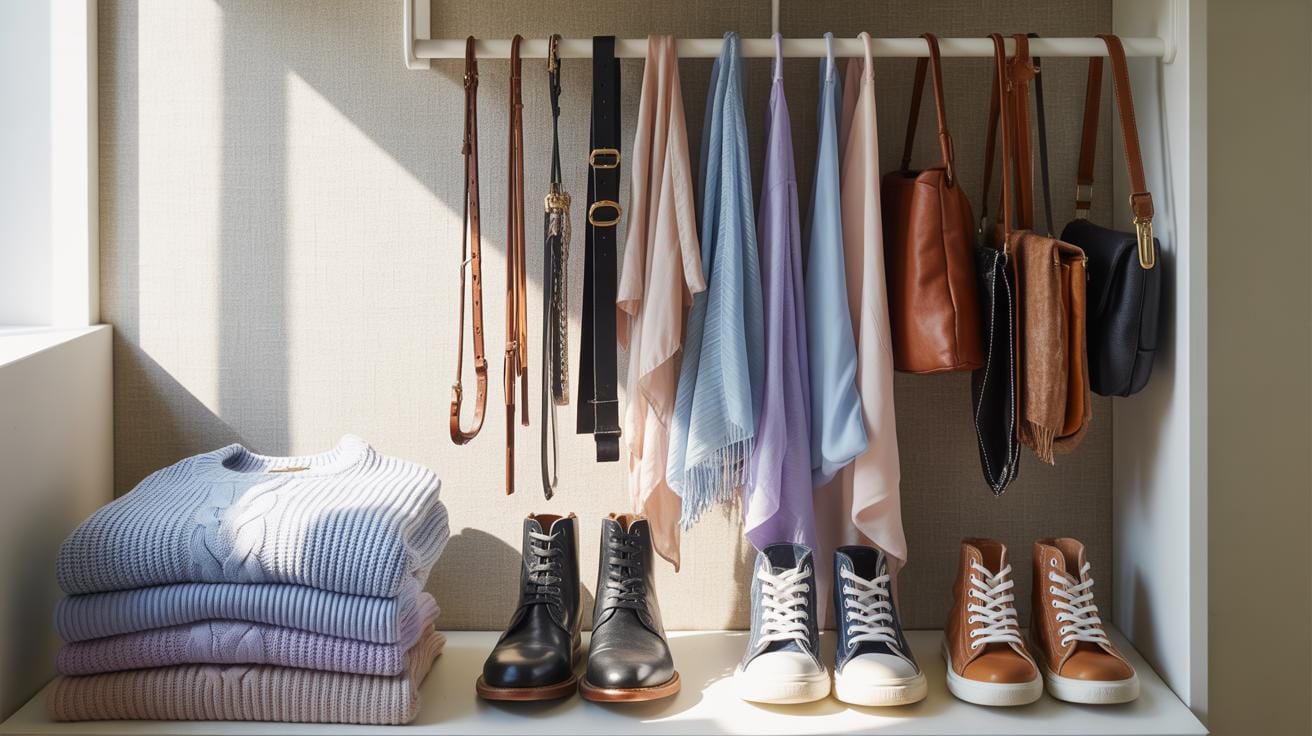
Smart strategies for building versatile outfit combinations help you create many looks from a limited number of clothes. This saves time and money while keeping your style fresh. You’ll learn to mix and match clothes smartly to fit different occasions.
This article covers practical ways to combine clothes and accessories. You will find easy steps to build your outfits, understand why combinations matter, and explore useful tips for everyday dressing.
Benefits of Versatile Outfits
Benefits of Versatile Outfits
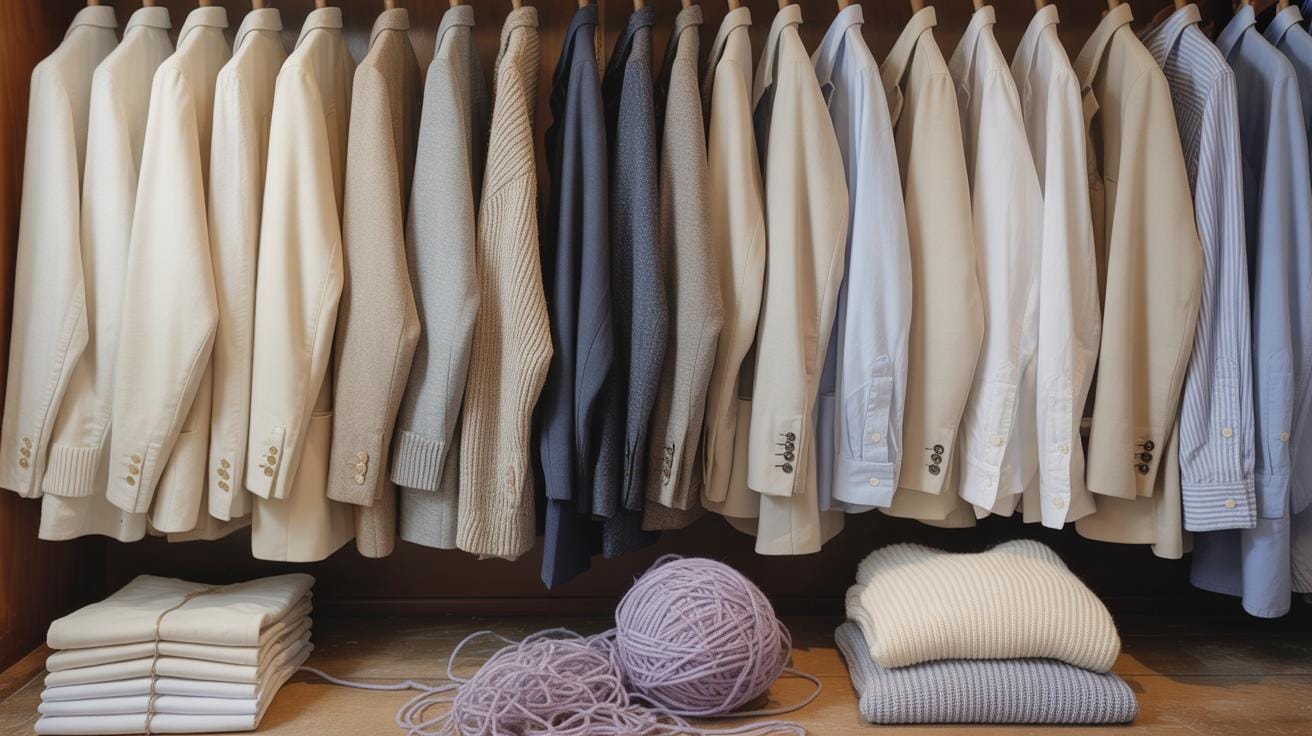
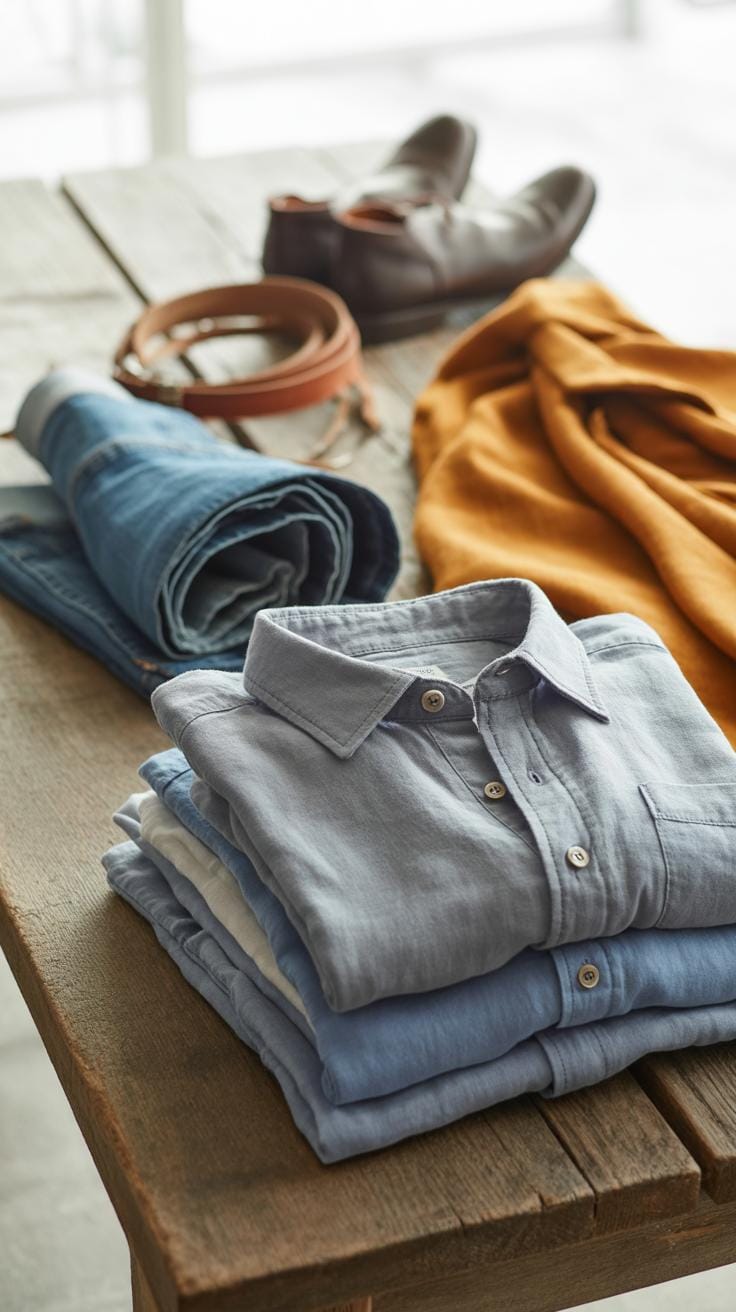
Having versatile outfit combinations brings several practical benefits that many might overlook until they try it. First off, it saves money. When you can mix and match a few key pieces, you avoid spending endlessly on new clothes for every event. It’s a little like investing wisely—your wardrobe works harder for you.
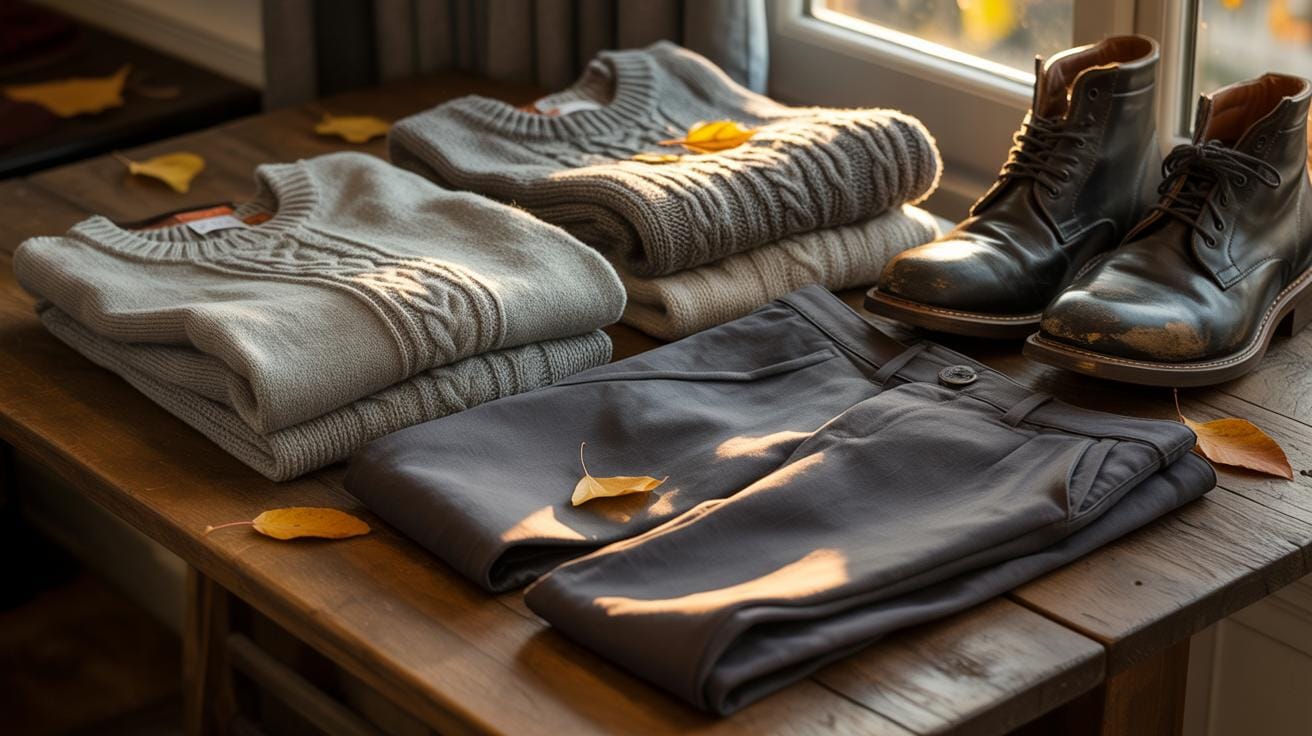
There’s also less clutter. Wardrobes quickly become overwhelming, with clothes you rarely wear. Versatile pieces reduce that chaos. Fewer items, but more reliable options. It makes picking an outfit less stressful, especially on busy mornings.
And being prepared feels good. Whether an unexpected meeting pops up or you get invited to a casual gathering, you won’t scramble. Your closet has ready-made combinations that can adjust with a simple change—a jacket, a shoe swap, or accessories.
Why Outfit Combinations Matter
Outfit combinations influence more than just appearance; they shape your day. Have you noticed how certain clothes give you confidence? That comes from how you put them together. Paying attention to combinations helps you express personal style without overthinking.
Also, your daily routine can benefit. Streamlining choices means less time agonizing over what to wear. In the end, you get to focus more on your day instead of your outfit. That might sound trivial, but it matters, especially on rushed mornings.
Plus, being consistent with outfit combinations can build a kind of visual identity. People start recognizing your style, which can be useful socially and professionally. Yet, it doesn’t mean being repetitive—rather, thoughtfully varied within a flexible range.
Examples of Versatility
Versatility isn’t about having fancy clothes—it’s about how you combine them for different settings.
- Casual: Try pairing dark slim jeans with a simple white tee and a lightweight cardigan. Swap the sneakers for loafers, and you shift from weekend wear to something slightly dressier without adding bulk.
- Work: A tailored blazer over a modest blouse with neutral trousers works well. Keep one blazer but change the shirt or pants to move from a client meeting to a casual office day.
- Formal: A little black dress paired with a sleek coat can carry you through dinners or weddings. Add a statement necklace or switch to heels, and suddenly the look changes enough to feel fresh.
These examples show versatility isn’t complicated. It’s about smart choices and understanding how different pieces can play off each other. Don’t you find it easier when your clothes feel like they’re cooperating with your day, rather than working against it?
Key Wardrobe Essentials
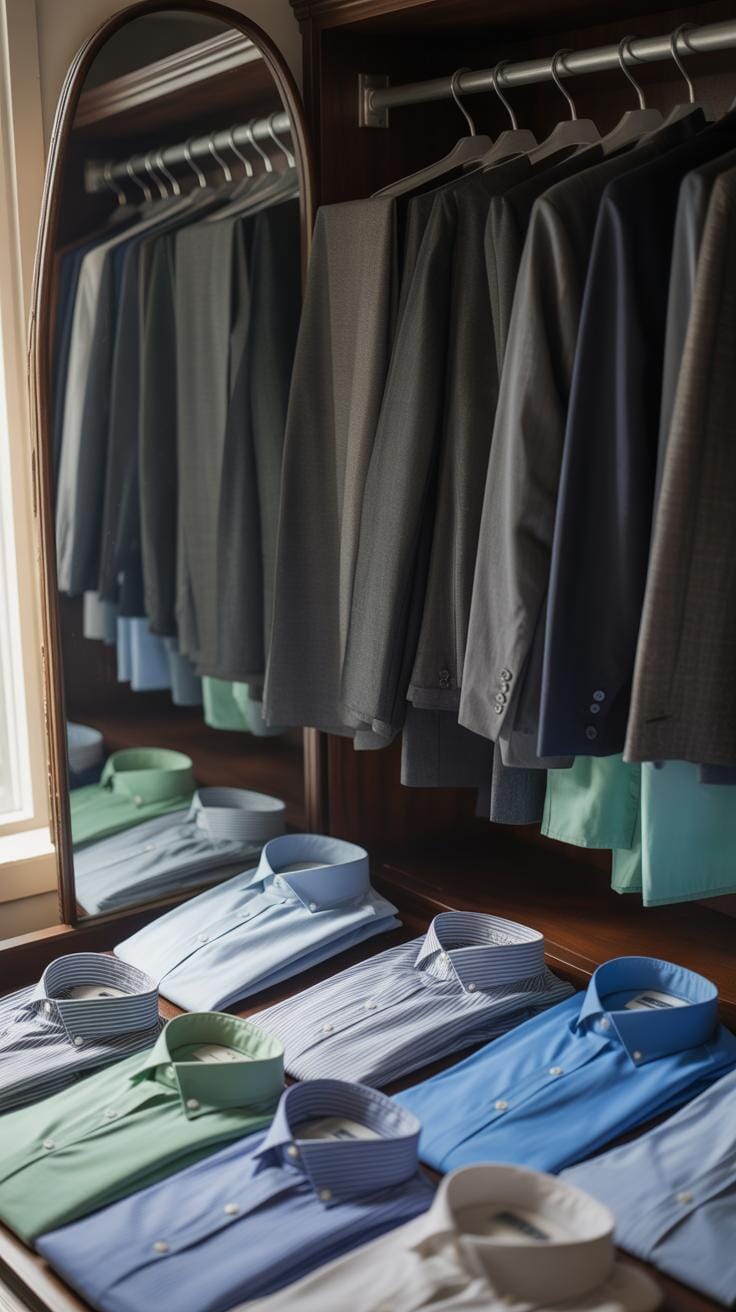
When building outfit combinations, the foundation lies in your essentials. Think of these as the pieces you reach for over and over because they work with just about everything else. This idea is close to what people call a capsule wardrobe—a small collection of versatile items that mix and match effortlessly.
Staple pieces you might want to own include:
- A well-fitting pair of jeans, preferably in a classic wash. They pair easily with almost any top.
- Neutral tops such as simple white tees, black turtlenecks, or beige blouses. These don’t compete with other colors and help you layer smarter.
- Classic jackets like a tailored blazer or a denim jacket—they instantly switch up an outfit’s tone.
- Comfortable yet polished shoes, like loafers or simple ankle boots, which tie looks together.
When choosing these essentials, think about color: neutral shades often work best because they blend with more pieces. Fit is key too; even the most basic top looks off if it doesn’t feel right on your body. You might overlook quality at first, but in the end, well-made clothes not only last longer but also feel better—and that can change how much you want to wear them.
Sometimes, it’s tempting to chase trends, but grounding your wardrobe in these basics helps you create combinations without much thought. Still, you might find that certain cuts or colors speak to you more than others, so trust that instinct. Your essentials should fit your lifestyle as much as your style. Does that make sense? Because, honestly, choosing them requires a bit of testing and living with the pieces before you decide if they’re right for you.
StepbyStep Outfit Building Process
Starting Your Outfit
Choosing a main item to build your outfit around is, quite often, the trickiest part. You might start with a pair of jeans—something classic and reliable. But sometimes, I find myself picking a dress instead, especially if I want to save time or lean into something a bit more polished. The key, I think, is to focus on what feels comfortable for the day. Is it casual or slightly dressy? Are you aiming for something functional or statement-making?
Try to pick an item that you already know works well for you. Think about your favorite go-to pieces, the ones you reach for without thinking. For example, if you love a particular skirt’s fit, start there and see what you can add. This approach gives you a solid anchor, something consistent amidst the rest of the elements.
Adding Layers and Accessories
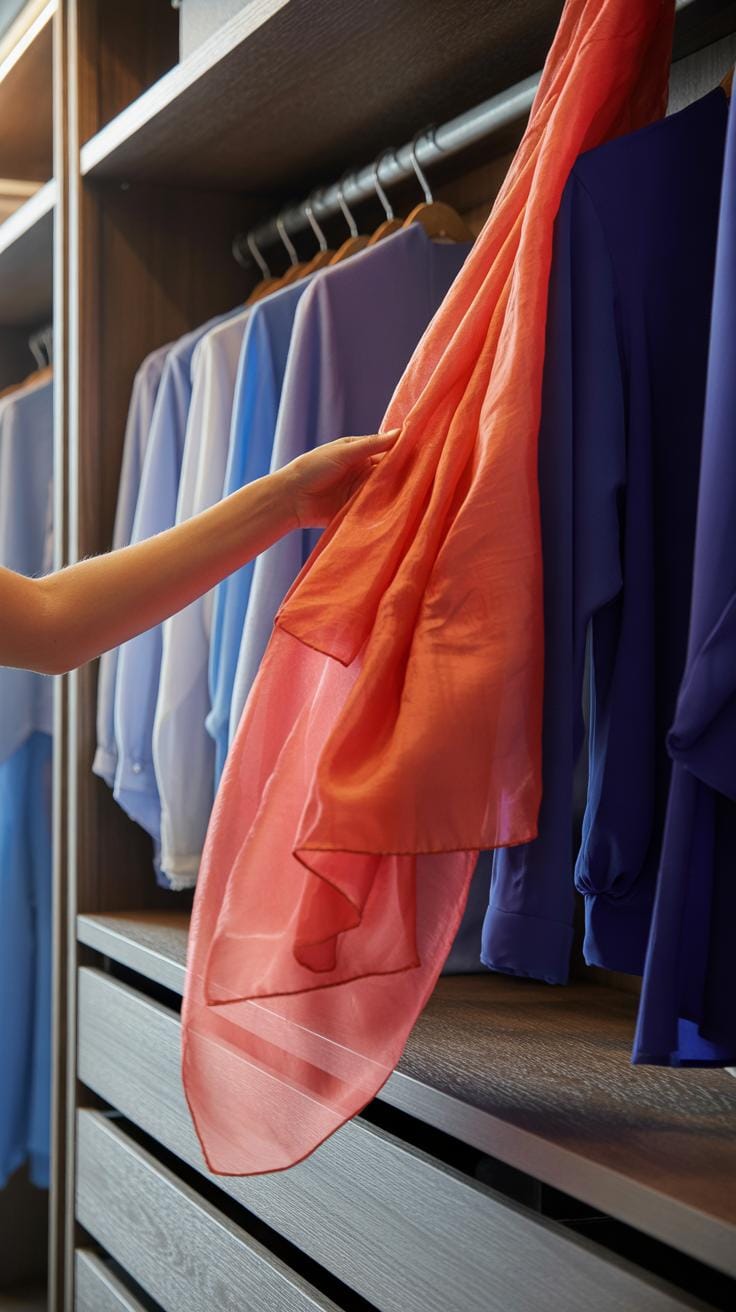
Once you’ve got that base, layering and accessories become your playground. A simple jacket can shift an outfit’s mood entirely—think a leather jacket for edge or a soft cardigan for ease. Scarves are another versatile choice; they can introduce color or texture without much effort.
Belts are deceptively powerful. Even a plain belt can change the shape and feel of your outfit. Sometimes, I just try a few and see which one “clicks.” Jewelry adds personality too—earrings or a necklace can subtly change how an outfit feels, though picking the right pieces can be surprisingly hard when you’re not in the mood.
It might be worth experimenting here. Layer a tank top under a shirt, add a belt over a dress, combine a chunky necklace with simple earrings. None of these steps is fixed, and your choices can be as minimal or as bold as you want. The point is to build up slowly, see how each addition changes the look, and let your comfort lead the way.
Mix and Match Techniques
Matching Colors Smartly
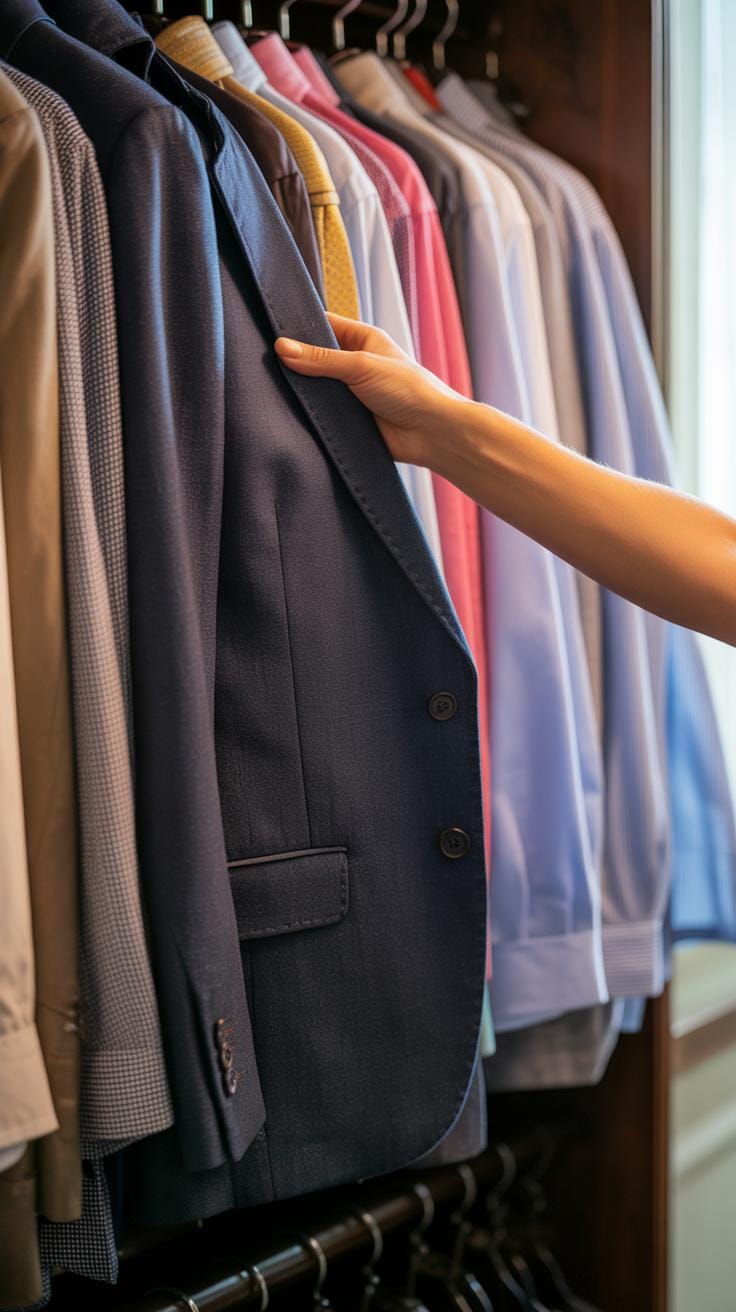
When it comes to mixing colors, you don’t have to be a color expert to avoid pairing mismatches. One simple approach is to stick with a basic palette of three to four colors. Pick a neutral base like navy, gray, or beige, then add one or two accent hues. That way, you keep your outfit grounded and avoid overwhelming your look.
Try combining colors on opposite sides of the color wheel for contrast, like blue with orange or green with red. It sounds bold, but done right, it can work surprisingly well. Or, you can go for shades that belong to the same family—think different blues or various tones of brown—to get a subtler effect. There’s no universal rule here. Sometimes you’ll want quiet harmony, other times a spark.
Also, be mindful of intensity. Pairing a pale pastel with a bright neon, for example, can clash unless balanced carefully. If one piece is vivid, consider toning down the rest. This helps you create outfits that feel balanced even if contrasting colors are involved. You might try laying out your options on a bed or floor to see how they feel next to each other before committing.
Using Patterns and Textures
Patterns and textures add life to your outfits but mixing them can be tricky. Let’s start with patterns. Often, combining patterns of different scales helps. For instance, pair a small polka dot shirt with wide striped trousers. They won’t compete directly because your eyes catch the difference in size.
Try to keep your color palette consistent when mixing patterns. If your patterned pieces share similar tones, they tend to blend better. For example, a floral scarf with hints of blue can pair nicely with a blue-checked jacket, even though the prints are different. It’s less about rigid rules and more about how your eye perceives the pairing.
Textures are another element that’s often overlooked. Pairing rough textures like tweed with something smooth, like silk or cotton, can create a pleasing contrast. Mixing velvet with matte fabrics can work too, but it depends on your overall style and the occasion.
Don’t shy away from experimenting. Maybe one day you’ll feel like a leather skirt with a soft cotton top, and other days you might prefer a full textured ensemble. Your comfort—both visual and physical—guides you more than any rulebook.
Outfit Combinations for Different Seasons
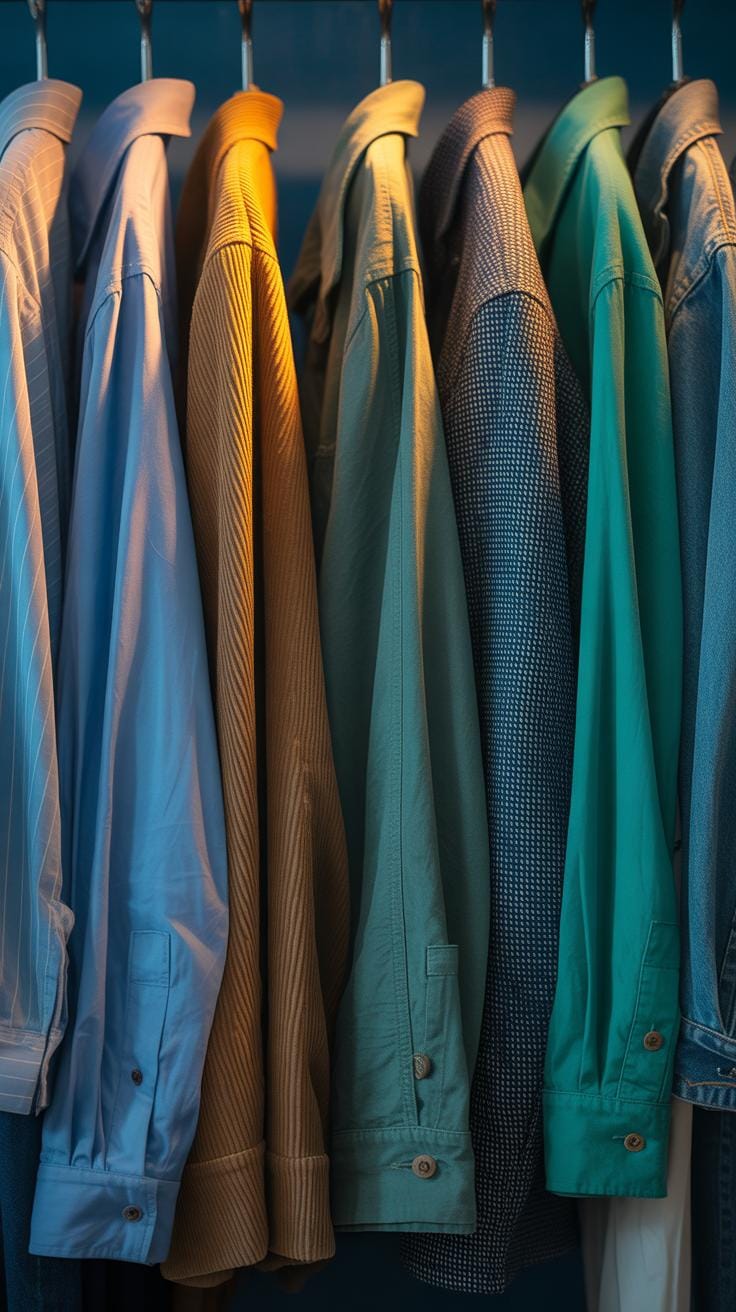
Adapting your outfit combinations to the seasons is a balancing act between comfort, style, and practicality. It’s not just about swapping out a sweater for a tee; the key lies in mastering layering and making smart fabric choices. These choices can completely change how an outfit feels and functions throughout the year.
Dressing for Warm Seasons
When spring and summer come around, lighter fabrics take the spotlight. Think cotton, linen, and breathable blends that help keep you cool. You can mix and match pieces like lightweight shirts, flowy skirts, or relaxed shorts without feeling like you’re drowning in fabric. For example, a soft cotton shirt paired with linen pants makes a combo that looks clean and keeps you comfortable.
Outfit-wise, layering isn’t out of the question—even on warmer days. A thin cardigan or an unstructured blazer can add an extra layer when mornings start cool but afternoons heat up. It’s a good idea to choose layers that you can easily shed without fuss.
- Pick breathable fabrics like cotton and linen.
- Use light layers for mornings and evenings.
- Opt for loose-fitting pieces to encourage airflow.
- Don’t shy away from subtle layering to manage temperature changes.
Layering for Cold Seasons
Fall and winter demand a different strategy. Here, layering is not just about warmth but about building an outfit that stays appealing as each layer peeks through. Starting with a moisture-wicking base layer can keep you dry, followed by insulating mid-layers such as wool or fleece sweaters.
Outer layers like a tailored coat or a sturdy jacket provide the finishing touch. Depending on the occasion, this can vary—from sleek to casual. You might need to experiment a little to find the balance between bulk and style. Personally, I find that layering thinner, well-fitted pieces looks better than one thick layer, though your mileage may vary.
- Choose base layers that manage moisture.
- Mid-layers should provide insulation without too much bulk.
- Top layers serve both protection and style.
- Mix textures, like pairing wool with leather, to keep the outfit visually interesting.
Common Mistakes to Avoid

When mixing and matching outfits, some pitfalls tend to sneak in more often than you might expect. One major issue is ignoring fit. Clothes that are too tight or too loose can quickly ruin an otherwise good outfit. You might think a baggy sweater adds comfort, but it can overwhelm your shape instead. On the flip side, squeezing into a jacket that doesn’t quite close feels uncomfortable and looks forced.
Another frequent error is clashing colors. It’s easy to get carried away with bold choices, but pairing too many strong hues often ends in a visual mess. You want balance, not a competition between colors. Patterns can be tricky, too; layering several prints without a clear guide often ends up confusing rather than stylish.
So, how do you fix these? Start by focusing on fit—tailoring can make a huge difference. Don’t hesitate to get simple adjustments done. For color, pick one or two dominant tones and keep the rest neutral. When wearing patterns, limit yourself to one statement print per outfit and let the other pieces be simple. A striped shirt with solid pants, for example, works better than stripes with polka dots and florals all at once.
Have you noticed that sometimes, outfits that feel “off” are just a matter of proportions or clashing elements? It’s subtle but real. Paying attention to these details changes everything—and it’s easier than you might think.
Outfit Planning Checklist
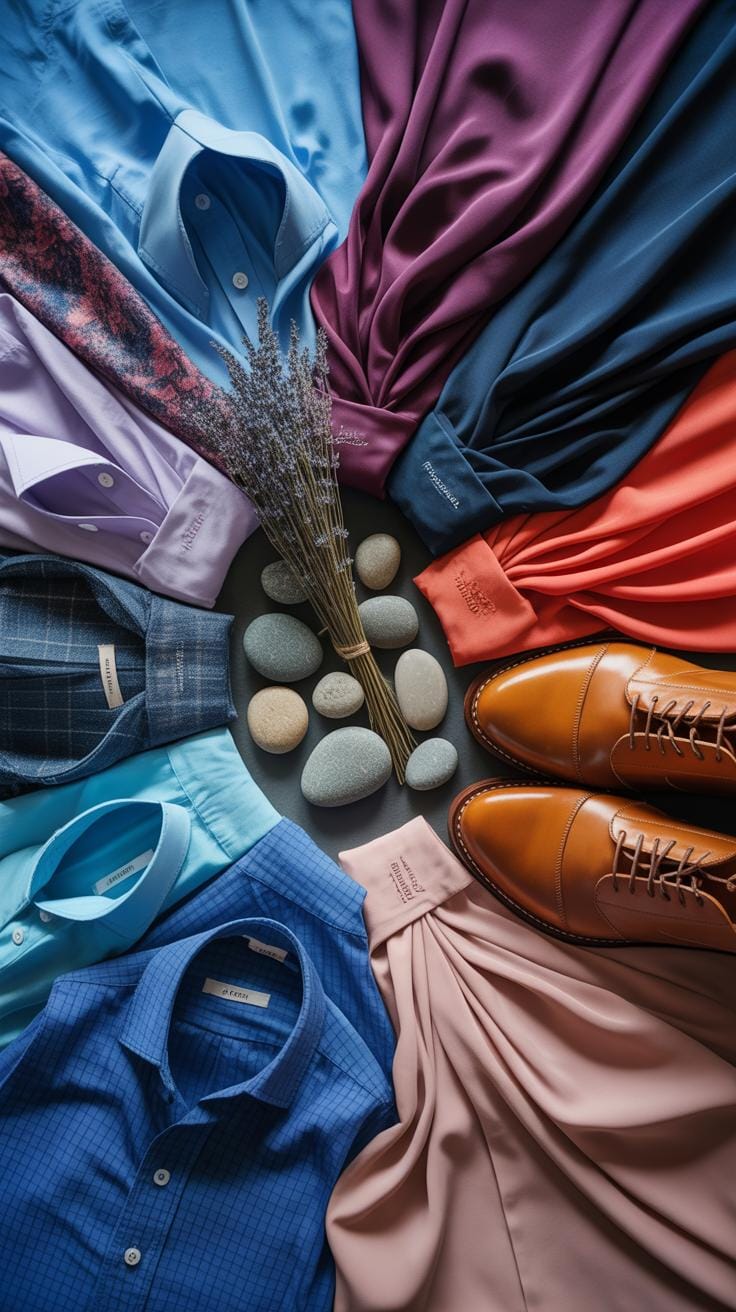
Taking some time to plan your outfits, whether daily or weekly, can really change how you approach dressing. It’s easy to get overwhelmed when you open your closet and just stare at everything. A checklist helps you cut through that. First, set aside a specific time—maybe Sunday evening or a few minutes each night. It’s about creating a habit.
Then, check the weather. This might seem obvious, but sometimes we skip it and end up freezing or sweating all day. After that, focus on versatile pieces. Think about basics that mix and match well. For example, a classic white shirt or a pair of neutral pants can go in many directions.
Don’t forget to consider what you’ll be doing during the day, too. Casual errands or formal meetings need different setups. And yes, sometimes you can reuse an item in a fresh way with new accessories or layering.
Must-Do Steps for Planning
To keep it clear, here’s a simple routine:
- Pick a regular time to plan outfits.
- Look up the weather forecast.
- Choose clothes that can serve multiple purposes.
- Keep main events of the day in mind.
- Include accessories and shoes to complete looks.
It might feel like extra work at first, but it becomes second nature pretty quickly. I sometimes skip steps and regret it when I’m rushing. You probably have that experience too.
Tools to Organize Your Wardrobe
Organizing your wardrobe can be surprisingly helpful. You don’t have to spend hours if you have the right tools. Apps like Stylebook or Cladwell let you upload photos of your clothes. Then, you create outfit combos and revisit them anytime. It’s like a digital closet second opinion. Honestly, it’s fun to see all your possibilities in one place.
Some people keep a simple wardrobe log—just notes or pictures in a journal or phone album. That works if you prefer low-tech. You might jot down what you wore each day and how it worked. Over time, patterns emerge about what blends best.
What’s your current method? Do you plan ahead or wing it every morning? Sometimes mixing approaches isn’t bad. But having a little structure saves those mornings when you’re just not awake yet.
Smart Shopping for Combination Pieces
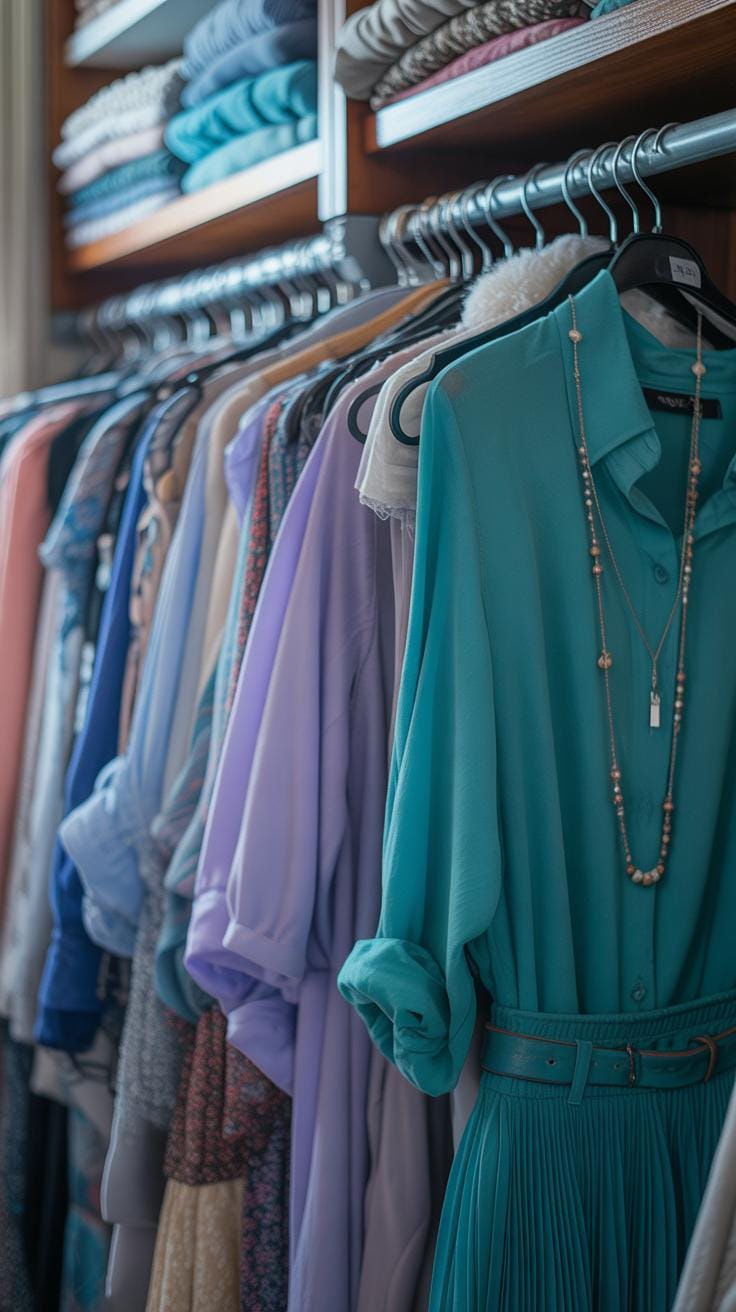
When you shop with outfit combinations in mind, you start to see clothes differently—not just as single pieces but as parts of a bigger puzzle. Look for items that can fit into many looks, not just one specific outfit. This means paying attention to some key details.
Neutral colors like beige, gray, navy, and black are usually your safest bets. They pair well with almost anything and don’t scream for attention, which makes mixing and matching easier. Beyond color, keep an eye on classic styles—think straight-leg pants rather than trendy cuts, or simple button-down shirts versus overly styled ones. These timeless shapes tend to age well and feel relevant longer.
The fabric matters, too. I often find that softer, natural fibers like cotton or wool wear better over time and adapt to casual or formal looks more easily. Sometimes, you might forgo an eye-catching print or texture in favor of something simpler, because versatility pays off with repeated wear.
Impulse buys can sneak in forever disrupting your closet’s flow. When you see something flashy or bold, pause. Ask yourself if this piece can really go with three to five other things you own, or if it’s just going to hang unworn. A helpful trick: imagine getting dressed tomorrow morning—does this item feel like a reliable choice or a risky bet?
Shopping with these ideas in mind means you slowly build a collection of pieces that talk to each other, not just show off individually. It takes some patience. You may pass on items that you like in the moment, but really, that makes room for clothes that you’ll wear again and again.
Case Study Comparing Wardrobe Types
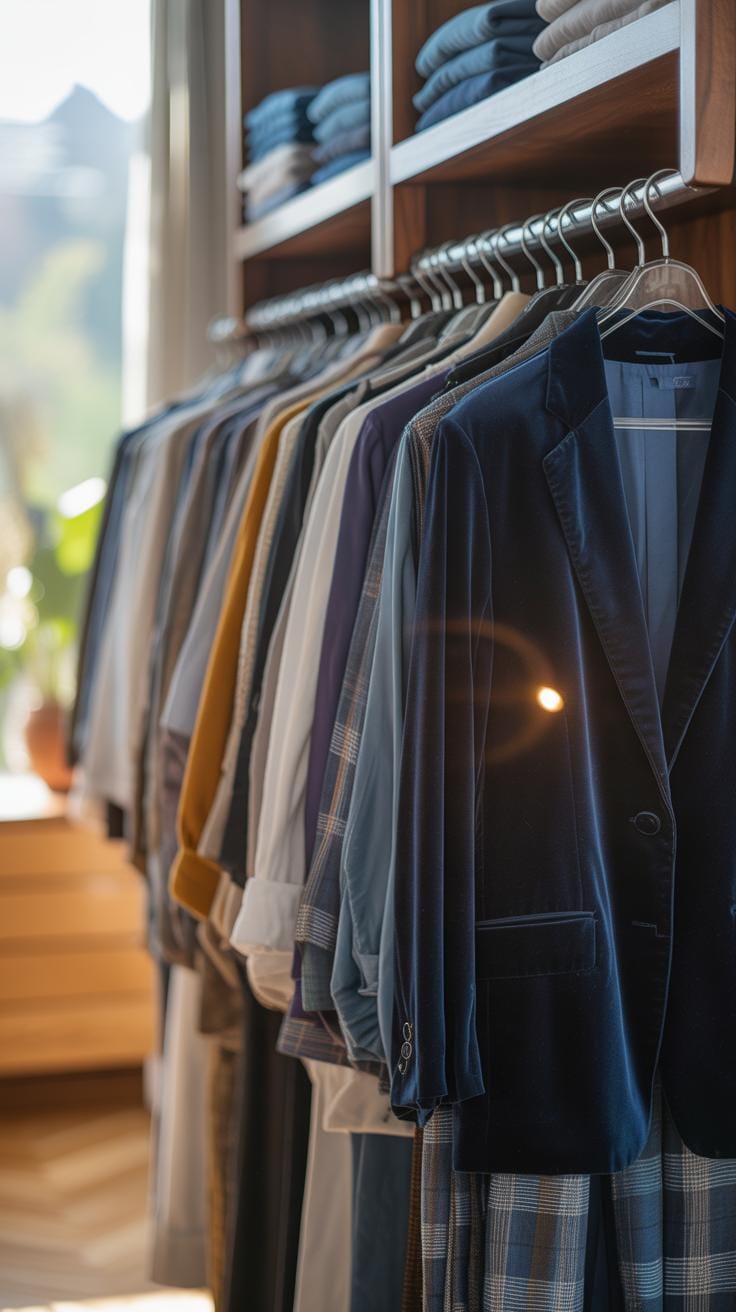
Capsule Wardrobe Overview
The capsule wardrobe idea took root in the 1970s, though it’s had waves of popularity since. At its core, it’s about owning a small, carefully selected collection of pieces that mix well together. The goal is simplicity: fewer items, more outfits. You focus on quality over quantity and choose versatile staples that suit your lifestyle.
Many find this approach reduces decision fatigue. Imagine opening your closet to only items that fit and flatter you—almost no mismatches, no hours wasted. It can also cut costs; you buy less frequently yet invest in better pieces that last.
But here’s the catch: building a true capsule takes time and honesty about what works for you. It feels like an experiment in discipline, which some people might appreciate more than others.
Varied Wardrobe Challenges
On the flip side, a larger, more diverse wardrobe seems to offer freedom. You can try out trends, mix textures and colors, and express different moods. Yet this variety can create clutter, and not the good kind. Being overwhelmed when choosing can sneak up on you.
Managing a big wardrobe also demands more investment — not just buying clothes, but organizing them, keeping track of what you have, and inevitably replacing items that don’t get enough wear. It can be surprising how many pieces end up neglected.
You might wonder if the joy of diversity offsets the complexity and cost. Sometimes it feels worth it, but other times, the mismatched chaos can overshadow the fun.
Maintaining Your Outfit Style Choices
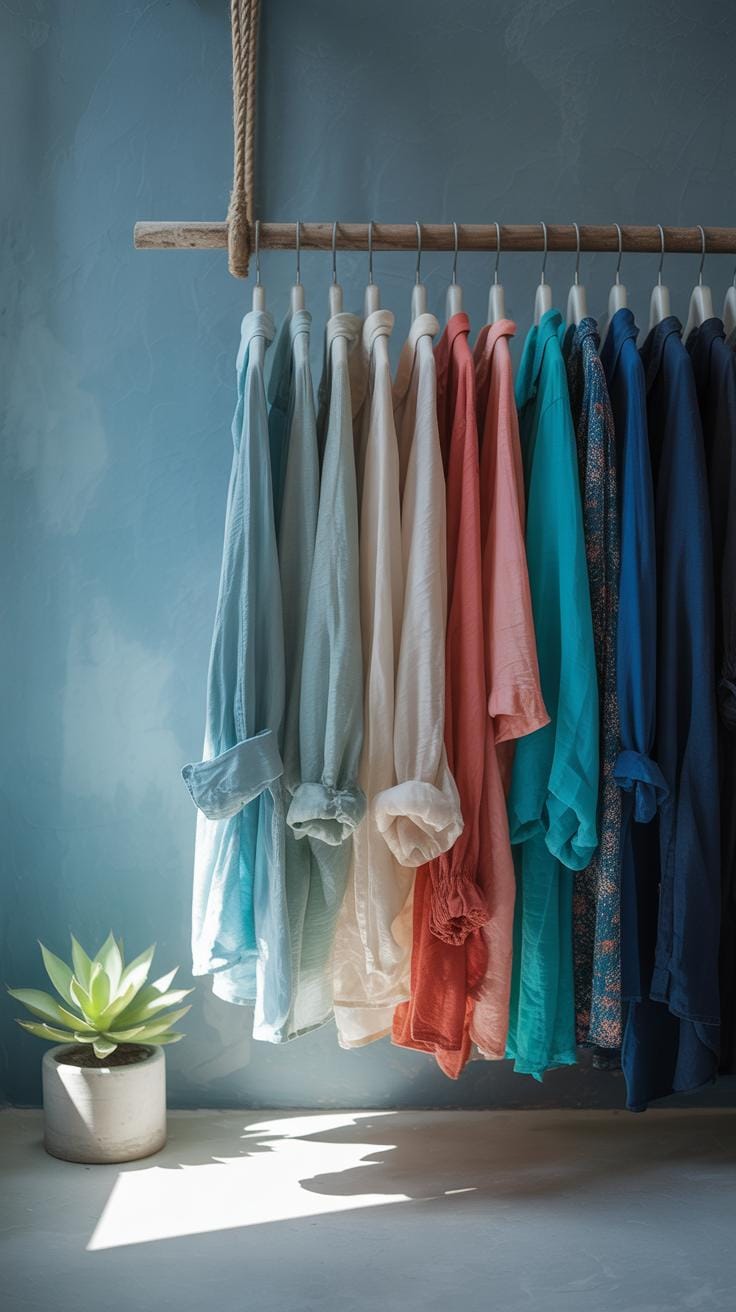
Keeping your outfit combinations fresh over time isn’t just about adding new pieces endlessly. It’s more about how you play with the clothes you already own. One trick is to rotate your wardrobe regularly, mixing in items that tend to get pushed to the back. Maybe that oversized cardigan or the patterned scarf you forgot you had—these can suddenly breathe new life into familiar outfits.
Try this: set a reminder to shuffle through your clothes every few weeks. Pull out pieces you rarely wear and see how they pair up with your usual staples. You might be surprised how an underused skirt looks when combined with a favorite top. It’s about keeping your style from becoming too predictable—there’s something a bit refreshing about re-discovering an old favorite.
When it comes to updating your wardrobe, timing matters. You don’t need to overhaul your closet every season or chase every trend. Instead, focus on smart additions—those few staples that slot in neatly with what you have. Look for pieces in neutral colors or simple designs that can be dressed up or down.
Ask yourself before buying: How many outfits can this item create? Will it mix well with different textures or cuts? Sometimes, a small purchase—like classic shoes or a well-fitted blazer—revitalizes your entire closet without causing clutter. It’s tricky, though, because there’s always the temptation to buy “just one more thing.” Being mindful helps avoid that.
Ultimately, maintaining your style is a little bit of effort now and then. Rotate, revisit, and refresh, rather than constantly replace. What works best for you might change over time, and that’s okay. Your closet should evolve alongside you, but without the chaos of constant buying.
Conclusions
Building versatile outfit combinations gives you more options with less. Using a thoughtful approach to mix and match can make your wardrobe work better for you. You’ll feel confident dressing for various events without overbuying.
Follow the simple strategies in this article to get the most from your clothes. Try the step-by-step tips and consider your personal style. You’ll see how easy it is to create smart, adaptable outfits daily.