
Introduction
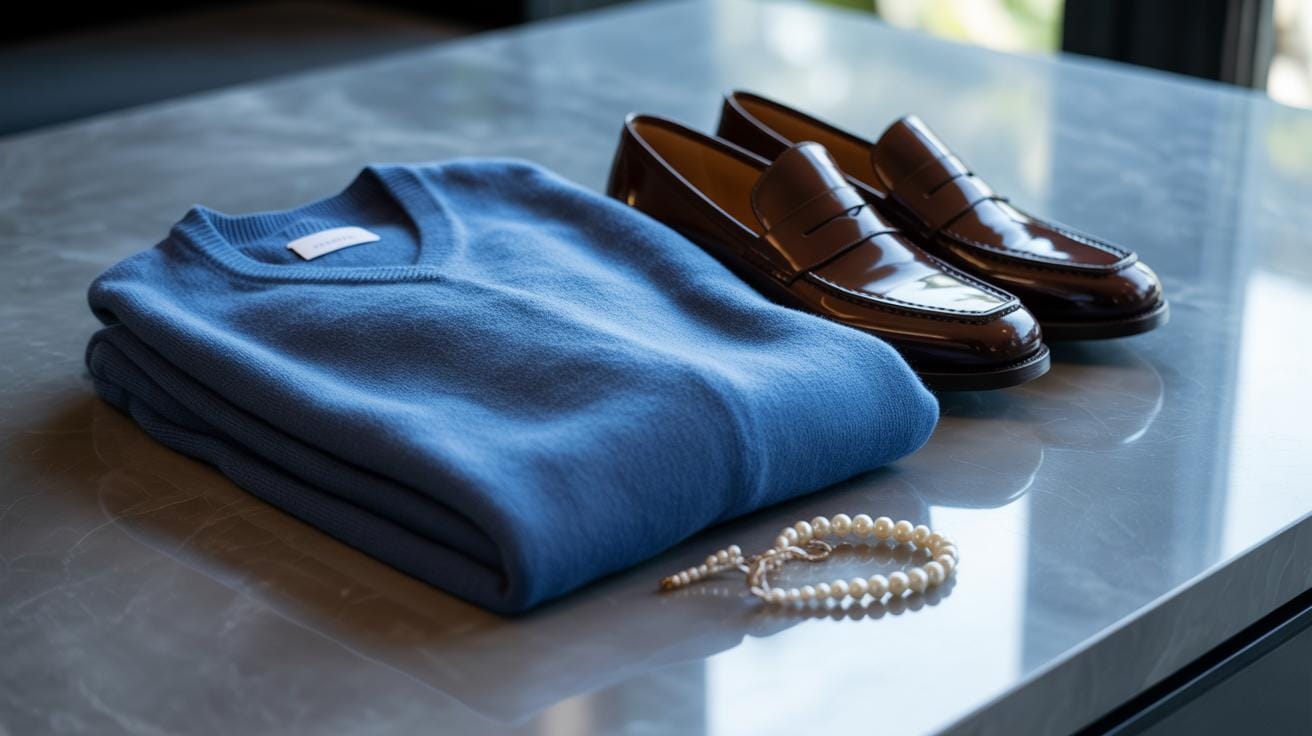
Old money style embodies a quiet elegance and classic sophistication. It is not about showing off wealth, but about subtle details, quality materials, and timeless fashion choices. Many believe this style is reserved only for those born into wealth, but it can be achieved on a middle-class budget with thoughtful planning.
This article will guide you through the key features of old money style, practical ways to adopt it without overspending, and examples on how to maintain this aesthetic in your daily life. You will learn how to build a wardrobe and lifestyle that reflects an understated, refined elegance.
What Defines Old Money Style
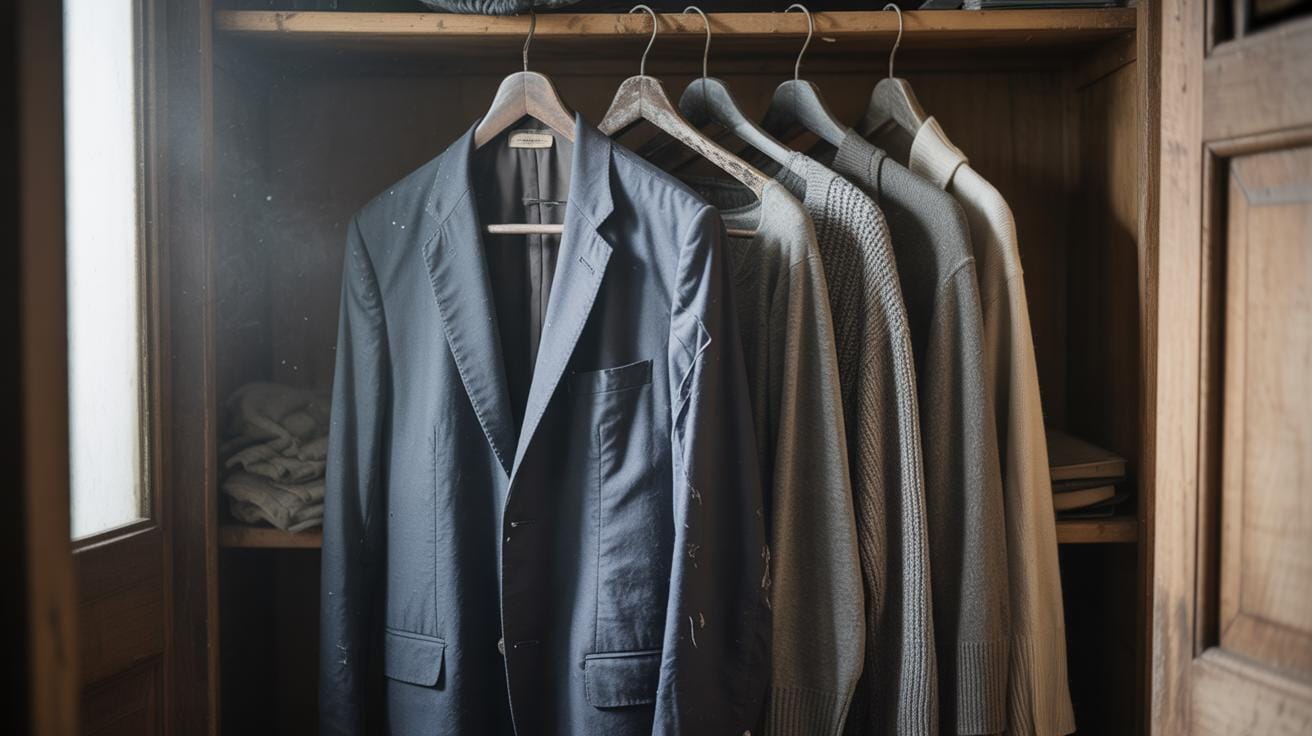
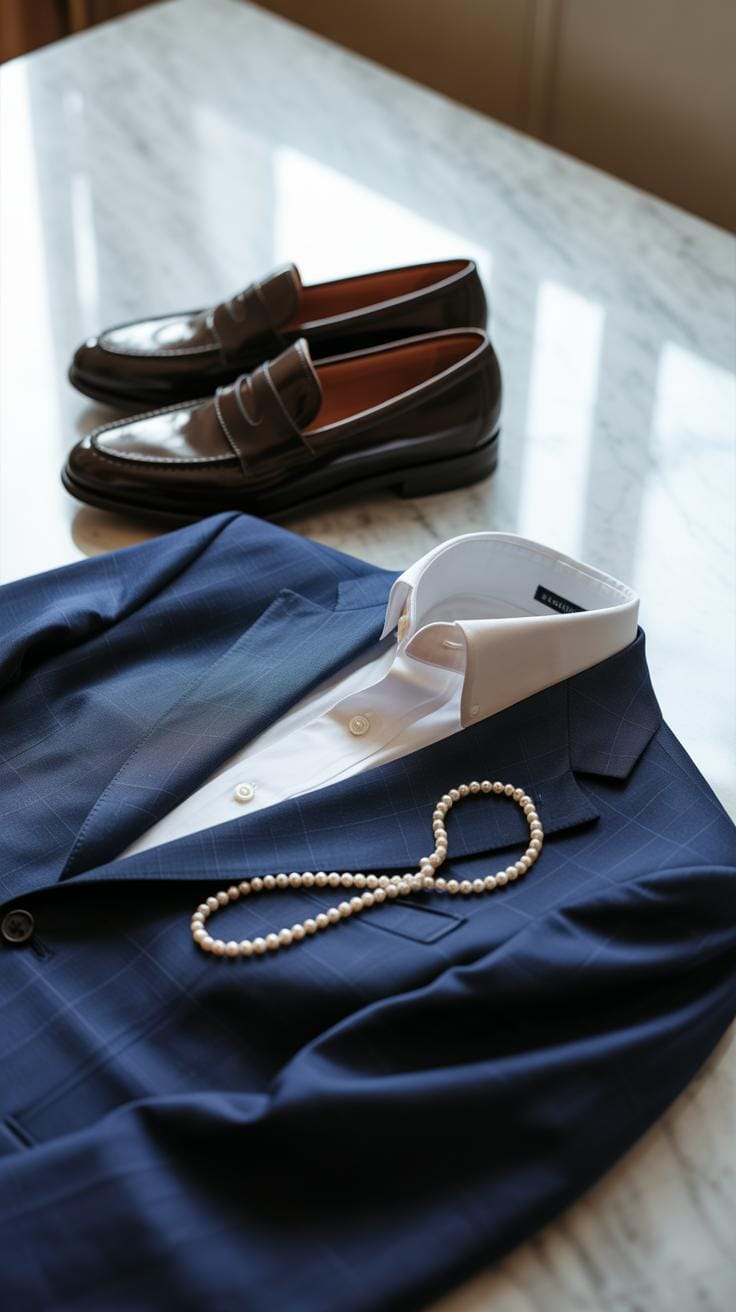
Old money style isn’t just about clothes; it’s a mindset rooted deep in history and culture. Think of the quietly confident heirs of long-established families rather than flashy newcomers. It emphasizes quality over quantity, favoring pieces that last decades instead of seasons. There’s a clear avoidance of anything loud or overly branded. The goal is timelessness—styles that look just as elegant now as they did fifty years ago. You won’t find overt displays of wealth here, like oversized logos or ostentatious jewelry. Instead, the charm lies in subtlety, softness, and refinement.
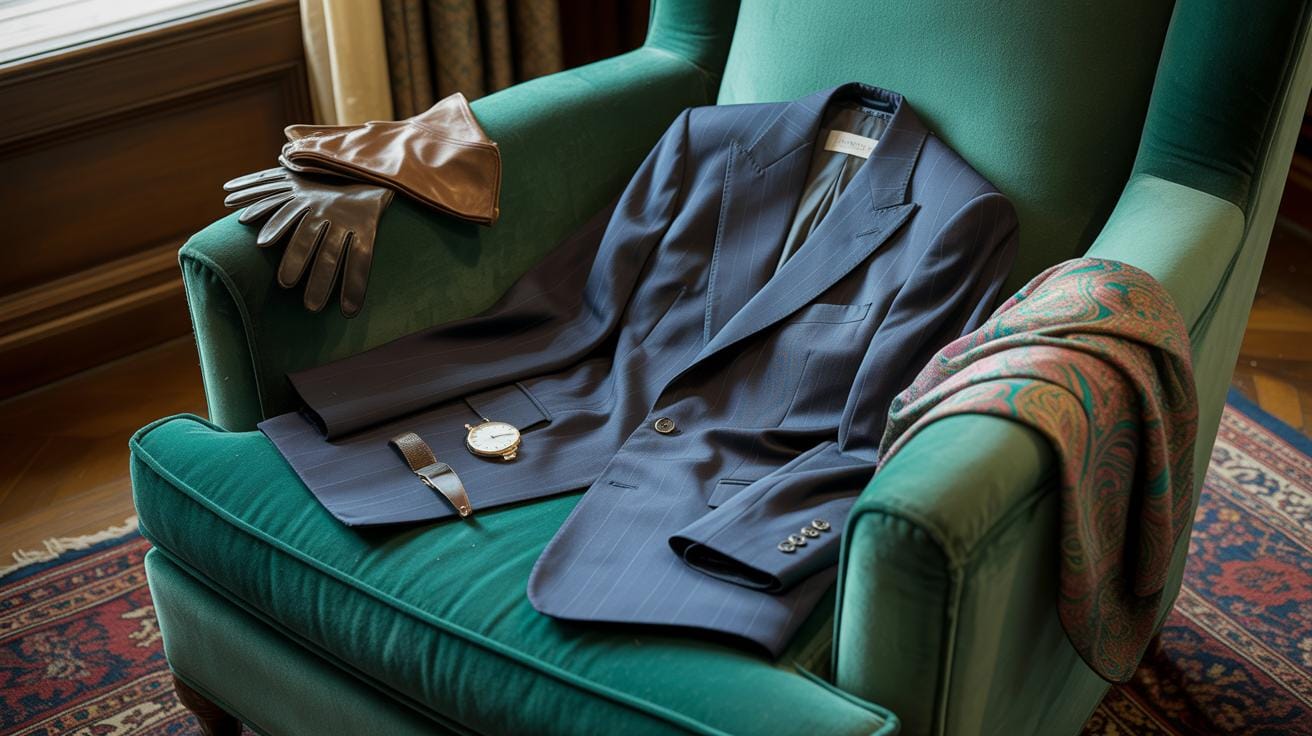
This style reflects a heritage of restraint, tied to old European aristocracy and American East Coast elites, who wear their wealth in whispers rather than shouts. It’s about dressing with discretion, a nod to tradition more than current trends. Sometimes that means a classic navy blazer, sometimes a cashmere sweater in beige—nothing that screams for attention, but everything speaks of care.
Key Characteristics to Recognize
Here are some markers that usually define old money style, if you want to spot it or embody it:
- Muted colors: Navy, cream, olive, brown, and soft grays dominate. Rarely anything too bright or flashy.
- Quality fabrics: Linen, wool, cashmere, and cotton. These materials age well and feel substantial, even if you find them at more accessible price points.
- Minimalist branding: Logos tend to be small or invisible. It’s more about the cut and fabric than a name on the chest.
- Classic cuts: Tailored blazers, straight-leg trousers, button-up shirts. Silhouettes don’t chase trends but hold their shape and compliment the wearer over years.
- Timeless accessories: Leather belts, simple watches, loafers, and understated scarves—items that add polish without shouting.
Why Subtlety Matters
Subtlety is the backbone of old money style. Flashy or loud garments often suggest insecurity or a need to prove status, which this style intentionally avoids. Instead, the true statement is made by what isn’t said—quiet confidence through well-chosen, durable pieces.
There’s an unspoken social code here. Dressing down or in an overt way might be viewed as gauche. The message is clear: your taste, not your wealth, defines you. Subtlety also opens space for personality in small details, since the broad strokes stay subdued. It’s fascinating how much power there is in restraint—something you might only appreciate after wearing it yourself for a while.
How to Start Your Old Money Wardrobe
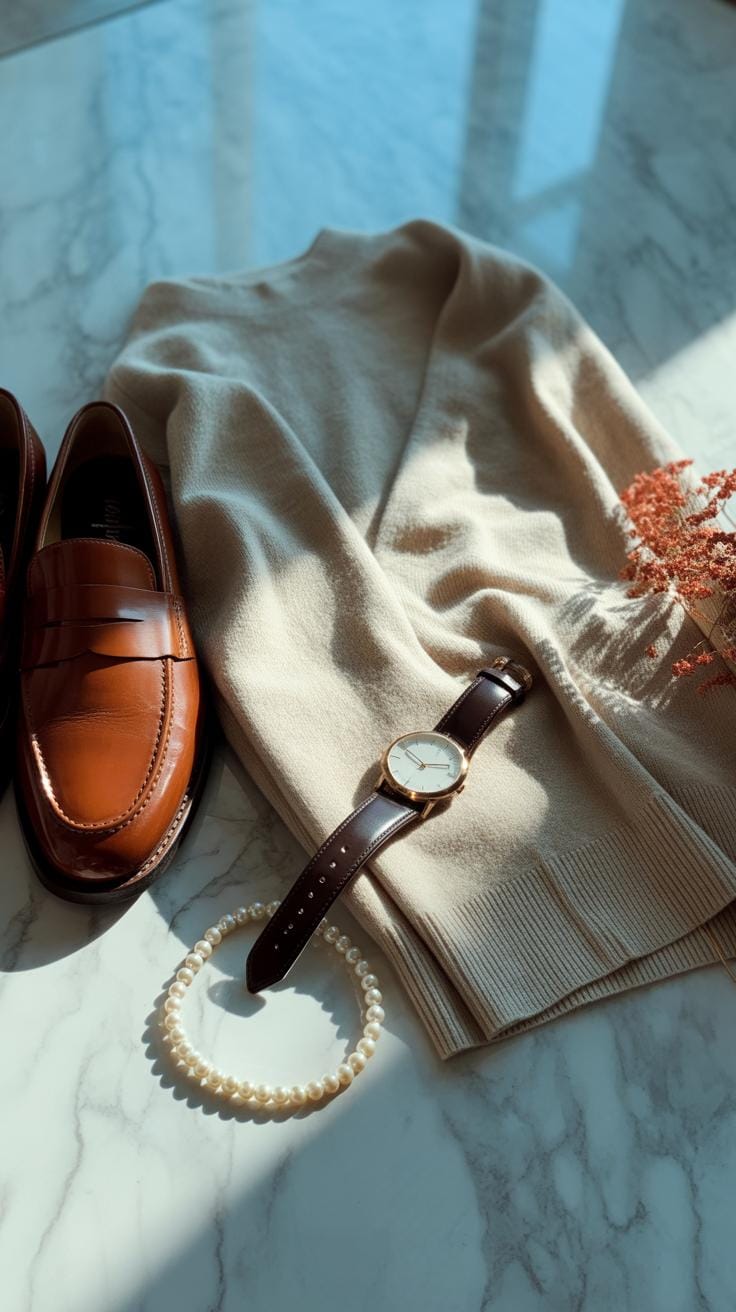
Building an old money wardrobe on a budget is about being selective, patient, and a bit resourceful. The first step is to focus on fit and fabric—those two things can transform even affordable clothes into something timeless. Imagine a well-cut blazer in wool that fits you right; it speaks volumes over a wrinkled, cheap alternative.
Start by prioritizing essentials. Think classic pieces that mix and match easily: a navy blazer, crisp white button-downs, neutral trousers, and simple cashmere sweaters. These form the core; from there, accessories add personality.
Shopping smart means looking beyond the price tag. Thrift shops, consignment stores, and online sales often yield quality finds if you know what to look for. It’s surprising how many vintage items have that old money aesthetic locked in—especially if you pay attention to details like stitching and fabric weight. Be ready to spend extra time hunting; quick buys rarely last.
Don’t hesitate to invest more in cornerstone pieces you’ll wear for years. Shoes, coats, and bags with sturdy leather or classic shapes won’t just elevate your look but also save money long term. Meanwhile, fillers like tees or basics can be budget-friendly without much sacrifice.
Try to imagine your wardrobe as a set of building blocks rather than a rush to fill a closet. What’s the point if you end up with many ill-fitting, cheap-looking items? Start small. Experiment with fit carefully—sometimes a cheap piece tailored well looks better than an expensive one that doesn’t.
Initial Wardrobe Checklist
Here’s a list that, in my experience, nails that old money foundation without breaking the bank:
- Tailored navy or charcoal blazer
- White and light blue button-down shirts
- Classic beige trench coat
- Neutral cashmere or wool sweaters (think gray or cream)
- Well-fitting dark wash jeans or chinos
- Leather loafers or brogues
- Simple leather belt—nothing flashy
- Minimalist watch with a leather or metal band
That list isn’t exhaustive but covers the essentials everyone should have to start. From there, layering and subtle accessories gently build the old money feel.
Smart Shopping Tips
Shopping smart is part skill, part habit. I found the best deals come from being flexible on location and format. Local thrift shops and estate sales offer unexpected gems if you’re willing to dig a bit. Online marketplaces like eBay or Poshmark are goldmines but require patience and a clear idea of quality.
Look for natural fabrics like wool, cotton, silk, or linen. Synthetic materials rarely hold the same weight or drape and tend to age poorly. Feel the fabric when possible—if it feels cheap or plasticky, walk away.
Sales and outlet stores are good for classic brands that occasionally mark down pieces, but timing matters—watch for end-of-season clearances instead of buying new arrivals.
Lastly, don’t overlook alteration services. Getting a cheap item tailored to fit you perfectly often elevates it to something far more elegant and timeless.
What’s your first move going to be? Picking up a blazer, hunting for a classic accessory, or maybe just browsing with a sharper eye on fabric? Sometimes the smallest step sets the whole wardrobe in motion.
Old Money Style Versus New Money
Visual Style Differences
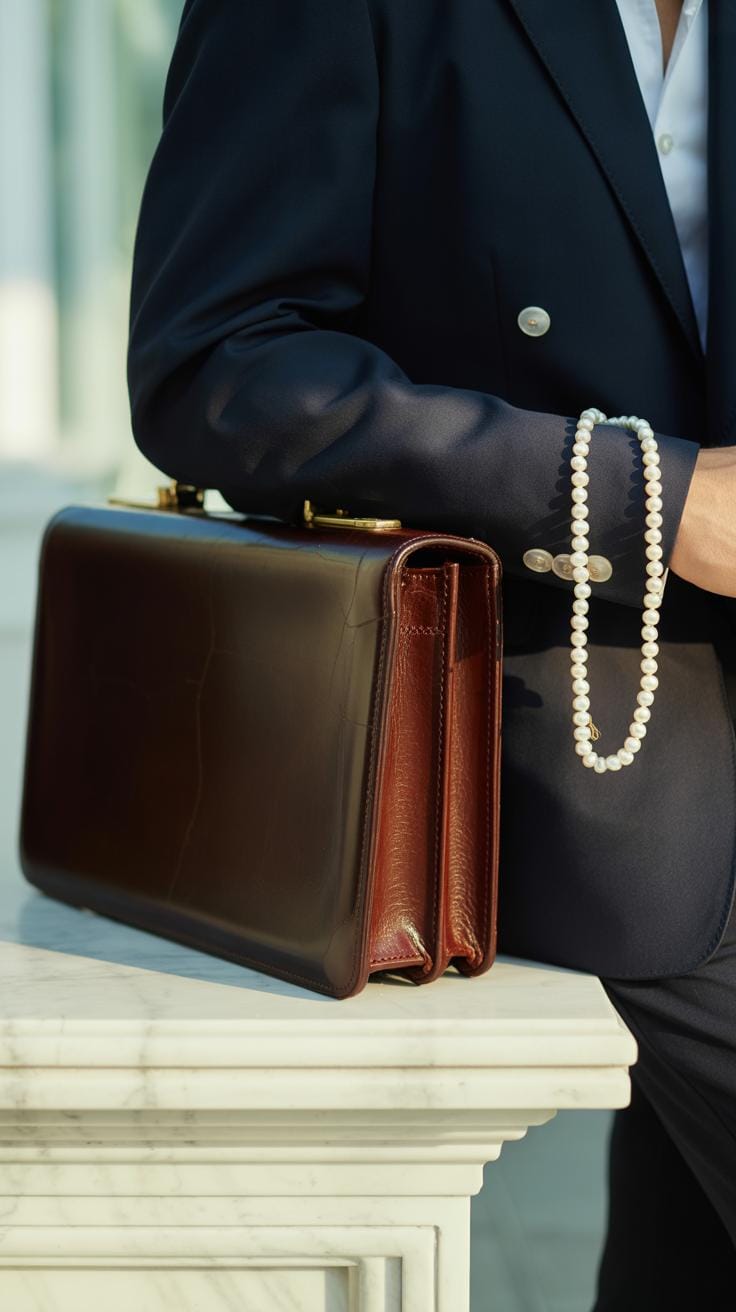
Old money style leans heavily on subtlety. Clothing feels muted, with neutral hues like navy, beige, and grey dominating. The fabrics tend to be natural—wool, cashmere, cotton—and craftsmanship shows more than logos or flashy details. Think of a well-fitted blazer without any flashy branding or oversized jewelry that screams wealth. It’s about quality that lasts, not trends that shout.
New money style takes a different approach. It very often embraces bold colors, bright logos, and pieces that attract attention quickly. Designer labels are worn visibly, sometimes loudly, to signal status. Accessories might be larger, shinier. The visual message is clear: “Look at me, I have wealth now.” This contrast isn’t merely about clothes but about displaying success in an immediate and unmistakable way.
Cultural Significance and Impressions
The subtlety of old money fashion says a lot about attitude toward wealth. It carries an unspoken rule: wealth is inherited and doesn’t need to be proven through outward show. It suggests a form of confidence that comes from stability, tradition, and often, discretion. This style implies respect for heritage and tends to invite a quiet admiration rather than overt envy or scrutiny.
By contrast, new money fashion reflects a desire to establish a new identity swiftly. The flashy display speaks to immediate success but sometimes raises questions about taste or longevity. Socially, new money can be perceived as less refined, even as eager or insecure. This isn’t always fair, but it’s a common reaction. Both styles influence behavior: old money encourages understatement and patience; new money often embraces visible excitement and rapid impression-making.
Daily Habits That Reflect Old Money Style
Old money style isn’t just about what you wear—it’s how you live each day, down to the smallest details. Your grooming sets the stage. Think neat, classic hairstyles that look effortless but require care. For example, a simple low bun or a clean side part says more than a flashy cut. Minimal makeup is typical—just a touch to highlight, not hide. You want to appear naturally polished, not overly done.
Pay attention to small but telling details: trimmed nails, subtle scents, and perfectly ironed clothes. These little things whisper that you value yourself enough to maintain them. They also signal respect for those around you without being loud about it.
Beyond appearance, your behavior shapes the image too. Old money style leans heavily on calm, collected confidence. How you carry yourself influences perception more than any outfit. Simple gestures—like steady eye contact, measured speech, or a genuine smile—can speak volumes. It’s less about showing off and more about quiet assurance.
Do you notice how people who seem naturally confident don’t rush or fidget? They listen more than they talk. Their posture is upright but relaxed. Maybe this ease comes from knowing their worth without needing to prove it constantly.
Try to cultivate these habits gradually. Start with your morning routine: grooming mindfully and moving through your day with intention. Watch how others respond; sometimes, your posture or tone changes a conversation before you even realize it.
Investing in Quality Pieces Under 500 Dollars
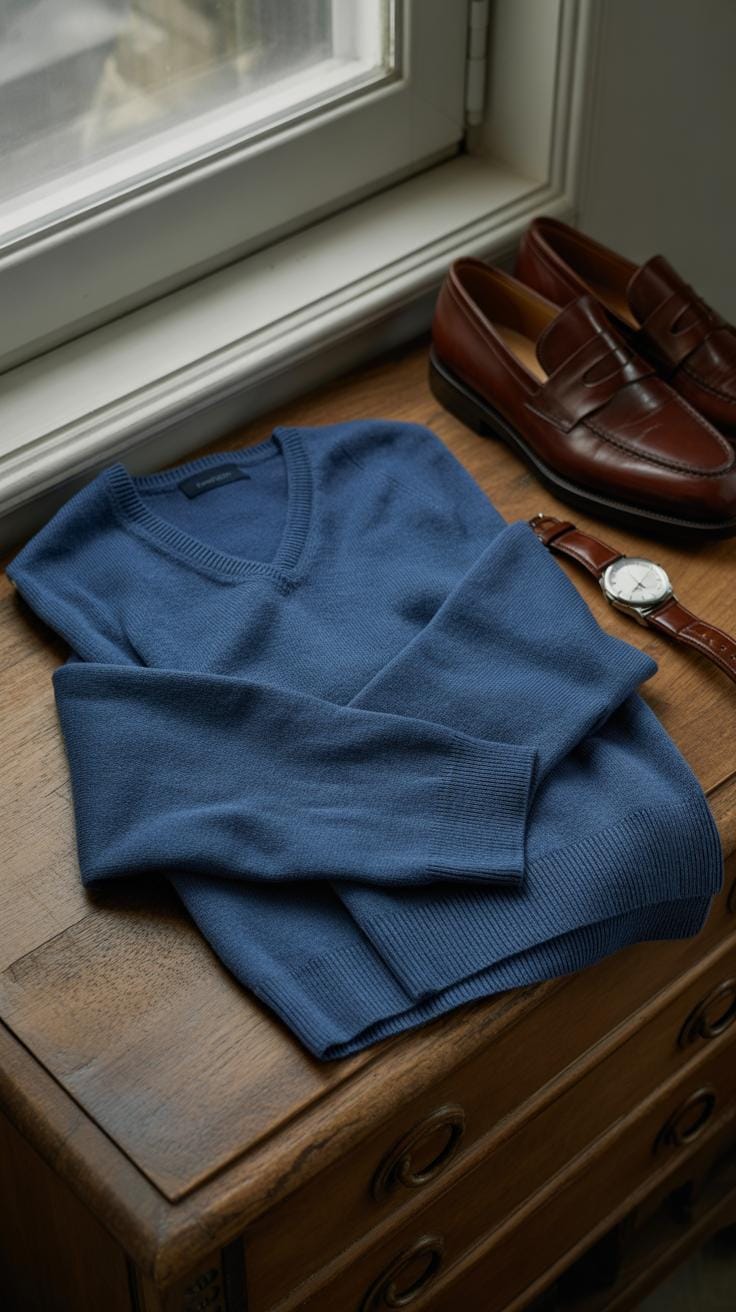
Finding pieces that fit the old money style without spending a fortune can feel like a puzzle. Yet, focusing on fabric and craftsmanship is your best bet. Look for natural fibers like wool, cashmere blends, silk, or high-grade cotton. These materials often carry a subtle texture and weight that synthetics simply can’t mimic.
When shopping, check seams, stitching, and buttonholes closely. They reveal how much care went into making the item. Sometimes, a blazer with sturdy, tight stitching on the lining lasts far longer than a flashy trend piece with loose threads. I’ve learned this the hard way—spending a bit more upfront often means fewer replacements down the line.
Where to find such gems under $500? Think outlet stores for brands like Brooks Brothers, J.Crew’s higher-end line, or even occasional finds at Banana Republic’s premium collection. Thrift shops or consignment stores can also surprise you with quality pieces—just be prepared to sift through a lot of “meh” options first.
Consider online sales around holidays or off-season times. Websites like Nordstrom Rack and Saks OFF 5TH sometimes carry quality wool coats or handcrafted leather bags at reduced prices. It’s a little patience and persistence working in your favor.
Would you rather invest in a timeless trench coat or a pair of loafers? Both can elevate your wardrobe and fit the old money aesthetic without breaking your budget, if you shop smartly. What do you think—does focusing on select quality pieces feel manageable for your closet?
Common Mistakes to Avoid
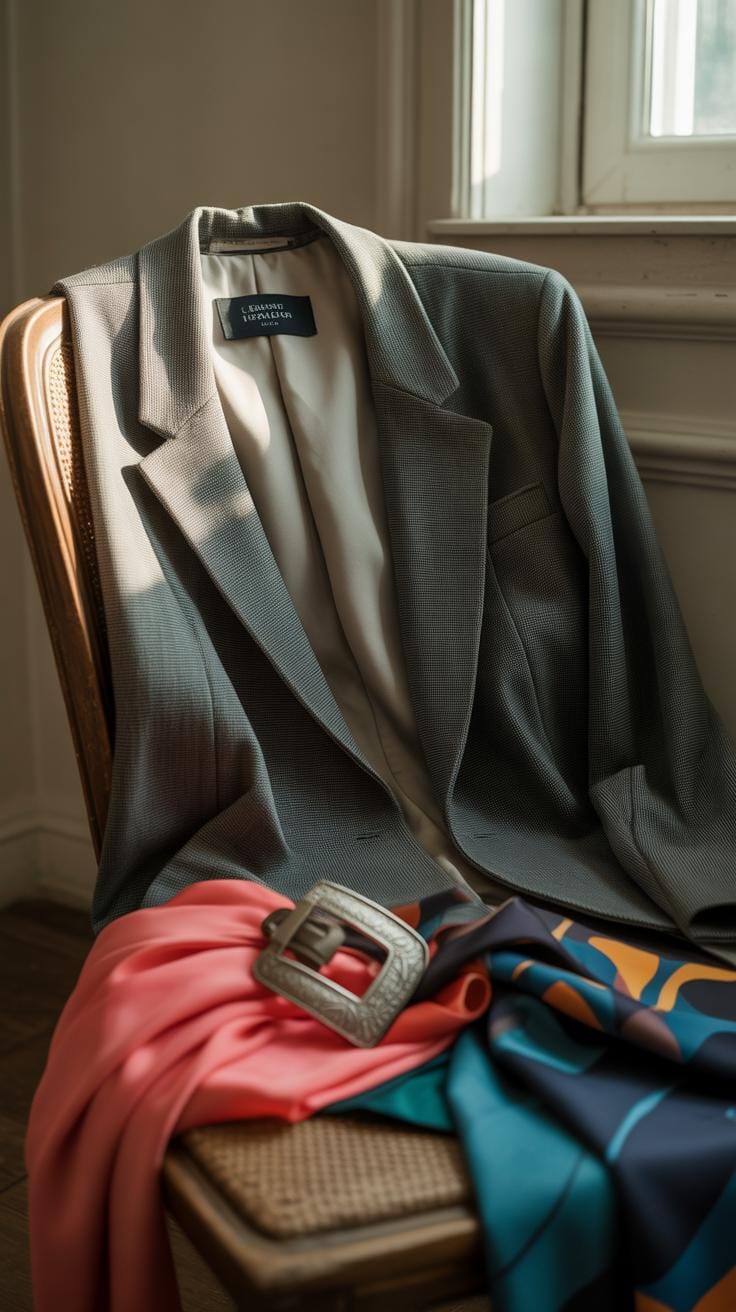
When trying to adopt old money style, some mistakes seem almost unavoidable. You might think showing brand logos everywhere helps—it doesn’t. Over-branding makes the look too loud, like you’re shouting about labels rather than expressing understated taste.
Chasing trends is another trap. Old money style is timeless by nature; fast-moving trends clash with that quiet, steady vibe. You might pick up something trendy thinking it adds flair, but it often ends up looking out of place or trying too hard.
Wearing ill-fitting clothes is a frequent error, too. Baggy or overly tight items ruin the sense of polished but effortless elegance. Imagine a well-made blazer hanging off your shoulders or trousers too short—it breaks the image entirely. Pay close attention to fit. A simple adjustment from a tailor can transform an outfit.
Avoiding Flashy Displays
Loud logos and flashy displays shout “look at me,” which goes against old money’s low-key charm. Those big-name emblems often suggest a desire to prove status rather than expressing quiet confidence. Stripping back to classic designs without obvious branding fits better—and it’s cheaper, too.
Instead, focus on quality and simplicity. Choose pieces where fabric and cut speak for themselves. It’s tempting to flash a designer name to catch attention, but that often backfires. People familiar with old money style tend to notice subtleties, not labels.
Fit and Maintenance Errors
Garment care often gets overlooked. Wrinkled shirts, faded fabrics, or pilling sweaters make even pricey clothing look cheap. Taking some time to steam clothes properly, mend minor rips, and rotate wardrobe items preserves that crisp, refined look.
Fit also plays a massive role—and not just for visual appeal. Clothes that fit well help you carry yourself with confidence. Sometimes, it means modest investment in tailoring, which pays off far more than buying new clothes frequently. Remember, old money style relies on well-maintained essentials rather than a constantly changing wardrobe.
Examples of Old Money Style Icons
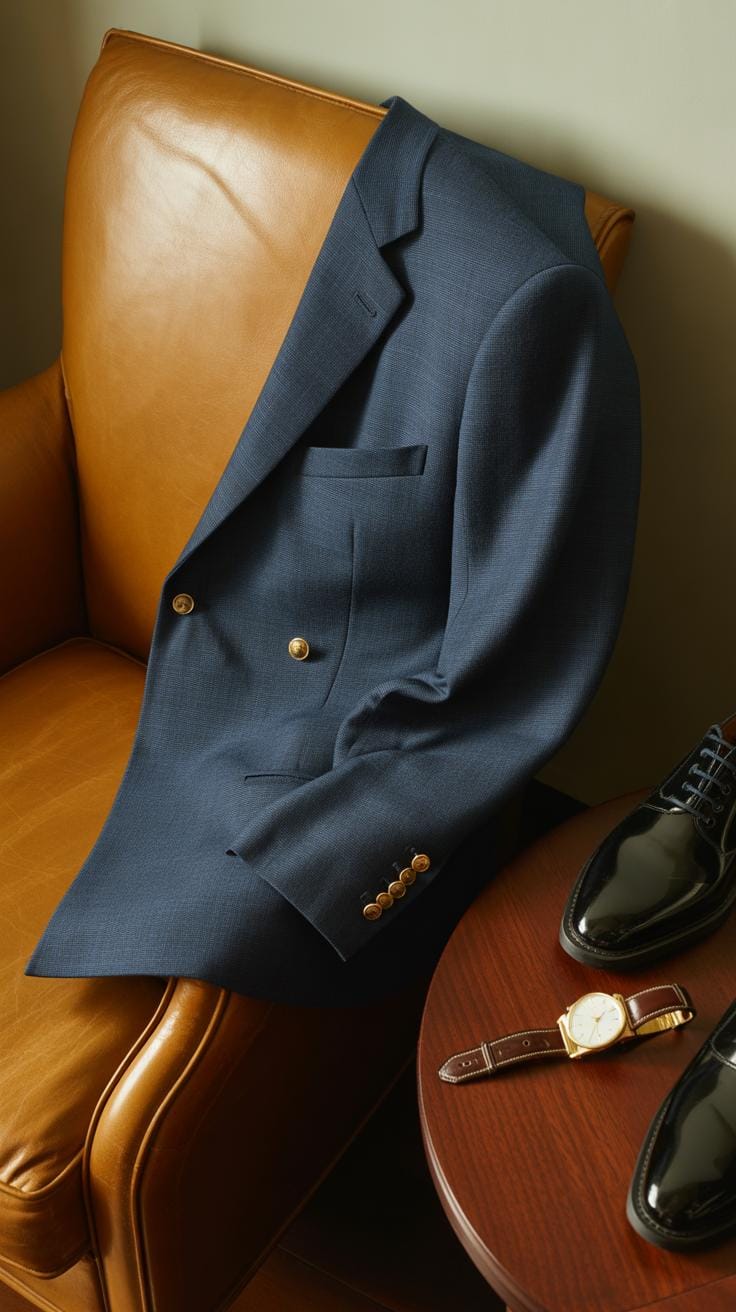
When thinking of old money style, certain names naturally come to mind—people whose elegance feels effortless, not loud. Take Grace Kelly, for example. Her look was never about flashy trends. She favored simple cuts, muted colors, and well-tailored pieces that suggested quiet confidence. You notice her attention to fit rather than embellishment, which makes you wonder if that’s the real key: clothes that mold to you, not the other way around.
Then there’s Ralph Lauren, whose style carries an unmistakable old money vibe, though he’s from a different background. His wardrobe echoes traditions—polo shirts, tweed blazers, and classic trousers. The lesson here? It’s less about logos or labels and more about familiarity and consistency. You might try focusing on key staples that never go out of style.
Lauren Bacall, too, stands out. She was never showy but always striking, often in simple, structured dresses paired with minimal accessories. Her style shows that understatement can make a strong statement. Maybe it’s ok to simply pick one or two well-made pieces rather than layering on unnecessary extras.
What can you take from these icons? Focus on quality, fit, and timeless pieces. Think about investing in clothes that don’t scream for attention but quietly signal polish. It’s less about what you wear and more about how you carry it—does that sound a little vague? Probably, but it’s part of the charm.
Maintaining Your Style on a Budget
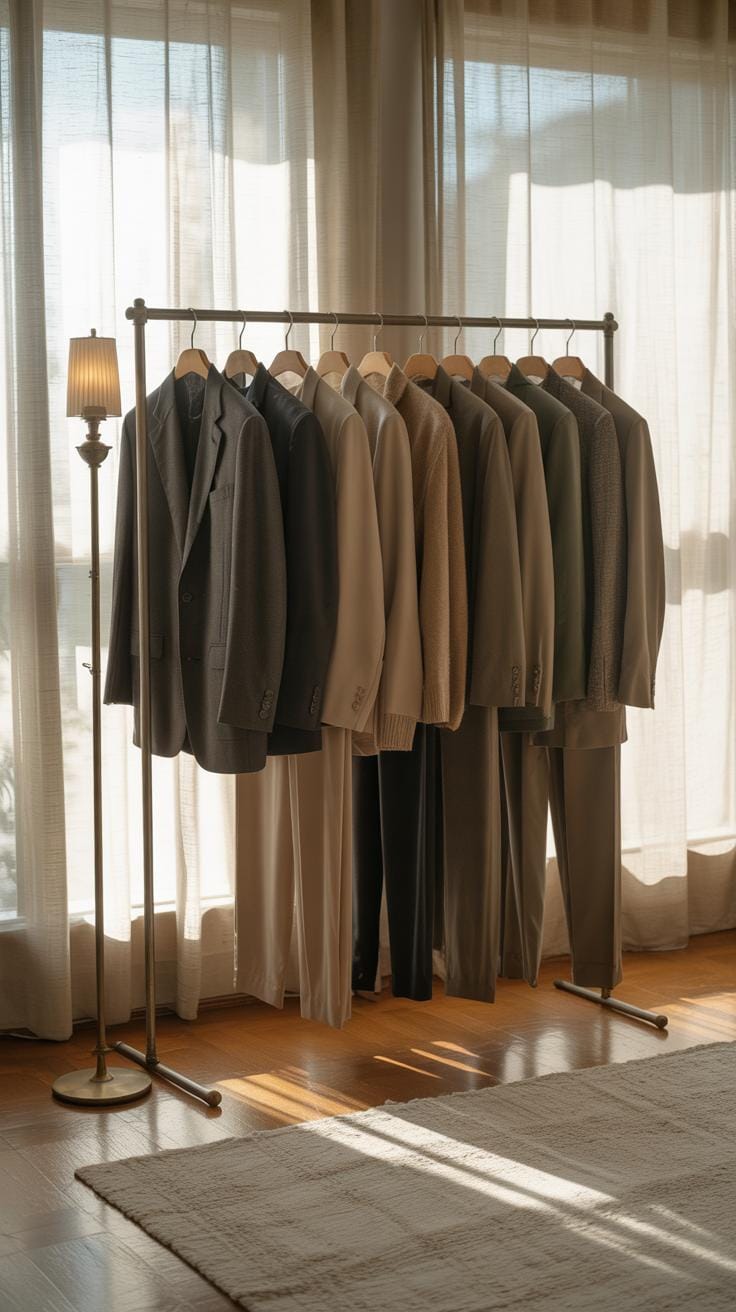
Keeping an old money style wardrobe looking sharp without spending a fortune takes some thought. It’s about treating your clothes right and being a bit strategic. Start by focusing on basic upkeep: regular cleaning, simple repairs, and thoughtful rotation. You don’t need fancy dry cleaning every time—often, gentle hand washing or using a cool machine setting will do. For stains, address them quickly; letting dirt set is how things get ruined. When repairs come up, like a loose button or slight hem tear, try fixing them yourself or find a local tailor who won’t charge a lot. It saves money and keeps your clothes wearable longer.
Rotating pieces is surprisingly effective. Wearing the same sweater every week will wear it out faster, while alternating garments lasts longer. Plus, it keeps your look fresh without buying new things constantly. You can tweak a few small items here and there—a scarf, a belt, or a pocket square—to modernize your outfit subtly without breaking the bank.
Wardrobe Care Checklist
Daily and seasonal care habits really matter. Here are some practical tips that I think help keep things in good shape:
- Hang items on wooden or padded hangers to maintain shape; wire hangers can ruin shoulders.
- Brush clothes regularly with a lint brush or soft cloth, especially wool and cashmere.
- Air out garments after wearing to prevent odors; don’t stuff clothes back into the closet immediately.
- Store sweaters folded, not hung, to avoid stretching.
- For seasonal shifts, clean and store off-season clothes in breathable garment bags or boxes with moisture absorbers.
- Keep shoes polished and rotated to avoid fast wear.
Do you notice how small habits really add up? It might seem tedious, but it keeps you from replacing expensive pieces needlessly.
Rotating and Updating Pieces
Gradual updates help your style evolve without feeling like a huge expense. You don’t have to overhaul everything at once. Instead, try to swap out one or two items every season. Maybe a fresh shirt with a subtle pattern or a slightly different jacket cut. It’s a way to stay current but grounded.
Think about versatility too. Choose pieces that pair easily with what you already own. If your budget is tight, additions like a quality silk tie or a classic leather belt can refresh your entire look. Sometimes less really is more; a single updated piece can speak volumes.
Also, consider how your lifestyle shifts. Buying smarter and slower helps you keep your wardrobe relevant longer without pricey splurges. What small addition could you make right now to keep your style intact but feeling new? That question might guide you better than a full closet revamp.
Conclusions
Old money style is accessible to anyone willing to focus on quality, fit, and subtlety. It is about curated simplicity and long-lasting pieces rather than trends or logos. By choosing classic styles and investing in essential wardrobe staples, you can present a polished, timeless look.
Embracing this lifestyle philosophy goes beyond clothing — it involves confidence and grace. With patience and smart shopping, you can embody old money style, creating a refined impression without requiring a wealthy inheritance.