

Introduction
Natural skin care involves using products made from ingredients found in nature to maintain healthy, glowing skin. It focuses on creams, lotions, herbs, roots, flowers, and essential oils that can help clean, moisturize, and protect your skin without harsh chemicals. Many people prefer natural products to reduce exposure to synthetic substances and potential allergens.
This article provides practical steps to create an effective natural skin care routine. You will learn why natural ingredients matter, how to pick the right products, the order to use them, and tips to get the best results while avoiding common mistakes. This guide aims to help you build a clear, easy-to-follow skin care plan using natural methods.
What Is Natural Skin Care

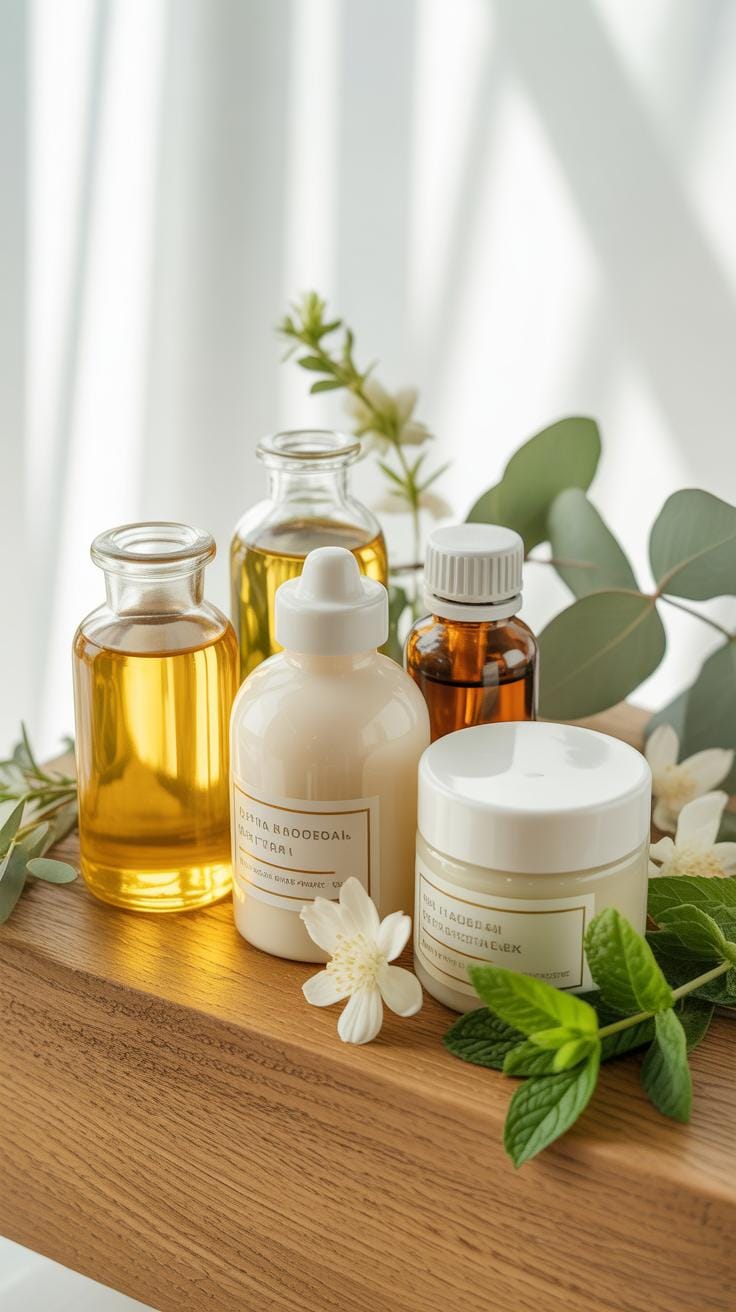
Natural skin care means using products made mostly from ingredients found in nature. These include plants like herbs, roots, and flowers, as well as oils pressed from seeds or nuts. Think of things like beeswax, minerals, and natural oils that you might find in a garden or farm. They get processed gently, usually without chemicals changing their basic make-up.

For example, chamomile flower extract soothes skin, while beeswax often acts as a protective barrier. This contrasts with synthetic ingredients, which are typically made in labs. They can be completely artificial or heavily altered substances not found in nature. Sometimes, I wonder if synthetic always means worse, but many do prefer natural products because they believe those are closer to what the skin recognizes and likes.
Natural products often avoid harsh chemicals and may feel gentler, especially if your skin reacts badly to synthetic ingredients. But it’s not a hard rule—some natural ingredients can irritate too. It really depends, and a bit of trial and error is often the way to figure out what suits you best.
Common Natural Ingredients
Lots of natural skin care products use ingredients you might already know:
- Aloe vera: It calms irritation and hydrates dry or sunburned skin.
- Coconut oil: Moisturizes deeply and can protect against bacteria.
- Honey: Acts as a gentle cleanser and can soothe redness.
- Chamomile: Reduces inflammation and helps sensitive skin feel calmer.
Each of these has uses that feel straightforward. Aloe vera feels cool and refreshing on a burn, while coconut oil can leave your skin feeling soft but sometimes a bit greasy. Honey is sticky but surprisingly effective, and chamomile tea isn’t just for drinking—it’s great for calming your face after a long day.
Differences From Synthetic Products
Natural products come straight from plants and minerals with little change, while synthetic ones often start in a lab. This means natural ingredients usually keep more of their original properties, although this can vary. Some people find natural options easier on their skin, especially if it’s sensitive or prone to reactions.
Synthetics tend to have more consistent results and last longer on shelves, but it’s a bit of a trade-off. They can sometimes irritate or cause allergies because of the chemicals involved. Some folks switch to natural products because they want fewer harsh ingredients near their skin, even though natural doesn’t guarantee no reaction. It’s a subtle but important difference to keep in mind.
Why Natural Ingredients Matter

Choosing natural ingredients for your skin care can make a big difference. One reason is that natural products often come without harsh chemicals like parabens or sulfates, which many find irritating or drying. Your skin might actually respond better to ingredients it recognizes—plant oils, herbal extracts, and minerals. It seems simple, but the body often handles these more gently, reducing the chance of inflammation or breakouts.
Still, natural doesn’t always mean allergy-free. Some people react to things like essential oils or nuts, so patch testing is wise. But overall, natural products carry fewer synthetic irritants, which is reassuring if you have sensitive or reactive skin. Scientific studies back this up, pointing to lower rates of irritation when people switch from chemical-heavy products to natural ones.
Benefits For Sensitive Skin
If your skin feels easily overwhelmed, natural ingredients might actually suit you better. Many natural formulas skip artificial fragrances or preservatives, which are common troublemakers. Think of oatmeal—they use it in pharmacies because it soothes redness and itchiness. Calendula is another calm ingredient, known for gentle healing properties. These aren’t just buzzwords; they have a practical use that many people find really helpful.
I remember trying a calendula cream during a flare-up—it didn’t sting or make things worse like some novelty products did. It’s not guaranteed for everyone but often safer to try if your skin protests against conventional cosmetics.
Environmental Impact Considerations
Natural ingredients come from the earth, so the way they’re sourced matters. Unsustainable harvesting can cause pollution or damage ecosystems, which feels at odds with the whole “natural” idea. Look for products that mention sustainable or responsible sourcing—that’s more than a marketing line. It reflects a choice to protect the environment, supporting practices like crop rotation and fair wages.
This connects to the bigger picture: your skin care routine can be kinder not just to your face but to the planet. It’s tempting to focus only on your skin’s health, but thinking about where ingredients come from? That’s a step towards more conscious consumption. Sometimes natural products cost a bit more because of this, but that difference supports better stewardship and you’re likely to feel that in your routine too.
Choosing Natural Skin Products Safely

When it comes to natural skin care, not everything labeled “natural” truly is. The term itself isn’t tightly regulated, which means you might find products claiming natural ingredients but still packed with synthetic fillers or irritants. So, it’s a bit of a minefield out there.
One good way to navigate this is by getting comfortable with reading ingredient lists. Look for names you recognize—like jojoba oil or aloe vera extract—rather than unpronounceable chemicals. But keep in mind, some natural compounds can still cause reactions, so don’t assume “natural” means safe for everyone. Also, watch out for common additives disguised under fancy names, like parabens or sulfates, which can sneak into supposedly natural blends.
Before committing to a new product, trying a patch test can be a real lifesaver. Apply a small amount behind your ear or on your wrist and wait for 24 to 48 hours to see if irritation pops up. It’s a simple step but often overlooked. I remember once skipping this and ended up with red, itchy skin that took days to calm down—not fun.
Patch testing doesn’t guarantee no reaction, but it often catches the worst cases early. It also helps you learn how your skin reacts to different botanicals and oils over time. So, take the time to test first, even if the product looks harmless at first glance.
Step By Step Natural Skin Care Routine

Creating a natural skin care routine doesn’t have to be complicated. Focus on a few essential steps — cleansing, toning, moisturizing, and sun protection — and stick to them consistently. The order matters because each step prepares your skin for the next.
Start with cleansing to remove dirt and impurities. Choose gentle natural cleansers like raw honey or oatmeal paste. These don’t strip the skin but clean it softly. Next comes toning, which often gets overlooked but helps balance your skin’s pH and tightens pores. Witch hazel or rose water work nicely here.
After toning, moisturizing locks in hydration. Natural oils like jojoba, argan, or sweet almond oil suit many skin types. They nourish without clogging pores. You might also try a balm based on shea butter during colder months.
Finally, protecting your skin from the sun is crucial. Opt for mineral-based sunscreens containing zinc oxide or titanium dioxide. They sit on top of the skin and physically block harmful UV rays. Remember, sun protection isn’t just for sunny days; it’s a daily necessity to keep your skin healthy and prevent premature aging.
Daily Cleansing And Moisturizing
Cleanse your face twice a day, in the morning and before bed, but avoid harsh scrubbing. Using a gentle circular motion with your fingertips feels better for your skin than aggressive rubbing. Natural cleansers like fermented rice water or aloe vera gel can soothe skin while cleaning.
When it comes to moisturizing, you don’t always need heavy creams. Oils often do the job better. For instance, a few drops of rosehip oil can brighten and hydrate, while jojoba oil mimics your skin’s natural sebum. Applying moisturizer right after cleansing or toning helps seal in moisture.
Listen to your skin’s signals. If it feels tight or dry, maybe adding an extra layer or using a richer oil can help. Sometimes, less is more. And if your skin feels greasy, perhaps cut back a little or switch oils.
Sun Protection Using Natural Options
The sun’s impact on skin is unavoidable, but you can minimize damage without chemical filters. Mineral-based sunscreens act like a shield, reflecting UV rays. Look for products with non-nano zinc oxide or titanium dioxide. They tend to be less irritating and safer for sensitive skin.
Don’t underestimate sun protection, even on overcast days. UV rays penetrate clouds and windows, so daily application is wise. Plus, combining sunscreen with hats or seeking shade adds extra defense. Natural sunblocks aren’t always perfect—they can leave a white cast or feel heavy. Still, offering long-term benefits makes these small inconveniences worth it.
Common Mistakes To Avoid

Overuse Of Exfoliation
Exfoliation feels good, right? That fresh, smooth skin after scrubbing away dead cells is tempting to chase daily. But doing it too often, especially with harsh natural scrubs like crushed walnut shells or coarse sugar, can actually harm your skin. It strips away essential oils, disrupts your skin’s barrier, and may cause redness or irritation. I remember trying to exfoliate almost every day once—my skin ended up dry and flaky, not glowing.
Most skin experts suggest exfoliating only one to two times a week. For sensitive skin, even once a week can be enough. Look for gentle natural exfoliants like oatmeal or finely ground almonds. And be mindful of your skin’s reaction. If it feels tight or looks inflamed, cut back. Less is often more when it comes to scrubbing your face.
Ignoring Sun Protection
Sun care is often overlooked in natural skin routines. It’s easy to think, “Oh, I’m just using gentle products, so my skin is safe.” But unprotected skin, no matter how natural your regimen is, can suffer long-term damage like premature aging and dark spots.
You can protect your skin naturally without chemical sunscreens. Physical barriers like zinc oxide or titanium dioxide are safe options. Wearing hats, sunglasses, or seeking shade works well too. I once skipped sunscreen because my all-natural moisturizer made me feel shielded, and ended with unexpected sunburn—that was a wake-up call.
So, combine your natural products with some form of sun protection every day. Even on cloudy days, sunscreen or a physical barrier helps. It’s a step that completes your routine, not contradicts it.
Natural Skin Care For Specific Concerns

Managing Dry Skin Naturally
Dry skin can be stubborn. Sometimes it’s caused by cold weather, not drinking enough water, or even harsh soaps. When your skin feels tight and flaky, natural ingredients like aloe vera and shea butter can be quite soothing. Aloe vera, for instance, has this cooling effect that might calm irritation while gently hydrating the skin. Shea butter is heavier, more of an occlusive barrier that locks moisture in—perfect for bedtime routines or dry patches.
One tip is to use aloe vera gel right after cleansing, then seal with a bit of shea butter. It’s like giving your skin a double layer of comfort. Also, avoid hot showers—they sometimes worsen dryness. If your skin still feels dry, maybe add a gentle overnight mask with natural oils like jojoba or avocado. You may find the difference surprising, even if it takes a few tries.
Natural Acne Care Options
Acne can feel frustrating, especially when you want something gentle but effective. Tea tree oil stands out as a natural remedy with antibacterial and anti-inflammatory properties. Even a tiny dab can reduce redness and fight bacteria, but be careful—it’s strong and may irritate sensitive skin if used undiluted.
Honey, particularly raw or manuka honey, is another option. Its antibacterial nature helps soothe inflamed spots and promotes healing. Some people use it as a mask, leaving it on for 10–15 minutes before rinsing. It might not clear acne overnight, but it often reduces the severity with consistent use.
Adjusting your routine means listening to your skin—if redness or dryness appears, scale back. Maybe use tea tree oil only on spots instead of all over. Natural doesn’t always mean mild, so testing a small area first usually saves a lot of trouble.
How To Monitor Your Skin Progress

Tracking changes in your skin can feel a bit tricky, especially when you’re using natural products that often work more subtly than conventional ones. But keeping an eye on your skin’s progress is crucial if you want to know whether what you’re doing is actually helping.
One simple way is to take photos regularly. Try to do this under the same lighting every time, maybe near a window in the morning. It’s the little shifts you wouldn’t spot day to day that add up—like a slight reduction in redness or a faint glow appearing. Over weeks, those small things become clearer. I used to miss seeing improvement until I had photos side by side. That was kind of reassuring.
Besides pictures, pay attention to how your skin feels. Is it softer? More hydrated? Less tight after washing? These sensations may seem small but can tell you a lot. Sometimes, despite clearing up breakouts, your face might feel dry or uncomfortable, which could mean you need to tweak your routine.
Keep notes if you want. Write down when you notice certain changes or problem areas improving—or not. Patience matters here. Natural skin care often means gradual progress, and it might be frustrating at times. But sticking with it allows you to really understand what your skin responds to.
Natural Vs Synthetic Skin Care Products
When choosing between natural and synthetic skin care products, you’ll quickly notice they come from very different worlds. Natural products pull ingredients directly from plants, minerals, and other sources found in nature. Synthetic ones, on the other hand, are often lab-made—designed to replicate or amplify certain effects.
Natural products tend to have fewer harsh chemicals, which can be a relief for sensitive skin prone to irritation. You might appreciate that these products often avoid artificial fragrances and synthetic dyes, meaning a gentler touch overall. Plus, they usually come with a smaller environmental footprint, which feels better if you’re a bit more eco-conscious.
On the flip side, synthetic ingredients sometimes offer stronger, more targeted outcomes—especially in treating specific skin issues. Take preservatives, for example: they keep a product safe from bacteria, helping it last longer without spoiling. Some medical skin treatments rely on synthetic compounds that natural sources just can’t match in potency.
Think about this: if you have stubborn acne or eczema, a synthetic product with proven active ingredients might clear things up faster. But if you’re simply aiming for everyday skin health, natural products might work fine—or even better—without overloading your skin with chemicals.
Benefits Of Natural Products
Here’s what I’ve noticed—and what many people say—about natural skin care:
- Fewer synthetic chemicals reduce the chance of irritation or allergic reactions, especially for sensitive skin.
- They often contain antioxidants, vitamins, and minerals in forms your skin can recognize and use easily.
- Eco-friendly sourcing can mean less pollution and waste during production and packaging.
- Many natural products offer a pleasant, subtle scent derived from essential oils—no overpowering artificial fragrances.
Still, natural doesn’t always mean harmless. Some botanical ingredients can cause allergies. It’s a bit of trial and error sometimes.
When Synthetic Products Might Help
Synthetic products aren’t just fillers or substitutes. Sometimes, they stand out because:
- They provide consistent ingredient concentrations that nature can’t always guarantee.
- Advanced formulas can include preservatives to prevent bacterial growth and keep products effective longer.
- They can offer potent actives, like retinoids or peptides, that target wrinkles, pigmentation, or acne more aggressively.
- In some cases, synthetic ingredients are easier to standardize and test for safety, offering reassurance for certain skin conditions.
So, while natural products suit many people well, synthetic ones can be lifesavers for those needing specific results or stronger interventions. You might want to consider your unique skin needs before settling into one camp or the other.
Budget Friendly Natural Skin Care Tips
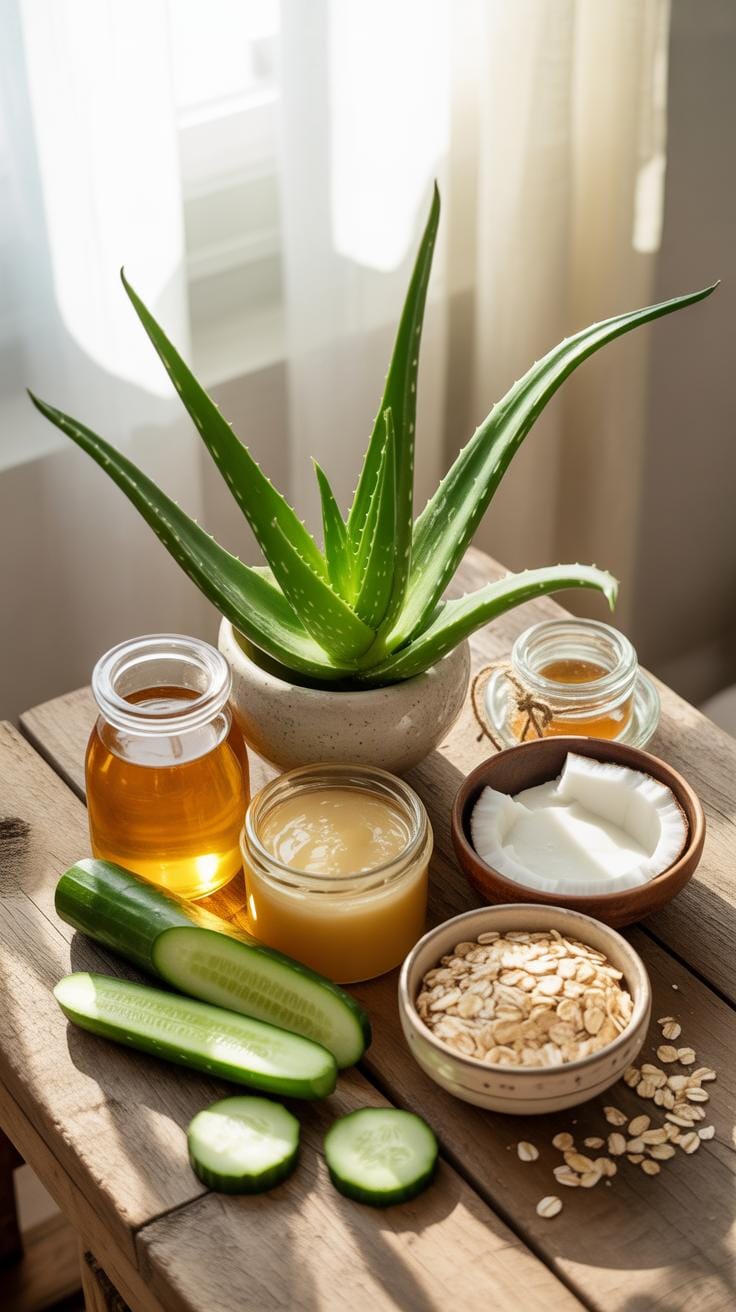
Creating a natural skin care routine doesn’t mean you have to spend a lot. Many ingredients are probably already sitting in your kitchen, waiting to be used. Things like honey, oatmeal, and yogurt are not only affordable but can be surprisingly effective when applied properly. For example, oatmeal gently exfoliates and soothes skin, making it perfect for sensitive types, while honey works as a natural antibacterial agent. You might find these simple remedies more reliable than expensive products loaded with chemicals you don’t understand.
Here are some simple DIY treatments you can try without breaking the bank:
- Honey and yogurt mask: Mix equal parts honey and plain yogurt. Leave on your face for 15 minutes for hydration and gentle exfoliation.
- Oatmeal scrub: Combine ground oats with warm water into a paste to soothe irritated skin and remove dead cells.
- Sugar and olive oil scrub: Use a tablespoon of sugar with a teaspoon of olive oil for a quick, natural exfoliant.
When it comes to store-bought products, it’s easy to get overwhelmed by fancy packaging and high prices. Focus on the ingredient list instead. Look for recognizable, natural components and avoid products that are heavy on synthetic fillers or fragrances. Sometimes, smaller brands offer better quality for less because they avoid costly advertising. Don’t automatically assume expensive means better; it’s often not the case.
Can natural skin care really be affordable and effective at the same time? Yes—but it takes a bit of patience and trial. What works wonders for one might not do much for another. So, why not experiment a little? You might be surprised by the results and how much money you save.
Tips For Long Term Natural Skin Care

Keeping your skin healthy over the long run means thinking beyond just what you put on your face. It often comes down to habits that support your skin from within and how you live day to day. Maybe you’ve noticed how certain foods, or that night you only got four hours of sleep, can make a visible difference. It’s not always dramatic, but over time those little things add up.
Try focusing on a diet rich in vitamins like A, C, and E. Leafy greens, berries, nuts, and sweet potatoes do more than just nourish your body—they help rebuild skin cells and maintain elasticity. Drinking enough water can be less obvious but is just as crucial. Sometimes I forget how drying dehydration can be until my skin feels tight or dull.
Sleep and stress management also play subtle but real roles. When you skip sleep, your skin can look tired and pale, and stress might cause breakouts or other flare-ups. Finding ways to relax—be it meditation, walking, or simply unplugging in the evening—can make a noticeable difference. That said, balancing all these isn’t always straightforward. Life’s messy, and perfect routines are rare.
- Eat colorful fruits and vegetables daily to replenish skin-supporting nutrients.
- Keep a water bottle handy and sip throughout the day to avoid dry patches.
- Prioritize 7-8 hours of restful sleep whenever possible to aid skin repair.
- Develop simple stress relief rituals—yoga, deep breathing, or even a quiet hobby.
- Be patient; skin improvement from natural care takes time and gentle consistency.
Have you noticed how some nights a good meal and full sleep just glow through your skin? It’s a reminder that natural skin care isn’t only about creams or oils but the everyday things that sometimes slip under the radar. Keeping these habits in mind could be more useful than you might think.
Conclusions
Using natural skin care products can improve your skin’s health by relying on simple, effective ingredients from nature. By understanding what to look for and how to apply these products, you can create a routine that supports clean, hydrated, and protected skin. Gentle natural ingredients often work well to maintain skin balance without irritation.
Remember that only you can decide which natural products and routine suit your skin best. Watch how your skin responds and adjust your care accordingly. Consistency and patience are key. Following the practical tips and examples shared here will guide you toward healthier, glowing skin using natural skin care methods.