

Introduction
Natural Skin Care Routine For Healthy Glowing Face Skin focuses on using ingredients from nature to maintain and improve your skin’s health. Many people are choosing natural products because they want to avoid harmful chemicals found in some cosmetics. This approach embraces simple steps to cleanse, protect, and hydrate your skin.
In this article, you will learn about natural face skin care essentials, how to select safe ingredients, and effective routines to keep your skin glowing. We provide easy-to-follow advice and tips on building a routine that fits your needs using natural products.
Natural Face Skin Care Essentials

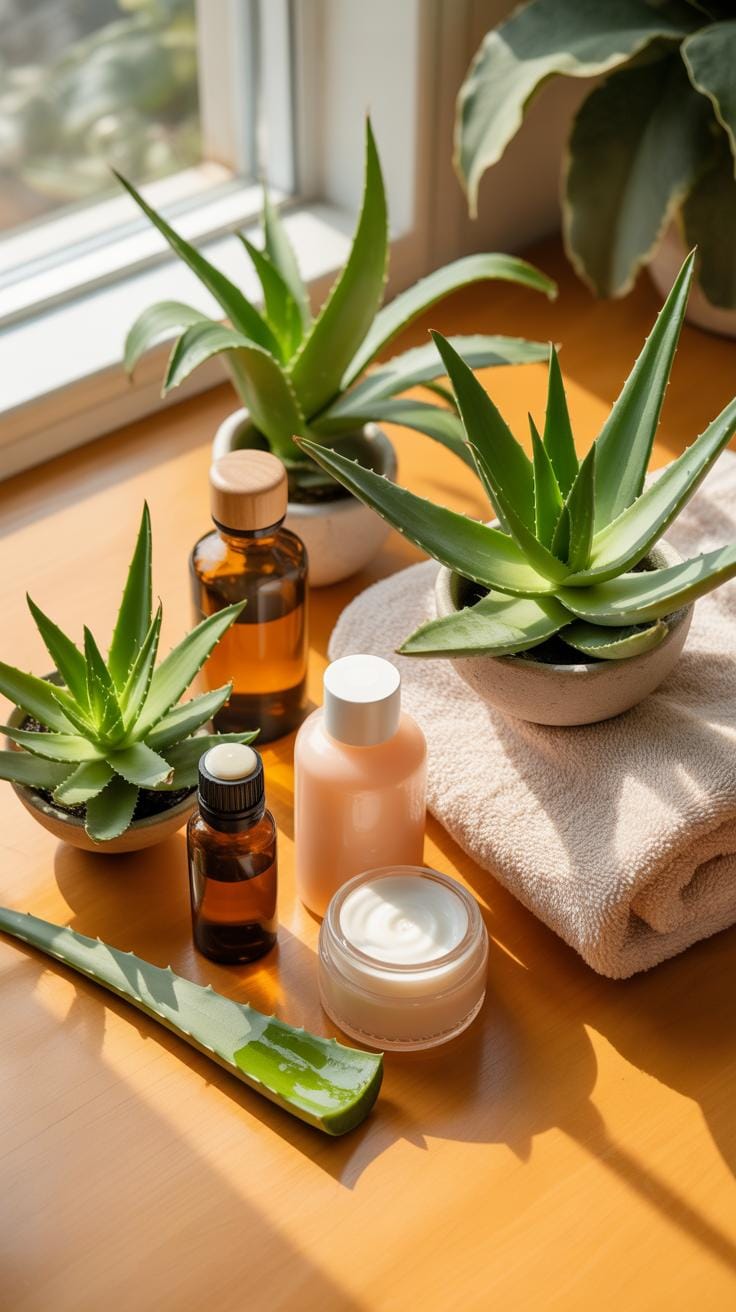
When it comes to natural face skin care, a handful of ingredients tend to show up again and again. Plant extracts like aloe vera, chamomile, and green tea are popular because they soothe irritation and provide mild antioxidants. Think of aloe vera as that calm friend who cools redness, while green tea nudges your skin to fight environmental stress without harsh chemicals.

Beeswax often acts as a gentle barrier. It locks in moisture without suffocating the skin, unlike some synthetic options. Plus, it has antimicrobial properties that might help keep minor breakouts at bay, though that’s not a guarantee for everyone.
Minerals such as zinc oxide and clay also feature a lot. Zinc oxide can protect your skin from UV rays and inflammation, while clays work to draw out impurities. There’s a sort of balance here—purifying but not stripping your skin of its natural oils, at least if you don’t overdo it.
Each ingredient plays a role, but combinations can work differently depending on your skin type. So, you might find that chamomile calms you down while a clay mask leaves you feeling tight and uncomfortable, or vice versa.
Key Steps To Cleanse And Nourish
Starting with cleansing is straightforward but often overlooked—use gentle oils or milky cleansers that don’t rob your face of moisture. Even just a few strokes with lukewarm water and a soft cloth can refresh your skin without irritation.
Toning follows. If you use a toner—or if you should—is sometimes debated. Natural options like rose water or witch hazel can tighten pores and rebalance pH, but for sensitive skin, skip it or choose alcohol-free versions.
Moisturizing is where beeswax or plant oils come handy. They form a light shield, keeping hydration locked in. For example, jojoba oil blends well with your natural skin oils, so it doesn’t feel heavy or greasy.
Finally, protection—not just from the sun but also harsh weather—is crucial. Mineral-based sunscreens with zinc or titanium dioxide might seem less convenient, but they don’t cause chemical irritation to your face.
Choosing Safe Natural Ingredients
Natural doesn’t always mean gentle or safe. For instance, essential oils can cause reactions in some people. Patch testing any new product on a small skin area for 24 hours is wise before applying it all over your face.
Look for products with fewer ingredients and avoid those with added fragrances or synthetic preservatives. Even some plant extracts, like citrus oils, can increase sun sensitivity or dryness—watch for that.
Reading labels carefully and understanding your skin’s reactions over time helps. What works great during winter might irritate your skin in summer, so adjusting products and being observant is part of the process.
Why Natural Skin Care Matters

Many people lean toward natural skin care because it’s a way to keep things simple and gentle, especially for the face. The skin there is fragile, and harsher chemicals can cause redness, dryness, or worse sensitivity that might last for days. Avoiding synthetic ingredients feels safer—though that’s not always guaranteed—but it often reduces the chances of an adverse reaction.
For those with sensitive skin, natural products can offer some relief. Take aloe vera, for example, which soothes irritation and calms inflammation. I remember trying a herbal cream with chamomile after a sunburn—my skin responded better than with the usual drugstore lotions. It’s not just about comfort, either; there’s a real sense that natural ingredients work with your skin, not against it.
Long-term, synthetic chemicals might build up or disrupt your skin’s balance. The idea that fewer harsh chemicals equals healthier skin over time is appealing. After all, the face is exposed every day to pollution, stress, and UV rays. Choosing plant-based products might feel like a small way to protect yourself—from inside out—something to think about when picking what to put on your skin.
Health Benefits Of Plant-Derived Ingredients
Plants bring more than just fragrance or color. Aloe vera, for one, has been used for centuries because it hydrates and repairs the skin barrier gently. There’s something about its gel-like texture that feels comforting yet effective.
Chamomile is another plant that many swear by, especially for calming redness and irritation. Its anti-inflammatory properties can help delicate skin feel less tight or itchy, which makes it a favorite for nighttime routines. I once noticed my complexion looked calmer and less blotchy after a week of using chamomile extract.
Green tea, often forgotten in skincare, provides antioxidants that combat free radicals. Those are the pesky molecules that accelerate aging and damage cells. Including green tea in your regimen, even as a toner or serum, might help your skin stay resilient. It’s subtle, but over time it may show in a more balanced complexion.
Risks Of Synthetic Chemicals In Skin Care
Synthetic chemicals often promise quick fixes—brightening, anti-aging, or deep cleansing—but they can come at a cost. Common culprits like parabens, sulfates, and synthetic fragrances might cause irritation or allergies, especially if your skin leans on the sensitive side. You might get subtle reactions at first, like flaking or itchiness, which can be easy to overlook.
There’s also the unknown factor—long-term effects of these chemicals are still not fully understood. Some substances could disrupt hormone functions or cause cumulative damage over years. It’s hard to say exactly how much difference it makes, but it’s a consideration if you’re cautious about what you expose your skin to.
In many cases, the immediate allure of synthetic products overshadows these risks. But if you’ve had a reaction once or twice, or simply want to avoid guesswork, moving to natural options feels like a safer bet. It’s a choice that reflects personal care, even if it means giving up rapid results for steadier, healthier skin.
How To Build Your Natural Skin Care Routine

Building a natural skin care routine can feel overwhelming at first. But if you break it down step by step, it becomes much more manageable. Start by identifying your skin type—oily, dry, sensitive, or combination—because that guides your choices. Then select gentle, natural products that suit that type and address your specific needs.
Morning routines usually focus on cleansing, hydrating, and protection—like a light cleanser, a natural toner, and a moisturizer with SPF if you’re out in the sun. Evening routines should gently remove makeup and impurities, repair skin, and lock in moisture. Many find that a simple oil or balm cleanser works well before a mild face wash.
Timing matters. For example, exfoliating isn’t a daily step; twice a week might be enough depending on your skin’s tolerance. Layer products from thinnest to thickest texture—toners before oils, light serums before heavier creams. Sometimes less is more. You don’t need every product on the shelf to see results.
Start small and give your skin time to adjust. Sometimes your skin might react strangely at first, but that’s often just a transitional phase. Patience really helps here. What works for one day might not always be right the next; feel free to adjust to how your skin feels.
Morning And Evening Routine Checklist
Here’s a simple checklist you might find useful for natural skin care:
- Morning:
- Cleanse with a gentle natural face wash
- Apply a hydrating, alcohol-free toner
- Use a light moisturizer suited to your skin type
- Apply natural sunscreen if you expect sun exposure
- Evening:
- Remove makeup and dirt with a natural oil cleanser or balm
- Follow with a mild cleanser to eliminate residue
- Apply a nourishing serum or facial oil
- Finish with a richer moisturizer or night cream
These steps may vary slightly depending on your skin’s needs that day. Sometimes you may skip toner or use just one moisturizer for both day and night. It’s flexible, and your routine should feel natural, not forced.
Adjusting Routine For Skin Type Differences
It’s tempting to use the same routine every day, but skin types do require tweaks. If your skin is oily, lighter, water-based moisturizers and gentle foaming cleansers tend to work better. Avoid heavy oils that clog pores. On dry skin, richer creams, nourishing oils like jojoba or almond, and gentle exfoliation help keep moisture in.
Sensitive skin needs extra care. Choose fragrance-free products and patch-test new items before fully applying them—sometimes natural ingredients can cause irritation too. Combination skin requires balance; you might use a serum that controls oil zones and a richer cream only on dry patches.
Don’t hesitate to rethink your routine seasonally. Your skin might be oilier in summer but dry in winter. Listen to it. Have you noticed that sometimes the same product you love suddenly feels wrong? That’s normal. Adapting doesn’t mean starting over—it’s more like tuning your approach.
Common Mistakes To Avoid In Natural Skin Care

Overuse Of Natural Products And Effects
It might seem like the more natural products you use, the better your skin will be, right? But that’s not usually the case. Overloading your skin with multiple oils, serums, and masks every day can actually upset its balance. Your skin can become irritated, dry, or even break out more often. Natural ingredients are active, just like synthetic ones, and too much can overwhelm your skin’s natural barrier.
Often, people jump in with enthusiasm and start layering everything they find beneficial all at once. That’s a quick way to cause issues rather than fix them. It’s better to introduce one product at a time, see how your skin reacts, and then decide if adding another makes sense. Less often feels safer here. Your skin needs time to adjust and heal, not a barrage of new stuff every day.
Ignoring Allergic Reactions Risks
Just because something is natural doesn’t mean it’s always safe for your skin. Many natural ingredients like essential oils or plant extracts can trigger allergies or sensitivities. If your skin suddenly becomes red, itchy, or swollen after using a new product, it could be an allergic reaction. Sometimes, this reaction isn’t immediate, which makes it tricky to pinpoint the cause.
When you notice these signs, stop using the product right away. Rinse gently with water and avoid scratching or rubbing the area. If irritation doesn’t fade in a day or two, it might be worth consulting a dermatologist. Patch testing new products on a small skin area before applying them all over your face is a simple step that can save you a lot of trouble later. It might feel tedious, but patience here pays off.
Comparing Natural Vs Synthetic Skin Care

When it comes to choosing between natural and synthetic skin care, the differences can feel subtle but matter quite a bit in practice. Natural ingredients often come with a reputation for being gentle and safe, especially if your skin tends to react easily. But effectiveness? That can vary, depending on what you’re treating. For example, natural ingredients like aloe vera or green tea extract soothe and hydrate well, but for tackling severe acne or pigmentation, some synthetic compounds might deliver faster or more notable results.
Here’s a rough sketch of what you might expect:
- Effectiveness of Natural Ingredients: Things like honey, chamomile, or jojoba oil often support skin’s overall health rather than overhauling it dramatically. They work great for mild dryness, irritation, or boosting glow, but you might find them slower or less targeted against stubborn issues.
- Synthetic Alternatives: Ingredients like salicylic acid or retinol often provide clearer, quicker changes. That said, these can come with dryness or sensitivity for some people.
Safety-wise, many naturally sourced products tend to have fewer harsh chemicals, which reduces the chance of irritation—something my friend with sensitive skin noticed right away. But natural doesn’t automatically mean safe. Essential oils, for instance, can cause reactions if you’re not careful. Meanwhile, synthetics are often rigorously tested, and formulas can be tailored to minimize common allergens or irritants. So it’s not always black and white.
What’s best for your skin type? If you lean oily or acne-prone, certain synthetic actives might offer better control. But for dry or sensitive skin, natural options could be a kinder fit. Sometimes a mix works, depending on how your skin responds day to day. It’s a bit of trial and error, really—there’s no perfect answer here.
Natural Skin Care Examples And Cases

Some people find their skin feels best with very simple routines that stick to natural ingredients. Take Claire, for example. She struggled with dry patches and switched to a routine centered on jojoba oil and aloe vera gel. She gently massages jojoba oil into damp skin daily, then follows with a light layer of aloe gel. Over time, those flaky areas softened, and her skin began to glow—without heavy creams or anything artificial. It wasn’t a quick fix, but the steady hydration helped.
Then there’s Mark, whose sensitive skin reacted constantly to new products. He now uses a routine with chamomile tea as a face rinse and applies calendula-infused oil sparingly. These gentle herbs calm redness and irritation instead of attempting to mask it. His skin recovered to a state where flare-ups are rare, although he admits it took patience to find this balance.
What if your skin doesn’t respond the same way? It’s tricky because what works well for one might not for another, but these cases show how focusing on natural, simple ingredients tailored to your skin’s actual needs can be rewarding.
Routine For Dry Skin With Natural Oils
Dry skin needs more than just moisture; it needs protection and repair too. A routine could begin with a gentle cleanser that doesn’t strip natural oils, like raw honey or mashed avocado. Follow this with a few drops of a richly nourishing oil such as argan, rosehip, or sweet almond oil massaged in before bed. These oils lock in moisture while providing essential fatty acids to rebuild the skin barrier.
Plant extracts like aloe vera or calendula soothe and hydrate without feeling heavy. Some people add rose water as a toner to refresh the skin throughout the day. You might notice less tightness and flakiness after a few weeks, but don’t expect overnight miracles—dry skin is stubborn and needs consistent care.
Routine For Sensitive Skin With Gentle Herbs
Sensitive skin calls for mild, calming ingredients that don’t trigger reactions. A practiced routine might start with a rinse of chamomile or green tea, both known for their anti-inflammatory properties. You could use an oat-based cleanser or homemade oatmeal paste for cleansing—this quiets irritation rather than stirring it up.
After cleansing, a light serum or oil infused with calendula, aloe, or lavender can reduce redness and support healing. It’s best to avoid layering too many products. Often, less is more when dealing with sensitive skin. I’ve heard from readers who say such simplicity helped their skin feel less reactive, though occasionally, even these mild ingredients cause a bit of itching—that’s something you may need to watch closely.
Daily Skincare Process To Follow

Starting your day with a natural skincare routine doesn’t need to be complicated. You can keep it simple yet effective by following a consistent checklist. Begin in the morning by gently cleansing your face with a mild, natural cleanser—something with calming ingredients like aloe or chamomile. This removes overnight oils and prepares your skin to absorb the next products better.
Next, apply a natural toner if you use one, to balance your skin’s pH and tighten pores. Then, follow up with a lightweight, nourishing moisturizer to keep your skin hydrated but not greasy. Don’t forget sunscreen—it’s essential even if you’re indoors since UV rays can penetrate windows. Using a mineral-based sunscreen with zinc oxide or titanium dioxide is best for natural protection.
At night, the process repeats with some tweaks. Clean your face again to wash away the day’s dirt and pollution. If you wear makeup, consider a gentle oil cleanser before your regular face wash. After cleansing, apply a soothing serum or facial oil—like rosehip or jojoba oil—to support skin repair while you sleep. Then seal it with a richer moisturizer suited to your skin type.
Stick to this order: cleanser, toner, treatment (serum or oil), moisturizer, and sunscreen during the day. Timing matters too—give each step a minute or two to soak in before moving on. Rushing through can mean missing the benefits, so patience pays off.
Keeping up can be tricky. I find that setting a reminder or pairing the routine with daily habits—like brushing your teeth—helps make it stick. Also, laying out your products the night before saves time and excuses. It’s easy to skip when you’re tired or rushed, but think of it as a small, daily commitment to your skin’s health. Do you notice your skin feels different on days you skip one step? That kind of awareness can be a good motivator.
Tools And Products For Natural Skin Care

Common Tools And Product Types Used In Natural Skin Care
You’ll find certain tools almost everywhere in natural skin care routines, and these aren’t complicated gadgets—mostly simple, everyday items that work well with gentle, plant-based products. Soft cloths are popular for wiping away cleansers or masks without irritating the skin. I’ve always liked using cotton or muslin cloths, as they feel less harsh than rough towels.
Then, there are gentle brushes designed for facial exfoliation. They usually have soft bristles, meant to stimulate circulation rather than scrub hard. Natural cleansers, usually water-based or oil-based, form the core of daily care—think cleansing oils, honey, or herbal-infused washes. They clean without stripping skin, which you would notice if you switch from harsh soaps.
Moisturizers in natural skin care tend to be rich in oils, butters, and plant extracts. Instead of synthetic fragrances, they use things like jojoba oil, shea butter, or aloe vera. These hydrate without clogging pores, though picking the right one can be personal—for example, I sometimes switch between lighter aloe gels in summer and thicker butters in winter.
Selecting Quality Natural Skin Care Products
Reading ingredient labels is tricky but necessary if you want products that live up to natural promises. Avoid long lists full of chemicals ending in -one or -eth—it usually means synthetic. Instead, look for products listing simple, recognizable items like oils, extracts, and essential oils. But beware—“natural” can be misleading. Some brands market products as natural yet include preservatives or synthetic fragrances. Checking for certifications or trusted community reviews can help.
Trusted brands don’t always guarantee perfect products. Sometimes smaller, lesser-known lines use better ingredients but lack broad exposure. Testing small amounts before committing saves you from disappointment or skin reactions. I’ve found that trying samples allows you to feel the texture and see how your skin reacts better than just reading the label.
Useful Tools For Application And Care
Applying natural products properly makes a difference. Using fingers is common and effective, but tools like jade rollers or gua sha stones are often helpful, too. They may boost circulation and help massage creams deeper into the skin, although results can vary widely.
Soft brushes and cotton pads assist with gentle exfoliation or toner application without roughness. You might want a small spatula or scoop, especially with creams in jars, to avoid contamination from fingers. Even a clean spray bottle for hydrating mists can refresh skin during the day without wiping natural oils away.
At times, it feels like the tools matter as much as the products. If your routine feels clumsy or messy, try rethinking how you apply—small adjustments, like warming oils in your hands before rubbing in, often improve the experience and maybe the results.
Conclusions
Natural skin care uses ingredients from plants, animals, or minerals to care for your face skin gently. A simple daily skin care routine that cleanses, moisturizes, and protects can help keep your skin healthy and glowing. Selecting natural products requires attention to ingredient safety, especially if you have sensitive skin.
Following the outlined steps and choosing products with natural ingredients that fit your skin type supports your skin health. With patience and consistency, natural skin care offers a practical way to maintain your skin’s brightness and feeling. This routine avoids harsh chemicals, making it suitable for many people seeking gentle but effective skin care.