

Introduction
Morning skincare is an important part of daily self-care. Your skin faces dirt, oil, and pollution throughout the day, making a good morning routine key to maintaining healthy skin. Many people make mistakes that can reduce the benefits of their skincare and even cause skin issues like acne or irritation. This article looks closely at common morning skincare mistakes you should avoid to keep your skin clear and healthy.
We will explore practical steps you can take, things to watch out for, and how to properly care for your skin in the morning. By following clear advice and avoiding common errors, you can help your skin look its best each day. Start improving your morning skincare routine today by learning what might be holding your skin back.
Face Washing Basics


Washing your face in the morning is a step many people skip, but it plays a key role in skin health. Overnight, your skin sheds oils and dead cells, and your pillowcase and environment leave behind dirt and pollutants. If you don’t wash your face, these substances just sit there, potentially clogging your pores and causing breakouts.

The basic method involves using a gentle cleanser and lukewarm water. Hot water can strip your skin of natural oils, causing dryness or irritation, while cold water might not clean thoroughly. Lukewarm is a good middle ground—it loosens dirt without shocking the skin.
Using a mild, non-abrasive cleanser helps remove oil, sweat, and impurities without damaging your skin’s barrier. You don’t need harsh scrubbing; gentle motions with clean hands will do. Skipping this step can lead to dull, congested skin that looks off and might break out more often. It’s a simple habit that sets the tone for the day ahead.
Why Face Cleansing Matters
Face cleansing isn’t just about feeling fresh—it’s about keeping your skin clear and functioning well. At night, your skin works to repair itself, but it also produces sebum and traps environmental particles like dust and pollution. If these build up, they block pores and lead to pimples or blackheads.
Think of it this way: your skin is a living surface that needs cleaning to breathe and renew. Without washing your face, layers of grime can stay put, upsetting your skin’s balance. I’ve noticed on days when I skip cleansing, my face feels heavier and sometimes breaks out, especially in areas I don’t usually have problems with.
Proper Face Washing Technique
Here’s how to wash your face without causing irritation:
- Start by rinsing your face with lukewarm water to open pores slightly.
- Apply a small amount of gentle cleanser using your fingertips—no washcloths or sponges at this stage, since they can be rough.
- Massage the cleanser in soft, circular motions, covering the entire face but avoiding overly sensitive areas like the eyes.
- Rinse thoroughly with lukewarm water, making sure no residue remains.
- Pat your face dry with a clean, soft towel—don’t rub, as this can irritate the skin.
This routine might sound slow or cautious, but it actually supports your skin better over time. Sometimes, less is more with washing. Overdoing it or using wrong products could harm your skin’s natural defense mechanisms.
Choosing The Right Cleanser
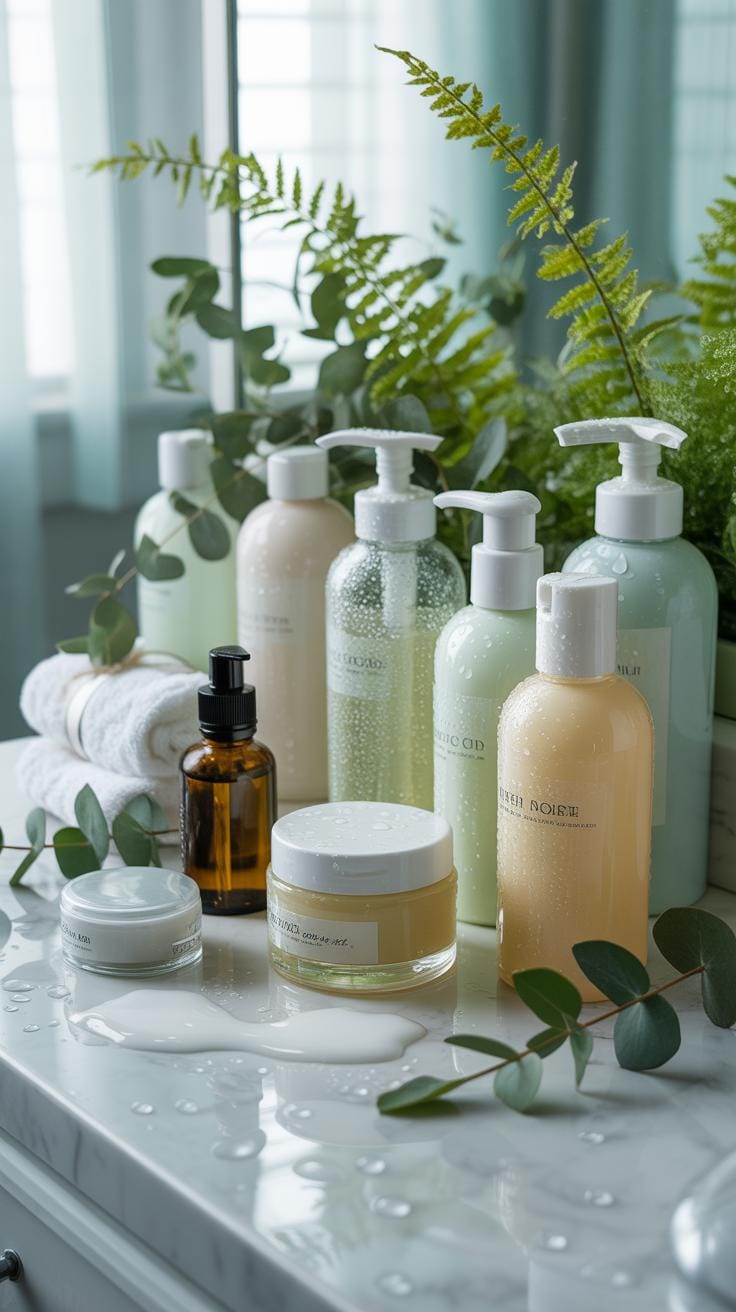
Picking a cleanser that matches your skin type feels straightforward but can get tricky faster than you think. For oily skin, a gel or foam cleanser often works well—they remove excess oil without weighing your skin down. Dry skin, though, tends to need something gentler, like a cream or oil-based cleanser that keeps moisture in rather than stripping it away. Combination skin? You might have to experiment a bit—sometimes a gel cleanser paired with a nourishing moisturizer does the trick, but it depends on which area needs more care on any given day.
Sensitive skin demands extra caution. Avoid harsh ingredients that can trip up your skin’s barrier and cause irritation or redness. Sulfates, strong alcohols, and fragrances are common culprits here. I remember once trying a popular foaming face wash that left my cheeks burning for hours—even though it claimed to be for sensitive skin. Lesson learned.
Look for ingredients like glycerin and ceramides. They help restore hydration and protect the skin’s barrier. On the flip side, steer clear of sulfates (like sodium lauryl sulfate) and denatured alcohols that dry out or irritate your skin. Even if the cleanser seems gentle on the surface, these can sneakily damage your skin over time, making issues worse rather than better.
The variety of cleansers on the market can feel overwhelming, but understanding how each one interacts with your skin type can simplify the choice. Remember, what works for one person may not suit you, so paying attention to how your skin reacts is key.
Skipping Moisturizer Risks

Skipping moisturizer after cleansing might seem harmless, especially if your skin feels okay at first. But I’ve noticed that even if your face doesn’t immediately react, missing this step can quickly lead to dryness. Your skin loses the natural oils stripped away by cleansing, and without moisturizer, it struggles to hold onto moisture.
This dryness isn’t just uncomfortable—it can actually damage your skin barrier. That protective layer keeps irritants and bacteria out, so when it’s compromised, you may start to see redness, tightness, or flakiness. Sometimes, the skin even overcompensates by producing excess oil, which—ironic as it sounds—can make you break out more.
How Moisturizing Supports Skin Health
When you apply moisturizer, you’re basically sealing in the hydration your skin needs to function well. It acts like a shield, protecting the skin barrier from everyday stressors like pollution or harsh weather. At the same time, a good moisturizer calms any irritation and smooths out rough patches, preventing that flaky or itchy feeling.
I’ve found that consistent moisturizing keeps my skin flexible and less prone to reacting unpredictably. It’s like keeping your skin’s foundation strong so nothing else feels off. Moisturizer might seem like a small step, but it actually supports everything else in your routine.
Choosing Moisturizers For Mornings
For daytime, you’ll want something that doesn’t feel heavy or greasy. Lightweight formulas absorb fast, so they sit well under makeup and your sunscreen—both crucial for morning routines. If a product leaves your skin feeling sticky or overly oily, it can mess with how your makeup applies and even cause it to slide off.
Look for moisturizers labeled as non-comedogenic or specifically designed for oily or combination skin if you struggle with breakouts. Gel-based or water-based options often work well. Sometimes, a lotion with added antioxidants can even give an extra layer of care without weighing you down. You want your moisturizer to prepare your skin, not interfere with the next steps.
Sun Protection Importance

Your morning skincare routine isn’t complete without sunscreen. It’s easy to skip when you’re rushing or staying indoors, but sunlight affects your skin even through windows and on cloudy days. Over time, UV exposure breaks down collagen and elastin, which are the building blocks of firm, youthful skin. That’s why you might notice wrinkles or sagging as you get older, but sun damage plays a big role.
Along with aging, dark spots or uneven pigmentation often develop due to repeated sun exposure. These spots might seem harmless, but they’re a sign that your skin’s barrier is compromised. Worse still, UV rays increase the risk of skin cancer. The damage from sunlight adds up, which means daily protection matters. You can’t rely on sunscreen only when you’re outside for a long time—it’s really a step to take every morning, without fail.
Best Sunscreens For Daily Use
Finding the right sunscreen isn’t always straightforward. You want broad-spectrum protection, which means it guards against both UVA and UVB rays. That’s essential to protect against aging and burning. SPF 30 or higher is the recommended minimum, but some people prefer SPF 50 if they spend more time outdoors.
Then there’s the formula. If you have oily or acne-prone skin, a lightweight, non-comedogenic sunscreen is better. Dry skin might benefit from formulations with added moisturizers. Sensitive skin? Look for mineral-based sunscreens with zinc oxide or titanium dioxide. Sometimes it takes a little trial and error to find one that feels comfortable and doesn’t irritate.
How To Apply Sunscreen Properly
Many underestimate just how much sunscreen to use. The general guideline is about a nickel-sized amount for your face alone—sounds like a lot, but thin layers won’t protect well. Apply it after your moisturizers and serums have absorbed, so it forms a solid barrier instead of mixing unevenly.
Reapplying throughout the day is key, especially if you sweat or touch your face often. Aim for every two hours if you’re outside, but even if indoors, a midday reapplication can’t hurt. If you wear makeup, there are sunscreens designed to sit under or blend into cosmetics. Don’t forget your neck and ears, which are often missed but just as vulnerable.
Avoiding OverExfoliation
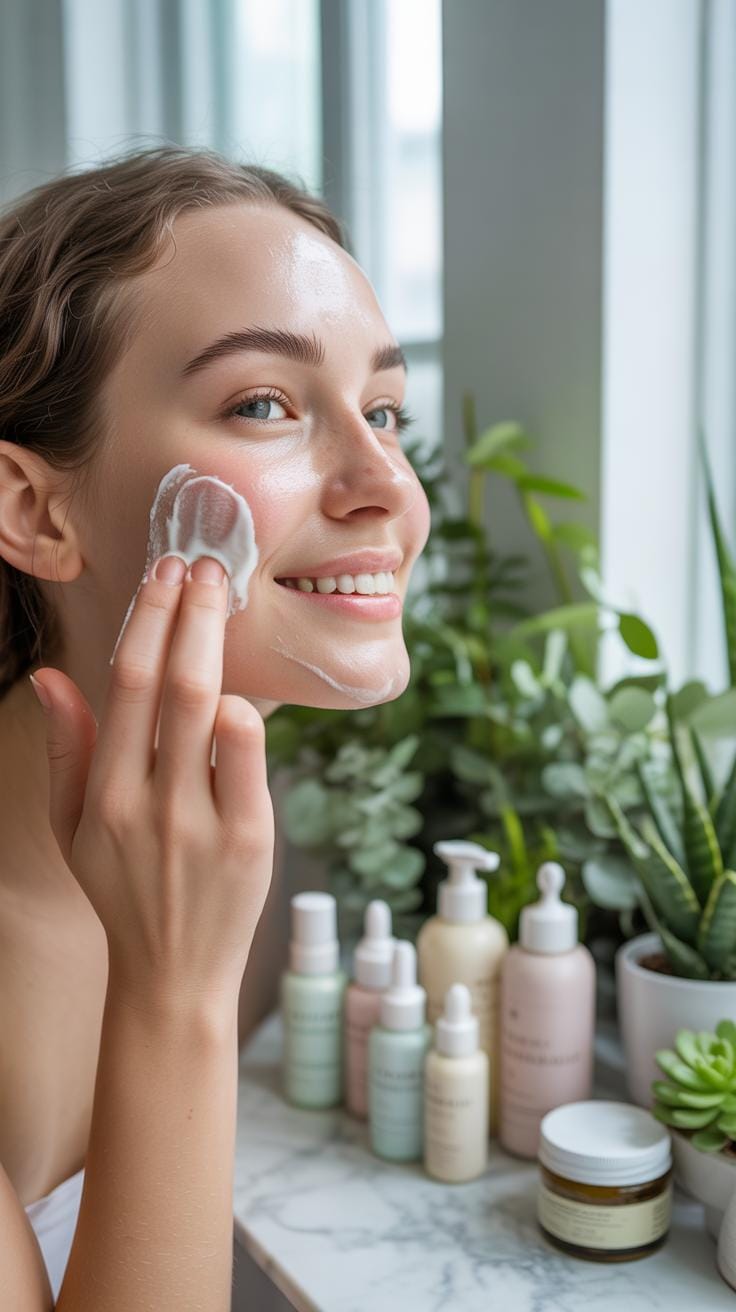
Exfoliating in the morning might feel like a quick fix to refresh your skin, but doing it too often or with harsh products can backfire. When you scrub or peel too aggressively, you damage the skin’s protective barrier. That barrier keeps moisture in and irritants out—destroy it, and the skin becomes more sensitive, red, and prone to dryness. I think many people don’t realize how easily this happens, especially if their skin feels tight or itchy after exfoliating.
You might expect exfoliation to make your skin look clearer instantly, but overdoing it can set off inflammation that actually worsens breakouts or redness. It’s like your skin’s SOS signal. Plus, the morning is not always the best time to exfoliate rigorously, since your skin needs protection throughout the day, especially from sun exposure.
Exfoliation Limits For Skin Health
How often you can exfoliate really depends on your skin type. If you have oily or acne-prone skin, exfoliating two to three times a week might be okay. But for normal to dry skin, once or twice a week should be enough—and sometimes less is better. Sensitive skin types should be extra cautious and might want to save exfoliation for the evening or skip it if irritation occurs.
In the morning routine, exfoliating every single day is usually too much. Your skin needs time to recover, especially after a night of natural renewal. Over-exfoliating can strip away essential oils and natural defenses, leaving you more vulnerable to environmental stress.
Gentle Exfoliation Alternatives
If you feel like your skin needs a gentle refresh without the risk, try mild options like soft enzyme exfoliants or low-concentration chemical exfoliants—those with lactic acid or mandelic acid are usually less irritating. Instead of daily exfoliation, look for creamy cleansers with a slight exfoliating effect that won’t disrupt the barrier.
Another idea is to limit exfoliation to evenings, giving your skin the night to rebuild. You could also consider a soft washcloth or konjac sponge to exfoliate gently a couple of times a week. These methods remove dead skin cells with less friction and irritation.
Have you noticed your skin reacts badly when you exfoliate in the morning? Sometimes dialing back or switching methods will make a surprising difference. The key is paying attention to how your skin really feels, not just what routines promise.
Morning Routine Order

Step By Step Routine Checklist
Start with cleansing. Even if you think your skin isn’t dirty after sleep, washing removes overnight oils and sweat. Use a gentle cleanser suited to your skin type, then rinse with lukewarm water—too hot, and you risk irritation.
Next comes treatments. If you use serums or specific products like vitamin C, antioxidants, or acne treatments, apply them on clean skin. These active ingredients penetrate better when the skin is fresh, making them more effective.
After treatments, apply moisturizer. This step seals in hydration and forms a barrier, helping your skin stay smooth through the day. If your moisturizer has a thick consistency, give treatments a moment to absorb or else you risk pilling.
Finally, never skip sunscreen. Daily sun protection shields your skin from UV damage, which contributes to premature aging and breakouts. Use a broad-spectrum SPF and apply it evenly, covering every exposed area.
Common Ordering Errors To Avoid
One frequent mistake is putting moisturizer before treatments. If you do this, active ingredients may not absorb properly and could just sit on the surface, hardly doing their job.
Another error? Skipping cleansing in the morning to save time. It might feel fast, but residues on your skin block product absorption and clog pores over time.
Also, some people delay or forget sunscreen on days they stay indoors. Even indoor light can affect skin, so this step should be non-negotiable.
Sometimes products get layered in the wrong order—like putting sunscreen under moisturizer or serum—which lessens their effectiveness. If you’re unsure, think about which product addresses skin from the inside out and which one acts as a shield.
Have you ever felt your skincare wasn’t working even though you used ‘all the right things’? The order might be the culprit. Just these few tweaks could change your skin’s response completely.
Mistakes With Skincare Tools
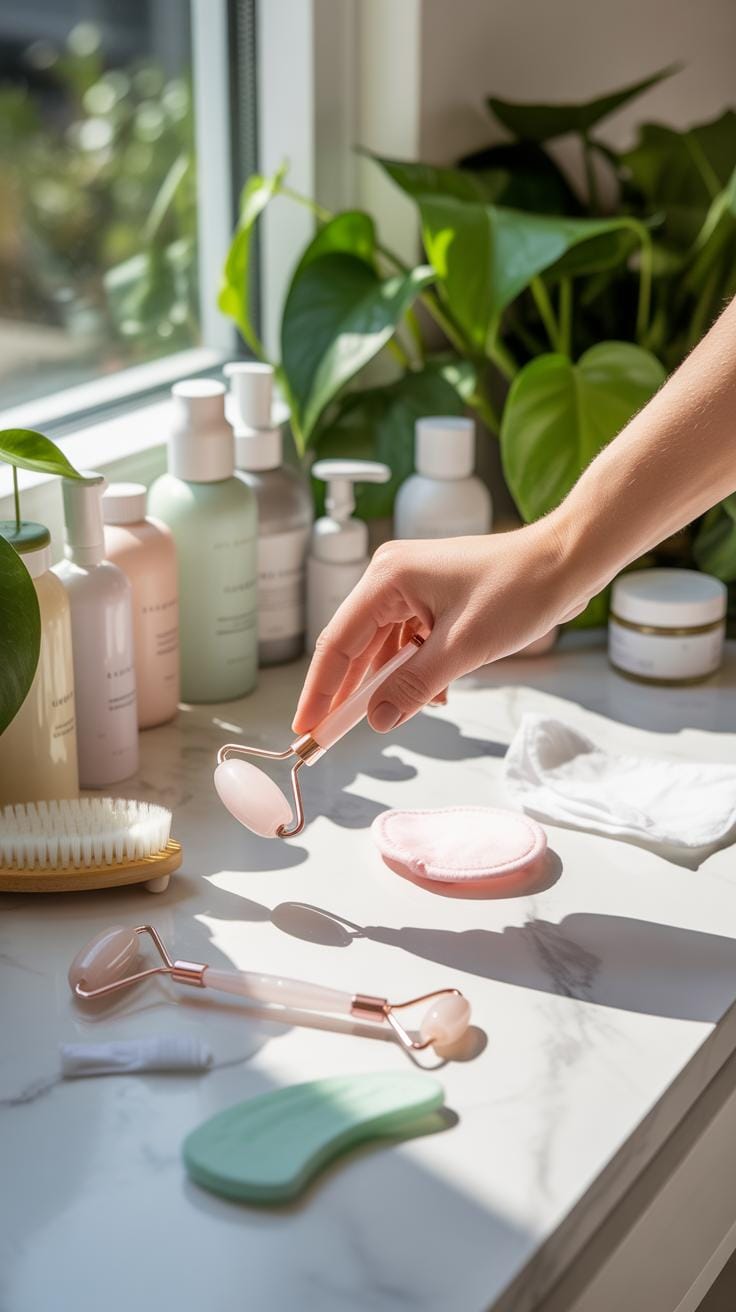
Using the wrong tools, or worse, dirty ones, can actually do more harm than good to your skin. You might think a soft cloth or a brush is harmless, but if they’re not clean, they harbor bacteria and dirt. This leads to clogged pores and irritation—exactly what you’re trying to avoid in the morning. Sometimes, I catch myself using a towel longer than I should and notice my skin flaring up. It’s tricky because we often overlook these small details in the rush of the morning.
Some people rely on facial brushes to exfoliate, but using an overly rough brush or one that’s not cleaned properly just aggravates the skin. Instead of smoothing things out, you might end up with redness or even tiny tears. It raises a question: are you really helping your skin or stressing it out more?
Keeping Tools Clean
Washing your skincare tools regularly is key. A quick rinse isn’t enough, especially with brushes or cloths that touch your face daily. I like to soak my brushes once a week in warm water and a gentle soap, then leave them to dry fully. Face cloths? They need to be swapped or washed every few days—otherwise, they’re a bacteria breeding ground.
Try to keep tools in a dry place too. Moist environments make bacteria thrive. If you don’t, breakouts might become an annoying routine you can’t quite explain. Are those blemishes from the product or from your dirty cloth?
Choosing Suitable Tools
Not every tool suits every skin type or routine. A soft microfiber cloth usually works well for morning cleansing because it’s mild yet effective. Sometimes, just using clean hands might be the safest bet for sensitive skin. For exfoliation, gentle brushes with soft bristles or silicone pads are less likely to cause damage.
Consider how often you plan to use them and if your skin can handle it. Too aggressive tools can strip away the protective layer, especially early in the day when your skin needs defense, not aggression. So, ask yourself: is that tool really helping your skin wake up gently or waking it up with a shock?
Comparing DIY Vs Store Products

Risks Of Homemade Products
Making your own skincare at home can feel rewarding, but it’s not without its pitfalls. For starters, controlling ingredient quality is tricky. Fresh fruits or herbs might sound natural, but they can harbor bacteria or allergens. That’s why some folks end up with unexpected rashes or irritation. I’ve seen people swear by a honey and lemon mask until their skin flares up for days. It’s not just about reaction either—consistency is often missing. One batch might soothe your skin, the next might do nothing at all, which makes tracking what truly works rather frustrating. Plus, homemade mixes often lack preservatives, so their shelf life is short. You risk applying something already spoiled, which only worsens your skin.
Benefits Of Tested Products
Commercial skincare products usually go through stability and safety checks, which offer a certain peace of mind. You know the product you’re using has been formulated in controlled conditions and tested repeatedly—not just for effectiveness but also to avoid harm. These products often include active ingredients in precise concentrations, designed to target specific concerns like acne or dryness. While some may hesitate due to chemicals or additives, these companies try to balance potency with gentleness. Also, many products come with clear instructions and known expiration dates, which removes guesswork. Of course, not every store product works perfectly for everyone, but at least you start with something consistent rather than rolling the dice every morning.
Tracking Your Skin Progress

Watching how your skin changes after tweaking your morning routine can feel a bit tricky. It’s not always obvious day-to-day, and sometimes you might wonder if what you’re seeing is real progress or just your imagination. Keeping track helps, but how exactly should you do that without getting obsessed?
Start with simple observations. Notice if breakouts happen less often or are less intense. Has your skin started to feel softer and look less dull? Maybe you’re seeing fewer dry patches or less redness—those can be signs your routine is working. Pay attention to how your skin feels by midday. Does it stay hydrated longer, or do you still feel it tightening or cracking? Sometimes subtle things like a more even tone or reduced oiliness tell you more than dramatic changes.
Try to give your routine at least four to six weeks before making big judgments. Skin cycles take time. Take photos every week or so under the same light and conditions; it’s easy to miss gradual improvements if you rely on memory alone.
Noticing Skin Improvements
Here are things to watch for that suggest your routine is doing its job:
- Fewer new breakouts or smaller, less inflamed pimples.
- Smoother texture and reduced rough patches.
- Better moisture levels, meaning your skin doesn’t feel dry or tight after cleansing.
- A more even or brighter skin tone, even if subtle.
- Less shine, if you have oily skin, or less flakiness if your skin is dry.
Sometimes progress doesn’t look perfect. You might still get a pimple here or there, but fewer than before. That’s okay.
When To See A Dermatologist
It’s tempting to blame your routine when things don’t improve, but sometimes, professional help is the best next step. If your skin reacts with persistent redness, itching, burning, or painful inflammation, don’t wait around hoping it will clear up by itself. Also, if breakouts worsen or new problems show up, like scarring or unusual bumps, a dermatologist can provide guidance tailored to your skin’s specific needs.
Occasional setbacks happen, but persistent, worsening symptoms shouldn’t be ignored. A professional can help figure out if there’s an underlying cause or if you need stronger or different treatments. So, keep an eye on your skin—and don’t hesitate to ask for help if it’s clearly struggling.
Healthy Lifestyle Impact

When thinking about your morning skincare routine, it’s easy to focus just on the products you apply. But you might be overlooking the role your overall lifestyle plays in how your skin looks and feels when you wake up. Diet, hydration, and sleep don’t just support your body—they have a real effect on your skin’s clarity and texture too.
Role Of Nutrition And Water
The foods you choose, and how much water you drink, can visibly change your skin’s morning condition. Eating nutrient-rich meals loaded with vitamins, like C and E, helps your skin repair overnight. These antioxidants combat damage, so your skin can look fresher early in the day. One morning I noticed my skin seemed dull after skipping fruits for a few days. That was a clear sign—food matters more than I sometimes thought.
Drinking water wakes up your skin, quite literally. It keeps your cells plump and hydrated, reducing dryness and tightness that sometimes make the skin look flaky. But it’s tricky: drinking tons of water right before bed won’t fix dehydration instantly. It’s more about consistent intake through the day. If your mornings often start with tight or tired skin, consider tracking your hydration habit.
Sleep Effects On Skin Appearance
Quality sleep is like a reset button for your skin. Deep sleep phases trigger skin cell renewal, helping to clear away dead cells and stimulate fresh growth. Without enough restful sleep, skin can look tired, with puffiness or uneven tone. I’ve had mornings where I barely slept—my skin seemed to hold onto all the previous days’ stress, and nothing in the skincare routine helped that glow.
Even the best serums or moisturizers might not overcome sleep deprivation’s impact. Sleep also promotes collagen production, which supports firmness—a lack of it can make fine lines more noticeable in the morning. So, when your skin looks off despite a routine, it might be less about the products and more about getting enough shut-eye.
Conclusions
Maintaining a good morning skincare routine requires awareness of common mistakes and applying proven steps daily. Cleansing your face gently, using the right products for your skin type, and protecting your skin from sun damage are essential actions. These simple but effective adjustments can greatly improve skin clarity and overall health.
Remember that consistency is key. Avoid skipping steps or using harsh products. Review your routine regularly to ensure it fits your skin’s changing needs. With care and attention, your morning skincare routine will support clear and healthy skin for the long term.