
Introduction
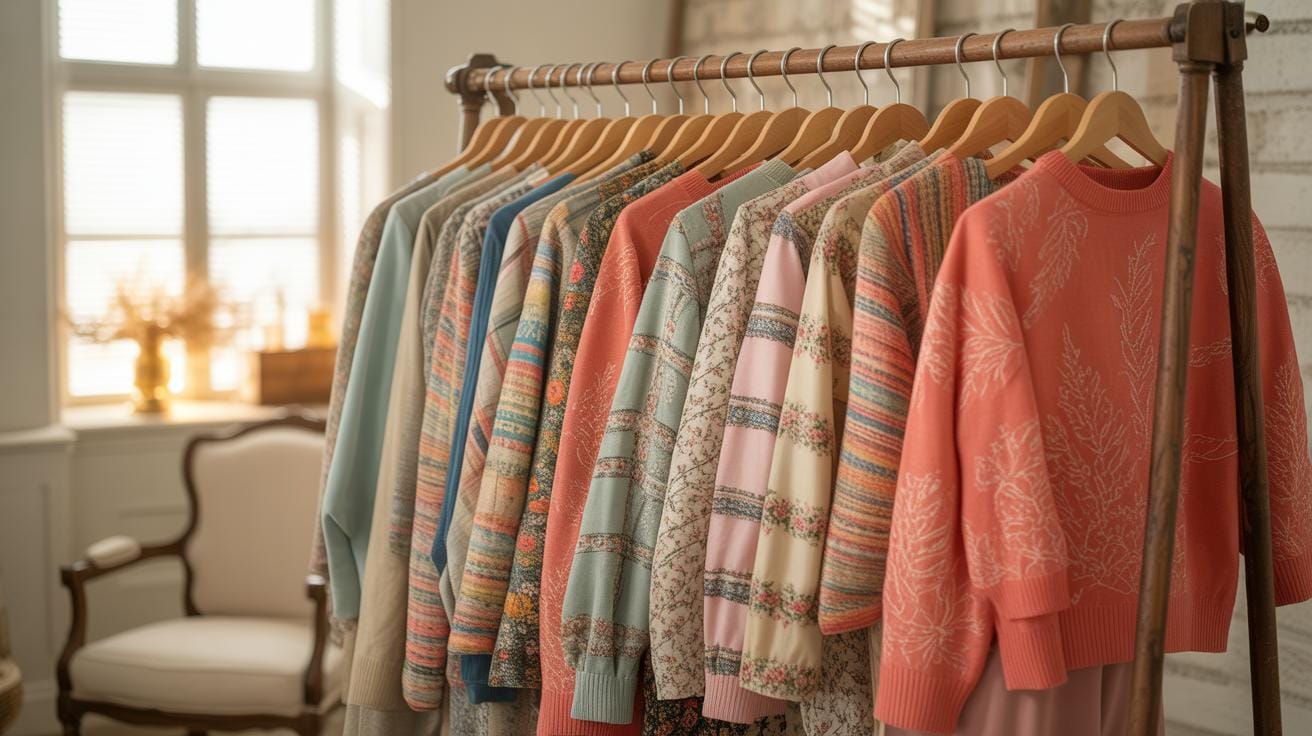
Mix and match outfits can make your wardrobe exciting and versatile. When you know how to combine different pieces, you get many looks without buying a lot of clothes. This method works best when you choose items that complement your body type.
This article explains how to pick and combine clothes that fit your body shape. You will learn simple tricks to look your best, all while saving time and money. Let’s start making outfits that fit you well and make you feel confident.
Mix and Match Outfits That Actually Work for Your Body Type
Mixing and matching clothes can feel like a puzzle sometimes. You might have a few pieces you really like but struggle to put them together in a way that feels right for your shape. The truth is, knowing your body type can change the game when it comes to creating outfits that flatter you instead of making you feel uncomfortable.
Once you have a grasp on your measurements, try pairing pieces that balance your proportions rather than compete with them. For example, if you have a pear shape—where your hips are wider than your shoulders—consider mixing a fuller bottom with a more structured top. A fitted blouse with a-line skirts or wide-leg pants can create harmony in your look. You’ll notice it’s less about what’s trendy and more about what enhances your natural lines.
Don’t be afraid to experiment with layering either. Sometimes a lightweight jacket, open cardigan, or a scarf can visually break up your silhouette in a flattering way. Just keep in mind where your body’s widest and narrowest points are—highlighting your waist or elongating your legs can shift how clothes feel on you.
Think about colors and patterns too. Try mixing solid colors with patterns, but place the patterns on parts of your body you want to draw attention to. If you’re apple-shaped, for instance, a vibrant top paired with darker, simpler bottoms often works well. And if you have a rectangle shape, layering pieces that create curves—like peplum tops or belted dresses—can add dimension to your outfits.
At the end of the day, mixing and matching isn’t about following strict rules but about finding combinations where you feel confident. It might take some trial and error, and you might find some unexpected pieces that actually work. So, before you dismiss a garment, try pairing it differently and see what happens with your unique shape in mind.
Pick Basics That Match Often
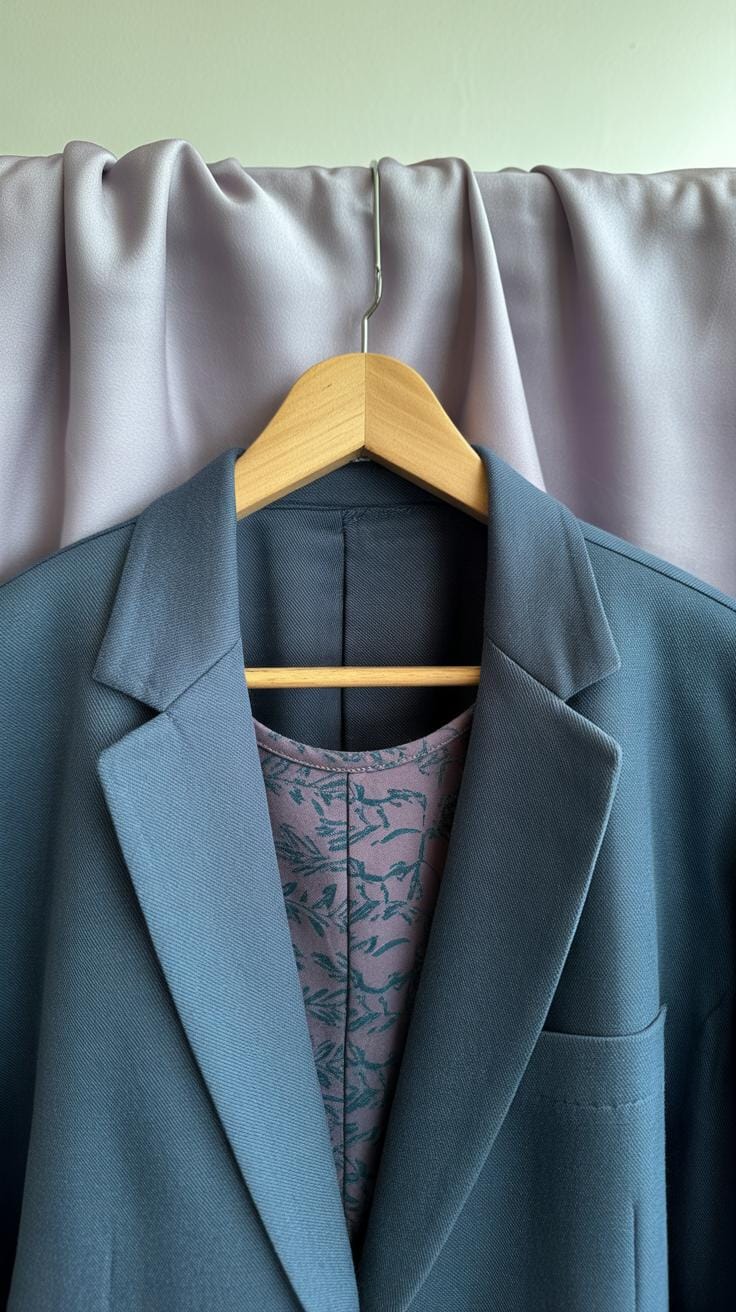
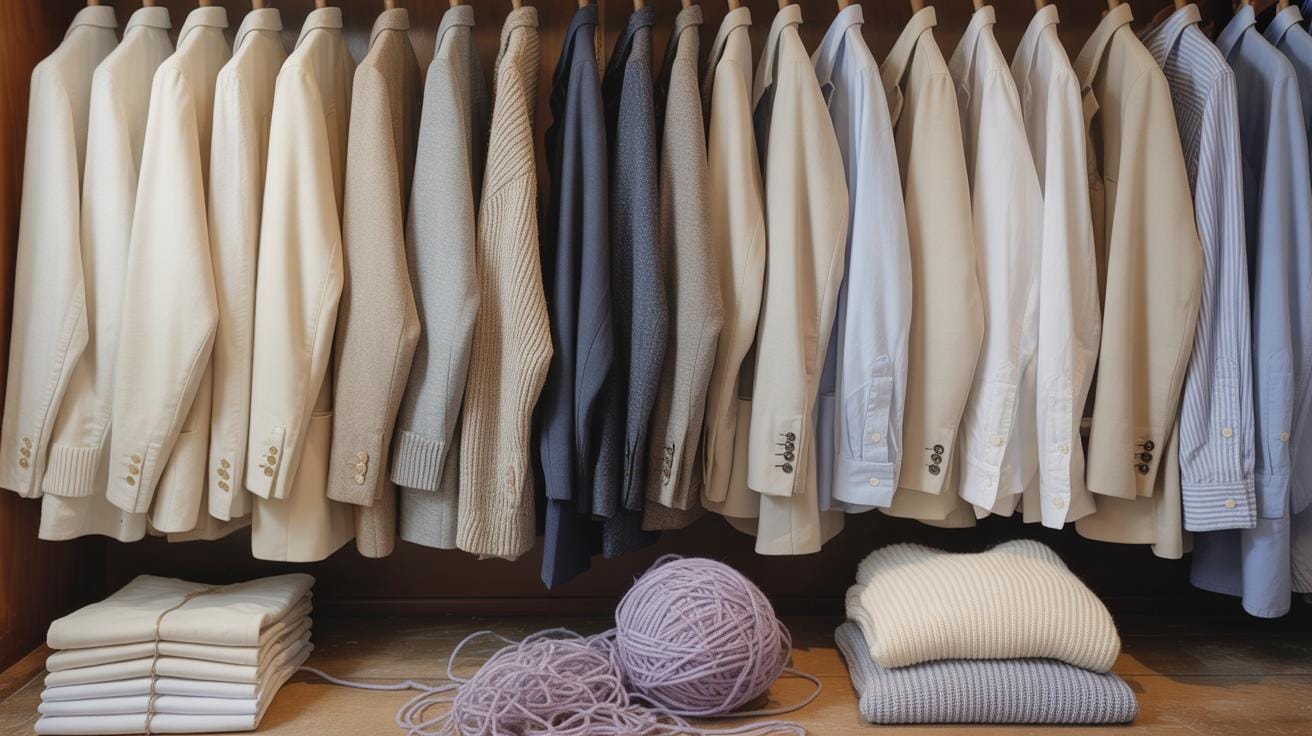
Owning basic pieces in neutral colors truly makes mixing and matching less of a hassle. Black pants, for example, can pair with almost anything—whether it’s a crisp white shirt or a casual denim jacket. I’ve noticed this works well across many body shapes because these items tend to streamline your silhouette without overwhelming it.
Think of your wardrobe like a puzzle where these essentials fit together effortlessly. A white shirt is simple but versatile—it can be dressed up or down, tucked in, or left loose. Denim jackets provide structure and add a casual vibe that works regardless of your shape or size. These basics don’t just blend with each other; they give you room to experiment with colors or accessories while keeping a cohesive look.
Essential Clothing Pieces for Any Wardrobe
Here’s a checklist of items that almost anyone can benefit from having:
- Black tailored pants
- Plain white shirts or blouses
- Classic denim jacket
- Neutral-toned cardigans or sweaters (grey, navy)
- Simple black or nude flats
- Dark wash jeans
- Basic skirts in neutral shades
These pieces tend to be flattering because they create clean lines and allow your natural shape to shine through rather than masking it. Plus, they work regardless of whether your style leans more formal or casual.
Choosing Neutral Colors for Flexibility
Neutral colors like black, white, grey, and navy really ease the challenge of outfit planning. They don’t compete with brighter colors or patterns, so you can add a pop of color or a statement accessory without worrying about clashing. I sometimes find that sticking to neutrals first helps me see what kind of standout pieces I actually need.
Neutrals act as a foundation—you can repeat black pants with different tops week after week and still look fresh. They also sharpen your overall silhouette, helping outfits look intentional rather than thrown together.
Have you ever pulled together an outfit quickly just because everything matched well? That’s what these basics and neutral colors enable. You’re not limited by trends or seasons; you just have a reliable base to build on.
Match Patterns and Solids Correctly
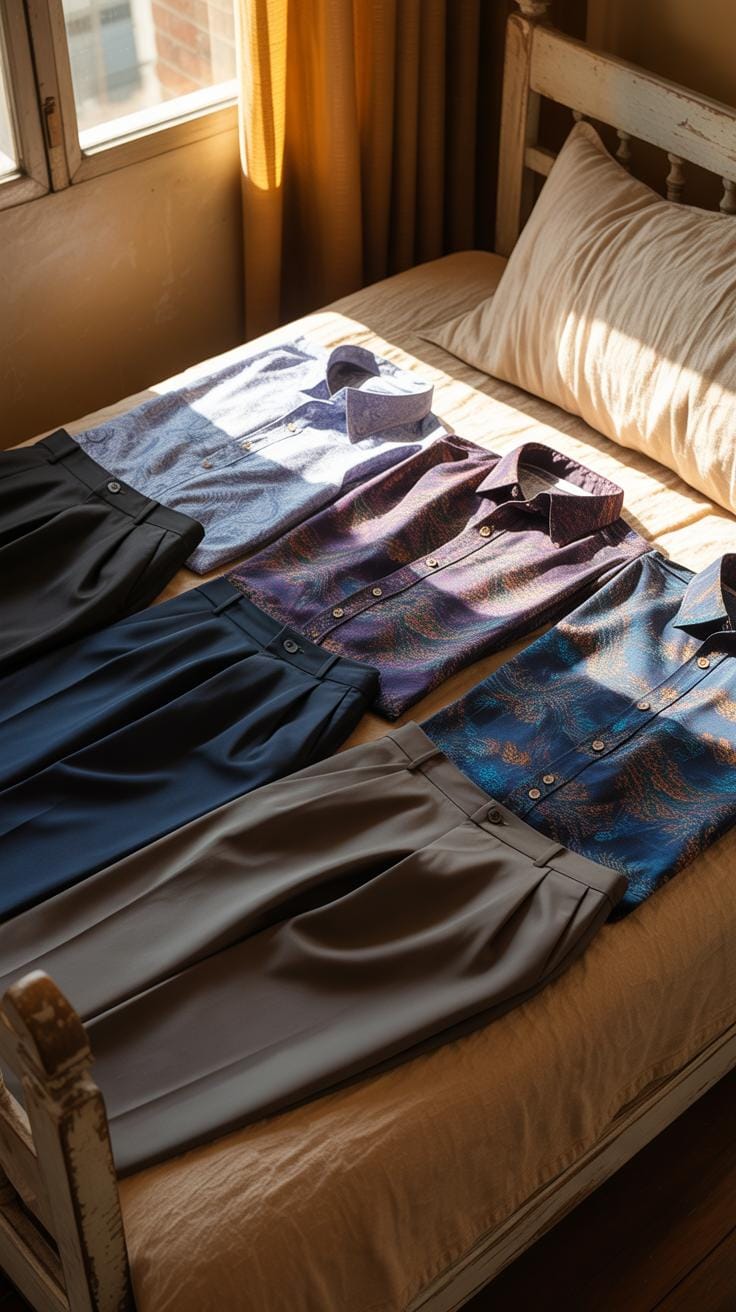
Mixing patterned clothing with solid items can feel a bit tricky at first. You want to avoid that overwhelming clash, right? A simple rule that’s helped me—and many others—is to balance one bold piece with something plain. If you’re wearing a busy floral blouse, pair it with solid-colored pants or skirt. It lets the pattern stand out without competing for attention.
For example, someone with an hourglass shape might choose a patterned top to highlight their waist, paired with solid, darker pants to keep the focus balanced. Meanwhile, a pear-shaped figure could wear a patterned skirt with a solid top to draw eyes upward. I think the key is to let one garment do the “talking” while the other listens quietly.
Safe combinations often include patterns in neutral tones matched with solid colors in the same palette. Think polka dots in black and white with solid black pants or floral prints with beige or soft pastels. Stripes with solid accents also work well, just watch out for the scale of the stripes. Large stripes with thin ones? Maybe not the best companion.
Regarding body types:
- Pear shapes: Patterns on top, solids below help balance wider hips. Vertical stripes or small prints on blouses work nicely.
- Apple shapes: Solid colors on top with patterned bottoms can create a sense of proportion. A-line skirts in subtle prints are ideal here.
- Hourglass shapes: Balanced patterns all over can accentuate curves, but avoid overly busy prints that hide your waist.
- Rectangle shapes: Patterns can add dimension, so mixing a patterned jacket with solid pants might add curves where you want them.
Have you noticed how sometimes a patterned piece makes you feel instantly confident? Maybe it’s because when the pairing feels right, your proportions just look… harmonious. It takes a bit of trial and error, but with these tips, you might find combining patterns and solids less intimidating, maybe even fun.
Create Outfits with Layering
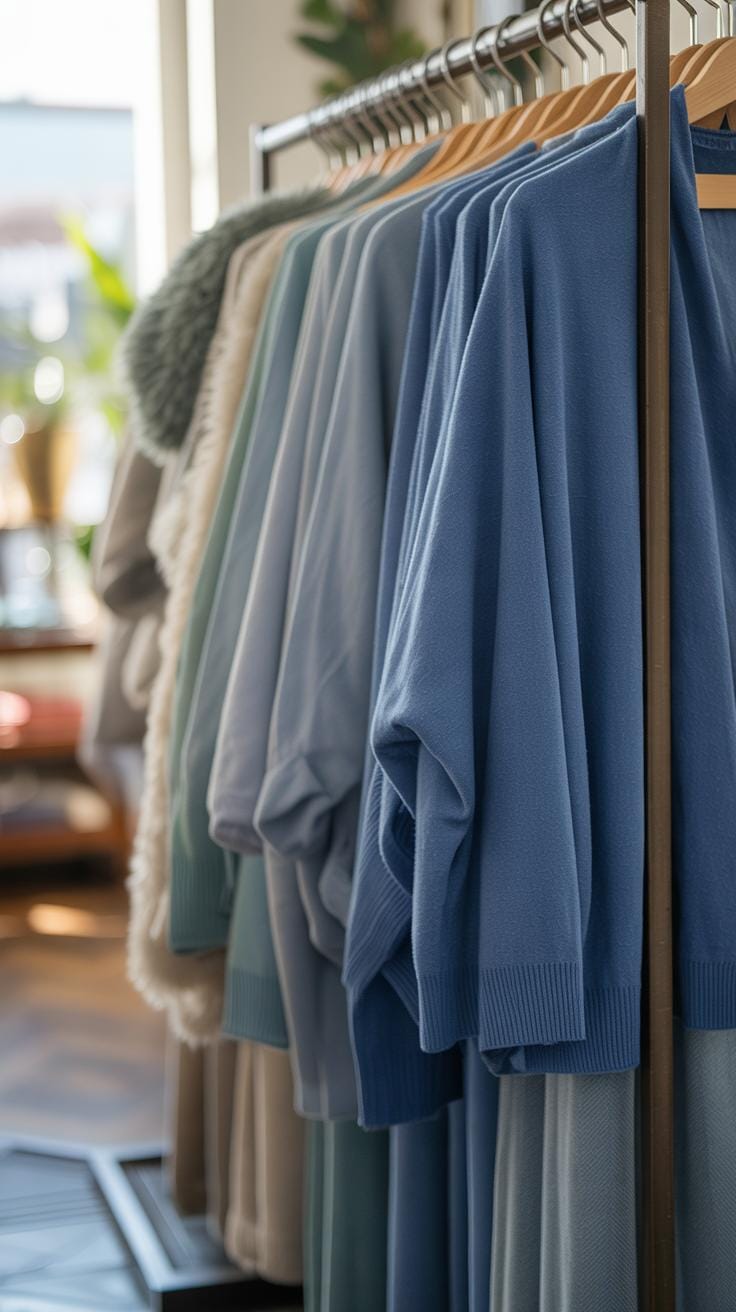
Layering isn’t just about keeping warm; it can completely shift how an outfit looks and feels. Imagine a simple tee paired with a lightweight cardigan and topped with a cropped jacket. Suddenly, you’ve introduced dimension and shape. Jackets, cardigans, scarves—they all work to create new silhouettes, giving your outfit some personality without much effort. For instance, a long cardigan can elongate your frame, while a structured jacket adds angles.
Layering also lets you play with volume where it matters. If you want to add some curves, a puffed sleeve jacket or a softly draped scarf can lend that extra presence. On the flip side, layering can slim down areas by choosing the right cuts and fabrics. Sometimes, tossing on a belt over a jacket can highlight your waist, shaping your look subtly. You might even find it fun how, with just a few pieces, your outfit transforms from plain to polished—or casual to chic.
Layering Items to Add Dimension
Key layering pieces include:
- Light jackets: Denim, leather, or blazers add structure.
- Cardigans: Great for softness or length, depending on the style.
- Scarves: They introduce color and texture, plus movement.
- Vests: Sleeveless layers can add bulk strategically without the heaviness of full sleeves.
- Button-up shirts: Worn open over a top, they create depth.
- Layer-friendly fabrics: Thin knits and smooth cottons avoid bulk.
To keep from looking bulky, choose one or two layers max on top, ideally in contrasting lengths or shapes. For example, a short jacket over a long shirt keeps things balanced. Avoid thick, shapeless pieces piled up—it tends to hide your silhouette rather than enhance it.
Layering Tips by Body Type
Different shapes benefit from layering in unique ways. If you’re pear-shaped, layering with a lighter cardigan over a fitted top can soften the shoulder area and balance wider hips. Hourglass figures might lean on a cropped jacket or belt over layers to emphasize their waist. Rectangle shapes gain from pieces that add curves, like ruffled scarves or peplum jackets, which create a hint of shape. Apple-shaped bodies often find vertical layers helpful—an open jacket or long vest draws the eye up and down, slimming the midsection.
What’s tricky is that layering can sometimes hide your best features if done carelessly, like bulky sweaters over curves. It’s a bit of trial and error, honestly. But when you get it right, layering is one of those low-effort ways to experiment with style while flattering your figure.
Use Color Blocks to Your Advantage
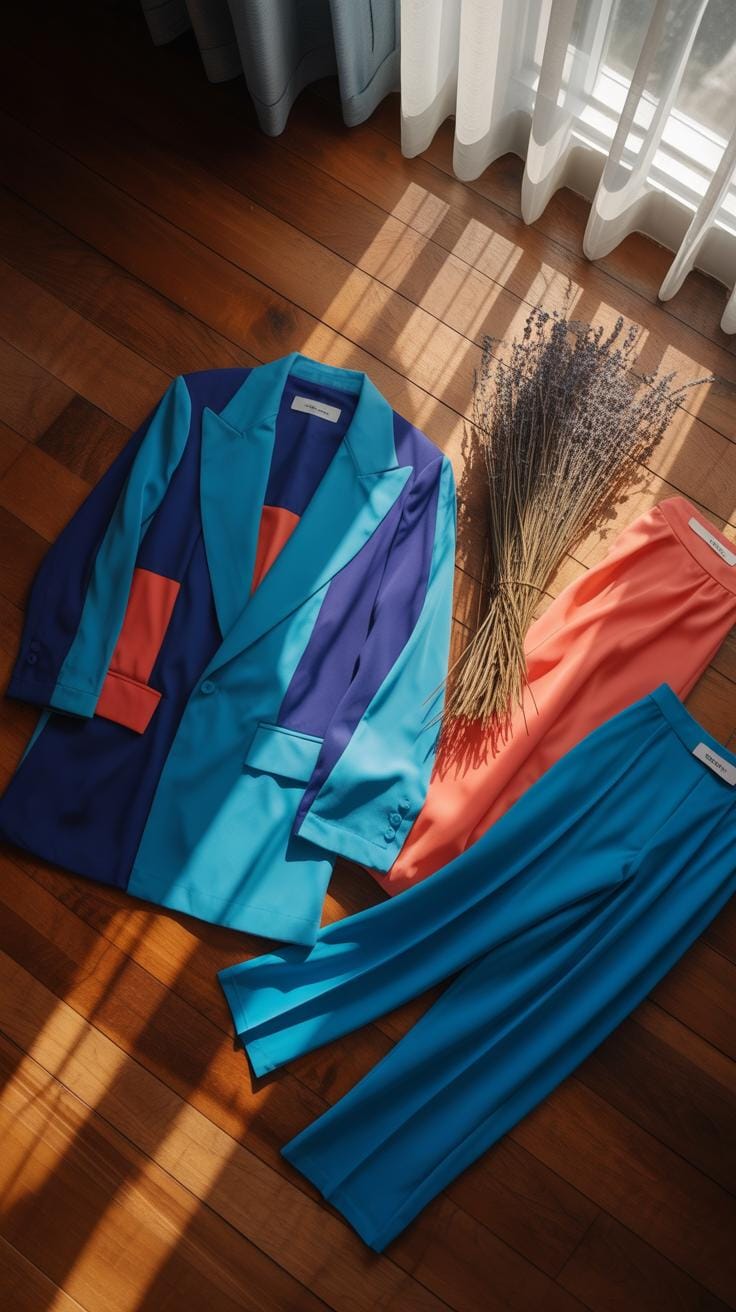
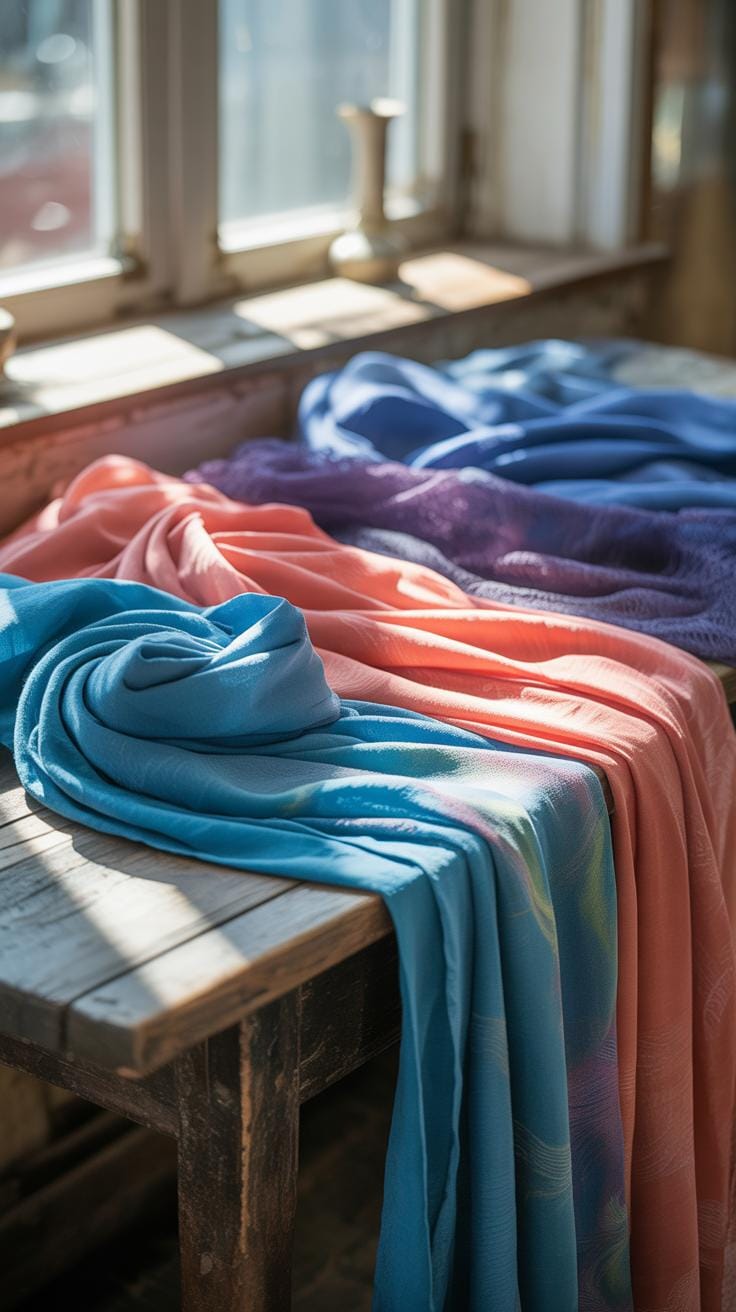
Color blocking is a smart way to shape your look and keep things visually interesting. By combining large patches of different, often contrasting, colors, you can draw attention to or away from certain body parts. For instance, if you want to highlight your waist, a bright color there can create focus, while darker shades on other areas can make them recede. People often think color blocking is just about bold fashion statements, but it can subtly work for everyday outfits too. It’s about careful placement—maybe a vibrant top paired with dark trousers, or a lighter skirt matched with a deep-toned blouse.
Creating color blocks isn’t tricky. Use tops and bottoms in distinct colors rather than busy patterns, which might confuse the eye. Try wearing a solid-colored turtleneck tucked into contrasting pants, or pair a bright handbag with a monochrome outfit to add a pop of color. Accessories like belts or scarves can act as smaller blocks that break up the silhouette and add balance without overwhelming your look.
When using color blocks, think about these tips based on your body shape:
- Pear shape: Place brighter or lighter colors on the top half to draw the eye upward. Darker, muted shades on the hips and thighs help downplay those areas.
- Apple shape: Use dark, slimming tones on the midsection while bringing brighter colors to the legs or shoulders to create a more balanced look.
- Hourglass shape: Highlight your waist with contrasting colors—like a dark skirt and a bright tucked-in blouse—to emphasize your natural curves.
- Rectangle shape: Add dimension by alternating light and dark colors between your upper and lower body. Bright tops and darker bottoms can create the illusion of curves where you want them.
Have you ever picked colors that didn’t quite feel right but couldn’t explain why? Sometimes mixing too many bright blocks without considering your shape can end up hiding your natural proportions instead of enhancing them. It’s a little trial and error. But when you get it, it can make the outfit—and you—stand out in just the right way.
Find Your Best Outfit Combos
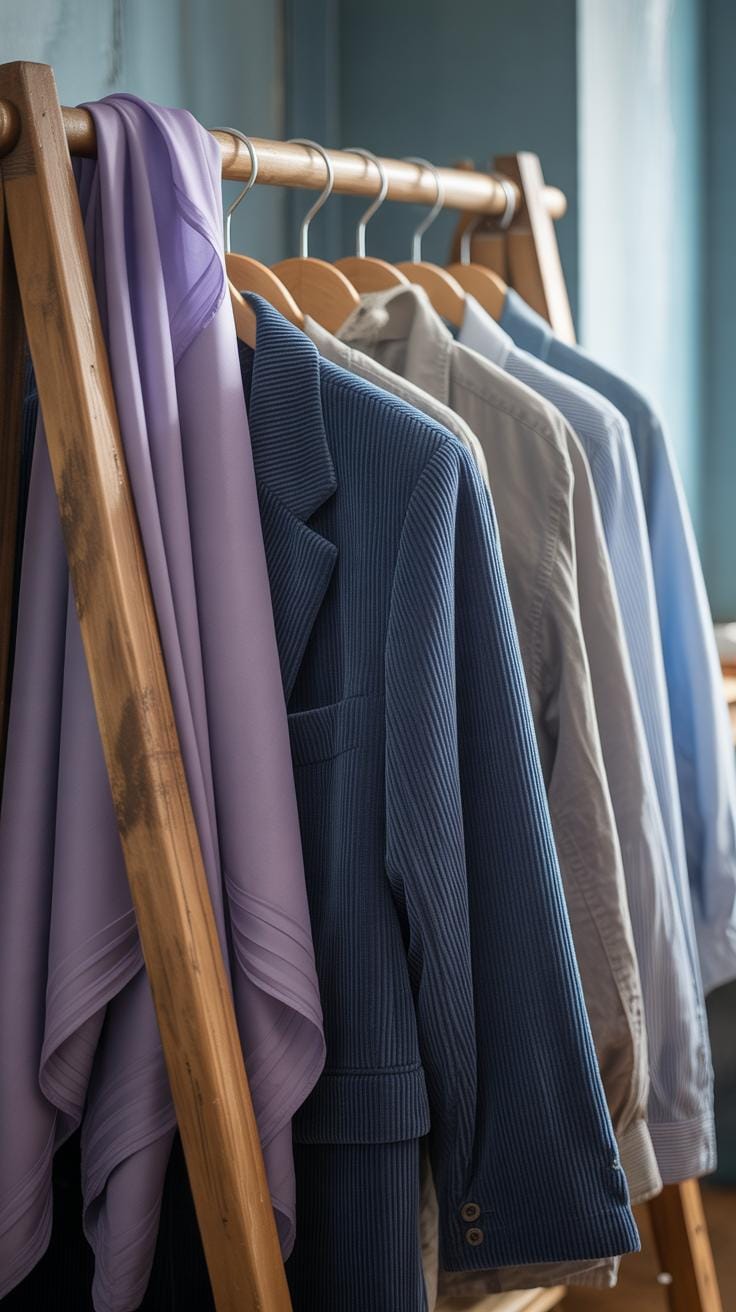
Testing which mix and match outfits really suit your body shape can feel like a bit of trial and error—though it doesn’t have to be overwhelming. One practical way is to set aside some time at home, maybe during the weekend or a quiet evening, to piece together different tops, bottoms, and layers that you think might work. Take photos from different angles—you might be surprised how useful this visual record is when you revisit your options later.
Keep a lookbook or even a simple folder on your phone. It helps you remember the combinations you liked, especially on days when dressing feels harder. You can note details like how you felt wearing that outfit or what occasion it was for. Over time, you might discover patterns that flatter your silhouette best.
Testing Mix and Match Outfits at Home
Try to use natural light near a big window for the most accurate look at colors and fits. If that’s not possible, use soft, warm artificial light rather than harsh overhead lighting—it changes how clothes and shadows fall on your figure. Position yourself in front of a full-length mirror, but also check side and back angles if you can. It’s easy to miss things from just one perspective.
Start by pairing pieces you rarely put together before. Maybe a blouse with an unexpected skirt or layering items you usually wear solo. Don’t rush—take a few minutes per combo so you give yourself time to really see if it feels right. Ask yourself: Does this highlight my best features, or do I feel like some parts are lost or overwhelmed? That subtle discomfort often signals what to avoid.
Examples for Various Occasions
For work, try pairing structured tops with streamlined trousers or pencil skirts. If you have a pear-shaped body, you might want to emphasize the upper body with some detail or color and keep the bottom simple. For casual outings, experiment with relaxed fits layered for a bit of volume or texture—think a loose cardigan over a fitted tee and jeans.
Special occasions offer room for bolder choices. Maybe a fitted dress with a cropped jacket if you have an hourglass figure, or a high-waisted skirt that elongates legs for shorter frames. The key is to take what you already know works and tweak it by changing accessories, shoes, or layering pieces. Don’t worry if it takes trying a few versions—you’ll find your rhythm.
Have you noticed your favorites tend to share certain colors or shapes? That’s a clue worth following. Keep playing with combinations and remember, some days your style might feel more adventurous, others just safe and simple—and that’s perfectly okay.
Avoid Common Outfit Mistakes
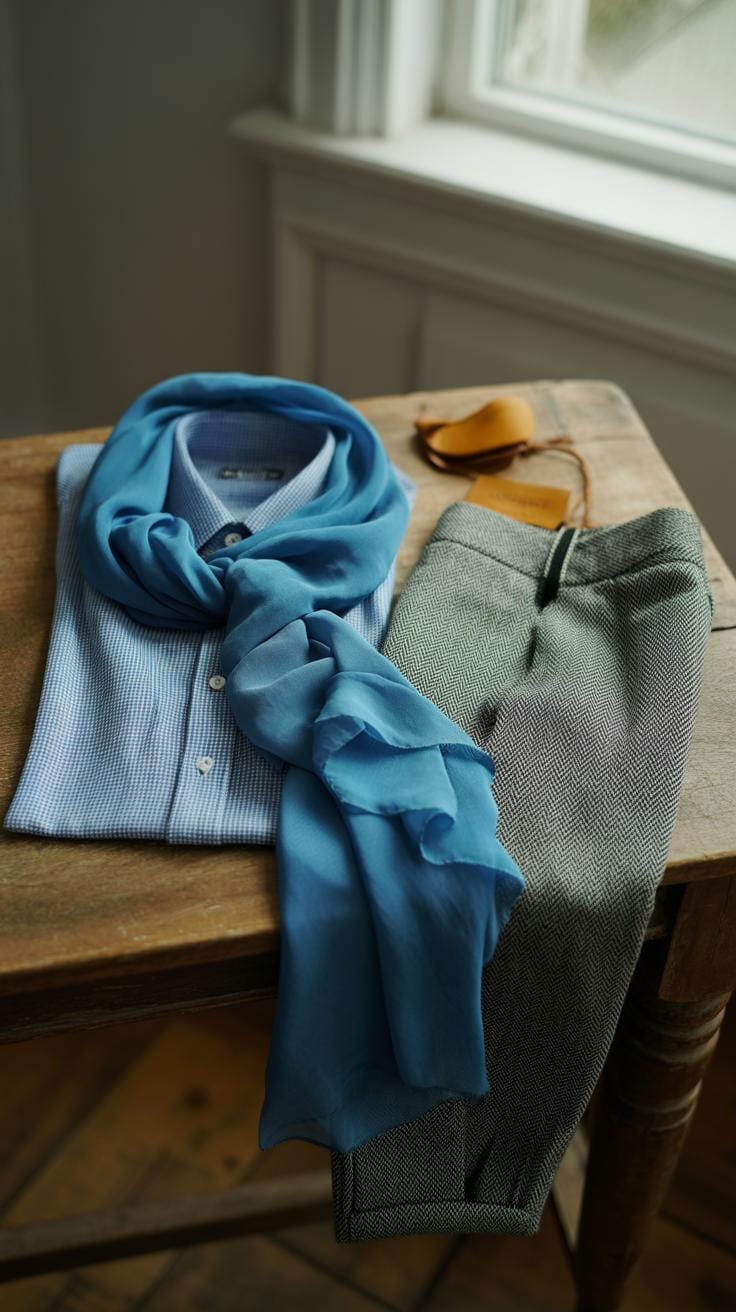
Mixing and matching clothes sounds simple, but it’s surprisingly easy to get it wrong. One of the biggest pitfalls is overlooking how pieces fit together—not just physically, but visually. For example, pairing a very loose top with tight bottoms can feel off-balance unless it’s intentional and suits your body shape. You might think more is better, but sometimes less complexity makes a look feel more polished.
Fit issues often sneak into outfits without you realizing it. Clothes that are too tight can create unwanted bulges or highlight areas you’d rather downplay. Too loose? That can swallow your frame and obscure your body’s natural lines. I’ve seen people struggle with jeans that gape at the waist or blazers that feel like tents. The trick is to choose pieces that skim your body cleanly while allowing comfortable movement—think of it like a middle ground, not skin-tight or drowning in fabric.
Colors and patterns are another common trap. You may love a bold floral top and striped skirt, but together they might fight for attention rather than complement. Odd color combos can also make an outfit look jumbled. If you spot this, a simple fix is to ground the outfit with neutrals like black, white, or beige between clashing hues, or pick one statement piece and keep the rest plain. Sometimes, your eye needs a break. You don’t always have to wear the whole rainbow.
When figuring out what works, ask yourself: Do these pieces talk to each other, or do they just sit side by side? If your outfit feels disjointed, try swapping one item for something simpler or more fitted. It’s rarely a matter of buying new clothes—it’s more about pairing what you have thoughtfully. In practice, keeping fit and color harmony in mind can transform a so-so combination into something that actually feels put-together.
Plan Your Wardrobe for Success
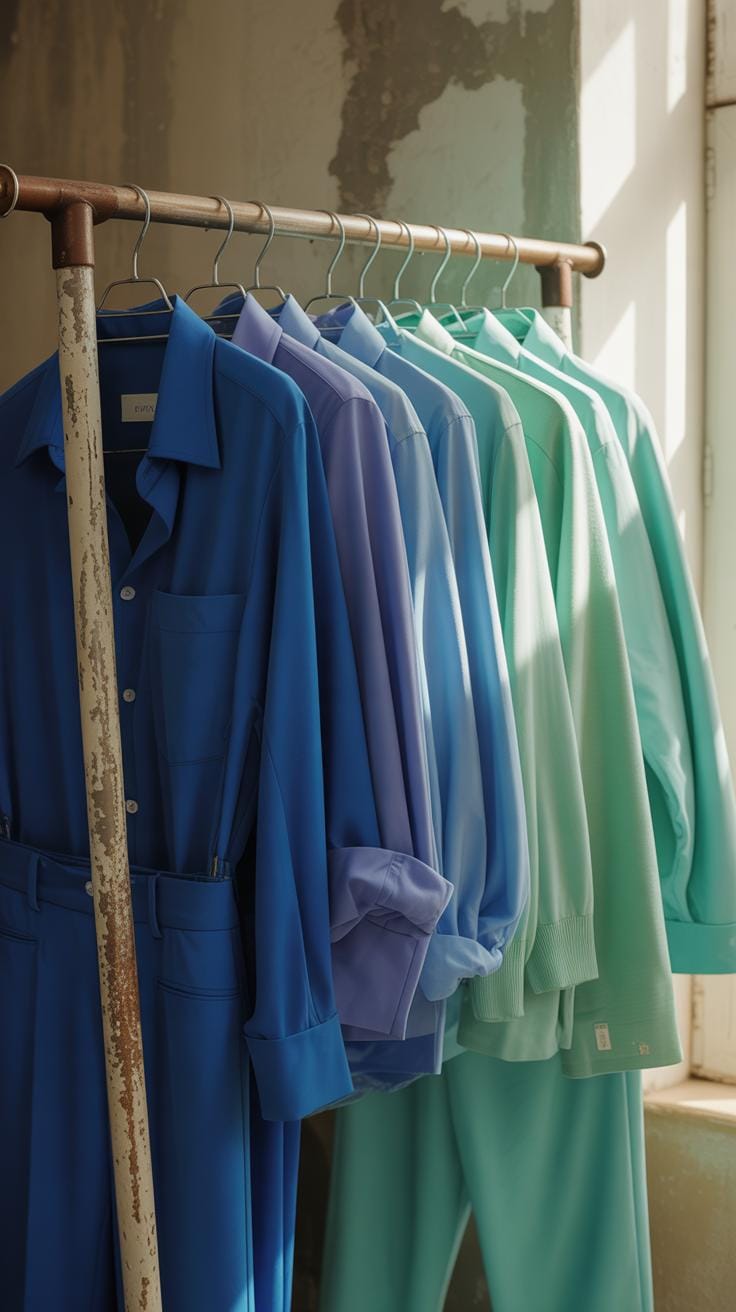
Organizing your clothes so that mix and match outfits are easy to create starts with how you store them. Keeping your wardrobe visible and accessible saves time and energy, especially on busy mornings. If you can see everything clearly, it’s simpler to spot pieces that work well together—and I guess that’s the whole point, right? Try sorting clothes by type first—pants, tops, skirts—and then arrange them by color within those groups. It might seem a bit tedious at first, but the payoff is pretty satisfying when outfits come together naturally.
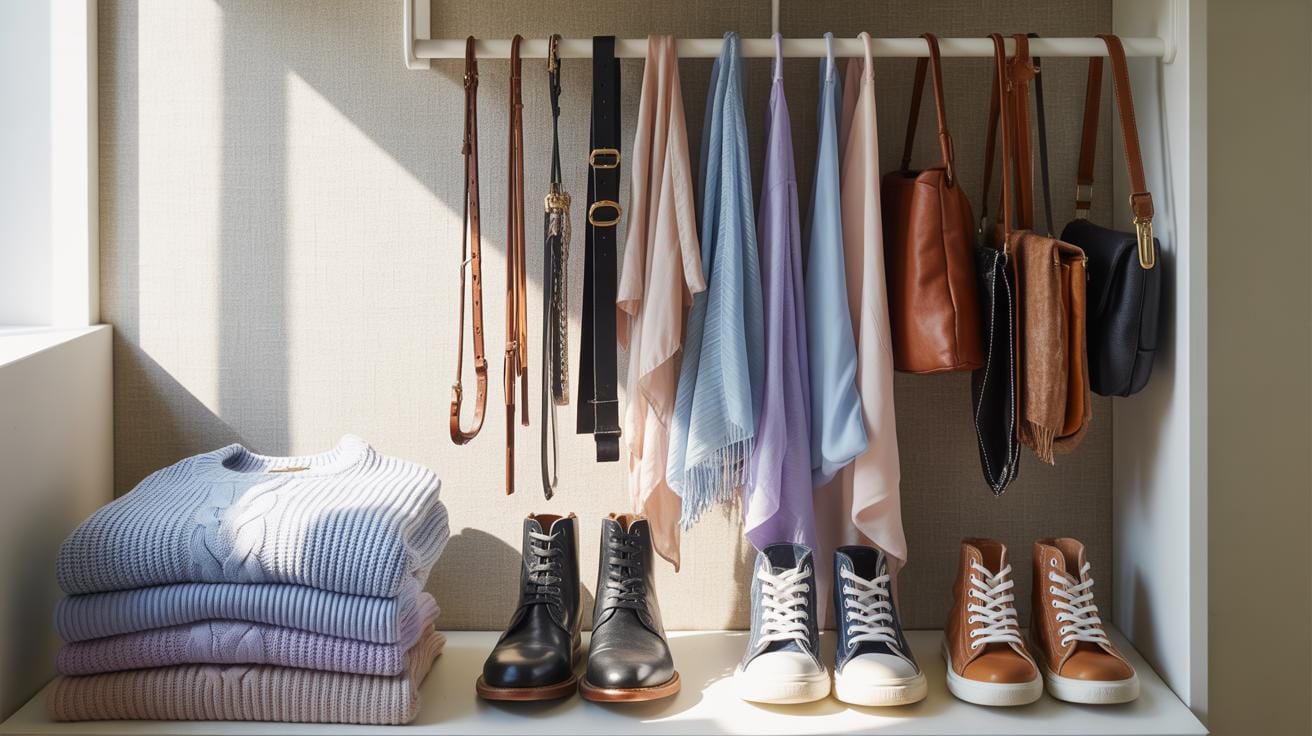
Think about drawer dividers or shelf organizers to separate items without clutter. Hanging items on uniform hangers keeps things neat and makes it easier to pull out what you need without disturbing neighboring clothes. You might find that keeping your most versatile pieces front and center encourages creativity—those neutral colors or staple shapes that fit your body really well.
Organizing Clothes for Easy Access
When everything has its place, it stops you from staring aimlessly at your closet. One technique I’ve found helpful is grouping by occasion too—workwear in one section, casual pieces in another. Color coding within these categories speeds up the process even more. For example:
- Dark colors for formal wear
- Bright or patterned for casual
- Seasonal layers separated by weight and fabric
This isn’t about being perfect, but about reducing friction when choosing. If you can glance quickly and know what kind of top or bottom you want, you waste less time and energy.
Updating Wardrobe Seasonally
It might feel weird at first to remove some pieces as seasons change. But rotating your clothes can keep your wardrobe fresh and your choices relevant to the weather—or just your mood. A quick closet scan every few months helps you spot what’s worn out, what doesn’t flatter you anymore, or what simply doesn’t fit your current style or body shape. Adding a few key pieces each season can reinvigorate your mix and match options without overwhelming your space.
Try asking yourself: Do these items still serve me? Are they easy to combine with other things I own? If you hesitate, that’s usually a sign they might be better off donating or selling. On the flip side, buying with mix and match in mind—think neutral basics or accent colors that complement your existing wardrobe—makes real outfit-building easier. Not everything has to be flashy; sometimes the simplest pieces create the strongest looks.
Shop Smart for Your Body Shape
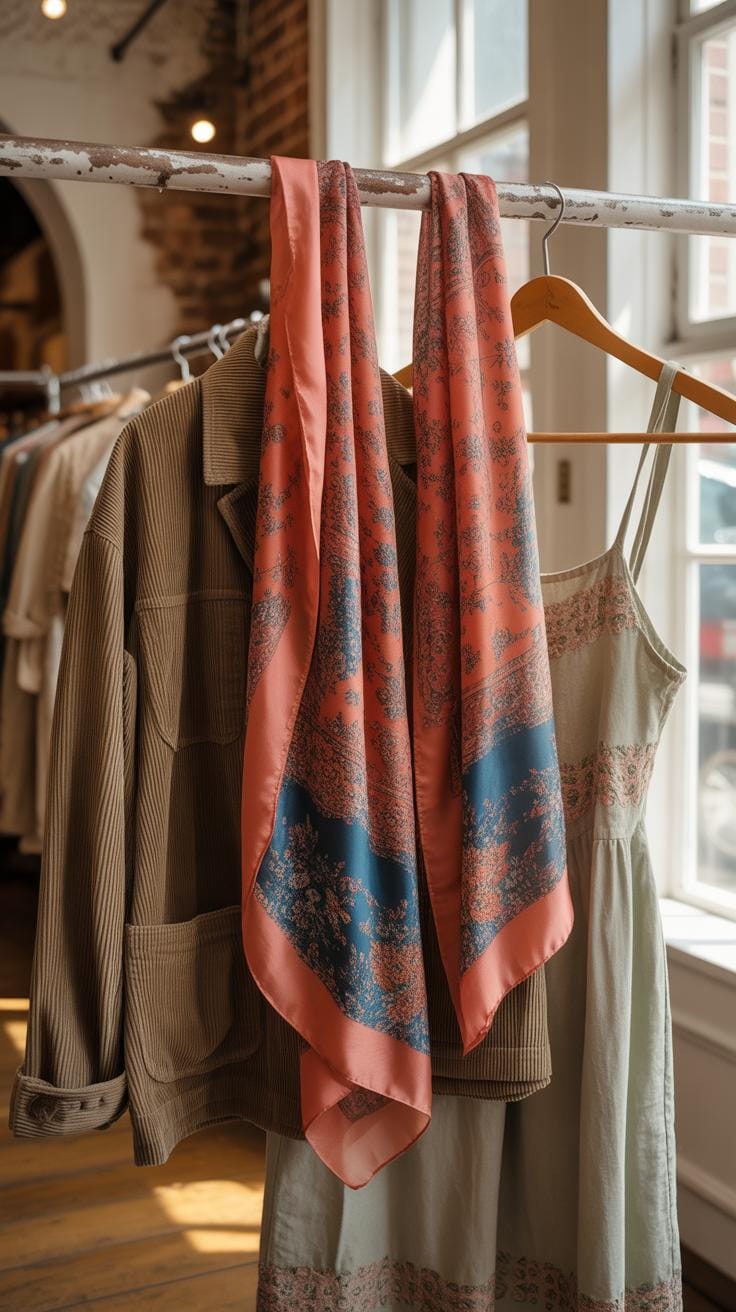
When shopping for mix and match outfits, knowing your size is more than just a number on a tag. It’s about understanding how different cuts and fabrics work with your shape. Don’t rely solely on your usual size—you might find that certain brands run bigger or smaller, or that different styles highlight your best features or hide what you prefer less. Try keeping a tape measure handy to check the fit instead of trusting the label entirely.
Choosing fabrics is another factor that can’t be overlooked. Some materials cling in unflattering ways, while others drape nicely no matter your body type. For example, if you have a curvier figure, fabrics with a bit of stretch or structure can be more forgiving and comfortable. On the other hand, flowy fabrics work well if you want a softer silhouette, but they might add bulk if you’re petite or more straight-lined. It’s a balance, honestly, and you might need to experiment a bit before committing.
Focus on versatile pieces—those that can pair easily with many other items. Think neutral colors, classic shapes, and medium-weight fabrics that transition from one season to the next. A well-chosen blazer or a simple pair of trousers could anchor multiple looks, letting you mix patterns, textures, and accessories without stress. It’s tempting to grab trendier pieces, but versatility often saves more wardrobe headaches and, frankly, money.
How to Pick Clothes While Shopping
When you try on new clothes, pay attention to how they complement your shape, not just if they “fit.” Does the waistline sit comfortably? Are the shoulder seams in the right place? Tweaking these tiny details often makes a big difference. Also, consider if a piece works in combination with others you own—try pairing a top with pants or a skirt while you’re in the fitting room to see if they blend well. It might feel a bit odd, but it helps avoid impulse buys that end up unused.
Fabric matters a lot for comfort and style. Stretchy jersey or cotton blends usually feel better if you move around a lot, while rigid fabrics like denim or linen might look sharp but restrict movement. Sometimes, what’s stylish on the hanger isn’t wearable for hours. If the fabric feels stiff or awkward, it’s probably not going to become a mix and match staple.
Buying Versatile Pieces
Choosing pieces that work across different looks isn’t just smart; it’s practical. A basic button-down shirt, for example, pairs with skirts, jeans, or tailored pants and suits many frames by adjusting how you tuck or layer it. Dark wash jeans or black trousers are other examples that fit a range of styles while flattering varied body shapes. You might be tempted by something flashy that speaks to your mood today, but classics hold up better over time, especially when you want to mix and match easily.
Lastly, consider items with adjustable features—belts, wrap styles, and button-up fronts offer some customization to their fit, which can be a lifesaver. You want pieces that don’t box you in but rather move with you and adapt as your favorite combinations evolve. Have a few versatile go-tos, and your wardrobe suddenly feels more manageable.
Conclusions
Picking mix and match outfits that suit your body type helps you look great and feel comfortable. You do not have to follow every trend but instead focus on what fits and flatters you. Simple steps like identifying your body shape and choosing matching colors make a big difference.
Remember, building a mix and match wardrobe saves money and time. Use the tips here to create outfits that work for your daily life. Your clothes should make you feel good and show your style. Try different combinations and find what works best for you.