

Introduction
Minimalist outfits have grown popular among women seeking comfort and confidence throughout their day. These outfits are designed to be simple, effective, and versatile without excess decoration or complication. Women embrace this style for its ease of wear and timeless appeal.
This article covers the essential aspects of minimalist outfits for women. You’ll learn what makes an outfit minimalist, why it matters, and practical ways to build your minimalist wardrobe. We will also discuss the balance between comfort and style, helping you dress smartly with less effort.
What Defines a Minimalist Outfit
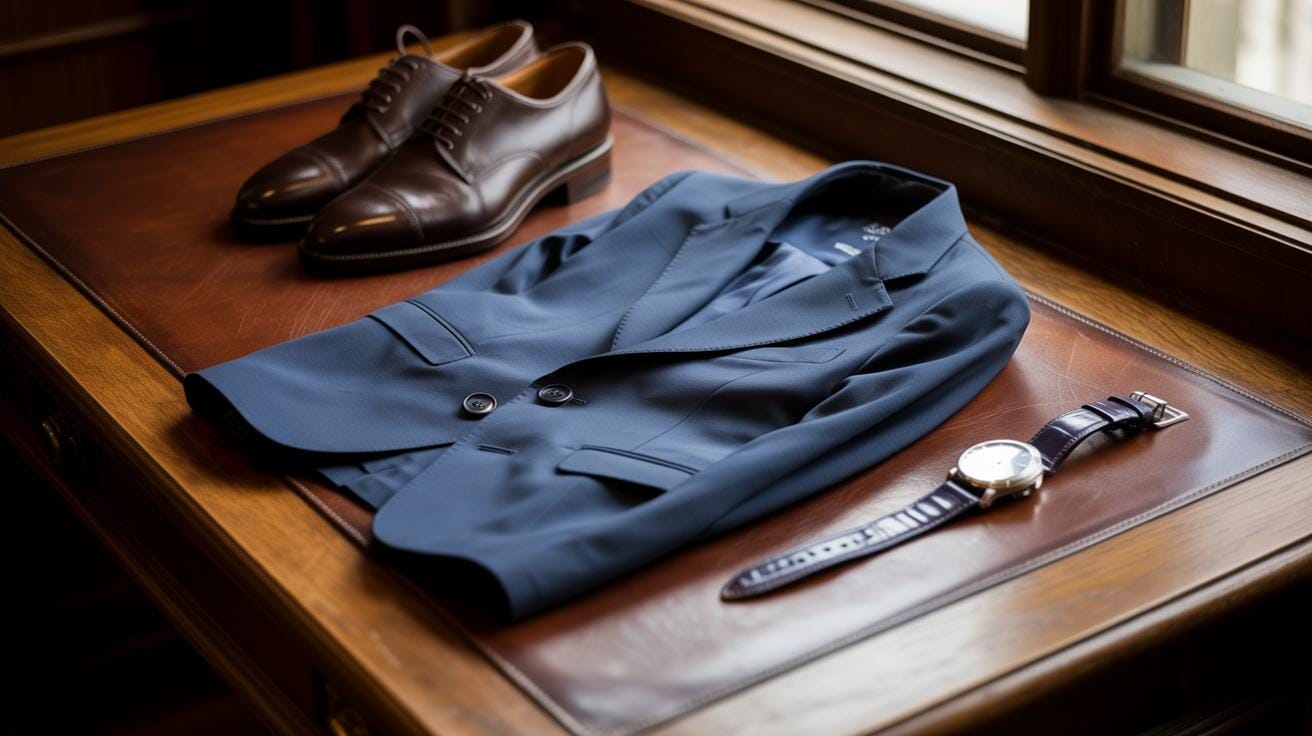
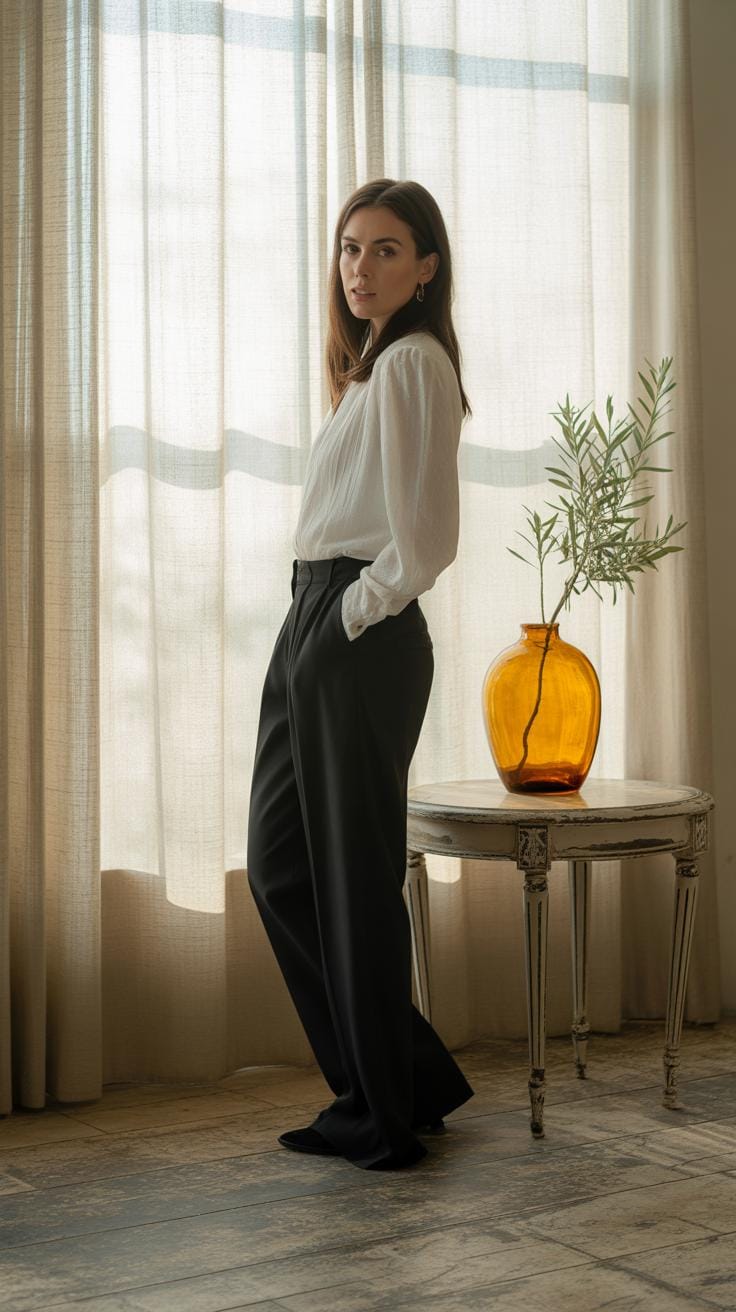
Minimalist outfits for women revolve around simplicity, but that doesn’t mean dull or boring. They are often defined by clean lines, pared-down shapes, and a clear absence of clutter. You won’t find excessive ruffles, extra frills, or too many bright colors competing for attention. Instead, the look depends on calm neutrality and effortless style that feels comfortable and confident without needing extra fuss.
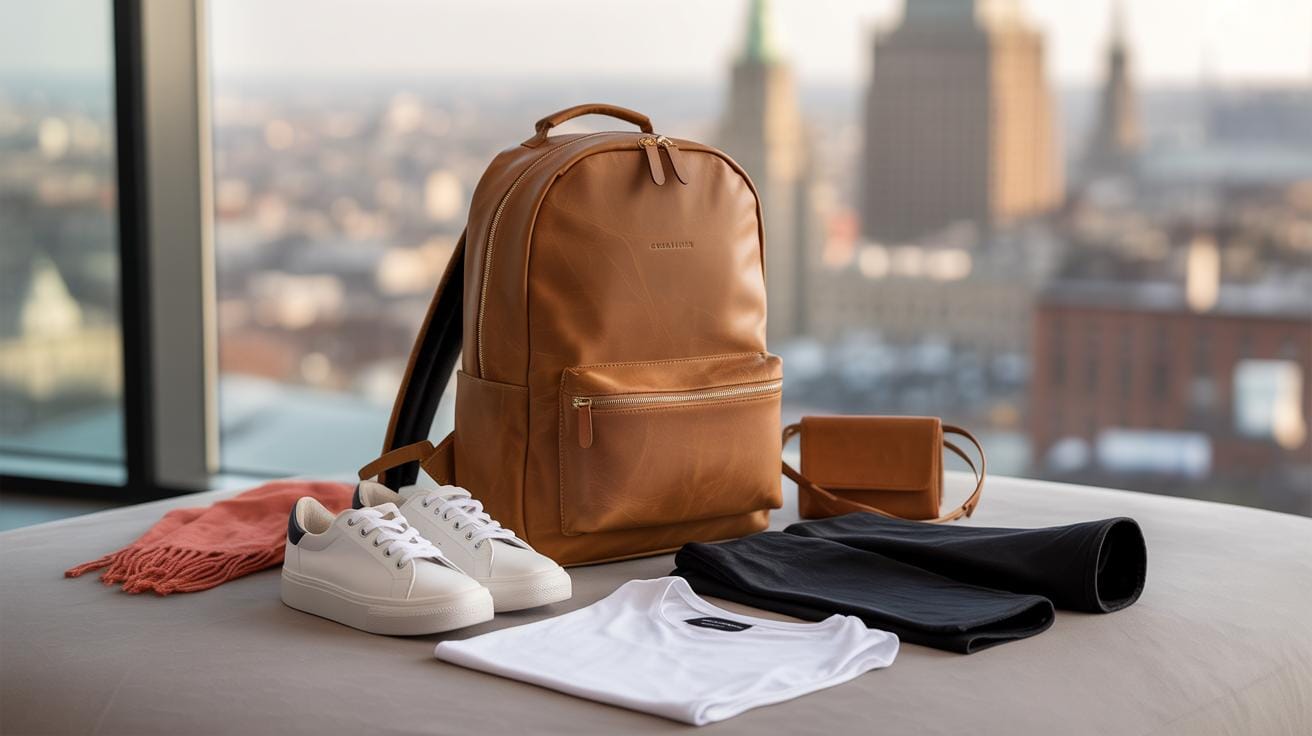
Think about pieces that don’t shout but rather whisper simplicity—straight cuts, soft fabrics, and subtle tailoring. These elements shape the outfit in a way that feels unobtrusive yet polished. It’s not just about the lack of decoration but about focusing on the essential details that make clothes wearable and approachable. Does that mean plain is always best? Maybe not, but the minimalist approach often cuts down on distractions and lets the wearer, well, just be.
Simple Shapes and Neutral Colors
When you think of minimalist outfits, the shapes are easy to recognize: plain t-shirts, straight-leg pants, simple skirts, and boxy tops. These items don’t try to mold your body into any extreme shape, instead they stay relaxed and clean. The color palette often sticks to neutrals—white, black, beige, and occasionally muted tones like navy or soft gray.
It’s curious though; sticking with these shades can feel limiting at first. But over time, they create a kind of uniform that’s oddly freeing. You mix and match without second-guessing your choices. That plain white t-shirt or black trousers become staples, just like a reliable friend. It’s not about monotony but about ease and clarity that simplify decision-making every day.
Minimal Accessories and Decorations
Minimalism in outfits means holding back on jewelry and accessories. You might wear a simple watch or a delicate chain, but large statement pieces are usually avoided. There are no loud patterns or busy prints interrupting the flow of the look. Usually, you’ll see one or two minimal elements pulling the outfit together without overwhelming it.
This restrained approach to details often slips into the practical as well—you won’t see oversized bags covered in logos or belts covered in studs. Instead, functionality meets aesthetics in subtle ways. It’s about finishing the look without stealing the spotlight from the outfit’s core simplicity. Sometimes less truly is more, even if you question it at first.
Benefits of Minimalist Clothing
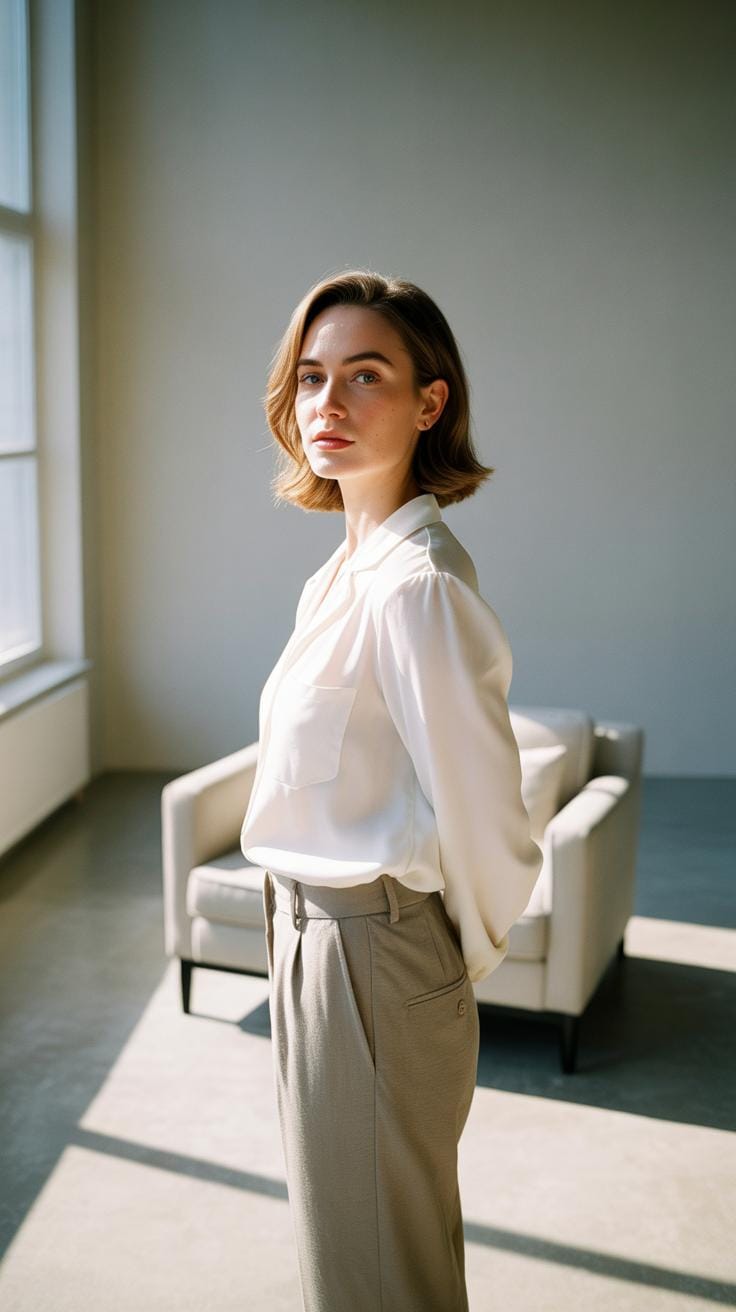
When women choose minimalist outfits, they often find comfort and confidence come hand in hand. There’s a certain ease in wearing pieces that don’t fight each other for attention. Matching becomes less of a daily hassle, and somehow, that simplicity reduces stress a bit. You don’t have to think twice whether that top goes with the pants—it just does.
Minimalist clothing tends to stick to timeless designs, which means those garments don’t feel outdated quickly. This gives you a steady wardrobe you can rely on, day after day. It might sound like sticking to basics is boring, but I’ve noticed the opposite: the clarity in dressing can feel freeing, almost like a little secret to starting the day with less fuss.
Comfort and Versatility Combined
Minimalist outfits often use breathable fabrics that make a noticeable difference when worn for long hours. Think cotton, linen, or soft blends—materials that don’t suffocate or irritate. Add to that simple cuts that avoid tight collars or awkward fits, and you’ve got clothes that move with you rather than against you. You can sit, walk, or even rush through errands without feeling trapped.
Besides comfort, versatility is another big plus. A pair of well-chosen minimalist trousers or a straightforward dress can transition from casual mornings to afternoon meetings without needing a change. Sometimes, the most pared-down pieces delay that awkward moment of “What should I wear now?” and instead give your day a smooth flow.
Confidence in Simplicity
There’s something quietly powerful about wearing outfits that look polished without looking like you tried too hard. Minimalist style highlights neat lines and clean shapes, which often means you carry yourself differently. You don’t have to worry about fussy details or noisy patterns pulling attention away from you.
When your outfit feels straightforward, it’s easier to focus on what really matters—whether that’s a presentation, a conversation, or just your own mood. I’ve seen people mention that simple styles actually help them feel more grounded and in control. It’s not about hiding behind clothes but about feeling ready without the extra clutter getting in the way.
How to Build a Minimalist Wardrobe

Essential Basics
Start by choosing pieces that feel flexible and timeless. A crisp white shirt is usually a safe bet—it pairs with almost anything and rarely goes out of style. Black trousers, whether straight-leg or slightly tapered, work well for days when you want to feel polished without fuss. Include simple skirts in neutral tones like grey or navy; they can switch between casual and dressy easily.
Other basics you might want to consider: a well-fitting denim jacket, a neutral cardigan, and a pair of classic loafers or low-heeled shoes. The idea is to pick items that you can mix and match without thinking twice. Sure, these pieces might feel plain at first, but that’s kind of the point.
Organize and Edit Regularly
Keep editing your wardrobe every few months. Maybe every season or so, pull everything out and face the reality of what you’re actually wearing. What hasn’t moved in six months? Be honest. If a top or dress hasn’t seen the light of day, that probably says something. Holding onto clothes you don’t use only clutters your space—and your mind.
Organize by category and color to make daily choices simpler. Folding items rather than hanging, especially T-shirts and sweaters, can save space and reduce visual clutter. The truth is, a minimalist wardrobe thrives on regular maintenance. It’s not a set-it-and-forget-it deal.
Minimalist Outfits for Different Occasions
Casual Minimalism
Minimalist clothing works well for everyday comfort without feeling too plain—or maybe it does, but that can be a good thing.
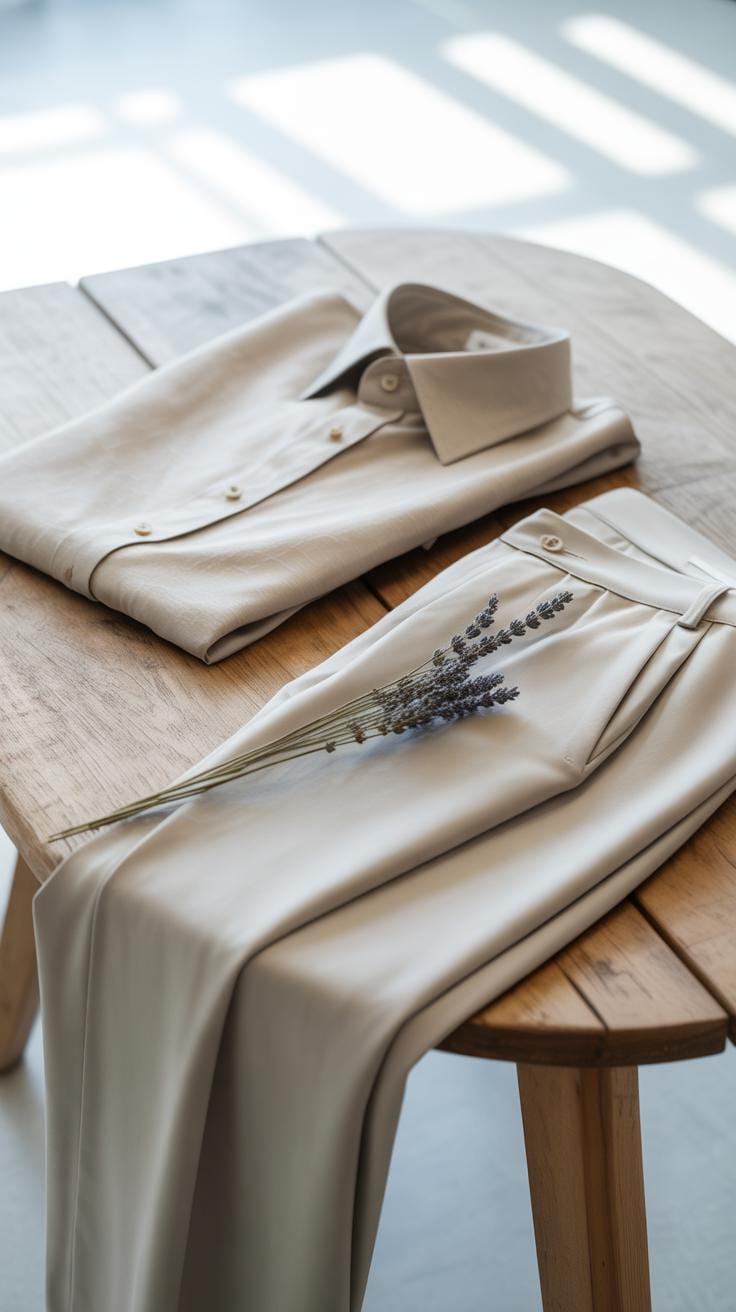
For casual wear, think simple combinations like well-fitting jeans paired with a plain white or beige tee. Neutral shades dominate here, because they’re easy to mix and match and avoid visual clutter. A soft knit sweater in gray or camel can elevate the look while keeping it relaxed. You don’t have to overthink it; the pieces are straightforward, but when they fit well, the outfit feels intentional.
Some might shy away from simplicity, worried they’ll look boring. But subtle details, like a slightly longer sleeve or a delicate seam, create interest quietly. Have you noticed how a clean, unadorned look actually lets your confidence stand out? There’s something about pared-down style that feels effortless, yet grounded.
Workwear Minimalism
When it comes to work, minimalist outfits can carve out a professional edge without overwhelming effort. Structured blazers in navy, black, or soft taupe work beautifully over simple blouses or crisp shirts. The tailoring is crucial here because it defines your silhouette in a way that feels polished but not stiff.
Simple dresses—think a knee-length sheath in a solid color—are versatile. They balance straightforward design with a shape that commands respect without being showy. Paired with tailored pants, like straight legs in muted hues, you get a refined look that carries through meetings without fuss.
Sometimes, I wonder if this approach risks coming off as too safe. Yet many find comfort in knowing their outfit won’t distract or raise questions about professionalism. It leaves room for what really matters—your ideas, your work. Would you try swapping bold prints for these subtle staples at your next office event?
Choosing the Right Fabrics and Materials

Picking the right fabric can make all the difference when it comes to minimalist outfits. You want pieces that feel good against your skin but also hold up over time. Natural fibers like cotton, linen, and wool often take the lead here. Cotton, for example, is breathable and soft, making it a solid choice for everyday wear. Linen feels cool and fresh, especially during warmer months, though it wrinkles easily—which might bother some but not others.
Wool brings warmth and structure, perfect for cooler days. Yet, some people find it itchy or heavy, so layering with a smooth underlayer can help. These fabrics have this quiet comfort, letting your outfit stay simple but still functional.
Durability is another thing to weigh. You’ll probably want to avoid flimsy synthetics that wear out fast or snag at the slightest touch. Look for tighter weaves and well-made stitching whenever you can. Taking care of these fabrics isn’t complicated but does require attention. Washing in cold water, air drying, and avoiding harsh detergents can keep your cotton tees and wool sweaters looking fresh longer.
Choosing fabrics isn’t just about how they feel right away—it’s also about how they behave after months or even years in your closet. Have you noticed how some clothes soften with wear and others lose shape quickly? That’s the kind of difference fabric choice can make, and it’s worth thinking about as you build your minimalist wardrobe.
Mix and Match Strategies for Minimalists
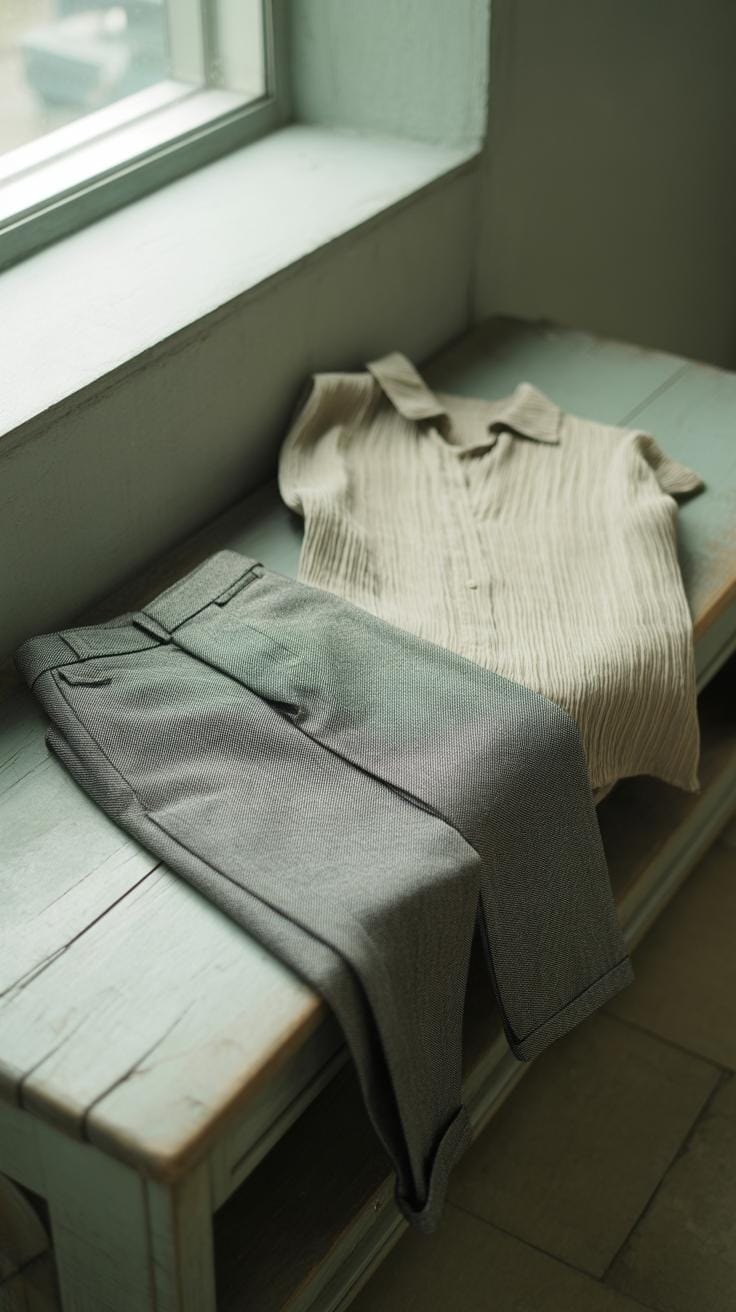
You might think minimalism means wearing the same outfit over and over, but that’s far from the truth. The real trick is in how you mix and match your pieces to keep things fresh without adding clutter. For example, a simple white tee and a pair of tailored black pants can turn into several different looks just by swapping one item or adding a small accessory.
Try pairing a neutral blazer with different bottoms—maybe sleek jeans one day, flowy skirts the next. It’s surprising how a single well-chosen piece can shift the vibe entirely. Also, vary the shapes you combine. A boxy top with slimmer bottoms or slightly oversized knitwear over a streamlined dress creates contrasts that keep outfits interesting yet consistent.
Here are some ideas to think about:
- Start with basic neutral layers like white, beige, black, or gray.
- Swap skirts, pants, or shoes to quickly change your outfit’s feel.
- Experiment with proportions, mixing slightly loose with fitted pieces.
You might find that a minimalist wardrobe, thoughtfully paired, offers more options than you expected. Does mixing feel restrictive sometimes? I get it, but the magic is in repetition with a twist.
Pairing Neutrals Creatively
Neutral colors don’t have to be dull or boring. When you combine tones like cream with soft gray or taupe with black, the result feels calm but thoughtful. Different textures also play a role—imagine a smooth cotton shirt against a nubby wool skirt. The subtle shifts keep each outfit from fading into sameness.
With simple shapes and clean cuts, you can rearrange your neutrals every day and still feel like you’re wearing something new. I remember once pairing a camel sweater with off-white trousers and then swapping the trousers for black culottes the next day—similar tones but two very distinct looks.
Think beyond just light and dark. How can shades within the same neutral family either clash or harmonize? It’s worth paying attention to these subtle combinations—they remind you that minimal doesn’t mean monotonous.
Layering for Style and Function
Layering isn’t just about warmth—it’s a way to add interest without extra effort. A longline vest over a fitted shirt, or a thin turtleneck under a sleeveless dress can transform your outfit while staying true to minimalist principles.
Think of layering as building easy adaptability. On chilly mornings, a soft cardigan with a simple tee works well. As the day warms up, you can shed a layer without losing style. And layering doesn’t have to mean bulky. Thin, breathable fabrics stack well without adding weight or complexity.
Here’s what I usually keep in mind for layering:
- Start with slim, neutral basics to avoid overwhelming your frame.
- Use varied lengths to add dimension—short jacket over a longer shirt, say.
- Pick lightweight pieces that still provide cover or warmth when you need it.
Sometimes simplicity benefits from a little experimentation, especially when the weather calls for versatility. Have you ever layered something unusual, only to find it became your go-to combo? That’s where minimalist style surprises you. It’s less rigid than you might expect.
Avoiding Common Minimalist Wardrobe Mistakes
When embracing minimalist fashion, it’s tempting to think that simply owning fewer clothes will solve wardrobe woes. But the real challenge often lies elsewhere. Overbuying, for instance, quietly creeps in—sometimes you end up with many basics that feel nearly identical, and yet, you have nothing that truly excites you. Does that sound familiar? It’s a fine line between practical and just clutter in disguise.
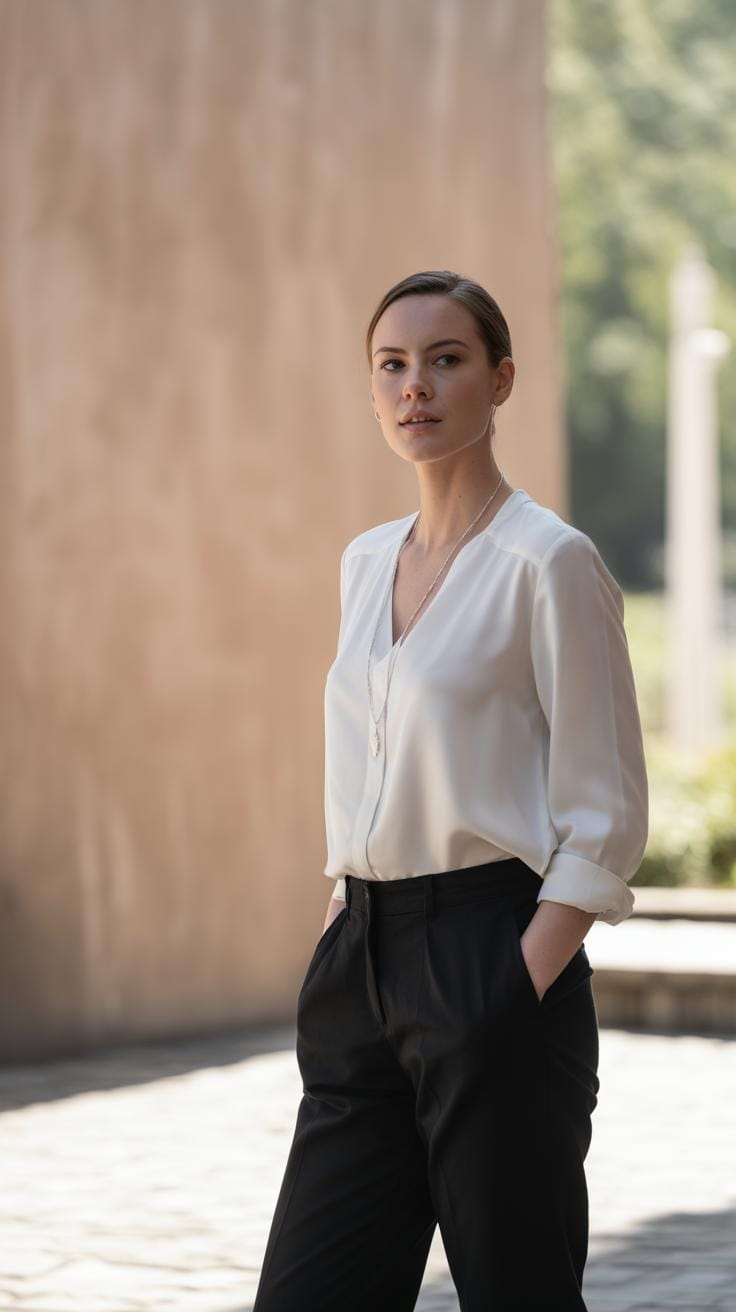
Fit, without question, stands out as the real game-changer. A perfectly tailored simple shirt or pair of trousers can make all the difference. Bags or dresses that hug you just right will never feel bland. You might find something of the right style and color, but if it doesn’t fit well, it just… doesn’t work. Skipping tailoring might save money up front, but it hampers confidence and comfort every time you wear those pieces.
Another trap is losing your personal touch in the quest for minimalism. Some people strip their wardrobe down so much that it ends up feeling generic, almost like they’re hiding. Minimalist dressing doesn’t mean tossing your personality out the window. Maybe it’s that one accessory you always wear—a delicate bracelet, a favorite watch, or a particular cut of sleeve—that keeps your style alive. So, how do you keep your fingerprint on something inherently simple? It might mean mixing textures, playing with unexpected neutrals, or settling on a silhouette that feels right for you rather than what looks “trendy.”
To keep your minimalist outfits truly yours, ask yourself:
- Does this shape or cut suit me well?
- Am I comfortable wearing this every day?
- How does this piece reflect who I am?
- Would I reach for it when getting dressed in the morning?
This process is personal and needs patience. Avoid rushing to fill gaps or following rigid rules too closely. Minimalism works best when it feels effortless, which is rarely true if you ignore fit or your own style instincts.
Minimalist Outfit Examples Women Love

Weekend Casual Look
Imagine a weekend where you want to feel relaxed but still put together — that’s where a simple white cotton tee meets high-rise, straight-leg jeans. This combo is a staple because it’s easy to wear and moves with you, whether you’re grabbing coffee or taking a slow walk in the park.
Pair it with clean white sneakers and a lightweight cardigan or blazer if the weather shifts. It’s not just about throwing things on; the fabric choice matters—soft, breathable, things that don’t itch or cling uncomfortably.
Accessories stay minimal too: maybe a leather crossbody bag, a delicate gold necklace, and some classic sunglasses. You get comfort without feeling like you gave up style completely. It’s the kind of look that can quietly boost your day without fussing over it. But sometimes, you might hesitate — is this too simple? Yet, most days, it works.
Effortless Workwear
Work outfits that don’t suck the joy out of your day are rare, right? Here, a tailored black blazer with a soft, neutral-toned blouse and tapered trousers creates a minimalist vibe with a professional edge.
The blouse should be breathable—silk or a soft modal blend—something that keeps you cooler on long days. Shoes are another crucial point; simple loafers or low block heels that you can wear all day without that nagging foot pain.
Keep accessories subtle—think a slim watch or a small pair of studs. The goal is to feel put-together but not constricted. It might feel plain at first glance, but this outfit often surprises women with how confident they feel wearing it, even on those deadlines-are-piling-up days.
Sustainable Choices in Minimalist Fashion
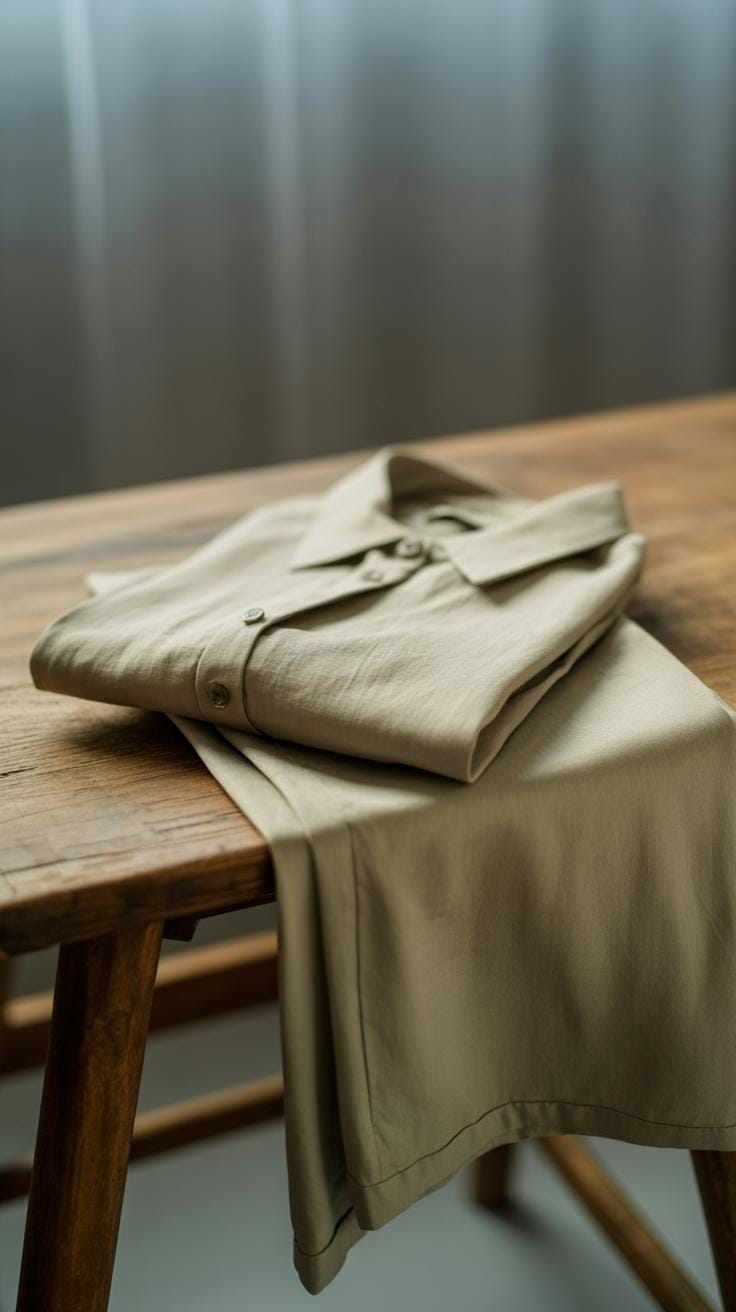
Minimalist wardrobes often mean fewer items, but that doesn’t necessarily imply sacrifice or lack. It’s more about choosing pieces that last and make sense to you. When you buy less, but pick higher-quality clothes, you begin to notice an interesting shift. The urge to keep shopping diminishes, and your closet gradually feels more intentional.
Why does this matter? Well, durable clothes tend to endure through many wears and washes without losing their shape or feel. Think of a well-made sweater that stays soft and doesn’t pill after months, or a pair of tailored trousers that still fit perfectly after several seasons. Such pieces reduce waste and the need for quick replacements. That’s pretty much the heart of minimalist principles — quality over quantity.
Then there’s the question of fabric. Many minimalist brands lean toward eco-friendly materials like organic cotton, linen, or recycled polyester. These fabrics might not be the cheapest, but they carry a lighter footprint on the environment. Organic cotton, for example, avoids harmful pesticides and uses less water, which feels better for everyone in the long run.
Recycled fabrics also catch the eye because they turn old materials into new garments. You might wonder if they hold up as well — and in many cases, they do. The technology behind these fabrics has improved, producing materials that look and wear well.
Choosing these fabrics fits naturally with minimalism’s slow, thoughtful approach. It’s less about what’s trendy and more about what lasts, and what you can feel good about wearing every day. Have you noticed how some pieces just resonate more because of how they’re made? That’s probably why they stick around in your wardrobe for longer.
Maintaining and Refreshing Your Minimalist Wardrobe
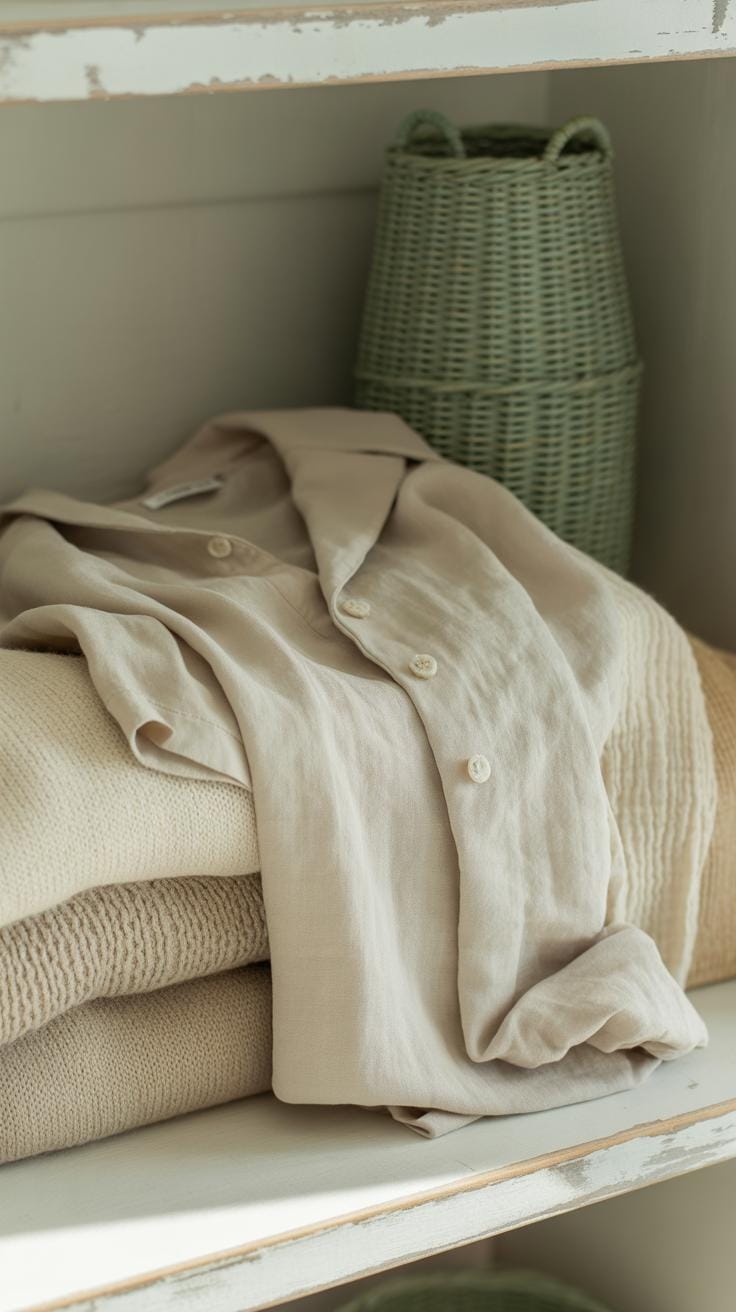
Keeping a minimalist wardrobe feeling fresh isn’t about constant overhauls. It’s more subtle, really — a bit like tending a small garden. You want to make sure each piece gets some attention occasionally without overwhelming yourself. One simple way is to set a seasonal review, maybe twice a year, when you take everything out and ask yourself what you actually wore, what feels right, and what might need storing away for a bit. This helps avoid overcrowding your closet and keeps your choices clear.
When you rotate clothes seasonally, you get a chance to reconsider how pieces fit your current needs or style. You might discover that some “basics” have gotten tired, while others remain staples you enjoy. I find folding or hanging differently can even refresh how items look to you, making them feel less stale without buying new stuff.
Then, there’s a small but effective way to pep up your minimalist look: incremental updates. Swapping out buttons on a jacket, trying a new belt, or even experimenting with subtle color touches can change the feel of an outfit. It’s about tweaking rather than adding — enough to surprise yourself but not so much that things pile up.
Do you ever wonder if your wardrobe still represents who you are right now? Sometimes, a tiny change can answer that question better than a full closet clean-up. Maybe it’s adding a new scarf or choosing different shoes. It doesn’t have to be dramatic. After all, minimalist doesn’t mean static.
Conclusions
Minimalist outfits help women dress confidently by focusing on clean designs and functional clothing. Choosing quality basics can simplify your daily routine and reduce decision fatigue. The key is selecting pieces that fit well and suit your lifestyle.
With the ideas and tips shared in this article, you can create a minimalist wardrobe that offers comfort and style every day. Start with a few key items and build around them to express your personal taste without clutter. Minimalism in fashion frees you to feel good and look polished effortlessly.