
Introduction
Decluttering your closet can feel overwhelming. Yet, a minimalist closet can save you time, reduce stress, and make your daily dressing easier. You don’t just throw things away; you need metrics and methods to know what stays and what goes. This article presents clear ways to measure and manage your closet to keep only what works for you.
We will cover practical steps to set up your minimalist closet, the tools and metrics that help you decide what to keep, and how to maintain your minimalist closet for long-term success. These steps will help you achieve a clean, organized, and functional closet.
Minimalist Closet Setup Checklist
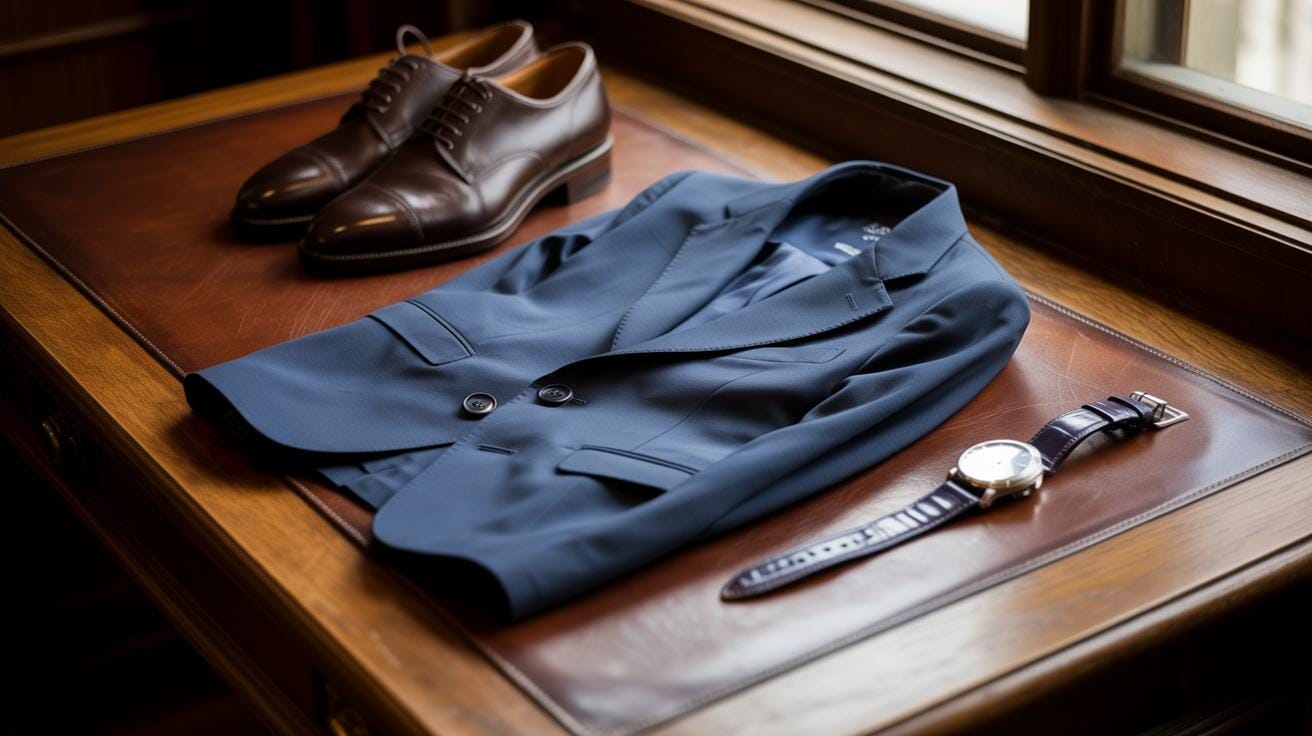
Start by completely emptying your closet. Yes, take everything out—clothes, shoes, accessories. It’s easier to see what you have when it’s all laid out, rather than guessing inside cramped space.
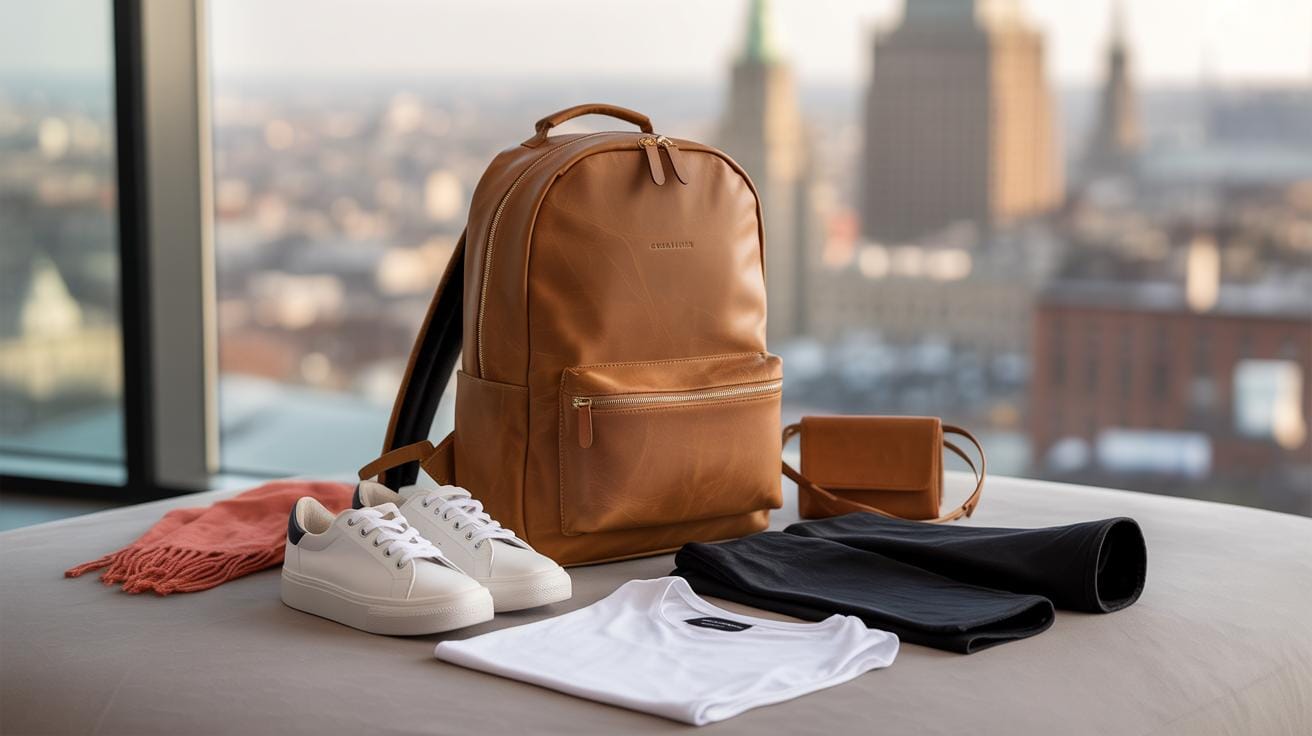
Next, sort items into clear groups: tops, bottoms, outerwear, shoes, and accessories. When I did this, some categories took minutes; others dragged on, mostly due to hesitation. Try to avoid that—even quick decisions save time.
Now, decide what to keep. Ask yourself how often you wear each piece and if it’s in wearable condition. Old shirts with stains? Probably toss them. Items rarely worn but still loved? Maybe keep but plan how often to use.
Make piles for donating or discarding. I found some pieces that felt sentimental yet never worn, which made the process a bit tougher. If you’re unsure, consider setting them aside for a week before deciding.
Then, plan your new layout. Think about accessibility and visibility. Arrange like items together and leave space between them—crowding defeats minimalism. Use uniform hangers if you can; it helps maintain order. At this stage, measure your closet dimensions, so you can think about storage solutions or new hangers.
Finally, put things back systematically. Store off-season clothes elsewhere, if possible. The fewer items you actually see daily, the easier it is to maintain minimalism.
This checklist isn’t just about removal—it’s about thoughtful placement and consistent habits. Setting up properly once saves hours and frustration later. If this seems like too much for one day, split it—small chunks work well too.
Key Steps to Declutter Your Closet
Start by sorting clothes by category: shirts, pants, jackets, dresses, shoes. This separation helps you focus on manageable groups instead of a chaotic mix.
Look over each item carefully. Check for damage, fading, or stretching. Question if you’ve worn something in the past six months; if not, why keep it? Sometimes we hold on out of guilt, but ask yourself honestly if that item serves your daily life.
Consider the condition versus frequency. An expensive coat worn only once last winter might still be worth keeping. But a tattered sweater ignored for years? Let it go.
Once sorted, decide which clothes fit your current lifestyle. I’ve kept clothes for “one day” scenarios that never came, cluttering space unnecessarily. Be honest about what you actually wear versus what you “might.”
Tools That Help Measure Closet Decluttering
Timers can prevent overthinking. Setting a 20-minute limit per category forces decisions and keeps momentum. When I tried this, I surprised myself by letting go of more than usual.
Checklists help track your progress visually. Crossing off each step brings a feeling of accomplishment that encourages completion.
There are apps designed to photograph and catalog your clothes. They help you see what you own and identify duplicates. But, beware: some get time-consuming in themselves. Use them if they add clarity rather than complexity.
Also, consider simple notes: jot down items you remove or keep. Over time, you might spot patterns, like keeping too many seldom-used formal clothes or neglecting basics.
Basically, choose tools you’ll actually use without distraction. The point is progress, not perfection.
Measuring Closet Space Usage

Measuring your closet’s space isn’t just about knowing its size; it’s about understanding how that space is actually used. Start by breaking down the areas you want to measure—shelves, hanging sections, and storage boxes. For shelves, measure width by depth, giving you surface area in square inches or centimeters. Hanging space is trickier because it’s three-dimensional: measure the width of the rod and estimate the height you use for hanging clothes. Boxes or bins usually have length, width, and height—multiply those for volume, which helps you know what fits inside.
It might feel odd spending time on exact numbers, but having those details helps you track progress and avoid vague “feels like” judgments. After decluttering, you’ll want to revisit these measurements to see how much space you freed up. A good practice is setting a simple spreadsheet or notepad where you jot these numbers down, so you can notice even small changes. Sometimes, those small differences add up more than you expect.
How to Quantify Closet Space
Getting precise doesn’t require complicated tools. A basic tape measure usually does the trick. Stand inside or outside your closet and measure:
- Shelf width and depth
- Distance between floor and hanging rod
- Width of hanging area
- Boxes or baskets’ dimensions
There are smartphone apps that help estimate room size or volume using your phone’s camera, which can feel more visual and less tedious if you’re not into manual measuring. Sometimes, these apps even guide you step-by-step, reducing errors. Yet, I’ve noticed tape measures feel more reliable, especially when corners or angles aren’t perfect — digital tools can miss those minor details.
Tracking Space Before and After
Listing your measurements is helpful but tracking space over time needs a bit more. Take photos before and after decluttering, from the same angles if possible. This visual log shows progress clearly when numbers alone don’t quite capture the difference.
Keeping a log—simple date and measurements—is surprisingly motivating. When you see numbers shrink or space open up, you might feel more encouraged to stick with your minimalist goals. Don’t feel pressured to measure daily; maybe once a month or after each major declutter is enough. After all, the goal is a closet that works for you, not a constant audit. Still, spotting trends can help you avoid slipping back into old habits.
Items Kept vs Discarded Analysis
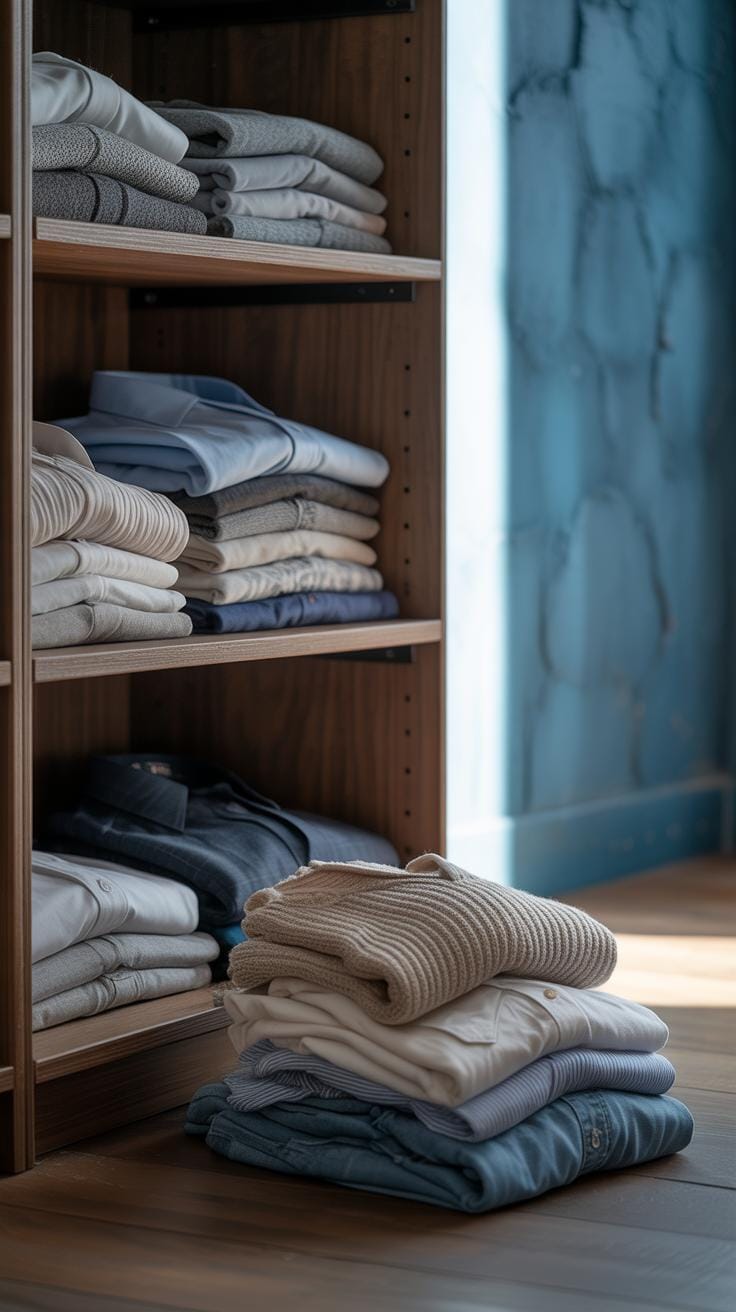
Sorting your closet items into groups like clothes, shoes, and accessories can make the decluttering process much clearer. When you separate items this way, you can see where you tend to keep more or less. For example, maybe you hold on to most of your shoes but are quicker to part with old T-shirts. That kind of insight helps shape your future decisions.
Once sorted, make a simple tally. Count items you want to keep in each category, then note those set aside for discarding. This step may feel tedious but it often reveals surprising trends. I remember being shocked at how many scarves I tossed compared to jackets—something I hadn’t realized until I tracked it.
To get a sense of your progress, calculate the keep rate for each category. Divide the number of items kept by the total number considered, then multiply by 100 to find a percentage. So if you evaluated 50 shoes and kept 30, your keep rate is 60%. Watching those percentages rise can be encouraging—or occasionally frustrating—and it gives you a tangible measure of how well your closet simplification is going.
Does your keep rate differ much between categories? That difference can highlight where you might want to focus next. Maybe keeping 90% of accessories points to indecision, or discarding 75% of clothes means you’re finally making tough choices. Either way, this kind of analysis provides useful feedback for refining your minimalist closet.
Wear Frequency Metrics

Tracking how often you wear each piece in your closet might sound a bit tedious at first, but it really shines when you want to keep only what truly fits your lifestyle. The idea is simple: the more you wear something, the more it earns its place in your minimalist closet. You might think, “Do I really need to note this down?” Well, observing your habits this way often reveals surprising insights.
One practical method is to keep a small wear log. Just jot down what you wore each day, either in a notebook or on your phone. Another way is tagging—literally attaching a small label to hangers or clothes that you update each time you wear that item. This introduces a routine without too much fuss. People naturally forget how many times they’ve worn something unless they track it somehow, so these simple rituals help.
You could use a calendar, making notes on the days you wear particular items. Or maybe an app designed for wardrobe tracking—there are a few out there meant specifically for this, if you want to try digital over paper. It feels a bit like keeping a diary, but for your clothes. If you ask me, the key is consistency, even if you’re a bit irregular at first.
Once you have your wear data, deciding what stays or goes becomes less emotional and more about facts. If you notice a shirt only surfaces once every few months, ask yourself why. Is it a sentimental favorite? Or is it just taking space because you think you might wear it ‘someday’? You might hold onto pieces that fit less well or don’t suit your current style, simply because of memory. Wear tracking gently pushes you toward choices based on use, which is more honest, even if it feels a little uncomfortable at times.
Seasonal Closet Rotation System
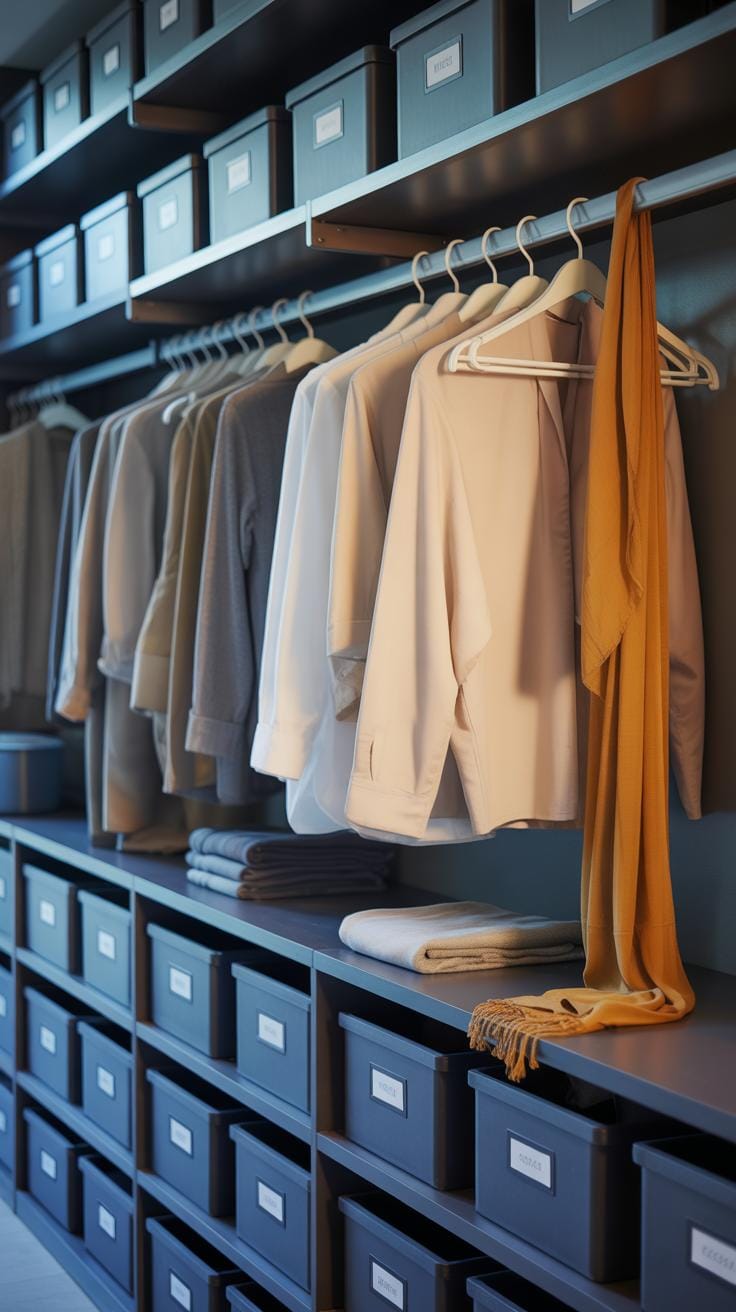
Creating a system to rotate your closet seasonally can really help keep clutter at bay. The idea is simple: only keep what you actually need for the current season within easy reach, and store the rest away. But it’s not just about shoving clothes into boxes; tracking metrics like how many items you keep each season and how much storage space you use can guide your decisions over time.
Start by sorting your wardrobe into seasonal categories—spring/summer and fall/winter, for example. From there, pick the key pieces that you’ll wear frequently and set these aside to stay in your everyday closet. The rest? Pack them up.
Measuring storage space isn’t just guesswork. Take actual dimensions of boxes or containers you plan to use, note their volume, and compare it with the amount of clothing you’re shifting out. This helps avoid overstuffing and makes you reconsider whether you really need to keep certain items stored.
Here’s a rough plan that’s worked, though you might tweak it based on your own habits:
- At season’s end, clear your closet fully.
- Decide which clothes stayed in heavy rotation; leave those accessible.
- Fold and store tucked-away pieces neatly in measured bins or vacuum bags.
- Label storage containers with item counts and season to track over time.
- Before the next rotation, review those metrics and adjust your wardrobe size accordingly.
You might find that some sweaters you thought you’d want next winter never even made it out last year. Do you hold on just because you might need it someday? Tracking counts and available storage forces that question quietly but firmly.
Organizing your out-of-season clothes in dedicated containers, stacked or slid under beds, makes the switch less of a chore, too. If you know exactly how much space you have, it’s easier to shop consciously, too—because you’ll realize there’s no point adding more if the storage is already full.
Minimalist Closet Maintenance Tips

Keeping a minimalist closet in shape isn’t as complicated as it may seem, though some days it feels like a small battle. The trick is in building habits that make tidying less of a chore and more of a routine part of your day. For instance, at the end of each day, try to put your clothes back where they belong right after you take them off. This tiny step prevents piles from forming, which I often underestimate until the clutter is glaring.
Also, quick tidy-ups can be surprisingly effective. Spending just five minutes rearranging hangers or folding clothes neatly tends to keep chaos at bay. Checking your closet space regularly, maybe even daily if you can, helps you notice when something starts to feel cramped or out of place. You might realize that a few forgotten items are taking up valuable room — things you haven’t worn in months.
On a weekly basis, it’s helpful to set aside time to reflect on what’s actually useful in your wardrobe. A simple checklist works well:
- Scan your closet for clothes you didn’t wear at all during the week.
- Identify items that no longer fit or feel right.
- Spot any piling or overstuffed sections that suggest overflow.
- Consider if spaces feel underused or awkwardly crowded.
- Decide what, if anything, can be removed or donated.
That weekly glance forces some honesty. You might find yourself holding on to pieces “just in case” but never really reaching for them. Does your closet truly reflect what you wear and love, or is it a storage spot for indecision?
Keeping a minimalist closet isn’t about perfection every day. Rather, it’s these small, consistent checks that keep it manageable and tailored to your lifestyle. Sometimes I think the real work is less about the big purges and more about the little moments of attention we give our space.
Handling Sentimental Items

Sentimental items are tricky when you want a minimalist closet. You want to keep memories, but you don’t want to be overwhelmed by stuff. Setting clear limits is key. Decide how many sentimental pieces feel reasonable—maybe it’s five or ten, or just one small box. The size matters too; choose a dedicated space, like a drawer or container, and stick strictly to it.
One strategy I’ve found helpful is using photos instead of keeping every physical item. Snap pictures of old clothes or gifts that you can’t quite let go of. This way, you preserve the memory without sacrificing precious closet space. You might even make a small photo album or digital folder for these keepsakes.
Small, meaningful tokens can replace bulky possessions. Think of a single charm instead of a whole collection, or a ticket stub rather than an entire scrapbook. The goal is to hold onto the essence, not every piece of the past. Sometimes, less feels more, even for memories.
Common Closet Decluttering Mistakes
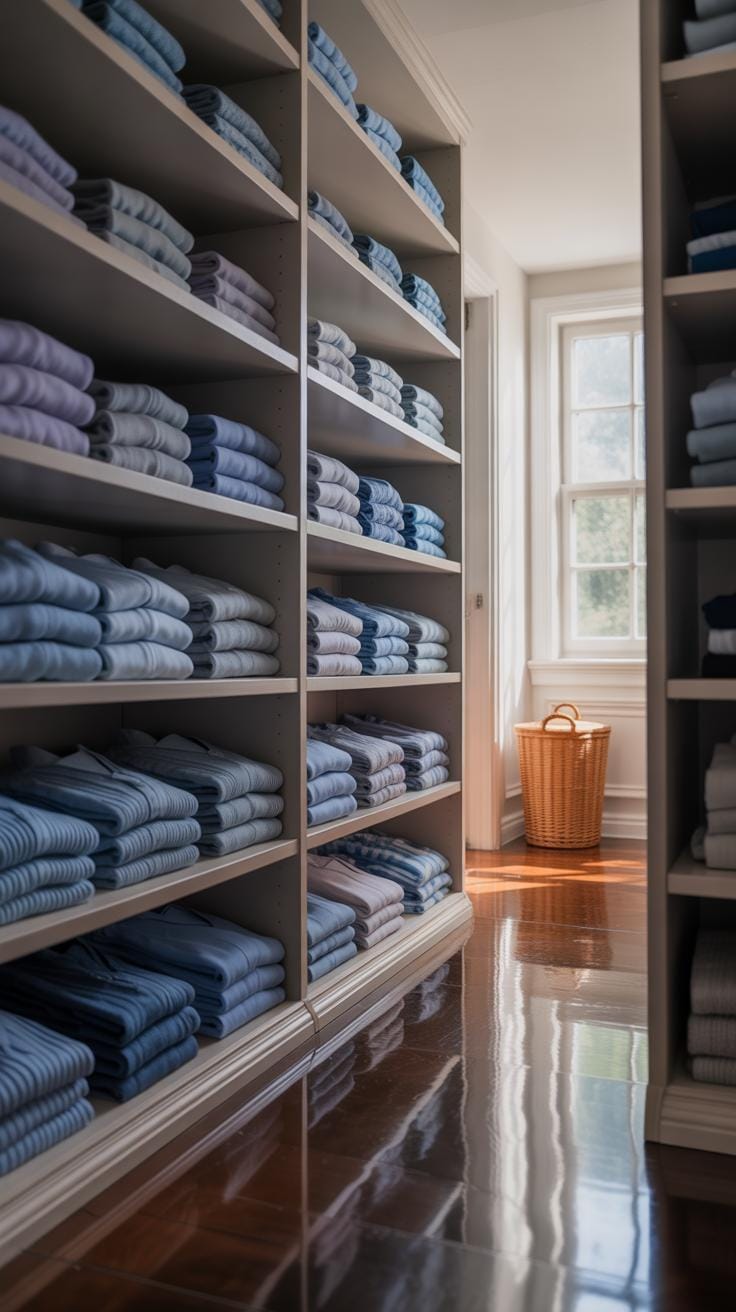
When tackling a minimalist closet, many people stumble over a few familiar obstacles. One of the most frequent is holding on to too many items. We tend to keep clothes “just in case,” or because of vague sentimental value. It’s tricky, but keeping excess stuff only clutters your space and obscures what you actually wear or need. Minimalism thrives on clarity, not on a safety net of “maybe someday” pieces.
People also often ignore closet measurements. This oversight leads to overestimating the space they have or underestimating their storage needs. I remember once seeing someone hang racks stacked with items, only to realize the closet doors wouldn’t close properly—that kind of mistake disrupts your flow and wastes time rethinking everything.
Last, and quite crucial, is a lack of planning. Jumping in without a clear sense of what fits or what lifestyle you want reduces the chances of lasting success. Planning your minimalist closet helps you set boundaries before you start clearing out, which avoids the frustration of frequent second-guessing or reshuffling.
Avoid Keeping Too Much
Keeping too many belongings runs counter to the idea of a minimalist closet. It clutters your daily choices and can make your closet feel like a storage room rather than a functional space for your actual wardrobe. You might think a few extra shirts or jackets won’t hurt, but over time, those extras add up.
To avoid this, try focusing on pieces that truly suit your style and lifestyle, then stick to a “one in, one out” rule or set a fixed number per category. This forces you to be selective and helps prevent endless accumulation. It’s tough to let go, yes, but fewer choices often mean quicker, better daily decisions.
Plan Before You Start
Taking some time to plan before you start decluttering makes a surprising difference. Sketch out or measure your closet space. Think about how you want to use it and which items fit your current needs—not your past self’s.
Planning also gives you a chance to set realistic goals and avoid impulsive decisions. For example, you might decide to dedicate a section of your closet just for work clothes or for seasonal wear. I found that when I planned first, I was less overwhelmed and more confident about what to keep or toss.
What might your wardrobe look like if you treated it like a tool, rather than just storage? Planning can get you closer to that vision before you even hang up the first hanger.
Example Minimalist Closet Layout
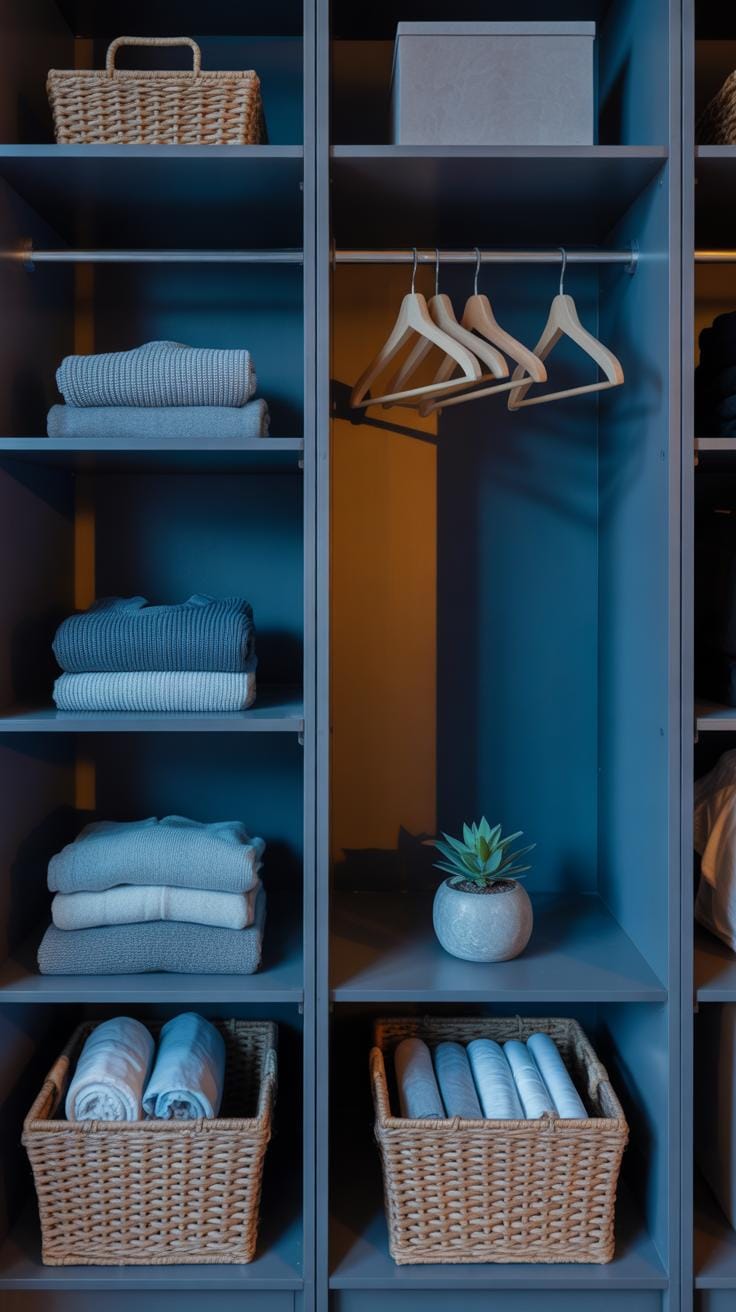
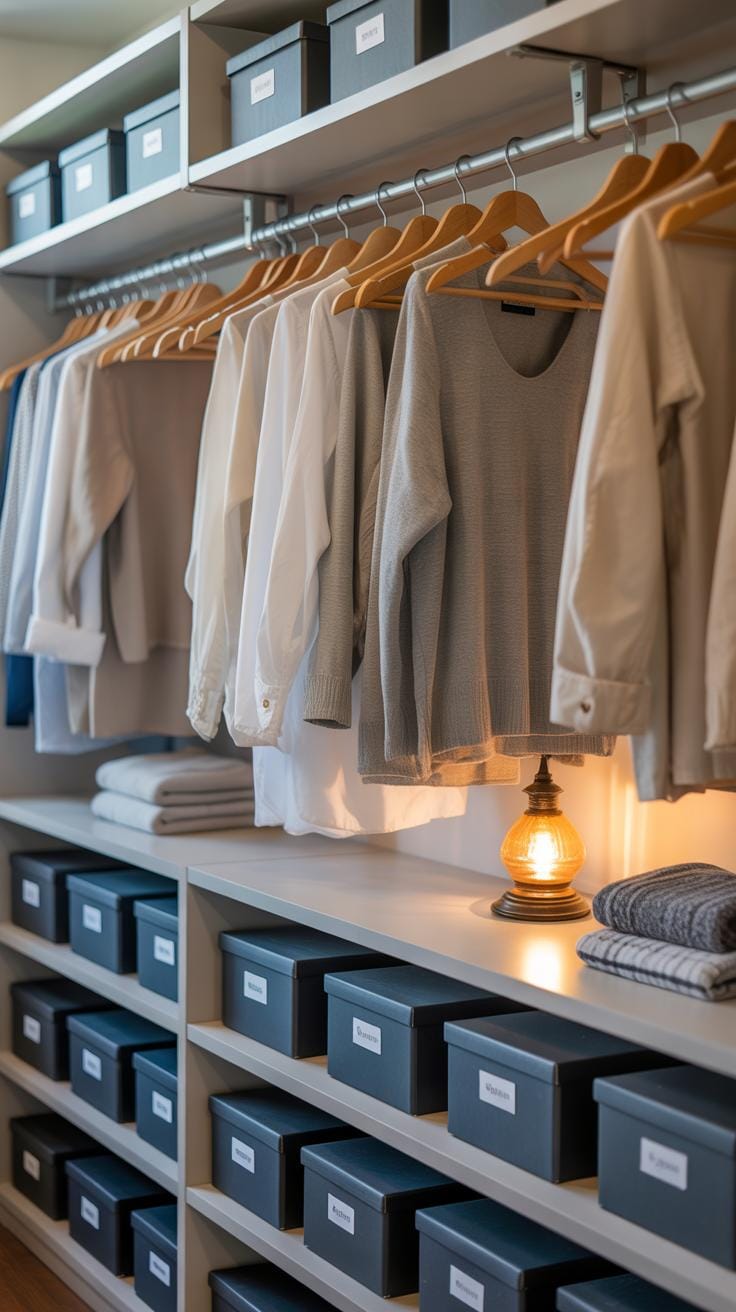
Imagine a closet divided into three main zones. First, a hanging section with enough room for your jackets, shirts, and pants. Not packed too tight—so you can spot each piece without struggle. Beneath that, a set of shelves or drawers for folded items like sweaters and tees. Then a lower area with cubbies or racks for shoes and bags. This layout keeps things straightforward, avoiding the clutter of mixed items everywhere.
Why does it matter? Because when you have a place for everything, grabbing your clothes becomes almost automatic. Plus, by dedicating space to each type of item, you avoid overstuffing any one spot, which helps everything breathe. You might notice you actually save space too; things don’t pile up randomly, leaving room for a few extras rather than chaos.
But here’s a thing—this system isn’t rigid. Your “zones” might shift based on what you wear most or what fits your lifestyle. The main idea is clarity and ease, not perfection.
Zone Your Closet Space
Breaking your closet into zones like this brings a certain order that feels, well, a bit freeing. Imagine: shirts together, pants hanging or folded just below, and shoes grouped near the floor. Accessories like belts and scarves have their own container or hooks. This setup cuts down the time spent searching.
The benefits go beyond convenience. When you see your clothes grouped, you start to notice what you wear often—and what stays untouched. It nudges you to make better choices about what stays and what goes, which fits the minimalist mindset.
Maximize Accessibility
How do you keep things within quick reach? Place everyday pieces at eye level or just below. Reserve higher shelves for items you use less often, such as seasonal wear. Shoe racks angled slightly forward bring shoes into view without knocking everything over.
Using uniform hangers can help maintain visual flow and prevent clothes from slipping off. Also, consider open containers for accessories—clear bins or trays let you spot your favorite items without digging.
The trick isn’t about squeezing in more. It’s about letting your closet serve you, making the routine of dressing smoother. And who wouldn’t want that daily little victory?
Long Term Metrics to Track Success

Tracking your minimalist closet’s progress isn’t just about the immediate “wow” of a cleared space. It’s about understanding what sticks over time and how your habits evolve. You want to keep an eye on a few key things that paint a real picture of success.
Start by measuring the space saved. Don’t just guess; take actual measurements—closet width, height, and depth—before and after decluttering. Maybe mark this on a simple chart or spreadsheet. Over weeks and months, watching those numbers stabilize or even improve can be surprisingly motivating. Though sometimes, you might find that space fluctuates if you add or remove items later, which is normal.
Also, track the number of items kept. This isn’t about having perfectly consistent numbers every month, but observing a pattern. Are you really maintaining a smaller, manageable collection, or do you drift back into old habits? Write down totals every few weeks and see if fewer items truly make it easier to decide what to wear.
Lastly, consider ease of use—and this one’s tricky to quantify. How? Reflect on your morning routine. Does grabbing outfits feel quicker? Less stressful? Maybe keep a simple journal noting your mood or frustration levels. You could even time yourself picking clothes. These notes sometimes reveal subtle wins or struggles that numbers miss.
Tracking these over time helps you understand if your minimalist closet is not just neat, but genuinely working for you in daily life.
Conclusions
Creating a minimalist closet requires clear metrics and regular maintenance. The checklist and tools mentioned guide your decluttering with purpose. You avoid impulse decisions and keep your closet efficient and tidy.
With practice, your streamlined closet lowers daily stress and saves time. You also make more room for what you truly need and enjoy. Follow the steps consistently to keep your minimalist closet working well for you.