

Introduction
Men’s skin requires care and attention. A good skin care routine is essential, but many men make mistakes that stop their skin from looking its best. These errors can cause issues like dryness, irritation, or breakouts. Knowing what to avoid helps keep your skin healthy and clear.
This article looks at common mistakes men make in their skin care routines. It explains why these mistakes matter and shows simple ways to fix them. By following the tips here, you can improve your skin’s look and feel step by step.
Checklist For Effective Skin Care


Keeping a simple checklist can make your skin care routine way less confusing. Start with cleansing—use a gentle face wash suited to your skin type to clear away dirt and oil. Don’t overdo it; twice a day is enough. Then, moisturizing. Even if your skin feels oily, skipping moisturizer can actually make it worse because your skin tries to compensate for dryness. Pick something lightweight if you prefer.

Sun protection is probably where many men slip up. Use a broad-spectrum sunscreen every day, not just when it looks sunny out. Even cloudy days can cause damage you won’t see immediately. And don’t forget healthy habits: drink water, get enough sleep, and avoid smoking. These everyday choices affect how your skin looks more than any cream or lotion.
So, to recap:
- Cleanse gently twice daily
- Moisturize regardless of skin type
- Apply sunscreen every day
- Maintain healthy lifestyle habits
It sounds basic, but following this checklist consistently helps solidify good habits and keeps skin in better shape over time.
Daily Skin Care Must Dos

Washing your face might seem obvious but it’s often done wrong or skipped. Use lukewarm water and a mild cleanser. Hot showers or rough scrubbing can strip your skin’s natural oils, leaving it flaky or irritated. Don’t just splash water; actually massage the cleanser for about 30 seconds.
Moisturizing is more than just avoiding dryness. It creates a barrier that locks in hydration. Even if your skin is oily or acne-prone, there are non-comedogenic options that won’t clog pores. Think of moisturizer as a shield, helping maintain healthier skin overall.
Sunscreen is a daily must, but many men ignore it until they see sunburn or wrinkles. UV rays cause unseen damage every day. Using at least SPF 30 protects you from premature aging and reduces risks of skin cancer. Apply it last, after moisturizing, and reapply if you’re outside for more than a couple hours.
Each of these steps matters on its own. But together, they build a simple routine that supports your skin daily, giving you better results than random treatments or neglect.
Steps To Avoid Damaging Skin

Common mistakes can undo any progress you make. Scrubbing your face hard is one of them. It feels like you’re doing something productive, but it actually irritates skin and breaks down its protective layer. Over time, this can cause redness or sensitivity.
Skipping sunscreen is another big one. It’s tempting on days when the sun is hidden, but UV rays are persistent regardless. Without protection, skin gets damaged silently, which can lead to wrinkles and worse issues later.
Using products not suited for your skin type is also problematic. Harsh soaps or alcohol-based toners might leave your skin dry and reactive. On the other hand, heavy creams can clog pores if you have oily skin. It’s a matter of paying attention to what your skin actually needs.
Lastly, ignoring lifestyle factors—like smoking or poor diet—affects your skin too. You might not connect late nights or stress to your complexion, but those habits take a toll, no question. So, keeping skin healthy means avoiding these damaging steps and being mindful of your choices.
How To Choose Skin Care Products

Picking the right skin care products can feel a bit overwhelming, especially when you’re not sure what your skin really needs. But, breaking it down by skin type can help. If you have oily skin, look for lightweight, non-comedogenic formulas—something that won’t clog pores but will keep oil in check. Ingredients like salicylic acid or clay often do the trick here.
Dry skin calls for products that provide serious moisture. Think about creams or oils with hydrating agents like hyaluronic acid, which holds water in the skin. Avoid anything that strips away natural oils, because dry skin can get irritated easily.
Sensitive skin can be tricky. It often reacts to many ingredients, so you want something gentle and minimalistic. Products with niacinamide can calm inflammation and help skin barrier function. But steer clear of heavy fragrances or high concentrations of alcohol, which can bring on redness or itching.
Ingredients That Help Men Skin
Some ingredients really stand out when it comes to skincare for men. Hyaluronic acid pulls moisture from the air into your skin, making it look plumper without feeling greasy. Retinol helps with fine lines and can even improve skin texture—though it can be a bit harsh at first, so start slow. Niacinamide is a bit like a catch-all: it reduces redness, balances oil, and strengthens your skin’s barrier. I’ve found it especially useful when switching up products—skin seems to tolerate new stuff better with it.
Avoid These Harmful Ingredients
It’s surprising how many skin care products contain ingredients that might actually hurt your skin. Alcohols, especially denatured ones, can dry out your skin and worsen irritation. Sometimes these show up as the first ingredient, which usually spells trouble for anyone not looking for a quick drying effect. Fragrances, even if they smell nice, can cause allergic reactions or sensitivity—particularly if your skin tends to redden or itch.
Why do men often ignore these? Maybe because the marketing makes products look “manly,” but good skin care shouldn’t come with a fog of irritants. If your skin feels tight or flaky after using something, check the label for these culprits. It might be worth swapping for cleaner options.
Common Mistakes With Cleansing

Many men don’t pay enough attention to how they cleanse their skin, which can lead to more problems than solutions. One common error is over-washing. Some think scrubbing the face multiple times a day will clear out all the dirt and oil, but it often backfires. Over-cleansing strips the skin of its natural oils, triggering dryness or even more oil production to compensate. It’s a bit counterintuitive, yet pretty common.
Another mistake is using hot water. It might feel good at first—especially in the morning or after a workout—but hot water can break down your skin’s protective barrier, allowing moisture to escape. Soap or body wash not designed for the face is also a frequent culprit. These products often contain harsher ingredients that dry and irritate facial skin, which is more sensitive than, say, your chest or back.
Instead, use lukewarm water and a cleanser formulated specifically for your face. Look for gentle options that don’t foam aggressively or contain strong fragrances. If you’re unsure where to start, products labeled “gentle” or “for sensitive skin” can be a safe bet. It’s not about washing more, but washing smarter.
Why Gentle Cleansing Matters
Gentle cleansing helps remove dirt, sweat, and impurities without stripping the skin’s natural oils. These oils play a critical role in protecting and hydrating your skin. When you use a harsh cleanser or scrub too hard, you might feel clean, but your skin pays the price. It can become dry, flaky, or tight.
For example, gel-based or cream-based cleansers designed for sensitive or normal skin often balance cleansing power with hydration. They clean without leaving your face feeling tight or uncomfortable. Personally, I noticed that after switching to a mild cleanser, my skin stopped feeling so dry around the edges of my nose, which was a surprising but welcome change.
What Happens When You Over Cleanse
Over-cleansing can destabilize your skin’s natural balance. Instead of improving your complexion, you might notice:
- Increased dryness and irritation
- Redness or sensitivity
- Excess oil production as your skin tries to compensate
- Breakouts due to disrupted skin barrier
It’s a tricky cycle. The more you wash to fix oily skin, the more oil your skin produces. To avoid this, stick to cleansing twice a day at most—once in the morning and once before bed. If you’re dealing with excess sweat during the day, rinsing with plain water might be sufficient instead of full cleansing. The key is balance, even if it feels like you’re not doing enough at first. Skin often surprises you by adapting better than expected when given time.
Sun Protection Vs Skin Damage

When you skip sunscreen, your skin quietly takes a beating from UV rays every day. Sun exposure breaks down collagen and elastin, the fibers that keep your skin firm. Over time, you might notice wrinkles, dark spots, and rough patches forming—sometimes earlier than you’d expect.
On the flip side, wearing sunscreen regularly can make a huge difference. It acts like a shield, blocking or absorbing harmful rays that cause damage. Men who protect their skin often have fewer signs of aging and a lower risk of skin cancers.
Applying sunscreen each morning is simple but effective. Use a broad-spectrum SPF of at least 30. Cover all exposed areas: face, neck, ears, even hands. Don’t forget spots like your forehead and around the nose—it’s easy to miss those.
Sometimes, you might think, “Is it really necessary on a cloudy day?” UV rays penetrate clouds, so yes, even then, sunscreen helps.
Why Men Skip Sunscreen
Many men avoid sunscreen for a few reasons. It often feels greasy or sticky, especially if the formula isn’t suited to oily or combination skin. Then there’s the hassle—applying a product every day feels like extra effort they’d rather skip, especially if they don’t see immediate results.
Some think sunscreen is only for sunny beach days, so on typical routine days, it falls off their radar. Others worry about their skin reacting poorly or breaking out.
Addressing these is doable. Lightweight, matte-finish sunscreens now exist and can feel more comfortable. Spray or gel formulations might work better if creams feel too heavy. Setting a specific spot for your sunscreen can turn it into a habit, like brushing your teeth.
Effective Sunscreen Use Tips
- Choose a broad-spectrum sunscreen with at least SPF 30. Higher SPF is better if you spend a lot of time outdoors.
- Apply sunscreen 15 minutes before heading outside. This lets it absorb properly.
- Use about a nickel-sized amount just for your face. Don’t skimp—less won’t protect enough.
- Reapply every two hours, especially if you’re sweating or swimming.
- Combine sunscreen with other sun-safe habits like wearing hats and sunglasses when possible.
- Try to include sunscreen in your morning routine; the more natural it feels, the less likely you’ll forget.
Starting these small steps can improve your skin noticeably over time. It might feel like a chore at first, but protection now can save you from regret later. You’ll thank yourself, even if it feels unnecessary some days.
Moisturizing Mistakes To Avoid

One of the biggest mistakes men make with moisturizers is simply skipping them altogether. You might think your skin doesn’t need extra hydration, especially if it feels oily or tough. But moisturizers do more than just soften—they help protect your skin’s barrier, keeping it from drying out or getting irritated. Skipping this step can lead to dull, flaky skin or even faster aging.
Then, there’s the problem of choosing the wrong moisturizer. Not all skin types are the same, and using a thick cream on oily skin often makes things worse rather than better. On the flip side, lightweight lotions or gels may not provide enough moisture for dry or cold-weather conditions. I’ve caught myself using the same lotion all year and wondering why my skin acts up in winter—it kind of makes a difference.
Applying moisturizer incorrectly is surprisingly common. Many guys slather on too much or put it on when their face is dry, which reduces how well it absorbs. The best time is right after cleansing, when your skin is still a bit damp. A pea-sized amount usually does the trick; more isn’t necessarily better. You want to lock in moisture, not clog your pores.
How Diet Affects Skin Condition

You might not always connect what you eat with how your skin looks, but there’s a clear link between diet and skin health, especially for men who often overlook this aspect. Drinking enough water is surprisingly crucial. When you’re dehydrated, your skin can look dull and dry—no matter what products you use. Think of it this way: water helps flush out toxins and keeps your skin cells plump.
Vitamins like A, C, and E play specific roles too. Vitamin C, for example, aids collagen production, which keeps skin firm. You might find it in citrus fruits or leafy greens. Vitamin A helps with cell turnover and repair, often found in carrots and sweet potatoes. Without enough of these, your skin can lose its natural glow.
At the same time, some foods might do more harm than good. Too much sugar or fried foods can trigger inflammation and worsen acne or redness. You’ve probably noticed your skin flaring up after greasy meals—there’s some truth to that. Cutting back on these can clear up your complexion over time.
Foods That Improve Skin
You don’t have to overhaul your diet completely but adding certain foods can definitely make a difference. Fruits like berries and oranges bring antioxidants that help fight skin damage. Vegetables, especially leafy greens like spinach and kale, provide vitamins and minerals essential for skin repair.
Don’t forget healthy fats from sources like avocados, nuts, and oily fish. These fats support your skin’s barrier, helping it retain moisture and look smoother. I’ve found that including these regularly makes my skin less flaky throughout the day.
Here’s a quick list:
- Berries – antioxidants to protect skin cells
- Spinach/kale – packed with vitamin A and iron
- Avocados – healthy fats for hydration
- Salmon – omega-3 fatty acids reducing inflammation
- Carrots – vitamin A for cell turnover
Foods That Harm Skin
On the flip side, some common foods can worsen skin issues. Sugar, especially added sugar in snacks or sodas, can break down collagen, which you rely on to keep your skin firm. You might notice your skin feels more tired or prone to wrinkles when consuming too much sugar.
Fried and processed foods often contain trans fats and unhealthy oils. These can prompt inflammation, leading to breakouts or redness, sometimes making your skin look uneven. I once tried cutting out fried foods for a week and noticed fewer pimples and less irritation. It wasn’t easy but worth it.
Also, too much dairy can cause problems for some men, though results vary. It might clog pores or increase oiliness for certain skin types — worth testing if you’re struggling.
How To Handle Skin Breakouts

Men’s skin breakouts, like acne, often come from extra oil production, clogged pores, or bacteria buildup. Stress and certain shaving habits can also trigger flare-ups. Mild breakouts usually appear as small pimples or whiteheads, and you can treat them with gentle cleansers containing salicylic acid or benzoyl peroxide. But don’t go overboard—too much scrubbing might irritate your skin, making things worse.
In some cases, applying a spot treatment or a light moisturizer after washing your face can help calm inflammation. Still, I’ve found that patience is key; breakouts take time to clear. If pimples keep coming back or get painful and swollen, it might be time to ask a doctor for advice.
Daily Habits That Reduce Acne
Keeping your skin clear isn’t just about products. Your daily habits matter a lot. Showering right after sweating is a simple but often overlooked step. Sweat mixes with dirt and oil, increasing the chance of breakouts if left on the skin too long. Avoid touching your face as much as possible—yeah, that’s easier said than done, but every time you touch it, you risk transferring oils and bacteria.
- Wash your face twice a day with a gentle cleanser
- Use a clean towel and pillowcase regularly
- Avoid heavy creams that clog pores
- Keep facial hair clean and trimmed to reduce trapped oil
When To Seek Professional Help
If you notice your skin issues are stubborn, worsening, or spreading beyond just a few pimples, a dermatologist visit may be necessary. Some acne types require prescription treatments like topical retinoids or antibiotics. Sometimes, hormonal imbalances or underlying health concerns can play a role, so don’t hesitate to get checked out.
At the same time, not every breakout means a doctor is needed immediately. If you’re unsure, watch for these signs:
- Breakouts lasting more than a few weeks despite over-the-counter care
- Large, painful cysts or nodules
- Scarring or discoloration forming
Seeing a professional can offer clearer answers and tailored solutions instead of guessing which products to try next. It might feel like a hassle, but it could save a lot of frustration.
Men Skin Care Routine For Aging

As you get older, your skin doesn’t quite behave the same way it did in your twenties. You might notice it feels drier, less oily, maybe even a bit more sensitive. That shift means your skin care routine should evolve too—sticking with the same products or habits from younger years could actually do more harm than good. For example, a harsh cleanser that worked fine before might now strip away too much moisture, making your skin tight or flaky.
Expect some changes like reduced oil production, which can leave your skin prone to dryness but not necessarily less prone to wrinkles or sagging. So instead of just washing twice daily with one cleanser, you might want to switch to a gentle, hydrating formula. Moisturizer becomes more essential, not optional. Sunscreen? Still non-negotiable, but look for ones formulated to nourish aging skin without feeling heavy.
Think in terms of layering—you don’t need a dozen products, but combining a hydrating serum with a richer moisturizer often makes a noticeable difference. It’s a little trial and error; your skin might surprise you with what it welcomes or rejects. The key is paying attention to those subtle shifts and responding with gentler, more targeted care.
Products That Help Aging Skin
There’s a handful of ingredients that have proven useful for tackling signs of aging specifically in men’s skin. Retinol is a classic for reducing wrinkles and helping cell turnover—just test it slowly because it can irritate sensitive skin at first.
Hyaluronic acid is excellent for adding and retaining moisture, which your skin needs more now than before. It doesn’t feel greasy, so it’s not that typical heavy “moisturizer” stuff men sometimes avoid. Peptides can improve firmness, though results aren’t instant—think of them like a slow workout for your skin.
Vitamin C serums can brighten dullness and even out tone, which sometimes gets worse with age. Don’t ignore good old sunscreen, too. Look for products labeled broad-spectrum with at least SPF 30 to prevent worsening fine lines. You might be tempted to skip these steps on busy mornings, but they really add up over time.
Changes In Routine With Age
You’ll likely notice a shift in how much product your skin needs. Younger men often deal with oily skin and might use heavier cleaning routines or mattifying products. As oil decreases, your dry patches might flare up. So cut back on aggressive exfoliation or frequent washes because they can worsen dryness.
Switch to cream or lotion-based moisturizers instead of gels, especially in colder months. Maybe apply moisturizer twice a day, not just before bed. A lighter touch with active ingredients like retinol or acids is wise—you want benefits without risking irritation. It can feel a bit confusing because you’re balancing less oil with more sensitivity.
If you shave, think about changing to moisturizing aftershaves or balms, rather than alcohol-based ones that sting or dry you out. Sometimes, less is more, but sometimes, you need a little more care to keep your skin balanced. Listen to how your face responds and adjust accordingly. After all, what worked before might not be what works best now.
Tools To Support Skin Care Routine
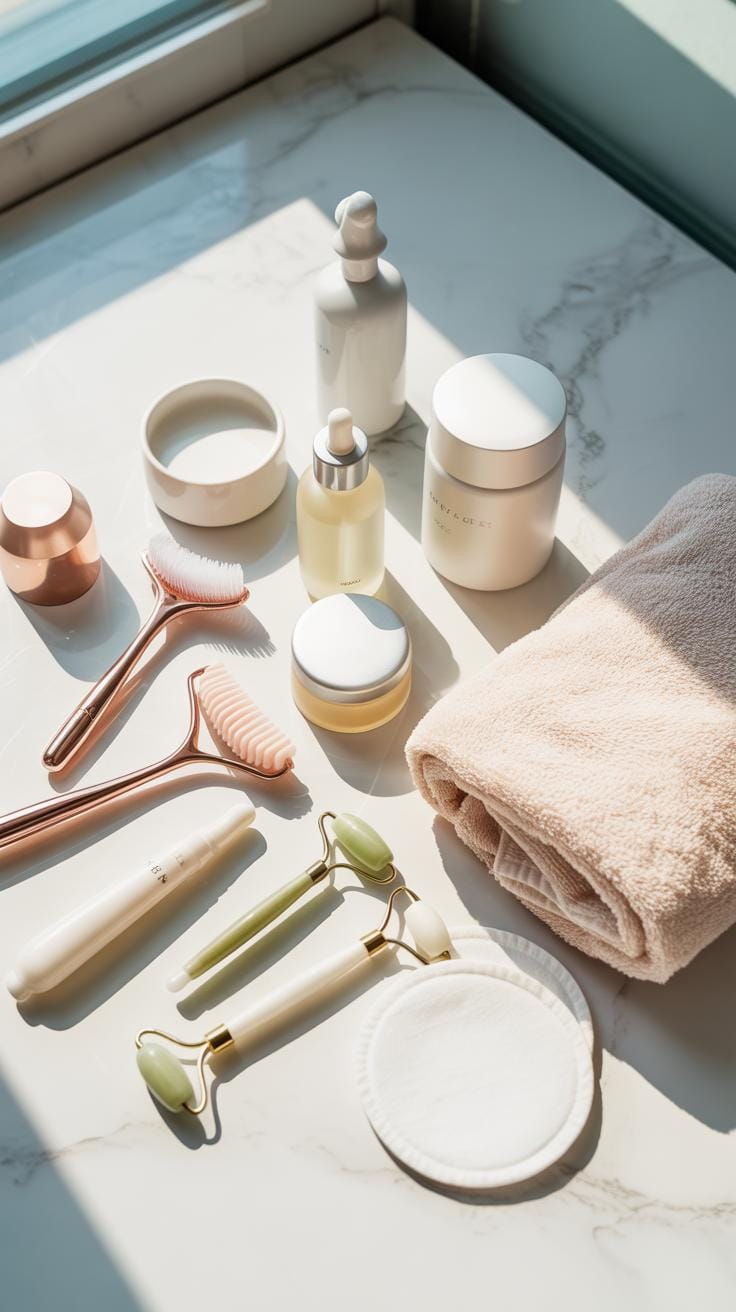
Using the right tools can make a noticeable difference in your skin care routine. For example, a face wash brush can help clean deeper than your hands alone, removing dirt and oil that might linger and clog pores. Towels, if soft and clean, gently pat the skin dry without dragging or irritating it, which is especially helpful if you have sensitive skin.
Sunscreen sprays offer a quick and even application, making it easier to protect your face and neck from harmful UV rays—something often skipped or rushed. While tools can improve your routine, they don’t guarantee perfect skin on their own. It’s easy to think one gadget will fix everything, but that’s rarely the case.
Using Tools Safely
Cleaning your tools regularly is crucial. For example, face brushes tend to harbor bacteria, which can lead to irritation or breakouts if not washed. Rinse them after each use and let them dry completely. Towels should be replaced or washed frequently too; reusing a damp towel invites bacteria, potentially worsening skin problems.
Be careful not to overuse tools. Using a face brush aggressively or more than a couple of times a week can damage your skin’s barrier rather than help it. It actually took me a while to find a balance—too much scrubbing only made my skin red and tight.
Recommended Tools For Men
Start with simple, budget-friendly options. A soft-bristled facial cleansing brush paired with your cleanser often works well without overwhelming your skin. Microfiber towels are gentle and affordable, better than rough bath towels for drying the face.
Don’t overlook sunscreen sprays—they’re easy to apply repeatedly throughout the day. Also, a good quality lip balm and an eye cream applicator can add value without complicating your routine. You don’t need a drawer full of gadgets; choose a few that fit your skin type and lifestyle. Sometimes, less really is more.
Conclusions
Fixing men skin care routine mistakes helps you get better skin. Small changes like picking the right products and avoiding harsh habits make a big difference. Your skin can heal and stay smooth when you care for it properly.
Try following a clear routine and learn what suits your skin type. Being consistent and patient will soon show results. Better skin is possible when you avoid these errors and treat your skin well every day.