
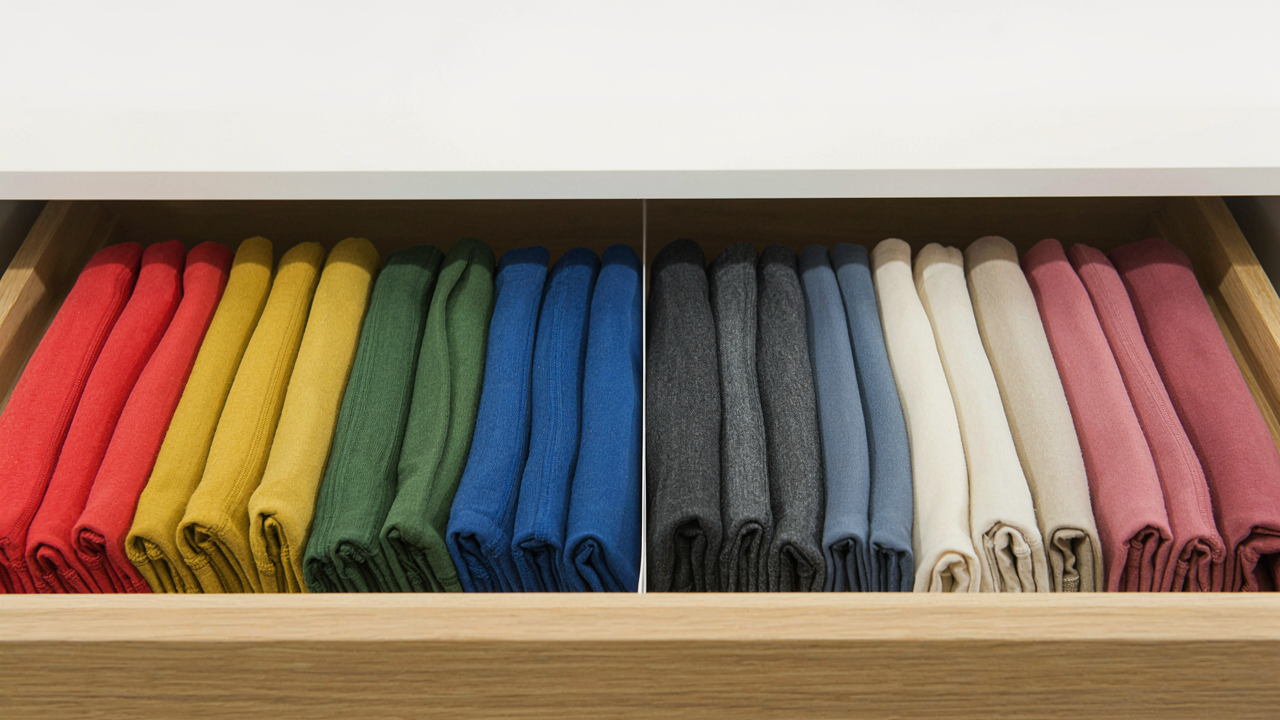
The Thermal Regulation Fallacy: Why More Layers Aren’t Always Warmer

How Heat Actually Leaves Your Body
You think layering keeps you warm because everyone says so, and admitting the real mechanism feels like admitting you’ve been dressing wrong. Physics tells us your body loses heat through three pathways: conduction (direct contact with cold surfaces), convection (air moving across your skin), and radiation (infrared energy leaving your body into space). Most people obsess over “trapping air” and ignore that radiation accounts for roughly 60 percent of heat loss in still conditions. Your first layer blocks conduction. Your outer layer stops convection. But neither stops radiation without specific material properties most casual dressers never consider.
The mistake isn’t in adding layers. It’s believing all layers do the same job. A cotton shirt under a wool sweater doesn’t function the way synthetic base layer under a down jacket does. Each material has different emissivity values, which measure how much infrared radiation it reflects versus absorbs. When you stack random fabrics, you’re not engineering a microclimate, you’re just adding weight and restricting movement. The goal isn’t more insulation. It’s strategic disruption of all three heat loss pathways with minimal bulk.
The Air Trap Myth And What Actually Works

Everyone repeats “trapped air pockets create insulation” like it’s revelation. This is incomplete thinking dressed up as wisdom. Still air between layers does reduce convection, but only if the layers don’t compress and only if air actually remains still. Move your arm and you pump air out of those pockets. Bend down and you force air through gaps. Static layering theory breaks apart the moment your body moves. The real mechanism isn’t passive air retention. It’s engineered dead space that resists air exchange under normal movement, paired with materials that reflect heat back to your body instead of absorbing it into the environment.
High performance fabrics work because they manage vapor and air flow simultaneously, not because they magically trap anything. A moisture-wicking synthetic base layer moves sweat away from skin, preventing evaporative cooling loss. A mid layer like fleece or merino creates friction that slows air movement without compressing. A shell layer stops wind penetration while allowing vapor to escape upward. Stack these in sequence and you’ve built a system. Stack a t-shirt, sweater, and jacket and you’ve just gotten heavier. The protocol is specific: base layer for moisture management, mid layer for air disruption, outer layer for wind and water blocking. Skip any piece and the system fails.

The “Compressibility Index” Protocol: Decoding Fabric Density
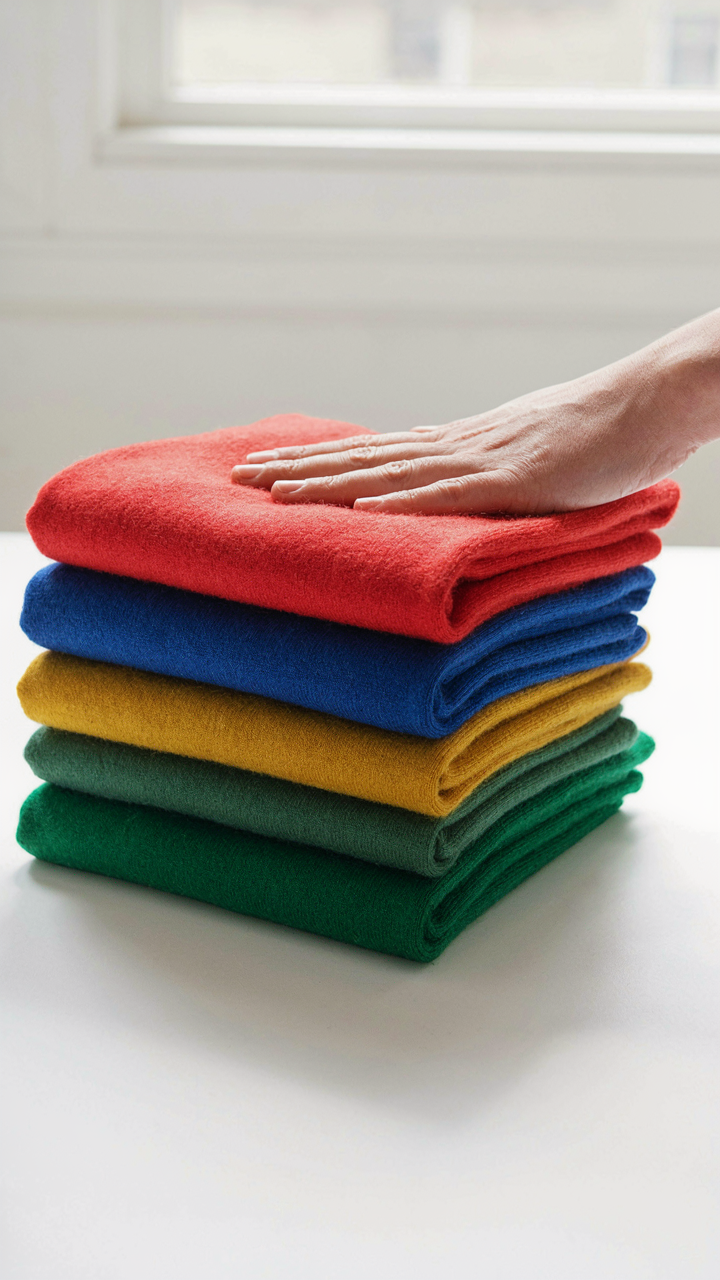
Weight Speaks Louder Than Thread Count
You want to layer without looking thick because you think bulk reads as careless. It doesn’t. The real mechanism is this: weight and volume are not the same thing. A fabric can be dense as concrete but compress flat. Another can be airy and balloon under pressure. Most people confuse lightweight with thin, then wonder why their merino wool sweater under a shirt creates a puffy silhouette. Weight is mass per unit area, measured in grams per square meter. Volume is how much space that mass occupies. Layering works when you stack high weight in low volume.
Polyester fleece weighs less than wool but takes up more space because the fiber structure traps air by design. Merino wool compresses. So does silk. So does linen. Synthetics marketed as “lightweight” often sacrifice density for air pockets, which kill the fit. The common advice says “just use thin pieces.” Wrong. Use pieces where the fibers pack tight together. A 150-gram merino base layer under a 200-gram wool sweater under a shell creates zero bulk because both materials compress under their own weight and the shell’s pressure. A 100-gram polyester base layer does the same weight math but creates visible puffiness because the fibers don’t pack.
Density To Warmth Ratio Is The Real Decision
Thermal retention depends on trapped air, but the trap must stay small. Materials like down and synthetic insulation fill this niche, but they belong in outer layers, not against skin. The physics principle here is the coefficient of thermal conductivity. Lower numbers mean better insulation. Merino wool scores 0.04 W/mK. Polyester fleece scores similar but spreads that insulation across more volume, meaning you need more thickness to hit the same warmth. Against skin, density matters more than loft because your body heat needs a direct path through the material before air pockets can trap it.
Cotton is a trap. It compresses well but absorbs moisture, then loses all insulating value. Synthetic wools and merino don’t absorb sweat; they wick it. They compress under layering pressure. They stay warm when damp. The protocol: base layers must be merino, synthetic wool blends, or silk. Mid-layers use the same materials or tightly woven synthetics like polartec power grid. Outer layers handle the insulation volume. Stack materials where each layer compresses the one below, creating a sandwich effect that maximizes warmth per millimeter of total thickness.
The “Architectural Stacking” Method: Building Outfits, Not Piles

Start With Skin Contact
You want to look intentional without admitting you’re cold. The real mechanism here borrows from thermodynamics: a base layer doesn’t insulate—it manages moisture. Sweat kills every layer above it. Cotton holds moisture against your skin. Merino wool and synthetic materials wick it away, keeping the insulation layers above functional. This is why your expensive puffy fails when you sweat in it. The base layer is the only piece doing actual work to preserve what comes next.
Most people skip a proper base layer entirely, then wonder why their outfit feels sluggish. Your base layer needs to fit close without compression. It moves sweat outward, not traps it. Merino wool handles temperature regulation naturally. Polyester and nylon derivatives move moisture predictably. The fabric choice determines whether everything stacked above stays dry or becomes dead weight against your body.
Strategic Warmth Without Collapse
Mid-layers create insulation pockets without adding bulk because they trap air, not fabric. The principle is simple: dead air space retains heat. Fleece works because it’s open-weave material. Down and synthetic insulation create chambers. The trap everyone falls into is stacking dense materials—two heavy sweaters feel like wearing a wall. Mid-layers succeed when they’re thin enough to compress under an outer shell but structured enough to hold air gaps.
Fit matters more than material here. A mid-layer that’s too loose creates gaps where warmth escapes. One that’s too tight compresses the air pockets and defeats its purpose. You’re looking for a deliberate balance: snug enough to work, loose enough to layer another piece over it without restriction. Test the movement by raising your arms fully overhead. If anything binds or rides up, that layer won’t stack properly in a real outfit.
The Outer Shell Imperative: Your Unsung Hero For Winter Outfits Layering

Wind, Water, And Heat Stop Here
You want the outer shell to do the work so you don’t look puffy. That’s the real reason you’re reading this. Here’s the mechanism: your shell operates on thermodynamic principle—it creates a barrier that traps air movement while allowing trapped warm air to stay put. Wind doesn’t just make you cold; it strips the stationary air layer your base and mid layers create. Water does worse: it conducts heat away from your body 25 times faster than air. A shell stops both before they reach the layers beneath.
Most people think a shell needs to be waterproof. Wrong. It needs to be water-resistant and windproof. Full waterproofing (sealed seams, coated membranes) traps moisture inside, which defeats the entire system. Your shell’s job is deflection, not impermeability. Pick materials like ripstop nylon or Gore-Tex alternatives that shed water while letting trapped moisture escape. The shell sits outermost precisely so the base and mid layers stay dry and functional underneath.
Utility Trumps The Fit Game
Abandon the idea that your shell should hug your frame like a fashion piece. Shell design prioritizes function over silhouette because a shell that fits too tight compresses your mid-layer insulation and ruins the whole strategy. Oversized shells create air pockets that actually work for you—they trap warmth without suffocating it.
Look for shells with gusseted underarms, articulated sleeves, and enough room for your arm to move in a full circle without tugging the torso up. Pit zips (underarm vents) aren’t a luxury detail—they’re a pressure release valve when your core heats up and you need fast cooling without removing the entire layer. Pockets should sit high enough to access without unzipping the shell. The shell is infrastructure, not fashion. Build it to survive, not to photograph.
Accessory Amplification: Beyond The Obvious For Winter Layers Outfits

Extremities Demand Their Own Climate Control
You want accessories to look intentional instead of desperate. Here’s the mechanism: extremities lose heat fastest because they’re farthest from your core and have the highest surface-area-to-volume ratio. Thermodynamics isn’t a fashion theory—it’s physics. Your hands, feet, and head account for a disproportionate amount of heat loss, so controlling temperature there lets you wear lighter base layers everywhere else without shivering.
- Wool hats: Retain warmth even when damp. Merino wool regulates temperature better than synthetic alternatives and doesn’t trigger the itch response cotton does.
- Insulated gloves with grip: Leather or synthetic shells over insulated linings preserve dexterity while trapping air. Choose fingerless conversion mittens for task-switching without removal.
- Neck wraps and balaclavas: Cover the carotid arteries and jugular vein where blood vessels run close to skin. This single choice reduces core heat loss significantly.
- Thermal socks with moisture-wicking: Cotton holds sweat and accelerates cooling. Merino or synthetic blends pull moisture away, keeping feet warm even in damp conditions.
- Insulated footwear with breathable linings: Dead air space in the sole matters more than thickness. Avoid rubber completely—neoprene or foam with ventilation prevents moisture buildup that kills insulation.
The mistake most people make is treating accessories as decoration. They’re regulation tools. A quality hat cuts core heat loss by 40 percent because your scalp has minimal fat tissue and massive blood flow. Gloves and socks work the same way. Buy them first, then build your base layers around what you actually need underneath.
Invisible Insulation Beneath Everything
Most advice treats thermal underwear as optional or dated. Wrong. Thermal layers under your base layer create a dead-air sandwich that does the heavy lifting while keeping bulk off your silhouette. The mechanism is simple: still air doesn’t conduct heat away from skin. Movement kills this efficiency, so your thermal layer needs to sit tight against skin, not flap around.
Sock selection matters more than people admit. Thin merino blends under your normal socks create two insulation barriers without the bulk of a single thick sock compressing your foot and cutting off circulation. Your feet warm faster and stay warm longer because the air gap between layers traps heat. Pair this with strategic sock height—crew-length prevents cold air gaps between pant cuff and shoe, but avoid compression that restricts blood flow. Thermal underwear under jeans works the same principle: a fitted base layer under looser pants moves with your body without telegraphing the bulk beneath.
The Kinetic Energy Principle: Movement And Your Layering Strategy

How Your Body Actually Regulates Heat
You want to look intentional without sweating through your outfit. Here’s what actually happens: your body isn’t a furnace that stays constant. It’s a dynamic system that generates more heat during movement and cools faster when you stop. Physics calls this thermodynamic regulation. In layering, this means each layer must allow heat to move outward when needed, not trap it uniformly like a down comforter.
Most people layer as if their body temperature stays static. It doesn’t. When you move, your core temperature spikes within minutes. Your layers need to shed that excess heat before moisture accumulates against your skin. This requires fabric choices that transfer heat efficiently and stacking methods that don’t lock warm air directly against your body. The base layer moves moisture away from skin. The mid-layer insulates or breathes depending on your activity level. The outer layer handles wind and weather while allowing vapor transmission.
Where Air Actually Moves Through Your Clothes
Everyone talks about ventilation points like they’re some luxury feature. They’re structural necessity. Your armpits, sides, and back generate the most heat during movement because that’s where major muscle groups work hardest. Tight layering blocks this heat escape and you overheat regardless of fabric quality.
Ventilation points work best when you stack fitted items strategically. A snug base layer with a slightly looser mid-layer creates a channel for air movement at your sides and back. Your outer layer needs to allow vapor to escape while blocking external wind. Zippers on mid-layers beat pullover designs for this reason alone. You control heat release instantly without removing the entire outfit. Test your setup by walking for ten minutes, then checking your underarms and back for moisture. If you’re damp, your layers are trapping heat instead of moving it. Adjust fit or swap the mid-layer for something with higher breathability.
The ’90s Winter Outfits Vintage Deception: Style Over Substance

Vintage Warmth Versus Visual Nostalgia
You want the aesthetic credibility of vintage without admitting you’re chasing a look that requires actual discomfort. Here’s the mechanism: vintage winter pieces from the ’90s weren’t designed for bulk reduction. They were built for maximum insulation using the materials available then. Wool was thicker. Down was less processed. Synthetics didn’t trap heat efficiently. You’re not solving a layering problem by mimicking that era. You’re recreating the constraint.
The difference between genuine vintage and aesthetic imitation hinges on fiber construction. A real ’90s wool sweater averages 400 to 600 grams and retains heat through density, not efficiency. Modern reproductions use lighter merino blends and engineered weaves to hit that silhouette without the weight penalty. The vintage piece keeps you warm through mass. The reproduction does it through material science. One requires you to accept bulk. The other doesn’t.
Modern Fibers That Archive The Look
Engineered fabrics now replicate the visual density of ’90s garments without the thermal redundancy. Synthetic blends with controlled nap finishes mimic wool’s surface texture at 30 to 40 percent less weight. Technical manufacturers solved this by stacking multiple thin, high-performance layers where vintage required one thick one. The aesthetic reads the same. The physics underneath changed completely.
This isn’t about finding better vintage pieces. It’s about understanding that “that look” exists independent of the original construction method. Brands like Arcteryx and Stone Island proved this: you can layer synthetic microfibers, grid fleeces, and treated nylon shells to hit the ’90s silhouette without becoming a shapeless mass. The trigger for this shift was the rise of outdoor gear engineering bleeding into fashion. Start with a fitted base layer in merino or synthetic, add a mid-weight technical piece with visible texture, then a shell. That’s the modern version of the ’90s winter fit.
Jacket Layering Outfit: The Science Of Your Outer Garment

Your Jacket Needs Room To Breathe, Not Strangle
You want your jacket to look fitted because fitted looks intentional. That’s the real reason you’re here. But fitted jackets over layers become restrictive boxes that trap heat and kill your range of motion. The mechanism is simple: jacket fit operates on leverage. A tight chest seam pulls harder the more you layer underneath it, exponentially reducing your shoulder mobility and creating stress points that wear fabric faster.
Buy jackets one size larger than you normally would when layering is your system. This isn’t about looking baggy. It’s about buying a jacket that accommodates a base layer, mid-layer, and insulating layer without the fabric pulling across your back or restricting arm movement at the shoulders and armpits. The chest should have an inch of give when you wear your full layering stack. Test this in the store by putting on the layers you actually wear, then try the jacket on. If you can’t reach your hands flat against a wall without tension, the jacket is too small.
Shell Materials That Don’t Fight Your Base Layers
Shell fabrics evolved from military necessity, not fashion. During the 1970s, outdoor gear companies borrowed textile engineering from military weatherproofing to create breathable shells that repelled water instead of absorbing it. The principle applies directly: your outer jacket must allow moisture vapor from your inner layers to escape while blocking external water and wind from entering. This is called vapor permeability in textile science, and it’s the actual mechanism that keeps you warm in layered outfits.
Synthetic shells like nylon and polyester with DWR coating beat natural fibers for layering because they dry faster and maintain structure under repeated compression. Cotton, despite its breathability, holds moisture and adds dead weight when damp. Modern shell innovations use three-layer constructions where the middle layer is a microporous membrane that lets vapor through but blocks liquid water. Check the jacket’s spec sheet for breathability rating measured in grams per square meter per 24 hours. Anything above 5000 works well with active layering. Below that, you’re paying for protection at the cost of moisture management.
The Female Form & Layers Outfits Fall: Skirt And Dress Integration

Thermal Tights And Leggings: Invisible Warmth
You’re worried that adding warmth means adding bulk, which means looking wider. That’s the real fear here. The mechanism is density: thermal fabrics compress insulation into thin material, so you get warmth without the visible volume that cotton tights or bare legs would create. The thickness stays invisible under a skirt or dress because it sits against skin.
Thermal tights work because they trap air in synthetic fibers without creating surface texture. Merino wool blends do the same thing with natural fiber. Wear them under any fall skirt or dress and the silhouette stays clean. The garment drapes exactly as designed because nothing underneath disrupts the line. This is why thermal wear replaced traditional wool tights in professional and casual contexts—same function, half the visual footprint.
Strategic Dress And Skirt Fabrics: Wool, Heavy Cotton, Tweed
Fabric weight is not decoration—it’s structural engineering. Wool, heavy cotton, and tweed hold their shape in cold air because the fibers are densely woven. This means the garment itself becomes your insulation layer, eliminating the need for bulky base layers underneath. A mid-weight wool skirt or tweed dress does the actual work of temperature regulation, not a sweater worn on top.
The common advice says to layer a dress with a cardigan or blazer. That’s incomplete. If you choose the right dress fabric from the start, you reduce layers entirely. A substantial tweed dress with thermal tights needs nothing else in fall. You’ve layered strategically by selecting materials that compress warmth instead of stacking garments. This is the difference between reactive layering and designed layering. Build the warmth into the base piece first.
The Investment Mindset: Curating A Functional Layering Wardrobe

Build Around Anchors, Not Trends
You want permission to spend money without looking foolish. That’s the real question here. The mechanism is this: most people buy layering pieces randomly, then wonder why nothing works together. They chase seasonal trends instead of anchoring to neutral base colors and cuts that survive five years of wear.
Start with three neutral anchors: one in charcoal or black, one in cream or white, one in navy or olive. Every other piece you buy must layer with all three. This eliminates decision fatigue and forces compatibility by default. Your layering wardrobe becomes a closed system, not a closet full of orphaned items.
- Merino wool base layers: Temperature-regulating, antimicrobial, doesn’t retain odor. Works year-round under any outer layer. Costs more upfront but outlasts cotton alternatives by years.
- Fitted mock necks: Bridges base layers and mid-layers without bulk. Neutral colorway essential. Works under jackets or worn alone in transitional seasons.
- Unstructured overshirts: Linen or cotton blend, oversized cut for layering depth without added volume. Acts as both mid-layer and standalone piece depending on fabric weight.
- Lightweight knit cardigans: Fine gauge construction prevents puffiness when layered. Buttons provide quick temperature adjustment without removing outer layer.
- Structured blazer in neutral: Single piece that layers over everything. Invest in tailoring; fit matters more than fabric cost here.
The test is simple: each piece must work over your base layer and under your outerwear. If it doesn’t stack cleanly, it’s not an anchor piece. Remove it from the rotation.
The Real Math On Performance Fabrics
Economics calls this cost per wear. High-performance fabrics cost more because they solve a problem: they perform across multiple scenarios instead of one. A wool-blend shirt with stretch performs in weather, movement, and washability. Cotton fails in two of those categories but costs half as much.
The trap everyone falls into is buying cheap performance fabrics, which exist nowhere. You’re either buying cheap cotton or paying for actual performance. Middle-ground synthetics often pill, lose shape after ten washes, or trap moisture. The actual calculation: divide total cost by estimated wears over three years. A two-hundred-dollar merino piece worn four times weekly beats a forty-dollar synthetic worn twice monthly. Performance fabrics cost more because they’re designed to last and function under stress.
The Real Bulk Isn’t In Your Clothes, It’s In Your Outdated Assumptions

Most people layer outfits the way their parents did: heavy, reactive, afraid of showing skin. You’re not fighting fabric weight. You’re fighting the belief that more coverage equals better dressing. Strip that belief first. Tomorrow, grab three pieces you already own and build a fit that moves with you instead of against you. Layering isn’t about adding clothes. It’s about subtracting fear.