

Introduction
Affordable Korean casual outfits have gained worldwide popularity due to their simple yet stylish appearance. These outfits often focus on comfort, layering, and a neat aesthetic that suits every season. Korean casual fashion offers versatile pieces that can easily be mixed and matched to create different looks without overspending.
Western casual style, on the other hand, features diverse influences and tends to emphasize comfort and practicality with iconic items like jeans and t-shirts. This article compares Korean casual fashion with Western casual looks, helping you understand their unique qualities and how to incorporate elements of both styles into your wardrobe.
Basics of Korean Casual Outfits
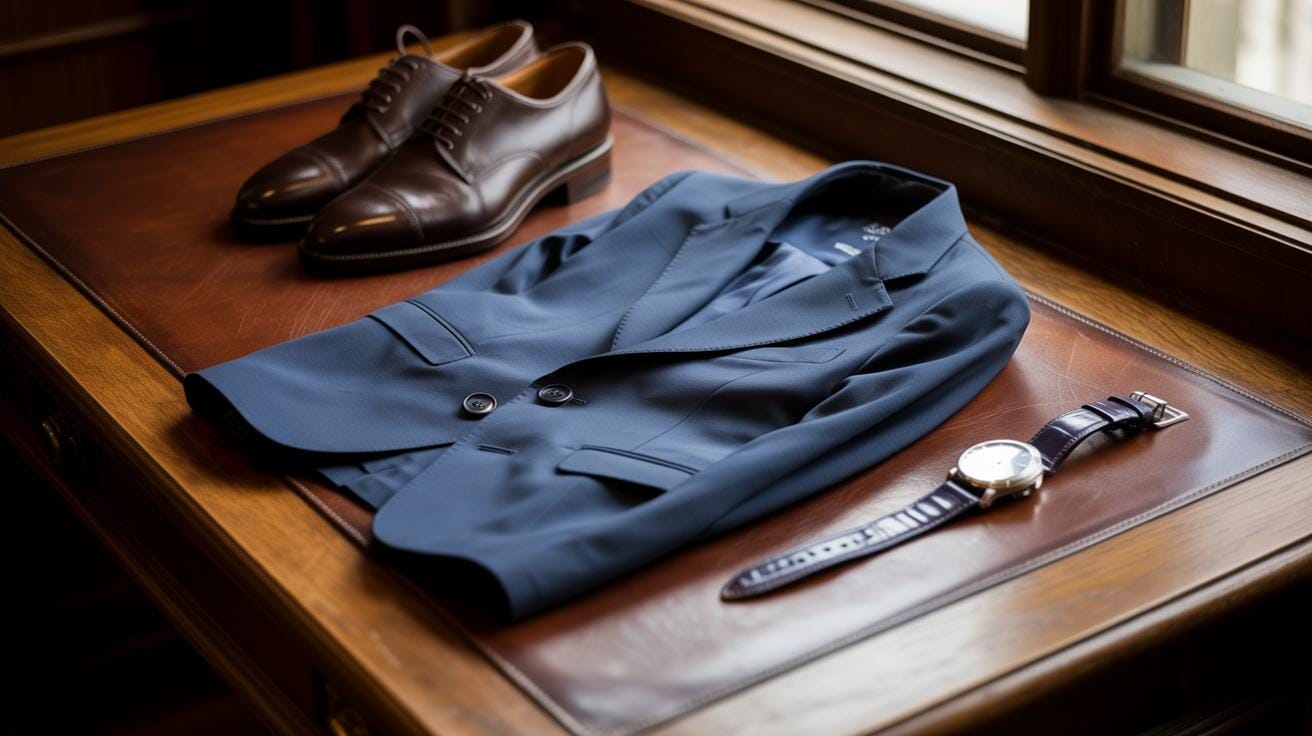

Korean casual fashion tends to lean on simplicity but with a careful eye, almost like every item quietly earns its place. The style often relies on layering—not just for warmth but for creating depth and interest. You might see a loose shirt under a minimal jacket, topped with an oversized sweater on chillier days. That layering is practical but also feels intentional, even if the layers themselves are simple.
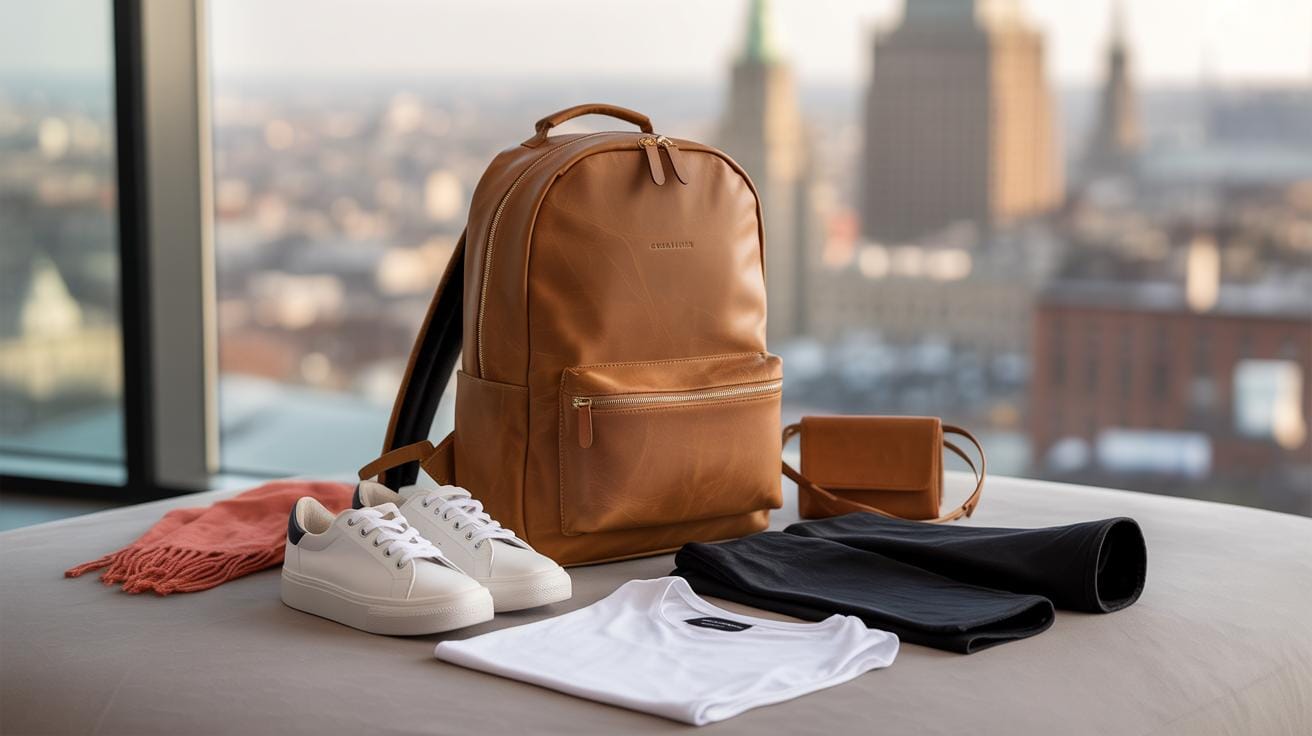
Colors usually stick to neutral, soft tones—think beige, off-white, and gentle pastels mixed with occasional muted shades of gray or navy. There’s a balance between clean-cut lines and comfort, which together avoid feeling flashy. The simplicity absorbs your focus rather than demands it.
Must-Have Clothing Items in Korean Casual
When you look at what’s popular, some pieces come up again and again. Here are a few essentials you might recognize or want to try:
- Loose-fit trousers: They offer comfort but also allow for layering tops without looking bulky.
- Plain tees and turtlenecks: Perfect for layering and maintaining that understated vibe.
- Lightweight cardigans or oversized sweaters: These give room for changing weather and add soft shapes to the outfit.
- Minimal sneakers or slip-ons: Shoes that don’t steal the attention but tie everything together.
- Simple denim or skirts: Durable and versatile, often with a relaxed fit.
These items are popular because they fit the everyday flow of life without fuss. They don’t shout but somehow still feel fresh.
How Colors and Textures Are Used
Colors in Korean casual outfits often create a quiet harmony rather than contrast. Soft hues like warm beige, light gray, and even powder blue give a calm impression. Sometimes, a single brighter color might sneak in, but almost always as an accent, not a statement.
Textures matter a lot. The fabrics tend to have gentle textures—think cotton, lightweight knits, or brushed wool. It’s almost about the feeling of the fabric on your skin as much as the look. You’ll rarely see anything shiny or rough; instead, surfaces feel approachable and soft. This subtle texture variation helps layering without fighting for attention.
It’s interesting how this approach quietly invites you to focus on how the pieces work with each other rather than inspecting each one alone. Maybe it’s a bit restrictive but, in a way, it encourages thoughtful choices every time you dress.
Korean Casual Outfits

Korean casual fashion often feels like a quiet balance between simplicity and attention to detail. If you look closely, you’ll notice how layering plays a huge role. You might see someone wearing a loose shirt under a light jacket paired with straight-leg pants—very different from just throwing on a single piece and calling it a day.
Some key items pop up repeatedly in these outfits. Oversized sweaters or cardigans are everywhere, along with high-waisted trousers or jeans that give a clean silhouette. The pieces don’t fight for attention; they complement each other without fuss.
Colors tend to be soft and muted—think pastel blues, soft beiges, and gentle pinks. But sometimes, a bold color layer breaks the pattern, adding a little spark. This subtle play with color makes the style feel fresh but never overwhelming.
Shoes usually lean toward simple sneakers or loafers, which maintain the overall effortlessness. You don’t see many bulky boots or high heels here. Comfort meets neatness, mainly because many Koreans favor both looking put-together and being able to move easily through their busy days.
Materials are lightweight, often cotton or linen blends, which suit Korea’s changing seasons well. I’ve noticed that people mix fabrics in one outfit—think soft knits with crisp cotton pants—so, the texture contrast adds quiet interest. It’s not always about standing out; it’s more about subtlety that invites a second look.
Does this approach seem somewhat reserved? Possibly. Yet, that’s part of its charm. Korean casual outfits quietly suggest you don’t need extravagance to dress well every day.
Seasonal Korean Outfit Adjustments
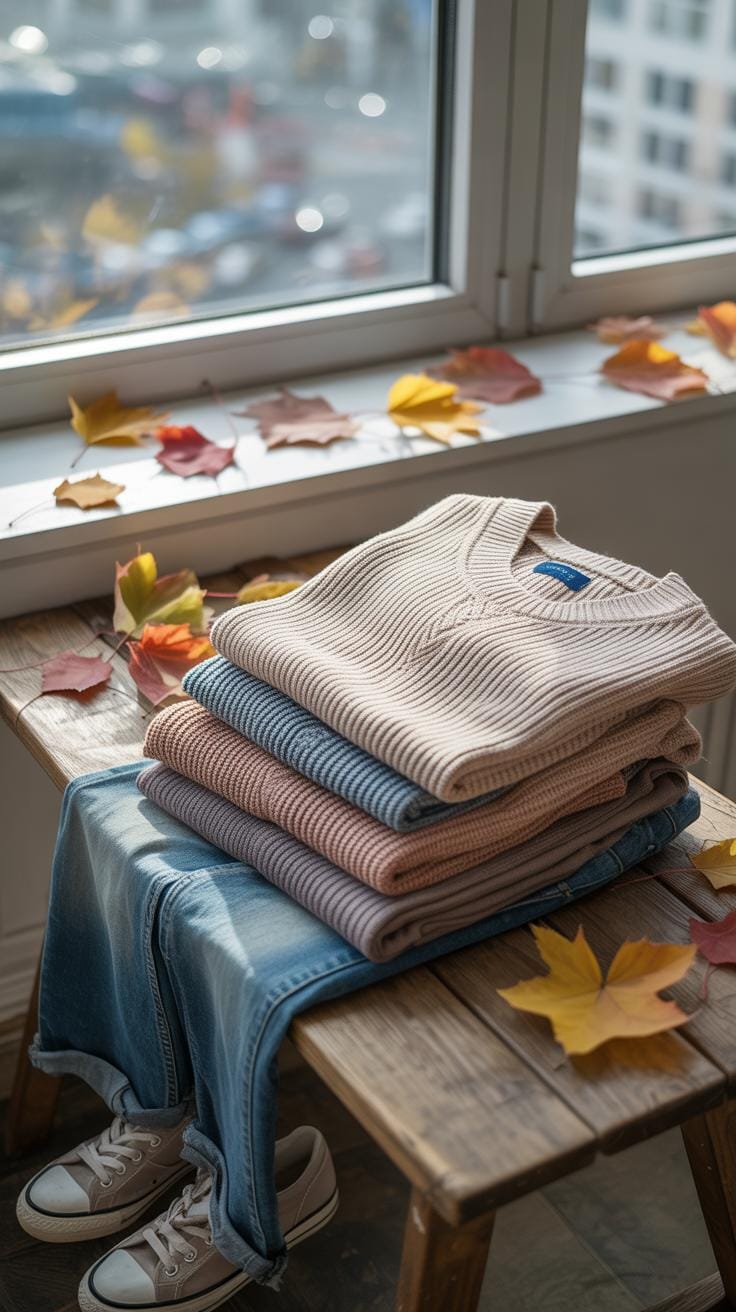
Korean casual outfits shift noticeably through the year, adapting to each season with a blend of style and practicality. In spring, you often see lightweight trench coats or loose cardigans layered over simple shirts. This season is ideal for mixing textures without overheating—maybe a cotton shirt under a thin knit pullover. For summer, outfits become breezier, with oversized linen shirts, cropped pants, and minimalist sneakers. The focus is on comfort and breathability, but the clean, polished vibe remains.
Autumn brings a return to layers—this time, heavier fabrics like wool blends and denim. Sweaters paired with structured coats or bomber jackets are popular. Toned-down colors that reflect the season’s mood—muted browns, deep greens, and rust hues—are common choices. Finally, winter calls for staple pieces such as padded parkas, oversized scarves, and thermal knitwear. People rely on thick sweaters, wool coats, and sturdy boots. The layering becomes bulkier and warmer, though usually still balanced to avoid looking too heavy.
Layering Techniques for Korean Spring and Autumn
In spring and autumn, layering is almost an art form in Korean casual wear. It’s about combining pieces that provide warmth without making you sweat—and keeping everything looking crisp. Think thin turtlenecks under oversized shirts or a denim jacket over a loose hoodie. Sometimes, a blazer over a simple tee creates a pulled-together look fast.
Layering often involves mixing lengths—like a longer shirt peeking from underneath a shorter jacket. This adds dimension, making outfits feel more deliberate. You’ll notice accessories play a subtle role too. Light scarves can finish a look without too much bulk. It’s about layering smart, not just piling on clothes.
Cool Weather Korean Wardrobe Essentials
Winter in Korea demands serious warmth, and the wardrobe reflects that. Essential items include padded parkas with fur-lined hoods and thick wool coats for more formal days. Down jackets are everywhere—ideal for their lightweight warmth. Thermal tops and fleece-lined leggings often go under everyday clothes. Chunky knit sweaters, turtlenecks, and hoodies serve as comfortable insulation.
Accessories matter: knitted beanies, scarves, and gloves become crucial parts of daily outfits. Footwear typically includes waterproof boots or insulated sneakers. Korean winter wear balances cold protection with style, but sometimes it’s hard to keep that balance perfect—especially on the coldest days. Still, most people manage to stay both warm and casual, which is impressive.
Korean Casual Outfits
You might have noticed how Korean casual fashion carries a certain softness and simplicity, yet manages to look stylish without trying too hard. It often revolves around layering, combining loose fits with structured pieces, which feels practical but also thoughtfully put together. It’s like the clothes invite you to move freely while looking clean and modern.
For example, a typical Korean casual outfit often pairs an oversized sweater or cardigan with slim trousers or cropped jeans. The subtle balance between baggy and fitted pieces creates a relaxed silhouette that still looks neat. Sometimes you’ll see this paired with sneakers or simple loafers, making the whole look approachable and easy to wear on any casual day.
Materials usually lean toward natural fabrics — cotton, linen, occasionally light wool blends — that handle temperature changes well. Maybe that’s why Korean casual looks can work across seasons with just a small tweak. Think of a lightweight knit layered over a basic tee for spring, or a soft, thick hoodie under a trench coat come fall.
Colors tend to stay muted—soft pastels, earth tones, gentle greys—but every now and then you’ll catch a pop of brighter color or a minimalist graphic print breaking the calm palette. That variation keeps things interesting without overwhelming the overall harmony of the outfit.
One thing I find interesting is how Korean casual fashion often includes subtle details like exposed seams, slightly ribbed textures, or unique collars. These little touches may not scream for attention but give the garments personality, something that often goes unnoticed unless you really look.
Would you say this kind of casual dressing fits your lifestyle? For people who value comfort but don’t want to look sloppy, Korean casual looks offer a middle ground. Maybe you haven’t tried it because it seems too minimal, but it can surprise you if you layer right and choose the style details carefully.
Mixing Korean and Western Styles
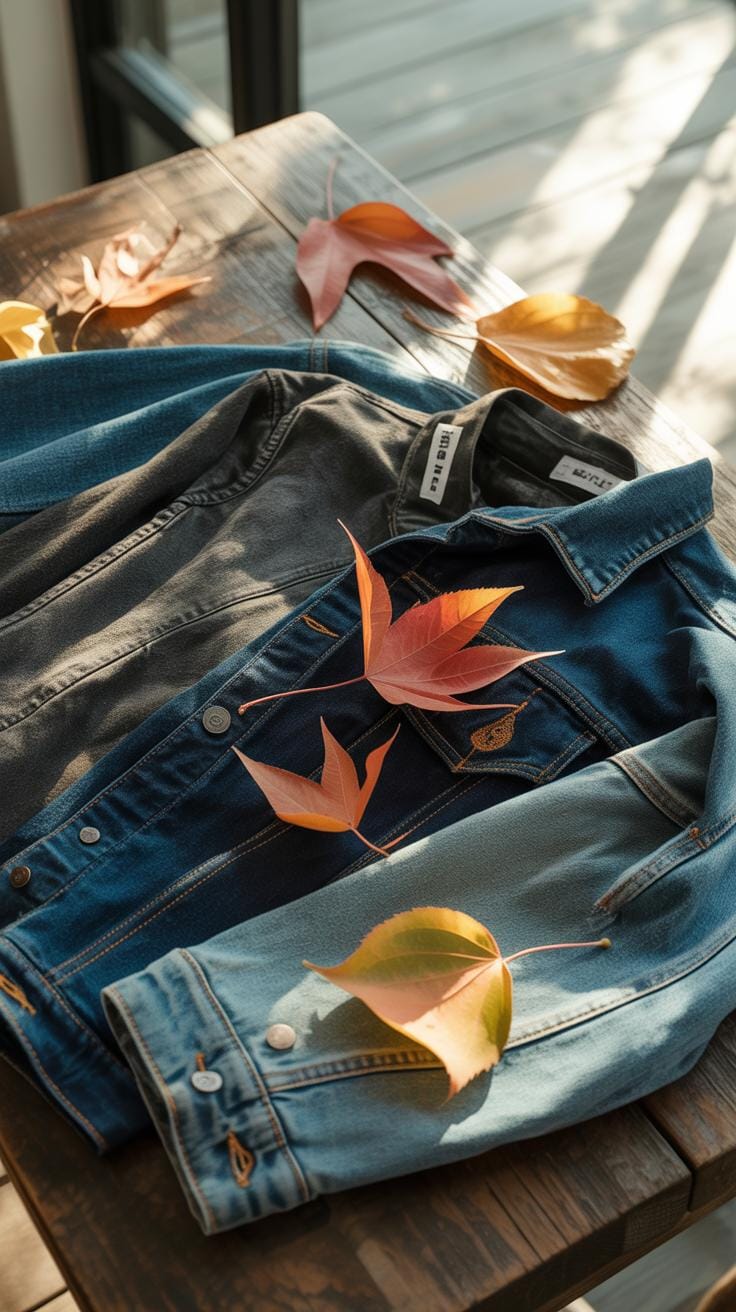
Blending Korean casual with Western staples can give your wardrobe fresh energy. Korean layering pieces often bring a delicate, tailored feel—think soft cardigans, oversized shirts, or light knit vests. Pairing these with simple Western basics like classic jeans or plain tees creates contrast that’s both subtle and interesting.
Try wearing a crisp white Western tee under a loose Korean shirt or a cropped knitted vest. It immediately adds dimension without looking forced. You might also experiment with a Korean oversized blazer over a fitted Western turtleneck—there’s a balance between structure and softness that works oddly well.
Colors and textures can make or break these combos. Korean styles favor muted tones and gentle fabrics like cotton blends or fine knits. Western staples often lean toward denim, leather, or sturdier cottons. Matching a calm pastel Korean cardigan with sturdy denim jeans helps bridge two worlds. But don’t be afraid to mix a matte Korean fabric with a slightly shiny Western piece—it adds subtle depth without clashing.
Could combining these styles open doors to more personal expression? Probably. It’s about feeling comfortable in both, yet creating something uniquely yours. So, why not try swapping your usual layering piece for something inspired by Korean fashion and see where it leads?
Cost Comparison for Casual Wardrobes
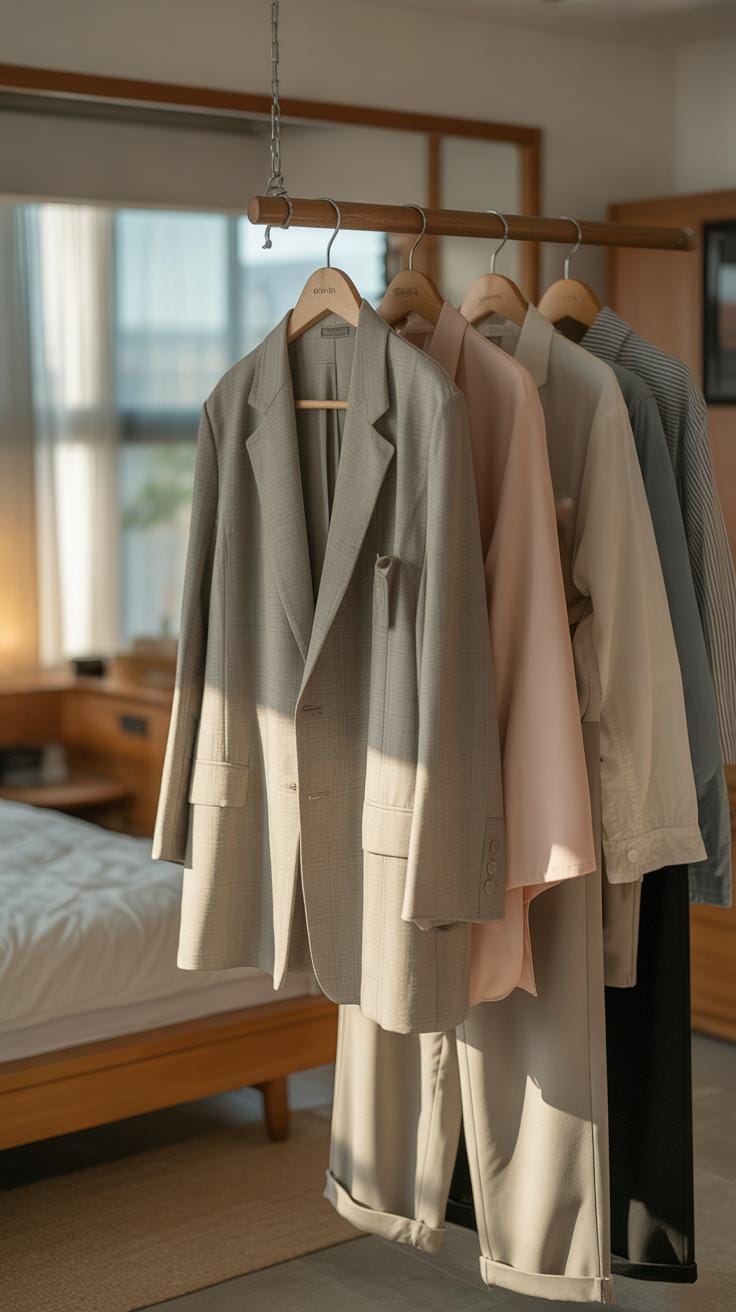
When building a casual wardrobe inspired by Korean fashion, you might notice the prices can initially feel a bit higher compared to some Western brands. Korean fashion often focuses on quality fabrics and unique designs, which can push prices up slightly. But if you look closer, it’s not always the case that Korean casual clothing is out of reach. Sometimes, if you know where to shop, you can find pieces that give you great style without emptying your wallet.
Shopping in Korea or through Korean online stores presents several budget-friendly options. For example, brands like Stylenanda or Mixxmix often have sales or offer affordable basics that fit the minimalist, youthful vibe typical of Korean casual wear. Plus, Korean fast fashion outlets—think similar to Western fast fashion in pricing—also offer trendy items without a premium tag.
One thing I’ve learned: patience goes a long way. Waiting for sales, checking out lesser-known local Korean brands online, or browsing secondhand shops can make a surprising difference. Korean casual outfits mainly revolve around layered, versatile pieces—meaning you can mix and match a few items for many looks, which stretches your budget even further.
On the flip side, Western casual wear sometimes wins on price alone because of mass production and more extensive discount seasons. But here’s the catch: it might cost less initially yet, over time, replacing lower-quality pieces can add up. Korean fashion tends to emphasize sturdier materials that last longer, which sort of balances out the cost over months or years.
So, is Korean casual fashion affordable? It depends on how and where you shop. And your personal style goals, really. Would you prefer investing a little more upfront for lasting staples, or hunt for the cheapest items to renew frequently? Asking these questions helps you weigh your wardrobe spending smarter, no matter the style you choose.
Common Outfit Mistakes to Avoid

Avoid Over-Layering in Korean Fashion
Korean casual style often relies on clean, well-thought-out layering rather than just piling pieces on. When you add too many layers, it can disrupt the sleek, effortless vibe that defines this look. You might think more layers mean more style, but it often ends up looking bulky or cluttered instead. For example, a simple oversized shirt paired with a lightweight jacket gives a balanced look without overwhelming your frame.
To layer properly in Korean fashion, focus on contrasts in texture and length without overdoing it. Think about thin shirts under slightly oversized knitwear or a cropped jacket over a longer tee. Choose pieces that complement each other, not compete. Ask yourself, “Am I adding layers for warmth or just because?” Sometimes less really is more.
Keep Western Casual Simple and Practical
Western casual style is all about comfort and ease. Yet, it’s easy to get carried away with complicated patterns, too many accessories, or mismatched pieces. Overcomplicating your outfit can take away from that relaxed, practical feel you’re aiming for. In my experience, simpler is usually better here—think a solid tee with well-fitted jeans or a hoodie with clean sneakers.
Complicated layers or busy prints might slow you down or make you feel awkward. You want to move easily, right? So, try to focus on a few key items that work well together. And keep your accessories minimal—maybe one watch or a simple necklace. This way, you keep the outfit practical, comfortable, and truly casual without overthinking it.
Building Your Seasonal Capsule Wardrobe
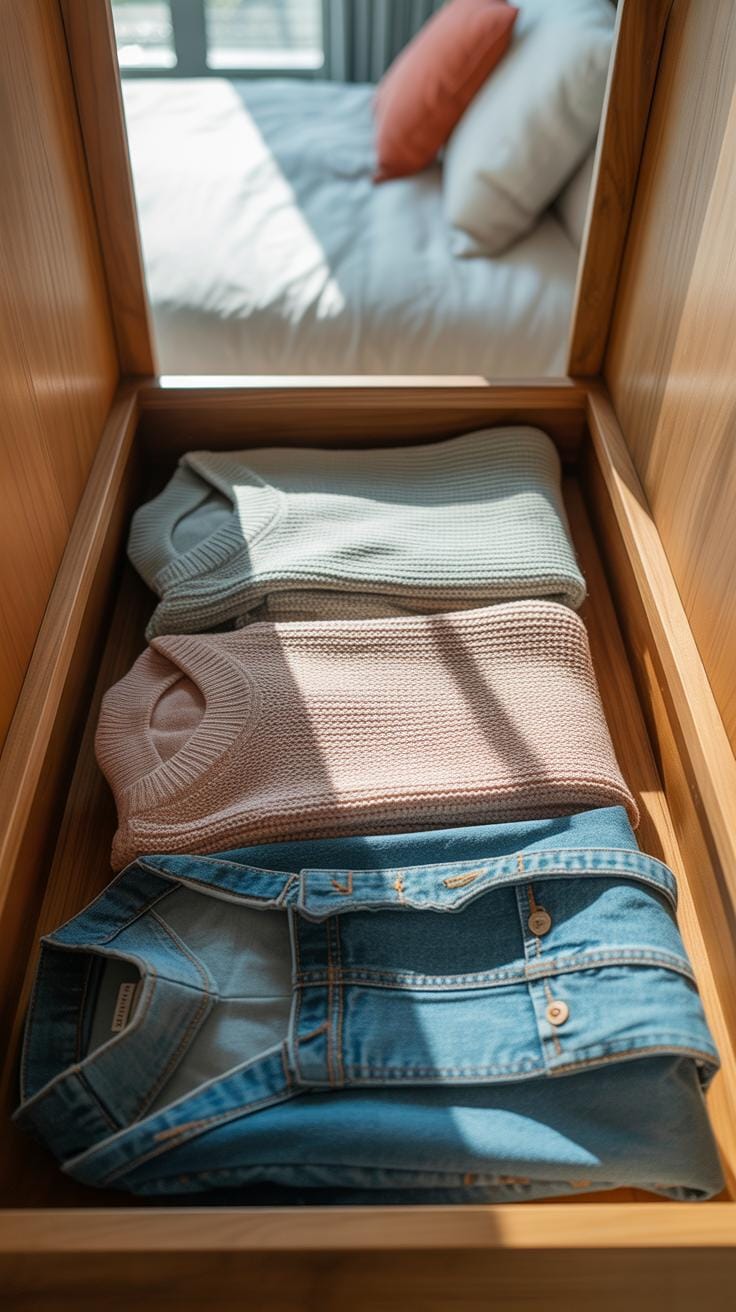
Selecting Key Pieces for Year-Round Wear
Finding garments that serve you through different seasons can feel tricky. The trick is to lean into versatility without sacrificing style or comfort. For instance, a lightweight knit sweater in neutral tones works well in spring and fall layered over tees, yet in winter becomes a strong mid-layer beneath a coat. Korean casual fashion often favors clean lines and subtle colors, which naturally lends itself to mixing with Western staples like denim or tailored jackets. Maybe you opt for a classic white shirt—simple but powerful—and pair it with cropped trousers in warmer months, then swap in heavier pants and a cardigan when it cools.
Look for fabrics that breathe but also hold warmth. Cotton blends, light wool, or even technical fabrics that resist wrinkles—these go a long way. Also, consider the cut; slightly loose fits carry across seasons better since you can layer underneath without feeling bulky. You might hesitate over investing in a certain piece, but think about how many times you could wear it throughout the year, and that often helps.
Storing and Rotating Clothes Efficiently
Keeping your wardrobe fresh doesn’t mean buying constantly. It’s about how you organize and rotate what you already own. I found that storing off-season clothes in clear bins or labeled bags can save space but keeps things visible enough not to forget about them. You might prefer folding sweaters rather than hanging to prevent stretching.
Rotate clothes by setting up a mini ritual each season change. Pull out what you plan to wear, try on combinations, and temporarily store items you’re not ready to say goodbye to. This not only helps with outfit ideas but keeps your style feeling current. Plus, it’s easier to notice pieces that no longer fit or spark joy. For Korean and Western mix, sometimes you want to bring forward minimalist basics from Korea, and at other times the more laid-back, rugged Western jeans take the spotlight. Remember, the goal isn’t perfection but maintaining a wardrobe that feels like you, every day.
Conclusions
Korean casual outfits offer a fresh and cost-effective way to dress stylishly throughout the year. Their focus on layering, neutral colors, and simple designs allows for easy outfit changes between seasons. Western casual style provides a broad range of choices and iconic clothing pieces that highlight ease and comfort.
By combining Korean casual elements with Western influences, you can create a wardrobe that suits your lifestyle, budget, and fashion preferences. Experiment with different pieces from both styles, keeping practical needs and personal expression in mind for your best look year-round.