
Introduction
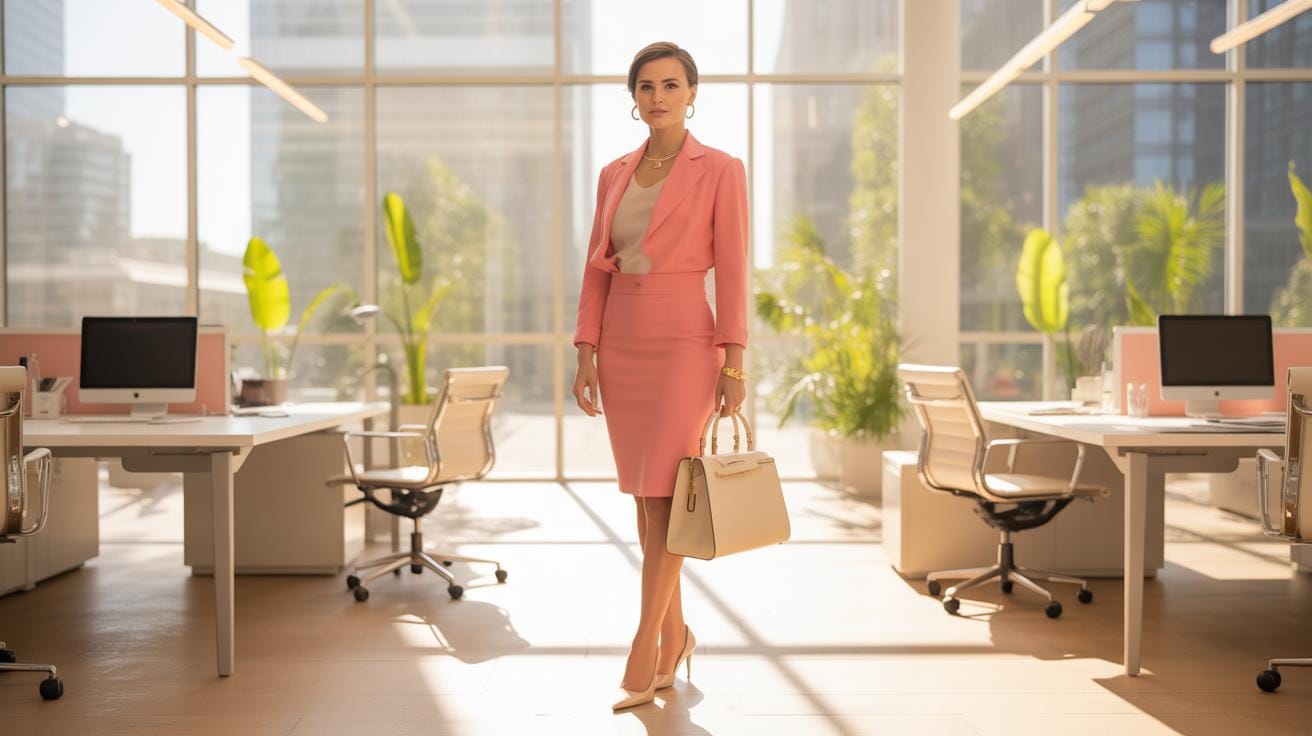
High waisted garments, especially pants, have made a strong comeback in modern fashion. Known for sitting above the hips and often covering the navel, these items offer a flattering silhouette that suits many body types. In work environments, high waisted attire can create a sleek, professional look that stands out for its neat and tailored appearance.
This article covers practical and stylish ways to build work outfits featuring high waisted pieces. From selecting suitable pants to pairing them with tops and accessories, you will find actionable tips to elevate your professional wardrobe with high waisted styles that are both comfortable and work-appropriate.
Define High Waisted Style
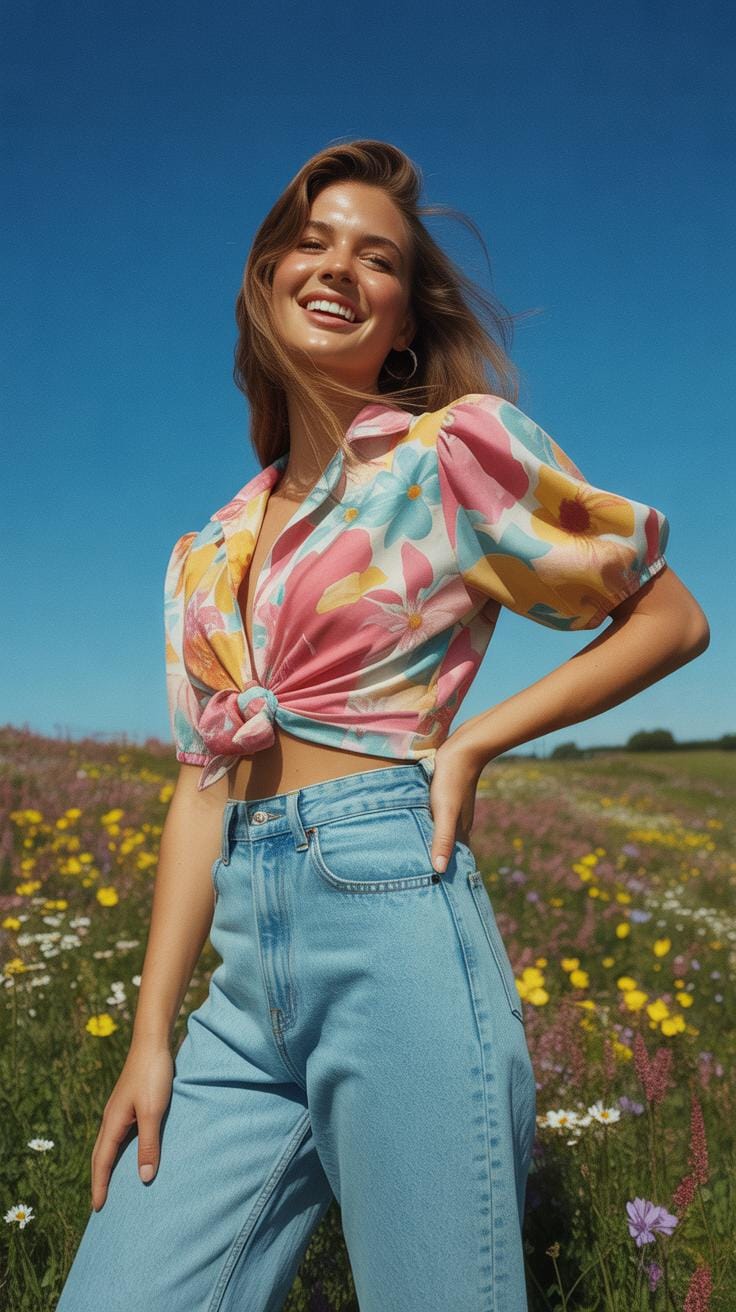
High waisted clothing simply means garments that sit above the natural waistline, often closer to the narrowest part of your torso. For pants and skirts, this usually means the waistband rests somewhere just above your belly button. Length-wise, these pieces might range from full-length trousers down to midi skirts and even knee-length styles appropriate for work.
Historically, high waisted pants and skirts have shifted in and out of fashion. Say, in the 1940s and ’50s, a higher waistline was the norm, emphasizing a tailored, polished silhouette fitting for professional settings. Today, they’ve returned, fitting modern sensibilities by creating a flattering look that elongates the legs and defines the waist, balancing professionalism with style.
High Waisted Garment Features
When you look for high waisted pants or skirts, the waistband position is key—it sits noticeably above the hips. Unlike mid or low-rise styles, which rest at or below the hipbones, these have longer zippers and often more structured waistbands for a clean fit. Some have darts or pleats at the waist to accommodate shape without bulk. They can have belt loops, too, which helps in defining the waist further. This design provides more coverage and support, distinguishing these garments from designs that aim more for casual comfort.
Historical Popularity Trends
High waisted fashion notably dominated the 1940s and 1950s, reflecting post-war elegance and modesty. Later, the 1970s revived them with a looser, even flared style that sometimes blended casual with formal. By the 1980s, these garments became a staple in women’s professional wardrobes, signaling confidence and structure. The style waned through the ’90s and early 2000s with the rise of low-rise trends but found renewed favor from the 2010s onward, adapting to more current workwear norms with a modern twist.
Benefits Of High Waisted Clothing
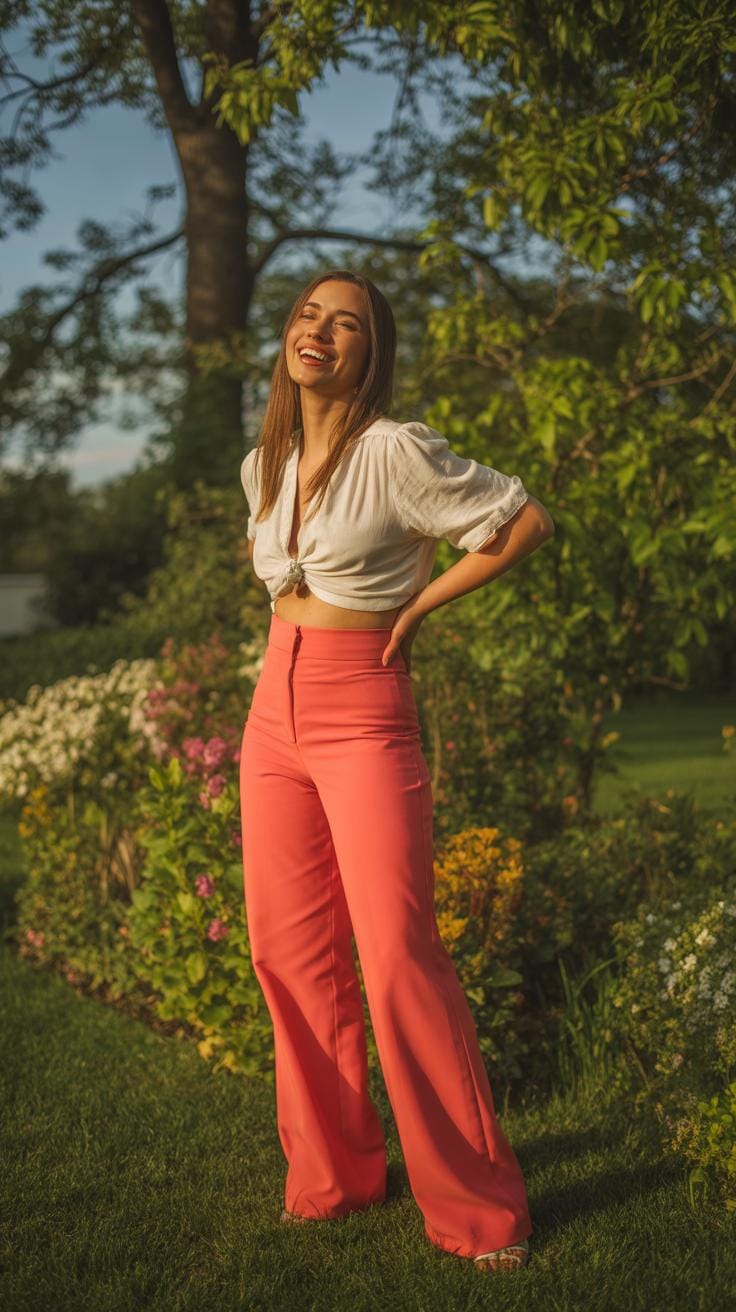
High waisted clothing offers several practical advantages that make it a smart choice for workwear. One key benefit is the way it can enhance your posture. Because these garments sit above the hips, they tend to encourage you to stand and sit straighter without even realizing it—useful when long hours at a desk can invite slouching. This subtle support can actually improve how you carry yourself in meetings or presentations.
Another advantage is the flattering shape high waisted pieces create. They emphasize the waist, drawing attention to the narrowest part of the torso and giving an illusion of longer legs. This visual elongation can boost confidence, helping you feel more polished and put-together throughout your workday. It’s interesting how clothing can play such a quiet role in how you feel, isn’t it?
Comfort is also a factor worth considering. High waisted designs typically offer a secure fit that doesn’t require constant adjustment, unlike some lower rise trousers that can slip or pinch. Throughout a busy day, this stability translates into less distraction and more focus. You might find that you move more freely, even when sitting for extended periods, because the garment supports rather than restricts your natural posture.
Select Suitable Fabrics
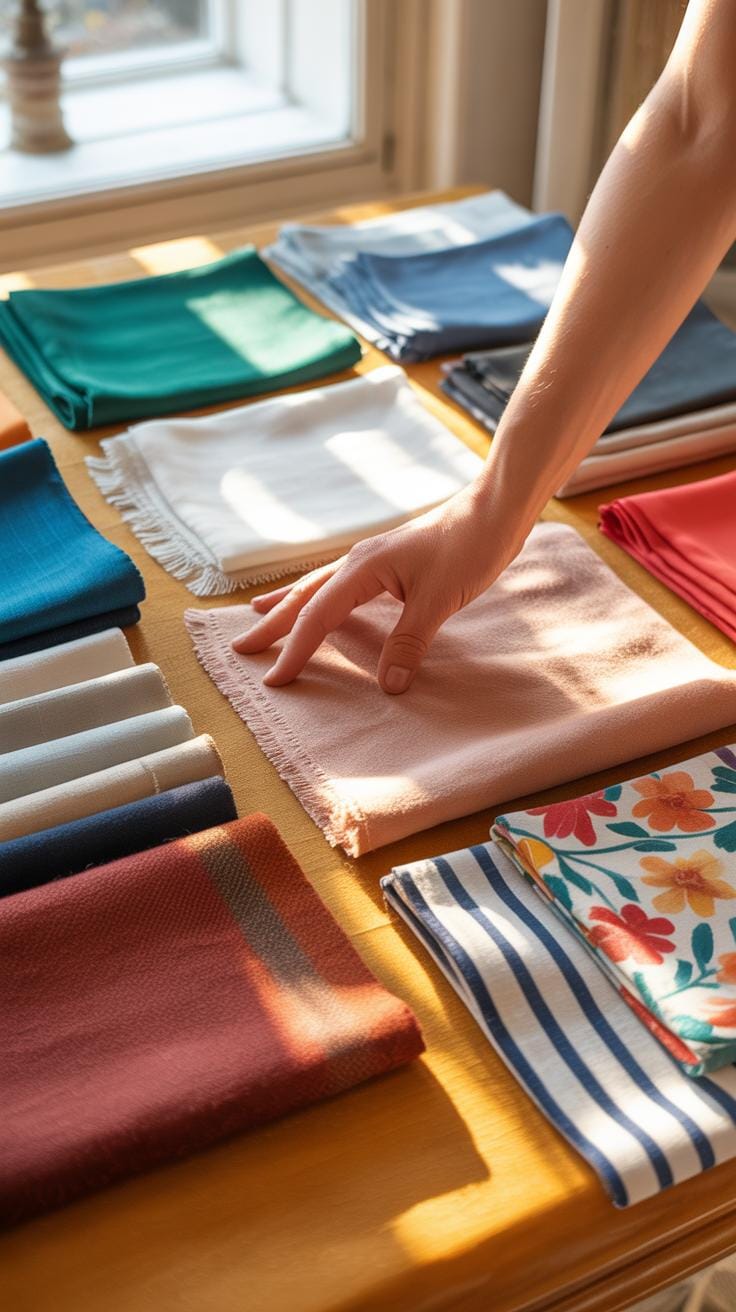
When picking fabric for your high waisted pants and skirts, think about the kind of wear they’ll have to endure. You want durable materials that keep their shape—something like wool or cotton blends. Wool, in particular, is remarkable because it naturally resists wrinkles and holds up well over time. It also tends to breathe better than synthetic options, which is nice when you’re sitting through those long meetings.
Polyester blends can be a good choice, too, especially if you prefer fabrics that are a bit easier to care for. Polyester adds strength and wrinkle resistance but might sacrifice some breathability, so balance that with your comfort needs. You might wonder if synthetic blends feel too stiff, but many manufacturers now produce fabrics that allow some stretch and movement without losing professionalism.
Speaking of comfort, fabrics should let you move freely. Stretch materials or blends with a bit of elastane can help you stay comfortable through those long hours in the office. You might not realize it, but a slight restriction in fabric can make a big difference over an eight-hour day.
Ease of care also deserves a mention. You don’t want to spend all weekend ironing or dry cleaning when you can avoid it. Cotton blends often strike a nice balance—easy to wash, durable, and they tend not to wrinkle too badly. Still, it’s worth testing a piece before committing. Like, wear your skirt after washing and see if it still fits just right or if it’s lost some shape.
So, which will you choose? Durable wool, breathable cotton blends, or easy-care polyester? Maybe a combination of these, depending on the season and your day’s demands. Just remember, the right fabric does more than look good; it should feel good too, especially when you’re aiming for a professional, polished look.
Match Tops With High Waisted Bottoms
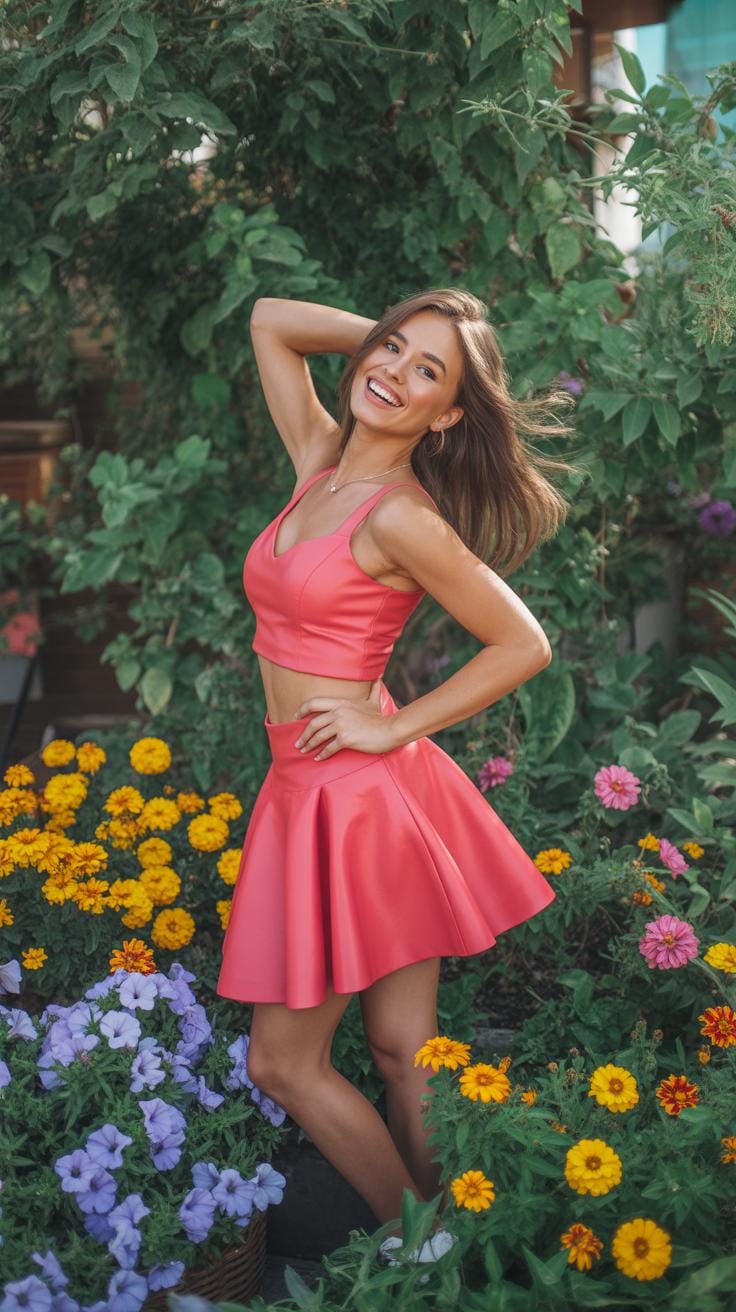
High waisted pants and skirts offer a unique canvas for styling tops that create a professional presence. Something I’ve noticed is how the fit and length of your top can change the entire look. When pairing your tops, think about tucking them in well, but not too tight—just enough to define your waist without pulling awkwardly.
Consider trying:
- Fitted button-down shirts that can be fully tucked in for that crisp, neat silhouette. If you prefer something softer, a slightly loose blouse also works well tucked in with a belt.
- Lightweight knits or fine sweater tops that sit just at the waistband or can be softly tucked, lending a polished yet approachable feel.
- Cropped cardigans or shorter blazers that end around the waistline to emphasize proportions and avoid swallowing the high waist’s shape.
Layering plays a bigger role than you might expect. A blazer or structured jacket over a tucked blouse can smarten up the ensemble instantly. I’ve found cardigans useful too, especially when they skim the hips and balance the high waist nicely. This mix keeps the outfit feeling intentional and tailored instead of bulky — which can sometimes happen with high-waisted bottoms if the top’s length is off.
Have you experimented with layering different textures or patterns over your high waisted pieces? Sometimes a patterned blouse beneath a solid blazer adds just the needed personality without breaking the professional vibe. It’s a bit of a balancing act but definitely worth trying out in your wardrobe.
Footwear Choices For High Waisted Outfits
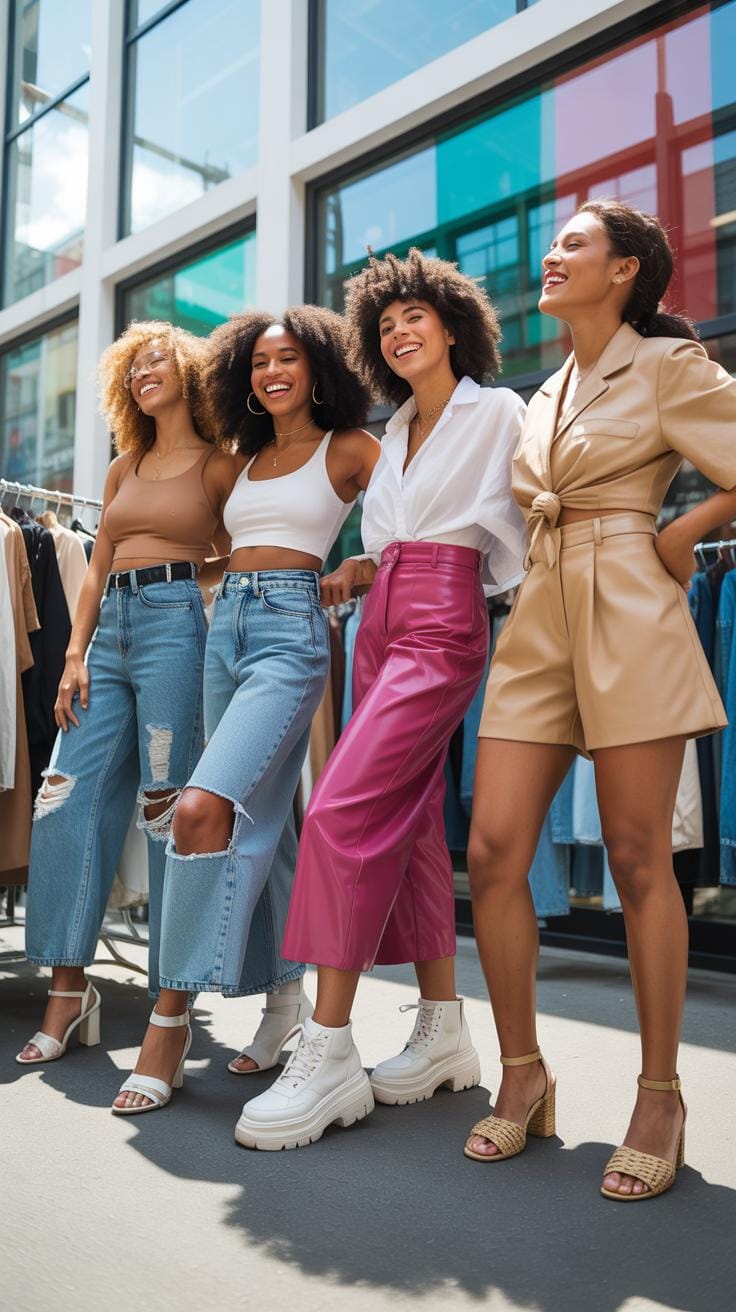
When choosing footwear to pair with high waisted work clothes, the goal is to keep the look professional and well-proportioned. The high rise on your pants or skirts naturally elongates the legs, so your shoes play a key role in maintaining balance. Pointed-toe shoes, for example, add a sleek finish and subtly extend your silhouette. Loafers with a low heel create a grounded feel without sacrificing polish. Avoid boots or shoes that cut off at the ankle too abruptly; they can visually shorten your leg line and disrupt the harmony.
Heels Versus Flats
Heels often come to mind first with high waisted outfits because they enhance posture and complement the elongating effect already in place. But flats shouldn’t be dismissed. When you anticipate a long day on your feet, well-crafted ballet flats or loafers can work within a high waisted look—just make sure they’re sharp and structured. Consider the setting and your comfort. Heels wield more authority in formal meetings, but flats signal approachability without losing professionalism.
Seasonal Shoe Options
Season shifts demand shoe variations that still suit high waisted clothes. Summer invites open-toe pumps or sleek mules, which keep things airy while maintaining sophistication. In colder months, ankle boots with a slight heel pair nicely, especially when worn under trousers that just graze the shoe line. Think about materials too—leather or suede boots offer texture without overwhelming your outfit. It’s a bit of a balancing act; too bulky footwear can clash with the clean lines of high waisted pieces.
Create High Waisted Outfit Variations
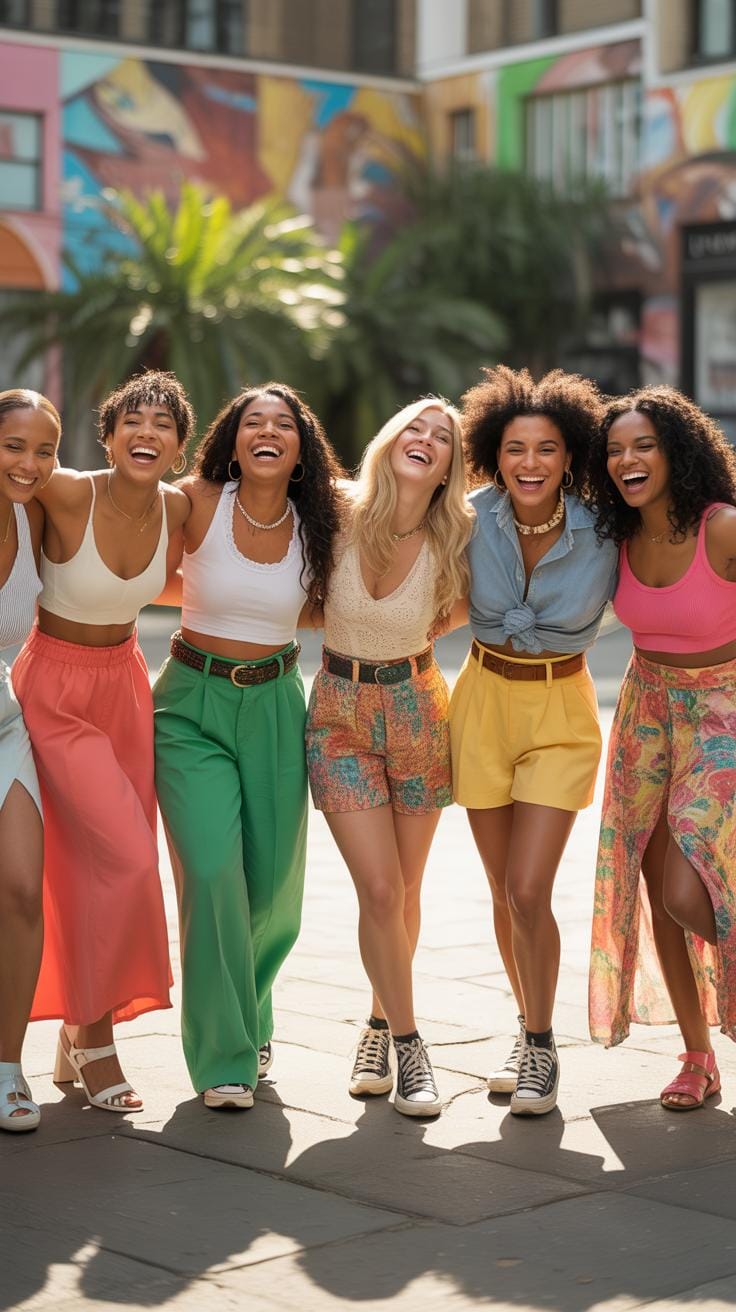
When you’re working with high waisted pieces, mixing and matching can open up more options than you might expect. Start with a few staple bottoms—think trousers, pencil skirts, or wide-leg pants—that sit just above the navel. Pair each with different tops like tucked-in blouses, light knit sweaters, or structured blazers to instantly change the vibe.
For example, take a pair of navy high waisted trousers. You could match them with a white button-down for a classic look or swap to a patterned blouse in muted tones for something less formal. Don’t shy away from experimenting with length and shape on top—cropped blazers or fitted cardigans can complement high waisted bottoms well.
Color coordination is surprisingly straightforward if you keep a few basics in mind:
- Neutral colors like black, cream, and grey anchor your look and help balance brighter or patterned pieces.
- Monochrome outfits create length and cohesion, especially when the top and bottom share similar shades.
- Introducing a contrasting color can work if you limit it to one piece and keep the rest simple.
Patterns and textures can be a bit tricky here since high waisted garments often create a clean, elongating silhouette. So, if you opt for a plaid skirt, pair it with a textured but solid-colored blouse to avoid visual clutter — or vice versa. Light textures like silk blouses or subtle ribbed knits add interest without overpowering your look.
It’s all about balance. Too many bold patterns layered might come off as chaotic, but one patterned piece can elevate a simple high waisted pairing wonderfully. So, try mixing a wool skirt with a smooth top, or a matte trouser with a slightly shiny blouse—little contrasts in texture make a difference without overwhelming your professional image.
Workplace Dress Codes And High Waisted Wear

Fitting high waisted outfits into office dress codes might feel tricky at first. But it’s really about balance and knowing what the environment expects. For strict corporate settings, high waisted trousers or skirts should lean towards classic cuts in neutral tones—think navy, black, or gray. Paired with tailored blouses or blazers, they deliver a polished, professional vibe without raising eyebrows. Avoid anything too tight or flashy. A tucked-in shirt showing a defined waistline can still respect the formal tone.
On the other hand, more casual offices offer room to experiment with textures and colors. High waisted pants in softer fabrics, paired with simple sweaters or untucked shirts, can ease the formality. Adding a cardigan or statement belt can create an effortlessly professional—but relaxed—look. It’s okay if the outfit feels a bit more approachable; casual workplaces often reward comfort aligned with neatness.
So, the key questions: Can your high waisted pieces be both respectful to the dress code and express your style? Probably yes, if you adjust fit, fabric, and pairing carefully. Think less about the high waist itself, and more about what it’s combined with and the impression it leaves.
Avoid Common Fit Problems with High Waisted Garments
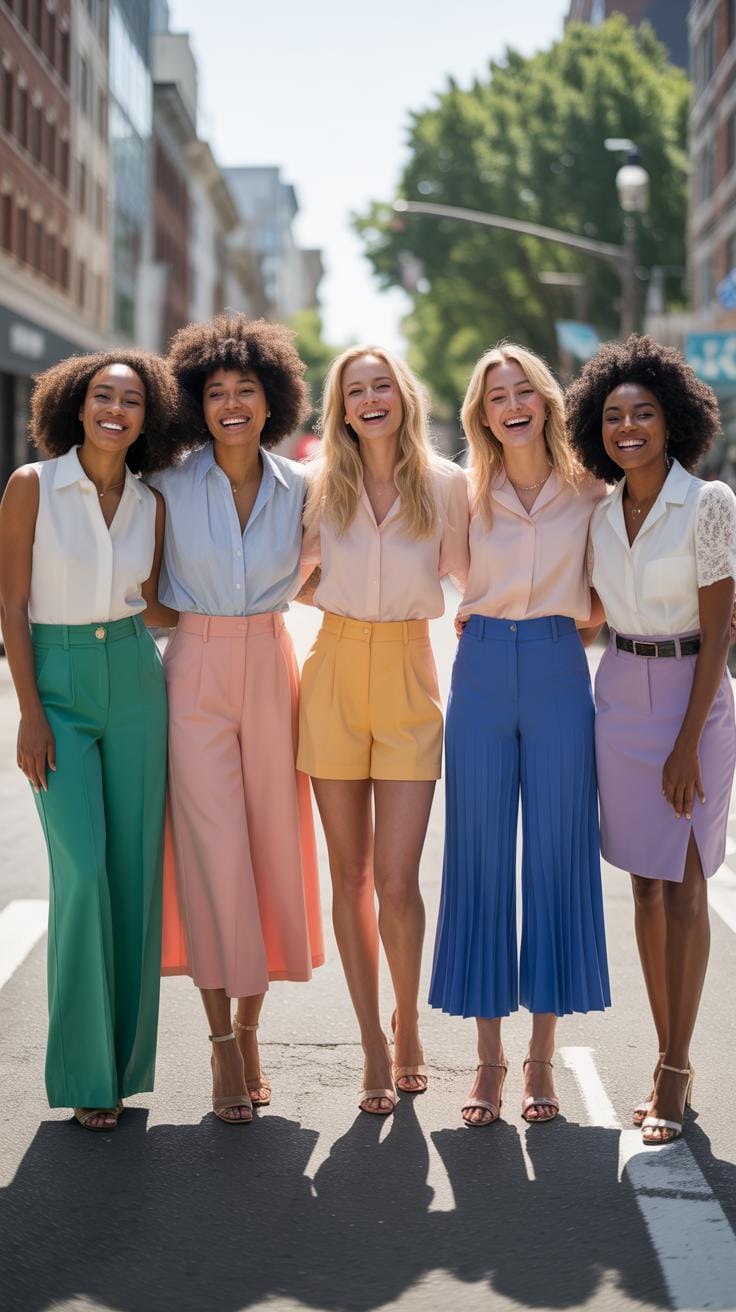
High waisted clothing can look great, but only if it fits well. One common issue is the waistband feeling too tight or digging in, which not only causes discomfort but also creates unflattering bulges. Conversely, a waistband that’s too loose will slip down or create awkward bunching. Finding the sweet spot is key.
Another fit problem often overlooked concerns the rise length. High waisted pants or skirts should sit comfortably at or slightly above the natural waistline—too low, and they lose the defining high-waisted silhouette; too high, and they might feel restrictive or appear disproportionate.
Proper fit impacts both comfort and appearance more than you might expect. When a garment fits well, you naturally stand straighter and feel confident. Poor fit, on the other hand, distracts from the outfit’s polished look, making it harder to project professionalism. It’s worth taking the time to try different brands and sizes, as fits can vary considerably.
Waistband Fit Tips
Measuring your waist is an easy but crucial step. Use a flexible tape measure to wrap around the smallest part of your natural waist—usually just above the belly button. When trying on high waisted pieces, check that the waistband lays flat against your skin without pinching or folding.
A good gauge for comfort is the ability to slide a finger between your skin and the band—if it’s impossible or the band digs in, it’s likely too tight. On the other hand, if you can fit more than a couple of fingers, the fit may be too loose. And remember, fabrics with a bit of stretch can offer forgiving comfort and better compliance in fit.
Trouser and Skirt Length
Length matters a lot with high waisted garments. For trousers, the hem should gently graze the top of your shoes or break slightly above—too long causes bunching, too short can look awkward. Skirts benefit from hitting around the knee for a classic professional vibe, but pencil skirts may fall just below to enhance formality.
Keep in mind that the high waist accentuates the length of your lower body, so proportion is key. Sometimes, adding heels helps balance shorter skirts or cropped trousers. You may feel tempted to try trends like midi lengths, but for work settings, the goal is always a clean, polished silhouette that feels intentional and put-together.
Accessorize High Waisted Looks
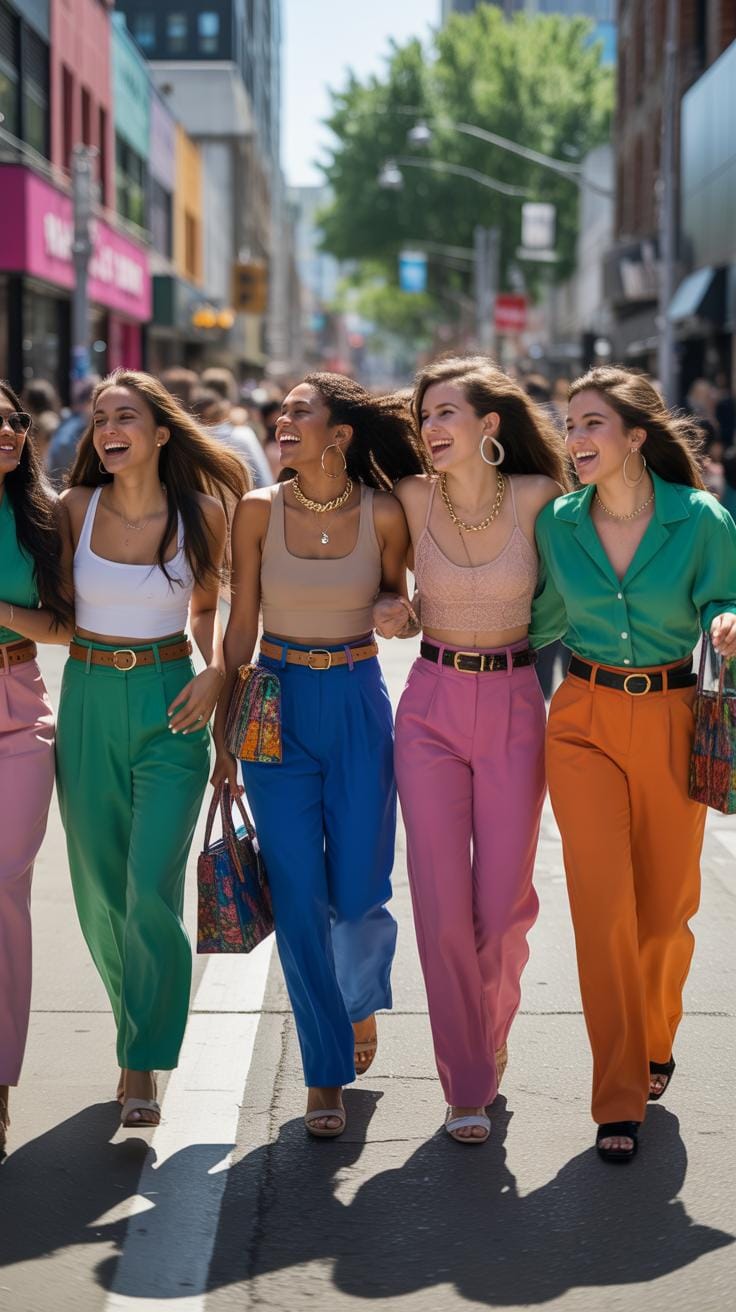
When wearing high waisted pants or skirts, the waistline naturally becomes a focal point of your look. That’s where belts come in handy. A slim or medium-width belt can draw attention right to that high waist, accentuating your silhouette. You might consider a leather belt in classic neutrals like black, brown, or navy for a restrained professional touch. Or, perhaps, you could experiment with a belt that has a subtle metallic buckle — nothing too flashy, but enough to add some dimension.
Jewelry and bags require a bit of balance. Since the high waist itself is quite a statement, jewelry works best when it’s complementary rather than overpowering. Think simple stud earrings or thin hoops, paired with a delicate necklace if you like. You want the accessories to enhance your look – not steal the spotlight.
For bags, structured satchels or medium-sized totes fit well with professional office attire. They offer practicality without seeming bulky or distracting. While oversized totes can overwhelm your proportions, a bag that sits neatly at your hip or just below the waistline maintains harmony with your high waisted outfit.
- Use belts to underline your waist; it creates definition and polish.
- Opt for minimalistic jewelry—small rings or earrings that don’t compete.
- Choose bag styles that balance your outfit’s structure and workplace norms.
It’s worth wondering: do your accessories feel like a natural part of your outfit, or do they fight for attention? That subtle interplay can determine whether your high waisted look is truly professional or a bit off. Sometimes, less really is more.
Plan Seasonal High Waisted Work Clothes
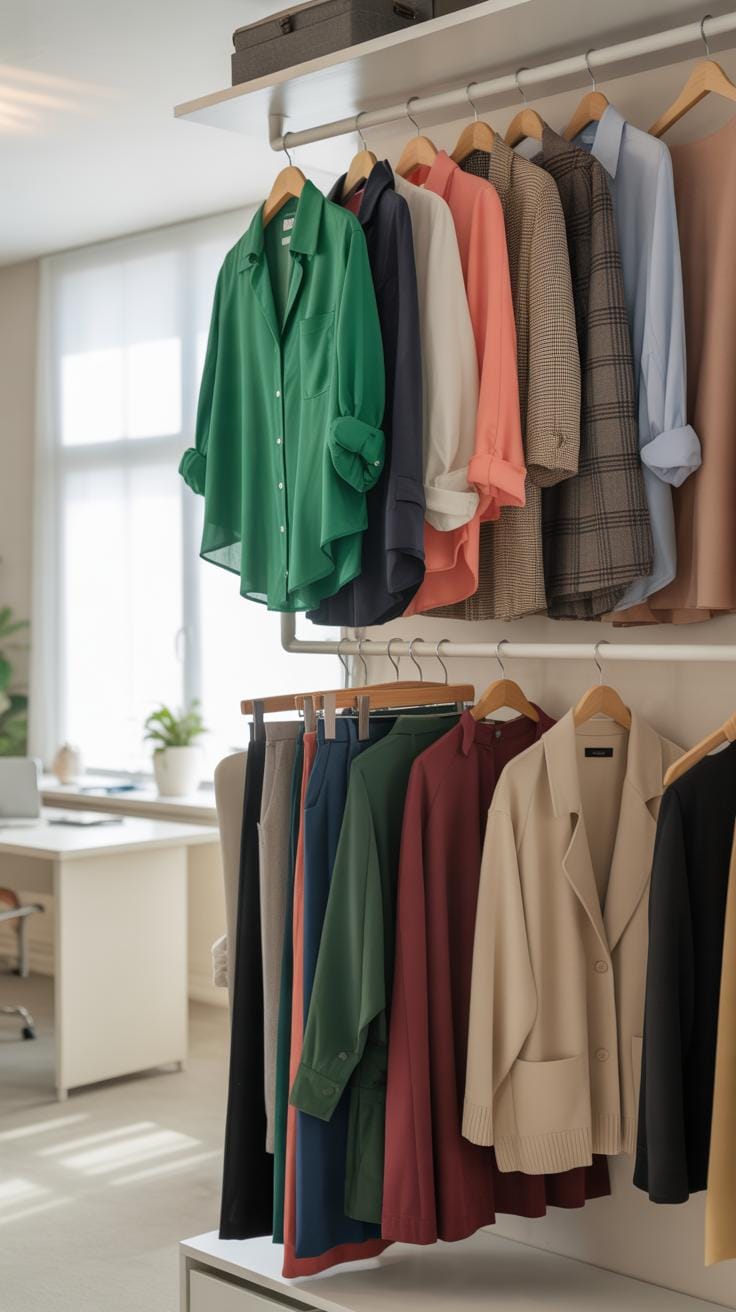
Managing a high waisted work wardrobe across seasons can be a bit tricky, but it’s definitely doable without sacrificing professionalism or comfort. For spring and summer, consider lightweight fabrics like cotton, linen, or blends that breathe easily. You might want to pick lighter shades such as beige, soft pastels, or even whites—these not only keep you cool but give off a fresh, polished vibe. Pair your high waisted trousers or skirts with sleeveless or short-sleeved blouses in complementary hues. Sometimes I find a loose, tucked-in top balances the structure of high waisted bottoms just right for warm weather.
As for fall and winter, layering is your best friend. Wool or tweed high waisted pants and skirts work well to keep you warm yet smart. Combine them with thin knit sweaters, or try a fitted turtleneck tucked in. If the chill really sets in, layering a blazer or a long coat over these helps without overwhelming the silhouette. Think about thicker tights or opaque leggings if you’re wearing skirts and add ankle boots for extra warmth. I’ve noticed that fabric texture plays a big role—smooth fabrics sometimes feel colder, whereas those with a bit of napping or weave give a subtle warmth that’s appreciated on crisp days.
What’s interesting is that adjusting your outfit’s layers and materials can change how your high waisted pieces look and feel across seasons. So, don’t be afraid to experiment a bit with colors, textures, and layering combinations. You might discover some unexpected favorites for your professional look.
Conclusions
High waisted clothing can transform your professional wardrobe by providing a clean, elegant shape that enhances confidence and promotes a smart style. Careful selection and thoughtful pairing of these garments help maintain professionalism while introducing fashion-forward elements.
Using the guidance provided, you can create practical, stylish work outfits that balance comfort and formality. Experiment with different combinations and accessories while staying true to workplace dress codes to make high waisted looks a staple in your office wardrobe.