

Introduction
Healthy skin is a sign of overall well-being and can boost your confidence. Healthy Skin Tips For Maintaining Glow And Skin Health focus on practices that support your skin’s natural functions and appearance. Taking care of your skin through simple daily steps can prevent many skin problems and keep your skin glowing.
This article covers essential advice on how to maintain your skin’s health. From proper cleansing and moisturizing routines to making smart product choices, you will find practical tips to improve and protect your skin effectively.
Daily Skin Care Routine Steps


A simple daily routine can make a noticeable difference in your skin’s look and feel. Start with cleansing—ideally, do it twice a day, once in the morning and once before bed. Use lukewarm water to avoid stripping your skin’s natural oils. For oily skin, a foaming or gel cleanser can help remove excess sebum without drying out the skin. If you have dry skin, opt for a creamy or hydrating cleanser that feels nourishing rather than tight.

Next, moisturizing seals in hydration and supports the skin barrier. Apply your moisturizer while your skin is still a bit damp. This helps lock in moisture better. For example, a lightweight lotion might suit oily or combination skin, while richer creams can be better for drier types.
Don’t skip sun protection. Use a broad-spectrum sunscreen with at least SPF 30 every day, even if it looks cloudy. Applying sunscreen after your moisturizer but before makeup is usually best. Products with added antioxidants can offer extra care, though choosing the right one depends on your skin’s sensitivity.
Cleansing Techniques For Different Skin Types
Cleansing isn’t one-size-fits-all. Over-cleansing, especially with abrasive scrubs or harsh soaps, can backfire by irritating or drying skin. For oily skin, gentle foaming cleansers remove oil but avoid products loaded with alcohol. Dry skin benefits from cleansers with hydrating ingredients like glycerin or ceramides. Sensitive skin requires fragrance-free and mild formulations—think cleansing balms or gentle micellar waters.
Use your fingertips in circular motions rather than a rough washcloth, which might irritate. And remember, less can be more—especially if your skin feels tight or flaky after washing.
Moisturizing Benefits And How To Choose
Moisturizers do more than just hydrate. They reinforce your skin’s protective barrier and can calm irritation or reduce redness. Choosing the right moisturizer means thinking about your skin’s needs and the climate. For humid environments, a gel or water-based moisturizer might be enough. If you live somewhere cold or dry, a richer cream with occlusive ingredients like petrolatum or shea butter could work better.
Look for added ingredients that match your concerns: hyaluronic acid attracts moisture, while niacinamide can soothe inflammation. A small patch test might help if you’re unsure about reactions—sometimes, what sounds perfect doesn’t sit well on your skin after all.
Choosing Suitable Skin Products

Picking the right skin products can feel overwhelming, especially with so many options on store shelves. First, it helps to know the difference between cosmetics and medical skin products. Cosmetics are mainly for cleansing, beautifying, or altering appearance without affecting the skin’s structure or function. Medical skin products are designed to treat specific conditions, like acne or eczema, often backed by clinical studies and sometimes requiring a prescription.
When you scan labels, you might come across ingredients like hyaluronic acid, retinol, vitamin C, and niacinamide. Each has its own role: hyaluronic acid is great for hydration because it holds moisture in the skin; retinol can promote cell turnover but can be irritating if overused; vitamin C works as an antioxidant, brightening your skin; and niacinamide helps with inflammation and uneven tone.
It’s not always easy to decide what suits your skin type or concerns. Sometimes, you may find a product claims to have all these goodies but ends up feeling heavy or ineffective. The truth is, ingredient concentration and formulation matter a lot. So, don’t just chase big names—think about how your skin actually reacts.
Important Ingredients To Look For
Looking at ingredients can make a big difference. Here are some common ones worth checking for your skin’s needs:
- Hyaluronic Acid: boosts hydration by attracting water, ideal for dry or dull skin.
- Retinol: encourages cell renewal, helps with fine lines and acne; use cautiously to avoid irritation.
- Vitamin C: antioxidant that brightens and evens skin tone; sensitive skin may find some formulas too strong.
- Niacinamide: reduces inflammation, controls oil, and improves barrier function.
- Salicylic Acid: exfoliates and unclogs pores, helpful for acne-prone skin.
- Ceramides: restore and maintain the skin’s protective barrier.
These ingredients each target different concerns, but don’t expect miracles overnight. Sometimes, less is more and layering products with active ingredients needs some trial and error.
How To Avoid Harmful Ingredients
Not every ingredient is kind to your skin. Some chemicals can irritate, dry out, or even worsen issues over time. You might want to steer clear of these:
- Fragrances: common irritants, especially in sensitive skin.
- Alcohols (like denatured alcohol): can dry and strip natural oils, leading to imbalance.
- Sulfates: harsh cleansers that may cause dryness or redness.
- Parabens and phthalates: controversial preservatives linked to potential health risks.
Reading labels is easier if you look for simpler ingredient lists. If you notice a long string of unrecognizable chemicals, it’s okay to pause and research. Sometimes, a product with fewer ingredients might actually be better.
Do you ever wonder if everything listed really matters? Probably not. But paying attention helps you avoid common pitfalls. And if something stings or feels wrong, trust your skin’s reaction more than marketing claims.
Sun Protection Vs Skin Damage

Sun Exposure and Skin Aging
Sunlight has a big impact on your skin’s health, often more than we realize. Ultraviolet (UV) rays, especially UVA, penetrate deep into the skin, breaking down collagen and elastin. Over time, this speeds up wrinkles and causes the skin to lose its firmness and glow. I’ve noticed that after spending a weekend outdoors without protection, my skin looks dull and feels rough for days.
Using sunscreen daily blocks these harmful rays, slowing down aging signs and maintaining your skin’s youthful texture. But it’s not just about slapping sunscreen on occasionally. The timing matters—you want to apply it at least 15 to 30 minutes before you go outside. This gives the protective ingredients time to absorb properly.
Reapplying every two hours is crucial, especially if you sweat or swim. On cloudy days, sun exposure still happens, so sunscreen remains necessary. It can feel tedious but sticking to this routine pays off in the long run.
Consequences Of Unprotected Sun Exposure
We often think of sunburn as the worst thing that can happen. Yet, the damage goes deeper than painful redness. Chronic UV exposure causes premature wrinkles and dark spots—what some call “photoaging.” These changes sneak up slowly, sometimes unnoticed until they become quite visible.
Worse, UV radiation damages DNA in skin cells, increasing the risk of skin cancers like melanoma. This is scary because skin cancer might not show obvious symptoms early on. I sometimes wonder if skipping sunscreen just one day is worth the possible consequences later. Probably not.
Sunburn itself is also a clear sign your skin has been harmed. Repeated burns amplify long-term risks, not only causing discomfort but contributing to lasting skin issues.
Selecting And Applying Sunscreen Correctly
Choosing the right sunscreen means looking beyond just the SPF number. SPF 30 is often enough for most daily activities, but it must offer broad-spectrum protection—covering both UVA and UVB rays. Many products say “broad spectrum,” but checking the label carefully helps avoid harmful exposure.
Applying the right amount matters too. Most people use far too little—we’re talking about at least a teaspoon per face, a shot glass amount for the whole body. Don’t forget places like ears, neck, and the back of your hands.
Reapplication is not something you can skip. Every two hours if you’re outside, more often if you swim or sweat. I admit I sometimes forget, but keeping a small bottle handy makes it easier. Sunscreen isn’t perfect; it can wear off, so reapplying helps maintain a good shield.
Do you find it tedious to reapply often? Me too. Still, thinking about what not wearing it could do to my skin keeps me motivated. Your skin will thank you later, even if it’s not obvious today.
Hydration And Diet Effects On Skin

Drinking enough water plays a clear role in keeping your skin looking fresh. Without proper hydration, skin can appear dull, dry, or flaky. Water helps maintain skin’s elasticity and flushes out toxins that might otherwise contribute to breakouts or irritation. Though it’s not a magic potion for flawless skin, you’ll likely notice a difference when you commit to sipping water regularly throughout the day.
Eating a balanced diet affects your skin in both subtle and direct ways. Nutrients work behind the scenes, repairing damage and supporting the skin’s structure. Vitamins, particularly antioxidants, protect skin cells from everyday stresses like pollution or UV rays. That protective layer could mean fewer wrinkles or less redness over time. It’s curious how what you eat plays out on your face, right?
Water Intake Recommendations For Skin Glow
Staying hydrated can brighten your skin’s complexion. When you’re well-hydrated, skin often feels smoother and looks plumper. Typical advice suggests around eight 8-ounce glasses daily. But honestly, some people need more, especially if they’re active or live in dry climates. I’ve noticed on days when I forget to drink enough water, my skin looks tired and less vibrant by afternoon. So, maybe tune in to how your own skin reacts and adjust accordingly.
Nutrients Essential For Skin Health
Some nutrients seem especially crucial for skin maintenance:
- Vitamin A: Found in carrots, sweet potatoes, and spinach — it helps repair skin tissue and supports cell turnover.
- Vitamin C: Foods like oranges, strawberries, and bell peppers supply this key antioxidant that aids collagen production and fights free radicals.
- Vitamin E: Present in nuts, seeds, and olive oil, vitamin E protects your skin against oxidative stress and supports moisture retention.
- Zinc: Found in meat, shellfish, and legumes, zinc plays a role in healing wounds and reducing inflammation.
Eating a varied diet rich in these can sometimes make a noticeable difference. For example, after adding more vitamin C-rich foods to my meals, I felt my skin was less blotchy, though I can’t be 100% certain if it was that alone. Still, fueling your body with these nutrients gives your skin tools it needs to maintain and repair itself, a quiet but steady benefit.
Sleep Impact On Skin Quality

Sleep plays a key role in how your skin looks and functions. When you rest, your body goes into repair mode, fixing damage from daily exposure to things like sun and pollution. The immune system also works better during sleep, helping to fight off inflammation that can worsen skin conditions. I’ve noticed that after a good night’s sleep, my skin seems calmer and more resilient. But when sleep gets cut short or restless, the repair process slows down, and that’s when issues like eczema and psoriasis can flare up unexpectedly.
Missing sleep disrupts your body’s natural cycles and weakens the skin’s barrier. This can make redness and irritation more noticeable. People with sensitive skin might find this especially tough—waking up to itchy patches or flaky spots. Even if you don’t have a diagnosed skin condition, poor sleep still leaves its mark.
Skin Problems Linked To Poor Sleep
There’s a surprising range of skin troubles linked to not sleeping enough. Dryness creeps in because the skin doesn’t hydrate properly overnight without sufficient rest. Redness can appear more intense, probably because the blood vessels dilate when the skin isn’t happy. Acne flare-ups are another common issue; lack of sleep can throw hormones off balance, making your skin more prone to breakouts.
I’ve definitely had those mornings where my face looks puffier, redder, and less fresh—typical signs that my sleep has been off. It makes me wonder just how much our daily habits impact the long-term health of our skin.
Tips For Better Sleep To Help Skin
The good news is that you can improve your skin just by adjusting how you sleep. Try these simple tips that I find helpful:
- Set a consistent bedtime. Going to bed and waking up at the same time helps regulate your body’s skin repair rhythms.
- Create a relaxing pre-sleep routine like reading or gentle stretching—this tells your body it’s time to wind down.
- Avoid screens at least an hour before bed. Blue light messes with melatonin levels, which can disturb sleep quality.
- Keep your bedroom cool and dark to encourage deeper, more restorative sleep cycles.
It’s easy to underestimate how these small changes can pay off. So maybe next time you struggle with skin issues, look at your sleep habits first. Taking better care of your rest might be just what your skin needs.
Common Skin Problems And Solutions

Skin troubles tend to show up when you least expect them, and they can be surprisingly stubborn. Acne, dryness, and irritation are some of the most common complaints that affect many people, often making daily skincare feel like a chore.
Acne usually appears when follicles get clogged with oil and dead skin cells. It can be triggered by stress, hormones, certain foods, or even skincare products that don’t suit you. You might try washing your face gently twice a day and avoid harsh scrubs. Over-the-counter creams with benzoyl peroxide or salicylic acid can help, but if breakouts persist, a dermatologist visit is probably a good idea. Sometimes, what works for one person does nothing for another.
Dry skin can feel tight, flaky, and uncomfortable. It might result from cold weather, hot showers, or even the harsh soaps we sometimes reach for. Moisturizing while your skin is still damp can lock in hydration, especially with thicker creams containing ceramides or hyaluronic acid. Oils like jojoba or almond offer some relief but don’t expect miracles overnight.
Irritation often sneaks in from new products, allergies, or over-exfoliation. If your skin feels raw or inflamed, stop using new products immediately and try soothing with aloe vera or oatmeal-based remedies. Persistent irritation should never be ignored—if redness and discomfort linger, professional advice will guide you better.
Skin Care Mistakes To Avoid

Overuse Of Harsh Products
You might think that scrubbing your face with a strong cleanser or exfoliant every day helps clear your skin faster. But in reality, using harsh products too often can strip away your skin’s natural oils, leaving it dry, irritated, or even inflamed. When the skin barrier gets damaged like this, it becomes vulnerable to redness, sensitivity, and breakouts. It’s a bit counterintuitive—sometimes less is more.
Try to limit exfoliation to about once or twice a week, depending on your skin type. If you feel tightness or any discomfort after cleansing, that’s a sign you’re overdoing it. Switching to gentle, hydrating cleansers can make a big difference. Think of it as giving your skin a break rather than attacking it relentlessly.
Neglecting Sunscreen And Moisture
Skipping sunscreen daily is surprisingly common, even when you know UV rays cause a lot of skin problems. You might not feel the sun’s effects right away, but over time, those unprotected moments add up, leading to dryness, wrinkles, or worse. Moisturizer works similarly—not applying it regularly can leave skin parched, flaky, or dull.
Building a routine that puts sunscreen and moisturizer first can be tricky but worth the effort. Maybe keep your sunscreen visible on your countertop or set a reminder on your phone. Moisturize right after washing your face while the skin is still damp; it’s easier to remember and more effective that way.
Have you ever noticed your skin’s mood swings after skipping these steps? It’s subtle but telling. Sticking with these simple habits makes your skin less reactive and more resilient over time.
Skin Care For Different Ages

Your skin’s needs evolve quite a bit from childhood through later years. Taking care of it means paying attention to these shifts, even if it feels a little tricky at times.
Youthful Skin Care Basics
Young skin tends to be resilient but also sensitive. At this stage, it’s mostly about preventing damage rather than fixing problems. Gentle cleansing daily is key—nothing harsh or stripping. Think mild foaming cleansers or simple soap-free washes. It might seem like overkill to some, but habits formed early really do make a difference.
Don’t forget sunscreen. I know many overlook it when young, but UV damage sneaks up. A lightweight, broad-spectrum SPF can get you far. Also, avoid heavy makeup or pore-clogging products. And yes, keeping hydrated and eating balanced meals support your skin from within. I found that drinking enough water helped even before I knew it was supposed to.
Skin Care Changes After 40
After 40, changes become more noticeable. Skin often starts to thin and lose moisture. It’s less forgiving. Dryness can make fine lines more obvious. You might want to switch to creamy cleansers instead of gels or foams to avoid stripping natural oils. Moisturizers with ingredients like hyaluronic acid or ceramides help keep hydration locked in.
Retinoids or gentle exfoliants may seem tempting to smooth texture, but they need to be used carefully—not everyone reacts the same. I guess it’s about balance and paying attention to how your skin responds. Sunscreen remains crucial, maybe even more so now. Lastly, sometimes adding a richer night cream or an eye cream can help support the delicate spots that need extra care.
Simple Skin Care Checklist
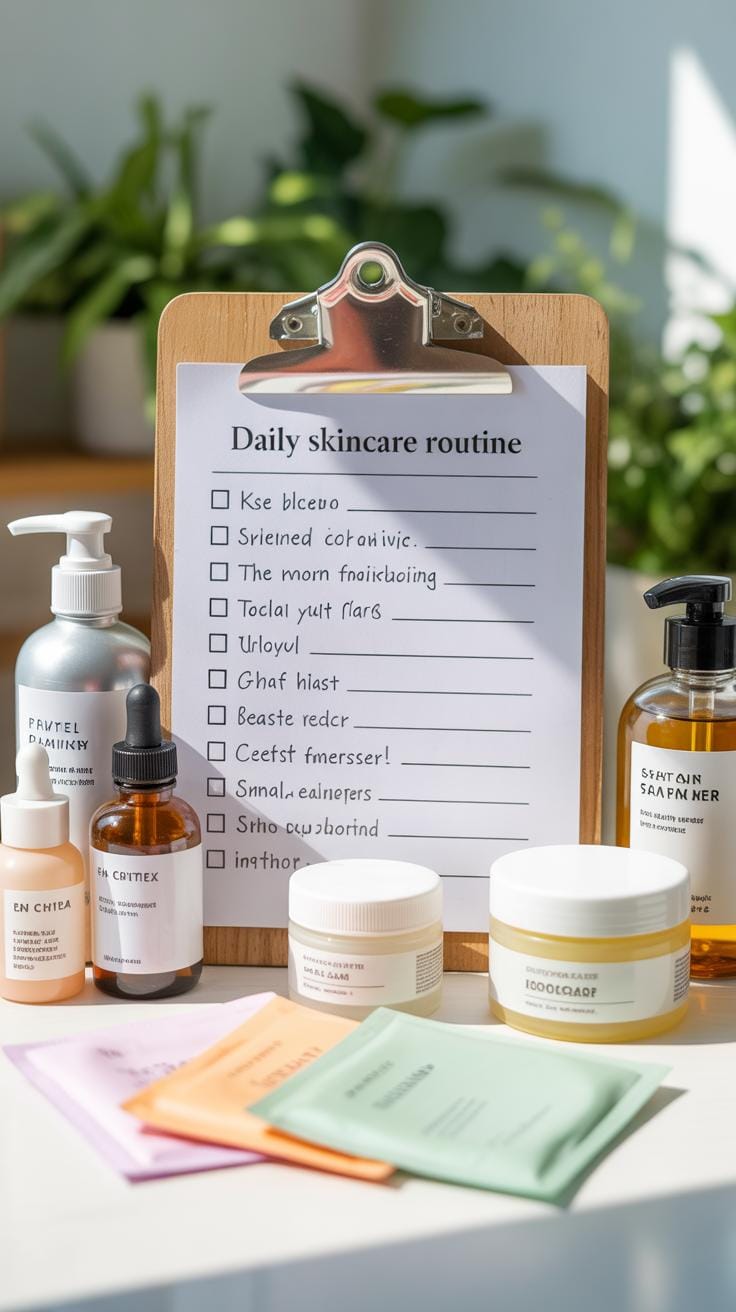
Daily Skin Care Tasks
Start every day with gentle cleansing. Use a mild cleanser suited for your skin type and lukewarm water. Rinse carefully, don’t scrub; that often feels better but can irritate.
Next, moisturizing isn’t optional. Even if your skin feels oily, a light, non-comedogenic moisturizer helps keep the barrier intact. Apply it while your skin is still a bit damp for better absorption.
Sun protection is something you can’t skip. A broad-spectrum SPF 30 or higher is best. Even on cloudy days, UV rays sneak in. Reapply if you’re outside for more than two hours or sweating.
Finally, check your products. This might sound like overkill, but look at ingredient labels now and then. Brands change formulas and what worked last month could cause irritation today.
Weekly Skin Care Actions
Once or twice a week, exfoliate. But don’t overdo it—physical scrubs can be harsh if you’re not careful. Chemical exfoliants like AHAs or BHAs offer a gentler alternative, just follow directions closely.
Applying a mask weekly can be beneficial too. Choose one that suits your skin’s needs—hydrating if dry, clarifying if oily. Leave masks on for the recommended time; leaving on longer rarely helps and might irritate.
Set a regular day for these weekly tasks to build a habit. It’s easy to forget, and your skin reacts better to consistency. But, if you miss a session or two, your skin won’t suddenly rebel, so don’t stress.
Conclusions
Consistent care and attention to your skin can yield visible benefits over time. Adopting a daily skin care routine tailored to your skin type and needs is crucial for maintaining your skin’s health and glow. Simple habits like cleansing, moisturizing, and protecting your skin from the sun are foundational.
Choosing appropriate products and following clear steps help you avoid skin issues and support long-term skin health. By being mindful of your skin’s requirements and responding to its changes, you will enjoy healthier, more radiant skin every day.