
Introduction
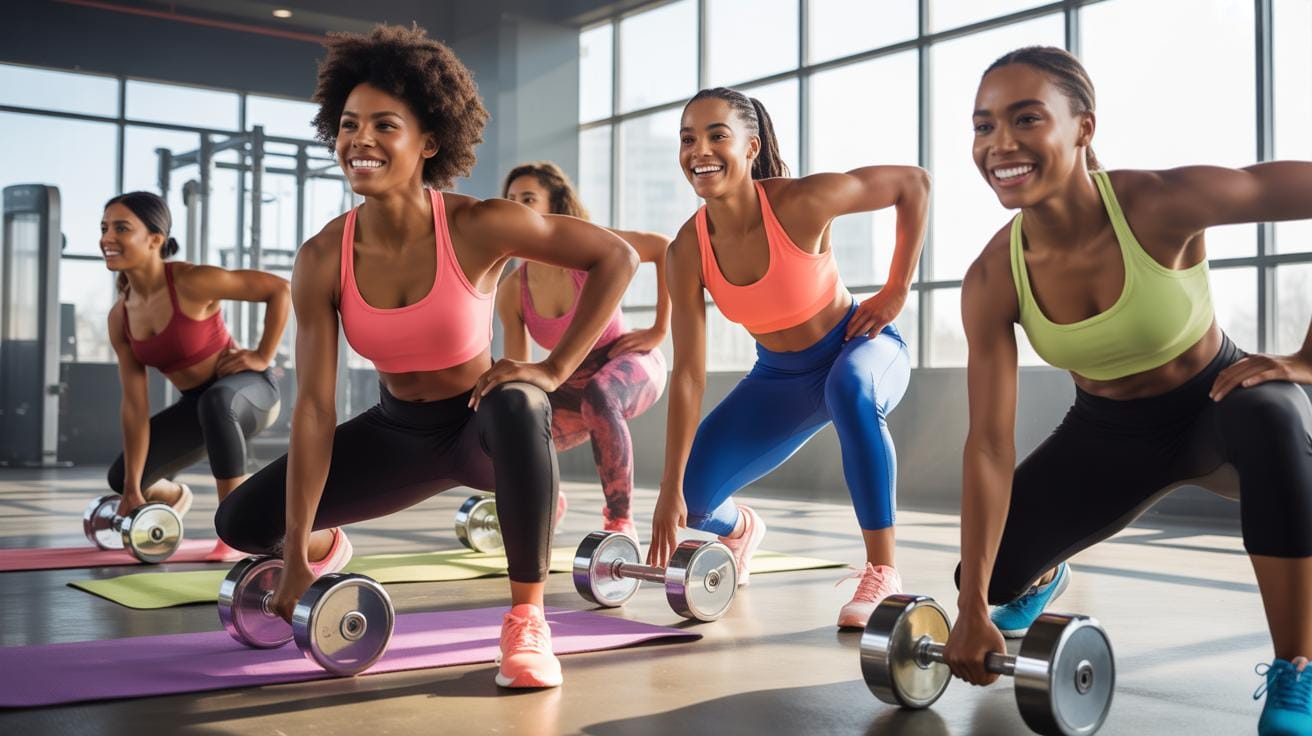
A gym photoshoot offers a chance to showcase fitness, strength, and style. For women looking to highlight their hard work and dedication, a gym setting provides a dynamic backdrop for striking photography. This article focuses on ideas for women to create stylish fitness photography, capturing energy and elegance in every shot.
We’ll cover how to set up a gym photoshoot, what to wear, the best poses, lighting tips, and editing advice. Whether you want photos for social media, personal motivation, or professional portfolios, these practical tips will help you plan and execute a memorable gym photoshoot that reflects your fitness journey.
Setting Up Gym Photoshoot
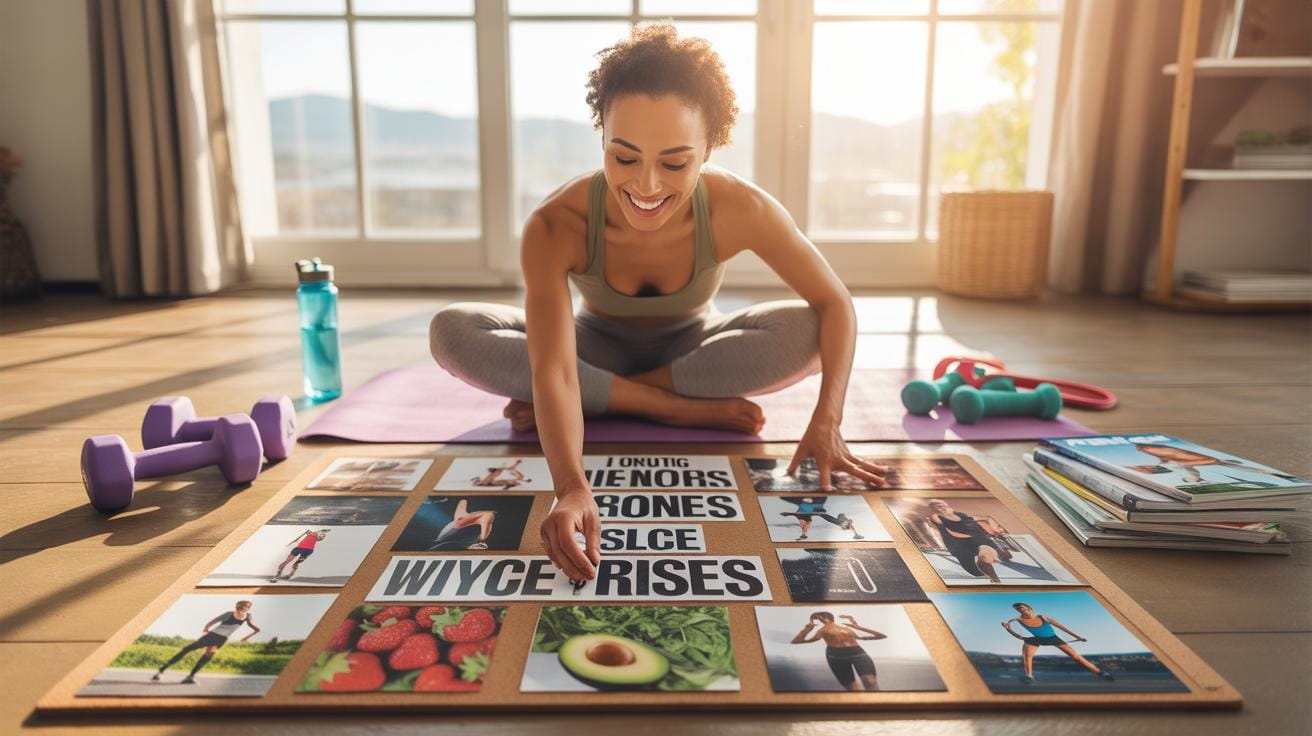

Setting up a gym photoshoot begins with more than just showing up with a camera. First, choosing the right gym matters. You’ll want a space with appealing aesthetics but also enough room to move around freely. Think about the vibe—does it suit the look you want? Don’t overlook getting permission, either. Some gyms require formal agreements; sometimes, it’s as easy as a quick chat with management. Failing to arrange that can mean an unexpected halt mid-shoot.
Making a shot list helps to keep the process smooth. List the key poses, equipment, and angles to cover. It guides the shoot, allowing you to focus on creativity rather than scrambling for ideas. This planning impacts the photo quality and the shoot’s flow—it reduces downtime and gives time for adjustments. A well-structured plan prevents chaotic moments, and you end up with better photos overall.
Essential Equipment Checklist For Gym Photoshoot
Gym photography calls for versatile equipment. Start with a reliable camera body—something that performs well in varying indoor light. Fast lenses, like a 50mm f/1.8 or a 24-70mm zoom, are highly valuable; they help capture sharp images even in low light and offer framing flexibility.
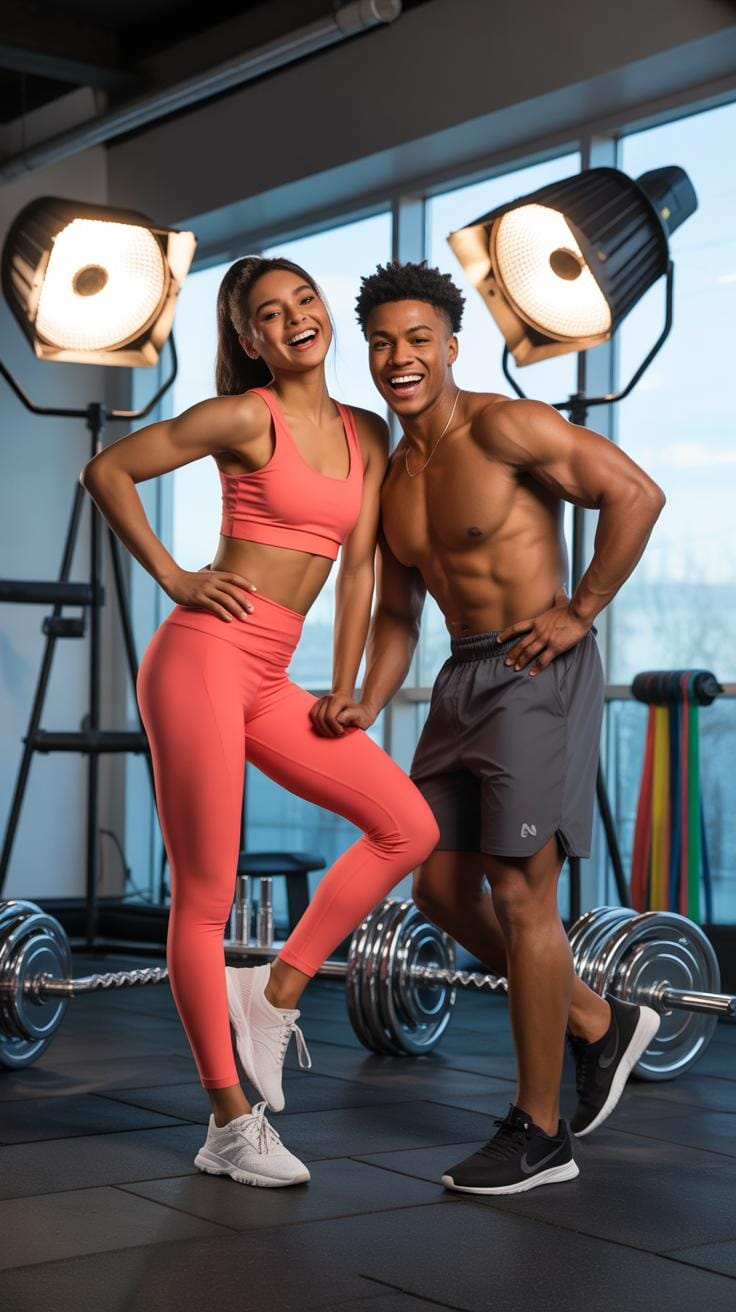
Lighting is another piece of the puzzle. Gyms rarely have ideal lighting, so bringing portable strobes or continuous lights with modifiers like softboxes can remarkably improve image quality. Reflectors or diffusers help manage harsh shadows, especially around muscle definition.
Accessories like sturdy tripods, extra batteries, and memory cards shouldn’t be overlooked. Sometimes, a remote shutter release aids in capturing moments without camera shake. Also, having lens cleaners is handy since sweat and dust can accumulate quickly in gym environments.
Choosing The Ideal Gym Location
What qualifies a gym as photo-worthy? Lighting tops the list. Natural light or bright, well-distributed artificial lighting works best. Avoid gyms with mixed lighting colors that lead to awkward color casts.
The background should be uncluttered but interesting—machines and gym equipment can add context but can’t be overwhelming or distracting. Space is key. Too cramped, and your shots feel chaotic. Open layouts allow for dynamic compositions and better movement capture.
Don’t forget access to unique equipment that can add character to your photos. Whether it’s battle ropes, kettlebells, or squat racks, the equipment can help tell a compelling fitness story visually. Match the gear and environment to the shoot’s theme to make the photos resonate more.
Wardrobe Choices For Fitness Photos

When picking out clothes for a women’s gym photoshoot, the fit becomes a major point. Clothes that are too baggy might hide the body’s natural lines, while excessively tight pieces can feel restrictive and uncomfortable during action shots. It’s about striking a balance—something that hugs just enough to show muscle tone but still allows freedom of movement.
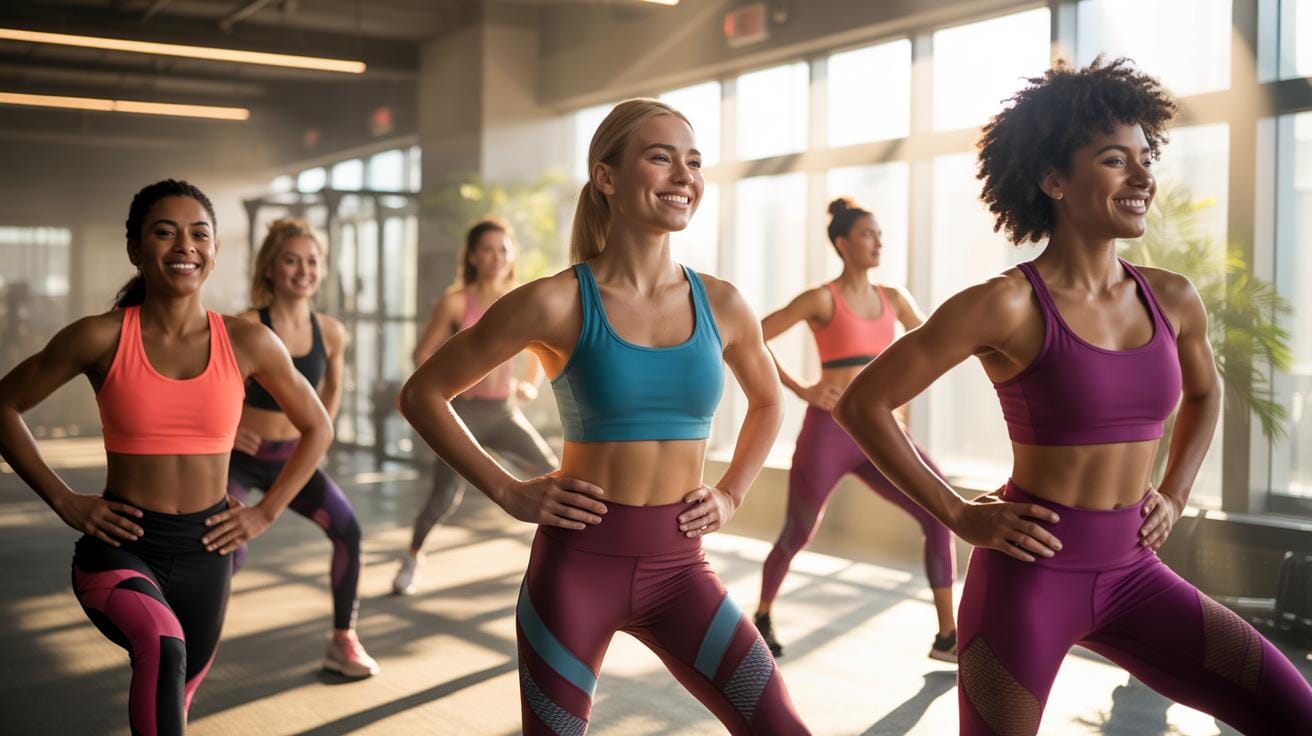
Colors play a bigger role than you might guess. Bright tones like reds, blues, and purples tend to stand out well against gym backdrops, creating energy and focus. Neutral tones such as black or gray work, too, but can sometimes blend into equipment or shadows, making details less visible. That said, color choices also depend on lighting and mood you want to convey—subtle earth tones might evoke a calm, strong vibe.
Styling includes considering the type of workout shown. For instance, high-waisted leggings paired with crop tops are trendy and photograph well, accentuating waistlines without sacrificing comfort. Mesh panels or textured fabrics add visual interest, breaking up solid blocks of color. Just keep in mind: too many distracting patterns can make photos feel cluttered, which is often not the goal.
As for comfort, opting for breathable, moisture-wicking fabrics ensures the subject stays comfortable and looks fresh throughout the shoot. Sometimes, layering pieces like light jackets or sleeveless hoodies create options for varied shots without needing a full change. Ultimately, clothing that combines functional support with clean, flattering lines will serve you best. It’s not always simple to find that sweet spot, but it’s worth experimenting a bit beforehand to see what really clicks on camera.
Best Poses To Highlight Fitness

When setting up a gym photoshoot, selecting the right poses is crucial to truly highlight women’s strength, flexibility, and form. It’s tricky sometimes to find the sweet spot where one pose reveals the essence of athleticism without feeling staged or stiff. You want movement, but also a sense of control and power.
For strength poses that emphasize muscular definition, consider shots where the subject flexes key muscle groups—like biceps, quads, or abs—while maintaining a natural posture. Arms slightly bent at the elbows, torso twisted or angled, and shoulders relaxed can make muscles pop without forcing tension. Angling the body just a bit away from the camera often works better than facing it head-on, as it adds depth.
Facial expressions should be focused but not strained; think intensity without discomfort. A soft squint or a slight tightening of the jaw can enhance the look of determination.
For dynamic movement shots, try capturing mid-action poses like a jump, a lunge, or the moment just before a kettlebell swing. These should feel alive and spontaneous, showcasing energy and the fluidity of exercise. A slightly blurred motion effect can sell this energy well, but avoid overdoing it—too much blur risks losing the form’s clarity.
Experiment with posture variations—arched backs, extended limbs—and play with camera angles. Shooting from below can make movements look more imposing, while shooting from the side often shows grace and precision.
Combining these approaches helps bring out a gym photo that’s not just about the body but the effort and spirit behind fitness.
Lighting Tips For Gym Photography

Lighting in gym photography isn’t just about making the scene visible; it’s about shaping the mood and emphasizing the form. Both natural and artificial light play roles, each with their quirks and strengths.
Natural light, coming through windows, tends to be soft and diffuse, wrapping the subject in gentle highlights. It’s great for a flattering, organic look but can feel a bit flat if you don’t manage shadows cleverly. You might want to position the model near a window where the light hits from the side to add some depth and subtle muscle definition.
Artificial lighting opens up more creative options but demands a bit more planning. Studio lights or flashes, when placed strategically—say, to the side or slightly behind the subject—can sculpt muscles by casting sharp shadows. The intensity matters too; too harsh, and you risk losing detail in dark spots. Too weak, and the muscle tone doesn’t pop as much as it could.
Experimenting with light angles can reveal surprising facets of physique, so don’t hesitate to move your lights around. Sometimes, a little backlighting combined with a softer fill can create a striking effect, highlighting contours in unexpected ways.
Understanding the balance between light and shadow might feel tricky at first, but that tension is where the magic happens. Each gym has its own lighting challenges, and adapting your approach will help your photos stand out.
Editing Techniques For Fitness Photos

Post-processing gym photos is a balancing act. You want to enhance what’s there without making it look fake or overdone. Simple adjustments like color correction can really make a difference. Tweaking the white balance or boosting saturation slightly can bring energy back into dull shots, but over-saturation usually kills the natural vibe. Sharpening helps, too—just enough to make edges crisp without introducing harsh noise. It’s tempting to retouch every little flaw, but restraint plays a big role here.
Sometimes less is more. You might find a few blemishes distracting, and cleaning those up can improve the photo’s impact. Yet if every pore or shadow disappears, the image loses authenticity. There’s a fine line between smoothing and erasing character.
Enhancing Muscle Definition In Editing
Bringing out muscle tone is often a subtle game. Brightening highlights gently enhances texture, helping muscles pop without looking cartoonish. Contrast can be nudged to emphasize shadows around muscle groups. But it’s crucial not to exaggerate these effects. I’ve seen photos where muscle definition was so boosted it almost looked painted on, and honestly, it felt off. Instead, think of editing as highlighting what’s already there, not creating something new.
Using dodge and burn tools with a light hand allows you to trace muscle contours realistically. This method retains texture and depth. It’s fascinating how tiny tweaks can make a big difference in showing physical effort and form.
Maintaining Natural Skin Appearance
One of the trickiest aspects is keeping skin tones believable. Over-editing leads to plastic-looking skin, which spoils the honesty of fitness photos. The goal is to keep skin looking healthy and natural. Subtle color grading can help, by warming up or cooling down tones to match the mood and lighting of the gym environment.
Adjust shadows and highlights carefully to avoid flattening skin texture. Real skin has variation—freckles, veins, slight imperfections—that add realism. Editing to enhance photo quality doesn’t mean removing these; it’s more about cleanup and enhancement without erasing identity.
Have you noticed how some edited photos just feel “off” even if they look polished? Sometimes it’s that loss of natural skin texture or overly uniform color. When you’re editing fitness shots, it pays to step back and compare what you’ve done with the original. The best results keep the photo rooted in reality, while still improving clarity and impact.
Gym Photoshoot Mistakes To Avoid
When planning a gym photoshoot, a few common mistakes can seriously affect your final shots. Often, people jump right into posing or setup without enough thought about timing or equipment. For example, shooting in peak gym hours may mean crowded backgrounds or interrupted sessions. Try to schedule during quieter times to have more control and fewer distractions.
Posing errors are another trap. Sometimes, you might choose poses that don’t really show your best angles or muscle definition. It’s tricky because what feels natural may not always look flattering on camera. Watching yourself through the lens or asking for feedback can help identify and fix these unflattering angles.
Lighting issues often go unnoticed until later. Poor lighting can flatten your figure or cast awkward shadows. Instead of relying on random gym lights, consider bringing portable light sources or using natural light near windows when possible. Adjusting the light’s direction and softness often makes a big difference you might not expect.
- Plan shoot times carefully to avoid busy periods.
- Test poses beforehand and check them on camera.
- Bring or arrange for better lighting options.
- Review shots periodically to spot problems early.
Sometimes you realize a pose looks stiff or hides a feature only after seeing it through the lens. Don’t hesitate to tweak angles or try something new because that’s how you find what works best for you.
Incorporating Gym Equipment Creatively
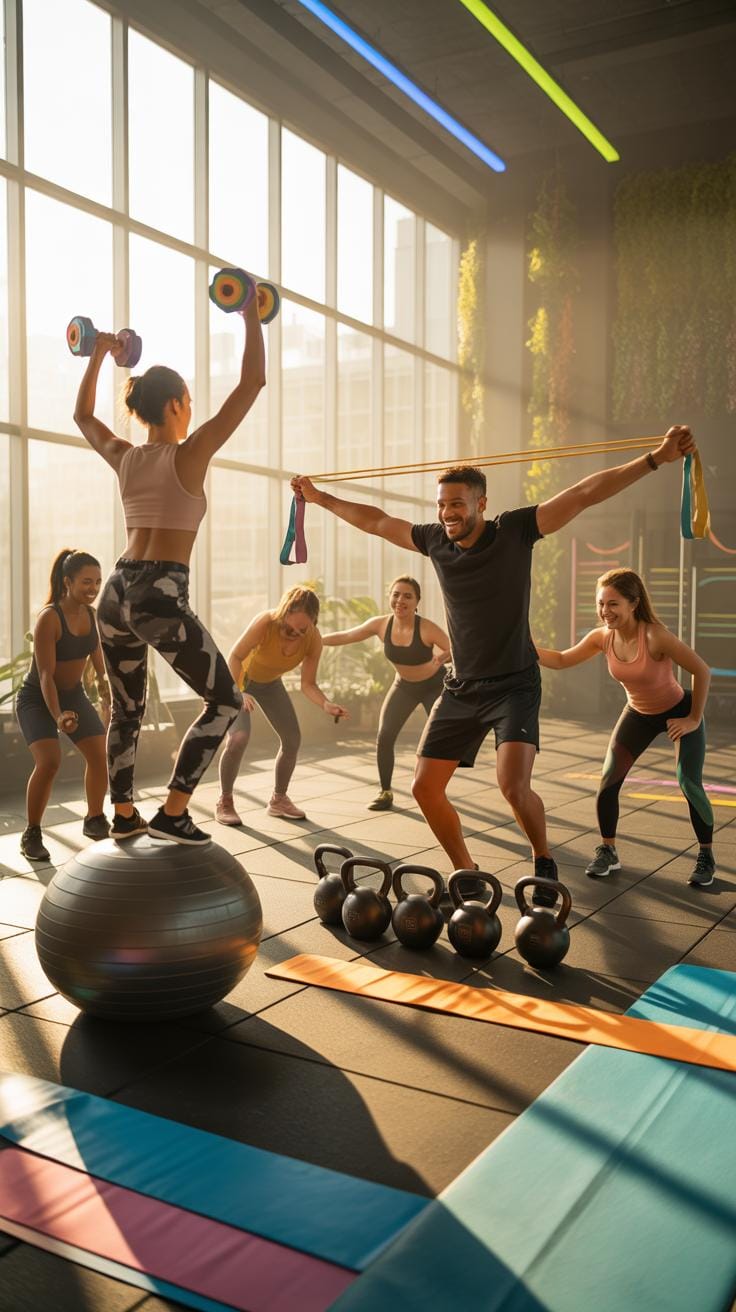
Gym equipment can do more than just serve as background in your photos—it can be a real part of the story you’re telling. When you’re planning a women’s fitness shoot, consider how the equipment might add context and interest without overpowering the subject. It’s not just about the obvious; sometimes subtlety works best.
Here are a few ideas to try:
- Pose with a dumbbell resting casually on the shoulder or held mid-action. It hints at strength but looks approachable.
- Use the barbell as a frame around the body, maybe holding it behind the neck or leaning on it. This can shape the photo’s lines.
- Lean against a weight bench or sit on it; it grounds the shot in the gym environment.
- Employ machines not just as props but as part of the movement—like pressing on handles or flexing while seated.
- Experiment with smaller accessories such as resistance bands or ropes, twisting or pulling them to introduce fluid angles and motion.
You might find resistance bands particularly effective for motion shots. The stretch and recoil can capture momentary tension and release, making the photo feel alive. Ropes, on the other hand, can wrap around limbs or be swung, adding a sense of energetic flow.
Using gym equipment creatively lets the shoot reflect real workout elements. It’s almost like blending style with substance, showing off technique as much as personality. Don’t hesitate to try unconventional angles or grips—sometimes the less expected poses reveal the most.
Comparing Indoor Vs Outdoor Fitness Photos
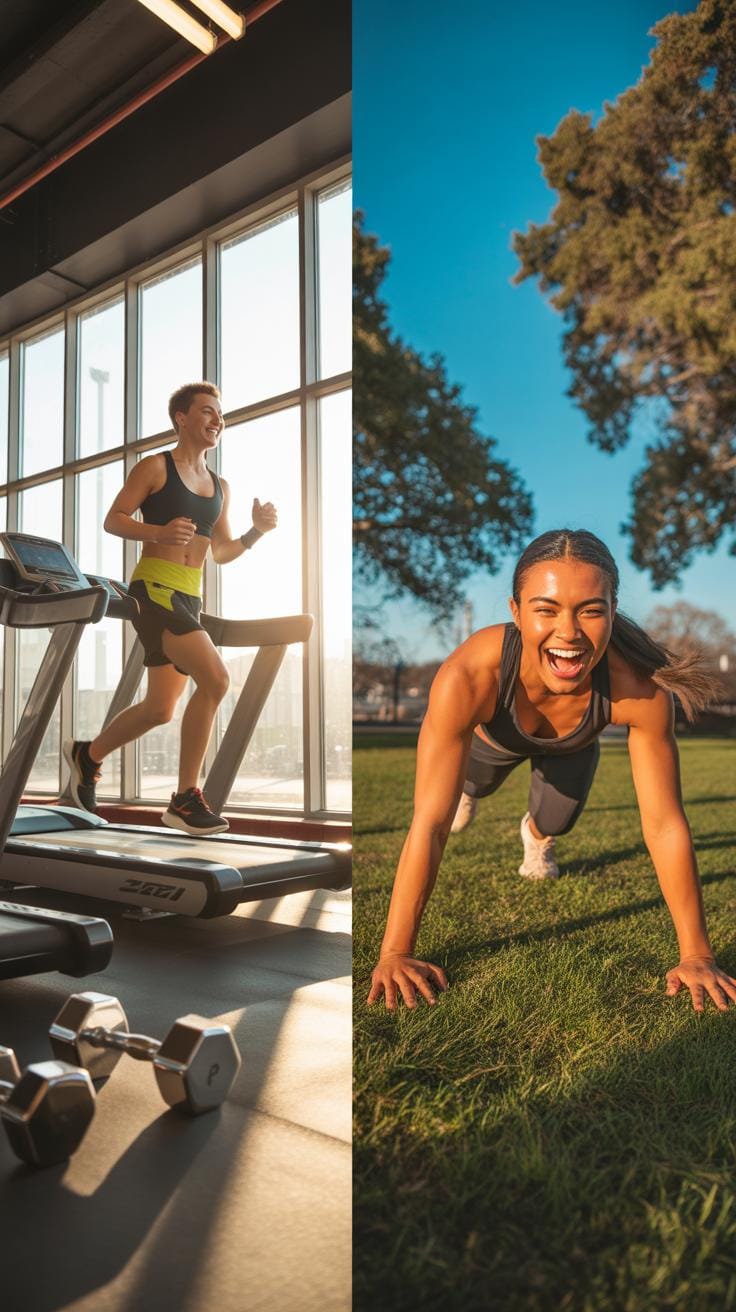
When you set out to do a gym photoshoot, choosing between indoor and outdoor locations can shape your results in surprising ways. Indoors, you have the advantage of controlled lighting. This means you can tweak shadows and highlights exactly how you want. Equipment is right there too—weights, machines, or ropes can be creatively incorporated as props. It’s easier to maintain focus and pose without distractions. Though sometimes, indoor spaces might feel a bit confined or sterile, it’s easier to experiment with angles without weather or crowds interfering.
Outdoor settings, on the other hand, bring natural light that many find appealing—soft during early mornings or golden at sunset. However, relying on sunlight means dealing with its unpredictability: clouds, sudden changes, or harsh midday sun can challenge you. Plus, the weather can be a wildcard. You might get a stunning backdrop with trees or urban elements, but it can be harder to control the scene and get consistent shots. Plus, you’ll need to work around pedestrians or environmental noise.
For an indoor shoot, try to use different gym zones to add variety—like the weights area, cardio machines, or stretching zones—each offering unique vibes. For outdoor shoots, think about timing: early or late day offers more flattering light but less time. When shooting outside, bring reflectors or diffusers if possible to compensate for unpredictable shadows. You might hesitate about which environment suits your vision best, so experimenting with both could provide a richer portfolio.
Planning Your Gym Photoshoot Timeline

When thinking about a gym photoshoot, timing is more than just picking a day. It’s about pacing your preparation right. For instance, start selecting your outfits at least a week ahead—this gives you time to test how they look and feel during movement. Don’t just grab any gym wear; try them on, see how they respond to light and movement. This step can be surprisingly overlooked but matters a lot.
Setting up equipment also deserves early attention. Ideally, arrange and inspect your gear two or three days before the shoot. This avoids last-minute scrambles or surprises, like missing weights or broken cables. Then, factor in rest. Your body needs to be fresh for the best shots, so compress heavy training sessions a couple of days before the shoot or reduce intensity. Think of your photoshoot day as ‘peak performance’ day.
Pre-Shoot Preparation Steps
In the days leading up to the shoot, avoid drastic changes in your routine. It’s tempting to try extra workouts or new diets, but these often backfire. Stick to what your body knows. Sleep well and keep hydrated each day—it subtly affects your energy and skin, which matters on camera more than you might guess.
Practice poses in front of a mirror. This is sometimes overlooked, but standing awkwardly or fidgeting shows in photos. You don’t have to be a pro, but knowing your angles and which movements feel natural can boost confidence. Perhaps jot down key poses or feelings you want to convey, such as strength or focus. These little rehearsals pay off.
Day Of Shoot Best Practices
On the actual shoot day, timing can make or break your photos. Morning light is soft and flattering, but your energy levels might be low. Late morning or early afternoon might be a sweet spot when your body is warmed up but not drained. Test what feels right during your practice days.
Hydration is crucial. Don’t overdo water just before the shoot, though—it can bloat and cause discomfort. Sip consistently throughout the day instead. Before shooting, spend around 10-15 minutes warming up. Even simple stretches and light cardio prevent stiffness and add natural muscle tone, helping poses look more effortless.
Lastly, be patient with yourself. Sometimes, you might not hit the perfect look or posture in the first few shots. Don’t rush. Give yourself short breaks to reset your expression and mindset—photos are as much about attitude as form.
Sharing And Using Gym Photos

Sharing your gym photos can serve multiple purposes. You might want to inspire others on social media, build a portfolio if you’re aiming for fitness modeling, or simply keep the images as a personal reminder of your progress. Depending on what you want, your approach to sharing should vary.
For social media, it’s best to pair your photos with captions that feel authentic rather than forced. Maybe jot down what motivated you during that workout or how a certain exercise challenged you. Brief reflections or even questions can spark meaningful engagement from your followers.
When building a portfolio, keep your photos consistent in style and quality. This lets viewers clearly see your strengths and unique fitness attributes without distractions.
Privacy is another angle. What if you don’t want everyone seeing your workout photos? Think about adjusting privacy settings or selectively sharing on platforms where you feel safer. Watermarking images can protect your work from unauthorized use, especially if you’ve invested in professional photography.
Still, sharing is a balance. How much do you want to give away about your routine or location? It’s worth pondering, especially if you’re cautious about personal information.
Creating Engaging Social Media Posts
Captions are more than just descriptions—they’re your chance to communicate your story. Instead of generic lines like “Workout time,” try something like, “Pushed through the last set even when my legs wanted to quit. Anyone else have days like this?” That invites connection and encourages comments.
Use hashtags thoughtfully. Rather than loading your post with every popular fitness tag, consider a few specific to your niche. For example, #WomenWhoLift or #StrongNotSkinny might resonate well. But don’t obsess over numbers; relevance often beats popularity.
Occasionally, experiment with questions or calls to action in captions. Asking followers about their favorite gym playlist or recent achievements can turn passive likes into active conversations.
Protecting Your Images Online
It’s tempting to share high-quality photos everywhere, but that comes with risks. One easy step is resizing images before posting. Smaller files are less attractive to those wanting to steal your photos for other uses.
Adding watermarks—subtle logos or text—can discourage unauthorized use. It’s like marking your territory, though it shouldn’t distract from the photo itself.
Another strategy is to review platform policies. Some sites allow you to control who can download or share your images. Privacy settings aren’t foolproof, but they create extra hurdles.
Lastly, consider the platform you choose. Sites designed for photographers often have better protection tools than generic social networks. It’s a trade-off between visibility and control.
Sharing gym photos is more layered than just clicking upload. It invites you to think about how you present yourself and protect your work, all while engaging with a community that shares your interests.
Conclusions
A well-planned gym photoshoot brings out your fitness achievements in stylish and powerful ways. Choosing the right setting, equipment, and poses helps create authentic images that reflect your strength and personality. With attention to lighting and wardrobe, your photos can inspire yourself and others.
Remember, the best gym photoshoot is one where you feel confident and energized. Use the guidelines here to prepare your shoot, experiment with angles, and enjoy the process. Your fitness photography can be a motivating record of your progress and style.