

Introduction
Green fashion means picking clothes that are kinder to our planet. Many clothes today come from fast fashion, which uses lots of energy and creates a lot of waste. Choosing green fashion helps cut pollution and saves resources. It also treats the people who make clothes more fairly.
This article explores what green fashion is about. It looks at how clothes affect the earth, what materials are better, and how buying less and choosing well-made clothes can help. You will also learn easy ways to make your wardrobe greener and why your choices matter.
What Is Green Fashion

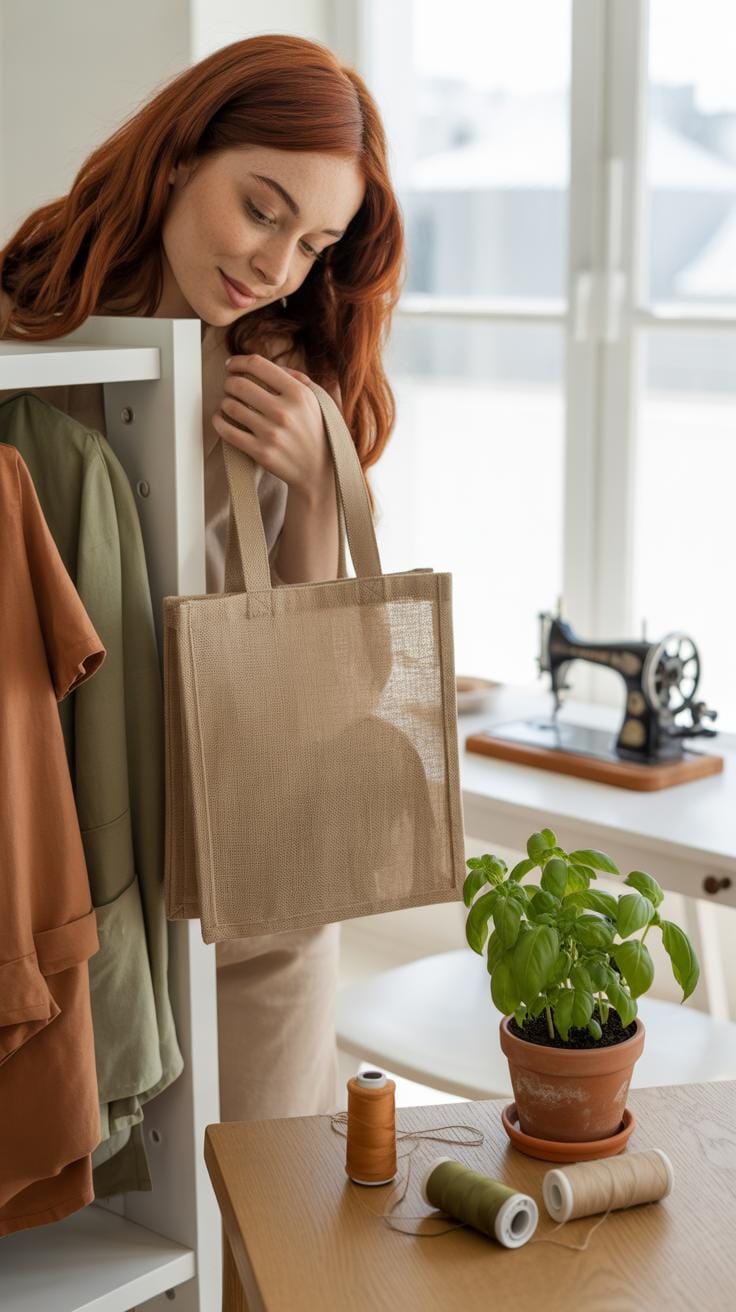
Green fashion means choosing clothes that cause less harm to the planet and treat people fairly during their production. It’s about more than just looking good—it’s about doing good, too. When you pick green fashion, you’re helping to reduce pollution, save water, and cut back on waste caused by the big clothing industry.
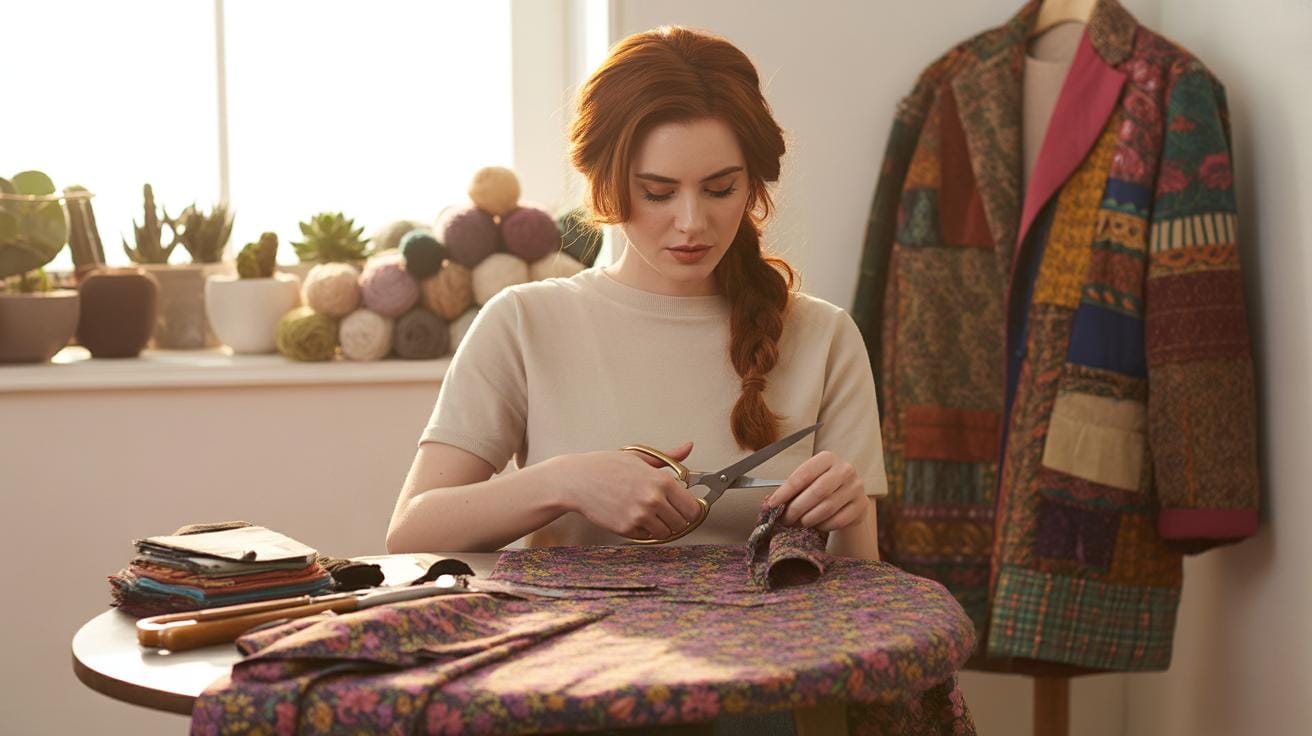
At the same time, green fashion tries to make sure workers who make the clothes are paid fairly and work in safe places. Some companies even think about how their products affect communities and try to make things better for everyone involved.
So, green fashion is a mix of caring for the environment and for the people who make the clothes. It’s not perfect yet, and sometimes it can feel a bit confusing. But if more of us choose green fashion, the industry might change for the better.
History of Green Fashion
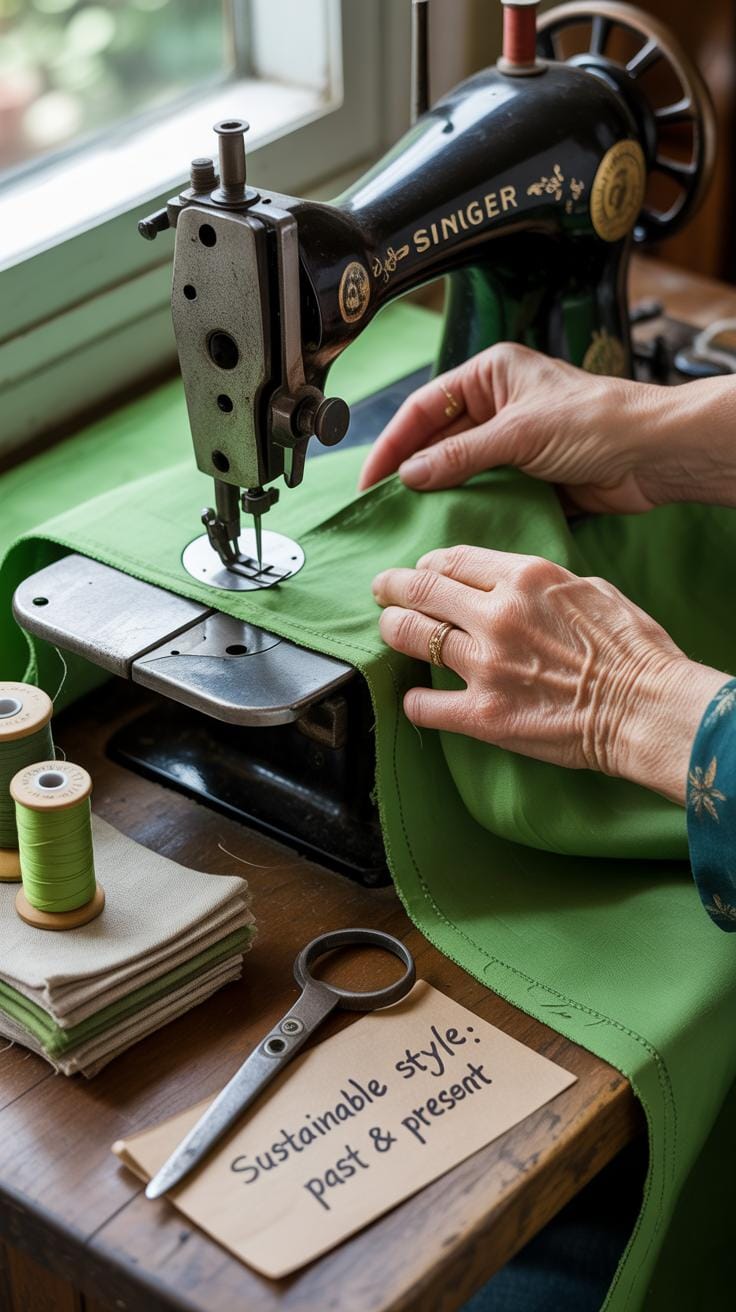
Green fashion started getting attention back in the 1990s. People began to realize that making clothes wasn’t just about style but also about the damage to Earth and people’s lives. Early movements focused on organic cotton and avoiding toxic dyes that could hurt farmers and the soil.
In the 2000s, the idea grew stronger with fair trade and slow fashion coming into play. Slow fashion pushed against the fast-paced trends that made people buy and toss clothes quickly. It suggested buying fewer, better-quality items that last longer. Some brands and designers started talking openly about their production methods, which made consumers more aware.
Today, green fashion often includes recycled materials and transparency about the whole supply chain. Still, it struggles with big brands trying to balance profit and planet. It’s a story that’s been slowly unfolding—sometimes faster, sometimes with setbacks.
Why Green Fashion Matters

Choosing green fashion matters because the clothes you wear have a bigger impact than you might think. The environment suffers from the chemicals, water use, and waste in making typical clothing. Green fashion helps cut down that damage.
It’s not just about nature. People working in factories and fields face tough, sometimes unsafe conditions. Green fashion aims to improve their parts of the story, giving them fair pay and safer work. This can change lives, though not every brand succeeds completely.
Also, our health links to what we wear. Chemicals used in cheap clothes can irritate skin or cause allergies. Green fashion often avoids these, which is a nice bonus.
When you choose green fashion, you join a shift toward a fairer, cleaner, and more thoughtful world. It may not solve everything overnight, but it pushes the industry—and maybe you—to think twice before buying.
Environmental Impact Of Fashion
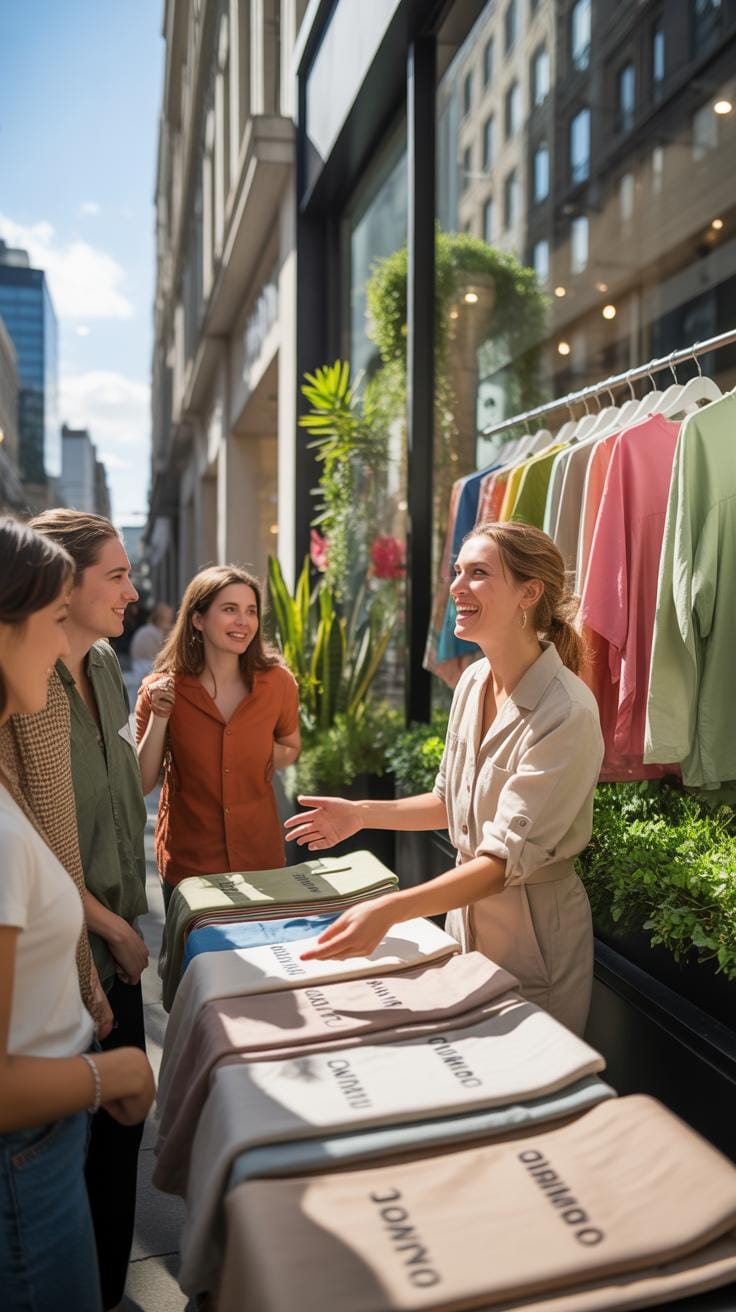
The fashion industry is often talked about for its environmental footprint, and not without reason. It demands vast amounts of water, energy, and raw materials—cotton alone uses a huge volume of water in cultivation. Sometimes, it feels like we don’t fully grasp how much natural resources are consumed to make the clothes we casually toss away.
Pollution is another problem that’s pretty hard to ignore. Textile dyeing and treatment release toxic chemicals into rivers, affecting ecosystems and people living nearby. Synthetic fibers, like polyester, shed microplastics when washed, which end up polluting oceans. It’s easy to overlook these impacts when the clothes are so affordable and accessible, but the effects are real and widespread.
Then there’s waste. Global clothing production has nearly doubled over the last 20 years, leading to mountains of discarded clothes. Many garments wind up in landfills or are incinerated, creating further environmental burdens. You may wonder why fast-changing trends push so many to buy more than they need, accelerating the problem.
Fast Fashion Problems
Fast fashion brands churn out trends at a breakneck pace, encouraging consumers to buy often and discard quickly. Clothes are made cheaply, sometimes poorly, to keep up with demand. This strategy creates a cycle where garments are worn only a few times before being thrown away.
The environmental toll is significant. Short-lived products mean more resource use and waste. Factories often prioritize speed and low cost over sustainable practices. It’s easy to question whether the convenience of low prices is worth the damage done to the environment.
Pollution And Waste
The production and disposal of textiles lead to pollution both visible and hidden. Dyeing fabrics consumes and contaminates large quantities of water. Harsh chemicals used in finishing processes sometimes leak into water systems, harming wildlife and communities.
Clothing disposal adds another layer. In many countries, tons of unwanted clothing are either dumped in landfills or burned, releasing pollutants into the soil and air. Some estimates suggest the world throws away the equivalent of a garbage truck of textiles every second. It’s tough to imagine, but it raises questions about how we might rethink our relationship with what we wear.
Better Materials For Clothes
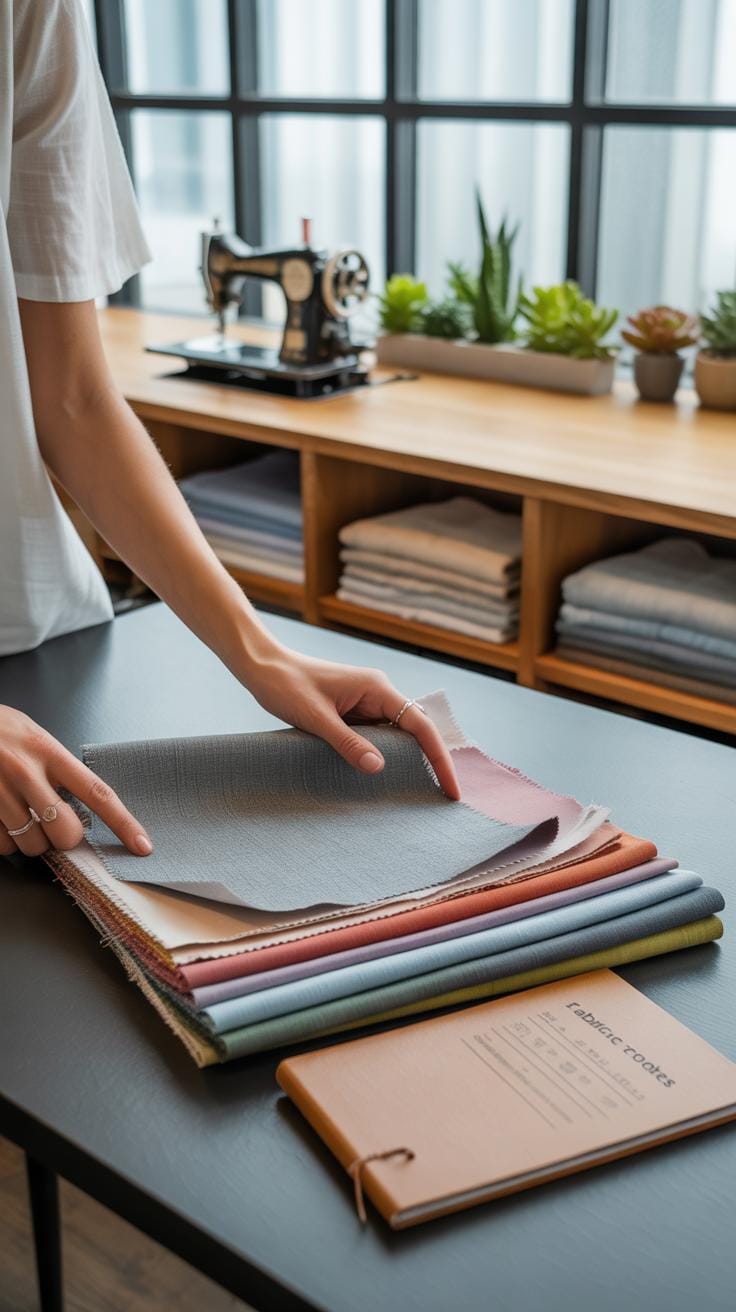
When it comes to green fashion, the materials used in garments make a big difference—sometimes more than we realize. Choosing fabrics like organic cotton or recycled materials can lower your clothes’ environmental footprint quite a bit. It’s not just about feeling good; it’s about what happens before those clothes reach your wardrobe.
Organic Cotton Benefits
Organic cotton is grown without synthetic pesticides and fertilizers, which means less chemical runoff into soil and rivers. Unlike conventional cotton farms, organic ones rely on natural methods like crop rotation and compost to keep the soil healthy. This way, the land doesn’t get depleted as quickly.
One thing that often surprises people is that organic cotton typically uses less water too, but this can vary by region. Still, it usually causes less water pollution than standard cotton, which depends heavily on pesticides. I once read about a small farm in India that switched to organic cotton and saw the quality of their soil improve after just a few seasons—and fewer health problems for workers. That felt pretty significant.
Recycled Fabrics
Recycled fabrics come from materials that had a life before—like plastic bottles, old clothes, or leftover textile scraps. These fabrics help cut down waste by turning materials that might end up in landfills into usable fibers. For example, polyester made from recycled plastic bottles means fewer new plastics are produced.
There’s a catch though: recycled fabrics still consume energy during production, and not all types breathe well or last as long as natural fibers. Still, choosing recycled over new materials often means less raw resource extraction and less waste. It’s a tricky balance, but better than throwing things away. Have you ever noticed how a recycled sweater feels a bit different? That’s probably why—sometimes it’s a bit rougher or less stretchy, but it’s a small trade-off for less harm overall.
Slow Fashion Vs Fast Fashion

Slow Fashion Principles
Slow fashion focuses on creating clothes that last longer—both in durability and style. You’re not rushing to get the latest trend, but choosing pieces made with care. These clothes often come from ethical production processes where workers receive fair wages and safe conditions. It’s about quality rather than quantity. You might notice the difference when a slow fashion item feels sturdier or fits better because it’s designed thoughtfully.
Thinking about slow fashion also means considering how often you wear something. A well-made shirt or pair of jeans can stay in your wardrobe for years if you treat it right. You might find yourself reaching for that one favorite sweater repeatedly instead of tossing it after a season. It’s a kind of buying with patience, which feels… almost unusual nowadays.
Fast Fashion Costs
Fast fashion, on the other hand, thrives on quick turnover. Clothes are made rapidly to match fleeting trends, often with cheap materials and cut corners. Those low prices seem attractive but come with hidden consequences. Factories may exploit workers, and the environmental impact—think pollution and waste—is huge. Sometimes it feels like you pay less upfront but lose more later.
There’s also that pile-up of discarded clothes, which don’t decompose easily. And while the idea of affordable fashion sounds fine, it’s worth asking whether your wardrobe really benefits from so many pieces that wear out fast. Buying fast fashion can feel convenient, but at what cost to the planet and to people making those clothes? It’s a tough balance, and honestly, hard to ignore once you start paying attention.
How To Shop Green

Choose Quality Over Quantity
When you shop green, one key thing to keep in mind is buying fewer clothes—but ones that last longer. It might sound obvious, but picking well-made items means you wear them more, wash them less often, and they don’t end up in the trash so quickly. I remember holding back from a flashy sale because the cheap fabric felt flimsy. It didn’t feel right. That impulse saved me money and hassle later—those fast pieces rarely make it past a season.
Think about what you really need versus just what’s trendy. It can be tricky—trends pull you in, but slow choices ease waste. So, maybe buy that classic shirt that fits perfectly and feels sturdy, rather than three cheaper, trendy tees you’ll barely wear. Quality doesn’t mean heavy or complicated; sometimes it’s just better stitching, stronger buttons, or natural fibers that age well.
Look For Certifications
If you’re unsure whether a brand or garment is green, look for trusted labels. These certifications serve as sort of proofs—they show the clothes meet certain environmental or ethical standards. Some well-known ones you might spot include GOTS (Global Organic Textile Standard), which focuses on organic fibers and fair working conditions. Or Fair Trade Certified—often seen on cotton and other textiles—ensuring farmers and workers get a fair deal.
Other certifications like OEKO-TEX test for harmful chemicals in fabrics. You might think lots of labels are confusing—and yes, they can be—but spotting one or two trustworthy marks can guide your choices. Sometimes, I’ve found a great piece just because it had the GOTS label, which nudged me to learn more about how it was made. Still, labels aren’t perfect guarantees, but they’re a good starting point if you want to avoid greenwashing.
Reuse And Recycling Clothes
Second-Hand Benefits
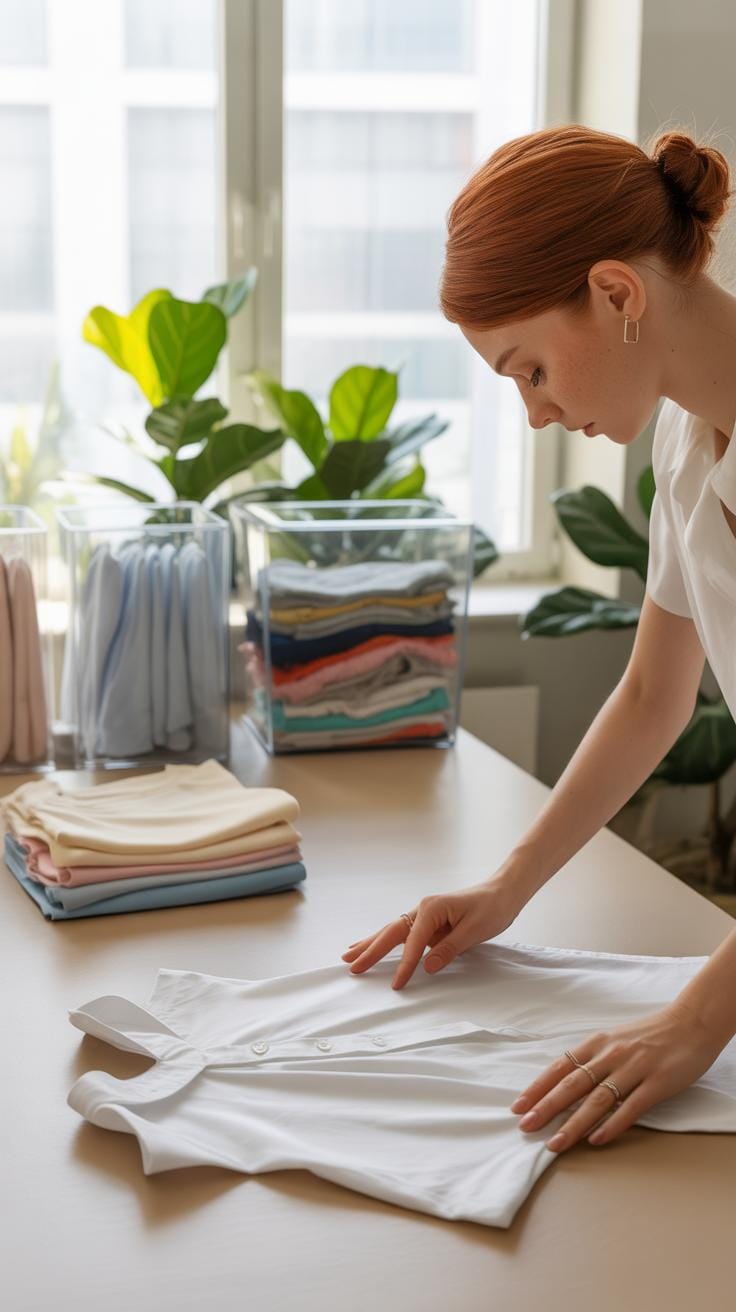
Buying clothes second-hand can feel a bit like a treasure hunt. You never know what you’ll find, and that’s part of the charm. But beyond that, it’s one of the simplest ways you can reduce the environmental footprint of your wardrobe.
Think about it—when you buy used clothes, you’re giving garments a second life. That means fewer new items need to be produced, which cuts down on water use, pollution, and waste from factories. Plus, it keeps clothing out of landfills, which are already overflowing.
There’s also a unique style element. Vintage or pre-loved pieces often have a character that new mass-market items lack. Maybe it’s a faded denim jacket with unusual stitching or a classic sweater with a story. Buying second-hand can be more sustainable and somehow more personal.
Recycling Clothing
Recycling clothes is different but just as important. Instead of tossing worn-out items, you can send them to be broken down and turned into new fibers or other materials. This process reduces textile waste significantly, which is a huge deal given how much ends up in trash every year.
Some brands and community programs accept old clothes for recycling, even if they’re no longer wearable. The fibers get repurposed, sometimes into cleaning cloths, insulation, or fresh fabric. It’s not perfect—recycling clothes can’t replace all new production—but it helps slow down waste and resource depletion.
So maybe next time you clear out your closet, consider donating or dropping off items at a recycling point. It might seem small, but those choices add up over time.
Ethical Considerations
Working Conditions
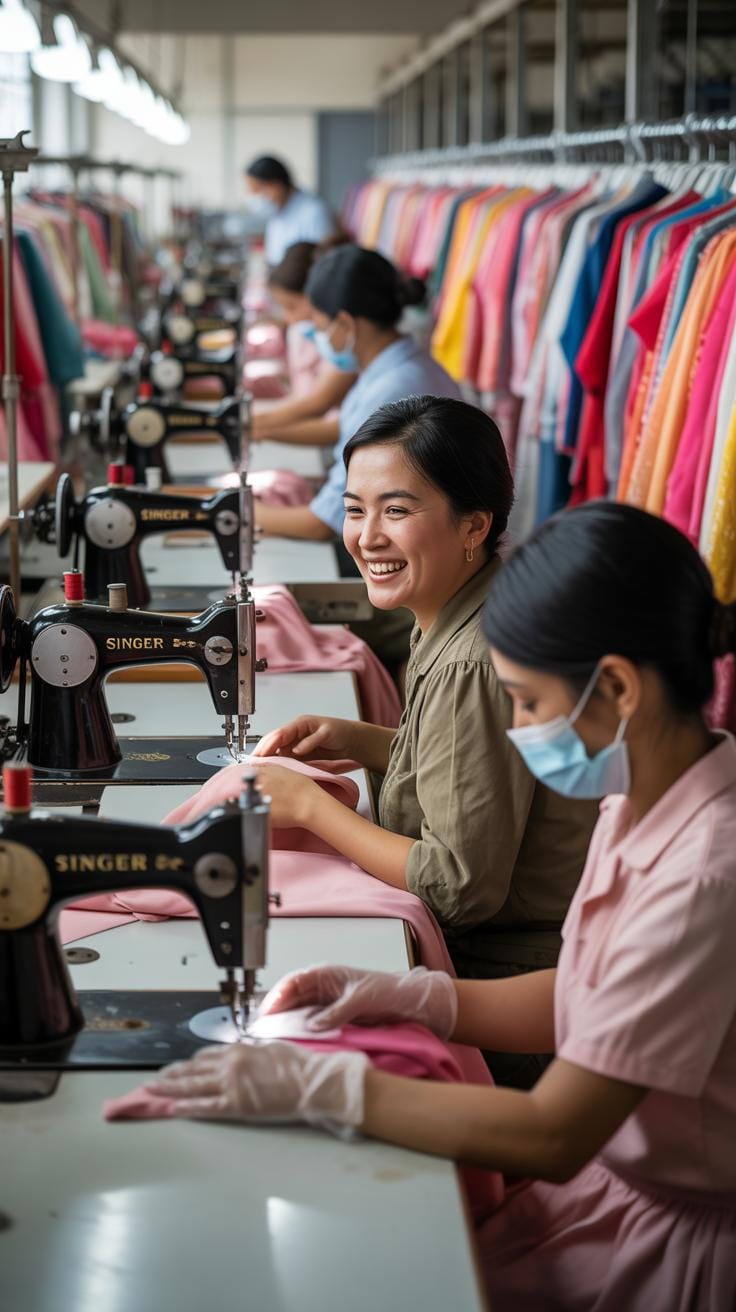
You might not always think about where your clothes are made or the environment those workers face. But good working conditions really do matter—not just for the people sewing your shirts, but for the entire fashion cycle. When garment workers have safe, clean, and respectful workplaces, it reduces accidents and illnesses that, frankly, are all too common in the garment industry.
Take factories with proper ventilation, reasonable hours, and breaks. These elements don’t just protect health—they boost morale and productivity, which can influence the quality of the clothes you buy. If workers are stressed or exhausted, corners get cut. On the other hand, when their rights and safety are respected, you’re more likely to get pieces that last longer and hold up better.
So, when you consider green fashion, it’s not just about the environment. The human side of production counts. You might wonder if choosing brands that show concern for working conditions can really make a difference. I think it does, because those companies set a standard that others might follow, slowly nudging the industry toward a fairer approach.
Fair Wages
Fair wages seem obvious at first glance—you pay people enough to live. But it’s more tangled than that. Many garment workers earn less than what they need for basic needs. This forces them into unsafe or excessive working hours. So fair wages tie directly into working conditions and, by extension, your clothing’s environmental footprint.
How? When workers earn a decent wage, the pressure to churn out fast fashion items decreases. They can take pride in their work without rushing through, which often leads to waste or quicker wear-out of garments. You avoid supporting a cycle where clothes are made cheaply to be discarded quickly. It’s almost like paying more upfront helps slow down the disposable culture.
Also, brands committed to fair wages often invest in sustainability beyond just paychecks. They may use better materials or cleaner production methods. So, when you pick green fashion, think about who made your clothes and what kind of life they might have. It’s not just about style or even the environment—it’s human dignity at its core.
Fashion Industry Innovations

Eco-Friendly Fabrics
You might be surprised by how many new materials are changing the way clothes are made. For example, fabrics made from recycled plastic bottles are becoming more common. They take waste that would usually sit in landfills and turn it into wearable clothes. It’s a bit strange to think about wearing something once part of a soda bottle, but it does reduce waste and energy used compared to traditional polyester.
Other options include fabrics from plants like hemp, bamboo, and even pineapple leaves. These don’t need as much water or chemicals to grow, which helps lessen environmental damage. There’s also lab-grown leather, which avoids raising animals for hides. These options might not be perfect—each has its own challenges—but they do point toward less harmful choices for fashion materials.
Sustainable Production Methods
Some factories now use waterless dyeing techniques, saving thousands of liters of water per batch of fabric. It’s fascinating—and maybe a bit hopeful—that such old practices like dyeing could be changed so drastically. Some manufacturers also capture and reuse heat or energy that would normally get wasted during production.
Moreover, zero-waste patterns aim to cut down on scraps sent to landfills. Instead of designing for aesthetics alone, some brands think about how fabric can fit together to create no leftover pieces. You wonder if this could become mainstream or if it’s just a niche for now. Plus, digital tools help brands plan better, reducing overproduction that often leads to tons of unsold clothes.
So, as you see, the fashion industry is trying out new ideas and methods to shrink its footprint. Whether these shifts will be enough or come fast enough—that’s another question entirely.
Your Role In Green Fashion

You might think one person can’t make much difference in the vast fashion world. But small choices actually add up, maybe more than we realize. When you decide to buy fewer fast-fashion items, or pick garments made from natural fibers, you help reduce waste and pollution. It doesn’t have to be dramatic—sometimes just repairing a favorite shirt instead of tossing it can stretch its life and lower your environmental impact.
Here are a few ways to think about your role:
- Buy from brands that share their environmental practices openly, even if it means paying a bit more.
- Choose quality over quantity, which often means clothes last longer and don’t end up in landfills.
- Care for what you own—washing clothes less frequently or using cold water can save a surprising amount of energy.
- Don’t shy away from secondhand shopping; it’s a way to give clothes a second life and cut down demand for new production.
Sharing what you learn can spark change too. Talk with friends, post about green fashion experiences, or bring up the subject in casual conversations. You might be surprised how some people haven’t thought much about their clothing’s journey before. Sometimes, the ripple effect starts with a simple question: “Did you know where this shirt came from?”
It may seem slow and confusing at times. Personal choices can feel like a drop in the ocean, but each drop influences the whole, especially when others join in. What small changes will you try first?
Conclusions
Green fashion is about making smart choices for the earth and people. It means buying clothes that last, using natural or recycled materials, and supporting brands that care for workers and nature. This way, your clothes won’t harm the planet as much and will be better for everyone.
You can help by thinking before buying. Look for clothes made with care, avoid fast fashion, and try second-hand or vintage items. Your choices count. Together, we can change fashion to be cleaner and fairer for the future.