

Introduction
Your skin is the largest organ and reflects your overall health. Achieving and maintaining glowing body skin takes consistent care and attention to lifestyle, hygiene, and the products you use. This article covers essential tips for a natural and lasting radiance that anyone can incorporate into their routine.
We will answer common questions about glowing skin, compare products and routines, and provide you with a clear checklist to follow. The goal is to help you understand simple, practical steps that improve your skin’s brightness and health without confusion.
What Defines Glowing Body Skin


Glowing body skin means more than just shine. It’s a kind of brightness that comes from within the skin itself, that smooth texture you can feel when you run your hand over your arm or leg. When skin glows, it looks hydrated—not dry or flaky—and the tone tends to be more even. You might notice subtle changes like fewer rough patches and less visible redness or dark spots.

Picture skin before care: dull, a bit rough, maybe patchy in color. After some consistent care, the same skin feels softer, looks luminous, and shows less unevenness. It’s almost like the skin breathes differently, responds better. I think many notice this if they start moisturizing regularly and gently exfoliating—it’s surprising how much difference small steps make.
Physical Signs Of Healthy Skin
Healthy, glowing skin often shows a few key traits that are easy to spot:
- Smoothness: The surface feels soft and even, not bumpy or rough.
- Hydration: Skin looks plump and fresh, not tight or flaky.
- Minimal blemishes: Fewer spots, redness, or irritation visible.
- Radiance: A natural, gentle glow without greasiness or heavy shine.
Each sign reflects how well your skin barrier is functioning. When skin is hydrated and healthy, it reflects light better, which creates that fresh appearance. Sometimes people confuse shine with glow, but glow has more depth, it feels and looks more natural.
How Skin Appearance Changes With Care
Taking care of your body skin regularly can shift its appearance quite a bit. For example, without moisturizing, skin often gets dull and flaky. It might feel rough or look patchy. Sun exposure, when not checked, can cause uneven tone and dark spots, making skin appear tired or damaged.
On the other hand, consistent attention—like applying lotion daily, using sun protection, and exfoliating gently—gradually improves skin texture and color. Over weeks, you’ll likely see fewer dry spots, smoother patches, and a more balanced tone. It’s a slow process and sometimes subtle, but those little habits build up. I remember when I first started caring for my skin more carefully; it took a few months before I really started to notice the difference, but then it became clear. Which makes me wonder—how different would your skin look if you just gave it a bit more care?
Why Glowing Skin Adds Value To You

Skin Health Benefits From Good Care
Glowing skin often means your skin is doing its job well, creating a solid barrier against harmful elements. When you take care of it, your skin stays hydrated, which cuts down on dryness and the rough patches that can invite infections. It’s not always obvious, but a healthy skin barrier limits the entry of bacteria and irritants, so you might find fewer breakouts or redness over time. I’ve noticed that when my skin feels nourished, it almost seems to defend itself better against daily pollution or allergens. That protective layer is more than just surface deep.
Another point: glowing skin usually reflects good circulation and proper cell turnover. This means your body is processing and replacing skin cells efficiently, so damage from everyday life—like minor cuts or scratches—heals faster. That’s something I didn’t think much about before, but it does make sense that well-cared-for skin isn’t just about looks, it’s about real health.
Confidence Boost From Clear Skin
There’s a certain confidence that comes when your skin looks clear and glowing. You wake up, glance in the mirror, and suddenly feel a bit lighter, maybe more ready to face the day. It’s a small thing, but it can shift your mood. Think of times you caught yourself smiling at your reflection simply because your skin looked good. You don’t have to pretend; you just feel better.
On some days, I’ve found that when my skin reacts poorly, I get self-conscious—even if no one else notices. But on days when my skin glows, I stand a little taller or don’t mind meeting new people so much. It’s like your outer appearance nudges your inner feelings, making you more willing to engage or try new things.
So, maybe glowing skin isn’t just about vanity. It’s a bit like a feedback loop: healthy skin lifts your mood, and feeling good inspires you to keep caring for yourself. It’s worth wondering how much your skin affects your daily confidence more than you realize.
Glowing Skin Routine Checklist
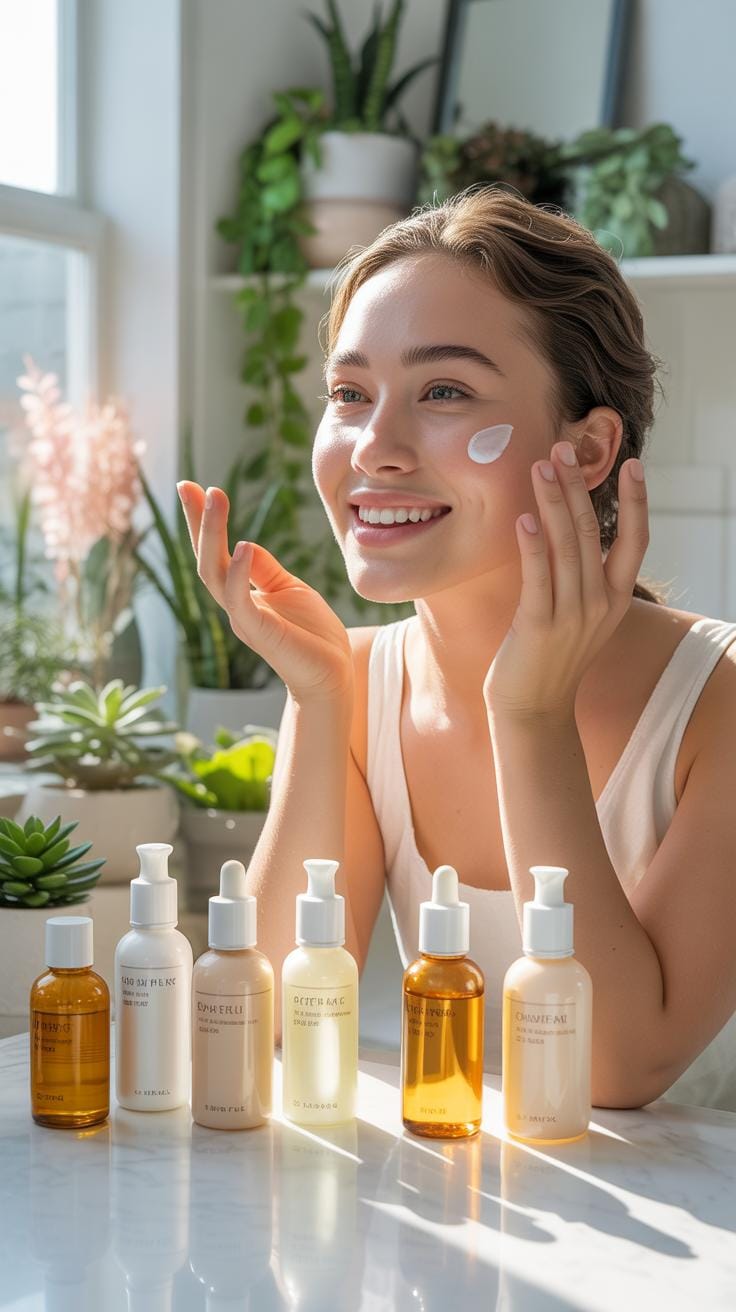
Building a glowing skin routine isn’t just about what you do occasionally—it’s how you show up every day and week. The consistency matters more than fancy products, really.
Daily Habits To Follow Without Fail
- Gentle cleansing: Cleanse your skin twice daily with a mild cleanser to remove dirt and sweat. This keeps pores clear and prevents dullness. Not anything harsh—because stripping your skin can backfire, making it look dry and tired.
- Moisturizing: Apply a moisturizer suited to your skin type right after cleansing. Locking in hydration helps skin stay plump and smooth. I’ve noticed skipping this step even once can make your skin look uneven by evening.
- Sunblock application: Protect your skin with at least SPF 30 every morning, even if it’s cloudy. UV rays dull the skin and speed up aging. It might not show immediately, but it adds up. Trust me, you’ll thank yourself later.
Weekly Skin Care Tasks To Add
- Exfoliation: Two or three times a week, use a gentle exfoliant. This removes dead skin cells that build up and make your skin look lifeless. Overdoing it can cause irritation though, so don’t get carried away.
- Hydrating masks: Once a week, treat your skin to a hydrating mask. It boosts moisture and refreshes tired-looking skin. It’s a simple pick-me-up that feels like giving your skin a small break.
So, does your current routine hit all these bases? If not, what’s stopping you? Sometimes it’s just a matter of habit, and maybe that’s why glowing skin often feels elusive.
Products Versus Natural Care

You might wonder if commercial skin care products really deliver on their promises compared to natural alternatives. Both have their place, but they work differently and come with sets of pros and cons that matter for your glowing skin journey.
Skin care products are created to target specific concerns—like deep hydration, repairing sun damage, or providing a protective barrier against pollutants. They often contain active ingredients in measured doses, which can give quicker, more noticeable effects. For example, retinol creams can smooth rough patches over time, which is not something natural oils typically promise. But these products can sometimes irritate sensitive skin, or simply not suit all skin types, making careful selection essential.
On the flip side, natural ingredients like aloe vera, honey, or coconut oil bring gentler care. They’re less likely to cause side effects, and often come with antioxidants and vitamins that nourish the skin softly. That said, natural does not always mean safe—some people might react badly to botanical elements or essential oils. Also, natural ingredients usually work slowly, so expecting instant glow might be a bit hopeful.
When should you pick one over the other? If your skin needs quick repair or has stubborn dryness, a tailored product might serve better. But if you prefer a minimalist, low-risk routine and value skin comfort, natural care can be enough—sometimes even preferable. You could also try combining them, using natural ingredients most days and specialized products as targeted treatments.
In the end, glowing skin care is personal. What works wonders for one might not for another. Isn’t that a bit of the challenge—and the fun—of finding your own rhythm?
Best Foods For Radiant Skin

What you eat shows on your skin more than you might realize. Certain foods pack vitamins and antioxidants that help keep your skin glowing, fresh, and healthy. Think of colorful fruits and vegetables—like berries, oranges, and spinach—as nature’s little skin boosters. They’re rich in vitamin C, which supports collagen, the protein that gives your skin its structure and bounce.
Some fatty fish, such as salmon, provide omega-3 fatty acids. These help reduce inflammation and keep your skin moisturized from within. Nuts and seeds, like almonds and sunflower seeds, bring vitamin E, which protects your skin from damage caused by the environment.
Don’t forget about water-rich foods like cucumbers and watermelon. They hydrate your skin subtly, complementing the fluids you drink. It’s easy to overlook how these nutrients work together—vitamins repair and protect, antioxidants fight free radicals, and hydration keeps things balanced. Have you noticed how your skin reacts when you skip fresh foods? It’s not just in your head.
Top Vitamins And Nutrients For Skin
Vitamins A, C, and E often come up in skin care talks for good reasons. Vitamin A, found in carrots and sweet potatoes, encourages skin cell turnover. It’s what helps fade dullness and promote freshness, though too much can sometimes cause dryness, so watching the amount is key.
Vitamin C works deeper—it helps rebuild collagen and adds a natural shine. You get it easily from citrus fruits and leafy greens. Vitamin E acts somewhat like a shield, protecting skin cells from damage caused by sunlight or pollution. A handful of nuts daily covers a good portion of what your skin craves.
The body’s ability to repair itself relies on a balance of these nutrients. Sometimes, just eating a mix of these vitamins doesn’t guarantee instant results, but consistent intake can make a difference over weeks. Skin isn’t necessarily quick to reflect what you eat, but it does respond.
Hydration And Its Role In Skin Health
Water isn’t just something to quench thirst; it plays a critical part in skin’s appearance. Hydrated skin tends to look plumper and less tired. When you’re dehydrated, your skin can get flaky or tight. Drinking enough water daily helps flush out toxins and supports the skin’s natural barrier function.
It’s probably not enough to rely just on water. Hydration comes also from what you eat and how much moisture your skin holds. Ever noticed how your skin feels after a hot day? That dryness signals that something’s off in the hydration balance. Simple habits, like sipping water regularly instead of gulping it down all at once, might actually help more.
Some people don’t feel thirsty often, so they don’t drink enough, but their skin shows the signs anyway. The takeaway? Pay attention to your skin’s subtle clues—it might be trying to tell you that you need more water, not just for your body but specifically for your glow.
Avoiding Common Skin Care Mistakes
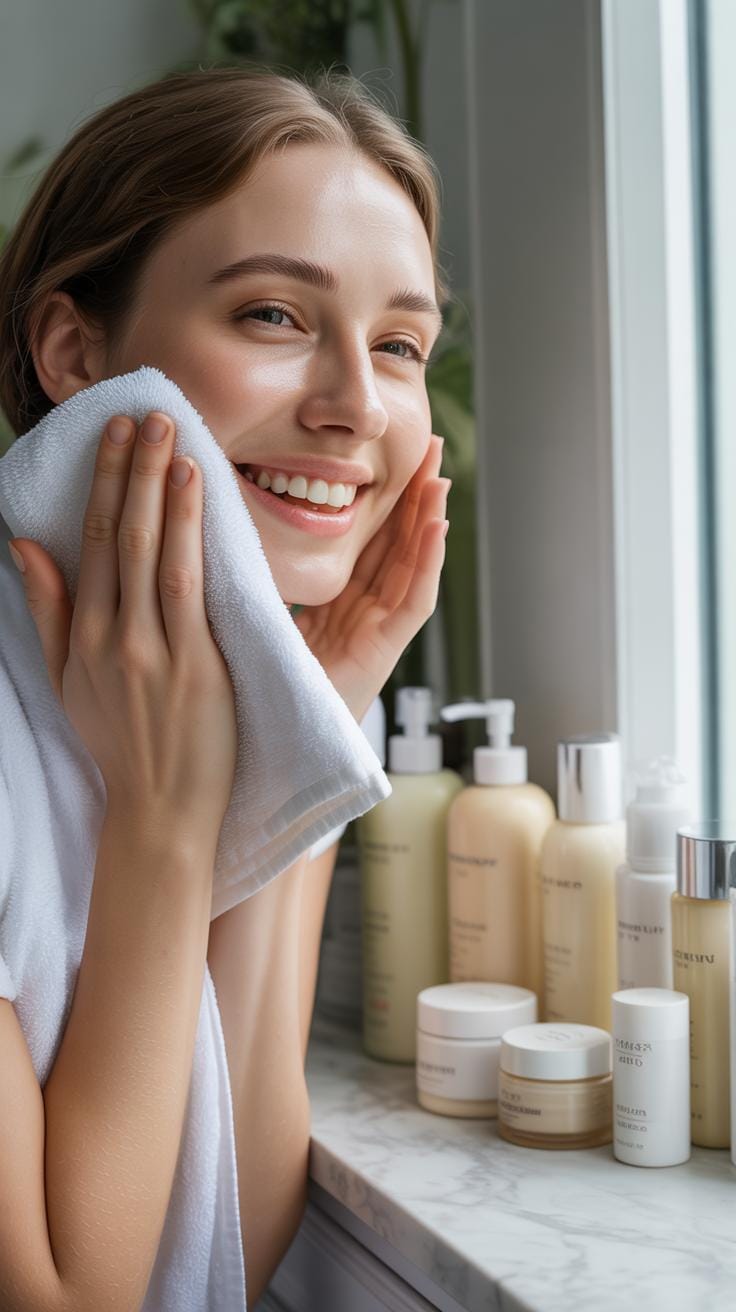
Mistakes That Dry Or Irritate Skin
Many people think washing their skin more often means better glow, but that’s not true. Over-cleansing, especially with harsh soaps or scrubs, strips your skin of natural oils. The result? Dryness, irritation, and a dull look that’s far from radiant. I’ve found that switching to gentle, fragrance-free cleansers or simply using warm water can make a huge difference. It’s tempting to scrub harder when skin feels rough, but that only damages the outer layer and slows down the skin’s ability to glow naturally.
Try these simple steps instead:
- Use mild, moisturizing body washes rather than bar soaps.
- Limit washing to once a day or every other day, unless necessary.
- Pat your skin dry gently—avoid vigorous towel rubbing.
- Apply a light, nourishing body lotion soon after bathing to lock in moisture.
It sounds almost too basic, but these small changes helped me with my own dry patches and made my skin appear brighter over time.
Sun Protection Errors To Fix
Skipping sunscreen or applying it incorrectly is a common mistake that dulls skin more than most realize. Sun exposure breaks down collagen and causes uneven pigmentation, which dulls your natural glow. I used to think, “Oh, just a little sun won’t hurt,” but that’s where problems start. Even a short time outdoors without protection adds up.
Here’s what really works:
- Use a broad-spectrum sunscreen with at least SPF 30 every day, even when it’s cloudy.
- Apply sunscreen about 15 to 20 minutes before going outside.
- Don’t forget easy-to-miss spots like the back of your hands, neck, and shoulders.
- Reapply every two hours if you’re outside, and immediately after swimming or sweating.
While sunscreen doesn’t give instant glow, protecting your skin from damage maintains its youthful, radiant look. It’s one of those things where the benefits build quietly over time. So, if you’re serious about glowing skin, this step can’t be skipped—even if it feels like a hassle sometimes.
How To Track Your Skin Progress
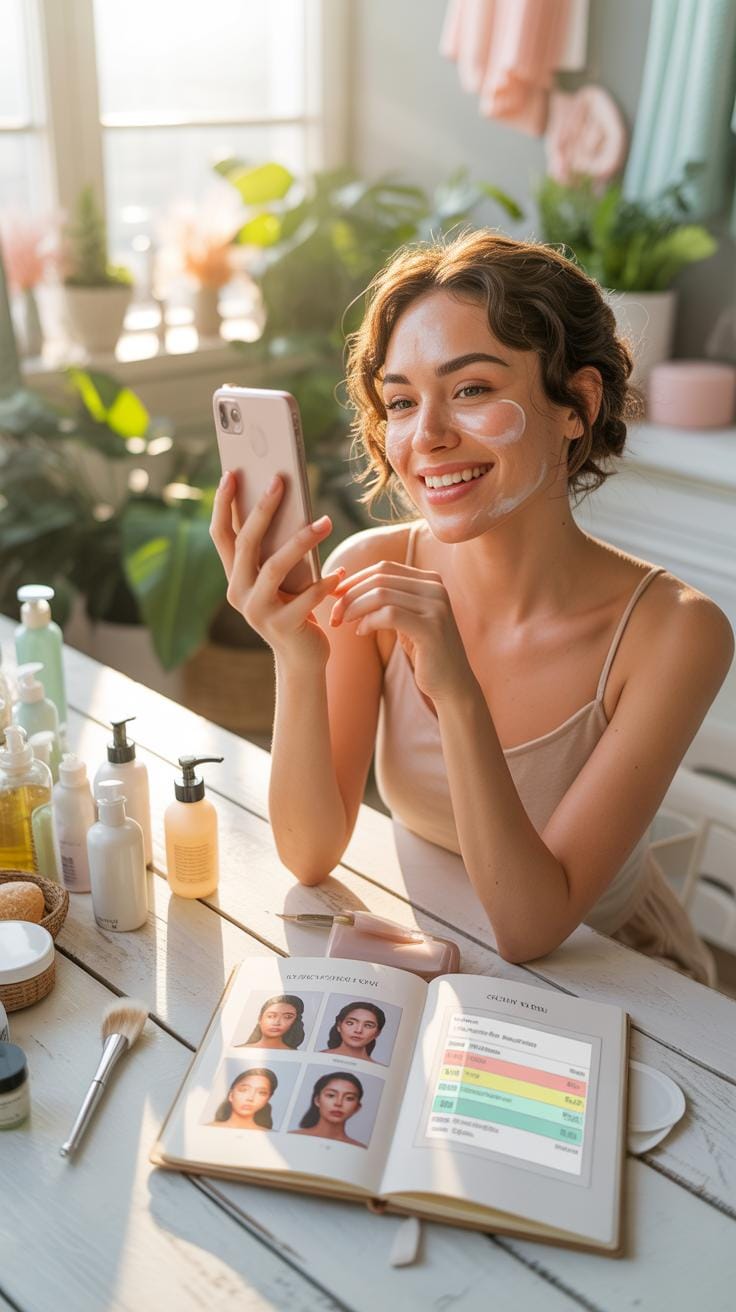
Watching your skin change can be surprisingly rewarding—but only if you know what to look for and how to keep track. A simple way to start is by taking regular photos under consistent lighting. Try to snap pictures at the same time of day and from the same angle. This helps you spot subtle changes, like reduced redness or a more even tone, that you might miss otherwise. Don’t expect overnight results; sometimes, the smallest improvements show up after weeks.
Aside from photos, tune into how your skin feels and looks. Do you notice it’s softer to the touch? Are dry patches shrinking or disappearing? Maybe your skin catches the light differently, appearing brighter than before. These signs matter more than you think—and they’re things you can sense without any tools.
Try checking your skin’s texture with your fingertips. Roughness, bumps, or unevenness often fade as your routine works. The changes might be subtle, but that’s okay. Keep an eye out for consistency rather than perfection. Sometimes, your skin surprises you in ways you didn’t expect.
Examples Of Successful Skin Routines
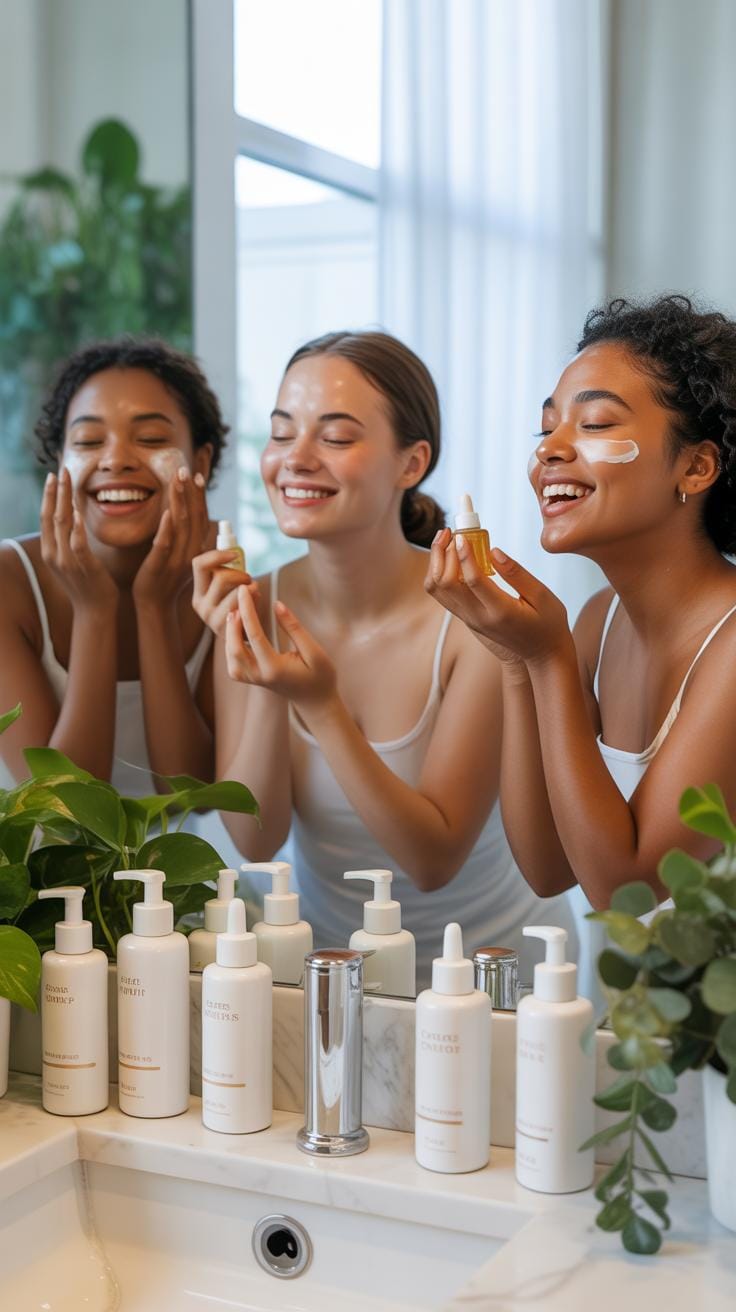
Case Example One: Routine Details
Let’s look at Sarah’s morning and evening skincare routine that brought her noticeable glow. In the morning, she starts with a gentle cleanser, then applies a lightweight vitamin C serum. After letting it absorb for a few minutes—sometimes she’s impatient—she follows with a hydrating moisturizer and a broad-spectrum SPF 30 sunscreen. This combination keeps her skin protected and bright throughout the day.
Evenings are a bit different. She removes makeup with micellar water before cleansing again. She uses a retinol serum a few nights a week, then a richer moisturizer to restore moisture overnight. Though the routine sounds simple, consistency was her real challenge, but it paid off. Her skin looked fresher and gradually gained that natural luminosity. Would such a routine suit your lifestyle, or does it seem too time-consuming?
Case Example Two: Using Natural Care
Then there’s Mark, who leaned into natural ingredients and diet changes. He avoided commercial products with many synthetic chemicals and instead chose minimal, plant-based skincare—aloe vera gel, honey masks, and jojoba oil for hydration. His daily practice included applying aloe vera after showering and using honey masks twice a week.
Mark also focused on what he ate: lots of leafy greens, nuts, and antioxidant-rich berries, believing the glow starts from within. His skin texture improved, and he noticed a subtle sheen over months. It’s interesting—sometimes food changes and simple products feel more effective than fancy creams, right? Though his approach was slower, it felt less stressful and more natural for him.
When To Seek Professional Help

Sometimes, no matter how careful you are with your skincare routine, your body’s skin throws a signal that something’s off. If you notice persistent acne that just won’t clear up after weeks or months, that’s a clear sign to check in with a professional. It might feel like you can handle minor irritation or occasional breakouts yourself, but when redness, itching, or discomfort sticks around, it’s worth reconsidering.
Other times, you might spot unusual changes in your skin’s texture or color—like rough patches, sudden dark spots, or raised areas that don’t fade. These shifts shouldn’t be ignored. It’s tricky because, at first, you might brush them off as normal fluctuations, but if they linger, a dermatologist needs to take a look.
In essence, if your skin acts unpredictably or seems stuck in a problematic phase rather than improving, professional help is probably necessary. It’s not always black and white, and sometimes you hesitate—wondering if a quick fix at home will do. But persistent or unusual conditions usually require expert oversight to avoid worsening or scarring.
Signs Your Skin Needs Expert Care
Knowing when to see a dermatologist isn’t always straightforward, but here are some signs that should prompt you to book an appointment:
- Acne that doesn’t respond to over-the-counter treatments and lasts beyond a few months.
- Skin irritation that causes ongoing redness, swelling, or discomfort.
- Unexplained rashes or patches that are dry, flaky, or bleed.
- Rapid changes in size, shape, or color of moles or spots on your skin.
- Persistent itching that disrupts your sleep or daily comfort.
- Scarring or hyperpigmentation developing after skin injuries or breakouts.
Thinking about these signs might feel a bit daunting. You might wonder if it’s just normal aging or stress affecting your skin. Sometimes, the difference between something minor and something that needs treatment isn’t obvious. When in doubt, getting a professional opinion can save you from unnecessary worry—or worse, untreated issues.
How Professionals Can Support Glow
Dermatologists and skin care experts aren’t just for crises—they can guide you toward a better glow safely. They assess your skin’s unique needs and recommend treatments that work beyond the surface. For example, they might suggest a tailored chemical peel or light therapy that you wouldn’t try at home.
They also provide advice on the right products for your skin type and specific concerns. Sometimes, I think that’s the most valuable part—not just addressing visible problems but preventing them. And if your skin reacts unpredictably to something, a pro can adjust your regimen before damage sets in.
In many cases, their treatments encourage cell renewal, even out tone, and reduce inflammation, improving radiance naturally. So, if you feel stuck or unsure, reaching out to a specialist can offer guidance that keeps your skin glowing without risking irritation or harm.
Conclusions
Consistent skin care habits and the right products make glowing body skin achievable. Drinking water, healthy eating, daily cleansing, and moisturizing are small actions with big impact. Avoiding harsh chemicals and picking products suited to your skin type help keep your skin balanced and radiant.
Review your routine periodically and stay patient. Skin health improves gradually but steadily when you address the basics. Your glowing skin story comes from your daily commitment to care and protection.