
Introduction
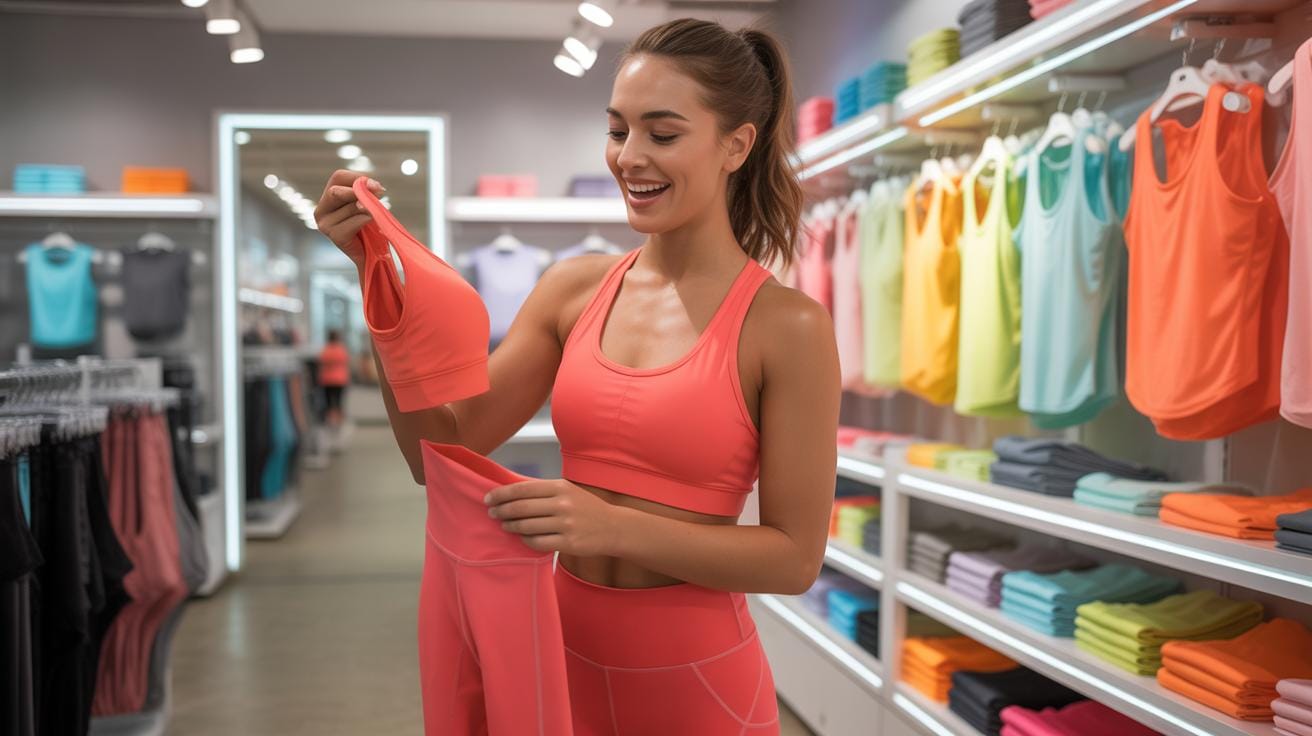
Choosing the right workout outfit essentials plays a big role in creating stylish fitness wear outfits. Your choice affects motivation, comfort, and performance during workouts. This article focuses on how to pick the essential pieces for your fitness wardrobe that keep you looking good and feeling great.
We will cover what materials work best, important outfit features, and tips to combine style with practicality. Whether you exercise at home, gym, or outdoors, the right outfit can make workouts more enjoyable and effective. Let’s start by looking at how to select the essentials for stylish fitness wear outfits.
Selecting Fitness Wear Essentials
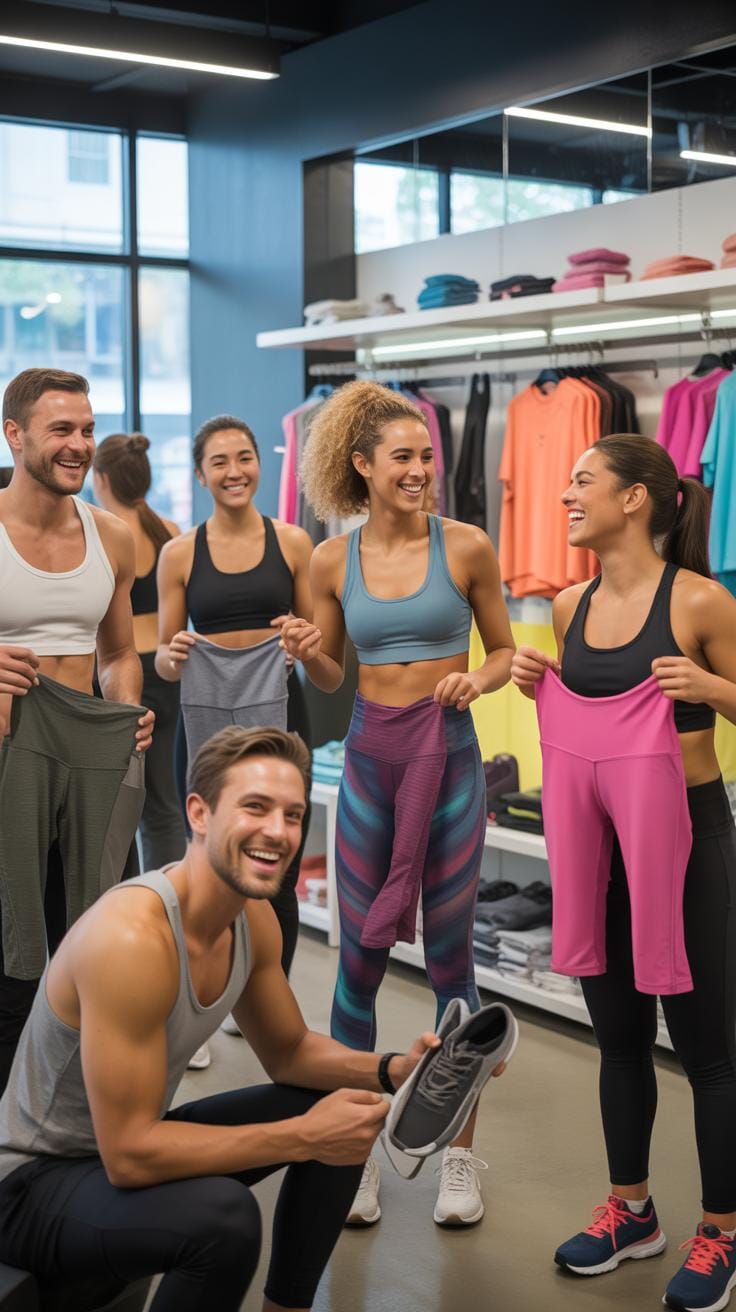
When putting together fitness wear outfits, the essentials really form the foundation of your look and function. Ideally, you start with comfortable, moisture-managing tops like fitted t-shirts, tank tops, or long-sleeve option for cooler days. These pieces should support airflow and allow movement without feeling restrictive.
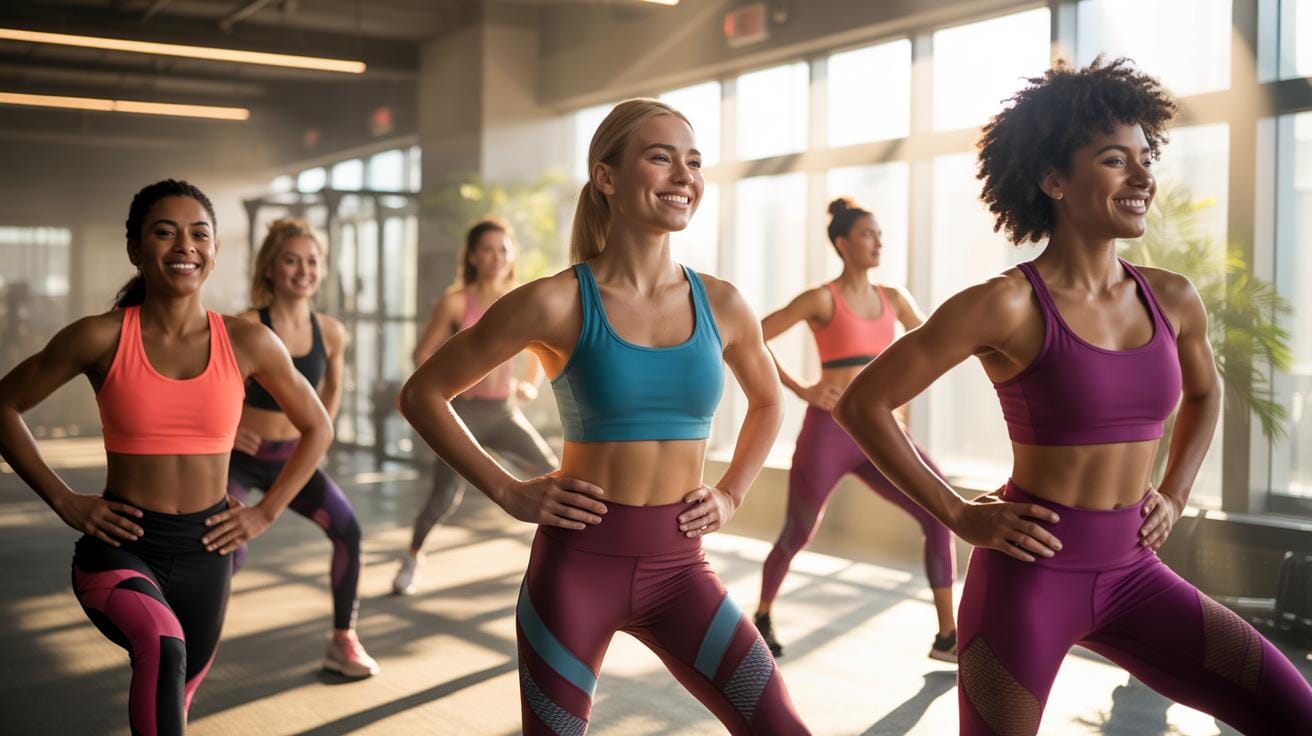
On the bottom, leggings or shorts are typical staples. Leggings, especially high-waisted ones, offer that sleek silhouette and support. Shorts might appeal more if you prefer freedom in your legs or are in warmer environments. Both should have a stretchy, soft feel and stay put during activities.
Accessories complete the outfit. A good sports bra deserves mention for support and comfort. Socks designed for exercise, maybe a light jacket or hoodie for layering, and sometimes a headband or cap to manage sweat round out the list.
These components combined can help you create stylish yet practical looks. It might feel a bit trial-and-error initially, but once you identify what fits and feels good, your confidence tends to grow naturally.
Material Choices For Workout Comfort

When it comes to fabrics, the right choice can make all the difference in your workout experience. Materials like cotton blends, moisture-wicking polyester, and spandex are popular for good reasons. Cotton blends often provide softness and breathability, though pure cotton tends to soak up sweat rather than wick it away.
Moisture-wicking polyester steps in here, pulling sweat from the skin to the fabric surface where it evaporates, keeping you dry. This is particularly helpful in high-intensity workouts where managing sweat is crucial. Then there’s spandex, prized primarily for stretch and fit, letting you move freely without restrictions.
Some fabrics balance these features—breathability, stretch, and sweat management—better than others. It’s not uncommon to find workout wear combining them to maximize comfort. If you’ve ever worn something that clung uncomfortably or felt heavy with sweat, you know how essential fabric choice is.
Key Features To Look For In Fitness Wear
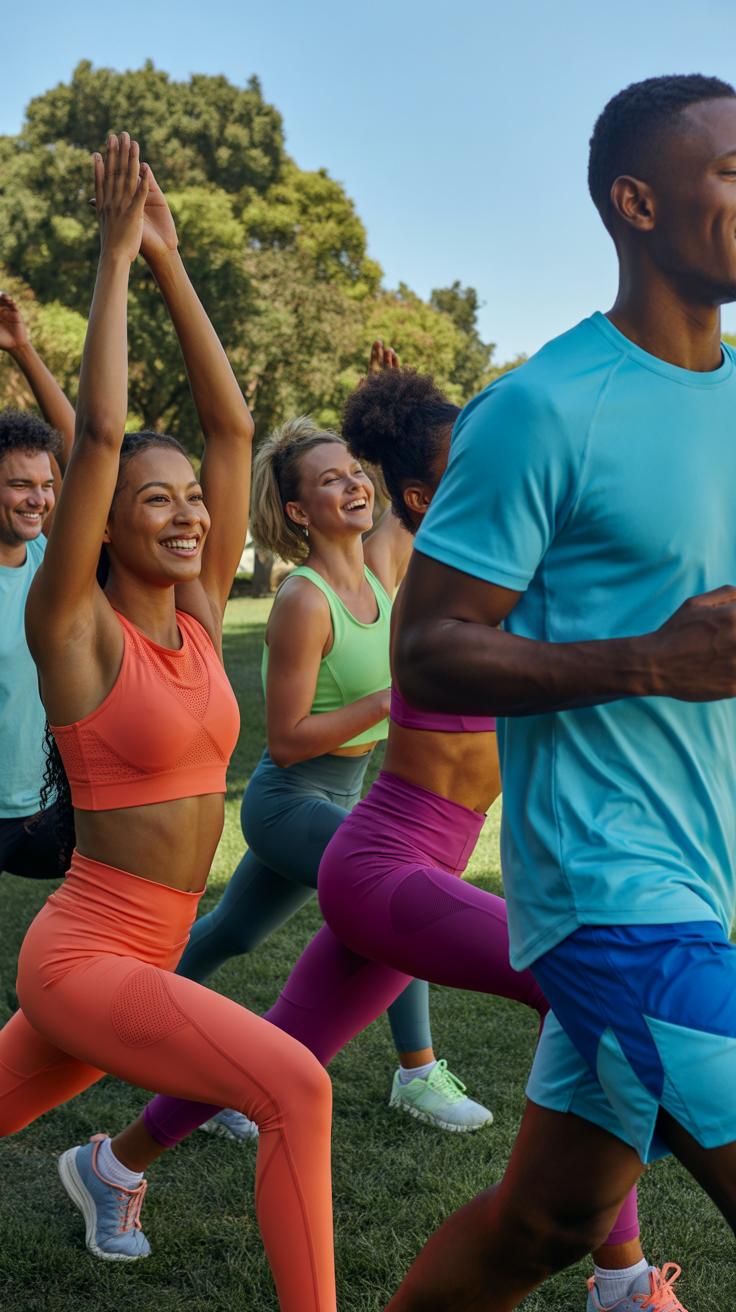
Picking fitness wear means paying attention to details beyond surface style. Fit is paramount — if clothes are too loose or tight, they’ll distract or even hinder your movements. You probably want pieces tailored to your activity; running requires different support than yoga or weight training.
Durability matters too. Quality seams withstand repeated stretching and washing without fraying or tearing, which translates to longer-lasting garments. Look for flat or reinforced seams to avoid irritation during vigorous exercise.
Support is especially crucial in certain pieces, like sports bras or leggings. A good sports bra minimizes bounce and discomfort, influencing how focused and comfortable you feel. Similarly, leggings with built-in support can aid muscle engagement and improve performance. These features all shape how your outfit performs under pressure, ultimately affecting your workout results.
Combining Style And Function
When picking out your fitness wear outfits, it’s a bit of a balancing act between looking good and feeling good while you move. You want your clothes to perform—breathable fabrics, stretch where you need it, and moisture-wicking properties—but also to speak to your personal style. Have you ever noticed how some patterns or prints seem more suited for casual wear than working out? That’s the tricky part. For example, pairing a bold patterned top with solid, neutral leggings can bring out the best of both worlds: style without overwhelming functionality.
Colors, patterns, and layers should work together, but sometimes less is more. A brightly colored tank with neutral bottoms works well for high-energy settings; but if you’re moving between yoga and errands, throw on a patterned hoodie or jacket that complements those basics. It’s also useful to think about how layering can not only add style but actually serve a purpose in your workout, especially if you’re transitioning through different temperatures or activities. Combining pieces thoughtfully ensures you look put-together without sacrificing comfort or practical needs.
Color Choices That Work For Fitness Wear
Choosing the right colors for fitness wear is more than just what looks trendy. You might wonder if neutral shades like grey, black, or navy might make you blend in too much or if bright colors will help keep you motivated or visible. Neutrals can be the backbone of a versatile wardrobe; they don’t clash, and it’s easy to mix and match them for different looks. On the flip side, bright colors might boost your mood or make you stand out, but they can also be harder to coordinate if you have a wardrobe full of them.
Matching colors involves more than exact hue matching. Sometimes pairing complementary or analogous colors creates an unexpected harmony—like a soft pink with a deep olive, or electric blue with charcoal. These combinations can feel fresh without screaming for attention, and they often balance the aesthetic with practicality. Think about your personality here, too. Are you someone who feels energized in bold colors or more at ease in toned-down shades? Your fitness wear should reflect that.
Layering Techniques For Different Weather
Layering is not just about piling on clothes; it’s about adapting your outfit to changing conditions. Indoor gyms might be warm with controlled temperatures, pushing you toward lighter layers like breathable tanks and shorts. Outdoor workouts require more strategy—think about how weather can shift from chilly mornings to warmer afternoons or unexpected rain.
Start with a moisture-wicking tank or tee as your base layer. Over that, add leggings or shorts depending on temperature, and top it with a lightweight jacket or zip-up hoodie. You might include a layer that’s easy to remove, like a long-sleeve shirt or a windbreaker, so you don’t overheat. On colder days, consider thermal leggings paired with a visible, bright outer layer for safety if running outside. Layering lets you stay comfortable without compromising your style or movement. What’s your go-to layering piece that you never skip?
What Outfit Components Support Performance
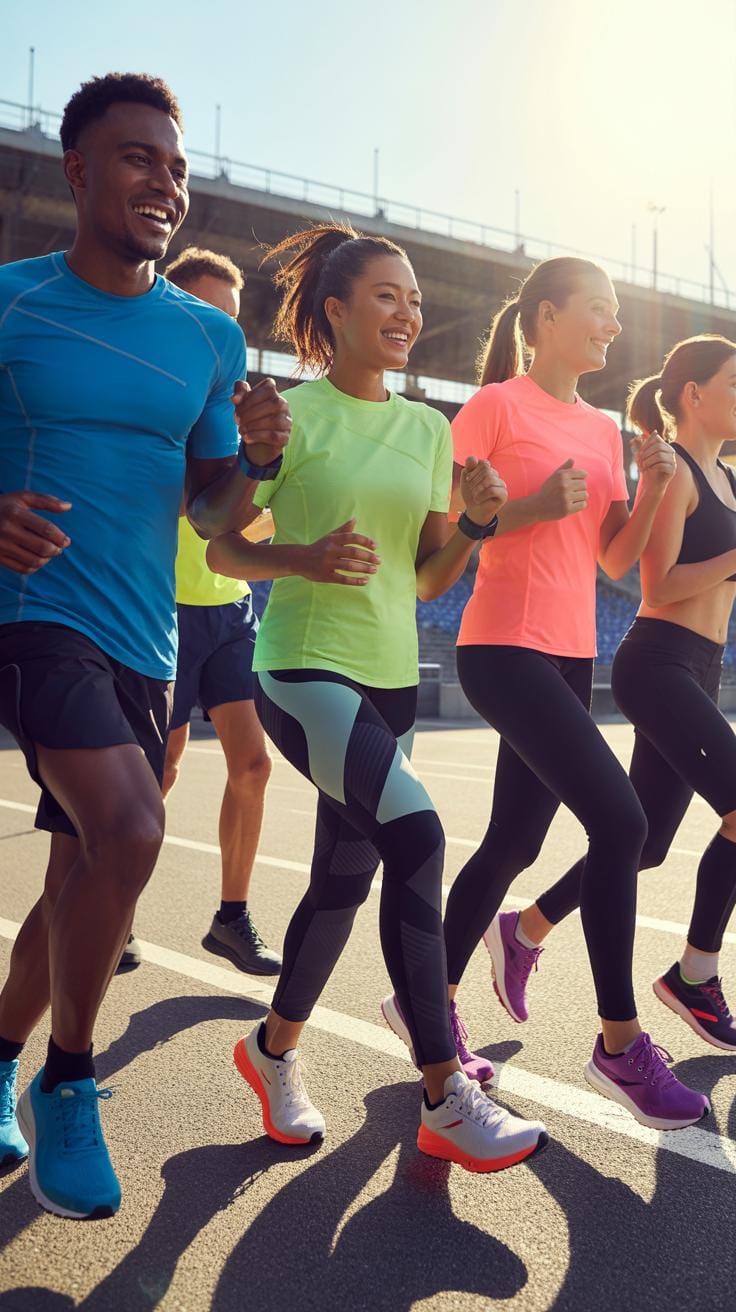
When it comes to boosting workout performance, certain fitness outfit elements play a more significant role than others. Supportive sports bras, compression leggings, and the right footwear form the backbone of an effective fitness wardrobe. These pieces don’t just look good—they enhance your movement, reduce discomfort, and sometimes even speed up recovery after strenuous exercise.
Choosing Supportive Sports Bras
Sports bras are essential, but their importance shifts with workout intensity. For low-impact activities like yoga or walking, a light support bra might suffice. But during high-impact exercises like running or HIIT, you really want something firm that limits breast movement to avoid discomfort or injury.
Sports bras fall into two main categories: compression and encapsulation. Compression bras press the breasts close to the chest, restricting bounce, while encapsulation bras separate and support each breast individually. Some women find one more comfortable than the other depending on their shape and size. If you’re unsure, consider the amount of support needed and try on a few styles to see what feels best.
Compression Wear Benefits For Recovery
Compression leggings and tops do more than just hug your muscles—they aid in muscle support and recovery by improving blood flow and reducing muscle vibration. If you’ve ever worn compression wear during or after a tough workout, you might have noticed less soreness the next day.
These garments come in handy especially after long runs, intense weight training sessions, or whenever your muscles feel fatigued. They’re also helpful if you’re spending a lot of time standing or moving between workouts, as the improved circulation can reduce swelling and stiffness. While not a magic fix, compression wear can be a practical tool for managing muscle health.
Workout Outfits For Different Activities
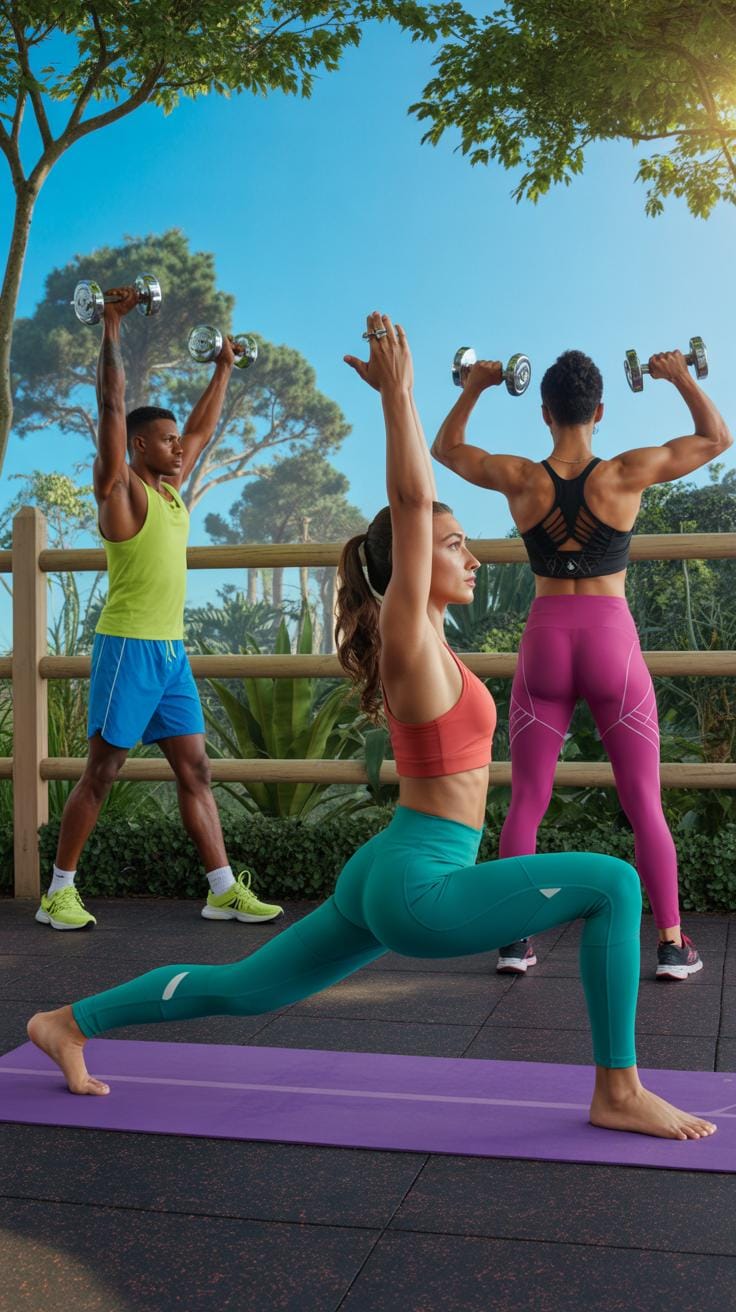
Workout outfits really aren’t one-size-fits-all, and the type of fitness activity you choose makes a big difference in what you should wear. For example, running demands gear that can keep up with your movement and changing weather. Breathability is key here—you want fabrics that wick away sweat quickly to keep you dry and comfortable. Also, runners should consider reflective elements to stay safe when out in low light. And don’t forget the shoes; proper running shoes that provide good cushioning and support can prevent injuries.
Yoga, on the other hand, is almost the opposite. Comfort and flexibility dominate your wardrobe needs. You’ll want clothing made from stretchy materials that move with you, not against you. Think soft leggings and tops that won’t restrict your poses or breath. I remember feeling awkward in stiff workout pants that didn’t stretch during yoga—trust me, you want the freedom of movement.
Weightlifting or strength training? Here, durability and fit matter. Clothes that are a bit snug but allow for muscle movement and won’t get caught in equipment are ideal. Materials that can withstand sweat but aren’t too heavy help keep you focused on lifting, not adjusting.
It’s interesting; sometimes, you might find an outfit that crosses these boundaries—stretchy for yoga but also breathable enough for running—but generally, tailoring your outfit to your activity can improve comfort and performance. What’s your workout? Could your outfit be holding you back?
Running Outfit Essentials
For running, the essentials center around breathability and safety:
- Breathable fabrics: Polymers like polyester blends that wick sweat away
- Reflective details: Strips or logos to increase visibility in the dark
- Proper footwear: Shoes designed specifically for running, focused on cushioning, arch support, and durability
- Light layers: For colder climates, light jackets or windbreakers that don’t trap heat
Choosing these carefully can make a big difference on your runs. I’ve found that having reflective gear during early morning jogs really adds peace of mind—it’s something I overlooked before.
Yoga Attire Tips For Flexibility
Yoga attire is all about unrestricted movement and comfort:
- Stretchy fabrics: Materials like spandex blends that flex with your motion
- Soft, breathable textiles: Cotton blends that feel nice against the skin but can also handle sweat
- Snug fit but not tight: Clothes that stay in place during poses without squeezing or digging into the skin
- Minimal seams: To avoid irritation during floor work or stretches
Yoga outfits might be simpler but are very specific in purpose. Somehow, trying to do a sun salutation felt awkward in baggy gym shorts—I’m guessing you know what I mean. Having the right clothing truly supports the practice and helps maintain focus.
Checklist For Building Fitness Wear Outfits
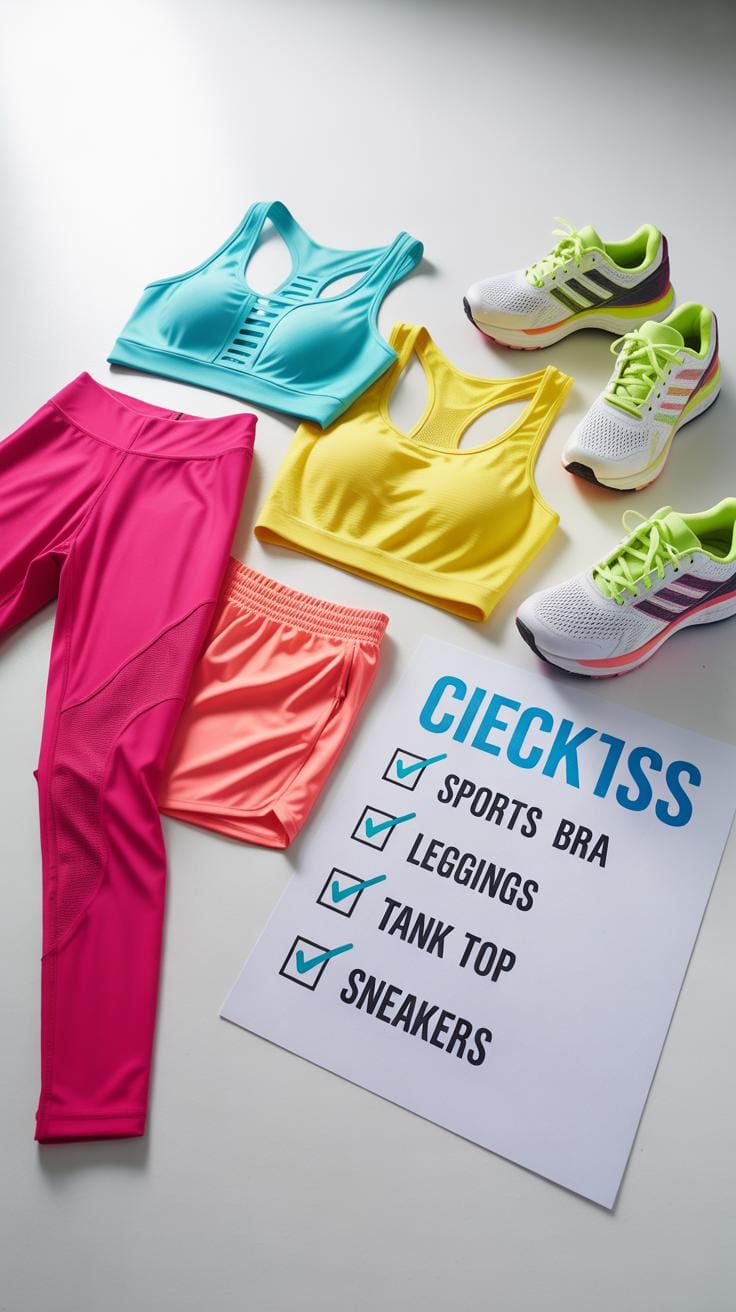
When putting together your workout outfit, it’s helpful to have a practical checklist in mind. First, think about fabric — moisture-wicking materials like polyester blends or nylon can keep you cooler and more comfortable. Cotton might feel soft but holds sweat longer, so maybe keep that for low-intensity days.
Fit is another biggie. You want clothing that moves with you, not restricts you — but, honestly, preferences vary, and sometimes a looser fit feels better, especially if you’re layering.
Style can be personal, but it also boosts motivation if you feel good in what you wear. Consider pieces that blend both function and a look you like. And then, of course, budget — good gear can be pricey, but there are smart ways to find affordable options without compromising too much on quality.
Here’s a quick checklist to visualize:
- Fabric: Breathable, quick-drying, sweat-wicking
- Fit: Comfortable, flexible for your workout type
- Style: Something you feel confident in
- Budget: Balance price with durability and versatility
Keep this list handy — it might save some guesswork next time you shop or pack for a workout.
Essentials To Include In Your Gym Bag
Packing your gym bag can sometimes feel like a puzzle — what’s really necessary? Clothes wise, definitely bring a fresh top and bottoms if you plan to change after working out. Socks that can handle moisture and good sneakers tailored to your workout are key.
Accessories matter too. A water bottle is non-negotiable for most. Maybe throw in a sweat towel or a cap for outdoor runs. Some find fitness trackers useful, blending tech with practicality — a neat way to monitor progress.
Hygiene can’t be overlooked — deodorant, a small bottle of body wash, and perhaps a hair tie or two if needed. Depending on your gym setup, flip-flops might be handy for showers.
Budgeting For Quality Fitness Wear
Buying workout clothes often leaves you stuck between affordable or high-quality. The trick is to look for pieces that offer durability without the designer price tag. Sometimes, slightly pricier items last longer and perform better, saving money in the long run.
Sales and outlet stores can surprise you with good deals. Off-season shopping is another strategy; winter fitness wear in summer or vice versa. Subscription boxes or second-hand gear are options too, though I admit they’re not for everyone.
Keep an eye on well-reviewed brands known for quality fabrics and construction. This way, you maintain style and function without overspending.
Common Mistakes In Fitness Outfit Selection
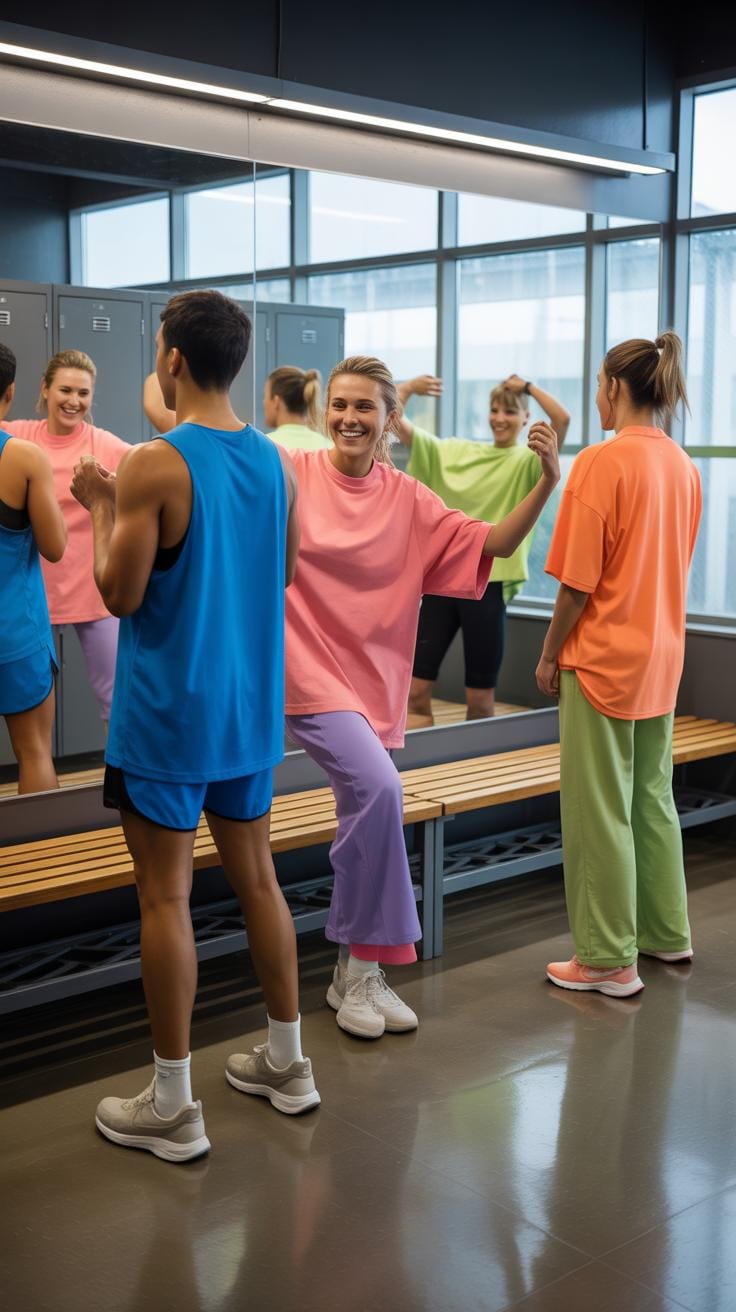
When picking your workout clothes, it’s easy to make some classic mistakes without even realizing it. One of the big missteps I see is choosing the wrong fabric. Fabrics that don’t breathe well or lack stretch can make your session uncomfortable and leave you feeling sticky or restricted. Trust me, wearing cotton during intense exercise might seem natural but it holds sweat instead of wicking it away, which isn’t fun for anyone.
Another issue is ignoring fit and support. Wearing clothes that are too tight can cut off movement or cause chafing, while baggy gear might get in the way or rub uncomfortably. This can also increase injury risks, especially if your sports bra or shoes don’t provide enough support for your activity. It’s a bit of a balancing act, really, trying to find that sweet spot where clothes feel secure but not suffocating.
To avoid these pitfalls, choosing breathable, stretchy fabrics like moisture-wicking polyester blends can help you stay dry and comfortable. Also, take the time to try on different fits and notice how they feel during movement. What feels okay standing still might feel different once you start jogging or stretching. Don’t hesitate to invest in quality pieces that offer good support where you need it.
Have you noticed that sometimes the most expensive outfit isn’t the comfiest? That’s the awkward truth — price doesn’t always equal fit or function. So next time you shop, consider these factors carefully to keep your workout enjoyable and safe.
Comparing Fitness Wear Brands And Prices
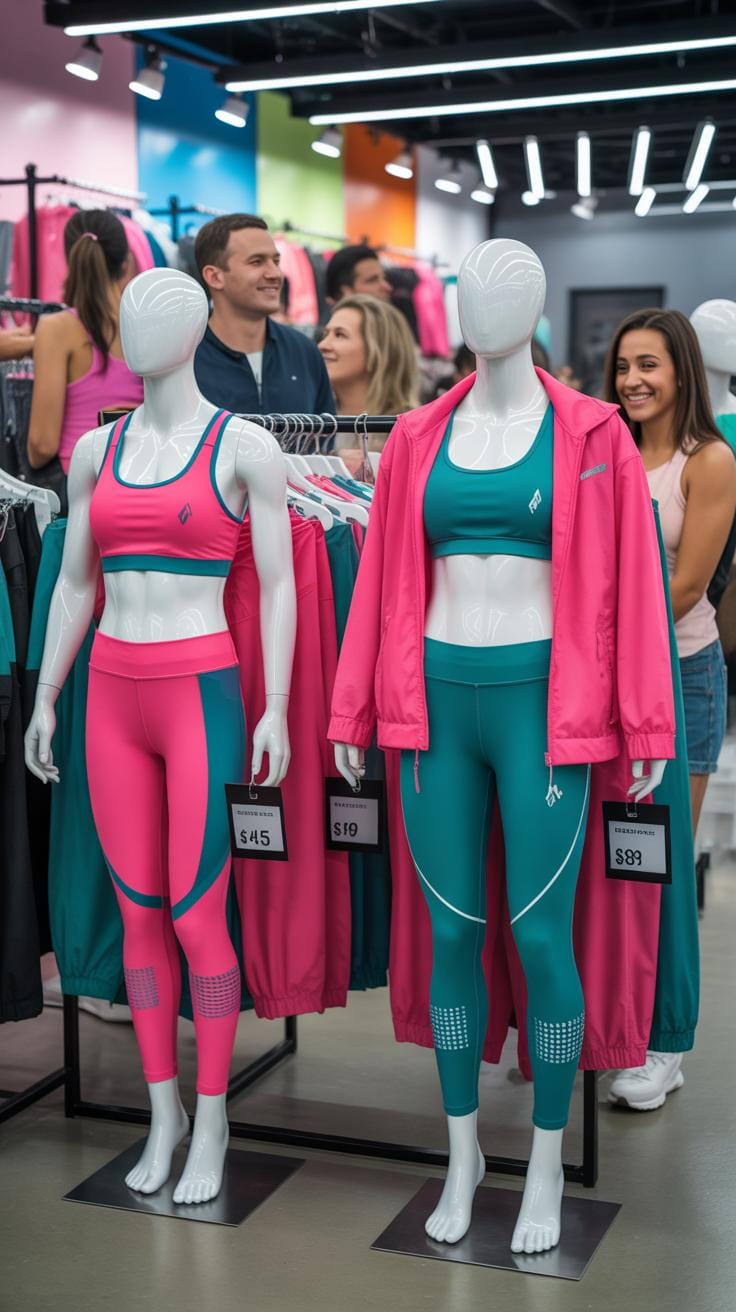
Fitness wear outfits come in many forms, each designed to meet different workout demands and style preferences. When choosing your fitness outfit, it’s not just about the look, but also how it performs during your routines. From moisture-wicking fabrics that keep you dry during intense sessions to flexible materials that move with your body, each piece serves a functional purpose.
Brands differ widely in their approach. High-end options like Lululemon and Nike offer sophisticated designs and innovative materials, but they come at a steeper price. On the flip side, brands such as Old Navy and Target’s activewear provide solid basics without breaking the bank, though the durability and style might not stand out as much.
Shopping locations also matter—while flagship stores give you the full brand experience, online platforms offer convenience and a wider range. Specialty retailers sometimes carry unique or niche brands that blend performance with trendier looks. Outlet stores might score you deals but with limited sizes or styles.
Ultimately, deciding which brand or store fits your fitness wardrobe requires balancing price, quality, and style preferences. Think about what you need most—durability, fashion, comfort? Trying different brands might reveal surprising favorites you wouldn’t have considered at first glance.
Examples Of Stylish Fitness Wear Outfits
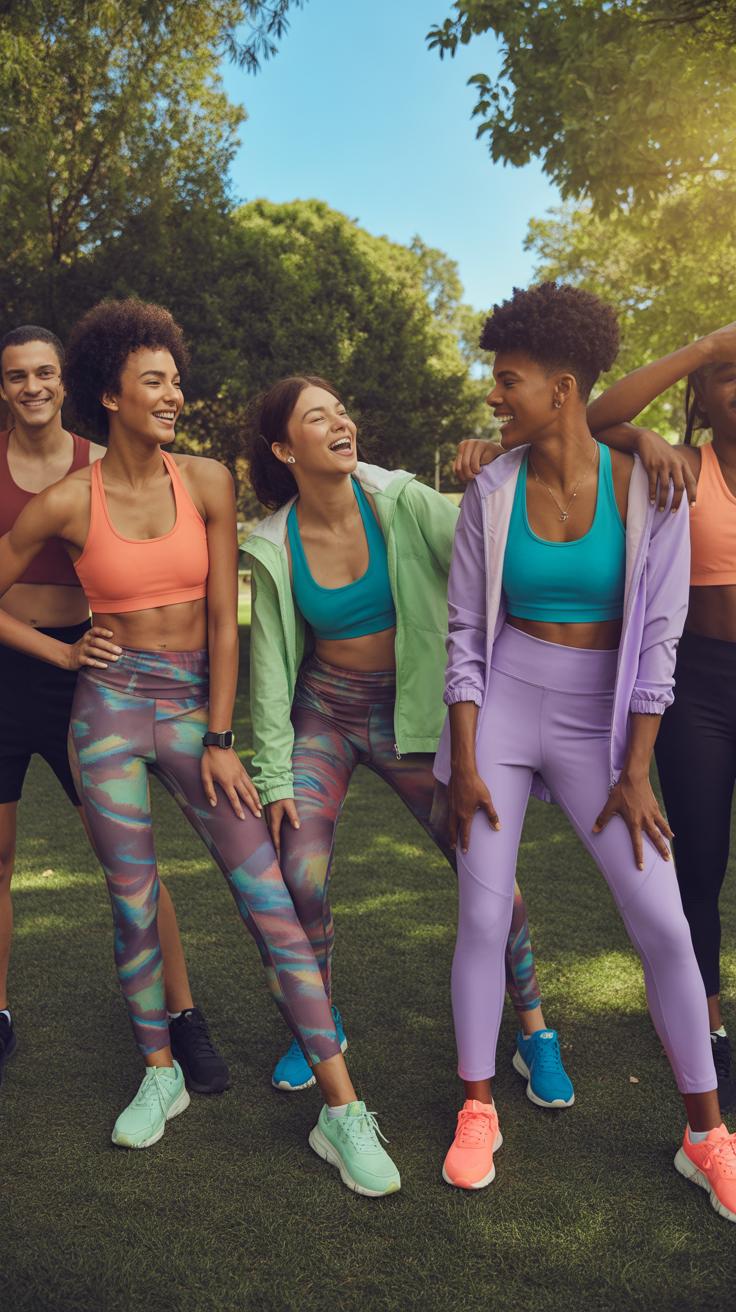
When thinking about fitness wear, combining practicality with style can be a bit tricky. But it’s not impossible—actually, it’s quite fun once you get the hang of it. For example, a classic outfit might include moisture-wicking leggings paired with a breathable, fitted tank top. This combo keeps you cool while allowing full range of motion during workouts like yoga or pilates. Throw on a lightweight zip-up jacket for those cooler gym sessions.
Another practical yet stylish option is wearing high-waisted, compression shorts with a loose, cropped tee—perfect for intense cardio or weight training. Footwear matters too; a pair of sleek, supportive sneakers can complete the look without sacrificing comfort.
And for those who like layering, a matching sports bra and racerback can add an element of flair beneath your outer layers. The right outfit merges behind-the-scenes performance features with surface-level aesthetics, so you feel confident and comfortable alike.
Gym To Street Fitness Looks
Here’s a question I often ask myself: can I wear this straight from the gym to grab coffee or run errands? These days, “athleisure” wear perfectly bridges that gap. Think about pairing black leggings with an oversized hoodie or a loose sweatshirt and adding crisp, white sneakers. It’s simple but works—your outfit feels deliberate, not thrown together.
Or maybe a sleek, fitted tracksuit with subtle branding that doubles as casualwear. Swap your running shoes for slip-on sneakers or trendy flats, and you’re set to go. Layering with a denim or bomber jacket can also elevate your look for casual meet-ups without causing a major wardrobe change. It’s about versatility and easing the transition.
Seasonal Fitness Outfit Ideas
Fitness wear often has to contend with the weather, which means your stylish choices should shift across seasons. In summer, lightweight, breathable fabrics with moisture-wicking tech are your best friends. A sleeveless top paired with shorts or cropped leggings works well. Don’t forget a cap or visor to keep the sun at bay.
Winter demands something different—thermal leggings, long-sleeve tops with insulating materials, and a windproof jacket. It might feel bulky, but layering thin, technical fabrics can maintain both warmth and style without feeling overwhelmed.
Rainy days? Think waterproof jackets and quick-drying materials. Rubber-soled shoes or water-resistant sneakers prevent slips and discomfort. You might want to coordinate colors and styles carefully here; darker tones often work better, but a pop of bright color can cut through gray skies.
Conclusions
Choosing smart workout outfit essentials helps you build stylish fitness wear outfits that support your exercise routine. Paying attention to fabric, fit, and features ensures your comfort and boosts confidence during workouts. Your outfit can motivate you to stay active and feel good while doing it.
By focusing on quality basics and mixing them well, you can create versatile looks for different workouts and settings. These essentials offer both function and style, making your fitness journey easier and more enjoyable every day.