Introduction
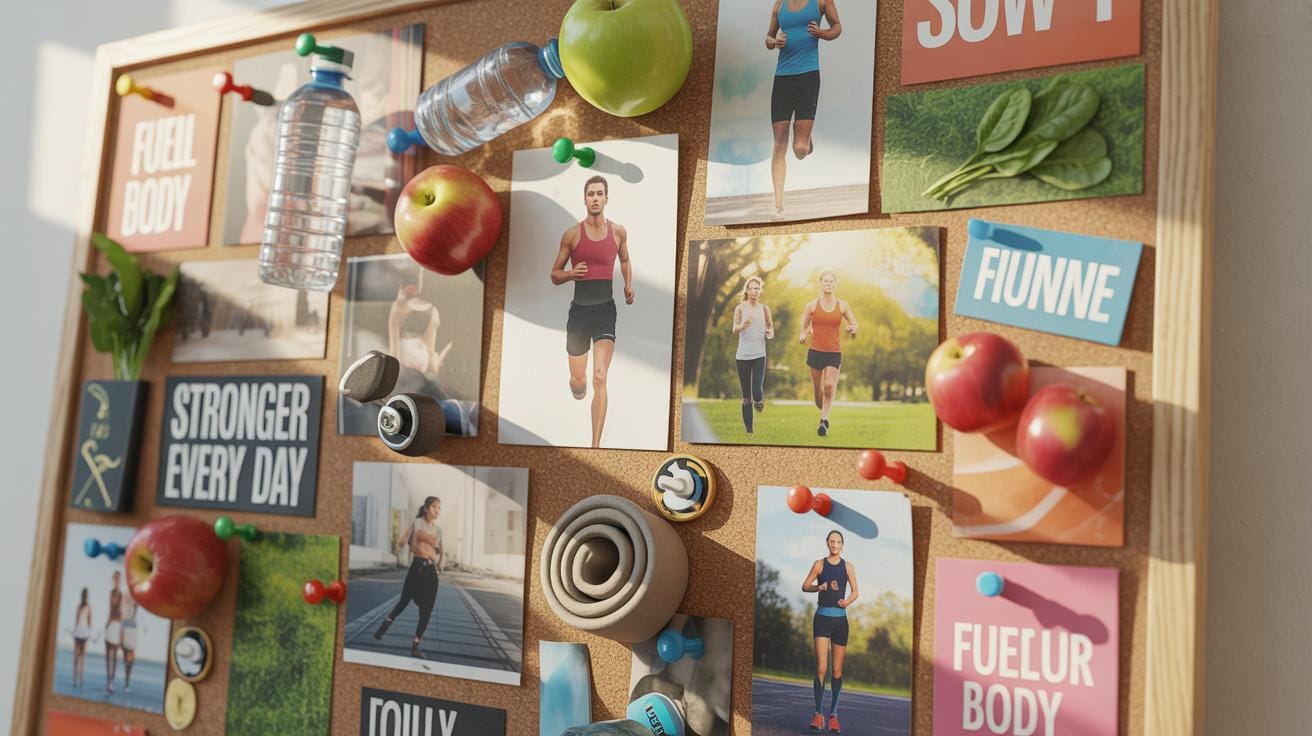
Fitness inspo helps you set clear and motivating goals for your physical health. Using images on a vision board can boost your focus and commitment. Fitness Inspo For Creating Stunning Vision Board Images That Motivate is a simple way to keep your goals visible and exciting every day.
This article explains how to pick the right images and arrange them on your board. You will learn practical steps to make a vision board that keeps your fitness goals top of mind and encourages action. Start your fitness journey with a visual tool that supports your success.
Setting Clear Fitness Goals
Defining Your Fitness Objectives
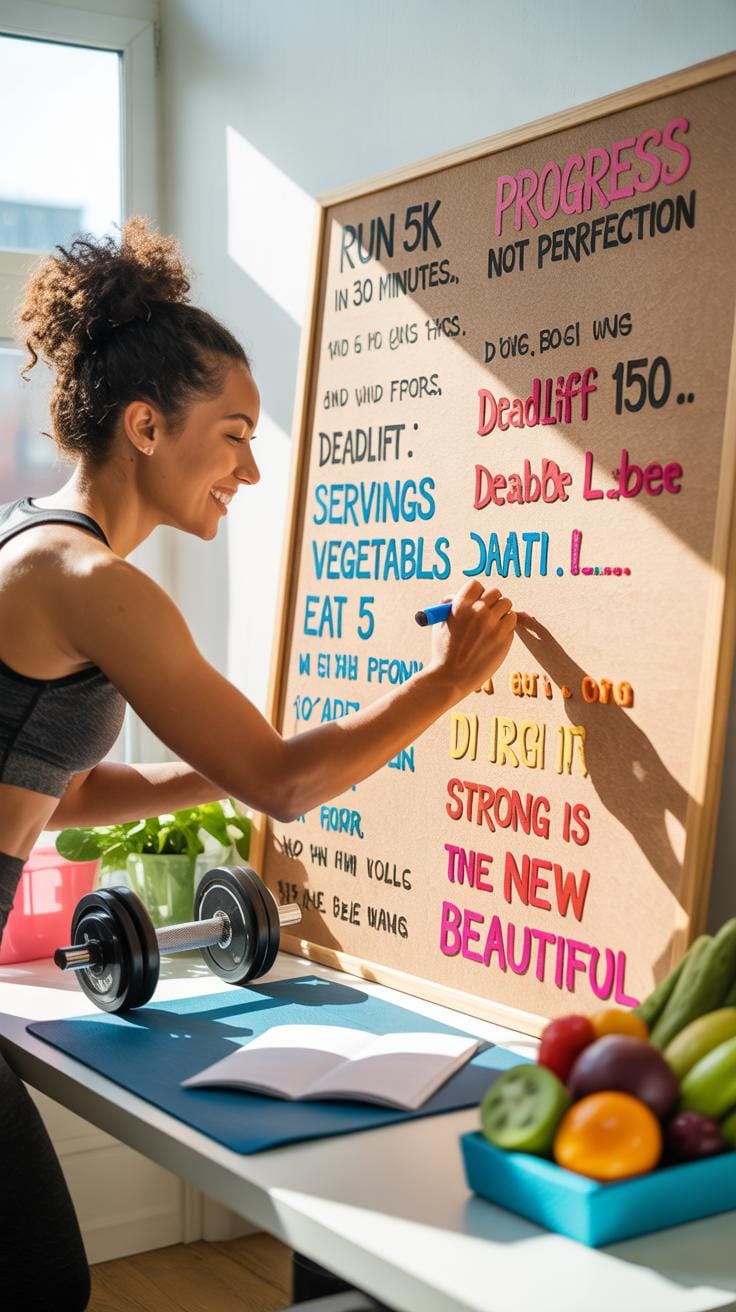
Setting fitness goals might seem straightforward, but making them clear and specific often isn’t. You could say, “I want to get fit,” but what does that really mean? Is it losing weight, gaining muscle, improving endurance? Pinpointing your objectives helps shape your efforts in a focused way.
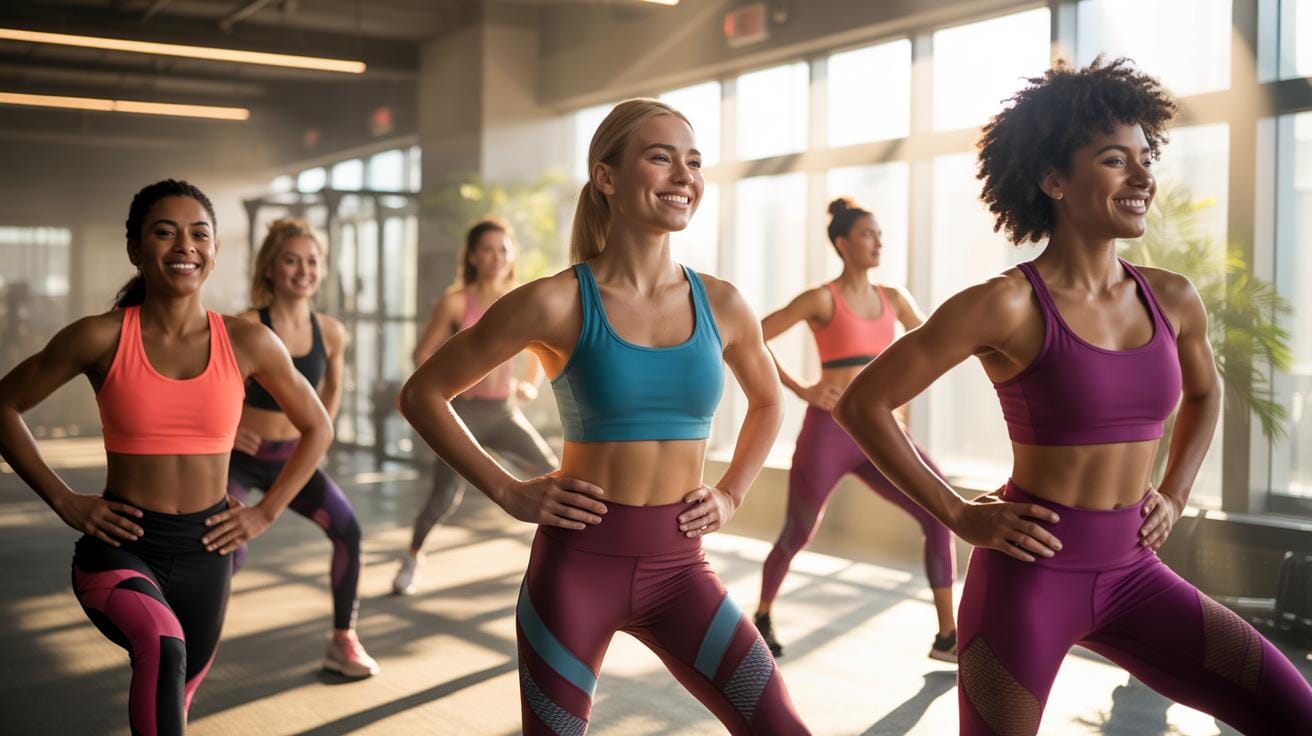
To define personal fitness goals effectively, consider your lifestyle and what you enjoy doing. For some, running a 5K or mastering yoga poses fits well; for others, it might be increasing daily activity or improving flexibility. Common goals include:
- Weight loss — aiming to reduce body fat or a certain number of pounds.
- Strength building — targeting specific muscle groups or overall body strength.
- Endurance enhancement — running longer distances or increasing stamina.
- Flexibility and mobility — improving range of motion to reduce injuries.
Try to balance ambition with realism. Setting goals too high can discourage you; too low can feel unchallenging. It’s a bit of a personal dance—what’s doable but pushes your limits?
Benefits Of Visible Goals
Now, you may wonder—why keep these goals visible on a vision board? Simply put, visibility helps remind you of your commitment. You’ve probably noticed that when you see something regularly, it becomes a part of your daily thinking.
Fitness goals on a vision board can nudge you gently each day, whether it’s a picture symbolizing your target weight or a motivational phrase tied to your endurance goal. This constant seeing can:
- Maintain your focus, especially during tough days.
- Increase your commitment by making goals tangible.
- Provide a sense of progress when you update or change the board.
It’s interesting how the simple act of looking at your goals daily can align your actions a bit more with what you want to achieve. It’s not a miracle, but it certainly tilts the odds in your favor, I think.
Choosing Fitness Inspo Images
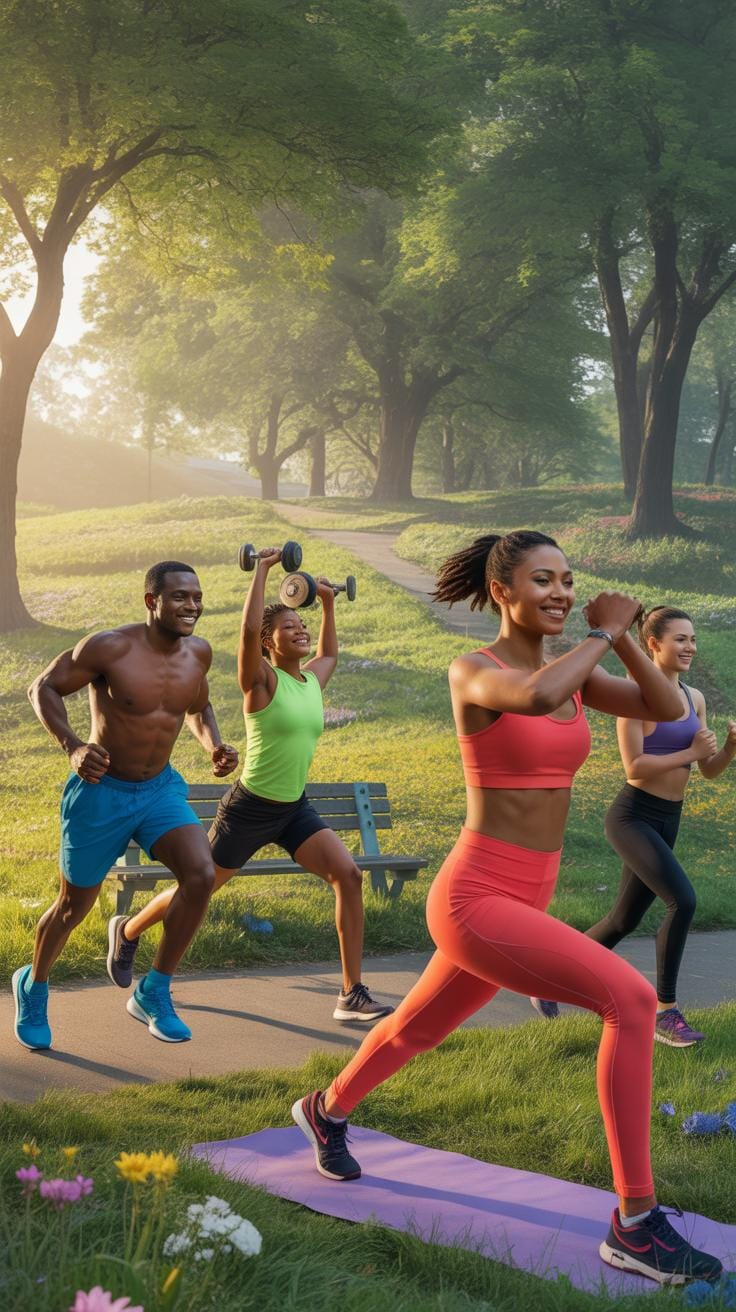
When selecting images for your fitness vision board, authenticity should be your compass. Choose visuals that feel real and resonate deeply with your personal journey. It’s not just about flashy or popular pictures; those might look nice, but they often fail to ignite motivation because they don’t connect with your unique story or goals. Think about moments you’ve experienced or wish to experience—images that bring these to life will speak to you more powerfully.
Look for pictures that capture more than just the aesthetic. Perhaps an athlete mid-action whose determination reminds you of your own drive, or a wholesome meal that inspires the kind of nutrition you want to maintain. Workout gear can represent your readiness to engage, while lifestyle photos evoke the energy and vitality you want to cultivate. These images should reflect outcomes you’re genuinely aiming for, not generic or trendy ideals.
On the flip side, be wary of images that seem too perfect or generic. Overly airbrushed or cliché photos may make your goals feel unattainable or impersonal, which can quickly deflate motivation. Instead, opt for pictures that feel attainable, relatable, and that spark a real emotional response. Your vision board is about connection, not comparison.
Vision Board Layout Tips
Grouping Similar Goals Together
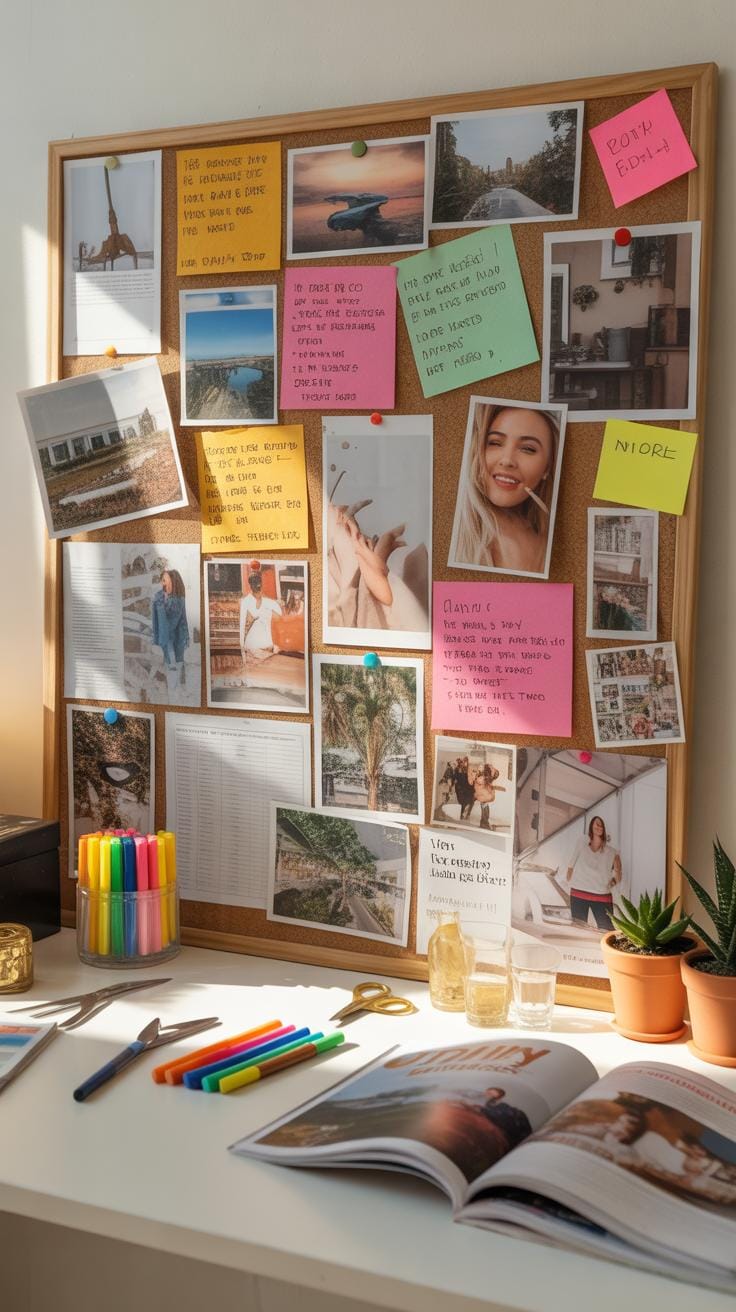
When you’re putting together your fitness vision board, it can really help to group images by themes or focus areas. Think about breaking it down into categories like strength training, endurance, nutrition, and overall wellness. For example, you might cluster pictures of weights, reps, and muscle gains in one corner, and then have a section devoted to healthy meals and hydration reminders. This way, each area of your fitness journey gets its own spotlight, making it easier to stay focused and organized.
Creating A Balanced Board
It’s not just about throwing images where they fit—you want your board to look balanced and visually inviting, right? Balancing pictures with text phrases or motivational quotes can keep the interest alive. Too many images without words might overwhelm, while too much text can feel heavy. It’s a bit like finding the right rhythm. Maybe start with larger images in the center, then scatter smaller phrases around them, or vice versa. The layout should draw your eye naturally, inviting you to return often and stay motivated.
Daily Use And Updates
Interacting with your vision board every day can really shape your mindset, even if it’s just a quick glance while getting ready or a few moments of focus before a workout. This frequent contact keeps your goals alive in your mind, making them feel less distant and, surprisingly, easier to chase. When you see the images regularly, they remind you why you started, reactivating your motivation in subtle ways you might not even notice at first.
Updating the board is another piece of the puzzle. Fitness goals can shift—maybe you once aimed to run a 5K but now dream of lifting heavier weights. When your vision board grows stale, it loses power. Swap out old images for fresh ones that better reflect where you are now. It doesn’t have to be perfect or immediate; even small updates can make a difference in keeping your ambitions relevant.
Incorporating Board Viewing In Routine
Making your vision board part of your daily habits can be simple but crucial. Place it somewhere you will see without even thinking: near your breakfast spot, on your bathroom mirror, or beside your workout gear. You can also make it part of a routine check-in, like before starting your exercise or journaling about your progress.
Reminding yourself to look at the board just after waking up or before bed is a little ritual that can frame your whole day. You might find that it sets a tone for determination or simply keeps your mind clear on what truly matters.
Refreshing Images Regularly
As your goals evolve, so should the images you use. Sticking with the same photos year after year might lead to dullness, slowly sapping the urgency and excitement necessary for motivation. Fresh images can capture new aspirations and stoke your desire to push forward.
Think about revisiting your board every few months. Replace photos that no longer resonate, add snapshots that represent new targets, and sometimes rearrange everything to keep the board visually stimulating. This ongoing refresh helps maintain a sense of progress, making the vision board a living, breathing tool rather than a static decoration.
Tracking Fitness Progress Visually
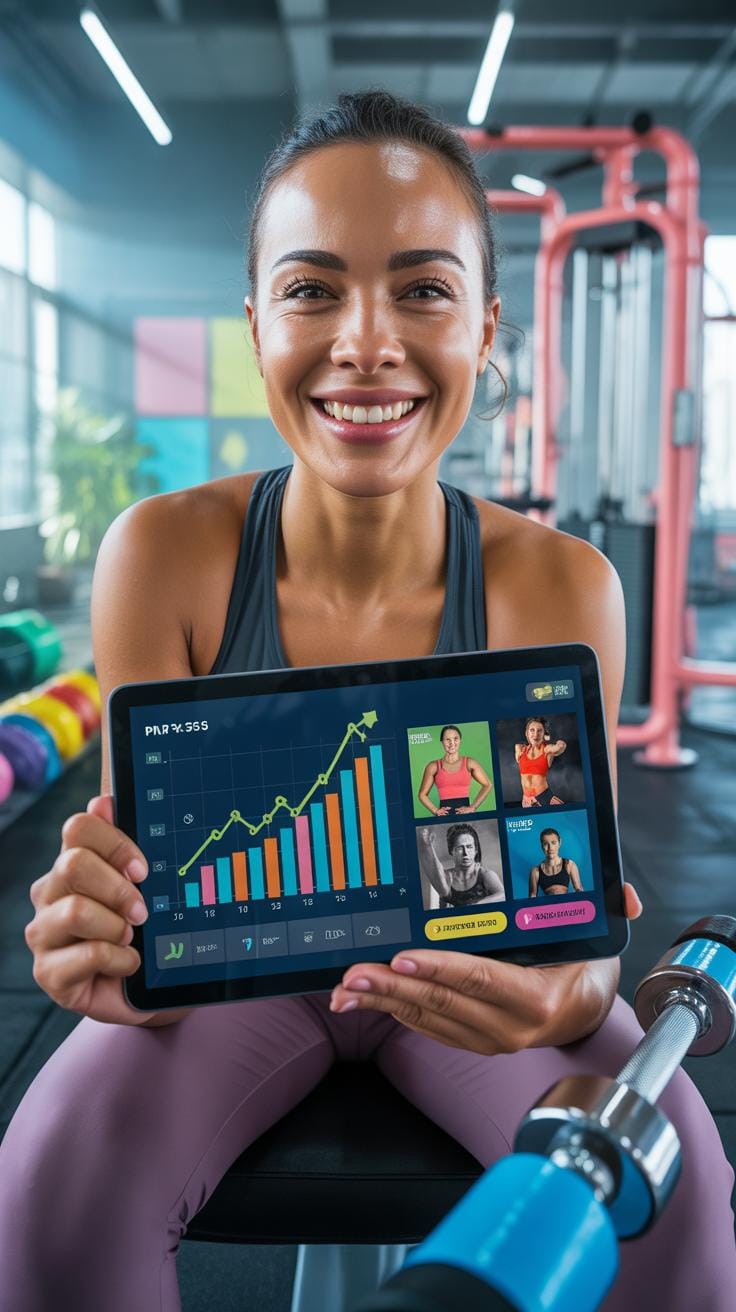
When it comes to keeping your fitness journey alive, adding progress indicators to your vision board can make a real difference. It’s not just about setting goals; it’s about marking your path as you move forward. You might find yourself wanting to celebrate every little win — and why not? These reminders can be simple yet powerful.
Consider putting up charts where you log your workout frequency or weight changes. Stickers can mark days when you hit a personal best, and handwritten notes about how you felt after a run or workout add a personal touch. Even photos documenting your changes can become a source of pride. Imagine flipping through the board and spotting those little markers of success; it’s both motivating and grounding.
Seeing your progress visualized like this helps you keep going on days when motivation dips. It’s a way to say, “Look, you’re making moves,” and that keeps your effort consistent, even if the changes seem slow or small. The process of tracking becomes part of the journey rather than just a reminder of what you haven’t achieved yet.
Selecting Tools And Materials
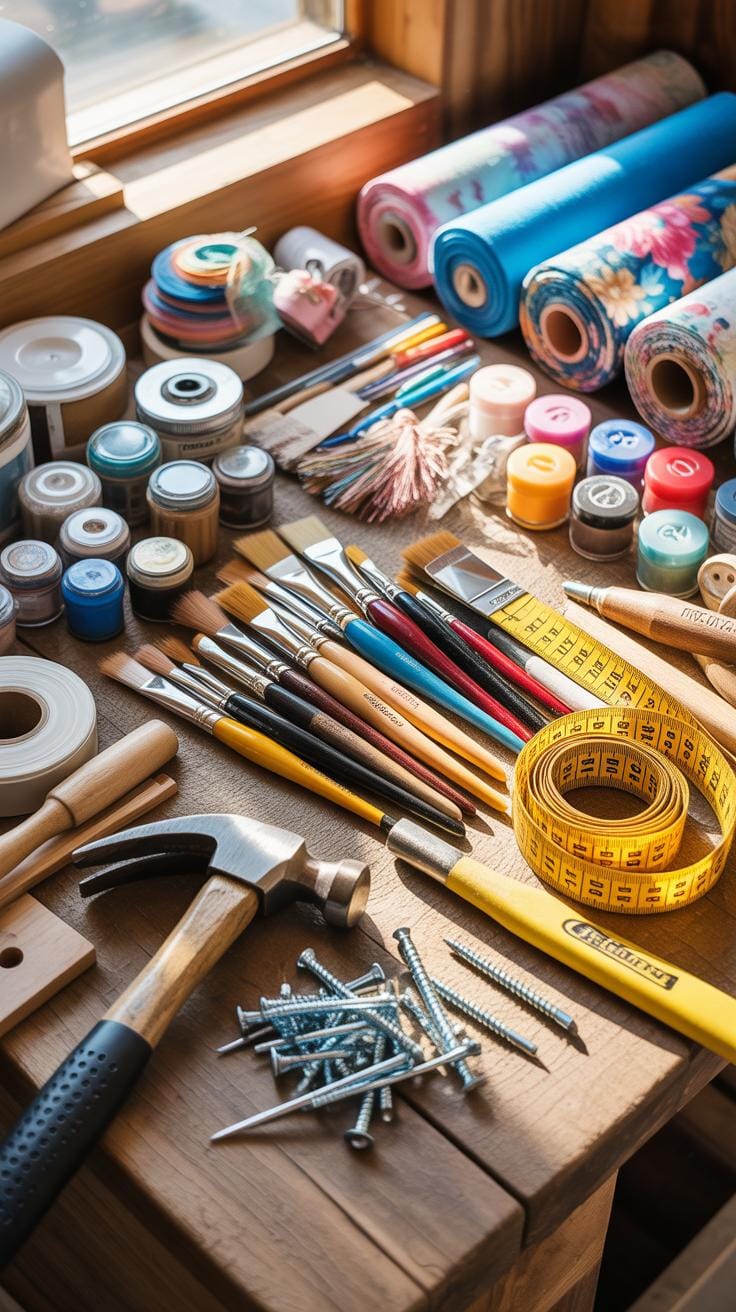
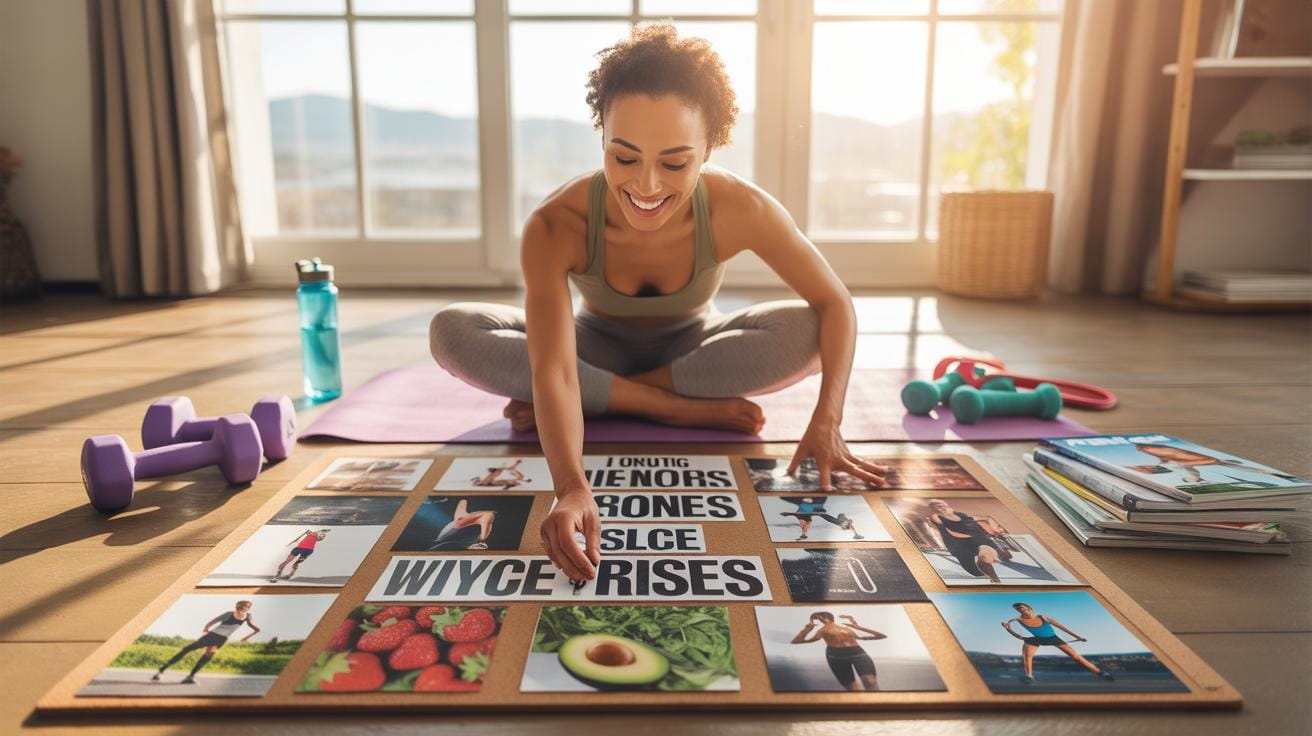
When putting together a vision board for fitness inspiration, deciding on the right tools and materials matters more than you might think. You want your board to last and to feel motivating every time you glance at it. For physical boards, sturdy bases like cork or foam boards hold things in place well. They handle pins, glue, or tape without curling or warping. Magazines are your go-to for images and quotes, but printing your own pictures or motivational phrases can add a personal touch. Scissors, glue sticks, push pins, and markers round out the basics.
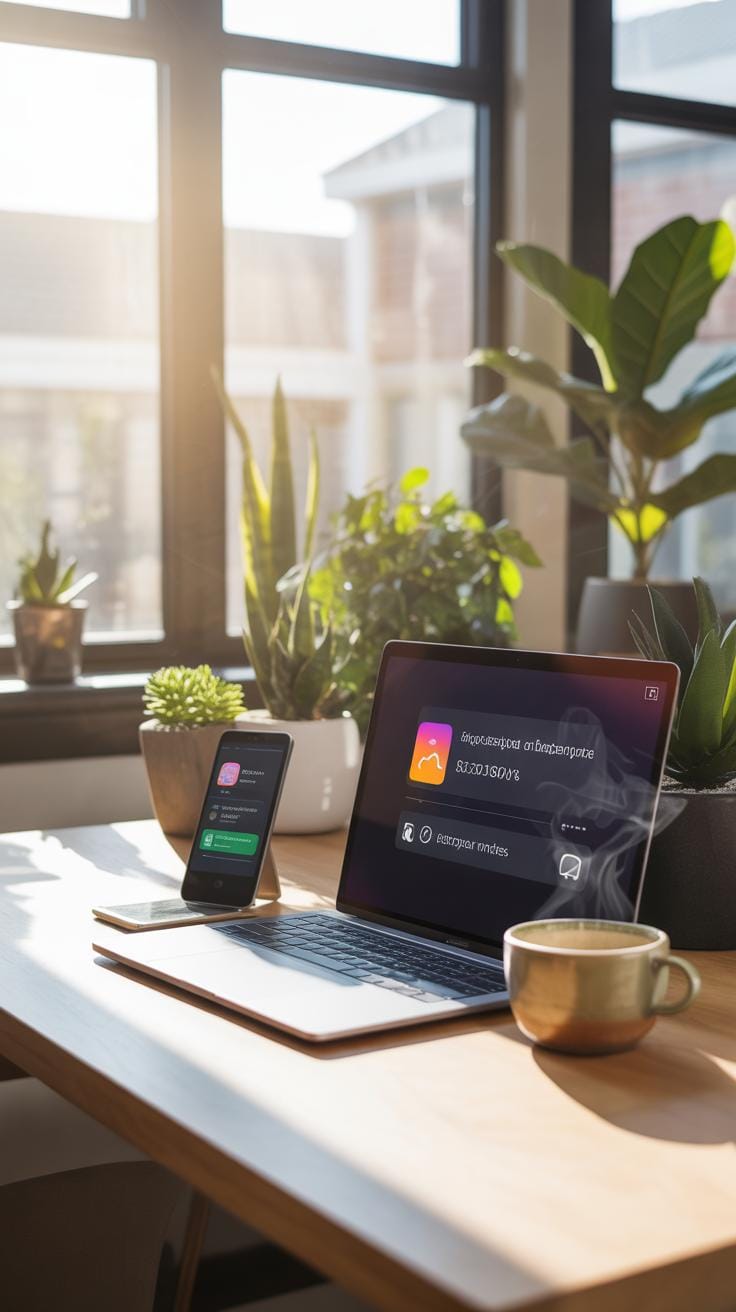
On the other hand, digital vision boards provide flexibility and portability. Apps let you arrange photos, add text, and tweak designs endlessly without waste. You can use smartphone apps or desktop software to compile your images. The nice thing? You can update your board anytime, even on the go. But, it might feel less tangible, and some find it harder to connect with screens than with physical objects.
If you’re torn between physical and digital, consider mixing both—print a few favorite images from your digital collection and pin them alongside cutouts from magazines. The blend might keep your creativity flowing and your motivation steady.
Common Pitfalls To Avoid

Vision boards can be powerful, but there are some common mistakes that trip people up more often than you might think. One big issue is using images that just don’t feel doable. When your vision board shows goals that seem out of reach or too perfect, you might actually lose motivation instead of gaining it. It’s like aiming for a dream that’s so far away it doesn’t feel real anymore. Maybe an image of an elite athlete who’s been training for years feels inspiring at first—but if it makes you feel you’ll never get there, it then backfires.
Choosing realistic and relatable images is key. Think about photos of people who look like they’re in progress or snapshots of small accomplishments, not just the endgame. That keeps your goals tangible and reachable.
Another issue is letting the board gather dust once it’s made. You have to interact with it regularly—look at it, update it, reflect on it. If you ignore it, it loses impact. It’s not a one-and-done thing. The board should be part of your everyday mindset, encouraging you, nudging you each day.
So ask yourself: How often do you really engage with your board? Is it a living tool or just wall décor? Keeping it active can make a surprising difference.
Fitness Inspo Versus Reality Checks
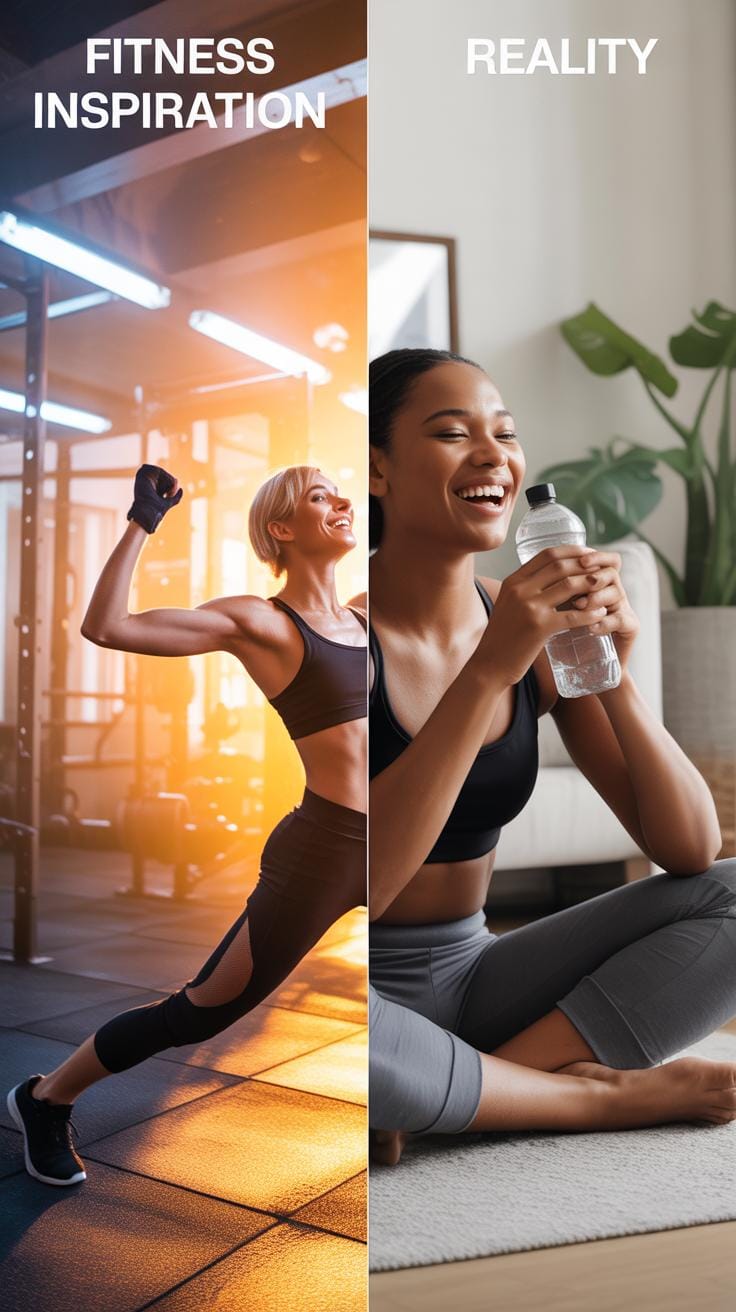
Fitness inspiration can be a powerful driver when creating your vision board images, but it’s easy to get swept up in the excitement of those stunning, picture-perfect bodies. You see toned muscles and flawless form, and your mind races to match that image immediately. Yet, it’s crucial to pause and honestly assess where you stand right now. I think the balance lies not in idolizing an ideal that’s far removed from your current state, but in selecting motivational images that reflect progress within your reach—those subtle shifts that feel real to you.
Motivational fitness images should push you, but not shove you into unrealistic territory. If you start setting goals that seem impossible or too fast to achieve, you risk burnout or, frankly, discouragement. So, keep your inspiration motivating without letting it become a source of frustration. Maybe a well-defined athlete or a yoga pose can spark motivation, but make sure you understand it as a process, not an overnight transformation.
Regular self-assessment is key. Take a moment now and then to honestly check your progress. Are you moving in the right direction? Are your goals still realistic? Don’t shy away from adjusting your goals if you find them too far fetched or easy. Progress isn’t linear, and that reality should be part of your vision board story too. You want to celebrate small victories alongside ambitions.
Examples Of Successful Vision Boards
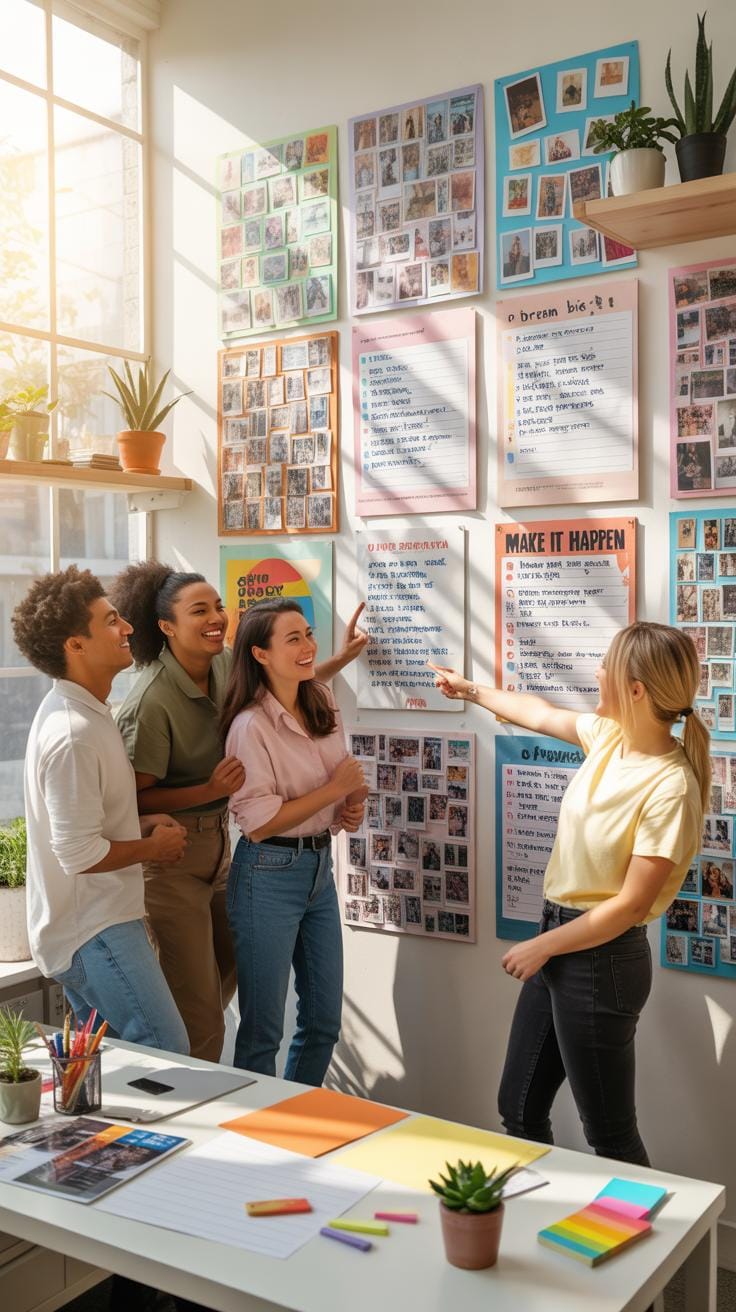
Fitness vision boards have helped many people move from wishful thinking to actual progress. Take Sarah, for example, a beginner who struggled with consistency. She crafted a simple vision board featuring images of enjoyable activities like hiking and yoga, alongside motivational quotes she resonated with. This helped turn abstract goals into daily reminders. Over months, Sarah noticed her habits shifting — she went from sporadic workouts to a routine with genuine enjoyment.
On the other hand, advanced fitness enthusiasts often fine-tune their vision boards with layered strategies. They don’t just paste images haphazardly; they use segmented sections for strength, flexibility, and nutrition, often updating the board as their goals evolve. Some include progress photos and milestone markers, turning the board into a dynamic reflection of their journey rather than a static dream.
What makes these vision boards effective? Often, it’s not just the visuals but the personal connection and commitment to revisiting the images regularly. A vision board that sits unseen rarely inspires. Those who interact with their boards tend to stay motivated and even adjust strategies as they learn more about their own fitness preferences.
By sharing and reflecting on these diverse approaches — from beginners creating their first inspiring boards to seasoned users crafting sophisticated layouts — we see how fitness vision boards work best when tailored to individual needs and evolving journeys.
Conclusions
Vision boards with fitness inspo provide daily motivation and a clear focus for your goals. They remind you of what you want and encourage you to stay active and healthy. By choosing images that speak to you and organizing your board well, you create a powerful tool to support your fitness routine.
Use the tips shared in this article to design a vision board that fits your style and fitness aims. Keep it visible and update it as your goals change. This simple habit can help turn your fitness dreams into real achievements.