
Introduction
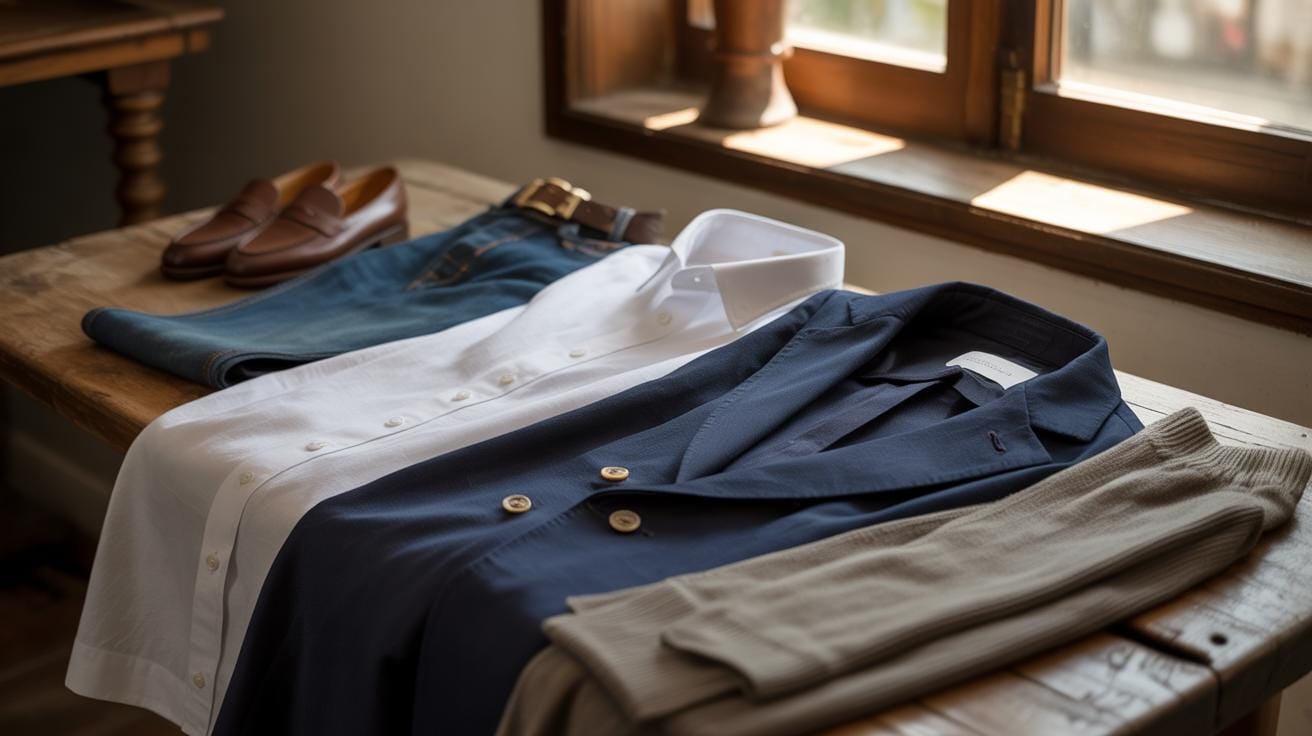
Fashion capsule wardrobes focus on a small selection of essential clothes that don’t go out of style. These pieces mix and match easily, helping you dress for any occasion without owning too many items. This helps to reduce clutter and simplifies your daily choices.
This article breaks down the costs of creating and maintaining a capsule wardrobe. You will learn which items to prioritize, how spending affects your budget, and how to keep costs low while building a versatile, functional wardrobe.
Capsule Wardrobe Basics
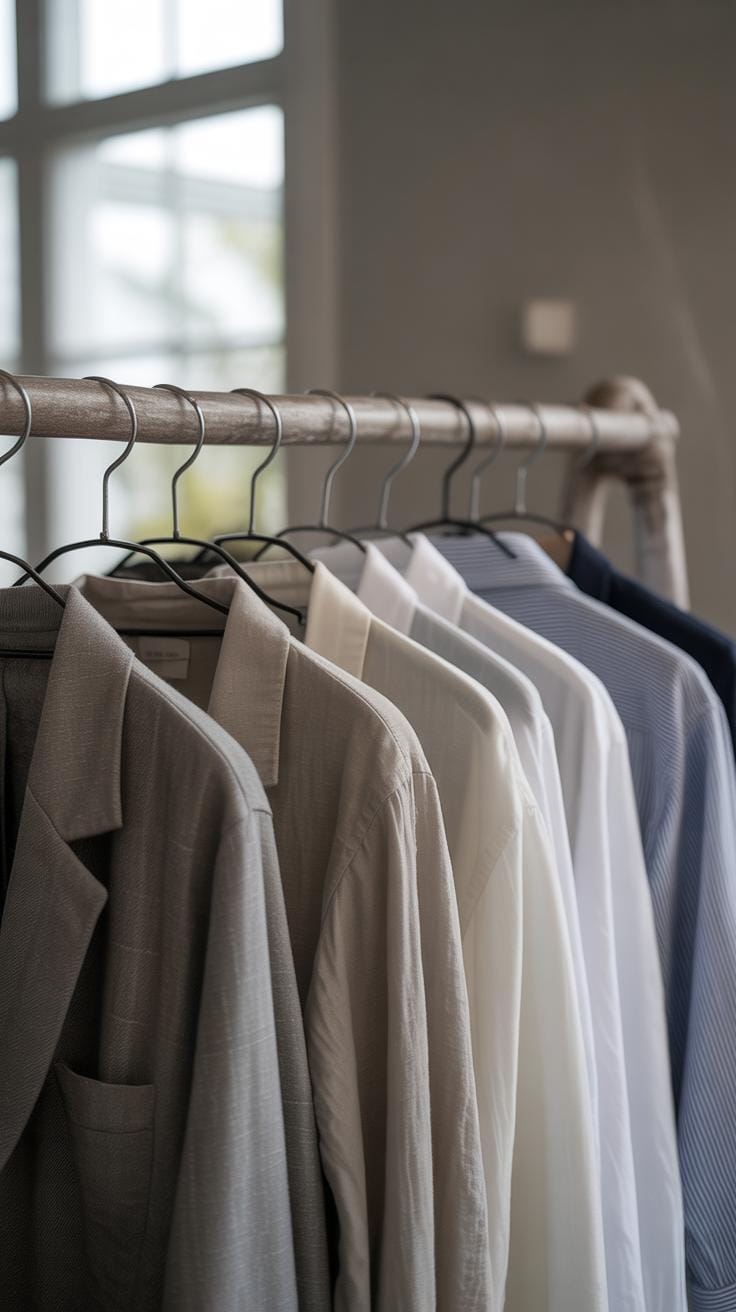
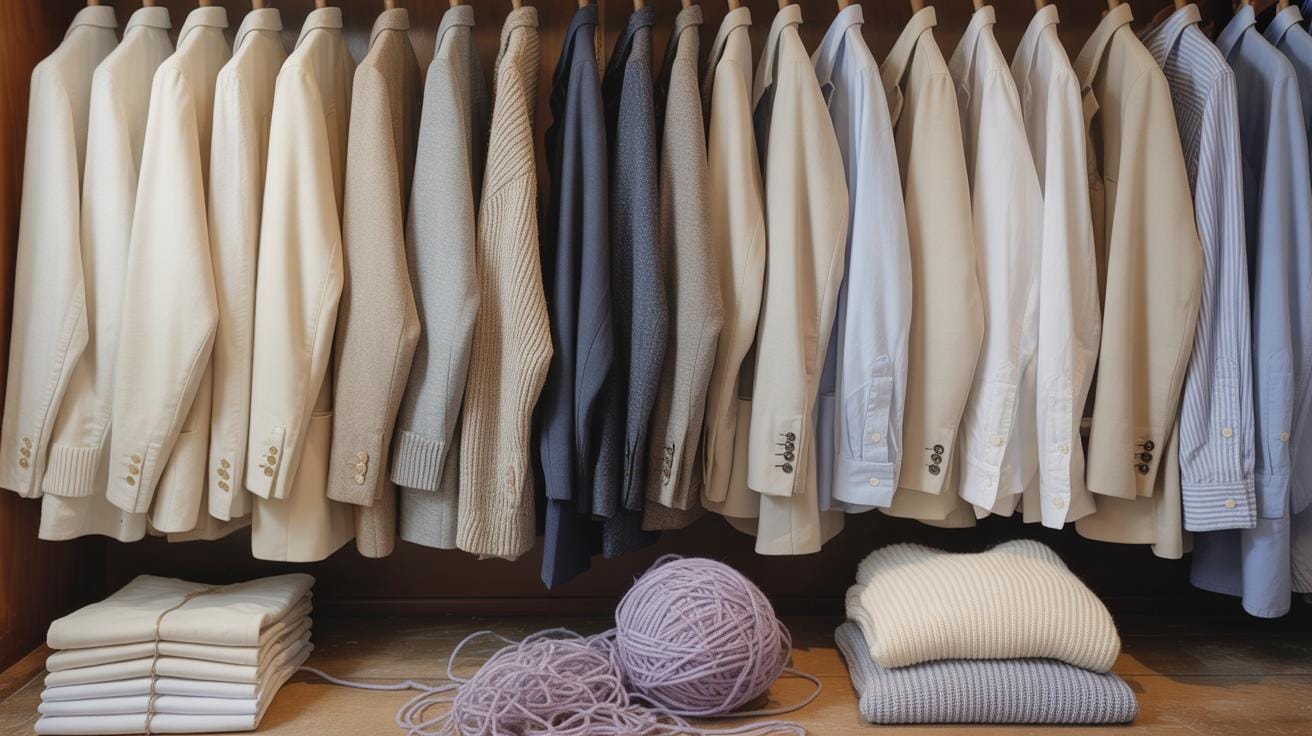
The idea of a capsule wardrobe is pretty straightforward, yet it often feels like a small revolution against endless closet choices. At its core, it’s a collection of timeless, versatile pieces that mix and match easily, designed to cover most of your daily needs without crowding your space. The concept dates back to the 1940s when Susie Faux introduced it, but it has evolved, especially with minimalist living gaining traction. These days, it’s not just about style but about reducing clutter and focusing on quality over quantity.
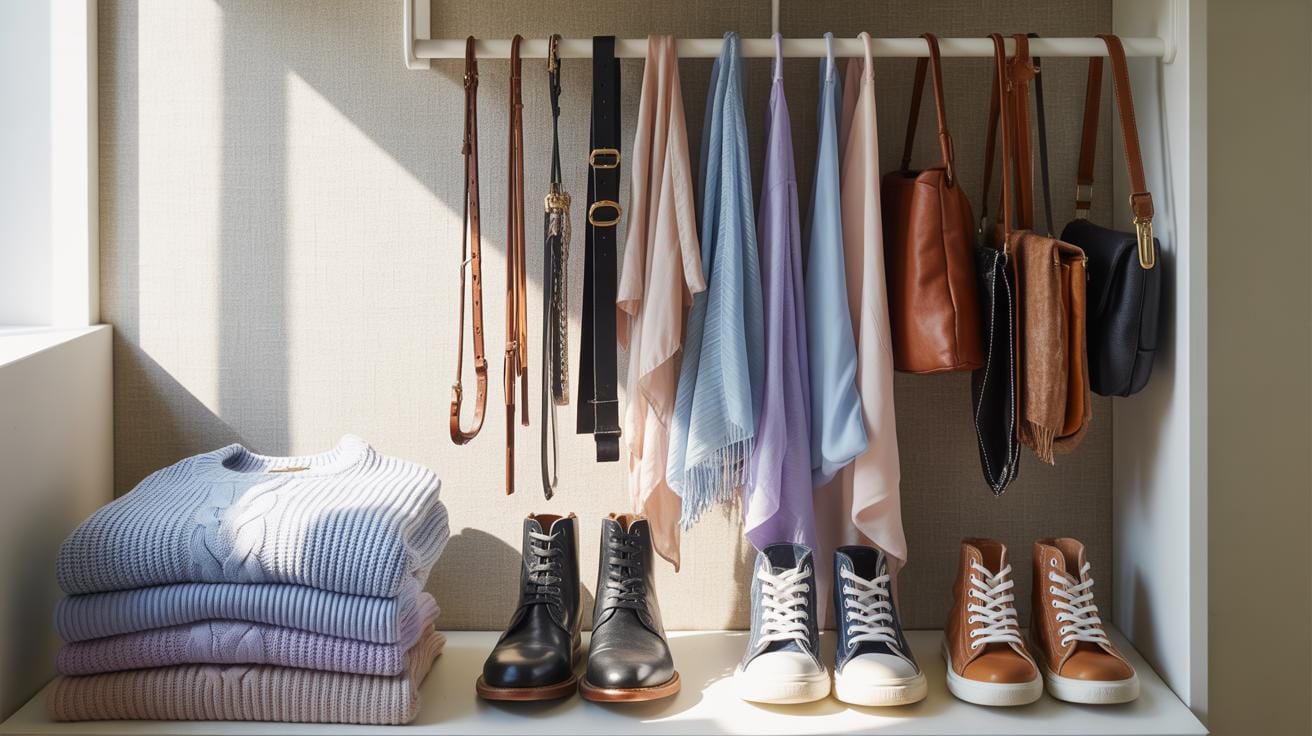
Typically, a capsule wardrobe might include a few pairs of well-fitting pants or jeans, a couple of dependable tops like neutral tees or blouses, one or two sweaters, and a versatile jacket or blazer. Shoes tend to be limited to perhaps a pair of casual sneakers, a more formal pair, and maybe boots depending on your climate.
Accessories are usually kept minimal: think a simple watch, a belt, maybe a scarf. Each piece ideally ties in with the rest, creating outfits without much hassle. It’s interesting to ponder how this approach challenges you to really know your style and what works for you, rather than chasing trends or buying on impulse.
When you cut down the number of clothes, mornings get easier. No more staring blankly at overcrowded racks, wondering what to wear. The fewer options can feel restrictive at first but often bring surprising freedom. It reduces decision fatigue and makes dressing quicker and less stressful. And yet, some people do find the limited choices stifling; it may depend on your personality or lifestyle.
Breaking Down Costs

When you start thinking about building a capsule wardrobe, the question of cost comes up pretty quickly. Buying fewer pieces might seem cheaper at first, but if you’re aiming for quality over quantity, the price per item tends to be higher. Brands and materials play a big role here. A wool coat from a well-known brand can easily cost two or three times as much as a synthetic alternative, but it might last years longer. On the other hand, some lesser-known labels offer surprisingly good quality at more accessible prices. It’s a bit of a balancing act.
Typical prices for essentials often fall into these ranges:
- Shirts: $30 to $100 depending on fabric and brand
- Trousers: $50 to $150, with natural fibers costing more
- Coats: $100 to $400, heavily influenced by material like wool versus blends
You might find it tempting to grab every sale item, but quality pieces worn consistently will probably feel more worth it over time. So, how do you save without making compromises? Look out for seasonal sales, shop outlets, and consider secondhand options carefully. Checking fabric composition can help flag hidden costs too—cotton versus polyester, for example.
It’s also useful to think about how often you’ll wear something. Sometimes spending more on a single reliable coat avoids replacing three cheaper ones in a few years. Maybe that doesn’t always fit every budget, but weighing these factors could save you money in the long run—or at least fewer headaches.
Planning Your Capsule Wardrobe

When you start planning a capsule wardrobe, it’s easy to get overwhelmed by the idea of limiting yourself to fewer pieces. But thinking about your lifestyle first can really simplify things. Do you mostly work from home, or is your routine filled with meetings and social events? Maybe you live somewhere with distinct seasons or, on the other hand, a steady climate all year round. These factors help decide which items are really necessary.
Before you buy anything, take a moment to look at your daily activities and what clothes you gravitate toward. Ask yourself questions like: What do I wear most often? What feels comfortable yet appropriate? You don’t want to end up with fancy blouses if you stay casual most days, or too many sweaters if you rarely need them.
Colors play a surprisingly big role here. Choosing a palette that mixes and matches reduces the number of items you need. Think about how a navy shirt works with gray pants and a beige jacket. It might seem a small detail, but coordinating colors means your capsule wardrobe stretches further. It also saves you from impulse purchases that seem fun but don’t fit with the rest of your clothes.
Planning this way doesn’t mean your wardrobe should be dull or repetitive. You can include favorites that reflect your style, even if they don’t perfectly match. But keeping a core of versatile hues makes dressing less stressful—and less costly.
Shopping Smart for Staples

Finding the right places to buy capsule wardrobe staples can feel like a small project on its own. You want durable, good-quality basics without emptying your wallet. Stores like Uniqlo and Everlane often come to mind—they strike a balance between affordability and lasting wear, though your mileage may vary. I’ve found that sometimes local thrift shops surprise me with excellent finds, even better quality than some fast fashion brands, which makes it worth checking them out every now and then.
Brands like Gap and Madewell also offer dependable basics, but their prices fluctuate, so timing your purchase carefully can save you quite a bit. Speaking of timing, sales seasons are key. Waiting for end-of-season sales or holiday discounts can cut costs significantly, but that means you’ll have to plan ahead, which isn’t always easy or even preferred if you need something right away.
Another point to consider: off-season shopping. Buying winter sweaters in spring or summer tees in fall sometimes means you get the best deals. Though it feels a bit odd to shop for clothes you won’t wear immediately, it can pay off if you keep your capsule wardrobe’s core in mind and aren’t chasing trends.
Ultimately, where you shop and when you buy can have a bigger impact on your budget than choosing lower-quality items that wear out quickly. So perhaps the better question is, how patient can you be with your capsule wardrobe purchases?
Mix and Match Strategies
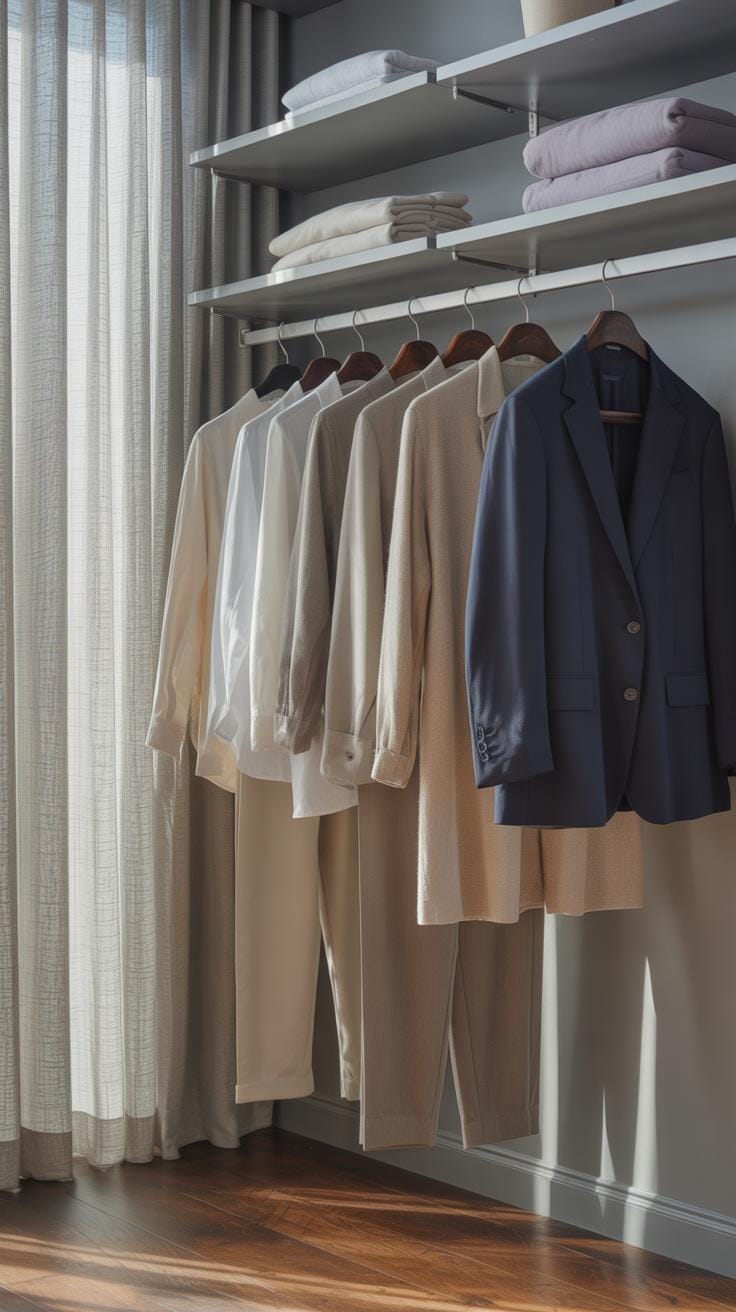
When it comes to a fashion capsule wardrobe, the magic really happens in how you piece it together. You don’t need a ton of clothes to create dozens of looks. Instead, it’s about selecting items that work well together. Think of a neutral blazer that pairs as easily with jeans as with a skirt. Or a simple white shirt that can be casual or polished depending on what you add. Those foundational pieces carry the weight of your wardrobe.
Here are some quick rules I try to follow when mixing and matching:
- Stick to a consistent color palette to keep things flexible.
- Vary textures to add interest without extra bulk.
- Balance proportions – pair structured tops with softer bottoms, or vice versa.
- Layer strategically to create depth and change the look of the same pieces.
For example, pairing a black turtleneck with tailored pants feels work-ready, but swap the pants for relaxed jeans, toss on a denim jacket, and it’s weekend casual. I guess the key question is: can one piece change context depending on what you wear with it? If yes, it’s a keeper.
Of course, you might find a favorite dress that’s great for evenings but also dressed down with sneakers for daytime errands. This kind of versatility not only saves money but also simplifies your choices on busy mornings. So, how often do those pieces end up pulling double duty in your wardrobe? Probably more than you expect.
Everyday looks aren’t the only goal. With thoughtful accessories, the same capsule wardrobe pieces can shift to fit special occasions. A sleek belt, a statement necklace, or a different pair of shoes can turn basic outfits into something memorable. It’s like stretching your investment to cover different moments without the clutter.
Maintaining Your Wardrobe Costs
Proper Care Basics
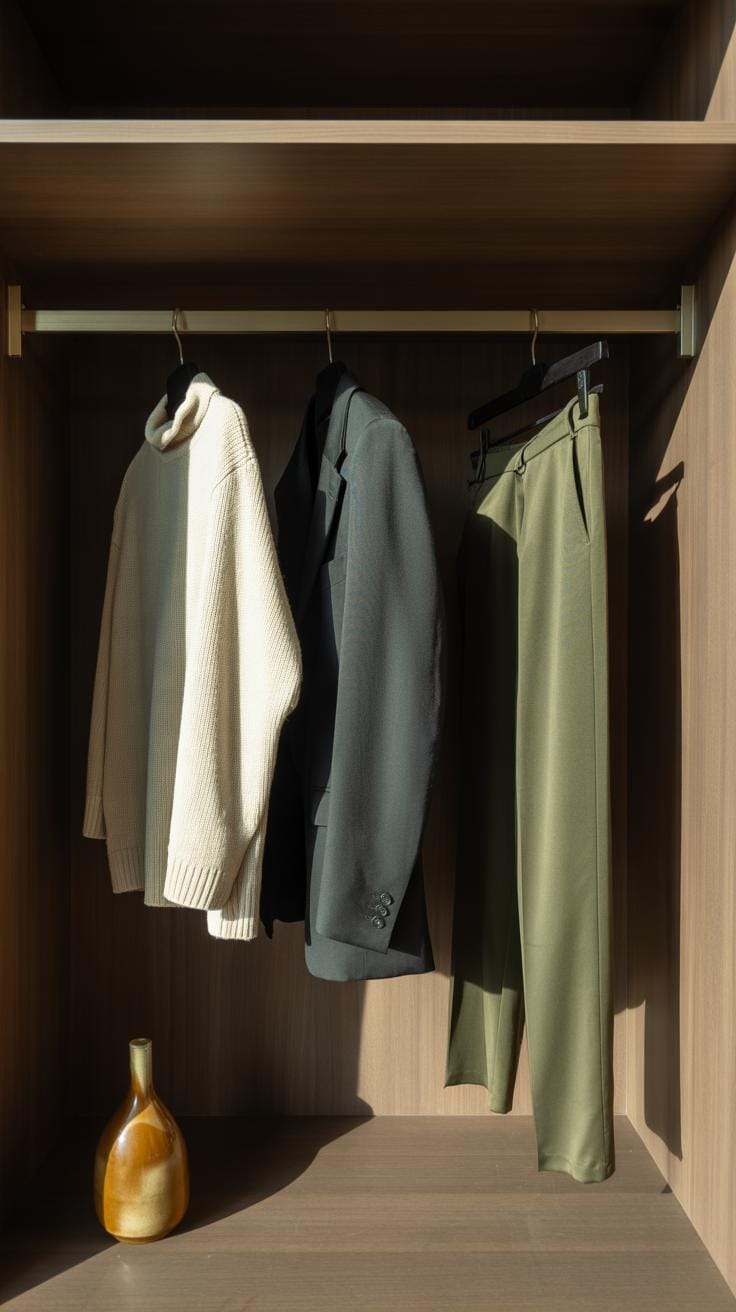
Taking care of your capsule wardrobe clothes mostly means keeping things simple but intentional. Washing garments on gentle cycles or by hand when possible, and using mild detergents, can make a noticeable difference over time. Air drying clothes, rather than tossing them in a dryer, helps prevent shrinking and wear; I’ve found it a bit inconvenient but worthwhile, especially for delicate fabrics.
Proper storage matters too—fold your sweaters to avoid stretching, hang dresses and shirts on good hangers, and keep everything in a cool, dry spot. You might be tempted to cram everything into tight closets, but letting your pieces breathe actually saves money by reducing damage. Also, rotating seasonal items, even in a small capsule, lets each piece rest between wears.
Repair vs Replace
Choosing whether to fix or replace a piece can get tricky—you don’t want to waste money, but you also want your wardrobe looking sharp. Small repairs like sewing loose buttons, fixing hems, or patching minor tears are nearly always worth it. I’ve patched jeans multiple times, and it genuinely extends their life without adding to your budget.
But when a piece loses shape completely or has stains that won’t budge, it might be time to let it go. Think about the cost of repair versus the item’s value and how much use you’ll still get out of it. Sometimes replacing a worn-out staple can be smarter than sinking money into a garment past its prime. It’s a balance, really—do you hold on for sentimental or economic reasons, or do you make space for something fresh?
Pitfalls to Avoid
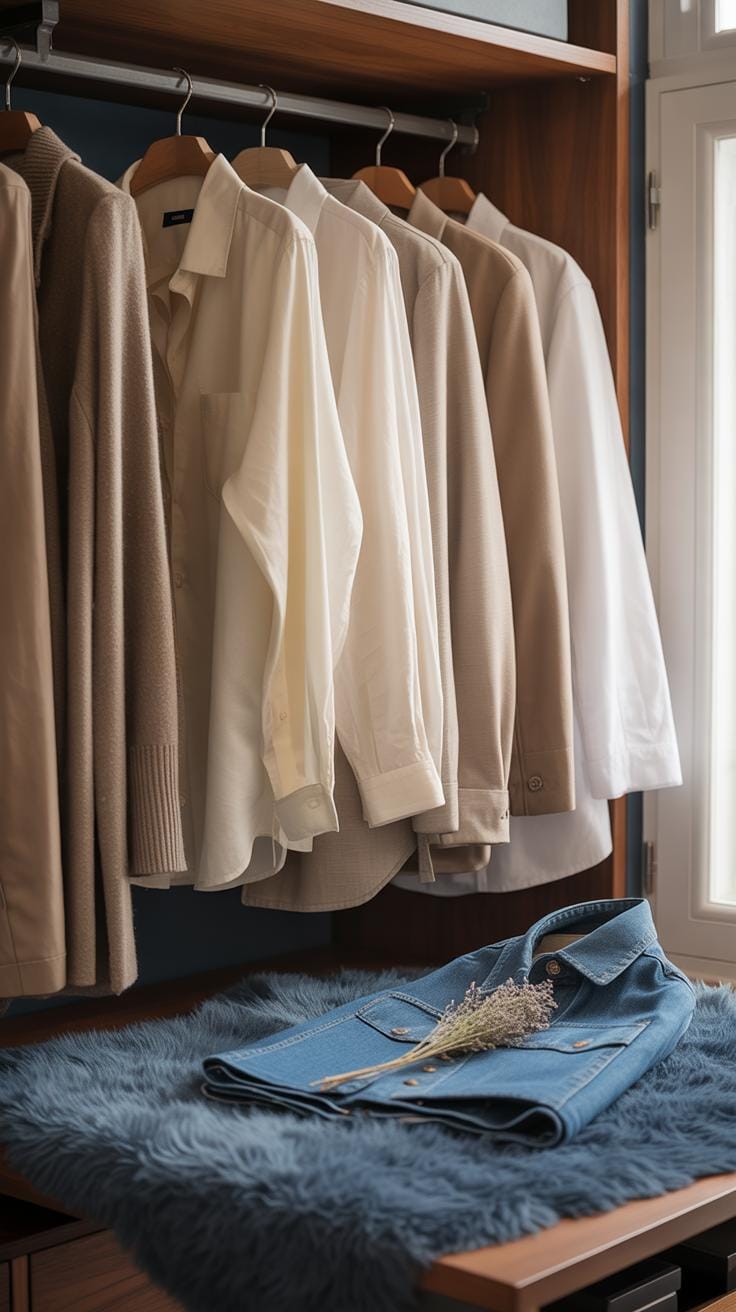
When building a capsule wardrobe, it’s easy to fall into traps that end up costing more or cluttering your closet rather than simplifying it. One common mistake is buying items just because they’re on sale or trendy—not because they suit your lifestyle or existing wardrobe. It feels smart at the moment, but then you find yourself with pieces that don’t really match or don’t get worn.
Another issue is underestimating how important fit and comfort are. Sometimes we grab clothes that look good on a hanger but feel awkward or don’t work well for daily activities. Those pieces often sit forgotten, which is a waste of both money and space.
People also tend to overlook how maintaining their clothes affects cost. A fabric that needs delicate washing or frequent ironing might seem nice to start, but it adds time and sometimes expense that wears on patience and budget.
Here’s what you might want to watch for:
- Buying multiples of similar items without considering what actually mixes well.
- Choosing fleeting color trends instead of reliable neutrals or classics.
- Ignoring the balance between style and practicality in your daily routine.
- Focusing purely on labels or price tags without thinking of long-term wear.
It’s tempting to chase excitement through your purchases, but the goal is to make each piece earn its place. Otherwise, you risk ending up with a closet full of items that don’t pull their weight and an unclear sense of style that feels forced rather than natural.
Capsule Wardrobe Examples

Minimalist Budget Example
Imagine putting together a capsule wardrobe when money’s tight. You want a wardrobe that covers the basics without breaking the bank. Think around $200 to $300, but stretching that further isn’t uncommon if you hunt for deals. You’d focus on versatile items: a few simple tops, two pairs of pants, one skirt, a basic jacket, and one pair of shoes. Brands like Uniqlo or thrift shops can help a lot here.
Here’s a quick breakdown:
- 3 plain t-shirts ($10 each, total $30)
- 2 pairs of affordable jeans or chinos ($30 each, total $60)
- 1 skirt or dress ($25)
- 1 lightweight jacket ($40)
- 1 pair of simple sneakers or flats ($50)
That’s roughly $205. Not fancy, but practical, and everything mixes and matches easily. You might find yourself wishing for one or two more pieces, but for those on a strict budget, it’s workable.
Mid-Range Quality Example
Now, if quality matters a bit more and you can invest around $600 to $900, the choices widen. You’re probably looking at brands known for good craftsmanship—something that lasts. Maybe a classic trench coat instead of a simple jacket, or leather loafers rather than basic sneakers.
Sample setup might include:
- 4 premium knit tops ($40 each, total $160)
- 2 pairs of well-fitting trousers ($70 each, $140 total)
- 2 versatile dresses or skirts ($60 each, total $120)
- 1 tailored blazer or trench coat ($150)
- 1-2 pairs of quality shoes ($100 total)
This approach shifts your wardrobe from “just enough” to something reliable you enjoy wearing. It might feel a bit like spending more upfront, but those pieces usually hold up better over time—and maybe save you money later by replacing less.
It makes you wonder: is it better to buy cheap and replace often, or invest once and wear longer? Neither choice fits everyone. Your lifestyle, habits, and preferences really shape what a capsule wardrobe means for you.
Conclusions
Focusing on key pieces reduces unnecessary spending and keeps your wardrobe fresh. By understanding costs, you can invest wisely in quality staples and save money over time. The capsule wardrobe helps you develop a clear and practical style that suits your life.
Managing your wardrobe with a cost breakdown supports minimalism and financial sense. You’ll enjoy the benefits of a tidy closet, fewer impulse buys, and clothes that last. Use these tips to create a smart, efficient fashion capsule wardrobe.