
Introduction
Fall brings a change in the weather and so should your wardrobe. A well-planned fall wardrobe focuses on essential pieces that mix and match well. This article walks you through a checklist to help build a minimalist and practical fall wardrobe. You will learn which items to choose to stay comfortable and stylish during the cooler months.
Minimalist dressing means smaller choices but more thoughtful ones. By choosing versatile items, you reduce clutter and make dressing in the morning faster. Let’s explore the must-have pieces that give you flexibility and ready comfort for fall.
Key Items for Fall Outfits
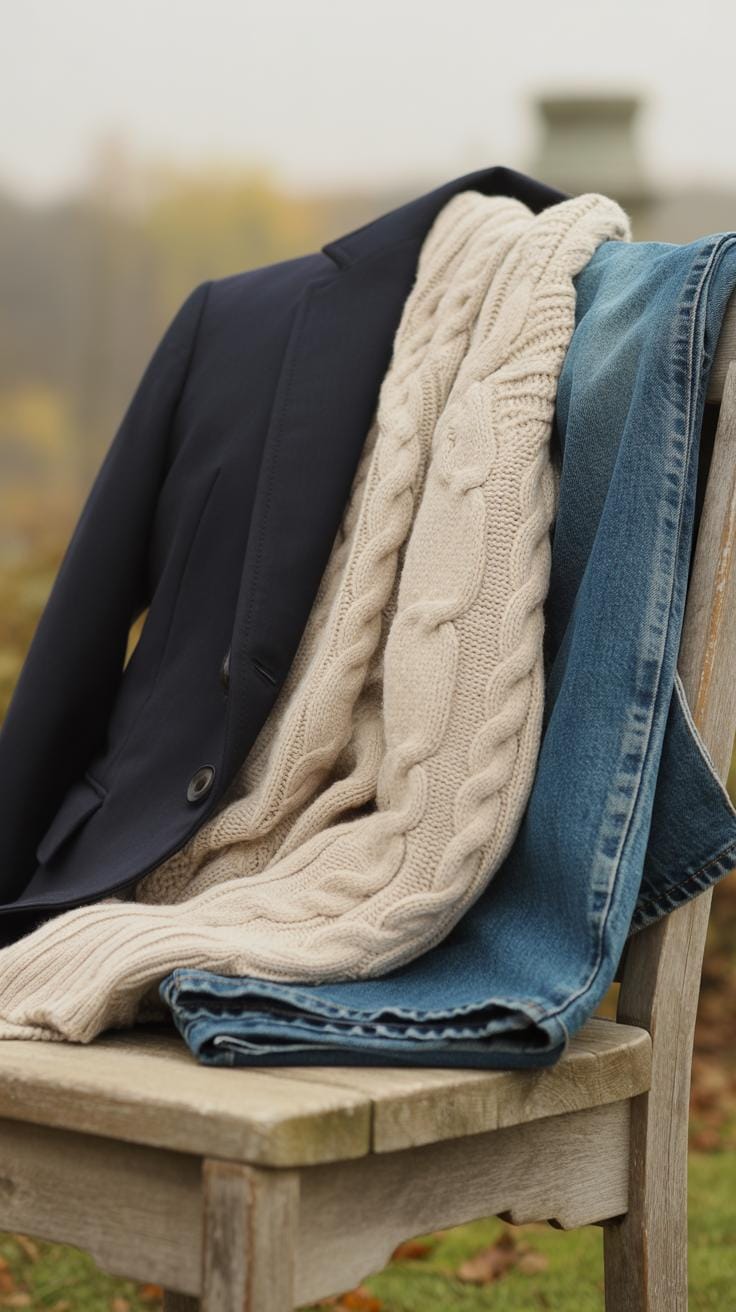
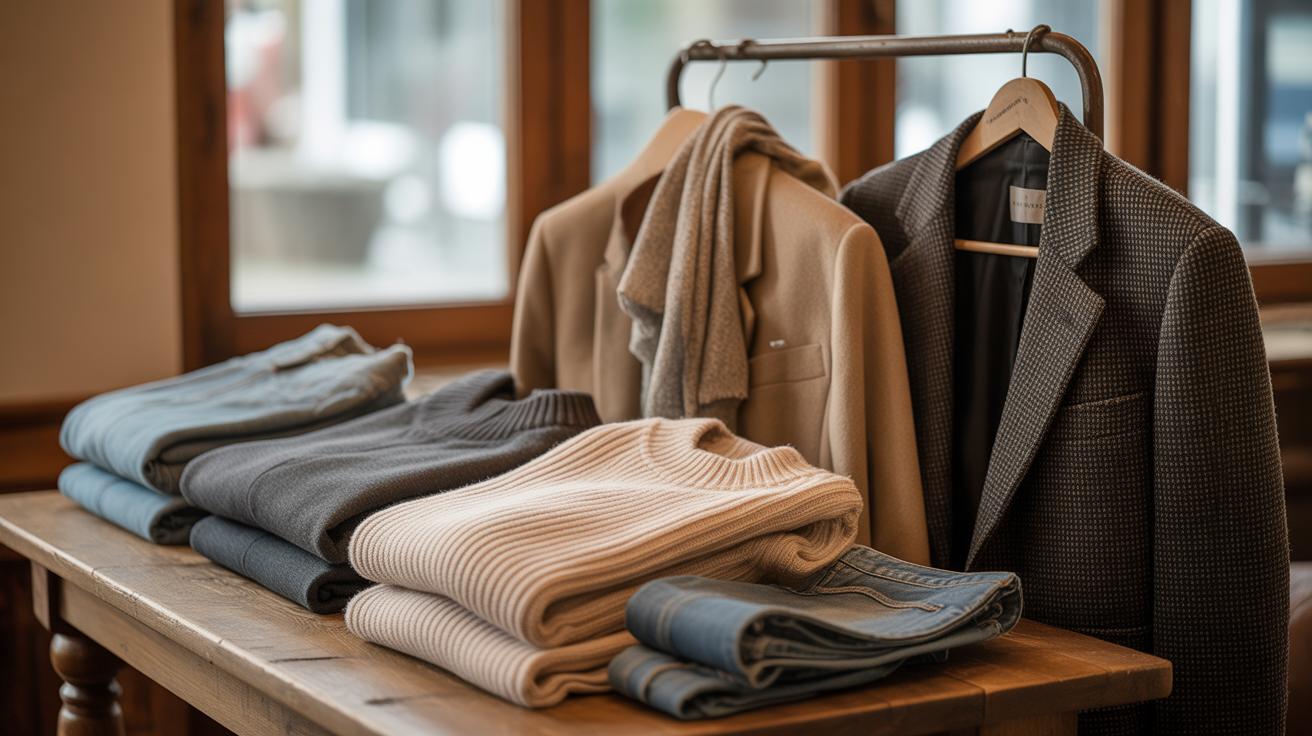
When the air turns crisp, your wardrobe needs to shift. Jackets, sweaters, pants, and shirts that suit fall weather form the backbone of this transition. A sturdy jacket—like a classic trench or a leather piece—can handle unpredictable breezes and chilly mornings. Sweaters, especially chunky knits or fine merinos, work well layered over long sleeve shirts, offering warmth without bulk. For pants, denim jeans or tailored trousers in heavier fabrics feel substantial yet comfortable.
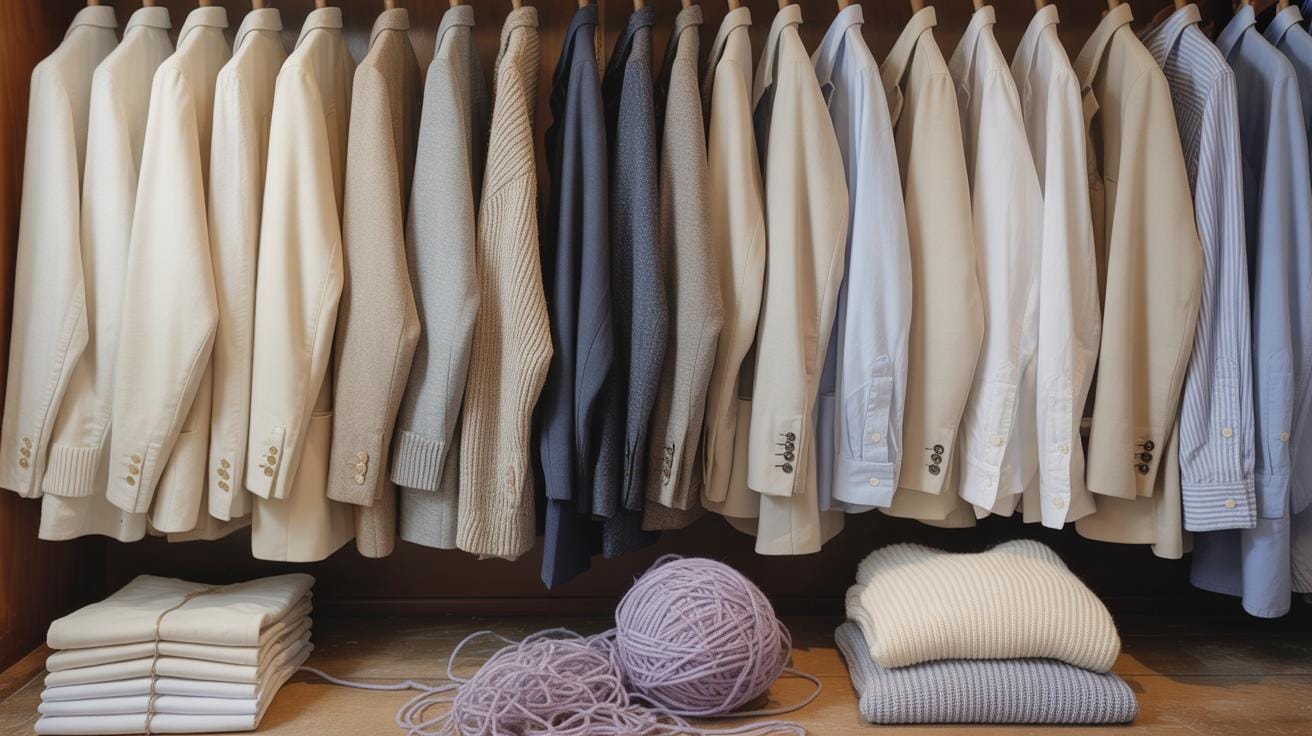
These pieces are practical because they adapt to changing temperatures. One moment you’re outside in cold air; the next, indoors where you might shed a layer or two. Pairing a long-sleeve shirt under a cozy sweater or adding a jacket on top means you can adjust your look—and your warmth—quickly. This flexibility keeps your outfits fresh while staying functional for the season’s demands.
Core Clothing Pieces for Fall
Think about key items like:
- A classic trench coat—it’s waterproof, light but protective, easy to throw over anything.
- Chunky sweaters—wool or cotton blends are perfect as they trap heat but breathe well, leaving room for layering.
- Denim jeans—sturdy and versatile, they pair seamlessly with casual or smart-casual tops.
- Long sleeve shirts—cotton or flannel fabrics add a soft, warm touch and work as a base for layering.
Choosing fabrics that aren’t too heavy but hold warmth is key. Look for textures and thickness that let you layer without feeling bulky. I remember once trying to wear too many layers without paying attention to fabric weight—it felt clumsy. So, aiming for natural fibers helps, as they breathe and keep you comfortable over hours. Styles that allow for easy mixing and matching—such as neutral tones and simple cuts—make dressing in fall less complicated.
Footwear and Accessories Selection
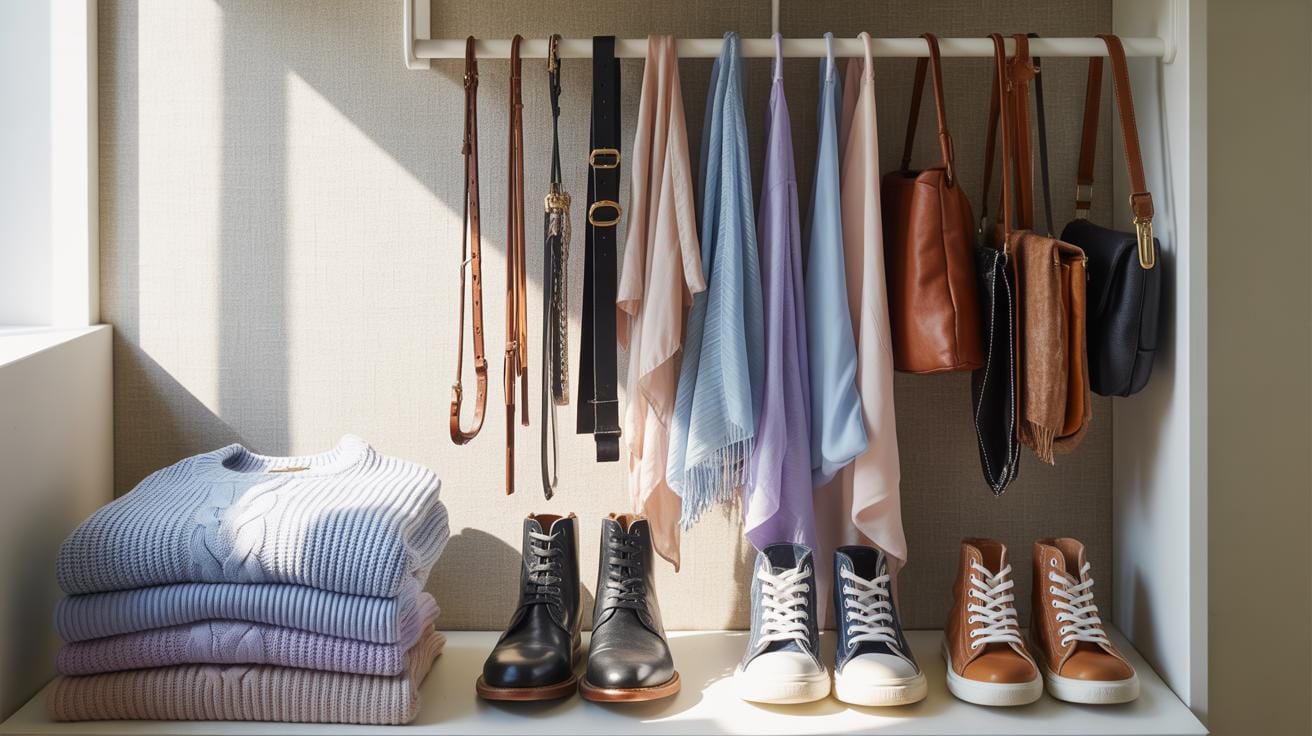
Fall footwear should be sturdy but not overdone. Ankle boots are a fall favorite—they offer coverage, support, and pair effortlessly with jeans or skirts. Loafers are also good for milder days when you want something smart yet easy to slip on. Choosing footwear with some grip is practical for wet or leaf-covered sidewalks.
Accessories like scarves, hats, and gloves aren’t just about style—they add necessary comfort during colder days. A wool scarf can brighten a simple outfit and protect your neck from biting wind. Soft hats or beanies provide warmth without fuss. Gloves in leather or knit materials strike a good balance between warmth and dexterity. These simple additions complete your outfit and help you feel prepared, no matter what the fall weather throws your way.
How to Create a Minimalist Wardrobe
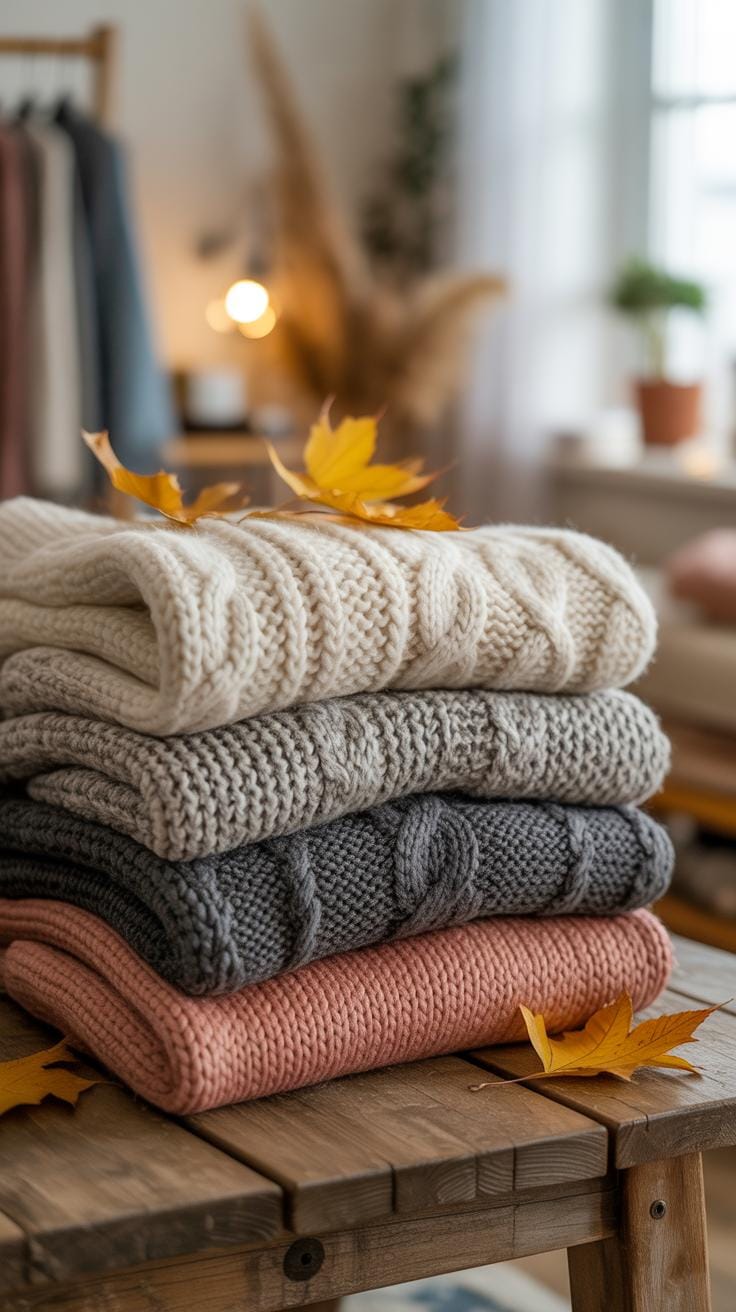
Building a minimalist fall wardrobe means focusing on pieces that serve many purposes. Think about what you really wear, not just what you like. When sorting through your clothes, ask yourself: have I worn this in the last six months? Does it fit well with several other items? If not, maybe it’s time to donate or sell it.
Choosing what to keep can feel tricky. Some items might have sentimental value or seem perfect “just in case.” But a minimalist approach asks you to be a little ruthless—stick to what feels comfortable and practical now, not what might someday be useful.
Buying new pieces? Look for multi-use clothing that suits work, weekend, or evenings out without needing to change your entire outfit. A quality coat or a classic sweater, for example, can carry you through many occasions and seasons, especially if they’re in neutral tones like black, gray, or beige.
Focus on versatility over variety. Instead of ten different tops that all scream “fall,” consider fewer, simpler options that layer well. This way, your wardrobe stays lean without sacrificing function. It takes a bit of trial and error, but it’s worth it to have fewer clothes you actually love and rely on.
Have you noticed how difficult it is to let go of certain pieces? That hesitation often means you’re asking yourself the wrong question. Instead of “Will I wear this someday?” try “Does this fit into my current lifestyle?” Streamlining your wardrobe this way feels like less clutter and more freedom.
Should You Prioritize Style or Function
Choosing between style and function for your fall wardrobe is tougher than it seems. You might lean toward stylish pieces that make you feel confident but then wonder if they really hold up when the weather turns unpredictable. On the other hand, focusing mainly on function—like water-resistant jackets or thick sweaters—can keep you comfortable, but might leave you feeling a bit, well, uninspired.
Functional clothes make a real difference during fall. For example:
- A water-resistant jacket protects you during sudden drizzles and keeps the chill out, letting you stay outdoors longer without fuss.
- Warm sweaters layered under a coat can help you avoid the morning shivers without needing a bulky, heavy look.
Function adds comfort and practicality. But it’s easy to feel those pieces are a bit plain or dull. That’s where style steps in. Small touches—patterns like herringbone or subtle plaid, or colors like deep rust, olive, or mustard—can update basic sweaters or jackets. Even a simple scarf or unique buttons can elevate an ordinary look.
Balancing both is tricky. You might prioritize warmth on a cold day but enjoy a splash of color or texture for a casual coffee meet-up. Maybe you lean toward function during the workweek but dress up your wardrobe a bit on weekends. There’s no right or wrong here—it’s about what fits your life most of the time, and accepting some imperfection in either camp.
Fall Outfit Examples for Different Occasions
Work Appropriate Looks
When thinking about business casual for fall, layering becomes your best friend. Imagine pairing a crisp white button-down under a lightweight cashmere sweater—classic, but not boring. Add tailored trousers in neutral tones like camel or charcoal, and finish with sleek ankle boots. You could swap the boots for loafers if the weather is mild, though be mindful of early morning chills. A structured trench or a wool blazer works well on chillier days and keeps everything polished without feeling stifling.
Don’t forget subtle accessories: a leather belt and a simple watch can make a real difference. You might hesitate over a bold scarf, but a muted plaid or solid cashmere one can add character without distracting. Thinking about favoring muted colors might feel safe, but even a deep forest green or burgundy sweater can fit into this palette without going overboard.
Casual and Social Event Attire
On weekends or casual events, comfort and style walk hand in hand. For example, a cozy knit sweater paired with your favorite high-rise jeans can look both put-together and relaxed. Throw on classic white sneakers or Chelsea boots depending on your mood or the weather. I often find that a simple beanie or a felt hat can add that little something extra, even if you’re just grabbing coffee or running errands.
Accessories feel less rigid here—think layered necklaces or subtle rings. Makeup can be soft: a swipe of tinted lip balm or a light dusting of bronzer usually does the trick. It’s tempting to overthink the outfit for a social outing, yet sometimes sticking to the basics and adding a standout earring or vibrant scarf feels just right. Don’t stress if your look isn’t flawless; sometimes a slightly undone vibe makes the whole outfit more inviting.
Setting a Budget for Fall Wardrobe
Planning a budget for your fall wardrobe can feel tricky, especially when you want quality pieces without overspending. It helps to set a realistic amount before you start shopping—and stick to it. I know it’s tempting to buy everything you like, but try to focus on what you really need.
To keep control over your spending, prioritize key purchases. Think about what you’ll wear most often during fall. A cozy sweater or a sturdy pair of boots might deserve a bigger chunk of your budget than trendier items you’ll only wear once or twice. Durability should guide your choices because well-made pieces last beyond a single season.
Finding quality without breaking the bank isn’t impossible. I’ve found that checking thrift stores or online marketplaces periodically can lead to surprising deals. Also, sales do pop up if you’re patient—timing matters. Sometimes waiting a week or two can save you a significant amount, but that requires a bit of willpower.
Here’s a quick checklist to keep in mind:
- Decide your total budget upfront and track what you spend.
- Invest first in versatile, durable pieces you’ll wear often.
- Keep an eye out for sales—sign up for newsletters to get early alerts.
- Don’t overlook thrift stores or online resale apps for hidden gems.
Budgeting might feel restrictive at times, but it can also force creative decisions. Maybe you pass on an expensive jacket now but find a better option later that suits you even more.
Common Pitfalls in Fall Wardrobe Planning
Avoiding Overbuying and Clutter
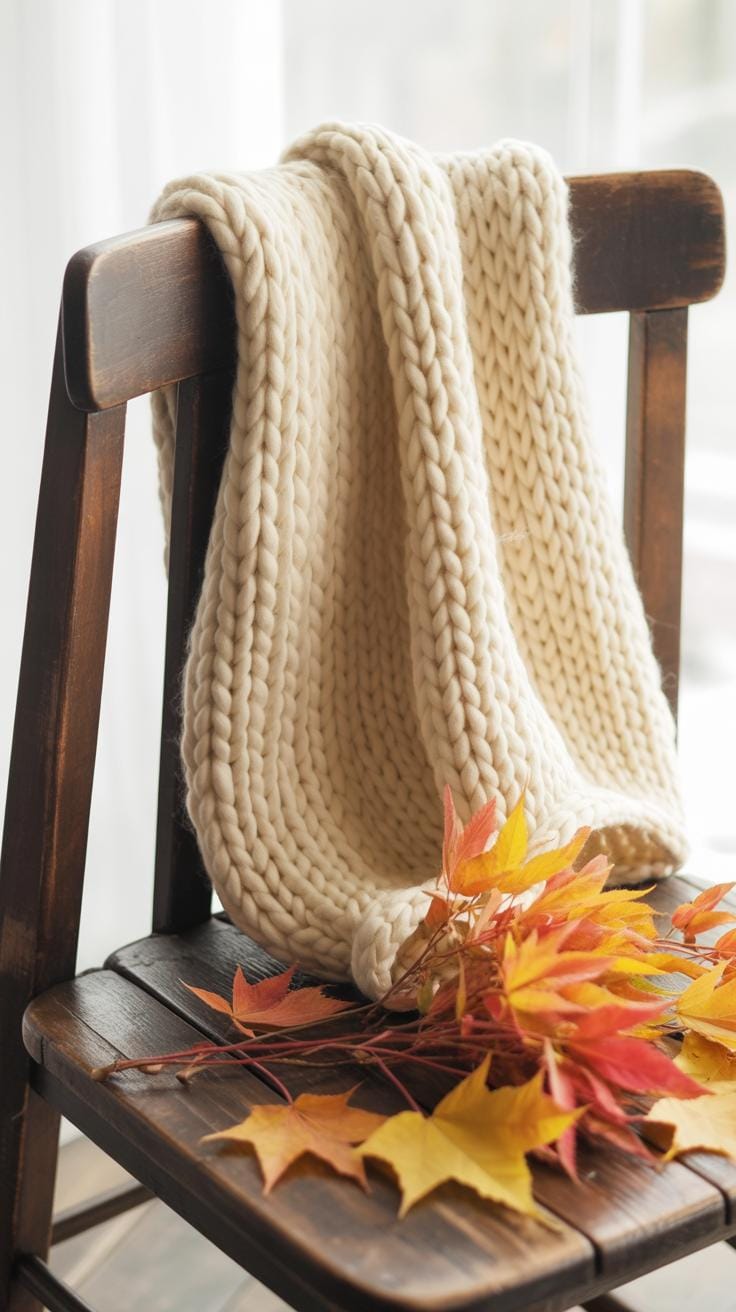
You might think having more options makes dressing easier, but too many items can actually create confusion. A cluttered closet often leads to outfit indecision, forgotten pieces, and clothes that go unworn. It’s easy to fall into the trap of buying just because something is “on sale” or seems trendy at the moment. But this usually means you’re filling space, not building a usable wardrobe.
Try setting clear goals before shopping. Ask yourself what styles and colors truly fit your everyday life. Limit purchases to items that work well with what you already own. A small value-based checklist helps—like “Do I need this? Will I wear it at least ten times this season?” This keeps impulse buys in check and your closet manageable. Having fewer, carefully chosen pieces often leads to more outfit creativity than a bursting wardrobe.
Selecting Appropriate Fabrics
Picking the wrong fabrics can wreck your fall wardrobe more than you realize. Some materials are either too warm or too light, which makes them uncomfortable for the shifting temperatures of fall. For example, synthetic fibers often don’t breathe well, which can leave you sweaty on the warmer fall days but chilly soon after.
Natural fibers like wool, cotton, and linen blends tend to perform better. Wool, for instance, insulates without overheating, and cotton layers well. You want fabrics that hold up through multiple wears and washes, since fall demands reliability as you mix and match pieces.
Beware of trendy fabric choices that look good but don’t last or feel right, like overly stiff polyester blends. They might seem fine initially but usually disappoint after a few wears. It’s okay to have a few statement fabrics, but balance them with core materials that feel comfortable and weather-appropriate—otherwise, your fall wardrobe won’t get the use you expect.
Maintaining Your Fall Wardrobe
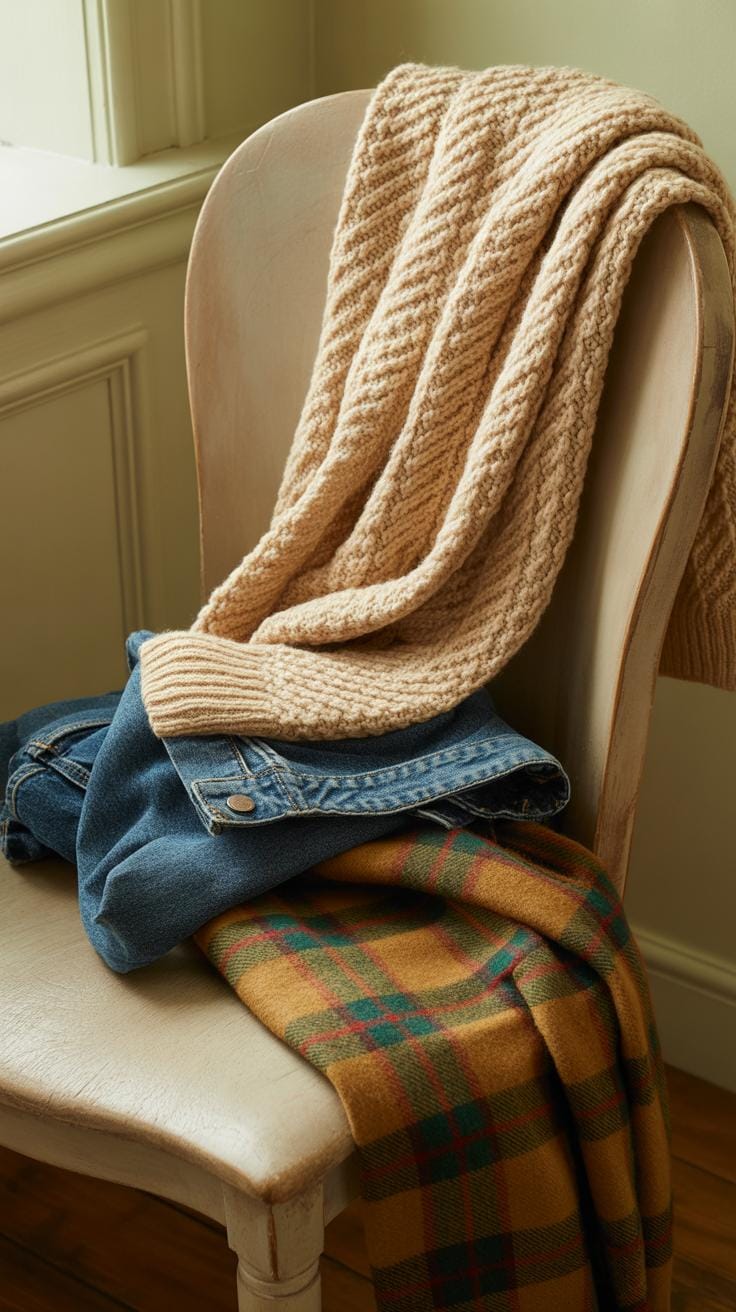
Keeping your fall clothing in good shape takes a bit of effort but it pays off over time. Every season, try to build simple routines around cleaning and storing your pieces thoughtfully. For example, washing sweaters inside out can help prevent pilling, and using gentle cycles with cold water often extends fabric life. You might think tossing everything in the dryer is easy, but air drying knits and delicate fabrics really does matter—sometimes more than you realize.
When storing, make sure garments are clean to avoid stains setting in or attracting moths. Using breathable storage bags or cotton sheets helps prevent moisture buildup. Some people swear by cedar blocks, though that scent isn’t for everyone. Without proper storage, even your favorite coat can lose its shape or develop musty odors before next fall rolls around.
Minor repairs are surprisingly effective at keeping items wearable and feeling fresh. Sewing a loose button or fixing a small hem can add months, maybe even years, to your favorite piece’s life. These tasks don’t require fancy skills—just a needle, thread, and some patience. I often put off repairs, only to find my clothes feeling “off” when worn. Tackling these little fix-ups right away is worth the trouble, don’t you think?
What if you approached your wardrobe like a garden? It’s about regular care, pulling out the weeds (moths, stains), and tending to the plants (clothes) before too much damage builds up. That way, your fall essentials stay ready for whenever you need them, not just today but well into the next season too.
Transitioning Your Wardrobe from Summer to Fall
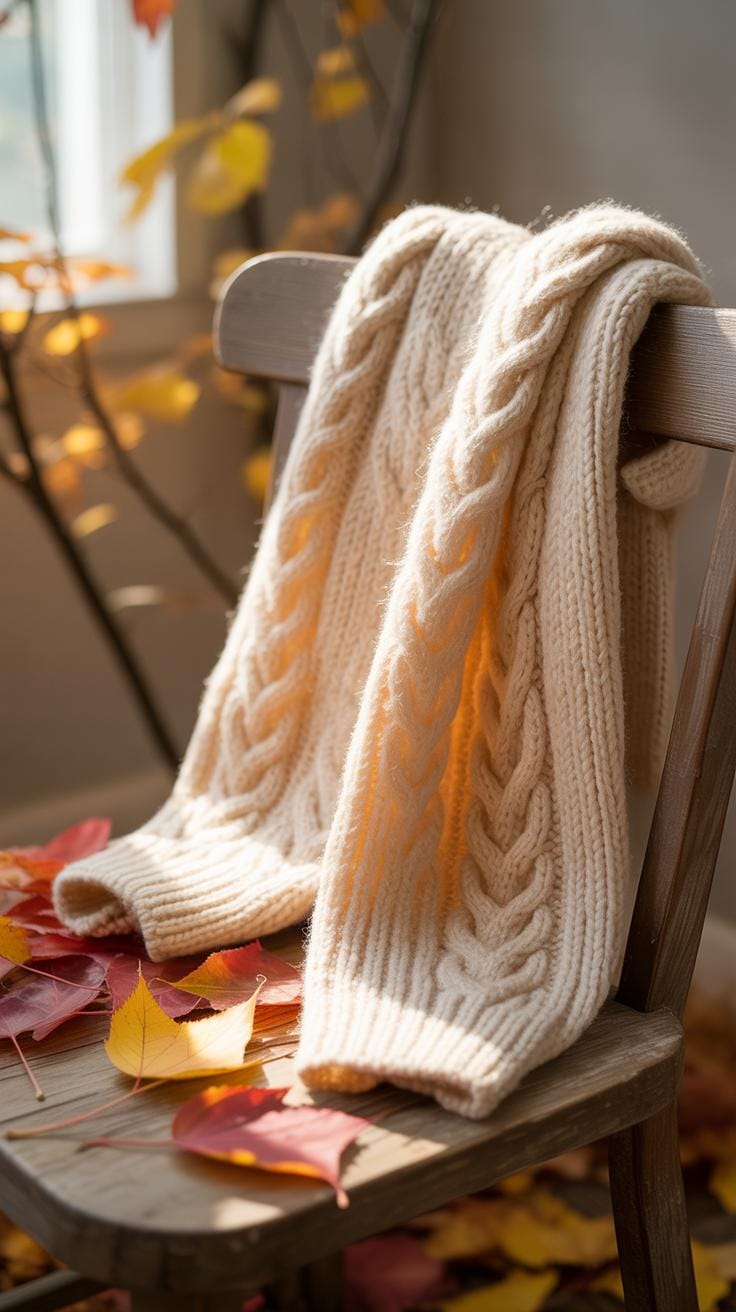
Shifting your clothes from summer to fall isn’t about ditching everything you wear during warmer months. Instead, think about how to mix and match your lightweight pieces with the heavier items you’ll bring in. You don’t need a full overhaul—just a few strategic additions and adjustments.
Start by sorting your summer clothes. Keep your favorites, especially versatile items like cotton tees or linen blouses. Then, pair them with new fall layers such as cardigans, denim jackets, or light sweaters. This way, you get to hold on to what works and still stay cozy when the air chills down.
One trick I’ve found useful is to invest in transitional pieces—things that feel soft enough for late summer but have a bit more warmth. For example, a long-sleeve linen shirt or a thin knit pullover that you can wear over a tank or under a leather jacket. You may find yourself surprised at how these items can extend the life of your summer basics.
Also, think about footwear. Swap sandals for ankle boots or loafers gradually rather than all at once. This helps with comfort on cooler mornings without making you feel like you’re diving headfirst into winter. A similar mindset works with pants—lightweight chinos can lead into cozy corduroys, offering layered warmth without discomfort.
Layering for Changing Temperatures
Layering should feel natural—not complicated or bulky. A simple base like a fitted tee or tank works best. From there, you can add button-up shirts, cardigans, or scarves, depending on the day’s temperature. I often grab a lightweight jacket to tuck under a thicker coat in the evening, that’s something you might want to consider too.
Wear pieces that complement each other. For instance, a sleeveless summer dress combined with tights and a chunky sweater can be surprisingly comfortable on those in-between days. You’re mixing textures and weights without forcing yourself to buy an entirely new wardrobe.
Incorporating Fall Colors Gradually
You don’t need to immediately switch to deep burgundies or burnt oranges. Instead, try adding subtle touches—like a scarf in a muted rust shade or a handbag with olive undertones. These small shifts in color can make your outfit feel seasonally fresh without stepping too far out of your comfort zone.
A great way to experiment is through layering again. Put on a neutral sweater over your summer pieces, then accessorize with jewelry or socks in warm fall tones. If you’re not ready for a full outfit change, these little color tweaks can make a difference in how seasonal your look feels.
Conclusions
Your fall wardrobe does not need to be extensive or complicated. Sticking to essential pieces makes getting dressed easier and keeps your style crisp. Key items like a well-fitted jacket, versatile sweaters, and sturdy boots form a solid foundation. From these, you can create many different looks by mixing layers and accessories.
Remember to choose quality over quantity. Durable materials and neutral colors ensure your wardrobe lasts several seasons. Use the checklist and tips from this article to simplify your closet and feel confident in your fall outfits every day. Minimalist does not equal boring—it means smart choices that serve your lifestyle well.