
Introduction
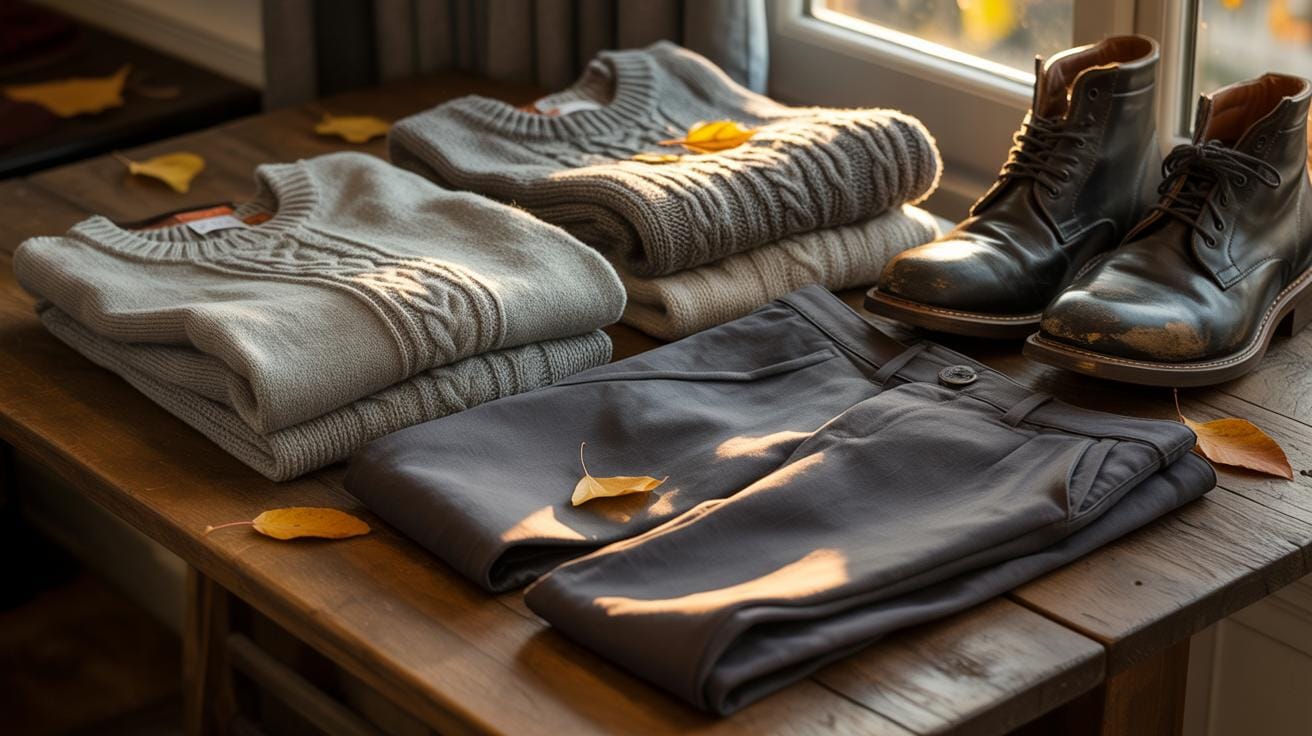
Building your fall capsule wardrobe on a $500 budget is a smart way to simplify daily dressing. A capsule wardrobe involves having a compact collection of key clothing pieces that coordinate well. These pieces let you mix and match to create different looks without buying lots of clothes.
This article will help you understand what items to include. It will guide you on budgeting, selecting versatile items, and making sure your clothes work well together through the fall season. Let’s explore how to make every dollar count and build a capsule wardrobe that suits your needs.
What is a Capsule Wardrobe
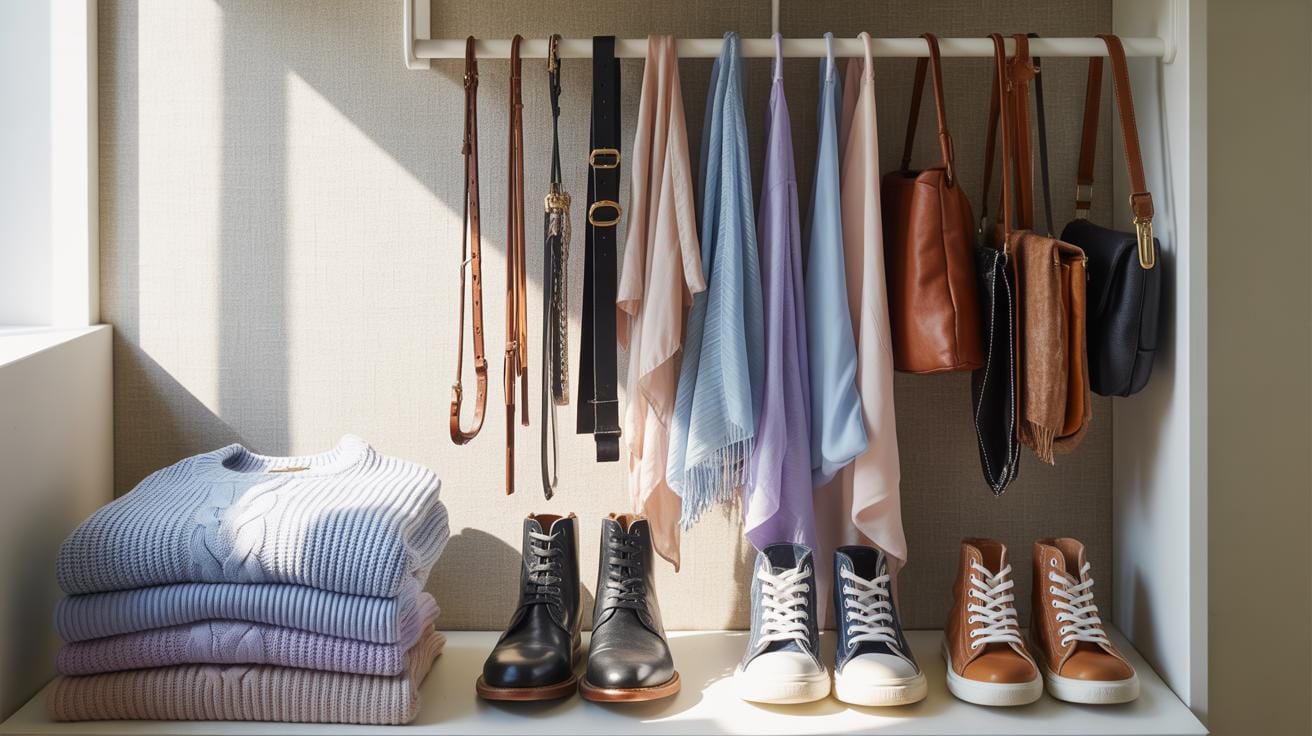

A capsule wardrobe is essentially a small, carefully selected collection of clothing that you truly need and actually wear. The idea is to own fewer pieces but make sure each one can be mixed and matched easily. This way, getting dressed becomes simpler — you don’t have to stare at a cluttered closet wondering what works. Instead, you focus on versatile items that fit well and suit your style.
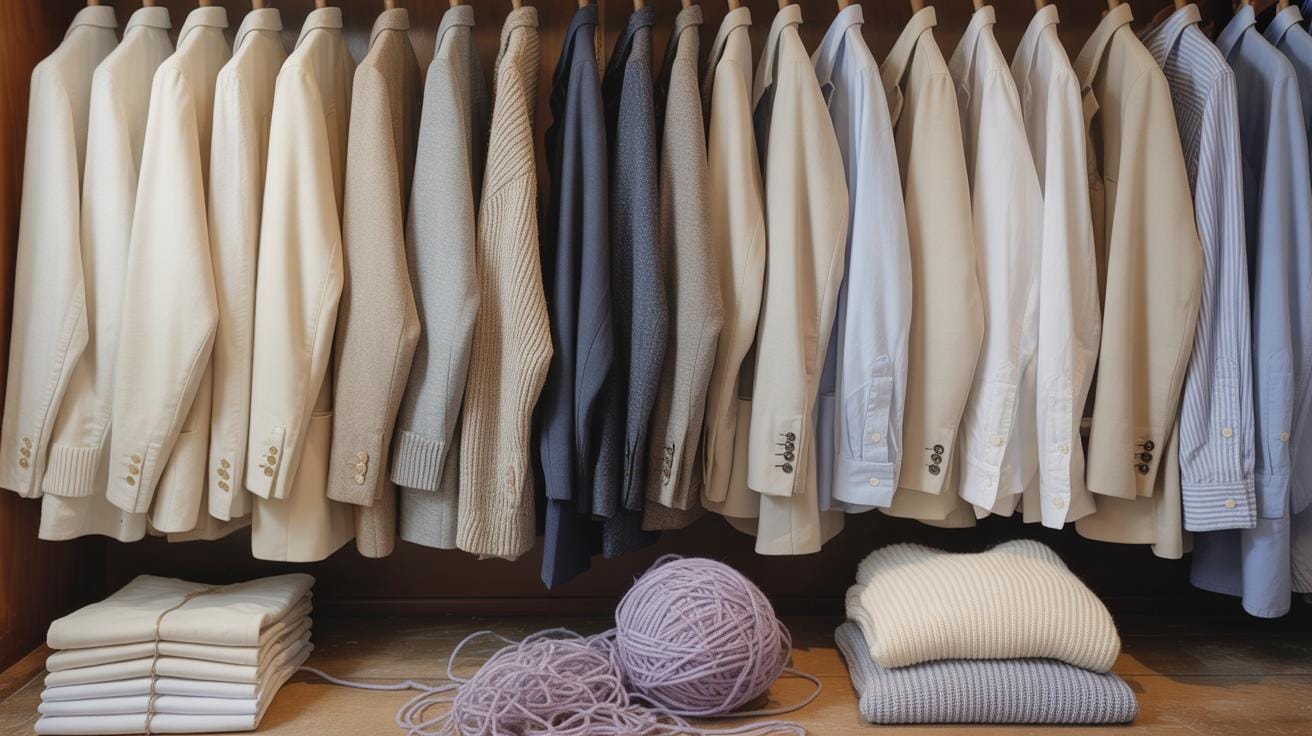
The purpose is clear: reduce decision fatigue and unnecessary purchases. Imagine having a handful of garments that you enjoy wearing, and each item pairs well with several others. Isn’t that easier than juggling a mountain of clothes that never quite feel right together? It feels like less stress every morning.
With a capsule wardrobe, it’s not just about owning less; it’s about choosing smartly. Essentials like a quality pair of jeans, a neutral sweater, or a classic jacket often form the base. Each piece has a role, and together they create multiple outfit options. You might find it strange at first, but the simplicity tends to bring a bit of relief around your daily routine.
Capsule wardrobes are marked by traits like minimalism and versatility. Minimalism means focusing on what’s necessary—not piling up items just because they’re “nice to have.” Versatility is key; a single piece fits in many different looks. This way, dressing becomes straightforward rather than overwhelming. You end up with a cleaner closet and less time spent planning outfits.
Think about staples such as:
- A classic white shirt
- Dark wash denim jeans
- A neutral-toned cardigan or blazer
- Simple, comfortable shoes
- A quality coat for layering
When you have these pieces, mixing becomes easier. Pair that white shirt with jeans or layer the cardigan over a dress. The options increase without needing an extensive inventory.
The term “capsule wardrobe” was first coined in the 1970s by Susie Faux, a London boutique owner, who described a small collection of clothing designed to be worn interchangeably. Later, in the 1980s, fashion designer Donna Karan popularized the concept with her “Seven Easy Pieces” idea, focusing on versatile essentials that mix well.
Interest in capsule wardrobes spiked again in the 2010s as people began rethinking consumption and embracing simpler, more sustainable lifestyles. Social media and blogging also helped spread the concept. These days, many find it appealing because it saves money, reduces clutter, and makes dressing less of a daily hassle. Though, some argue it might feel limiting initially, many discover the opposite as they get used to the concept.
Why Choose a Fall Capsule Wardrobe

There’s something about fall that pushes you to rethink your wardrobe, right? The temperatures can shift dramatically from morning chills to mild afternoons, making it tricky to dress without overpacking your closet. A fall capsule wardrobe simplifies that dilemma. By focusing on a small set of versatile pieces, you save money because you buy only what truly works together. I remember last fall when I realized I owned ten jackets but never twice wore the same one consecutively; this time around, fewer but more useful options felt just right.
For those trying to stick to a budget—the $500 limit here is a real challenge—a capsule wardrobe keeps you from wandering into impulse buys. Instead, you plan and invest in items that match everything else. You don’t need to chase trends or stockpile clothes you rarely wear. It’s about smart choices, not more choices.
Fall weather demands layering to stay comfortable. A single sweater might get you through a chilly morning but leaves you sweating by noon. That’s where capsule pieces shine: they work in layers, adapting effortlessly to changing conditions. Picking items that serve multiple looks—say, a neutral cardigan that pairs effortlessly with jeans or skirts—means you’re ready for whatever the day throws at you, without excess baggage in your closet. Versatility isn’t just nice; it’s necessary.
How to Select Clothes on 500
Working with a $500 budget means you have to be deliberate about what you add to your fall capsule wardrobe. Start by listing out the essentials you truly need—pieces you’ll wear often and that go well together. Don’t rush; take time to prioritize items like a versatile jacket or comfortable, stylish boots. These often cost more but tend to define your whole look.
Next, divide your budget roughly like this: about $150 for outerwear, $100 for tops, $100 for bottoms, and set aside $50 for shoes or accessories. That leaves a bit of wiggle room for unexpected deals or a fun statement piece. It’s not an exact science, but it’s a useful guide to keep your spending balanced.
When shopping, think beyond brand-new full-price options. Outlet stores, discount racks, and even thrift shops can surprise you. Always check fabric quality—natural fibers last longer and look better—even if you pay a little more now. Online sales and cashback offers can stretch your dollars too, though waiting for arrivals can test your patience.
Finally, try pieces on if you can, or measure carefully online. Fit matters more than style if you want your wardrobe to feel cohesive and comfortable. Don’t be afraid to walk away from something just because it’s cheap; saving $10 isn’t useful if the item ends up ignored in your closet.
Staple Pieces for Fall
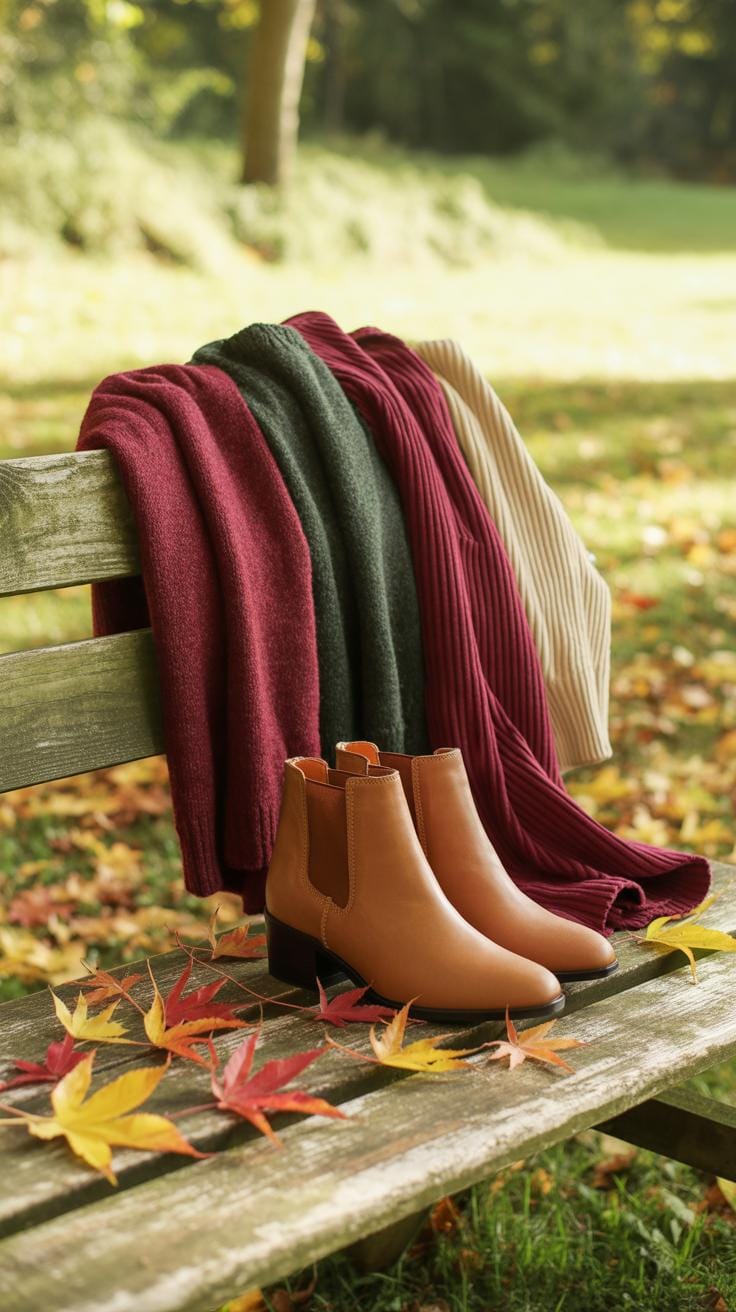
When it comes to a fall capsule wardrobe, certain clothing items serve as the foundation for countless outfits. Think of pieces that you can mix and match easily, layering up or down as the temperature shifts. I find that having a few well-chosen essentials makes getting dressed in the morning a lot simpler—and less stressful.
Here are key pieces you’ll want to focus on:
- Jeans: A good pair of jeans works almost every day. Dark washes or classic blue denim feel timeless and pair well with everything. Plus, they hold up through the season’s wear and tear, and you can dress them up or down.
- Sweaters: Choose versatile knits, maybe a crew neck or turtleneck, that can layer over tees or under jackets. Cotton or wool blends tend to be warm without feeling bulky, which is crucial for those unpredictable fall days.
- Coats: A mid-weight coat—like a trench or wool blend—is perfect for fall. It protects from chill and rain but isn’t overkill before winter sets in. Plus, it ties outfits together nicely.
- Boots: A sturdy yet stylish pair of boots pulls your look together and stands up to wet leaves and muddy paths. Opt for leather or suede in neutral shades for maximum wearability.
On materials: Think durability that doesn’t sacrifice comfort. Denim’s thickness makes it great for holding warmth and structure. Wool blends offer insulation and breathe enough to avoid overheating indoors. Cotton knits are soft and versatile, ideal for layering without bulk. The textures also add interest when you combine them.
Finding the right balance feels a bit like trial and error. Maybe you’ll lean more on sweaters, or perhaps a coat becomes your go-to layering piece. But these staples form the backbone of a capsule wardrobe designed to carry you smoothly through fall’s ups and downs.
Mix and Match Strategies
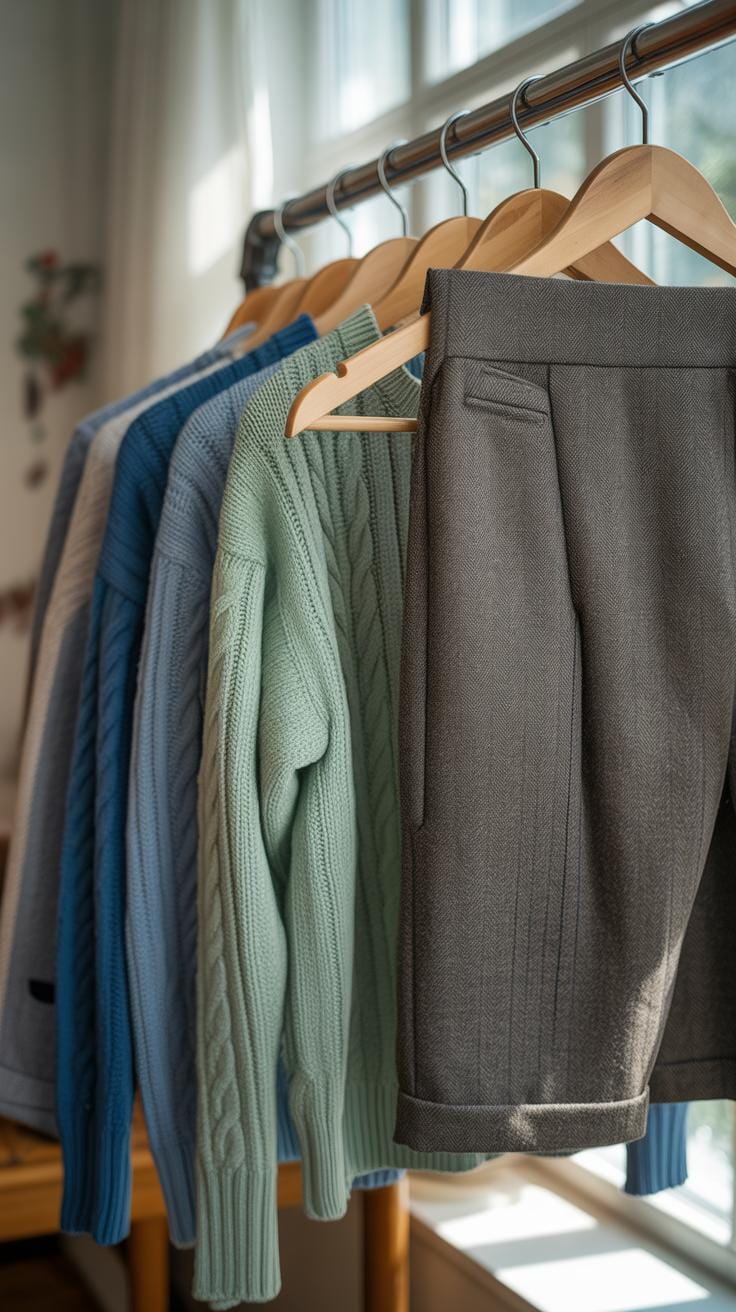
When building your fall capsule wardrobe, the real power lies in how you put pieces together. It’s less about having a ton of clothes and more about how many different outfits you can create from a few key items. Think of your wardrobe almost like a puzzle—you want pieces that fit well with one another in multiple ways.
Start by focusing on coordination. For example, a neutral pair of trousers can pair with at least three different tops and still look fresh. Similarly, a simple cardigan or jacket can shift a look from casual to polished with just a change underneath. It’s surprising how a few accessories, like scarves or belts, can stir up interest without adding bulk.
Color Coordination Tips
Choosing a color palette that plays nicely together is crucial, especially when you’re working with a budget. Stick to about three core colors—think muted tones like navy, camel, and cream—which tend to mix well. Then introduce one or two accent colors to keep things lively. You might wonder if this sounds limiting, but actually, it’s helpful. When the colors match, you’ll find it easier to swap items without clashing or feeling like you’re repeating an outfit too much.
One little trick: look for pieces with subtle patterns or textures in your palette. They add dimension without complicating your combinations. Also, it’s okay if one or two colors stand out—they can draw the eye and give your outfit a focal point.
Layering for Different Occasions
Layering is more than just staying warm—it’s about adapting one outfit to various settings. Consider a simple dress: pairing it with a blazer instantly makes it work-appropriate, while throwing on a chunky scarf and boots gives it a weekend vibe. Layering lets you switch out elements to suit casual, formal, or special occasions without needing a separate outfit for each.
For casual days, think sweaters over tees or cardigans paired with jeans. For work, structured jackets, crisp shirts, or sleek trousers do the trick. Special occasions might call for dressing up similar pieces with jewelry or a silk scarf. The key is having versatile layers that work well together, so your options feel endless even when your wardrobe isn’t.
Taking Care of Your Capsule Clothes
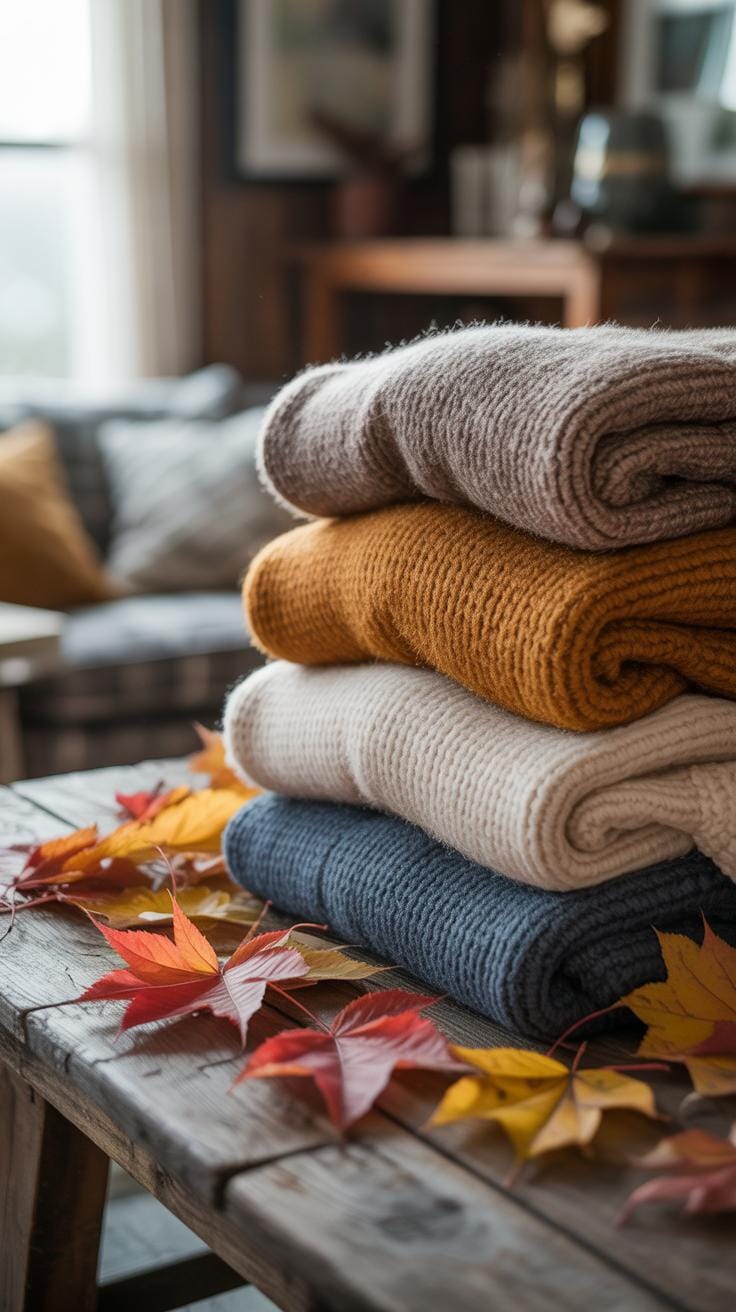
Once you’ve put together your fall capsule wardrobe, the next step is keeping it in good shape. Clothes don’t just last forever by themselves, even the best quality items need some attention. You might think cleaning is straightforward, but fall fabrics—like wool, denim, or knitwear—often need gentler care than summer tees.
Washing and Storage
Many fall garments benefit from cold water washes to prevent shrinking or fading. For instance, that cozy wool sweater? It probably doesn’t need washing after every wear. Spot cleaning or airing it out can help keep it fresh without overdoing it.
When it comes to storing, folding heavier sweaters rather than hanging them reduces stretching. Hanging can distort the shoulders, and yes, I learned that the hard way. Scarves, hats, and gloves are best kept in breathable boxes or bags to avoid moisture buildup. Moisture is sneaky, causing fabric damage sometimes without obvious signs until it’s too late.
Repairing Basics
Sewing a button back on might seem like something to avoid, but mastering that small skill can keep your favorite pieces in rotation longer. Needle and thread don’t have to be scary. Try simple stitches on a few worn-out shirts or old scarves first—it’s kind of satisfying. Fixing tiny tears early also prevents them from turning into larger holes that could end a garment’s life prematurely.
Sometimes, replacing a zipper or patching a small area feels daunting. Start with small projects and build confidence slowly. It’s not about becoming a professional tailor overnight, but about extending the usability of your capsule pieces without replacing them—and, well, who doesn’t want that?
Avoiding Common Wardrobe Mistakes
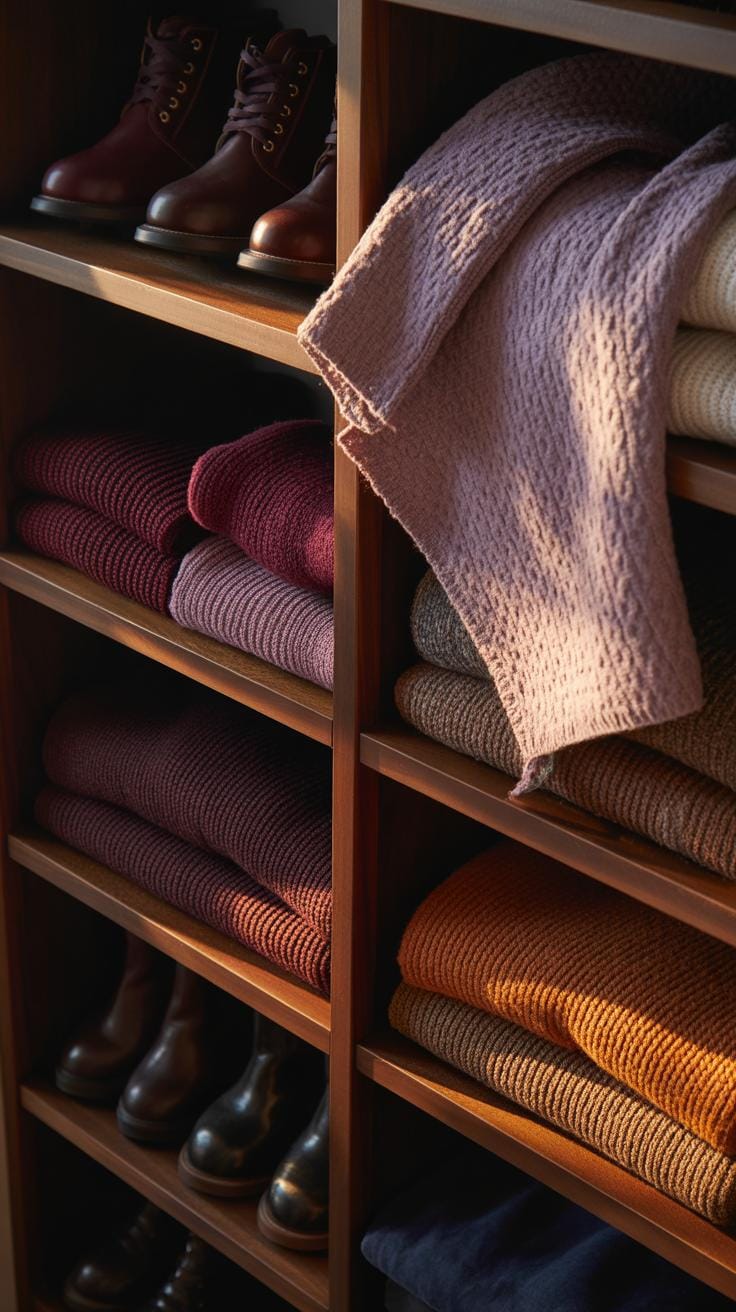
Building a fall capsule wardrobe sounds straightforward, but many stumble over simple pitfalls. One frequent mistake is buying pieces that don’t really work together. It’s tempting to grab a cute sweater or trendy jacket, only to find later that it clashes with everything else. Imagine owning three tops that all pair with one bottom — not much variety there. To avoid this, focus on items that share a color palette or similar style vibes. It might feel limiting, but it actually makes daily choices easier.
Another misstep is overlooking comfort and how your clothes fit your lifestyle. A capsule wardrobe isn’t just about looking good; it’s about feeling right in what you wear. If you pick something too tight or too formal for how you spend your days, you won’t wear it often — no matter how stylish it is. Think about what suits your routines. If your day includes walking or sitting at a desk, your clothes should reflect that. Less stress equals more use.
These errors don’t happen because people don’t want a functional wardrobe. It’s easy to get excited and lose sight of practicality. The trick is to stay thoughtful: buy fewer items, but choose wisely for how you live and move. That way, your fall capsule actually works, not just looks good on paper.
Sample Fall Capsule Wardrobe

Putting together a fall capsule wardrobe on a $500 budget requires a bit of planning and compromise, but it’s doable—I’ve seen it myself. Here’s a practical example of pieces that work together well without breaking the bank. The idea is to keep things versatile, so each item pulls double duty.
Itemized Wardrobe List
Here’s a rough breakdown of a basic selection suited for fall, with estimated prices that add up close to $500:
- Lightweight knit sweater – $35
- Long-sleeve button-down shirt – $25
- Basic white tee – $10 (sometimes a pack of 2)
- Dark wash jeans – $40
- Black leggings – $20
- Casual ankle boots – $60
- Neutral cardigan – $30
- Denim jacket – $45
- Scarf – $15
- Crossbody bag – $40
- Simple black dress – $40
- Cozy flannel shirt – $30
- Pair of loafers or flats – $50
- Basic hoodie – $20
This list totals about $460, give or take some sales or local pricing, leaving room for a little wiggle.
Outfit Examples
Now, think through how these fit into real fall days. A chilly morning might call for jeans, the lightweight knit sweater, and ankle boots—adding the scarf if the wind picks up. For a casual weekend, pair the leggings with the hoodie and sneakers if you have them, or the flats if you’re stepping out.
On days you want something a bit neater, try the button-down under the cardigan with loafers. Or wear the black dress layered with the denim jacket and boots for a more put-together look that’s still comfortable. Flannel shirts work well both as outer layers or tied around the waist when it warms up afternoons.
Each piece is chosen to mix and match easily—that’s the point, right? You don’t have to stress each morning, but you do get plenty of looks without extra spending. It’s not perfect, maybe a little plain, but it keeps you covered.
Conclusions
Creating a fall capsule wardrobe on a $500 budget requires planning and smart choices. Focus on key pieces that layer well and match your style. This approach helps you dress easily and look good without overspending. You will have clothes that fit different occasions and weather.
Remember to shop for staple items first, then add versatile layers. Use accessories to change looks. Keep your colors coordinated. With these steps, you will enjoy a practical and stylish fall wardrobe that stays within budget and serves you well through the season.