

Introduction
European fashion offers a rich mix of styles influenced by centuries of culture and varied climates. Many people think following European fashion means spending a lot of money. But that’s not true. You can enjoy European fashion trends that actually work for your budget.
This article guides you through smart ways to pick European styles without overspending. You will learn about budget-friendly options, tips for shopping, and examples of where to find good deals. Let’s start exploring European fashion trends that suit your money plan.
What Defines European Fashion Today
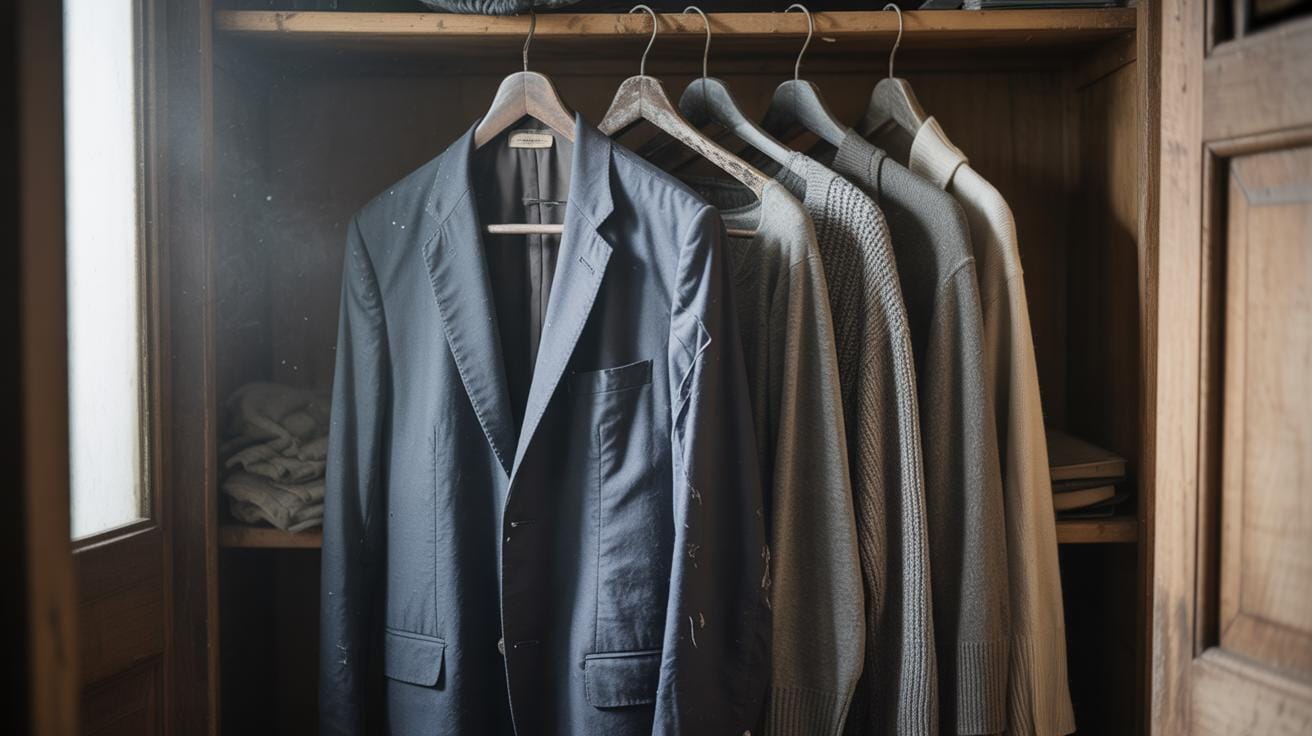
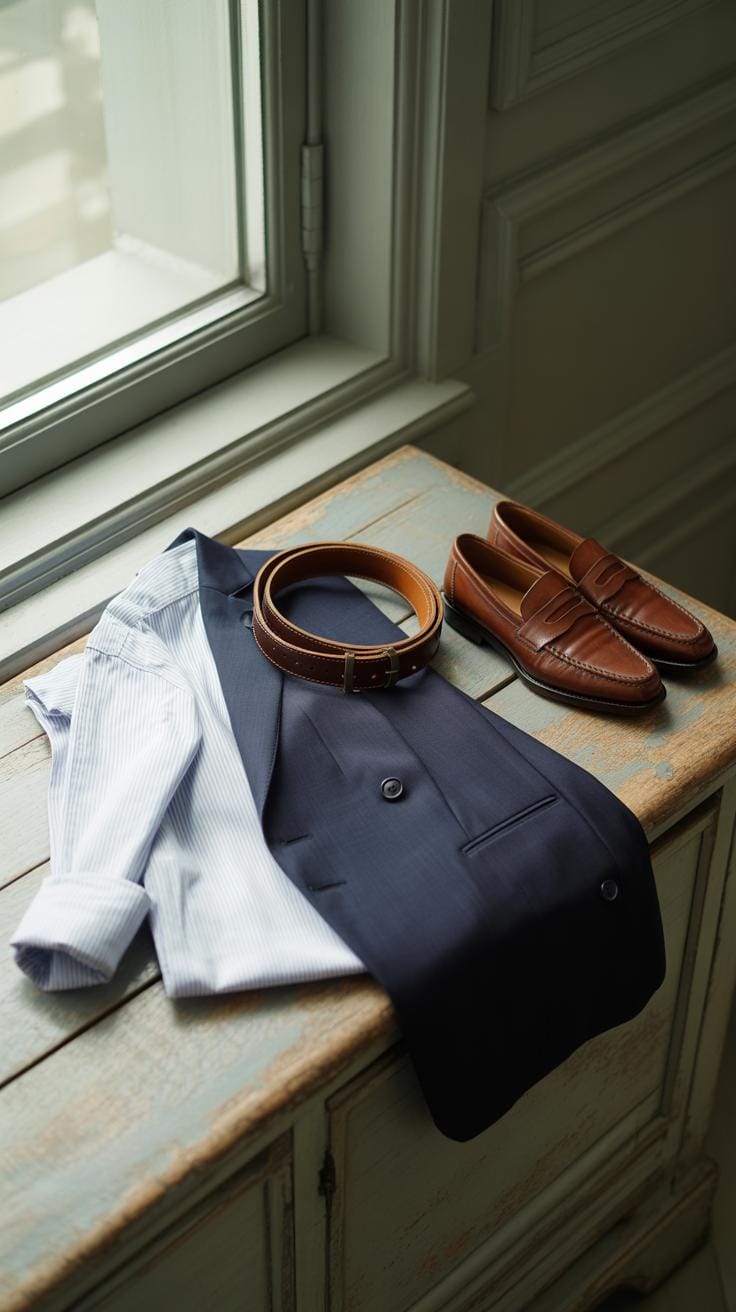
European fashion today blends tradition with simplicity, creating looks that feel familiar yet fresh. You’ll notice that many styles favor clean lines and practical shapes, not just flashy trends. There’s a focus on quality over quantity — clothes that last, not just one season.
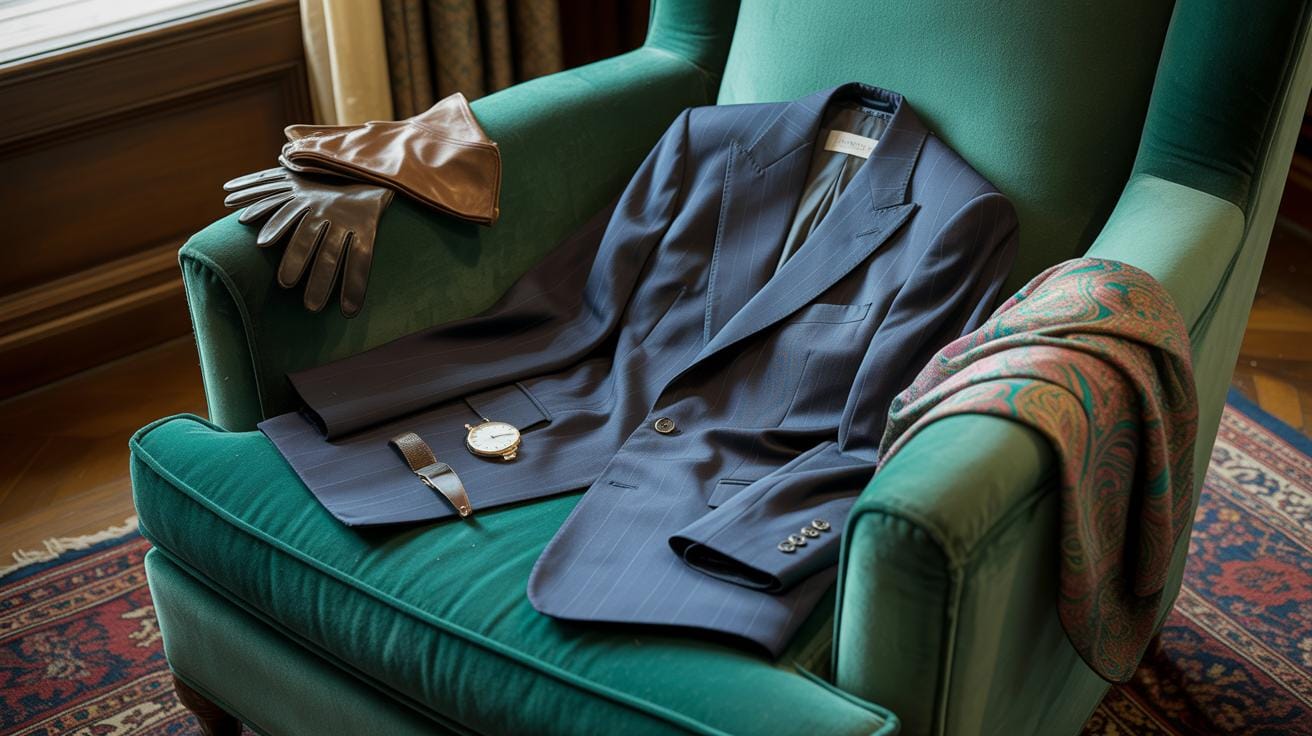
Styles often draw on cultural history but remain accessible. For example, you might see modern twists on classic tailoring or subtle details influenced by regional heritage. There’s something almost casual about the way Europeans mix elegance with comfort that makes it approachable.
Materials tend to be natural—wool, linen, cotton—and fabrics with texture, not just smooth or synthetic surfaces. Colors usually stay muted: earthy tones, greys, whites, and blues dominate. These palettes feel grounded but flexible enough to suit many occasions.
Often, it’s about layers, thoughtful accessories, and combining pieces you already own in new ways. Maybe it’s less about following every runway and more about expressing yourself within a functional framework. You could say European fashion invites you to rethink your wardrobe thoughtfully rather than radically.
Main Styles Across Europe
Fashion in Europe shifts depending on the region, which makes it surprisingly varied. France is known for its effortless chic—you see simple, well-cut pieces combined with subtle flair. Think Breton stripes and tailored coats that never feel overdone.
Italy leans into sharp tailoring and vibrant fabrics. There’s a certain confidence in form-fitting blazers and luxurious touches, but it’s never just about looking expensive. It’s the fit and detail that count.
In Scandinavia, minimalism rules. Clean, practical designs with understated colors define the look. Functional layering and modern silhouettes often come with eco-conscious choices, matching lifestyle and style closely.
Spain and Portugal bring in warmer tones and lighter fabrics, influenced by Mediterranean climates. You’ll find relaxed fits, natural fibers, and an easy-going vibe—like fashion that breathes with the sun.
Materials and Colors Commonly Used
European designers favor fabrics that balance durability and feel. Wool and cashmere keep things warm but elegant. Linen, popular in the south, adds breathability and texture. Cotton remains a staple for daily wear, especially in blues and off-whites.
Colors rarely scream for attention—they’re soft, calm, and blend well. You’ll find a lot of beige, navy, grey, and olive green. These choices let you mix and match without fuss, making it easier to build a coherent wardrobe.
Sometimes a pop of muted color shows up—a rust orange or deep burgundy—but it’s subtle and often seasonal. Overall, the palette is about looking polished but relaxed, adaptable for the city streets or a casual weekend.
Choosing such fabrics and colors means you spend less replacing things, which might be why European styles feel budget-friendly despite having a refined look. It’s a kind of practicality that’s surprisingly stylish, if you ask me.
Where to Find BudgetFriendly Fashion in Europe
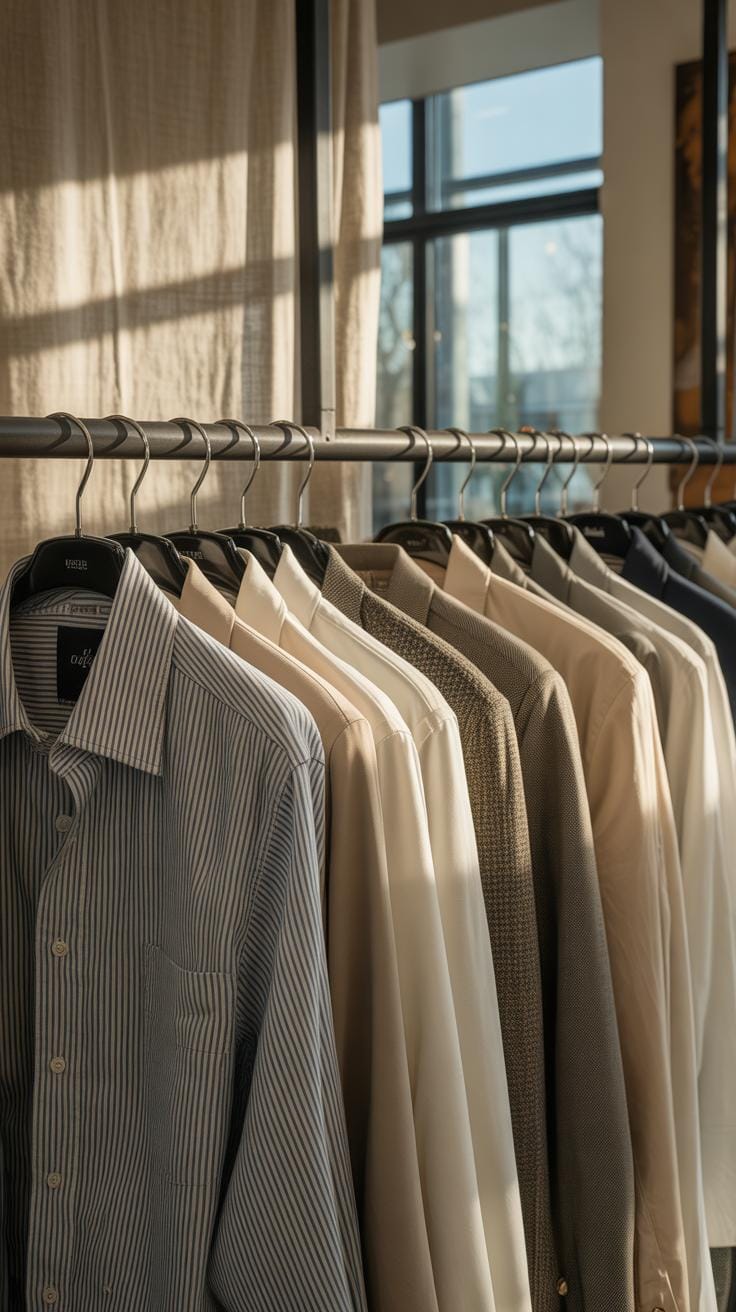
Europe’s many cities offer surprising places to find stylish pieces without emptying your wallet. You might think luxury dominates, but there are plenty of spots that cater to budget-conscious shoppers.
For instance, Berlin’s flea markets are gold mines if you enjoy thrift shopping. Places like Mauerpark have vendors selling unique finds, from vintage leather jackets to quirky accessories. It’s less about high-end brands and more about character and individual style.
Then there are outlet villages scattered across Europe. La Vallée Village near Paris is popular and often features discounts on well-known labels. You might find last season’s pieces at a fraction of the price, but expect crowds and mixed availability.
Affordable boutiques also play a role. Cities like Lisbon or Warsaw have up-and-coming designers whose shops blend quality with reasonable pricing. You’re less likely to find global brands here, but these shops can surprise you with fresh, locally made items.
Best European Cities for Affordable Shopping
Some cities just seem to get budget shopping right. Berlin, for one, is highly regarded for its thrift shops and alternative scene. You’ll find both well-known second-hand stores and flea markets packed with hidden gems.
Madrid offers a mix of outlet centers and traditional markets, like El Rastro, which buzz on weekends. Plenty of affordable, trendy pieces wait there if you have patience and a keen eye.
Prague also deserves mention. It combines vintage shops with local boutiques selling fashion at lower prices than Western Europe. It might not scream “fashion capital,” yet it’s gaining attention for smart shopping choices.
Types of Shops Offering Good Deals
Understanding the differences among thrift stores, outlets, and budget boutiques helps you shop smarter.
- Thrift stores tend to sell pre-loved items. Sometimes the quality feels hit or miss, but patience can score you designer pieces or unique vintage clothes. Check carefully — sizing and wear vary widely.
- Outlet stores usually stock excess or out-of-season inventory. You’ll get brand-name items cheaper but beware of limited sizes and styles. Timing matters; visiting just after a seasonal sale might be best.
- Budget-friendly boutiques often focus on local designers or less-known brands. Their items tend to be unique and fresh, perfectly fitting casual or modern aesthetics. Prices vary, so scanning several shops helps.
In any case, don’t rush. Hunting for budget fashion in Europe can be a slow but rewarding process. What catches your eye might be an overlooked treasure by someone else.
How to Choose Fashion That Fits Your Budget
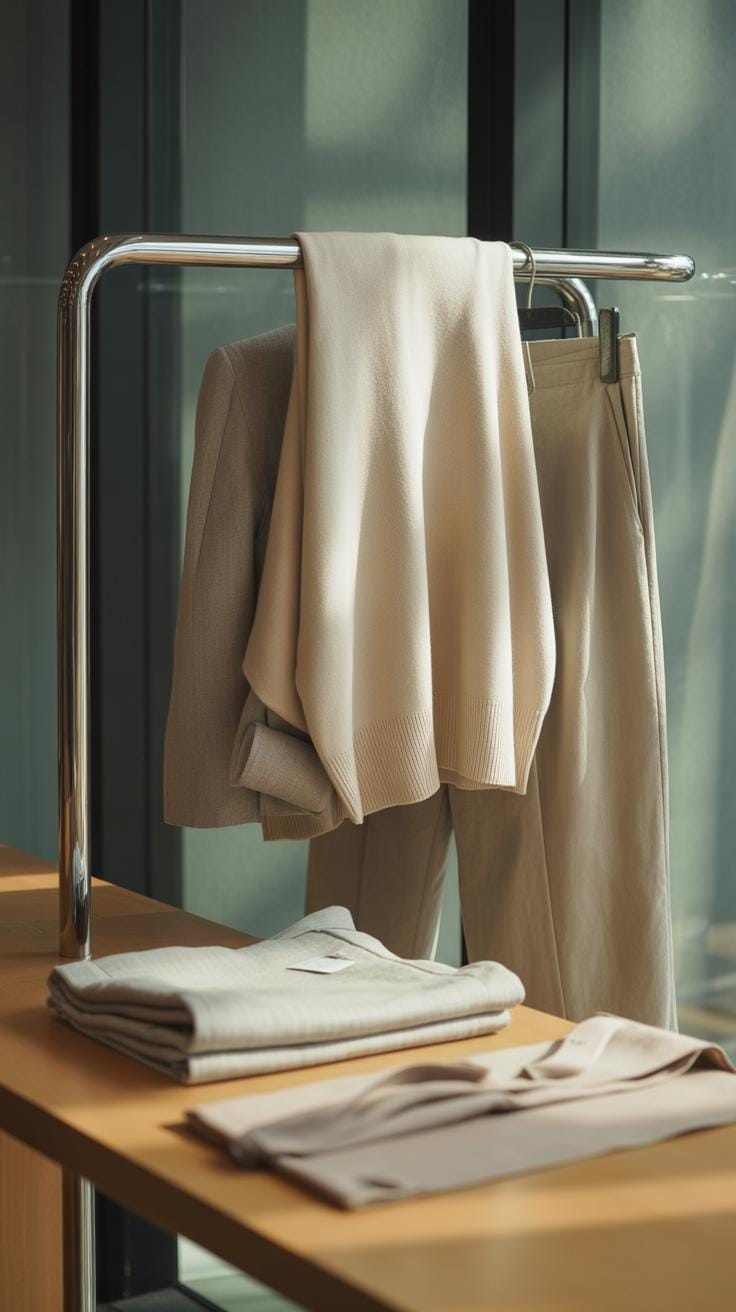
When shopping for European fashion, striking the right balance between style and cost can be tricky. You want pieces that feel timeless, but also won’t drain your wallet. One strategy I’ve found helpful is focusing first on wardrobe basics. These are the items you wear over and over—think a crisp white shirt, tailored trousers, or a simple trench coat. Such pieces can be paired easily with trendier or more affordable items, stretching your wardrobe further than you might expect.
Try asking yourself: Does this piece work with what I already have? Can I wear it more than once in different ways? If the answer leans toward yes, it’s probably a smart buy, even if it costs a bit more upfront.
Mixing higher-end items with cheaper finds is another way to stay stylish without overspending. For example:
- Pair a quality leather handbag with a budget-friendly dress.
- Wear designer shoes but save on blouses from local shops.
- Invest in a good coat and pair it with less expensive scarves or hats.
This approach creates a balanced look that doesn’t scream “budget,” yet keeps your spending in check. You might find, unexpectedly, that mixing price points gives you more creative freedom than sticking strictly to either side.
Sometimes, you might hesitate—should you stretch your budget on a statement piece or save it and buy more basics? There’s no one right answer. It depends on your lifestyle, needs, and how much you enjoy certain styles. Trying a mix, paying attention to what you wear the most, and adjusting over time usually leads to a wardrobe that fits both your style and your budget.
Checklist for Shopping European Fashion on a Budget
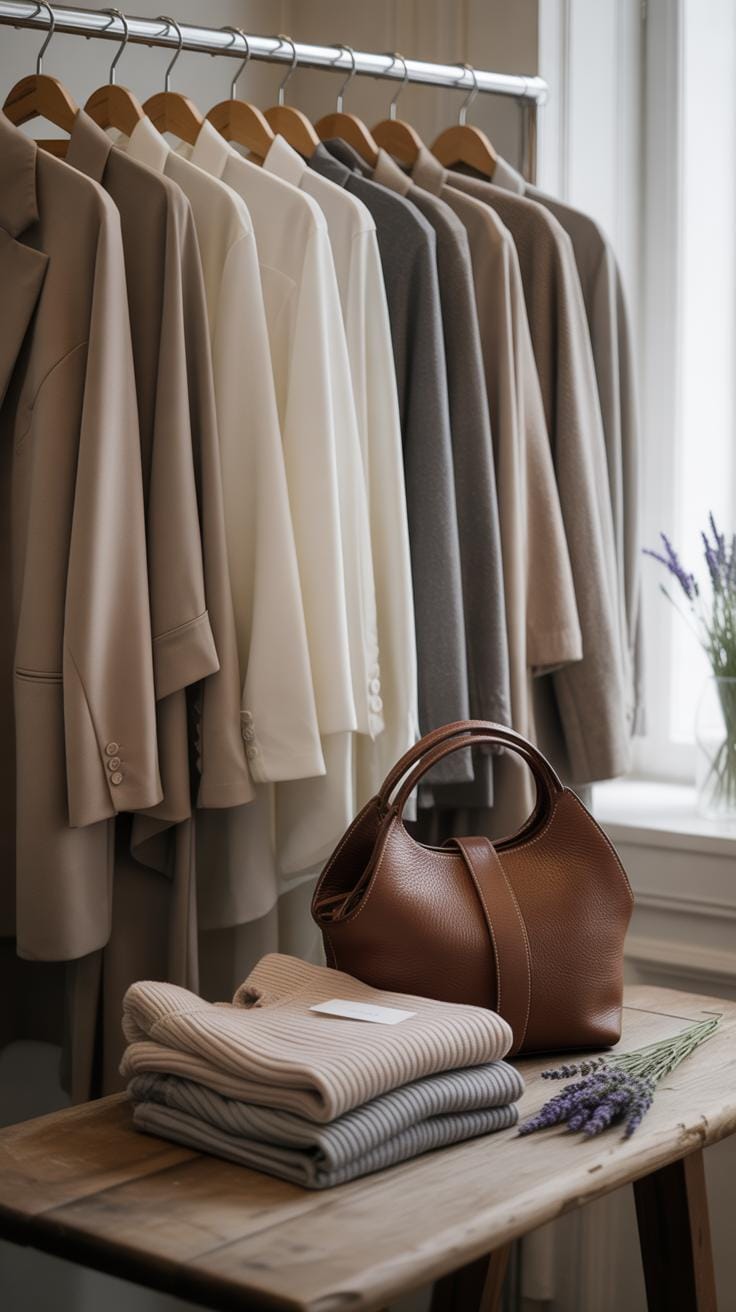
Pre-Shopping Planning Steps
First, set a clear budget before diving into the hunt. Knowing your limit keeps things realistic and helps avoid impulse buys that don’t fit your style or wallet.
Next, spend some time browsing current European trends online or in magazines. This doesn’t mean you have to follow every fad, but it helps you spot what styles catch your eye—so you’re not overwhelmed when you shop.
Make a wish list. Write down specific items you want, like a classic trench coat or tailored trousers. It’s okay to be flexible, but having a guide prevents wandering aimlessly and overspending.
Shopping Day Tips
When you’re out shopping, pause to compare prices between stores or market stalls. Prices can vary even for similar pieces, and that variation might be surprisingly big.
Don’t overlook the feel and quality of materials. European fashion often favors natural fabrics like wool, linen, or cotton, which last longer. You might spend slightly more upfront but save in the long run.
Try pieces on instead of guessing sizes—they can differ from what you expect, especially with European cuts. And if something feels uncomfortable, don’t force it just because it’s on sale.
Lastly, remember to take breaks. Shopping for style isn’t a race. Sometimes stepping back helps you reassess and avoid quick buys you might regret later.
Common Mistakes When Buying Budget European Fashion
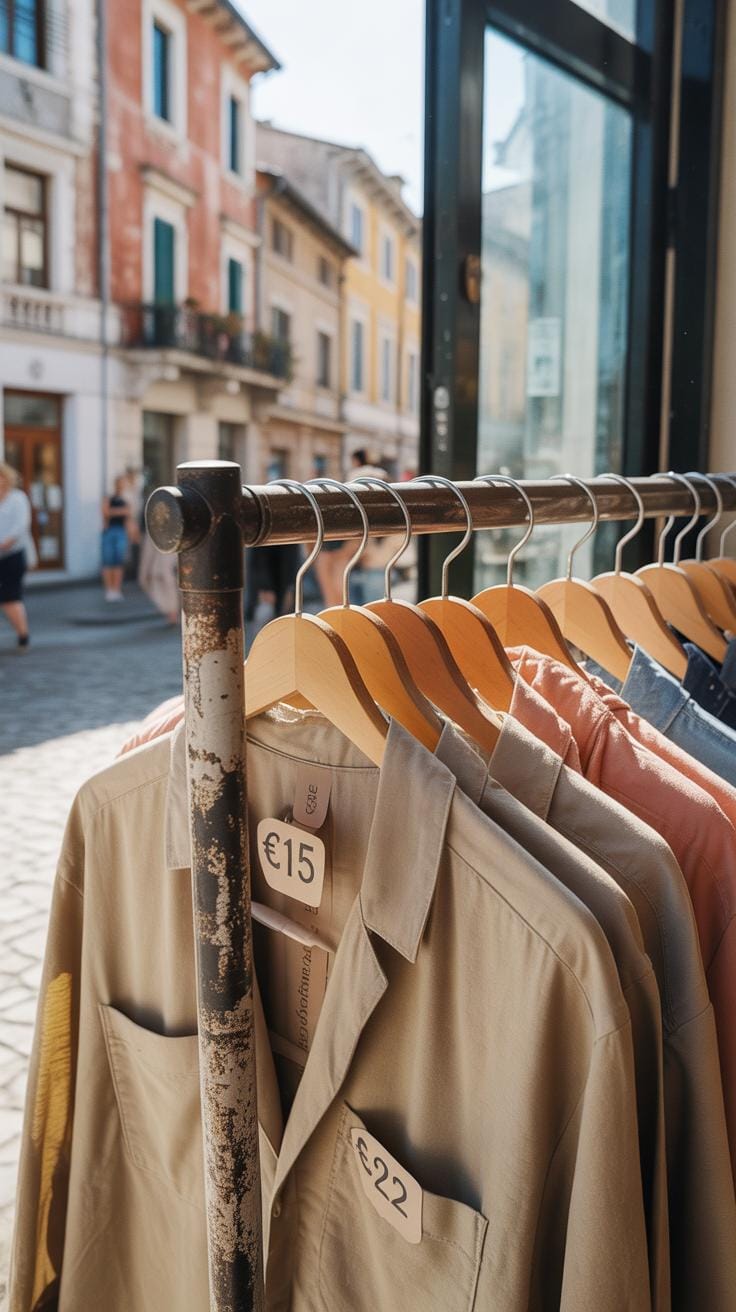
Overspending on Trends That Fade
Many shoppers get caught up chasing every new European trend that pops up. It’s easy to fall into this trap because trends often come with a certain excitement, making you think you need to buy the latest item now. But this habit can drain your budget quickly. Buying something just because it’s “in” right now might mean it sits unused in your closet soon after. Trends, by their nature, don’t last very long.
Maybe you’ve noticed yourself buying a trendy jacket, only to realize a few months later it no longer fits your style or season. Wouldn’t it be better to focus on styles that feel timeless or versatile? Stretching your budget toward thoughtful purchases rather than fleeting fads helps you build a wardrobe that works longer. Resist the urge to buy every hot piece; ask yourself if it’s truly worth it or just a passing fancy.
Ignoring Quality for Low Price
When shopping European fashion on a budget, it’s tempting to grab the cheapest option. But low price often hides poor quality. Those bargain finds might look appealing at first, but they rarely hold up over time.
For instance, a cheap knit sweater might lose shape or pill after a couple of washes, forcing you to replace it soon. This “save now, spend later” cycle can be frustrating and expensive. Instead, check fabrics and stitching carefully. Look at reviews or try to touch the material when possible. Sometimes spending a bit more upfront on better quality pays off by lasting through seasons and saving money overall.
It can feel like choosing between price and quality is a lose-lose game. Yet, with patience, you can find budget-friendly European pieces that don’t fall apart. Avoid rushing into buys just because they’re cheap—think about the cost per wear instead.
How to Use Accessories to Elevate Budget Outfits

Accessories have this quiet power to lift even the simplest European fashion staples. When you’re working with basics—say a plain blouse or classic jeans—a well-chosen accessory can instantly make the look feel fresh and unique. Think about a neutral outfit suddenly popping because of a bright scarf draped just so, or a minimal dress paired with a bold bag that speaks volumes without saying a word.
It’s interesting how something small can shift your whole vibe. Adding a structured leather bag or layering delicate jewelry changes the outfit’s story without the need for expensive clothes. And it’s not about piling on every accessory. Sometimes, one statement piece creates enough impact.
You might even find that swapping out accessories depending on your mood or event makes your wardrobe feel bigger than it is. It’s a small investment with a surprisingly large payoff. So, if your budget insists on basics, accessories can—almost magically—give you that European edge that looks intentional and, well, stylish.
Choosing Signature Accessories
Picking the right accessories is tricky but rewarding. Scarves, for example, are a classic European staple. A silk scarf tied around the neck or woven into your hair can add a subtle touch of elegance or a splash of color.
Bags are another game-changer. A simple crossbody or a tote in a unique shape or color can make a basic outfit stand out. Look for styles that have a bit of character—some texture, interesting hardware, or an unexpected hue.
Jewelry doesn’t need to be flashy but should feel considered. Think thin gold chains, asymmetrical earrings, or chunky rings. These pieces add personality without overwhelming your look. And if you feel like mixing it up, layering simple necklaces or stacking rings can create something that’s yours, something not quite predictable.
Stylish and Affordable Accessory Shops
Finding European shops where affordable accessories don’t mean boring is easier than you may think. Places like:
- Accessorize, with stores across the UK, offers trendy pieces that won’t break the bank.
- Mango Outlet often has scarves and bags with the signature Mediterranean vibe, at reduced prices.
- H&M, though international, has a strong presence in Europe with consistent accessory finds that balance trend and budget.
- Stradivarius in Spain, known for youthful and colorful accessories, usually at reasonable prices.
- Etsy European sellers—a bit less traditional, but you can find handmade scarves, jewelry, and bags with a unique flair without overspending.
Exploring local markets across Europe can also yield hidden accessory treasures. Don’t overlook street vendors or smaller boutiques where you might stumble upon original pieces that tell a story. Sometimes the best finds don’t come with a price tag that screams “expensive,” but rather a nod to simple style done well.
Case Study European Street Fashion on Budget

When you walk through the streets of European cities like Paris, Milan, or Berlin, you’ll notice styles that seem effortlessly chic but don’t break the bank. Take Paris, for example. It’s common to spot someone wearing a simple striped top paired with high-waisted jeans, complemented by affordable yet stylish loafers or ankle boots from local shops rather than big designer brands.
In Milan, layering plays a key role. You might see a lightweight knit sweater over a plain shirt, combined with sleek but budget-friendly trousers and a classic scarf. It’s all about mixing basics with a few unique accessories like vintage leather bags or eye-catching jewelry picked up from markets.
Berlin shows a slightly different approach—comfort meets creativity. People often dress in muted tones, layering thrifted jackets or oversized coats with simple sneakers. This creates a distinct look without spending much. Notice the subtle details: a scarf with an interesting pattern, or a hat that adds character to a practical outfit.
These looks aren’t about flashy logos or the latest runway trends but focus on the quality of fit, smart layering, and well-chosen accessories that bring the entire outfit together without overspending. Ever wonder how locals keep their style sharp yet affordable? It’s partly habit and partly a mindset.
Popular Looks from Major Cities
Parisian street style often includes:
- A striped Breton shirt paired with slim trousers or jeans
- Neutral trench coats or simple wool jackets
- Minimalistic leather flats or low-heeled shoes
- Delicate scarves adding a subtle pop of color
In Milan, you might find:
- Monochrome outfits with layers of neutral tones like beige, gray, or black
- Fitted sweaters under loose blazers or denim jackets
- Affordable statement handbags, often vintage or from local boutiques
- Clean sneakers or polished loafers
Berlin’s style is more casual but still intentional, with:
- Oversized coats or bomber jackets found in thrift stores
- Comfy jeans or utilitarian pants
- Layered T-shirts or sweatshirts
- Simple sneakers or boots with character
These outfits show how a few smart choices create distinctive European looks. It’s about mixing what’s affordable with what feels personal.
How Locals Keep Style Affordable
People in these cities often share approaches that keep their wardrobe stylish without excess spending. Here are some common habits:
- Frequenting local markets, thrift shops, and sample sales to find unique pieces at a lower price
- Investing in timeless basics rather than chasing fast-fashion trends that fade quickly
- Swapping clothes with friends or participating in clothing exchanges, which makes refreshing a wardrobe easier and cheaper
- Buying fewer but better-fitting items that can mix and match well with what they already own
- Using accessories like scarves, hats, or jewelry to change the look of an outfit instead of buying entirely new clothes
There’s also a mindset of valuing comfort and personal style over status symbols. It’s interesting to see how this sense of practicality blends with a desire to look put together every day. So, can embracing these habits help you build a wardrobe that reflects European style—and still respects your budget?
Online Resources for Budget European Fashion

Finding European fashion that fits your budget can feel a bit overwhelming at first. But there are some solid websites and apps out there where you’ll catch not only trends but also good deals. Websites like Zalando and ASOS offer a wide variety of European brands, often with sales or outlet sections. I once found a great trench coat on Zalando for a fraction of the original price, which was kind of surprising given the quality.
Vinted is an interesting platform too—primarily for secondhand clothes. It’s popular in many European countries, so you get pieces that are genuinely European style but way cheaper. Apps like Depop can be hit or miss, but if you dig through, there’s definitely budget-friendly stuff with authentic European vibes.
Top Fashion Deal Websites
These platforms stand out when hunting for affordable European fashion:
- About You – Offers a broad range of brands, plus frequent discounts. Their style quizzes help you explore what suits you without wasting money.
- SSENSE – Not always the cheapest, yet their sale section is worth checking regularly. I tend to bookmark those pages for when I’m looking for designer discounts.
- Zalando Lounge – This is a flash sale site linked to Zalando. Deals appear fast and disappear faster, but the savings can be pretty big.
- H&M Conscious – If sustainability matters, their Conscious collection sometimes hits the sweet spot between style, eco-awareness, and price.
Social Media and Influencers to Follow
If you want direct, accessible ideas and deals, social media’s a good call. Accounts like @thebudgetedit and @frugalfashionista frequently share tips on affordable European brands and styling tricks that won’t empty your wallet. Some European influencers, say Remi Eskandari or Pernille Teisbaek, balance high-style looks with budget-friendly alternatives or thrifted fashion features—they make you rethink what “affordable” fashion can look like.
Also, following fashion hashtags linked to cities like Milan or Paris can surface fresh trends without splurging. The challenge is to sift through the noise, but there are gems if you stay patient enough. Have you tried checking the comments under influencers’ posts? People often share where to snag similar styles for less, which can be surprisingly helpful.
Seasonal Trends and Budget Planning
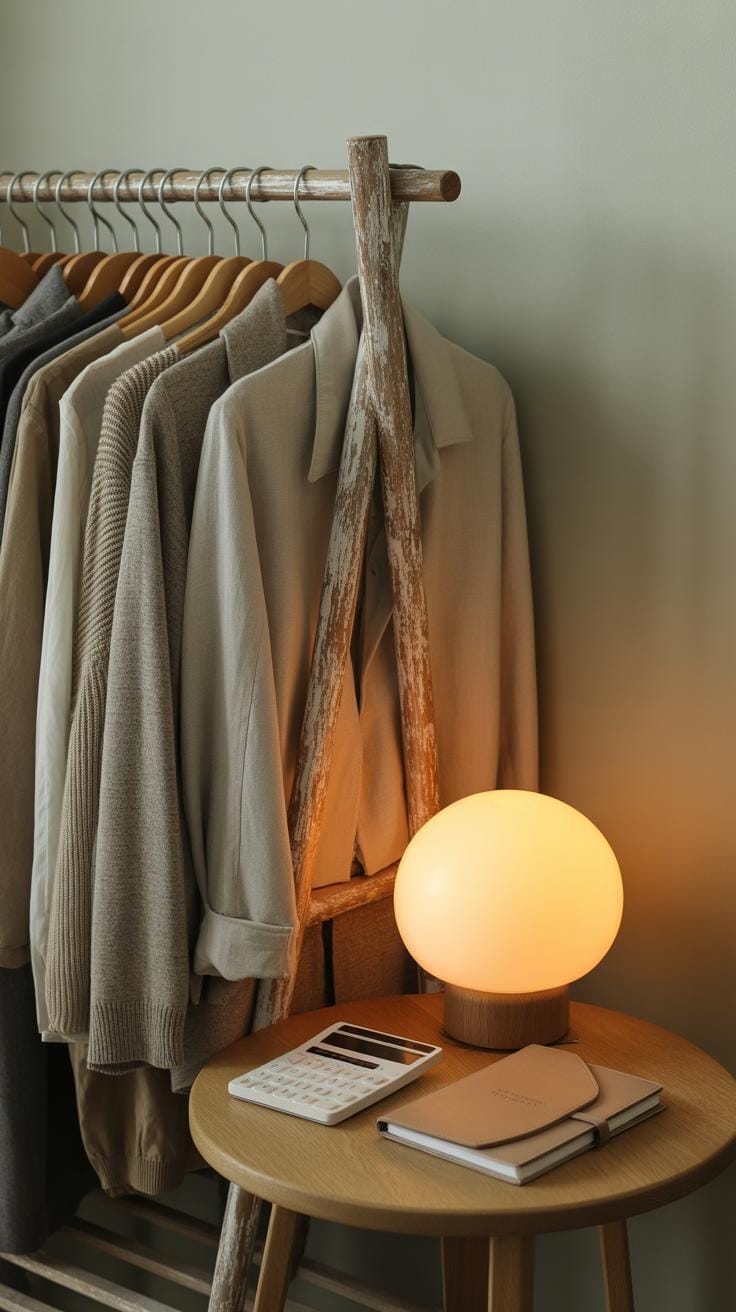
European fashion shifts as the seasons change, and your wardrobe choices should reflect that—without breaking the bank. Each season brings its own set of styles influenced by weather, events, and cultural rhythms. Spring favors lighter layers and fresh colors, while fall leans toward cozy knits and earth tones. Being aware of these subtle shifts can help you plan purchases better, so you don’t end up splurging when sales hit or overbuying items you won’t wear long.
When budgeting for seasonal changes, it helps to think ahead about what pieces you really need and which can transition across seasons. For example, a well-cut blazer or sturdy boots can work from fall into winter, stretching their use and making each euro count. It’s a bit like investment, but with clothes—what serves double duty can justify a higher price tag.
Smart Purchases by Season
Timing is key if you want European style without overspending. Here’s a loose guide on when to shop smart during the year:
- Spring: Buy lightweight scarves, cotton shirts, and trench coats early when retailers introduce new lines.
- Summer: Grab swimwear and sandals off-season, like late summer or early fall, when stores clear stock.
- Fall: Focus on layering essentials such as sweaters, long-sleeve tops, and leather jackets. Discounts tend to appear mid-October.
- Winter: Wait for post-holiday sales to invest in coats, boots, and heavier knits that will last through the cold months.
This approach can save money, but it’s not an exact science. Sometimes, a great piece pops up outside these windows, and it pays to stay open-minded rather than rigid.
Storing and Caring for Clothes
Stretching your budget doesn’t stop at buying smart; it extends to how you treat your clothes afterward. Proper storage slows wear, prevents damage, and can mean fewer replacements.
For example, wool and cashmere items do better folded in drawers or breathable garment bags rather than stuffed tightly in closets. Leather shoes need to be cleaned and conditioned regularly, not just thrown in the corner. Even simple habits—like hanging shirts on proper hangers instead of wire ones—can make a difference.
Taking a bit of time to care for your garments, especially those classic European pieces that you want to last for years, often pays off more than chasing the latest trends. It’s a practical choice that feels sensible, even if it’s less thrilling than new buys.
Sustainable European Fashion Options Under Budget
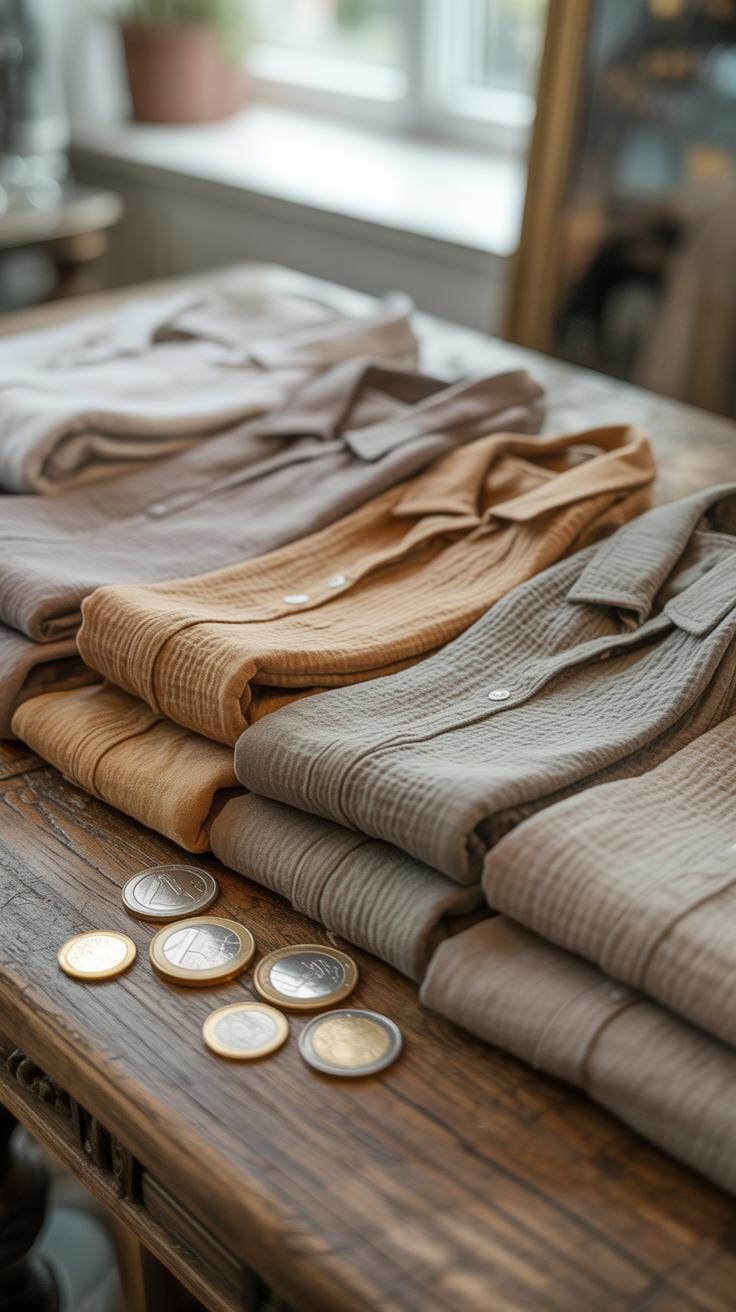
Finding sustainable European fashion that doesn’t break the bank might seem tricky. But it’s really about knowing where to look and what to prioritize. Sustainable fashion matters because it minimizes environmental impact and supports ethical labor, which, honestly, feels better when you wear it. Still, budget constraints are real, and that’s why many affordable brands have shifted toward more eco-friendly practices without raising prices much.
Brands Focused on Sustainability and Price
You might want to check out brands like People Tree from the UK, which offers organic cotton and fair trade products priced reasonably. Another example is Armedangels in Germany; they mix sustainable fabrics with accessible pricing. French brand Sessùn also balances style with eco-conscious choices, and their sales can make their pieces quite affordable. These brands aren’t luxury but they take care of their materials and workers. That means your clothes last longer and cause less harm—something that’s not always obvious right away.
Tips for Shopping Sustainable on a Budget
When shopping, think beyond just new items. Vintage and secondhand stores in Europe are treasure troves for eco-friendly fashion. Buying less and choosing quality pieces pays off over time. Also, look for certifications like GOTS or Fair Wear to spot trustworthy brands. Don’t shy away from smaller labels either—they often focus more on sustainability than big names.
Finally, plan your wardrobe around timeless basics. It’s tempting to chase trends, but mixing a few well-made sustainable items with your existing clothes keeps costs low and impact smaller. You might hesitate because eco-fashion feels pricier upfront, yet over time it can actually save money—and maybe, just maybe, you end up liking what you wear more.
Comparison HighEnd vs Budget European Fashion
Differences in Materials and Craftsmanship
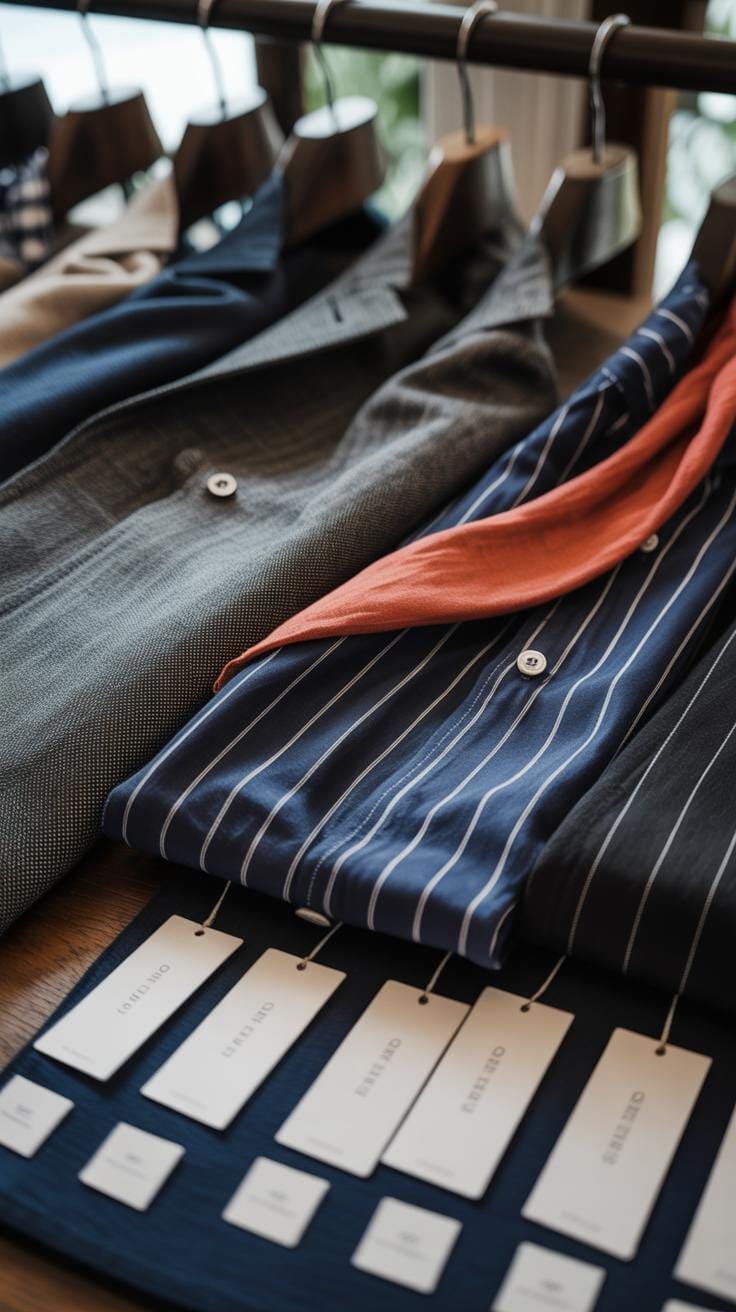
When you look at high-end European fashion, the materials usually stand out right away. Natural fibers like fine wool, silk, and high-grade cotton tend to form the base. The feel of these fabrics is often softer, more breathable, and more durable in comparison. The crafting process also tends to be meticulous, with hand-finished details and precise stitching that you might not notice immediately but that make a big difference over time.
Budget alternatives often mimic these styles but with synthetics or blended fabrics to keep costs down. Sometimes the difference in quality is clear, but other times the cheaper materials still look decent at first glance. The construction may rely more on machine assembly, with less attention to small details, which can affect longevity and comfort.
When to Invest and When to Save
Deciding where to spend more often depends on the use and longevity you want. For example, a tailored coat or leather shoes usually pay off when you invest. These items offer noticeable comfort and style benefits that last years.
On the other hand, trend-driven items—like seasonal prints or statement accessories—are often safe bets to buy on a budget. They might not hold up as well, but since trends shift quickly, spending less makes more sense there.
It’s a bit like prioritizing: durable basics deserve more thought and funding, while experimental or fast-changing pieces can be swapped out more cheaply. But, of course, your style and habits play a big role, too. What do you value more in your wardrobe?
Conclusions
European fashion blends history and modern style with variations across different countries. You don’t need a big budget to enjoy these trends. By choosing smartly and shopping wisely, you can adopt chic looks without heavy costs.
Remember to focus on what fits your style and budget best. Use the tips and examples shared here to navigate European fashion affordably. Your wardrobe can look fresh and stylish all year round with these practical choices.