
Introduction
Eco friendly products you can use every day for health help reduce harm to the environment while keeping you safe. These products are made to protect nature and your well-being. They avoid harmful chemicals and materials. When you choose these products, you support a cleaner planet and better health.
You will learn about different types of eco friendly products. This article explores how they work, their benefits, and how to pick the right ones. Simple choices in your daily life can make a big difference for the earth and your body.
What Makes Products Eco Friendly

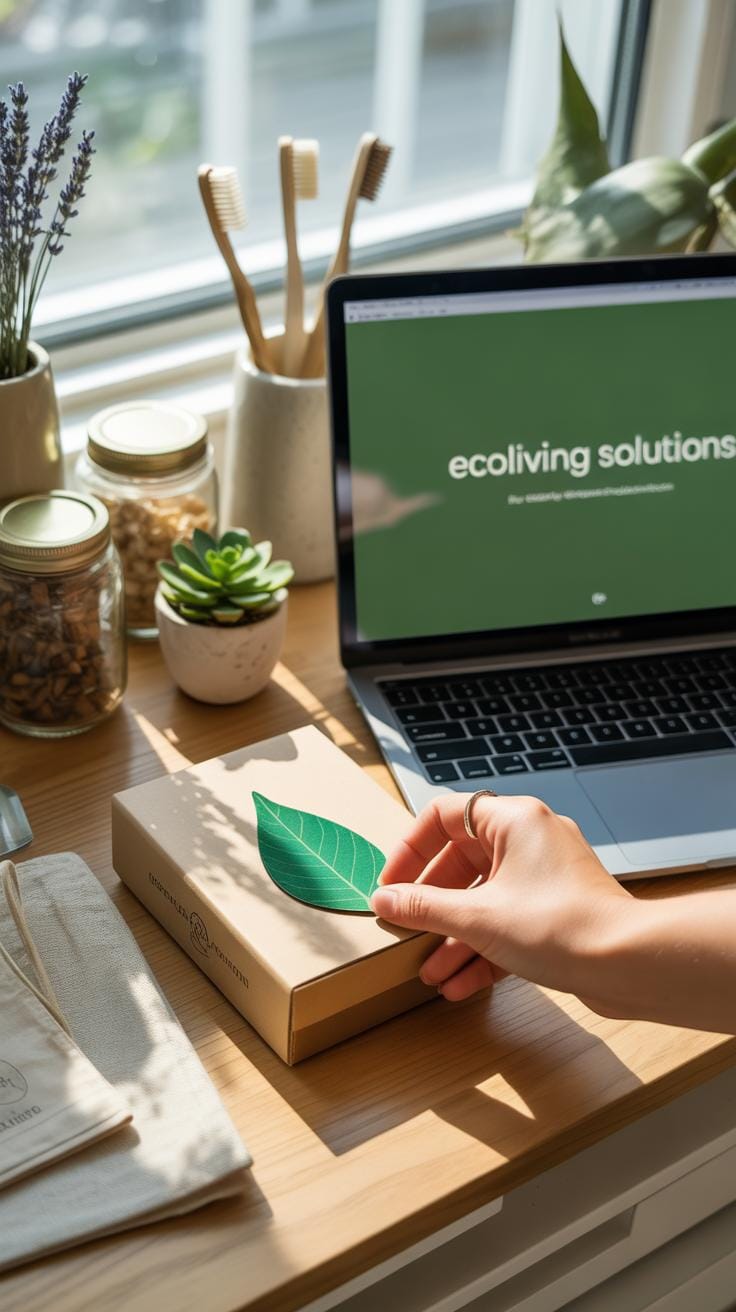
Eco friendly products are defined not just by what they’re made of, but also how they are made. At their core, these products aim to minimize harm to the environment through thoughtful choice of materials and manufacturing methods. You might find products made from natural fibers like organic cotton or bamboo. Others rely on recycled content, such as plastics recovered from the ocean or recycled paper. These materials reduce demand for virgin resources, which often come with heavy environmental costs.

Production methods play a big role too. Factories that use less water, avoid toxic chemicals, or generate less waste contribute to a product’s eco profile. For instance, some companies use closed-loop systems, where water and materials are reused rather than discarded. This cuts down pollution and energy use, even though it might mean slightly higher upfront costs or longer production times.
Recognizing truly eco friendly products can be tricky, so certifications help. Look for labels like USDA Organic, Fair Trade, or Forest Stewardship Council (FSC). Each means something specific—organic refers to farming without synthetic pesticides, FSC relates to sustainably managed forests. Certifications aren’t perfect, but they offer a way to verify claims that companies often make. Checking these marks can save you from buying something that only seems green on the surface.
You may wonder if all these labels really matter. Perhaps some products are greener than their certifications say, or some certified ones miss the mark. Still, certifications provide clues. They push companies toward accountability. And for shoppers, they offer a starting point when deciding how to spend money more consciously.
Health Benefits of Eco Products
Using eco friendly products can actually have a noticeable impact on your personal health. Many conventional items contain chemicals like parabens, phthalates, and synthetic fragrances that you might not realize are absorbed through your skin or inhaled daily. Switching to eco friendly options reduces this exposure, which feels reassuring—almost like removing a hidden burden.
Take personal care products, for instance. Natural deodorants often skip aluminum compounds and synthetic scents, lowering chances of irritation or allergic reactions. Similarly, toothpaste made without fluoride or harsh detergents can still clean effectively without that sharp burning sensation some people experience. It’s not just about avoiding the bad stuff; these alternatives sometimes offer gentle ingredients like aloe or tea tree oil that soothe and heal.
Think about the air you breathe indoors. Plants-based cleaning sprays don’t release harsh fumes, so air quality actually improves around the home. The fresh, subtle smells from essential oils might also influence mood and reduce stress—though that’s a bit subjective and not guaranteed for everyone.
- Eco shampoos and soaps often use fewer synthetic additives, making skin less prone to dryness or sensitivity
- Natural fabrics in bedding can reduce exposure to flame retardants and pesticides found in conventional textiles
- Reusable water bottles made from stainless steel or glass avoid chemical leaching common in some plastics
Have you noticed if your skin or allergy symptoms changed since switching? It’s interesting how small choices in daily products might add up to better overall wellness. Of course, eco products aren’t magic cures, but they can help create a healthier environment around you, which is something most of us could use a bit more of.
Eco Cleaning Products

When it comes to cleaning your home, switching to green products can feel a bit overwhelming at first. Yet, there are simple options you can use every day without much fuss. Many eco cleaning products come in forms like sprays, powders, or concentrates. Some focus on multi-surface use—so you don’t need a dozen different bottles cluttering your shelf. They tend to use fewer harsh chemicals, which is better not just for your health but also the environment. And you might notice a milder scent, often from natural essential oils instead of synthetic fragrances.
Green cleaning products minimize harm to waterways by breaking down more easily. Unlike conventional cleaners packed with phosphates or ammonia, these green alternatives reduce toxic runoff. Plus, they tend to be biodegradable. So, even if a bit drifts off down the drain, it’s less likely to linger and cause issues.
Green Ingredients
Many natural cleaning recipes and products rely on simple staples you might already have in your kitchen:
- Vinegar – great for cutting grease and disinfecting.
- Baking soda – wonderful as a gentle abrasive and deodorizer.
- Lemon juice – adds natural acidity, helps brighten and freshen surfaces.
- Castile soap – a plant-based soap that cleans without harsh chemicals.
These substances are better because they generally avoid the irritants and toxins found in synthetic detergents. Using them can cut down on allergic reactions or respiratory irritation—things some conventional cleaners can trigger. Environmentally, these ingredients don’t persist or accumulate. Vinegar, for instance, breaks down quickly, so its environmental impact is minimal.
Reducing Waste
One thing I’ve found useful is opting for products with eco-friendly packaging. Refillable containers or packaging made from recycled material can make a difference. Concentrated formulas also stand out—because a small bottle can make a large volume of cleaner once diluted. That means less plastic produced and discarded. Plus, shipping concentrates uses less fuel, since they’re lighter.
Using concentrates also makes you think twice before tossing a container. It feels more intentional, like you’re really stretching that resource. Some brands even offer minimal or compostable packaging, aiming to cut waste at the source. It’s tricky to measure the exact environmental savings personally, but small changes like these do stack up over time.
Sustainable Personal Care
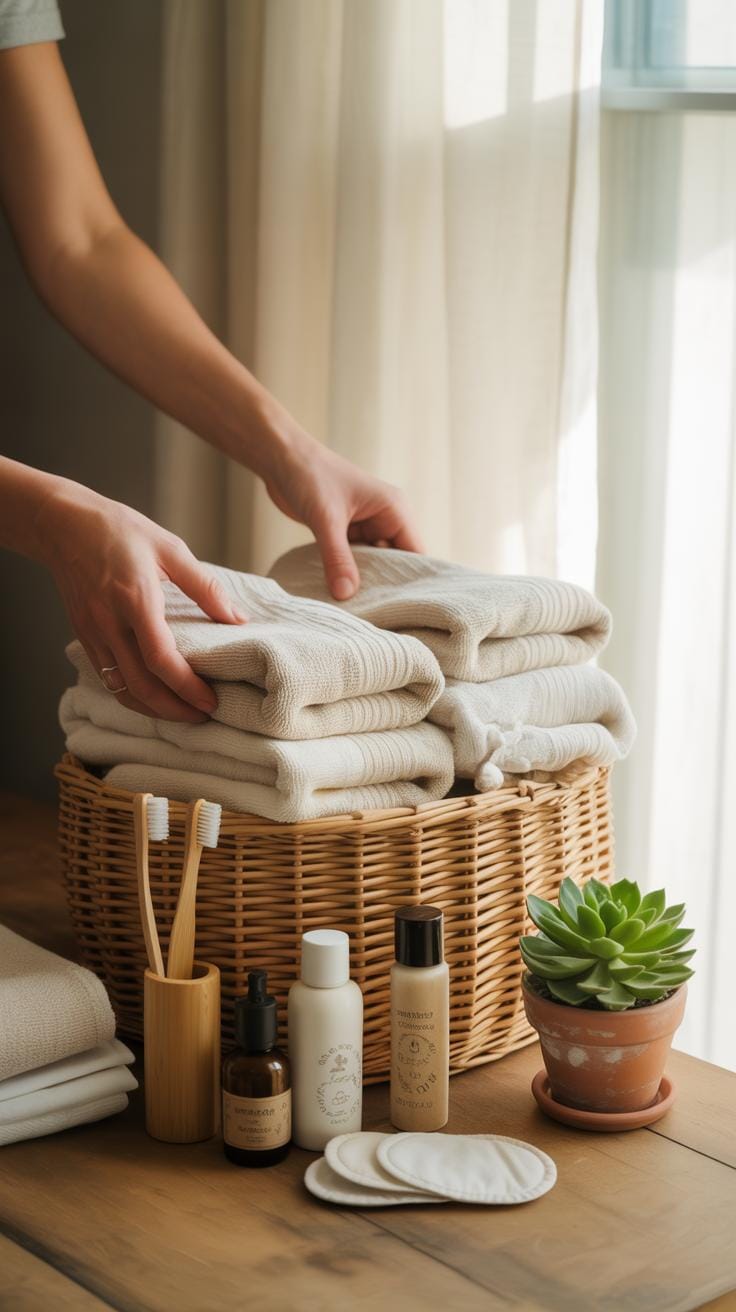
When thinking about soaps and shampoos, do you ever wonder what really goes into them? Choosing products with plant-based ingredients can make a real difference. These avoid harsh chemicals like sulfates and parabens, which not only irritate your skin but also harm aquatic life when washed away. Of course, not every natural ingredient suits everyone. Some people find essential oils or nut extracts trigger allergies, so it’s worth checking labels carefully.
Packaging plays a bigger role than you might guess. Bamboo containers and refillable bottles cut down on plastic waste significantly. I once switched to shampoo bars in reusable tins and was surprised how much less clutter and garbage I produced. Plus, these bars often last longer than liquid shampoos, which might save money. But then again, they require a bit more care to keep dry.
Using just the right amount also matters. Overusing products means more waste and faster depletion. Sometimes less truly is more—so try to resist that urge to lather endlessly. A simple change in how you use your products can add up to a greener routine.
Eco Fashion Choices

When you pick eco-friendly clothing, you are, in a way, choosing both your health and the planet’s well-being. The materials and how they’re produced matter more than you might think. Natural fibers like organic cotton or hemp are grown without harmful chemicals, which means fewer toxins end up on your skin and in the environment. For instance, organic cotton avoids pesticides that can irritate sensitive skin and reduce damage to soil and surrounding ecosystems.
Hemp is another option. It uses less water and grows quickly. I remember trying hemp shirts once—it felt durable, maybe a bit rough at first, but softened over time. There are also fibers like linen and bamboo, though bamboo’s eco-friendliness depends a lot on processing methods, so you might need to dig a little before buying.
Beyond fibers, how clothes are made matters too. Ethical manufacturing focuses on fair working conditions and reducing pollution. Factories that pay fair wages and limit waste let you feel better about what you wear. It can be difficult, though, to verify every label’s claim. But choosing brands transparent about their supply chains is a good start.
So, when you buy eco-fashion, you’re supporting workers and land health. And maybe this nudges you to buy less—but buy better. Have you noticed how knowing the story behind a shirt changes how you feel about wearing it?
Green Kitchen Habits

Eco Kitchen Tools
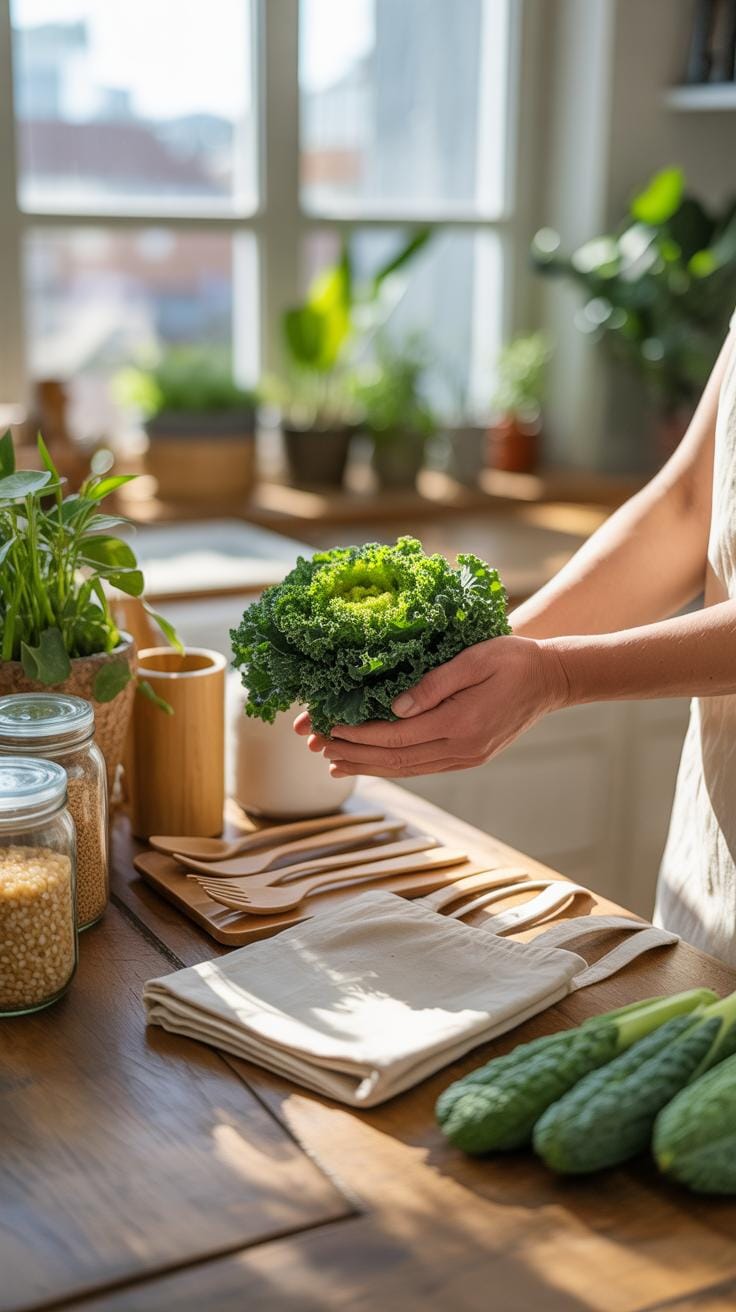
You might already know plastic utensils aren’t the best choice for your health or the planet. Switching to kitchen tools made from sustainable materials like bamboo or recycled metals feels like a small step, but it does add up. Bamboo, for example, grows quickly and doesn’t require much water or pesticides, making it a smart pick. I’ve noticed my bamboo spatulas and cutting boards hold up well—no splinters or cracks so far, which was a concern at first. Plus, they’re naturally antimicrobial, which feels reassuring when handling food.
Recycled stainless steel is another option to consider. These tools last longer than plastic, resist rust, and don’t leach chemicals. On the safety side, I guess the simplest question is: Would you trust the material with your daily meals? Durability matters because replacing these items frequently generates waste and defeats the purpose of going green.
Reducing Food Waste
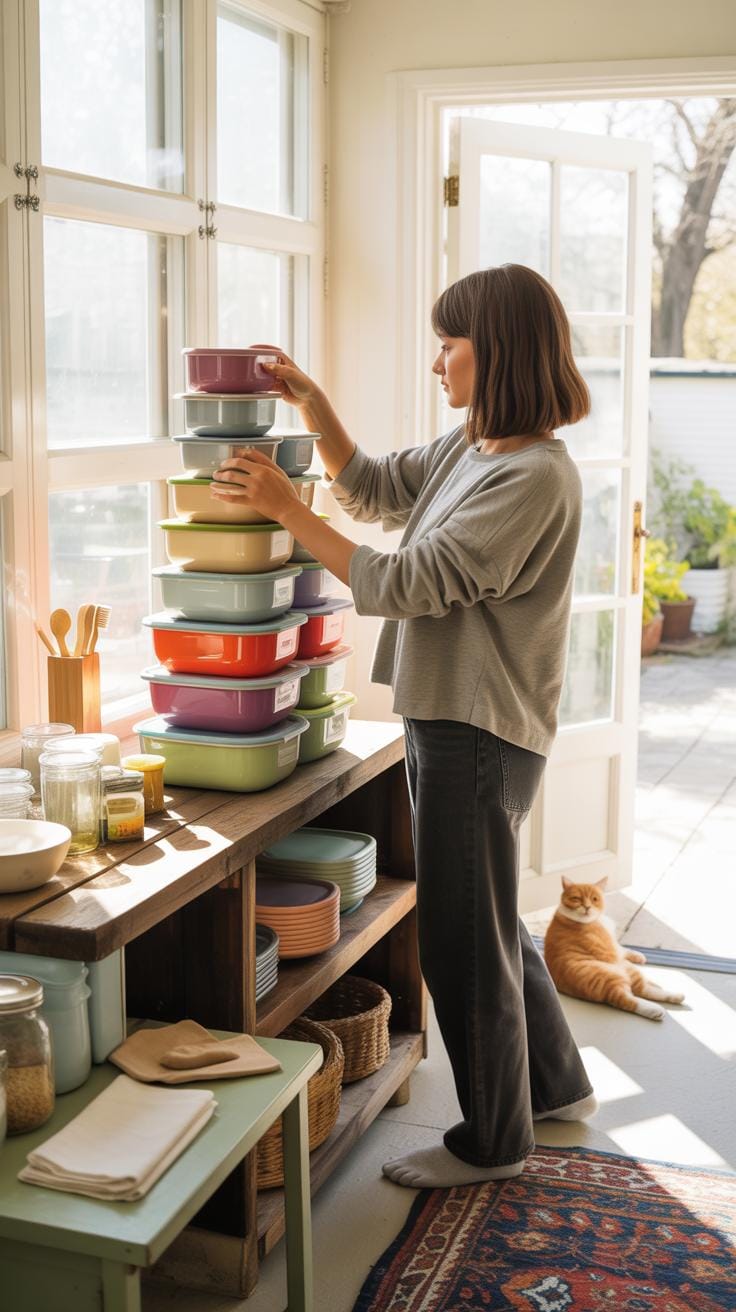
Food storage can be tricky. You want to keep produce fresh, but plastic wrap or single-use bags seem wasteful. Glass jars, silicone lids, and beeswax wraps come in handy here. Try airtight glass containers for leftovers or bulk items—they keep food longer and avoid plastic smells. It took me a while to get used to beeswax wraps, but once you do, they’re quite versatile and washable, which cuts down trash.
Planning meals with a bit more care also plays a huge role. Writing down what’s in your fridge before shopping or prepping helps avoid buying duplicates or throwing food out. I think sometimes meal planning feels restrictive, but if you treat it as a way to experiment with recipes that use up what you have, it becomes easier and even fun. When you waste less, you indirectly reduce your kitchen’s environmental footprint, which feels like you’re actually doing something tangible every day.
Eco Friendly Home Goods
Sustainable Materials
When picking furniture or decor, the material really matters—at least if you care about the planet. Wood from responsibly managed forests offers a natural look without too much guilt. Bamboo feels like a clever alternative: it grows fast, so harvesting it doesn’t strain resources the way slow-growing trees do. I remember switching a few shelves to bamboo and liking how light and simple they look.
Recycled glass often pops up in things like vases or tiles. It’s a smart choice because it keeps waste out of landfills and can add a unique touch with its varied colors and textures. Other options, like cork or reclaimed metal, sometimes surprise me with their durability and style while cutting down on environmental harm.
Energy Efficiency
Energy-saving devices can change how your home feels day to day. LED lights use way less power than old bulbs, and they last much longer too. I switched mine a while ago and was kind of shocked by the difference on my electric bill. Plus, LEDs don’t get hot, which makes a small but noticeable improvement in room comfort.
Smart thermostats are another piece worth thinking about. They adjust heating and cooling based on when you’re home or asleep, which can save energy without you needing to fuss with setting temperatures. It might seem like a lot at first, but beyond savings, it kind of makes your home “smarter” in a practical way. You also might find you get used to the comfort more quickly than expected.
How to Start Using Eco Products
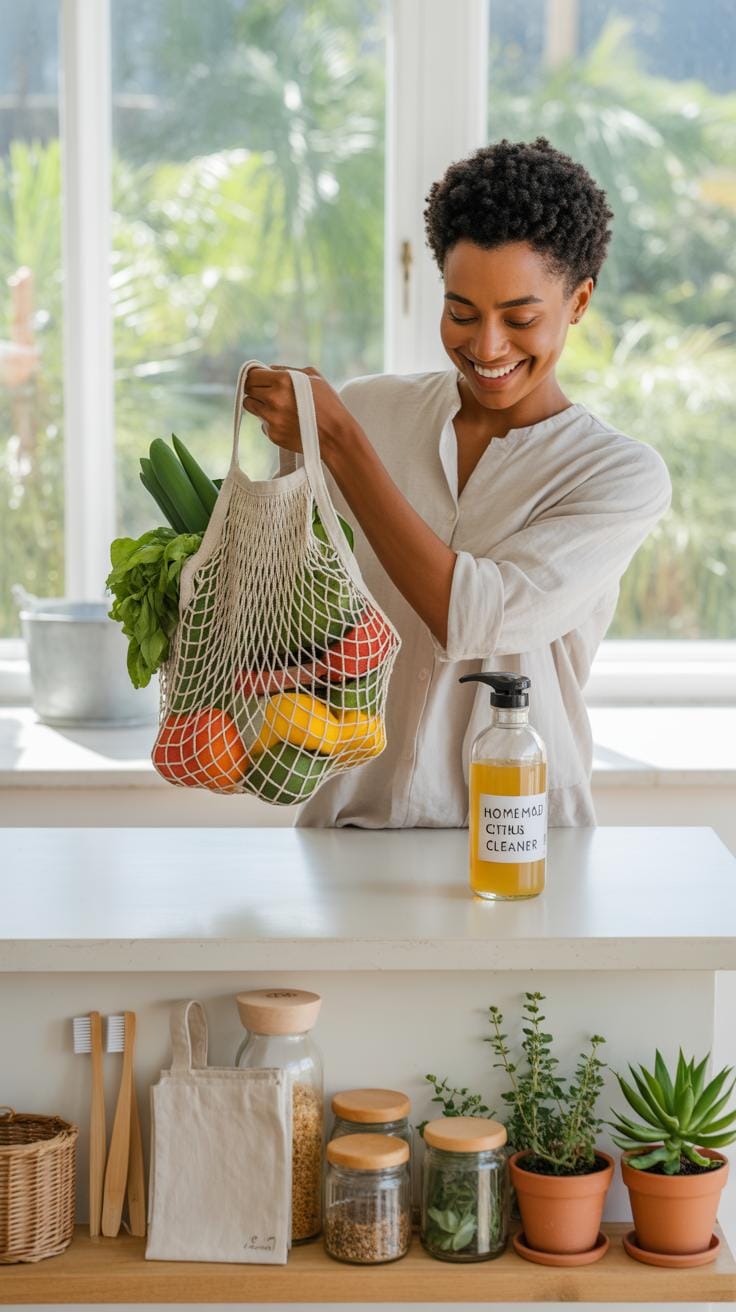
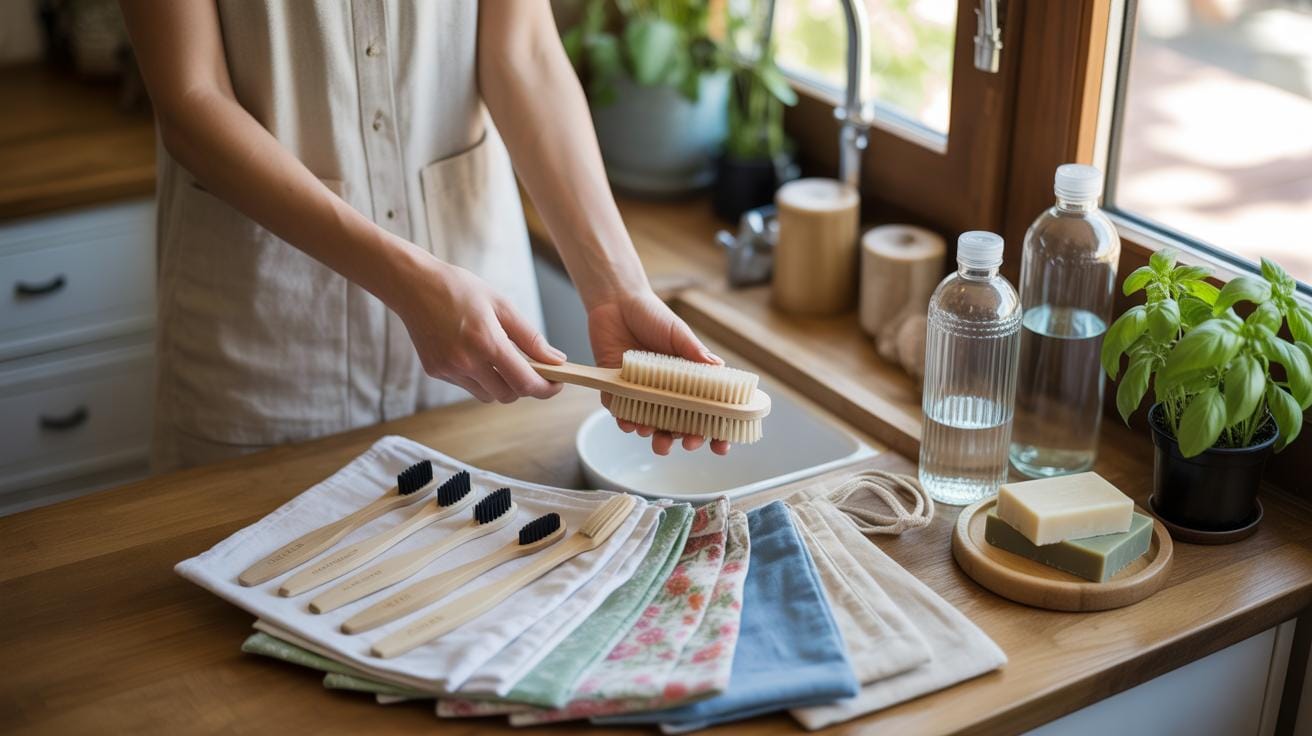
Switching to eco-friendly products isn’t about flipping a switch overnight. It usually begins with small, manageable changes. Start by looking at what you already use daily and ask yourself: which products can I replace first? Maybe it’s your toothbrush, your detergent, or even reusable bags for grocery shopping.
When you shop, take a moment to check the labels carefully. Does it say biodegradable? Is it made with natural ingredients? Sometimes packaging claims can be confusing or vague — just be cautious and do a bit of research if something feels unclear. You might be impressed to find simple swaps that feel almost the same to use but don’t carry as much environmental baggage.
Stay informed by following a few trusted sources or blogs about green living. New options pop up regularly, and being aware helps you spot better choices easily. But don’t feel overwhelmed — you don’t have to swap everything at once. Pick one category, learn about it, then move on.
Making Smart Choices
When you’re standing in the aisle, it’s easy to get overwhelmed by the number of “green” labels. Focus on familiar terms and certifications you can trust. For example:
- Look for products with clear ingredient lists — unpronounceable chemicals can be a red flag.
- Prioritize items you use a lot or throw away often, like personal care items or cleaning products.
- Research brands that are transparent about sourcing and production methods.
Start with one or two items and observe how you feel using them. Sometimes, a product might not be exactly what you expected, but that’s part of the process. Replacing everything at once can be discouraging — focus on what’s realistic for you.
Building Lasting Habits
Setting small goals works wonders — maybe commit to trying one new eco-friendly product per week. That way, you don’t overload yourself, and you get time to evaluate what actually works for your lifestyle.
Try writing down your progress or sharing your attempts with friends or family. When you vocalize your efforts, it feels more real, and you might even inspire others. Sometimes I found that telling a friend about a new product I liked made me stick to it longer, as if admitting the change made it more solid.
Allow yourself room to experiment. Not every product will fit perfectly. The key is to keep going, keep learning, and not feel bad if you slip back into old habits now and then. It’s about creating a sustainable pattern, not perfection.
Conclusions
Using eco friendly products daily can protect your health and the environment. These choices help reduce pollution and avoid harmful substances. They also encourage companies to make safer items. When you pick eco friendly products, you support a cleaner world and a healthier life.
Explore these options and find what fits your needs. Your decisions matter. By learning more about these products, you can make smart choices that benefit you and the planet. Small steps lead to big changes over time.