
Introduction
Summer calls for meals that are light, fresh, and easy to prepare. Easy Summer Meals Featuring Healthy Meal Prep Ideas spotlights dishes combining convenience with nutrition. This article guides you through creating meals packed with vitamins and flavor, perfect for warmer days. It is designed to help you save time while enjoying healthy food.
You’ll learn how to choose fresh ingredients, plan your meals, and use smart prepping tips. With straightforward ideas and recipes, you can effortlessly enjoy tasty summer dishes. These tips work well whether you’re cooking for yourself, your family, or friends. Dive into simple steps to make mealtime stress-free and enjoyable this summer.
Why Choose Easy Summer Meals

Easy summer meals make perfect sense, especially when the days grow warmer and longer. You probably don’t want to spend hours cooking or turning on the oven and making your kitchen unbearably hot. Simple, fresh dishes can be just as satisfying, maybe even more so because they feel lighter. Quick salads, grilled veggies, or chilled soups let you eat well without the fuss.
There’s also something to be said for the way easy meals fit into a busy schedule. Maybe you’ve had days when you just want to sit outside without worrying about complicated ingredients or extensive prep. These meals save time—not just cooking, but cleanup too—and can encourage you to eat healthier without feeling like a chore. It’s kind of freeing.
Keeping things straightforward often means you rely on fewer processed ingredients and more natural ones. That’s a small step that adds up when you’re thinking about health or just feeling your best during summer. Plus, fewer pots and pans mean less heat and stress. Sometimes, I find it hard to decide what to make, but knowing I can throw something quick together is reassuring.
Health Benefits Of Fresh Summer Foods
When summer arrives, fresh fruits and vegetables come into their own—and so does your chance to eat lighter, more nutrient-packed meals. These foods usually have higher water content, which can help keep you hydrated on hot days. Think cucumbers, watermelon, or tomatoes. They’re juicy, filling, yet easy to digest.
Fresh produce also tends to hold on to vitamins better when eaten raw or lightly cooked, so you get a boost of vitamins C and A, among others. You might notice you feel less sluggish, maybe even more alert. Eating fresh often means avoiding heavy sauces or dressings that add extra calories without much benefit.
There’s something about colorful, crisp foods that signals health. Sometimes it’s just the variety that helps — different colors usually mean different nutrients. So, a simple plate of mixed berries, greens, and a bit of lean protein might do more for your energy than a complicated meal. It’s worth trying, even if it feels too simple at first.
How Simple Meals Save You Time
Simple meals often come together quickly, which can be a relief when you want more time to enjoy the day. Think meals that need minimal chopping or cook in one pot or pan. It’s not just about cooking fast, but also about less mess afterwards. Fewer dishes mean you spend less time washing up, and maybe more time relaxing.
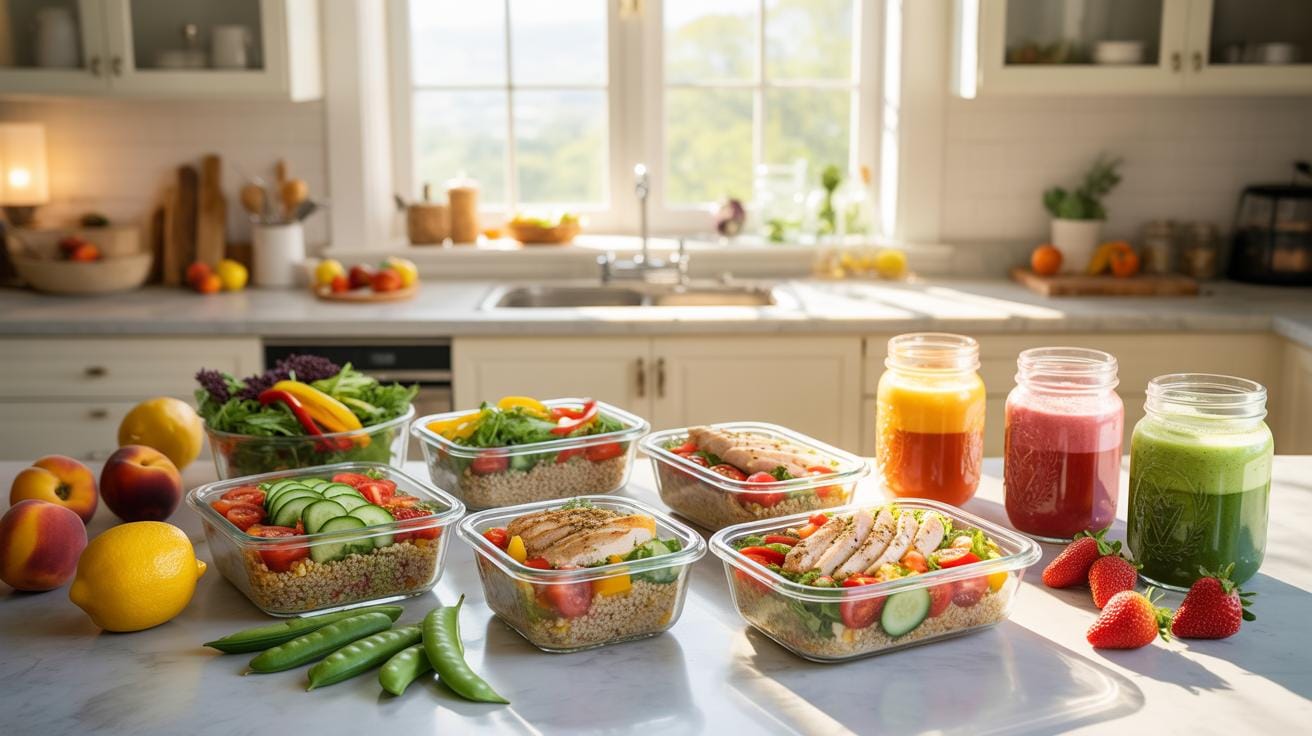
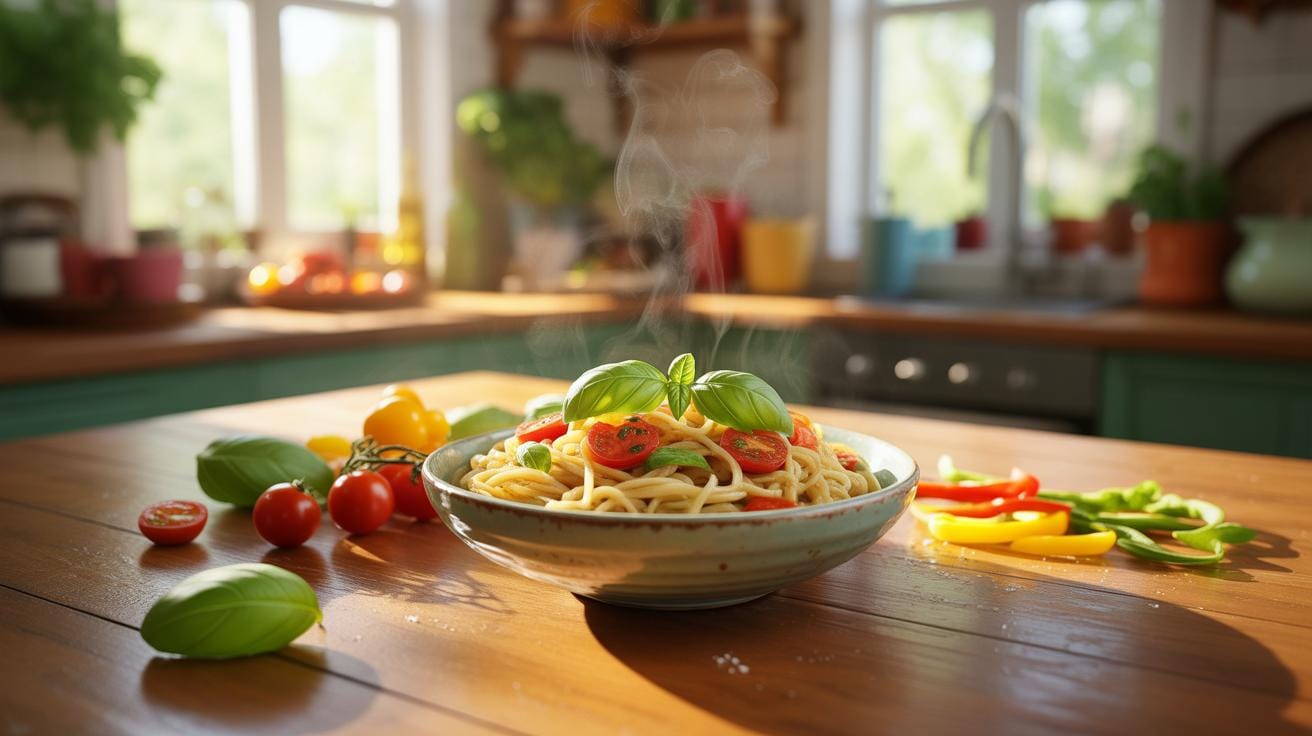
You can even prepare some summer meals ahead. For instance, making a large batch of quinoa salad or a cold pasta dish early in the day—or even the night before—gives you ready-to-eat options that don’t require reheating. It’s easy to grab and go, which feels like a small luxury on busy days.
Sometimes, I’ll toss together a bowl with canned beans, chopped veggies, and a quick dressing. It takes ten minutes and feels like dinner without nearly any effort. These meals don’t feel lacking either — often, they burst with fresh flavors that heavier dishes might hide. In the end, isn’t it nice to eat well without fussing?
What Ingredients To Pick For Summer
Seasonal Fruits And Vegetables To Use
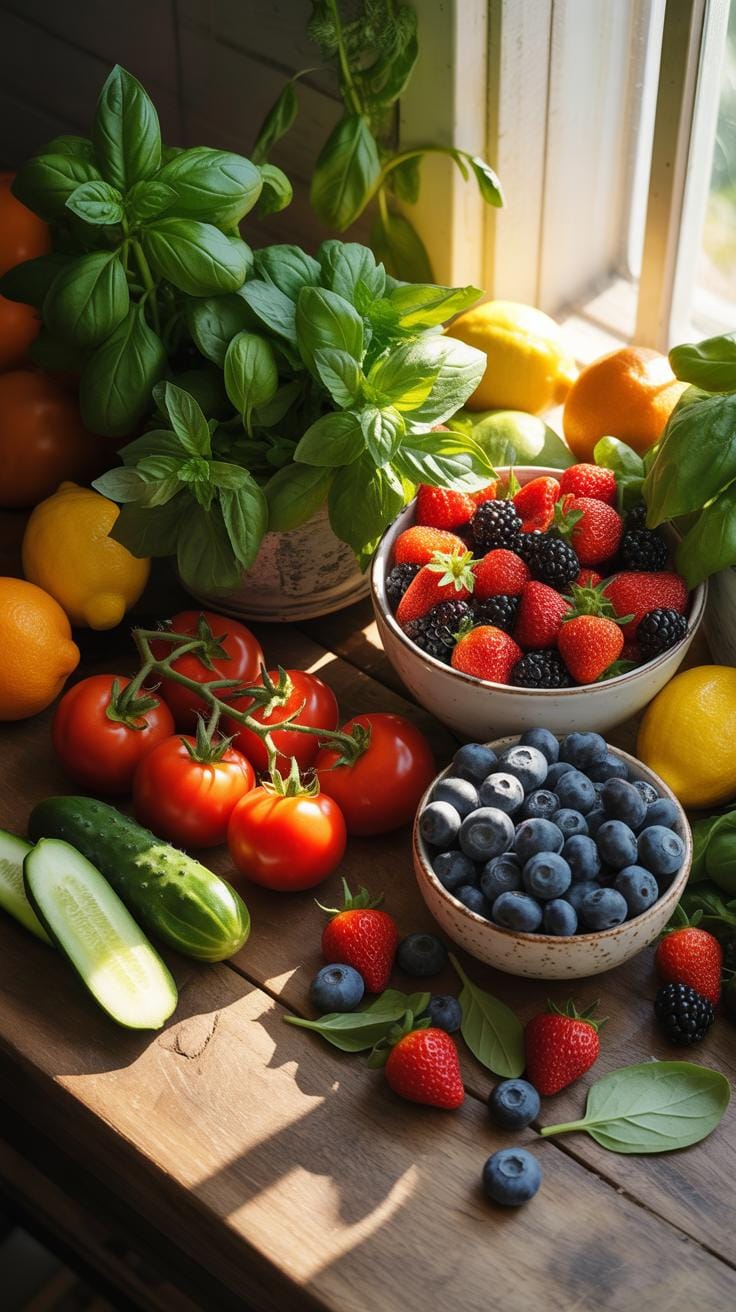
Summer brings a wide array of fresh produce that’s perfect for quick meals. Think of tomatoes bursting with flavor, cucumbers crisp and cooling, and zucchinis that can be grilled or spiralized in a snap. Berries like strawberries, blueberries, and raspberries tend to be sweeter and juicier this time of year, making them ideal for snacks or simple desserts.
These fruits and vegetables don’t just taste good—they’re great for meal prep because they require minimal cooking. You can chop or rinse them and have something ready in minutes. And thanks to their water content, they help keep meals light and refreshing, which feels nice when it’s hot out. I often find that these ingredients don’t spoil as quickly when stored properly, which means less waste and fewer trips to the store.
Proteins That Pair Well With Summer Dishes
Lean proteins work best in summer—think skinless chicken breast, turkey, and fish like salmon or tilapia. They cook fast, which is key when you don’t want the kitchen heating up too much. Cold proteins, like canned tuna or cooked shrimp, offer quick options too. You can toss them into salads or wraps without extra fuss.
Plant-based proteins such as chickpeas, lentils, and tofu also fit well into summer menus. They hold up fine when prepped ahead for salads or grain bowls. Sometimes I wonder if tofu gets overlooked because it feels heavy, but when marinated and grilled just right, it actually adds freshness and protein without weighing you down.
How To Plan Your Summer Meals

When planning summer meals, start by focusing on what feels right for the season. Think lighter dishes, plenty of vegetables, and meals that don’t heat up the kitchen—salads, grilled items, and fresh fruit come to mind. But don’t just pick meals randomly. Try to balance nutrition by mixing proteins, carbs, and plenty of fiber. For example, a grilled chicken salad paired with quinoa or a chickpea bowl with lots of veggies can work well.
After settling on meal ideas, draft a basic shopping list. Group items by store section: produce, proteins, dairy, pantry staples. This keeps shopping efficient and cuts down on forgotten ingredients. Sometimes, you might realize your list includes more fresh produce than you can actually eat in a week, so it’s okay to adjust based on what you think you’ll use or enjoy. Planning isn’t perfect—give yourself room to change things up midweek if needed.
Creating A Weekly Meal Plan For Ease
A simple weekly plan can make summer dinners less stressful. Assign themes to days—maybe “Meatless Monday,” “Taco Tuesday,” or “Fish Friday.” Rotating through a few go-to meals keeps shopping and prep manageable without feeling boring. You don’t have to plan every minute detail; having a general idea of what’s for dinner helps avoid last-minute scrambles.
Think about which meals can be made ahead or shared across days. A big pasta salad can serve as both lunch and dinner on different days. Sometimes leftovers don’t get eaten as planned—don’t stress it. Just tweak your plan when needed.
Shopping Lists That Save Time And Waste
Creating a useful shopping list means knowing your store layout—or at least grouping items by category. Fresh produce tends to go first, followed by proteins and then pantry items. That way, you avoid backtracking through aisles. Since summer often calls for fresh, quick meals, keep an eye on easy-to-store items like tomatoes, cucumbers, and herbs that last a while but brighten dishes.
One trick I use: separate the list into “must buy fresh” and “can buy in bulk.” This keeps waste low and saves money. Also, don’t overlook frozen fruits and veggies for days when you can’t make it to the store; they hold up surprisingly well and fit into many summer recipes.
Which Cooking Methods Work Best
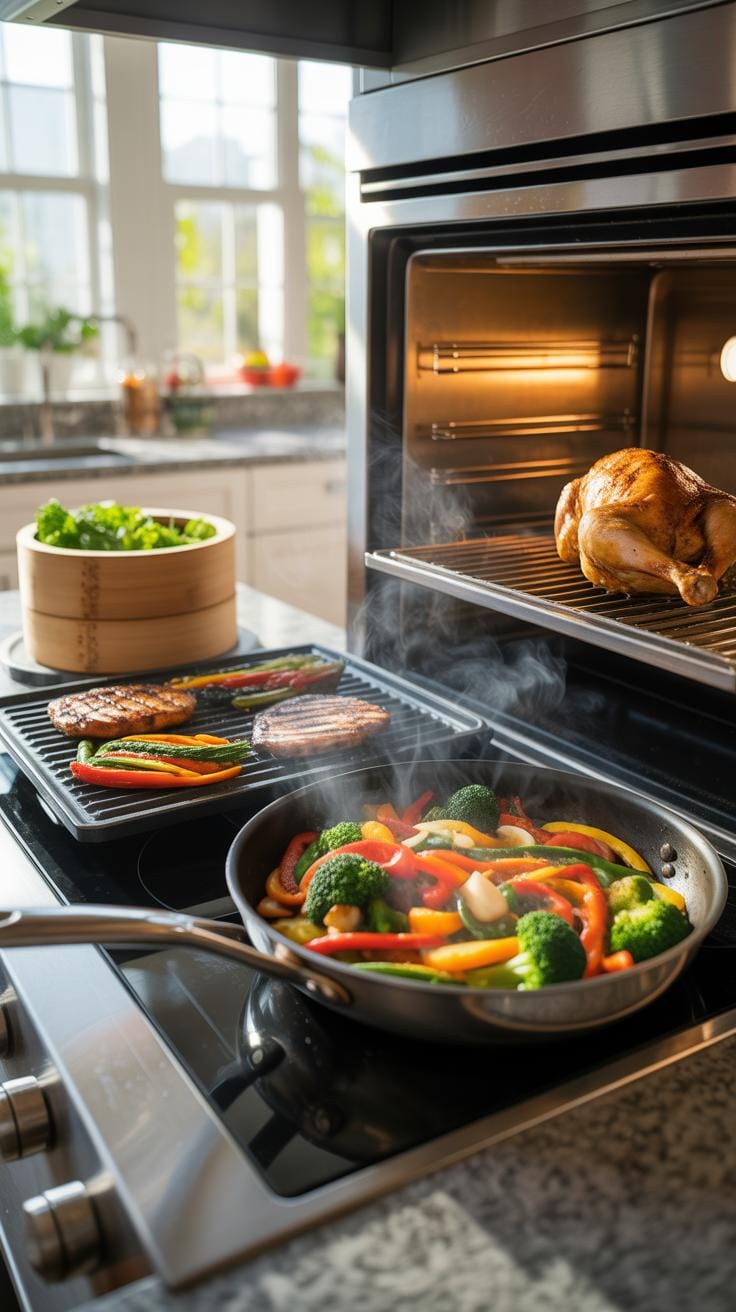
Summer meals often call for simplicity and freshness. No-cook dishes stand out during hot days—they save time and keep the kitchen cool. Think of mixed green salads with crisp vegetables, or grain bowls tossed with beans and fresh herbs. These dishes keep nutrients intact since there’s no heat to break them down. Snacks like hummus with crunchy veggies or chilled fruit bowls are perfect for quick bites.
Grilling adds a distinct char and smokiness that’s tough to replicate. It’s great when you want a bit of flavor depth without much fuss. You can grill vegetables, fish, and lean meats quickly. The open flame seals in juices but sometimes risks overcooking if you’re not watching closely. Still, it’s probably the best way to add summer’s signature taste.
Quick stove-top methods have their place too. Stir-frying or sautéing veggies on high heat keeps them crisp and colorful. It’s a fast option when you can’t be outside but still want a hot meal without spending forever. Just don’t linger too long—overcooking kills flavor and nutrients, which nobody wants.
Deciding between grilling and stovetop might come down to convenience or mood. Sometimes, the stovetop is quicker and less messy. Other times, fire’s flare is worth the extra effort. The best method? That might just be the one that fits your day.
How To Prep Meals Ahead For Summer
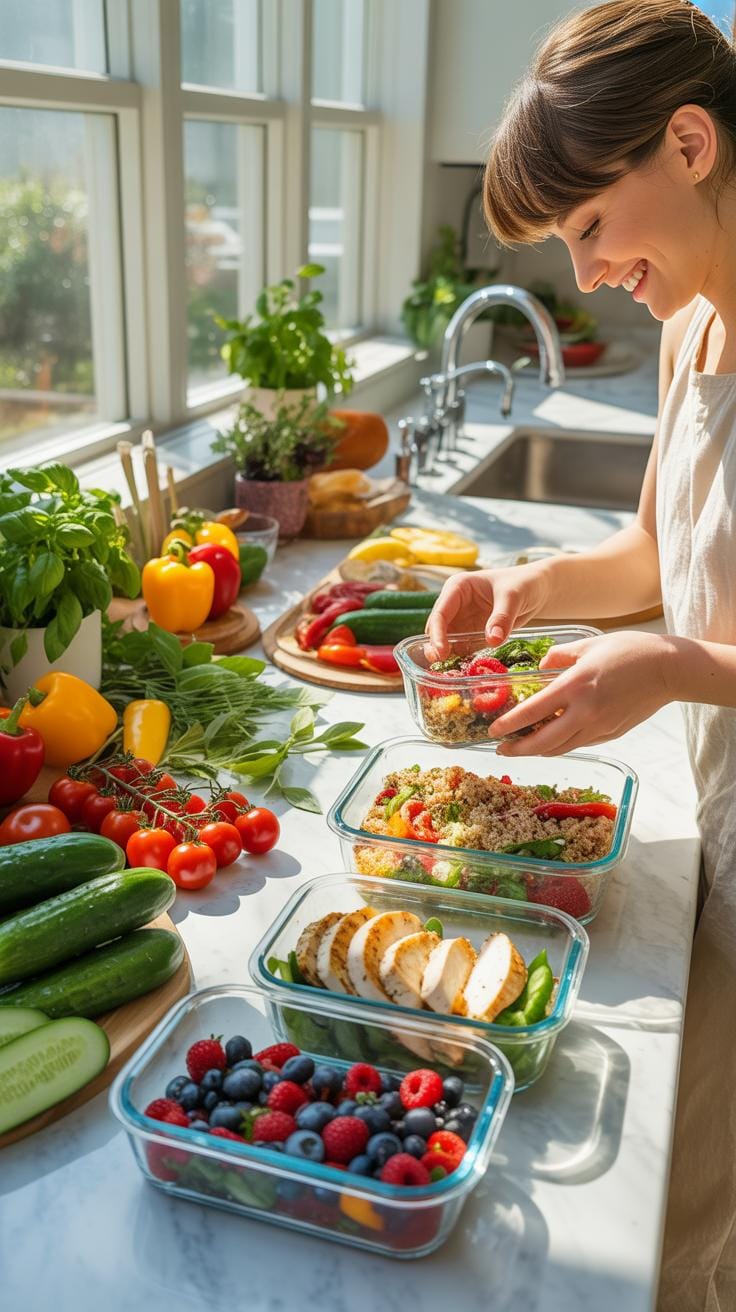
Prepping meals for summer isn’t just about saving time; it’s also about keeping your food fresh in warmer weather, which can be tricky. When you plan ahead, you cut down on daily cooking and avoid the stress of figuring out what to eat during a hot day. But it’s not just about cooking the full meal upfront. Sometimes, prepping ingredients separately can be more flexible—you can mix and match later.
Start by washing your produce thoroughly. I usually soak leafy greens and fresh herbs in cold water a bit longer than usual to get rid of grit or tiny bugs that might be hiding. Then, slice or chop everything based on how you use it most—maybe cubes for roasting vegetables or strips for quick sautéing. Dividing pasta or grains into portions helps keep meals consistent and avoids scrambling.
Storing is another challenge, especially if you live somewhere hot or have a busy fridge. Glass containers with tight lids often keep things fresher than plastic, or I sometimes use reusable silicone bags for smaller ingredients. Don’t forget to cool cooked food before sealing it tightly; trapping heat can let condensation build up and spoil the meal quicker.
Keeping freshness longer sometimes means rethinking your seasoning—hold off on ingredients like citrus or fresh avocado until serving. You can always toss them in last minute to keep their flavor and texture intact. And when in doubt, freezing portions can save you from throwing food away later.
What’s your biggest challenge with prepping meals in summer? It might help to think about how you eat day-to-day and prep just enough to make that easier, not overwhelming.
What Kitchen Tools Help Most
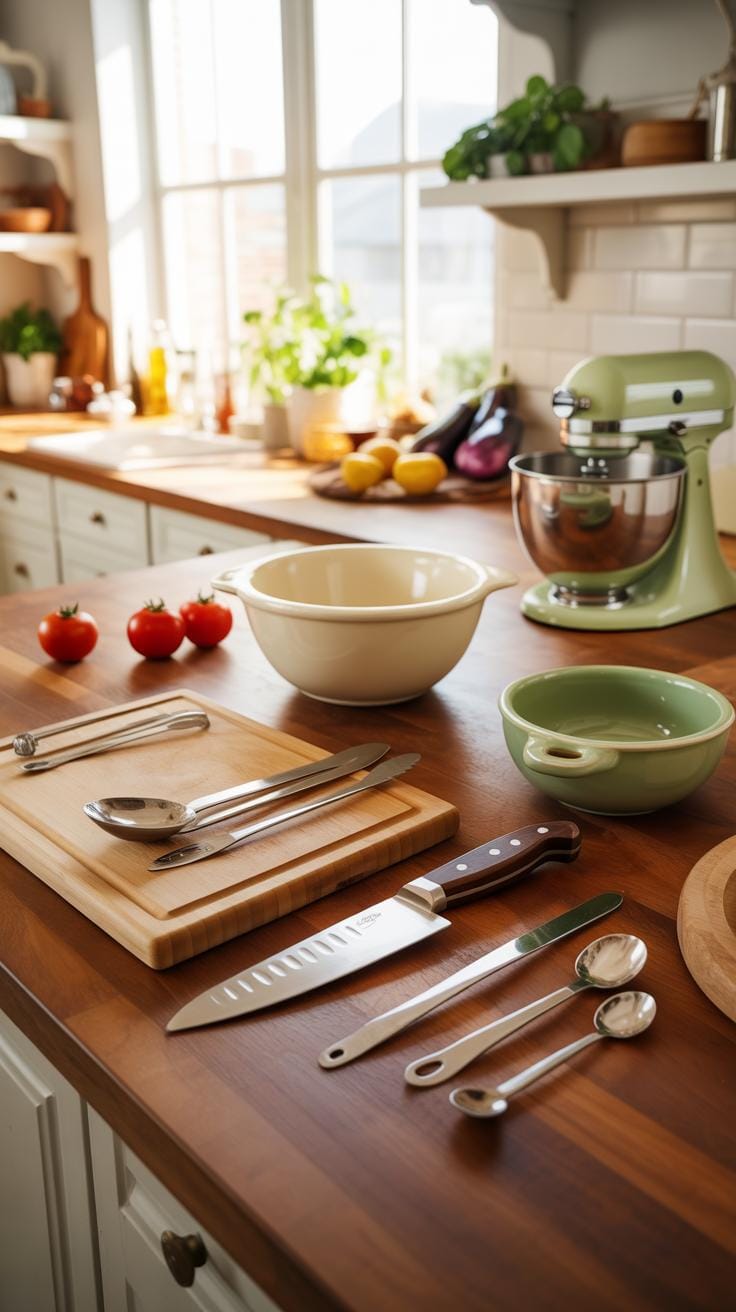
Must Have Tools For Summer Cooking
You might already know that having the right tools changes everything in the kitchen, especially when the heat is on. Sharp knives are a must—nothing slows you down like struggling to chop ripe tomatoes or fresh herbs. A blender or food processor comes next; they make quick work of salsas, smoothies, or cold soups, and trust me, cold avocado soup isn’t that hard once you’ve got the right gadget. Grills, whether outdoor or indoor electric ones, often become your best friend for simple, no-fuss meals. Plus, storage containers—preferably stackable and airtight—are almost your secret weapon for prepping ahead without a mess.
How Tools Save You Time And Effort
Think about it: a sharp knife zipping through veggies takes seconds instead of minutes, letting you move on faster to the next step. A blender means you’re not stirring or mashing by hand when something needs to be pureed; it’s mostly plug and pour. And grills? They cut out a lot of monitoring time compared to stove-top cooking—you mostly flip and wait. Storage containers? They keep your fridge organized so you can grab meals or ingredients quickly without digging. Honestly, some tools don’t just save time; they make meal prep less of a chore, which is what you want when summer’s calling for volleyball, beach trips, or just sitting outside without overheating.
Examples Of Easy Healthy Summer Meals
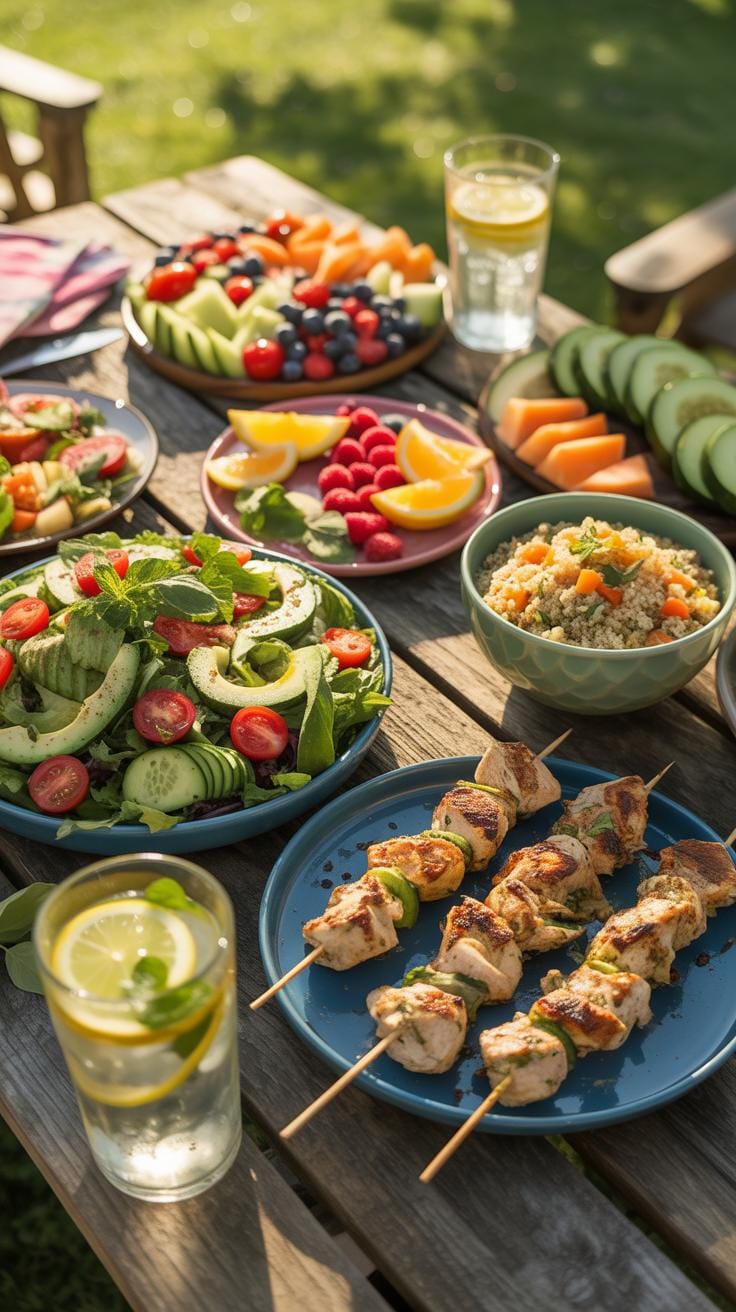
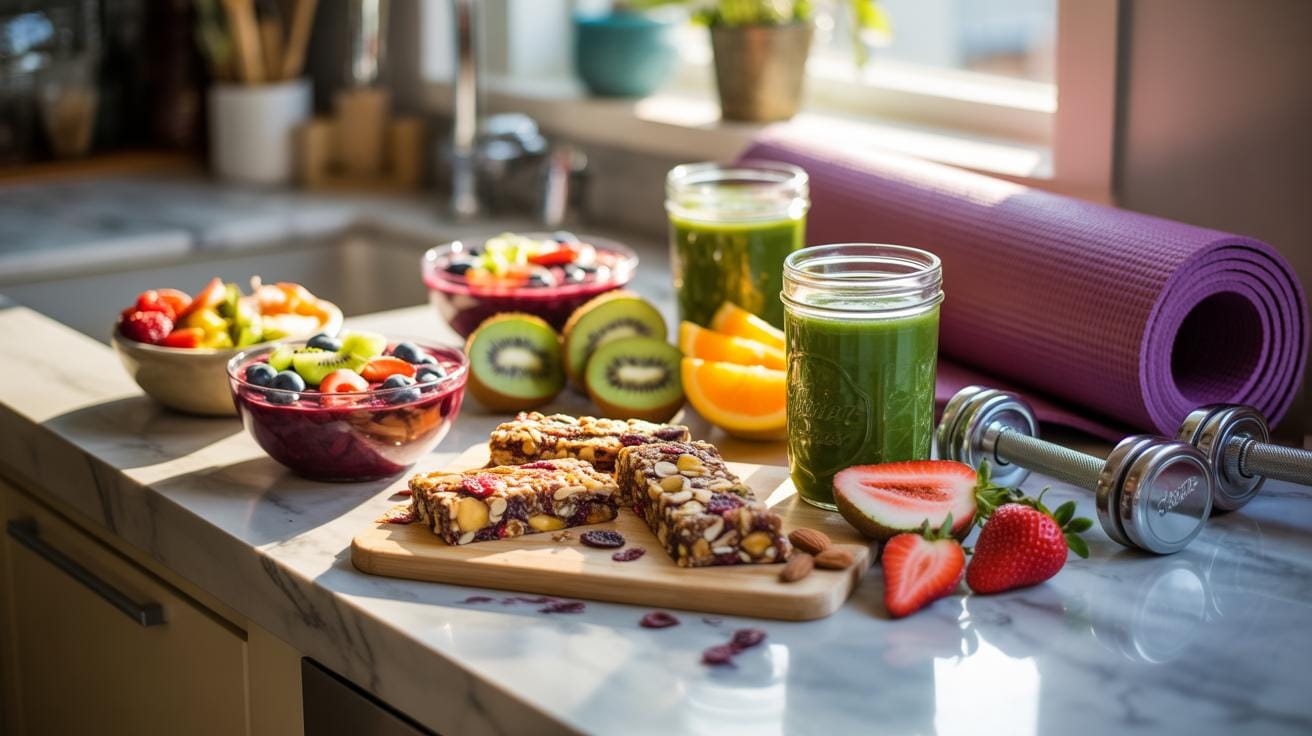
When summer rolls around, you might find yourself craving meals that don’t require a lot of effort but still feel fresh and satisfying. Breakfast can be as simple as overnight oats layered with fresh berries and a sprinkle of nuts. It’s quick to prepare the night before and provides slow-release energy to kickstart your day. Or, you might prefer a smoothie bowl—a mix of spinach, frozen banana, and Greek yogurt topped with granola and seeds. It’s light but keeps you full longer than you’d expect.
For lunch, think of wraps filled with grilled chicken, avocado, and crunchy veggies. They’re easy to assemble and portable if you’re eating outdoors. Alternatively, a cold quinoa salad with cucumbers, cherry tomatoes, chickpeas, and a lemon-tahini dressing is both refreshing and packed with protein. Dinner doesn’t have to be complicated either; grilled fish or tofu with a side of seasonal roasted vegetables takes very little time but feels like a proper meal. I found that having staple ingredients on hand makes it easier to mix and match these ideas, so you’re not stuck staring into the fridge wondering what to cook in the heat.
Simple Salad And Grain Bowl Ideas
Salads and grain bowls are rarely boring when you add the right combinations. For instance, a bowl of cooked farro combined with roasted sweet potatoes, kale, and black beans offers a pleasant texture contrast and balanced nutrition. Toss with a dressing of olive oil, lime, and cumin to keep it interesting without fuss. Or try a salad mixing baby arugula, sliced strawberries, toasted walnuts, and goat cheese—surprisingly satisfying and quick to pull together.
Protein can come in many forms here: boiled eggs, grilled chicken, tuna, or plant-based like tempeh. The trick I’ve noticed is keeping some grains pre-cooked in the fridge and fresh veggies washed in advance. That way, you can dive into making a healthy and filling meal in under ten minutes. Maybe it’s not rocket science, but it does change your whole attitude toward eating a balanced diet during hot months.
Quick Cook And No Cook Dinner Recipes
Nights when you just don’t want to turn on the stove, no-cook dinners step in as real lifesavers. Something like a Caprese salad with fresh tomatoes, mozzarella, basil, and a drizzle of balsamic vinegar can be a meal on its own if paired with whole-grain bread. Or a cold noodle salad made from soaked rice noodles, shredded carrots, cucumber ribbons, and a peanut dressing can feel surprisingly filling and fresh.
When you do want a bit of cooking but not too much, grilling simple proteins like shrimp or salmon alongside asparagus or bell peppers takes under 15 minutes. Timing is key here — don’t overcook anything, and keep flavors light so nothing feels heavy after a hot day. Sometimes, just assembling ingredients thoughtfully is better than aiming for complicated dishes. Have you noticed that the simplest meals often bring the most satisfaction?
How To Avoid Common Meal Prep Mistakes
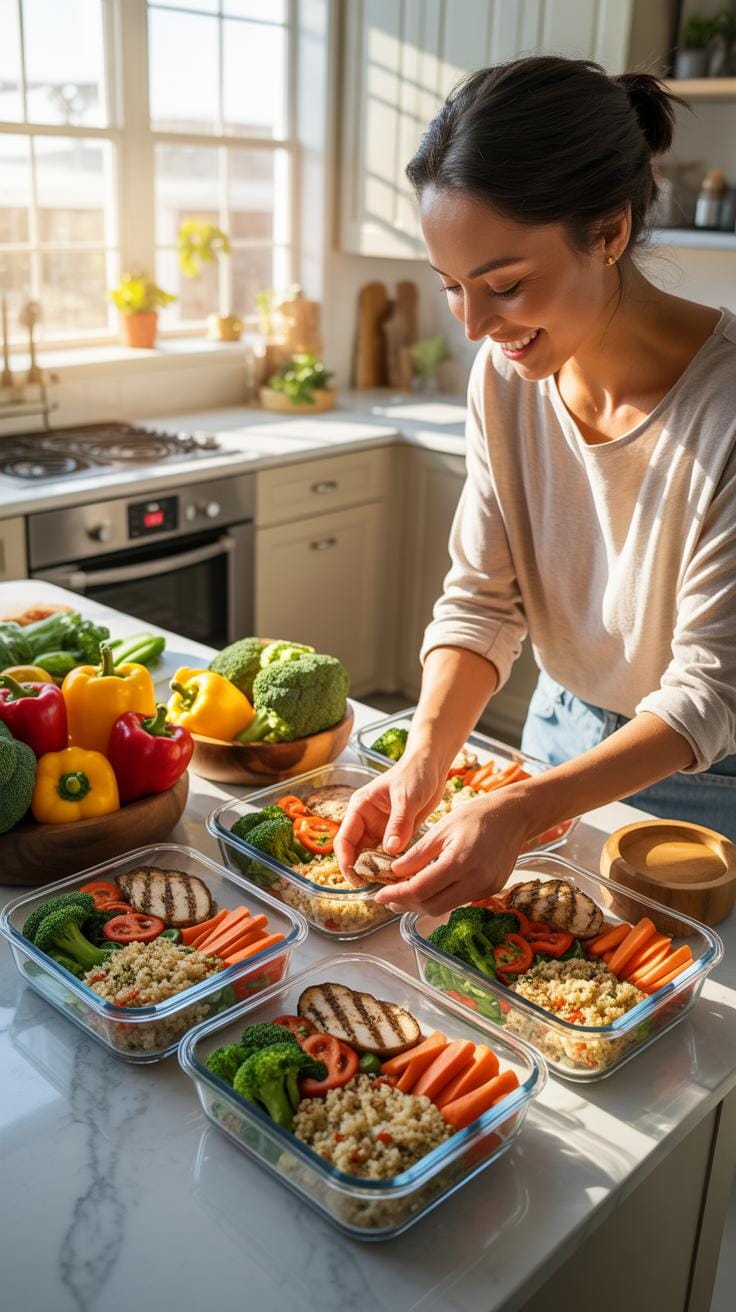
When prepping summer meals, it’s easy to fall into a few traps that can make the whole process less enjoyable. One mistake is not planning for how quickly fresh produce can spoil in the heat. You might buy a big batch of berries thinking they’ll last all week, only to find them mushy by midweek. To prevent this, buy smaller amounts more often or freeze extras before they go bad.
Another common slip is sticking to the same recipes over and over. Trust me, eating chicken salad for the fifth time in a row can get boring fast. Try mixing in different proteins, veggies, or grains to keep your meals interesting without adding complexity.
Balancing nutrition might feel tricky when the goal is quick prep. Many fall into the habit of relying on carbs alone or avoiding fats completely, but a better approach includes a bit of everything—protein, healthy fats, and fiber-rich veggies—to support energy and digestion throughout sunny days.
Preventing Food Waste In Summer Meal Prep
Buying just what you need helps avoid waste, but how do you know what that is? Start by making a loose meal plan, then shop with that in mind. Keep your fridge organized so items don’t get lost at the back and spoiled quietly. Using airtight containers and some simple labeling can remind you what needs eating soon.
Leftovers don’t have to be dull. Last night’s grilled veggies can become today’s wrap filling; extra quinoa can be a salad base. Stretching ingredients this way reduces waste and might even save you a little time and money.
Keeping Meals Nutritious And Exciting
It’s tempting to get stuck with a few “safe” ingredients, but adding new flavors or textures can make meals feel fresh. Experiment with herbs, spices, and dressings. Toss in a handful of nuts or seeds for crunch, or swap out your usual lettuce for arugula or spinach.
Try to incorporate a rainbow of colors on your plate. Different colors often signal different nutrients. You don’t have to reinvent the wheel daily—sometimes just swapping an orange pepper for a yellow one is enough to break monotony.
What’s one small change you could make next meal prep that might surprise you? Sometimes a tiny twist is all it takes to keep summer meals both healthy and something you look forward to.
Conclusions
In this article, you discovered how to prepare easy summer meals that do not compromise health or taste. By selecting simple, fresh ingredients and using basic prep methods, you reduce cooking time and increase meal satisfaction. These ideas promote balanced nutrition, helping you stay energized in the warm season.
With these easy tips and examples, you can approach summer cooking with confidence. Plan your meals ahead and keep your kitchen stocked with key items. You’ll find that meal prep becomes less of a chore and more of a way to enjoy your summer fully with wholesome food. Start today and experience how quick healthy meals can improve your days.