
Introduction
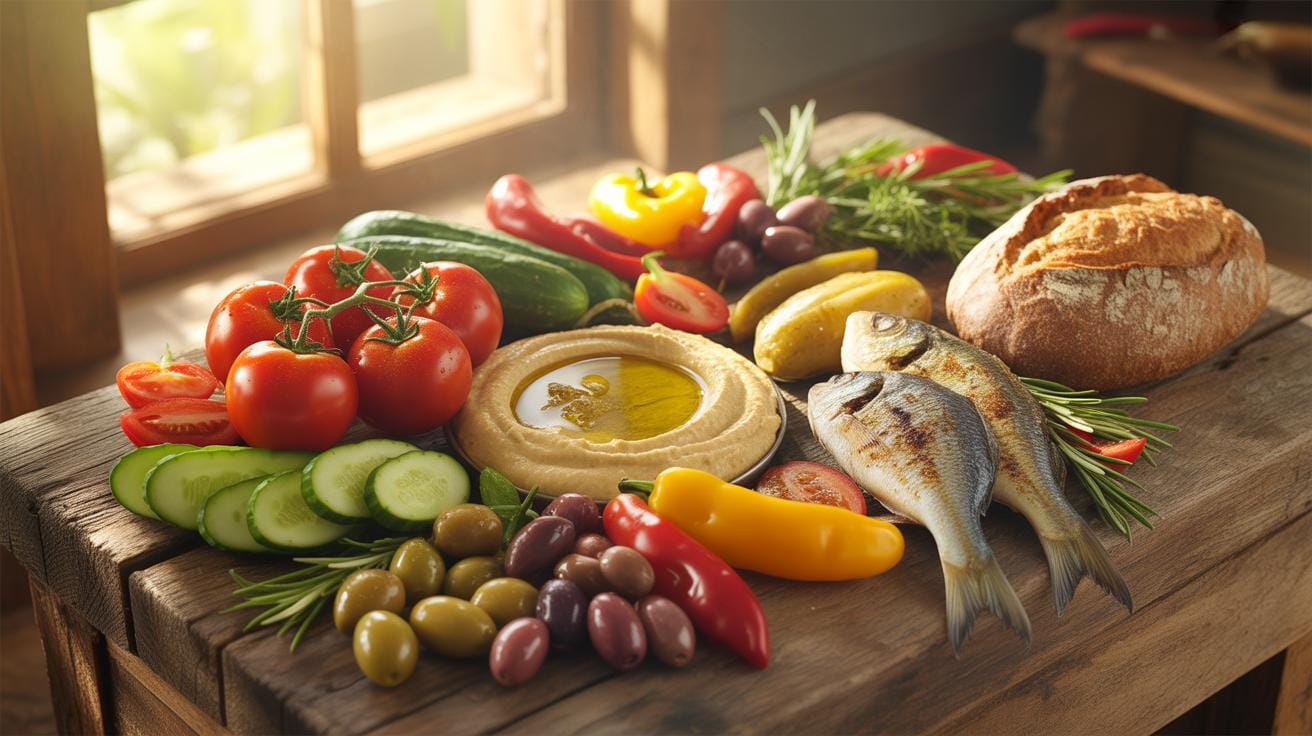
The Mediterranean diet is a well-known eating pattern inspired by the traditional foods and habits of countries around the Mediterranean Sea. It focuses on simple, natural ingredients like vegetables, fruits, whole grains, fish, and olive oil. This diet is linked to many health benefits, including lower risks of heart disease and better overall well-being. Many people appreciate this diet for its balance and flavor.
Easy Mediterranean recipes bring the benefits of this diet right to your kitchen. This article covers what makes Mediterranean recipes healthy and balanced. You’ll also find tips on ingredients, cooking methods, and meal ideas you can use every day to enjoy nutritious meals without stress or complication.
Mediterranean Diet Basics
What Defines Mediterranean Recipes
Mediterranean recipes often focus on simple, fresh ingredients combined thoughtfully. You’ll see lots of vegetables like eggplants, zucchini, and peppers, paired with grains such as bulgur or farro. Common methods include grilling, roasting, or lightly sautéing—nothing too complicated, just techniques that highlight natural flavors. Think of dishes like grilled fish with lemon and herbs or roasted vegetables drizzled with olive oil. It’s not about heavy sauces or complicated prep but rather straightforward, honest cooking.
Recipes often balance plant-based foods and seafood, and sometimes include beans or nuts to boost protein and texture. Spices are subtle and fresh herbs—basil, oregano, parsley—bring brightness instead of overwhelming heat or richness. You might recognize dishes like tabbouleh or shakshuka, which capture that fresh, wholesome feeling that defines the diet.
Common Mediterranean Ingredients
There’s a handful of staples that pop up a lot in Mediterranean dishes. Olive oil is almost everywhere—it’s the primary fat and adds flavor plus healthy monounsaturated fats. Garlic comes next, lending a punch to many dishes while offering antibacterial compounds. Tomatoes add acidity and vitamins, especially vitamin C and antioxidants like lycopene.
Herbs such as rosemary, thyme, and mint are used liberally, giving dishes a fresh edge without extra calories. Legumes—like chickpeas, lentils, and beans—feature as hearty protein sources with fiber that supports digestion. Together, these ingredients form a nutrient-rich base, making meals not just tasty but also good for your heart and overall health. It might sound simple, but the combination packs quite a nutritional punch.
Mediterranean Diet Basics Easy Mediterranean Recipes
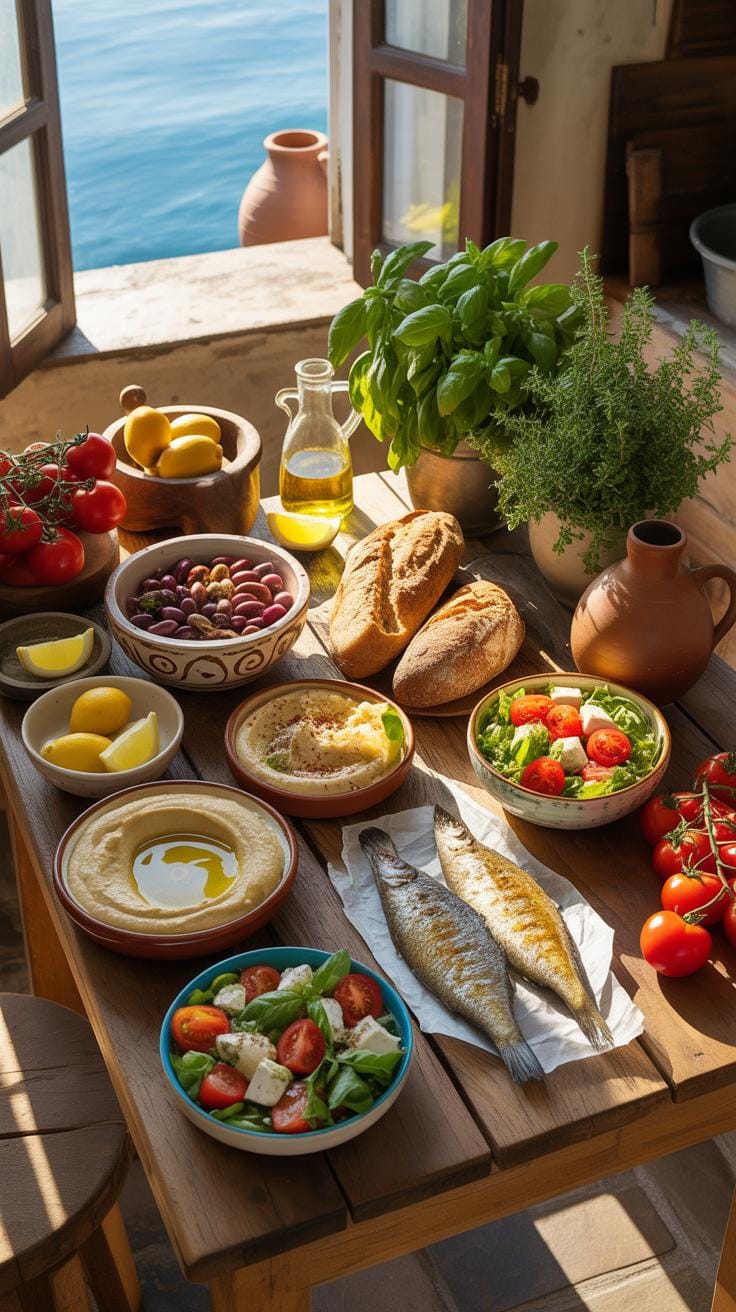
When it comes to Mediterranean recipes, simplicity is key. The diet celebrates fresh ingredients and basic preparation—nothing too complicated or time-consuming. This makes it easier to fold into your daily life without feeling overwhelmed or stuck in the kitchen.
Many Mediterranean dishes start with a handful of staples: olive oil, fresh vegetables, herbs, whole grains, legumes, nuts, fish, and a bit of cheese or yogurt. You don’t need fancy techniques or exotic spices to make something tasty and nutritious.
Think about tossing ripe tomatoes, cucumber, olives, and feta into a bowl, drizzle with olive oil, and sprinkle some oregano. That’s a Greek salad, right there—simple, fresh, and delicious. Or roasting a piece of salmon with lemon and herbs, paired with steamed greens or a side of chickpeas, takes just minutes and covers many nutrient bases.
One recipe I often turn to is shakshuka—eggs poached in a sauce of tomatoes, peppers, and spices. It’s nourishing, failsafe, and makes for a hearty meal any time of day. Plus, cooking everything in one pan leaves the kitchen cleaner—comforting for those of us who skip dishes whenever possible.
Many Mediterranean meals invite improvisation too, which means you don’t have to stick rigidly to a recipe. A handful of nuts or a dash of lemon juice can brighten a dish. Using pantry items like canned beans or frozen spinach can simplify meal prep without losing flavor or goodness.
Maybe you wonder if these dishes feel repetitive. They can, but layering simple ingredients in different ways—like Mediterranean grain bowls or veggie-stuffed peppers—can keep things fresh. The core idea: focus on whole ingredients and let them shine, rather than juggling complicated sauces or multiple steps.
In short, easy Mediterranean cooking is about getting comfortable with real food. It’s approachable, flexible, and, importantly, something you can keep coming back to—meal after meal without losing interest or patience.
How To Start Mediterranean Cooking
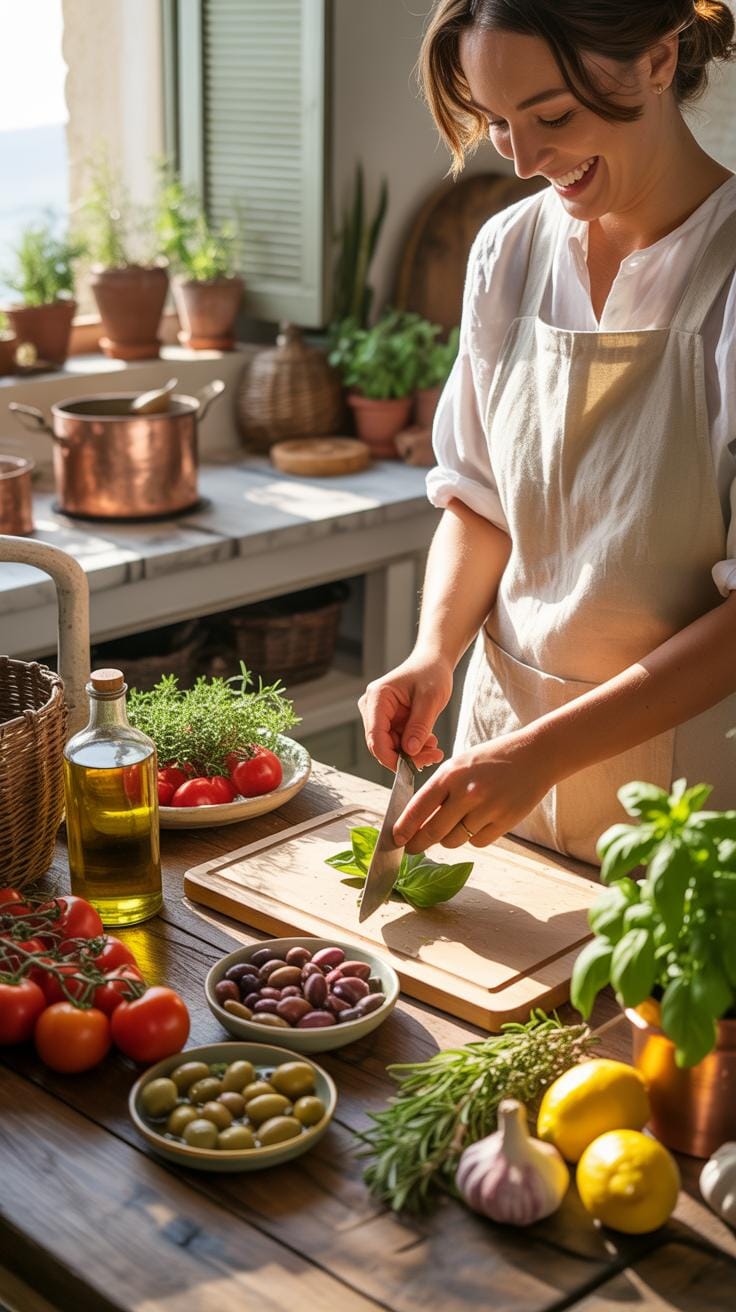
Getting started with Mediterranean cooking doesn’t have to feel overwhelming. You just need a few pantry staples and some simple cooking methods. Start by gathering basic ingredients you’ll use often—things like extra virgin olive oil, dried herbs such as oregano and thyme, canned tomatoes, and a variety of beans. These form the building blocks for many dishes, from stews to salads.
Once you have your pantry sorted, try experimenting with straightforward techniques. Grilling is great for vegetables and lean meats, giving them a nice smoky touch without much fuss. Roasting works well for root vegetables or fish, bringing out natural sweetness. And sautéing? It’s perfect for quick meals—think garlic, onions, and greens cooking gently in olive oil. You’ll see how these methods unlock flavors without complex steps.
Don’t worry about strict rules—maybe start with a grilled vegetable plate or a tomato and bean stew. Let your taste guide you, and before long, Mediterranean cooking will feel familiar and doable in your kitchen. What’s your favorite simple dish to try first?
Easy Mediterranean Breakfast Ideas
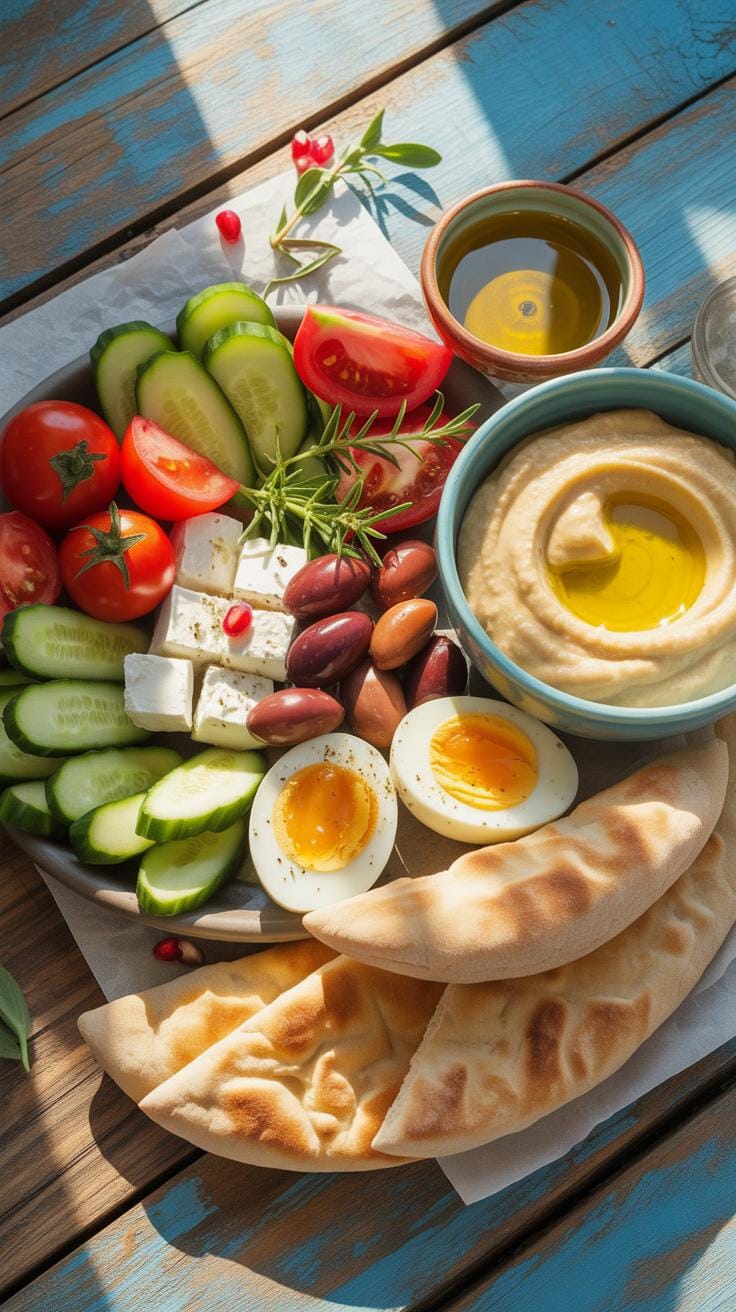
Starting your day with a Mediterranean-inspired breakfast doesn’t have to be complicated or time-consuming. In fact, many traditional dishes are quite simple but still pack a punch in flavor and nutrition.
Think of plain yogurt topped with fresh fruit and a handful of nuts. It’s quick to put together and offers a nice balance of protein, healthy fats, and natural sugars. You might wonder if this is filling enough. From personal experience, I find this combo surprisingly satisfying, especially when you add a drizzle of extra virgin olive oil. It may sound odd to some, but that little touch adds a smooth richness.
Then, there’s whole grain toast with olive oil. This can feel like a humble option, yet it’s a solid choice. Instead of butter or jam, olive oil offers subtle flavor and healthy fats. Pair it with sliced tomatoes or even a bit of feta, and you have a breakfast that’s light but sustaining.
If you prefer savory, eggs with vegetables is a go-to. Scrambled eggs mixed with fresh tomatoes, onions, and herbs like parsley or oregano provide a satisfying start. Sometimes, simply sautéing greens like spinach on the side makes the meal feel complete.
Or try avocado on whole grain bread with a sprinkle of sea salt and chili flakes—simple, yet quite Mediterranean in spirit. You might hesitate, thinking that’s more brunch than breakfast, but it works at any time really.
These options remind us that Mediterranean breakfasts don’t need elaborate preparation to be good for you and enjoyable. The ingredients are familiar, accessible, and flexible.
Mediterranean Lunch Recipes To Try
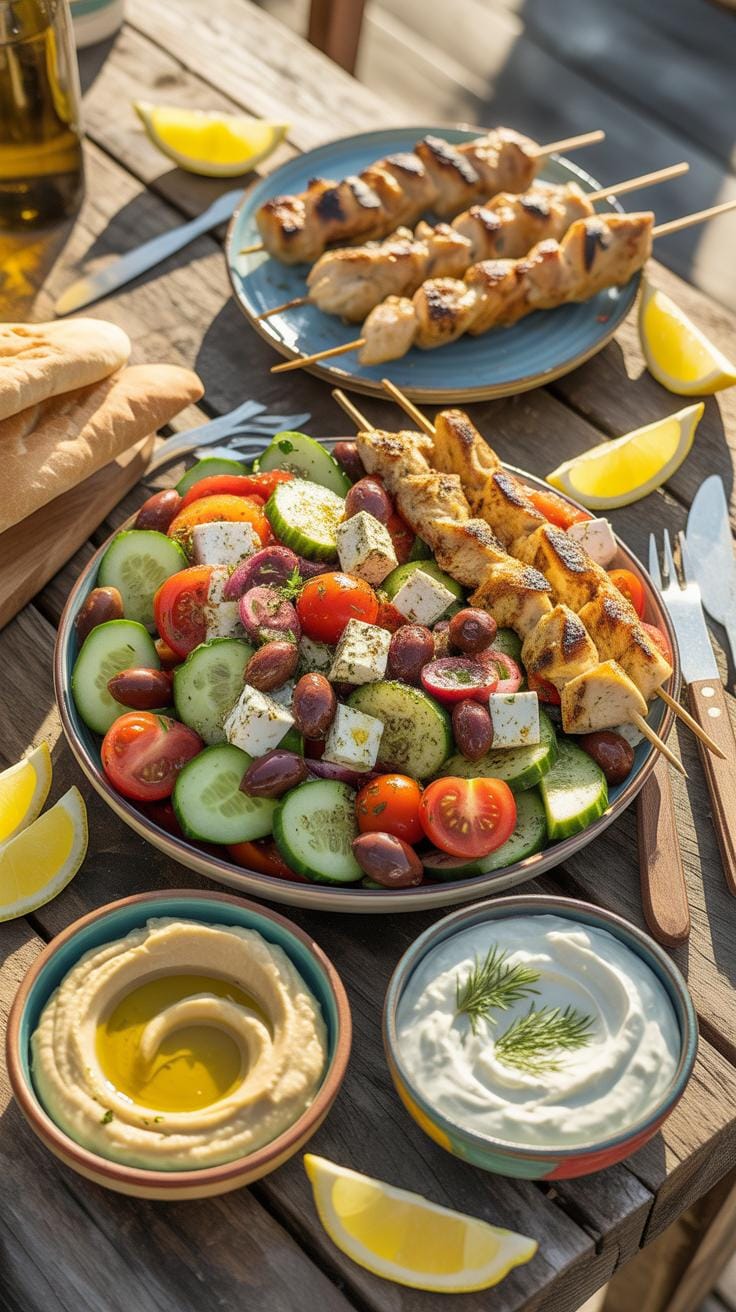
Lunch doesn’t have to be complicated to be satisfying and healthy. Mediterranean cuisine offers plenty of quick options that don’t demand much prep but still feel fresh and flavorful. Think of simple salads tossed with crisp vegetables, tangy olives, and creamy feta. These can come together in under 10 minutes, making them perfect for busy days when you want something light but not boring.
Wraps and sandwiches are another easy choice. Using pita or flatbread, you can layer grilled veggies, hummus, maybe some tzatziki, and a handful of greens. It’s straightforward and you can customize it to your taste—sometimes I find just adding a dash of lemon juice makes it taste completely different, which is kind of fun.
And don’t forget about light pastas. A small portion mixed with olive oil, garlic, cherry tomatoes, and fresh herbs can be both quick and satisfying. They don’t weigh you down and keep the Mediterranean spirit alive, even when you’re rushing out the door.
Fresh Mediterranean Salads
Salads in Mediterranean cooking often mix vegetables like cucumbers, tomatoes, and bell peppers with olives and feta cheese. The dressing is usually a simple vinaigrette made from olive oil, lemon juice or vinegar, and a pinch of salt and pepper. This combo keeps flavors bright and fresh.
One salad I often make includes chopped romaine, kalamata olives, diced cucumbers, crumbled feta, and thinly sliced red onions. Toss this with a dressing of olive oil, red wine vinegar, oregano, and a little garlic powder. Easy to assemble, and tastes like you spent way more time on it.
Or try a variant with arugula instead of romaine. Add some roasted red peppers and sun-dried tomatoes if you want a bit more depth. It’s interesting how just switching leafy greens can change your whole lunchtime mood.
Simple Wraps And Sandwiches
Building a Mediterranean wrap starts with your bread. Pita pockets or whole wheat flatbreads work well, offering a soft but sturdy base. Then, layer hummus or tzatziki first to add moisture and flavor. Next comes chopped grilled chicken or falafel for protein, followed by crunchy cucumbers, tomatoes, and a handful of greens.
If you want, sprinkle some olives or feta cheese on top. Not everyone likes cheese every day, so I often leave it optional. A quick drizzle of lemon juice or a dash of za’atar spice brings it all together. Wrap it tight, and you have a lunch that’s portable and energizing.
For sandwiches, using whole grain bread with a spread of tapenade, slices of roasted vegetables, and cheese can be pretty satisfying. Sometimes, plain ingredients like fresh tomatoes and basil layered with mozzarella create a simple yet delightful meal. You don’t need complicated recipes here—just good ingredients.
Dinner Recipes For Mediterranean Lovers
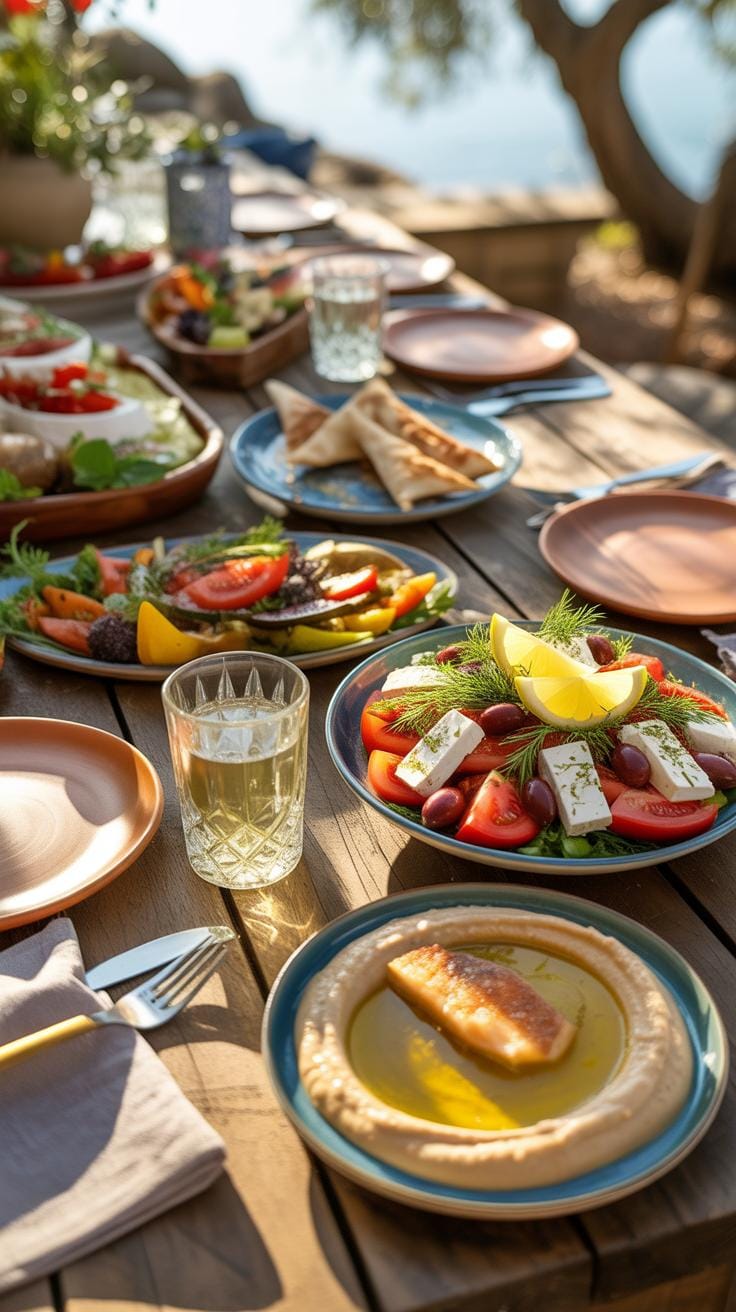
Grilling fish the Mediterranean way is simple but rewarding. Start with firm fish—like sea bass, snapper, or sardines. Brush them with olive oil and sprinkle chopped fresh herbs such as parsley, thyme, or oregano. Don’t forget a pinch of salt and pepper. Cooking over medium heat keeps the fish moist while giving it that subtle char. You might be tempted to over-flip, but patience is key. Let one side cook fully before turning. It usually takes just 4–5 minutes per side, depending on thickness.
The aroma of herbs mingling with the smoky fish is unforgettable. Serve with a wedge of lemon to brighten the flavors. If you like, toss in some grilled vegetables on the side—zucchini, bell peppers, or eggplant fit perfectly.
Vegetable-based main dishes also hold a special place in Mediterranean meals. Ratatouille, for example, brings together eggplant, zucchini, peppers, and tomatoes simmered gently in olive oil. It’s filling, yet light. Stuffed peppers filled with a mix of rice, chickpeas, tomatoes, and herbs offer a delicious option that’s hearty and vegetarian-friendly. You can add a bit of feta cheese if you prefer something tangy. These dishes often taste better the next day, which is perfect if you like planning ahead or having leftovers handy.
Mediterranean Snacks And Appetizers
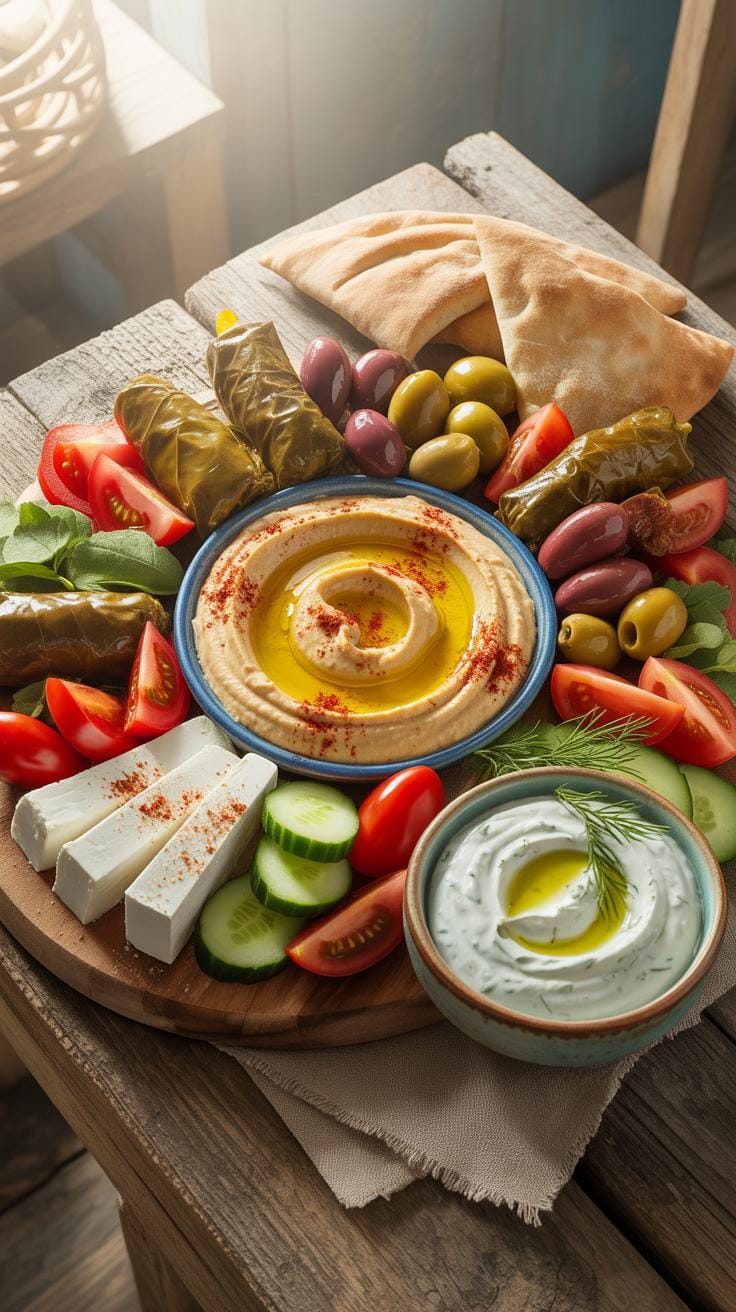
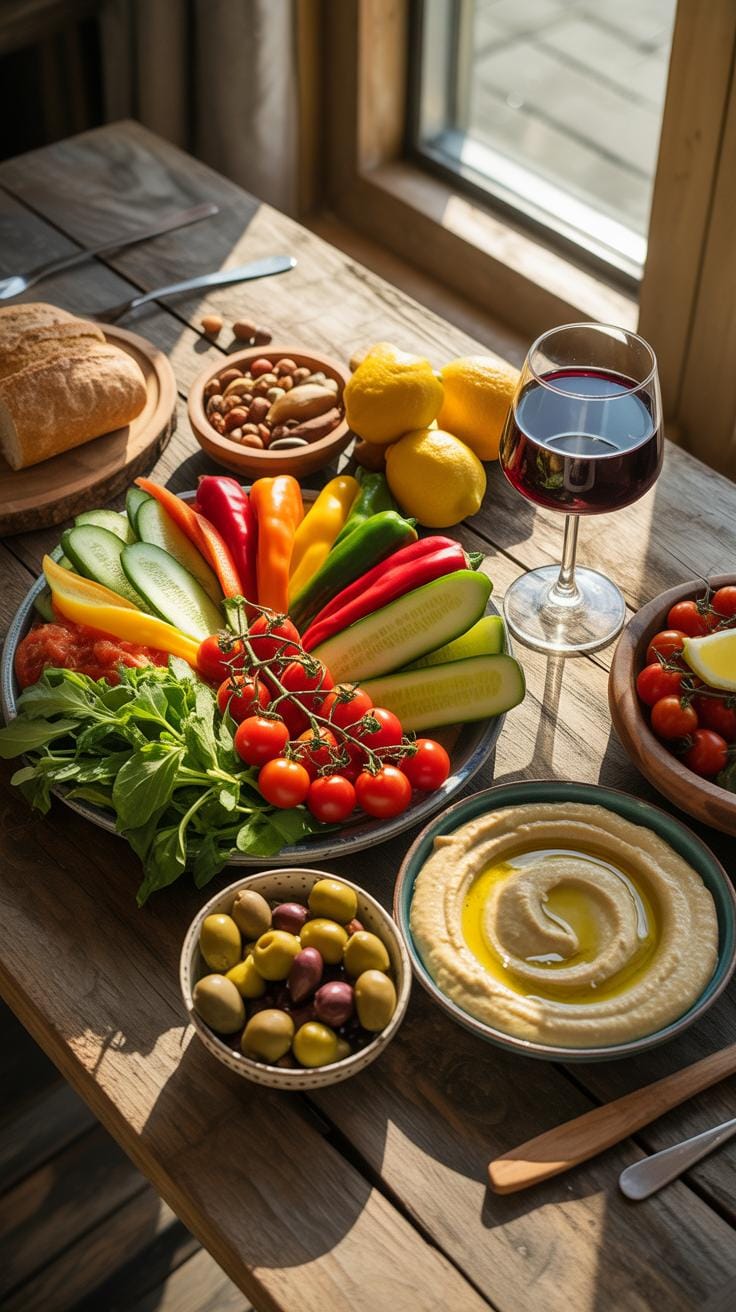
When you think of Mediterranean snacks, a few classics probably come to mind: hummus, olives, nuts, and cheese plates. These simple yet flavorful options fit perfectly into a balanced lifestyle. Olives, for example, are more than just a salty bite—they carry healthy fats and a heritage of tradition. Nuts like almonds, walnuts, and pistachios add crunch and a mildly sweet note that pairs well with nearly everything.
Here are some popular ideas:
- Hummus served with warm pita or crunchy veggies.
- An olive mix, sometimes spiced with herbs or mild chili flakes.
- Cheese plate featuring feta, halloumi, or manchego alongside fresh fruit.
- Nuts and dried fruits tossed together for a quick, energizing snack.
It’s curious how simple ingredients come together to offer variety and nutrition. These aren’t just appetizers—they’re little celebrations of Mediterranean flavors.
Preparing Hummus And Dips
Making traditional Mediterranean hummus is straightforward, yet there’s a subtle art in balancing the flavors. Start with canned chickpeas—rinse them well—and blend with tahini, garlic, lemon juice, olive oil, and a pinch of salt. If you have the time, soaking and cooking dried chickpeas can elevate the texture, but canned works just fine, really.
Some people like their hummus extra creamy, adding a bit of ice water or even yogurt. Others prefer a thicker, more rustic version where chickpeas are pulsed rather than fully pureed. Try both—your preference might surprise you.
Hummus isn’t the only dip worth exploring either. Babaganoush—made from smoked eggplant—is another classic, offering a smoky twist. Tzatziki, with yogurt, cucumber, and garlic, brings a cool contrast. Serve these with pita or vegetable sticks. They invite casual sharing and reward simple preparation.
Simple Cheese And Nut Plates
Snack plates combining cheese, nuts, and dried fruit are a Mediterranean favorite that anyone can assemble quickly. Choose a few cheeses with distinct flavors and textures. A crumbly feta, a firm manchego, or a mild goat cheese works well. Layer them on a board with mixed nuts—almonds and walnuts are staples—and handfuls of dried apricots or figs.
Adding something fresh, like grapes or cherry tomatoes, can introduce a burst of juiciness and brighten the presentation. Drizzling a little honey over the fruit and cheese can also enhance the experience—it’s a small touch that changes everything, or at least it feels like it does.
This kind of plate suits almost any occasion, from an informal snack to a starter for a more substantial meal. And I suppose that’s what makes it so convenient—you don’t have to think too hard, and yet it never feels dull.
Comparing Mediterranean Fats Vs Other Fats
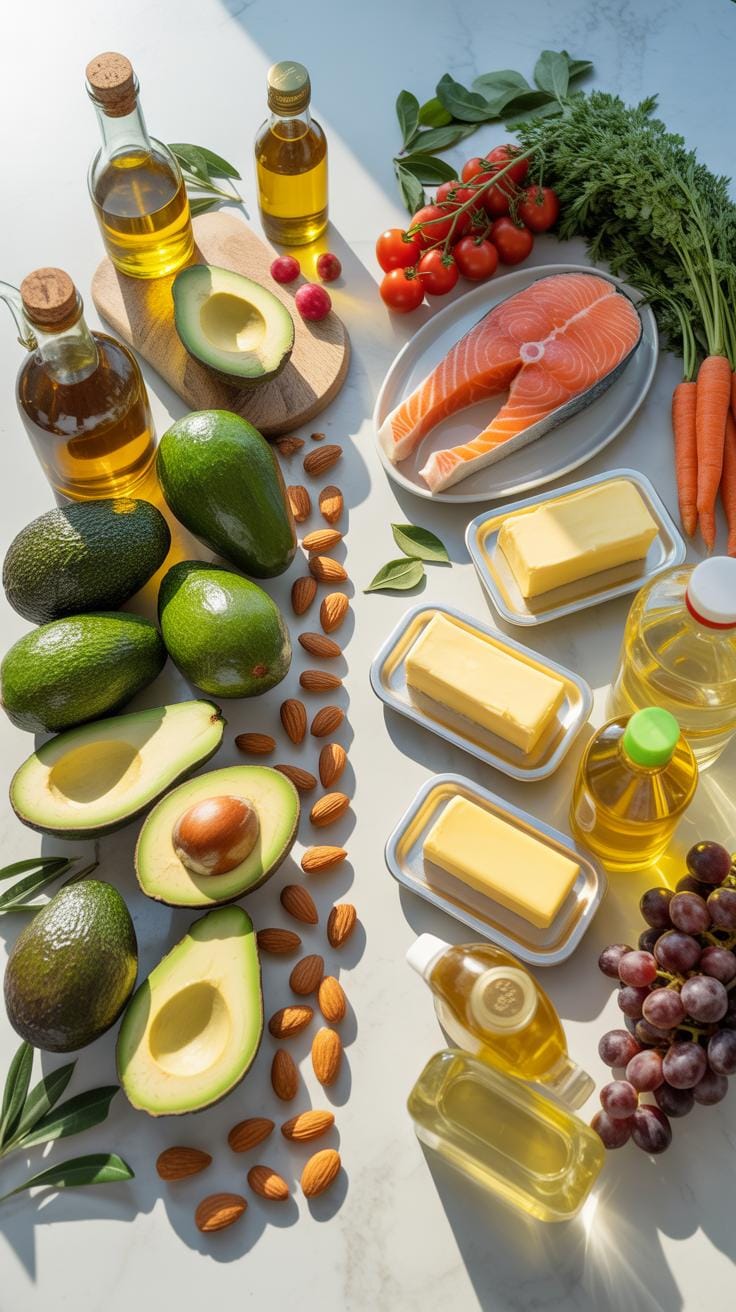
Olive oil often stands out when people talk about Mediterranean cooking, but how does it really stack up against other fats like butter or vegetable oils? For one, olive oil is high in monounsaturated fats, which have been linked to better heart health. Butter, by contrast, carries more saturated fat, which some research suggests could raise cholesterol levels. Vegetable oils, like sunflower or canola, tend to have more polyunsaturated fats, but these can be unstable when heated, sometimes forming harmful compounds.
In the kitchen, olive oil works well for dressings, sautéing, and roasting, thanks to its medium-high smoke point. Butter offers a richer flavor but burns faster, so it’s often best for low-heat cooking or finishing dishes. Vegetable oils might be cheaper and have a neutral taste but lack olive oil’s subtle complexity.
Why Use Olive Oil
Olive oil isn’t just about taste. It’s packed with antioxidants, like polyphenols, that protect cells from damage. There’s compelling evidence suggesting it supports heart health by lowering blood pressure and reducing inflammation. I’ve noticed when I switch to olive oil, meals feel lighter, and maybe that’s partly psychological—but the health research backs up these effects.
Is olive oil the ultimate choice for every dish? Perhaps not. Still, its balance of nutrients and benefits makes it a solid regular in your diet. Its flavors complement fresh vegetables, grains, and even fish, which are staples of Mediterranean cuisine.
Other Cooking Fats In Mediterranean Cuisine
While olive oil dominates, Mediterranean cooking doesn’t exclude other fats altogether. Butter appears in dishes from certain regions, especially in the north, adding creaminess and depth. Animal fats like lard or sheep fat sometimes show up, lending richness and traditional character, though usually in moderation.
These fats can change the texture and flavor dramatically, but they’re generally used sparingly compared to olive oil. It’s interesting, though—occasionally, a dish calls for that buttery touch or a hint of animal fat for authenticity. So, it’s not about replacing olive oil but about knowing when to let other fats play a role.
Meal Planning With Mediterranean Recipes
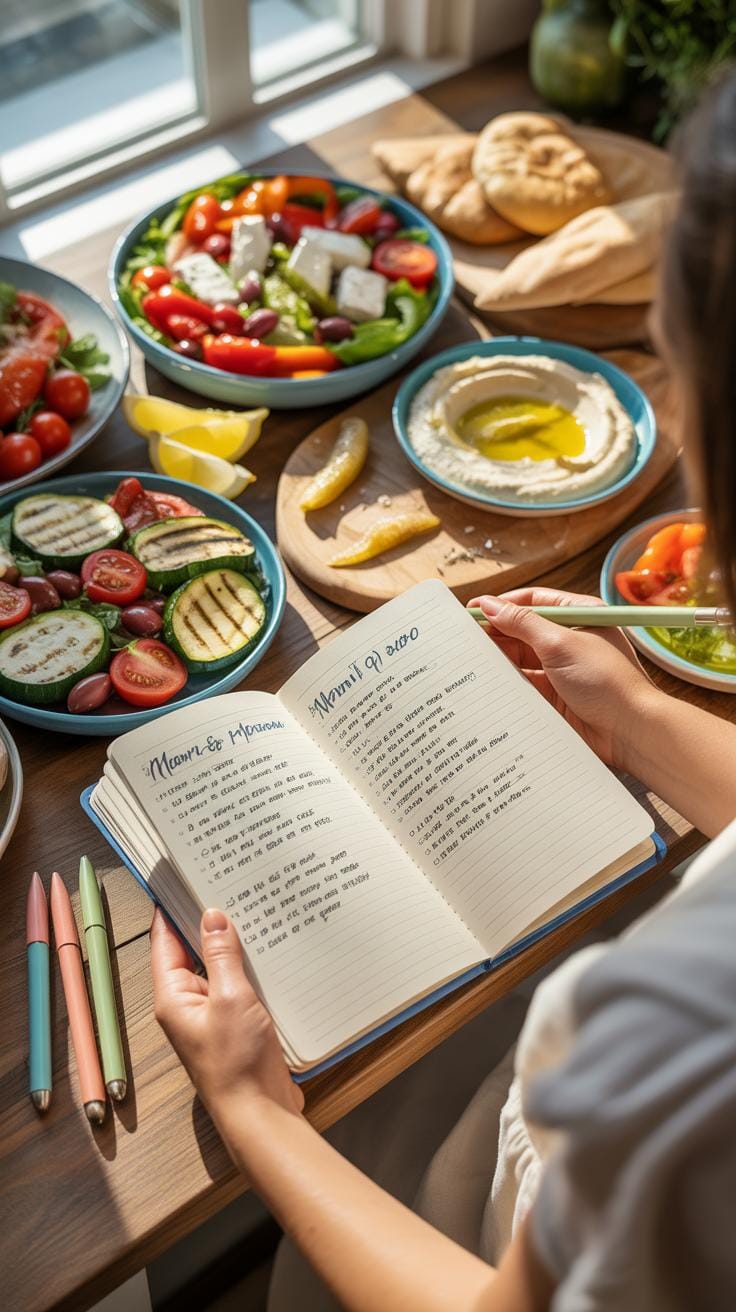
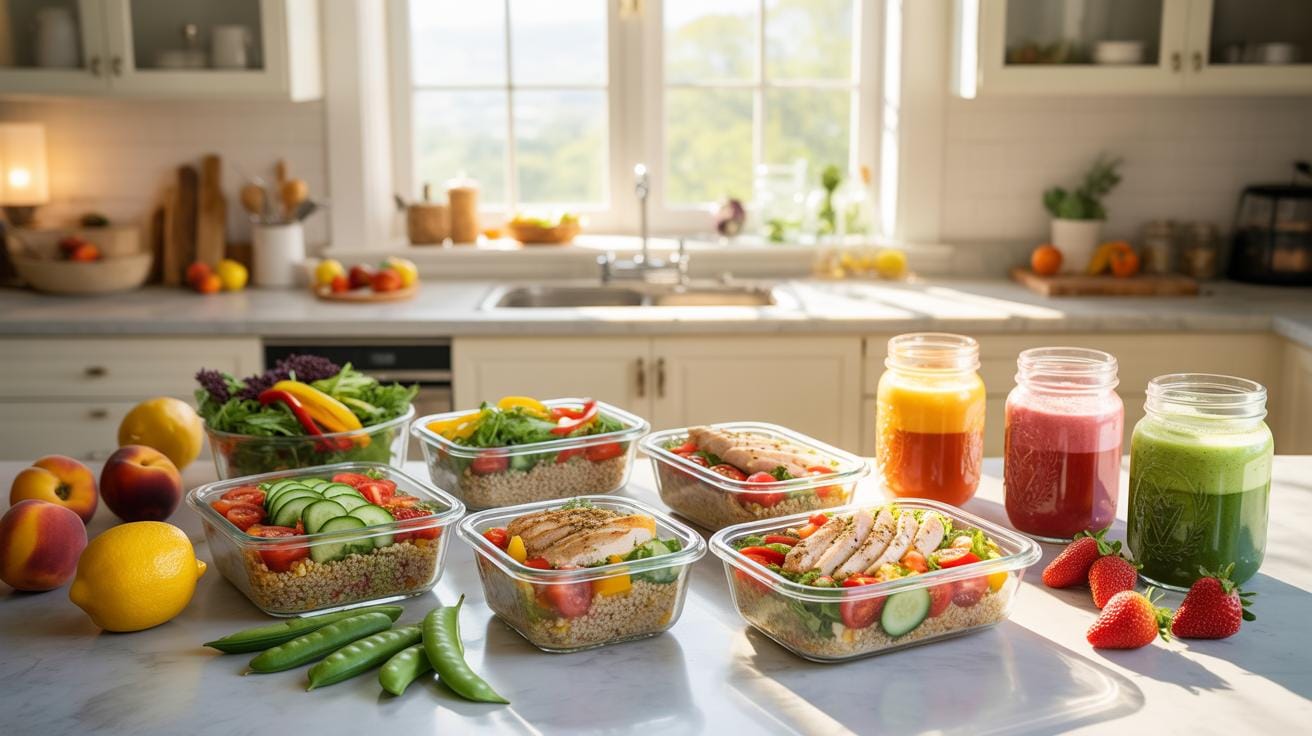
When you think about planning your week’s meals with Mediterranean recipes, it doesn’t have to be complicated or time-consuming. Start by picking a handful of dishes that include diverse ingredients—you want variety, but not a grocery list that’s impossible to manage.
Try to balance your meals across the day: something light for breakfast, a more filling lunch with legumes or whole grains, and a dinner featuring fish or lean meats. Including plenty of fresh vegetables and fruits is key—Mediterranean diets revolve around them, after all.
For example, you might plan a breakfast of Greek yogurt with honey and walnuts, a lunch of chickpea salad with cucumbers and tomatoes, and for dinner, grilled salmon with roasted eggplants. It’s okay if some ingredients repeat during the week—think olives, olive oil, or herbs—because they build that authentic flavor.
Don’t shy away from leftovers. Sometimes, a simple vegetable stew or pasta salad tastes even better the next day. Preparing a few staples at the start of the week can really save time, and you can always mix things up with different spices or add fresh lemon juice to brighten flavors.
Meal planning isn’t about rigid rules but setting a flexible framework. What’s your grocery list? What’s seasonal? Do you have any fresh fish at the market? These questions guide your menu more than strict recipes.
Creating A Balanced Weekly Menu
When you’re choosing recipes for the week, aim to cover as many food groups as possible. It’s tempting to pick carbs because pasta and bread feel like Mediterranean basics, but throw in some beans or lentils too—they bring protein and fiber. Think about colors on your plate: greens from spinach or kale, reds from tomatoes or peppers, yellows from squash.
Spice things up by alternating different cooking methods—steaming, grilling, stewing—to keep meals interesting. Mixing fresh herbs like parsley, dill, or mint with nuts and citrus can transform even plain dishes.
You might plan something like this:
- Breakfasts: Oatmeal with figs and almonds, whole grain toast with mashed avocado, or fresh fruit with ricotta.
- Lunches: Lentil soup, grilled vegetable and goat cheese wrap, or a quinoa and chickpea bowl.
- Dinners: Baked cod with tomatoes and olives, vegetable ratatouille, or chicken souvlaki with tzatziki.
This way, you get an enjoyable variety across meals without overloading your week with exotic ingredients.
Shopping Tips For Mediterranean Ingredients
When shopping, try to focus on fresh and seasonal produce—it makes a noticeable difference in flavor and nutrition. Visit local markets if you can, but a well-organized grocery store usually carries staples like olive oil, canned tomatoes, legumes, and a few fresh herbs year-round.
Buying pantry items in bulk can save you money. Things like dried lentils, chickpeas, and whole grains keep well and are the backbone of many Mediterranean dishes. Fresh fish or meat? Look for portions that you can freeze or plan meals close enough so nothing goes to waste.
Don’t forget small additions—capers, olives, and preserved lemons can really brighten your cooking. Herbs are best bought fresh but can be frozen or dried if you’re in a pinch.
One odd thing I notice is that sometimes recipes call for ingredients you won’t use often. You might skip those or search for substitutions closer to home rather than hunting down something very specific.
So, how do you decide what to buy first? Usually, I write down my meals and cross-check what’s already in the pantry or fridge. That way, I don’t buy more than I need and avoid the stress of last-minute supermarket runs.
Enjoy Mediterranean Lifestyle Habits
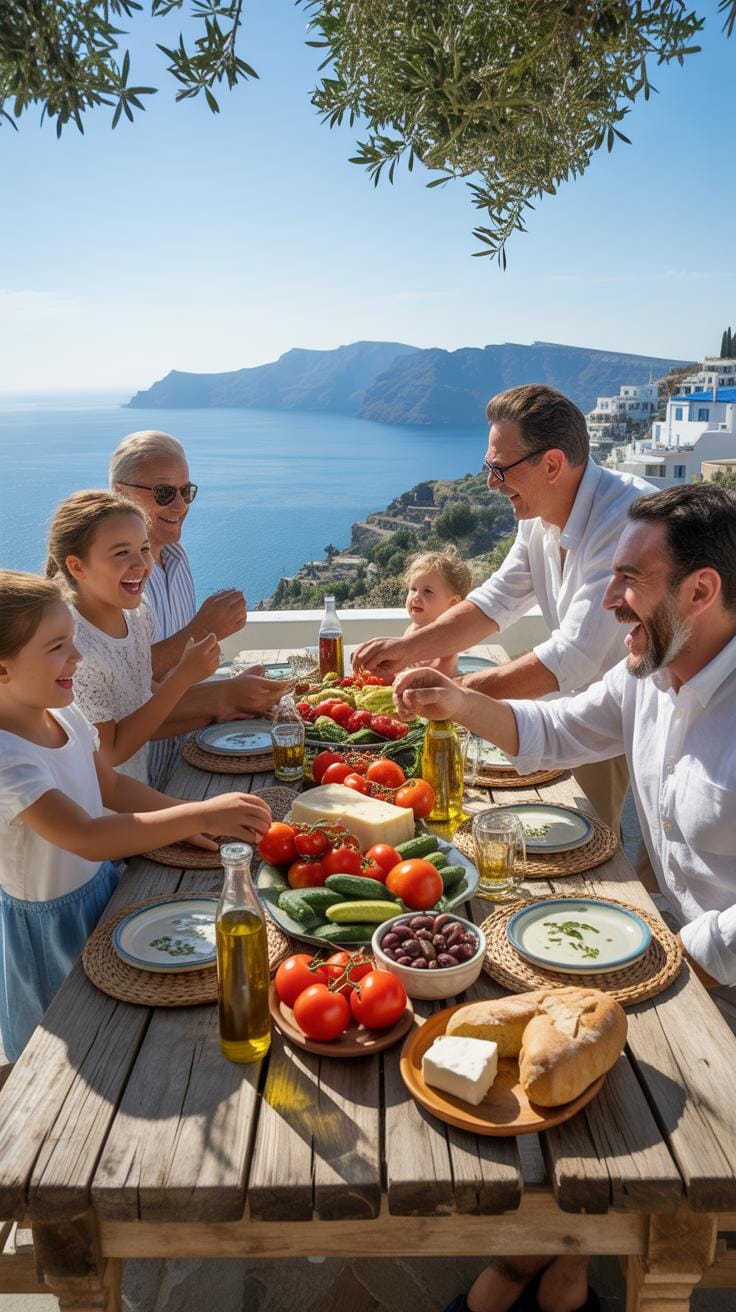
The Mediterranean way of life is more than just food; it’s habits that shape how people eat and live. One big part is how meals are shared. Eating with family or friends isn’t just about filling your stomach. It turns a meal into an experience. People tend to eat more slowly and savor each bite. This pace helps digestion and builds a feeling of satisfaction that’s often missing when you eat alone or rush a meal.
Think about your own meals: Do you ever eat too fast or distracted by screens? Slowing down could make a surprising difference. Mediterranean culture invites you to linger over food, chat, and connect.
Another common habit is moderate wine consumption, often red wine. The key word here is moderate—one glass or so. This is thought to offer some health benefits while complementing the meal. But remember, it’s not about drinking heavily; it’s about balance.
Physical activity is woven into daily routines. Walking, gardening, or cycling is typical, not something you schedule as a “workout.” This steady movement supports heart health and keeps energy levels steady.
Combining these habits—shared meals, moderate wine, and regular activity—creates a lifestyle where eating isn’t rushed, and well-being doesn’t rely only on what’s on your plate. Have you noticed how meal times feel different when shared or slowed down? Maybe that’s the real secret.
Conclusions
Easy Mediterranean recipes combine wholesome ingredients and simple cooking to help you eat better daily. By choosing dishes rich in vegetables, grains, and healthy fats like olive oil, you support your heart and overall health. These meals are practical and tasty, making it easier to stick to a balanced diet.
You can use the tips and examples in this article to add Mediterranean flavors to your meals. Experiment with fresh produce and fish, try new herbs, and enjoy meals with family or friends. This way, you create a healthy lifestyle that is both satisfying and enjoyable.