
Introduction
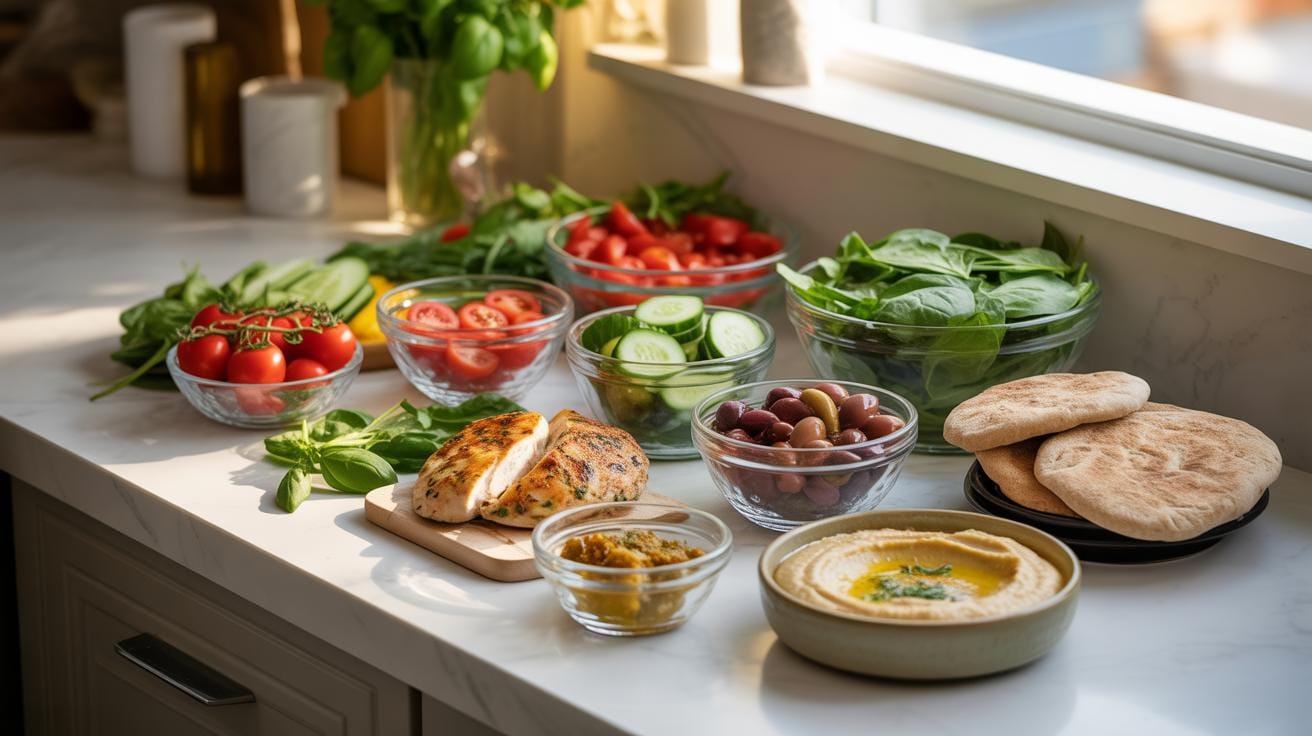
The Easy Mediterranean Diet Recipes For Quick Healthy Meal Prep offer a practical way to prepare meals that are both nutritious and tasty. This diet is based on foods commonly found in countries near the Mediterranean Sea like vegetables, fruits, whole grains, fish, and olive oil.
In this article, you will find simple recipes using easy-to-find ingredients. You will also learn how to plan and prepare meals quickly. This approach fits well into your busy life while helping you eat healthier.
Mediterranean Diet Basics
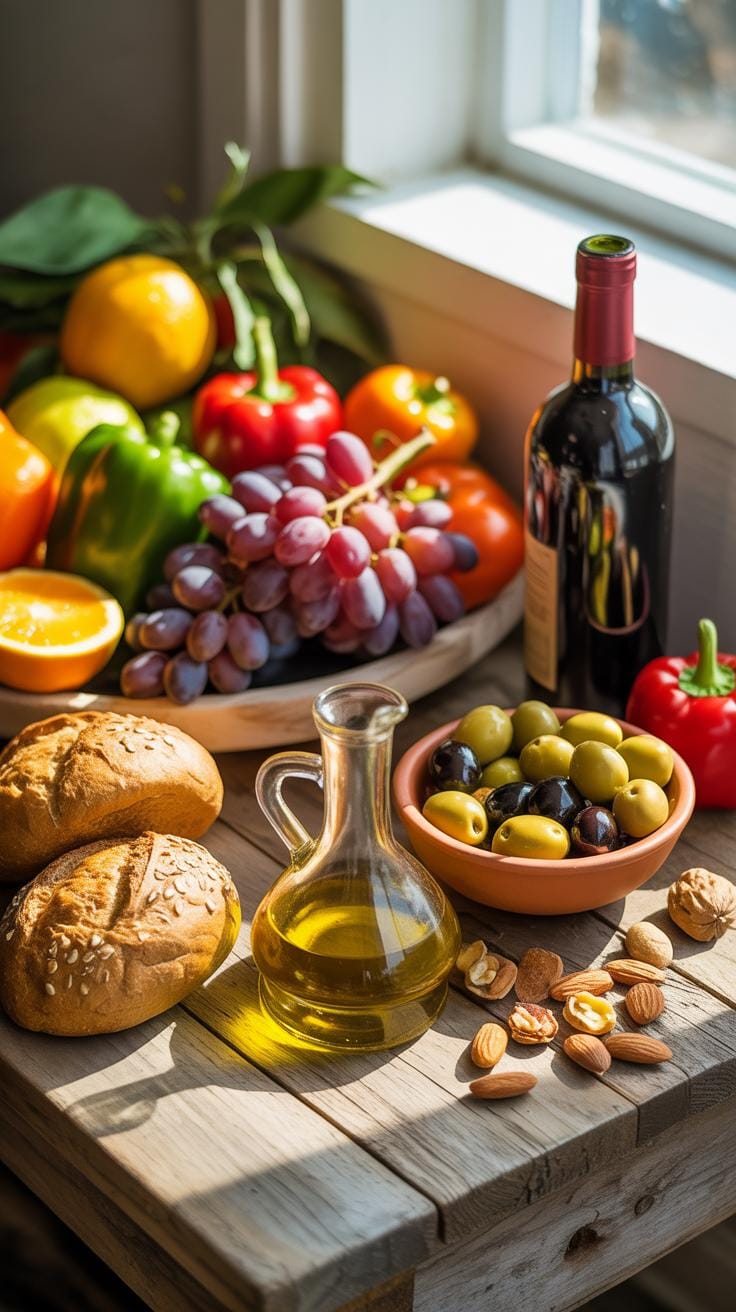
The Mediterranean diet centers on simple, mostly plant-based foods that feel both comforting and wholesome. Think colorful vegetables, fresh fruits, and a variety of legumes forming the base of your meals. Olive oil is the primary fat used, not just any fat but one that brings both flavor and health benefits. Fish appears fairly regularly—often grilled or baked—while dairy like yogurt and cheese comes in moderate amounts. Red meat is usually a rare treat, not the main event, and added sugars are kept to a minimum, which can be a bit tough to stick with but worth trying.
Key Foods Included
Here’s a rough idea of what fills your plate:
- Vegetables: Tomatoes, cucumbers, leafy greens, peppers—fresh, roasted, or raw.
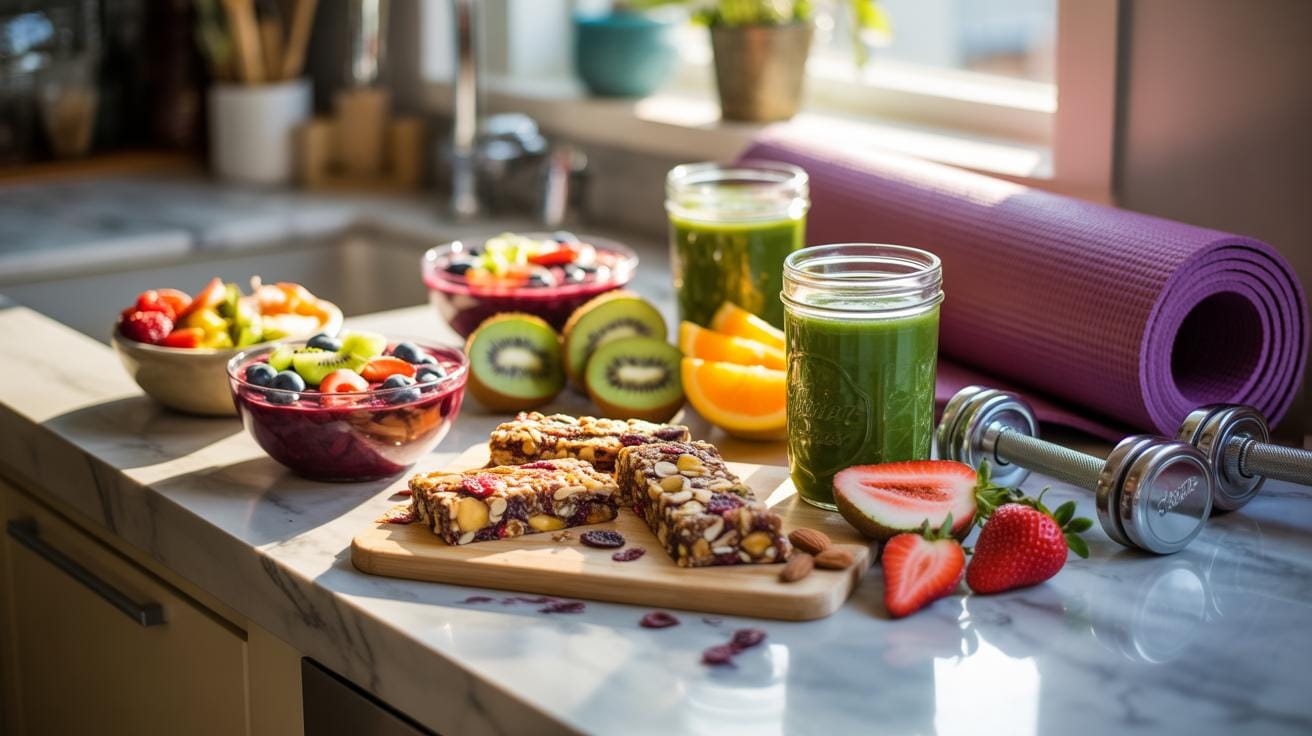
- Fruits: Citrus, berries, apples, figs. These often end meals or appear as snacks.
- Legumes: Chickpeas, lentils, beans—great for protein and fiber.
- Whole grains: Brown rice, barley, whole wheat breads, and pastas.
- Fish and seafood: Tuna, salmon, sardines, eaten a few times a week.
- Olive oil: The main cooking fat; used generously but not excessively.
- Nuts and seeds: Almonds, walnuts, pine nuts; often sprinkled on dishes or eaten raw.
Health Benefits Overview
Many find the Mediterranean approach easier and more enjoyable than other diets. It may help maintain weight, though it’s less about strict restriction and more about quality choices. Heart health often improves—possibly because of good fats and antioxidants. Some people report more energy and better digestion over time. Reduced risks of chronic diseases, like diabetes and some cancers, have been observed too, but findings vary. The diet feels sustainable, partly because it focuses on real food, not gimmicks. You might wonder how your day-to-day changes could stack up—try swapping butter for olive oil or having an extra serving of veggies and see what happens.
Choosing Ingredients For Quick Meals
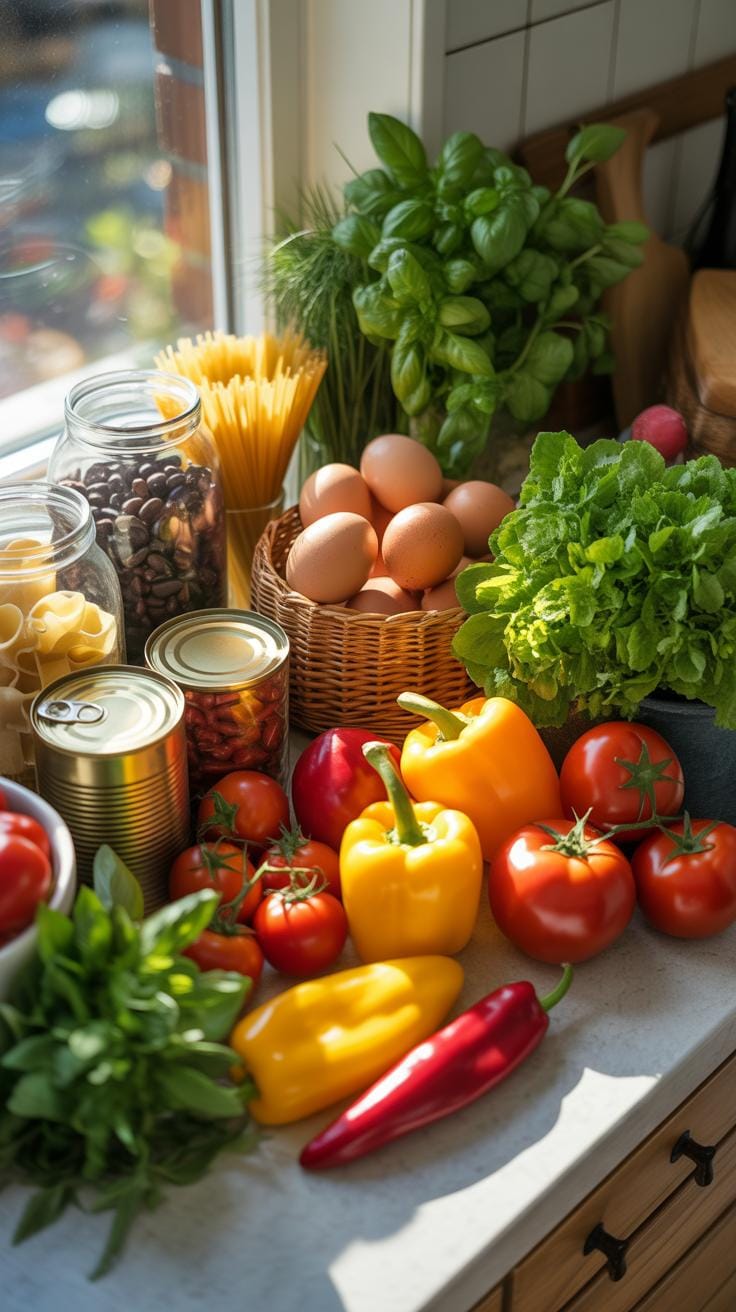
Picking ingredients for Mediterranean meals doesn’t have to be complicated. I often find that having a few reliable staples on hand makes throwing together healthy dishes much faster. The key is balancing fresh items with pantry basics that don’t spoil quickly.
When it comes to pantry staples, olive oil is non-negotiable—it’s part of what defines these recipes. Canned beans, like chickpeas or white beans, give you quick protein and fiber without fuss. Whole grains such as couscous, bulgur, or brown rice are great for bulk and texture. Don’t overlook dried herbs like oregano and thyme; they pack flavor without needing refrigeration. Spices like cumin, paprika, and black pepper can shift a dish’s character with just a pinch.
For fresh ingredients, I try to keep tomatoes and cucumbers around—they slice up easily for salads or snacks. Leafy greens like spinach or kale turn any meal green and fresh without much effort. Garlic is my go-to for an easy flavor boost. Lemons come in handy for quick marinades or brightening tastes, and having some fresh fish—perhaps a firm white fish or salmon fillets—turns a simple dinner into something special. These ingredients don’t usually need much prep, which means meals come together almost on their own.
Have you noticed that a kitchen stocked this way makes you more likely to avoid takeout? I think it’s the simplicity that encourages cooking, even on busy days. What fresh items do you keep around that make your Mediterranean dishes quicker? Sometimes the smallest addition can change a whole week’s worth of meals.
Preparing Mediterranean Recipes Fast
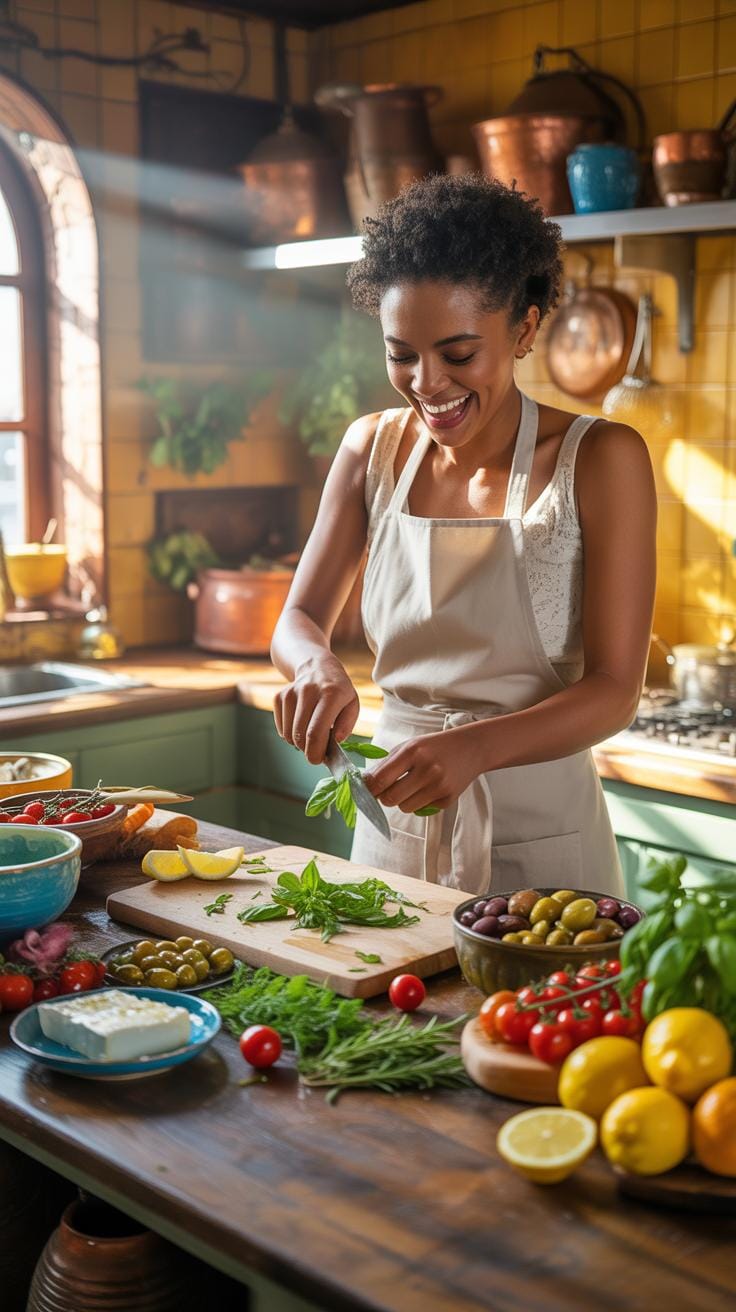
Getting a Mediterranean meal on the table quickly doesn’t have to be complicated. The key is focusing on simple steps and choosing ingredients that don’t demand much chopping or cooking time. Think about using pre-washed greens or canned beans to cut down prep.
For cooking, start with staples like olive oil, garlic, and fresh herbs—they bring flavor without fuss. If you keep chopped veggies in your fridge, tossing together a meal becomes faster than you’d expect. Sautéing in a hot pan for a few minutes often does the trick, and you don’t need a long list of spices. Sometimes, less is more.
Ultimately, speed isn’t about rushing, but about smart choices—like prepping some basics beforehand or relying on ingredients that shine raw or with minimal heat. It might feel odd at first, but quick Mediterranean cooking mostly depends on fresh, simple components coming together naturally.
One-Pot Or One-Pan Meals
There’s definitely something satisfying about whipping up a whole meal in just one pot or pan. It saves time, yes, but also spares you the hassle of cleaning up after. And no, you don’t have to sacrifice flavor. You can create dishes like shakshuka, where eggs poach gently in a spicy tomato sauce, or a vegetable-packed couscous skillet that comes together by layering ingredients.
Start by heating olive oil, then adding whatever veggies you have—onions, peppers, zucchini—and some garlic. Toss in your protein—chicken pieces or chickpeas work well—and pour in a bit of broth or tomato sauce. Cover, let simmer, and you’re done. You’ll notice that the flavors blend more in one pot, making the dish richer without extra effort.
Quick Salad And Snack Ideas
Not every Mediterranean meal needs heat. Some of the best meals come from assembling fresh ingredients with easy dressings. Think a Greek salad with cucumber, tomatoes, olives, red onion, and feta. Drizzle some olive oil and lemon juice—done. Or a simple snack of hummus with sliced veggies or pita bread.
Other quick ideas include:
- Caprese salad with fresh mozzarella, tomato, and basil.
- Olive tapenade spread on whole-grain crackers.
- Stuffed grape leaves from the store, paired with tzatziki.
- Fresh fruit with a handful of nuts.
- Canned sardines or tuna on toast, topped with a squeeze of lemon.
These can be your go-to when time’s tight. There’s barely any cooking involved, but the satisfaction of a Mediterranean flavor profile still shines through. It’s kind of remarkable, how little effort can deliver something wholesome and tasty.
Why Mediterranean Diet Fits Busy Lifestyles

The Mediterranean diet works surprisingly well for those who don’t have hours to spare in the kitchen. Many recipes use simple, whole ingredients that come together quickly—think fresh vegetables, beans, olive oil, and grilled fish or chicken. You don’t need to wait all day for something to taste great.
One of the best things is how much you can prepare in advance without losing flavor or texture. For example, a big batch of grain salad or roasted veggies can be your go-to for days. They even taste better after resting a bit, which is perfect if you’re juggling a hectic schedule.
Have you noticed how some diets feel like a burden when you’re tired? The Mediterranean approach avoids that. It feels natural to throw together a meal that’s both quick and satisfying. And you don’t end up compromising on quality for speed, which is sometimes a challenge with other diets.
Meal Flexibility Benefits
The Mediterranean diet embraces leftovers like few others. If you have some roasted vegetables or cooked chickpeas on hand, they can easily become part of a salad, a wrap, or even a warm stew the next day. This flexibility means fewer trips to the grocery store and less cooking time.
Also, because the ingredients are fresh and simple, combining meals isn’t a strain. You don’t have to worry about clashing flavors or textures. Want to add some feta to last night’s grain bowl? Go ahead. Mix olives into today’s sandwich? Absolutely. It keeps meals interesting without feeling repetitive.
When was the last time you realized you had a perfectly good meal sitting in the fridge and didn’t want to waste it? With Mediterranean-style leftovers, that feeling kind of disappears. It’s easy to improvise with what you have and still end up with something enjoyable and nourishing.
Nutrition In Every Bite
It’s not just about ease or taste—the Mediterranean diet packs nutritional punch too. Each meal tends to include a good balance of protein, healthy fats, and fiber, which helps keep energy levels steady. For busy days, that kind of balance matters more than you might think.
You might find yourself eating a mix of legumes, nuts, whole grains, veggies, and moderate protein, all in one meal. That combo supports both your brain and body without the crash some carb-heavy meals cause. Plus, healthy fats from olive oil or nuts improve satiety and focus, which can be crucial if you don’t have time for frequent snacks.
Sometimes I wonder if the Mediterranean diet feels so good because it doesn’t force extremes. It’s flexible, but it also gives enough nutrients to keep you going. If you’re constantly rushing, maybe this balance is exactly what makes it click for everyday life.
Step By Step Meal Prep Guide
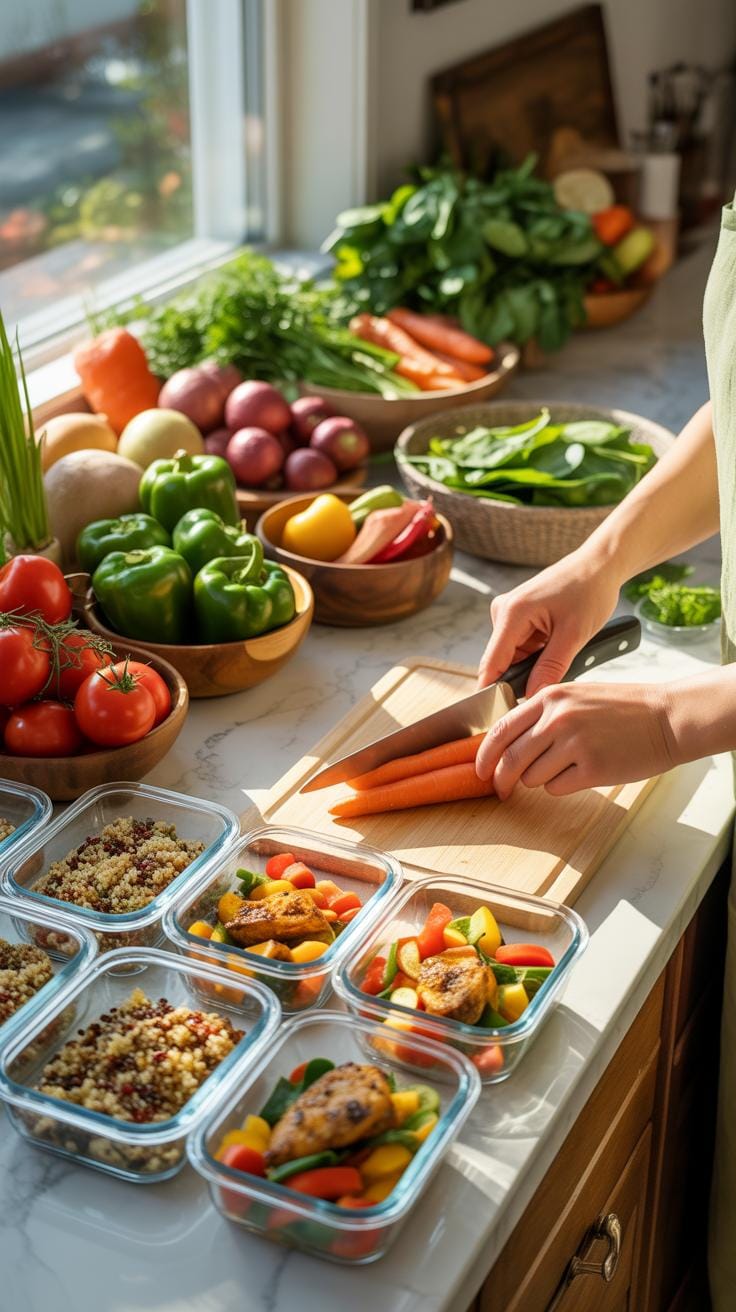
Planning Your Weekly Menu
Start by sketching out your meals for the week, aiming for a mix of colors and flavors. Mediterranean diet staples like olives, tomatoes, leafy greens, whole grains, and fish offer plenty of variety. Try to balance lighter meals—perhaps a Greek salad or grilled veggies—with heartier ones such as chickpea stews or baked fish. You don’t need to plan every snack, but having a list of go-to healthy bites can help avoid last-minute unhealthy choices.
Think about which ingredients you can use multiple times without getting tired of them. For example, a batch of quinoa can become a base for a salad one day and a warm bowl with roasted veggies the next. It’s tempting to overcomplicate, but keeping things simple and flexible might actually make sticking to the plan easier.
Cooking And Storing Meals
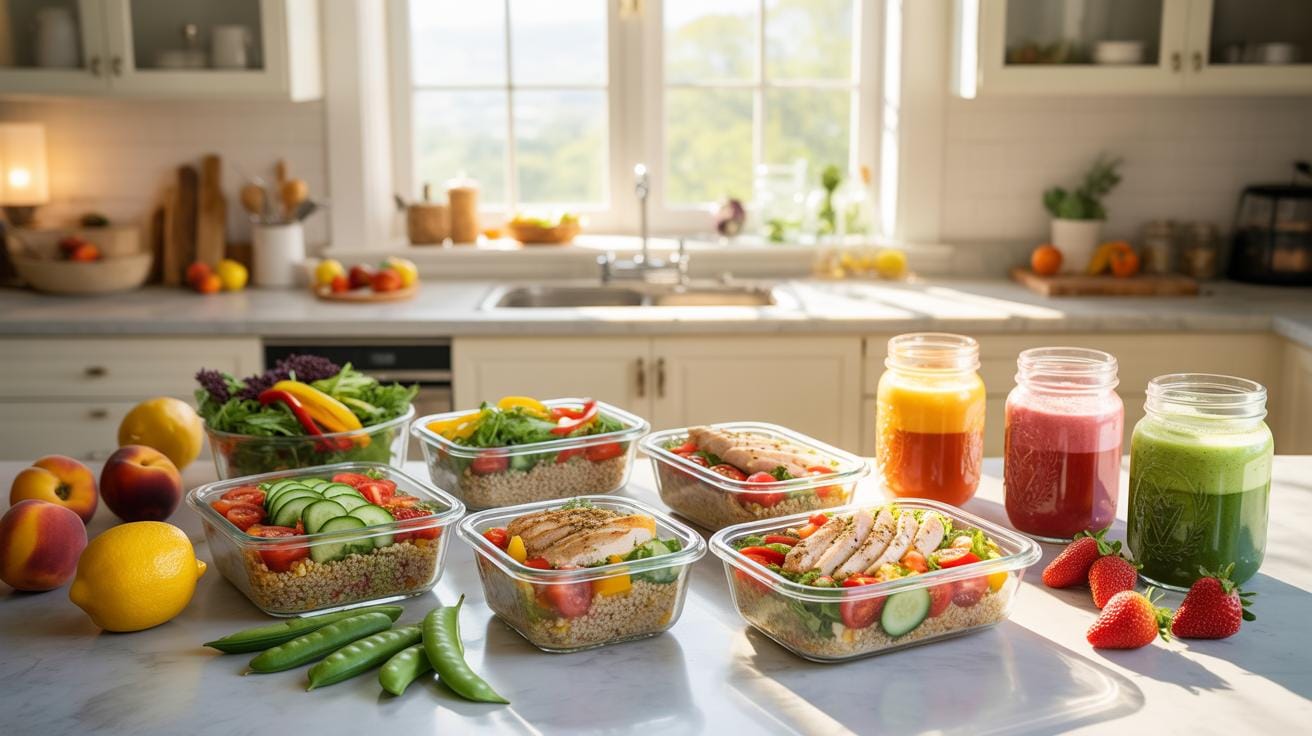
When cooking, batch preparation works best if you choose recipes that hold up well over a few days—beans, roasted vegetables, or marinated fish. Try to cook items with similar temperatures or oven times together; it saves time and energy. Portion your meals into containers right after cooking while the food is fresh, which saves you from scrambling later.
For storage, airtight containers in the fridge are your friends. Some dishes can last up to four days this way. If you’re prepping for a longer stretch, freezing works but may affect texture, especially with leafy greens. Maybe you’ll find that certain meals you like fresh, so save those for later in the week. And reheating? A quick splash of olive oil or a squeeze of lemon can bring leftovers back to life.
Mediterranean Meals Comparison
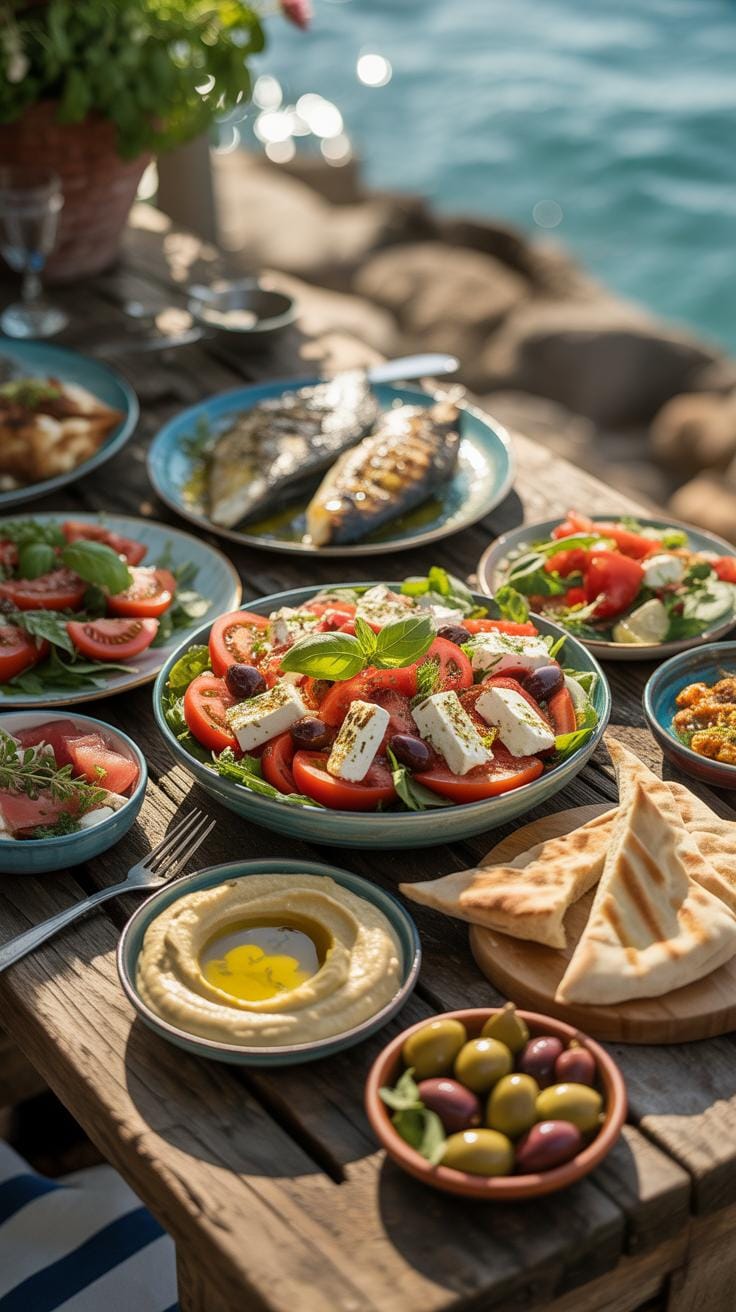
Mediterranean Vs Standard Diet
When you look at quick Mediterranean meals compared to a typical Western diet, the differences are pretty clear. Mediterranean dishes tend to focus heavily on fresh vegetables, legumes, whole grains, and healthy fats like olive oil. The standard Western diet, meanwhile, often leans on processed foods, red meats, and added sugars—elements that can be tough on your health if you eat them regularly.
One thing I’ve noticed is how Mediterranean meals rarely require complicated prep. A simple plate of grilled fish, some roasted veggies, and a drizzle of olive oil can come together in minutes. Standard Western meals might seem faster if you grab fast food, but those options often lack nutrients and can leave you feeling sluggish. So, it’s not just what’s on the plate, but how quick and wholesome the meal is that really matters.
Mediterranean Vs Other Healthy Diets
Comparing Mediterranean meals to other popular healthy diets—like low carb or vegetarian—brings up some interesting points. Low carb diets often demand strict limits on grains and fruits, which can complicate meal prep. In contrast, Mediterranean cooking embraces variety, making it easier to mix and match ingredients without overthinking. Vegetarians might find the Mediterranean diet similarly accessible because it naturally includes lots of plant-based foods, but it’s less restrictive due to the inclusion of fish and dairy.
That said, Mediterranean meals might require a bit more oil and fresh produce, which some find less convenient if they’re used to simpler staples. For me, the balance between ease and nutrition feels just right, though. You get enough protein, fiber, and healthy fats without too much fuss. Don’t you find it easier to stick with meals you actually enjoy preparing?
Common Mistakes To Avoid

Adding Too Much Oil Or Cheese
One of the quirks with Mediterranean cooking is how easy it is to get carried away with olive oil and cheese. These ingredients are tasty and feel healthy, right? But piling on extra oil or cheese can push your meals past the point of balanced nutrition. Too much olive oil can add more calories than you expect, turning a light dish into something heavier. Cheese, while flavorful and protein-rich, can sneak in saturated fat and sodium if overused.
Try measuring your oil with a tablespoon instead of pouring straight from the bottle. That small switch helped me keep my portions in check without sacrificing taste. For cheese, think of it as a garnish rather than the main event—sprinkle rather than pile. This keeps meals satisfying but within reason.
Forgetting Meal Variety
It’s tempting to stick with favorite staples and repeat meals because they’re easy and familiar. But Mediterranean diets thrive on variety, from colorful veggies to different whole grains and proteins. Eating the same few meals over and over might make your diet dull and less balanced than you think.
Switching up your ingredients not only keeps things interesting but also ensures you get a wider range of nutrients. Think rotating leafy greens one day, chickpeas another, and maybe fish or legumes a few times a week. Have you noticed how your energy or cravings shift when you eat the same thing daily? Mixing it up can prevent that, too. So, don’t be afraid to try different herbs, veggies, or whole grains—you’ll probably find new favorites, even if it feels a bit outside your comfort zone at first.
Tools For Easy Mediterranean Cooking
Basic Equipment Needed
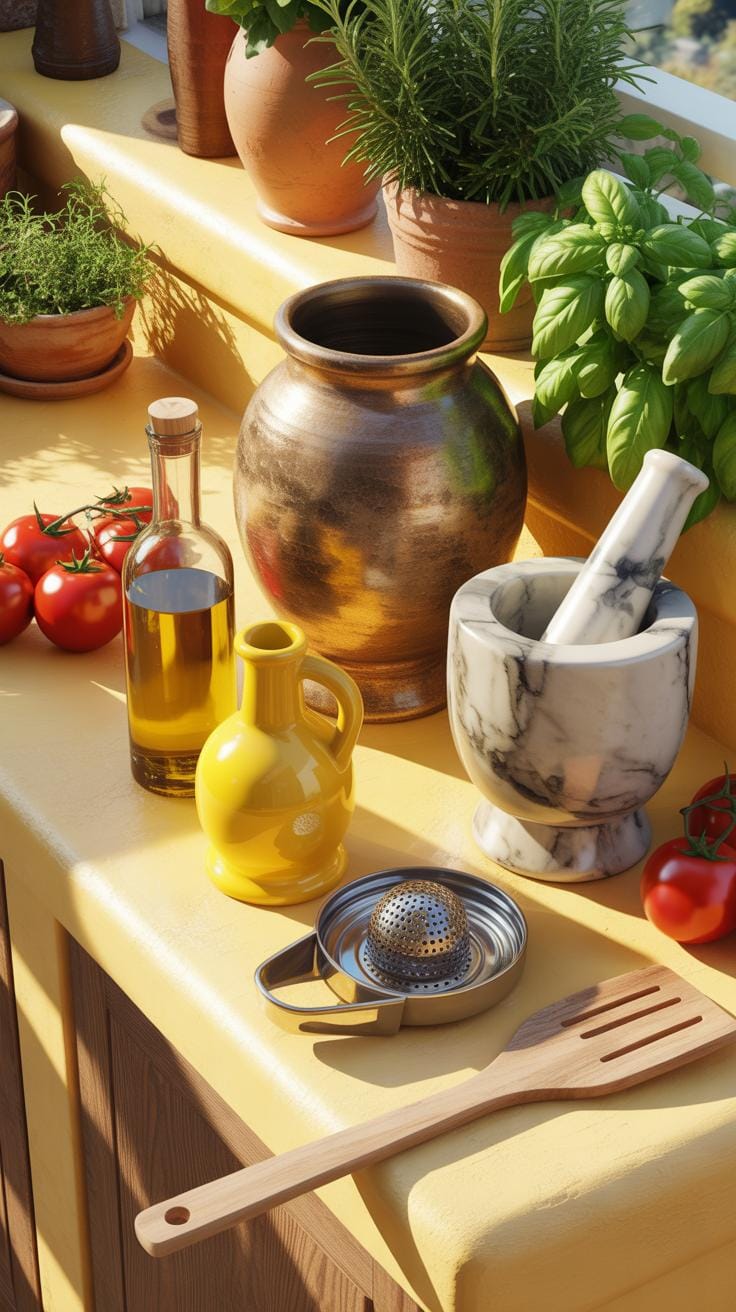
When you start cooking Mediterranean meals, some tools become quickly indispensable. A sharp chef’s knife is probably your best friend. It makes chopping fresh herbs, slicing tomatoes, or dicing cucumbers much less taxing. Alongside that, you’ll want a sturdy cutting board — maybe two — since jumping between raw meats and vegetables without one can get messy.
For cooking, a good heavy-bottomed skillet or sauté pan handles olive oil and quick frying nicely. A medium-sized pot helps with boiling pasta, grains, or simmering soups and stews common in Mediterranean dishes. Cast iron pans work well too, though sometimes a nonstick pan saves you the scrubbing afterward. Mixing bowls for salads or marinating fish or chicken are handy, especially if you like prepping ingredients ahead.
Helpful Gadgets For Meal Prep
Some gadgets can really shave prep time—take a food processor. It handles chopping nuts for pesto, shredding vegetables for tabbouleh, or blending hummus so much faster than by hand. I guess you could do it all with a knife and arm, but why make life harder?
A slow cooker might seem a bit out of place with Mediterranean meals that often focus on freshness, yet it’s fantastic for simmering chickpeas or stewing ratatouille without constant attention. An immersion blender comes in handy if you enjoy smooth soups or sauces, and it’s easier to clean than a countertop blender.
Don’t overlook a garlic press if you cook with garlic often—you’d be surprised how much time it saves and how evenly it distributes flavor. Even a good salad spinner can make a difference; drying your greens well is simple but essential for crisp salads typical of this diet.
Are you convinced a few well-chosen tools might make these healthy meals less of a chore? Sometimes, the right piece of equipment nudges you toward cooking more often, which is always a good thing.
Budget Friendly Mediterranean Meals
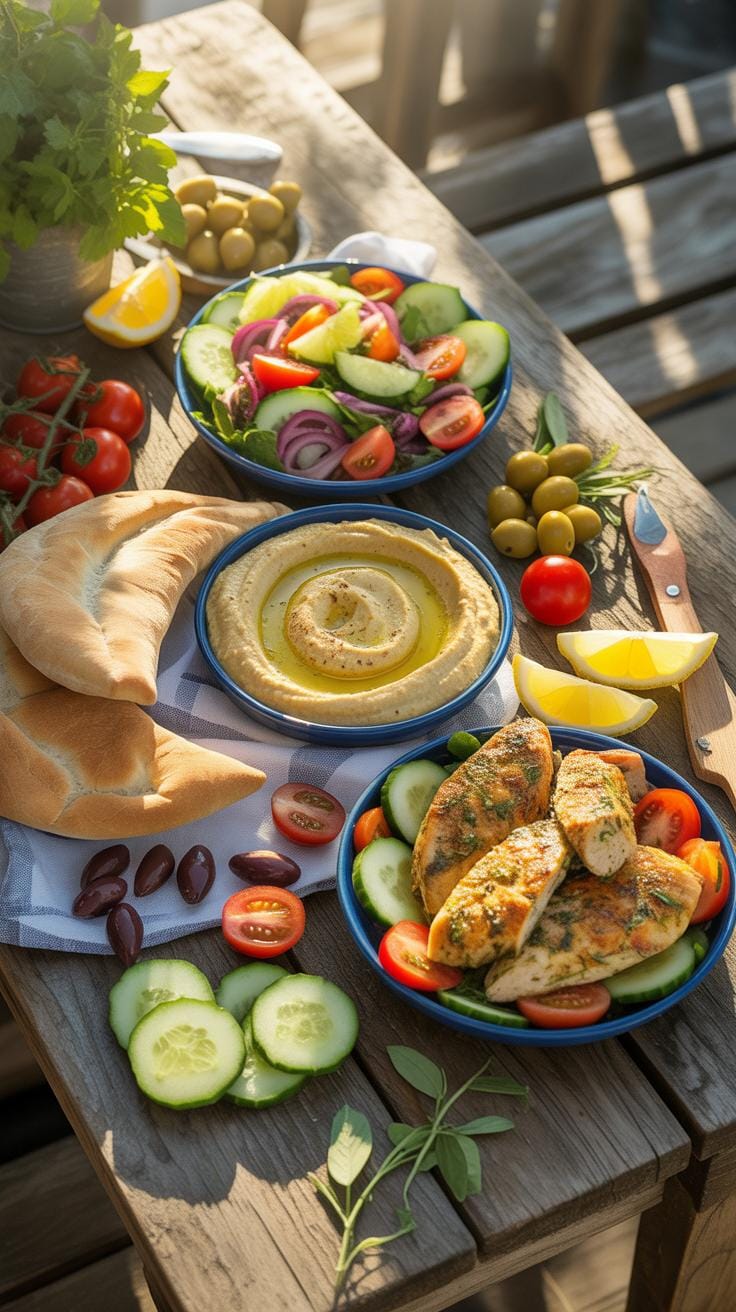
Preparing Mediterranean meals on a budget isn’t as tricky as it sounds. The key lies mostly in planning and choosing ingredients that give you the most bang for your buck. For instance, pulses like lentils and chickpeas offer excellent protein at a low cost, and they can be the base of many dishes. Vegetables such as tomatoes, onions, and zucchini are often inexpensive when bought in season and form the backbone of many Mediterranean recipes.
Think about building meals around whole grains too—brown rice, bulgur, and couscous. They stretch a dish further without compromising flavor or nutrition. Sometimes, I find that a simple tomato and herb sauce over rice or pasta can be more satisfying than a complicated, pricey sauce.
Planning also helps. Cook larger batches and freeze portions for later. This not only saves money but time during busy days when the last thing you want is to cook from scratch. Leftover veggies can transform into soups or stews, making sure nothing goes to waste. The Mediterranean diet encourages variety, but it can easily flex to fit a tighter budget without feeling boring.
Smart Shopping Tips
Buying seasonal produce makes a surprising difference—not just in price but in taste. Visiting farmer’s markets near closing time can sometimes mean discounts on fresh vegetables. Bulk buying items like olive oil, spices, and dried beans often cuts costs and means you won’t run out in the middle of the week.
Look out for sales on staples like canned tomatoes or whole-grain pasta. Even frozen vegetables and fruits can be good deals and keep well, which means fewer trips to the store and less impulse buying. It’s tempting to stock up on exotic Mediterranean cheeses or specialty olives, but often the simple, traditional ingredients deliver just as deeply in flavor and cost less.
Cooking Economically
Leftovers can become new meals—say, roasted vegetables from dinner turning into a frittata for breakfast or a quick wrap. Sometimes, I find that just adding a handful of fresh herbs or a squeeze of lemon juice can completely change the character of a leftover dish, making it feel fresh rather than the same old thing.
Keep recipes simple and versatile. A big pot of vegetable stew, spiced with garlic and herbs, can feed you for several days. Adding a handful of lentils or beans to bulgur or couscous instantly boosts protein and substance. You might think Mediterranean cooking demands fancy ingredients or time, but really, it’s about fresh, simple food that you can adjust based on what’s affordable and available to you.
Sample Mediterranean Meal Plan
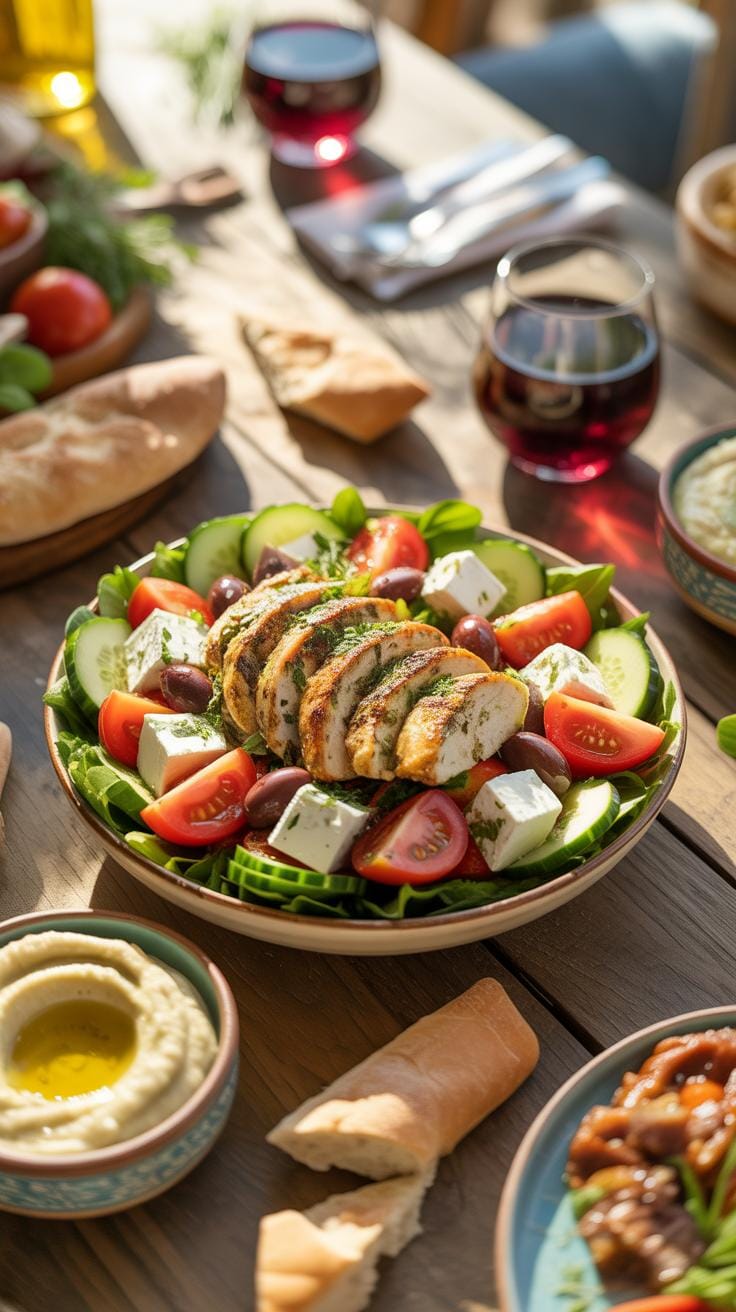
When thinking about a weekly meal plan, the Mediterranean diet can be surprisingly simple and flexible. You don’t need to be an expert chef to make meals that feel fresh yet familiar. Here’s a rough idea of how you might structure your week with breakfast, lunch, and dinner all based on easy Mediterranean recipes.
Breakfast And Lunch Ideas
For breakfast, consider quick options like Greek yogurt topped with a handful of nuts and fresh berries. It’s filling and straight to the point, without complicated prep. Another go-to is whole grain toast with mashed avocado and a sprinkle of feta cheese—simple but satisfying. Sometimes a smoothie made with spinach, cucumber, lemon, and a touch of honey can feel more refreshing than heavy dishes in the morning.
Lunches could include classic Mediterranean chickpea salads with tomatoes, cucumber, olives, and parsley, tossed in olive oil and lemon juice. Or maybe a pita wrap filled with grilled veggies and hummus? These meals are easy to make ahead and don’t lose their goodness after a few hours, which is handy for busy days. Sometimes leftovers from dinner work too, making lunch prep barely noticeable.
Dinner Recipes For The Week
For dinners, think about tossing salmon or chicken with lemon, garlic, and herbs, then roasting alongside a tray of mixed vegetables—simple and nearly hands-off. Another quick recipe could be a shakshuka, using canned tomatoes, eggs, and spices; it mostly just needs some simmering. Don’t forget one-pan dishes like sautéed shrimp with garlic, capers, and spinach, which come together fast and feel light but filling.
Stirring a pot of whole wheat pasta with olive oil, cherry tomatoes, olives, and basil also yields a quick, comforting dish. You may find that meals like these, rather than complicated dishes, suit the busy days better. They allow for creativity without demanding too much time or multiple ingredients at once.
Conclusions
Eating Mediterranean diet meals does not have to be complicated or time-consuming. By choosing the right ingredients and following quick recipes, you can enjoy nutritious meals every day. This way, you support your health and feel good.
With practice, meal prepping Mediterranean dishes will become easy and enjoyable. You will save time and have delicious meals ready. Start with simple recipes and plan your meals to keep on track with your healthy diet goals.