

Introduction
Double cleansing is a skincare technique that helps remove dirt, makeup, and excess oils from your skin effectively. It involves using two types of cleansers, one to break down oils and makeup, and the second to clean any remaining impurities that the first cleanser might miss. This method promotes cleaner, clearer skin ready for the next steps in your skincare routine.
If you want healthy glowing skin, double cleansing is a good approach to get rid of pollutants and excess sebum. This article explains how double cleansing works, why it matters, and how to do it the right way. You will learn how to protect your skin’s natural balance and prevent common issues like clogged pores and dullness.
What Is Double Cleansing


Double cleansing is exactly what it sounds like—using two different types of cleansers one after the other. The goal is to thoroughly clean your skin, going beyond what a single cleanser usually achieves. First, you remove the surface buildup like makeup, sunscreen, and excess oils. Then, you follow up with a second wash to clean whatever’s left deeper in your pores.
Unlike a simple wash, it targets different types of impurities that don’t come off easily with just water and soap. Some people notice they need it after a long day outside or heavy makeup. It might feel like extra work, but for many, that second cleanse noticeably improves skin texture and clarity. You can think of it as giving your skin a more honest “reset.”
Types Of Cleansers Used
Double cleansing relies on two very specific types of products:
- Oil-based cleansers: These are designed to break down oils on the skin—like sebum, sunscreen, and makeup. Because oil attracts oil, these cleansers dissolve what water alone can’t.
- Water-based cleansers: This is the second step. These cleansers remove sweat, dirt, and any water-soluble residue leftover after the oil cleanse. Think of it as a wash that refreshes the skin, leaving it feeling clean but not stripped.
Each type has a distinct role and they complement one another in a way that one alone often won’t.
Why Use Two Cleansers
You might wonder, why not just use a single cleanser that claims to do both jobs? The reason double cleansing works better is that skin impurities vary, and so does how easily they come off. Oil-based products and makeup don’t mix well with water, so they need a cleaner that breaks them down first. After that, the second cleanser washes away the smaller bits of dirt and leftover grime.
Using two cleansers ensures:
- A more thorough removal of impurities than a single product typically offers.
- A reduction in clogged pores, which can lead to fewer breakouts and dullness.
- Your skin feels genuinely clean without tightness or dryness that harsh cleansers might cause.
It’s a bit like washing dishes—you wouldn’t expect a single rinse to get rid of grease entirely. The same principle applies here, and even if it sounds like extra effort, the payoff can be clear and glowing skin.
Why Double Cleansing Matters

Think about everything your skin faces daily—pollutants in the air, makeup, sweat, and natural oils like sebum. Each layer needs to be addressed for truly clean skin. That’s where double cleansing steps in. The first cleanse breaks down surface impurities like makeup and excess oil. The second rinse goes a bit deeper, clearing away what’s left behind, including dirt lodged in pores.
This two-step method isn’t just about feeling fresh—it plays a role in your skin’s overall health. Skipping double cleansing might leave residues that clog pores, leading to breakouts or irritation. Ever noticed your skin looking dull despite your efforts? It might be remnants stuck on your skin preventing it from breathing properly.
Now, who really benefits most? Well, people wearing makeup daily, those living in urban areas with high pollution, and anyone with oily or combination skin often see the biggest difference. Even sensitive skin types can gain from gentle double cleansing if done right, but it’s not a one-size-fits-all. You might want to try and see how your skin responds before making it a daily habit.
How To Double Cleanse Correctly

Preparing Your Skin
Before you jump into double cleansing, take a moment to get your face ready. Start with dry hands and a dry face—don’t wet your skin just yet. It helps the first cleanser work better, especially if it’s oil-based. Picking the right products matters, too. The first cleanser should focus on breaking down makeup, sunscreen, and excess oil. Think of cleansing oils or balms for this step. The second cleanser is usually water-based—to remove sweat, dirt, and leftover residues. If your skin leans on the dry or sensitive side, choose gentle formulas that won’t strip your skin.
Sometimes, too many options can make this more confusing than it needs to be. Stick to what feels comfortable. If a product stings or irritates, switch it out. Your skin’s mood changes, after all, so what works today might not tomorrow.
Performing The Cleansing
Start by scooping a small amount of your first cleanser. Warm it between your fingertips and massage it over dry skin in gentle circles. Pay attention to areas where makeup or sunscreen gathers, like around the eyes or hairline. This usually takes about 30 seconds to a minute—long enough to dissolve the grime but not so long that it irritates your skin. Then, rinse thoroughly with lukewarm water.
Now, for the second cleanse, apply your water-based cleanser onto damp skin. You can wet your face lightly before this step. Again, use gentle circular motions, but this time focus on washing away the remaining impurities. Timing here can be shorter, maybe around 30 seconds, since you’re not breaking down heavy residue anymore. Rinse well, pat your face dry, and that’s it. Simple but effective.
If you ever feel like skipping the second cleanse, ask yourself—did you remove everything the first time? That’s the core of double cleansing after all. It might seem extra, but many people notice a cleaner, more refreshed face afterward.
Common Double Cleansing Mistakes

Over Cleansing Risks
Double cleansing feels like a treat for your skin, but doing it too often or too harshly can backfire. When you over cleanse, your skin’s natural oils get stripped away, and that protective barrier weakens. You might notice dryness, redness, or even sensitivity creeping in. Sometimes, your skin will start producing more oil to compensate, which can actually make breakouts worse. It’s tricky—because while a clean face feels good, there’s a real danger in pushing it too far.
Watch out for these signs:
- Skin feels tight or uncomfortable after washing.
- Flaking or peeling starts, especially around the cheeks or forehead.
- Increased irritation, redness, or breakouts.
If you spot these, scaling back or switching to gentler products might be what your skin needs. I once pushed double cleansing twice a day, every day, and ended up with dry, irritated patches – lesson learned.
Wrong Product Choices
Picking the wrong cleanser for double cleansing can do more harm than good. If you use a heavy oil cleanser that won’t rinse off properly, your skin can feel greasy or clogged afterward. On the flip side, harsh foaming cleansers with strong sulfates can sting and dry you out.
Choosing the right products depends on your skin type and what you wear during the day. For example:
- If you wear waterproof makeup, an oil-based cleanser that melts through it works best.
- For sensitive or dry skin, gentle cream or balm cleansers help avoid irritation.
- Oily or acne-prone skin can benefit from gel or foam cleansers that aren’t too stripping.
Try to test products before committing. Sometimes what looks good on paper just doesn’t agree with your skin. It’s a bit of trial and error, honestly. Think over what your skin actually feels like afterward rather than just how clean it looks. Trust me, I’ve been there, grabbing a popular cleanser only to find it left my skin tight and uncomfortable.
Double Cleansing Products To Use

Choosing the right products for double cleansing isn’t always straightforward. You want something that actually works without stripping your skin. The process breaks down into two steps: oil-based and water-based cleansers. Each serves a different purpose, so the products you pick should match that.
Oil Based Cleansers
Oil-based cleansers come in several forms—cleansing oils, balms, and cleansing sticks are the most common. Cleansing oils are liquid and easy to spread on your skin. Balms usually have a thicker texture and melt into an oil when massaged in. Sticks are solid but glide on smoothly with a bit of warmth from your hands.
When you apply an oil cleanser, it’s best to do it with dry hands on a dry face. This helps the oil dissolve makeup, sunscreen, and excess sebum effectively. Massage gently in circular motions—don’t rush. You want the oils breaking down those stubborn residues, especially around the eyes and nose.
Sometimes I wonder if a balm can feel a bit heavy, especially for oily skin, but in my experience, it rinses off cleanly if you’re patient. It’s worth experimenting to find what feels right on your skin and fits your routine.
Water Based Cleansers
After the oil step, water-based cleansers take over. These include foaming cleansers, gels, creams, and micellar waters. Foaming cleansers create a lather that can be refreshing but may not suit very dry or sensitive skin. Gel cleansers feel lighter and often hydrate while cleansing. Cream cleansers are smoother and good if your skin tends to get tight.
Micellar water is an option that you can use with a cotton pad rather than rinsing. It’s a gentle choice, but some feel it doesn’t cleanse deeply enough when used alone—not a problem here, since it’s the second step.
The method usually involves adding water before or during application to activate the cleanser, then massaging your face in gentle circles. Rinse well with lukewarm water. I still catch myself wondering if skipping this step means missing out on something—what about sweat or fine dirt? The second cleanse should handle it.
Double Cleansing For Different Skin Types
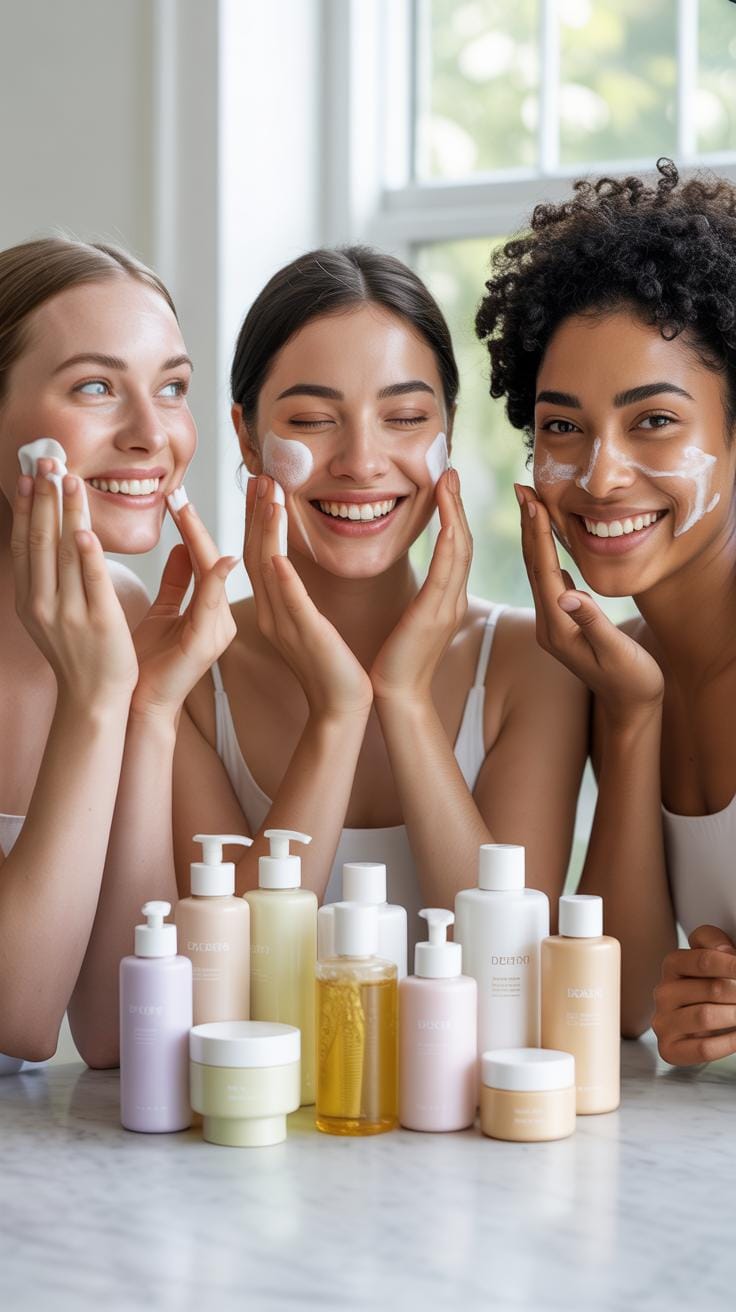
Double cleansing isn’t a one-size-fits-all routine. Your skin type really shapes how you should approach it, otherwise you might end up doing more harm than good. For oily and acne-prone skin, the first cleanse—usually an oil-based one—breaks down excess sebum and stubborn grime. This step is actually pretty crucial because it loosens the dirt trapped in your pores that can cause breakouts if left behind. Then, a gentle foaming cleanser helps wash away the leftover residue without stripping your skin.
Now, if your skin leans more toward dry or sensitive, double cleansing needs a softer touch. I found that using mild, hydrating cleansers, or even skipping the second cleanse sometimes, helps preserve the natural oils. You want to avoid harsh scrubbing or sulfates that can irritate or dry out the skin. Think of it like this: the first cleanser should melt makeup or SPF gently, and the second should refresh without zappping moisture.
Combination skin can be tricky—you might want to customize each step for different areas of your face. For example, a more robust first cleanse on the oily forehead, but a delicate second cleanse on dry cheeks. The key is listening to what your skin’s telling you in the moment. Does it feel tight or greasy? That might mean adjusting the products or how often you double cleanse altogether.
Time To Cleanse And Frequency

Morning Vs Night Cleansing
Double cleansing at night usually feels more necessary. After all, your skin has collected makeup, sunscreen, pollution, and sweat all day. Using two steps helps clear away all that buildup in a way a single cleanse often can’t. You might notice your skin feels fresher, lighter, and less clogged after night double cleansing.
In the morning, though, you might question if you really need to double cleanse. Your skin hasn’t faced the day yet, but overnight oils and residual products can linger. Sometimes, a gentle single cleanse in the morning is enough—especially if your skin is on the dry side. But if you use thicker night creams or heavy moisturizers, a quick double cleanse won’t hurt. It can prepare your skin better for applying morning products. It’s a bit of a personal call, I think, depending on how your skin feels when you wake up.
Daily Or Occasional Use
Should you double cleanse every day? For many, daily evening double cleansing suits oily or acne-prone skin well. It helps keep pores clear and reduces breakouts. But for others—those with sensitive or dry skin—daily double cleansing might be overkill and could lead to irritation.
Occasional double cleansing, like a few times a week, can suffice for those who don’t wear makeup often or use minimal products each day. It’s almost like a deeper reset. You can gauge based on how your skin reacts; if it becomes tight or flaky, maybe cut back a bit.
How long does it take? Not much longer than a single cleanse—maybe five minutes total. The first step dissolves oils and grime, while the second cleans residual impurities. Don’t rush through it, but don’t make it a chore either.
Double Cleansing Versus Single Cleansing
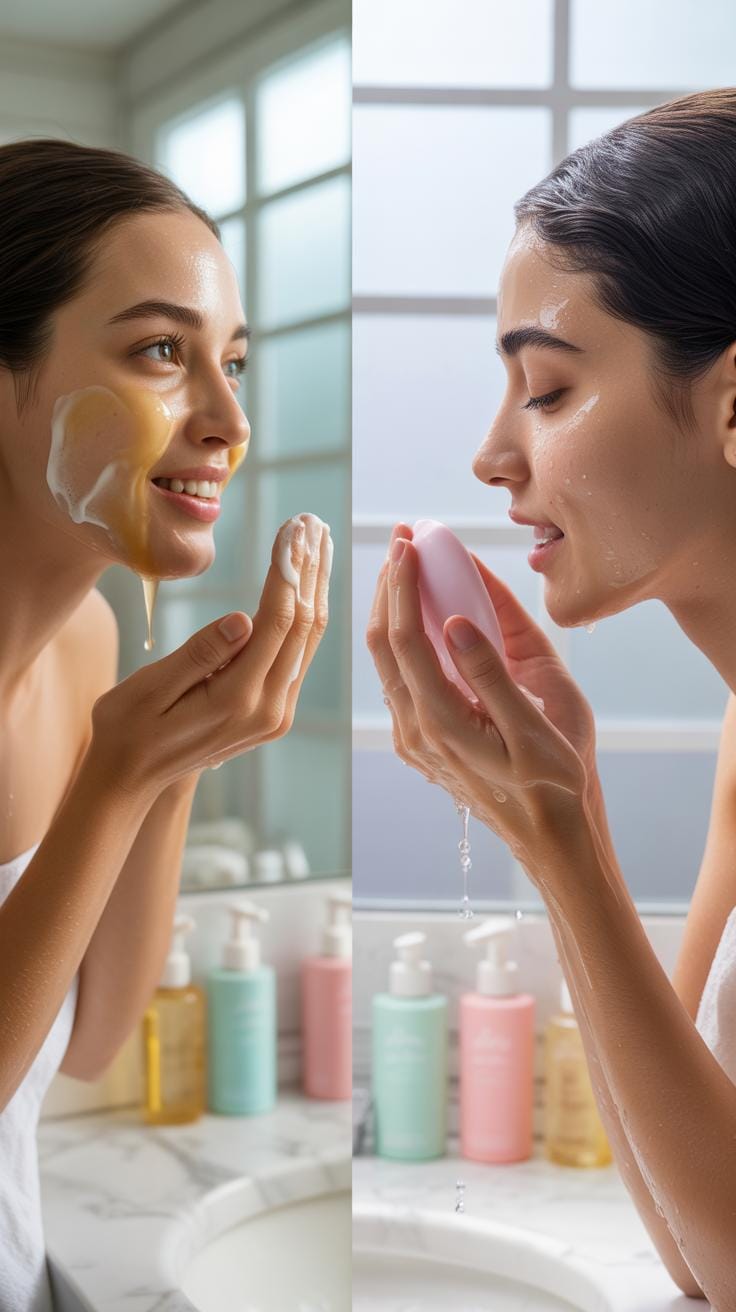
When deciding between double cleansing and single cleansing, it’s tempting to think one is simply better than the other. But the truth feels a bit more complicated. Double cleansing involves two steps: first, an oil-based cleanser to lift makeup and sebum, then a water-based cleanser to clean away sweat, dirt, and residue. Single cleansing uses just one product to do it all in one go.
Double cleansing stands out especially if you wear makeup, sunscreen, or live in a polluted city. It breaks down stubborn layers that a single cleanser might miss. For those days when your skin feels clogged or tired, double cleansing can make a noticeable difference in the look and feel of your skin.
But is it always necessary? Probably not. On days when your skin feels fresh — maybe you stayed in all day or had minimal exposure to outdoor elements — a gentle single cleanser might be enough to maintain balance.
Effectiveness In Dirt Removal
Studies show double cleansing removes more impurities than one-step cleansing alone. The oil cleanser targets oil-based grime, like sunscreen and makeup. Without that first step, some residues can linger even after washing with regular cleanser. The second step clears away water-based dirt, sweat, and dirt particles.
But the difference isn’t always dramatic. Some modern one-step cleansers claim to combine both functions effectively, especially those formulated with surfactants and mild oils. Yet, in practice, double cleansing usually gets deeper into pores — which might matter if you have frequent flare-ups or breakouts.
Skin Reactions To Both Methods
How your skin reacts depends on its type and sensitivity. If you have oily or combination skin, double cleansing can reduce excess oils without stripping. For dry or sensitive skin, though, two steps might feel like too much, causing dryness or irritation if the products aren’t really gentle.
Some people report that single cleansing feels less taxing and preserves skin’s natural moisture better. Others find single cleansers don’t remove makeup thoroughly, leading to clogged pores. You might notice your skin reacts differently on different days, which can feel frustrating.
So, should you double cleanse every day? Maybe it’s best to listen to your skin and adapt. On heavy makeup days, opt for double cleansing. On light or no-makeup days, a simple cleanse might do just fine.
Checklist For Double Cleansing Routine
Product And Tool Preparation
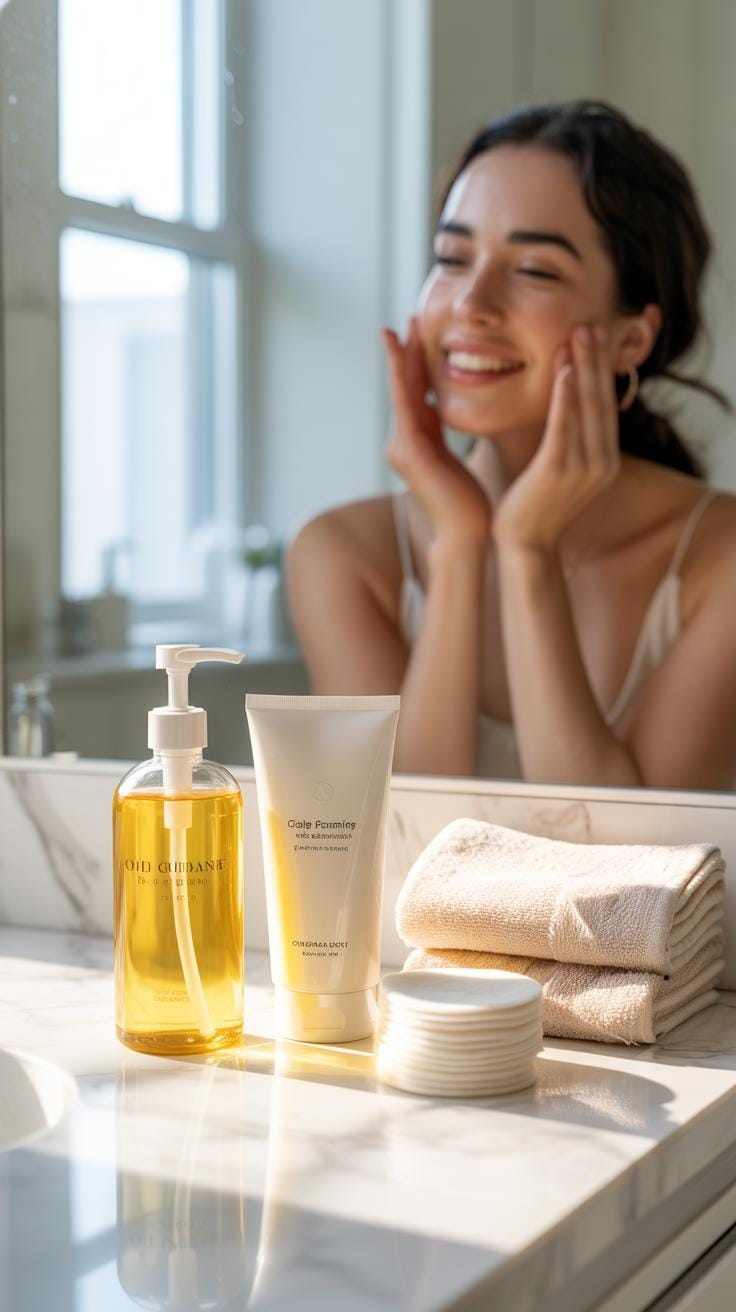
Before you start double cleansing, gather everything you’ll need so you don’t interrupt the flow. First off, pick your oil-based cleanser—that’s the one that breaks down makeup, sunscreen, and excess sebum. Then have a gentle water-based cleanser ready to cleanse the skin from sweat, dirt, and any leftover residue.
It helps to have a soft washcloth or cleansing pads on hand for removing the oil cleanser if you prefer not to rinse directly. Make sure your hands are clean—simple but easy to overlook. Also, prepare lukewarm water because hot water can irritate the skin, while cold water won’t fully emulsify the oils. You might want a small towel nearby to pat your face dry in the end.
Step By Step Execution
Here’s a checklist for the actual process that you can follow to keep things consistent:
- Start with clean hands to avoid transferring bacteria to your face.
- Apply a few pumps of the oil-based cleanser directly to dry skin.
- Massage gently in circular motions, focusing on areas with makeup or sunscreen.
- Add a little water to your hands to emulsify the oil into a milky texture.
- Rinse off thoroughly with lukewarm water or wipe with a soft cloth if you prefer.
- Next, pump an appropriate amount of your water-based cleanser onto damp skin.
- Work it into a light lather, again massaging your entire face carefully.
- Rinse thoroughly, ensuring no residue is left behind to avoid clogged pores.
- Pat your face dry gently with a clean towel—no rubbing.
- Follow up with your usual skincare products, like toner or moisturizer, if desired.
Does it feel a bit long at first? Maybe, but trust me, once you get the rhythm, it’s surprisingly quick. Plus, you’ll probably notice your skin actually feels cleaner and fresher, almost as if it can breathe better afterwards.
Examples Of Double Cleansing Success

Case Study On Acne Clearance
Take Sarah, for instance. She struggled with stubborn acne for years and tried countless products without much luck. Then, she introduced double cleansing into her routine. Starting with an oil-based cleanser, she gently removed makeup and sunscreen, which often clogged her pores. Following this with a water-based cleanser, she could clean deeper without over-drying.
Within a few weeks, Sarah noticed fewer breakouts and less irritation. Her skin didn’t feel as congested, and the texture began to smooth out. The two-step process helped clear the layers blocking her pores—something a single cleanser couldn’t tackle alone. Of course, it wasn’t an overnight fix, but this shift made a big difference over time. It’s interesting how something as simple as cleansing order can impact acne.
Improvement In Skin Brightness
Then there’s Mike, who didn’t have major skin issues but complained about dull, tired-looking skin. After adding double cleansing to his nightly regimen, he saw gradual improvements in brightness. The first cleanse removed surface grime and excess oils, allowing the second cleanse to refresh the skin more effectively.
He mentioned how his face appeared less “cloudy” and looked clearer with a gentle glow. Daily exfoliation wasn’t necessary for him once double cleansing became regular. It seemed to support natural skin renewal by keeping pores clean and boosting the absorption of moisturizers and serums afterward.
It makes you wonder, if these small changes can brighten dull skin, what else might be possible with consistent care? Sometimes, the solution hides in routine steps we overlook.
Conclusions
Double cleansing gives your skin a fresh start and helps you maintain a clear complexion by removing stubborn dirt and oils. Using two cleansers in sequence ensures that your skin is deeply clean without being stripped of its natural moisture. This simple practice can significantly improve the glow and health of your skin when done correctly.
By following the steps of double cleansing and avoiding common mistakes, you help protect your skin barrier and reduce the chance of breakouts or dryness. Incorporate double cleansing into your routine to support your skin’s health every day, making it ready to absorb the benefits of moisturizers and treatments you apply afterward.