
Introduction
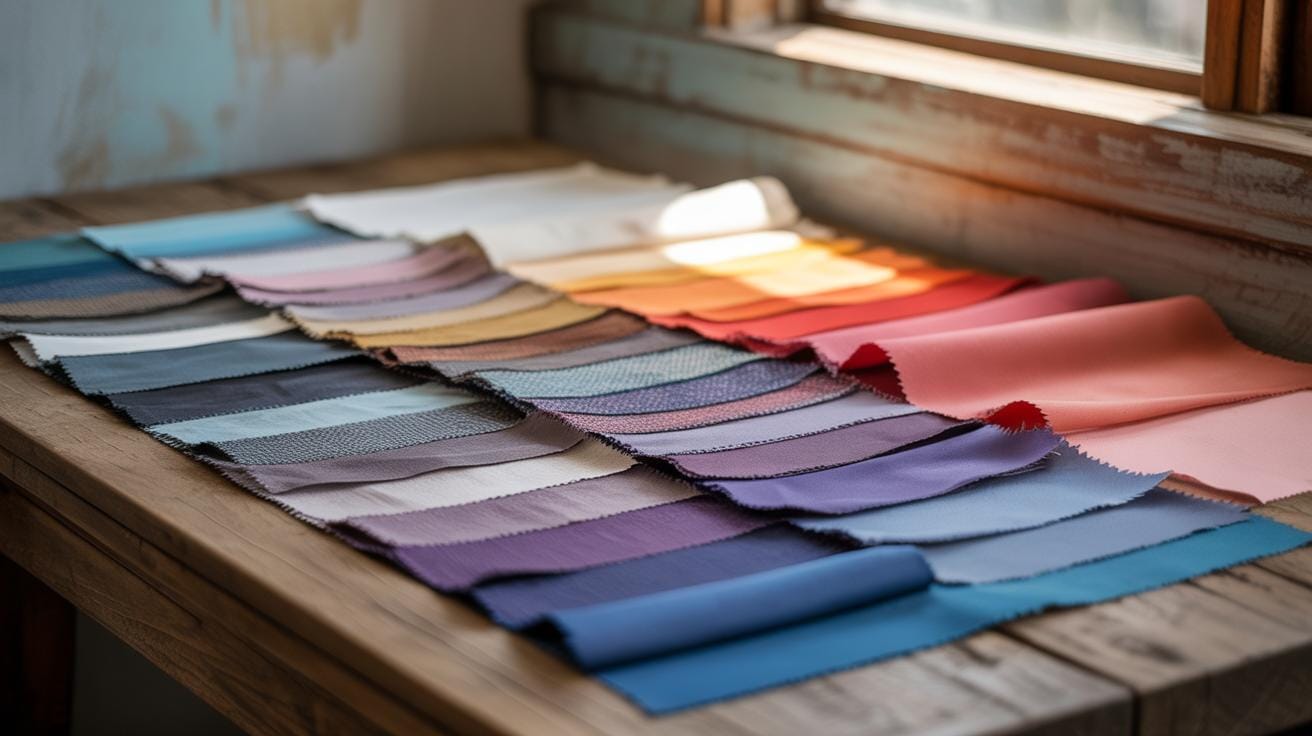
Color combinations for clothes can change how you look and feel every day. Choosing the right colors helps your outfit stand out or blend well. This guide shows you how to mix colors in your clothes to create great looks easily.
We will cover different ways to combine colors, explain why some colors work better together, and give you examples. You will also find steps to find your personal favorite pairs. Use this information to improve your style and wear clothes that fit your mood and occasions.
Simple Color Rules to Follow
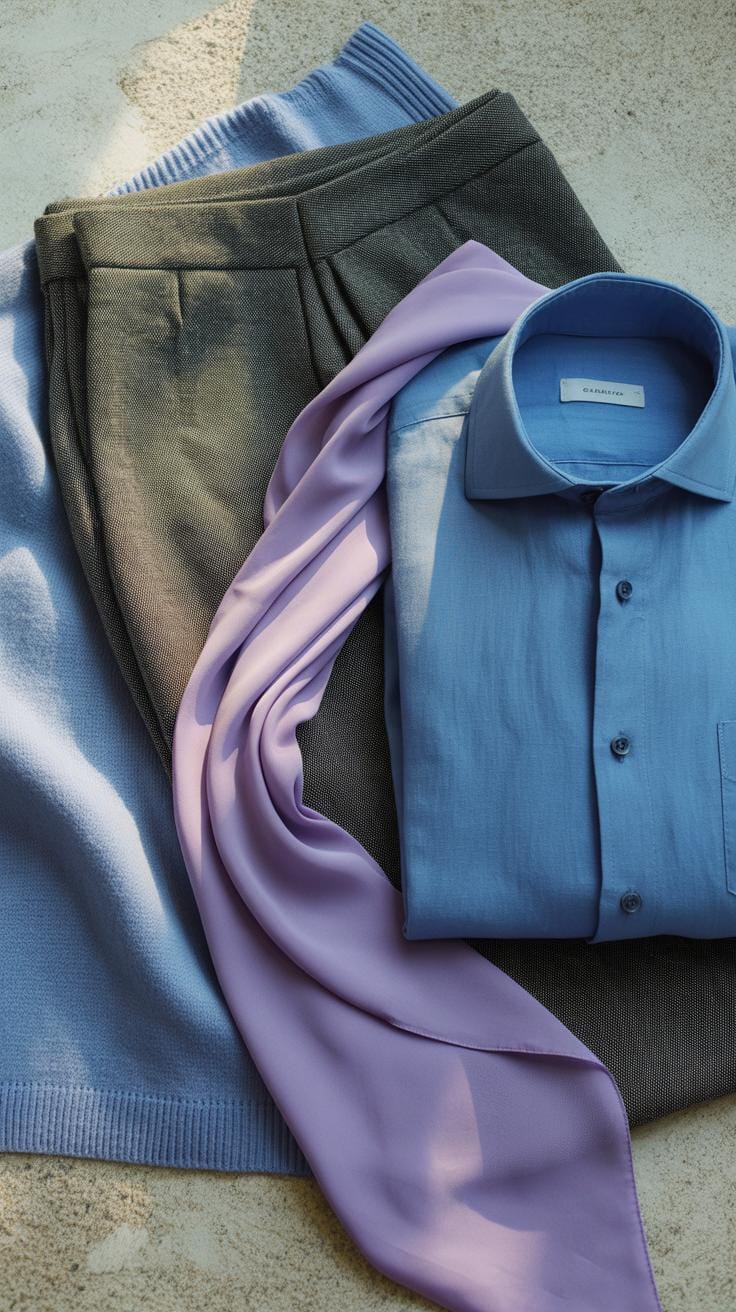
When picking clothes, understanding a few color basics can make a big difference. Let’s look at primary and secondary colors first, since they’re the foundation of most color choices.
Understanding Primary and Secondary Colors
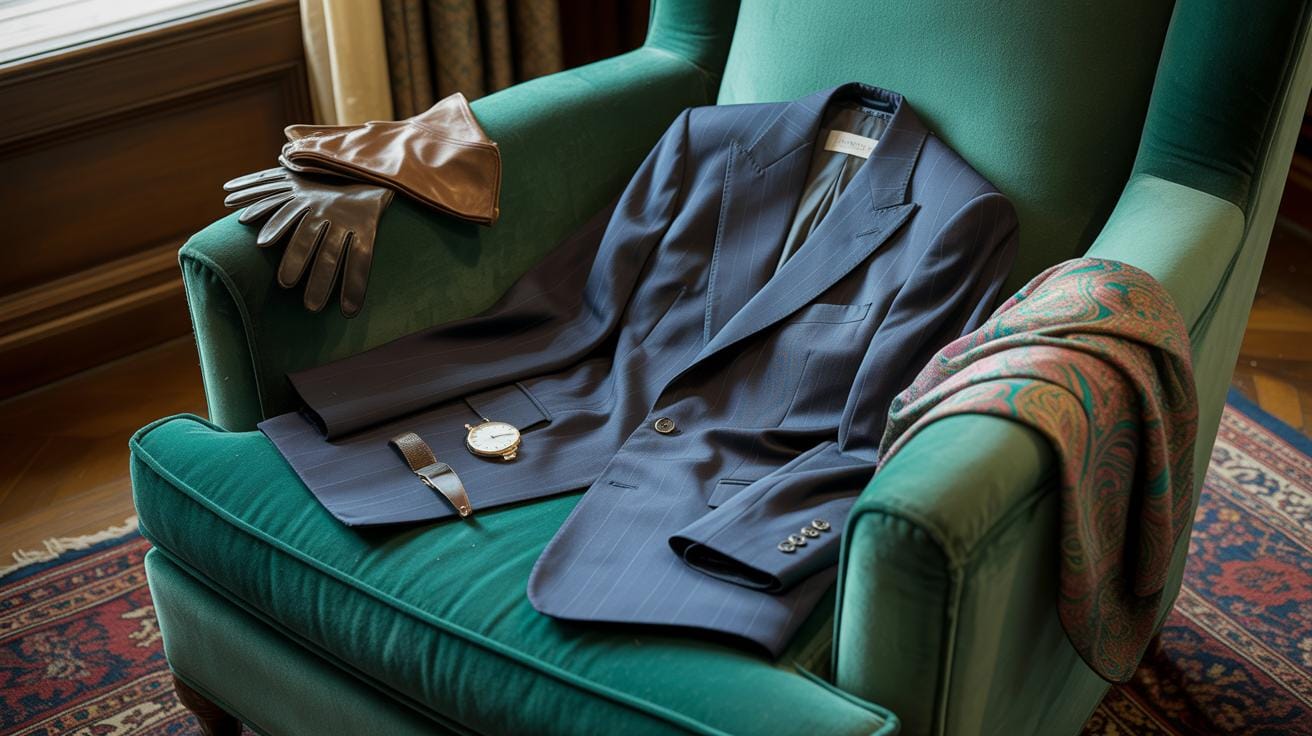
Primary colors are red, blue, and yellow. You can’t mix any other colors to get these—they’re kind of the starting point. Think of a bright red shirt or a classic blue jean; these are your primary hues in action.
Secondary colors come from mixing two primaries. For example, combining blue and yellow gives you green. Red and yellow make orange, while blue and red create purple. So, a green jacket or an orange scarf is made from secondary colors.
Knowing this helps because primary and secondary colors can set different moods. Wearing a bold red and soft green together might feel lively, but a yellow with purple might seem a bit tricky at first.
How Complementary Colors Work
Complementary colors are pairs directly opposite each other on the color wheel—like red and green, blue and orange, or yellow and purple. When put together, they create a strong contrast that really stands out.
This contrast can make your outfit pop. For example, a blue shirt with orange shoes catches the eye quickly. Or a yellow sweater with purple pants can feel fresh, even if you might hesitate to try it at first.
Still, if the contrast feels too sharp, you could try combining one strong complementary color with a neutral like black or beige. It softens the effect but keeps something interesting going on.
So, when you’re picking clothes, think about your base color and what’s directly opposite on the wheel—it’s a fast way to find pairs that work together, even if they feel a bit unexpected.
Steps for Matching Clothes Colors
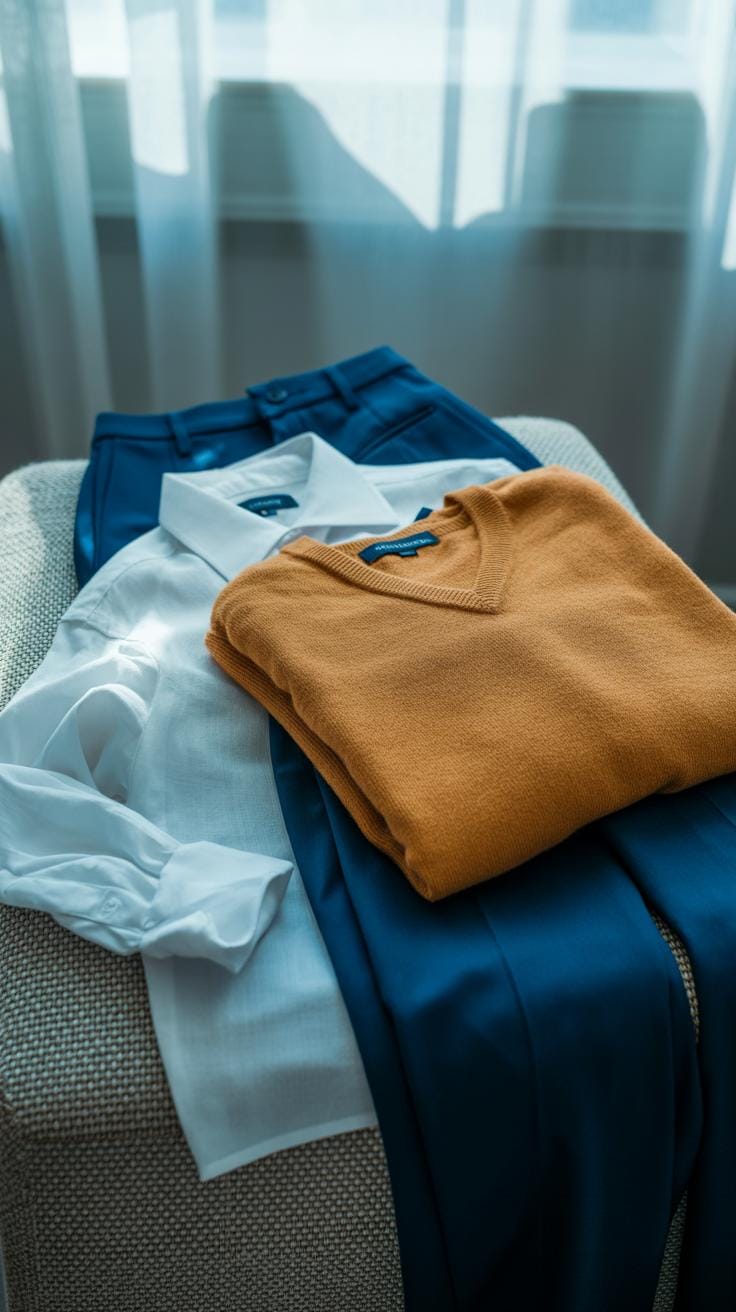
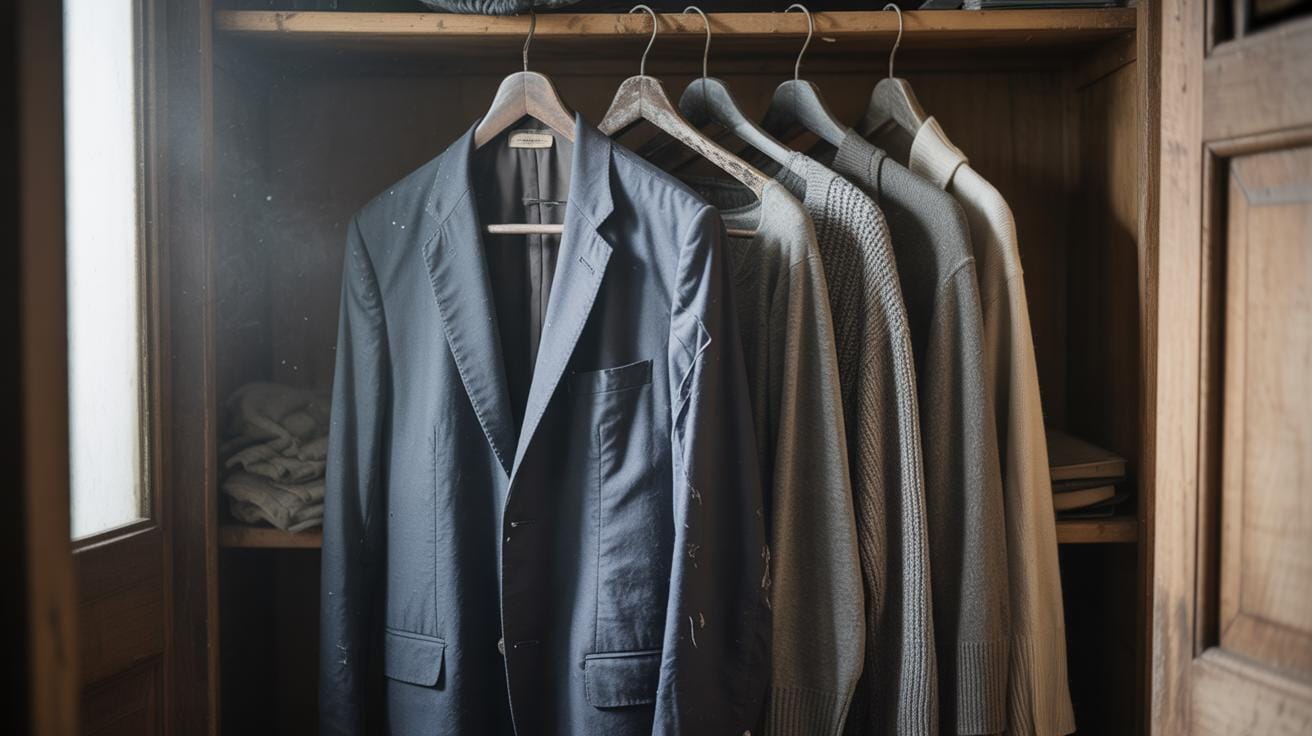
Starting with neutral colors can make choosing your daily outfit less of a puzzle. Neutral colors include shades like black, white, gray, beige, and navy. These tones don’t draw much attention themselves, which is why they work well as a base. Think of a gray sweater or navy pants—these pieces pair easily with almost anything else in your wardrobe.
Try combining a white shirt with beige trousers and black shoes. It’s simple, but it looks balanced. Neutrals create a foundation that lets you try bolder colors without feeling overwhelming or mismatched. It’s sort of like having a neutral canvas before adding splashes of color.
When you want to introduce color, accessories are your best friends. A brightly colored scarf, a patterned tie, or even a statement necklace can change everything about a plain outfit. For instance, a red scarf against a navy coat immediately grabs attention but stays tasteful.
Also, small touches like colorful socks or a vibrant handbag can make an outfit feel fresh without going overboard. Sometimes, testing these accents in small doses helps you understand what colors suit your mood or the occasion. Have you noticed how a simple accessory can suddenly make you interested in wearing something you might have overlooked before?
Why Color Choices Matter Daily
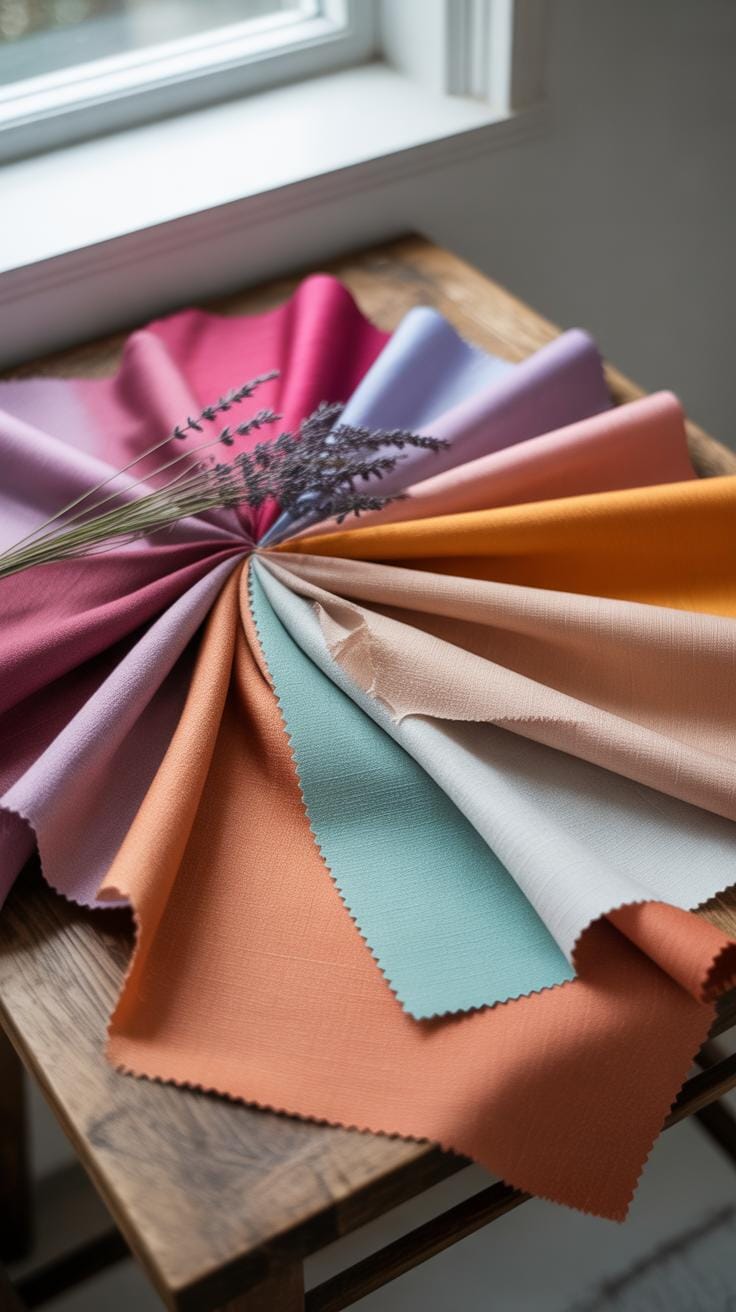
Have you ever noticed how putting on a certain color can change the way you feel during the day? Colors do influence your mood more than you might think. For instance, wearing blue might make you feel calm and collected, while red can bring out a sense of energy or urgency. It’s not just in your head—studies suggest people respond emotionally to colors, even if subtly.
When you dress in colors that resonate with you, it can boost your confidence. I remember once wearing a deep green jacket to an important meeting; I felt unusually grounded. Maybe it’s the association of green with nature or balance, but it seemed to help. You might feel more assertive in black or more approachable in softer hues like pastel pink.
Colors also affect how others see you. Showing up in a crisp white shirt often conveys simplicity and professionalism, while a yellow scarf might suggest friendliness and creativity. Think about your own experience—do colleagues react differently to your outfit when you pick bright colors versus neutral tones? Small choices like these shift impressions in daily interactions. So, next time you pick your clothes, pause. Ask yourself: What vibe am I aiming for today? And how might this color shape that?
Best Color Combos for Casual Wear

Classic Blue and White
Blue and white often feel like a natural pair for casual clothes. Maybe it’s because blue reminds us of the sky or water, and white has that fresh, clean vibe. Together, they create a look that’s both simple and sharp without much effort.
Think of a plain white T-shirt paired with classic blue jeans—easy, right? Or a blue chambray shirt with white sneakers and a white jacket thrown over. These combos work because blue adds depth while white lightens the outfit, balancing each other. You can rely on this mix whenever you want something that looks put together but not too formal. Weekend errands, casual meet-ups, or even a relaxed office setting.
Sometimes, a deep navy jacket over a white tee works better than just plain blue, especially if you want a slightly smarter feel without sacrificing comfort. It’s worth trying different shades of blue, too, from denim indigo to a softer powder blue; each tweak changes the energy a bit.
Earth Tones in Relaxed Styles
Earthy colors like browns, greens, and beiges often come off as easygoing, which suits casual wear perfectly. These tones feel natural, like they blend easily into everyday life without calling too much attention yet still looking intentional. A soft olive green T-shirt with well-worn brown chinos, for example, creates a comforting palette that feels approachable.
You might try pairing a beige bomber jacket with dark green pants or a rust-colored sweater over faded blue jeans. These colors don’t clash; instead, they echo outdoor, natural settings, making them calming but not dull. They can work well for casual days when you want to feel grounded, maybe a stroll in the park or a quiet coffee catch-up.
Sometimes, earth tones can run the risk of looking a bit flat, so mixing textures helps—like a suede jacket over a cotton tee. That adds some subtle dimension, keeping your outfit interesting without overthinking it. These combos invite you to experiment, even if you haven’t worn much green or brown before.
Color Tips for Office Outfits
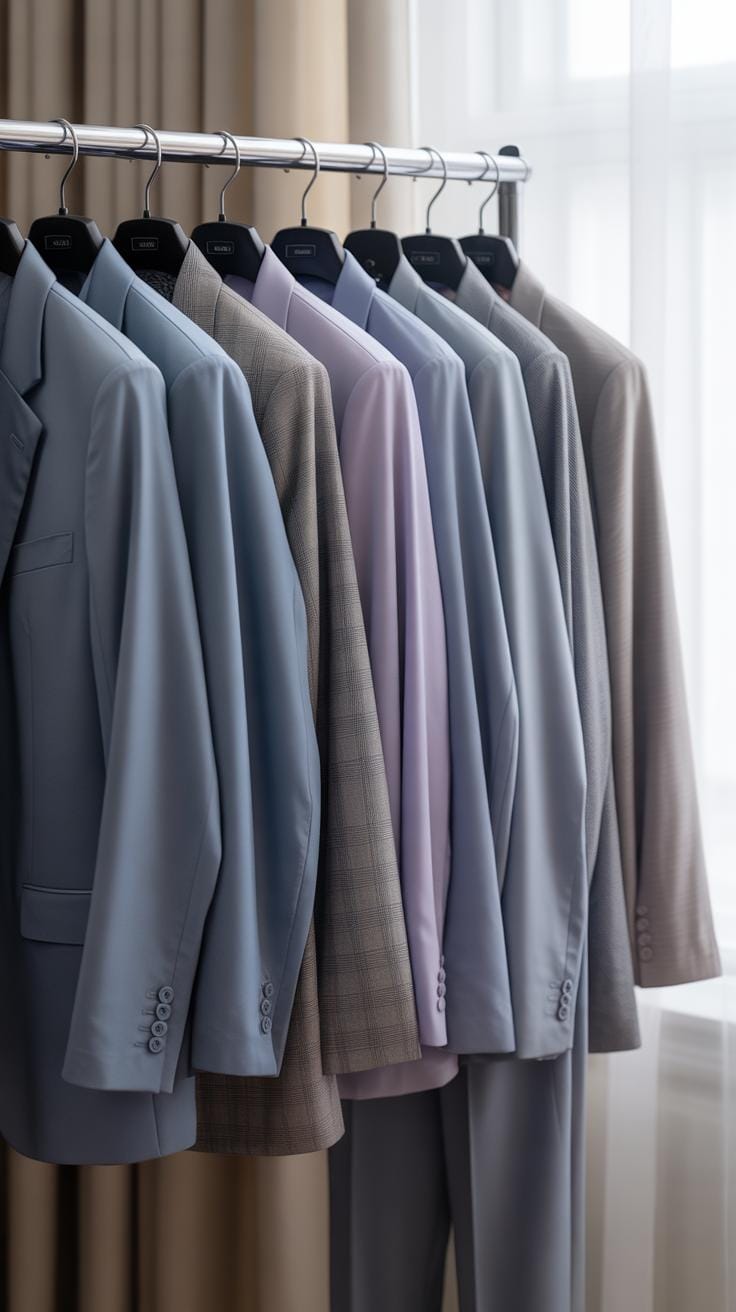
Choosing colors for office wear can be tricky. You want to look sharp without standing out too much—or do you? Depending on your workplace culture, subtlety may rule, yet a small color choice can quietly express confidence.
Common pairs like navy with white, gray with soft pastels, or black with burgundy offer a restrained but polished look. Navy and white is a classic combo that feels reliable and calm, good for client meetings or presentations.
Gray pairs well with blush or light blue, softening the overall tone without losing formality. Black and burgundy works if you want a hint of seriousness mixed with a slight edge. These combinations keep things professional but not dull.
Do you find yourself drawn to certain shades in the office? It’s interesting how color can subtly shift how people perceive you—you might be confident, approachable, or creative just by the hues you pick.
Neutral Shades for Formal Looks
Neutral colors dominate professional wardrobes for a reason. Black, gray, and navy build a foundation that’s hard to beat. They create clean lines and reduce distractions. Because of their versatility, you can mix and match easily—making dressing for work less stressful.
Think about pairing a charcoal gray suit with a crisp white shirt. It’s simple, plain almost, but instantly conveys orderliness. Or navy trousers with a soft gray blazer—both separate pieces, yet together feel structured without being harsh.
Black remains the go-to for formal occasions but can sometimes feel heavy over several days. Swapping it for navy occasionally helps keep your look fresh without losing seriousness. These combinations balance approachability and authority better than you might think.
Adding Subtle Color Accents
Sometimes, sticking rigidly to neutrals can make your outfit feel uninspiring, even if it’s professional. A subtle burst of color is often just enough to break monotony. I tend to add color via accessories because they’re low risk but noticeable.
You might try a burgundy tie or a forest green scarf—these colors are muted enough to keep things serious but add character. Even a soft pastel pocket square or a pair of deep blue socks can do the trick.
Jewelry or watches with colored details can subtly brighten your look without screaming for attention. The key is to keep accents small and limited, so they don’t dominate your outfit but instead enhance it.
Have you noticed how a tiny splash of color can lift your mood? Sometimes you don’t even realize it’s there until someone compliments your outfit. That’s how powerful a well-placed accent can be.
Comparing Warm and Cool Colors
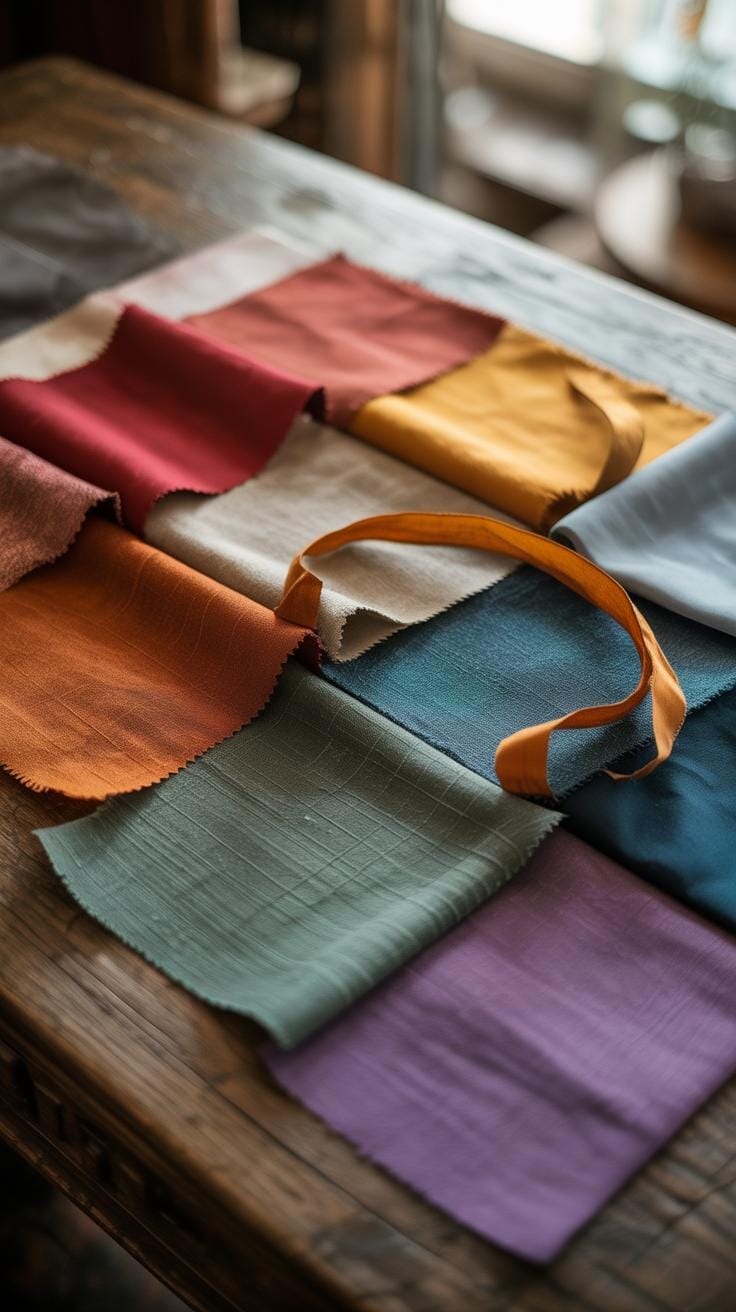
Warm colors are those that remind you of heat or sunlight—think reds, oranges, yellows, and some browns. These hues tend to make outfits feel lively, energetic, and sometimes even intense. Wearing a warm-colored shirt, for example, can almost feel like carrying a bit of sunshine with you, brightening not just your look but perhaps your mood too. But sometimes, they might feel overwhelming, especially if you’re aiming for something subtle.
Cool colors, on the other hand, include blues, greens, purples, and certain grays. These shades often bring a sense of calm and relaxation. Clothes in cool tones can make you appear more composed or reserved. They tend to blend well in more formal or laid-back settings without demanding much attention. Yet, they can sometimes feel too muted, leaving you searching for a bit more personality in your outfit.
Deciding which palette suits you often depends on your personal vibe and the message you want to send. Do you want your clothes to energize your day, or help you feel more grounded? Maybe it’s less about the color itself, and more about how you wear it—mixing warm and cool tones can be tricky but rewarding if done thoughtfully. Ever tried pairing a warm mustard with a cool navy? It surprises with balance, doesn’t it?
What Are Warm Colors
Warm colors come from the section of the color wheel that includes red, orange, yellow, and some shades of brown and beige. They usually convey warmth—both literally and figuratively. When worn, these colors can make an outfit feel more inviting and vibrant. Imagine a burnt orange sweater or a bright red scarf; they grab attention and suggest energy.
People often choose warm colors when they want to look approachable or enthusiastic. They can evoke feelings of friendliness or even passion. One thing to keep in mind is that warm tones might feel overpowering in large doses, so you might prefer them as statement pieces rather than full outfits.
If you naturally have a warm complexion or prefer lively moods, these colors might fit better. But hey, sometimes wearing warm colors doesn’t guarantee feeling warm inside—it depends on your relationship with those hues.
Cool Colors Explained
Cool colors occupy the opposite side of the spectrum. Blues, greens, purples, and some grays create a cooler visual temperature. When incorporated into clothing, they often bring a soothing, calming effect to your overall look. Think of a soft blue blouse or a forest green jacket—they suggest calmness, stability, and sometimes seriousness.
Cool colors work well in professional settings or when you want to appear collected. They can also complement cooler skin tones especially well but don’t exclude anyone. Often, people pick these shades to tone down a busy or bold outfit, achieving a subtle but polished vibe.
Some might say cool colors lack warmth or energy—but maybe that’s their strength. They don’t shout for attention; instead, they quietly influence how you’re perceived. Perhaps you need both warmth and coolness in your wardrobe depending on your mood or the occasion.
Common Color Pairing Mistakes
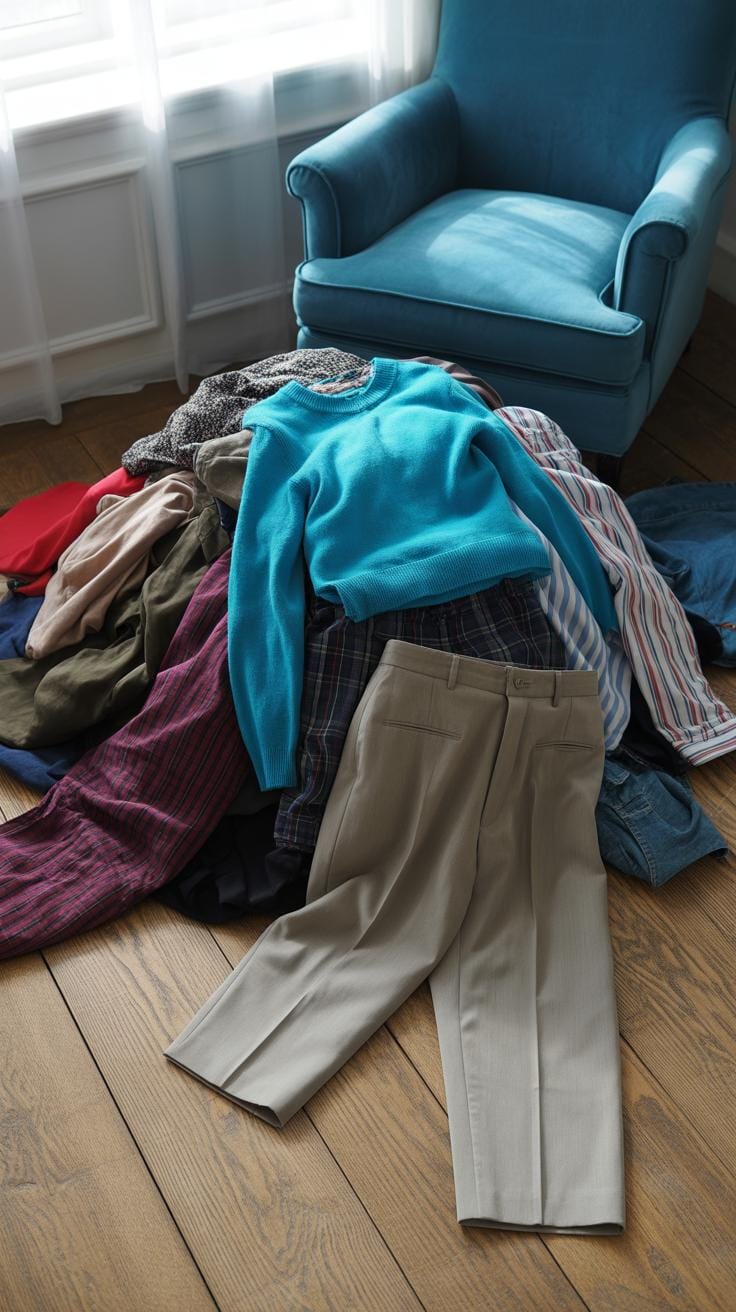
Many people struggle to get color combinations right when putting together outfits, and it’s often because of a few common slip-ups. One mistake is trying to pair too many bold colors at once without considering how they interact. It’s tempting to go all out with bright shades, but it typically ends up feeling noisy rather than stylish. Another frequent error is ignoring undertones — warm and cool tones don’t always mix well. Have you ever put on something that just felt off, even if each piece looked great separately? That could be why.
To avoid these missteps, start simple. Choose one bright item and surround it with neutral or muted tones. Pay attention to whether the colors share similar undertones or clash in temperature. I find keeping a basic color palette in mind helps, but sometimes it’s okay to experiment, just with caution.
Clashing Colors to Avoid
Some color pairs often create harsh or jarring looks. For example, bright red and bright green tend to shout too loudly, unless it’s for a specific holiday theme. Neon colors paired with each other can also overwhelm your outfit. Bright purple next to bright yellow can look more like a costume than daily wear. If you ever see a combination that makes you wince, take a step back and ask if the colors are competing rather than complementing.
If you catch yourself in that situation, try toning down one color or adding a neutral like beige, navy, or gray between them. Sometimes, softening one of the colors by choosing a pastel version can also reduce tension. I once wore a neon pink top with a bright orange skirt and felt immediately out of place — switching that skirt for denim made all the difference.
Overusing Bright Colors
There’s a temptation to use multiple bright colors at once, especially if you want your outfit to stand out. But too many bright colors can clash or simply confuse the eye. Bright blue, red, and yellow used all at once can create a look that’s too busy. Too many saturated tones fight for attention rather than harmonize.
Balance is key here. If you want to wear bright colors, pair them with neutrals. White, black, gray, or muted tones can calm things down and help your bright pieces pop without overwhelming. For example, pairing a bright coral blouse with black pants works better than coral pants and a yellow shirt together, which might feel chaotic. Through trial and error, I learned brightness works best when it has a little breathing room.
Checklist for Mixing Colors Daily
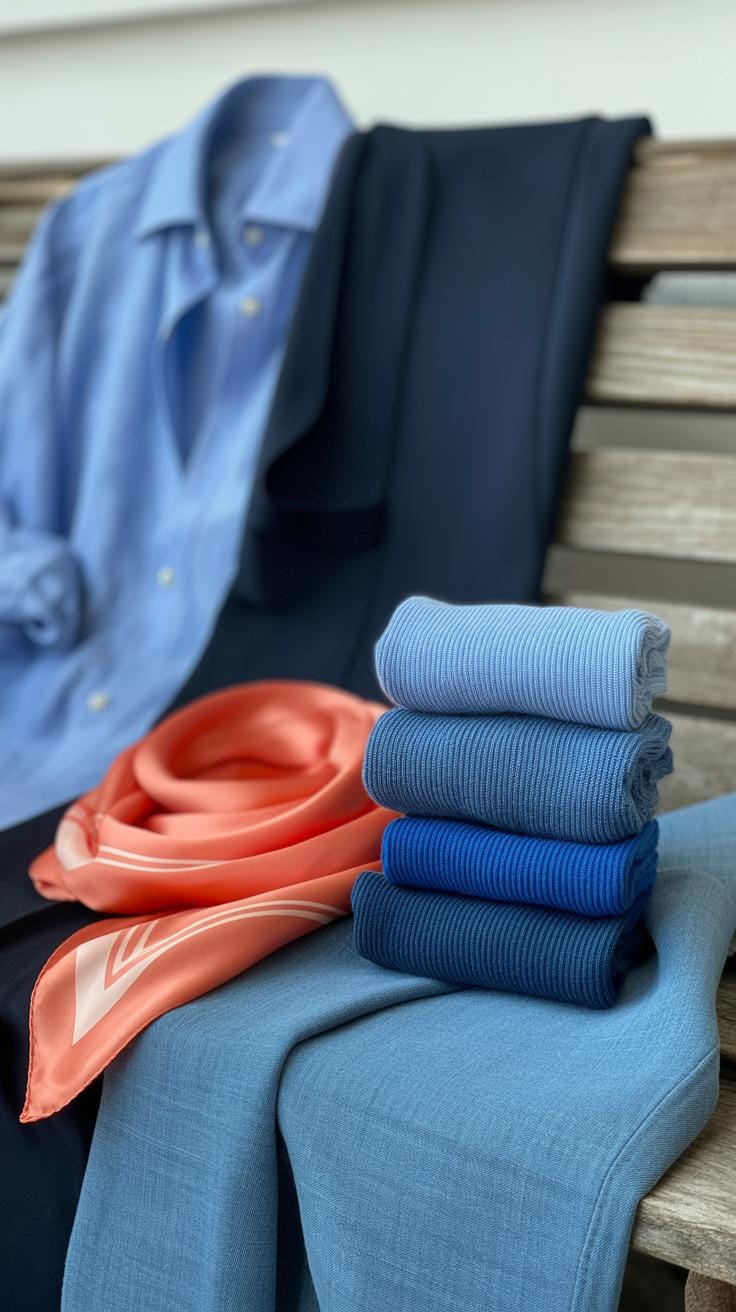
Start with a base color that feels reliable—something neutral or a main shade you enjoy wearing. Think of it as the foundation of your outfit. This could be a soft gray, beige, navy, or even black. You want something that doesn’t compete too much but carries your look comfortably through the day. Sometimes, I catch myself pulling out a dark denim or white shirt simply because it feels like a safe bet. It doesn’t have to be dull though. The key is that it works as your canvas.
Next, pick one or two accent colors to add interest. These should either contrast or complement your base. For example, if your base is navy, a mustard yellow or rusty red might bring some energy without going over the top. Sometimes I wonder if one accent color is enough—adding more can become a bit chaotic. Usually, an unexpected pop, like teal in a scarf or a bright belt, livens things up just right. If you’re unsure, stick to just one accent; it’s easier to manage.
Before stepping out, do a quick check—does the mix feel balanced? Are the colors clashing or harmonizing in a way that pleases your eye? Sometimes, what looks fine in the mirror isn’t quite right in daylight. Ask yourself if you feel confident or if something feels off. If it’s the latter, maybe swap that bold accent for a subtler shade. The final test often comes down to how comfortable you feel wearing the colors together—it’s as simple and tricky as that.
Conclusions
Picking the right color combinations can make your clothes look fresh and stylish. Using basic color rules and examples can help you combine pieces with confidence. You don’t need many clothes, just the right colors that work together well.
Try mixing different colors in your wardrobe using the tips here. This simple change can improve your daily style and make dressing easier every morning. Focus on what colors fit your personality and what suits different occasions.