
Introduction
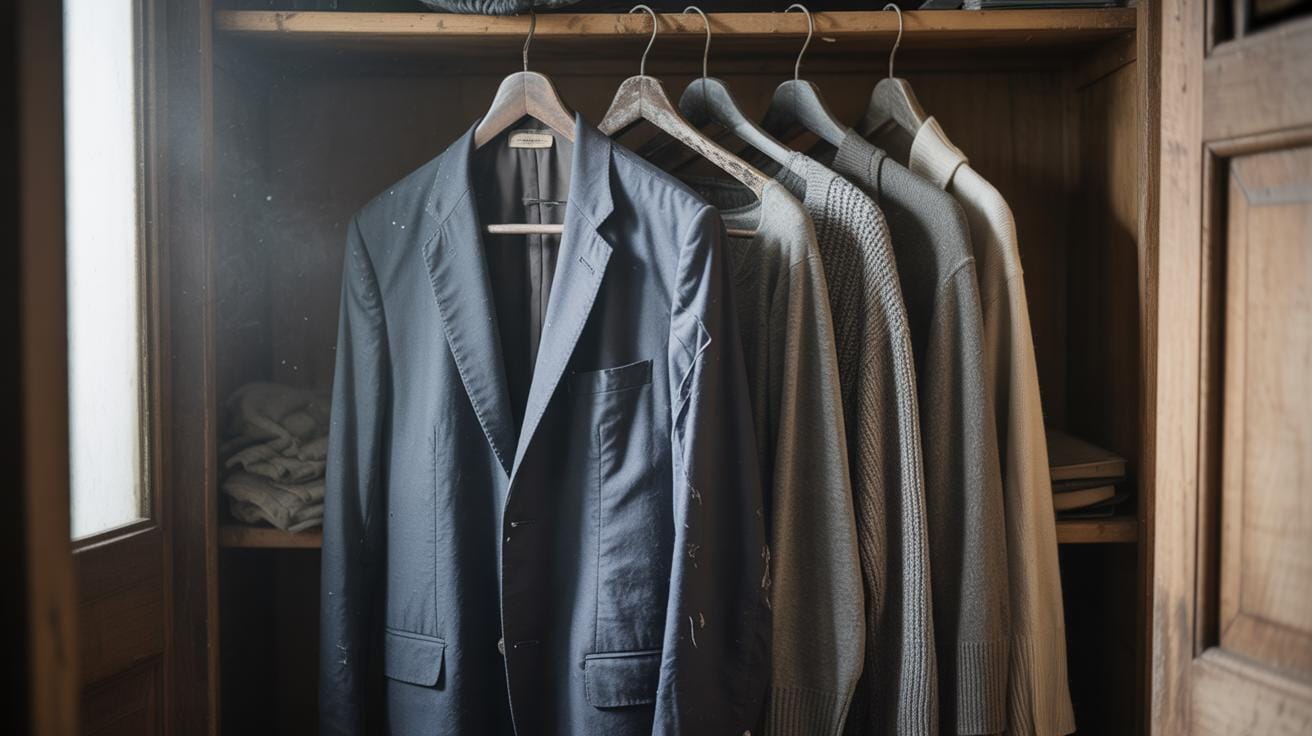
Your classic wardrobe is an investment. It should last for years and make dressing easier. However, many people unknowingly make mistakes that damage their collection and waste money. This article will highlight common errors to help you protect your wardrobe and get the most from your classic pieces.
From choosing the wrong items to poor care habits, these mistakes can destroy the look and lifespan of your clothes. Understanding what to avoid ensures your classic wardrobe stays timeless and functional for seasons to come.
Common Errors in Selecting Classic Pieces
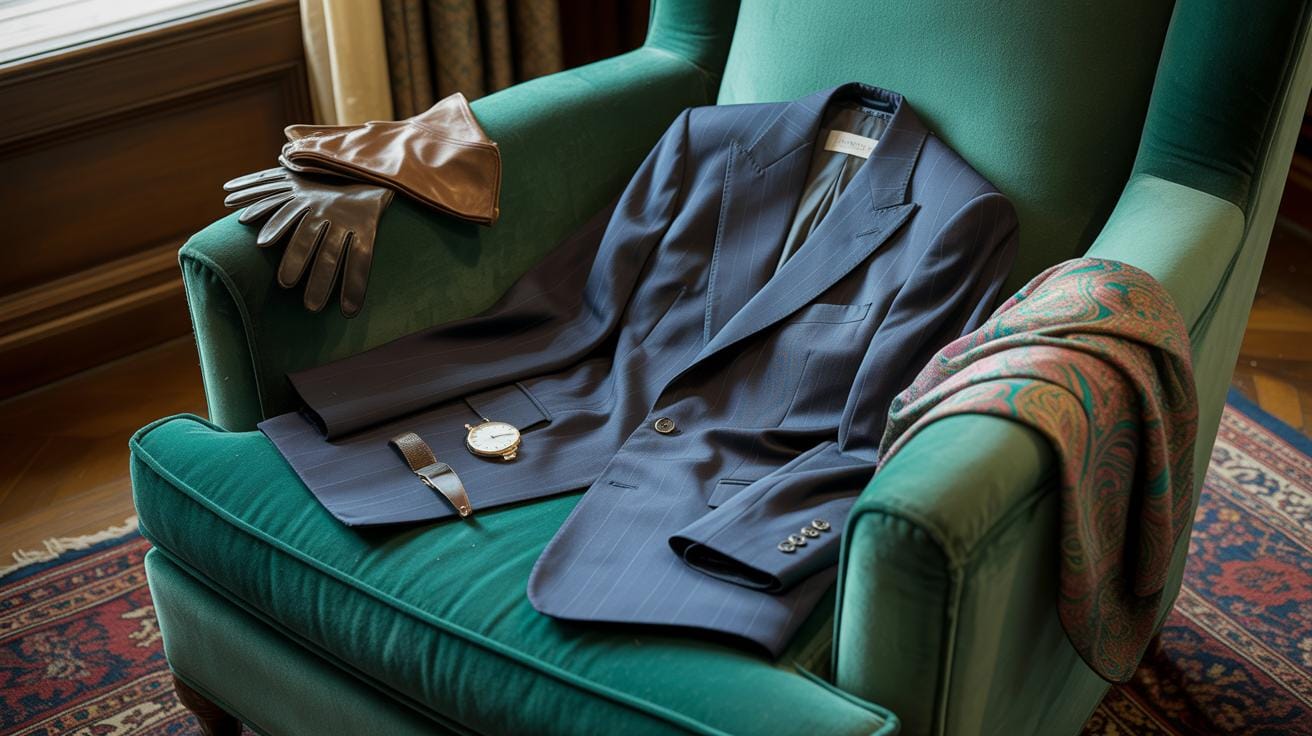
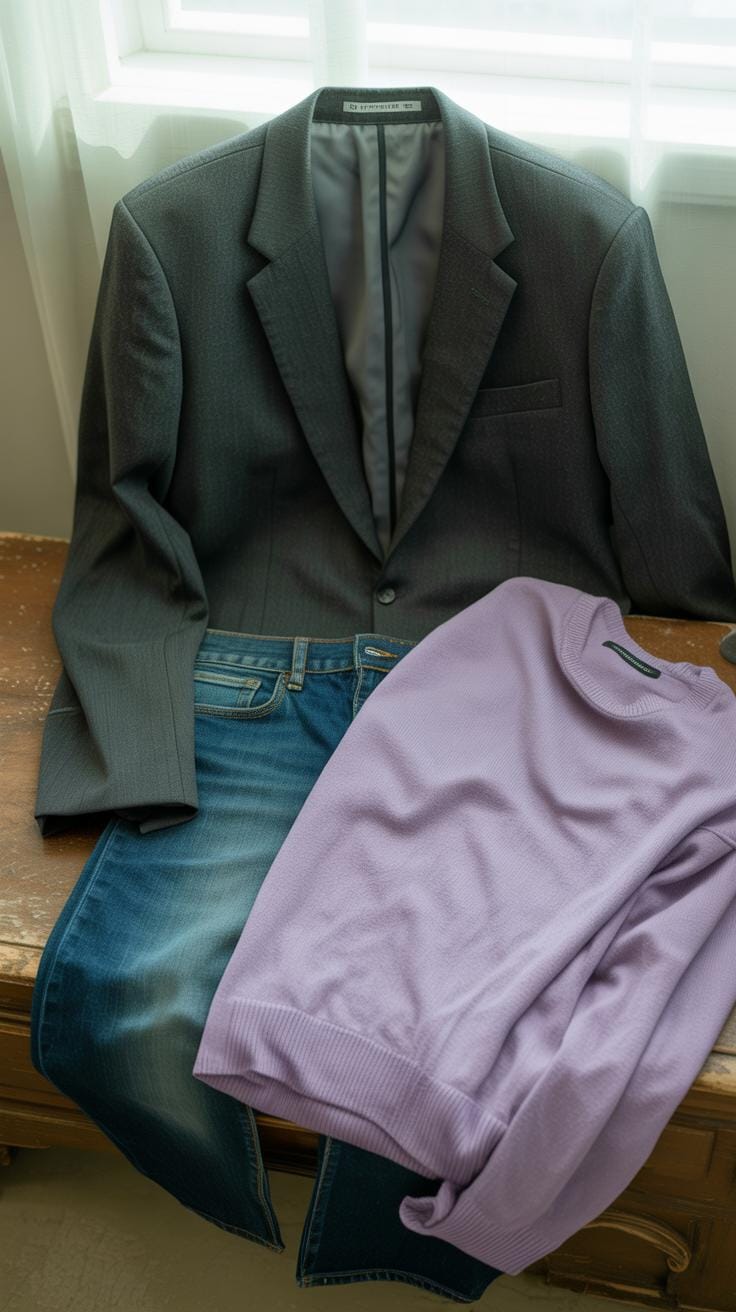
Choosing pieces for a classic wardrobe can seem straightforward—stick with simple, elegant items, right? Yet, many get tripped up by a few avoidable mistakes that quietly chip away at the whole investment.
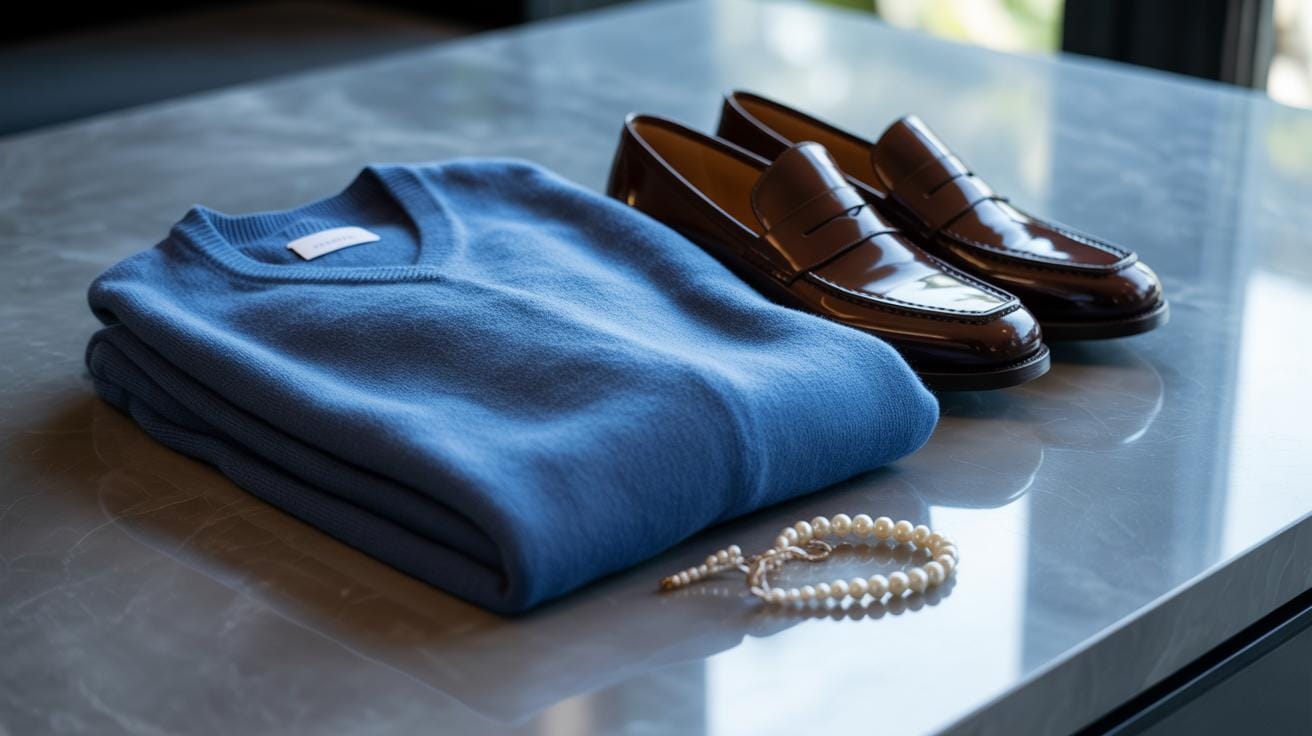
One of the biggest missteps is leaning towards trendy items rather than timeless ones. It’s tempting to grab that jacket everyone’s talking about this season, but trends don’t last. They quickly date your wardrobe, making what once felt fresh now feel out of place or, worse, costume-like. Timeless designs, on the other hand, don’t scream for attention or shout “season only.” They blend quietly with your style for years—often decades. So why do we keep buying into the hype? Perhaps it’s the lure of novelty, or the false hope that the next big thing will somehow redefine us.
Fit is another area where many falter. You may end up with the perfect color or style, but if the piece doesn’t fit right, it drags down your entire look. A jacket too loose or pants a bit tight never look “classic.” Sadly, people frequently ignore alterations, thinking those details can wait. But they don’t. Especially with classics, fit is as important as fabric—if not more.
Speaking of fabric quality, it’s easy to overlook, especially when shopping deals or impulse buys. Poor materials don’t just feel cheap; they wear out faster and lose their shape. You might think you’re saving money upfront, but inferior fabric requires early replacement, defeating the whole purpose of investing in classic pieces that should last. Have you noticed how some jackets wrinkle immediately or some sweaters pill within weeks? That’s the kind of silent damage that ruins a wardrobe.
Mistakes in Organizing Your Wardrobe

Poor organization can quietly ruin your classic wardrobe over time. Clothes get wrinkled, stretched, or lost altogether, making it harder to find the right outfit when you need it. You might not realize that just how you store your garments affects their longevity more than you think.
Improper Storage That Harms Fabrics
Choosing the wrong way to hang or fold clothes can cause significant damage. For example, hanging knit sweaters on regular hangers leads to stretched shoulders and misshapen forms. Similarly, folding pants without smoothing them out creates deep creases that are tough to iron away. I once hung a wool coat carelessly, and the shoulder pads got crushed, messing up its silhouette for months.
Think about delicate fabrics like silk or linen—they need breathable, padded hangers or gentle folding to avoid snags. Even hanging suit jackets on thin hangers can cause unwanted wrinkles along the lapels. So, the way you store might seem trivial, but it’s more impactful than it appears.
Lack of Organization Disrupts Use
A cluttered wardrobe tends to hide your clothes from view. When items are all jumbled together, you might forget what you own or avoid wearing pieces because it’s just too much effort to dig them out. This leads to faster wear on favorites, while other valuable items sit untouched—sort of defeating the purpose of investing in a classic wardrobe.
Keeping your wardrobe orderly involves *some* trial and error, but some approaches are worth trying:
– Group clothes by type or frequency of use.
– Use clear storage bins for seasonal items.
– Rotate pieces regularly to give them equal wear.
– Leave a bit of breathing room so garments aren’t crushed.
Doesn’t it feel a bit frustrating when you spend more time searching than deciding what to wear? Organizing isn’t just about tidiness—it’s about protecting your wardrobe and making your mornings easier, though admittedly, it can be a bit of a hassle initially.
Caring Incorrectly for Classic Clothing
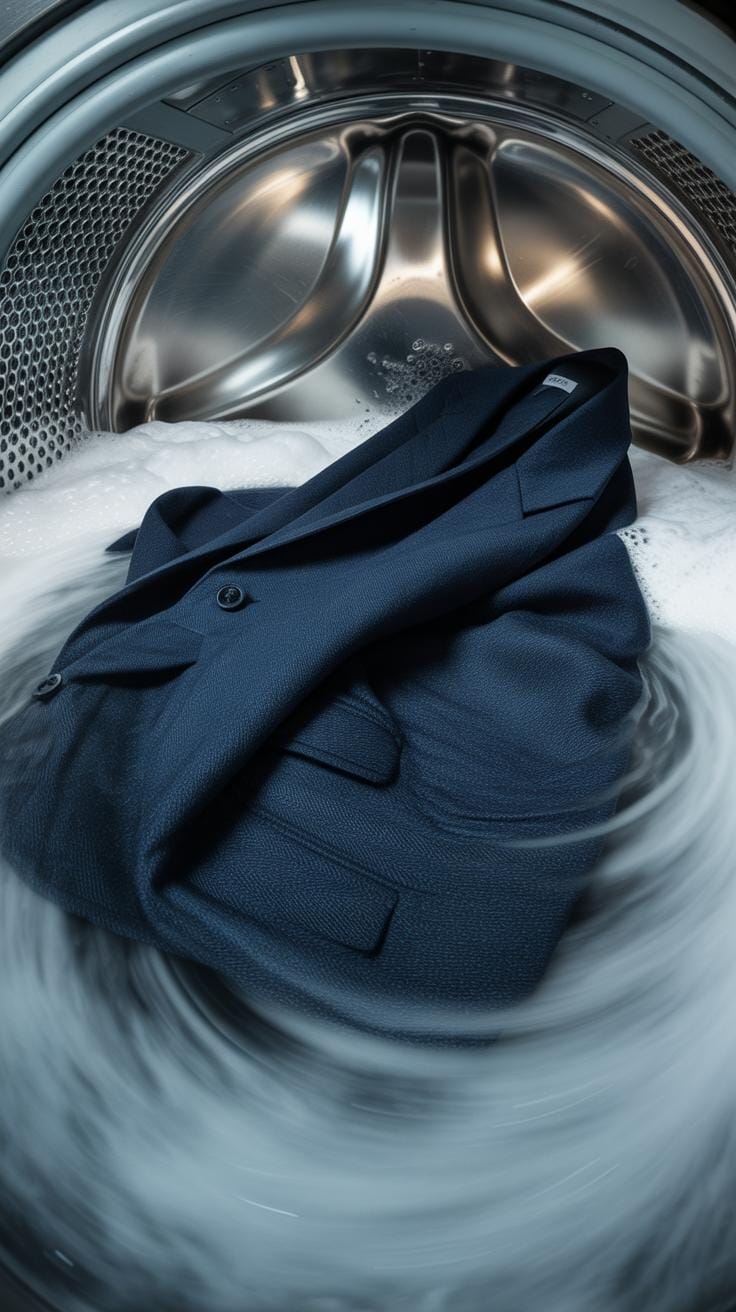
Treating your classic pieces carelessly can undo all the time and money invested in them. One common mistake is washing with harsh detergents that strip fabrics of their natural oils. For example, wool sweaters tend to lose softness and shape when regularly exposed to strong soaps. People often overlook garment tags, rushing into machine washes or higher temperatures that the fabric can’t handle. Yes, those tags might seem like minor details, but they hold critical clues for preserving your clothes.
Drying techniques also matter a great deal. Tossing classic garments into a hot dryer can cause shrinking or stretching in delicate fabrics like silk or linen. Even air drying requires some attention—hanging a heavy knit vertically might cause it to stretch out oddly.
These errors don’t always show up immediately. Sometimes, your favorite jacket might look fine after several washes, then suddenly it feels less comfortable or fits differently. So, if you want your wardrobe to last, caring properly is not optional. Have you thought about how you handle drying or detergent choices lately? Maybe it’s time to reconsider.
Using Wrong Cleaning Methods
Many people clean their classic clothes the wrong way without realizing the harm done. Spot cleaning with strong solvents can discolor fabrics, while vigorous scrubbing risks tearing delicate fibers. Even dry cleaning isn’t foolproof; repeated harsh chemical treatments may weaken fabrics unexpectedly over time.
Instead of aggressive cleaning, gentle approaches often work better. Hand washing with mild soap or detergent tailored for delicate textiles preserves fabric texture. For suits or structured pieces, professional cleaning done sparingly usually extends garment life better than frequent dry cleaning.
Think about the last time you hurried to get a stain out—was it worth risking the fabric’s finish? Soft, careful care methods might demand more patience but repay you with clothing that looks good far longer. You might want to experiment with gentle alternatives before reaching for powerful cleaners right away.
Neglecting Proper Drying and Storage
Drying and storage mistakes quietly erode the quality of classic items. Overdrying clothes in a machine dryer damages fibers and causes colors to fade. Hanging heavy garments by their shoulders leaves them stretched out and misshapen. Storing classics in crowded closets or plastic bags invites wrinkles, moisture build-up, and even moths.
Proper storage means folding sweaters or knits and using padded hangers for structured coats to maintain shape. Air circulation matters too; clothes need to breathe, so airtight containers often do more harm than good. A cedar block or lavender sachet can deter insects without risking fabric damage.
Have you ever pulled out a favorite wool sweater only to find it shrunken or misshapen? Chances are, drying or storage played a role. Small changes in how you dry and store clothes can pay off big. It’s a detail easily ignored but hard to ignore once damage accumulates.
Buying Cheap vs Investing in Quality
Cost Consequences of Cheap Purchases
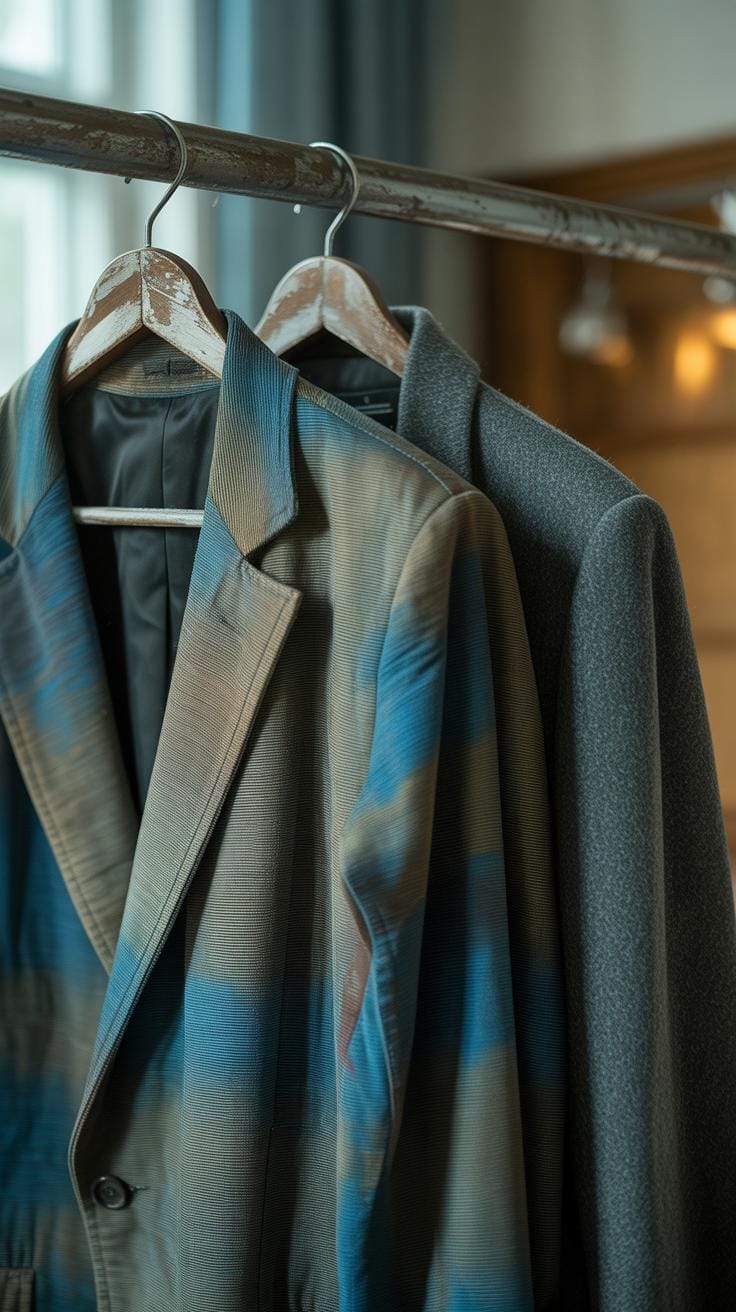
At first glance, buying inexpensive clothing can feel like a win—you fill your closet without breaking the bank. But consider how quickly those items begin to fray, lose shape, or fade in color. Suddenly, you’re faced with replacing them again, and again. The cost adds up, maybe more than you expected. You might end up spending twice or even three times more in the long run than if you just bought one better piece. The challenge is that cheap garments rarely hold their form through many washes or wears.
Plus, there’s the inconvenience of constantly scouting for replacements. It interrupts your routine, your planning. Sometimes, you don’t even have time to notice a garment failing until it’s too worn to salvage. Have you ever found yourself tossing out a shirt after just a few months? That’s the invisible expense nobody talks about enough.
Benefits of Quality Investments
When you invest in quality, the difference is clearer over time. A well-made coat, blazer, or pair of shoes sits better on your body and keeps its shape. Fabrics like wool, cotton, or leather, when treated right, simply last longer. You don’t have to think twice before wearing them. Comfort often improves, too, as finer materials breathe better and adapt to your movement.
Quality pieces also elevate your overall look. They age with a certain character rather than deteriorate like cheap items. That’s why people often say classics never go out of style. But it’s not just style—it’s about reliability and confidence you get when you know your wardrobe won’t fail you halfway through the day.
Still, investing in quality can feel daunting at first. Is it really worth spending more now? For those holding back, try this approach:
- Pick one classic piece with durable construction.
- Observe how long it lasts compared to anything cheaper.
- Notice how you feel wearing it versus cheaper alternatives.
Most find the answer quite clear after that experiment. Your wardrobe might become a place of fewer but better choices, saving you time, effort, and yes, money too—eventually.
Checklist for Building a Longlasting Wardrobe
Steps for Item Selection
When choosing classic wardrobe pieces, you want to focus on a few key factors that hold up over time. Start with fit—does this piece flatter your shape without being too tight or too loose? Classic doesn’t mean baggy or outdated; it’s about a comfortable, clean silhouette.
Consider fabric quality next. Natural fibers like wool, cotton, or linen tend to last longer and age more gracefully. Synthetic blends might seem practical, but they often lose shape or texture quickly.
Look at construction details. Are seams straight? Buttons sturdy? Sometimes, a well-made blazer or pair of shoes speaks volumes through subtle stitching or lining.
Color choice matters too. Neutrals like navy, beige, black, and white give you flexibility and timeless appeal. Still, don’t be afraid to choose a richer tone if it feels right. Classics don’t have to mean boring.
Maintaining Wardrobe Health
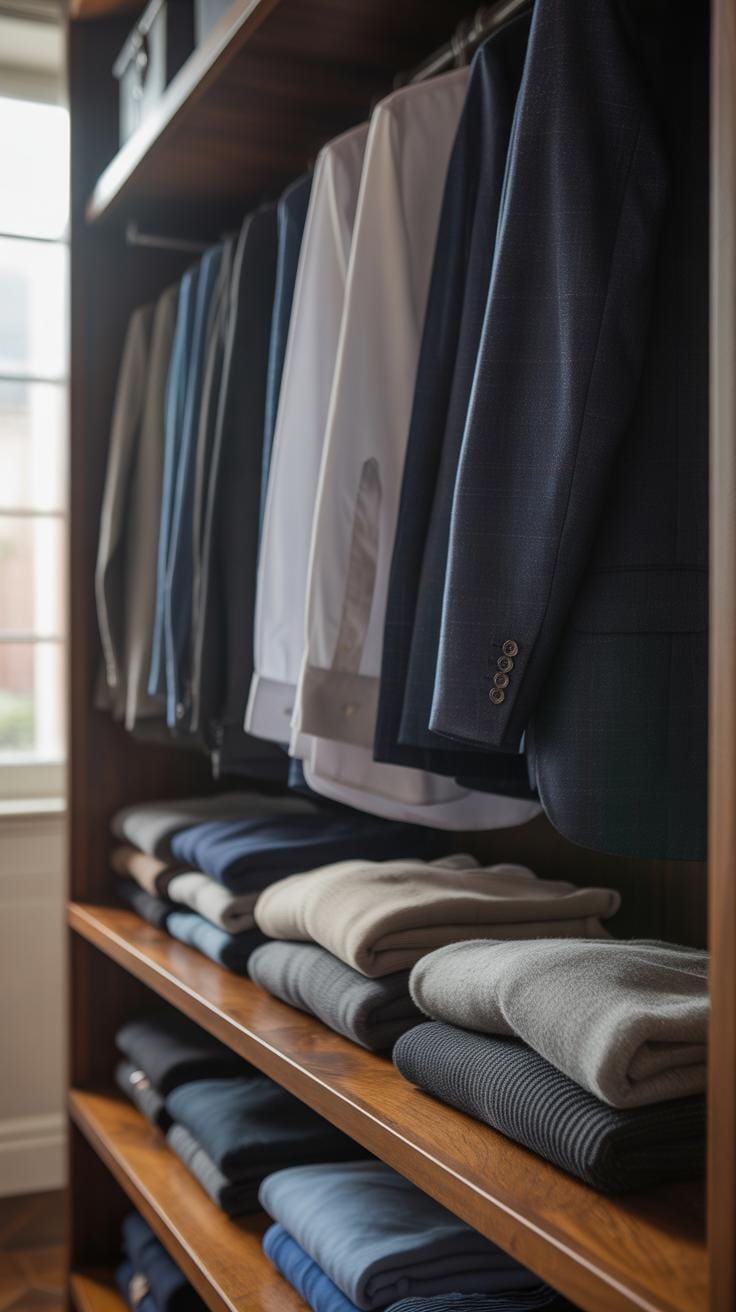
Daily care is often overlooked but is really essential. After wearing, hang items properly—no crumpling or stuffing into corners. Use wooden hangers for suits and coats to keep their shape.
Laundering habits affect longevity. Avoid over-washing; spot clean when possible. When you do wash, follow garment instructions strictly. I admit I sometimes wait longer between washes than recommended, but it seems to help.
Seasonal upkeep can prevent surprises. Rotate heavier pieces out and give them a thorough clean before storing. Use breathable garment bags rather than plastic to avoid moisture buildup. For shoes, condition leather regularly and replace worn-out soles promptly.
Lastly, inspection is good practice—check for loose threads or minor damage. Fixing small problems early usually means the item lasts far longer than expected. Isn’t it curious how a quick repair can extend a favorite coat’s life?
Examples of Classic Wardrobe Staples

A tailored blazer is often the first thing that comes to mind when thinking about classic pieces. It fits just right—not too tight, not too loose—and instantly sharpens any outfit. You can wear it over a white shirt for work or pair it with dark jeans for a smart-casual look that works surprisingly well for dinners or casual meetings alike. The shape and cut matter more than the brand, actually.
A crisp white shirt might sound basic, but it’s the kind of essential that you’ll reach for over and over. It’s perfect under a blazer for formal occasions, or simply untucked with jeans for a laid-back weekend vibe. I often find myself wondering if I own too many white shirts—maybe, but each feels just a bit different in fit or fabric.
Dark jeans are another cornerstone of a classic wardrobe. They look cleaner than lighter washes and dress up more easily. You could wear them with sneakers during the day, then switch to loafers for a relaxed evening out. That said, not every pair will work well dressed up, so choosing the cut and fabric carefully is key.
Must-have Classic Pieces
There are a few core pieces everyone should have. Try to own:
- A tailored blazer in navy or black—that fits your shoulders properly.
- A white button-down shirt with a good collar and breathable fabric.
- Dark, straight-leg or slim-fit jeans for versatility.
- A well-cut trench coat or simple wool coat for layering over everything.
- Leather shoes like loafers or simple boots that can adapt to different outfits.
- A neutral sweater—think gray or beige—that’s neither too bulky nor too thin.
These pieces form the skeleton of your closet. You probably can’t avoid personal taste creeping in, but sticking close to these helps avoid regret or awkward mismatches.
Versatile Combinations for Daily Wear
Mixing these classics can feel surprisingly straightforward once you get the hang of it. For casual days, pair your dark jeans with a sweater and leather boots. Add the blazer if you want a bit more polish.
For a more formal look, the white shirt under the blazer is a no-brainer. Toss on tailored trousers or dark jeans with clean shoes, and you’re set for almost anything from office to dinner. You might hesitate whether sneakers or loafers fit better—both can work but send slightly different messages.
Sometimes, layering is where you get creative. A sweater over your shirt under the blazer adds texture and warmth but can also feel bulky if not chosen carefully. I’ve tried and failed with this combo a few times, but it’s worth experimenting with.
Mixing textures and colors within the classic palette seems simple, yet it can trip you up—like wearing a blazer that’s too shiny with casual denim. It’s a balance that takes some trial and error, and well, that’s part of the process.
Common Pitfalls in Wardrobe Updating
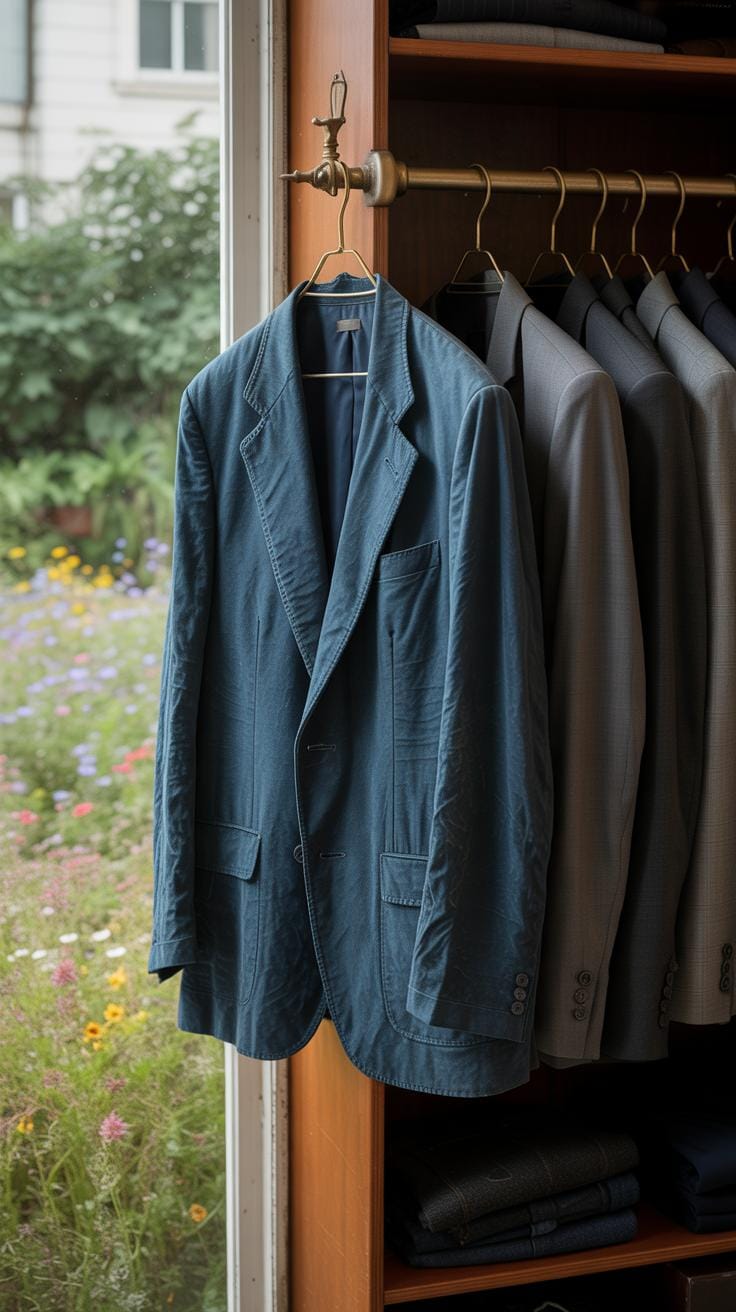
When you add or replace items in a classic wardrobe, there’s a fine line between enhancing your collection and disrupting it. One mistake many make is chasing trends without considering how new pieces will fit with what’s already there. A flashy item might feel tempting now but can quickly look out of place next to solid staples you’ve worn for years.
Think about how a bright neon shirt would feel paired with your muted navy blazer. It just doesn’t click. That kind of clash draws attention—for the wrong reasons—and fragments your look.
Adding Pieces That Clash
Introducing items that don’t harmonize with your classic pieces can throw off your whole wardrobe’s balance. Even if each garment is nice alone, together they might create a mismatched effect. Imagine pairing a casual sneaker with a sharply tailored coat you rely on for polished occasions—it just disrupts the intended vibe.
Sometimes, what seems like a simple addition ends up forcing you to rethink outfits you liked before. You might find yourself avoiding new items because they don’t coordinate well, leading to wasted money and frustration.
Replacing Without Thought
Impulsive swaps—like tossing your tried-and-true trench for a trendy jacket—can undermine your classic wardrobe’s consistency. Replacements should reinforce your established style, not conflict with it. When you replace purely based on momentary appeal, you risk losing cohesion.
Plus, it’s easy to overlook why you loved the original piece. Maybe it was its fit, durability, or the way it elevated your look. Without reflecting on these qualities, your replacements might feel hollow or fail to deliver the same satisfaction. When was the last time a spontaneous buy truly improved your core collection?
Tools to Extend Clothing Lifespan
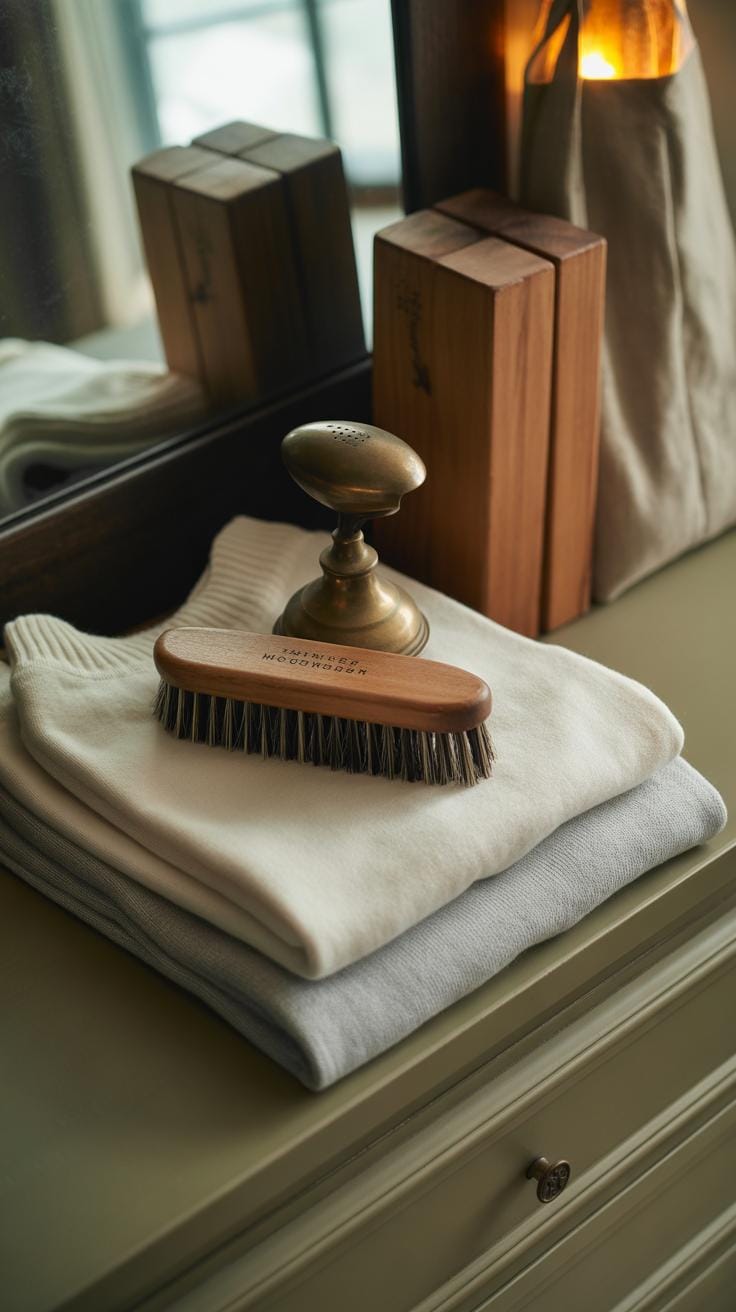
When you invest in classic pieces, you want them to last—not just in fabric, but in shape and style. That’s where the right tools come in. Garment bags are surprisingly helpful, especially for delicate items or seasonal coats. They shield clothes from dust and accidental stains, especially during long storage periods. I’ve noticed that my wool coats keep that fresh, crisp feel longer when stored in breathable garment bags instead of left uncovered.
Quality hangers also play a bigger role than you might guess. Thin, cheap plastic ones can distort shoulders or leave marks. Wooden or padded hangers help maintain structure and avoid stretching or creasing. For suits and blazers, a hanger with broader shoulders can make a real difference—your shoulders won’t droop or warp over time.
Some smaller tools, although basic, make day-to-day care much easier and can actually save your clothes from premature retirement. Lint rollers quickly remove fuzz, which is more noticeable on classic fabrics like tweed or cashmere. Fabric shavers pull away tiny pills that develop with wear, giving older garments a cleaner look. And, well, a small sewing kit is unexpectedly useful for quick fixes—loose buttons or minor hems—it spares you a trip to the tailor every time.
Using these simple accessories isn’t a chore. They’re little investments that protect your wardrobe’s longevity. Ever found a favorite jacket mysteriously slimy or losing shape? These tools might’ve kept that from happening.
How to Assess Your Wardrobes Condition
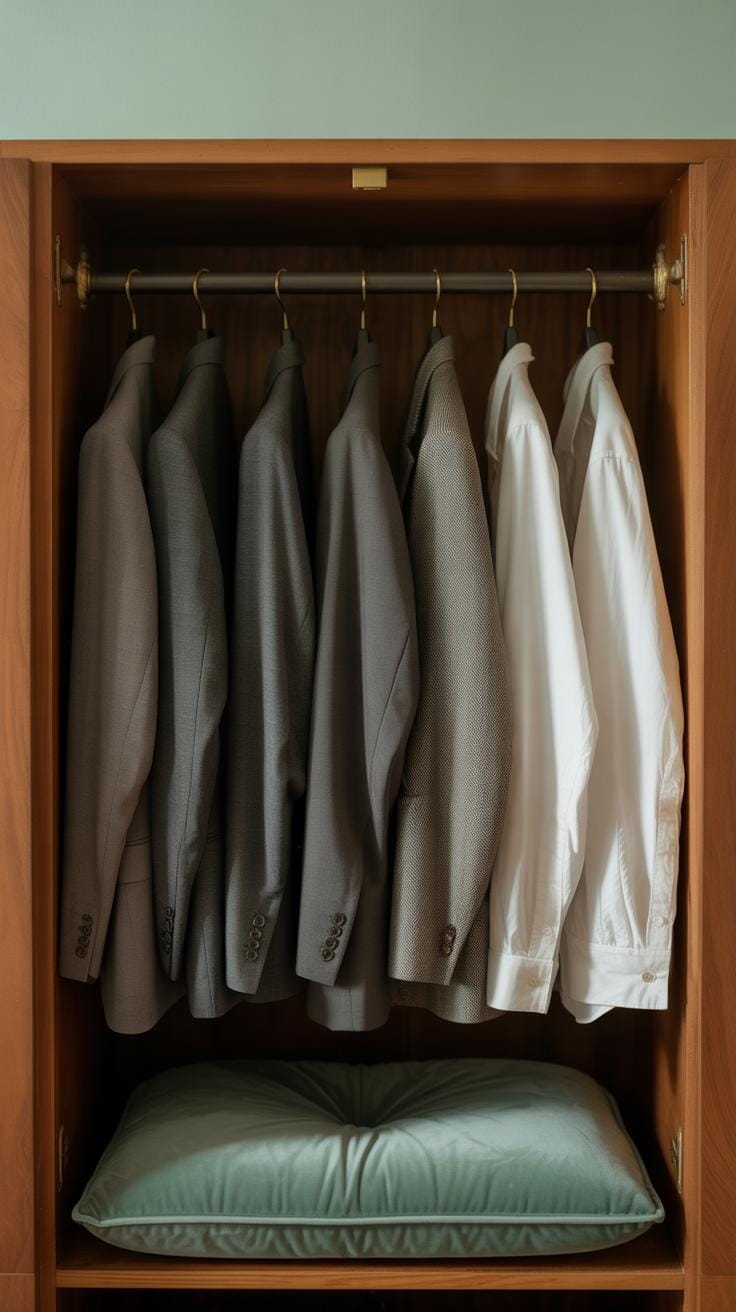
Checking your classic wardrobe isn’t just a quick glance. It’s more like a mini inspection, happening every few months, to catch small issues before they grow. You’ll want to pull out pieces one by one, look closely at fabric, seams, buttons, and collars. Maybe even feel the texture—sometimes wear is more obvious when you touch rather than just see.
It’s easy to overlook minor fading or thinning fabric until it becomes a real problem. Regularly assessing your clothes helps you catch those warning signs early. Besides wear, smell can be a subtle hint that a deeper cleaning is needed. A sniff test, perhaps?
Don’t forget to check inside tags or linings. Some damage hides there, like peeling interfacing or loose stitching that you won’t notice right away. A practical approach is to set a reminder to review your wardrobe seasonally—spring, fall—and treat that as your “maintenance day.”
Signs Your Clothes Need Attention
There are plenty of physical signs that a garment needs fixing or removal. Watch out for:
- Fraying hems or cuffs: These areas get a lot of friction and often start to unravel first.
- Discolored spots: Sometimes subtle, like underarm yellowing or faded knees on trousers.
- Loose threads or seams: These can quickly turn into bigger rips if ignored.
- Buttons that wobble or are missing: An easy repair but often overlooked.
- Pilling or fabric fuzz: This signal fibers breaking down, especially on knits or wool.
- Odors that linger: Even after washing, that stubborn smell can mean deep bacteria build-up.
Recognizing these signs isn’t always obvious. Sometimes you might feel hesitant whether an item should be kept or tossed. This sort of uncertainty is normal; it’s a balance between attachment and practical use.
Planning Repairs and Replacements
Deciding when to repair or retire a piece is not always straightforward. First, consider how much you’ve worn the item lately. Is it something you truly love and reach for? If yes, repairing makes sense. Small fixes like reattaching buttons or tightening seams extend the item’s life without much cost.
If repairs become frequent or costly, ask yourself if it’s worth it. A worn collar that needs replacing multiple times might mean it’s time to move on. Also, think about fit—classic pieces still need to flatter you. An old garment hanging in your closet but no longer fitting shouldn’t stay just because it’s “classic.”
When in doubt, try a short challenge: wear the item at least twice over the next month. If you don’t, that’s a clear signal it’s ready for retirement. This method helps avoid keeping clothes out of guilt or nostalgia.
Keep a small sewing kit handy or know a reliable tailor. Sometimes, a quick fix saves a favorite jacket from the donation box. Just don’t cling to clothing meant for a different “you.” Your wardrobe should serve your present needs as much as pay homage to style history.
Conclusions
Avoiding key mistakes in your classic wardrobe care and selection can save you money and frustration. Focus on quality pieces that fit well and invest time in proper maintenance. Small changes in your approach will show big results in how your wardrobe looks and feels.
Remember, a classic wardrobe works best when treated as a collection. Think carefully before buying. Care for each item with attention. This deliberate approach protects your investment and gives you clothing that lasts and serves you well.