

Introduction
Your wardrobe says a lot about you. Classic style is known for its timeless and elegant appeal. Yet, some common mistakes can make your clothes look outdated and age your overall appearance. Avoiding these errors will keep your look fresh and modern without losing the classic charm.
This article highlights the most frequent classic style mistakes and offers practical advice on how to fix them. It will help you recognize what to change and how to keep your wardrobe looking young and sharp.
Common Fit Mistakes in Classic Style
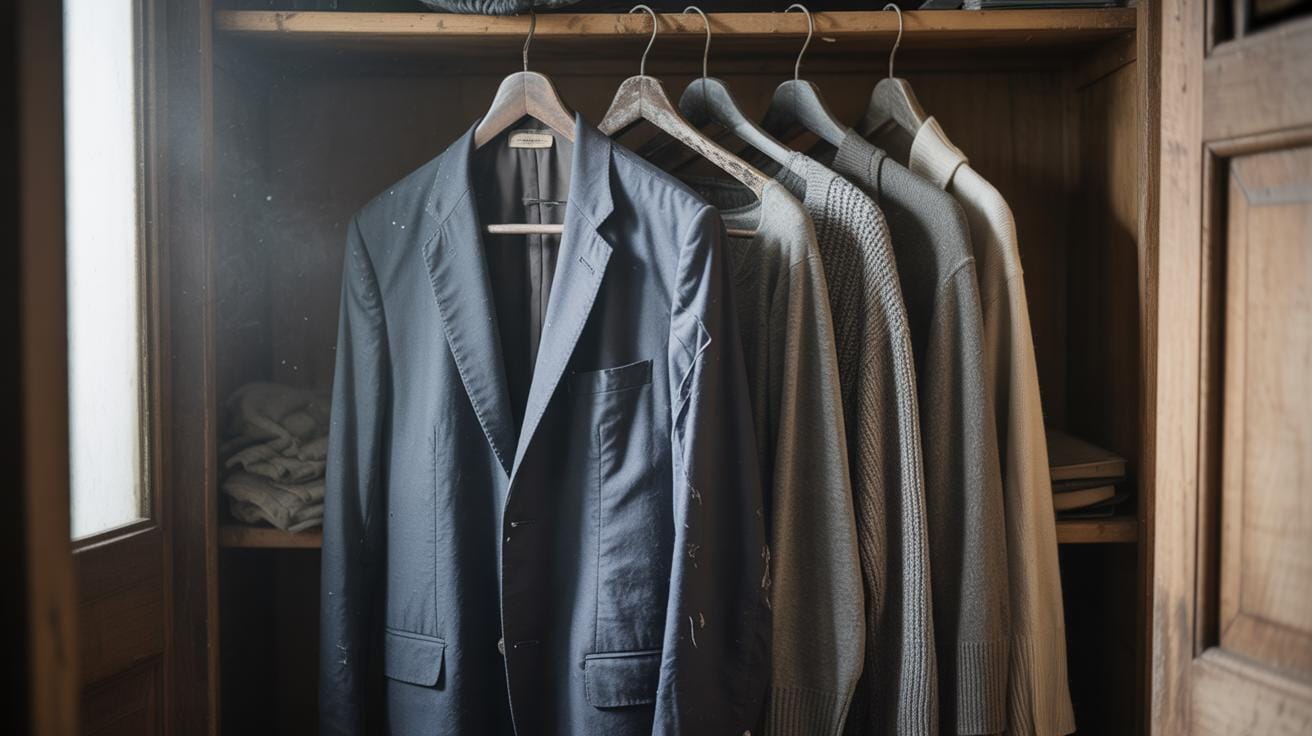
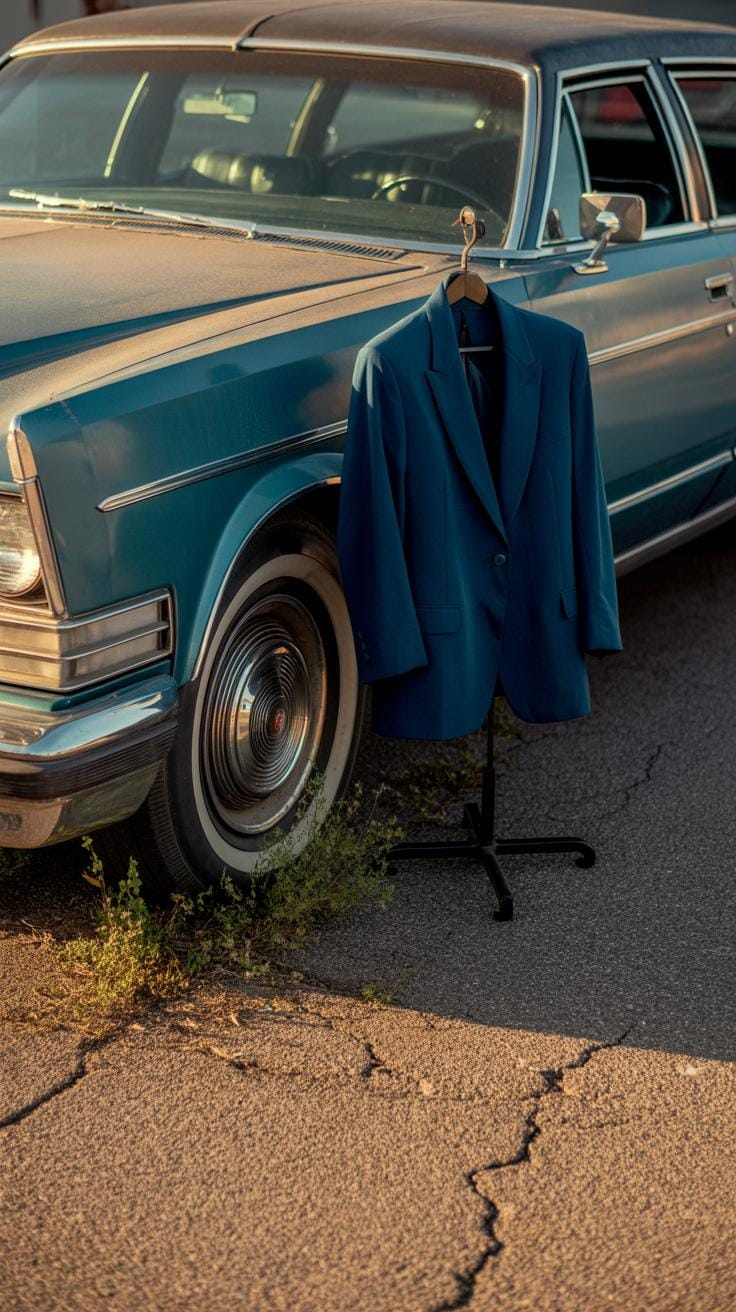
Poor fit is one of the most frequent and, frankly, frustrating mistakes when it comes to classic style. It’s tempting to think that classic pieces alone will carry your look, but if your clothes don’t fit well, they quickly look dated or sloppy. Too tight clothing — like overly snug shirts or jackets — can create unflattering wrinkles or pull lines that draw attention to the wrong places. On the opposite end, too loose garments, especially trousers or blazers, often drown your frame and give off an impression that you’re wearing someone else’s clothes, which can easily age your appearance.
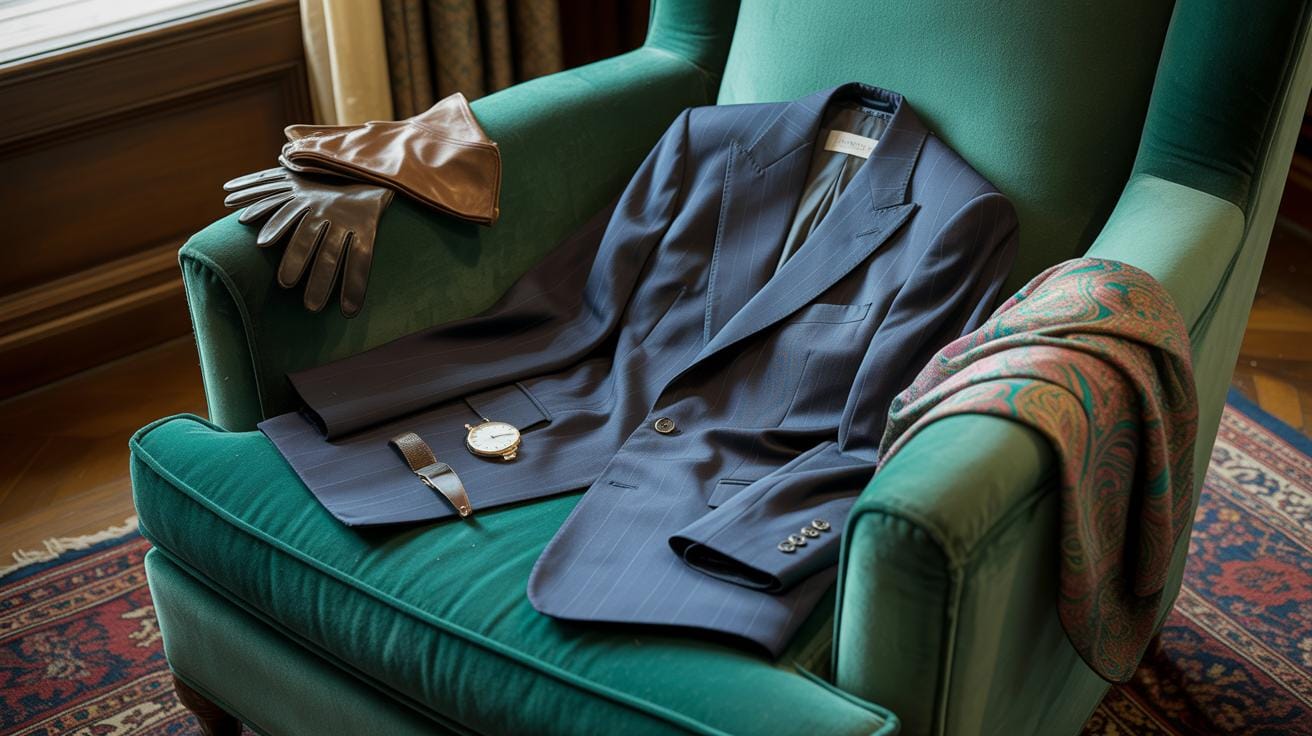
Despite what some might expect, classic style depends heavily on tailoring. Clothes aren’t just meant to drape over your body but to complement your natural shape without constriction or excess. Getting your pieces tailored isn’t just a nice bonus; it’s almost essential if you want to avoid looking like your clothes are leftovers from another era.
Why Fit Matters in Classic Style
Fit changes everything in classic style. When garments sit right, your whole silhouette looks sharper and more intentional. Baggy clothes might suggest an outdated or lazy approach rather than an elegant one. For example, a loose blazer can make your shoulders look slumped, and pants that pool around your ankles give the impression they’re worn out or oversized.
On the flip side, tight clothing isn’t a better option here. It can accentuate areas in ways that don’t suit the refined simplicity classic style aims for. You’ve probably noticed how cramped shirts or jackets create strange bunching or pull lines—it’s an immediate style red flag. A well-fitted suit or jacket, tailored to follow your lines, looks fresher and surprisingly younger. Why? Because it shows you care about the details without trying too hard.
Steps to Achieve Perfect Fit
Start by taking your measurements properly. Use a soft tape measure and check key spots:
- Chest and shoulders for jackets and shirts
- Waist and hips for trousers and skirts
- Sleeve and inseam length
Don’t guess—measure twice, especially since sizes vary between brands. Armed with these numbers, shop carefully, prioritizing the closest fit. Then, visit a tailor. Alterations most often needed include:
- Taking in or letting out the waist of trousers
- Shortening sleeve or pant lengths
- Adjusting shoulder seams or side seams on jackets and shirts
Even subtle changes can transform your look. It’s a process that involves some trial and error, but the payoff is huge. A classic style with off-fit clothes feels more outdated and careless than elegant. Getting the fit right is probably the simplest—and yet most overlooked—way to keep your wardrobe looking sharp and, well, not old.
Outdated Fabrics That Dull Your Wardrobe
Which Fabrics Make Clothes Look Old
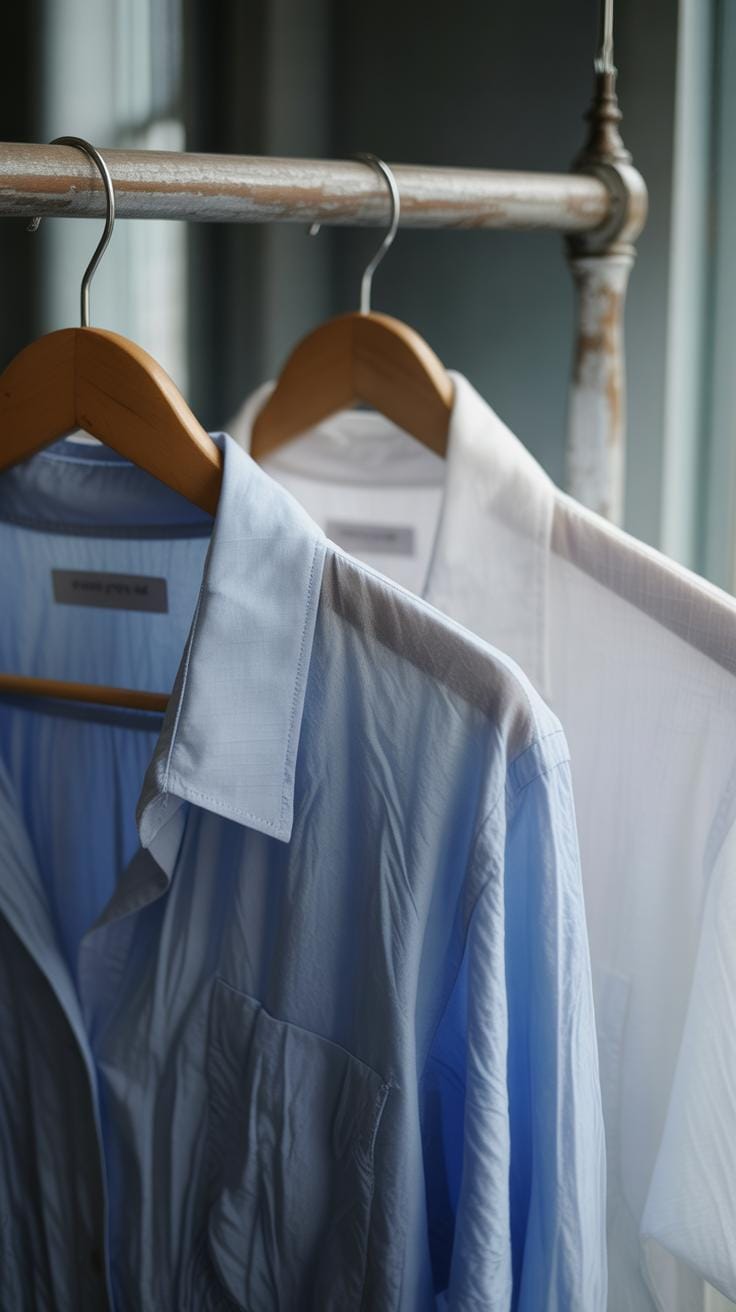
Some fabrics just carry that tired vibe instantly. Think polyester blends from decades ago—shiny, stiff, and often prone to pilling. They don’t breathe well and wrinkle oddly, which kills that classic smoothness you want. Velvet from the ’80s or heavy synthetic corduroy can also make an outfit feel stuck in time.
Then there’s cheap knitwear in acrylic or low-quality wool—those fuzzball sweaters that look worn before you’ve even worn them once. Sometimes it’s subtle: a polyester lining showing at the collar or coarse, scratchy fabrics that scream “off-the-rack bargain.” These materials flatten the elegance of any timeless cut.
Why do they feel old? It’s about texture and drape. Fabrics that don’t move naturally or look plastic tend to age your clothes faster. You want your classic pieces to feel alive, not stilted or fragile.
Choosing Fresh Fabrics for Classic Pieces
Switching to natural fibers helps enormously. Cotton, linen, and wool are staples for a reason—they wear well, age gracefully, and let your clothing breathe. Fine merino wool sweaters, for example, keep shape and resist pilling better than many synthetics.
Blends aren’t off-limits either, if chosen thoughtfully. Cotton-polyester mixes with a higher percentage of cotton retain freshness while adding wrinkle resistance. Silk blends give a subtle sheen without being flashy.
Some fabrics just make you feel better in your clothes. I’ve noticed a well-made cotton shirt looks crisp longer and takes less effort to style than a synthetic one. When you buy classic pieces, check the fabric tag and imagine how it will feel, not just look. Durability may matter as much as initial appearance here.
Could your classic wardrobe benefit from better fabrics? Maybe the difference is less about style and more about what you wear on your skin every day.
Mixing Classic and Trendy Pieces Wisely
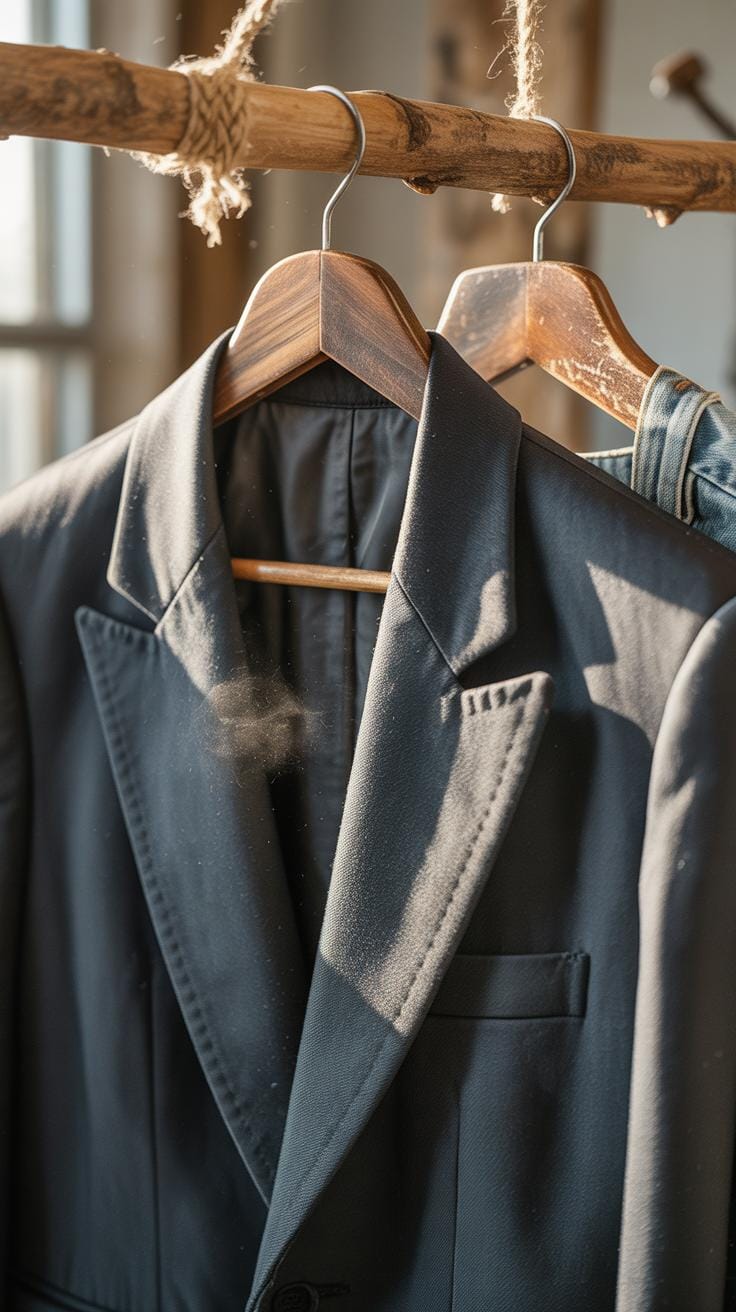
Blending classic staples with trendy items can be tricky. You might think adding something flashy, like neon sneakers or oversized logos, will instantly refresh your look. But often, it ends up feeling forced or outdated instead. It’s not just about picking pieces you like; it’s about how they work together.
When the balance is off, trendy items can clash harshly with the timeless nature of classic clothes. Imagine pairing a vintage trench coat with a pair of wildly patterned joggers. The mix doesn’t speak the same language, making the whole outfit look confused or, worse, like you’re trying too hard. Sometimes, trends can age your wardrobe more than help it.
Common Mixing Errors That Age Your Look
One mistake people make is layering bold, overly decorated trendy pieces with subtle classic garments. For example, a classic white button-down paired with an extremely chunky, brightly colored chain necklace can create a disproportionate focus. It feels jarring rather than balanced.
Another usual slip is ignoring scale and proportion. Trendy oversized tops with tailored, slim classic trousers might feel mismatched. Instead of modern, it can come across as sloppy or outdated if not done carefully.
Also, chasing every flashy trend—animal prints, loud logos, extreme silhouettes—without considering your classic base means your wardrobe loses coherence. Rather than standing out positively, the mix—clashing styles, colors, and cuts—adds years or creates awkward tension.
How to Blend Trends with Classics Successfully
Choose one or two trendy items per outfit, not more. Trends work best when they complement classic refuse-like pieces rather than overshadow them.
- Stick with trendy elements that share a simple color palette with your classics. A bold green bag with a beige blazer works better than clashing colors.
- Go for clean lines and refined details. Trendy shoes in a classic shape feel less jarring than wildly shaped styles.
- Use trends to update accessories, not your entire outfit. A modern belt or statement earrings can refresh a timeless dress without going overboard.
- Don’t rush into every new fashion wave. Some trends pass quickly, and mixing too many can make you look less polished and frankly, older in some cases.
The challenge is real but rewarding. When you find the right trendy pieces that talk quietly to your classics, your wardrobe feels lively and still timeless. It’s less about forcing trendy and more about letting the classics show off with a little nudge.
Ignoring Proper Wardrobe Maintenance
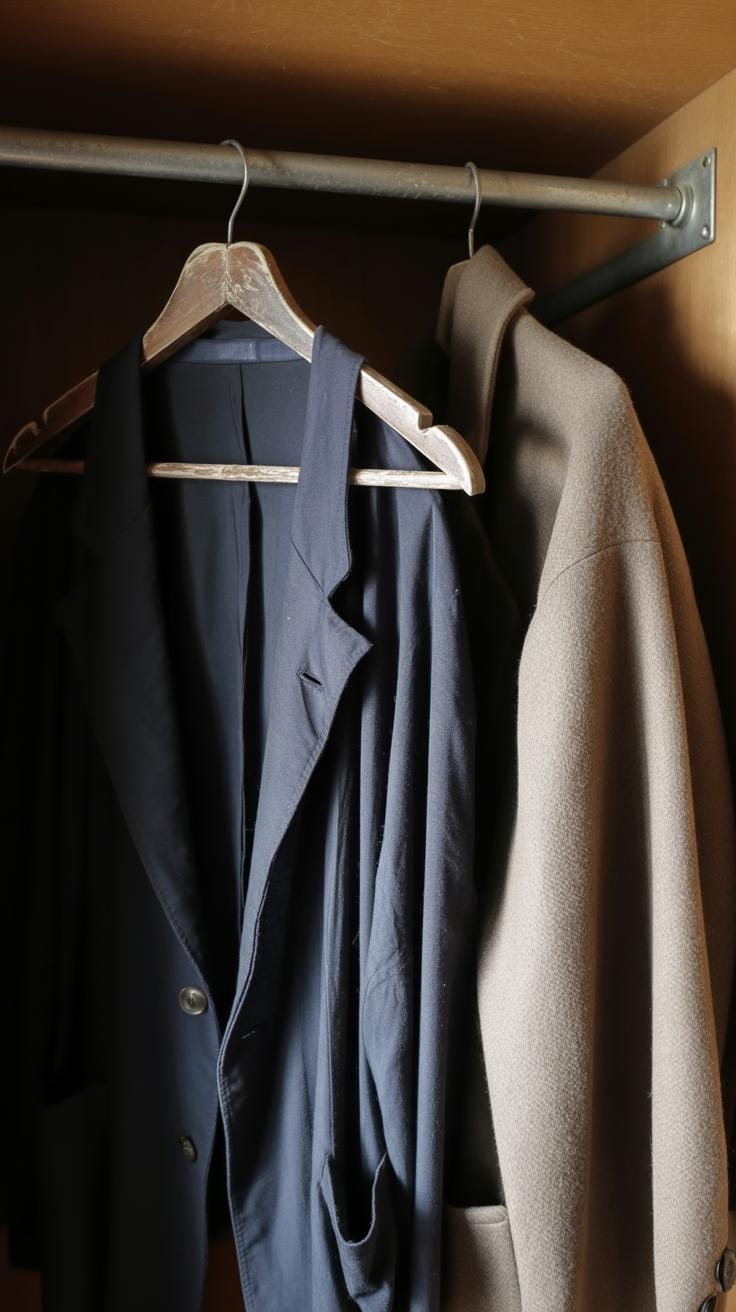
You may own timeless, high-quality classics, but if you neglect their care, even the best fabrics and cuts won’t save your look. I’ve seen it myself—someone walks in wearing what should be a sharp blazer, but the fabric has tiny pills, stains in odd places, and creases from poor storage. It’s like the garment is shriveling in plain sight. The appeal of classic style depends heavily on upkeep. There’s no point investing in a fine coat if you toss it on a chair and never brush off lint or air it out.
Stains, wrinkles, and pilling don’t just make clothes look old—they give off a vibe of carelessness. Imagine your carefully chosen shirt with a stubborn underarm stain or a visibly wrinkled collar; the whole outfit suddenly ages years, no matter how classic the pieces are. You wonder why your style doesn’t catch attention, and often, carelessness is the real culprit.
Simple steps help preserve your wardrobe’s life. Try these:
- Regularly brush your wool garments to remove dust and prevent pilling.
- Hang clothes properly on shaped hangers to avoid misshapen shoulders and wrinkles.
- Spot-treat stains immediately instead of waiting, which makes removal harder.
- Store seasonal items in breathable garment bags, not cramped piles.
- Fix small tears or loose buttons promptly instead of ignoring them.
These actions don’t require extra skills or time—just a bit of routine. Your clothes will last longer and look fresh. Isn’t that what classic style is really about? I sometimes forget these basics myself and then notice how my clothes betray their age prematurely. Maybe you relate.
Wrong Shoe Choices That Age Style
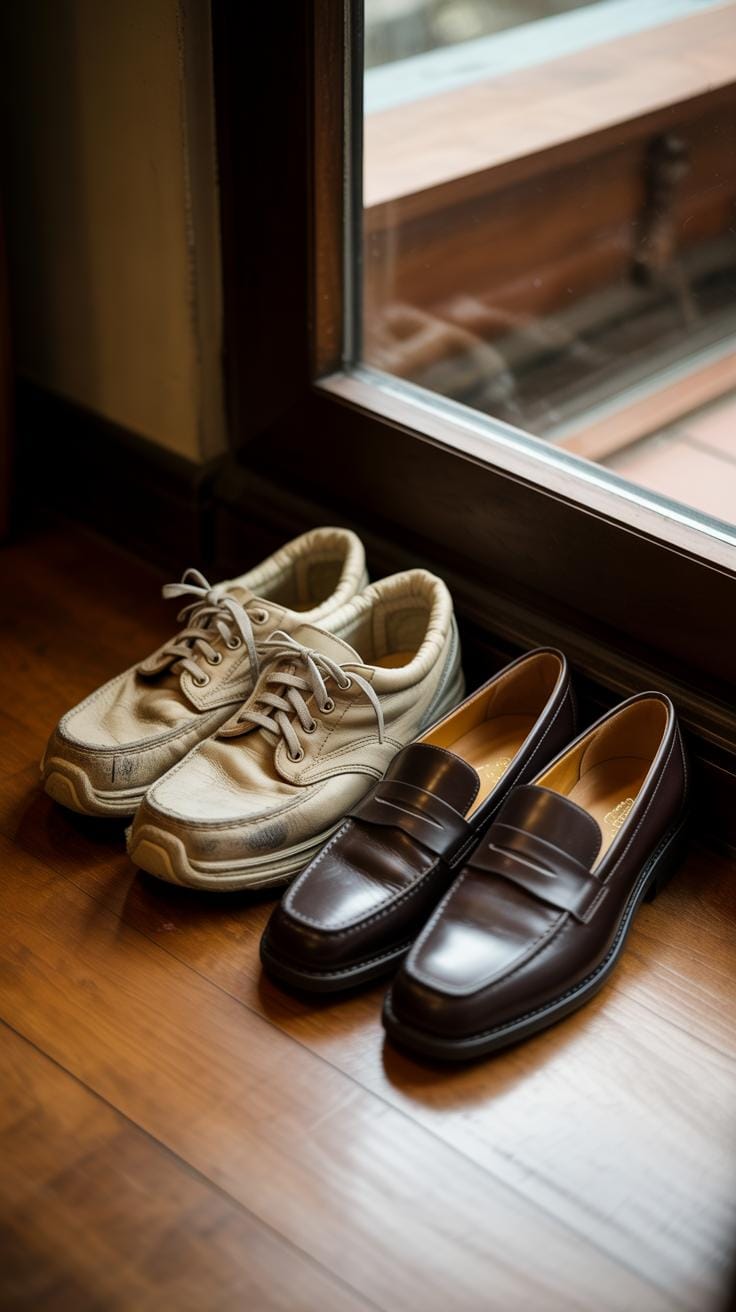
Shoes play a bigger role in classic style than many realize. The right pair can sharpen your look, but the wrong ones? They can drag it down in seconds. Imagine pairing a tailored blazer with bulky sneakers from years ago or shoes showing visible scuffs and cracked leather—somehow, it just doesn’t feel classic anymore. I’ve seen countless times where a great outfit was let down by outdated or mismatched footwear.
Common shoe mistakes include:
- Wearing shoes that don’t match the formality of your outfit, like casual loafers with a sharp suit.
- Holding on to faded, overly worn shoes that have lost their shape and polish.
- Choosing trends in shoes that age rapidly rather than sticking to timeless shapes.
These errors distract from your overall appearance and can make even the best classic pieces feel tired or out of touch. It makes you wonder—have you considered how much your shoes might be aging your wardrobe?
Which Shoes Age Your Outfit
Some shoes just tend to age an outfit more quickly, and it often depends on condition and style. For instance, sneakers with chunky soles from a past trend or overly shiny leather derbies that look like they belong in the 90s can throw off your whole look. I once saw a friend ruin his sleek outfit by wearing a pair of beat-up work boots that stuck out terribly.
Signs that shoes age your outfit include:
- Visible creases, scuffs, or peeling leather that are left unattended.
- Outdated styles like overly pointy or square toes that don’t blend with current trends.
- Worn-out soles or loose stitching suggesting neglect or discomfort.
Worn or old-fashioned shoes communicate carelessness, even if your clothes are otherwise impeccable. That disconnect can make your style feel less intentional and more, well, dated. It’s strange how something so small can affect perceptions this much.
Selecting Shoes to Elevate Classic Style
Choosing shoes that support your classic look isn’t just about buying expensive pairs; it’s about prioritizing simplicity, fit, and upkeep. You want shoes that complement your outfit, not compete with it or stand out awkwardly.
Some tips to keep in mind:
- Stick to traditional shapes: Oxfords, brogues, loafers, and classic boots often work well across many classic staples.
- Pay attention to color: Browns and blacks cover most bases. Neutral tones in quality leather go a long way.
- Maintain your shoes regularly to avoid signs of wear—cleaning, polishing, and resoling as needed.
- Don’t overlook versatility—select styles that adapt well from casual to dressier looks.
For example, a well-kept pair of mid-brown leather loafers can elevate a casual look yet still pair neatly with tailored trousers. You might hesitate to invest in quality shoes, but think about how often you wear them. A good pair can become your go-to foundation, anchoring your wardrobe rather than detracting from it.
In the end, your shoes say a lot before you do. Picking the right pair keeps your classic style fresh. Don’t let them be the weak link.
Common Color Choices That Age Your Wardrobe

Colors That Tend to Look Old
Some colors in classic wardrobes tend to date your look more than you might realize. Take mustard yellows, dull olive greens, or that very faded beige—these shades often evoke a tired or outdated vibe. They can wash you out or give off a sense of “stuck in time,” like you’re recycling old styles without much thought. I’ve noticed that dusty pastels, especially when mixed in large amounts, sometimes contribute to this effect too, as do some browns that lean too far into orange. It’s not just about the shade itself but also how these colors struggle to stay fresh under today’s lighting or alongside newer pieces.
These colors often reduce the impact of an outfit because they compete with your natural tone instead of complementing it. That’s why sometimes you might feel like your clothes wear you, rather than the other way around. The challenge with these hues is that they can make textures and fabric choices seem duller, less sharp. Do you find yourself hesitating when picking certain colors? It might be because of how these shades age what you’re wearing.
Color Alternatives for a Fresh Look
On the other hand, certain colors offer a brighter, cleaner foundation for classic style that doesn’t feel stuck in the past. Navy, crisp white, charcoal gray—these staples manage to be timeless without veering into the dated zone. Plus, richer jewel tones like deep emerald or sapphire can add depth while keeping things current.
Mixing colors is simpler when you stick to a palette that maintains contrast. For example, pairing a sharp navy blazer with a white shirt and a subtle burgundy tie can feel both classic and lively. If you want to dip toes into something less traditional, try incorporating muted, cooler tones like slate blue or soft lavender—oddly enough, these avoid feeling old and keep your look evolving.
Playing with different textures helps too, because color isn’t the only factor. But if you start with smarter colors, the whole outfit tends to feel more intentional and less like a uniform. Have you experimented with swapping those fell-asleep shades for something that perks up the look? Sometimes, a small color shift makes all the difference.
Accessorizing Mistakes That Age Your Outfit
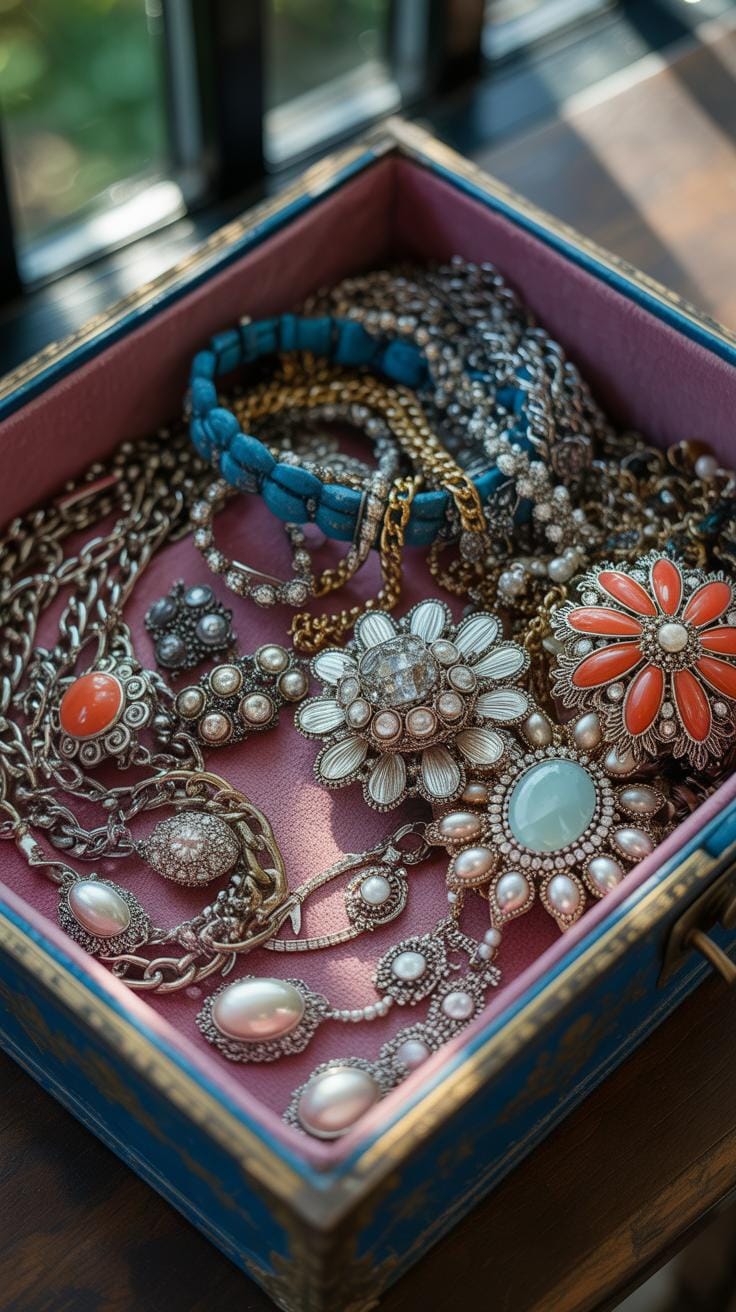
Accessories can make or break a classic outfit, but too often people trip up by choosing the wrong ones or overdoing it. You might have spotted that—someone wearing a timeless navy blazer with a clunky, oversized watch that looks decades old. Or maybe heavy, flashy jewelry stacked up like they’re at a costume party, all of which throws off the subtlety of classic style.
These mistakes can add visual noise where simplicity should reign. When accessories shout too loudly, they distract from the clean lines and balanced proportions that define classic looks.
Which Accessories Hurt Classic Style
Here are some typical accessory errors you might want to avoid:
- Outdated watches with thick bands or overly busy faces that clash with a refined outfit.
- Large, heavy jewelry that draws attention away from your overall silhouette.
- Bold, busy patterns—like animal prints, loud plaids, or oversized logos on scarves and ties—that compete with your clothing’s simplicity.
- Excessive layering of bracelets or rings that can feel cluttered rather than curated.
Once, I tried pairing a classic wool coat with a chunky chain necklace and ended up feeling less polished, more dated. It’s surprising how quickly an accessory can shift your look.
Choosing Accessories for Timeless Appeal
When selecting accessories, think minimal and quality. Look for understated pieces with clean design:
- A slim watch with a modest face and a leather band tends to be timeless.
- Delicate jewelry in silver or gold—a simple chain, small studs, or a classic signet ring—works best.
- Neutral scarves or leather belts without print overload keep the focus on your outfit’s structure.
- Choosing a single statement piece instead of multiple competing ones avoids over-accessorizing.
Quality matters more than quantity here. One well-chosen accessory can elevate your look without overwhelming it. Have you ever noticed how a simple, elegant watch can quietly pull everything together? That’s the power of classic accessories done right.
Effect of Poor Grooming on Classic Style

You might own the finest classic wardrobe, but if your grooming slips, the impact is immediate. Classic clothes rely on a clean, put-together appearance to really shine. If you neglect grooming, even the sharpest tailoring looks sloppy or outdated. It’s strange how something as simple as unruly hair or an untrimmed beard can make a crisp blazer feel tired and old-fashioned.
When grooming declines, your overall style ages quickly. It’s almost like the clothes are fighting against your appearance, rather than complementing it. Have you ever noticed someone with perfectly polished shoes but disheveled hair? The disconnect changes how you view their entire outfit. So, grooming doesn’t just enhance; it preserves the freshness of classic style in a way that clothes alone can’t achieve.
Grooming Habits That Undermine Classic Style
There are some typical grooming pitfalls that pull classic style down fast:
- Messy or unkempt hair that distracts from your outfit’s clean lines.
- Facial hair left uneven or untrimmed, giving a careless impression.
- Neglect of basic hygiene, like poor skin care or body odor, which no fabric can cover up.
Even if your clothes are spotless, these habits create a visual clash. It’s surprising how small details like overgrown eyebrows or dry lips can age your appearance beyond what your clothes suggest.
Simple Grooming Tips to Complement Classic Fashion
Maintaining a classic look doesn’t require complex routines. Start with these simple habits to keep your style fresh and sharp:
- Regular haircuts to maintain a neat hairstyle that fits your face shape.
- Keep facial hair trimmed or clean-shaven to avoid the “forgotten” look.
- Daily basic hygiene: cleanse your skin, use moisturizer, and make sure your breath is fresh.
- Pay attention to nails—they often get overlooked but matter for polish.
These might sound obvious, but integrating them consistently makes a noticeable difference in how your clothes come across. It’s about creating harmony between your grooming and your wardrobe. So, next time you dress up classic, pause and see if your grooming supports the effort or works against it. Your style’s true age might surprise you.
Updating Your Wardrobe Without Losing Classic Charm

Modernizing a classic wardrobe isn’t about throwing out everything you own or chasing every fleeting trend. It’s more subtle—a careful balance of keeping what works while refreshing what feels outdated. Think of it as a gentle nudge toward today’s silhouette, fabrics, and small details without losing the timeless appeal you’ve built up.
Subtle tweaks often do the trick. For example, swapping heavyweight wool blazers for lighter, breathable materials in neutral tones can make a huge difference. Or updating the cut—maybe opting for a slightly slimmer fit rather than fully boxy shapes—keeps the line clean and contemporary but still classic. Even small changes like incorporating modern accessories, say a matte leather belt or a minimal watch, can refresh an outfit without feeling forced.
When to Refresh Classic Pieces
Knowing when to replace or update your classic pieces isn’t always straightforward. If your favorite trench coat looks frayed at the collar or your go-to white shirt’s cuffs are stained beyond repair, you’re overdue for a refresh. But beyond wear and tear, pay attention to fit. Have your body shape or lifestyle shifted? Does that once perfect blazer pinch or sag in the wrong place now? That’s a sign it’s time to reconsider what still serves you.
Also, check if the fabrics feel outdated—fading, pilling, or stretching signal the end. Sometimes it’s about style, too. When your pieces start looking more “vintage” than “timeless,” maybe it’s just time for a softer transition rather than a full wardrobe overhaul.
Practical Tips for a Modern Classic Wardrobe
Updating fabrics is a straightforward way to freshen up. Think sustainable cottons, lighter linens, or stretch blends that hold shape better. A blazer in a fabric with a subtle texture can feel more current, even if the silhouette remains traditional. Pay attention to cuts that accommodate modern lifestyles—slightly cropped pants or tailored shirts with softer collars work well.
Accessories make a surprising difference. Swap oversized, shiny buckles for sleeker, matte finishes. Shoes with a bit of edge, like minimalist loafers or low-profile sneakers, can pair with classic outfits without clashing.
Don’t shy away from mixing in one or two trend-inspired colors or patterns at a time. A muted plaid scarf or a soft pastel sweater layered under a navy jacket can feel fresh yet far from risky.
Conclusions
Classic style will always have its place in fashion, but it’s easy to make mistakes that make your wardrobe look old. By recognizing and correcting these errors, you can keep your outfits looking sharp and current. Pay attention to fit, fabric, and how pieces work together.
Refreshing your classic wardrobe with better choices helps you look confident and stylish every day. Use the tips provided to avoid aging your clothes instantly and enjoy a timeless yet fresh look that suits you.