
Introduction
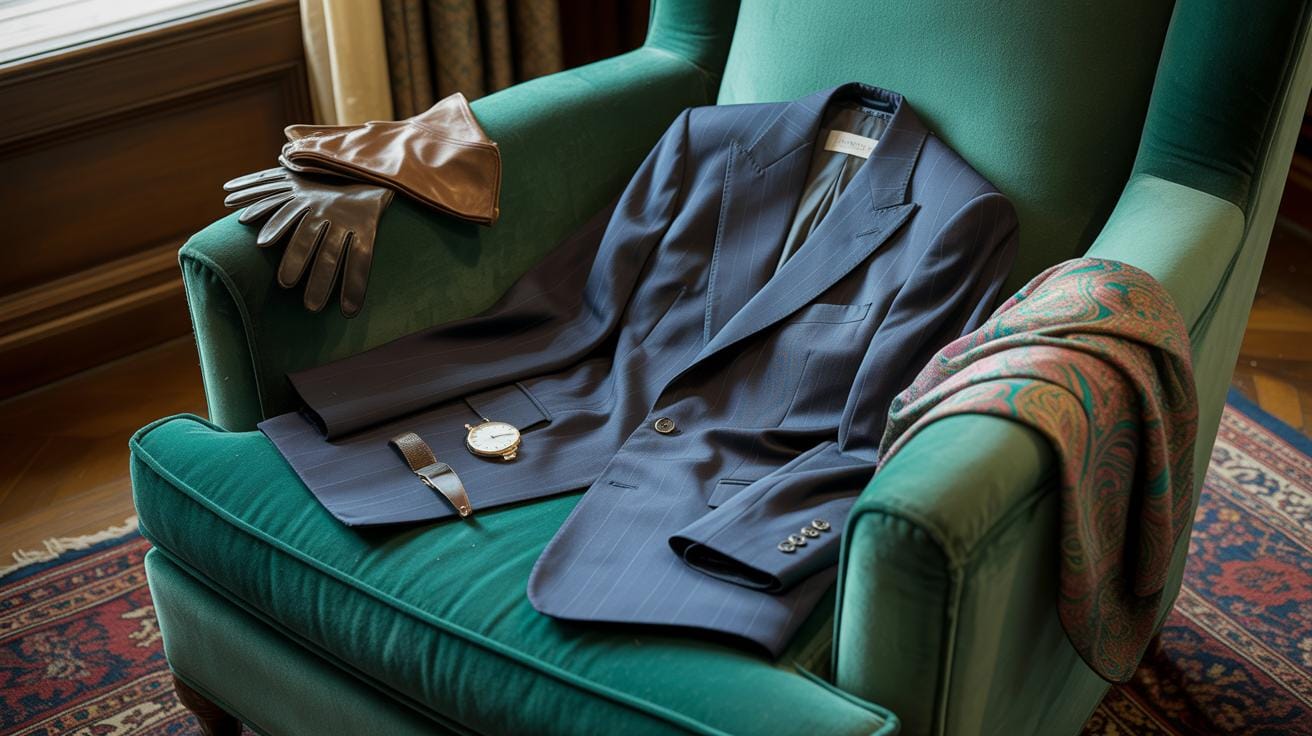
Chic outfits embody simple, elegant style that elevates everyday wear into a statement. This season, many people fall into traps that spoil their chic look without realizing it. Recognizing these pitfalls allows you to adjust and refresh your wardrobe intelligently.
This article highlights five common mistakes that damage your chic outfits. You will learn what not to do and how to correct these errors, improving your overall style. Start avoiding these errors now and make your outfits look polished and sophisticated all season long.
Identifying Key Fit Errors
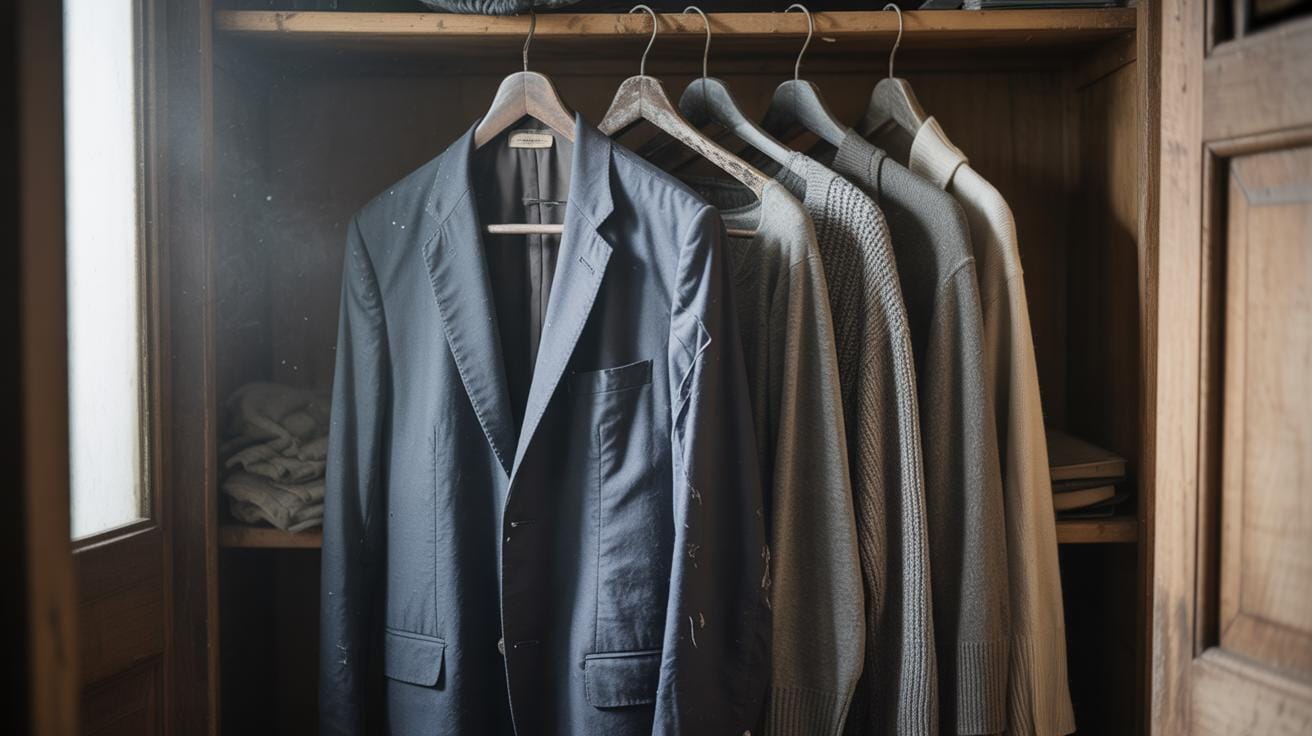
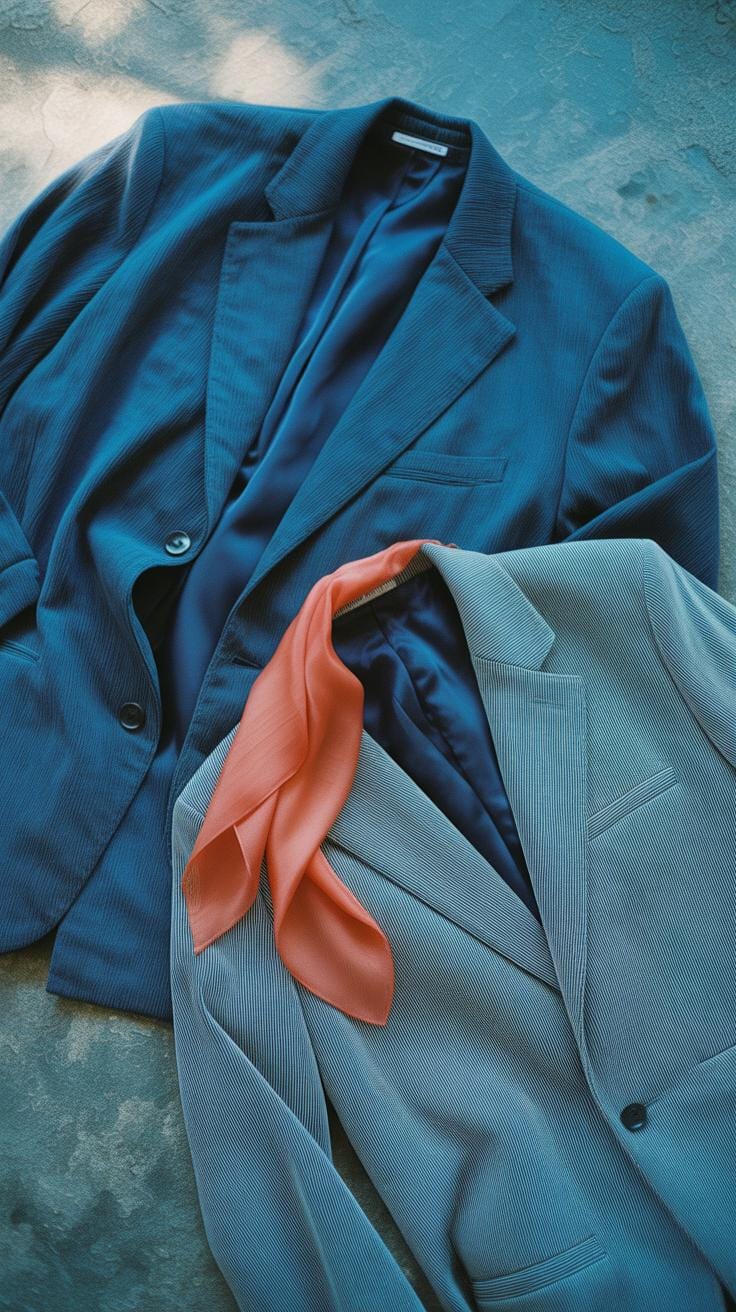
Fit can make or break a chic outfit. Clothes that are too tight often create unwanted bulges or strain at the seams, which never looks polished. On the other hand, baggy items may feel comfortable but often end up swamping your frame, making even the most stylish pieces fall flat. I once bought a blazer that was just a bit too snug across the shoulders, and it killed the whole look—even when paired with sleek trousers.
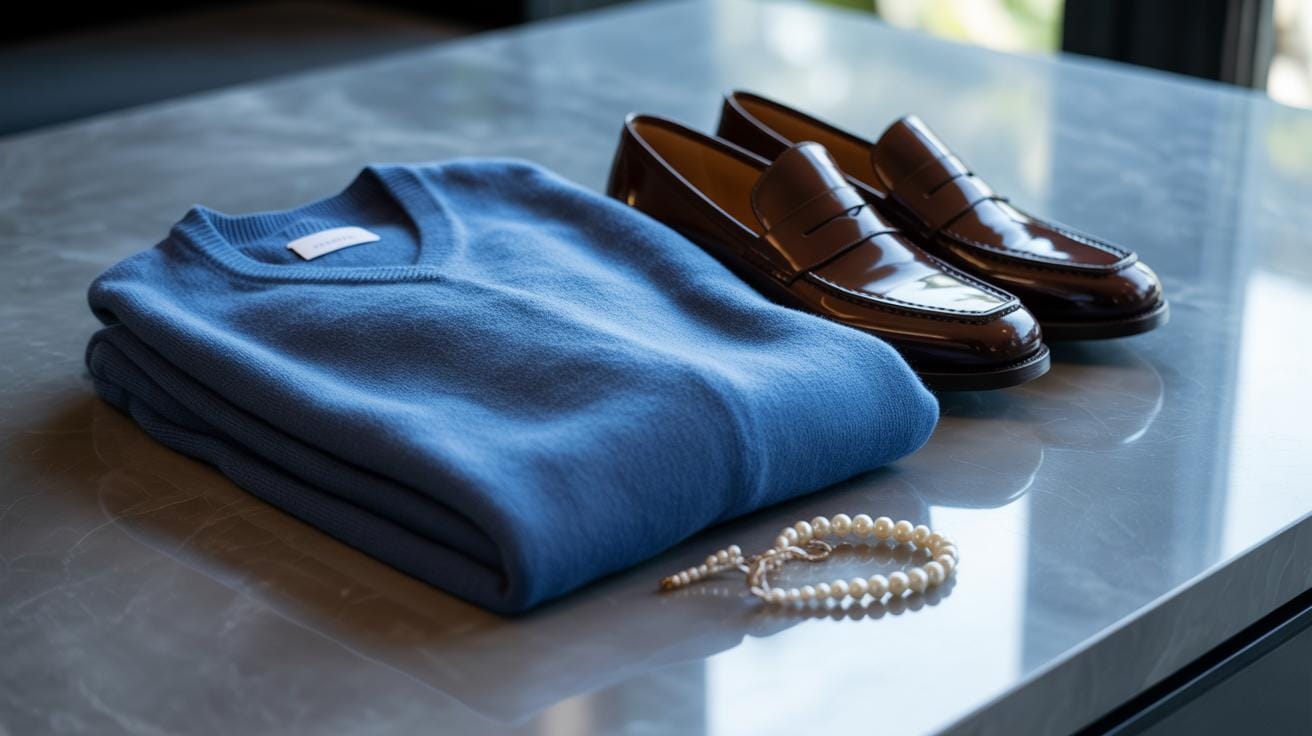
To avoid these problems, start by assessing comfort when you move. Sit, walk, raise your arms. Does the fabric pull or feel like it’s suffocating you? If yes, that’s a red flag. Also, check for excess fabric around key areas like the waist or sleeves. These can signal poor fit. Picking garments tailored to your measurements—or using minimal alterations—can really change the outcome.
Spotting Poor Fit Easily
You might not always notice fit issues right away, but there are simple ways to tell if something’s off:
- Restriction in movement—like not being able to lift your arms comfortably or bend your knees without fabric stretching weirdly.
- Bunching or gathering of fabric in odd spots—around the stomach, across the back, or near the collar.
- Proportions seem unbalanced—the sleeves are too long or short, pant legs hit odd lengths, or the garment appears boxy instead of structured.
While trying on clothes, spend some minutes moving around. Even subtle signs can ruin how chic your outfit looks in real life.
Choosing Clothes That Flatter
One size rarely fits all when it comes to cut and shape. What works on one body might be frustrating on another. For example, A-line skirts tend to work well if you want to balance hips, while tailored blouses with darts can define the waist elegantly. Meanwhile, if you’re more rectangular in shape, layered pieces with structure add interest and shape.
Keep in mind your own body shape, but don’t limit yourself either. Sometimes, unexpected cuts surprise pleasantly. Trying different styles — like cropped jackets or wide-leg pants — helps you discover what highlights your features best. I remember being hesitant about high-waisted trousers, but they ended up flattering my waist better than I expected.
Ultimately, this is about learning what visually works for you, even if that takes a little experimenting. It’s a subtle art, but one worth exploring when building chic outfits.
Avoiding Color Clash Pitfalls

Mismatched colors can quickly ruin the chic vibe of any outfit. When colors fight for attention instead of working together, the whole look feels off, even if the pieces themselves are great. I’ve noticed that people often overlook how much color coordination matters—they pick a bold top and then throw on pants or accessories that just don’t harmonize. It disrupts the flow and makes the effort seem haphazard.
Basic color coordination is about understanding which hues naturally complement each other and which create tension. Think about building a color palette like a small team—everyone should play their role without stepping on each other’s toes. Mixing tones from the same color family, for instance, usually works better than clashing vibrant colors.
Try to ask yourself: Does this shade complement or compete? Sometimes you want contrast, but it’s subtle, not jarring. When in doubt, test colors side-by-side in natural light. It changes how they read more than you’d expect.
Basic Color Rules to Follow
Practical rules can help steer you clear of common pitfalls:
- Pair warm colors with similarly warm tones, and cool colors with cool tones.
- Use the color wheel as a guide: analogous colors (neighbors) blend well, while complementary colors (opposites) can create a bold but balanced look.
- Avoid mixing too many bright colors at once—limit yourself to one or two standout hues.
- Steer clear of colors that clash strongly, like bright red with neon green, unless you can tone it down with neutrals.
- Remember, the fabric’s texture and finish can affect how colors appear side-by-side.
Too many people ignore that last point. A shiny satin purple next to matte beige can disrupt the harmony as much as the color itself might. Details matter.
Using Neutrals to Balance
Neutrals act like a reset button for your outfits. They calm down the composition, providing space for bolder pieces to stand out without overwhelming. Using neutrals smartly can save you from accidental clashes and keeps your look grounded.
Think black, white, gray, beige, navy, and muted browns—they rarely fight each other. Combining navy with beige, for example, often feels polished and effortless. White with tan or light gray with black creates an understated elegance that’s hard to mess up.
Even when you want to inject color, neutrals nearby soften the effect. They provide a kind of visual pause, so your eyes don’t feel overtaxed. That’s why I often reach for a white shirt or black shoes when I’m unsure about the color story. It’s a safe yet chic fallback, even if it’s a little predictable.
Balancing Accessories Smartly
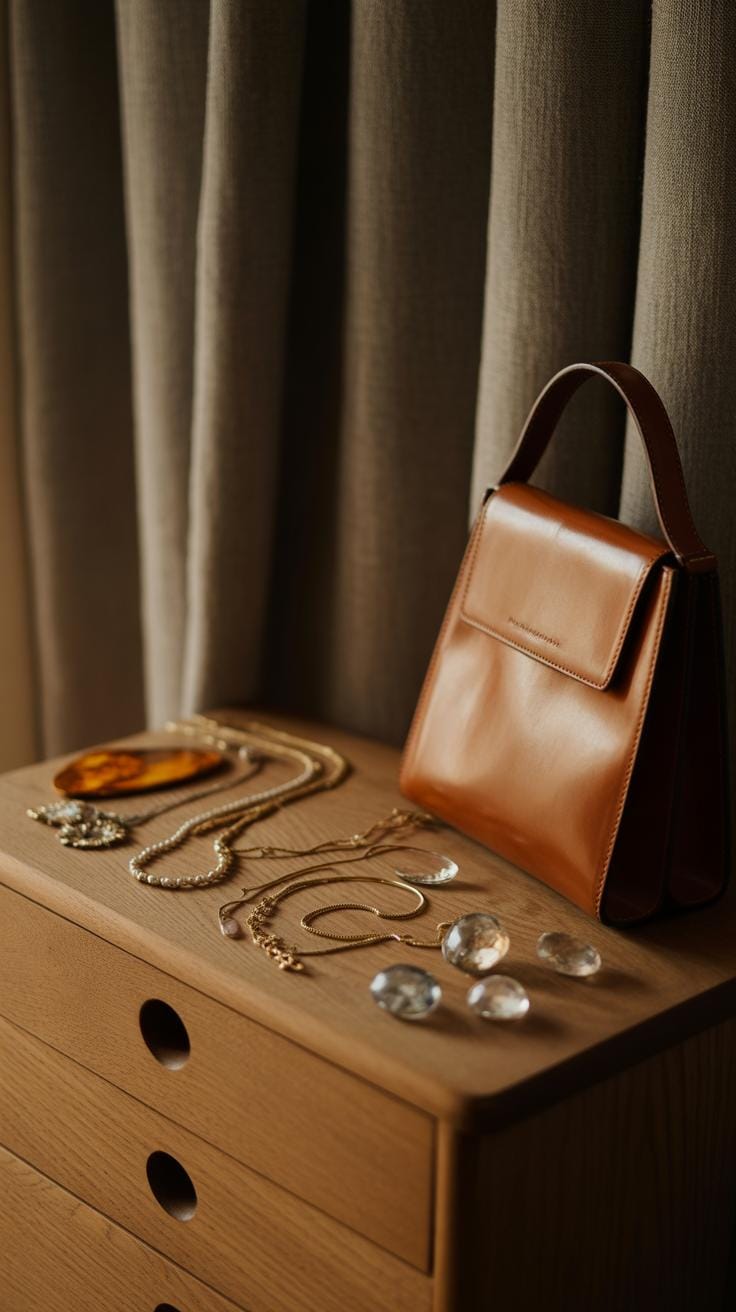
Accessories can make or break a chic outfit, but too many often create noise rather than style. Think of accessories as the punctuation of your look—too many commas, and the sentence gets confusing. I’ve seen people pile on bracelets, necklaces, rings, even scarves all at once, and the effect is more cluttered than clever. It’s easy to get carried away, especially with so many tempting pieces around, but restraint is usually your friend here.
When choosing accessories, consider how each one speaks to your outfit. Is it adding balance or stealing focus? If your clothes already have bold patterns or textures, simple jewelry usually works better. Conversely, a plain outfit can welcome a statement piece without overpowering the whole ensemble.
Try to pick accessories that feel deliberate. Ask yourself: does this item enhance the vibe I’m going for? If you hesitate, it’s probably not essential. One or two well-chosen accessories often say more than a handful.
Choosing Less for More Impact
Minimal accessories can actually make a bigger statement than an armful. I find that when I stick to just a few pieces—maybe a sleek watch and subtle earrings—the whole look sharpens, almost like it becomes effortless even if it took ages to plan.
Some staples tend to work across many outfits:
- A classic leather belt
- Simple stud earrings or hoops
- A structured handbag
- A delicate pendant necklace
These items don’t compete with your clothes but complement them. They act as quiet allies, letting your outfit breathe yet still look polished.
Matching Accessories with Outfit Style
Pairing accessories with your outfit’s color, style, and occasion is trickier than it sounds. For instance, a casual jeans-and-tee look calls for minimal, easy accessories—a dainty chain, a tote—nothing that feels overdone. Meanwhile, a tailored dress might welcome something more refined, like pearl earrings or a slim clutch.
Color coordination also matters, but it’s not about being too matchy-matchy. Sometimes contrasting colors or unexpected metal tones work well if they feel intentional. Wearing gold with navy, for example, can create a subtle but effective visual pop.
Think about the event too. Accessories for work might lean towards practical and understated, while evening gatherings could allow for bolder choices. I like to ask myself what story my look tells and choose accessories that support that narrative.
Steering Clear of Overly Trendy Pieces
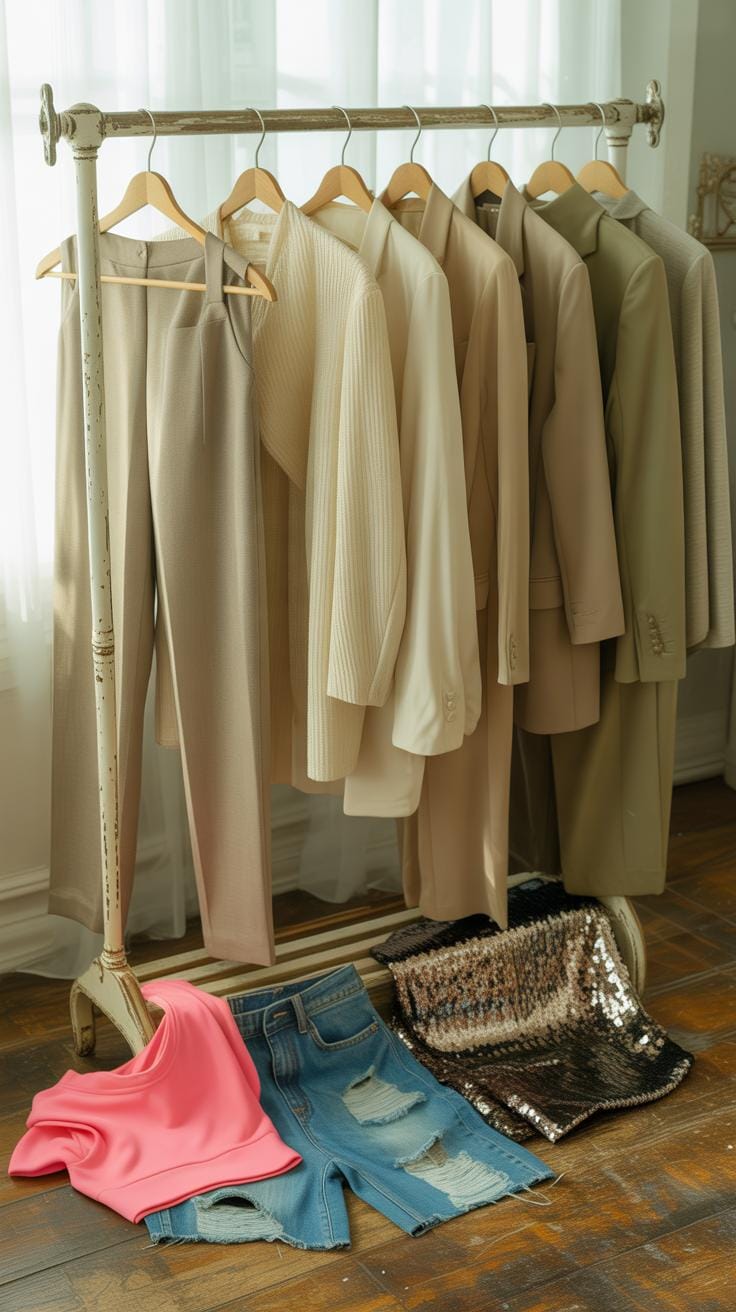
Blindly chasing fast fashion trends can slowly erode the foundation of a timeless chic wardrobe. When every season brings a flood of new must-haves, it’s tempting to jump on board without much thought. But more often than not, these trendy pieces lack staying power and quality, which means they end up forgotten—or worse, tossed—in months.
It’s tricky, though. How do you know which trends to follow? One way I’ve found helpful is to pause and ask myself: Does this trend complement my existing style? Can I envision wearing it beyond just one season? If either answer feels shaky, it might be better to sit this one out.
Some trends simply don’t lend themselves to a chic aesthetic. Look for signs like overly flashy designs, uncomfortable fits, or items that seem to scream “look at me now, gone later.” If you feel unsure whether a piece will last, consider holding off until you see how it fares as a staple rather than a fad.
Adding trends thoughtfully means mixing in just a piece or two rather than going full trend head-to-toe. Maybe a trendy belt or a pair of shoes—something small that refreshes your look without drowning your classic lines. That way, the trend acts like a little accent, not the whole outfit. It keeps your look fresh but grounded.
Personally, I try to test trends by imagining how I’d style them with my go-to pieces. Sometimes I stumble upon trends that instantly feel right; other times, they just don’t quite fit, and that’s okay. It’s a bit like a style experiment, but without chaos.
Maintaining Outfit Cleanliness and Condition
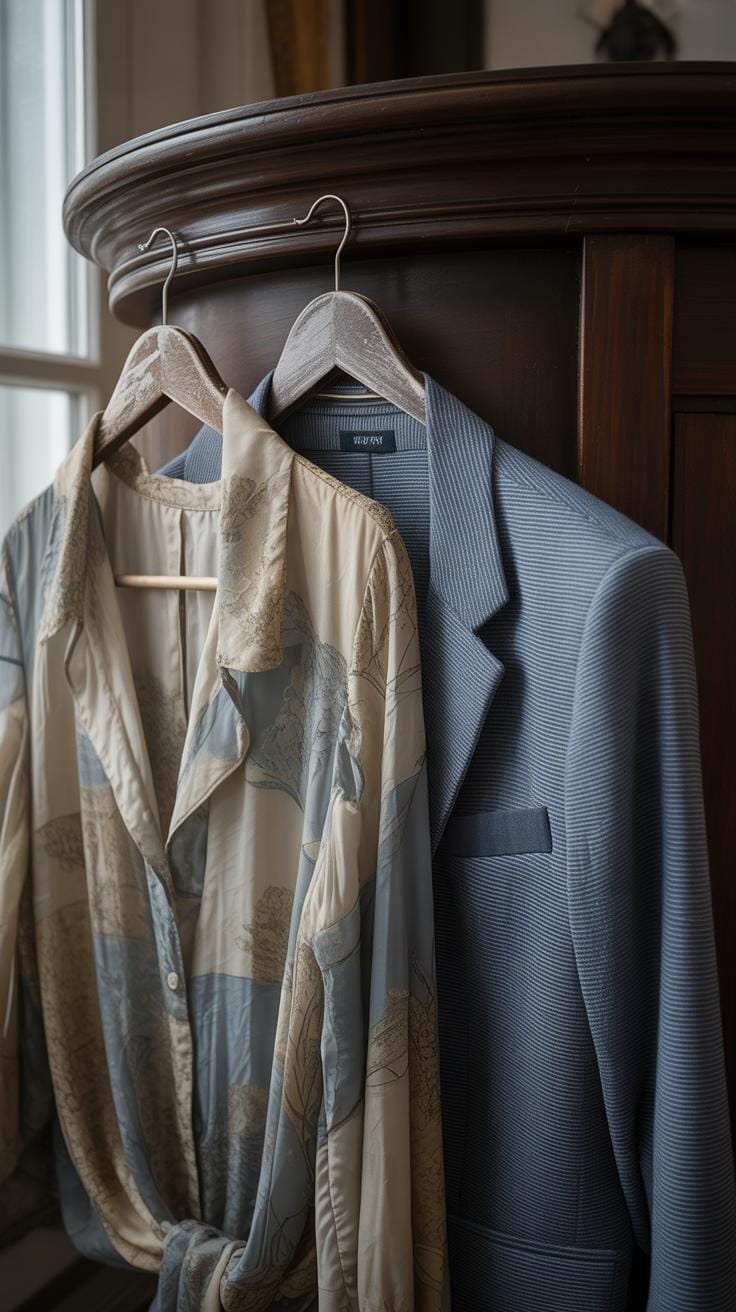
Wrinkled or stained clothes can quietly undo even the most carefully chosen chic outfit. It’s surprising how something as simple as a crease across a blouse or a small unnoticed stain on a skirt can give off a rushed, careless vibe. You might spend hours putting together an ensemble, only to have it undone by what seems like a minor detail. Yet, those details matter. They make the difference between looking polished or simply put on.
Keeping your clothes fresh and polished takes some effort, but it’s not as demanding as you might think. Simple habits like hanging garments properly right after wearing, not tossing them in a heap, or giving them a quick steam rather than ironing full-on can preserve their sharpness. Using a garment steamer can be a lifesaver when you’re short on time or need a last-minute touch-up.
Have you ever mixed a red sock with your whites and ended up with a pink shirt? Those mishaps happen, and taking care of stains immediately can save your favorite pieces. Dab stains gently—don’t rub—using cold water or appropriate stain removers. Patience here saves you from permanent marks that wreck the look.
Daily Care Essentials
Regular attention can keep your fabrics looking their best over time. Some daily habits that help include:
- Air out clothes after wearing before storing them to prevent odors and wrinkles.
- Use padded or the right-shaped hangers to maintain garment shape, especially for tailored pieces.
- Fold knitwear carefully to avoid stretching—never hang sweaters as they lose form.
- Brush clothes to remove dust and lint, especially in heavier fabrics like wool.
- Rotate your wardrobe so no item suffers from overuse and premature wear.
These steps might seem minor, but they build up to a consistently neat and put-together appearance.
Handling Minor Clothing Repairs
Small damages often pop up—loose buttons, slight tears, tiny holes. Ignoring them just invites bigger problems later. Luckily, many fixes happen quickly at home, even if you’re not an expert with a needle.
If a button slips or falls, keep a small emergency sewing kit handy. A simple stitch can restore functionality and prevent losing more buttons. As for snagged threads or minor tears in seams, fabric glue or an iron-on patch can buy you time until a proper repair is possible.
For hardly noticeable stains, treating them right away with stain remover or mild detergent saves the fabric from permanent damage. Trust me, I once let a small coffee stain set on a silk blouse and regretted it immediately. Acting fast matters more than you’d think.
Overall, taking these little steps can stretch the life of your favorite pieces—and more importantly, keep your chic looks consistently fresh and impressive.
Assessing Fabric Quality
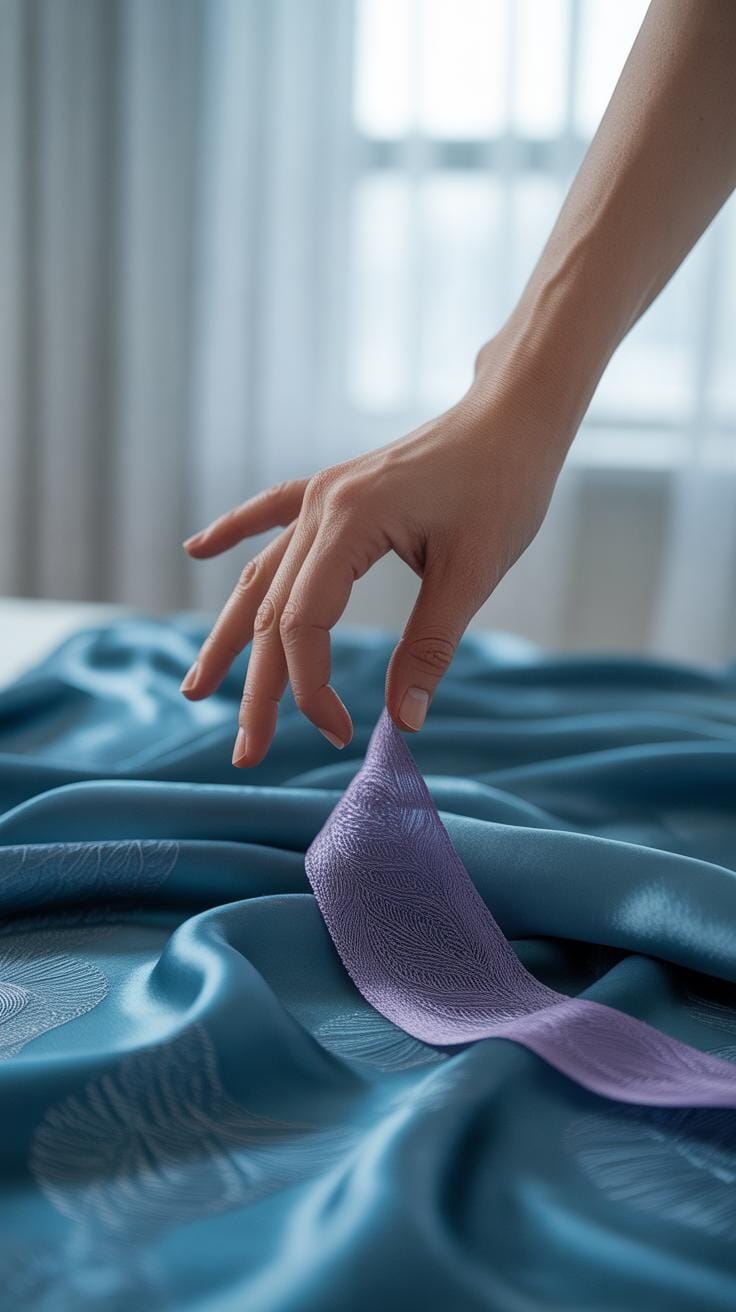
The fabric you choose really sets the tone for your whole outfit. A chic look isn’t just about the design or fit; the material plays a big role in how polished and put-together you appear. Low-quality fabrics often reveal themselves quickly—they wrinkle too easily, pill after a few wears, or feel rough against your skin. You’ve probably noticed synthetic blends that try to mimic natural fibers but fall flat in both appearance and comfort.
When shopping, watch out for cheap polyester that feels like plastic or thin blends that stretch out of shape almost immediately. They might seem like a bargain at first, but they won’t hold their shape or style long enough to justify the cost. Instead, look for fabrics with some weight and substance. A good-quality cotton or a wool blend, even if on the lighter side, tends to maintain its structure and appearance better over time.
Identifying Quality Fabrics
There are a few simple traits that signal fabric quality. Texture is one—high-quality fabrics usually feel smooth or have a subtle, natural texture rather than roughness or an overly slick finish. Weight matters too; fabrics that feel too flimsy or light can feel cheap, but too heavy could be bulky, so finding this balance is key and sometimes tricky.
The finish is another clue. Look closely and see if the fabric has a natural sheen rather than an overly shiny plastic-like gloss. Edges that fray quickly or loose threads are red flags. Sometimes, it’s in the small touches: a soft drape, tight weave, or richness in color can separate a quality material from one that’s merely okay.
Budget-Friendly Fabric Tips
You don’t have to spend a fortune to find better fabrics. For example, consider cotton poplin or twill—they offer structure and breathe well but usually come at reasonable prices. Linen blends can give you that upscale feel without the wrinkle-prone downsides of pure linen if you choose carefully.
Viscose or rayon might get a bad rap, yet if you pick the right weave and weight, they imitate silk’s flow at a fraction of the cost. Sometimes, waiting for sales or scouting secondhand stores can score you pieces with naturally better fabrics for less.
So, next time you outfit hunt, pause to touch and examine the fabric. Does it feel like it will last, or does it scream wear-and-tear? Your choice here can quietly elevate or unravel your chic appearance, often in ways you might not immediately notice.
Layering Clothes Effectively
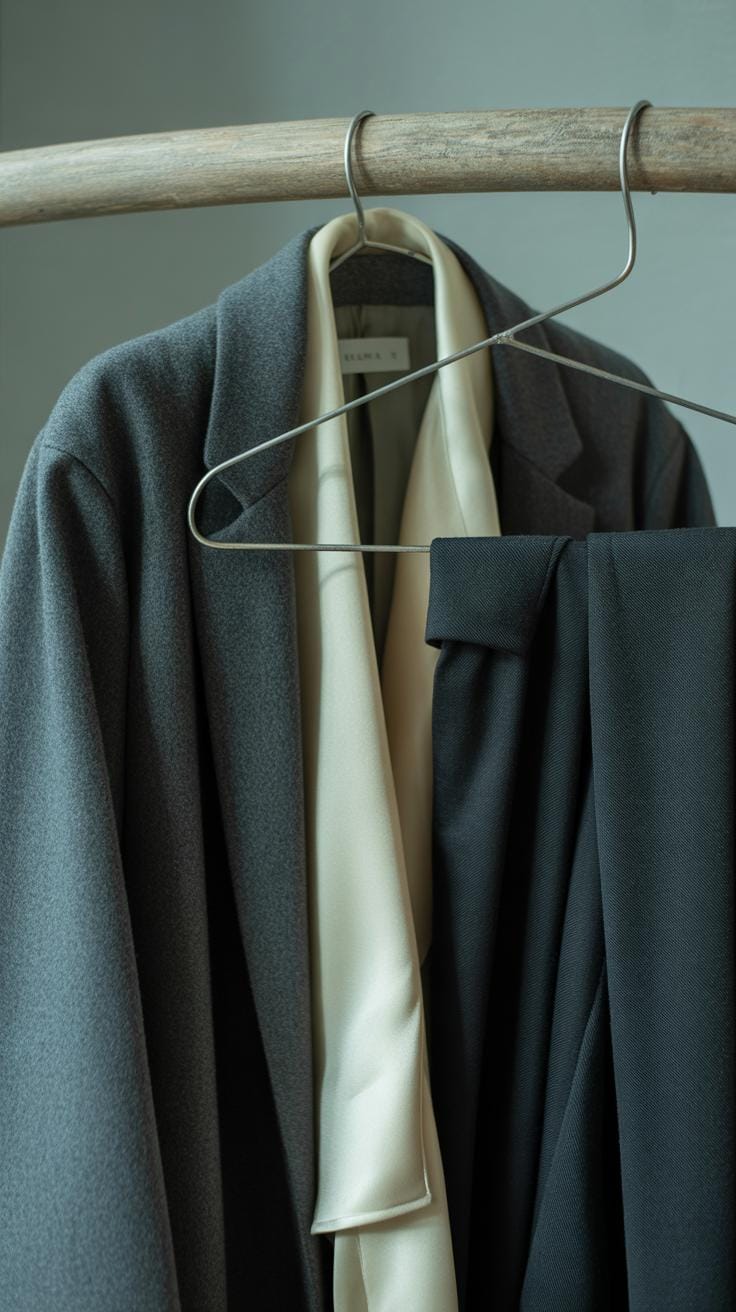
Layering isn’t just throwing on several items at once. It’s about marrying textures, weights, and lengths to create an outfit that feels both intentional and stylish. When done well, layering can turn a simple look into something that feels polished without much effort. Yet, some common mistakes trip many people up—like piling on bulky pieces that add unnecessary volume or mixing proportions that throw off balance.
Think about wearing a thick sweater under a boxy jacket. The result? A stiff, awkward silhouette that kills any hint of chicness. Instead, try combining thinner, more form-fitting layers underneath thicker outerwear. Or opt for different lengths where the inner layer peeks out thoughtfully beneath the outer.
Layering for Different Seasons
Spring or early fall calls for lightweight pieces that still offer some warmth—like a silk blouse paired with a thin cardigan or a denim jacket. In winter, layering turns more practical but doesn’t have to feel bulky. Try thermal tops under button-down shirts, topped with a tailored coat. You can stay warm without feeling like you’re wearing a tent.
In contrast, warm-weather layering might involve loose scarves or vests that add depth without overheating. It’s a bit of a balancing act—keeping it cool but visually interesting.
Layering Without Adding Bulk
To avoid looking like you swallowed a pillow, focus on materials and fit. Stick with lightweight knits, thin cottons, or stretchy fabrics that hug your shape. Avoid overly thick layers pressed close together—they rarely sit right. Instead, space layers just enough so the colors or patterns stand out, giving dimension rather than volume.
- Choose sleeveless or short-sleeved inner layers to reduce bulk under coats.
- Use accessories sparingly; too many scarves or necklaces clutter the look.
- Pay attention to proportions—a long cardigan over a cropped top keeps things sleek.
At the end of the day, layering should make you feel both comfortable and confident. If something feels too heavy or awkward, tweak it. Often, less is more even when layering multiple pieces.
Choosing Shoes That Complete the Look
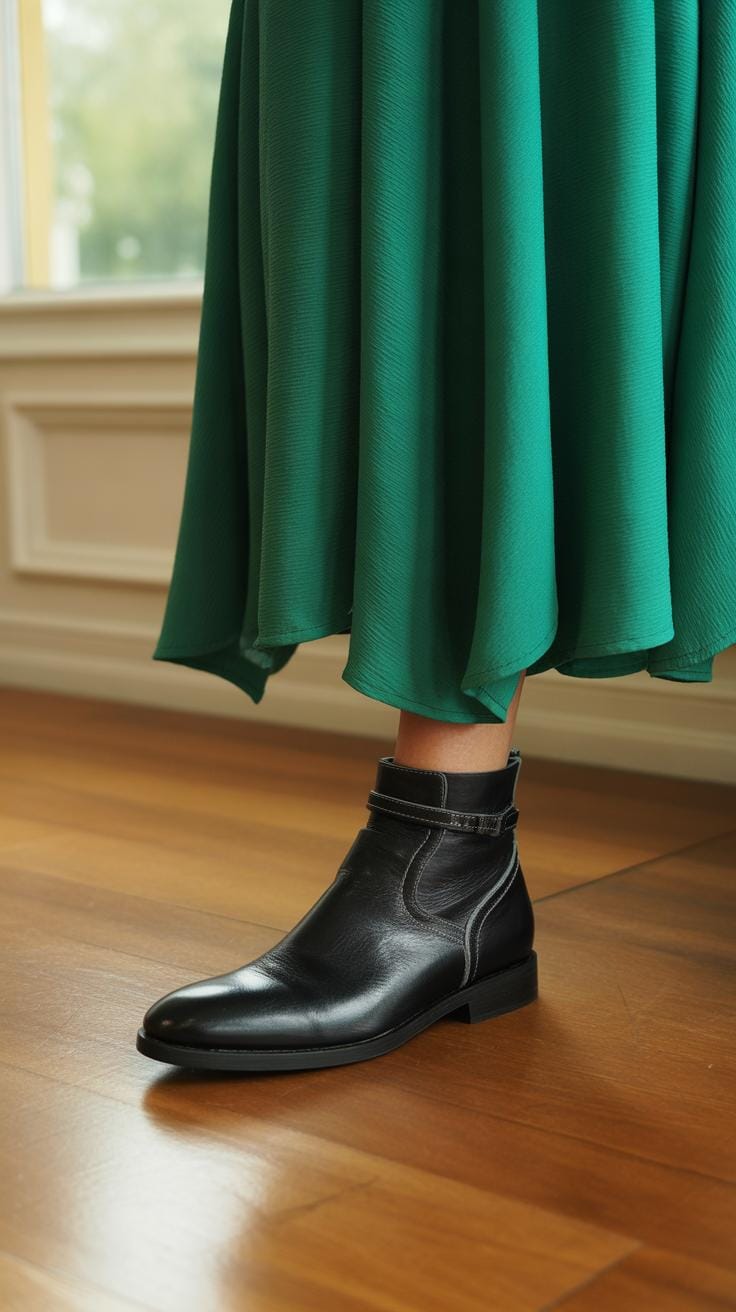
Shoes do more than just protect your feet—they can make or break your entire outfit. When aiming for a chic look, footwear often becomes the final detail that pulls everything together. You might have the perfect dress or tailored trousers, but the wrong shoes? It can feel like the whole effort falls flat.
Common shoe mistakes pop up a lot, even for those who think they have style nailed. Wearing running sneakers with tailored pants, or opting for worn-out heels when attending a polished event, stands out in the worst way. Sometimes people pick shoes based on comfort alone and forget about style cohesion. Matching shoes with the formality of your clothes is key, but also consider the colors and textures. For instance, pairing soft suede loafers with a crisp cotton shirt might clash if you don’t balance the tones right.
Then again, what “matches” can be subjective. You might find yourself questioning if a bold shoe adds character or just distracts. There’s no harm in experimenting, but knowing the basics will help you avoid obvious mismatches that derail a chic vibe.
Shoes to Avoid for Chic Style
Certain shoes just don’t belong in a chic wardrobe—or at least not in their usual state. Think old sneakers with scuffed soles or shoes with too many embellishments that pull attention away from the outfit. Flip-flops? Rarely an option unless you’re at the beach, and even then it’s hardly chic.
Worn-out ballet flats, overly chunky sandals, or shiny plastic-like materials also tend to spoil a polished look. Shoes with excessive logos or loud branding tend to feel less refined. I once tried pairing bright neon trainers with a classic trench coat and immediately regretted it. The shoes screamed “casual” while the coat was all about effort and simplicity. That mismatch stuck out—and not in a good way.
Selecting Versatile Footwear
Versatility is gold when it comes to footwear—a couple of good pairs can serve you across many occasions. Neutral-colored loafers or low block heels can work from day to night if styled carefully. A sleek pair of pointed-toe flats, for example, can elevate jeans or complement a simple dress equally well.
Leather ankle boots are another great option and can transition easily through seasons. They add polish without feeling overdone. Classic pumps in black or nude often rescue almost any formal or semi-formal outfit, lending an instant air of elegance.
Choosing such shoes isn’t just practical; it also keeps your look adaptable without forcing you to buy dozens of different styles. But be mindful—versatile doesn’t have to mean boring. A little detail—a subtle buckle or a unique cut—can keep these staples interesting enough to keep wearing season after season.
Organizing Your Closet for Success
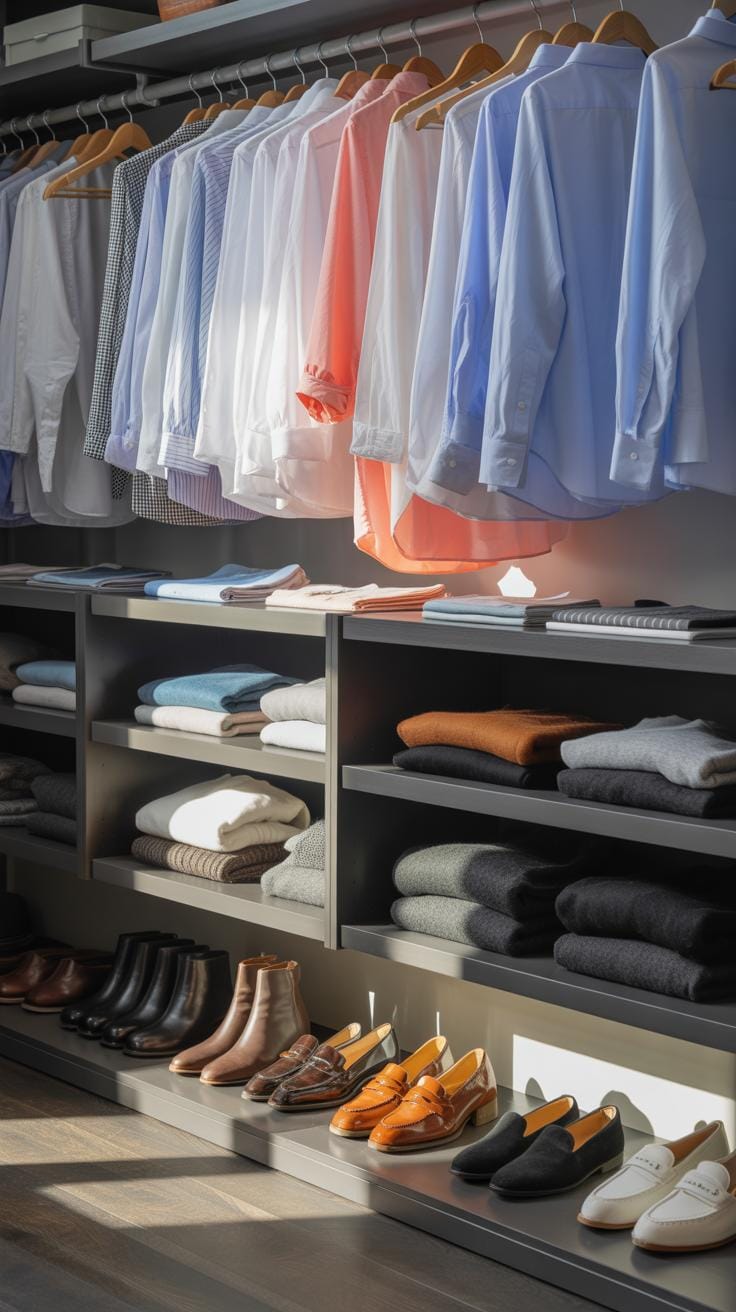
A well-organized closet can make a huge difference when you’re trying to put together those chic outfits that catch the eye. When everything has a clear place, it’s easier to see what you own and make better choices without standing in front of your wardrobe for ages, feeling overwhelmed. I think it’s one of those small things that saves a lot of daily hassle—and frankly, it can refresh how you feel about your clothes.
Here’s a quick checklist to help you keep your closet functional and ready to inspire:
- Sort clothes by type: tops, bottoms, outerwear, and so on.
- Group them by color or season for easier selection.
- Keep everyday basics visible and reserve special pieces for more hidden spots.
- Invest in matching hangers to give a neater look (this might sound minor, but it helps).
- Store shoes and accessories in dedicated bins or shelves so they don’t clutter your daily picks.
- Regularly assess and rearrange to reflect current style and needs.
Steps to Declutter Efficiently
Starting with a messy closet is frustrating, yet clearing out the old or useless is key. Ask yourself: When was the last time I wore this? Does this still fit or suit my style? If the answer is no—or maybe—you should consider letting it go. Try these steps:
- Take everything out and lay it on your bed or the floor.
- Sort items into “keep,” “maybe,” and “remove” piles.
- For the “maybe” pile, try each piece on and be honest about how you feel.
- Donate or sell clothes you don’t wear, even if they once felt perfect.
- Resist the urge to keep things “just in case,” because that often clutters your choices.
It’s not always easy to part with clothes, but it’s practical. You’ll thank yourself on those rushed mornings when you only reach for what truly works for you.
Creating Outfit Combinations
Once your closet is organized and streamlined, grouping clothes into ready-to-go outfits makes sense. Consider these ideas:
- Pair basic pieces with statement items to create multiple looks from fewer clothes.
- Use outfit bundles for different occasions: work, casual, evenings out.
- Hang or fold coordinated tops and bottoms together to visualize combinations.
- Keep a small note or photo of outfits that worked well to reference later.
- Experiment to find your go-to blends that balance style and comfort.
The goal isn’t to box yourself in, but rather to ease the daily styling grind. If you’ve ever stood in front of your closet hoping for inspiration, this method really helps it show up faster.
Evaluating Your Outfits Regularly

Reviewing your outfit choices over time can feel like a chore, but it’s one of those subtle habits that really makes a difference in staying chic. Your sense of style, your daily routine, even your body may shift slightly with each season, and what worked last fall might not suit you now. Taking time to step back and assess what’s truly working can save frustration — and help you build outfits that feel intentional, not just thrown together.
Try looking at your outfits in photos or keep a simple diary of what you wore each day. Often, you’ll notice patterns: maybe certain colors brighten your complexion better, or some cuts make you feel more confident. Don’t be afraid to ask yourself honest questions about comfort, fit, and whether the look still speaks to who you are or where you’re going this season.
Checklist for Outfit Review
Here are some quick questions to help you judge an outfit’s success:
- Did I feel comfortable moving and sitting in it throughout the day?
- Did the colors and textures feel fresh, or did they seem dull after a while?
- Was the outfit appropriate for the occasions I attended?
- Did I get any compliments or positive reactions, or did I feel out of place?
- Would I pick these pieces again when getting dressed tomorrow?
- Are the items still in good condition, or showing wear that undermines the chic look?
- Does this outfit reflect my current personal style, or is it stuck in an old version of myself?
These questions don’t have to be rigid. Sometimes, you might answer “no” to some and still want to keep a piece around because it has sentimental value or potential with tweaks. The idea is to stay mindful and selective.
Adjusting Wardrobe Based on Feedback
After you reflect on your wardrobe using this checklist, you can make small but meaningful changes. Maybe it’s repairing a favorite blazer with loose buttons or pairing a tried-and-true piece with something new you bought online. You might realize you have too many similar items and decide to donate or sell extras to clear space for fresh additions.
Try mixing things up before outright discarding items—sometimes a different accessory or layering piece can transform an outfit and keep your style from feeling stale.
Remember, keeping your wardrobe chic isn’t about having a mountain of clothes, but rather about curating options that fit you well and align with your lifestyle. Reviewing your outfits might even make you look forward to getting dressed, because you’ll know exactly what works and why.
Conclusions
Incorporating these tips into your fashion routine helps maintain the simplicity and elegance essential for chic outfits. Being mindful of fit, color coordination, accessory choices, and avoiding trends that don’t suit you will transform your look.
Your style communicates confidence and taste. By steering clear of these common mistakes, you build a wardrobe that supports how you want to be seen. Chic is about clarity and confidence—your outfits should always reflect that.