
Introduction
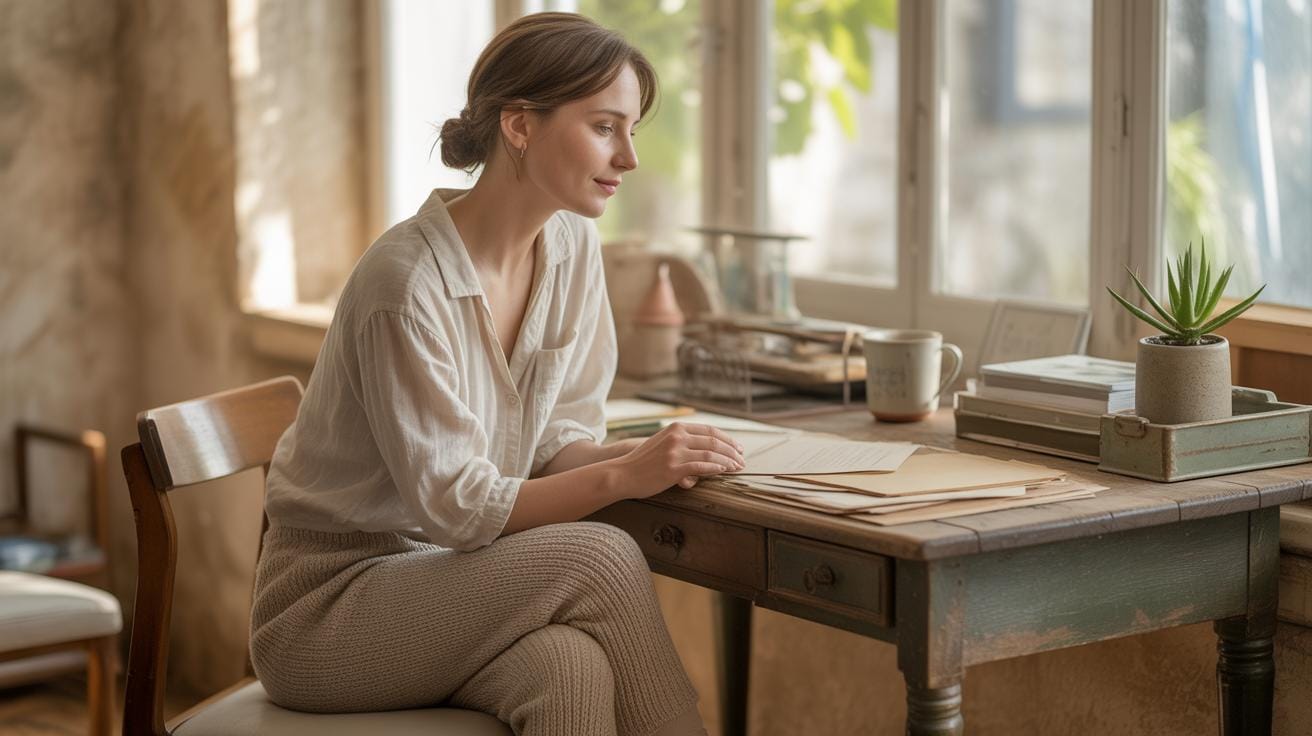
Finding the right casual work outfits that keep you comfortable all day is a challenge many women face. You want to look presentable without feeling restricted by your clothes. This article covers easy and practical ideas for casual work outfits women can wear without giving up comfort.
We will explore simple choices that blend style with ease. From fabric tips to outfit ideas, you’ll discover ways to feel good and look good at work without stress or fuss.
Picking Fabrics That Feel Good
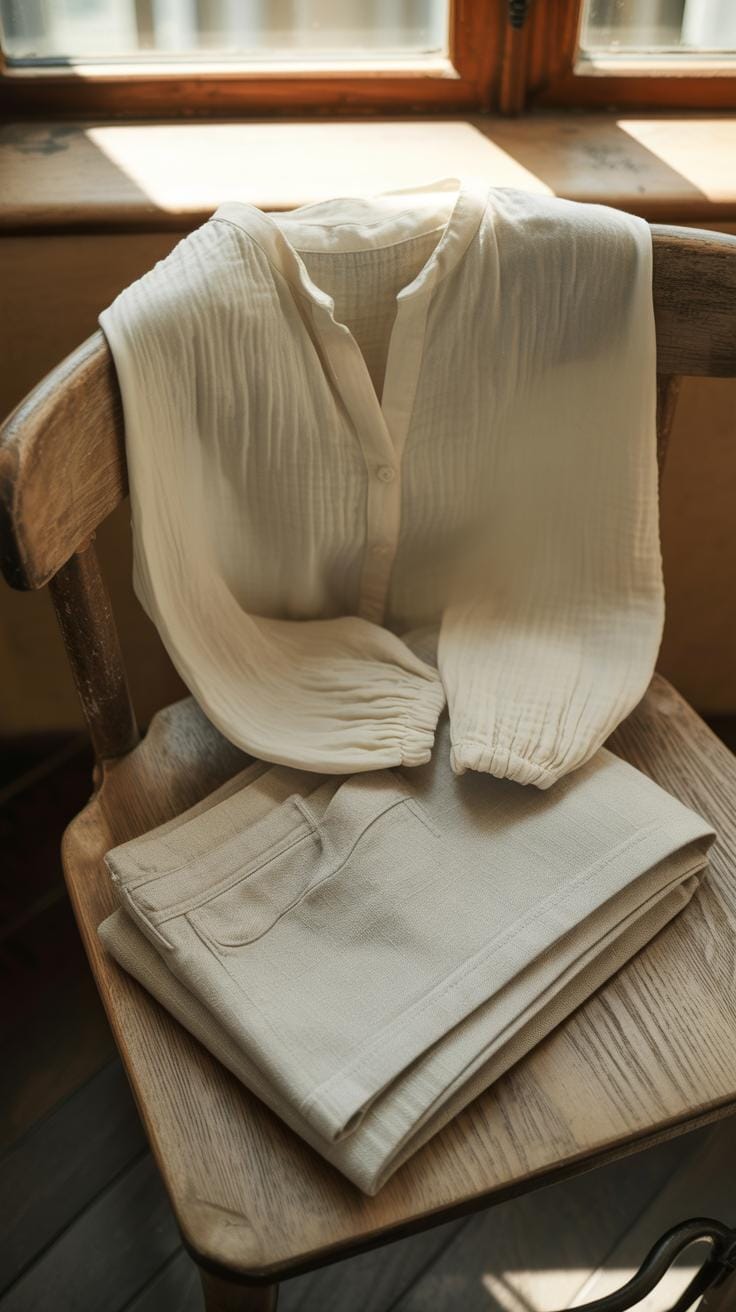
When it comes to casual work outfits, fabric choice can make or break your comfort. Fabrics that breathe and feel soft against your skin usually do better when you’re moving around or sitting for hours. Cotton and linen are two natural fabrics that many lean toward because they allow air flow, helping you stay cool, especially as the day wears on. Cotton, for example, is soft and durable but can wrinkle easily, which might be a drawback if you like a neat look without ironing.
Linen, on the other hand, is even more breathable and lightweight but tends to crease quickly and sometimes feels a bit rough, especially when new. If you’re okay with a more relaxed, lived-in look, linen might suit you. You might find that a cotton-linen blend delivers a good balance—pretty breathable without looking too rumpled.
Synthetic fabrics like polyester, nylon, or spandex introduce stretch and durability. These fabrics often help clothes keep their shape and resist wrinkles better than natural fibers. But synthetic blends can trap heat and feel less breathable, which could be uncomfortable on warmer days or if your workspace isn’t well-ventilated. Some blends with moisture-wicking technology try to fix this, but they don’t always feel as soft or natural.
Thickness and stretch also play a role. Thicker fabrics often provide more structure but may reduce airflow, making you feel hot or restricted after a few hours. Fabrics with some stretch, like elastane blends, tend to move better with your body, offering comfort during long workdays. Think about a pair of stretch cotton pants versus rigid denim—the stretch adds ease without much sacrifice on style.
So, are you someone who prioritizes breathability over wrinkle resistance? Or maybe you want something that always looks sharp but might not feel as cool? Your preferences will shape the best fabric choices for your work outfits. Trying different fabrics in various cuts could help you find the right balance between comfort and practicality—because comfort often depends on more than just the fabric itself.
Mixing Casual and Professional Styles
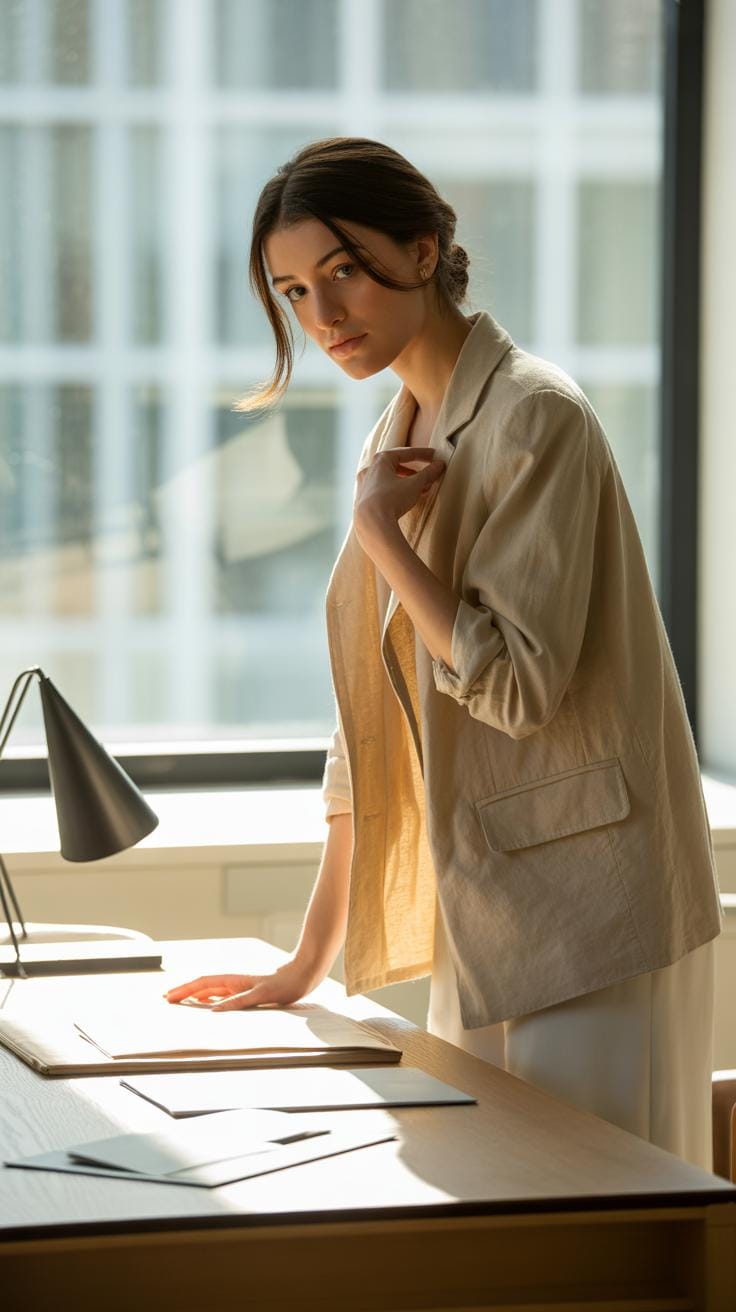
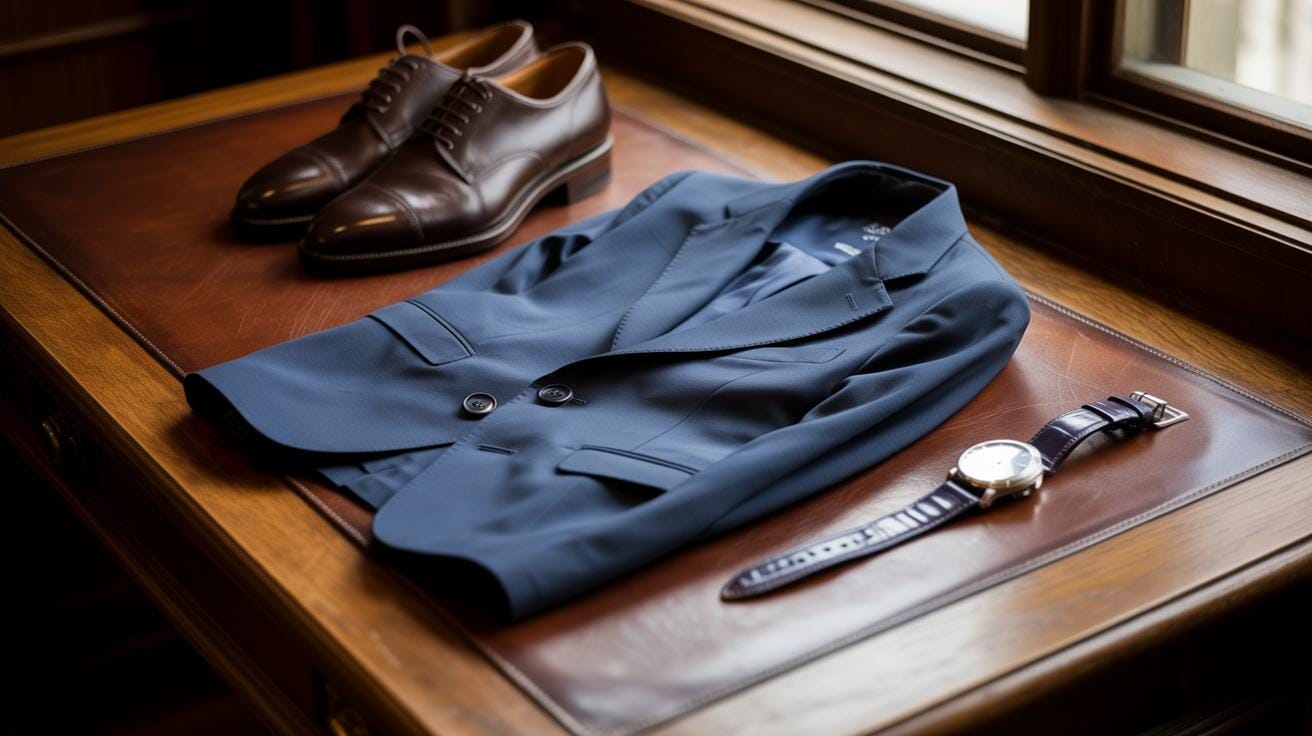
Balancing casual clothes with professional touches is a bit of an art. You want to look put-together without feeling like you’re wearing a uniform. It’s not always obvious how to pull that off, but once you find your groove, dressing for work can feel easier and more fun. For example, combining a soft cotton tee with a structured blazer can make your outfit feel intentional but not stiff. It’s the kind of mix that tells people you care about your appearance, yet you haven’t sacrificed comfort.
When layering, think about textures and proportions. A chunky cardigan layered over a light blouse can soften the look and make it more inviting. Plus, cardigans are easier to carry around than blazers if the office gets warm. That casual layering lets you adjust your look throughout the day without feeling overdone.
Adding Blazers or Cardigans
Blazers can surprise you. They’re not just for formal meetings or presentations. Pair one with jeans or relaxed trousers to instantly sharpen your style without making you feel boxed in. If you’re unsure, go for unstructured blazers—they have softer lines and feel less restrictive.
Cardigans work differently. Because they drape rather than clamp, they approach professionalism with a softer touch. You can throw on a cardigan over a patterned top or even a casual dress to tone down the casualness subtly. Plus, cardigans with pockets, or longer cuts, add a modern twist that’s both practical and stylish, for what it’s worth.
Choosing Work Appropriate Footwear
Shoes can make or break your outfit—and your comfort level throughout a long day. The trick is finding footwear that moves with you but still reads work-ready. Flats with a slight heel or loafers are classic choices that never feel like a compromise. If you prefer sneakers, aim for clean, minimalist styles in neutral tones that blend well with your clothes.
When picking shoes, think about your day ahead: will you be standing a lot? Walking between meetings? You might want cushioned soles or arch support, features many brands offer now without sacrificing style. Sometimes, I find a pair that’s almost too comfortable becomes my go-to, even when I want to dress up a bit.
Ultimately, mixing casual and professional is about feeling confident in what you wear. It’s okay if you don’t get it right immediately. Sometimes trying different combinations leads you to unexpected favorites. What casual piece could you comfortably layer with a blazer? Or what shoe would surprise you by being both comfy and sharp-looking?
Easy Outfit Ideas to Try

Putting together casual work outfits doesn’t need to be complicated. Sometimes, a simple combination of familiar pieces can feel just right, making your workday easier without making you sacrifice comfort. For instance, pairing straight-leg jeans with a soft knit top and loafers strikes a nice balance—it feels relaxed but still pulled together. You might also find yourself reaching for a midi skirt teamed with a fitted tee and ankle boots, which never quite feels too formal or too casual.
If you like a bit more polish, a cardigan layered over a blouse with tailored trousers makes a subtle statement without fuss. Do you ever wonder if a jumpsuit could work? It can, especially in breathable fabrics and with clean lines. The challenge is finding one that doesn’t feel like pajamas but still offers freedom of movement. Sometimes, a scarf or simple necklace can finish the look without needing a full outfit change.
Outfit Ideas for Warm Weather
When it’s hot, comfort often wins the battle with style, but you can have both. Lightweight fabrics like linen or cotton make a huge difference. Consider these options:
- A linen button-up shirt tucked into relaxed-fit chinos with sandals keeps you cool yet respectable.
- A breezy, knee-length dress paired with minimal sneakers hits that casual-but-ready note.
- Cropped pants with a sleeveless blouse and simple flats can feel surprisingly polished.
One time, I tried an oversized tee dress with a structured tote for work. It felt oddly effortless, but also professional enough for most casual office settings. Just think about what fits the vibe of your workplace while keeping heat in mind.
Outfit Ideas for Cooler Seasons
Colder weather calls for layering—yet layers don’t have to weigh you down. You want warmth without feeling trapped in bulky clothes. Some combos to consider are:
- A turtleneck under a cozy sweater with slim-fitting jeans and booties.
- A sweater dress with thick tights and Chelsea boots blends warmth and style.
- A tailored blazer over a soft blouse paired with corduroy pants can feel a bit more structured and warm.
Throwing on a scarf or a lightweight coat can add warmth without fuss. Sometimes I struggle with how bulky coats look over casual clothes; it’s a bit of a balancing act. But experimenting with softer materials or shorter lengths can help you stay comfortable. What layers do you find you return to over and over when the temperature drops?
Dressing for Different Workplaces
Casual Work Outfits for Creative Fields
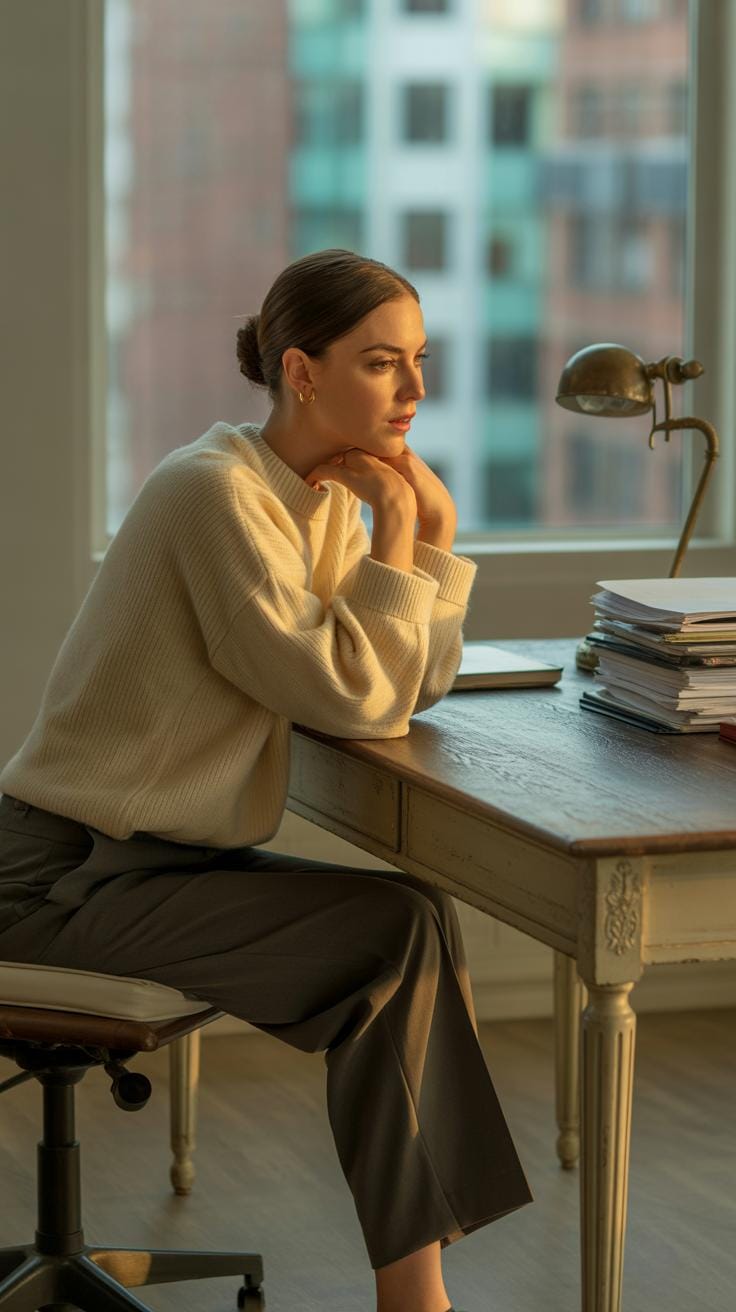
You might think casual means sloppy, but in creative jobs like arts or media, casual has a different vibe. It’s more about expressing your personality while staying comfortable. Think loose-fit trousers with a graphic tee or a playful blouse paired with sneakers. Jeans can work here, even distressed ones, but balance them with a neat top. Layering is common—imagine a denim jacket over a simple dress or an oversized cardigan with tailored pants. Accessories like statement earrings or colorful scarves often add character without much fuss.
Still, there’s a fine line between expressing yourself and appearing careless. Consider the culture of your team. Sometimes, vibrant colors or patterns boost creativity; other times, a minimalist approach speaks louder. You’ll figure out what fits your setting as you go, maybe through trial and error. Have you noticed how your outfit sets the tone for your day? It often does, especially in creative spaces where self-expression matters.
Casual Looks for More Formal Offices
When your office leans traditional, casual doesn’t mean jeans and tees. Instead, think polished but relaxed. For example, tailored trousers with a soft knit sweater or a crisp shirt paired with loafers. Dresses and skirts are fine but keep the length and print appropriate—nothing too bold. Blazers can instantly elevate even the simplest outfit, blending comfort with professionalism. Fabrics matter, too; choose wrinkle-resistant materials that keep you looking fresh.
You might hesitate to dress down at all, fearing it looks too informal. Yet, comfort can coexist with neatness. Selecting muted colors or subtle patterns helps maintain a professional edge. Have you tried swapping stiffer shoes for chic flats or low heels? Small adjustments like these make a casual outfit work-friendly. It’s about striking an unpredictable balance that respects the office vibe while letting you feel at ease.
How to Layer Clothes Comfortably
Layering Lightweight Pieces
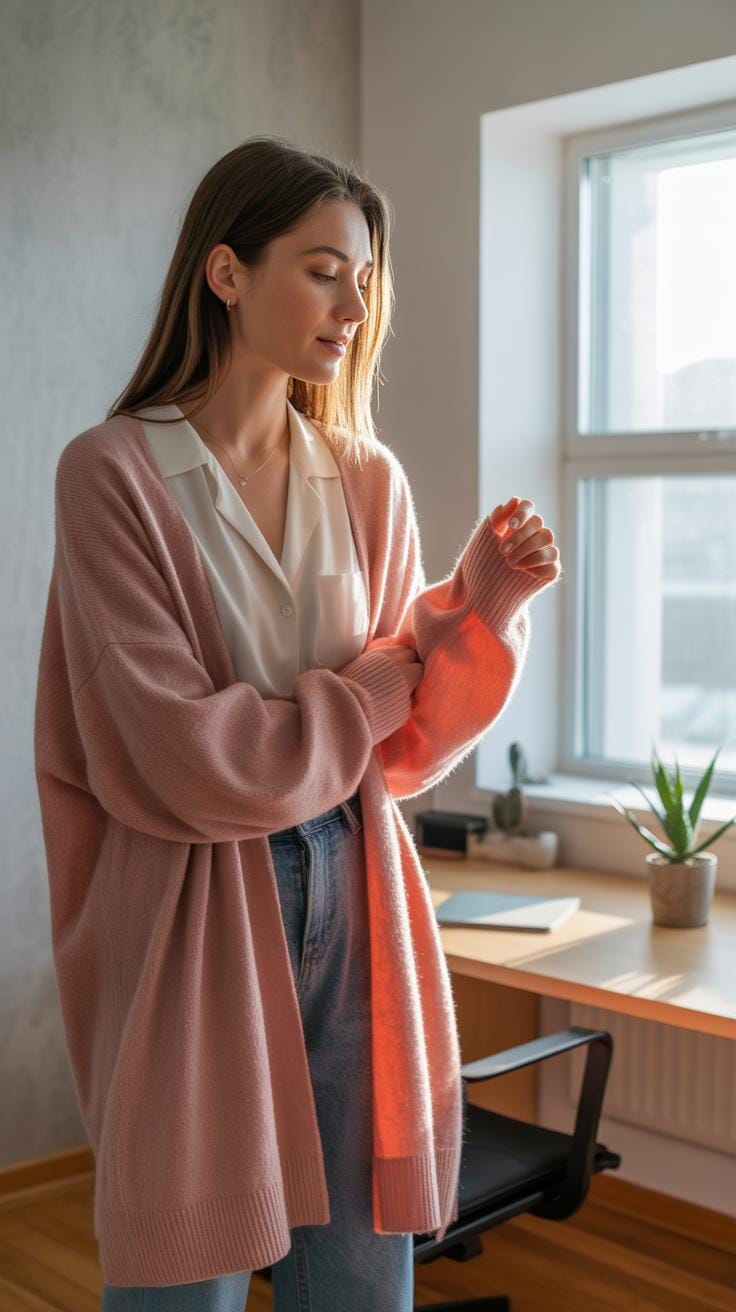
Using thin layers like cardigans or vests can make all the difference when your office swings between warm and cool temperatures. Think of a soft cotton or fine knit cardigan that slips easily over a blouse. You can take it off without messing up your outfit if the heat rises. Vests are another great option—especially those that aren’t too bulky but still give you a little extra warmth around your core.
One thing I’ve noticed is that these lightweight layers don’t just help with temperature—they add flexibility. You move from a chilly morning commute to a warm conference room without feeling weighed down. And if your thermostat is unpredictable, having a light layer ready means no frantic wardrobe changes or awkward bouts of shivering.
Here are a few pointers:
- Choose soft fabrics like thin cotton, bamboo, or merino wool that breathe well.
- Pick neutral colors for layering—this way, you avoid clashing and keep things effortless.
- Don’t hesitate to mix textures; a smooth blouse under a knit cardigan adds some quiet interest.
Layering for Warmth and Style
Colder days demand more, but bulkiness often kills comfort and style. Instead of piling on big sweaters, try layering sleek, warm pieces. For example, a fitted long-sleeve top under a lightweight insulated vest or cardigan can keep heat in without feeling restrictive.
Think about thin thermal tops made from modern fabrics—some are surprisingly warm yet thin. Throw on a tailored blazer or a soft wool coat that won’t overwhelm your silhouette. The goal is warmth with room to breathe. Honestly, some days layering feels like a balancing act between looking polished and not sweating under too many clothes.
To make it work, consider these tips:
- Start with a thermal or moisture-wicking base layer that feels smooth and light.
- Select mid-layers that add warmth but don’t add bulk, like fleece-lined cardigans or thin wool sweaters.
- Finish with a structured jacket or coat that fits well—you want shape, not a box.
Do you find yourself constantly adjusting your layers during the day? Maybe experimenting with different fabrics or investing in a versatile vest might be worth a shot. After all, comfort at work shouldn’t be a trade-off for style.
Choosing Colors That Work
Using Neutral Colors
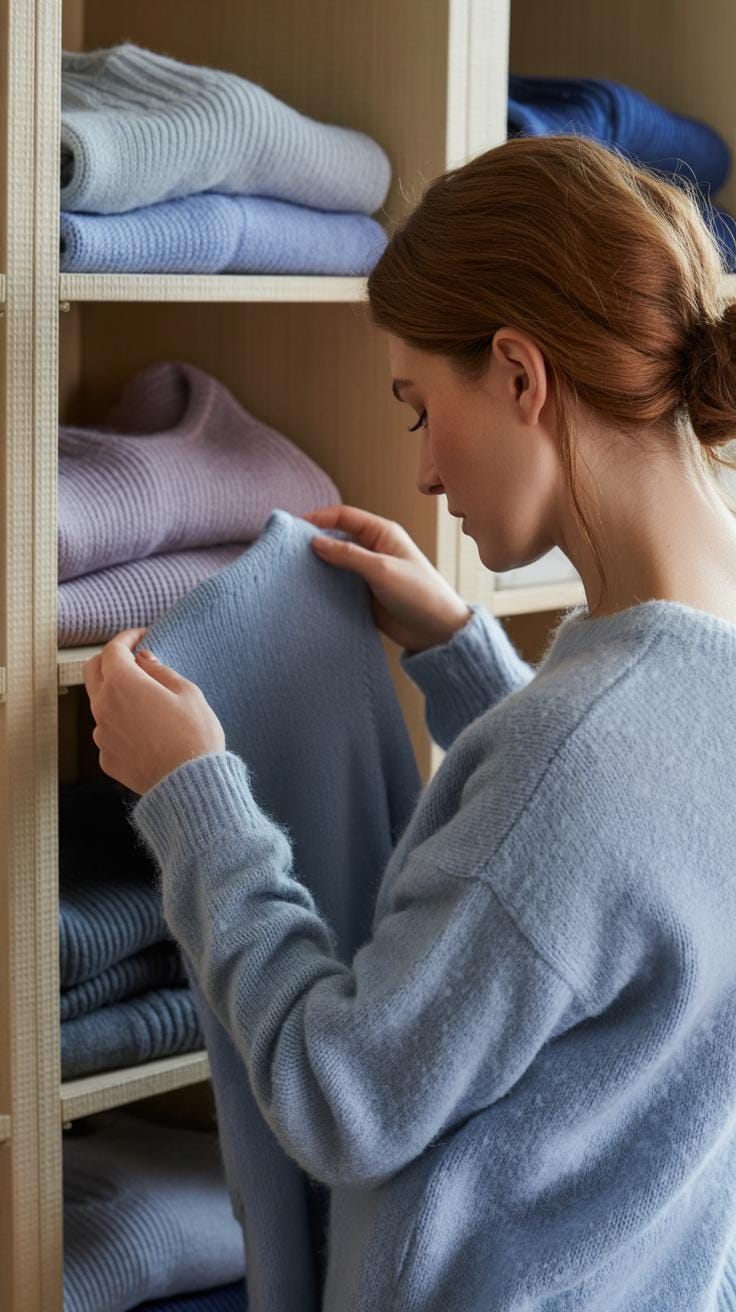
Neutral colors are the backbone of casual work outfits. Think shades like beige, gray, navy, white, and black—they create a simple, reliable base that’s easy to mix and match. You might find that neutrals feel a bit plain at first, but that’s actually their strength. They let you build a versatile wardrobe without much fuss, and you won’t have to worry about clashing tones every morning.
One thing I’ve noticed is how neutrals can make an outfit feel polished without effort, which is kind of a relief when comfort is your priority. Wearing a soft gray top with navy pants, for example, will look clean and cohesive all day. Plus, neutrals often flatter every skin tone, so you don’t waste time second-guessing colors in front of your closet mirror.
Neutrals also serve as a calm canvas for accessories or shoes that you prefer to keep simple but still want to pop subtly. So, if you’re aiming for casual but neat, starting with neutrals reduces layers of decision fatigue.
Adding Color Pop Safely
When you want to sprinkle in some color, it helps to be selective. Instead of going wide open with every hue imaginable, pick one or two shades and keep them controlled. A bright blouse, a patterned scarf, or even a colorful bag can give your outfit life without tipping it into too casual or overwhelming territory.
Patterns can work too, but stick to classic or muted designs—pinstripes, small florals, or subtle checks often blend better in a casual office setting than bold, wild prints. An example: wearing a striped shirt under your neutral blazer adds interest without stealing the show.
Introducing color in this way feels safer because it lets your look stay professional but still fresh. You’re not forced to compromise on comfort or feel like you need a full makeover. It’s more about gentle accents than a dramatic shift, which can be easier to maintain day after day.
So, have you thought about how much color you actually want in your workwear? Sometimes just a scarf or a pair of shoes can serve the purpose without reworking your entire outfit.
Clothing Fit and Comfort Tips
How to Check Fit
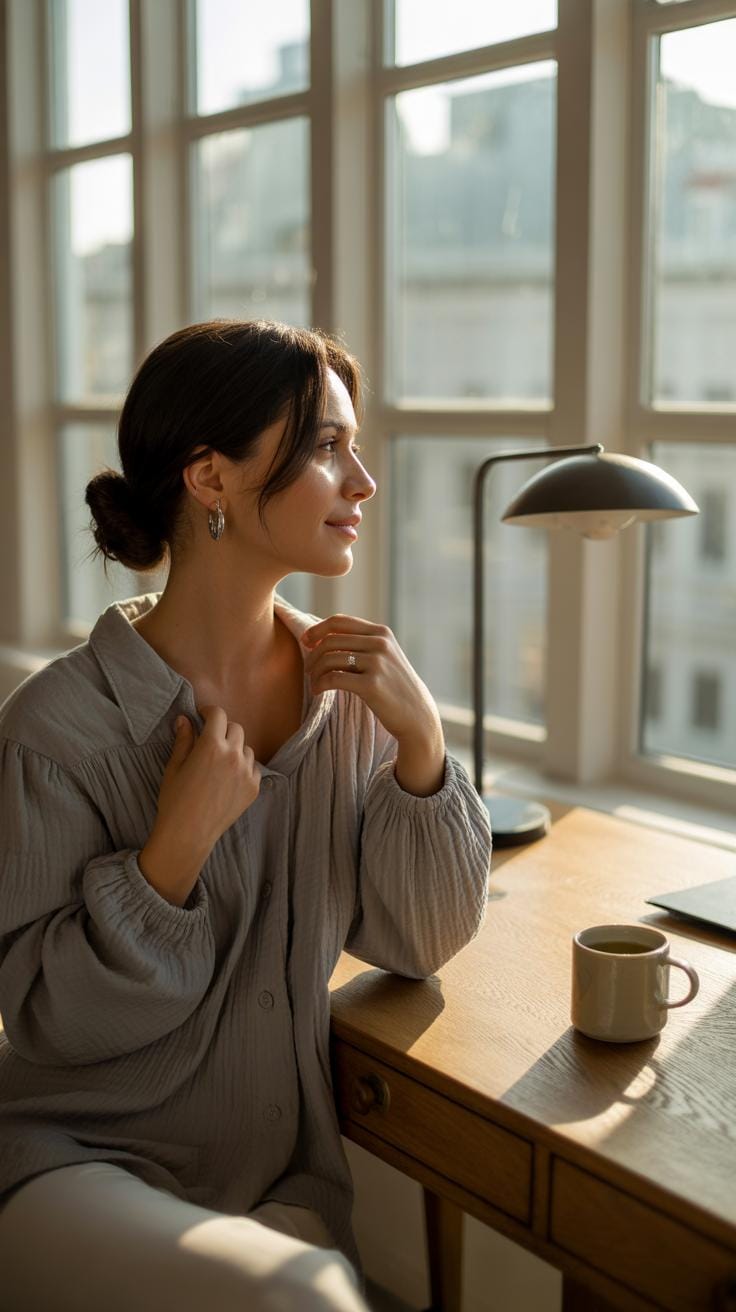
When trying on casual work clothes, ask yourself if you can move easily. Sit down and stand up—does the fabric pull too tight, or does it hang awkwardly? Your clothes shouldn’t constrict your shoulders or chest, but also not drown your frame. A quick test is to raise your arms; if the shirt or blouse rides up way too much, that’s a sign it’s too small or the cut isn’t right for your shape.
Check the length of sleeves and pant legs, too. They shouldn’t be so long that you have to bunch them or so short they look like they shrunk in the wash. Don’t forget to glance in the mirror sideways—sometimes, a suit jacket or blazer will fit well from the front but bunch or pull at the back.
Alterations That Improve Comfort
Many casual work clothes can be easily tailored for better comfort without losing their look. If sleeves feel tight, letting them out a bit can work wonders. Taking in or letting out side seams on shirts or trousers is often inexpensive and changes how the garment feels drastically.
One thing I’ve noticed is adjusting the waistband makes a huge difference, especially if you’re sitting for most of the day. Adding a small stretch panel to pants is an option some tailors offer—it’s subtle, but you can feel the relief. Even shortening pants to avoid them dragging can improve how your shoes look and how you feel when walking.
Sometimes, small tweaks like replacing buttons with ones that open wider or swapping stiff collars for softer, fold-down styles can boost comfort just enough. You might think, “Is it worth it?” But often, these tiny fixes mean you won’t be distracted by irritation or constant adjustments while working.
Packing Comfortable Work Clothes
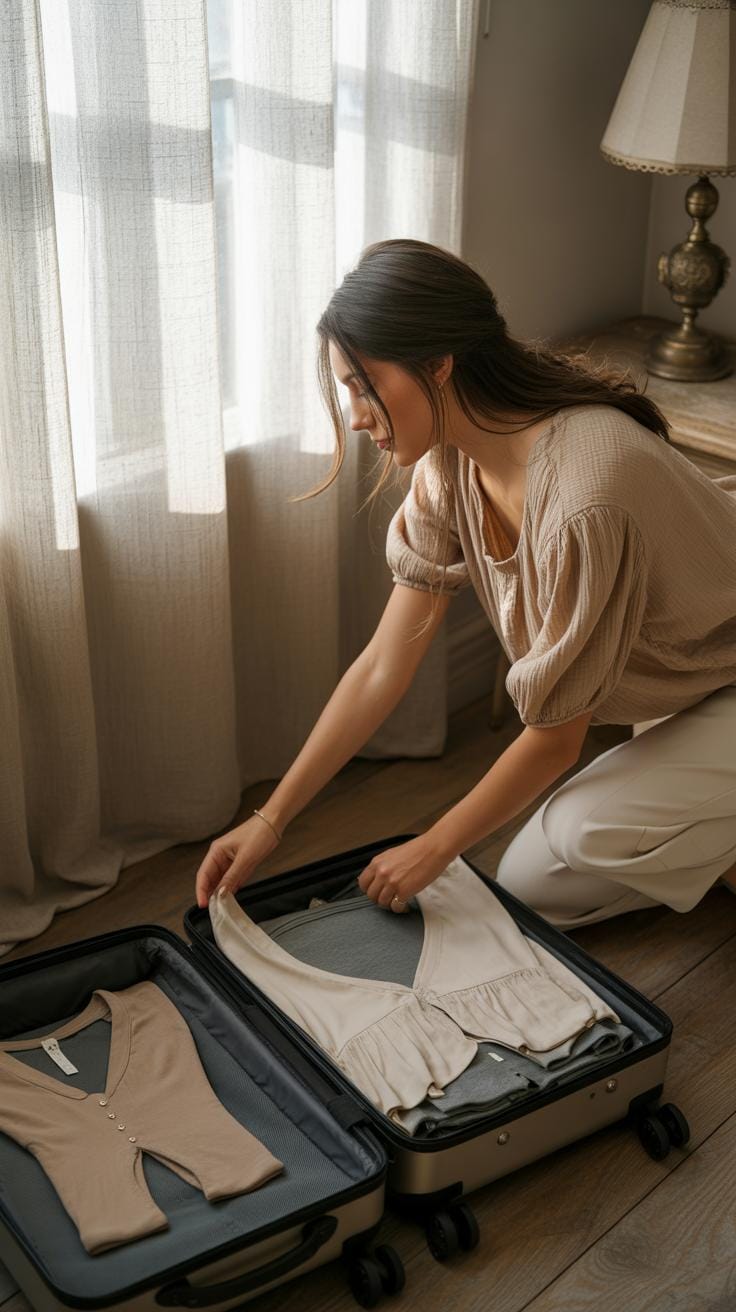
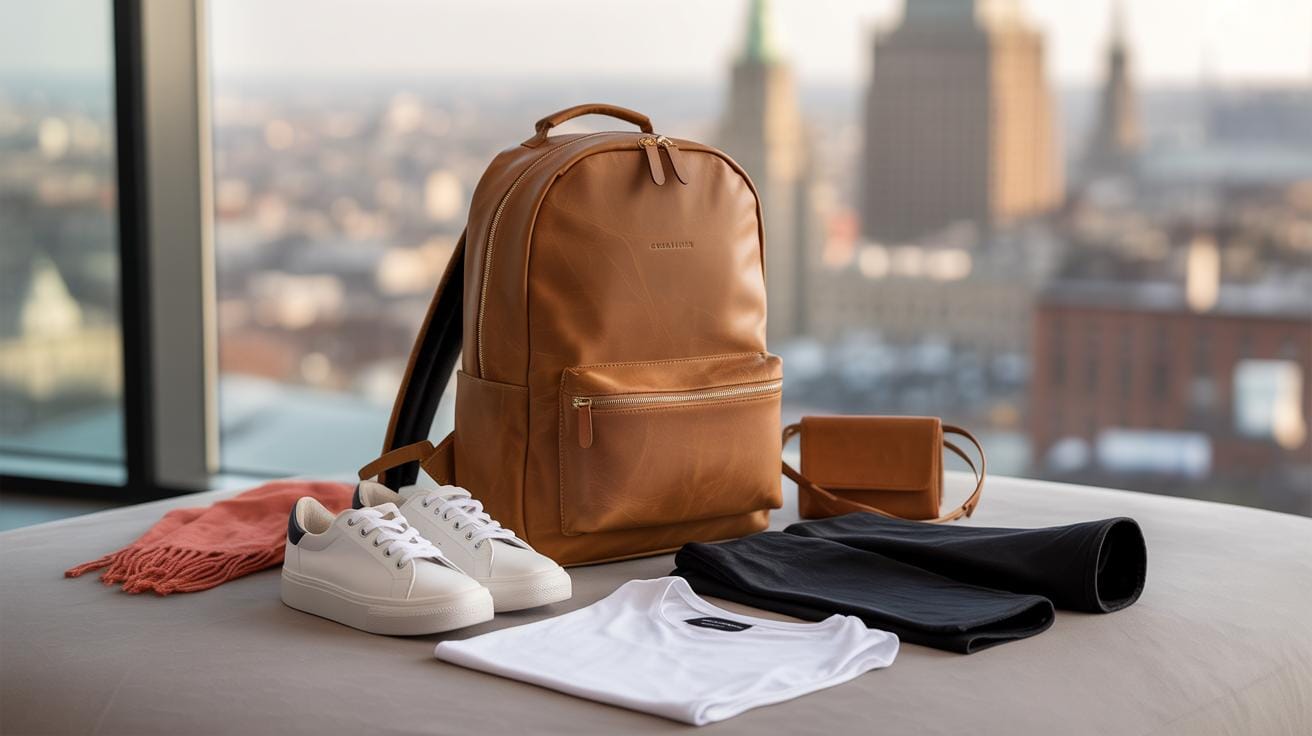
Packing casual work outfits for travel or busy days away from home can feel tricky—but it doesn’t have to be complicated. The key lies in choosing pieces that hold up well, don’t need constant ironing, and can be mixed to create fresh looks without overpacking.
Choosing Wrinkle-Resistant Pieces
Look for fabrics like polyester blends, jersey knits, and ponte. These tend to resist wrinkles and bounce back after sitting in a suitcase. Linen, while breathable, often creases easily, so maybe save it for short trips or less formal days. Styles with a bit of stretch, like ponte pants or knit dresses, maintain shape and comfort even after long hours of wear.
Button-down shirts made from cotton-poly blends or crease-resistant treated cotton keep their neatness longer, cutting down on the need to iron. And yes, a well-chosen blazer in a wrinkle-resistant fabric can pull looks together without becoming a crumpled mess.
Outfit Planning for Trips
When you pack, think about layering and color coordination. Pick a neutral base—black, navy, or gray—that you can pair with different tops or accessories. A single pair of tailored pants, combined with two or three tops, easily creates varied looks without bulk.
Throwing in a versatile cardigan or a lightweight jacket lets you adapt to temperature changes and adds dimension. Shoes should be comfortable but also dressy enough to transition from meetings to casual dinners. Planning this way means fewer items in your bag, but more outfit options. You might not feel ready to travel with a capsule wardrobe right away, but starting small—say, a trio of mix-and-match pieces—could simplify your next trip without sacrificing style or comfort.
Footwear Choices for Casual Work
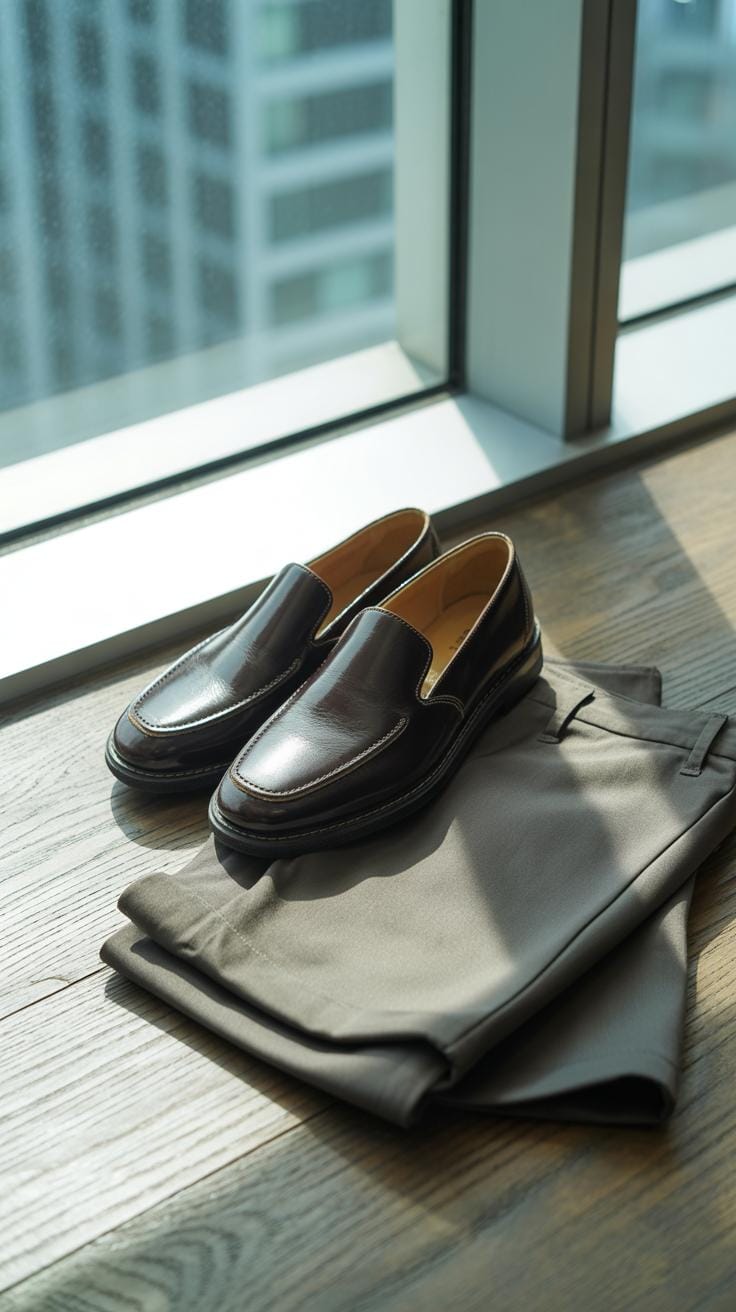
When picking shoes for casual work outfits, comfort often takes center stage—but style isn’t far behind. You probably want shoes that keep your feet happy during long hours without making you feel like you’ve given up on looking polished. So, what about flats versus low heels? Both have their perks and drawbacks.
Flats vs Low Heels
Flats usually win in comfort because they keep your feet closer to the ground, reducing strain. That softness and ease can make your day feel less tiring. But sometimes, flats might seem a bit too informal depending on your office vibe. Low heels offer a slight lift that can elongate your legs just enough to look polished—without the pain of higher heels.
Yet, low heels might tire you out a bit faster and could cause discomfort if the heel shape isn’t right. A block heel can offer better balance than a skinny heel, for example, but not all low heels are created equal.
Choosing Supportive Shoes
Support is key—especially if you spend much time standing or walking. Look for shoes with these features for comfort all day:
- Arch support that matches your foot type—flat soles don’t always work well
- Cushioned insoles that soften each step, absorbing shock
- Breathable materials to avoid overheating or sweating
- A firm heel cup that stabilizes the foot
- A roomy toe box so your toes aren’t cramped or squeezed
I once bought a cute flat without thinking much about support, and by midday, my feet were screaming. Switching to a supportive low heel with cushioned insoles made a noticeable difference. Sometimes style has to make small sacrifices to keep you moving comfortably—but the right shoe can combine both better than you might expect. What’s your go-to choice when you want to balance ease and elegance?
Maintaining Clothes for Long Wear
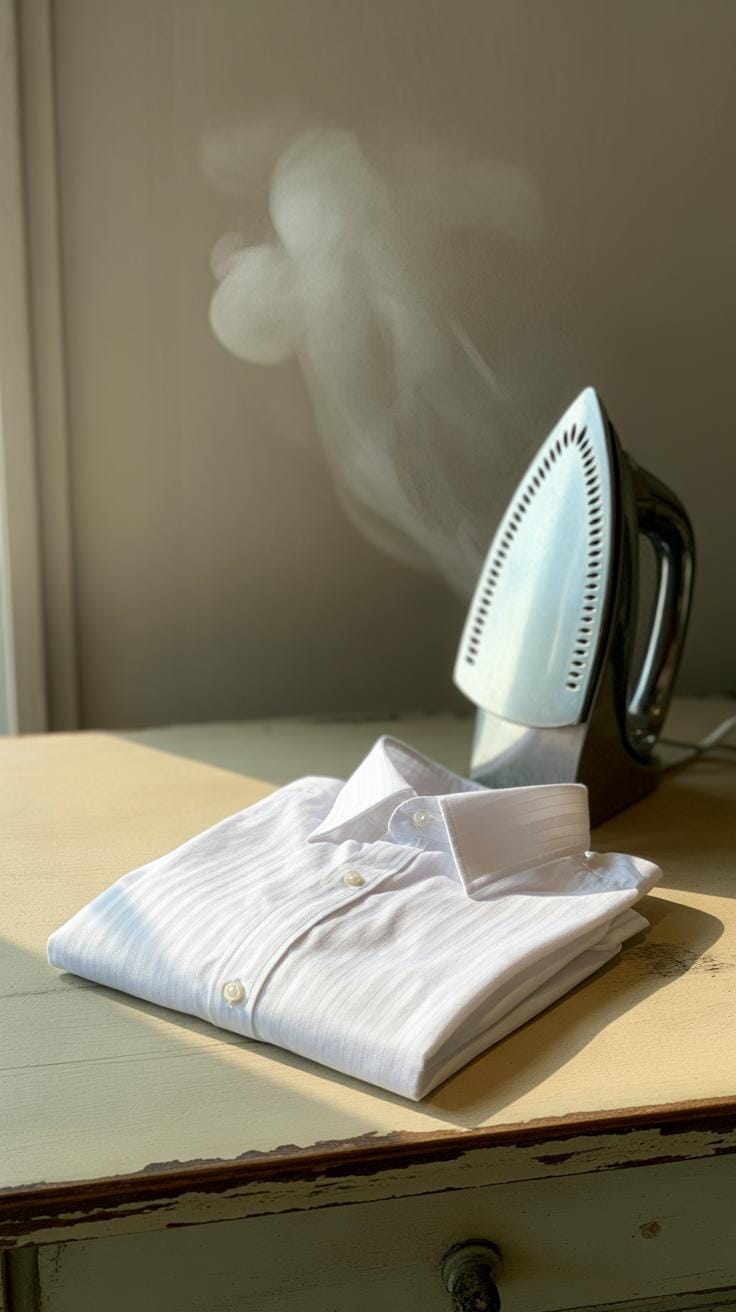
Taking care of your casual work clothes can feel like a bit of a chore, but it really pays off when your favorite pieces stay soft and looking fresh much longer. You might have noticed how some fabrics get stiff or fade quickly after a few washes—there’s usually a way to avoid that, if only partially.
Washing Tips to Preserve Fabrics
Start by paying attention to the water temperature—cold water is usually better for most casual fabrics. It helps keep colors from bleeding and stops fibers from shrinking too much. Use gentle cycles rather than harsh, heavy-duty washes, especially for delicate materials like knits or lightweight cottons.
Try to avoid overloading your washing machine. Clothes need room to move around so detergents rinse out properly and abrasion is minimized. Choosing a mild detergent can also reduce wear on the fabric over time. And here’s something I keep forgetting but should do more often: turn clothes inside out before washing, especially printed or darker pieces. It’s a small step but does help maintain the look.
When it comes to drying, air drying is generally kinder than the dryer. Heat can break down fibers and even shrink your clothes a little. If you do use the dryer, keep the heat setting low and take clothes out while they’re still slightly damp to prevent stiffness. Under-drying sometimes leads to wrinkles, but over-drying is worse for most fabrics.
Storage Solutions to Avoid Wrinkles
Neatly organizing your clothes pays off every morning when choosing what to wear. Hanging shirts and blouses on slim, non-slip hangers helps them keep their shape without shoulder bumps. For knitwear or items that might stretch, folding is usually better than hanging. But, be mindful of folding lines—they can get deep if clothes sit folded too long.
If you’ve got limited space, rolling soft fabrics can reduce creasing and make it easier to see what you have. Piling everything on one shelf might feel easier at first, but clothes get lost and more wrinkled that way.
Also, stuffing drawers or closets too full can cause excess crumpling. Giving each piece some breathing room might mean you need fewer things or better storage solutions, but it does help keep everything ready to grab and wear comfortably without a second thought.
Conclusions
Choosing casual work outfits that prioritize comfort and style can make your workdays more pleasant. Soft, breathable fabrics and a mix of casual and smart pieces give you options that suit your tasks and the office environment.
By keeping comfort in mind, you also boost your confidence and productivity. Use these ideas to create effortless casual work outfits that work for your lifestyle and job.