
Introduction
Choosing casual day outfits that fit well and suit your body type can be tough. You want to feel comfortable and look good at the same time. This article will help you pick casual clothes that work for your specific body shape. Whether you are petite, tall, or have a curvy figure, the right outfit can boost your confidence and make your day easier.
We will explore how different clothes fit and flatter various body types. You will learn simple ways to identify your body shape and find styles that highlight your best features. Our tips will help you build a casual wardrobe that feels like it was made just for you.
Identify Your Body Shape
Common Body Shapes Explained
Most people naturally fit into one of five main body shapes: hourglass, pear, apple, rectangle, or inverted triangle. Each comes with its own set of typical features that can guide how to dress comfortably and stylishly.
The hourglass shape usually has a balanced bust and hips, with a clearly defined waist. Think of someone whose curves are proportionate, forming a kind of silhouette that many consider classic. The pear shape tends to have narrower shoulders and bust but wider hips; the weight often concentrates in the lower body. The apple shape is characterized by a fuller midsection, with narrower hips and sometimes less definition at the waist. Rectangle shapes are more straight up and down, meaning shoulders, waist, and hips are similar in width, giving a more athletic or lean look. Lastly, the inverted triangle features broader shoulders and bust, paired with narrower hips, creating a top-heavy appearance.
How to Measure Yourself at Home
To figure out which body shape fits you—that’s where measurements come in. You’ll need a soft tape measure, a mirror, and perhaps a second pair of hands if possible.
- Measure your shoulders by wrapping the tape around the broadest part; this can be tricky alone, so use a wall or a helper to keep it straight.
- Next, measure your bust at the fullest part, holding the tape snug but not tight.
- For your waist, find the narrowest point—usually just above your belly button—and measure there.
- Finally, wrap the tape around the fullest part of your hips, often around the top of your thighs or where your hip bones stick out most.
Put these numbers side by side and compare. Is your waist clearly smaller compared to your bust and hips? That might hint at an hourglass shape. Bigger hips than shoulders? Likely pear. Broader shoulders and narrower hips? Inverted triangle. If all widths are similar, you’re probably a rectangle. And if your midsection is the widest part, that’s a sign of an apple shape. Measuring may feel a bit like guesswork at first, but doing this carefully can really help put together outfits that flatter your unique form.
Flattering Tops for Your Shape
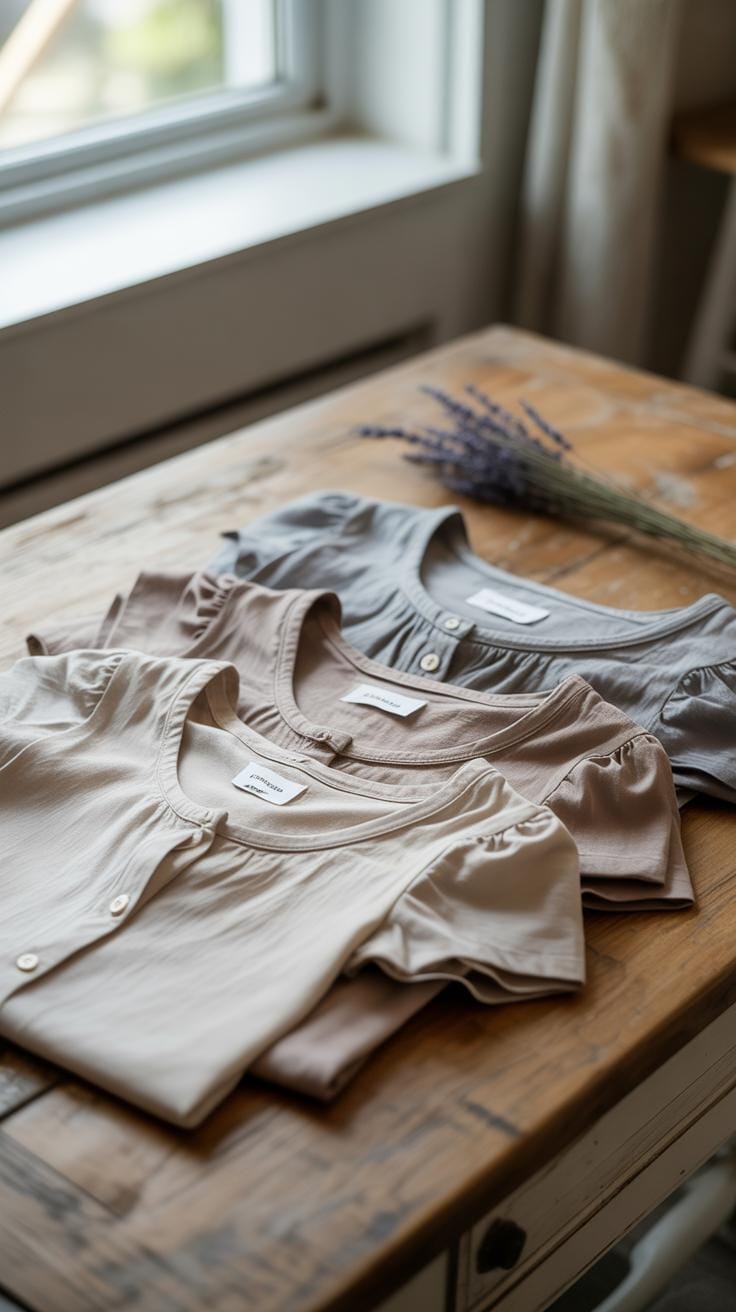
When it comes to tops, the right neckline and sleeve length can really change how your upper body looks—and how you feel. For pear shapes, tops that draw attention upward, like boat necks or wide V-necks, can balance out wider hips by emphasizing the shoulders. On the other hand, apple shapes might like scoop or deeper V-necks, which elongate the torso and create a slimming effect.
Square necklines suit boxy frames because they soften strong shoulder lines, while round faces often pair better with V or sweetheart necklines to add some length. Sleeve length matters, too. For those with fuller arms, three-quarter sleeves tend to be universally flattering—they cover just enough without overwhelming the arm.
Tiny details, like slight puff sleeves or cap sleeves, can also complement different builds but be mindful: sometimes less is more. Patterns play a quiet but crucial role. Vertical stripes or subtle prints usually slim, while bold, busy patterns can draw focus, which you might want or not, depending on the area you want to highlight.
Solid colors are your best friends for simplicity and flexibility—especially in casual looks. But don’t be afraid to experiment. For example, women with a rectangular shape might try mixed prints or color blocking to create curves. And finally, ask yourself—does the top make me want to reach up and touch my neck or sleeves? That little instinct often reveals what feels right or balanced on your body.
Pick Pants and Skirts That Fit Well
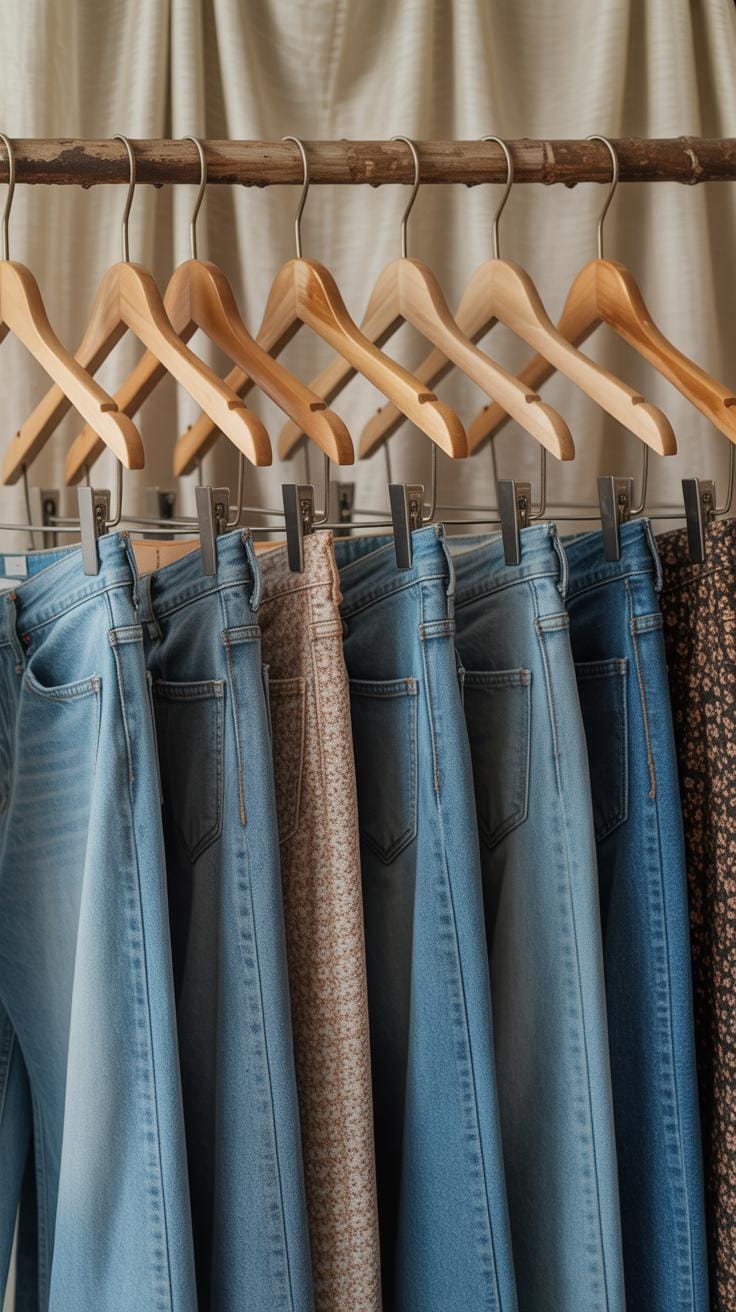
Finding pants or skirts that actually fit your body can feel like a small victory some days. The waist is where you start—if it’s too tight, it’ll be uncomfortable, but if it’s too loose, the whole outfit looks sloppy. For example, if you have a defined waist, high-rise pants or skirts tend to emphasize that nicely. On the other hand, if your waist is less defined, a mid-rise might sit more comfortably and create a smoother line.
Length is often overlooked but can completely change your look. Pants that are too long can drown shorter frames, while cropped lengths might cut off your legs in an awkward way. Skirts also need attention—knee-length skirts can work for most, but if you’re petite, skirts just above the knee might help elongate your legs.
The cut matters a lot. Imagine how straight-leg pants create a streamlined look, while bootcut adds a subtle balance to wider hips by easing out at the ankles. A-line skirts flare gently, drawing attention away from the thighs — usually a welcome effect if you want to create balance. But if your hips are narrow, you might want to avoid super snug fits that make the hips disappear entirely.
Sometimes I wonder whether these “rules” are too rigid. When a pair of pants feels good and makes you confident, isn’t that what matters more than some ideal cut or length? Still, playing with shape can open up new styles you didn’t expect.
Choose Casual Shoes for Daily Comfort
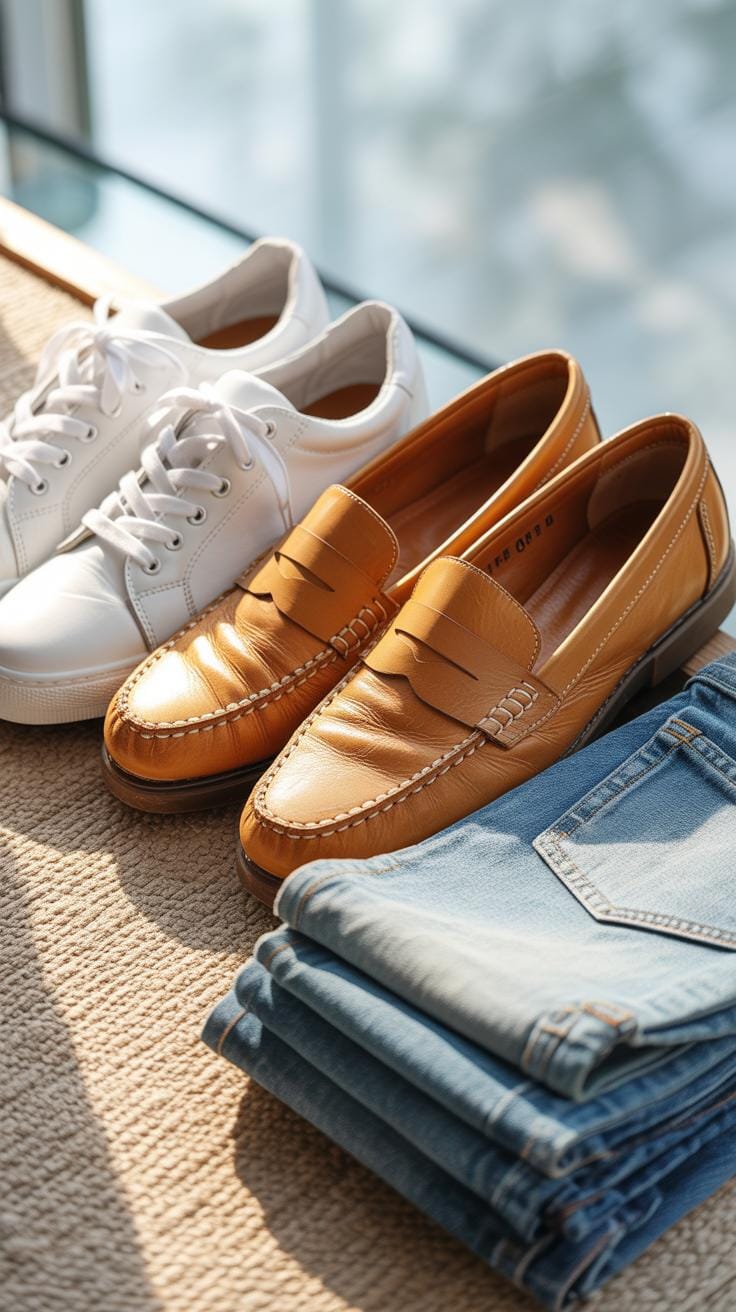
Picking shoes that balance comfort and style can be trickier than it sounds. Your daily activities matter—if you spend lots of time on your feet, cushioned sneakers might be a better choice than loafers. But if you want something easy to slip on and off, flats could work well. Think about your foot shape too; wider feet often feel better in round-toe designs, while narrower feet might handle pointed styles without pinching.
Common casual shoe styles include:
- Sneakers: Great for a sporty or laid-back look. They pair well with jeans, casual dresses, or even shorts. Ideal if your day involves walking or errands.
- Loafers: These add a bit of polish without feeling formal. Loafers suit straight-leg trousers or cropped pants, especially for a smart-casual vibe.
- Flats: Comfortable and versatile, flats work smoothly with skirts or leggings. They offer a simple silhouette that rarely distracts from your outfit.
When matching shoes to outfits, try to keep colors subtle. Neutral tones often blend easier across different looks, but maybe experiment a little with soft pastels or muted patterns if your outfit is simple. Avoid shoes that draw too much attention unless you want that bold statement, which, frankly, doesn’t always fit the casual mood.
Comfort is key, but style shouldn’t be ignored. At least, I think it’s possible to find both without much compromise. What’s your go-to casual shoe? Have you noticed certain styles feel better—or worse—after a full day out?
Layer Smart for Variable Weather
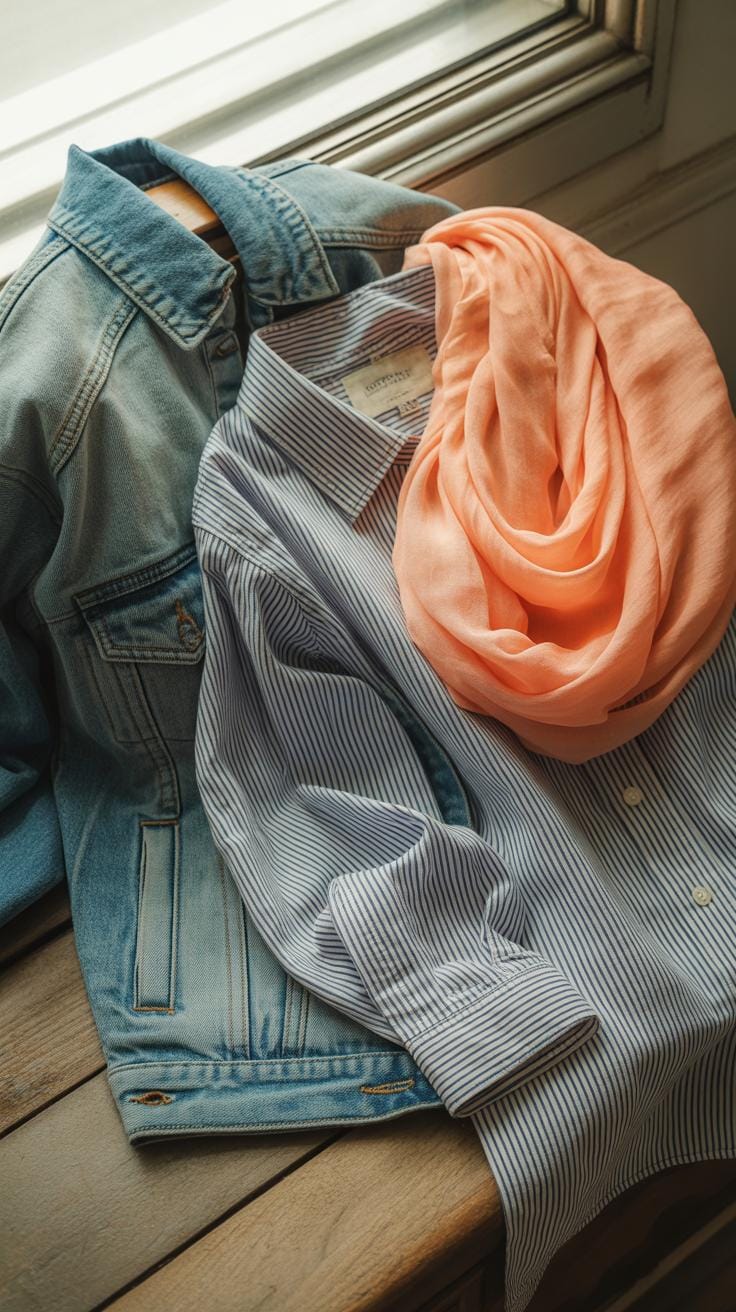
Choosing Outerwear for Your Build
Not every jacket or cardigan suits every body type—this might seem obvious, but it’s easy to overlook when shopping. For those with broader shoulders, a blazer-style jacket with a structured fit can work well, avoiding anything too puffy that adds unnecessary bulk. Lighter fabrics like cotton blends or thin wool can soften the look, keeping things sleek but warm enough. If your frame is more petite, oversized coats or chunky cardigans might overwhelm you. Instead, try slim-fit outerwear with a bit of stretch; think stretch denim jackets or fitted knit cardigans that follow your lines without clinging tightly.
Taller individuals often have enough room to experiment with longer layers—longline coats or duster cardigans can elongate your silhouette even more. But sometimes, shorter cropped jackets balance out height better, especially if you want to create a more grounded look. Medium-weight fabrics suit this group best to avoid looking too bulky or too frail.
Easy Layering Techniques
Layering should feel kind of effortless—you want to look put together, but not like you wrestled with your clothes that morning. A good tip is to start light at the base: think a thin tee or tank, then a shirt or blouse, followed by a sweater or light jacket if needed. Avoid piling on too many thick layers in one spot, or you risk looking lumpy or feeling uncomfortably warm. I once tried an outfit with three sweaters stacked on, and let’s just say it was less than flattering and way too hot.
Accessories help balance the look. A scarf can add warmth without bulk, especially if it’s a lightweight knit. Likewise, hats or even simple sunglasses can break up the outfit visually and bring focus away from any awkward layering lines. When you’re pairing layers, think about proportion—if your jacket is boxy, keep the layers underneath fitted. For fitted jackets, a looser top or scarf will avoid looking too tight or limiting movement. Sometimes less is more when you get layering right—just enough to stay comfortable but still look intentional.
Avoid Common Casual Outfit Mistakes

It’s easy to make missteps when putting together casual outfits, and some errors keep popping up more than others. Poor fit is the biggest culprit—clothes that are too tight or too loose immediately throw off your look. You might think oversized shirts are relaxed, but if they drown your frame, it just feels sloppy rather than stylish. And then there’s color. Wearing colors that don’t suit your skin tone or just clash with each other can make you look tired or mismatched.
Ignoring proportions also causes trouble. For example, pairing baggy pants with a bulky sweater can overwhelm your shape, especially if you’re petite or curvy. Spotting these problems isn’t always obvious—you might think something looks fine until you see a photo or get an honest comment from a friend.
Here’s how to check: if the shoulders of your shirt extend past your natural shoulder line, it’s too big. If a waistband digs in or leaves marks, it’s too small. Colors that clash tend to create visual tension, like a bright red next to a neon green—unless you’re aiming for something bold, that combo usually feels off. If your outfit looks uneven or makes you feel uncomfortable, it likely needs adjustment.
Fixing these is usually straightforward. Try sizing up or down until the fit feels right, focusing on comfort without losing shape. Stick to colors that complement your natural tones—warmer skin tones do better with earth shades, cooler tones with blues and grays. Finally, balancing proportions means pairing fitted pieces with looser ones in a way that enhances your silhouette. You don’t have to overhaul your wardrobe; sometimes just swapping one piece or getting a simple alteration can make a big difference.
Compare Casual Outfits for Different Occasions
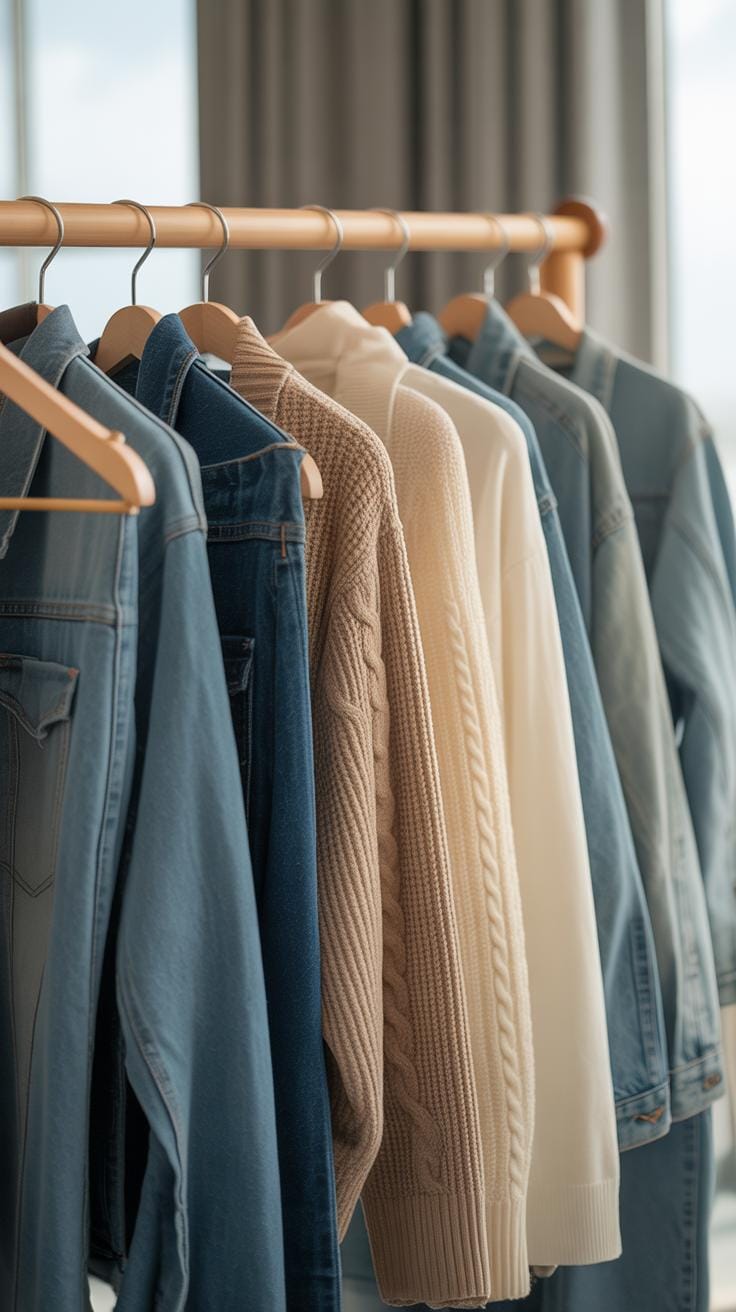
When you think about casual outfits, the setting really changes what works. A weekend hangout calls for comfort and ease, while running errands might need something simple but put-together. Then casual workdays add a layer—relaxed, but still a bit polished. Your body shape plays into these choices in subtle ways.
For example, if you have a pear shape, weekends might shine with A-line skirts or flared jeans that balance your hips, paired with looser tops for comfort. But for casual workwear, swapping to tailored trousers and structured blouses helps keep things neat without feeling tight. A rectangular shape may enjoy streamlined, monochrome outfits on weekends—think slim jeans with a soft tee—while at work, layering a blazer can create some shape and add professionalism.
Adjustments come down to details. Weekend jeans with a slouchy fit feel right for lounging, but on casual Fridays, a straight-leg jean and a crisp shirt might do the trick. Top-heavy body types, like inverted triangles, could opt for v-neck tops and wide-leg pants to balance their silhouette across settings.
Looking at actual outfit ideas:
– For weekends, a curvy hourglass might love wrap dresses or high-waisted shorts with flowy blouses for fresh comfort.
– Errands could call for stretchy leggings with layered tank tops for those with apple shapes, letting movement come first.
– At casual work, a subtle pencil skirt with a tucked-in shirt works well for a pear shape, emphasizing the waist without overwhelming the frame.
Ultimately, each casual occasion nudges you to rethink fit and structure. What feels relaxed on Sunday might need a bit more shape or polish come Monday—especially for different body types trying to find their groove. Does your go-to weekend look truly carry over to a casual workday, or do you find yourself shifting pieces around? It’s worth trying both options to see what fits not just your body, but the vibe of the day.
Build Your Capsule Casual Wardrobe
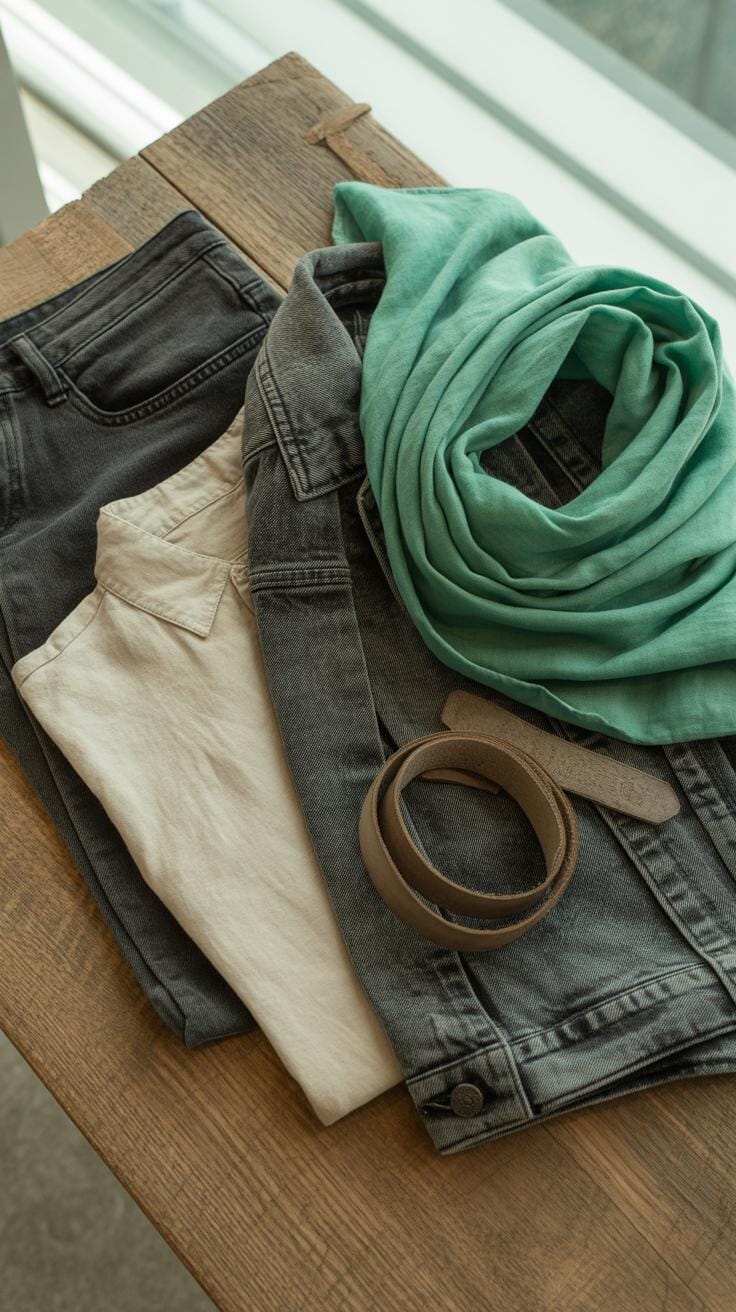
Creating a small collection of casual clothes that works for your body type isn’t about having tons of pieces. It’s more like picking a handful of reliable items that feel good and look right on you, day after day. Think of it as a wardrobe you can trust, one where nothing feels off or forced.
Focus on versatile pieces that flatter your shape without needing constant adjustment. For example, a well-fitted pair of jeans tailored to your waist and hips can be a game changer. Add a few tops with different necklines—maybe a scoop neck that softens broad shoulders or a V-neck that elongates your torso; these subtle differences actually matter.
Try aiming for some neutral colors mixed with a couple of brighter or patterned pieces you love. That way, you don’t get stuck staring at a closet full of clothes that don’t talk to each other. It doesn’t have to be dull, but simplicity helps you mix and match faster, especially on busy mornings.
And don’t forget comfortable shoes that suit your activities. Sneakers, loafers, or simple flats can often bridge the gap between chic and casual without effort. Last weekend, I realized my usual boots just didn’t work with a relaxed outfit, so switching to fresh white sneakers made me feel more ‘me’ and ready to move around.
So, can you find a small set of clothes that plays well together and suits your shape? Probably. It just takes a bit of trial and error and being honest about what feels right on your body.
Essential Pieces for Every Body
There are a few casual items almost everyone benefits from, though tweaks are often needed to fit body nuances. Here’s what I think usually makes the list:
- Straight-leg jeans or trousers — they balance most body types better than skinny or overly loose fits.
- A white or neutral t-shirt with a tailored shape — not baggy, not skin-tight, just comfortable and flattering.
- A lightweight cardigan or denim jacket — easy to throw over anything and adds structure.
- Simple slip-on shoes or low-profile sneakers — practical and usually comfortable in casual settings.
- A flattering yet simple dress — something that doesn’t cling too much but shows a bit of your silhouette.
- A mid-length skirt that can work with flats or boots, depending on your preference.
Each of these supports different mixes and avoids extremes, which is key if you want to keep getting dressed quickly but still feel good.
Mix and Match Tips
Once you have your capsule set, the fun begins. Yes, you can create different looks without overthinking.
- Try pairing your well-fitting jeans with a simple tee and layering with a cardigan. Change shoes or accessories to shift the vibe—more casual or slightly polished.
- Combine that favorite dress with a denim jacket for a casual day, then swap in a cardigan for a softer feel.
- Mix neutral tops with patterned or brighter skirts or trousers—this breaks monotony but keeps coordination intact.
- Don’t forget layers: a button-down over a tee, or tied at the waist, can refresh a look without adding bulk.
- Play with proportions—if you wear a looser top, try a more fitted bottom, and vice versa. It often works better than matching everything loosely or tightly.
Think of your casual wardrobe less like a fixed set and more like a playground where you can experiment. Some combinations will surprise you. Others might feel off. And that’s okay. Building this little collection isn’t about perfection but about finding those everyday outfits that just click with your shape—making dressing easier and, honestly, a bit more fun.
Check List to Perfect Casual Day Outfits

Before stepping out, it’s good to run through a quick checklist that keeps your outfit in line with your body type and the vibe you want. This isn’t about perfection but about intentional choices that make you feel right, not just look okay.
10 Steps to Review Your Outfit
Try to go down this list — maybe not obsessively, but enough to catch what matters:
- 1. Does the fit flatter your body shape? Not too tight or loose, but just enough to highlight your best features.
- 2. Are the colors balanced? Check that your palette complements your skin tone without overwhelming it.
- 3. How’s the comfort level? Can you move freely? Comfort often equals confidence.
- 4. Do the fabrics suit the day’s weather and activity?
- 5. Have you chosen accessories that enhance rather than clutter? Less can be more.
- 6. Are the proportions right? For example, if you’re wearing a flowy top, do the bottoms add structure?
- 7. Is there a consistent style or theme? Mixing too many styles can dilute your overall look.
- 8. Did you check your shoes for both style and practicality? They tie the outfit together, yes, but should also serve your steps.
- 9. How does the outfit fit with your planned activities? It should feel appropriate, not forced.
- 10. Lastly, does it feel like “you”? If not, what’s missing or excessive?
Questions to Ask Yourself
You might find it useful to pause and reflect on some questions:
- Do I feel confident and comfortable in this outfit?
- Is the outfit highlighting the parts of my body I like or trying to mask areas that bother me? Does that feel honest to me?
- Would I choose the same outfit if I were alone and dressing only for myself?
- Does this look make sense for where I’m going and what I’ll be doing?
- Am I mixing pieces that create a cohesive look or does it feel disjointed?
- How do the colors and patterns interact with each other and with my complexion?
- Could I adjust one element to improve the overall look—like swapping a jacket or changing shoes?
This process is less about rigid rules and more about thoughtful tweaks. Maybe one day you prioritize comfort over color or vice versa. It’s okay to be flexible. Trust your gut, and with practice, this checklist becomes almost automatic, helping you head out feeling more aligned with your style and body.
Conclusions
Finding casual day outfits for your body type is about choosing pieces that fit well and make you feel good. When you know what styles suit your shape, shopping gets easier, and your outfits will look polished and comfortable. Always focus on balance — simple changes can create big style improvements.
Take the time to try different clothes and trust what works for your body. With practice, you will quickly find your go-to casual looks. Remember, your best outfit is one that makes you feel confident every day.