
Introduction
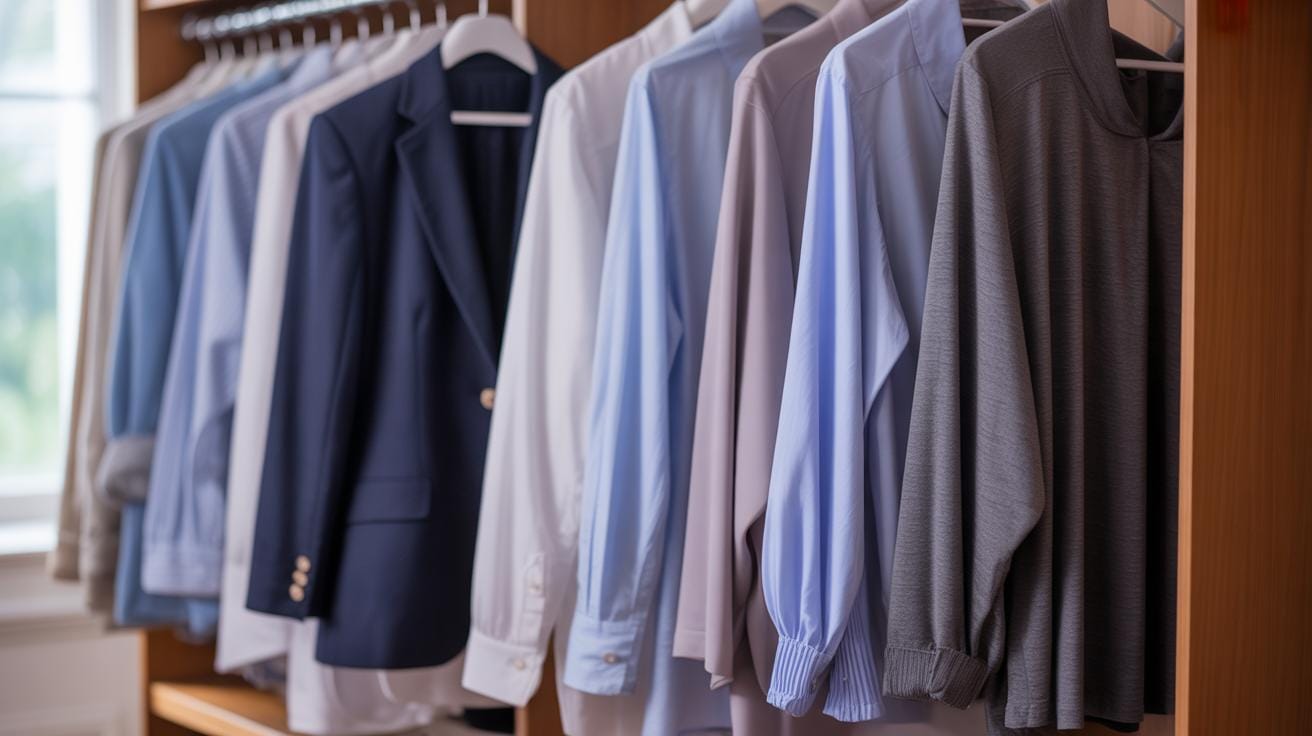
A capsule wardrobe is a small, carefully chosen collection of clothes aimed at providing you with versatile and functional outfits for daily wear. For women, creating a capsule wardrobe means picking staple pieces that you can wear often and combine easily. This guide focuses on building a capsule wardrobe women actually wear every day.
This article will help you understand which items form the backbone of a capsule wardrobe. You will learn how to select pieces that fit your style and lifestyle. Then, you will see how to mix and match these clothes to create various outfits without owning too many items.
Essentials for a Capsule Wardrobe
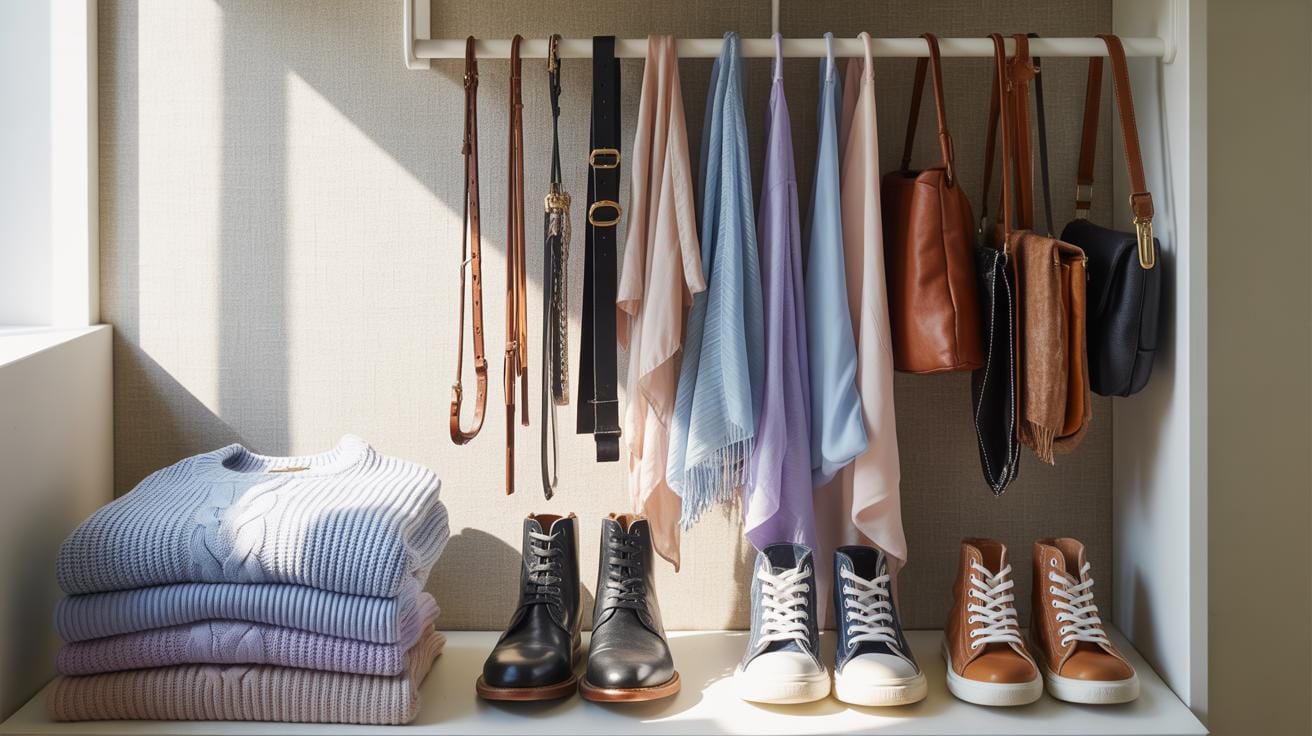
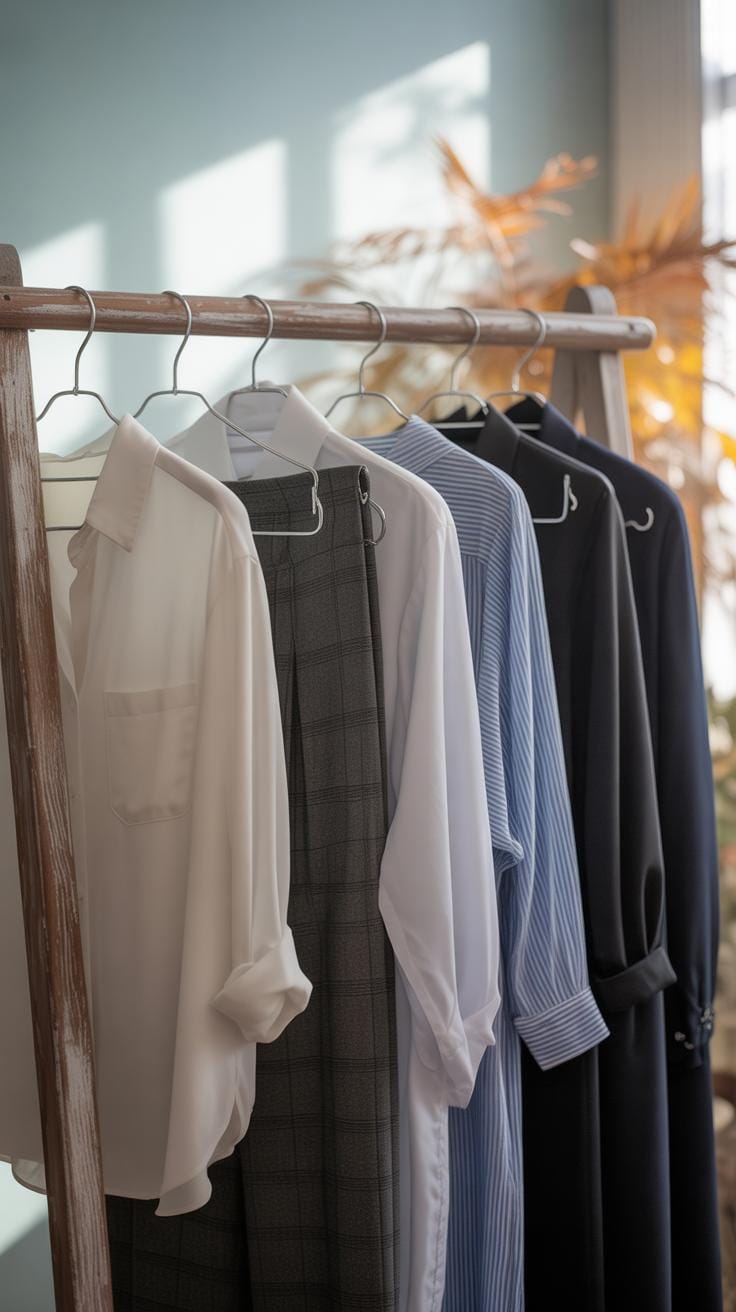
Think about the core pieces you really reach for every day. That’s where your capsule wardrobe starts. For women, this usually means a small but versatile selection that includes trousers, skirts, dresses, coats, and shoes—items that cover most occasions without overwhelming your closet.
Start with trousers that fit well and feel comfortable. A pair of tailored black or navy pants can be dressed up or down. Add one or two skirts—pencil skirts or A-lines, depending on your style—that work well for office or casual weekends. Dresses are a must; a simple, classic cut in a neutral tone usually does the trick. They can be layered or worn alone.
Outerwear is critical—think about a coat you can wear through cool mornings and chilly nights. A trench, wool coat, or a neutral-colored jacket that’s neither too heavy nor too light. Shoes should cover your needs: a pair of flats or loafers, comfortable boots, and maybe simple heels for those days when you want to feel a little more polished.
Staple Items That Last Multiple Seasons
What makes these items “staple”? It’s more than color or cut—durability and timelessness play a big role. Look for quality fabrics that can handle repeated wear and washing without losing shape or fading. Cotton, wool blends, and quality synthetics often last longer than you might expect.
Styles that don’t scream a specific time period tend to stay relevant, like straight-leg trousers instead of skinny jeans, or classic shirt dresses versus something trend-driven. When I picked a wool coat last year, it still felt fresh this winter because it has simple lines. That’s the kind of investment worth making.
Selecting Items That Coordinate Well
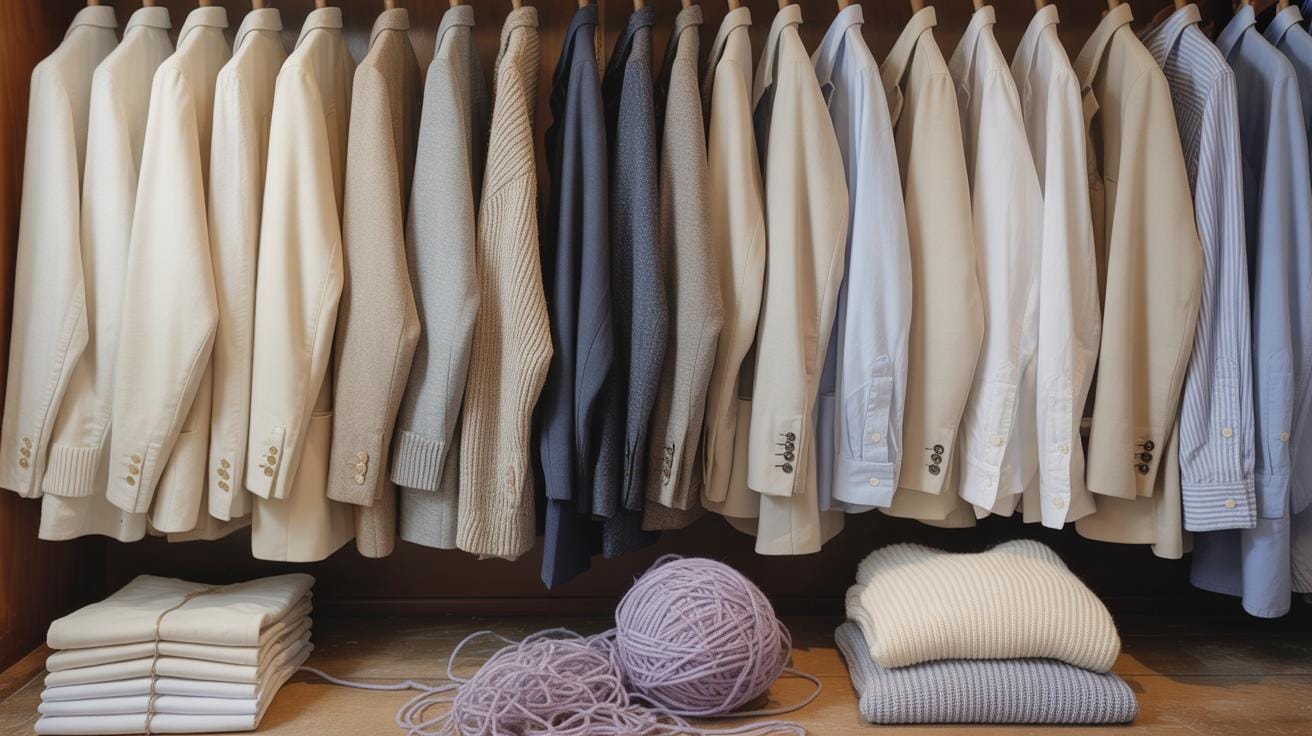
Choosing pieces that mix and match hinges on color and style integration. Neutrals are a safe bet, but maybe don’t go straight for only black and white—consider softer shades like beige, navy, or grey. They’re easier on the eye, and you’ll actually enjoy wearing them more.
Check your existing wardrobe or think about what you wear the most. Do these pieces share a common color story? If not, find a few coordinating hues rather than random splashes. Patterns can work too, just keep them subtle so they don’t limit your options.
Styles should be somewhat consistent. If your trousers are sleek and minimalistic, then tops that share that straightforward elegance will keep your outfit cohesive. Mixing too many extremes might feel creative but usually ends up wasting pieces that rarely come together.
Benefits of a Capsule Wardrobe
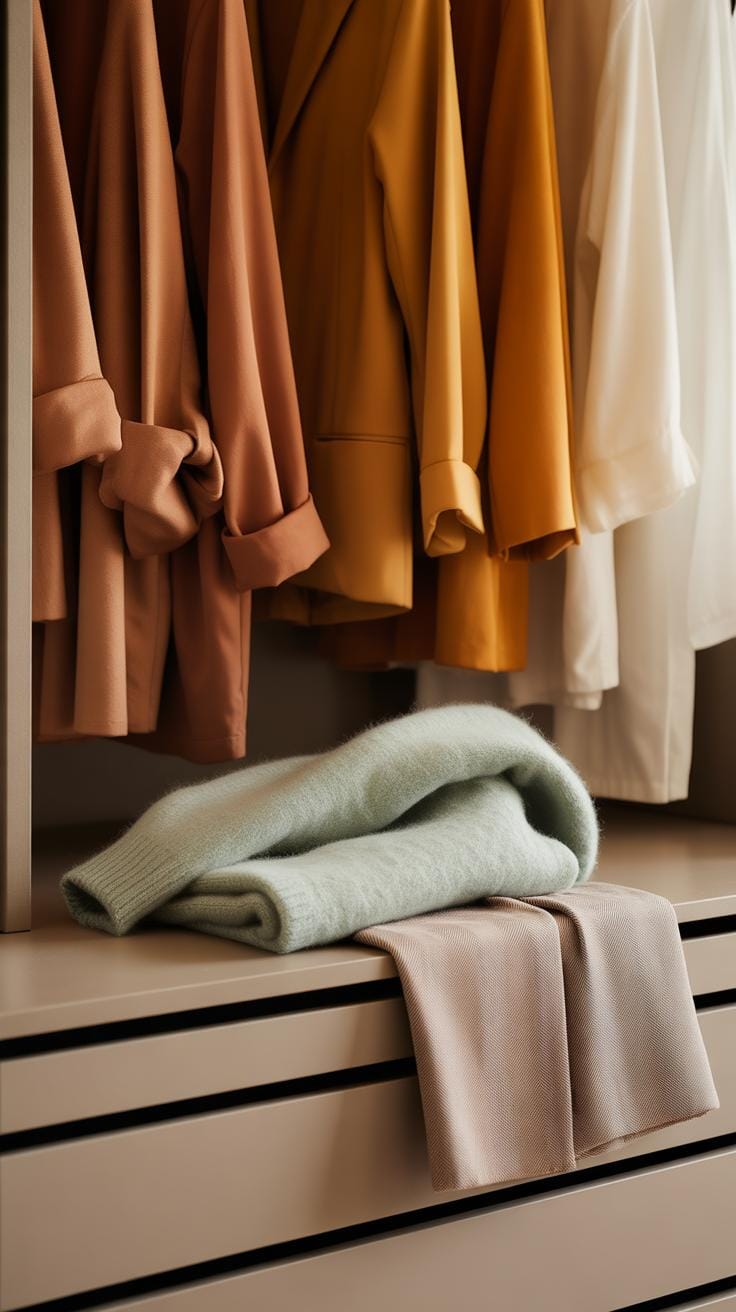
Living with fewer clothes isn’t just about minimalism; it changes how you approach your daily routine. A capsule wardrobe frees up mental space because every piece has a clear purpose. When you open your closet, you don’t face an overwhelming sea of options that all seem “almost” right. Instead, you see clothes that actually work together.
One practical upside is how much time you save. Picture mornings where you don’t have to stand there second-guessing whether this blouse matches those pants. You grab what’s ready-made for mixing and matching, which makes rushing out the door surprisingly smoother. Some people say they shave off 10 to 15 minutes every day just by having an organized, intentional wardrobe.
Money, too, tightens up in a quiet way. Buying fewer but better pieces means less impulse spending on trends you forget within weeks. Over months, it can add up to hundreds saved simply because you’re not chasing the next “must-have.” Sure, you might spend a bit more upfront on quality items, but they last longer and don’t end up in the back of your closet. It’s almost like your wardrobe pays for itself.
And here’s something curious: having a capsule wardrobe can change how you feel about your clothes. When every item feels right and fits well, you avoid that frustration of wearing something just because you “have to.” Your clothes start to feel less like chores and more like tools that actually work for your life. Wouldn’t it be nice to look in your closet and feel calm—maybe even a little eager—for what’s inside?
Assessing Your Current Closet
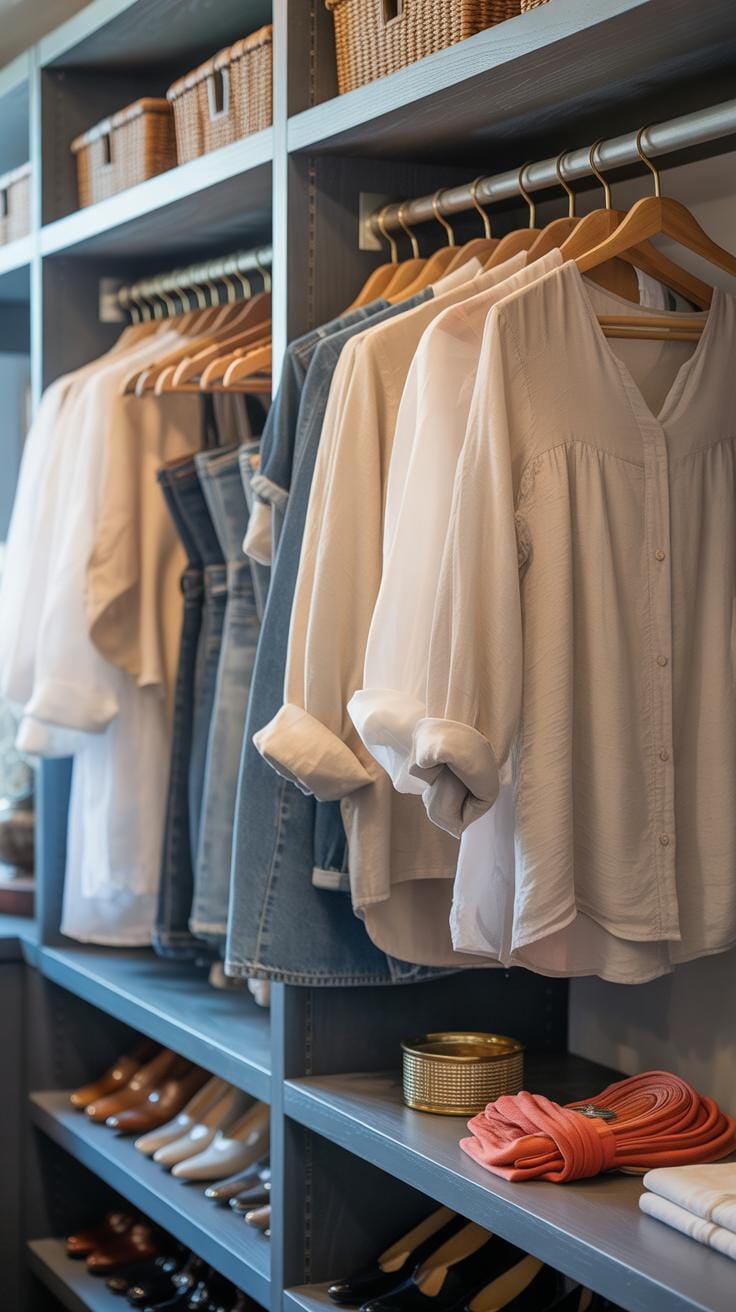
Identifying Frequently Worn Items
Start by pulling out what you actually wear day-to-day. It sounds simple, but it’s often surprising how many clothes just sit untouched. Think about outfits you reach for when mornings are rushed, or pieces that you feel comfortable moving around in. These are gold. They tell you what fits your lifestyle and taste right now, not what you thought you’d like.
Look closely at why you choose certain items repeatedly. Is it the fit? The color? Or maybe how easy they are to style? These clues show what your capsule wardrobe should focus on. It’s tempting to keep things you love best intellectually, but your daily habits speak louder.
Recognizing Items to Remove
There are a few clear reasons to part with clothes. Poor fit tops the list—you probably won’t wear anything that’s uncomfortable or doesn’t flatter your shape anymore. Then there’s wear and tear; that favorite shirt with a tiny hole or distorted collar probably isn’t going into your capsule, even if it’s sentimental.
Pay attention to pieces that never match with anything else—or that you can’t imagine wearing without hesitation. They clutter your space and your choices, making getting dressed more complicated than it should be. Be honest about what you’ll realistically wear, not what might work ‘if only’.
Don’t rush. This process feels a bit like decluttering your thoughts as much as your closet. Take breaks and revisit items. Sometimes, hesitation means keep; other times, it’s just the guilt of letting go.
Choosing Colors and Patterns

Picking a Neutral Base Palette
When starting your capsule wardrobe, picking a neutral base is kind of like setting the stage. These colors are the backbone—they go with almost everything and don’t draw too much attention to themselves. Think about classic neutrals like black, white, navy, beige, gray, and sometimes olive or brown. These shades usually feel safe, but that doesn’t mean they have to be boring. For example, charcoal gray trousers can feel more interesting than plain black, depending on how you style them.
Neutrals tend to be easier to mix and match. You can build a lot of outfits without constantly worrying if everything clashes. If you tend to wear a lot of tops or bottoms in these hues, your wardrobe will feel more cohesive. The main challenge is not to pile on too many dark neutrals that might make your wardrobe feel heavy or dull. Adding lighter tones like cream or soft gray can help balance things out, so you don’t end up looking like you’ve dressed in shadows every day.
Adding Accent Colors for Variety
Once your neutral base is set, sprinkling in a few accent colors can bring your wardrobe to life. These are the shades that express your personality—whether it’s a soft blush pink, a deep teal, or a rusty mustard. The trick is to choose just a handful. Too many can get overwhelming, and mixing them can become complicated.
Try picking colors that complement your skin tone, but also ones you feel drawn to. Often, people pick accents based on the seasons: warm tones like burnt orange and olive for fall, or cooler blues and purples for winter. You might find yourself happier with unexpected shades, say, a muted lavender or a bright coral, which break the monotony and add freshness.
Patterns can blend in here too, but keep them in the accent color family. Stripes, polka dots, or simple florals in your chosen accents can create subtle interest without overwhelming your base. Mixing patterns is tricky; always keep the colors related, so your outfits don’t clash.
Ask yourself: do I want these accent pieces to pop, or to blend in gently? Both work, but that choice shapes how you pick colors and patterns. Sometimes, an accent might feel too loud initially, but wearing it with neutrals can tone it down, allowing you to experiment without feeling off-balance.
Mixing and Matching Strategies
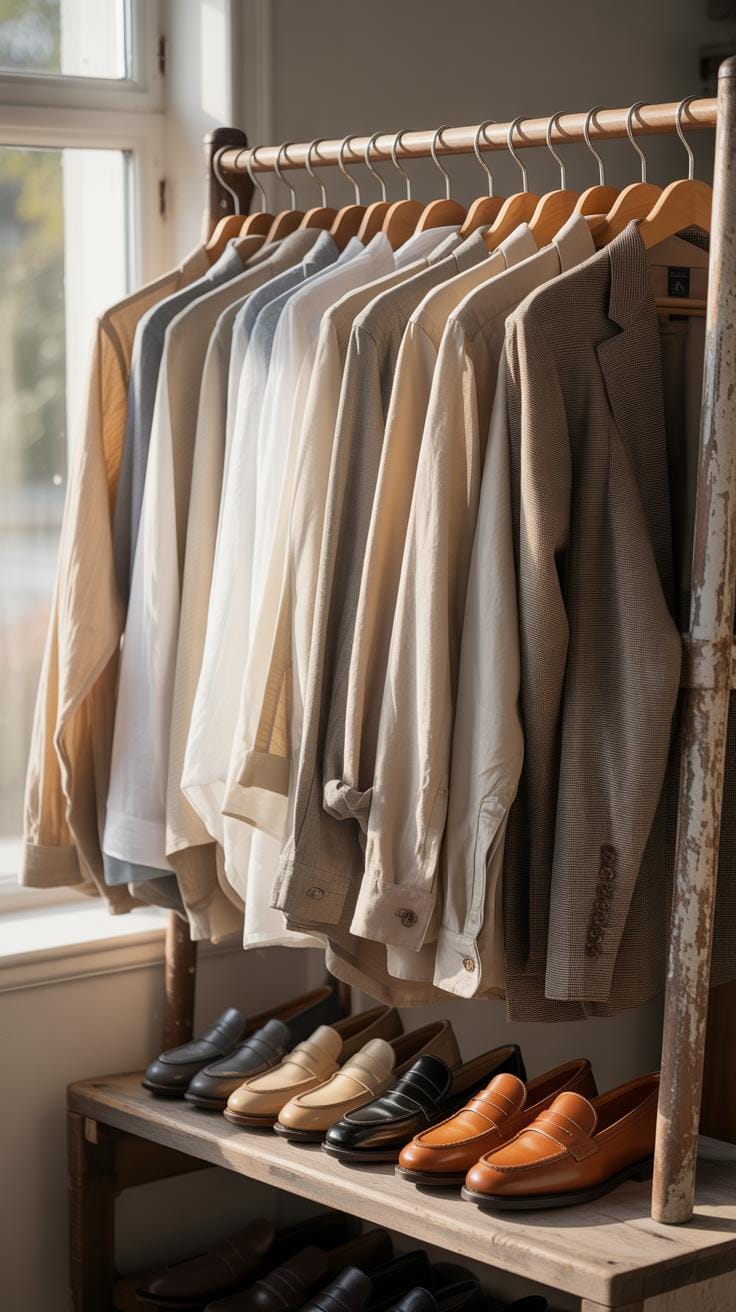
When you build a capsule wardrobe, mixing and matching isn’t just a nice-to-have skill—it’s essential. You want to get as many different looks as possible from a limited number of pieces. One approach is to think about your clothes in layers and contrasts. For example, pairing a neutral blouse with patterned pants or denim with a bright top can instantly refresh an outfit without new items.
Try these techniques:
- Mix textures, like combining a soft knit with crisp cotton or smooth leather. It adds depth without needing more clothes.
- Play with proportions. A loose oversized sweater paired with tailored trousers looks quite different from a fitted tee with the same pants.
- Choose at least a couple of pieces in easy-to-layer colors: black, navy, beige, or gray often work well and can mix freely.
Sometimes I find myself returning to the same few items simply because I enjoy how they contrast in style or volume—making the capsule feel unpredictable, if that makes sense. Have you noticed that a small change in pairing can create a surprisingly fresh outfit? It’s not just about adding more, but rearranging what’s already there to keep things interesting.
Creating Outfits From Layering
Layering goes beyond throwing on a jacket or cardigan. It’s about crafting new looks by layering thoughtfully. A dress can become office-appropriate with a sleek blazer, while adding a chunky scarf shifts it for weekend comfort. I often add a collared shirt underneath a sweater to add dimension, changing the whole vibe of the top.
Consider these layering tactics:
- Use thin, lightweight pieces under heavier ones to avoid bulk but gain warmth and style variation.
- Mix lengths to add interest—like a shirt peeking below a cropped sweater.
- Change the formality by swapping one layer. A denim jacket under a trench adds casual flair, while a silk blouse under the same coat feels more polished.
It’s surprising how one extra layer can make an outfit suitable for different seasons or settings. You might think layering means more clothes, but really, it’s about recombining. This approach has saved me from wearing the “same outfit” too often.
Choosing Versatile Accessories
Accessories have a unique power—they change the entire feel of an outfit without requiring new clothes. That’s why, in a capsule wardrobe, choosing versatile accessories becomes strategic rather than decorative. For instance, a simple pair of hoop earrings can shift you from casual to chic in moments. A belt can define your waist, altering proportions and silhouette without needing a new dress or top.
Think about these points when selecting accessories:
- Pick classic colors and styles that work with most of your clothes, like a leather tote in black or brown, a scarf in neutral prints.
- Use jewelry to add subtle pops—minimalist rings or layered necklaces can be mixed and matched to suit mood and occasion.
- Switching shoes alone—from flats to ankle boots, or loafers to heels—often transforms the whole outfit’s energy.
Honestly, I’ve often underestimated how much a different necklace or even a hat can wake up a tired outfit. Do you own an accessory that you reach for repeatedly because it just “works”? That’s the kind worth building around in your capsule.
Practical Shopping Tips
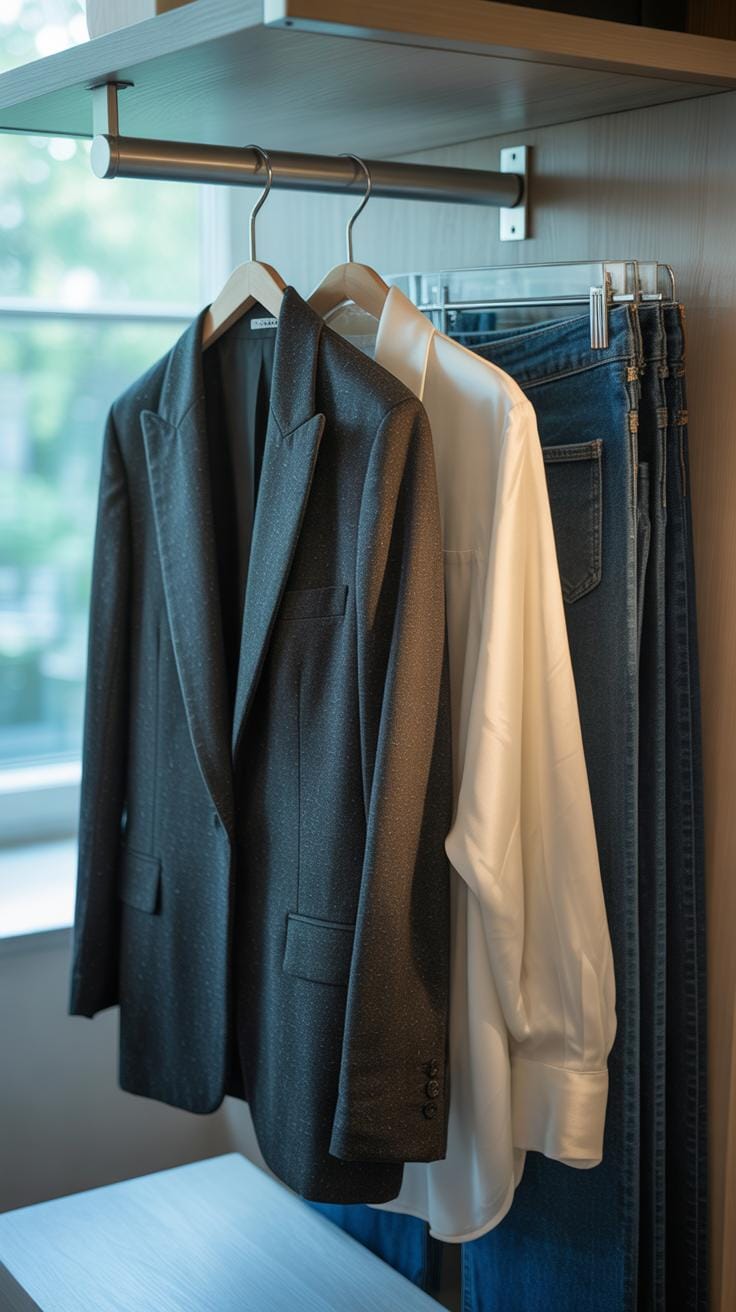
Shopping for a capsule wardrobe isn’t about grabbing every cute or trendy item you spot. It’s more careful than that. You want to pick pieces that will actually fit into what you already own and get worn often. That means leaning into quality—yes, it can feel like a stretch at first, but a well-made blouse or pair of trousers will outlast dozens of cheaper, fast-fashion ones. You might hesitate spending more upfront, but think about how often you’ll reach for that reliable garment instead of ignoring it in your closet.
One tricky part is knowing exactly what you need. I find it helps to make a short checklist before shopping. Look at your wardrobe honestly: are you missing versatile tops that work with many bottoms? Or do you lack layering pieces like cardigans or light jackets? Maybe you need a comfortable pair of shoes that go with everything. Writing down these gaps keeps you focused and stops you from wandering off into impulse buys later on.
Try questions like these to guide you: Does this item match at least three other pieces? Is it in a color I wear often? Can I dress it up or down? These simple checks save a surprising amount of regret. Remember, this isn’t about having a lot—it’s about having what fits your life and style. Quality over quantity is more than a phrase here; it’s almost a mantra. It changes how you shop, and over time, you’ll probably appreciate those choices more than the allure of a full closet.
Seasonal Capsule Wardrobe Updates
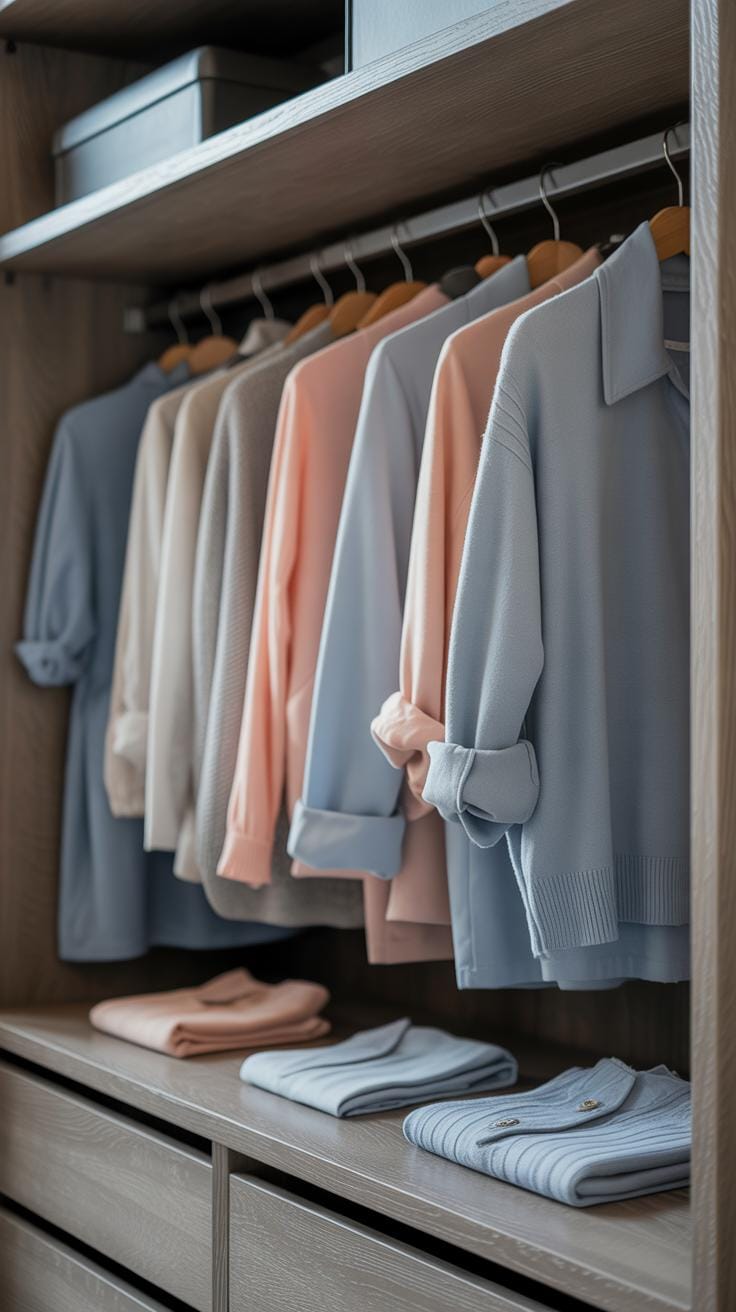
When the seasons change, your capsule wardrobe doesn’t need a complete overhaul. Core pieces like a great pair of jeans, a classic white shirt, or a neutral cardigan often remain reliable throughout the year. The trick lies in how you layer and adapt these essentials rather than replace them entirely. You might swap a lightweight blouse for a cozy knit, or trade sandals for ankle boots, and suddenly your capsule feels fresh without losing its foundation.
Adding seasonal favorites helps this transition feel natural. Think about including a few key items that only come out during certain months—a summer dress in airy fabric or a statement winter coat. These pieces add variety and meet your practical needs. But, try to stick with colors and styles that can harmonize with the staples you already have. A splash of seasonal fun without clutter.
Storing clothes you’re not using right now is part of the process many overlook. Off-season items can be tucked away neatly to keep your daily choices manageable. Use clear bins or breathable garment bags to protect delicate fabrics and stay organized. Some people swear by vacuum-sealed bags, but I’ve found they can sometimes wrinkle things more than they help. It’s a bit of trial and error figuring out what works best in your space. The goal is quick access and preventing damage—because when the cold finally sets in, you want to reach for your coat, not dig through chaos.
Common Capsule Wardrobe Mistakes

Buying Non-Coordinating Items
One mistake I see often is picking pieces that don’t quite fit the core colors or style you’ve chosen. It seems harmless at first—maybe you find a cute top or a trendy skirt—but if it doesn’t match your existing items, it creates unnecessary tension in your wardrobe. Suddenly, you have an item that feels out of place, and you hesitate every time you try to wear it.
Capsule wardrobes rely on mix-and-match ease. That’s the point, right? When you bring in something that clashes, you break that flow. You might find yourself reaching for that one ‘extra’ piece less and less because it just doesn’t work with your staples.
Try asking yourself: Does this piece fit the color scheme I’m working with? Does it vibe with the style I usually wear? If not, maybe it belongs somewhere else—not in your capsule.
Keeping Too Many Unused Clothes
Holding onto clothes that don’t fit or suit your style anymore is another common trap. I’ve been guilty of this—thinking I might wear that old dress again someday. But that ‘someday’ rarely comes. Instead, your closet becomes cluttered, and it’s harder to clearly see the pieces you actually love.
Unused clothes can make it harder to keep your capsule wardrobe practical and functional. They create distraction and can even confuse your sense of style as you try to squeeze in all those items.
Sort through your clothes regularly. Be honest: If you haven’t worn it in months, if it no longer reflects you or fits well, why keep it? Letting go clears space—both physically and mentally—for what truly works.
Example Capsule Wardrobe Outfits

Casual to Work Transformation
One of the best things about a capsule wardrobe is how easily you can shift your look from casual to work-ready without feeling like you’re wearing a completely different outfit. For instance, a simple white button-down shirt paired with slim jeans works perfectly for a casual daytime setting. But swap the jeans for tailored trousers and add a sleek blazer, and you’re suddenly ready for a meeting or a more formal office environment. It’s almost surprising how just a couple of changes can switch the vibe entirely.
Think about a lightweight knit top. During the day, pair it with loafers and a denim jacket for an easy-going look. In the evening, elevate it with a pencil skirt and heeled ankle boots. Small tweaks like switching shoes or adding a statement necklace can make a huge difference without requiring a full outfit change. You could even try rolling up sleeves or tucking in your top differently to add some flair. You may not expect that a few minutes in front of the mirror will do so much.
Weekend and Relaxed Looks
Weekends deserve outfits that feel comfortable but don’t look thrown together. Try pairing your favorite soft t-shirt with relaxed-fit jeans or chinos. A casual blazer or cardigan can add polish without making it feel stiff. I find layering here is key; a simple scarf or a hat can completely shift a relaxed look that otherwise might feel too basic.
Don’t underestimate the power of a well-chosen sneaker or slip-on shoe to keep things both practical and stylish when you’re running errands or meeting friends. A casual dress with a denim jacket offers the comfort you want, but still looks pulled-together. It’s about balancing ease with pieces that still show a bit of thought. Sometimes, less really is more—yet sometimes, a little extra detail in how you combine items might make you question if simple is always best.
Maintaining Your Capsule Wardrobe
Regular Wardrobe Reviews
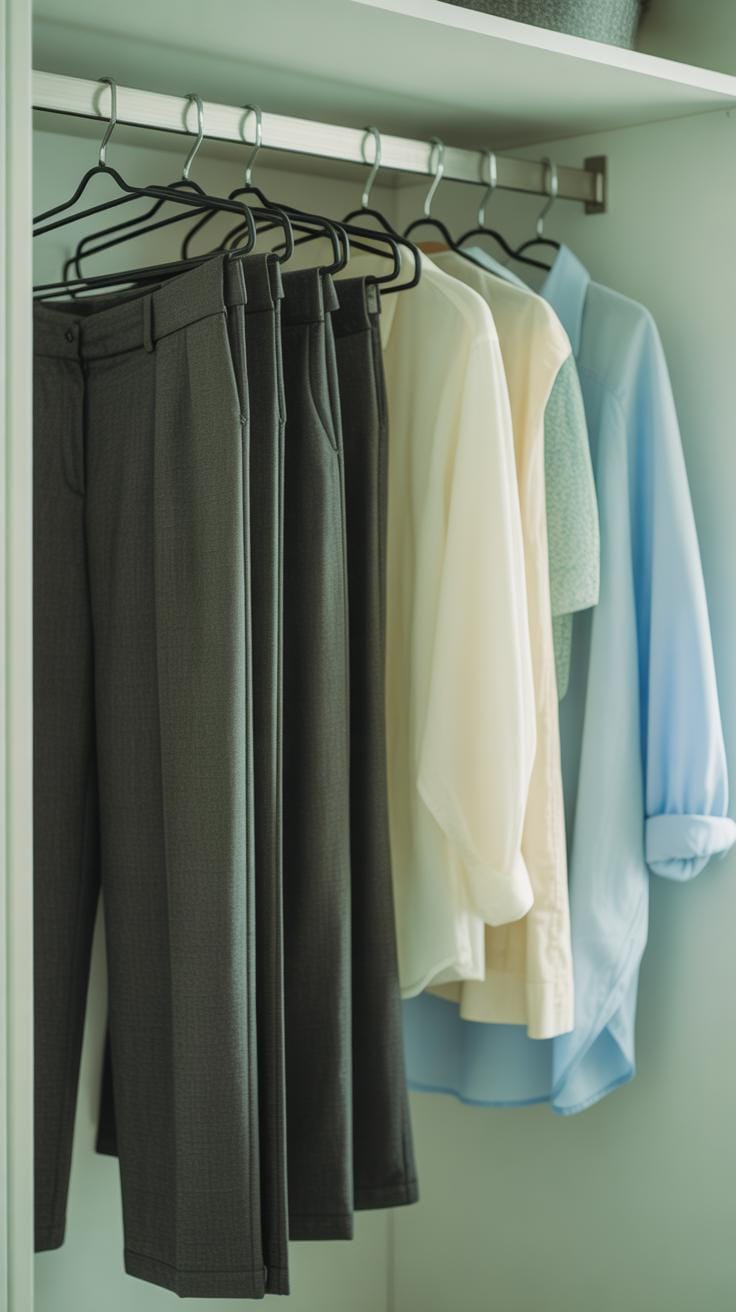
Checking in on your capsule wardrobe every few months can feel like a chore, but it really helps keep things fresh and practical. Try setting a reminder to review what you own—maybe at the turn of a season or after a big life event. The goal isn’t to overhaul everything but to notice pieces you never reach for or those starting to show wear.
Ask yourself questions like: Am I comfortable wearing this? Does it still fit my style or mood? Sometimes, I realize a top sits untouched because it doesn’t quite match anything else anymore, so it’s time to let it go. This kind of review helps you avoid a pile of forgotten clothes that contradicts the whole capsule concept.
When you spot holes or gaps, it’s easier to shop more purposefully. Give yourself space to pivot — your capsule should evolve rather than stagnate.
Adapting to Lifestyle Changes
Your daily needs don’t stay the same forever, right? Maybe you switched jobs, started working from home, or picked up a new hobby. Each shift nudges your wardrobe demands in subtle or big ways. That’s when updating your capsule becomes more than just checking for worn-out items; it’s about swapping pieces that no longer fit your routine.
Consider adding functional layers or comfortable staples if your days become more casual. Or, if your social calendar expands, blend in versatile dressier items without expanding the wardrobe too much.
It’s tricky sometimes—do you keep what ‘might’ fit a future habit or simply clear it out? I think leaning toward what you use now keeps the process simpler and your choices clearer. Remember, the wardrobe reflects your life, so it should flex with you, not hold you back.
Conclusions
Building a capsule wardrobe helps you reduce clothing clutter and simplifies your daily dressing routine. By selecting essential pieces that suit your daily needs, you can enjoy outfit variety with fewer items. This approach saves money and time while keeping you stylish.
Remember, a capsule wardrobe is flexible and personal. Adjust your collection as your lifestyle and preferences change. Start with key staples and expand thoughtfully to create a wardrobe you will actually wear every day with ease.