
Introduction
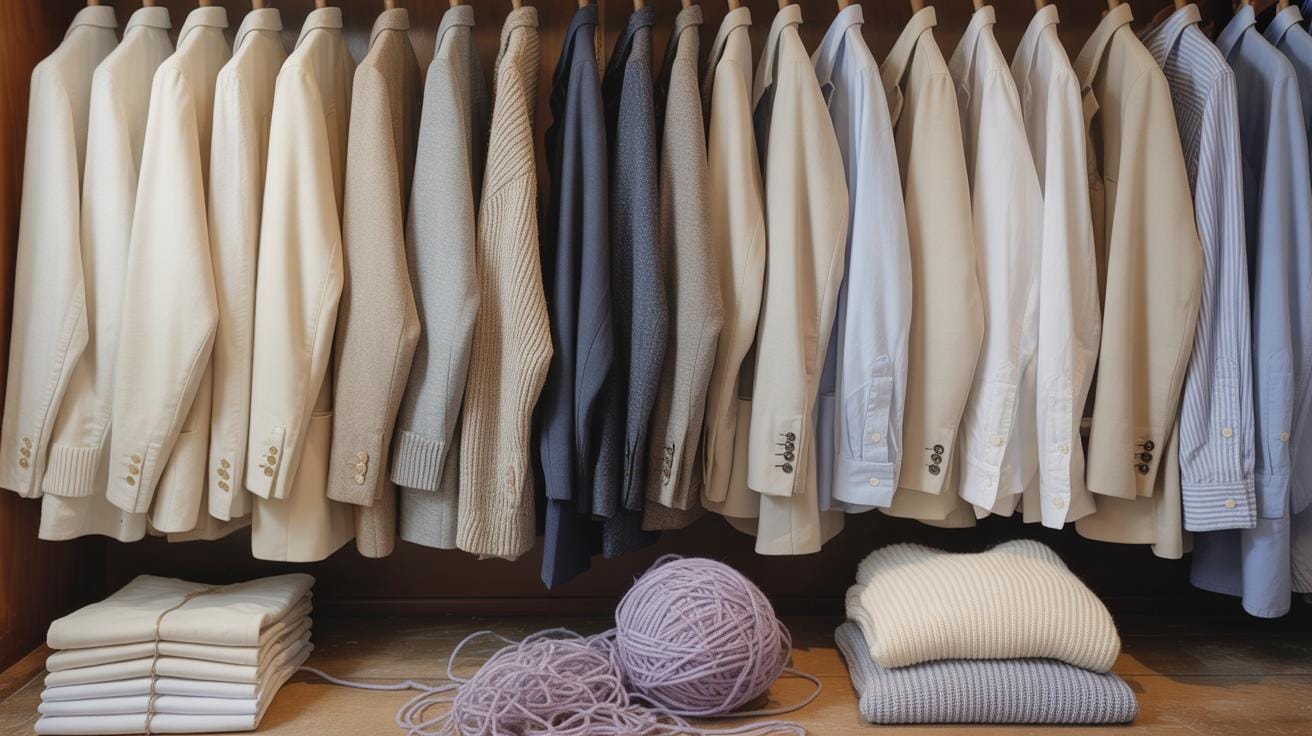
A capsule wardrobe is a small collection of clothes designed to be versatile and suitable for various occasions. The goal is to own fewer items but still create many outfit combinations. Many people adopt this strategy to simplify their closet and save time and money.
However, some mistakes can ruin your capsule wardrobe outfits strategy. These errors reduce your wardrobe’s effectiveness, causing frustration and extra expenses. This article covers the seven most common mistakes people make and how to fix them for a better capsule wardrobe experience.
Mistake 1 Buying Without a Plan
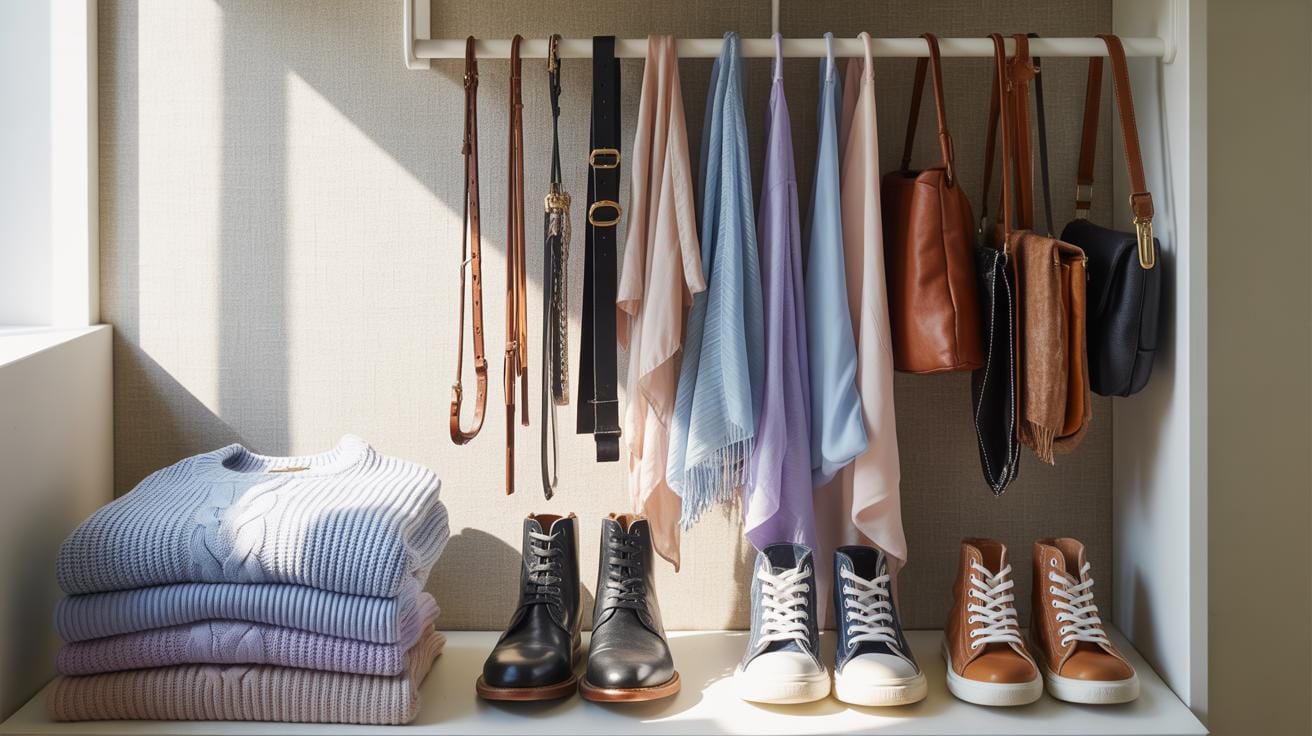
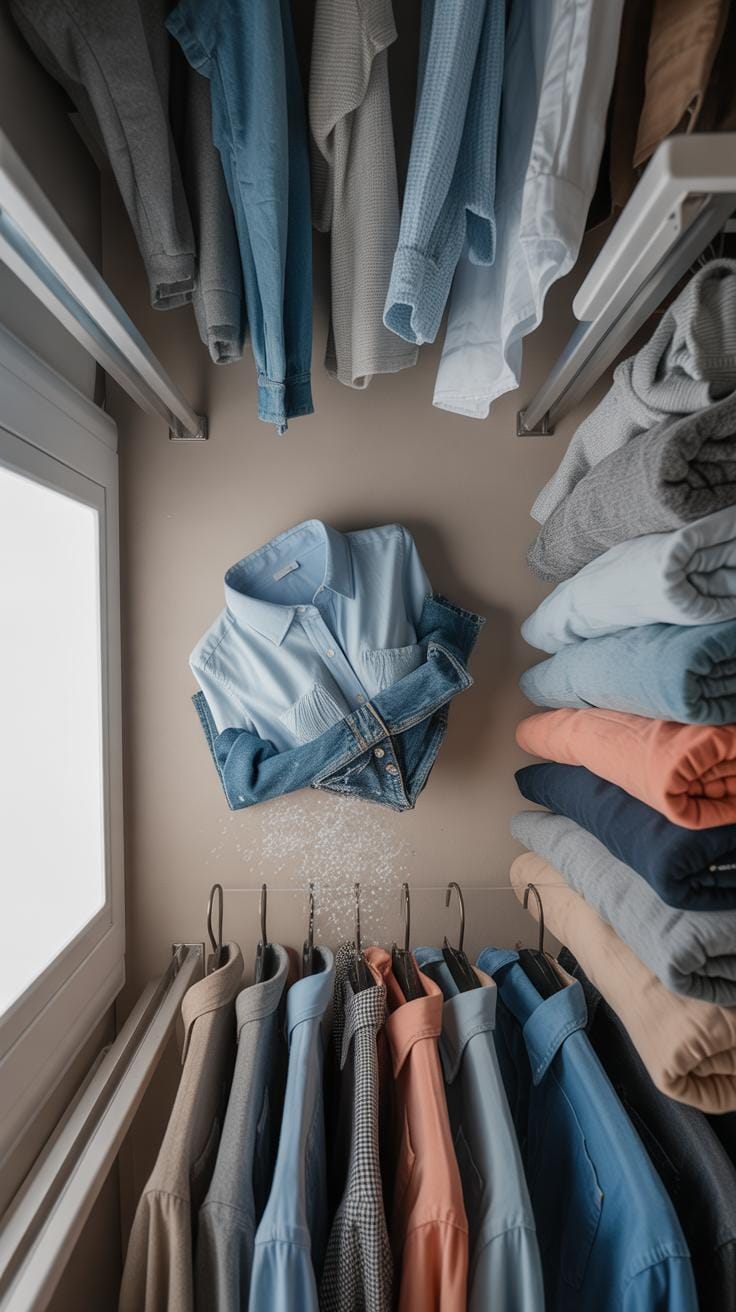
Buying clothes without a clear plan often leads to wasted money and overcrowded closets—exactly the problem a capsule wardrobe is supposed to solve. You might think that grabbing a cute top or trendy pants is harmless, but these impulsive buys can quickly add up, making it harder to mix and match and cluttering your limited space.
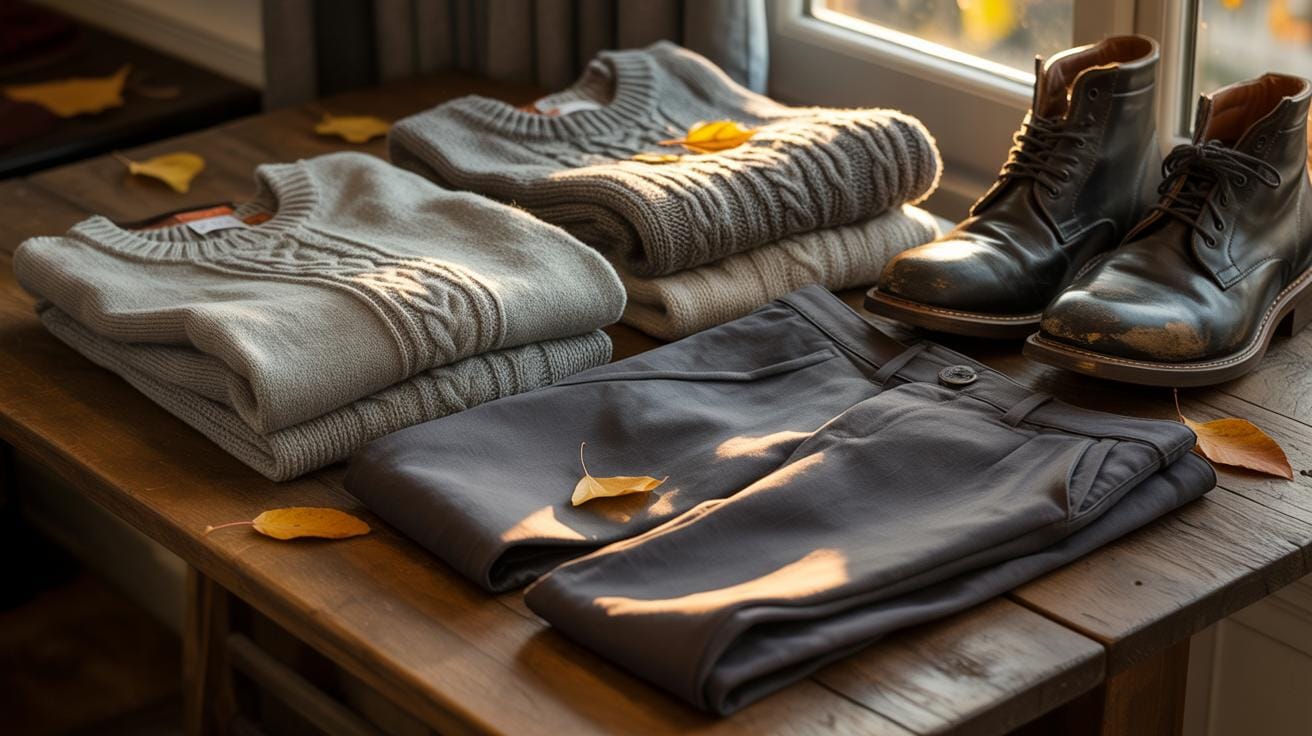
To avoid this, start by listing your daily clothing needs. Think about your routine—do you mostly work from home, attend formal meetings, or go out on weekends? Factor in the climate as well: do you need warm layers or lighter fabrics? Jot down your activities and weather patterns honestly. This will help you focus on what’s truly necessary and functional.
Next, take a hard look at your existing wardrobe. Sort through what you already own and ask yourself if those pieces can be reused or updated. Often, what feels “missing” is right under your nose, tucked away and forgotten. Avoid duplicates that serve the same purpose without adding versatility. Creating a detailed shopping plan this way keeps your purchases purposeful and your capsule wardrobe efficient.
Mistake 2 Ignoring Color Coordination

One of the biggest mistakes people make with capsule wardrobes is overlooking how colors work together. You might have a great jacket and perfect pants, but if their colors don’t harmonize, pulling together outfits becomes tricky. When your pieces clash, the entire look feels off, and you might end up wearing fewer combinations than you hoped.
Choosing a Cohesive Color Palette
Start by narrowing down to a small group of colors that blend well. For example, picking neutrals like beige, navy, and gray creates a versatile base. Then, add one or two accent colors that complement those neutrals—like a deep green or soft burgundy.
It’s tempting to grab items in every color you like, but that usually backfires. Stick to a palette of four or five colors max. That way, you can mix everything without second-guessing if the colors work together.
Avoiding Clashing Pieces
Ever try pairing bright orange with neon pink? Usually, those kinds of clashes don’t look intentional—they just feel mismatched. Or imagine combining stripes in bold red with polka dots in clashing blue. The eye struggles to settle.
To steer clear of this, test pieces side-by-side in natural light. If they seem to fight for attention, set one aside. Don’t ignore the subtle differences either—colors can be close but still clash. For instance, warm-toned browns and cool gray blues rarely blend well.
At the end of the day, your capsule wardrobe should make dressing easier, not create more confusion. Picking and sticking to a harmonious set of colors is key to unlocking that simplicity.
Mistake 3 Overlooking Fit and Comfort

When building your capsule wardrobe, fit and comfort aren’t just nice-to-haves—they’re essential. Clothes that don’t fit well tend to sit unused, even if you love the style. You might think a top looks good on the hanger, but once you try it on and feel restricted or awkward, wearing it becomes a chore. Over time, poor fit reduces how often you reach for those pieces, which defeats the whole purpose of having a capsule wardrobe that’s reliable and worn frequently.
Testing clothes for comfort means more than a quick look in the mirror. You should move around, sit, maybe even duck under something to see if the garment pinches or rides up. Does the fabric pull when you reach out? Are the sleeves too tight when you bend your arm? These questions matter. I’ve often bought tops that looked fine until I realized later I couldn’t raise my arms comfortably, which really limited how I could wear them day to day.
The right fit impacts both appearance and feel. Clothes that contour your body without squeezing tend to look sharper and give off a confident vibe. At the same time, they feel natural—not something you’re trying to “work through” all day. That subtle difference can change your entire approach to dressing. So, ask yourself: is this piece made to move with me, or am I working against it? It’s okay to hesitate here because sometimes you think something fits fine until you live in it for a few hours. Trusting your gut on comfort means your capsule will stay relevant and enjoyable.
Mistake 4 Neglecting Seasonal Adjustments
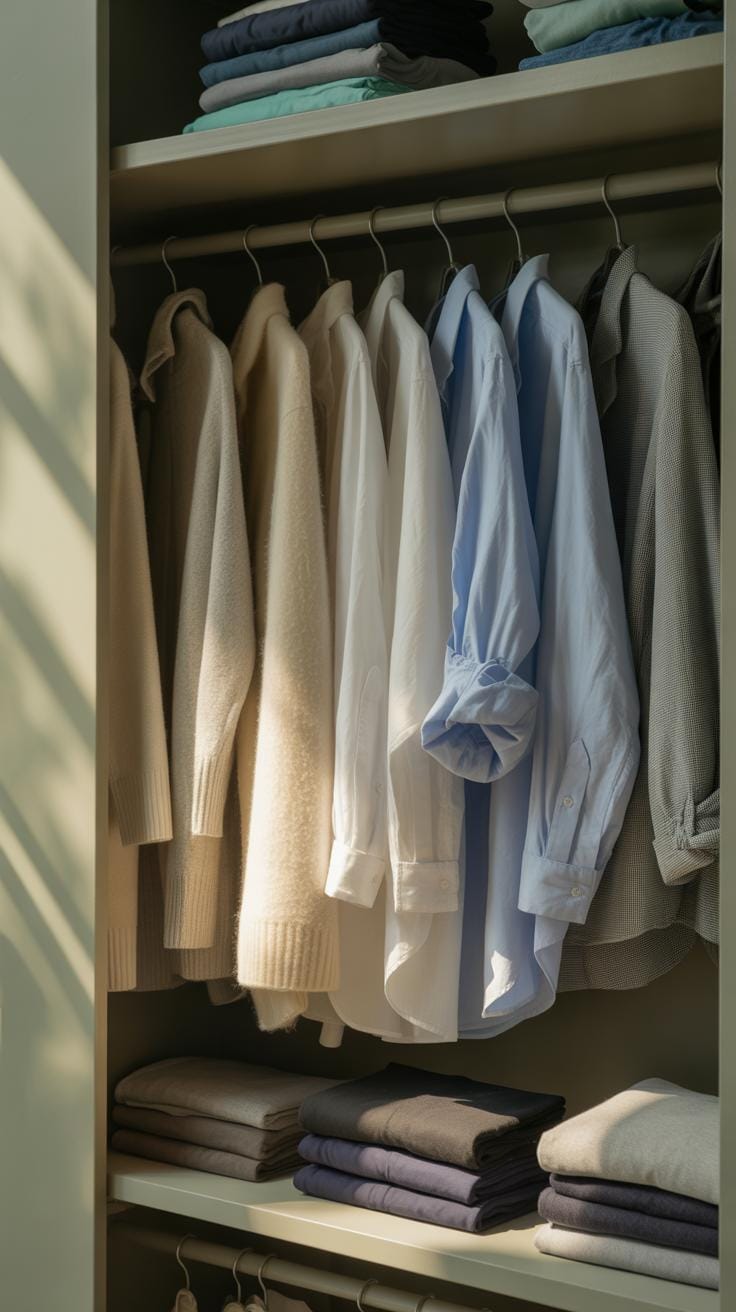
One common pitfall in capsule wardrobes is treating them as static year-round collections. But your wardrobe shouldn’t stay the same when the weather shifts or your activities change. A practical capsule wardrobe adapts with the seasons — it’s not just about throwing a few coats on top. Without seasonal tweaks, your outfit choices become repetitive or uncomfortable.
Rotating pieces seasonally can refresh your looks while keeping your overall collection small. Try moving heavier sweaters, boots, or scarves into storage as spring arrives. Bring forward lighter fabrics, short sleeves, or breathable shoes. You might realize some pieces don’t fit well into multiple seasons and can be set aside for a while.
Creating Seasonal Capsule Layers
Layering becomes your best friend when the temperature fluctuates. For example, in fall or spring, a good base is a lightweight shirt or tee, topped with a cardigan or jacket. Essential layering items include:
- A fitted long-sleeve tee or turtleneck for cooler days
- Mid-weight sweaters that work indoors and outdoors
- A weather-appropriate coat — think waterproof for rainy seasons
- Versatile scarves that add warmth and style
In summer, lightweight fabrics like linen or cotton can be layered sparingly, maybe just with a loose shirt or kimono. Winter demands more substantial layers — thermal tops, thick knit sweaters, and insulated outerwear. But layering doesn’t have to mean bulky; it’s about mixing textures and weights to stay comfortable without sacrificing style.
Storing Off-Season Clothes
Off-season clothing doesn’t have to clutter your closet or overwhelm your space. Storing these pieces neatly makes switching seasons easier and keeps your wardrobe manageable. Consider:
- Using vacuum-sealed bags to save space and protect fabrics
- Choosing opaque storage bins to keep clothes dust-free and out of sunlight
- Labeling boxes clearly to avoid digging when you need something
- Folding sweaters and knits carefully to prevent stretching or creasing
Some people find it hard to commit to putting things away, worried they’ll miss an unexpected cold snap. But realistically, cycling through makes your wardrobe feel fresher and your outfit choices more intentional. Have you noticed how refreshing it is when you only see the season’s essentials every day?
Mistake 5 Disregarding Occasion Variety
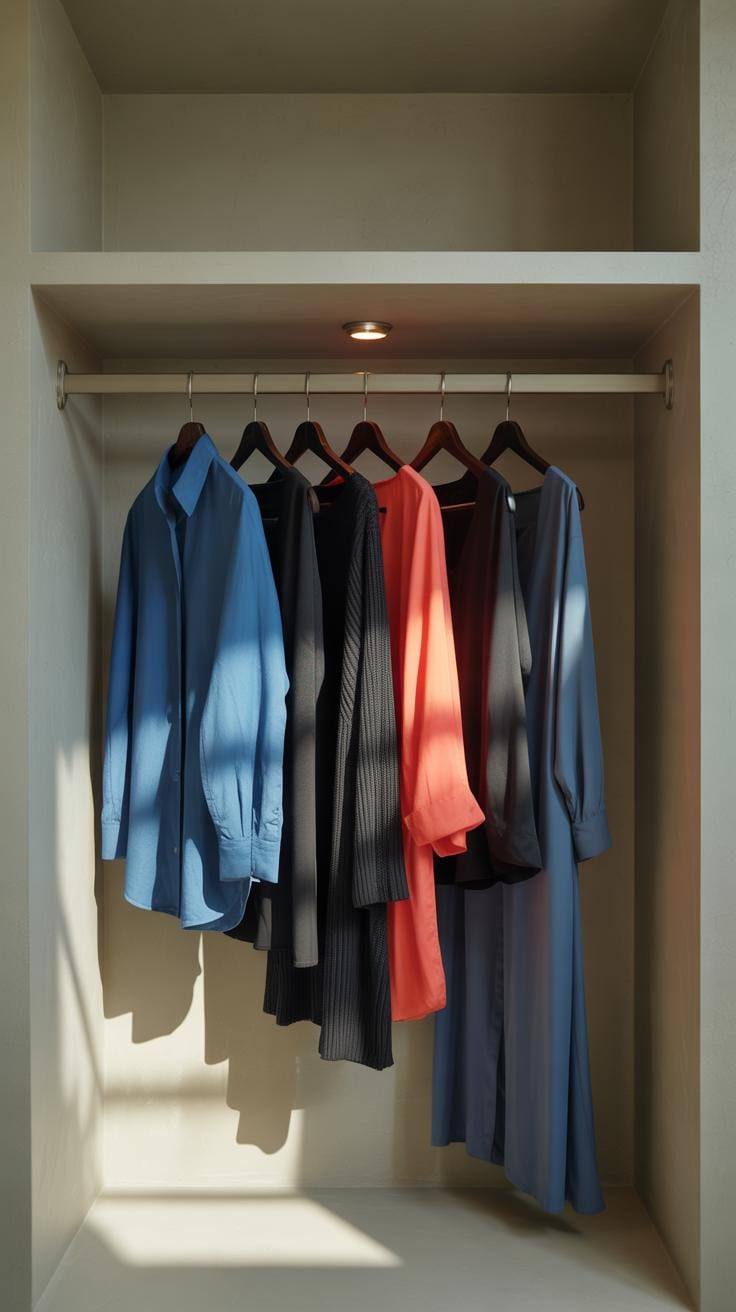
One of the biggest challenges with capsule wardrobes is thinking you only need a handful of clothes for every occasion. But life doesn’t work that way, really. Your wardrobe has to cover different settings—work, casual days, maybe some formal events thrown in. Ignoring this leads to frustration when you stare at your closet and realize you have plenty of basics but nothing that fits what you actually need to wear.
Balancing Work and Casual Wear
When picking pieces, try to lean toward garments that cross boundaries. Think smart-casual trousers that could work with a blazer for meetings but also a comfy knit for weekends. A well-cut blouse or a sleek jacket can change the vibe instantly.
Here’s what I usually keep in mind:
- Neutral colors that fit both professional and casual moods.
- Simple, clean lines rather than trendy cuts that scream “office only” or “weekend only.”
- Layer-able tops to switch between formal and relaxed looks.
Some days you might want to look ‘business casual,’ others just laid-back but still put-together. Versatility here isn’t just about saving space—it’s about feeling ready for whatever the day brings.
Adding Formal Options
Most capsule wardrobes neglect formalwear entirely, which can leave you scrambling when a formal dinner or unexpected event pops up. But formal pieces don’t need to multiply like rabbits. A well-chosen dress or a tailored blazer can serve multiple occasions.
For example:
- A classic black dress that can be dressed down with flats or dressed up with jewelry.
- A sharp blazer that works both for work presentations and evening drinks.
- Simple, dark trousers that pair well with casual tops or a crisp shirt.
It’s tempting to skip formal clothes to keep things simple, but having these few options means you won’t have last-minute frenzies or feel out of place. The key is picking pieces that don’t overwhelm your wardrobe but still cover the unexpected.
Mistake 6 Ignoring Fabric Quality
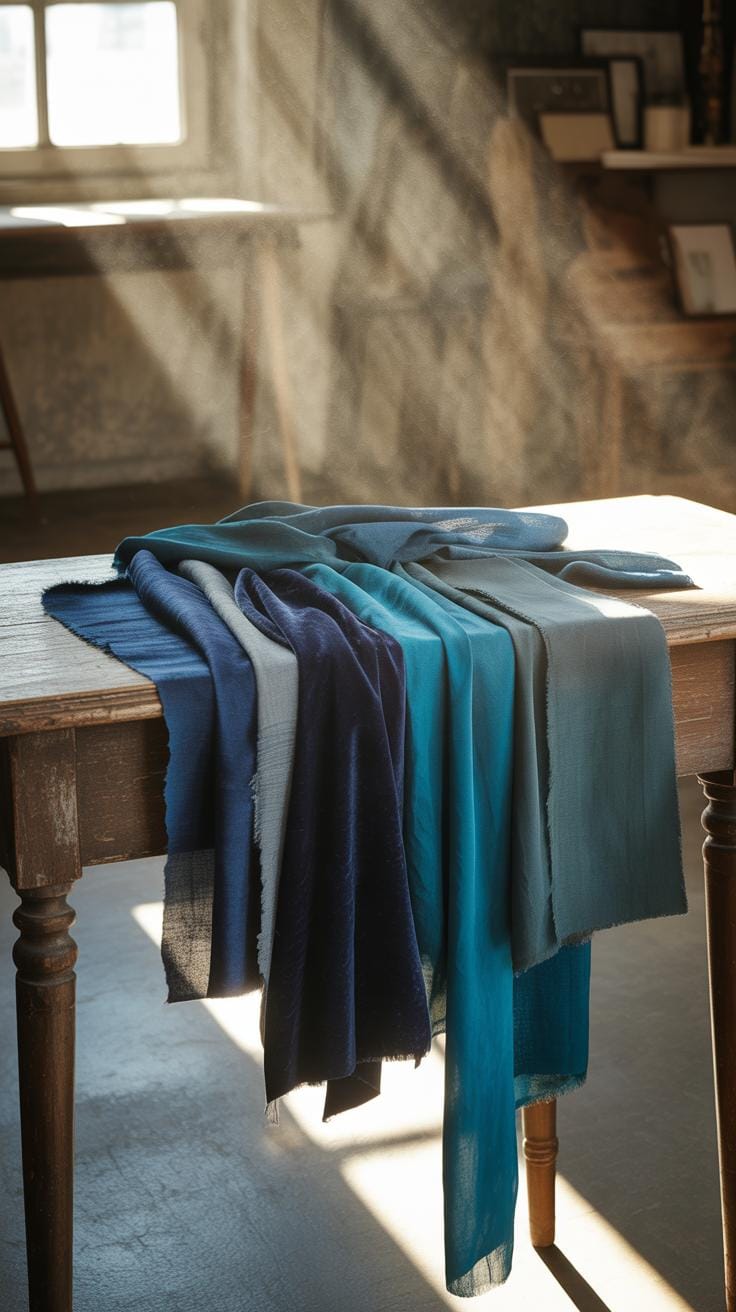
When building a capsule wardrobe, fabric quality often gets overlooked. You might think a nice cut or color is enough, but the truth is, the fabric makes a huge difference. Cheap materials wear out quickly—fading, pilling, losing shape—and that ruins your outfits faster than you’d expect. It’s frustrating to have a favorite piece lose its appeal after just a few washes, right?
So, what should you look for? Natural fibers like cotton, linen, wool, and silk generally last longer and age better than synthetic ones. But even within these categories, quality varies. For instance, a tightly woven cotton will hold up better than a loosely knit one. Feel the fabric if you can—does it feel substantial or flimsy? Does it wrinkle easily? Sometimes, you have to trust your gut here.
Choosing durable fabrics means your clothes will keep their shape and color across many wears. It might seem like a bigger upfront cost, but if you think about how often you replace poorly made garments, investing a bit more can actually save money over time. Plus, better fabric often means comfort, which you can’t really put a price on when it comes to daily wear.
Don’t be afraid to weigh cost against quality. Not every splurge is worth it, but sometimes spending more means fewer headaches later. Have you ever bought a cheap sweater that lost its softness after a wash? It’s those experiences that can help guide you toward fabrics that truly last.
Mistake 7 Forgetting Accessories Impact
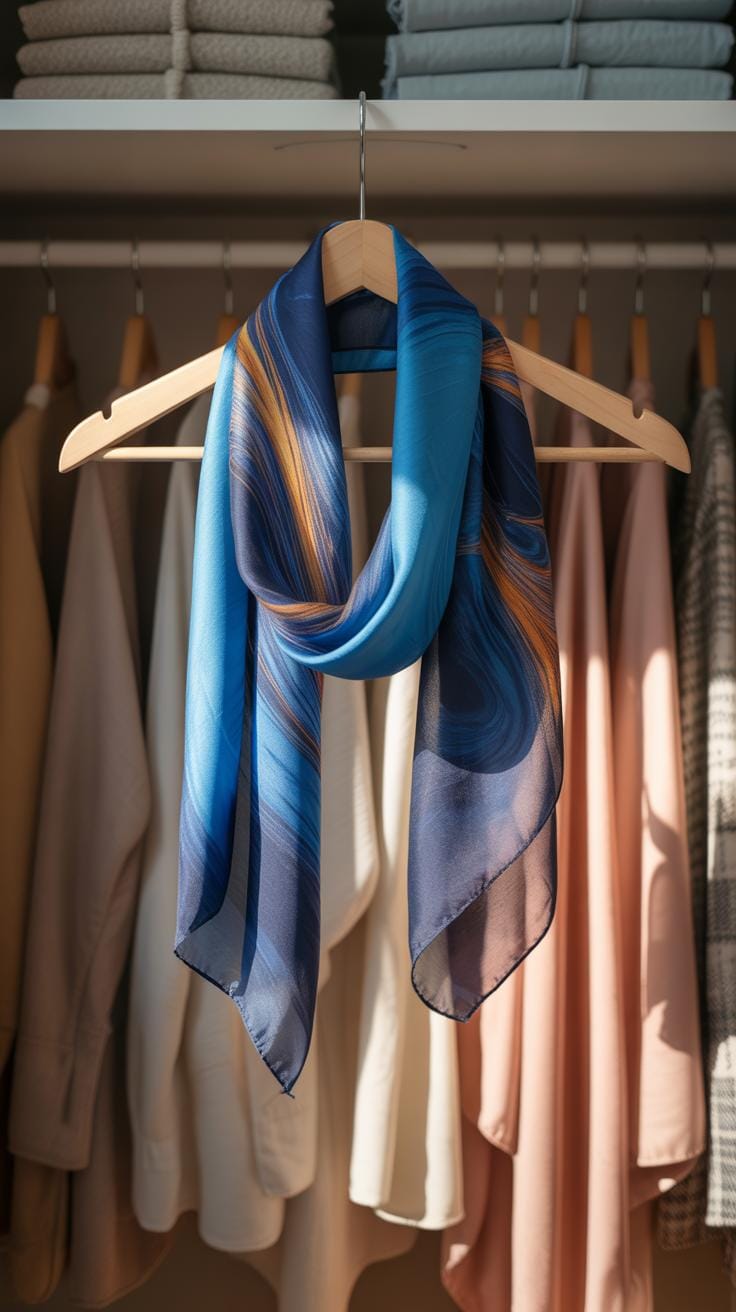
Accessories often get overlooked in a capsule wardrobe plan, which is a missed chance. They give you the power to change an outfit’s vibe without piling on more clothes. Think of a simple black dress paired with a bold belt or a colorful scarf. Suddenly, it doesn’t feel so basic anymore. Accessories let you play around with your style without guilt or clutter.
Selecting Functional Accessories
Choosing accessories for a capsule wardrobe means picking items that pull double duty. A few versatile pieces go a long way:
- A belt that works with dresses and pants.
- A scarf that can be worn around the neck or as a headband.
- Simple jewelry like studs or a delicate chain that matches everything.
It’s tempting to grab trendy or flashy things, but often those don’t last or mix well. Focus on classics that can quietly elevate multiple outfits.
Mixing Accessories for New Looks
One scarf on Monday, layered with a necklace on Wednesday – suddenly, your outfit feels fresh again. Accessories change how clothes read without needing many new pieces. That’s the beauty of them: small tweaks that make big differences. But it’s not just about having them; it’s about using them thoughtfully. So, when was the last time you tried to reinvent your look just by switching accessories? Maybe it’s worth a try before adding more clothes to your wardrobe.
Comparing Minimalism and Capsule Wardrobes
Key Differences Explained
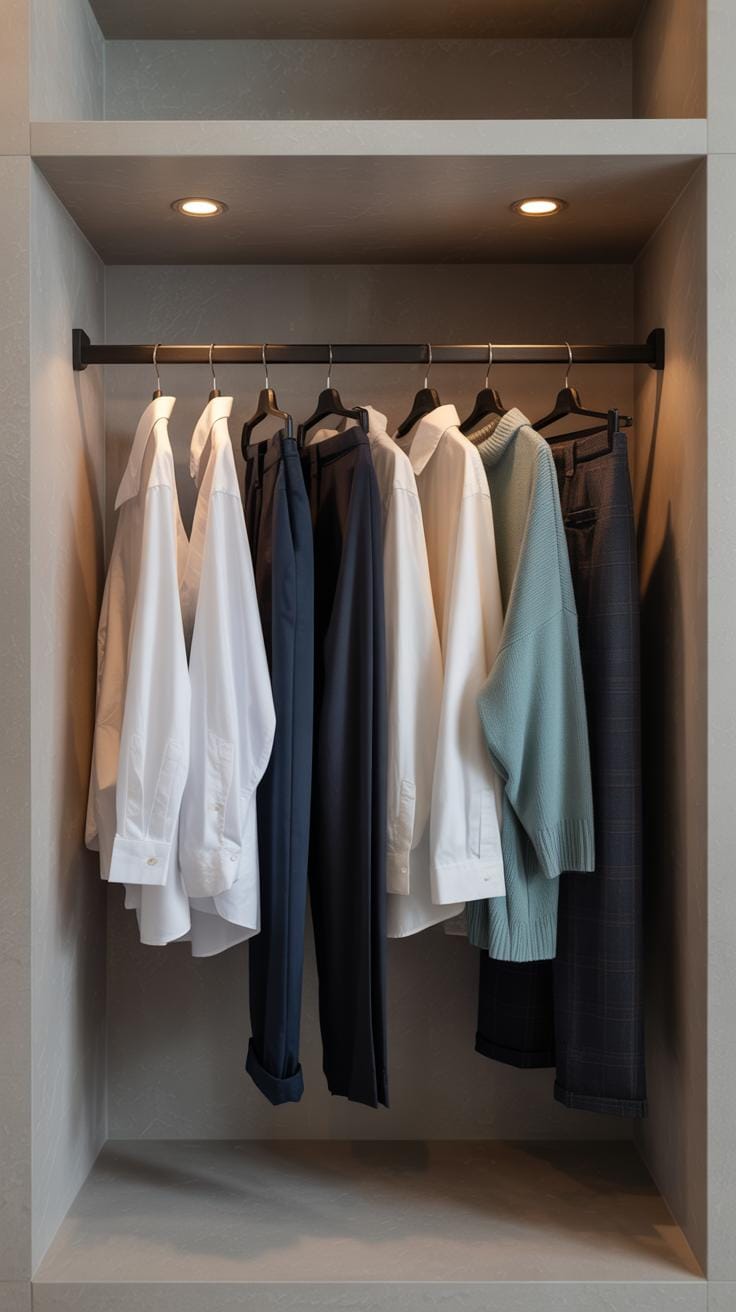
Minimalist wardrobes often aim for extreme simplicity—think very few pieces, usually in neutral tones, focusing on pure functionality. Capsule wardrobes, on the other hand, allow a bit more room for variety and personality, generally containing a fixed number of items selected thoughtfully to mix and match well.
You might find minimalist wardrobes have fewer than 20 items, sometimes even less, while capsule wardrobes tend to have around 30 to 40 pieces. It’s about balance; capsules let you rotate seasonally and play with trends sparingly, whereas minimalism sticks closer to timeless basics.
Flexibility also sets them apart. Capsule wardrobes adapt over months to suit lifestyle needs, but minimalism often stays quite rigid. The purpose differs too: minimalism strives for decluttering life broadly, while capsules focus mainly on creating outfits that work well together.
Choosing What Fits You Best
Deciding between minimalist and capsule wardrobes depends on your daily demands and personal taste. If simplicity calms you and you rarely change your style, minimalism might be the way. But if you like some variety without chaos, capsules give freedom within limits.
Think about your routines—do you attend events requiring diverse looks, or is comfort your priority? Also, consider how much time and effort you want to spend choosing outfits. Minimalism can be almost automatic; capsules still need occasional planning.
Honestly, some people blend the two—they keep a small wardrobe but swap pieces seasonally, combining benefits from both. So maybe the question isn’t “which is better?” but “which fits your life more naturally?”
Setting Up Your First Capsule Wardrobe
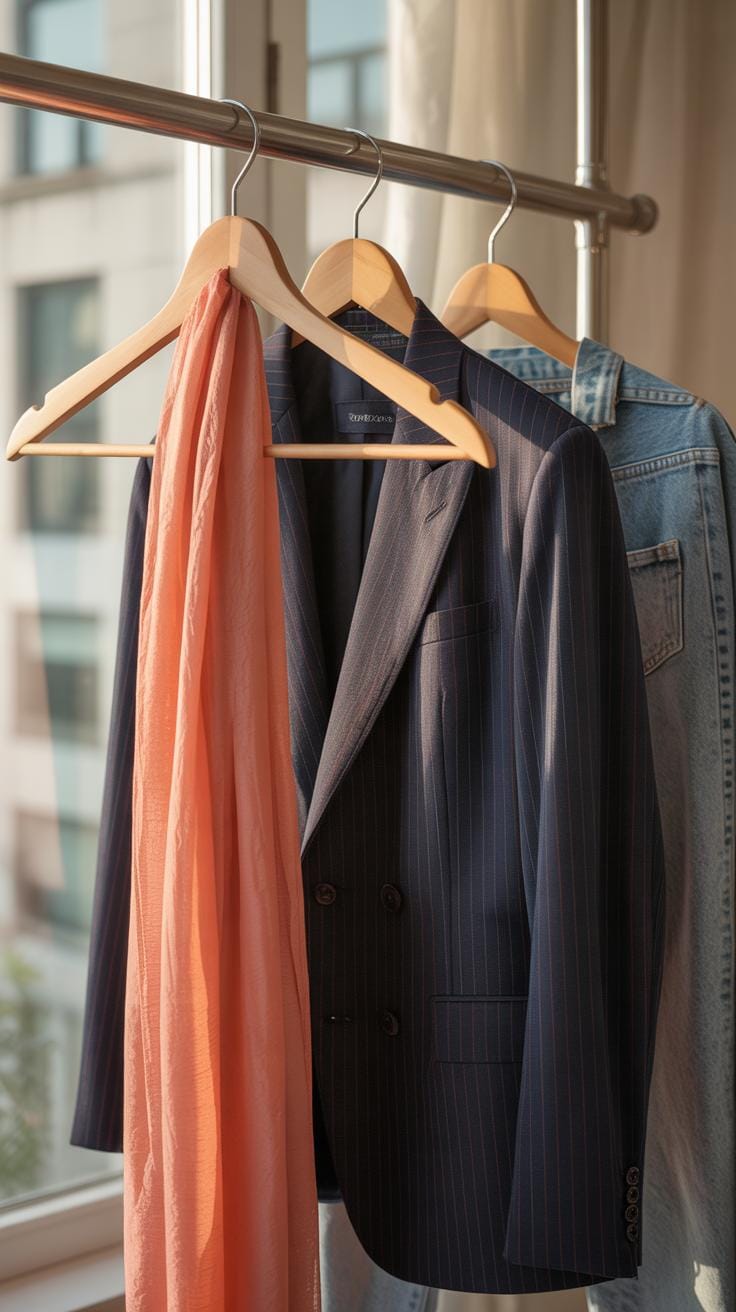
Starting your capsule wardrobe means taking a good, honest look at what’s already in your closet. Begin by pulling everything out. Yes, everything. Lay it all out and look at each piece individually. Ask yourself if it fits your style, if you wear it often enough, and whether it still feels right. You might be surprised how many things linger that you haven’t touched in months, maybe years.
Once you’ve done that, separate items into three piles: keep, maybe, and remove. Be realistic here—it’s easy to hold on to “just in case” items. If you hesitate too much, try a simple question: “Did I wear this in the last six months?” If not, it probably doesn’t belong in your capsule.
After decluttering, note what’s missing. Are you short on versatile jackets? Do you lack a pair of neutral pants that can go with multiple tops? Make a list of these gaps before shopping. This prevents random impulse buys that don’t truly fit into your wardrobe plan.
Your shopping list should focus on flexibility and simplicity. Target quality basics that mix well together. Think plain tees, a well-cut blazer, or a timeless pair of shoes. Keep in mind your lifestyle—if you rarely wear formal clothes, now’s not the time to buy five new dress shirts.
You don’t have to fill all gaps at once. Buying with intention over time often works better than trying to complete everything in a single trip. What’s one piece you feel your wardrobe really needs right now? Start there and see how your wardrobe shifts with that addition.
Maintaining Your Capsule Wardrobe
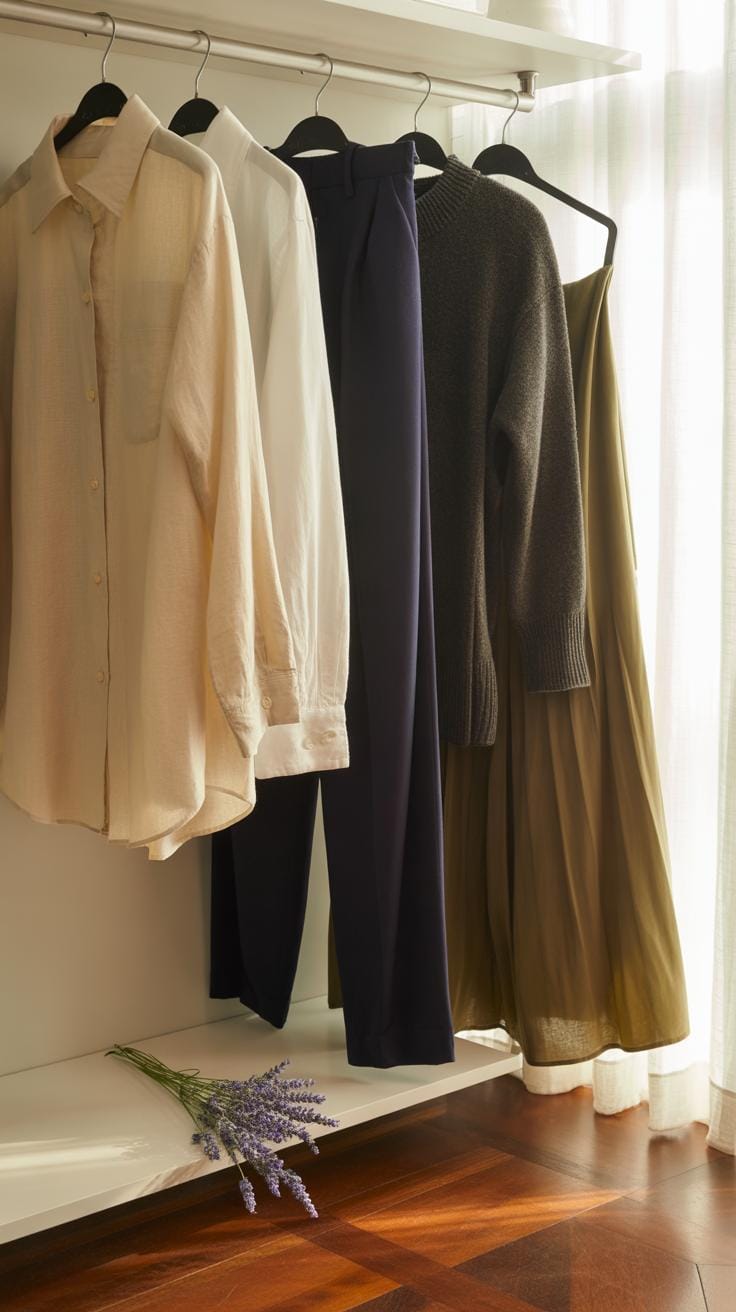
Keeping a capsule wardrobe working well means more than just choosing the right pieces once. It needs some steady attention over time. You want your collection to stay useful and fresh, not stale or overflowing.
A simple habit is to set regular review sessions. Maybe every few months—or at least every season—go through your wardrobe. Ask yourself: which items have you worn recently? Are there pieces that feel forced or no longer fit your style or life? Listening to those signals helps you avoid clutter creeping back in.
Replacing worn-out clothes isn’t always straightforward. When a shirt or pair of shoes starts to show serious wear, figure out if you really need to replace it with the exact same thing or if it’s time to rethink that category. Sticking to capsule principles means prioritizing quality and versatility, but sometimes it’s tempting to just grab the quickest replacement. Resist that urge if you can.
Think about how each new purchase will mix with what you already have. Does it fill a gap? Or is it just a spontaneous buy? These little checks keep your wardrobe tight and functioning. Believe me, it’s tempting to slow down, but a bit of discipline pays off.
Conclusions
Your capsule wardrobe can work well if you avoid these common mistakes. Focus on choosing versatile pieces that suit your lifestyle and colors that match well. Plan your wardrobe around your needs and make sure everything fits properly.
By addressing these issues, your capsule wardrobe will save you time and money while keeping your style simple and functional. Keep your collection flexible and updated to enjoy the full benefits of this approach to dressing.